


Unlocking Efficiency: The Power of Converged IT Infrastructure
The Power of Converged IT Infrastructure
In today’s fast-paced digital world, businesses are constantly seeking ways to streamline their IT operations and enhance efficiency. One solution that has gained significant traction is converged IT infrastructure.
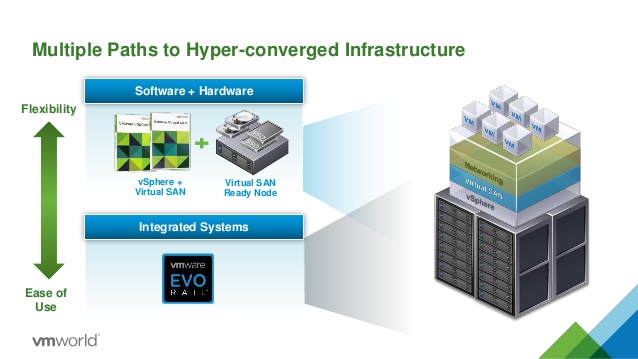
Converged IT infrastructure combines computing, storage, networking, and virtualization resources into a single, integrated system. This approach eliminates the need for separate silos of hardware and software, allowing for easier management and scalability.
Benefits of Converged IT Infrastructure
Simplified Management: With converged infrastructure, IT teams can manage all components from a single interface. This centralized management simplifies tasks such as provisioning, monitoring, and troubleshooting.
Cost Savings: By consolidating hardware and software resources into a unified system, businesses can reduce operational costs associated with maintenance, power consumption, and cooling.
Improved Scalability: Converged infrastructure is designed to be easily scalable. Businesses can quickly add or remove resources based on their evolving needs without the complexity of managing disparate systems.
Enhanced Performance: The integrated nature of converged infrastructure optimizes resource utilization and enhances performance across the entire IT environment. This results in faster processing speeds and improved application responsiveness.
Implementing Converged IT Infrastructure
When implementing converged IT infrastructure, businesses should consider factors such as their current IT environment, scalability requirements, security needs, and budget constraints. It is essential to work with experienced professionals to design and deploy a solution that aligns with the organization’s goals.
By embracing converged IT infrastructure, businesses can transform their operations by increasing agility, reducing complexity, and driving innovation. In an era where digital transformation is key to success, converged infrastructure offers a powerful foundation for future growth.
9 Key Benefits of Converged IT Infrastructure: Simplified Management, Cost Savings, and Enhanced Agility
- Simplified management through centralized interface
- Cost savings by reducing operational expenses
- Improved scalability for easy resource adjustments
- Enhanced performance with optimized resource utilization
- Faster deployment of new services and applications
- Streamlined IT operations for increased efficiency
- Reduced complexity in managing hardware and software
- Better integration of computing, storage, and networking resources
- Increased agility to adapt to changing business needs
7 Drawbacks of Converged IT Infrastructure: Costs, Complexity, and More
- Initial Cost
- Vendor Lock-In
- Complexity
- Scalability Limitations
- Single Point of Failure
- Upgrades and Compatibility
- Resource Utilization
Simplified management through centralized interface
One significant advantage of converged IT infrastructure is the simplified management it offers through a centralized interface. By consolidating computing, storage, networking, and virtualization resources into a single integrated system, IT teams can efficiently manage all components from a unified platform. This centralized approach streamlines tasks such as provisioning, monitoring, and troubleshooting, enabling IT professionals to oversee the entire infrastructure more effectively and with greater ease. The convenience of having a single interface for managing multiple aspects of the IT environment enhances operational efficiency and allows for quicker decision-making and problem resolution.
Cost savings by reducing operational expenses
One significant advantage of converged IT infrastructure is the cost savings it brings by reducing operational expenses. By consolidating hardware and software resources into a unified system, businesses can lower costs associated with maintenance, power consumption, and cooling. This streamlined approach not only leads to immediate cost reductions but also simplifies budgeting and forecasting for IT expenditures. Overall, the ability to minimize operational expenses through converged IT infrastructure allows organizations to allocate resources more efficiently and invest in strategic initiatives that drive growth and innovation.
Improved scalability for easy resource adjustments
Improved scalability is a key advantage of converged IT infrastructure, enabling businesses to easily adjust resources based on their evolving needs. With the ability to quickly add or remove computing, storage, and networking resources from a centralized system, organizations can efficiently scale their IT environment without the complexities associated with managing separate components. This flexibility not only enhances operational efficiency but also allows businesses to adapt to changing demands and optimize resource utilization effectively.
Enhanced performance with optimized resource utilization
Enhanced performance with optimized resource utilization is a significant advantage of converged IT infrastructure. By efficiently allocating computing, storage, and networking resources within a unified system, businesses can experience faster processing speeds and improved application responsiveness. This streamlined approach ensures that resources are utilized to their fullest potential, resulting in enhanced overall performance across the IT environment. The optimized resource utilization not only boosts efficiency but also allows organizations to meet the increasing demands of modern digital operations effectively.
Faster deployment of new services and applications
Converged IT infrastructure enables faster deployment of new services and applications by providing a unified platform that streamlines the process. With all essential resources integrated into a single system, IT teams can quickly provision and configure new services without the complexity of managing separate components. This efficiency not only accelerates the time-to-market for innovative solutions but also enhances overall agility, allowing businesses to adapt swiftly to changing market demands and stay ahead of the competition.
Streamlined IT operations for increased efficiency
Converged IT infrastructure offers the significant advantage of streamlining IT operations to enhance efficiency within organizations. By consolidating computing, storage, networking, and virtualization resources into a unified system, businesses can simplify management tasks and reduce operational complexities. This streamlined approach allows IT teams to allocate resources more effectively, optimize performance, and respond quickly to changing business needs. Ultimately, the increased efficiency gained from converged IT infrastructure empowers organizations to focus on innovation and strategic initiatives while maintaining a robust and agile IT environment.
Reduced complexity in managing hardware and software
One of the key advantages of converged IT infrastructure is the reduced complexity in managing hardware and software. By consolidating computing, storage, networking, and virtualization resources into a unified system, IT teams can streamline their operations and simplify management tasks. This integrated approach eliminates the need to deal with multiple silos of hardware and software, allowing for more efficient provisioning, monitoring, and troubleshooting processes. Ultimately, the reduction in complexity leads to increased productivity and cost savings for businesses leveraging converged IT infrastructure.
Better integration of computing, storage, and networking resources
Better integration of computing, storage, and networking resources is a key advantage of converged IT infrastructure. By combining these essential components into a unified system, businesses can achieve seamless communication and collaboration between different layers of their IT environment. This integrated approach enhances efficiency, reduces complexity, and improves overall performance by ensuring that computing, storage, and networking resources work together harmoniously to support the organization’s goals and operations.
Increased agility to adapt to changing business needs
Converged IT infrastructure provides businesses with increased agility to adapt to changing business needs swiftly and effectively. By consolidating computing, storage, networking, and virtualization resources into a unified system, organizations can quickly reallocate resources and scale up or down based on evolving requirements. This agility allows businesses to respond promptly to market shifts, technological advancements, or unforeseen challenges, ensuring that their IT environment remains flexible and responsive to changing demands.
Initial Cost
Converged IT infrastructure solutions, despite their numerous benefits, come with a significant drawback in the form of initial costs. Businesses considering the adoption of converged IT infrastructure must be prepared for substantial upfront expenses, encompassing hardware, software, and implementation costs. This financial investment can pose a challenge for organizations with budget constraints or those looking for immediate cost savings. Careful consideration and financial planning are essential to ensure that the long-term benefits of converged IT infrastructure outweigh the initial financial burden.
Vendor Lock-In
Adopting converged IT infrastructure may present the challenge of vendor lock-in, where businesses are constrained in their ability to select different vendors for specific components. This limitation can restrict flexibility and hinder the organization’s freedom to choose the best solutions tailored to their unique needs. Vendor lock-in can potentially result in dependency on a single vendor, making it challenging to switch providers or negotiate favorable terms in the future. Businesses considering converged infrastructure should carefully evaluate the implications of vendor lock-in and weigh this con against the benefits of streamlined management and integrated systems.
Complexity
Managing a converged IT environment can present a significant challenge due to its inherent complexity. IT teams may struggle with the specialized skills and training required to effectively oversee integrated systems. The learning curve associated with converged infrastructure can be steep, particularly for those unfamiliar with this approach. The need for additional training and expertise adds a layer of complexity that organizations must address when considering the adoption of converged IT infrastructure.
Scalability Limitations
Scalability Limitations can be a significant drawback of converged IT infrastructure. While these solutions are intended to be scalable, businesses may encounter constraints when trying to expand or customize the system to meet their specific needs. In some cases, the predefined configurations of converged infrastructure may not align perfectly with the organization’s unique requirements, limiting flexibility and hindering seamless growth. It is crucial for businesses to carefully assess the scalability limitations of a converged IT solution before implementation to ensure that it can effectively support their future growth and evolving demands.
Single Point of Failure
One significant drawback of converged IT infrastructure is the risk of a single point of failure. Due to the integration of all components into a unified system, a malfunction or breakdown in one part of the infrastructure can have far-reaching consequences, potentially affecting the entire environment. This vulnerability highlights the importance of implementing robust backup and disaster recovery plans to mitigate the impact of such failures and ensure business continuity in the face of unforeseen events.
Upgrades and Compatibility
When considering converged IT infrastructure, one significant challenge to be aware of is the issue of upgrades and compatibility. Upgrading individual components within a converged system or ensuring compatibility with new technologies can be complex and may pose difficulties. As technology evolves rapidly, ensuring that all components work seamlessly together and can support future upgrades becomes a critical concern for businesses adopting converged infrastructure. This challenge highlights the importance of thorough planning and careful consideration of compatibility issues to avoid potential disruptions in operations.
Resource Utilization
In the realm of converged IT infrastructure, a notable drawback lies in the aspect of resource utilization. At times, specific resources within a converged setup may face underutilization if they are not allocated or managed effectively. This inefficiency can lead to wasted capacity and potential performance bottlenecks, undermining the overall efficiency gains that converged infrastructure aims to deliver. It is crucial for organizations to carefully monitor and optimize resource allocation to ensure that all components operate at their full potential and contribute to the system’s optimal performance.