
cfchris.com

Loading

Category full stack developer

java full stack development

Mastering Java Full Stack Development: A Comprehensive Guide

Article: Java Full Stack Development

The World of Java Full Stack Development

Java Full Stack Development is a popular and in-demand skill set in the tech industry. Full stack developers are proficient in both front-end and back-end technologies, allowing them to work on all aspects of web development.

What is Java Full Stack Development?

Java Full Stack Development refers to the ability to work with Java programming language for both front-end and back-end development. A Java full stack developer is capable of handling tasks ranging from creating user interfaces to managing databases and server-side logic.

Skills Required for Java Full Stack Development

To excel in Java Full Stack Development, one needs a solid understanding of:

  • Java programming language
  • Front-end technologies like HTML, CSS, JavaScript
  • Back-end frameworks such as Spring or Hibernate
  • Database management with SQL or NoSQL databases
  • Version control systems like Git
  • Knowledge of web servers and deployment processes

Career Opportunities in Java Full Stack Development

Professionals with expertise in Java Full Stack Development are highly sought after by companies looking to build robust web applications. They can pursue roles such as:

  • Full Stack Developer
  • Web Application Developer
  • Software Engineer
  • System Architect

The Future of Java Full Stack Development

In a rapidly evolving tech landscape, Java Full Stack Development continues to be a valuable skill set. As businesses increasingly rely on web applications for their operations, the demand for skilled full stack developers is expected to grow.


7 Essential Tips for Excelling in Java Full Stack Development

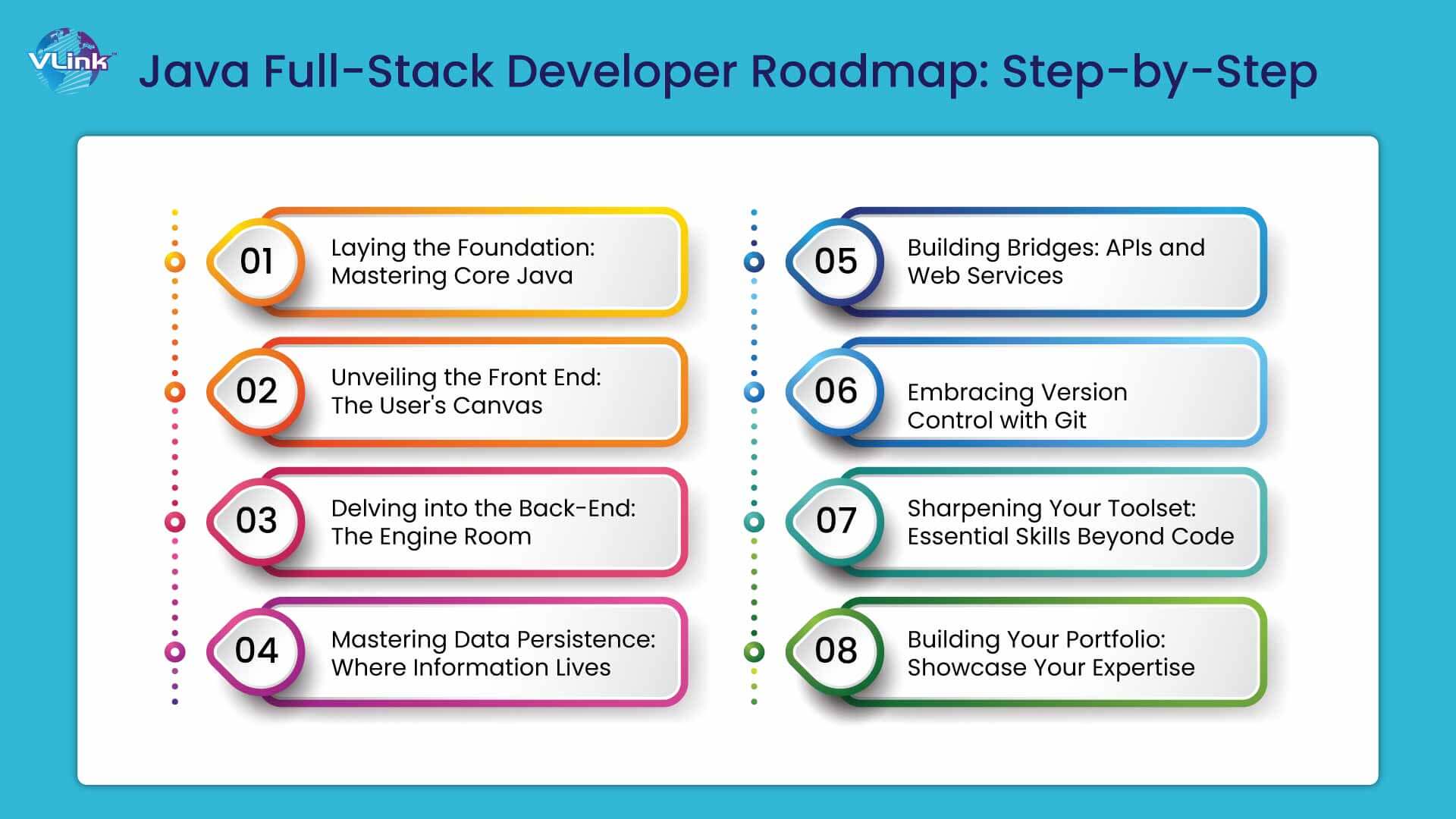
  1. 1. Master the core Java programming language.
  2. 2. Learn popular front-end technologies like HTML, CSS, and JavaScript.
  3. 3. Get familiar with back-end frameworks such as Spring or Hibernate.
  4. 4. Practice building full-stack applications to integrate front-end and back-end components.
  5. 5. Understand databases and how to work with them using tools like SQL or NoSQL.
  6. 6. Stay updated with the latest trends and technologies in Java full stack development.
  7. 7. Collaborate with other developers through online communities or by contributing to open-source projects.

1. Master the core Java programming language.

To excel in Java Full Stack Development, it is crucial to master the core Java programming language. Understanding the fundamentals of Java, such as syntax, data types, control structures, and object-oriented programming principles, forms the foundation for building robust web applications. Proficiency in core Java allows developers to efficiently work on both front-end and back-end components, enabling them to create scalable and efficient solutions for various projects. By mastering the core Java programming language, developers can unleash their full potential in the dynamic field of Full Stack Development.

To excel in Java Full Stack Development, it is essential to prioritize learning popular front-end technologies such as HTML, CSS, and JavaScript. These foundational languages are crucial for creating dynamic and interactive user interfaces on the web. Proficiency in HTML for structuring content, CSS for styling elements, and JavaScript for adding functionality and interactivity will not only enhance your skills as a full stack developer but also enable you to build engaging and user-friendly web applications.

3. Get familiar with back-end frameworks such as Spring or Hibernate.

To excel in Java Full Stack Development, it is crucial to get familiar with back-end frameworks like Spring or Hibernate. These frameworks provide essential tools and features that streamline back-end development tasks, such as database management, transaction handling, and application configuration. By mastering these frameworks, developers can efficiently build robust and scalable web applications that meet industry standards and best practices in back-end development.

4. Practice building full-stack applications to integrate front-end and back-end components.

To enhance your skills in Java Full Stack Development, it is crucial to practice building full-stack applications that seamlessly integrate front-end and back-end components. By working on projects that involve both aspects of web development, you gain valuable experience in connecting user interfaces with server-side logic. This hands-on approach not only solidifies your understanding of how different components interact but also prepares you for real-world scenarios where comprehensive knowledge of both front-end and back-end technologies is essential for creating functional and efficient web applications.

5. Understand databases and how to work with them using tools like SQL or NoSQL.

To excel in Java Full Stack Development, it is crucial to understand databases and how to effectively work with them using tools like SQL or NoSQL. Proficiency in database management allows developers to store, retrieve, and manipulate data efficiently, ensuring that web applications function seamlessly. By mastering these essential skills, Java full stack developers can design robust and scalable systems that meet the demands of modern web development projects.

To excel in Java full stack development, it is crucial to stay updated with the latest trends and technologies in the field. Continuous learning and keeping abreast of new advancements ensure that developers remain competitive and can leverage cutting-edge tools to enhance their projects. By staying informed about emerging practices and technologies, Java full stack developers can adapt quickly to industry changes and deliver innovative solutions that meet the evolving needs of clients and users.

7. Collaborate with other developers through online communities or by contributing to open-source projects.

To enhance your skills in Java Full Stack Development, consider collaborating with other developers through online communities or contributing to open-source projects. Engaging with like-minded professionals in online forums, discussion groups, or by actively participating in open-source initiatives not only expands your knowledge but also provides valuable real-world experience. By working collaboratively, you can learn new techniques, receive feedback on your code, and contribute to the broader tech community while sharpening your Java Full Stack Development skills.
full stack software engineer

The Versatile Role of a Full Stack Software Engineer in Modern Development

Article: Full Stack Software Engineer

The Role of a Full Stack Software Engineer

In the dynamic field of software development, the role of a full stack software engineer has gained significant importance. A full stack software engineer is a versatile professional who possesses expertise in both front-end and back-end technologies, allowing them to work on all aspects of web application development.

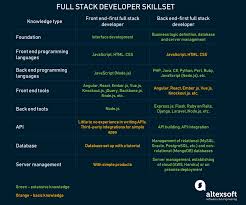
Front-End Development

On the front-end side, a full stack software engineer is responsible for creating user-friendly interfaces that enhance user experience. They utilize technologies such as HTML, CSS, and JavaScript to design and implement interactive web pages that are visually appealing and responsive.

Back-End Development

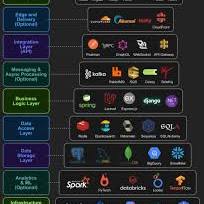
When it comes to back-end development, a full stack software engineer works with server-side languages like Java, Python, or Node.js to build robust and scalable web applications. They are involved in designing databases, writing APIs, and ensuring the smooth functioning of the application’s server-side logic.

Integration and Deployment

One of the key responsibilities of a full stack software engineer is to integrate front-end and back-end components seamlessly. They are proficient in version control systems like Git and have experience deploying applications on cloud platforms such as AWS or Azure.

Problem-Solving Skills

A successful full stack software engineer possesses strong problem-solving skills and can troubleshoot issues across the entire application stack. They are adept at identifying bugs, optimizing performance, and implementing efficient solutions to complex technical challenges.

Continuous Learning

Given the rapid evolution of technology in the software industry, a full stack software engineer must be committed to continuous learning. Staying updated with new frameworks, tools, and best practices is essential for excelling in this role.

Conclusion

In conclusion, a full stack software engineer plays a crucial role in developing modern web applications by bridging the gap between front-end and back-end technologies. Their versatility, problem-solving abilities, and commitment to learning make them valuable assets in today’s tech-driven world.


7 Frequently Asked Questions About Full Stack Software Engineers: Skills, Roles, and Career Insights

  1. What is a full stack software engineer?
  2. What are the key skills required to become a full stack software engineer?
  3. What are the differences between front-end and back-end development for a full stack software engineer?
  4. How does a full stack software engineer contribute to web application development?
  5. What tools and technologies are commonly used by full stack software engineers?
  6. How can someone transition into a career as a full stack software engineer?
  7. What are the common challenges faced by full stack software engineers in their day-to-day work?

What is a full stack software engineer?

A full stack software engineer is a versatile professional who possesses expertise in both front-end and back-end technologies, enabling them to work on all aspects of web application development. In essence, a full stack software engineer is proficient in designing user-friendly interfaces using technologies like HTML, CSS, and JavaScript for the front-end, while also being skilled in server-side languages such as Java, Python, or Node.js for the back-end. This comprehensive skill set allows them to integrate and deploy web applications seamlessly, troubleshoot technical issues across the entire application stack, and adapt to the ever-evolving landscape of software development.

What are the key skills required to become a full stack software engineer?

To become a successful full stack software engineer, several key skills are essential. Proficiency in front-end technologies such as HTML, CSS, and JavaScript is crucial for creating visually appealing and interactive user interfaces. Additionally, a solid understanding of back-end languages like Java, Python, or Node.js is necessary to develop robust server-side logic and databases. Problem-solving skills, the ability to integrate front-end and back-end components seamlessly, and familiarity with version control systems and deployment platforms are also vital for excelling in this versatile role. Continuous learning and staying updated with the latest frameworks and technologies are equally important for aspiring full stack software engineers to adapt to the ever-changing landscape of software development.

What are the differences between front-end and back-end development for a full stack software engineer?

When discussing the differences between front-end and back-end development for a full stack software engineer, it’s important to understand their distinct roles. Front-end development focuses on creating the user interface and experience of a website or application using technologies like HTML, CSS, and JavaScript. This involves designing visually appealing layouts and ensuring responsiveness across various devices. On the other hand, back-end development involves working with server-side technologies to manage databases, handle user authentication, and implement business logic. Full stack software engineers must be proficient in both areas to seamlessly integrate front-end and back-end components, ensuring the overall functionality and performance of the application.

How does a full stack software engineer contribute to web application development?

A full stack software engineer plays a pivotal role in web application development by leveraging their expertise in both front-end and back-end technologies. They contribute to the creation of user-friendly interfaces by designing visually appealing and responsive web pages using HTML, CSS, and JavaScript on the front-end side. On the back-end, they are responsible for building robust and scalable web applications by working with server-side languages like Java, Python, or Node.js to design databases, write APIs, and ensure the smooth functioning of server-side logic. By seamlessly integrating front-end and back-end components, troubleshooting issues across the entire application stack, and staying updated with the latest technologies, a full stack software engineer enhances the overall development process and delivers high-quality web applications that meet user needs effectively.

What tools and technologies are commonly used by full stack software engineers?

Full stack software engineers commonly utilize a variety of tools and technologies to effectively manage both front-end and back-end development tasks. On the front-end side, they often work with technologies like HTML, CSS, and JavaScript frameworks such as React, Angular, or Vue.js to create engaging user interfaces. For back-end development, full stack engineers may use server-side languages like Java, Python, or Node.js along with databases such as MySQL or MongoDB. Additionally, version control systems like Git, cloud platforms like AWS or Azure for deployment, and IDEs such as Visual Studio Code or IntelliJ IDEA are frequently employed by full stack software engineers to streamline their workflow and ensure efficient application development.

How can someone transition into a career as a full stack software engineer?

Transitioning into a career as a full stack software engineer requires a strategic approach and dedication to learning. One common path is to start by gaining proficiency in both front-end and back-end technologies through online courses, bootcamps, or self-study. Building a strong foundation in programming languages such as HTML, CSS, JavaScript, and popular back-end languages like Java or Python is essential. Additionally, gaining hands-on experience by working on personal projects or contributing to open-source repositories can help demonstrate skills to potential employers. Networking with professionals in the field and seeking mentorship can also provide valuable insights and guidance for a successful transition into a career as a full stack software engineer.

What are the common challenges faced by full stack software engineers in their day-to-day work?

Full stack software engineers often encounter various challenges in their day-to-day work. One common challenge is the need to juggle multiple technologies and frameworks across both front-end and back-end development. This requires them to stay updated with the latest trends and tools in a rapidly evolving tech landscape. Additionally, balancing the priorities of different project stakeholders and managing time effectively between various tasks can be demanding. Another significant challenge is troubleshooting issues that may arise at any point in the application stack, requiring strong problem-solving skills and attention to detail. Despite these challenges, full stack software engineers thrive on the opportunity to work on diverse projects and contribute to all aspects of the software development lifecycle.

full stack software

Unleashing the Potential of Full Stack Software Development

The Power of Full Stack Software Development

The Power of Full Stack Software Development

In the ever-evolving world of technology, full stack software development has emerged as a powerful and versatile approach to building applications. A full stack developer is proficient in both front-end and back-end technologies, allowing them to handle all aspects of software development.

What is Full Stack Software Development?

Full stack software development involves working on both the client-side (front end) and server-side (back end) of an application. A full stack developer is skilled in a wide range of technologies and can take a project from conception to completion.

Benefits of Full Stack Software Development

Versatility: Full stack developers have a broad skill set that enables them to work on all parts of an application. This versatility allows for greater efficiency and flexibility in project development.

Faster Development: With expertise in both front-end and back-end technologies, full stack developers can streamline the development process and quickly troubleshoot issues that may arise.

Cost-Effective: Hiring a full stack developer who can handle multiple aspects of a project can be more cost-effective than hiring separate specialists for each role.

Skills Required for Full Stack Software Development

To excel in full stack software development, a developer should have proficiency in:

  • HTML, CSS, JavaScript for front-end development
  • Server-side languages like Node.js, Python, or Ruby for back-end development
  • Databases such as MySQL or MongoDB
  • Version control systems like Git
  • Frameworks like React, Angular, or Vue.js

In Conclusion

Full stack software development offers numerous advantages in terms of efficiency, flexibility, and cost-effectiveness. By mastering both front-end and back-end technologies, full stack developers play a crucial role in creating robust and dynamic applications that meet the demands of today’s digital landscape.


9 Essential Tips for Excelling in Full Stack Software Development

  1. Understand both front-end and back-end technologies
  2. Practice building projects that integrate both sides of the stack
  3. Stay updated with the latest trends and technologies in full stack development
  4. Learn to work with databases and server-side languages for back-end development
  5. Improve your problem-solving skills to tackle complex issues in full stack development
  6. Collaborate with other developers to gain different perspectives and insights
  7. Master version control systems like Git for efficient collaboration and code management
  8. Focus on creating responsive and user-friendly interfaces for front-end development
  9. Strive for continuous learning and improvement to stay competitive in the field

Understand both front-end and back-end technologies

Understanding both front-end and back-end technologies is essential for full stack software developers. By having proficiency in areas such as HTML, CSS, JavaScript for front-end development, and server-side languages like Node.js or Python for back-end development, developers can create cohesive and efficient applications. This comprehensive knowledge allows them to bridge the gap between the user interface and the server-side logic, resulting in well-rounded solutions that meet both user experience and functionality requirements.

Practice building projects that integrate both sides of the stack

To enhance your skills in full stack software development, it is highly beneficial to practice building projects that seamlessly integrate both the front-end and back-end components of the stack. By working on projects that involve the complete software development cycle, you can gain a deeper understanding of how different technologies interact and collaborate to create functional applications. This hands-on experience not only sharpens your technical proficiency but also hones your problem-solving abilities in real-world scenarios, making you a more versatile and competent full stack developer.

Staying updated with the latest trends and technologies in full stack development is crucial for any aspiring or seasoned full stack developer. By keeping abreast of new tools, frameworks, and best practices, developers can enhance their skills, stay competitive in the job market, and deliver innovative solutions to clients. Continuous learning and adaptation to emerging technologies ensure that full stack developers remain versatile and well-equipped to tackle the ever-changing landscape of software development effectively.

Learn to work with databases and server-side languages for back-end development

Understanding how to work with databases and server-side languages is a crucial aspect of mastering full stack software development. Proficiency in these areas enables developers to create dynamic and interactive applications that can store and retrieve data efficiently. By gaining expertise in back-end technologies, such as databases like MySQL or server-side languages like Node.js, developers can build robust systems that power the functionality of their applications seamlessly.

Improve your problem-solving skills to tackle complex issues in full stack development

Improving your problem-solving skills is essential for tackling complex issues in full stack development. As a full stack developer, you will encounter various challenges that require creative and efficient solutions. By honing your problem-solving abilities, you can approach issues systematically, analyze them effectively, and come up with innovative ways to address them. Strong problem-solving skills not only enhance your technical proficiency but also enable you to navigate the complexities of full stack development with confidence and expertise.

Collaborate with other developers to gain different perspectives and insights

Collaborating with other developers is a valuable tip in full stack software development. By working with peers who bring diverse perspectives and insights to the table, you can enhance your problem-solving abilities, learn new techniques, and discover innovative approaches to building applications. This collaborative environment fosters creativity and encourages continuous learning, ultimately leading to the development of more robust and efficient software solutions.

Master version control systems like Git for efficient collaboration and code management

To excel in full stack software development, mastering version control systems like Git is essential for efficient collaboration and code management. Git allows developers to track changes, collaborate seamlessly with team members, and manage code versions effectively. By understanding Git’s functionalities and best practices, full stack developers can ensure smooth workflow, easy project integration, and streamlined development processes.

Focus on creating responsive and user-friendly interfaces for front-end development

When working on full stack software development, it is crucial to prioritize the creation of responsive and user-friendly interfaces for front-end development. By focusing on designing interfaces that adapt seamlessly to different devices and screen sizes, developers can enhance the user experience and ensure accessibility across various platforms. A user-friendly interface not only improves usability but also contributes to higher user engagement and satisfaction, ultimately leading to the success of the application or website.

Strive for continuous learning and improvement to stay competitive in the field

To stay competitive in the field of full stack software development, it is crucial to strive for continuous learning and improvement. Technology is constantly evolving, and by staying updated with the latest trends, tools, and techniques, developers can enhance their skills and adapt to changing industry demands. Embracing a mindset of lifelong learning not only keeps developers relevant but also empowers them to deliver innovative solutions that meet the ever-growing needs of the digital landscape.