cfchris.com

Loading

Archives August 2026

cyber security infrastructure

Enhancing Your Organization’s Cyber Security Infrastructure: A Comprehensive Guide

The Importance of Cyber Security Infrastructure in Today’s Digital World

In today’s interconnected world, where businesses and individuals rely heavily on digital technologies, the need for robust cyber security infrastructure has never been more critical. Cyber threats continue to evolve and become more sophisticated, posing significant risks to sensitive data, financial assets, and even national security. Establishing a strong cyber security infrastructure is essential to safeguarding against these threats and ensuring the integrity and confidentiality of information.

Key Components of Cyber Security Infrastructure

A comprehensive cyber security infrastructure encompasses various components that work together to protect systems, networks, and data from cyber attacks. Some key components include:

  • Firewalls: Firewalls act as a barrier between internal networks and external threats, monitoring and filtering incoming and outgoing network traffic based on predefined security rules.
  • Intrusion Detection Systems (IDS) and Intrusion Prevention Systems (IPS): IDS and IPS are designed to detect and prevent unauthorized access or malicious activities within a network by analyzing network traffic patterns.
  • Antivirus Software: Antivirus software helps detect and remove malware, viruses, and other malicious software that can compromise system security.
  • Data Encryption: Encrypting sensitive data ensures that even if it is intercepted by unauthorized parties, they cannot decipher its contents without the decryption key.
  • Security Information and Event Management (SIEM): SIEM solutions collect and analyze log data from various sources to identify potential security incidents in real-time.

The Role of Cyber Security Infrastructure in Business Operations

For businesses, a robust cyber security infrastructure is not just about protecting data—it is also about safeguarding their reputation, maintaining customer trust, and ensuring uninterrupted operations. A successful cyber attack can have devastating consequences for a company, leading to financial losses, legal liabilities, and long-term damage to its brand image.

By investing in cyber security infrastructure, businesses can mitigate these risks by proactively identifying vulnerabilities, implementing effective security measures, conducting regular risk assessments, and providing employee training on cybersecurity best practices. This proactive approach helps organizations stay ahead of potential threats and respond swiftly in the event of a breach.

The Future of Cyber Security Infrastructure

As cyber threats continue to evolve in complexity and scale, the need for advanced cyber security infrastructure will only grow. Technologies such as artificial intelligence (AI), machine learning, blockchain, and quantum cryptography are being leveraged to enhance cybersecurity capabilities and stay one step ahead of cybercriminals.

Furthermore, with the rise of remote workforces and cloud-based services, organizations must adapt their cyber security infrastructure to address new challenges related to securing distributed environments and protecting sensitive data across multiple platforms.

In Conclusion

Cyber security infrastructure plays a crucial role in safeguarding our digital assets against ever-evolving threats. By prioritizing cybersecurity measures, staying informed about emerging risks, investing in advanced technologies, and fostering a culture of vigilance within organizations, we can collectively build a more secure digital ecosystem for the future.


Top 5 Essential Tips for Strengthening Your Cybersecurity Infrastructure

  1. Regularly update software and security patches to protect against known vulnerabilities.
  2. Implement strong password policies and consider multi-factor authentication for added security.
  3. Encrypt sensitive data both in transit and at rest to prevent unauthorized access.
  4. Conduct regular security audits and risk assessments to identify potential weaknesses in the infrastructure.
  5. Train employees on cybersecurity best practices to build a culture of security awareness within the organization.

Regularly update software and security patches to protect against known vulnerabilities.

Regularly updating software and security patches is a fundamental practice in maintaining a robust cyber security infrastructure. By staying current with the latest updates, organizations can effectively protect their systems and networks against known vulnerabilities that cybercriminals may exploit. These updates often contain critical security patches that address weaknesses identified by software developers or security researchers. Failing to apply these updates in a timely manner can leave systems exposed to potential attacks, making it essential for businesses to prioritize regular software maintenance as part of their overall cybersecurity strategy.

Implement strong password policies and consider multi-factor authentication for added security.

To enhance cyber security infrastructure, it is crucial to implement strong password policies and consider multi-factor authentication for added security. Strong passwords that are complex and unique help prevent unauthorized access to sensitive data and systems. By requiring users to follow password guidelines such as using a combination of letters, numbers, and special characters, organizations can significantly reduce the risk of password-related breaches. Additionally, implementing multi-factor authentication adds an extra layer of protection by requiring users to provide multiple forms of verification before accessing accounts or systems, making it harder for cyber attackers to compromise security. By incorporating these measures into their cyber security strategy, organizations can bolster their defenses against potential threats and better safeguard their digital assets.

Encrypt sensitive data both in transit and at rest to prevent unauthorized access.

To enhance the security of sensitive data, it is crucial to encrypt it both in transit and at rest. Encrypting data in transit ensures that information remains secure while being transferred between systems or over networks, protecting it from interception by unauthorized parties. Similarly, encrypting data at rest involves securing stored data on devices or servers, making it unreadable to anyone without the appropriate decryption key. By implementing robust encryption measures, organizations can significantly reduce the risk of unauthorized access and safeguard the confidentiality and integrity of their valuable information.

Conduct regular security audits and risk assessments to identify potential weaknesses in the infrastructure.

Conducting regular security audits and risk assessments is a fundamental practice in maintaining a strong cyber security infrastructure. By systematically evaluating the effectiveness of existing security measures and identifying potential vulnerabilities, organizations can proactively address weaknesses before they are exploited by malicious actors. These assessments provide valuable insights into the overall security posture of the infrastructure, enabling informed decisions on implementing additional safeguards and mitigating risks effectively. Regular audits and risk assessments are essential components of a comprehensive cyber security strategy, helping to ensure the resilience and integrity of digital assets in an ever-evolving threat landscape.

Train employees on cybersecurity best practices to build a culture of security awareness within the organization.

Training employees on cybersecurity best practices is a fundamental step in establishing a culture of security awareness within an organization. By educating staff members on how to identify and respond to potential cyber threats, companies can empower their workforce to become active participants in safeguarding sensitive data and protecting against malicious activities. Through ongoing training sessions, employees can learn about the latest cybersecurity trends, understand the importance of following security protocols, and contribute to creating a secure environment where everyone plays a role in maintaining the integrity of the organization’s cyber security infrastructure.


Enhancing Cyber Security: The Role of Trusted Providers

The Importance of Cyber Security Providers

The Importance of Cyber Security Providers

In today’s digital age, where businesses and individuals rely heavily on technology, the need for robust cyber security measures has never been greater. Cyber threats are constantly evolving, becoming more sophisticated and dangerous. This is where cyber security providers play a crucial role in safeguarding sensitive information and protecting against cyber attacks.

What Do Cyber Security Providers Offer?

Cyber security providers offer a range of services designed to protect organizations from cyber threats. These services may include:

  • Network security: Securing networks from unauthorized access and monitoring for suspicious activities.
  • Endpoint security: Protecting individual devices such as computers, laptops, and mobile devices from malware and other threats.
  • Incident response: Developing strategies to respond to and mitigate the impact of cyber attacks.
  • Security awareness training: Educating employees on best practices for maintaining cyber security.
  • Vulnerability assessments: Identifying weaknesses in systems that could be exploited by attackers.

Why Choose a Cyber Security Provider?

Partnering with a cyber security provider offers several benefits:

  • Expertise: Cyber security providers have specialized knowledge and experience in identifying and mitigating cyber threats.
  • 24/7 Monitoring: Many providers offer around-the-clock monitoring to detect and respond to threats in real-time.
  • Compliance: Providers can help ensure that organizations comply with relevant regulations and standards related to data protection.
  • Cutting-Edge Technology: Providers stay abreast of the latest trends in cyber security technology to provide the most effective protection.
  • Cost-Effectiveness: Outsourcing cyber security services can be more cost-effective than maintaining an in-house team.

Conclusion

In conclusion, cyber security providers play a vital role in defending against the ever-growing threat of cyber attacks. By partnering with a reputable provider, organizations can enhance their defenses, protect sensitive data, and maintain business continuity in the face of evolving cyber threats.


Top 7 FAQs About Choosing and Working with Cyber Security Providers

  1. What services do cyber security providers offer?
  2. How can a cyber security provider help protect my business from cyber threats?
  3. What factors should I consider when choosing a cyber security provider?
  4. Do cyber security providers offer 24/7 monitoring services?
  5. How do cyber security providers stay updated on the latest threats and technologies?
  6. Can a cyber security provider help my business comply with data protection regulations?
  7. What are the benefits of outsourcing cyber security services to a provider?

What services do cyber security providers offer?

Cyber security providers offer a wide range of services to help organizations protect themselves against cyber threats. These services typically include network security to secure systems from unauthorized access, endpoint security to protect individual devices from malware, incident response to mitigate the impact of cyber attacks, security awareness training for employees, and vulnerability assessments to identify weaknesses in systems. By offering these comprehensive services, cyber security providers empower businesses to enhance their defenses, safeguard sensitive information, and maintain a secure digital environment in the face of evolving cyber threats.

How can a cyber security provider help protect my business from cyber threats?

A cyber security provider can help protect your business from cyber threats by offering a comprehensive range of services tailored to your specific needs. They can conduct thorough assessments to identify vulnerabilities in your systems, implement robust security measures to safeguard your network and data, provide continuous monitoring for early threat detection, offer incident response services to mitigate the impact of attacks, and educate your employees on best practices for maintaining cyber security. By leveraging their expertise and cutting-edge technology, a cyber security provider can significantly enhance your defenses against cyber threats and ensure the resilience of your business in the face of evolving risks.

What factors should I consider when choosing a cyber security provider?

When choosing a cyber security provider, several factors should be carefully considered to ensure that you select the right partner for your organization’s needs. Firstly, evaluate the provider’s expertise and experience in the field of cyber security, including their track record in handling similar challenges. Assess the range of services they offer and determine if they align with your specific requirements. Additionally, consider the provider’s approach to compliance with industry regulations and standards to ensure that your data is adequately protected. It is also essential to assess their response capabilities in the event of a cyber incident and their commitment to staying updated on emerging threats and technologies. Lastly, factor in considerations such as cost-effectiveness, scalability of services, and the provider’s reputation within the industry when making your decision.

Do cyber security providers offer 24/7 monitoring services?

Yes, many cyber security providers offer 24/7 monitoring services as part of their comprehensive security solutions. This continuous monitoring allows for real-time detection and response to potential cyber threats, ensuring that any suspicious activities are identified and addressed promptly. By providing around-the-clock monitoring, cyber security providers can help organizations enhance their security posture and mitigate the risks associated with cyber attacks effectively.

How do cyber security providers stay updated on the latest threats and technologies?

Cyber security providers stay updated on the latest threats and technologies through a variety of proactive measures. They continuously monitor industry trends, research emerging cyber threats, and analyze data from previous incidents to stay ahead of potential risks. Additionally, many providers participate in information-sharing networks, collaborate with other security professionals, attend conferences, and undergo regular training to enhance their knowledge and skills. By investing in ongoing education and leveraging a network of resources, cyber security providers ensure they are well-equipped to protect their clients from evolving cyber threats.

Can a cyber security provider help my business comply with data protection regulations?

A cyber security provider can indeed help your business comply with data protection regulations. These providers have expertise in understanding and implementing the necessary security measures to ensure that your organization meets the requirements set forth by data protection regulations. They can assist in identifying potential vulnerabilities, implementing appropriate safeguards, and monitoring compliance to mitigate risks of data breaches. By partnering with a cyber security provider, businesses can benefit from specialized knowledge and guidance to navigate the complex landscape of data protection regulations effectively.

What are the benefits of outsourcing cyber security services to a provider?

Outsourcing cyber security services to a provider offers numerous benefits to organizations. By partnering with a specialized cyber security provider, businesses can access expert knowledge and experience in identifying and mitigating cyber threats. These providers often offer 24/7 monitoring, ensuring that threats are detected and responded to in real-time. Additionally, outsourcing can help organizations ensure compliance with data protection regulations and standards, leverage cutting-edge technology for enhanced protection, and potentially reduce costs compared to maintaining an in-house cyber security team. Overall, outsourcing cyber security services to a reputable provider can strengthen an organization’s defenses and safeguard sensitive data against evolving cyber threats.

nydfs cybersecurity

Enhancing Financial Security: The Role of NYDFS in Cybersecurity

The Role of NYDFS in Cybersecurity

The Role of NYDFS in Cybersecurity

As cyber threats continue to evolve and become more sophisticated, the New York Department of Financial Services (NYDFS) plays a crucial role in ensuring the cybersecurity of financial institutions operating within the state.

The NYDFS has implemented stringent regulations and guidelines to safeguard sensitive financial data and protect consumers from cyber attacks. These regulations require financial institutions to establish robust cybersecurity programs, conduct regular risk assessments, and report any cybersecurity incidents promptly.

One of the key initiatives introduced by the NYDFS is the Cybersecurity Regulation (23 NYCRR 500), which sets forth minimum standards for cybersecurity practices that financial institutions must adhere to. This regulation includes requirements such as multi-factor authentication, encryption of sensitive data, and regular cybersecurity training for employees.

In addition to setting regulatory standards, the NYDFS actively monitors compliance with these regulations through examinations and assessments. Financial institutions are required to submit annual certifications of their compliance with the Cybersecurity Regulation, demonstrating their commitment to maintaining strong cybersecurity measures.

Furthermore, the NYDFS collaborates with other regulatory agencies and law enforcement authorities to share information on emerging cyber threats and coordinate responses to cyber incidents. By fostering a culture of information sharing and cooperation, the NYDFS aims to enhance the overall resilience of the financial sector against cyber threats.

In conclusion, the NYDFS plays a vital role in promoting cybersecurity within the financial industry and protecting both institutions and consumers from cyber risks. Through its proactive approach to regulation and oversight, the NYDFS helps ensure that New York remains at the forefront of cybersecurity best practices.


6 Essential Tips for Strengthening Cybersecurity Compliance with NYDFS Regulations

  1. Regularly update software and systems to protect against vulnerabilities.
  2. Implement strong password policies and multi-factor authentication.
  3. Train employees on cybersecurity best practices and how to identify phishing attempts.
  4. Encrypt sensitive data both in transit and at rest.
  5. Conduct regular security assessments and audits to identify weaknesses.
  6. Establish a an incident response plan to quickly respond to and mitigate cybersecurity incidents.

Regularly update software and systems to protect against vulnerabilities.

Regularly updating software and systems is a critical tip in NYDFS cybersecurity practices to safeguard against vulnerabilities. By staying current with software patches and system updates, financial institutions can address known security weaknesses and reduce the risk of exploitation by cyber attackers. This proactive approach helps ensure that systems remain resilient to emerging threats and maintain the integrity of sensitive financial data. Compliance with this best practice not only enhances cybersecurity posture but also demonstrates a commitment to maintaining a secure environment for both the institution and its customers as mandated by NYDFS regulations.

Implement strong password policies and multi-factor authentication.

To enhance cybersecurity measures in compliance with NYDFS regulations, it is crucial for financial institutions to implement strong password policies and multi-factor authentication. By enforcing complex password requirements and requiring an additional layer of verification through multi-factor authentication, institutions can significantly reduce the risk of unauthorized access to sensitive data. These practices not only bolster security but also demonstrate a commitment to safeguarding confidential information and meeting the stringent cybersecurity standards set forth by the NYDFS.

Train employees on cybersecurity best practices and how to identify phishing attempts.

Training employees on cybersecurity best practices is essential in strengthening an organization’s defense against cyber threats. By educating staff members on how to identify phishing attempts, such as suspicious emails or messages, companies can empower their workforce to act as the first line of defense against potential security breaches. Equipping employees with the knowledge and skills to recognize and report phishing attempts not only helps protect sensitive data but also contributes to creating a culture of cybersecurity awareness within the organization.

Encrypt sensitive data both in transit and at rest.

It is crucial for financial institutions under NYDFS regulation to encrypt sensitive data both in transit and at rest. Encrypting data in transit ensures that information remains secure while being transferred between systems or devices, protecting it from interception by malicious actors. Similarly, encrypting data at rest safeguards stored information from unauthorized access, adding an extra layer of security to prevent data breaches. By implementing robust encryption practices, financial institutions can enhance the protection of sensitive data and comply with NYDFS cybersecurity requirements effectively.

Conduct regular security assessments and audits to identify weaknesses.

Regular security assessments and audits are essential components of a comprehensive cybersecurity strategy recommended by the NYDFS. By conducting these assessments on a regular basis, financial institutions can proactively identify vulnerabilities and weaknesses in their systems and processes. This proactive approach allows organizations to address potential security gaps before they are exploited by cyber attackers, helping to strengthen overall cybersecurity defenses and protect sensitive data from unauthorized access or breaches.

Establish a an incident response plan to quickly respond to and mitigate cybersecurity incidents.

Establishing an incident response plan is a critical component of NYDFS cybersecurity guidelines. By having a well-defined plan in place, financial institutions can swiftly respond to and mitigate cybersecurity incidents, minimizing potential damages and disruptions. This proactive approach not only helps in containing the impact of security breaches but also demonstrates a commitment to effective risk management and compliance with regulatory requirements. Having an incident response plan ensures that organizations are prepared to handle cyber threats promptly and efficiently, safeguarding both their own operations and the sensitive data of their customers.

best java course

Mastering Java Programming: Discover the Best Java Course for Your Success

Best Java Course: Mastering Java Programming

The Best Java Course for Mastering Java Programming

Java is one of the most popular programming languages used in software development. Whether you are a beginner looking to start your coding journey or an experienced programmer aiming to enhance your skills, finding the best Java course is essential.

Why Learn Java?

Java is versatile, platform-independent, and widely used in various applications, from mobile apps to enterprise systems. Mastering Java can open up numerous opportunities in the tech industry and boost your career prospects.

Key Features of the Best Java Course

When choosing a Java course, consider the following key features:

  • Comprehensive Curriculum: Look for a course that covers core Java concepts, object-oriented programming principles, data structures, algorithms, and advanced topics like multithreading and GUI programming.
  • Hands-On Projects: Practical experience is crucial in learning programming. A good course should provide hands-on projects that allow you to apply your knowledge and skills in real-world scenarios.
  • Interactive Learning: Engaging lectures, quizzes, coding challenges, and interactive exercises can enhance your learning experience and retention of concepts.
  • Experienced Instructors: Learn from instructors with industry experience and expertise in Java programming. Their guidance and insights can help you grasp complex concepts more effectively.
  • Certification: Consider courses that offer certification upon completion. A recognized certification can validate your skills and knowledge to potential employers.

Top Recommendations for the Best Java Courses

If you are looking for recommendations on the best Java courses available online, here are some top picks:

  1. Java Programming Masterclass for Software Developers (Udemy)
  2. Java Programming and Software Engineering Fundamentals (Coursera)
  3. Learn Java (Codecademy)

Each of these courses offers a unique learning experience tailored to different levels of expertise. Choose the one that aligns with your goals and preferences to embark on your journey towards mastering Java programming.

In Conclusion

Selecting the best Java course is a significant step towards enhancing your programming skills and advancing your career in software development. Invest time and effort in exploring different courses to find the one that suits your learning style and objectives best. With dedication and practice, you can become proficient in Java programming and unlock exciting opportunities in the tech industry.


Top 5 FAQs About Choosing the Best Java Course and Career Path

  1. Which certification is best for a Java developer?
  2. What is Java salary?
  3. Which is best source to learn Java?
  4. Which is the best course in Java?
  5. Is C++ or Java harder?

Which certification is best for a Java developer?

When considering which certification is best for a Java developer, the Oracle Certified Professional, Java SE 11 Developer certification is often highly recommended. This certification validates a developer’s proficiency in Java programming and demonstrates their understanding of key concepts and skills required for Java development. Additionally, certifications from reputable platforms such as Coursera, Udemy, or Codecademy can also enhance a Java developer’s credentials and showcase their expertise to potential employers. Ultimately, the best certification for a Java developer may vary depending on individual career goals and the specific areas of Java development they wish to specialize in.

What is Java salary?

When individuals inquire about the average Java salary, they are often seeking insights into the earning potential within the field of Java programming. Salaries for Java developers can vary based on factors such as experience, location, company size, and specific job responsibilities. Generally, Java developers command competitive salaries due to the high demand for their skills in various industries, including software development, finance, and technology. Researching current market trends and consulting reputable sources can provide a more accurate understanding of typical Java salaries in different regions.

Which is best source to learn Java?

When seeking the best source to learn Java, it is essential to consider a variety of factors, including the comprehensiveness of the course content, the quality of instruction, hands-on learning opportunities, interactive elements such as quizzes and exercises, and the availability of certification upon completion. Online platforms like Udemy, Coursera, and Codecademy offer popular Java courses that cater to different learning styles and levels of expertise. Ultimately, the best source to learn Java is one that aligns with your learning goals and provides a structured yet engaging learning experience to help you master Java programming effectively.

Which is the best course in Java?

When seeking the best Java course, it is essential to consider various factors such as the course curriculum, hands-on learning opportunities, quality of instructors, interactivity of the course materials, and the availability of certification upon completion. Different individuals may have varying preferences and learning styles, so exploring multiple options and reading reviews from past learners can help in determining which Java course aligns best with one’s goals and skill level. Ultimately, the best Java course is subjective and depends on individual needs and preferences in terms of content delivery and learning outcomes.

Is C++ or Java harder?

When comparing the difficulty of C++ and Java, it ultimately depends on individual preferences and prior experience with programming languages. Both C++ and Java have their own unique features and complexities. C++ is known for its low-level programming capabilities and memory management, which can be challenging for beginners. On the other hand, Java is designed to be more user-friendly with automatic memory management and a simpler syntax. Some may find Java easier to learn due to its object-oriented approach, while others may prefer the control and performance optimization offered by C++. In the end, the perceived difficulty of C++ versus Java is subjective and varies based on personal learning styles and goals in programming.

java react

Mastering the Art of Java and React Integration for Modern Web Development

Java and React: A Powerful Combination for Modern Web Development

Java and React: A Powerful Combination for Modern Web Development

In the world of web development, Java and React have emerged as two powerful technologies that, when combined, offer a robust solution for building modern web applications. Let’s explore how Java and React work together seamlessly to create dynamic and interactive web experiences.

The Strengths of Java

Java is a versatile programming language known for its reliability, scalability, and performance. It is commonly used for backend development due to its strong typing system, extensive libraries, and platform independence. Java’s object-oriented approach makes it ideal for building complex applications that can handle high traffic and large datasets efficiently.

The Power of React

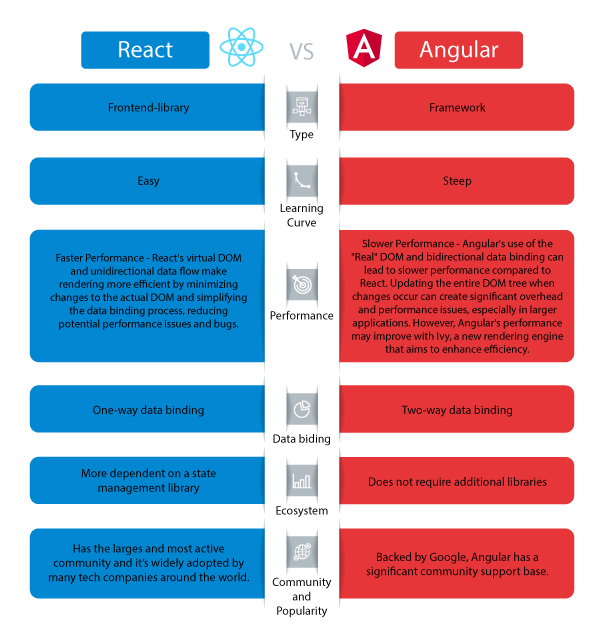
React is a popular JavaScript library developed by Facebook for building user interfaces. It allows developers to create interactive and responsive UI components that can be easily reused across different parts of an application. React’s virtual DOM (Document Object Model) enables efficient rendering of changes, resulting in faster performance and improved user experience.

Integration of Java with React

By combining Java on the backend with React on the frontend, developers can leverage the strengths of both technologies to create full-stack web applications. Java provides a robust server-side infrastructure for handling business logic, data processing, and database operations, while React handles the presentation layer with its declarative component-based architecture.

Through RESTful APIs or GraphQL endpoints, Java communicates with the React frontend to exchange data seamlessly between the client and server. This decoupled architecture enables developers to maintain clean code separation between the frontend and backend layers, making it easier to scale and maintain the application over time.

Benefits of Using Java and React Together

  • Scalability: Java’s scalability combined with React’s component-based architecture allows developers to build scalable web applications that can grow with user demand.
  • Performance: The efficient rendering mechanism of React paired with Java’s optimized backend processing results in high-performance web applications.
  • Maintainability: Separation of concerns between frontend and backend codebases simplifies maintenance tasks and facilitates code reusability.
  • User Experience: The interactive user interfaces created with React enhance the overall user experience of the application.

In Conclusion

The combination of Java and React offers a winning formula for developing modern web applications that are scalable, performant, maintainable, and user-friendly. By harnessing the strengths of these two technologies together, developers can deliver cutting-edge solutions that meet the demands of today’s dynamic digital landscape.


Exploring Java and React: Key FAQs for Web Development Integration

  1. What is Java?
  2. What is React?
  3. How can Java and React be used together?
  4. What are the advantages of using Java and React in web development?
  5. Are there any limitations or challenges when integrating Java with React?
  6. Can you provide examples of popular websites or applications built using Java and React?

What is Java?

Java is a versatile and robust programming language known for its reliability, scalability, and platform independence. It is widely used in backend development to build complex applications that can handle high traffic and large datasets efficiently. Java’s object-oriented approach, extensive libraries, and strong typing system make it a popular choice for developers looking to create secure and high-performance software solutions.

What is React?

React is a popular JavaScript library developed by Facebook for building user interfaces. It allows developers to create interactive and responsive UI components that can be easily reused across different parts of an application. React’s virtual DOM (Document Object Model) enables efficient rendering of changes, resulting in faster performance and improved user experience. With its declarative component-based architecture, React simplifies the process of building dynamic web interfaces and has become a go-to choice for frontend development in modern web applications.

How can Java and React be used together?

When it comes to integrating Java and React, developers can harness the strengths of both technologies to create powerful web applications. Java, with its robust backend capabilities, can handle business logic, data processing, and database operations effectively. On the other hand, React excels in building interactive and responsive user interfaces on the frontend. By establishing communication between Java backend services and React frontend components through APIs or other means, developers can achieve a seamless integration that ensures efficient data exchange and clean code separation. This collaborative approach allows for the development of scalable, high-performance web applications that deliver a superior user experience.

What are the advantages of using Java and React in web development?

When it comes to web development, leveraging Java and React offers a multitude of advantages. The combination of Java’s robust backend capabilities and React’s interactive frontend features results in a powerful synergy that enhances the development process. Java provides reliability, scalability, and performance on the server-side, while React simplifies the creation of dynamic user interfaces on the client-side. This integration allows for seamless communication between the frontend and backend components, enabling developers to build scalable, high-performance web applications with improved maintainability and enhanced user experience. By harnessing the strengths of both Java and React, developers can create modern web solutions that excel in functionality and performance.

Are there any limitations or challenges when integrating Java with React?

When integrating Java with React, developers may encounter certain limitations and challenges that need to be addressed. One common challenge is managing the communication between the frontend React components and the backend Java services effectively. Ensuring seamless data exchange through APIs and handling asynchronous operations can require careful coordination to maintain a smooth interaction between the two layers. Additionally, differences in programming paradigms between Java and React, such as object-oriented versus component-based approaches, may require developers to adapt their mindset and code structure to ensure compatibility and maintainability. Overall, while integrating Java with React offers numerous benefits, understanding and overcoming these limitations and challenges is crucial for a successful integration process.

Certainly! Several popular websites and applications have been built using the powerful combination of Java and React. One notable example is Facebook, which utilizes React for its frontend interface to deliver a seamless and interactive user experience, while Java powers its backend infrastructure to handle complex data processing and server-side operations. Another well-known platform that leverages Java and React is Airbnb, where Java manages the backend logic and data management, while React creates dynamic and responsive user interfaces for browsing listings and making bookings. These successful implementations showcase how Java and React work together harmoniously to create high-performance web applications that cater to millions of users worldwide.