cfchris.com

Loading

Category test development

sdlc testing

Maximizing Quality Through Effective SDLC Testing Strategies

Article: SDLC Testing

The Importance of Testing in Software Development Life Cycle (SDLC)

Software Development Life Cycle (SDLC) testing is a crucial phase in the development process that ensures the quality, functionality, and reliability of software applications. It involves various testing activities performed at different stages of the SDLC to detect and fix defects early, ultimately leading to a successful software product.

Types of Testing in SDLC

There are several types of testing carried out during different phases of the SDLC:

  • Requirements Testing: Ensures that all requirements are clear, complete, and testable.
  • System Testing: Validates the entire system’s functionality against specified requirements.
  • Integration Testing: Checks if individual modules work together as expected.
  • Unit Testing: Tests individual units or components of the software for proper functionality.
  • User Acceptance Testing (UAT): Involves end-users testing the software to ensure it meets their needs.

The Benefits of SDLC Testing

Effective testing in SDLC offers numerous benefits:

  • Early Defect Detection: Identifying and fixing defects early reduces costs and time required for rework later in the development cycle.
  • Better Quality Software: Thorough testing leads to a higher-quality final product that meets user expectations.
  • Risk Mitigation: Testing helps mitigate risks associated with software failures, security vulnerabilities, and performance issues.
  • User Satisfaction: Ensuring that the software functions as intended increases user satisfaction and adoption rates.

In Conclusion

In conclusion, incorporating comprehensive testing into each phase of the Software Development Life Cycle is essential for delivering successful software projects. By investing time and resources into testing activities, organizations can achieve higher-quality products that meet user needs and expectations. SDLC testing plays a vital role in ensuring the success of software development initiatives.


5 Essential Tips for Effective SDLC Testing

  1. Start testing early in the SDLC to detect and fix issues sooner.
  2. Define clear testing objectives and requirements before starting testing.
  3. Utilize automation tools for repetitive and time-consuming test cases.
  4. Perform thorough regression testing after each code change or update.
  5. Involve stakeholders throughout the testing process to gather feedback and ensure alignment with expectations.

Start testing early in the SDLC to detect and fix issues sooner.

Starting testing early in the Software Development Life Cycle (SDLC) is a crucial tip to detect and address issues sooner rather than later. By incorporating testing from the initial stages of development, teams can identify defects early on, leading to cost-effective and efficient resolution. This proactive approach not only helps in improving software quality but also ensures that potential issues are tackled at their root, ultimately contributing to the successful delivery of a high-quality software product.

Define clear testing objectives and requirements before starting testing.

To ensure the effectiveness of testing in the Software Development Life Cycle (SDLC), it is crucial to define clear testing objectives and requirements before initiating the testing process. By establishing specific goals and criteria for testing, teams can focus their efforts on identifying and addressing potential issues early on, leading to a more efficient and successful software development cycle. Clear testing objectives help align stakeholders, prioritize testing activities, and ultimately contribute to delivering a high-quality software product that meets user expectations.

Utilize automation tools for repetitive and time-consuming test cases.

To enhance efficiency and accuracy in SDLC testing, it is advisable to leverage automation tools for repetitive and time-consuming test cases. By automating these tests, teams can save valuable time and resources while ensuring consistent execution of test scenarios. Automation tools not only accelerate the testing process but also help in detecting defects early, leading to improved software quality and faster time-to-market. Embracing automation in SDLC testing can streamline workflows, increase productivity, and enhance overall testing effectiveness.

Perform thorough regression testing after each code change or update.

Performing thorough regression testing after each code change or update is a critical tip in Software Development Life Cycle (SDLC) testing. Regression testing ensures that new code modifications do not adversely impact existing functionalities. By retesting the entire software system, including previously tested features, organizations can identify and fix any unintended consequences of the latest changes. This practice helps maintain the overall integrity and stability of the software application, ultimately leading to a more reliable and robust product.

Involve stakeholders throughout the testing process to gather feedback and ensure alignment with expectations.

In software development, it is crucial to involve stakeholders throughout the testing process to gather valuable feedback and ensure that the software aligns with their expectations. By engaging stakeholders from the early stages of testing, developers can gain insights into user requirements, preferences, and potential issues. This collaborative approach not only enhances communication and transparency but also increases the likelihood of delivering a product that meets stakeholders’ needs and satisfaction.

sdlc in software testing

Exploring the Significance of SDLC in Software Testing Practices

Understanding the Software Development Life Cycle (SDLC) in Software Testing

The Importance of SDLC in Software Testing

Software Development Life Cycle (SDLC) is a crucial process that outlines the various stages involved in developing software applications. In the realm of software testing, understanding SDLC is essential for ensuring the quality and reliability of software products.

Phases of SDLC in Software Testing

SDLC consists of several phases, each playing a vital role in the development and testing of software:

  1. Requirement Analysis: This phase involves gathering and analyzing requirements from stakeholders to understand the scope of the project.
  2. Design: In this phase, the system architecture and design are planned based on the gathered requirements.
  3. Development: The actual coding and implementation of the software take place in this phase.
  4. Testing: Software testing is a critical phase where various testing techniques are applied to ensure that the software meets quality standards.
  5. Deployment: Once testing is complete, the software is deployed for use by end-users.
  6. Maintenance: Ongoing maintenance and support are provided to address any issues that may arise post-deployment.

The Role of Testing in SDLC

In SDLC, testing plays a pivotal role in ensuring that the software meets specified requirements and functions as intended. Different types of testing, such as unit testing, integration testing, system testing, and acceptance testing, are conducted at various stages to identify defects and ensure quality.

Benefits of Following SDLC in Software Testing

Adhering to SDLC principles offers several benefits for software development and testing processes:

  • Better Quality Assurance: By following a structured approach to development and testing, organizations can enhance the quality of their software products.
  • Risk Mitigation: SDLC helps identify potential risks early in the development cycle, allowing teams to address them proactively.
  • Cost Efficiency: By detecting defects early on through rigorous testing practices, organizations can save costs associated with fixing issues post-deployment.
  • Timely Delivery: Following a well-defined SDLC framework ensures that projects are completed within stipulated timelines by streamlining development and testing processes.

In conclusion, understanding SDLC is essential for successful software testing. By following a structured approach to development and incorporating robust testing practices at each stage, organizations can deliver high-quality software products that meet user expectations.


9 Key Advantages of Implementing SDLC in Software Testing

  1. Structured approach to software development
  2. Early identification of potential risks
  3. Enhanced quality assurance through rigorous testing practices
  4. Improved project management and planning
  5. Cost-effective by detecting defects early in the cycle
  6. Timely delivery of software projects
  7. Clear documentation and traceability of requirements
  8. Facilitates collaboration among development and testing teams
  9. Supports scalability and adaptability of software applications


7 Drawbacks of the Software Development Life Cycle in Testing: Rigid, Costly, and More

  1. Rigid Process
  2. Time-Consuming
  3. Costly
  4. Complexity
  5. Resource Intensive
  6. Potential for Overhead
  7. Limited Agility

Structured approach to software development

A significant advantage of SDLC in software testing is its structured approach to software development. By following a systematic and well-defined process, teams can ensure that all necessary steps, from requirements gathering to deployment, are executed in an organized manner. This structured approach helps in reducing errors, improving efficiency, and enhancing overall project management. It allows for better planning, tracking progress, and ensuring that the final product meets quality standards. Ultimately, the structured approach of SDLC contributes to the successful delivery of reliable and high-quality software solutions.

Early identification of potential risks

One significant advantage of following the Software Development Life Cycle (SDLC) in software testing is the early identification of potential risks. By systematically planning and executing testing activities at different stages of the development process, teams can proactively uncover and address risks before they escalate into critical issues. This proactive approach not only helps in mitigating potential threats to the software’s quality and functionality but also contributes to overall project success by minimizing the impact of unforeseen challenges.

Enhanced quality assurance through rigorous testing practices

Enhanced quality assurance through rigorous testing practices is a significant benefit of following the Software Development Life Cycle (SDLC) in software testing. By incorporating thorough testing at each stage of the development process, organizations can identify and rectify defects early on, ensuring that the software meets specified requirements and functions as intended. This proactive approach to quality assurance not only helps in delivering high-quality software products but also instills confidence in stakeholders regarding the reliability and performance of the final deliverables.

Improved project management and planning

Improved project management and planning is a significant advantage of incorporating SDLC in software testing. By following a structured approach to development, teams can better organize tasks, allocate resources efficiently, and establish clear timelines for each phase of the project. This leads to enhanced coordination among team members, improved communication with stakeholders, and better risk management throughout the software development life cycle. With a well-defined plan in place, project managers can mitigate potential delays and ensure that projects are delivered on time and within budget, ultimately leading to greater success in software testing endeavors.

Cost-effective by detecting defects early in the cycle

One significant advantage of following the Software Development Life Cycle (SDLC) in software testing is its cost-effectiveness. By detecting defects early in the development cycle, organizations can save substantial costs associated with fixing issues later in the process or post-deployment. Identifying and addressing defects at an early stage not only minimizes the resources required for rectification but also reduces the potential impact on project timelines and budgets. This proactive approach to defect detection and resolution contributes to overall cost savings and ensures that software products are delivered efficiently and within budget constraints.

Timely delivery of software projects

Adhering to the Software Development Life Cycle (SDLC) framework in software testing ensures the timely delivery of software projects. By following a structured approach that includes defined phases for development and testing, organizations can streamline their processes and effectively manage project timelines. This proactive approach allows teams to identify potential bottlenecks early on, address issues promptly, and ensure that projects are completed within the specified deadlines. Ultimately, the emphasis on timely delivery enabled by SDLC contributes to increased efficiency, client satisfaction, and overall project success.

Clear documentation and traceability of requirements

Clear documentation and traceability of requirements is a significant advantage of SDLC in software testing. By documenting all requirements at the beginning of the development process and tracing them throughout each phase, teams can ensure that the final product aligns closely with stakeholder expectations. This practice not only helps in understanding the scope of the project but also facilitates effective communication among team members. Additionally, clear documentation and traceability enable easier identification of potential issues or discrepancies, allowing for timely resolution and ensuring that the software meets all specified requirements.

Facilitates collaboration among development and testing teams

Facilitating collaboration among development and testing teams is a significant advantage of following the Software Development Life Cycle (SDLC) in software testing. By integrating testing activities throughout the development process, SDLC promotes communication and cooperation between developers and testers. This collaborative approach allows for early identification and resolution of issues, ensures alignment on project goals, and fosters a shared understanding of the software requirements. Ultimately, this teamwork leads to improved product quality, faster delivery cycles, and more efficient problem-solving processes within the development and testing teams.

Supports scalability and adaptability of software applications

One significant advantage of following the Software Development Life Cycle (SDLC) in software testing is that it supports the scalability and adaptability of software applications. By adhering to a structured development process, organizations can design software with scalability in mind, allowing applications to easily accommodate growth and increased demands. Additionally, SDLC enables teams to adapt and make changes to software applications efficiently, ensuring that they remain relevant and effective in a dynamic business environment. This proactive approach to development and testing under SDLC helps organizations build robust and flexible software solutions that can evolve alongside changing business requirements.

Rigid Process

One significant drawback of SDLC in software testing is its perceived rigidity, which can hinder adaptability to evolving project requirements. The structured nature of SDLC may impose constraints on accommodating changes during the development process, potentially leading to delays or inefficiencies in responding to new project demands. This rigidity can limit the flexibility needed to address shifting priorities or emerging market trends, ultimately impacting the agility and responsiveness of the software development and testing processes.

Time-Consuming

One significant drawback of following the Software Development Life Cycle (SDLC) in software testing is its time-consuming nature. Adhering to all the phases of SDLC, which include comprehensive testing, can lead to extended development cycles. The thorough testing processes involved in SDLC, while essential for ensuring quality and reliability, may require additional time and resources, potentially delaying the overall project timeline. This prolonged development cycle could pose challenges for meeting tight deadlines or responding quickly to changing market demands.

Costly

One significant drawback of Software Development Life Cycle (SDLC) in software testing is its cost implications. The implementation of a comprehensive SDLC framework with extensive testing procedures can significantly escalate project costs. The resources required for thorough testing activities, such as test planning, execution, and defect resolution, can contribute to budget overruns, especially for organizations with limited financial resources. Balancing the need for rigorous testing to ensure software quality with cost considerations remains a challenge in SDLC implementation.

Complexity

The con of SDLC in software testing lies in its inherent complexity. The structured framework of SDLC, while beneficial for ensuring thorough development and testing processes, can also introduce challenges in managing and coordinating the various stages effectively. The intricate interplay between requirements gathering, design, development, and testing phases may result in increased complexity for project managers and teams. Balancing the need for comprehensive testing with the demands of meeting project timelines within a structured SDLC framework can be a daunting task, requiring careful planning and coordination to navigate the complexities inherent in the software development life cycle.

Resource Intensive

One significant drawback of SDLC in software testing is its resource-intensive nature. Implementing SDLC effectively demands dedicated resources for each phase of the process, from requirements analysis to deployment and maintenance. This allocation of resources can strain the team’s capacity and budget, as it requires substantial time, effort, and financial investments to ensure that each stage is executed efficiently. The need for specialized skills, tools, and personnel at every phase of SDLC can pose challenges for organizations with limited resources, potentially impacting project timelines and overall cost-effectiveness.

Potential for Overhead

In software testing, one significant con of strictly following the Software Development Life Cycle (SDLC) model is the potential for overhead. While SDLC aims to provide a structured framework for software development and testing, there are instances where adhering rigorously to its guidelines can lead to unnecessary administrative tasks and excessive documentation. This overhead can consume valuable time and resources, diverting focus away from actual testing activities and potentially slowing down the overall development process. It is essential for organizations to strike a balance between adhering to SDLC principles and avoiding excessive bureaucracy to ensure efficient and effective software testing practices.

Limited Agility

In software testing, a significant drawback of the Software Development Life Cycle (SDLC) is its limited agility. The sequential progression of SDLC phases can impede the swift implementation of changes or iterations necessary in agile development environments. In today’s fast-paced and dynamic industry, where flexibility and adaptability are paramount, the rigid structure of SDLC may restrict the ability to respond quickly to evolving requirements or market demands. This limitation highlights the challenge of balancing structured processes with the need for agility in software development and testing practices.


sdlc guru99

Mastering SDLC Methodologies with Guru99’s Expert Guidance

The Ultimate Guide to SDLC by Guru99

The Ultimate Guide to Software Development Life Cycle (SDLC) by Guru99

Software Development Life Cycle (SDLC) is a crucial process in software development that outlines the steps involved in creating, testing, and deploying software applications. Guru99 is a leading platform that offers comprehensive resources and guides on SDLC to help developers and organizations understand and implement this process effectively.

What is SDLC?

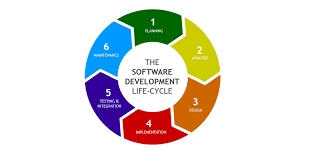
SDLC is a systematic approach to software development that ensures high-quality, reliable, and cost-effective software solutions. It consists of several phases, including planning, analysis, design, implementation, testing, deployment, and maintenance. Each phase has specific objectives and deliverables that contribute to the overall success of the project.

Guru99’s Expertise in SDLC

Guru99 provides in-depth tutorials, articles, and videos on SDLC that cover various methodologies such as Waterfall, Agile, Scrum, and DevOps. Their expert guidance helps developers gain a comprehensive understanding of each phase of the SDLC process and how to apply best practices for successful software development projects.

Benefits of Following SDLC

By following SDLC principles advocated by Guru99, developers can benefit from:

  • Improved project management
  • Enhanced collaboration among team members
  • Better risk management
  • Higher quality software products
  • Increased customer satisfaction

Conclusion

Guru99’s expertise in SDLC makes it a valuable resource for developers looking to enhance their software development skills and deliver successful projects. By following the guidance provided by Guru99 on SDLC methodologies and best practices, developers can streamline their development processes and achieve better outcomes for their software projects.


Master Software Development with Expert Insights and Best Practices from SDLC Guru99

  1. Comprehensive tutorials on various SDLC methodologies
  2. Expert guidance for each phase of the software development process
  3. In-depth articles and videos for easy learning
  4. Clear explanation of best practices in software development
  5. Helps improve project management skills
  6. Enhances collaboration among team members
  7. Provides insights into risk management strategies
  8. Ensures higher quality software products
  9. Increases customer satisfaction through successful project delivery


Challenges of Using Guru99 for SDLC Learning: Depth, Updates, and User Experience

  1. Some tutorials may lack depth and advanced topics
  2. Limited interactive learning tools on the platform
  3. Not all content may be regularly updated to reflect the latest industry trends
  4. May require additional external resources for a more comprehensive understanding of certain SDLC concepts
  5. Navigation on the website could be improved for better user experience
  6. The platform may not cater to all levels of expertise, from beginners to advanced developers

Comprehensive tutorials on various SDLC methodologies

Guru99 stands out for its comprehensive tutorials on various Software Development Life Cycle (SDLC) methodologies. Whether it’s Waterfall, Agile, Scrum, or DevOps, Guru99 provides detailed and insightful guidance to help developers understand and implement different SDLC approaches effectively. By offering in-depth tutorials on a wide range of methodologies, Guru99 empowers developers to choose the right approach for their projects and enhance their software development skills.

Expert guidance for each phase of the software development process

Guru99 offers expert guidance for each phase of the software development process, ensuring that developers have the necessary support and knowledge to navigate through planning, analysis, design, implementation, testing, deployment, and maintenance seamlessly. By providing detailed insights and best practices for each stage of the SDLC, Guru99 empowers developers to make informed decisions and execute tasks effectively, ultimately leading to the successful delivery of high-quality software solutions.

In-depth articles and videos for easy learning

Guru99’s SDLC resources stand out for their in-depth articles and videos, offering a comprehensive learning experience that caters to both beginners and experienced professionals in the software development field. With clear explanations and practical examples, these resources make complex SDLC concepts easy to grasp, empowering learners to enhance their skills and knowledge effectively.

Clear explanation of best practices in software development

Guru99’s SDLC resources excel in providing a clear explanation of best practices in software development. By offering detailed insights into industry-proven methodologies and techniques, Guru99 equips developers with the knowledge and understanding needed to implement effective strategies throughout the software development life cycle. This clarity empowers professionals to make informed decisions, improve project outcomes, and deliver high-quality software solutions that meet the highest standards of excellence.

Helps improve project management skills

Guru99’s comprehensive resources on Software Development Life Cycle (SDLC) play a crucial role in helping individuals enhance their project management skills. By following Guru99’s guidance on SDLC methodologies, aspiring project managers can learn how to effectively plan, execute, and monitor software development projects. The detailed insights provided by Guru99 empower individuals to streamline project workflows, allocate resources efficiently, and ensure timely delivery of high-quality software solutions. Overall, utilizing Guru99’s expertise in SDLC can significantly contribute to the improvement of project management skills and the successful execution of software development initiatives.

Enhances collaboration among team members

One significant advantage of utilizing SDLC methodologies from Guru99 is that it enhances collaboration among team members. By following a structured approach to software development, team members are encouraged to work together closely at each phase of the project. This collaborative environment fosters communication, idea sharing, and problem-solving, leading to improved teamwork and ultimately better outcomes for the software development project.

Provides insights into risk management strategies

Guru99’s SDLC resources offer valuable insights into risk management strategies, helping developers and organizations effectively identify, assess, and mitigate potential risks throughout the software development life cycle. By understanding and implementing these strategies, users can proactively address challenges, minimize project disruptions, and enhance the overall success of their software projects. Guru99’s focus on risk management empowers individuals to make informed decisions and take proactive measures to ensure the delivery of high-quality software solutions.

Ensures higher quality software products

By emphasizing the importance of following Software Development Life Cycle (SDLC) methodologies, Guru99 ensures that developers can deliver higher quality software products. By adhering to structured processes and best practices throughout the SDLC phases, developers can effectively identify and address issues early on, leading to more reliable and robust software solutions. Guru99’s guidance on SDLC helps developers prioritize quality assurance measures, testing procedures, and continuous improvement efforts, ultimately resulting in software products that meet or exceed user expectations.

Increases customer satisfaction through successful project delivery

By emphasizing successful project delivery as a key benefit, SDLC Guru99 ultimately increases customer satisfaction. By following the structured approach and best practices advocated by Guru99, developers can ensure that software projects are completed on time, within budget, and meet or exceed customer expectations. This commitment to delivering high-quality software solutions leads to satisfied customers who trust in the expertise and reliability of the development team.

Some tutorials may lack depth and advanced topics

While Guru99 offers valuable resources on Software Development Life Cycle (SDLC), it is important to note that some tutorials provided by the platform may lack depth and coverage of advanced topics. This limitation could potentially hinder developers seeking in-depth knowledge and expertise in certain areas of SDLC. It is advisable for users to supplement their learning with additional resources or seek advanced tutorials elsewhere to ensure a comprehensive understanding of all aspects of the software development process.

Limited interactive learning tools on the platform

One notable drawback of SDLC Guru99 is the limited availability of interactive learning tools on the platform. While Guru99 offers comprehensive resources and guides on software development life cycle methodologies, the lack of interactive tools may hinder users’ engagement and hands-on learning experience. Interactive tools such as simulations, coding exercises, or interactive quizzes can enhance the learning process by providing practical application opportunities and reinforcing key concepts effectively. Incorporating more interactive learning tools could further enrich the educational experience on SDLC Guru99 and cater to a wider range of learning preferences among users.

One drawback of using SDLC resources from Guru99 is that not all content may be regularly updated to reflect the latest industry trends. This could potentially lead to users relying on outdated information, which may not align with current best practices or technological advancements in the software development field. Staying informed about the latest trends and updates is crucial in a rapidly evolving industry like software development, and users should exercise caution when utilizing resources that may not be consistently updated to ensure they are working with the most relevant and up-to-date information available.

May require additional external resources for a more comprehensive understanding of certain SDLC concepts

One drawback of utilizing SDLC resources from Guru99 is that it may necessitate seeking additional external resources to gain a more thorough understanding of certain SDLC concepts. While Guru99 provides valuable tutorials and guides on software development life cycle methodologies, some users may find that supplementary materials are needed to delve deeper into specific aspects of the SDLC process. This limitation highlights the importance of exploring a variety of sources to ensure a comprehensive grasp of complex SDLC concepts.

One drawback of using the SDLC resources on Guru99 is that the navigation on the website could be enhanced to provide a better user experience. Improving the website’s navigation would make it easier for users to locate specific SDLC tutorials, articles, and videos quickly, ultimately enhancing their overall learning experience. By addressing this issue, Guru99 could further optimize its platform and make it even more user-friendly for individuals seeking valuable insights into software development life cycle methodologies.

The platform may not cater to all levels of expertise, from beginners to advanced developers

While Guru99 offers valuable resources and guides on Software Development Life Cycle (SDLC), one potential drawback is that the platform may not cater to all levels of expertise, from beginners to advanced developers. This limitation could pose a challenge for individuals seeking comprehensive support and guidance tailored to their specific skill levels within the SDLC process. It is important for users to assess their proficiency level in software development before relying solely on Guru99’s content to ensure they receive appropriate assistance and instruction throughout their learning journey.