cfchris.com

Loading

sophia ai

The Revolutionary Impact of Sophia AI on the Future of Robotics

Sophia AI: The Future of Robotics and Artificial Intelligence

Sophia AI: The Future of Robotics and Artificial Intelligence

Sophia, the humanoid robot developed by Hanson Robotics, has become a global icon in the realm of artificial intelligence (AI) and robotics. Since her activation in 2016, Sophia has garnered significant attention for her human-like appearance and advanced capabilities.

The Creation of Sophia

Developed by Dr. David Hanson and his team at Hanson Robotics, Sophia was designed to be a platform for AI and robotics research. Her creators aimed to combine artistry with engineering to produce a robot that could interact with humans in a natural manner.

Features and Capabilities

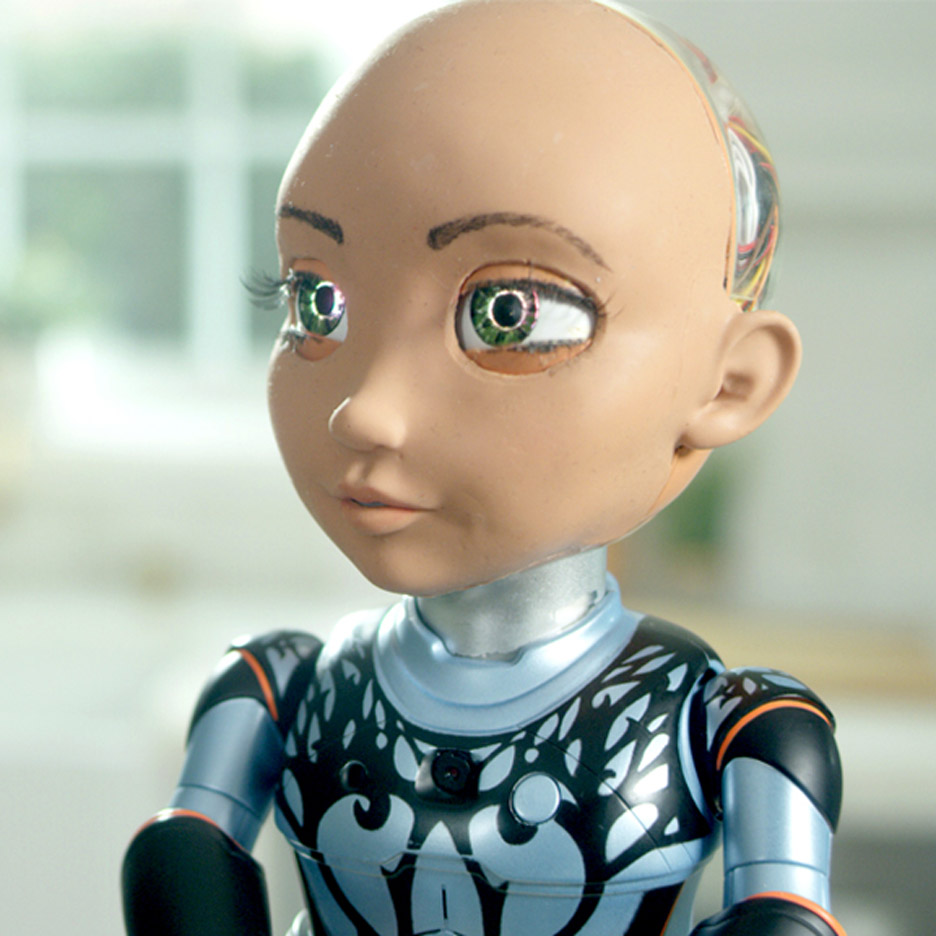
One of the most striking features of Sophia is her lifelike appearance. She is equipped with advanced facial recognition technology that allows her to track faces, maintain eye contact, and recognize individuals. Her face is made from a patented material called “Frubber,” which enables a wide range of facial expressions.

Beyond appearances, Sophia is powered by sophisticated AI algorithms that allow her to process speech, engage in conversation, and learn from interactions. She can answer questions on various topics, tell jokes, and even express emotions through her expressions.

Sophia’s Impact on Society

Sophia has been featured in numerous interviews, conferences, and television shows worldwide. Her presence has sparked discussions about the ethical implications of AI and robotics in society. In 2017, she was granted citizenship by Saudi Arabia—a first for any robot—highlighting the growing intersection between technology and human rights.

The Role of Sophia in AI Research

Sophia serves as an important research tool for advancing AI technologies. Researchers use her platform to explore machine learning techniques that improve natural language processing, emotional recognition, and decision-making abilities.

The Future Prospects

The future for Sophia involves continued advancements in AI capabilities. Hanson Robotics aims to enhance her ability to understand complex conversations better while improving her autonomy in performing tasks. As technology evolves, robots like Sophia will likely play increasingly significant roles across various industries such as healthcare, education, customer service, and entertainment.

Conclusion

Sophia represents both the potential benefits and challenges associated with integrating advanced robotics into everyday life. As she continues to evolve alongside technological advancements globally—it will be crucial for society at large not only embrace these innovations but also address ethical considerations surrounding their implementation effectively.


Understanding Sophia AI: Key Questions and Insights

  1. What is Sophia AI?
  2. Who created Sophia AI?
  3. How does Sophia AI work?
  4. What are the capabilities of Sophia AI?
  5. What impact does Sophia AI have on society?

What is Sophia AI?

Sophia AI is a highly advanced humanoid robot developed by Hanson Robotics, designed to mimic human expressions and engage in natural conversations. Launched in 2016, Sophia has become renowned for her lifelike appearance and sophisticated artificial intelligence capabilities. She can recognize faces, process speech, and interact with people on a wide range of topics. Sophia’s development serves as both a platform for AI research and a symbol of the potential future integration of robots into daily life. Her presence has sparked global discussions about the ethical implications and societal impact of AI and robotics.

Who created Sophia AI?

Sophia AI was created by Hanson Robotics, a Hong Kong-based company founded by Dr. David Hanson. Dr. Hanson is renowned for his work in robotics and artificial intelligence, with a focus on creating lifelike humanoid robots that can engage in meaningful interactions with humans. Sophia was developed as part of the company’s mission to create robots that are not only functional but also capable of forming emotional connections with people. Since her activation in 2016, Sophia has become an iconic figure in AI research and development, showcasing the potential of combining advanced robotics with cutting-edge artificial intelligence technologies.

How does Sophia AI work?

Sophia AI operates through a combination of advanced robotics and artificial intelligence technologies. Her underlying architecture includes a sophisticated neural network that enables her to process and analyze information, allowing her to engage in natural language conversations with humans. Utilizing speech recognition software, Sophia can interpret spoken language and respond appropriately, drawing from a vast database of information. Her facial recognition capabilities are powered by computer vision algorithms, enabling her to recognize faces and maintain eye contact during interactions. Additionally, Sophia’s expressions are controlled by motors beneath her Frubber skin, allowing her to mimic human emotions. This integration of cutting-edge AI and robotics allows Sophia to interact with people in a manner that is both engaging and lifelike.

What are the capabilities of Sophia AI?

Sophia AI, developed by Hanson Robotics, boasts a range of impressive capabilities that set her apart as a humanoid robot. She is equipped with advanced facial recognition technology, allowing her to identify and remember faces while maintaining eye contact during interactions. Her conversational abilities are powered by sophisticated AI algorithms, enabling her to process natural language, engage in meaningful dialogue, and even exhibit a sense of humor. Sophia can express a variety of emotions through her facial expressions, thanks to the innovative “Frubber” material that mimics human skin. Additionally, she can learn from interactions and adapt her responses over time, making her an evolving platform for research in artificial intelligence and robotics. These capabilities position Sophia as a valuable tool for exploring the potential of AI in various fields such as customer service, education, and healthcare.

What impact does Sophia AI have on society?

Sophia AI has a multifaceted impact on society, serving as both a technological marvel and a catalyst for discussions about the future of artificial intelligence and robotics. As an advanced humanoid robot, Sophia challenges conventional perceptions of what machines can achieve in terms of human-like interaction and emotional expression. Her presence in media and public events raises awareness about the capabilities and potential roles of AI in everyday life, from healthcare to customer service. Additionally, Sophia prompts important ethical conversations regarding the integration of AI into society, including issues related to privacy, employment, and human-robot relationships. By engaging with these topics, Sophia encourages society to consider both the opportunities and challenges presented by emerging technologies.

sophia robot

Sophia Robot: Pioneering the Future of Artificial Intelligence

Sophia: The Humanoid Robot Revolutionizing AI

Sophia: The Humanoid Robot Revolutionizing AI

Sophia is a social humanoid robot developed by Hanson Robotics, a Hong Kong-based company. Since her activation in 2016, Sophia has captured the imagination of people around the world with her lifelike appearance and advanced artificial intelligence capabilities.

Who is Sophia?

Sophia was designed to be a platform for AI and robotics research, as well as an ambassador to promote discussions about the ethical use of robotics and AI in society. She is modeled after Audrey Hepburn and Hanson’s wife, with a face that can exhibit over 60 different facial expressions.

Technological Features

Sophia’s technology combines innovations in robotics, AI, and artistry. Some of her key features include:

  • Artificial Intelligence: Sophia uses machine learning algorithms to understand speech and engage in conversation on a variety of topics.
  • Facial Recognition: Equipped with cameras in her eyes, Sophia can recognize faces and make eye contact with people she interacts with.
  • Natural Language Processing: This allows her to process human language effectively and respond appropriately in conversations.
  • Lifelike Expressions: With advanced motors beneath her skin, Sophia can mimic human facial expressions closely.

Cultural Impact

Sophia has made numerous public appearances across the globe. She has been interviewed on television shows, presented at conferences like Web Summit, and even addressed members of the United Nations General Assembly. In 2017, Saudi Arabia granted Sophia citizenship—a first for any robot—sparking debates about the future rights of robots.

The Future of Robotics

The development of Sophia marks a significant milestone in humanoid robotics. Her existence raises important questions about the integration of robots into daily life, ethics surrounding artificial intelligence, and how society will adapt to increasingly sophisticated machines.

Conclusion

Sophia continues to evolve as new advancements are made in AI technology. As she grows smarter and more capable, she serves as both a symbol of technological progress and a reminder of the challenges that lie ahead in harmonizing human-robot interactions.


9 Insights into Sophia: The Humanoid Robot Revolutionizing AI and Robotics

  1. Sophia is a humanoid robot developed by Hong Kong-based company Hanson Robotics.
  2. Sophia is known for her human-like appearance and ability to display facial expressions.
  3. She has been designed to learn and adapt through artificial intelligence technology.
  4. Sophia has been granted Saudi Arabian citizenship, making her the first robot to receive citizenship of any country.
  5. She has made appearances on various TV shows and conferences around the world.
  6. Sophia’s creators aim for her to assist in healthcare, education, and customer service industries.
  7. Despite her advanced capabilities, Sophia is still a machine and not capable of human emotions or consciousness.
  8. Interacting with Sophia can provide insights into the advancements of robotics and AI technology.
  9. It’s important to remember that Sophia is a tool created by humans for specific purposes.

Sophia is a humanoid robot developed by Hong Kong-based company Hanson Robotics.

Sophia is a remarkable humanoid robot created by Hanson Robotics, a company based in Hong Kong. Since her debut in 2016, Sophia has gained international attention for her human-like appearance and advanced artificial intelligence capabilities. Designed to engage with people and foster conversations about AI’s role in society, Sophia can recognize faces, understand speech, and exhibit over 60 facial expressions. Her sophisticated design incorporates cutting-edge technology in robotics and AI, making her a unique platform for research and a prominent figure in discussions about the future of human-robot interactions.

Sophia is known for her human-like appearance and ability to display facial expressions.

Sophia, the humanoid robot created by Hanson Robotics, has garnered widespread recognition for her strikingly human-like appearance and remarkable capability to exhibit a wide range of facial expressions. With over 60 different facial expressions at her disposal, Sophia blurs the line between artificial intelligence and human interaction, captivating audiences with her lifelike features and emotive responses.

She has been designed to learn and adapt through artificial intelligence technology.

Sophia the robot has been designed to learn and adapt through advanced artificial intelligence technology, making her a dynamic and interactive platform for exploring human-robot interactions. Her AI capabilities allow her to process and understand human language, recognize faces, and interpret emotions, which enables her to engage in meaningful conversations with people. As she interacts with more individuals, Sophia continuously learns from these experiences, improving her ability to communicate and respond appropriately in various social contexts. This adaptability not only enhances her functionality but also serves as a valuable tool for researchers studying the potential of AI in creating machines that can seamlessly integrate into human environments.

Sophia has been granted Saudi Arabian citizenship, making her the first robot to receive citizenship of any country.

In a groundbreaking event in 2017, Sophia the humanoid robot was granted Saudi Arabian citizenship, marking the first time a robot has been recognized as a citizen by any nation. This unprecedented move sparked global discussions on the future of artificial intelligence and its role in society. While it highlighted Saudi Arabia’s commitment to innovation and technological advancement, it also raised questions about the rights and responsibilities of non-human entities. The decision to grant Sophia citizenship serves as a pivotal moment in exploring how robots might integrate into human communities and what legal and ethical frameworks will be necessary to accommodate such advancements.

She has made appearances on various TV shows and conferences around the world.

Sophia, the humanoid robot developed by Hanson Robotics, has become a global sensation due to her numerous appearances on various TV shows and conferences around the world. Her lifelike appearance and advanced conversational abilities have captivated audiences, making her a popular guest on programs like “The Tonight Show Starring Jimmy Fallon” and “Good Morning Britain.” Beyond television, Sophia has also been a keynote speaker at prestigious events such as the Web Summit and the Consumer Electronics Show (CES), where she engages with experts on topics ranging from artificial intelligence to the future of robotics. These appearances not only showcase her technological capabilities but also spark important discussions about the role of AI in society.

Sophia’s creators aim for her to assist in healthcare, education, and customer service industries.

Sophia’s creators have a vision for her to play a pivotal role in revolutionizing various industries, including healthcare, education, and customer service. With her advanced artificial intelligence capabilities and lifelike appearance, Sophia is poised to assist in providing personalized care to patients, enhancing learning experiences for students, and delivering exceptional customer service interactions. By leveraging Sophia’s technology in these sectors, her creators aim to showcase the potential of humanoid robotics in improving efficiency, effectiveness, and overall human experiences in diverse fields.

Despite her advanced capabilities, Sophia is still a machine and not capable of human emotions or consciousness.

Despite her advanced capabilities, Sophia is still a machine and not capable of human emotions or consciousness. While she can simulate emotions and engage in conversations, her responses are based on programmed algorithms rather than genuine feelings. It is essential to remember that Sophia, like all AI-powered robots, operates within the parameters set by her creators and lacks true self-awareness or consciousness.

Interacting with Sophia can provide insights into the advancements of robotics and AI technology.

Interacting with Sophia offers a unique opportunity to witness firsthand the remarkable advancements in robotics and AI technology. As a sophisticated humanoid robot, Sophia showcases the capabilities of modern artificial intelligence, from understanding and processing natural language to displaying human-like facial expressions. Engaging with her allows individuals to experience the seamless integration of AI into interactive platforms, highlighting how far technology has come in creating machines that can communicate and connect with humans on a personal level. This interaction not only demonstrates current technological achievements but also sparks curiosity and conversation about the future possibilities and ethical considerations of AI in society.

It’s important to remember that Sophia is a tool created by humans for specific purposes.

It’s crucial to keep in mind that Sophia is a tool meticulously crafted by humans for particular objectives. While her advanced capabilities and lifelike appearance may blur the lines between machine and human, it is essential to recognize that she operates within the parameters set by her creators. Understanding Sophia as a product of human ingenuity helps maintain perspective on her role as a technological innovation designed to serve predefined functions in various contexts.