
cfchris.com

Loading

converged it infrastructure

Unlocking Efficiency: The Power of Converged IT Infrastructure

The Power of Converged IT Infrastructure

The Power of Converged IT Infrastructure

In today’s fast-paced digital world, businesses are constantly seeking ways to streamline their IT operations and enhance efficiency. One solution that has gained significant traction is converged IT infrastructure.

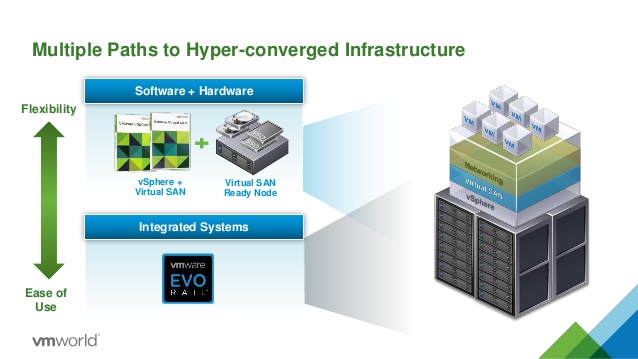
Converged IT infrastructure combines computing, storage, networking, and virtualization resources into a single, integrated system. This approach eliminates the need for separate silos of hardware and software, allowing for easier management and scalability.

Benefits of Converged IT Infrastructure

Simplified Management: With converged infrastructure, IT teams can manage all components from a single interface. This centralized management simplifies tasks such as provisioning, monitoring, and troubleshooting.

Cost Savings: By consolidating hardware and software resources into a unified system, businesses can reduce operational costs associated with maintenance, power consumption, and cooling.

Improved Scalability: Converged infrastructure is designed to be easily scalable. Businesses can quickly add or remove resources based on their evolving needs without the complexity of managing disparate systems.

Enhanced Performance: The integrated nature of converged infrastructure optimizes resource utilization and enhances performance across the entire IT environment. This results in faster processing speeds and improved application responsiveness.

Implementing Converged IT Infrastructure

When implementing converged IT infrastructure, businesses should consider factors such as their current IT environment, scalability requirements, security needs, and budget constraints. It is essential to work with experienced professionals to design and deploy a solution that aligns with the organization’s goals.

By embracing converged IT infrastructure, businesses can transform their operations by increasing agility, reducing complexity, and driving innovation. In an era where digital transformation is key to success, converged infrastructure offers a powerful foundation for future growth.


9 Key Benefits of Converged IT Infrastructure: Simplified Management, Cost Savings, and Enhanced Agility

  1. Simplified management through centralized interface
  2. Cost savings by reducing operational expenses
  3. Improved scalability for easy resource adjustments
  4. Enhanced performance with optimized resource utilization
  5. Faster deployment of new services and applications
  6. Streamlined IT operations for increased efficiency
  7. Reduced complexity in managing hardware and software
  8. Better integration of computing, storage, and networking resources
  9. Increased agility to adapt to changing business needs


7 Drawbacks of Converged IT Infrastructure: Costs, Complexity, and More

  1. Initial Cost
  2. Vendor Lock-In
  3. Complexity
  4. Scalability Limitations
  5. Single Point of Failure
  6. Upgrades and Compatibility
  7. Resource Utilization

Simplified management through centralized interface

One significant advantage of converged IT infrastructure is the simplified management it offers through a centralized interface. By consolidating computing, storage, networking, and virtualization resources into a single integrated system, IT teams can efficiently manage all components from a unified platform. This centralized approach streamlines tasks such as provisioning, monitoring, and troubleshooting, enabling IT professionals to oversee the entire infrastructure more effectively and with greater ease. The convenience of having a single interface for managing multiple aspects of the IT environment enhances operational efficiency and allows for quicker decision-making and problem resolution.

Cost savings by reducing operational expenses

One significant advantage of converged IT infrastructure is the cost savings it brings by reducing operational expenses. By consolidating hardware and software resources into a unified system, businesses can lower costs associated with maintenance, power consumption, and cooling. This streamlined approach not only leads to immediate cost reductions but also simplifies budgeting and forecasting for IT expenditures. Overall, the ability to minimize operational expenses through converged IT infrastructure allows organizations to allocate resources more efficiently and invest in strategic initiatives that drive growth and innovation.

Improved scalability for easy resource adjustments

Improved scalability is a key advantage of converged IT infrastructure, enabling businesses to easily adjust resources based on their evolving needs. With the ability to quickly add or remove computing, storage, and networking resources from a centralized system, organizations can efficiently scale their IT environment without the complexities associated with managing separate components. This flexibility not only enhances operational efficiency but also allows businesses to adapt to changing demands and optimize resource utilization effectively.

Enhanced performance with optimized resource utilization

Enhanced performance with optimized resource utilization is a significant advantage of converged IT infrastructure. By efficiently allocating computing, storage, and networking resources within a unified system, businesses can experience faster processing speeds and improved application responsiveness. This streamlined approach ensures that resources are utilized to their fullest potential, resulting in enhanced overall performance across the IT environment. The optimized resource utilization not only boosts efficiency but also allows organizations to meet the increasing demands of modern digital operations effectively.

Faster deployment of new services and applications

Converged IT infrastructure enables faster deployment of new services and applications by providing a unified platform that streamlines the process. With all essential resources integrated into a single system, IT teams can quickly provision and configure new services without the complexity of managing separate components. This efficiency not only accelerates the time-to-market for innovative solutions but also enhances overall agility, allowing businesses to adapt swiftly to changing market demands and stay ahead of the competition.

Streamlined IT operations for increased efficiency

Converged IT infrastructure offers the significant advantage of streamlining IT operations to enhance efficiency within organizations. By consolidating computing, storage, networking, and virtualization resources into a unified system, businesses can simplify management tasks and reduce operational complexities. This streamlined approach allows IT teams to allocate resources more effectively, optimize performance, and respond quickly to changing business needs. Ultimately, the increased efficiency gained from converged IT infrastructure empowers organizations to focus on innovation and strategic initiatives while maintaining a robust and agile IT environment.

Reduced complexity in managing hardware and software

One of the key advantages of converged IT infrastructure is the reduced complexity in managing hardware and software. By consolidating computing, storage, networking, and virtualization resources into a unified system, IT teams can streamline their operations and simplify management tasks. This integrated approach eliminates the need to deal with multiple silos of hardware and software, allowing for more efficient provisioning, monitoring, and troubleshooting processes. Ultimately, the reduction in complexity leads to increased productivity and cost savings for businesses leveraging converged IT infrastructure.

Better integration of computing, storage, and networking resources

Better integration of computing, storage, and networking resources is a key advantage of converged IT infrastructure. By combining these essential components into a unified system, businesses can achieve seamless communication and collaboration between different layers of their IT environment. This integrated approach enhances efficiency, reduces complexity, and improves overall performance by ensuring that computing, storage, and networking resources work together harmoniously to support the organization’s goals and operations.

Increased agility to adapt to changing business needs

Converged IT infrastructure provides businesses with increased agility to adapt to changing business needs swiftly and effectively. By consolidating computing, storage, networking, and virtualization resources into a unified system, organizations can quickly reallocate resources and scale up or down based on evolving requirements. This agility allows businesses to respond promptly to market shifts, technological advancements, or unforeseen challenges, ensuring that their IT environment remains flexible and responsive to changing demands.

Initial Cost

Converged IT infrastructure solutions, despite their numerous benefits, come with a significant drawback in the form of initial costs. Businesses considering the adoption of converged IT infrastructure must be prepared for substantial upfront expenses, encompassing hardware, software, and implementation costs. This financial investment can pose a challenge for organizations with budget constraints or those looking for immediate cost savings. Careful consideration and financial planning are essential to ensure that the long-term benefits of converged IT infrastructure outweigh the initial financial burden.

Vendor Lock-In

Adopting converged IT infrastructure may present the challenge of vendor lock-in, where businesses are constrained in their ability to select different vendors for specific components. This limitation can restrict flexibility and hinder the organization’s freedom to choose the best solutions tailored to their unique needs. Vendor lock-in can potentially result in dependency on a single vendor, making it challenging to switch providers or negotiate favorable terms in the future. Businesses considering converged infrastructure should carefully evaluate the implications of vendor lock-in and weigh this con against the benefits of streamlined management and integrated systems.

Complexity

Managing a converged IT environment can present a significant challenge due to its inherent complexity. IT teams may struggle with the specialized skills and training required to effectively oversee integrated systems. The learning curve associated with converged infrastructure can be steep, particularly for those unfamiliar with this approach. The need for additional training and expertise adds a layer of complexity that organizations must address when considering the adoption of converged IT infrastructure.

Scalability Limitations

Scalability Limitations can be a significant drawback of converged IT infrastructure. While these solutions are intended to be scalable, businesses may encounter constraints when trying to expand or customize the system to meet their specific needs. In some cases, the predefined configurations of converged infrastructure may not align perfectly with the organization’s unique requirements, limiting flexibility and hindering seamless growth. It is crucial for businesses to carefully assess the scalability limitations of a converged IT solution before implementation to ensure that it can effectively support their future growth and evolving demands.

Single Point of Failure

One significant drawback of converged IT infrastructure is the risk of a single point of failure. Due to the integration of all components into a unified system, a malfunction or breakdown in one part of the infrastructure can have far-reaching consequences, potentially affecting the entire environment. This vulnerability highlights the importance of implementing robust backup and disaster recovery plans to mitigate the impact of such failures and ensure business continuity in the face of unforeseen events.

Upgrades and Compatibility

When considering converged IT infrastructure, one significant challenge to be aware of is the issue of upgrades and compatibility. Upgrading individual components within a converged system or ensuring compatibility with new technologies can be complex and may pose difficulties. As technology evolves rapidly, ensuring that all components work seamlessly together and can support future upgrades becomes a critical concern for businesses adopting converged infrastructure. This challenge highlights the importance of thorough planning and careful consideration of compatibility issues to avoid potential disruptions in operations.

Resource Utilization

In the realm of converged IT infrastructure, a notable drawback lies in the aspect of resource utilization. At times, specific resources within a converged setup may face underutilization if they are not allocated or managed effectively. This inefficiency can lead to wasted capacity and potential performance bottlenecks, undermining the overall efficiency gains that converged infrastructure aims to deliver. It is crucial for organizations to carefully monitor and optimize resource allocation to ensure that all components operate at their full potential and contribute to the system’s optimal performance.

cloud based cyber security companies

Enhancing Security: The Role of Cloud-Based Cyber Security Companies

Article: Cloud-Based Cyber Security Companies

The Rise of Cloud-Based Cyber Security Companies

In today’s digital age, the importance of cyber security cannot be overstated. With the increasing number of cyber threats and data breaches, businesses are turning to innovative solutions to protect their sensitive information. One such solution that has gained popularity in recent years is cloud-based cyber security.

Cloud-based cyber security companies offer a range of services and products that help organizations safeguard their data and systems in the cloud. By leveraging the power of cloud computing, these companies can provide scalable and cost-effective security solutions that are tailored to meet the unique needs of each client.

Benefits of Cloud-Based Cyber Security Companies

There are several key benefits to partnering with a cloud-based cyber security company:

  • Scalability: Cloud-based solutions can easily scale up or down based on the needs of your business, providing flexibility and cost savings.
  • Accessibility: With cloud-based security tools, you can access your data and monitor your systems from anywhere in the world, enhancing convenience and efficiency.
  • Automation: Many cloud-based security solutions offer automated features that help streamline processes and detect threats in real-time.
  • Cost-Effectiveness: By outsourcing your cyber security needs to a cloud-based provider, you can reduce upfront costs associated with hardware and software purchases.
  • Expertise: Cloud-based cyber security companies employ skilled professionals who specialize in protecting data in the cloud, ensuring that your systems are secure at all times.

The Future of Cyber Security

As more businesses migrate their operations to the cloud, the demand for reliable cyber security solutions will continue to grow. Cloud-based cyber security companies are well-positioned to meet this demand by offering cutting-edge technologies and services that help organizations stay ahead of emerging threats.

In conclusion, cloud-based cyber security companies play a crucial role in safeguarding sensitive data and systems in today’s interconnected world. By harnessing the power of cloud computing, these companies provide scalable, accessible, and cost-effective solutions that enable businesses to mitigate risks and protect their assets effectively.


6 Essential Tips for Strengthening Cloud-Based Cybersecurity

  1. Ensure data encryption for secure transmission and storage.
  2. Implement multi-factor authentication to enhance access control.
  3. Regularly update security patches to protect against vulnerabilities.
  4. Monitor network traffic for suspicious activities or potential threats.
  5. Conduct regular security audits and assessments to identify weaknesses.
  6. Provide employee training on cybersecurity best practices to prevent human errors.

Ensure data encryption for secure transmission and storage.

To enhance the security of your data in the cloud, it is essential to prioritize data encryption for both transmission and storage. By encrypting your data, you add an extra layer of protection that ensures sensitive information remains secure and unreadable to unauthorized users. This practice not only safeguards your data during transfer between devices or networks but also when stored in cloud servers, mitigating the risk of potential breaches and maintaining confidentiality. Implementing robust encryption measures is a fundamental step in bolstering the overall cyber security posture of your organization when working with cloud-based services.

Implement multi-factor authentication to enhance access control.

Implementing multi-factor authentication is a crucial tip recommended by cloud-based cyber security companies to enhance access control. By requiring users to provide multiple forms of verification before accessing sensitive data or systems, such as a password and a unique code sent to their mobile device, multi-factor authentication adds an extra layer of security that significantly reduces the risk of unauthorized access. This additional step helps thwart potential cyber threats and ensures that only authorized individuals can gain entry, strengthening overall security measures in the cloud environment.

Regularly update security patches to protect against vulnerabilities.

Regularly updating security patches is a crucial practice for enhancing the protection of cloud-based cyber security systems against vulnerabilities. By staying current with the latest patches, companies can address known security weaknesses and prevent potential exploitation by cyber threats. This proactive approach helps to strengthen the overall security posture of cloud environments, reducing the risk of breaches and ensuring that sensitive data remains secure.

Monitor network traffic for suspicious activities or potential threats.

Monitoring network traffic for suspicious activities or potential threats is a crucial aspect of effective cloud-based cyber security. By continuously analyzing incoming and outgoing data packets, organizations can detect anomalies, unauthorized access attempts, or unusual patterns that may indicate a security breach. This proactive approach allows companies to identify and respond to threats in real-time, minimizing the risk of data loss or system compromise. Implementing robust network monitoring tools and practices is essential for maintaining a secure cloud environment and safeguarding sensitive information against cyber attacks.

Conduct regular security audits and assessments to identify weaknesses.

Conducting regular security audits and assessments is a crucial tip for cloud-based cyber security companies to identify weaknesses in their systems and processes. By proactively evaluating their security measures, companies can uncover vulnerabilities, gaps, or potential threats that may compromise the integrity of their data stored in the cloud. These audits help in strengthening defenses, implementing necessary updates, and ensuring that robust security protocols are in place to protect against evolving cyber threats effectively.

Provide employee training on cybersecurity best practices to prevent human errors.

Employee training on cybersecurity best practices is a crucial aspect of maintaining strong defenses against cyber threats in cloud-based environments. By educating employees on how to identify and respond to potential security risks, organizations can significantly reduce the likelihood of human errors that may compromise sensitive data or systems. Training sessions that cover topics such as phishing awareness, password management, and safe browsing habits empower employees to become proactive participants in safeguarding company assets and contribute to a culture of security awareness within the organization.

cloud solutions

Unleashing the Potential: Harnessing the Power of Cloud Solutions for Business Success

The Power of Cloud Solutions

The Power of Cloud Solutions

In today’s digital age, businesses are increasingly turning to cloud solutions to streamline their operations, enhance collaboration, and improve efficiency. Cloud computing offers a wide range of benefits that can revolutionize the way organizations work and grow.

Scalability and Flexibility

One of the key advantages of cloud solutions is their scalability. Businesses can easily adjust their storage and computing resources based on their current needs, allowing for flexibility in managing workload fluctuations. Whether you are a small startup or a large enterprise, cloud services can scale up or down to accommodate your requirements.

Cost-Effectiveness

Cloud solutions eliminate the need for businesses to invest in expensive hardware and infrastructure. With a pay-as-you-go model, organizations only pay for the resources they use, reducing capital expenditure and operational costs. This cost-effectiveness makes cloud computing an attractive option for businesses looking to optimize their budget without compromising on performance.

Enhanced Collaboration

Collaboration is essential in today’s interconnected world, and cloud solutions facilitate seamless communication and teamwork among employees. With cloud-based tools such as file sharing platforms and project management software, teams can collaborate in real-time regardless of their physical location. This level of connectivity boosts productivity and innovation within organizations.

Data Security and Reliability

Cloud service providers invest heavily in security measures to protect data stored on their platforms. From encryption protocols to regular backups, cloud solutions offer robust security features that safeguard sensitive information from cyber threats. Additionally, cloud infrastructure is designed for high availability and reliability, ensuring that businesses can access their data anytime, anywhere without interruptions.

Conclusion

Cloud solutions have become indispensable for modern businesses seeking agility, cost savings, and competitive advantage in the digital landscape. By leveraging the power of cloud computing, organizations can transform their operations, drive innovation, and achieve sustainable growth in today’s dynamic business environment.


Top 9 Frequently Asked Questions About Cloud Solutions for Businesses

  1. What is cloud computing?
  2. How secure is data stored in the cloud?
  3. What are the benefits of using cloud solutions for businesses?
  4. How does cloud storage differ from traditional storage methods?
  5. What types of cloud services are available to businesses?
  6. Can I integrate existing IT infrastructure with cloud solutions?
  7. How does scalability work in cloud computing?
  8. What are the potential risks of migrating to the cloud?
  9. How can businesses ensure compliance and data governance when using cloud solutions?

What is cloud computing?

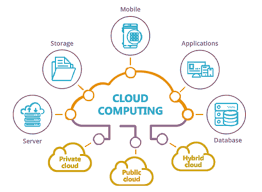
Cloud computing refers to the delivery of computing services, including storage, processing power, and applications over the internet. Instead of relying on local servers or personal devices to handle data and applications, cloud computing allows users to access resources remotely through a network of servers hosted in data centers. This model offers scalability, flexibility, and cost-effectiveness by enabling businesses to pay only for the resources they use. With cloud computing, organizations can streamline their operations, enhance collaboration, and improve efficiency while benefiting from enhanced security measures and high availability of services.

How secure is data stored in the cloud?

The security of data stored in the cloud is a common concern among individuals and businesses considering cloud solutions. Cloud service providers implement robust security measures to protect data from unauthorized access, breaches, and other cyber threats. Encryption protocols, access controls, regular security audits, and compliance certifications are some of the mechanisms used to ensure the confidentiality, integrity, and availability of data in the cloud. By adhering to industry best practices and standards, cloud providers strive to create a secure environment for storing sensitive information, giving users peace of mind regarding the safety of their data in the cloud.

What are the benefits of using cloud solutions for businesses?

Businesses can reap a multitude of benefits by leveraging cloud solutions. From enhanced scalability and flexibility to cost-effectiveness and improved collaboration, cloud computing offers a versatile toolkit for optimizing operations. By utilizing cloud services, organizations can easily adjust their resources to meet changing demands, reduce infrastructure costs, foster seamless teamwork among employees, and ensure robust data security and reliability. Embracing cloud solutions empowers businesses to streamline processes, drive innovation, and stay competitive in today’s fast-paced digital landscape.

How does cloud storage differ from traditional storage methods?

Cloud storage differs from traditional storage methods in several key ways. Unlike traditional storage, which typically involves storing data on physical hardware within an organization’s premises, cloud storage utilizes remote servers maintained by a third-party provider. This means that with cloud storage, data is stored off-site and accessed over the internet, offering greater flexibility and scalability. Additionally, cloud storage allows for easier data backup and recovery, as well as seamless collaboration among users from different locations. The pay-as-you-go model of cloud storage also makes it a cost-effective solution for businesses of all sizes. Overall, cloud storage offers enhanced accessibility, security, and efficiency compared to traditional storage methods.

What types of cloud services are available to businesses?

Businesses have access to a variety of cloud services tailored to meet their specific needs and requirements. The main types of cloud services include Infrastructure as a Service (IaaS), Platform as a Service (PaaS), and Software as a Service (SaaS). IaaS provides businesses with virtualized computing resources such as servers, storage, and networking infrastructure, allowing for greater flexibility and scalability. PaaS offers a platform for developers to build, deploy, and manage applications without the complexity of underlying infrastructure. SaaS delivers software applications over the internet on a subscription basis, enabling businesses to access productivity tools and business applications without the need for installation or maintenance. Each type of cloud service offers distinct advantages and can be customized to support various aspects of business operations.

Can I integrate existing IT infrastructure with cloud solutions?

Yes, integrating existing IT infrastructure with cloud solutions is a common practice that many organizations undertake to leverage the benefits of cloud computing while maintaining their current systems. By adopting a hybrid approach, businesses can seamlessly connect on-premises infrastructure with cloud services, allowing for increased flexibility, scalability, and efficiency. This integration enables companies to optimize their resources, enhance data accessibility, and improve overall performance across their IT ecosystem. With proper planning and implementation, organizations can successfully integrate their existing infrastructure with cloud solutions to create a unified and cohesive IT environment that meets their evolving needs and strategic objectives.

How does scalability work in cloud computing?

Scalability in cloud computing refers to the ability of a system to handle varying workloads efficiently by adjusting resources accordingly. Cloud solutions offer scalability through features like auto-scaling, which automatically allocates more resources when demand increases and releases them when demand decreases. This dynamic resource allocation ensures that businesses can scale their IT infrastructure up or down seamlessly without manual intervention, allowing for optimal performance and cost-efficiency. Scalability in cloud computing empowers organizations to adapt to changing needs quickly and effectively, making it a fundamental aspect of leveraging cloud technology for business growth and innovation.

What are the potential risks of migrating to the cloud?

When considering migrating to the cloud, it is essential to be aware of the potential risks associated with this transition. One common concern is data security and privacy, as storing sensitive information on a third-party server may raise apprehensions about unauthorized access or data breaches. Another risk is the possibility of service outages or downtime, which could impact business operations and result in financial losses. Additionally, compliance and regulatory issues must be carefully addressed to ensure that data handling practices align with industry standards and legal requirements. Despite these risks, proactive risk management strategies and thorough assessment of cloud service providers can help mitigate potential challenges and ensure a smooth migration process.

How can businesses ensure compliance and data governance when using cloud solutions?

Ensuring compliance and data governance when utilizing cloud solutions is a critical concern for businesses in today’s digital landscape. To address this challenge effectively, organizations can implement a comprehensive strategy that includes thorough vetting of cloud service providers’ security and compliance certifications, establishing clear data governance policies and procedures, conducting regular audits to monitor compliance with regulatory requirements, encrypting sensitive data both in transit and at rest, and providing employee training on data security best practices. By adopting a proactive approach to compliance and data governance in the cloud, businesses can mitigate risks, protect sensitive information, and maintain regulatory adherence while leveraging the benefits of cloud technology.