cfchris.com

Loading

converged it infrastructure

Unlocking Efficiency: The Power of Converged IT Infrastructure

The Power of Converged IT Infrastructure

The Power of Converged IT Infrastructure

In today’s fast-paced digital world, businesses are constantly seeking ways to streamline their IT operations and enhance efficiency. One solution that has gained significant traction is converged IT infrastructure.

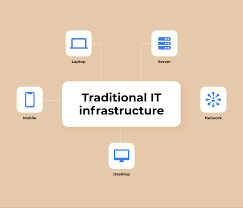
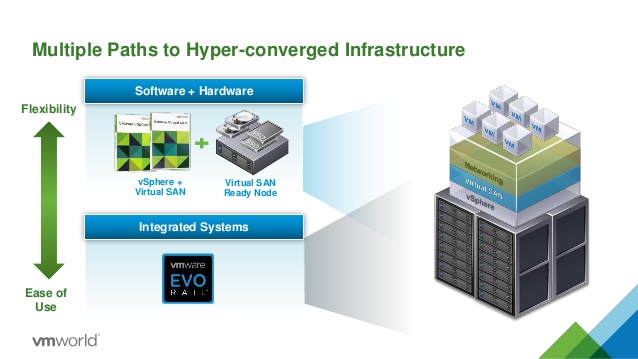
Converged IT infrastructure combines computing, storage, networking, and virtualization resources into a single, integrated system. This approach eliminates the need for separate silos of hardware and software, allowing for easier management and scalability.

Benefits of Converged IT Infrastructure

Simplified Management: With converged infrastructure, IT teams can manage all components from a single interface. This centralized management simplifies tasks such as provisioning, monitoring, and troubleshooting.

Cost Savings: By consolidating hardware and software resources into a unified system, businesses can reduce operational costs associated with maintenance, power consumption, and cooling.

Improved Scalability: Converged infrastructure is designed to be easily scalable. Businesses can quickly add or remove resources based on their evolving needs without the complexity of managing disparate systems.

Enhanced Performance: The integrated nature of converged infrastructure optimizes resource utilization and enhances performance across the entire IT environment. This results in faster processing speeds and improved application responsiveness.

Implementing Converged IT Infrastructure

When implementing converged IT infrastructure, businesses should consider factors such as their current IT environment, scalability requirements, security needs, and budget constraints. It is essential to work with experienced professionals to design and deploy a solution that aligns with the organization’s goals.

By embracing converged IT infrastructure, businesses can transform their operations by increasing agility, reducing complexity, and driving innovation. In an era where digital transformation is key to success, converged infrastructure offers a powerful foundation for future growth.


9 Key Benefits of Converged IT Infrastructure: Simplified Management, Cost Savings, and Enhanced Agility

  1. Simplified management through centralized interface
  2. Cost savings by reducing operational expenses
  3. Improved scalability for easy resource adjustments
  4. Enhanced performance with optimized resource utilization
  5. Faster deployment of new services and applications
  6. Streamlined IT operations for increased efficiency
  7. Reduced complexity in managing hardware and software
  8. Better integration of computing, storage, and networking resources
  9. Increased agility to adapt to changing business needs


7 Drawbacks of Converged IT Infrastructure: Costs, Complexity, and More

  1. Initial Cost
  2. Vendor Lock-In
  3. Complexity
  4. Scalability Limitations
  5. Single Point of Failure
  6. Upgrades and Compatibility
  7. Resource Utilization

Simplified management through centralized interface

One significant advantage of converged IT infrastructure is the simplified management it offers through a centralized interface. By consolidating computing, storage, networking, and virtualization resources into a single integrated system, IT teams can efficiently manage all components from a unified platform. This centralized approach streamlines tasks such as provisioning, monitoring, and troubleshooting, enabling IT professionals to oversee the entire infrastructure more effectively and with greater ease. The convenience of having a single interface for managing multiple aspects of the IT environment enhances operational efficiency and allows for quicker decision-making and problem resolution.

Cost savings by reducing operational expenses

One significant advantage of converged IT infrastructure is the cost savings it brings by reducing operational expenses. By consolidating hardware and software resources into a unified system, businesses can lower costs associated with maintenance, power consumption, and cooling. This streamlined approach not only leads to immediate cost reductions but also simplifies budgeting and forecasting for IT expenditures. Overall, the ability to minimize operational expenses through converged IT infrastructure allows organizations to allocate resources more efficiently and invest in strategic initiatives that drive growth and innovation.

Improved scalability for easy resource adjustments

Improved scalability is a key advantage of converged IT infrastructure, enabling businesses to easily adjust resources based on their evolving needs. With the ability to quickly add or remove computing, storage, and networking resources from a centralized system, organizations can efficiently scale their IT environment without the complexities associated with managing separate components. This flexibility not only enhances operational efficiency but also allows businesses to adapt to changing demands and optimize resource utilization effectively.

Enhanced performance with optimized resource utilization

Enhanced performance with optimized resource utilization is a significant advantage of converged IT infrastructure. By efficiently allocating computing, storage, and networking resources within a unified system, businesses can experience faster processing speeds and improved application responsiveness. This streamlined approach ensures that resources are utilized to their fullest potential, resulting in enhanced overall performance across the IT environment. The optimized resource utilization not only boosts efficiency but also allows organizations to meet the increasing demands of modern digital operations effectively.

Faster deployment of new services and applications

Converged IT infrastructure enables faster deployment of new services and applications by providing a unified platform that streamlines the process. With all essential resources integrated into a single system, IT teams can quickly provision and configure new services without the complexity of managing separate components. This efficiency not only accelerates the time-to-market for innovative solutions but also enhances overall agility, allowing businesses to adapt swiftly to changing market demands and stay ahead of the competition.

Streamlined IT operations for increased efficiency

Converged IT infrastructure offers the significant advantage of streamlining IT operations to enhance efficiency within organizations. By consolidating computing, storage, networking, and virtualization resources into a unified system, businesses can simplify management tasks and reduce operational complexities. This streamlined approach allows IT teams to allocate resources more effectively, optimize performance, and respond quickly to changing business needs. Ultimately, the increased efficiency gained from converged IT infrastructure empowers organizations to focus on innovation and strategic initiatives while maintaining a robust and agile IT environment.

Reduced complexity in managing hardware and software

One of the key advantages of converged IT infrastructure is the reduced complexity in managing hardware and software. By consolidating computing, storage, networking, and virtualization resources into a unified system, IT teams can streamline their operations and simplify management tasks. This integrated approach eliminates the need to deal with multiple silos of hardware and software, allowing for more efficient provisioning, monitoring, and troubleshooting processes. Ultimately, the reduction in complexity leads to increased productivity and cost savings for businesses leveraging converged IT infrastructure.

Better integration of computing, storage, and networking resources

Better integration of computing, storage, and networking resources is a key advantage of converged IT infrastructure. By combining these essential components into a unified system, businesses can achieve seamless communication and collaboration between different layers of their IT environment. This integrated approach enhances efficiency, reduces complexity, and improves overall performance by ensuring that computing, storage, and networking resources work together harmoniously to support the organization’s goals and operations.

Increased agility to adapt to changing business needs

Converged IT infrastructure provides businesses with increased agility to adapt to changing business needs swiftly and effectively. By consolidating computing, storage, networking, and virtualization resources into a unified system, organizations can quickly reallocate resources and scale up or down based on evolving requirements. This agility allows businesses to respond promptly to market shifts, technological advancements, or unforeseen challenges, ensuring that their IT environment remains flexible and responsive to changing demands.

Initial Cost

Converged IT infrastructure solutions, despite their numerous benefits, come with a significant drawback in the form of initial costs. Businesses considering the adoption of converged IT infrastructure must be prepared for substantial upfront expenses, encompassing hardware, software, and implementation costs. This financial investment can pose a challenge for organizations with budget constraints or those looking for immediate cost savings. Careful consideration and financial planning are essential to ensure that the long-term benefits of converged IT infrastructure outweigh the initial financial burden.

Vendor Lock-In

Adopting converged IT infrastructure may present the challenge of vendor lock-in, where businesses are constrained in their ability to select different vendors for specific components. This limitation can restrict flexibility and hinder the organization’s freedom to choose the best solutions tailored to their unique needs. Vendor lock-in can potentially result in dependency on a single vendor, making it challenging to switch providers or negotiate favorable terms in the future. Businesses considering converged infrastructure should carefully evaluate the implications of vendor lock-in and weigh this con against the benefits of streamlined management and integrated systems.

Complexity

Managing a converged IT environment can present a significant challenge due to its inherent complexity. IT teams may struggle with the specialized skills and training required to effectively oversee integrated systems. The learning curve associated with converged infrastructure can be steep, particularly for those unfamiliar with this approach. The need for additional training and expertise adds a layer of complexity that organizations must address when considering the adoption of converged IT infrastructure.

Scalability Limitations

Scalability Limitations can be a significant drawback of converged IT infrastructure. While these solutions are intended to be scalable, businesses may encounter constraints when trying to expand or customize the system to meet their specific needs. In some cases, the predefined configurations of converged infrastructure may not align perfectly with the organization’s unique requirements, limiting flexibility and hindering seamless growth. It is crucial for businesses to carefully assess the scalability limitations of a converged IT solution before implementation to ensure that it can effectively support their future growth and evolving demands.

Single Point of Failure

One significant drawback of converged IT infrastructure is the risk of a single point of failure. Due to the integration of all components into a unified system, a malfunction or breakdown in one part of the infrastructure can have far-reaching consequences, potentially affecting the entire environment. This vulnerability highlights the importance of implementing robust backup and disaster recovery plans to mitigate the impact of such failures and ensure business continuity in the face of unforeseen events.

Upgrades and Compatibility

When considering converged IT infrastructure, one significant challenge to be aware of is the issue of upgrades and compatibility. Upgrading individual components within a converged system or ensuring compatibility with new technologies can be complex and may pose difficulties. As technology evolves rapidly, ensuring that all components work seamlessly together and can support future upgrades becomes a critical concern for businesses adopting converged infrastructure. This challenge highlights the importance of thorough planning and careful consideration of compatibility issues to avoid potential disruptions in operations.

Resource Utilization

In the realm of converged IT infrastructure, a notable drawback lies in the aspect of resource utilization. At times, specific resources within a converged setup may face underutilization if they are not allocated or managed effectively. This inefficiency can lead to wasted capacity and potential performance bottlenecks, undermining the overall efficiency gains that converged infrastructure aims to deliver. It is crucial for organizations to carefully monitor and optimize resource allocation to ensure that all components operate at their full potential and contribute to the system’s optimal performance.


ai summit

AI Summit: Exploring Innovations and Future Trends in Artificial Intelligence

AI Summit: Shaping the Future of Technology

AI Summit: Shaping the Future of Technology

The AI Summit is a premier event that brings together industry leaders, innovators, and enthusiasts from around the world to explore the latest advancements in artificial intelligence. This annual gathering serves as a platform for discussing groundbreaking technologies, sharing insights, and fostering collaborations that drive the future of AI.

What to Expect at the AI Summit

The AI Summit offers a diverse range of activities designed to engage participants and provide valuable learning experiences. Some key features include:

  • Keynote Speeches: Hear from thought leaders and pioneers in AI as they share their visions and insights on how AI is transforming industries.
  • Panel Discussions: Engage with experts on various topics such as ethical AI, machine learning advancements, and the impact of AI on society.
  • Workshops: Participate in hands-on sessions led by industry professionals to gain practical skills and knowledge in AI technologies.
  • Exhibitions: Explore cutting-edge products and solutions from leading companies showcasing their innovations in AI.

The Importance of Networking

The AI Summit provides an unparalleled opportunity for networking with industry peers, researchers, and potential collaborators. Attendees can connect with like-minded individuals who are passionate about harnessing the power of AI for positive change. These connections often lead to fruitful partnerships and new business opportunities.

Tackling Challenges in Artificial Intelligence

A significant focus of the summit is addressing the challenges associated with artificial intelligence. Topics such as data privacy, algorithmic bias, and regulatory frameworks are discussed extensively. By bringing these issues to light, participants work together to develop solutions that ensure AI technologies are implemented responsibly and ethically.

The Future of AI

The discussions at the AI Summit often set the stage for future trends in artificial intelligence. As technology continues to evolve rapidly, attendees gain insights into emerging areas such as quantum computing, autonomous systems, and human-AI collaboration. These forward-looking conversations help shape strategies that organizations can adopt to stay ahead in a competitive landscape.

Conclusion

The AI Summit is more than just an event; it is a catalyst for innovation and progress in artificial intelligence. By bringing together diverse voices from across industries, it plays a crucial role in shaping how we understand and leverage this transformative technology. Whether you are an industry veteran or new to the field of AI, attending this summit offers invaluable opportunities for learning, networking, and contributing to the future of technology.


Maximize Your AI Summit Experience: 8 Essential Tips for Success

  1. Plan your schedule in advance to ensure you don’t miss any important sessions.
  2. Take notes during the presentations to remember key points and insights.
  3. Engage with speakers and other attendees to network and exchange ideas.
  4. Visit exhibitor booths to learn about the latest AI technologies and solutions.
  5. Stay hydrated and take short breaks to stay focused and energized throughout the summit.
  6. Ask questions during Q&A sessions to clarify any doubts or seek further information.
  7. Follow up with contacts made during the summit to continue discussions or collaborations.
  8. Share your own experiences and knowledge during panel discussions or networking events.

Plan your schedule in advance to ensure you don’t miss any important sessions.

Attending an AI Summit can be an overwhelming experience due to the sheer number of sessions, workshops, and networking opportunities available. To make the most of your time, it’s crucial to plan your schedule in advance. Review the agenda before the event and identify key sessions that align with your interests and professional goals. Prioritize these must-attend events to ensure you don’t miss out on valuable insights from industry leaders and experts. Additionally, allow some flexibility in your schedule for spontaneous meetings or events that may arise. By organizing your itinerary ahead of time, you can maximize your learning experience and make meaningful connections without feeling rushed or missing important content.

Take notes during the presentations to remember key points and insights.

Attending an AI Summit can be an overwhelming experience with a wealth of information being shared in a short period. To maximize the benefits of the summit, it’s crucial to take notes during the presentations. By jotting down key points and insights, you ensure that you capture valuable information that can be referenced later. This practice not only aids in retaining important concepts but also allows you to reflect on the discussions and apply what you’ve learned to your own projects or business strategies. Additionally, having detailed notes makes it easier to share knowledge with colleagues who couldn’t attend, expanding the impact of the summit beyond just those present.

Engage with speakers and other attendees to network and exchange ideas.

Engaging with speakers and other attendees at an AI Summit is a crucial aspect of maximizing the event’s benefits. By actively participating in discussions, asking questions, and sharing insights, you create opportunities to network with industry leaders and fellow enthusiasts. These interactions can lead to valuable exchanges of ideas, fostering collaborations that may spark innovation or even future partnerships. Building these connections not only enhances your understanding of the latest AI trends but also positions you within a community of like-minded professionals who are shaping the future of technology. Whether through informal conversations or structured networking sessions, taking the initiative to engage can significantly enrich your summit experience.

Visit exhibitor booths to learn about the latest AI technologies and solutions.

Visiting exhibitor booths at an AI Summit is a fantastic opportunity to discover the latest advancements in AI technologies and solutions. These booths are often staffed by knowledgeable representatives who can provide detailed insights into cutting-edge products and services. Attendees can engage in one-on-one conversations, ask questions, and even see live demonstrations of innovative tools that are shaping the future of various industries. Whether you’re interested in AI-driven software, hardware innovations, or specific applications like machine learning or natural language processing, these exhibitor booths offer a wealth of information and inspiration. Networking with exhibitors can also lead to valuable connections and collaborations that might benefit your own projects or business endeavors.

Stay hydrated and take short breaks to stay focused and energized throughout the summit.

Attending an AI Summit can be an intense and intellectually stimulating experience, with a packed schedule of keynote speeches, panel discussions, and workshops. To make the most of it, staying hydrated and taking short breaks is essential for maintaining focus and energy levels. Drinking plenty of water helps keep the mind sharp and prevents fatigue, while brief breaks allow attendees to recharge mentally. These pauses offer a chance to process information, reflect on insights gained, and prepare for the next session. By prioritizing hydration and rest, participants can enhance their engagement and ensure they are fully present for every moment of the summit.

Ask questions during Q&A sessions to clarify any doubts or seek further information.

Attending an AI Summit presents a unique opportunity to engage directly with experts and thought leaders in the field. During Q&A sessions, it’s crucial to ask questions to clarify any doubts or seek further information on topics of interest. This not only enhances personal understanding but also enriches the discussion for everyone involved. By actively participating, attendees can gain deeper insights and potentially uncover new perspectives that may not have been addressed during the presentations. Moreover, asking questions can facilitate networking opportunities, as it demonstrates engagement and curiosity, qualities that are highly valued in collaborative environments.

Follow up with contacts made during the summit to continue discussions or collaborations.

Attending an AI Summit is an excellent opportunity to meet industry leaders and peers, but the real value often lies in the relationships that are cultivated afterward. Following up with contacts made during the summit is crucial for continuing discussions and exploring potential collaborations. Whether through a simple email, a LinkedIn connection, or scheduling a follow-up meeting, reaching out helps solidify the initial connection and demonstrates genuine interest in future engagements. This proactive approach can lead to valuable partnerships, knowledge exchange, and even new business opportunities. By maintaining these connections, participants can stay informed about industry trends and potentially collaborate on innovative projects that were sparked during the summit interactions.

Share your own experiences and knowledge during panel discussions or networking events.

Sharing your own experiences and knowledge during panel discussions or networking events at an AI summit can significantly enrich the experience for both you and other participants. By offering insights from your personal journey with AI, you contribute to a diverse exchange of ideas that can inspire innovative thinking and problem-solving. Your unique perspective may provide valuable lessons or spark new ideas among attendees, fostering a collaborative environment where everyone can learn from each other’s successes and challenges. Engaging actively in these discussions not only enhances your professional reputation but also helps build meaningful connections with industry peers who share similar interests and goals.

tesla software engineer

Driving Innovation Forward: The Role of a Tesla Software Engineer

Tesla Software Engineer: Driving Innovation Forward

Tesla Software Engineer: Driving Innovation Forward

Working as a software engineer at Tesla is a dream for many tech enthusiasts. Tesla, known for its groundbreaking electric vehicles and innovative technology, offers a unique opportunity for software engineers to be at the forefront of automotive innovation.

As a Tesla software engineer, you are not just developing code; you are shaping the future of transportation. Your work directly impacts the performance, safety, and user experience of Tesla vehicles.

One of the key responsibilities of a Tesla software engineer is to develop and optimize the software that powers Tesla’s electric vehicles. This includes everything from designing user interfaces to implementing advanced autonomous driving features.

Collaboration is at the core of Tesla’s engineering culture. Software engineers work closely with hardware engineers, designers, and other team members to integrate software seamlessly with Tesla’s cutting-edge hardware components.

Continuous learning and growth are essential aspects of being a Tesla software engineer. With rapid advancements in electric vehicle technology and autonomous driving systems, engineers at Tesla are constantly challenged to push boundaries and think outside the box.

At Tesla, innovation is not just encouraged; it is expected. Software engineers are empowered to explore new ideas, experiment with emerging technologies, and contribute to projects that have the potential to revolutionize the automotive industry.

In conclusion, being a software engineer at Tesla is not just a job; it’s an opportunity to be part of a movement towards sustainable transportation and technological advancement. If you are passionate about cutting-edge technology and want to make a real impact in shaping the future, joining Tesla as a software engineer could be the perfect career choice for you.


Top Questions About Software Engineering Careers at Tesla: Salaries, Roles, and Opportunities

  1. Which engineer has highest salary in Tesla?
  2. How to join Tesla as software engineer?
  3. How much are Tesla engineers paid?
  4. What is the salary of Software Engineer in Tesla?
  5. What do software engineers do in Tesla?
  6. Does SpaceX have software engineers?
  7. Does Tesla have software engineers?

Which engineer has highest salary in Tesla?

In Tesla, the engineer with the highest salary is typically the software engineer specializing in autonomous driving systems. These engineers play a crucial role in developing and optimizing the software that enables Tesla vehicles to achieve advanced autonomous capabilities. Due to the specialized skills and expertise required for this role, coupled with the high demand for talent in this field, autonomous driving software engineers at Tesla often command some of the highest salaries within the company.

How to join Tesla as software engineer?

To join Tesla as a software engineer, candidates typically need to start by researching open positions on Tesla’s careers website and applying for relevant roles that match their skills and experience. It is important to tailor your resume and cover letter to highlight your software engineering expertise, including any relevant projects, programming languages, and technologies you have worked with. Networking with current or former Tesla employees, attending tech events where Tesla recruiters may be present, and preparing for technical interviews are also crucial steps in the application process. Demonstrating a passion for innovation, a strong understanding of electric vehicles and autonomous driving technology, and a willingness to contribute to Tesla’s mission of accelerating the world’s transition to sustainable energy can greatly enhance your chances of landing a software engineering role at Tesla.

How much are Tesla engineers paid?

When it comes to the compensation of Tesla engineers, the salaries are often competitive and commensurate with the industry standards for tech professionals. While specific salary figures can vary based on factors such as experience, job role, and location, Tesla is known to offer attractive packages to its engineers. Additionally, Tesla may provide other benefits such as stock options, bonuses, and perks that contribute to a comprehensive compensation package for their employees. Overall, working as a software engineer at Tesla can be financially rewarding along with the opportunity to be part of groundbreaking innovations in the automotive and technology sectors.

What is the salary of Software Engineer in Tesla?

The salary of a Software Engineer at Tesla can vary based on factors such as experience, location, and specific role within the company. Generally, Tesla offers competitive compensation packages to attract top talent in the tech industry. Software Engineers at Tesla can expect to receive a salary that aligns with industry standards and reflects their skills and contributions to the company’s innovative projects. It is advisable for individuals interested in pursuing a career as a Software Engineer at Tesla to research current market trends and reach out to the company directly for the most up-to-date information on salary expectations.

What do software engineers do in Tesla?

Software engineers at Tesla play a crucial role in driving innovation and shaping the future of transportation. In Tesla, software engineers are responsible for developing and optimizing the software that powers Tesla’s electric vehicles. This includes designing user interfaces, implementing advanced autonomous driving features, and collaborating closely with hardware engineers and designers to integrate software seamlessly with cutting-edge hardware components. Continuous learning, innovation, and a passion for pushing boundaries are key aspects of the work of software engineers at Tesla as they contribute to projects that have the potential to revolutionize the automotive industry.

Does SpaceX have software engineers?

Yes, SpaceX does have software engineers. Software engineering plays a crucial role in the development of SpaceX’s aerospace technologies, including rockets, spacecraft, and satellite systems. SpaceX’s software engineers work on a wide range of projects, from designing flight control systems to developing software for autonomous landing and docking procedures. Their expertise is instrumental in ensuring the success and safety of SpaceX’s missions to space. By leveraging cutting-edge technology and innovative software solutions, SpaceX continues to push the boundaries of space exploration with the help of its talented team of software engineers.

Does Tesla have software engineers?

Yes, Tesla has a dedicated team of software engineers who play a crucial role in developing and optimizing the software that powers Tesla’s innovative electric vehicles. These software engineers work on a wide range of projects, from designing user interfaces to implementing advanced autonomous driving features. Their expertise and creativity contribute to shaping the cutting-edge technology that sets Tesla vehicles apart in the automotive industry. Tesla’s software engineers are at the forefront of driving innovation and pushing boundaries in the realm of sustainable transportation.

freelance software engineer

Exploring the World of a Freelance Software Engineer

The Role of a Freelance Software Engineer

The Role of a Freelance Software Engineer

In today’s digital age, the demand for skilled software engineers continues to rise. Many companies are turning to freelance software engineers to help them with their projects. So, what exactly does a freelance software engineer do?

Flexibility and Independence

One of the key benefits of being a freelance software engineer is the flexibility and independence it offers. Freelancers have the freedom to choose their projects, set their own schedules, and work from anywhere in the world. This flexibility allows them to balance work and personal life according to their preferences.

Varied Projects

Freelance software engineers often work on a variety of projects for different clients. This diversity in projects allows them to gain experience in various technologies and industries, keeping their skills sharp and adaptable. From developing mobile apps to creating web applications, freelance software engineers are versatile professionals.

Continuous Learning

Technology is constantly evolving, and freelance software engineers must stay updated with the latest trends and tools in the industry. They engage in continuous learning through online courses, workshops, and self-study to ensure they are equipped with the knowledge needed to tackle new challenges.

Client Communication

Effective communication is crucial for freelance software engineers. They need to understand client requirements, provide regular updates on project progress, and address any concerns or feedback promptly. Building strong relationships with clients is essential for repeat business and referrals.

Problem-Solving Skills

Freelance software engineers are problem solvers at heart. They analyze complex issues, identify efficient solutions, and implement them effectively. Their ability to think critically and creatively sets them apart as valuable assets in the tech industry.

Conclusion

In conclusion, freelance software engineers play a vital role in today’s tech-driven world. Their expertise, flexibility, continuous learning mindset, communication skills, and problem-solving abilities make them indispensable partners for businesses seeking innovative solutions. As technology continues to advance rapidly, the demand for freelance software engineers is expected to grow even further.


9 Essential Tips for Success as a Freelance Software Engineer

  1. Build a strong portfolio showcasing your best work.
  2. Network with other professionals in the industry to find potential clients or projects.
  3. Set clear goals and deadlines for each project to stay organized and efficient.
  4. Continuously update your skills and knowledge to stay competitive in the field.
  5. Communicate effectively with clients to ensure expectations are met.
  6. Consider creating a personal brand to stand out in the freelance market.
  7. Manage your finances wisely, including setting rates that reflect your expertise and experience.
  8. Stay disciplined with time management to balance multiple projects effectively.
  9. Seek feedback from clients to improve your services and reputation.

Build a strong portfolio showcasing your best work.

To succeed as a freelance software engineer, it is essential to build a strong portfolio showcasing your best work. Your portfolio is a reflection of your skills, expertise, and creativity, serving as a powerful tool to attract potential clients. By highlighting your successful projects, demonstrating your problem-solving abilities, and showcasing your technical proficiency, you can establish credibility and differentiate yourself in a competitive market. A well-curated portfolio not only showcases the quality of your work but also provides insight into your unique approach and style, ultimately helping you secure new opportunities and build lasting relationships with clients.

Network with other professionals in the industry to find potential clients or projects.

Networking with other professionals in the industry is a valuable tip for freelance software engineers looking to expand their client base and secure new projects. By building relationships with fellow professionals, freelancers can tap into a pool of potential clients and projects through referrals and collaborations. Networking provides opportunities to showcase skills, exchange knowledge, and stay informed about industry trends, ultimately helping freelance software engineers grow their business and establish a strong presence in the competitive tech market.

Set clear goals and deadlines for each project to stay organized and efficient.

Setting clear goals and deadlines for each project is essential for freelance software engineers to maintain organization and efficiency. By establishing specific objectives and timelines, freelancers can prioritize tasks, track progress effectively, and ensure timely delivery of high-quality work. Clear goals help focus efforts towards achieving desired outcomes, while deadlines create a sense of urgency and drive productivity. This structured approach not only enhances the freelancer’s performance but also fosters client satisfaction by demonstrating reliability and commitment to meeting project requirements in a timely manner.

Continuously update your skills and knowledge to stay competitive in the field.

To thrive as a freelance software engineer, it is essential to continuously update your skills and knowledge to remain competitive in the ever-evolving field of technology. By staying abreast of the latest trends, tools, and best practices, you not only enhance your expertise but also position yourself as a valuable asset to clients. Embracing lifelong learning ensures that you can tackle new challenges with confidence and deliver innovative solutions that meet the demands of today’s dynamic tech landscape.

Communicate effectively with clients to ensure expectations are met.

Effective communication with clients is crucial for freelance software engineers to ensure that project expectations are met successfully. By maintaining open and clear lines of communication, freelancers can understand client requirements accurately, provide regular updates on project progress, address any concerns promptly, and incorporate feedback effectively. Building strong relationships through communication helps establish trust and ensures that the final deliverables align with the client’s vision. Ultimately, effective communication plays a key role in the success of freelance software engineering projects.

Consider creating a personal brand to stand out in the freelance market.

To stand out in the competitive freelance market as a software engineer, it is essential to consider creating a strong personal brand. Building a personal brand involves showcasing your unique skills, experiences, and values to differentiate yourself from other freelancers. By establishing a distinct identity and reputation, you can attract potential clients who resonate with your brand and trust in your expertise. Consistent branding across your portfolio, online presence, and interactions can help you establish credibility and become a sought-after freelancer in the industry.

Manage your finances wisely, including setting rates that reflect your expertise and experience.

It is crucial for freelance software engineers to manage their finances wisely, which includes setting rates that accurately reflect their expertise and experience. By establishing competitive rates based on their skill level and the value they bring to clients, freelance software engineers can ensure fair compensation for their work. Setting appropriate rates not only helps in meeting financial goals but also positions freelancers as professionals who deliver high-quality services worth the investment. This strategic approach to pricing can contribute to long-term success and sustainability in the competitive freelance market.

Stay disciplined with time management to balance multiple projects effectively.

Staying disciplined with time management is crucial for freelance software engineers to effectively balance multiple projects. By prioritizing tasks, setting realistic deadlines, and allocating dedicated time slots for each project, freelancers can ensure that they meet client expectations and deliver high-quality work consistently. Effective time management not only helps in completing projects on time but also allows freelancers to maintain a healthy work-life balance, reducing stress and increasing productivity in the long run.

Seek feedback from clients to improve your services and reputation.

Seeking feedback from clients is a valuable practice for freelance software engineers looking to enhance their services and reputation. By actively soliciting feedback, freelancers demonstrate their commitment to continuous improvement and client satisfaction. Constructive feedback provides valuable insights into areas for growth and helps freelancers refine their skills and deliver better results. Additionally, incorporating client feedback into future projects can lead to stronger relationships, increased trust, and a positive reputation in the industry.

it infrastructure

Optimizing Your Business with a Robust IT Infrastructure Strategy

The Importance of IT Infrastructure in Today’s Business Environment

The Importance of IT Infrastructure in Today’s Business Environment

In the digital age, a robust and efficient IT infrastructure is essential for the success of any business. IT infrastructure encompasses all the components necessary to operate and manage information technology within an organization.

From hardware such as servers, computers, and networking equipment to software applications and databases, a well-designed IT infrastructure provides the foundation for seamless communication, data management, and operational efficiency.

Key Components of IT Infrastructure

Key components of IT infrastructure include:

  • Hardware: Servers, workstations, routers, switches, and other physical devices that support IT operations.
  • Software: Operating systems, applications, databases, and other software tools that enable business processes.
  • Networking: Infrastructure such as routers, switches, firewalls, and network cables that facilitate communication between devices.
  • Data Storage: Systems for storing and managing data securely and efficiently.
  • Security Measures: Tools and protocols to protect data from unauthorized access or cyber threats.

The Benefits of a Strong IT Infrastructure

A well-designed IT infrastructure offers numerous benefits to businesses:

  • Improved Efficiency: Streamlined processes and automated tasks lead to increased productivity.
  • Enhanced Communication: Seamless communication channels enable collaboration among employees and departments.
  • Data Security: Robust security measures protect sensitive information from cyber threats.
  • Better Decision-Making: Access to real-time data allows for informed decision-making at all levels of the organization.

The Future of IT Infrastructure

As technology continues to evolve rapidly, businesses must adapt their IT infrastructure to meet changing demands. Cloud computing, artificial intelligence (AI), Internet of Things (IoT), and other emerging technologies are reshaping the way organizations operate.

In conclusion, investing in a reliable and scalable IT infrastructure is crucial for businesses looking to stay competitive in today’s fast-paced digital landscape. By leveraging the power of technology effectively, organizations can drive innovation, improve operational efficiency, and achieve sustainable growth in the long run.


6 Essential Tips for Maintaining a Secure and Efficient IT Infrastructure

  1. Regularly update software and firmware to ensure security patches are in place.
  2. Implement strong password policies and consider multi-factor authentication for added security.
  3. Backup data regularly and store it securely offsite to protect against data loss.
  4. Monitor network traffic for any unusual activity that may indicate a security breach.
  5. Document your IT infrastructure setup and procedures to facilitate troubleshooting and maintenance.
  6. Consider implementing virtualization technology to optimize resource utilization and scalability.

Regularly update software and firmware to ensure security patches are in place.

Regularly updating software and firmware is a critical aspect of maintaining a secure IT infrastructure. By staying current with updates, organizations can ensure that security patches are promptly applied to address vulnerabilities and protect against potential cyber threats. These updates not only enhance the overall security posture of the system but also help in safeguarding sensitive data and maintaining the integrity of operations. Prioritizing software and firmware updates demonstrates a proactive approach to cybersecurity and minimizes the risk of exploitation by malicious actors.

Implement strong password policies and consider multi-factor authentication for added security.

Implementing strong password policies and considering multi-factor authentication are crucial steps in enhancing IT infrastructure security. By enforcing complex password requirements, such as length, complexity, and regular changes, organizations can significantly reduce the risk of unauthorized access to sensitive data. Additionally, implementing multi-factor authentication adds an extra layer of security by requiring users to provide multiple forms of verification before accessing systems or applications. These measures help safeguard against potential cyber threats and ensure that critical business information remains protected.

Backup data regularly and store it securely offsite to protect against data loss.

Regularly backing up data and securely storing it offsite is a crucial tip for maintaining a robust IT infrastructure. In the event of data loss due to hardware failure, cyber attacks, or natural disasters, having secure offsite backups ensures that critical information can be recovered swiftly and effectively. By implementing a reliable backup strategy, businesses can safeguard their valuable data assets and minimize the risk of disruptions that could impact operations and productivity.

Monitor network traffic for any unusual activity that may indicate a security breach.

Monitoring network traffic for any unusual activity is a critical aspect of maintaining a secure IT infrastructure. By keeping a close eye on data flow and communication patterns within the network, IT professionals can quickly identify potential security breaches or unauthorized access attempts. Unusual spikes in traffic, unfamiliar IP addresses, or suspicious data transfers could be early signs of a cyber threat. Proactive monitoring allows organizations to respond promptly to any security incidents, minimizing the risk of data breaches and protecting sensitive information from malicious actors.

Document your IT infrastructure setup and procedures to facilitate troubleshooting and maintenance.

Documenting your IT infrastructure setup and procedures is a critical step in ensuring smooth troubleshooting and maintenance processes. By maintaining detailed documentation, including network configurations, hardware specifications, software installations, and operational procedures, IT teams can quickly identify issues, implement solutions efficiently, and minimize downtime. Clear documentation also helps new team members familiarize themselves with the infrastructure and promotes consistency in system management practices. Overall, thorough documentation plays a vital role in enhancing the reliability and effectiveness of IT operations within an organization.

Consider implementing virtualization technology to optimize resource utilization and scalability.

Consider implementing virtualization technology to optimize resource utilization and scalability in your IT infrastructure. Virtualization allows you to create virtual instances of servers, storage, and networks, enabling more efficient use of hardware resources and easier scalability as your business grows. By consolidating multiple virtual machines on a single physical server, you can reduce costs, improve flexibility, and enhance overall performance. Virtualization technology is a powerful tool that can help streamline operations and adapt quickly to changing business needs in a dynamic digital environment.