cfchris.com

Loading

converged it infrastructure

Unlocking Efficiency: The Power of Converged IT Infrastructure

The Power of Converged IT Infrastructure

The Power of Converged IT Infrastructure

In today’s fast-paced digital world, businesses are constantly seeking ways to streamline their IT operations and enhance efficiency. One solution that has gained significant traction is converged IT infrastructure.

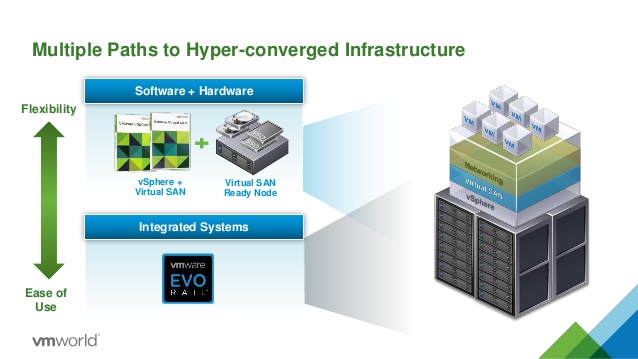
Converged IT infrastructure combines computing, storage, networking, and virtualization resources into a single, integrated system. This approach eliminates the need for separate silos of hardware and software, allowing for easier management and scalability.

Benefits of Converged IT Infrastructure

Simplified Management: With converged infrastructure, IT teams can manage all components from a single interface. This centralized management simplifies tasks such as provisioning, monitoring, and troubleshooting.

Cost Savings: By consolidating hardware and software resources into a unified system, businesses can reduce operational costs associated with maintenance, power consumption, and cooling.

Improved Scalability: Converged infrastructure is designed to be easily scalable. Businesses can quickly add or remove resources based on their evolving needs without the complexity of managing disparate systems.

Enhanced Performance: The integrated nature of converged infrastructure optimizes resource utilization and enhances performance across the entire IT environment. This results in faster processing speeds and improved application responsiveness.

Implementing Converged IT Infrastructure

When implementing converged IT infrastructure, businesses should consider factors such as their current IT environment, scalability requirements, security needs, and budget constraints. It is essential to work with experienced professionals to design and deploy a solution that aligns with the organization’s goals.

By embracing converged IT infrastructure, businesses can transform their operations by increasing agility, reducing complexity, and driving innovation. In an era where digital transformation is key to success, converged infrastructure offers a powerful foundation for future growth.


9 Key Benefits of Converged IT Infrastructure: Simplified Management, Cost Savings, and Enhanced Agility

  1. Simplified management through centralized interface
  2. Cost savings by reducing operational expenses
  3. Improved scalability for easy resource adjustments
  4. Enhanced performance with optimized resource utilization
  5. Faster deployment of new services and applications
  6. Streamlined IT operations for increased efficiency
  7. Reduced complexity in managing hardware and software
  8. Better integration of computing, storage, and networking resources
  9. Increased agility to adapt to changing business needs


7 Drawbacks of Converged IT Infrastructure: Costs, Complexity, and More

  1. Initial Cost
  2. Vendor Lock-In
  3. Complexity
  4. Scalability Limitations
  5. Single Point of Failure
  6. Upgrades and Compatibility
  7. Resource Utilization

Simplified management through centralized interface

One significant advantage of converged IT infrastructure is the simplified management it offers through a centralized interface. By consolidating computing, storage, networking, and virtualization resources into a single integrated system, IT teams can efficiently manage all components from a unified platform. This centralized approach streamlines tasks such as provisioning, monitoring, and troubleshooting, enabling IT professionals to oversee the entire infrastructure more effectively and with greater ease. The convenience of having a single interface for managing multiple aspects of the IT environment enhances operational efficiency and allows for quicker decision-making and problem resolution.

Cost savings by reducing operational expenses

One significant advantage of converged IT infrastructure is the cost savings it brings by reducing operational expenses. By consolidating hardware and software resources into a unified system, businesses can lower costs associated with maintenance, power consumption, and cooling. This streamlined approach not only leads to immediate cost reductions but also simplifies budgeting and forecasting for IT expenditures. Overall, the ability to minimize operational expenses through converged IT infrastructure allows organizations to allocate resources more efficiently and invest in strategic initiatives that drive growth and innovation.

Improved scalability for easy resource adjustments

Improved scalability is a key advantage of converged IT infrastructure, enabling businesses to easily adjust resources based on their evolving needs. With the ability to quickly add or remove computing, storage, and networking resources from a centralized system, organizations can efficiently scale their IT environment without the complexities associated with managing separate components. This flexibility not only enhances operational efficiency but also allows businesses to adapt to changing demands and optimize resource utilization effectively.

Enhanced performance with optimized resource utilization

Enhanced performance with optimized resource utilization is a significant advantage of converged IT infrastructure. By efficiently allocating computing, storage, and networking resources within a unified system, businesses can experience faster processing speeds and improved application responsiveness. This streamlined approach ensures that resources are utilized to their fullest potential, resulting in enhanced overall performance across the IT environment. The optimized resource utilization not only boosts efficiency but also allows organizations to meet the increasing demands of modern digital operations effectively.

Faster deployment of new services and applications

Converged IT infrastructure enables faster deployment of new services and applications by providing a unified platform that streamlines the process. With all essential resources integrated into a single system, IT teams can quickly provision and configure new services without the complexity of managing separate components. This efficiency not only accelerates the time-to-market for innovative solutions but also enhances overall agility, allowing businesses to adapt swiftly to changing market demands and stay ahead of the competition.

Streamlined IT operations for increased efficiency

Converged IT infrastructure offers the significant advantage of streamlining IT operations to enhance efficiency within organizations. By consolidating computing, storage, networking, and virtualization resources into a unified system, businesses can simplify management tasks and reduce operational complexities. This streamlined approach allows IT teams to allocate resources more effectively, optimize performance, and respond quickly to changing business needs. Ultimately, the increased efficiency gained from converged IT infrastructure empowers organizations to focus on innovation and strategic initiatives while maintaining a robust and agile IT environment.

Reduced complexity in managing hardware and software

One of the key advantages of converged IT infrastructure is the reduced complexity in managing hardware and software. By consolidating computing, storage, networking, and virtualization resources into a unified system, IT teams can streamline their operations and simplify management tasks. This integrated approach eliminates the need to deal with multiple silos of hardware and software, allowing for more efficient provisioning, monitoring, and troubleshooting processes. Ultimately, the reduction in complexity leads to increased productivity and cost savings for businesses leveraging converged IT infrastructure.

Better integration of computing, storage, and networking resources

Better integration of computing, storage, and networking resources is a key advantage of converged IT infrastructure. By combining these essential components into a unified system, businesses can achieve seamless communication and collaboration between different layers of their IT environment. This integrated approach enhances efficiency, reduces complexity, and improves overall performance by ensuring that computing, storage, and networking resources work together harmoniously to support the organization’s goals and operations.

Increased agility to adapt to changing business needs

Converged IT infrastructure provides businesses with increased agility to adapt to changing business needs swiftly and effectively. By consolidating computing, storage, networking, and virtualization resources into a unified system, organizations can quickly reallocate resources and scale up or down based on evolving requirements. This agility allows businesses to respond promptly to market shifts, technological advancements, or unforeseen challenges, ensuring that their IT environment remains flexible and responsive to changing demands.

Initial Cost

Converged IT infrastructure solutions, despite their numerous benefits, come with a significant drawback in the form of initial costs. Businesses considering the adoption of converged IT infrastructure must be prepared for substantial upfront expenses, encompassing hardware, software, and implementation costs. This financial investment can pose a challenge for organizations with budget constraints or those looking for immediate cost savings. Careful consideration and financial planning are essential to ensure that the long-term benefits of converged IT infrastructure outweigh the initial financial burden.

Vendor Lock-In

Adopting converged IT infrastructure may present the challenge of vendor lock-in, where businesses are constrained in their ability to select different vendors for specific components. This limitation can restrict flexibility and hinder the organization’s freedom to choose the best solutions tailored to their unique needs. Vendor lock-in can potentially result in dependency on a single vendor, making it challenging to switch providers or negotiate favorable terms in the future. Businesses considering converged infrastructure should carefully evaluate the implications of vendor lock-in and weigh this con against the benefits of streamlined management and integrated systems.

Complexity

Managing a converged IT environment can present a significant challenge due to its inherent complexity. IT teams may struggle with the specialized skills and training required to effectively oversee integrated systems. The learning curve associated with converged infrastructure can be steep, particularly for those unfamiliar with this approach. The need for additional training and expertise adds a layer of complexity that organizations must address when considering the adoption of converged IT infrastructure.

Scalability Limitations

Scalability Limitations can be a significant drawback of converged IT infrastructure. While these solutions are intended to be scalable, businesses may encounter constraints when trying to expand or customize the system to meet their specific needs. In some cases, the predefined configurations of converged infrastructure may not align perfectly with the organization’s unique requirements, limiting flexibility and hindering seamless growth. It is crucial for businesses to carefully assess the scalability limitations of a converged IT solution before implementation to ensure that it can effectively support their future growth and evolving demands.

Single Point of Failure

One significant drawback of converged IT infrastructure is the risk of a single point of failure. Due to the integration of all components into a unified system, a malfunction or breakdown in one part of the infrastructure can have far-reaching consequences, potentially affecting the entire environment. This vulnerability highlights the importance of implementing robust backup and disaster recovery plans to mitigate the impact of such failures and ensure business continuity in the face of unforeseen events.

Upgrades and Compatibility

When considering converged IT infrastructure, one significant challenge to be aware of is the issue of upgrades and compatibility. Upgrading individual components within a converged system or ensuring compatibility with new technologies can be complex and may pose difficulties. As technology evolves rapidly, ensuring that all components work seamlessly together and can support future upgrades becomes a critical concern for businesses adopting converged infrastructure. This challenge highlights the importance of thorough planning and careful consideration of compatibility issues to avoid potential disruptions in operations.

Resource Utilization

In the realm of converged IT infrastructure, a notable drawback lies in the aspect of resource utilization. At times, specific resources within a converged setup may face underutilization if they are not allocated or managed effectively. This inefficiency can lead to wasted capacity and potential performance bottlenecks, undermining the overall efficiency gains that converged infrastructure aims to deliver. It is crucial for organizations to carefully monitor and optimize resource allocation to ensure that all components operate at their full potential and contribute to the system’s optimal performance.

managed security services

Maximizing Security with Managed Security Services: Protecting Your Digital Assets

Article: Managed Security Services

The Importance of Managed Security Services

Managed Security Services (MSS) have become essential in today’s digital landscape where cyber threats are constantly evolving and becoming more sophisticated. Organizations, both large and small, are increasingly turning to MSS providers to protect their sensitive data and ensure the security of their IT infrastructure.

What are Managed Security Services?

Managed Security Services involve outsourcing the monitoring and management of security devices and systems to a third-party provider. These services typically include round-the-clock monitoring, threat detection, incident response, vulnerability assessments, and security updates.

The Benefits of Managed Security Services

Enhanced Security: MSS providers utilize advanced tools and technologies to detect and respond to security incidents in real-time, reducing the risk of data breaches.

Cost-Effectiveness: Outsourcing security operations to an MSS provider can be more cost-effective than maintaining an in-house security team, especially for small and medium-sized businesses.

Expertise: MSS providers employ cybersecurity experts who stay up-to-date with the latest threats and best practices in the industry, ensuring that your organization receives top-notch security services.

Choosing the Right MSS Provider

When selecting an MSS provider, consider factors such as their experience, reputation, range of services offered, compliance with industry standards, and scalability to accommodate your organization’s growth.

In Conclusion

Managed Security Services play a crucial role in safeguarding organizations against cyber threats and ensuring compliance with data protection regulations. By partnering with a reputable MSS provider, organizations can focus on their core business activities with the peace of mind that their digital assets are secure.


7 Benefits of Managed Security Services: Boosting Protection and Efficiency for Your Business

  1. Enhanced security through 24/7 monitoring
  2. Access to advanced cybersecurity tools and technologies
  3. Cost-effective compared to maintaining an in-house security team
  4. Expertise of cybersecurity professionals
  5. Quick incident response and threat detection
  6. Scalability to accommodate business growth
  7. Compliance with industry standards and regulations


7 Drawbacks of Managed Security Services: Cost, Dependency, and More

  1. Cost
  2. Dependency
  3. Integration Challenges
  4. Limited Customization
  5. Response Time
  6. Data Privacy Concerns
  7. Regulatory Compliance Risks

Enhanced security through 24/7 monitoring

Enhanced security through 24/7 monitoring is a key advantage of managed security services. With round-the-clock monitoring by dedicated cybersecurity experts, organizations can have peace of mind knowing that their IT infrastructure is continuously being monitored for any potential threats or vulnerabilities. This proactive approach allows for real-time threat detection and immediate response to security incidents, minimizing the risk of data breaches and ensuring that critical systems remain protected at all times.

Access to advanced cybersecurity tools and technologies

Access to advanced cybersecurity tools and technologies is a significant advantage of managed security services. By partnering with an MSS provider, organizations can leverage state-of-the-art security solutions that may be costly to acquire and maintain in-house. These advanced tools enable proactive threat detection, rapid incident response, and continuous monitoring of IT systems, enhancing overall cybersecurity posture and reducing the risk of data breaches. With access to cutting-edge technologies through managed security services, businesses can stay ahead of evolving cyber threats and better protect their sensitive information.

Cost-effective compared to maintaining an in-house security team

One significant advantage of opting for Managed Security Services is their cost-effectiveness when compared to the expenses involved in maintaining an in-house security team. By outsourcing security operations to a specialized provider, organizations can benefit from expert cybersecurity services without the overhead costs associated with hiring and training dedicated security personnel. This approach proves particularly advantageous for small and medium-sized businesses seeking robust security solutions within a budget-friendly framework.

Expertise of cybersecurity professionals

The expertise of cybersecurity professionals is a significant advantage of managed security services. These professionals are highly trained and experienced in identifying, mitigating, and responding to a wide range of cyber threats. By leveraging the knowledge and skills of these experts, organizations can enhance their security posture and stay ahead of evolving cyber risks. The specialized expertise of cybersecurity professionals within managed security services ensures that organizations receive proactive and effective protection against potential security breaches, ultimately safeguarding their sensitive data and IT infrastructure.

Quick incident response and threat detection

Quick incident response and threat detection are key benefits of managed security services. By outsourcing these functions to a specialized provider, organizations can leverage advanced tools and expertise to swiftly identify and address security incidents. This proactive approach helps minimize the impact of potential threats, reducing the risk of data breaches and downtime. With round-the-clock monitoring and real-time alerts, managed security services enable organizations to respond promptly to emerging threats, enhancing their overall cybersecurity posture.

Scalability to accommodate business growth

Managed Security Services offer the significant advantage of scalability to accommodate business growth. As organizations expand and evolve, their security needs also change. MSS providers can adjust their services and resources to meet the increasing demands of a growing business, ensuring that security measures remain effective and aligned with the organization’s evolving IT infrastructure. This flexibility allows businesses to scale up their security solutions seamlessly without compromising on protection or performance, providing peace of mind as they navigate through periods of expansion and transformation.

Compliance with industry standards and regulations

Ensuring compliance with industry standards and regulations is a significant advantage of managed security services. MSS providers have the expertise and resources to help organizations navigate the complex landscape of regulatory requirements, such as GDPR, HIPAA, or PCI DSS. By partnering with an MSS provider that is well-versed in these standards, businesses can mitigate the risk of non-compliance penalties, protect sensitive data, and maintain trust with their customers and stakeholders.

Cost

Managed security services can present a significant con in terms of cost, particularly for small businesses operating on limited budgets. The expense associated with outsourcing security operations to a managed service provider can sometimes be prohibitive for smaller organizations. This financial burden may pose a challenge for businesses looking to enhance their cybersecurity posture but facing constraints in allocating resources to manage security effectively. As a result, small businesses may need to carefully weigh the costs and benefits of engaging managed security services to ensure that their investment aligns with their overall security needs and financial capabilities.

Dependency

Relying on an external provider for security, as is the case with Managed Security Services, can introduce a significant con in the form of dependency. Organizations may feel a loss of control over their security measures and operations, as they are entrusting a third-party provider to safeguard their sensitive data and IT infrastructure. This dependency on an external entity can lead to concerns about responsiveness, customization, and decision-making autonomy in addressing security incidents and implementing tailored security solutions that align closely with the organization’s specific needs and risk profile.

Integration Challenges

Integrating managed security services with existing IT systems and processes can pose a significant challenge for organizations. The complexity and time-consuming nature of this integration process can disrupt operations and require careful planning and coordination. Ensuring seamless compatibility between the managed security services and the existing infrastructure is crucial to avoid potential conflicts or gaps in security coverage. Organizations must allocate resources and expertise to effectively navigate these integration challenges to fully leverage the benefits of managed security services while minimizing disruptions to their IT environment.

Limited Customization

Some MSS providers present a con in the form of limited customization, as they may provide standardized solutions that do not entirely align with the specific security requirements of an organization. This lack of customization can result in gaps in security coverage and leave certain aspects of an organization’s IT infrastructure vulnerable to potential threats. Organizations seeking tailored security measures may find themselves constrained by the off-the-shelf nature of some managed security services, necessitating a careful evaluation of provider capabilities to ensure comprehensive protection against evolving cyber risks.

Response Time

Delays in response time from Managed Security Services (MSS) providers can pose a significant challenge for organizations relying on swift incident response and threat mitigation. When incidents occur, every moment is crucial in containing the potential damage and minimizing risks. A delayed response can allow threats to escalate, leading to more severe consequences for the organization’s security posture. It is essential for organizations to carefully evaluate the responsiveness and service level agreements of MSS providers to ensure timely and effective incident management.

Data Privacy Concerns

Entrusting sensitive data to a third-party provider raises concerns about data privacy and confidentiality. Organizations may worry about the security measures implemented by the managed security services provider to safeguard their data from unauthorized access or breaches. The potential risk of data exposure or misuse can be a significant deterrent for businesses, especially those operating in highly regulated industries where compliance with strict data protection laws is paramount. Data privacy concerns highlight the importance of thorough vetting and due diligence when selecting a managed security services provider to ensure that data remains secure and protected at all times.

Regulatory Compliance Risks

One significant con of managed security services is the regulatory compliance risks associated with them. Organizations need to meticulously verify that their MSS provider adheres to all relevant regulations and standards to mitigate the potential compliance risks and penalties. Failure to ensure compliance with data protection laws and industry regulations could lead to severe consequences, including legal actions, fines, and reputational damage for the organization. It is crucial for businesses to thoroughly assess the regulatory compliance practices of their MSS provider before entrusting them with the security of sensitive data and IT infrastructure.

property development software

Optimizing Real Estate Projects with Property Development Software

Article: Property Development Software

The Role of Property Development Software in Streamlining Real Estate Projects

In the fast-paced world of real estate development, efficiency and precision are key to success. Property development software plays a crucial role in streamlining and optimizing various aspects of real estate projects, from planning and design to construction and management.

Enhanced Planning and Design

Property development software offers advanced tools for architects, engineers, and designers to create detailed plans and designs for buildings and developments. Through 3D modeling, visualization, and simulation features, stakeholders can better understand the project scope and make informed decisions early in the process.

Project Management and Collaboration

Effective project management is essential for the success of any real estate development venture. Property development software enables project managers to track progress, allocate resources efficiently, manage budgets, and communicate with team members in real-time. Collaboration tools facilitate seamless communication among stakeholders, leading to improved coordination and faster decision-making.

Cost Estimation and Analysis

Accurate cost estimation is critical for project feasibility assessment and budget planning. Property development software offers robust features for cost estimation based on materials, labor, equipment, and other factors. Additionally, advanced analytics tools allow developers to analyze different scenarios and optimize costs while maintaining quality standards.

Risk Mitigation and Compliance

Real estate projects are subject to various risks related to regulatory compliance, environmental factors, market conditions, etc. Property development software helps developers identify potential risks early on through risk assessment tools. By ensuring compliance with regulations and standards throughout the project lifecycle, developers can mitigate risks effectively.

Conclusion

In conclusion, property development software plays a vital role in enhancing efficiency, reducing costs, mitigating risks, and improving collaboration in real estate projects. By leveraging the power of technology through specialized software solutions, developers can streamline their processes and achieve successful outcomes in an increasingly competitive industry.


8 Common Questions About Property Development Software: Features, Benefits, and More

  1. What is property development software?
  2. How can property development software help in project planning and design?
  3. What features are typically included in property development software?
  4. How does property development software assist in project management and collaboration?
  5. Can property development software help with cost estimation and budgeting?
  6. What role does property development software play in risk mitigation and compliance?
  7. Is property development software customizable to suit different project requirements?
  8. What are the key benefits of using property development software for real estate projects?

What is property development software?

Property development software is a specialized tool designed to streamline and optimize various aspects of real estate projects, from initial planning and design to construction and management. This software offers a range of features such as 3D modeling, project management tools, cost estimation capabilities, and risk assessment functionalities. It allows stakeholders, including architects, engineers, project managers, and developers, to collaborate effectively, make informed decisions, and ensure compliance with regulations throughout the project lifecycle. Property development software plays a crucial role in enhancing efficiency, reducing costs, mitigating risks, and improving overall project outcomes in the dynamic and competitive real estate development industry.

How can property development software help in project planning and design?

Property development software offers valuable tools and features that significantly aid in project planning and design within the real estate industry. By utilizing advanced 3D modeling, visualization, and simulation capabilities, this software enables architects, engineers, and designers to create detailed plans and designs with precision and efficiency. Stakeholders can visualize the project layout, analyze spatial relationships, and make informed decisions early in the planning phase. The software’s collaborative features facilitate seamless communication among team members, ensuring that all stakeholders are on the same page throughout the design process. Overall, property development software enhances project planning and design by providing a comprehensive platform for visualizing concepts, optimizing layouts, and fostering effective collaboration among project teams.

What features are typically included in property development software?

Property development software typically includes a range of features designed to streamline and optimize various aspects of real estate projects. Common features found in such software include advanced tools for planning and design, such as 3D modeling and visualization capabilities. Project management functionalities allow users to track progress, allocate resources efficiently, manage budgets, and facilitate collaboration among team members. Cost estimation and analysis tools help developers assess project feasibility and optimize costs based on materials, labor, and other factors. Additionally, risk mitigation features aid in identifying and addressing potential risks related to compliance, environmental factors, and market conditions. Overall, property development software offers a comprehensive suite of tools to enhance efficiency, reduce costs, mitigate risks, and improve project outcomes in the real estate development industry.

How does property development software assist in project management and collaboration?

Property development software plays a crucial role in facilitating project management and collaboration in real estate development projects. By providing advanced tools for tracking progress, allocating resources, managing budgets, and enabling real-time communication among team members, property development software enhances efficiency and coordination throughout the project lifecycle. Project managers can leverage features such as task assignment, milestone tracking, document sharing, and communication channels to ensure seamless collaboration among stakeholders. Additionally, the software enables stakeholders to access project data and updates from anywhere, promoting transparency and informed decision-making. Overall, property development software streamlines project management processes and fosters effective collaboration among team members to drive successful outcomes in real estate projects.

Can property development software help with cost estimation and budgeting?

Property development software is a valuable tool that can significantly aid in cost estimation and budgeting for real estate projects. By utilizing advanced features and analytics tools, property development software enables developers to accurately estimate costs based on various factors such as materials, labor, equipment, and market conditions. This software allows for detailed analysis of project expenses and helps in creating realistic budgets that align with project requirements. With the ability to simulate different scenarios and optimize costs while maintaining quality standards, property development software plays a crucial role in ensuring financial feasibility and successful outcomes for real estate developments.

What role does property development software play in risk mitigation and compliance?

Property development software plays a crucial role in risk mitigation and compliance by providing developers with tools to identify, assess, and address potential risks throughout the project lifecycle. By integrating features such as risk assessment tools, regulatory compliance checks, and real-time monitoring capabilities, property development software helps developers proactively manage risks related to regulatory requirements, environmental factors, market conditions, and other variables. By ensuring adherence to industry standards and regulations, developers can minimize legal liabilities, avoid costly delays, and maintain project integrity, ultimately enhancing the overall success and sustainability of real estate projects.

Is property development software customizable to suit different project requirements?

Property development software often offers a high degree of customization to accommodate diverse project requirements. Developers can tailor the software to align with specific project needs, such as varying scales, property types, and stakeholder preferences. Customization options may include adjusting workflows, templates, reports, and features to enhance efficiency and address unique challenges. By allowing flexibility in configuration and adaptation, property development software empowers users to optimize their processes and achieve tailored solutions that best fit their project goals and specifications.

What are the key benefits of using property development software for real estate projects?

Property development software offers a multitude of key benefits for real estate projects. Firstly, it enhances efficiency by providing advanced tools for planning, design, and project management, leading to streamlined processes and faster decision-making. Secondly, it improves collaboration among stakeholders through real-time communication and data sharing, fostering better coordination and teamwork. Additionally, the software enables accurate cost estimation and analysis, helping developers optimize budgets and resources effectively. Moreover, property development software aids in risk mitigation by identifying potential risks early on and ensuring compliance with regulations throughout the project lifecycle. Overall, the use of property development software results in increased productivity, reduced costs, minimized risks, and ultimately contributes to the successful execution of real estate projects.

it security consulting

Empowering Your Business with Expert IT Security Consulting Services

Article: IT Security Consulting

The Importance of IT Security Consulting

In today’s digital age, cybersecurity threats are becoming more sophisticated and prevalent than ever before. Organizations of all sizes are at risk of cyberattacks that can compromise sensitive data, disrupt operations, and damage their reputation. This is where IT security consulting plays a crucial role in helping businesses strengthen their defenses and protect their assets.

What is IT Security Consulting?

IT security consulting involves the assessment, planning, implementation, and management of security measures to safeguard an organization’s information systems and data from potential threats. Experienced IT security consultants work closely with businesses to identify vulnerabilities, develop tailored strategies, and deploy effective solutions to mitigate risks.

The Benefits of IT Security Consulting

By engaging with IT security consultants, organizations can benefit in the following ways:

  • Risk Assessment: Consultants conduct thorough assessments to identify security gaps and vulnerabilities within the organization’s infrastructure.
  • Customized Solutions: Consultants design personalized security solutions that align with the specific needs and requirements of the business.
  • Compliance Adherence: Consultants ensure that organizations comply with industry regulations and standards related to data protection and privacy.
  • Ongoing Support: Consultants provide continuous monitoring, updates, and support to maintain a strong security posture in the face of evolving threats.

Hiring an IT Security Consultant

When selecting an IT security consultant, it is essential to consider their expertise, experience, certifications, and track record in handling similar projects. A reputable consultant will work collaboratively with your team to enhance cybersecurity practices and create a robust defense mechanism against cyber threats.

In Conclusion

IT security consulting is a proactive approach that helps organizations stay ahead of cyber risks and protect their valuable assets. By investing in expert guidance and tailored solutions, businesses can fortify their defenses against cyber threats and safeguard their future success in an increasingly digital world.


7 Essential Tips for Effective IT Security Consulting

  1. Conduct thorough security assessments to identify vulnerabilities.
  2. Develop customized security solutions based on the specific needs of each client.
  3. Stay updated on the latest cybersecurity threats and best practices.
  4. Provide regular training sessions to educate employees on security protocols.
  5. Implement multi-factor authentication to enhance account security.
  6. Establish incident response plans to effectively handle security breaches.
  7. Maintain open communication with clients to address any concerns or questions promptly.

Conduct thorough security assessments to identify vulnerabilities.

Conducting thorough security assessments is a critical step in IT security consulting to identify vulnerabilities within an organization’s information systems. By systematically evaluating the infrastructure, applications, and processes, IT security consultants can pinpoint potential weaknesses that could be exploited by cyber threats. These assessments provide valuable insights that enable businesses to prioritize their security efforts, implement targeted solutions, and strengthen their overall defense against malicious attacks.

Develop customized security solutions based on the specific needs of each client.

Developing customized security solutions based on the specific needs of each client is a fundamental tip in IT security consulting. By tailoring security measures to address the unique challenges and requirements of individual organizations, IT security consultants can provide more effective protection against cyber threats. This approach ensures that businesses receive personalized solutions that align with their operations, data sensitivity, and risk tolerance levels, ultimately enhancing their overall cybersecurity posture and resilience in the face of evolving digital risks.

Stay updated on the latest cybersecurity threats and best practices.

Staying updated on the latest cybersecurity threats and best practices is essential in the realm of IT security consulting. With cyber threats evolving constantly, being informed about emerging risks and effective defense strategies is crucial to safeguarding sensitive data and maintaining a secure digital environment. By staying abreast of current cybersecurity trends and adopting best practices, organizations can proactively protect themselves against potential cyberattacks and ensure the resilience of their IT infrastructure.

Provide regular training sessions to educate employees on security protocols.

Regular training sessions are a crucial aspect of IT security consulting, aimed at educating employees on security protocols. By providing ongoing training, organizations can enhance employee awareness of potential cybersecurity threats and best practices for mitigating risks. These sessions empower staff to recognize phishing attempts, secure their devices, and follow established security protocols to protect sensitive data. Ultimately, investing in regular training helps create a culture of cybersecurity awareness within the organization, strengthening its overall defense against cyber threats.

Implement multi-factor authentication to enhance account security.

Implementing multi-factor authentication is a highly effective strategy to enhance account security in IT security consulting. By requiring users to provide two or more forms of verification before accessing their accounts, such as a password and a unique code sent to their mobile device, organizations can significantly reduce the risk of unauthorized access and data breaches. Multi-factor authentication adds an extra layer of protection that makes it harder for cyber attackers to compromise sensitive information, ultimately strengthening the overall security posture of the organization.

Establish incident response plans to effectively handle security breaches.

Establishing incident response plans is a critical aspect of IT security consulting. By creating detailed protocols and procedures for handling security breaches, organizations can minimize the impact of cyber incidents and swiftly respond to mitigate potential damage. Incident response plans outline clear steps to identify, contain, eradicate, and recover from security breaches in a structured and efficient manner. Having these plans in place ensures that businesses can act decisively during times of crisis, maintain business continuity, and protect their valuable assets from cyber threats.

Maintain open communication with clients to address any concerns or questions promptly.

Maintaining open communication with clients is a fundamental aspect of effective IT security consulting. By fostering transparent and responsive interactions, consultants can address clients’ concerns and questions promptly, building trust and ensuring that their security needs are met efficiently. This proactive approach not only enhances client satisfaction but also allows consultants to tailor solutions effectively to mitigate risks and strengthen overall cybersecurity measures.

abc software development

Elevate Your Digital Presence with ABC Software Development Solutions

ABC Software Development

The World of ABC Software Development

Welcome to the exciting realm of ABC Software Development! In today’s digital age, software plays a crucial role in powering businesses, enhancing user experiences, and driving innovation. ABC Software Development is at the forefront of this dynamic industry, creating cutting-edge solutions that meet the evolving needs of our clients.

Our Approach

At ABC Software Development, we believe in the power of innovation and collaboration. Our team of talented developers, designers, and project managers work together seamlessly to bring ideas to life. We follow a structured development process that ensures efficiency, quality, and timely delivery of projects.

Services We Offer

Our range of services caters to a diverse clientele across various industries. Whether you need custom software development, mobile app development, web design, or e-commerce solutions, we have the expertise to turn your vision into reality. We also provide maintenance and support services to ensure that your software remains up-to-date and secure.

Technologies We Work With

ABC Software Development stays abreast of the latest technologies and trends in the industry. Our team is proficient in a wide array of programming languages, frameworks, and tools such as Java, Python, JavaScript, React Native, and more. This enables us to create scalable and robust solutions that align with modern best practices.

Client-Centric Approach

We prioritize client satisfaction above all else. From initial consultation to final delivery, we keep our clients informed and involved every step of the way. Our transparent communication channels ensure that your feedback is incorporated into the development process, resulting in tailor-made solutions that exceed expectations.

Contact Us

If you are ready to embark on a transformative software development journey with ABC Software Development or have any inquiries about our services, feel free to reach out to us. Our dedicated team is here to assist you in realizing your digital aspirations.


Top 5 Essential Tips for Effective ABC Software Development

  1. Break down tasks into smaller components for easier management.
  2. Use version control to track changes and collaborate with team members.
  3. Write clean and concise code for better readability and maintainability.
  4. Test your code thoroughly to ensure functionality and catch bugs early on.
  5. Stay updated with the latest trends and technologies in ABC software development.

Break down tasks into smaller components for easier management.

When engaging in ABC software development, a valuable tip is to break down tasks into smaller components. By dividing the project into manageable segments, it becomes easier to track progress, allocate resources effectively, and ensure timely completion. This approach not only simplifies project management but also enhances productivity and facilitates better collaboration among team members. Breaking down tasks into smaller components fosters a structured and organized development process, ultimately leading to successful outcomes in software development endeavors.

Use version control to track changes and collaborate with team members.

Utilizing version control is a crucial tip in ABC software development. By implementing version control systems, developers can effectively track changes made to the codebase, maintain a history of revisions, and collaborate seamlessly with team members. This practice not only ensures code integrity and consistency but also streamlines the development process by enabling efficient teamwork and facilitating easy integration of new features. Version control plays a vital role in enhancing productivity, code quality, and overall project success in the realm of software development.

Write clean and concise code for better readability and maintainability.

When engaging in ABC software development, it is essential to adhere to the tip of writing clean and concise code. By following this practice, developers can significantly enhance the readability and maintainability of their software projects. Clean and concise code is easier to understand, troubleshoot, and modify, leading to more efficient collaboration among team members and smoother project maintenance in the long run. Embracing this approach fosters a culture of clarity and efficiency within the development process, ultimately contributing to the overall success of software projects.

Test your code thoroughly to ensure functionality and catch bugs early on.

Testing your code thoroughly is a critical step in the ABC software development process. By conducting comprehensive testing, you can verify the functionality of your code and identify potential bugs at an early stage. This proactive approach not only helps in delivering a high-quality product but also saves time and resources by addressing issues before they escalate. At ABC Software Development, we emphasize the importance of thorough testing to ensure that our solutions meet the highest standards of performance and reliability.

To excel in ABC software development, it is crucial to stay updated with the latest trends and technologies shaping the industry. By keeping abreast of advancements in software development, including new tools, frameworks, and methodologies, professionals can enhance their skills, deliver innovative solutions, and remain competitive in a rapidly evolving landscape. Continuous learning and adaptation to emerging trends not only enrich one’s expertise but also contribute to the creation of cutting-edge software products that meet the ever-changing needs of clients and end-users.

managing the development of large software systems

Strategies for Effectively Managing the Development of Large Software Systems

Managing the Development of Large Software Systems

The Art of Managing Large Software Systems Development

Developing large software systems is a complex and challenging task that requires careful planning, coordination, and execution. Managing the development process effectively is crucial to ensure the success of the project. Here are some key strategies for managing the development of large software systems:

Define Clear Goals and Requirements

Before starting the development process, it is essential to define clear goals and requirements for the software system. This includes identifying the functionality, performance, scalability, and other key aspects of the system. Clear requirements help ensure that all stakeholders are on the same page and provide a roadmap for the development team.

Break Down the Project into Manageable Tasks

Large software systems can be overwhelming to develop as a whole. Breaking down the project into manageable tasks or modules helps simplify the development process and allows for better tracking of progress. Each task should be well-defined, with clear deliverables and deadlines.

Establish a Strong Communication Strategy

Effective communication is essential for managing large software systems development. Establishing a strong communication strategy that includes regular meetings, status updates, and feedback sessions helps keep all team members aligned and informed about project progress.

Use Version Control and Collaboration Tools

Version control systems such as Git are crucial for managing changes to codebase in large software projects. Collaboration tools like Jira or Trello can help track tasks, assign responsibilities, and monitor progress across different teams or departments.

Conduct Regular Testing and Quality Assurance

Testing is a critical part of developing large software systems to ensure that the system functions correctly and meets all requirements. Implementing automated testing processes and conducting regular quality assurance checks help identify bugs early on and maintain high standards of quality throughout development.

Monitor Performance Metrics and KPIs

Monitoring performance metrics and key performance indicators (KPIs) throughout the development process provides valuable insights into project progress, resource allocation, and potential bottlenecks. Tracking KPIs helps identify areas for improvement and ensures that the project stays on track towards meeting its goals.

In conclusion, managing the development of large software systems requires careful planning, effective communication, collaboration tools, testing processes, and monitoring performance metrics. By following these key strategies, project managers can navigate the complexities of developing large software systems successfully.


Key Considerations and Models in Managing Large Software Development Projects

  1. Which factor is most crucial during software development?
  2. What is role of management in software development?
  3. What is the waterfall model of Royce?
  4. Who published a paper on the development of large software systems?

Which factor is most crucial during software development?

During software development, one of the most crucial factors is effective communication among team members and stakeholders. Clear and open communication helps ensure that everyone involved in the project understands the goals, requirements, progress, and challenges. It facilitates collaboration, problem-solving, and decision-making, ultimately leading to a more efficient and successful development process. Effective communication also helps prevent misunderstandings, delays, and rework, allowing the team to stay on track and deliver a high-quality software system that meets the desired objectives.

What is role of management in software development?

The role of management in software development is crucial in ensuring the successful execution of large-scale projects. Management plays a key role in setting clear goals and objectives, allocating resources effectively, coordinating team efforts, and making strategic decisions to drive the project forward. Effective management helps in defining project scope, managing timelines and budgets, resolving conflicts, and ensuring that the development process aligns with business objectives. Additionally, management oversees risk assessment, quality control, and stakeholder communication to ensure that the software system meets requirements and delivers value to end-users. Overall, management in software development acts as a guiding force that orchestrates the efforts of individuals and teams towards achieving project success.

What is the waterfall model of Royce?

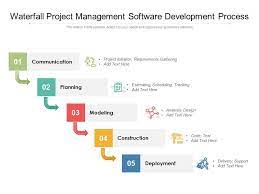
The waterfall model of Royce is a sequential software development process that follows a linear and rigid approach to project management. In this model, each phase of the development cycle must be completed before moving on to the next phase, resembling a waterfall cascading down in a linear fashion. The phases typically include requirements gathering, design, implementation, testing, and maintenance. While the waterfall model provides a structured framework for managing large software systems, it has limitations in adapting to changes and feedback during the development process.

Who published a paper on the development of large software systems?

One of the most frequently asked questions regarding managing the development of large software systems is about the publication of papers on this topic. Various researchers and experts in the field of software engineering have published papers discussing different aspects of developing large software systems. These papers often provide valuable insights, best practices, and case studies that can help project managers and developers navigate the complexities of managing such projects effectively. Studying these publications can offer guidance and inspiration for improving development processes and achieving successful outcomes in the realm of large software system development.

latest software development technologies

Exploring the Latest Trends in Software Development Technologies

Latest Software Development Technologies

The Latest Software Development Technologies

Software development is a dynamic and rapidly evolving field, with new technologies constantly emerging to streamline processes, enhance user experiences, and drive innovation. Keeping up with the latest trends in software development is crucial for developers and organizations looking to stay ahead of the curve. Let’s explore some of the cutting-edge technologies shaping the future of software development:

Artificial Intelligence and Machine Learning

AI and machine learning have revolutionized software development by enabling applications to learn from data, make predictions, and automate tasks. From chatbots to recommendation systems, AI-powered solutions are becoming increasingly prevalent across various industries.

Progressive Web Apps (PWAs)

PWAs combine the best features of web and mobile applications to deliver fast, reliable, and engaging user experiences. These lightweight apps can work offline, send push notifications, and provide a native app-like feel without requiring installation from an app store.

Blockchain Technology

Blockchain technology offers secure and transparent ways to handle transactions, data storage, and smart contracts. It is widely used in developing decentralized applications (dApps) and ensuring trust in digital interactions.

Serverless Computing

Serverless computing allows developers to focus on writing code without managing servers. With cloud providers handling infrastructure scaling automatically, developers can build scalable applications more efficiently while reducing operational costs.

Low-Code/No-Code Development Platforms

Low-code/no-code platforms empower users with varying technical backgrounds to create applications using visual interfaces and pre-built components. These platforms accelerate development cycles and enable rapid prototyping without extensive coding knowledge.

Internet of Things (IoT)

The IoT ecosystem continues to expand with interconnected devices gathering and sharing data in real-time. Software developers are leveraging IoT technologies to build smart solutions for homes, industries, healthcare, transportation, and more.

In conclusion, embracing these latest software development technologies can help developers create innovative solutions that drive business growth and enhance user experiences in today’s digital landscape.


7 Essential Tips for Mastering the Latest Software Development Technologies

  1. Explore serverless computing for scalable and cost-effective solutions.
  2. Adopt containerization with Docker and Kubernetes for easier deployment and management.
  3. Implement microservices architecture for flexibility and modularity in your applications.
  4. Leverage artificial intelligence and machine learning to add intelligent features to your software.
  5. Embrace DevOps practices for faster development cycles and improved collaboration between teams.
  6. Utilize blockchain technology for secure transactions and data integrity in your applications.
  7. Stay updated on the latest programming languages like Rust, Kotlin, or Swift to enhance your development skills.

Explore serverless computing for scalable and cost-effective solutions.

When looking to enhance scalability and cost-effectiveness in software development, exploring serverless computing can be a game-changer. By leveraging serverless architectures, developers can focus on writing code without the burden of managing servers. This approach not only streamlines the development process but also allows for automatic scaling of resources based on demand, leading to more efficient and cost-effective solutions. Serverless computing is a powerful tool that enables developers to build scalable applications while minimizing operational complexities and costs.

Adopt containerization with Docker and Kubernetes for easier deployment and management.

Adopting containerization with Docker and Kubernetes offers software developers a streamlined approach to deployment and management. By encapsulating applications and their dependencies into containers, Docker ensures consistency across different environments, making deployments more efficient and reliable. Kubernetes, on the other hand, provides automated scaling, load balancing, and self-healing capabilities, simplifying the orchestration of containerized applications. Together, Docker and Kubernetes empower development teams to deploy software seamlessly, manage resources effectively, and enhance scalability in modern software development workflows.

Implement microservices architecture for flexibility and modularity in your applications.

Implementing microservices architecture in your applications can significantly enhance flexibility and modularity. By breaking down complex systems into smaller, independent services that communicate through APIs, developers can achieve greater agility in software development. Microservices enable teams to work on different components simultaneously, making it easier to scale and update specific features without affecting the entire application. This approach promotes better fault isolation, resilience, and overall efficiency in building modern software solutions.

Leverage artificial intelligence and machine learning to add intelligent features to your software.

Incorporating artificial intelligence (AI) and machine learning (ML) into software development can significantly enhance the capabilities of your applications by adding intelligent features. By leveraging AI and ML, developers can create software that not only performs tasks but also learns from data, adapts to user behavior, and makes informed predictions. This integration allows for the automation of repetitive tasks, improved decision-making processes, and personalized user experiences. For instance, using AI-driven analytics can help identify patterns in user interactions, enabling more tailored content recommendations or dynamic interface adjustments. As a result, incorporating these technologies can lead to more efficient systems that offer greater value to users and provide a competitive edge in the market.

Embrace DevOps practices for faster development cycles and improved collaboration between teams.

Embracing DevOps practices in software development is essential for achieving faster development cycles and fostering improved collaboration between teams. By integrating development and operations processes, DevOps streamlines workflows, automates tasks, and enhances communication across departments. This approach not only accelerates the delivery of high-quality software but also promotes a culture of continuous improvement and shared responsibility among team members. Embracing DevOps principles can lead to more efficient development cycles, reduced errors, and increased productivity within organizations striving for innovation and agility in today’s competitive market.

Utilize blockchain technology for secure transactions and data integrity in your applications.

Incorporating blockchain technology into your applications can significantly enhance security and ensure data integrity for transactions. By leveraging blockchain’s decentralized and immutable nature, you can create a secure environment where all transactions are transparent, tamper-proof, and traceable. This technology not only safeguards sensitive data but also builds trust among users by providing a reliable framework for conducting transactions securely. By utilizing blockchain technology, you can elevate the security standards of your applications and establish a foundation of trust with your users.

Stay updated on the latest programming languages like Rust, Kotlin, or Swift to enhance your development skills.

Staying updated on the latest programming languages such as Rust, Kotlin, or Swift is essential for enhancing your development skills in today’s fast-paced tech industry. Embracing new languages not only expands your programming toolkit but also opens up opportunities to explore innovative approaches to software development. By familiarizing yourself with these modern languages, you can stay ahead of the curve, tackle new challenges effectively, and ultimately elevate the quality of your coding projects.

managing software development

Mastering the Art of Managing Software Development Projects

Managing Software Development

The Art of Managing Software Development

Software development is a complex and dynamic process that requires careful management to ensure successful outcomes. Effective management of software development projects involves a combination of technical expertise, communication skills, and strategic planning.

Key Principles of Software Development Management

Clear Communication: Communication is key in software development. Project managers must ensure that team members understand their roles and responsibilities, project goals, and timelines. Regular updates and feedback sessions help keep everyone on the same page.

Agile Methodologies: Agile methodologies such as Scrum and Kanban have become popular in software development due to their flexibility and adaptability. These methodologies emphasize iterative development, continuous improvement, and collaboration among team members.

Risk Management: Identifying and managing risks is crucial in software development. Project managers should conduct risk assessments, develop mitigation strategies, and monitor risks throughout the project lifecycle to prevent potential issues from derailing the project.

Challenges in Managing Software Development

Scope Creep: Scope creep occurs when project requirements expand beyond the initial scope without proper evaluation or approval. To mitigate scope creep, project managers should establish clear requirements, prioritize features, and communicate changes effectively.

Resource Allocation: Managing resources such as time, budget, and personnel can be challenging in software development projects. Project managers must balance competing priorities, allocate resources efficiently, and adapt to changing circumstances to ensure project success.

Best Practices for Successful Software Development Management

Define Clear Goals: Clearly define project goals, objectives, and deliverables at the outset to provide a roadmap for the development process.

Empower Team Members: Encourage collaboration, creativity, and innovation among team members by empowering them to make decisions and take ownership of their work.

Continuous Improvement: Foster a culture of continuous improvement by soliciting feedback from team members, conducting retrospectives after each sprint or iteration, and implementing lessons learned to enhance future projects.

In conclusion, effective management of software development projects requires a combination of technical expertise, communication skills, strategic planning, and a focus on continuous improvement. By following key principles and best practices, project managers can navigate challenges successfully and deliver high-quality software products on time and within budget.


7 Essential Tips for Effective Software Development Management

  1. Clearly define project requirements and objectives.
  2. Break down the project into smaller tasks for better management.
  3. Establish a realistic timeline for each phase of development.
  4. Communicate regularly with the team to ensure everyone is on the same page.
  5. Use version control systems to track changes and collaborate efficiently.
  6. Conduct thorough testing at each stage of development to catch bugs early.
  7. Encourage continuous learning and improvement within the team.

Clearly define project requirements and objectives.

Clear definition of project requirements and objectives is a fundamental tip in managing software development. By establishing precise and detailed requirements at the outset of a project, teams can align their efforts, minimize misunderstandings, and focus on delivering solutions that meet stakeholders’ expectations. Clarity in project goals ensures that all team members have a shared understanding of the desired outcomes, enabling efficient planning, execution, and evaluation throughout the development process.

Break down the project into smaller tasks for better management.

Breaking down the project into smaller tasks is a valuable tip in managing software development. By dividing the project into manageable chunks, teams can focus on specific objectives, track progress more effectively, and allocate resources efficiently. This approach also helps in identifying potential bottlenecks or challenges early on, allowing for timely adjustments to keep the project on schedule. Breaking down tasks promotes a sense of accomplishment as milestones are achieved, boosting team morale and motivation throughout the development process.

Establish a realistic timeline for each phase of development.

Establishing a realistic timeline for each phase of development is crucial in managing software development projects effectively. By setting achievable deadlines for milestones, tasks, and deliverables, project managers can ensure that the project stays on track and progresses smoothly. A realistic timeline helps in managing resources efficiently, identifying potential bottlenecks early on, and adapting to changes as needed. It also provides a clear roadmap for the team, fostering accountability and helping to meet client expectations. By prioritizing realistic timelines, software development projects are more likely to be completed successfully and within budget.

Communicate regularly with the team to ensure everyone is on the same page.

Regular communication with the team is a crucial tip in managing software development projects effectively. By ensuring that everyone is on the same page through consistent updates, feedback sessions, and clear information sharing, project managers can foster collaboration, alignment, and a shared understanding of project goals and timelines. This practice helps prevent misunderstandings, promotes transparency, and enables team members to work cohesively towards achieving successful outcomes in software development initiatives.

Use version control systems to track changes and collaborate efficiently.

Utilizing version control systems is a crucial tip in managing software development as it allows teams to track changes, maintain a history of revisions, and collaborate efficiently. By using version control systems such as Git or SVN, developers can work on different aspects of a project simultaneously, merge their changes seamlessly, and revert to previous versions if needed. This practice not only enhances collaboration among team members but also ensures that the codebase remains organized, secure, and easily accessible throughout the development process.

Conduct thorough testing at each stage of development to catch bugs early.

Conducting thorough testing at each stage of software development is a crucial tip to catch bugs early in the process. By implementing rigorous testing procedures from the initial design phase to the final deployment, development teams can identify and address potential issues before they escalate, ensuring a more stable and reliable product. Early bug detection not only saves time and resources but also enhances the overall quality of the software, leading to a better user experience and increased customer satisfaction.

Encourage continuous learning and improvement within the team.

Encouraging continuous learning and improvement within the team is essential for fostering a culture of innovation and growth in software development projects. By providing opportunities for team members to expand their skills, stay updated on industry trends, and share knowledge with one another, organizations can enhance productivity, creativity, and overall project outcomes. Embracing a mindset of continuous learning not only benefits individual team members but also contributes to the collective success of the team by promoting collaboration, adaptability, and a commitment to excellence in software development practices.

manage

Mastering Effective Management Strategies

The Art of Effective Management

The Art of Effective Management

Management is a crucial skill in both professional and personal life. It involves the coordination of resources, people, and tasks to achieve specific goals efficiently and effectively.

Key Aspects of Management

Effective management requires a combination of leadership, communication, decision-making, and organizational skills. A good manager not only sets clear objectives but also motivates and guides their team to success.

Setting Objectives

One of the first steps in effective management is setting clear and achievable objectives. These goals provide direction for the team and help measure progress along the way.

Communication

Communication is essential in management. A manager must convey expectations clearly, listen actively to feedback, and provide timely updates to ensure everyone is on the same page.

Decision-making

Managers are often faced with making tough decisions. It’s important to gather relevant information, consider alternatives, and make informed choices that align with the overall goals of the organization.

Organizational Skills

Organization is key to effective management. This includes planning ahead, prioritizing tasks, delegating responsibilities, and ensuring resources are allocated efficiently.

The Role of a Manager

A manager plays a critical role in overseeing operations, resolving conflicts, fostering teamwork, and driving innovation within an organization. They must lead by example and inspire their team to perform at their best.

The Benefits of Effective Management

Effective management leads to increased productivity, higher employee morale, better decision-making processes, and ultimately greater success for the organization as a whole. By mastering the art of management, individuals can propel themselves and their teams towards achieving their full potential.

© 2022 The Art of Effective Management – All rights reserved.


8 Essential Tips for Effective Management

  1. Set clear goals and priorities.
  2. Delegate tasks effectively.
  3. Communicate clearly with your team.
  4. Provide feedback regularly.
  5. Stay organized and manage your time wisely.
  6. Adapt to changes and be flexible.
  7. Encourage teamwork and collaboration.
  8. Take care of your well-being and manage stress.

Set clear goals and priorities.

Setting clear goals and priorities is a fundamental aspect of effective management. By defining specific objectives and identifying key tasks that need to be prioritized, managers can provide a clear direction for their team members. This approach helps streamline workflow, enhance focus, and ensure that resources are allocated efficiently towards achieving the desired outcomes. Clear goals and priorities not only guide decision-making but also motivate individuals to work collaboratively towards common goals, ultimately leading to increased productivity and success for the organization.

Delegate tasks effectively.

Delegating tasks effectively is a key aspect of successful management. By assigning responsibilities to the right team members based on their strengths and expertise, a manager can empower individuals, foster skill development, and improve overall productivity. Effective delegation not only lightens the manager’s workload but also cultivates a sense of trust and accountability within the team. It allows for better utilization of resources and ensures that tasks are completed efficiently, contributing to the achievement of organizational goals.

Communicate clearly with your team.

Communication is a fundamental aspect of effective management. When it comes to leading a team, clear and open communication is key to success. By ensuring that information is shared transparently and expectations are clearly articulated, managers can foster a sense of trust, collaboration, and alignment within their team. Effective communication not only helps prevent misunderstandings but also enables team members to work cohesively towards common goals, ultimately leading to improved productivity and overall success.

Provide feedback regularly.

Providing feedback regularly is a crucial aspect of effective management. By offering constructive feedback to employees on a consistent basis, managers can help them understand their strengths and areas for improvement. Regular feedback sessions create a culture of open communication and continuous learning within the team, leading to increased motivation, engagement, and overall performance. It allows employees to track their progress, set goals, and make necessary adjustments, ultimately contributing to the growth and success of both individuals and the organization as a whole.

Stay organized and manage your time wisely.

Staying organized and managing your time wisely are essential components of effective management. By maintaining a structured approach to tasks and responsibilities, individuals can prioritize effectively, allocate resources efficiently, and ensure that deadlines are met. This practice not only enhances productivity but also reduces stress levels and fosters a sense of control over one’s workload. Embracing organization and time management techniques can lead to improved performance and overall success in both professional and personal endeavors.

Adapt to changes and be flexible.

Adapting to changes and being flexible are essential qualities in effective management. In today’s dynamic business environment, the ability to adjust strategies, workflows, and priorities quickly is paramount to staying competitive and achieving success. Managers who embrace change with flexibility not only demonstrate agility in problem-solving but also inspire their team to navigate challenges with resilience and creativity. By fostering a culture of adaptability, managers can lead their teams through uncertainty and drive innovation towards long-term growth and prosperity.

Encourage teamwork and collaboration.

Encouraging teamwork and collaboration is a key tip in effective management. By fostering a culture where team members work together towards common goals, managers can harness the diverse skills and perspectives of their employees to drive innovation and achieve success. Teamwork promotes a sense of unity, boosts morale, and enhances productivity by leveraging the strengths of each individual towards collective achievements. Effective collaboration not only leads to better outcomes but also creates a supportive and inclusive work environment where everyone feels valued and motivated to contribute their best.

Take care of your well-being and manage stress.

Taking care of your well-being and managing stress are essential aspects of effective management. Prioritizing self-care allows managers to maintain a healthy work-life balance, make sound decisions, and lead their team with clarity and focus. By managing stress through activities like exercise, mindfulness, and setting boundaries, managers can enhance their resilience and overall performance. Remember, a well-balanced manager is better equipped to handle challenges and inspire their team to success.

agile software

Unlocking Success: The Agile Software Revolution

The Power of Agile Software Development

The Power of Agile Software Development

Agile software development has revolutionized the way software projects are managed and executed. Unlike traditional waterfall methods, agile focuses on flexibility, collaboration, and continuous improvement. This approach allows teams to adapt to changing requirements and deliver high-quality products efficiently.

Key Principles of Agile

Agile is based on several key principles that guide its implementation:

  • Iterative Development: Projects are broken down into small iterations or sprints, allowing for incremental progress and regular feedback.
  • Collaboration: Team members work closely together, sharing knowledge and expertise to achieve common goals.
  • Customer Involvement: Customers are involved throughout the development process, providing feedback and guidance to ensure the end product meets their needs.
  • Adaptability: Agile teams embrace change and are able to adjust their plans quickly in response to new information or requirements.

Benefits of Agile

The agile approach offers numerous benefits for both teams and customers:

  • Faster Time-to-Market: By delivering working software in short iterations, agile teams can respond quickly to market demands and release products faster.
  • Better Quality: Continuous testing and feedback help identify issues early, leading to higher-quality products.
  • Improved Customer Satisfaction: Involving customers throughout the development process ensures that the final product meets their expectations and needs.
  • Increased Flexibility: Agile allows teams to adapt to changing requirements, technology trends, or business priorities without significant disruption.

Challenges of Agile

While agile offers many advantages, it also comes with its own set of challenges:

  • Cultural Shift: Adopting an agile mindset may require a cultural shift within organizations used to traditional project management methods.
  • Resource Allocation: Balancing competing priorities and managing resources effectively can be challenging in an agile environment.
  • Risk Management: Embracing change can introduce risks that need to be carefully managed to ensure project success.

In Conclusion

Agile software development has transformed the way software projects are approached, emphasizing collaboration, adaptability, and customer satisfaction. By embracing agility, teams can deliver high-quality products faster and more efficiently than ever before. While challenges exist, the benefits of agile far outweigh the obstacles, making it a powerful methodology for modern software development projects.


7 Essential Tips for Mastering Agile Software Development

  1. Break down tasks into smaller chunks for better manageability.
  2. Regularly communicate and collaborate with team members to ensure progress.
  3. Prioritize tasks based on importance and impact to the project.
  4. Embrace change and be flexible in adapting to new requirements.
  5. Iterate quickly and frequently to gather feedback for continuous improvement.
  6. Empower team members by encouraging autonomy and decision-making.
  7. Reflect on past sprints to identify areas for optimization and growth.

Break down tasks into smaller chunks for better manageability.

Breaking down tasks into smaller chunks is a fundamental tip in agile software development that enhances manageability and efficiency. By dividing complex tasks into more manageable pieces, teams can focus on completing one task at a time, leading to better organization and progress tracking. This approach also allows for quicker feedback loops, enabling teams to adapt and make necessary adjustments easily. Ultimately, breaking down tasks into smaller chunks promotes a smoother workflow and ensures that project goals are achieved in a timely manner.

Regularly communicate and collaborate with team members to ensure progress.

Regular communication and collaboration with team members are essential aspects of successful agile software development. By maintaining open lines of communication and working closely together, team members can ensure that progress is consistent and aligned with project goals. Regular updates, feedback sessions, and collaborative problem-solving help to address any issues promptly and keep the project on track. This emphasis on communication and collaboration fosters a sense of unity within the team and promotes a shared understanding of the project’s objectives, leading to more efficient and effective outcomes.

Prioritize tasks based on importance and impact to the project.

In agile software development, it is crucial to prioritize tasks based on their importance and impact on the project’s success. By focusing on high-priority tasks that have a significant impact on achieving project goals, teams can ensure that they are allocating their resources effectively and delivering value to customers in a timely manner. Prioritization helps teams stay focused, make informed decisions, and maximize the overall efficiency of the development process.

Embrace change and be flexible in adapting to new requirements.

Embracing change and fostering flexibility in adapting to new requirements are fundamental principles of agile software development. By maintaining an open mindset and being willing to adjust plans as needed, agile teams can respond effectively to evolving project needs and customer expectations. This approach not only enhances collaboration and innovation within the team but also ensures that the final product aligns closely with the dynamic demands of the market.

Iterate quickly and frequently to gather feedback for continuous improvement.

Iterating quickly and frequently in agile software development is essential for gathering valuable feedback that drives continuous improvement. By breaking down projects into small iterations or sprints, teams can deliver working software at a rapid pace, allowing stakeholders to provide feedback early in the process. This feedback loop enables teams to make necessary adjustments, address issues promptly, and enhance the quality of the final product. Embracing a culture of continuous iteration and feedback not only fosters collaboration but also ensures that the end result meets customer expectations and evolves with changing requirements effectively.

Empower team members by encouraging autonomy and decision-making.

Empowering team members by encouraging autonomy and decision-making is a key tip in agile software development. By granting individuals the freedom to make decisions within their areas of expertise, teams can foster creativity, ownership, and accountability. This approach not only boosts morale and motivation but also leads to more innovative solutions and efficient problem-solving. Trusting team members to take ownership of their work ultimately results in a more collaborative and productive agile environment where individuals feel valued and empowered to contribute their best to the project’s success.

Reflect on past sprints to identify areas for optimization and growth.

Reflecting on past sprints is a crucial practice in agile software development as it allows teams to identify areas for optimization and growth. By reviewing what worked well and what could be improved from previous iterations, teams can make informed decisions on how to enhance their processes, increase efficiency, and deliver even better results in future sprints. This reflective practice fosters a culture of continuous improvement and learning within the team, ultimately leading to better outcomes and increased success in software development projects.