


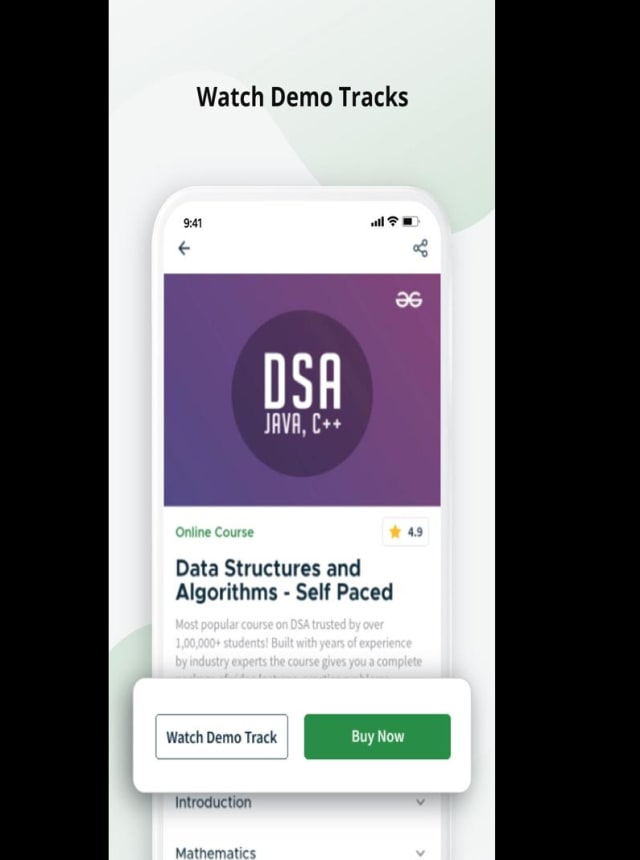
Java GeeksforGeeks: A Guide to Learning and Practicing Java
Learning Java with GeeksforGeeks
Java is one of the most widely used programming languages, known for its portability, object-oriented design, and broad ecosystem. For people learning Java or looking to strengthen their skills, GeeksforGeeks offers tutorials, examples, and practice problems covering topics from basic syntax to advanced programming concepts.
What Is Java?
Java is a general-purpose programming language designed to run on many different platforms. Java code is typically compiled into bytecode, which runs on the Java Virtual Machine (JVM). This helps make Java programs portable across systems with a compatible JVM.
Java is used in a variety of areas, including backend services, enterprise software, Android development, and data-processing applications. Its strong community and extensive libraries make it a practical language for both beginners and experienced developers.
What Can You Learn on GeeksforGeeks?
GeeksforGeeks organizes Java learning material into lessons and reference articles. Depending on your experience level, you can explore topics such as:
- Java fundamentals: Variables, data types, operators, input and output, and control flow.
- Object-oriented programming: Classes, objects, inheritance, polymorphism, encapsulation, and abstraction.
- Core Java concepts: Strings, arrays, exceptions, collections, generics, and file handling.
- Data structures and algorithms: Common techniques and problems implemented in Java.
- Interview preparation: Practice questions and explanations for frequently tested programming concepts.
How to Use the Tutorials Effectively
Reading explanations is a useful starting point, but programming skills grow through practice. Try typing out the examples rather than simply copying them. Change the code, test different inputs, and observe how the results change.
- Start with the basics. Make sure you understand variables, conditionals, loops, and methods before moving on to more complex topics.
- Compile and run examples. Use a local Java development environment or an online compiler to experiment with code.
- Practice regularly. Solve problems that match your current skill level, then gradually take on more challenging exercises.
- Review the reasoning. When studying a solution, focus on why it works, not just on the final code.
- Build small projects. A calculator, a basic task tracker, or a simple text-based game can help connect separate concepts.
Benefits and Limitations
A major benefit of using GeeksforGeeks is the variety of its programming material. Learners can move from introductory explanations to code examples and practice questions in one place. This makes it a convenient resource for reviewing concepts or exploring a new topic.
However, no single tutorial site should be your only learning resource. Some topics may require additional explanation, and examples can vary in style or depth. Compare what you learn with the official Java documentation, and make sure you understand the language features you use.
Getting Started with Java
A simple Java program includes a class and a main method, which is the usual entry point for a standalone application:
public class Main {


    public static void main(String[] args) {


        System.out.println("Hello, Java!");


    }


}
Once you can compile and run a basic program, continue with variables, conditionals, loops, and methods. From there, explore classes and objects, then practice applying those ideas to small programs.
Conclusion
GeeksforGeeks can be a helpful resource for learning Java, reviewing core concepts, and practicing programming problems. Pair its tutorials with hands-on coding, careful review, and documentation to build a stronger understanding. With consistent practice, Java learners can progress from simple programs to more substantial applications.
7 Tips to Master Java with GeeksforGeeks
- Start with Java basics on GeeksforGeeks.
- Practice syntax with small programs.
- Study object-oriented programming concepts.
- Solve Java coding problems regularly.
- Review collections and data structures.
- Run examples to understand their output.
- Use quizzes to check your progress.
Start with Java basics on GeeksforGeeks.
Start learning Java with the beginner-friendly tutorials on GeeksforGeeks, where you can explore essential concepts such as variables, data types, operators, conditionals, loops, and methods. Work through each topic in order, try the code examples yourself, and experiment with small changes to see how they affect the results. Building a solid foundation in these basics will make it easier to understand object-oriented programming and more advanced Java topics later on.
Practice syntax with small programs.
Practice Java syntax by writing small programs that focus on one concept at a time, such as variables, loops, conditionals, or methods. For example, create a temperature converter or a program that counts from 1 to 10. These short exercises help you remember Java’s rules, spot errors, and build confidence before taking on larger projects. Use GeeksforGeeks examples for guidance, then modify them and experiment with your own solutions.
Study object-oriented programming concepts.
Study object-oriented programming (OOP) concepts to build a strong foundation in Java. Focus on classes and objects, encapsulation, inheritance, polymorphism, and abstraction, and practice using each concept in small programs. GeeksforGeeks offers explanations and examples that can help you understand how these ideas organize code, encourage reuse, and make Java applications easier to maintain.
Solve Java coding problems regularly.
Solve Java coding problems regularly to build confidence and turn concepts into practical skills. Start with exercises on fundamentals such as loops, arrays, and strings, then gradually work toward data structures and algorithms. After solving each problem, review your approach, test edge cases, and compare it with other solutions on GeeksforGeeks to discover clearer or more efficient techniques.
Review collections and data structures.
Reviewing collections and data structures is an important step in learning Java, and GeeksforGeeks offers tutorials and examples to help you understand when to use tools such as lists, sets, maps, queues, and stacks. Focus on how each structure stores and retrieves data, its performance tradeoffs, and the problems it is best suited to solve. Then reinforce your understanding by writing small Java programs and comparing different approaches.
Run examples to understand their output.
When learning Java with GeeksforGeeks, run each example yourself to see how the code works and understand its output. Try changing values or modifying a statement, then run the program again to observe what changes. This hands-on practice helps connect Java concepts to real results, makes errors easier to spot, and builds confidence as you learn.
Use quizzes to check your progress.
Use quizzes on GeeksforGeeks to check your progress as you learn Java. They can help you spot gaps in your understanding of topics such as syntax, object-oriented programming, and collections. After each quiz, review any incorrect answers and revisit the related lessons before trying again. Regular self-checks make it easier to track what you’ve mastered and decide what to study next.