


Exploring the Innovations in Embedded Systems Development
The World of Embedded Systems Development
Embedded systems development is a fascinating field that plays a crucial role in powering the devices we use every day. These systems are specialized computing devices designed to perform dedicated functions within larger systems or products.
What are Embedded Systems?
Embedded systems are found in a wide range of applications, from consumer electronics like smartphones and smartwatches to industrial machinery, medical devices, automotive systems, and more. These systems are typically designed to be reliable, efficient, and cost-effective.
The Process of Developing Embedded Systems
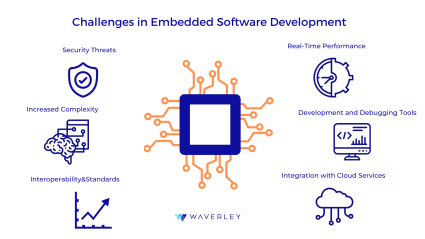
Developing embedded systems involves a unique set of challenges compared to traditional software development. Engineers working on embedded systems need to consider factors such as real-time operation, low power consumption, limited resources (such as memory and processing power), and often stringent safety and security requirements.
Key Steps in Embedded Systems Development
- Requirements Analysis: Understanding the functionality the embedded system needs to provide.
- Design: Creating the system architecture and selecting appropriate hardware components.
- Implementation: Writing code for the embedded system software.
- Testing: Verifying that the system meets its requirements and functions correctly.
- Deployment: Integrating the embedded system into the target product or application.
Careers in Embedded Systems Development
Careers in embedded systems development offer exciting opportunities for engineers who enjoy working at the intersection of hardware and software. Professionals in this field may specialize in areas such as firmware development, device drivers, real-time operating systems, or low-level programming.
The Future of Embedded Systems
As technology continues to advance, embedded systems will play an increasingly important role in enabling new innovations across various industries. From IoT devices to autonomous vehicles and smart appliances, embedded systems will continue to drive progress and enhance our daily lives.
Understanding Embedded Systems: Key Concepts, Challenges, and Career Insights
- What is an embedded system?
- What are the key challenges in embedded systems development?
- How do you program/embed software into an embedded system?
- What are some common applications of embedded systems?
- What skills are required for a career in embedded systems development?
- How does real-time operating system (RTOS) differ from other operating systems in the context of embedded systems?
What is an embedded system?
An embedded system is a specialized computing device designed to perform specific functions within a larger system or product. These systems are integrated into various devices and applications, ranging from household appliances and medical equipment to automotive systems and industrial machinery. Unlike general-purpose computers, embedded systems are tailored to meet the unique requirements of the task they are intended to perform, often emphasizing reliability, efficiency, and real-time operation. By combining hardware components with embedded software, these systems enable seamless functionality and automation in numerous technological solutions we encounter in our daily lives.
What are the key challenges in embedded systems development?
Developing embedded systems presents several key challenges that engineers must navigate. One of the primary challenges is optimizing performance while working within constraints such as limited processing power, memory, and energy efficiency. Real-time operation requirements add another layer of complexity, as embedded systems often need to respond quickly and predictably to external stimuli. Additionally, ensuring the security and reliability of embedded systems is crucial, especially in applications where safety is a critical concern. Balancing these technical challenges with time-to-market pressures and cost considerations requires a strategic approach to embedded systems development.
How do you program/embed software into an embedded system?
Programming or embedding software into an embedded system involves a specialized process tailored to the unique requirements of these systems. Typically, developers use integrated development environments (IDEs) and cross-compilers to write code that is specific to the hardware platform of the embedded system. The compiled code is then transferred to the target device using tools like debuggers, programmers, or bootloaders. This programming process requires a deep understanding of both software development and hardware architecture to ensure that the embedded system functions correctly and efficiently.
What are some common applications of embedded systems?
Embedded systems find applications in a wide range of industries and products. Some common examples include consumer electronics like smartphones, smart TVs, and digital cameras, where embedded systems power the device’s functionality. In the automotive sector, embedded systems are crucial for vehicle control systems, navigation systems, and driver assistance features. Industrial automation relies heavily on embedded systems for controlling machinery and monitoring processes. Medical devices such as pacemakers, infusion pumps, and diagnostic equipment also utilize embedded systems to perform critical functions. Overall, embedded systems play a vital role in enhancing the efficiency, performance, and functionality of various devices and systems across different sectors.
What skills are required for a career in embedded systems development?
To pursue a career in embedded systems development, a solid foundation in programming languages such as C and C++, as well as familiarity with hardware design principles, is essential. Additionally, proficiency in understanding datasheets, debugging skills, knowledge of real-time operating systems, and the ability to work with limited resources are valuable skills for success in this field. Problem-solving abilities, attention to detail, and a passion for technology are also key attributes that can help individuals excel in embedded systems development roles.
How does real-time operating system (RTOS) differ from other operating systems in the context of embedded systems?
In the realm of embedded systems development, the distinction between a real-time operating system (RTOS) and other operating systems is significant. Unlike general-purpose operating systems, an RTOS is specifically designed to handle tasks with strict timing requirements. RTOS prioritizes deterministic response times, ensuring that critical processes are executed within precise time constraints. This capability makes RTOS ideal for applications where timely and predictable task execution is paramount, such as in industrial automation, medical devices, and automotive systems. In contrast, traditional operating systems prioritize multitasking and resource sharing over strict timing guarantees, making them less suitable for real-time embedded applications.