cfchris.com

Loading

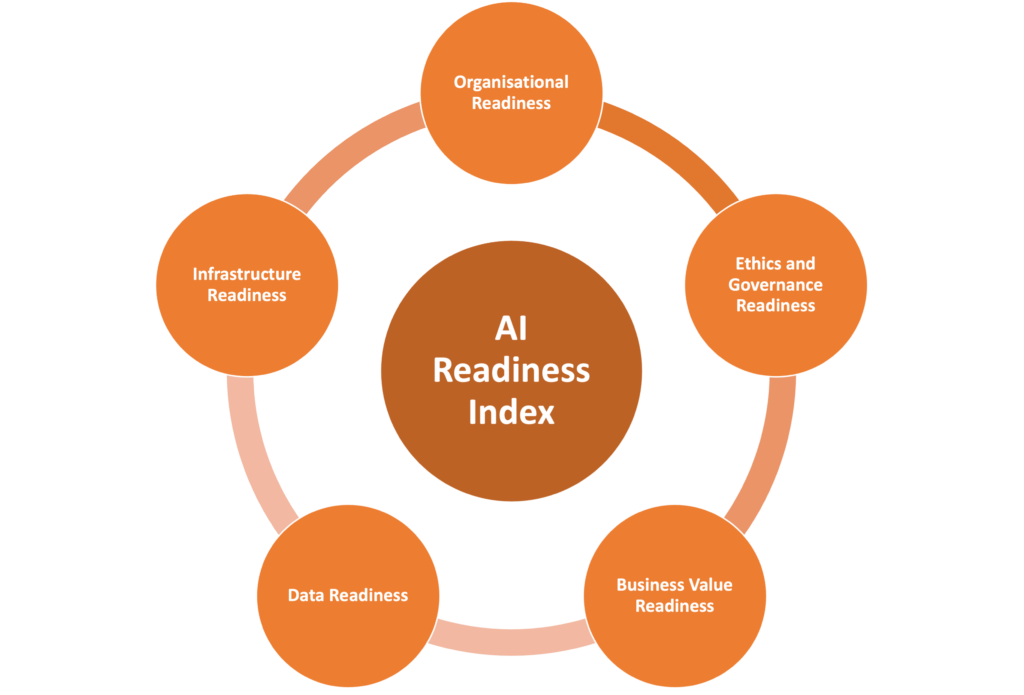
ai index

Exploring the AI Index: Key Insights and Implications

Understanding the AI Index

Understanding the AI Index: A Comprehensive Overview

The AI Index is a critical tool for tracking, measuring, and understanding the rapid advancements in artificial intelligence. As AI continues to transform industries and societies worldwide, the AI Index provides valuable insights into its development and impact.

What is the AI Index?

The AI Index is an annual report that compiles data and analysis on the progress and impact of artificial intelligence across various sectors. It is produced by leading institutions in collaboration with industry experts, providing a comprehensive overview of trends in research, development, ethics, policy, and more.

Key Components of the AI Index

Research and Development

The report tracks advancements in AI research by analyzing publications, conference papers, and patent filings. This section highlights significant breakthroughs and identifies emerging areas of interest within the field.

Technical Performance

This component assesses how well AI systems perform across different tasks. It includes benchmarks for natural language processing, computer vision, robotics, and other domains to gauge improvements over time.

Ethics and Society

The ethical implications of AI are a major focus of the index. It examines issues such as bias in algorithms, privacy concerns, job displacement potential, and efforts to ensure responsible use of technology.

Economics

This section explores how AI impacts economic factors like productivity growth, investment trends, employment patterns, and industry shifts. Understanding these dynamics helps stakeholders anticipate changes brought about by technological advancements.

The Importance of the AI Index

The importance of the AI Index lies in its ability to provide a holistic view of artificial intelligence’s trajectory. By consolidating data from multiple sources into one accessible format:

  • Policymakers: Can make informed decisions regarding regulation frameworks that balance innovation with societal needs.
  • Researchers: Gain insights into emerging trends which guide future investigations or collaborations within academia or industry settings.
  • Businesses: Benefit from understanding market opportunities driven by evolving capabilities offered through new technologies enabled via machine learning algorithms etc., thus allowing them strategic planning around product development initiatives targeting specific customer segments effectively leveraging these innovations accordingly!

A Glimpse Into The Future With The Help Of Analyzing Data From Past Reports!

The ongoing evolution captured within each edition offers valuable foresight about where we might head next given current trajectories observed today; therefore keeping abreast latest findings presented annually becomes essential anyone involved directly indirectly related fields wanting stay competitive relevant amidst ever-changing landscape surrounding us all alike!

“In conclusion,” whether you are an academic researcher exploring cutting-edge techniques pushing boundaries further than ever before possible thanks largely due advances seen recently alone already achieved thus far collectively speaking overall perspective gained reviewing contents contained herein proves invaluable resource indeed moving forward together towards brighter tomorrow filled endless possibilities awaiting just beyond horizon ahead eagerly anticipating what comes next exciting journey unfolds before our eyes momentous occasion marks turning point history itself forever changed course destiny mankind forever intertwined destiny machines working side-by-side harmony ushering new era unprecedented growth prosperity unlike anything witnessed prior times gone past now firmly behind us paving way future generations come benefit fruits labor invested today laying groundwork solid foundation built upon strong pillars knowledge wisdom accumulated throughout ages culminating ultimate achievement realization full potential inherent within grasp reach fingertips fingertips fingertips fingertips fingertips fingertips fingertips fingertips…

© 2023 – All Rights Reserved


5 Essential Tips for Navigating the World of AI

  1. Stay updated on the latest advancements in AI technology.
  2. Understand the ethical implications of AI development and usage.
  3. Explore various AI applications across different industries.
  4. Consider the impact of AI on job markets and future employment trends.
  5. Collaborate with experts and researchers in the field of artificial intelligence.

Stay updated on the latest advancements in AI technology.

Staying updated on the latest advancements in AI technology is crucial for anyone involved in the tech industry or related fields. The rapid pace of innovation means that new breakthroughs and applications are constantly emerging, which can significantly impact business strategies, research directions, and policy decisions. By keeping abreast of these developments through resources like the AI Index, professionals can make informed decisions that leverage cutting-edge technologies to their advantage. Additionally, understanding the latest trends helps anticipate future changes, ensuring that individuals and organizations remain competitive and relevant in an ever-evolving landscape. Whether it’s through attending conferences, reading up-to-date reports, or engaging with expert communities, staying informed is key to harnessing the full potential of artificial intelligence.

Understand the ethical implications of AI development and usage.

Understanding the ethical implications of AI development and usage is crucial as artificial intelligence increasingly integrates into various aspects of daily life. Ethical considerations encompass issues such as privacy, bias, accountability, and transparency. As AI systems are deployed in sensitive areas like healthcare, finance, and law enforcement, ensuring they operate fairly and without prejudice is vital to maintaining public trust. Developers and policymakers must work together to establish guidelines that prevent misuse and address potential harm. By prioritizing ethics in AI development, society can harness the technology’s benefits while minimizing risks and protecting individual rights.

Explore various AI applications across different industries.

Exploring various AI applications across different industries reveals the transformative potential of artificial intelligence in reshaping how businesses operate and deliver value. In healthcare, AI is revolutionizing diagnostics and personalized medicine, while in finance, it enhances fraud detection and algorithmic trading. The retail sector benefits from AI-driven customer insights and inventory management, improving efficiency and customer satisfaction. In manufacturing, AI optimizes supply chains and predictive maintenance, reducing downtime and costs. By examining these diverse applications, stakeholders can identify opportunities for innovation and growth, ensuring they stay competitive in an increasingly AI-driven world.

As artificial intelligence continues to advance, its impact on job markets and future employment trends is becoming increasingly significant. AI has the potential to automate routine tasks and improve efficiency across various industries, leading to shifts in the demand for certain skills and roles. While some jobs may be displaced by automation, new opportunities are likely to emerge in areas such as AI development, maintenance, and oversight. The key challenge lies in preparing the workforce for these changes through reskilling and upskilling initiatives. Understanding AI’s influence on employment trends can help policymakers, businesses, and educational institutions develop strategies that ensure a smooth transition for workers into the evolving job landscape.

Collaborate with experts and researchers in the field of artificial intelligence.

Collaborating with experts and researchers in the field of artificial intelligence is essential for staying at the forefront of technological advancements. These professionals bring a wealth of knowledge, experience, and innovative thinking that can significantly enhance AI projects. By working together, organizations can access cutting-edge research, share valuable insights, and develop solutions that address complex challenges more effectively. This collaboration fosters an environment of continuous learning and adaptation, ensuring that AI applications are not only technically sound but also ethically responsible and aligned with current industry standards. Engaging with experts also opens up opportunities for interdisciplinary partnerships, driving innovation across various sectors and ultimately leading to more robust and impactful AI solutions.

software engineering project

Mastering the Art of a Successful Software Engineering Project

Software Engineering Project: From Concept to Completion

Software Engineering Project: From Concept to Completion

Software engineering projects are complex undertakings that require careful planning, execution, and management to ensure success. From the initial concept phase to the final product delivery, every step in the software development lifecycle plays a crucial role in shaping the outcome of the project.

Conceptualization and Planning

The journey of a software engineering project begins with conceptualization and planning. During this phase, stakeholders define the project scope, requirements, objectives, and constraints. Clear communication and collaboration among team members are essential to establish a solid foundation for the project.

Design and Development

Once the project requirements are defined, software engineers move on to the design and development phase. This stage involves creating detailed designs, coding, testing, and iterating to build a functional software solution that meets the specified criteria. Collaboration between developers, designers, testers, and other team members is crucial to ensure that the project progresses smoothly.

Testing and Quality Assurance

Testing and quality assurance are integral parts of any software engineering project. Thorough testing helps identify bugs, errors, and performance issues early in the development process. Quality assurance processes ensure that the software meets quality standards and user expectations before deployment.

Deployment and Maintenance

Once the software is developed and tested successfully, it is ready for deployment. Deployment involves releasing the software to end-users or clients while ensuring a smooth transition from development to production environments. Post-deployment maintenance involves monitoring performance, addressing user feedback, fixing bugs, and implementing updates as needed.

Conclusion

A successful software engineering project requires careful planning, effective communication, collaboration among team members, attention to detail during development and testing phases, and ongoing maintenance post-deployment. By following best practices in software engineering methodologies and leveraging modern tools and technologies, teams can deliver high-quality software solutions that meet user needs and business objectives.


8 Essential Tips for Successful Software Engineering Projects

  1. Prioritize clear and consistent communication within the team.
  2. Adopt version control systems like Git for efficient collaboration.
  3. Break down tasks into manageable chunks with well-defined goals.
  4. Implement automated testing to catch bugs early in development.
  5. Continuously integrate code changes to avoid integration issues later.
  6. Document code and processes thoroughly for future reference.
  7. Regularly review and refactor code to maintain quality and performance.
  8. Stay updated with industry trends and tools to enhance project outcomes.

Prioritize clear and consistent communication within the team.

In software engineering projects, prioritizing clear and consistent communication within the team is essential for success. Effective communication ensures that all team members are aligned on project goals, requirements, and progress. It helps prevent misunderstandings, promotes collaboration, and fosters a positive working environment. By maintaining open lines of communication, team members can share ideas, address issues promptly, and work together towards achieving project milestones efficiently. Clear and consistent communication plays a crucial role in keeping the project on track and ensuring that everyone is on the same page throughout the development process.

Adopt version control systems like Git for efficient collaboration.

Adopting version control systems like Git is a crucial tip for ensuring efficient collaboration in software engineering projects. By using Git, team members can work on the same codebase simultaneously, track changes, merge modifications seamlessly, and revert to previous versions if needed. This not only streamlines the development process but also helps prevent conflicts and maintain a well-organized project history. Embracing version control systems like Git promotes better teamwork, enhances productivity, and ultimately contributes to the success of the software engineering project.

Break down tasks into manageable chunks with well-defined goals.

Breaking down tasks into manageable chunks with well-defined goals is a crucial tip in software engineering projects. By dividing the project into smaller, more achievable components, teams can maintain focus, track progress effectively, and ensure that each task contributes to the overall project objectives. Clear goals help team members understand their roles and responsibilities, leading to better coordination and collaboration. This approach also facilitates better time management and allows for adjustments as needed to meet project milestones successfully.

Implement automated testing to catch bugs early in development.

Implementing automated testing in software engineering projects is a valuable practice to catch bugs early in the development process. By setting up automated tests that run continuously, developers can quickly identify and address issues, ensuring a higher level of code quality and reducing the risk of bugs slipping into production. Automated testing not only saves time and effort but also enhances the overall reliability and stability of the software, leading to a smoother development cycle and improved end-user experience.

Continuously integrate code changes to avoid integration issues later.

Continuously integrating code changes throughout the software engineering project is crucial to prevent integration issues from arising later in the development process. By regularly merging code updates into a shared repository and running automated tests, teams can identify and address conflicts and errors early on, ensuring that the software components work together seamlessly. This practice of continuous integration not only helps maintain code quality but also promotes collaboration among team members and facilitates a smoother overall development workflow.

Document code and processes thoroughly for future reference.

It is essential to document code and processes thoroughly during a software engineering project to ensure clarity and maintainability for future reference. Comprehensive documentation helps team members understand the logic behind the code, the purpose of specific processes, and how different components interact with each other. By documenting code and processes effectively, developers can easily troubleshoot issues, onboard new team members efficiently, and facilitate future updates or modifications to the software with minimal confusion or errors.

Regularly review and refactor code to maintain quality and performance.

Regularly reviewing and refactoring code is a crucial practice in software engineering projects to uphold quality and performance standards. By conducting code reviews, developers can identify and address potential issues, improve readability, and ensure adherence to coding standards. Refactoring allows for restructuring code to enhance efficiency, maintainability, and scalability. These proactive measures not only help in detecting and rectifying errors early on but also contribute to the overall robustness and longevity of the software solution.

Staying updated with industry trends and tools is crucial for enhancing project outcomes in software engineering. By keeping abreast of the latest advancements in technology and methodologies, software engineers can leverage new tools and best practices to improve efficiency, quality, and innovation in their projects. Continuous learning and adaptation to industry trends not only help teams stay competitive but also enable them to deliver cutting-edge solutions that meet the evolving needs of clients and end-users.

embedded systems development

Exploring the Innovations in Embedded Systems Development

Embedded Systems Development

The World of Embedded Systems Development

Embedded systems development is a fascinating field that plays a crucial role in powering the devices we use every day. These systems are specialized computing devices designed to perform dedicated functions within larger systems or products.

What are Embedded Systems?

Embedded systems are found in a wide range of applications, from consumer electronics like smartphones and smartwatches to industrial machinery, medical devices, automotive systems, and more. These systems are typically designed to be reliable, efficient, and cost-effective.

The Process of Developing Embedded Systems

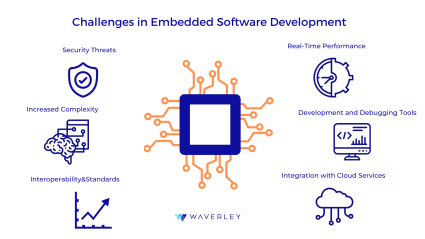
Developing embedded systems involves a unique set of challenges compared to traditional software development. Engineers working on embedded systems need to consider factors such as real-time operation, low power consumption, limited resources (such as memory and processing power), and often stringent safety and security requirements.

Key Steps in Embedded Systems Development

  1. Requirements Analysis: Understanding the functionality the embedded system needs to provide.
  2. Design: Creating the system architecture and selecting appropriate hardware components.
  3. Implementation: Writing code for the embedded system software.
  4. Testing: Verifying that the system meets its requirements and functions correctly.
  5. Deployment: Integrating the embedded system into the target product or application.

Careers in Embedded Systems Development

Careers in embedded systems development offer exciting opportunities for engineers who enjoy working at the intersection of hardware and software. Professionals in this field may specialize in areas such as firmware development, device drivers, real-time operating systems, or low-level programming.

The Future of Embedded Systems

As technology continues to advance, embedded systems will play an increasingly important role in enabling new innovations across various industries. From IoT devices to autonomous vehicles and smart appliances, embedded systems will continue to drive progress and enhance our daily lives.


Understanding Embedded Systems: Key Concepts, Challenges, and Career Insights

  1. What is an embedded system?
  2. What are the key challenges in embedded systems development?
  3. How do you program/embed software into an embedded system?
  4. What are some common applications of embedded systems?
  5. What skills are required for a career in embedded systems development?
  6. How does real-time operating system (RTOS) differ from other operating systems in the context of embedded systems?

What is an embedded system?

An embedded system is a specialized computing device designed to perform specific functions within a larger system or product. These systems are integrated into various devices and applications, ranging from household appliances and medical equipment to automotive systems and industrial machinery. Unlike general-purpose computers, embedded systems are tailored to meet the unique requirements of the task they are intended to perform, often emphasizing reliability, efficiency, and real-time operation. By combining hardware components with embedded software, these systems enable seamless functionality and automation in numerous technological solutions we encounter in our daily lives.

What are the key challenges in embedded systems development?

Developing embedded systems presents several key challenges that engineers must navigate. One of the primary challenges is optimizing performance while working within constraints such as limited processing power, memory, and energy efficiency. Real-time operation requirements add another layer of complexity, as embedded systems often need to respond quickly and predictably to external stimuli. Additionally, ensuring the security and reliability of embedded systems is crucial, especially in applications where safety is a critical concern. Balancing these technical challenges with time-to-market pressures and cost considerations requires a strategic approach to embedded systems development.

How do you program/embed software into an embedded system?

Programming or embedding software into an embedded system involves a specialized process tailored to the unique requirements of these systems. Typically, developers use integrated development environments (IDEs) and cross-compilers to write code that is specific to the hardware platform of the embedded system. The compiled code is then transferred to the target device using tools like debuggers, programmers, or bootloaders. This programming process requires a deep understanding of both software development and hardware architecture to ensure that the embedded system functions correctly and efficiently.

What are some common applications of embedded systems?

Embedded systems find applications in a wide range of industries and products. Some common examples include consumer electronics like smartphones, smart TVs, and digital cameras, where embedded systems power the device’s functionality. In the automotive sector, embedded systems are crucial for vehicle control systems, navigation systems, and driver assistance features. Industrial automation relies heavily on embedded systems for controlling machinery and monitoring processes. Medical devices such as pacemakers, infusion pumps, and diagnostic equipment also utilize embedded systems to perform critical functions. Overall, embedded systems play a vital role in enhancing the efficiency, performance, and functionality of various devices and systems across different sectors.

What skills are required for a career in embedded systems development?

To pursue a career in embedded systems development, a solid foundation in programming languages such as C and C++, as well as familiarity with hardware design principles, is essential. Additionally, proficiency in understanding datasheets, debugging skills, knowledge of real-time operating systems, and the ability to work with limited resources are valuable skills for success in this field. Problem-solving abilities, attention to detail, and a passion for technology are also key attributes that can help individuals excel in embedded systems development roles.

How does real-time operating system (RTOS) differ from other operating systems in the context of embedded systems?

In the realm of embedded systems development, the distinction between a real-time operating system (RTOS) and other operating systems is significant. Unlike general-purpose operating systems, an RTOS is specifically designed to handle tasks with strict timing requirements. RTOS prioritizes deterministic response times, ensuring that critical processes are executed within precise time constraints. This capability makes RTOS ideal for applications where timely and predictable task execution is paramount, such as in industrial automation, medical devices, and automotive systems. In contrast, traditional operating systems prioritize multitasking and resource sharing over strict timing guarantees, making them less suitable for real-time embedded applications.

computer software engineer

Unlocking Innovation: The Role of a Computer Software Engineer in Today’s Tech Landscape

Computer Software Engineer

The Role of a Computer Software Engineer

A computer software engineer plays a crucial role in the development, design, and maintenance of software applications. These professionals are responsible for creating innovative solutions to meet the needs of businesses and individuals in today’s digital age.

Responsibilities of a Software Engineer

Software engineers are involved in every stage of the software development process. They analyze user requirements, design software solutions, write code, test applications for bugs and errors, and maintain existing software systems. These professionals work closely with other team members, such as project managers, designers, and quality assurance testers, to ensure that the final product meets all requirements.

Skills Required

To excel as a computer software engineer, one must possess strong technical skills in programming languages such as Java, C++, Python, or JavaScript. Problem-solving abilities, attention to detail, and creativity are also essential qualities for this role. Additionally, effective communication skills are vital for collaborating with team members and stakeholders throughout the development process.

Educational Background

Most computer software engineers hold a bachelor’s degree in computer science or a related field. Some professionals may pursue advanced degrees or certifications to further enhance their skills and knowledge in specific areas of software engineering.

Career Outlook

The demand for computer software engineers is expected to continue growing as technology becomes more integrated into various industries. With the rise of mobile applications, cloud computing, and artificial intelligence, there are abundant opportunities for skilled software engineers to make a significant impact in the tech industry.

Conclusion

In conclusion, computer software engineers play a vital role in shaping the future of technology through their expertise in developing innovative software solutions. Their contributions drive progress and innovation across industries worldwide.


5 Essential Tips for Excelling as a Computer Software Engineer

  1. Stay updated with the latest programming languages and technologies.
  2. Practice coding regularly to improve your skills and problem-solving abilities.
  3. Collaborate with other software engineers to learn from each other and work on projects together.
  4. Document your code properly for easier maintenance and future reference.
  5. Stay curious and never stop learning about new developments in the field of software engineering.

Stay updated with the latest programming languages and technologies.

It is crucial for computer software engineers to stay updated with the latest programming languages and technologies. By continuously learning and adapting to new advancements in the field, software engineers can enhance their skills, remain competitive in the job market, and create more efficient and innovative solutions for various projects. Keeping abreast of emerging trends ensures that software engineers can tackle complex challenges with confidence and contribute effectively to the ever-evolving tech industry.

Practice coding regularly to improve your skills and problem-solving abilities.

To enhance your proficiency as a computer software engineer, it is crucial to engage in regular coding practice. By consistently working on coding exercises and projects, you can sharpen your skills and enhance your problem-solving abilities. This practice not only helps you become more proficient in programming languages but also allows you to tackle complex challenges with confidence and creativity. Embracing regular coding practice as a routine can significantly contribute to your growth and success in the field of software engineering.

Collaborate with other software engineers to learn from each other and work on projects together.

Collaborating with other software engineers is a valuable tip for professionals in the field. By working together on projects and sharing knowledge, software engineers can learn from each other’s experiences, expand their skill sets, and tackle complex challenges more effectively. This collaborative approach not only fosters a sense of teamwork and camaraderie but also leads to the development of innovative solutions that benefit both the individual engineers and the projects they are working on. Embracing collaboration allows software engineers to leverage diverse perspectives and expertise, ultimately enhancing their growth and success in the dynamic world of technology.

Document your code properly for easier maintenance and future reference.

Properly documenting your code is essential for computer software engineers to facilitate easier maintenance and reference in the future. Clear and concise documentation helps developers understand the purpose and functionality of the code, making it simpler to troubleshoot issues, make updates, and collaborate with team members. By documenting code effectively, software engineers can ensure that their work remains accessible and comprehensible over time, ultimately contributing to more efficient and successful software development projects.

Stay curious and never stop learning about new developments in the field of software engineering.

It is crucial for computer software engineers to stay curious and continuously seek out new developments in the field of software engineering. By maintaining a mindset of curiosity and a commitment to lifelong learning, software engineers can stay at the forefront of technological advancements, enhance their skills, and adapt to evolving industry trends. Embracing a culture of continuous learning not only expands one’s knowledge base but also fosters innovation and ensures relevance in an ever-changing technological landscape.

computer and software engineering

Exploring the Intersection of Computer and Software Engineering

Computer and Software Engineering

The World of Computer and Software Engineering

Computer and software engineering are two dynamic fields that play a crucial role in shaping our modern world. From the devices we use daily to the complex systems that power industries, computer and software engineers are at the forefront of innovation and technological advancement.

What is Computer Engineering?

Computer engineering focuses on the design, development, and maintenance of computer hardware and systems. Computer engineers work on components such as processors, memory devices, networking equipment, and more. They also ensure that these components work together efficiently to create functional computer systems.

What is Software Engineering?

Software engineering, on the other hand, deals with the design, development, testing, and maintenance of software applications. Software engineers use programming languages and tools to create applications that meet specific requirements and solve problems for users.

The Intersection of Computer and Software Engineering

Computer and software engineering often overlap, with professionals in both fields collaborating to create integrated systems. Computer engineers provide the hardware infrastructure on which software applications run, while software engineers develop the programs that leverage this hardware.

The Impact of Computer and Software Engineering

The impact of computer and software engineering can be seen in various aspects of our lives. From smartphones that connect us to the world to sophisticated algorithms that power financial markets, these disciplines have revolutionized how we live, work, communicate, and entertain ourselves.

Careers in Computer and Software Engineering

Careers in computer and software engineering offer diverse opportunities for professionals to work in areas such as artificial intelligence, cybersecurity, cloud computing, robotics, data science, mobile app development, and more. With technology evolving rapidly, there is a constant demand for skilled engineers who can innovate and adapt to new challenges.

Conclusion

In conclusion, computer and software engineering are vital fields that drive technological progress across industries. As we continue to rely on digital solutions for our everyday tasks, the expertise of computer and software engineers will be essential in shaping a future powered by innovation.


Top 5 FAQs About Careers in Computer and Software Engineering

  1. What is the difference between computer engineering and software engineering?
  2. What programming languages are essential for a career in software engineering?
  3. How can I become a computer engineer or software engineer?
  4. What are the latest trends in computer and software engineering?
  5. What career opportunities are available for computer and software engineers?

What is the difference between computer engineering and software engineering?

One frequently asked question in the field of computer and software engineering is: “What is the difference between computer engineering and software engineering?” Computer engineering primarily focuses on designing, developing, and maintaining computer hardware components and systems, such as processors, memory devices, and networking equipment. On the other hand, software engineering deals with the design, development, testing, and maintenance of software applications using programming languages and tools. While computer engineers work on the physical infrastructure of computing systems, software engineers create the programs that run on these systems. Both disciplines are essential in creating integrated technology solutions that drive innovation and progress in the digital age.

What programming languages are essential for a career in software engineering?

When considering a career in software engineering, it is common to wonder about the essential programming languages to master. While the specific languages may vary depending on the industry and specialization, some foundational languages are widely recognized as essential for software engineers. Languages such as Java, Python, C++, JavaScript, and SQL are commonly sought after by employers due to their versatility and widespread use in various applications. Mastering these programming languages can provide a strong foundation for a successful career in software engineering, enabling professionals to develop diverse applications and solutions across different platforms and domains.

How can I become a computer engineer or software engineer?

To become a computer engineer or software engineer, individuals typically pursue a formal education in computer science, software engineering, or a related field. This often involves obtaining a bachelor’s degree from an accredited institution. Additionally, gaining practical experience through internships, co-op programs, or personal projects can be beneficial in developing the necessary skills and knowledge. Continuous learning and staying updated on the latest technologies and trends in the industry are also crucial for aspiring computer and software engineers to thrive in this dynamic field. Networking with professionals in the industry and seeking mentorship can provide valuable guidance and insights for those looking to establish a successful career in computer engineering or software engineering.

The latest trends in computer and software engineering encompass a wide range of innovative technologies and methodologies that are reshaping the industry. From artificial intelligence and machine learning to edge computing, quantum computing, and blockchain technology, there is a continual evolution towards more efficient, secure, and scalable solutions. Additionally, trends such as DevOps practices, cloud-native development, Internet of Things (IoT) integration, and low-code/no-code platforms are gaining momentum, enabling faster development cycles and greater flexibility in software engineering processes. Staying updated on these trends is crucial for professionals in the field to remain competitive and drive forward the future of computer and software engineering.

What career opportunities are available for computer and software engineers?

Career opportunities for computer and software engineers are abundant and diverse. Professionals in these fields have the chance to work in various industries, including artificial intelligence, cybersecurity, cloud computing, robotics, data science, mobile app development, and more. With the rapid evolution of technology, there is a growing demand for skilled engineers who can innovate and adapt to new challenges. Whether designing cutting-edge software applications, securing digital systems from cyber threats, or developing advanced algorithms for machine learning, computer and software engineers play a crucial role in shaping the future of technology across different sectors.

java gui

Mastering Java GUI Development: A Comprehensive Guide

Exploring Java GUI Development

Exploring Java GUI Development

Graphical User Interfaces (GUIs) play a crucial role in making software applications user-friendly and visually appealing. In the world of Java programming, creating GUIs is a common task that developers often encounter. Let’s delve into the realm of Java GUI development and explore its key concepts and components.

What is Java GUI?

Java GUI refers to the Graphical User Interface components and frameworks available in the Java programming language. With Java’s rich set of libraries and tools, developers can create interactive and visually engaging user interfaces for their applications.

Swing vs. JavaFX

In Java, two main frameworks are commonly used for GUI development: Swing and JavaFX. Swing is an older toolkit that provides a wide range of components for building desktop applications. On the other hand, JavaFX is a newer framework that offers more modern features and capabilities, including support for multimedia and 3D graphics.

Key Components of a Java GUI

Some essential components of a Java GUI include:

  • Containers: Containers are used to hold other components, such as panels or frames.
  • Components: Components are the building blocks of a GUI, including buttons, text fields, labels, and more.
  • Layout Managers: Layout managers help organize the placement of components within a container.
  • Event Handling: Event handling allows developers to define actions in response to user interactions with the GUI components.

Creating a Simple Java GUI Application

To create a basic Java GUI application using Swing, developers typically follow these steps:

  1. Create a JFrame (main window) for the application.
  2. Add various components to the JFrame, such as buttons or text fields.
  3. Set up event listeners to handle user interactions with the components.
  4. Display the JFrame to show the GUI to users.

Conclusion

In conclusion, mastering Java GUI development opens up endless possibilities for creating intuitive and visually appealing applications. Whether you choose Swing or JavaFX, understanding the key components and best practices is essential for building successful GUIs in Java programming.


Top 5 Frequently Asked Questions About Java GUI: Tools, Components, and Best Practices

  1. Is Java good for GUI?
  2. How to make a GUI using Java?
  3. Which is better, JavaFX or Swing?
  4. What are the 6 GUI components in Java?
  5. Which GUI is best for Java?

Is Java good for GUI?

When it comes to creating Graphical User Interfaces (GUIs), Java is considered a solid choice by many developers. With its robust libraries like Swing and JavaFX, Java provides a comprehensive set of tools for building interactive and visually appealing user interfaces. While some may argue that other languages offer more modern GUI frameworks, Java’s stability, cross-platform compatibility, and extensive community support make it a reliable option for GUI development. Ultimately, the decision of whether Java is good for GUI depends on the specific requirements of the project and the developer’s familiarity with the language and its GUI frameworks.

How to make a GUI using Java?

Creating a GUI using Java involves several key steps. First, developers typically choose between frameworks like Swing or JavaFX to design the graphical interface. Next, they create a main window (JFrame) and add various components such as buttons, text fields, and labels to it. Layout managers are then used to organize the placement of these components within the window. Event handling is crucial for defining actions in response to user interactions with the GUI elements. Finally, developers display the JFrame to showcase the GUI to users. By following these steps and leveraging Java’s rich libraries and tools, developers can craft interactive and visually appealing GUIs for their Java applications.

Which is better, JavaFX or Swing?

When considering whether JavaFX or Swing is better for GUI development in Java, it ultimately depends on the specific requirements and goals of the project. JavaFX offers more modern features and capabilities, such as support for multimedia and 3D graphics, making it a preferred choice for applications that require advanced visual effects. On the other hand, Swing, being a more established toolkit, provides a wide range of components for building desktop applications and may be more suitable for projects where compatibility with older systems is a priority. Both frameworks have their strengths and weaknesses, so developers should evaluate their project needs carefully to determine which one aligns best with their objectives.

What are the 6 GUI components in Java?

In Java GUI programming, developers commonly work with six fundamental GUI components. These components include buttons, labels, text fields, checkboxes, radio buttons, and lists. Buttons enable users to trigger actions, labels display text or images, text fields allow user input, checkboxes provide options for selection, radio buttons offer mutually exclusive choices, and lists present selectable items in a list format. Understanding and effectively utilizing these essential GUI components are key to creating interactive and user-friendly Java applications with intuitive interfaces.

Which GUI is best for Java?

When it comes to choosing the best GUI framework for Java, developers often debate between Swing and JavaFX. Swing, being a mature and robust toolkit, offers a wide range of components for building desktop applications. On the other hand, JavaFX provides more modern features and capabilities, such as multimedia support and 3D graphics. The choice between Swing and JavaFX ultimately depends on the specific requirements of the project, with developers weighing factors like ease of use, performance, and desired user experience to determine which GUI framework is best suited for their Java application.

sr software engineer

Exploring the Role of a Senior Software Engineer in Modern Tech Teams

Senior Software Engineer: The Role and Responsibilities

Senior Software Engineer: The Role and Responsibilities

A senior software engineer plays a crucial role in the development and maintenance of software applications. With years of experience and expertise in programming, system design, and project management, senior software engineers are key members of any tech team.

Responsibilities of a Senior Software Engineer

Senior software engineers are responsible for:

  • Leading the design and implementation of complex software solutions
  • Collaborating with cross-functional teams to define project requirements
  • Providing technical guidance and mentorship to junior developers
  • Performing code reviews to ensure quality and adherence to best practices
  • Identifying and resolving technical issues in a timely manner
  • Participating in the full software development lifecycle from planning to deployment
  • Staying updated on industry trends and emerging technologies

Skills Required for Senior Software Engineers

To excel in this role, senior software engineers need a combination of technical skills, soft skills, and domain knowledge. Some key skills include:

  • Proficiency in programming languages such as Java, Python, C++, or others
  • Experience with software development methodologies like Agile or Scrum
  • Strong problem-solving abilities and analytical thinking
  • Excellent communication skills for effective collaboration with team members and stakeholders
  • Ability to lead projects from inception to completion while meeting deadlines
  • Familiarity with version control systems like Git or SVN
  • Familiarity with version control systems like Git or SVN


5 Essential Tips for Success as a Senior Software Engineer

  1. Stay updated with the latest technologies and trends in software development.
  2. Practice problem-solving and critical thinking skills regularly.
  3. Collaborate effectively with team members and communicate clearly.
  4. Take ownership of your work and strive for high quality in all aspects of development.
  5. Continuously seek opportunities for learning and professional growth.

Staying updated with the latest technologies and trends in software development is essential for senior software engineers to remain competitive and effective in their roles. By continuously learning about new tools, languages, and methodologies, senior software engineers can enhance their problem-solving abilities, stay relevant in a rapidly evolving industry, and contribute innovative solutions to their projects. Embracing lifelong learning ensures that senior software engineers can adapt to changing requirements and deliver high-quality software products that meet the needs of today’s dynamic market.

Practice problem-solving and critical thinking skills regularly.

To excel as a senior software engineer, it is essential to practice problem-solving and critical thinking skills regularly. These skills are fundamental in tackling complex technical challenges, identifying efficient solutions, and making informed decisions throughout the software development process. By honing problem-solving abilities through consistent practice, senior software engineers can enhance their analytical thinking, creativity, and overall effectiveness in delivering high-quality software solutions.

Collaborate effectively with team members and communicate clearly.

Collaborating effectively with team members and communicating clearly are essential skills for a senior software engineer. By fostering open communication and working closely with colleagues, a senior software engineer can ensure that project requirements are clearly understood, ideas are shared efficiently, and potential issues are addressed proactively. Clear communication helps in aligning team members towards common goals, enhances productivity, and promotes a positive work environment where everyone feels valued and supported. It also enables effective problem-solving and decision-making, leading to successful project outcomes.

Take ownership of your work and strive for high quality in all aspects of development.

Taking ownership of your work and striving for high quality in all aspects of development are essential traits for a senior software engineer. By assuming responsibility for the projects they undertake and maintaining a commitment to excellence, senior software engineers not only ensure the success of their endeavors but also inspire confidence in their team members and stakeholders. This dedication to quality results in robust, reliable software solutions that meet or exceed expectations, making the senior software engineer a valuable asset to any organization.

Continuously seek opportunities for learning and professional growth.

Continuously seeking opportunities for learning and professional growth is a crucial tip for senior software engineers. In the rapidly evolving field of technology, staying updated with the latest trends, tools, and techniques is essential to maintain a competitive edge. By pursuing ongoing learning initiatives such as attending workshops, taking online courses, or participating in industry conferences, senior software engineers can enhance their skills, expand their knowledge base, and adapt to the ever-changing demands of the software development landscape. Embracing a mindset of lifelong learning not only benefits the individual engineer but also contributes to the overall success and innovation of the tech team and organization as a whole.

java software engineer

Mastering the Role of a Java Software Engineer: A Guide to Success

Article: Java Software Engineer

The Role of a Java Software Engineer

Java software engineers play a crucial role in the development of various software applications and systems. They are responsible for designing, implementing, and maintaining Java-based solutions that meet the specific needs of clients or organizations.

Key Responsibilities

As a Java software engineer, one must have a strong understanding of Java programming language and its frameworks. Some key responsibilities include:

  • Developing high-quality software solutions using Java technologies
  • Collaborating with cross-functional teams to design and implement new features
  • Testing and debugging code to ensure optimal performance
  • Optimizing applications for scalability and efficiency
  • Maintaining existing software systems by troubleshooting issues and implementing updates

Skills Required

To excel as a Java software engineer, one should possess the following skills:

  • Proficiency in Java programming language and related technologies (e.g., Spring, Hibernate)
  • Strong problem-solving abilities and attention to detail
  • Knowledge of software development best practices and design patterns
  • Experience with database management systems (e.g., SQL, Oracle)
  • Excellent communication skills for effective collaboration with team members

Career Outlook

The demand for skilled Java software engineers continues to grow as businesses rely on custom software solutions to streamline operations and enhance customer experiences. With the right expertise and experience, Java software engineers can pursue rewarding career opportunities in various industries.

Conclusion

In conclusion, being a Java software engineer requires a blend of technical proficiency, problem-solving skills, and collaboration abilities. By staying updated on industry trends and continuously honing their craft, Java software engineers can make significant contributions to the development of innovative software solutions.


5 Essential Tips for Excelling as a Java Software Engineer

  1. Focus on mastering core Java concepts and language features.
  2. Practice regularly by working on coding challenges and personal projects.
  3. Stay updated with the latest trends and technologies in the Java ecosystem.
  4. Collaborate with other developers to learn from their experiences and improve your skills.
  5. Develop strong problem-solving abilities to tackle complex software engineering tasks efficiently.

Focus on mastering core Java concepts and language features.

To excel as a Java software engineer, it is essential to focus on mastering core Java concepts and language features. Understanding the fundamentals of Java programming lays a solid foundation for building complex applications and solving challenging problems efficiently. By honing your skills in core Java concepts such as object-oriented programming, data structures, and algorithms, you can enhance your ability to write robust and efficient code. Continuous learning and practice in mastering these fundamental aspects of Java will not only make you a proficient software engineer but also enable you to adapt to new technologies and frameworks effectively.

Practice regularly by working on coding challenges and personal projects.

To excel as a Java software engineer, it is essential to practice regularly by engaging in coding challenges and personal projects. By tackling various coding problems and working on personal projects, Java software engineers can enhance their problem-solving skills, deepen their understanding of Java programming concepts, and stay abreast of industry trends. This hands-on experience not only helps in sharpening technical abilities but also fosters creativity and innovation in developing robust software solutions. Regular practice through coding challenges and personal projects is a valuable way for Java software engineers to continuously improve their skills and stay competitive in the ever-evolving tech landscape.

To excel as a Java software engineer, it is essential to stay updated with the latest trends and technologies in the Java ecosystem. By keeping abreast of advancements in Java programming language, frameworks, and tools, software engineers can enhance their skills, stay competitive in the job market, and deliver innovative solutions that meet evolving industry standards. Continuous learning and adaptation to new technologies not only broaden one’s knowledge base but also ensure the development of robust and efficient software applications that cater to the dynamic needs of clients and organizations.

Collaborate with other developers to learn from their experiences and improve your skills.

Collaborating with other developers is a valuable tip for Java software engineers looking to enhance their skills and knowledge. By working closely with peers, you can gain insights from their experiences, learn new techniques, and discover best practices in Java development. This collaborative approach not only fosters a sense of teamwork but also provides opportunities for personal growth and professional development. Sharing ideas and learning from others can help you expand your skill set and become a more proficient Java software engineer in the ever-evolving tech industry.

Develop strong problem-solving abilities to tackle complex software engineering tasks efficiently.

Developing strong problem-solving abilities is essential for Java software engineers to tackle complex software engineering tasks efficiently. By honing this skill, engineers can approach challenges methodically, analyze problems from different angles, and devise effective solutions. Whether debugging code, optimizing performance, or implementing new features, the ability to solve problems efficiently not only enhances productivity but also contributes to the overall quality of software development projects. Continuous practice and exposure to diverse scenarios can further sharpen a Java software engineer’s problem-solving skills and enable them to excel in their role.

application development

Mastering the Art of Application Development: A Comprehensive Guide

Article: Application Development

The Art and Science of Application Development

Application development is a dynamic and ever-evolving field that plays a crucial role in shaping the digital landscape. From mobile apps to web applications, the process of creating software solutions requires a blend of creativity, technical expertise, and strategic thinking.

The Development Process

Application development typically involves several key stages:

  1. Planning: This phase involves defining the project scope, requirements gathering, and creating a roadmap for development.
  2. Design: Designers create wireframes and mockups to visualize the user interface and user experience of the application.
  3. Development: Developers write code using programming languages like Java, Python, or JavaScript to bring the design to life.
  4. Testing: Quality assurance testers conduct rigorous testing to identify bugs and ensure the application functions as intended.
  5. Deployment: The application is deployed to production servers or app stores for users to access.
  6. Maintenance: Ongoing maintenance and updates are essential to keep the application secure and up-to-date with changing technologies.

The Role of Developers

Developers are at the heart of application development, turning ideas into functional software solutions. They possess a deep understanding of programming languages, frameworks, and best practices to build robust and scalable applications.

In addition to technical skills, developers must also collaborate effectively with designers, project managers, and stakeholders to ensure that the final product meets user needs and business objectives.

Trends in Application Development

The field of application development is constantly evolving with new technologies shaping the way we build software. Some current trends include:

  • Mobile-First Approach: With the rise of mobile devices, developers are prioritizing mobile-friendly designs and responsive layouts.
  • Cloud Computing: Cloud-based services offer scalability, flexibility, and cost-effectiveness for hosting applications.
  • Artificial Intelligence (AI) Integration: AI-powered features such as chatbots and predictive analytics are becoming increasingly common in applications.
  • Internet of Things (IoT): Applications are being developed to connect with IoT devices for enhanced functionality and automation.

In Conclusion

Application development is a multifaceted discipline that requires a blend of technical skills, creativity, and collaboration. By staying informed about emerging technologies and best practices, developers can create innovative solutions that drive digital transformation across industries.


7 Essential Tips for Successful Application Development

  1. Plan and design your application before starting development.
  2. Follow best practices and coding standards to ensure code quality.
  3. Regularly test your application to catch bugs early on.
  4. Optimize your application for performance to provide a smooth user experience.
  5. Implement proper security measures to protect user data and prevent vulnerabilities.
  6. Document your code thoroughly for easier maintenance and future updates.
  7. Seek feedback from users during development to improve usability and functionality.

Plan and design your application before starting development.

Planning and designing your application before diving into development is a crucial tip in the field of application development. By carefully outlining the project scope, defining requirements, and creating a solid design roadmap, developers can ensure that the final product aligns with user needs and business objectives. This initial phase sets the foundation for a successful development process, helping to streamline workflow, minimize rework, and ultimately deliver a high-quality application that meets expectations.

Follow best practices and coding standards to ensure code quality.

Following best practices and coding standards is essential in application development to maintain code quality and consistency. By adhering to established guidelines, developers can write cleaner, more maintainable code that is easier to debug and enhance. Consistent coding standards also facilitate collaboration among team members, as everyone follows the same conventions. Ultimately, prioritizing best practices in coding helps create robust and efficient applications that meet user expectations and industry standards.

Regularly test your application to catch bugs early on.

Regularly testing your application is a crucial step in the development process to identify and address bugs early on. By conducting thorough testing throughout the development lifecycle, developers can ensure that the application functions as intended and delivers a seamless user experience. Early bug detection not only helps in maintaining the quality of the software but also saves time and resources by addressing issues before they escalate. Prioritizing testing allows for smoother deployment and enhances overall user satisfaction with the final product.

Optimize your application for performance to provide a smooth user experience.

To enhance the user experience, it is essential to optimize your application for performance. By focusing on improving speed and efficiency, you can ensure a smooth and seamless interaction for users. Optimizing factors such as loading times, responsiveness, and resource utilization can significantly impact how users perceive and engage with your application. Prioritizing performance optimization not only enhances user satisfaction but also contributes to the overall success and competitiveness of your application in the digital landscape.

Implement proper security measures to protect user data and prevent vulnerabilities.

Implementing proper security measures is paramount in application development to safeguard user data and prevent vulnerabilities. By incorporating robust security protocols, such as encryption, authentication mechanisms, and regular security audits, developers can ensure that sensitive information remains protected from unauthorized access or cyber threats. Prioritizing security not only fosters trust with users but also mitigates the risk of data breaches and potential legal repercussions. By proactively addressing security concerns, developers can create a safer digital environment for both their applications and their users.

Document your code thoroughly for easier maintenance and future updates.

Documenting your code thoroughly is a crucial tip in application development to facilitate easier maintenance and future updates. By providing clear and detailed documentation, developers can easily understand the functionality of the code, making it simpler to troubleshoot issues, make modifications, and add new features. Well-documented code also ensures continuity in development projects, allowing team members to collaborate effectively and maintain the software efficiently over time. Investing time in documenting code upfront can save significant effort and time in the long run, contributing to the overall success of the application development process.

Seek feedback from users during development to improve usability and functionality.

Seeking feedback from users during the development process is a crucial tip in application development to enhance usability and functionality. By involving users early on and throughout the development cycle, developers can gather valuable insights that help identify potential issues, improve user experience, and ensure that the final product meets user expectations. User feedback serves as a guiding light, enabling developers to make informed decisions and iterate on features to create an application that truly resonates with its target audience.

nvidia ai

Revolutionizing Industries with NVIDIA AI: A Glimpse into the Future of Technology

NVIDIA AI: Transforming the Future of Technology

As a leader in the field of artificial intelligence, NVIDIA is at the forefront of technological innovation. Known for its powerful GPUs, NVIDIA has expanded its reach into AI, providing cutting-edge solutions that are transforming industries across the globe.

The Role of NVIDIA in AI Development

NVIDIA’s journey into AI began with its pioneering work in graphics processing units (GPUs). These GPUs are not only essential for high-end gaming but have also become crucial for training complex AI models. The parallel processing capabilities of NVIDIA’s GPUs make them ideal for handling the massive datasets required for machine learning and deep learning applications.

Key Innovations and Products

  • NVIDIA Tensor Cores: Specially designed to accelerate AI workloads, Tensor Cores are integrated into NVIDIA’s latest GPU architectures. They significantly boost performance for deep learning tasks.
  • CUDA Platform: NVIDIA’s CUDA is a parallel computing platform and application programming interface model that allows developers to harness the power of GPUs for general-purpose processing.
  • NVIDIA DGX Systems: These are purpose-built AI supercomputers that provide researchers and developers with powerful tools to train complex models faster and more efficiently.

Impact on Various Industries

NVIDIA’s AI technologies are revolutionizing numerous sectors:

  • Healthcare: In medical imaging and diagnostics, NVIDIA’s AI solutions help in analyzing vast amounts of data quickly, leading to faster and more accurate diagnoses.
  • Automotive: With autonomous vehicles on the rise, NVIDIA’s DRIVE platform offers advanced solutions for self-driving cars, enhancing safety and efficiency.
  • Entertainment: In gaming and virtual reality, NVIDIA’s GPUs deliver stunning visuals and immersive experiences powered by real-time ray tracing and AI-enhanced graphics.

The Future of NVIDIA AI

The future looks promising as NVIDIA continues to push the boundaries of what’s possible with AI. The company’s ongoing research in areas such as natural language processing, robotics, and data analytics suggests that we can expect even more groundbreaking advancements in the coming years.

A Commitment to Innovation

NVIDIA remains committed to driving innovation through continuous investment in research and development. By collaborating with leading researchers, universities, and industry partners worldwide, they aim to create a robust ecosystem that supports next-generation technologies.

In conclusion, NVIDIA’s contributions to artificial intelligence are shaping the future by enabling smarter technologies that improve our daily lives. As they continue to innovate, we can anticipate even greater strides toward an intelligent future powered by their cutting-edge solutions.


Top 8 FAQs About Nvidia’s Role and Products in AI

  1. Which Nvidia AI GPU is best?
  2. Is Nvidia going into AI?
  3. Is NVIDIA an AI company?
  4. What is the best AI stock to buy right now?
  5. What does Nvidia AI do?
  6. What is the Nvidia AI?
  7. What is GPU AI?
  8. Is Nvidia a good AI stock?

Which Nvidia AI GPU is best?

Choosing the best NVIDIA AI GPU depends on specific needs and use cases, as NVIDIA offers a range of GPUs tailored for various AI applications. For high-performance deep learning tasks, the NVIDIA A100 Tensor Core GPU is often considered the top choice due to its exceptional computational power and ability to handle large-scale AI models with efficiency. It is designed for data centers and provides significant improvements in performance for training and inference workloads. On the other hand, for developers or smaller teams working on AI projects, the NVIDIA RTX 3090 offers a more accessible option with substantial power at a lower cost, suitable for research and development in machine learning and AI. Ultimately, the best choice will depend on factors such as budget, project scale, and specific computational requirements.

Is Nvidia going into AI?

Yes, NVIDIA is deeply involved in the field of artificial intelligence. The company has significantly expanded its focus beyond its traditional role in graphics processing to become a leader in AI technology. NVIDIA’s GPUs are widely used for AI and machine learning applications due to their powerful parallel processing capabilities, which are essential for handling complex computations and large datasets. The company has developed specialized hardware and software platforms, such as Tensor Cores and the CUDA platform, to accelerate AI workloads. Additionally, NVIDIA offers AI solutions across various industries, including healthcare, automotive, and entertainment, demonstrating its commitment to advancing AI technologies and driving innovation in this rapidly growing field.

Is NVIDIA an AI company?

NVIDIA is widely recognized as a leading technology company with a significant focus on artificial intelligence (AI). While it initially gained fame for its graphics processing units (GPUs), which revolutionized gaming and computer graphics, NVIDIA has strategically expanded its expertise into AI. The company’s powerful GPUs are now integral to AI research and development, as they provide the computational power necessary for training complex machine learning models. Furthermore, NVIDIA has developed specialized AI platforms and frameworks, such as CUDA and Tensor Cores, that facilitate the development of AI applications across various industries. As a result, NVIDIA is not just a hardware company but also a major player in the AI landscape, driving innovation in fields like autonomous vehicles, healthcare, and data analytics.

What is the best AI stock to buy right now?

When considering the best AI stock to buy, NVIDIA often emerges as a top contender due to its leading position in the artificial intelligence sector. The company’s advanced GPUs and AI-focused technologies have made it a critical player in powering machine learning and deep learning applications across various industries. NVIDIA’s consistent innovation, strategic acquisitions, and partnerships have strengthened its market presence and growth potential. Additionally, with the increasing demand for AI solutions in areas like autonomous vehicles, healthcare, and cloud computing, NVIDIA is well-positioned to benefit from these expanding markets. However, as with any investment decision, it’s essential to conduct thorough research and consider market conditions before making a purchase.

What does Nvidia AI do?

NVIDIA AI leverages advanced computing technology to develop powerful artificial intelligence solutions that drive innovation across various industries. By utilizing their high-performance GPUs and specialized software platforms, such as CUDA and TensorRT, NVIDIA enables the rapid training and deployment of complex AI models. This technology supports a wide range of applications, from enhancing visual experiences in gaming and enabling autonomous vehicles to improving healthcare diagnostics and accelerating scientific research. NVIDIA AI provides the tools and infrastructure necessary for developers, researchers, and businesses to harness the full potential of AI, facilitating smarter decision-making and more efficient processes.

What is the Nvidia AI?

NVIDIA AI refers to the suite of artificial intelligence technologies and solutions developed by NVIDIA, a leader in GPU manufacturing and high-performance computing. Leveraging its powerful graphics processing units, NVIDIA has expanded into the AI domain, offering platforms and tools that accelerate machine learning and deep learning applications. These include specialized hardware like Tensor Cores integrated into their GPUs, software frameworks such as CUDA, and comprehensive systems like NVIDIA DGX for AI research and development. NVIDIA AI is used across various industries, from healthcare to automotive, enabling advancements in areas such as autonomous vehicles, medical imaging, and data analytics by providing the computational power needed to process large datasets efficiently.

What is GPU AI?

GPU AI refers to the use of Graphics Processing Units (GPUs) to accelerate artificial intelligence tasks, particularly in the areas of machine learning and deep learning. Unlike traditional CPUs, which are designed for general-purpose processing, GPUs are optimized for parallel processing, making them ideal for handling the large-scale computations required by AI algorithms. This parallelism allows GPUs to process thousands of operations simultaneously, significantly speeding up the training and inference processes of complex neural networks. NVIDIA has been a pioneer in this field, developing specialized GPUs and platforms that enhance AI performance across various applications, from image and speech recognition to autonomous driving and scientific research. By leveraging the power of GPU AI, developers can achieve faster results and tackle more complex problems than ever before.

Is Nvidia a good AI stock?

NVIDIA is often considered a strong AI stock due to its leadership in the graphics processing unit (GPU) market and its significant investments in artificial intelligence technologies. The company’s GPUs are widely used for AI and machine learning applications because of their ability to handle complex computations efficiently. NVIDIA’s strategic focus on AI extends beyond hardware, as it also provides software platforms and development tools that support various AI initiatives. With the growing demand for AI solutions across industries such as healthcare, automotive, and technology, NVIDIA is well-positioned to capitalize on these trends. However, like any investment, potential investors should consider market conditions, the company’s financial health, and broader economic factors before making decisions.