
cfchris.com

Loading

embedded systems development

Exploring the Innovations in Embedded Systems Development

Embedded Systems Development

The World of Embedded Systems Development

Embedded systems development is a fascinating field that plays a crucial role in powering the devices we use every day. These systems are specialized computing devices designed to perform dedicated functions within larger systems or products.

What are Embedded Systems?

Embedded systems are found in a wide range of applications, from consumer electronics like smartphones and smartwatches to industrial machinery, medical devices, automotive systems, and more. These systems are typically designed to be reliable, efficient, and cost-effective.

The Process of Developing Embedded Systems

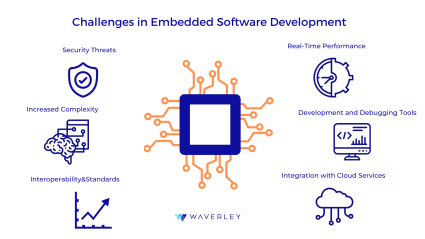
Developing embedded systems involves a unique set of challenges compared to traditional software development. Engineers working on embedded systems need to consider factors such as real-time operation, low power consumption, limited resources (such as memory and processing power), and often stringent safety and security requirements.

Key Steps in Embedded Systems Development

  1. Requirements Analysis: Understanding the functionality the embedded system needs to provide.
  2. Design: Creating the system architecture and selecting appropriate hardware components.
  3. Implementation: Writing code for the embedded system software.
  4. Testing: Verifying that the system meets its requirements and functions correctly.
  5. Deployment: Integrating the embedded system into the target product or application.

Careers in Embedded Systems Development

Careers in embedded systems development offer exciting opportunities for engineers who enjoy working at the intersection of hardware and software. Professionals in this field may specialize in areas such as firmware development, device drivers, real-time operating systems, or low-level programming.

The Future of Embedded Systems

As technology continues to advance, embedded systems will play an increasingly important role in enabling new innovations across various industries. From IoT devices to autonomous vehicles and smart appliances, embedded systems will continue to drive progress and enhance our daily lives.


Understanding Embedded Systems: Key Concepts, Challenges, and Career Insights

  1. What is an embedded system?
  2. What are the key challenges in embedded systems development?
  3. How do you program/embed software into an embedded system?
  4. What are some common applications of embedded systems?
  5. What skills are required for a career in embedded systems development?
  6. How does real-time operating system (RTOS) differ from other operating systems in the context of embedded systems?

What is an embedded system?

An embedded system is a specialized computing device designed to perform specific functions within a larger system or product. These systems are integrated into various devices and applications, ranging from household appliances and medical equipment to automotive systems and industrial machinery. Unlike general-purpose computers, embedded systems are tailored to meet the unique requirements of the task they are intended to perform, often emphasizing reliability, efficiency, and real-time operation. By combining hardware components with embedded software, these systems enable seamless functionality and automation in numerous technological solutions we encounter in our daily lives.

What are the key challenges in embedded systems development?

Developing embedded systems presents several key challenges that engineers must navigate. One of the primary challenges is optimizing performance while working within constraints such as limited processing power, memory, and energy efficiency. Real-time operation requirements add another layer of complexity, as embedded systems often need to respond quickly and predictably to external stimuli. Additionally, ensuring the security and reliability of embedded systems is crucial, especially in applications where safety is a critical concern. Balancing these technical challenges with time-to-market pressures and cost considerations requires a strategic approach to embedded systems development.

How do you program/embed software into an embedded system?

Programming or embedding software into an embedded system involves a specialized process tailored to the unique requirements of these systems. Typically, developers use integrated development environments (IDEs) and cross-compilers to write code that is specific to the hardware platform of the embedded system. The compiled code is then transferred to the target device using tools like debuggers, programmers, or bootloaders. This programming process requires a deep understanding of both software development and hardware architecture to ensure that the embedded system functions correctly and efficiently.

What are some common applications of embedded systems?

Embedded systems find applications in a wide range of industries and products. Some common examples include consumer electronics like smartphones, smart TVs, and digital cameras, where embedded systems power the device’s functionality. In the automotive sector, embedded systems are crucial for vehicle control systems, navigation systems, and driver assistance features. Industrial automation relies heavily on embedded systems for controlling machinery and monitoring processes. Medical devices such as pacemakers, infusion pumps, and diagnostic equipment also utilize embedded systems to perform critical functions. Overall, embedded systems play a vital role in enhancing the efficiency, performance, and functionality of various devices and systems across different sectors.

What skills are required for a career in embedded systems development?

To pursue a career in embedded systems development, a solid foundation in programming languages such as C and C++, as well as familiarity with hardware design principles, is essential. Additionally, proficiency in understanding datasheets, debugging skills, knowledge of real-time operating systems, and the ability to work with limited resources are valuable skills for success in this field. Problem-solving abilities, attention to detail, and a passion for technology are also key attributes that can help individuals excel in embedded systems development roles.

How does real-time operating system (RTOS) differ from other operating systems in the context of embedded systems?

In the realm of embedded systems development, the distinction between a real-time operating system (RTOS) and other operating systems is significant. Unlike general-purpose operating systems, an RTOS is specifically designed to handle tasks with strict timing requirements. RTOS prioritizes deterministic response times, ensuring that critical processes are executed within precise time constraints. This capability makes RTOS ideal for applications where timely and predictable task execution is paramount, such as in industrial automation, medical devices, and automotive systems. In contrast, traditional operating systems prioritize multitasking and resource sharing over strict timing guarantees, making them less suitable for real-time embedded applications.
embedded software engineer

Exploring the World of an Embedded Software Engineer: Key Responsibilities and Skills

Article: Embedded Software Engineer

The Role of an Embedded Software Engineer

Embedded software engineers play a crucial role in the development of various electronic devices that we use in our daily lives. These professionals are responsible for designing, implementing, and testing software that is embedded within hardware components.

Key Responsibilities

Embedded software engineers work closely with hardware engineers to ensure that the software functions seamlessly with the hardware components. They are involved in all stages of the development process, from initial design to final testing and deployment.

Some of the key responsibilities of an embedded software engineer include:

  • Writing and debugging code for embedded systems
  • Optimizing software performance for resource-constrained environments
  • Collaborating with cross-functional teams to integrate software and hardware components
  • Testing and troubleshooting embedded systems to ensure functionality and reliability
  • Maintaining and updating existing embedded software systems

Skills Required

To excel as an embedded software engineer, individuals need a combination of technical skills and problem-solving abilities. Some essential skills for this role include:

  • Proficiency in programming languages such as C/C++ and assembly language
  • Understanding of microcontrollers and microprocessors
  • Knowledge of real-time operating systems (RTOS) and embedded system design principles
  • Strong analytical skills to identify and resolve complex issues in embedded systems
  • Ability to work effectively in a team environment and communicate technical concepts clearly

Career Outlook

The demand for embedded software engineers continues to grow as more industries rely on technology-driven solutions. From automotive systems to consumer electronics, there is a wide range of opportunities for professionals in this field.

As technology advances, the role of embedded software engineers becomes increasingly critical in shaping the future of connected devices and smart systems.


Top 5 Essential Tips for Excelling as an Embedded Software Engineer

  1. Understand hardware constraints and limitations.
  2. Write efficient and optimized code for resource-constrained devices.
  3. Follow coding standards and best practices for embedded systems development.
  4. Thoroughly test your code on target hardware to ensure proper functionality.
  5. Stay updated with the latest technologies and trends in embedded software development.

Understand hardware constraints and limitations.

Understanding hardware constraints and limitations is essential for embedded software engineers to develop efficient and reliable systems. By having a deep comprehension of the hardware components they are working with, engineers can optimize their software designs to operate within the constraints of the system, such as limited memory, processing power, and energy resources. This knowledge allows them to make informed decisions during the development process, ensuring that the software performs effectively and meets the specific requirements of the hardware environment.

Write efficient and optimized code for resource-constrained devices.

When working as an embedded software engineer, it is essential to focus on writing efficient and optimized code, especially for resource-constrained devices. By prioritizing efficiency in coding practices, engineers can ensure that the software utilizes the available resources effectively, maximizing performance and minimizing memory usage. This approach not only enhances the functionality of embedded systems but also contributes to improved overall system reliability and longevity.

Follow coding standards and best practices for embedded systems development.

It is essential for embedded software engineers to follow coding standards and best practices in their development process. Adhering to established guidelines ensures consistency, readability, and maintainability of the codebase. By following these standards, engineers can improve the quality of their software, reduce errors, and enhance overall system performance. Consistent coding practices also facilitate collaboration among team members and make it easier to troubleshoot issues during the development lifecycle. In the dynamic field of embedded systems, following coding standards is a fundamental aspect of producing reliable and efficient software solutions.

Thoroughly test your code on target hardware to ensure proper functionality.

Thoroughly testing your code on target hardware is a crucial step for embedded software engineers to guarantee proper functionality. By conducting rigorous testing, engineers can identify and address any potential issues or bugs that may arise when the software is deployed on the actual hardware. This process helps ensure that the embedded system performs as intended and meets the required specifications, leading to a more reliable and efficient final product.

It is essential for embedded software engineers to stay updated with the latest technologies and trends in embedded software development. By keeping abreast of advancements in the field, professionals can enhance their skills, expand their knowledge, and adapt to evolving industry standards. Continuous learning and exploration of new tools and techniques enable embedded software engineers to remain competitive, innovative, and well-equipped to tackle complex challenges in designing efficient and reliable embedded systems.

types of software development

Exploring the Diverse Types of Software Development

Types of Software Development

Types of Software Development

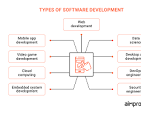
Software development is a broad field that encompasses various approaches and methodologies to create applications, programs, and systems. Here are some common types of software development:

Web Development

Web development focuses on creating websites and web applications that run on web browsers. It involves front-end development (client-side) for user interfaces and back-end development (server-side) for server logic and databases.

Mobile App Development

Mobile app development is the process of creating applications for mobile devices such as smartphones and tablets. Developers can build native apps (specific to a platform), hybrid apps (combining web technologies with native features), or progressive web apps (web-based apps that behave like native apps).

Desktop Application Development

Desktop application development involves creating software applications that run on desktop operating systems like Windows, macOS, and Linux. These applications provide functionality tailored for desktop environments.

Game Development

Game development is a specialized form of software development focused on creating interactive games for various platforms such as consoles, PCs, mobile devices, and online gaming platforms. It involves game design, graphics programming, audio engineering, and more.

Embedded Systems Development

Embedded systems development involves programming software for embedded devices like microcontrollers and microprocessors that control specific functions within larger systems or products. Examples include automotive control systems, medical devices, and IoT devices.

Enterprise Software Development

Enterprise software development focuses on building large-scale applications for businesses to streamline operations, manage resources, analyze data, and facilitate communication within organizations. These applications often integrate with existing systems.

In conclusion, software development encompasses a wide range of specialties tailored to different platforms and purposes. Each type of software development requires unique skills, tools, and methodologies to deliver effective solutions that meet user needs.


Understanding Software Development: Answers to 8 Common Questions

  1. What is web development?
  2. How does mobile app development differ from web development?
  3. What are the key differences between desktop and web application development?
  4. What skills are essential for game development?
  5. Can you explain the concept of embedded systems development?
  6. Why is enterprise software development important for businesses?
  7. What programming languages are commonly used in software development?
  8. How do companies choose the right type of software development for their projects?

What is web development?

Web development refers to the process of creating websites and web applications that are accessible via web browsers. It involves designing, building, and maintaining websites to ensure functionality, usability, and visual appeal. Web developers use a combination of programming languages such as HTML, CSS, and JavaScript to create dynamic and interactive web pages. They also work on the server-side to handle data processing and database management. Web development plays a crucial role in establishing an online presence for businesses, organizations, and individuals, allowing them to showcase their products or services and engage with their target audience effectively on the internet.

How does mobile app development differ from web development?

Mobile app development differs from web development in several key aspects. While web development focuses on creating websites and web applications that run on web browsers, mobile app development is specifically tailored to create applications for mobile devices such as smartphones and tablets. Mobile apps often utilize platform-specific features and functionalities, providing a more customized user experience compared to web applications. Additionally, mobile app development requires consideration of various factors like device hardware capabilities, screen sizes, touch interactions, and offline functionality. In contrast, web development typically involves designing for a broader range of devices and browsers while emphasizing responsive design to ensure compatibility across different screen sizes. Despite these differences, both mobile app development and web development share common principles of user interface design, performance optimization, and backend integration to deliver seamless and engaging digital experiences.

What are the key differences between desktop and web application development?

When comparing desktop and web application development, the key differences lie in their deployment and accessibility. Desktop applications are installed on a user’s local machine and typically have access to system resources, offering faster performance and richer user interfaces. In contrast, web applications run on web browsers, making them platform-independent and accessible from any device with an internet connection. Web applications require a server to host the application logic and data, while desktop applications are self-contained. Additionally, updates to desktop applications often require manual installation, whereas web applications can be updated centrally on the server. Ultimately, the choice between desktop and web application development depends on factors such as target audience, functionality requirements, and deployment preferences.

What skills are essential for game development?

When it comes to game development, several essential skills are crucial for success in this competitive field. Proficiency in programming languages such as C++, C#, or Java is fundamental for implementing game logic and mechanics. Understanding game design principles, including gameplay mechanics, level design, and user experience, is also vital. Additionally, knowledge of graphic design and animation can enhance the visual appeal of games. Strong problem-solving abilities, creativity, teamwork, and a passion for gaming are essential traits that can contribute to creating engaging and immersive gaming experiences. Continuous learning and staying updated with industry trends are key to thriving in the dynamic world of game development.

Can you explain the concept of embedded systems development?

Embedded systems development involves the creation of software for embedded devices such as microcontrollers and microprocessors, which are designed to perform specific functions within larger systems or products. These embedded systems are often found in everyday devices like household appliances, automotive control systems, medical devices, and IoT devices. Developers working in embedded systems development must have a deep understanding of hardware-software interactions and optimize their code to ensure efficient performance and reliability in constrained environments. The goal is to create software that seamlessly integrates with the hardware to deliver the desired functionality while meeting the specific requirements of the embedded system.

Why is enterprise software development important for businesses?

Enterprise software development is crucial for businesses as it provides tailored solutions to streamline operations, enhance efficiency, and facilitate growth. These custom applications are designed to meet the specific needs of organizations, enabling them to manage resources effectively, analyze data efficiently, and improve communication within the company. By investing in enterprise software development, businesses can optimize their processes, make informed decisions based on real-time insights, and stay competitive in a rapidly evolving market. Ultimately, enterprise software development empowers businesses to adapt to changing demands, scale their operations, and achieve long-term success.

What programming languages are commonly used in software development?

In software development, various programming languages are commonly used to create applications and systems tailored to different platforms and purposes. Some popular programming languages include Java, known for its versatility and portability across various devices; Python, favored for its readability and ease of use in web development and data analysis; JavaScript, essential for front-end web development and interactive user interfaces; C++, a powerful language often used in system software and game development; and C#, commonly employed in building Windows applications and game development using the Unity game engine. Each programming language has its strengths and is chosen based on factors such as project requirements, platform compatibility, performance considerations, and developer expertise.

How do companies choose the right type of software development for their projects?

When companies are faced with the decision of choosing the right type of software development for their projects, several factors come into play. Firstly, companies need to assess the specific requirements and objectives of their projects to determine which type of software development aligns best with their goals. They must consider factors such as the target audience, scalability needs, budget constraints, and time frame for project completion. Additionally, companies may evaluate the expertise and resources available within their organization or opt to outsource development to specialized firms. Ultimately, selecting the appropriate type of software development involves a strategic evaluation process that aims to maximize efficiency, functionality, and overall project success.