cfchris.com

Loading

automotive software engineering

Advancing Automotive Innovation: The Role of Software Engineering in the Industry

Automotive Software Engineering

The Role of Software Engineering in the Automotive Industry

Software engineering plays a crucial role in the automotive industry, revolutionizing the way vehicles are designed, manufactured, and operated. With the increasing complexity of modern vehicles, software has become a key component in ensuring safety, efficiency, and connectivity.

Driving Innovation

Automotive software engineers are responsible for developing embedded systems that control various aspects of a vehicle’s functionality. From engine management to advanced driver assistance systems (ADAS) and infotainment systems, software engineers work tirelessly to integrate cutting-edge technology into automobiles.

Challenges and Opportunities

As vehicles become more connected and autonomous, the challenges faced by automotive software engineers also grow. Ensuring cybersecurity, optimizing performance, and complying with stringent safety standards are just some of the hurdles that engineers must overcome.

Key Areas of Focus

Automotive software engineering encompasses a wide range of disciplines, including:

  • Embedded software development
  • Functional safety engineering
  • Vehicle-to-everything (V2X) communication
  • Data analytics for predictive maintenance
  • User experience design for in-car interfaces

The Future of Automotive Software Engineering

With the rise of electric vehicles (EVs), autonomous driving technology, and connected car services, the demand for skilled automotive software engineers is higher than ever. The industry is constantly evolving, presenting new opportunities for innovation and growth.

In conclusion, automotive software engineering is at the forefront of shaping the future of transportation. By leveraging their expertise in coding, testing, and integrating software systems, engineers are driving forward a new era of smart and sustainable mobility.


Exploring Automotive Software Engineering: Key Insights and FAQs

  1. What is automotive software engineering?
  2. What are the key responsibilities of an automotive software engineer?
  3. How does automotive software engineering contribute to vehicle safety?
  4. What programming languages are commonly used in automotive software development?
  5. What are some challenges faced by automotive software engineers?
  6. How does functional safety play a role in automotive software engineering?
  7. What is the impact of cybersecurity on modern vehicles and their software systems?
  8. How do automotive software engineers ensure compatibility and integration of different systems within a vehicle?
  9. What advancements in technology are shaping the future of automotive software engineering?

What is automotive software engineering?

Automotive software engineering refers to the specialized field of engineering that focuses on developing and implementing software solutions for vehicles. It involves designing, testing, and integrating software systems that control various aspects of a vehicle’s operation, such as engine performance, safety features, navigation systems, and entertainment interfaces. Automotive software engineers play a crucial role in ensuring that modern vehicles are equipped with advanced technology to enhance performance, safety, and user experience. By combining expertise in software development with an understanding of automotive systems, these professionals contribute to the innovation and evolution of the automotive industry.

What are the key responsibilities of an automotive software engineer?

In the realm of automotive software engineering, the key responsibilities of an automotive software engineer encompass a wide array of crucial tasks. These professionals are tasked with designing, developing, and implementing software solutions that power various systems within vehicles, ranging from engine control and safety mechanisms to advanced driver assistance features and entertainment systems. Automotive software engineers must ensure that the software they create meets stringent safety and performance standards while also staying abreast of emerging technologies and industry trends. Additionally, they are often involved in testing, debugging, and optimizing software to enhance overall vehicle functionality and user experience. Their role is pivotal in driving innovation and ensuring that modern vehicles operate efficiently, securely, and seamlessly in an increasingly connected world.

How does automotive software engineering contribute to vehicle safety?

Automotive software engineering significantly contributes to vehicle safety by integrating advanced systems that enhance driver assistance and overall vehicle performance. Through the development of sophisticated algorithms and sensors, automotive software engineers enable features such as adaptive cruise control, lane departure warning, automatic emergency braking, and collision avoidance systems. These technologies work together to detect potential hazards, assist drivers in critical situations, and ultimately reduce the risk of accidents on the road. By continuously innovating and improving software solutions, automotive engineers play a vital role in enhancing vehicle safety standards and promoting a safer driving experience for all road users.

What programming languages are commonly used in automotive software development?

In automotive software development, several programming languages are commonly used to create the complex systems that power modern vehicles. Some of the primary programming languages include C and C++, known for their efficiency and low-level control, making them ideal for embedded systems in automotive applications. Additionally, languages like Java and Python are utilized for higher-level functions such as connectivity, data processing, and user interfaces in infotainment systems. Each programming language serves a specific purpose in automotive software engineering, contributing to the seamless integration of technology within vehicles to enhance safety, performance, and user experience.

What are some challenges faced by automotive software engineers?

Automotive software engineers encounter a myriad of challenges in their field. One significant challenge is ensuring the safety and reliability of software systems in increasingly complex vehicles. With the integration of advanced driver assistance systems (ADAS), infotainment features, and autonomous driving capabilities, engineers must navigate stringent safety standards and regulations to prevent malfunctions that could jeopardize vehicle and passenger safety. Additionally, managing the cybersecurity of connected vehicles poses a constant challenge, as hackers target automotive software vulnerabilities to gain unauthorized access or control over critical functions. Balancing performance optimization with energy efficiency requirements further complicates the task for automotive software engineers, highlighting the multifaceted nature of their responsibilities in this rapidly evolving industry.

How does functional safety play a role in automotive software engineering?

Functional safety plays a critical role in automotive software engineering by ensuring that systems operate correctly and reliably to prevent hazards or risks to users. In the context of automotive software, functional safety standards such as ISO 26262 define requirements for the development and validation of safety-critical systems. Engineers must implement safety mechanisms and design processes that identify and mitigate potential failures in software components, ultimately enhancing the overall safety and reliability of vehicles on the road. Compliance with functional safety standards is essential to minimize the likelihood of system failures and ensure that automotive software functions as intended, prioritizing the well-being of both drivers and passengers.

What is the impact of cybersecurity on modern vehicles and their software systems?

Cybersecurity plays a critical role in modern vehicles and their software systems, significantly impacting the automotive industry. With the increasing connectivity of vehicles through technologies like IoT and V2X communication, the risk of cyber attacks has escalated. Ensuring robust cybersecurity measures is essential to safeguarding vehicles from potential threats such as unauthorized access, data breaches, and remote manipulation. Automotive software engineers must prioritize security in their designs to protect not only the vehicle’s functionality but also the safety and privacy of drivers and passengers. By addressing cybersecurity concerns proactively, the industry can enhance trust in connected vehicles and pave the way for a more secure and resilient automotive ecosystem.

How do automotive software engineers ensure compatibility and integration of different systems within a vehicle?

Automotive software engineers ensure compatibility and integration of different systems within a vehicle through meticulous planning, rigorous testing, and effective communication. They start by defining clear interfaces and standards for each system to ensure seamless interaction. By adhering to industry protocols and best practices, engineers can identify potential conflicts early in the development process. Thorough testing, including unit testing and system integration testing, helps validate the functionality of individual components and their interactions. Collaboration among cross-functional teams, including hardware engineers and designers, is essential to address any compatibility issues that may arise. Overall, automotive software engineers employ a systematic approach to harmonize diverse systems and deliver a cohesive vehicle experience to users.

What advancements in technology are shaping the future of automotive software engineering?

Advancements in technology are significantly shaping the future of automotive software engineering, with several key innovations leading the charge. The development of artificial intelligence and machine learning algorithms is enhancing autonomous driving capabilities, allowing vehicles to process vast amounts of data in real time for improved decision-making on the road. Additionally, advancements in connectivity technologies, such as 5G and vehicle-to-everything (V2X) communication, are enabling more seamless interactions between vehicles and their environments, paving the way for smarter traffic management and enhanced safety features. The integration of cloud computing is also transforming automotive software engineering by facilitating over-the-air updates and enabling more sophisticated data analytics for predictive maintenance. These technological advancements are collectively pushing the boundaries of what is possible in vehicle design and functionality, ushering in a new era of innovation in the automotive industry.

embedded systems development

Exploring the Innovations in Embedded Systems Development

Embedded Systems Development

The World of Embedded Systems Development

Embedded systems development is a fascinating field that plays a crucial role in powering the devices we use every day. These systems are specialized computing devices designed to perform dedicated functions within larger systems or products.

What are Embedded Systems?

Embedded systems are found in a wide range of applications, from consumer electronics like smartphones and smartwatches to industrial machinery, medical devices, automotive systems, and more. These systems are typically designed to be reliable, efficient, and cost-effective.

The Process of Developing Embedded Systems

Developing embedded systems involves a unique set of challenges compared to traditional software development. Engineers working on embedded systems need to consider factors such as real-time operation, low power consumption, limited resources (such as memory and processing power), and often stringent safety and security requirements.

Key Steps in Embedded Systems Development

  1. Requirements Analysis: Understanding the functionality the embedded system needs to provide.
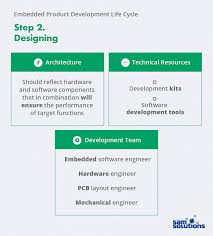
  2. Design: Creating the system architecture and selecting appropriate hardware components.
  3. Implementation: Writing code for the embedded system software.
  4. Testing: Verifying that the system meets its requirements and functions correctly.
  5. Deployment: Integrating the embedded system into the target product or application.

Careers in Embedded Systems Development

Careers in embedded systems development offer exciting opportunities for engineers who enjoy working at the intersection of hardware and software. Professionals in this field may specialize in areas such as firmware development, device drivers, real-time operating systems, or low-level programming.

The Future of Embedded Systems

As technology continues to advance, embedded systems will play an increasingly important role in enabling new innovations across various industries. From IoT devices to autonomous vehicles and smart appliances, embedded systems will continue to drive progress and enhance our daily lives.


Understanding Embedded Systems: Key Concepts, Challenges, and Career Insights

  1. What is an embedded system?
  2. What are the key challenges in embedded systems development?
  3. How do you program/embed software into an embedded system?
  4. What are some common applications of embedded systems?
  5. What skills are required for a career in embedded systems development?
  6. How does real-time operating system (RTOS) differ from other operating systems in the context of embedded systems?

What is an embedded system?

An embedded system is a specialized computing device designed to perform specific functions within a larger system or product. These systems are integrated into various devices and applications, ranging from household appliances and medical equipment to automotive systems and industrial machinery. Unlike general-purpose computers, embedded systems are tailored to meet the unique requirements of the task they are intended to perform, often emphasizing reliability, efficiency, and real-time operation. By combining hardware components with embedded software, these systems enable seamless functionality and automation in numerous technological solutions we encounter in our daily lives.

What are the key challenges in embedded systems development?

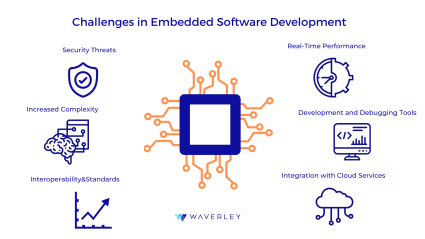
Developing embedded systems presents several key challenges that engineers must navigate. One of the primary challenges is optimizing performance while working within constraints such as limited processing power, memory, and energy efficiency. Real-time operation requirements add another layer of complexity, as embedded systems often need to respond quickly and predictably to external stimuli. Additionally, ensuring the security and reliability of embedded systems is crucial, especially in applications where safety is a critical concern. Balancing these technical challenges with time-to-market pressures and cost considerations requires a strategic approach to embedded systems development.

How do you program/embed software into an embedded system?

Programming or embedding software into an embedded system involves a specialized process tailored to the unique requirements of these systems. Typically, developers use integrated development environments (IDEs) and cross-compilers to write code that is specific to the hardware platform of the embedded system. The compiled code is then transferred to the target device using tools like debuggers, programmers, or bootloaders. This programming process requires a deep understanding of both software development and hardware architecture to ensure that the embedded system functions correctly and efficiently.

What are some common applications of embedded systems?

Embedded systems find applications in a wide range of industries and products. Some common examples include consumer electronics like smartphones, smart TVs, and digital cameras, where embedded systems power the device’s functionality. In the automotive sector, embedded systems are crucial for vehicle control systems, navigation systems, and driver assistance features. Industrial automation relies heavily on embedded systems for controlling machinery and monitoring processes. Medical devices such as pacemakers, infusion pumps, and diagnostic equipment also utilize embedded systems to perform critical functions. Overall, embedded systems play a vital role in enhancing the efficiency, performance, and functionality of various devices and systems across different sectors.

What skills are required for a career in embedded systems development?

To pursue a career in embedded systems development, a solid foundation in programming languages such as C and C++, as well as familiarity with hardware design principles, is essential. Additionally, proficiency in understanding datasheets, debugging skills, knowledge of real-time operating systems, and the ability to work with limited resources are valuable skills for success in this field. Problem-solving abilities, attention to detail, and a passion for technology are also key attributes that can help individuals excel in embedded systems development roles.

How does real-time operating system (RTOS) differ from other operating systems in the context of embedded systems?

In the realm of embedded systems development, the distinction between a real-time operating system (RTOS) and other operating systems is significant. Unlike general-purpose operating systems, an RTOS is specifically designed to handle tasks with strict timing requirements. RTOS prioritizes deterministic response times, ensuring that critical processes are executed within precise time constraints. This capability makes RTOS ideal for applications where timely and predictable task execution is paramount, such as in industrial automation, medical devices, and automotive systems. In contrast, traditional operating systems prioritize multitasking and resource sharing over strict timing guarantees, making them less suitable for real-time embedded applications.

google embedded software engineer

Exploring the Role of a Google Embedded Software Engineer

Google Embedded Software Engineer

The Role of a Google Embedded Software Engineer

Google, one of the tech giants in the industry, employs embedded software engineers to work on a variety of projects that involve creating and optimizing software for embedded systems. These engineers play a crucial role in developing cutting-edge products and technologies that power Google’s diverse range of services.

Responsibilities of an Embedded Software Engineer at Google

Embedded software engineers at Google are responsible for designing, developing, and testing software that runs on embedded systems such as microcontrollers, processors, and other hardware components. They collaborate with cross-functional teams to ensure that the software meets performance, reliability, and security standards.

Key responsibilities of a Google embedded software engineer include:

  • Writing efficient and optimized code for embedded systems
  • Debugging and troubleshooting software issues
  • Collaborating with hardware engineers to integrate software with hardware components
  • Ensuring software compliance with industry standards and best practices
  • Participating in code reviews and contributing to continuous improvement initiatives

Skills Required for Success

To excel as a Google embedded software engineer, individuals need a strong foundation in computer science, programming languages like C/C++, and experience working with embedded systems. Additionally, key skills that are valued at Google include:

  • Problem-solving abilities
  • Critical thinking skills
  • Attention to detail
  • Effective communication skills
  • Ability to work in a fast-paced environment

Career Growth Opportunities

A career as an embedded software engineer at Google offers exciting opportunities for professional growth and development. Engineers have the chance to work on innovative projects, collaborate with top talent in the industry, and contribute to products that impact millions of users worldwide.

With continuous learning opportunities, mentorship programs, and a supportive work culture, Google empowers its embedded software engineers to reach their full potential and make meaningful contributions to the field of technology.


Essential FAQs About Becoming an Embedded Software Engineer at Google

  1. What does an embedded software engineer at Google do?
  2. What qualifications are needed to become a Google embedded software engineer?
  3. What programming languages should I know for an embedded software engineering role at Google?
  4. How can I prepare for a Google embedded software engineer interview?
  5. What is the typical salary range for an embedded software engineer at Google?
  6. What kind of projects do embedded software engineers work on at Google?
  7. Is prior experience with embedded systems required to apply for this position at Google?
  8. How does the career progression look like for an embedded software engineer at Google?
  9. What is the work culture like for engineers working in Google’s hardware teams?

What does an embedded software engineer at Google do?

An embedded software engineer at Google plays a pivotal role in designing, developing, and optimizing software for embedded systems that power a diverse range of Google’s products and services. These engineers collaborate with cross-functional teams to ensure that the software meets stringent performance, reliability, and security standards. Their responsibilities include writing efficient code for embedded systems, debugging software issues, integrating software with hardware components, ensuring compliance with industry standards, and actively participating in code reviews to drive continuous improvement initiatives. Overall, a Google embedded software engineer contributes to creating cutting-edge technologies that impact millions of users worldwide.

What qualifications are needed to become a Google embedded software engineer?

To become a Google embedded software engineer, individuals typically need a strong educational background in computer science or a related field. A bachelor’s degree or higher is often required, along with proficiency in programming languages such as C/C++. Additionally, candidates should have experience working with embedded systems and a deep understanding of software development principles. Problem-solving skills, attention to detail, and the ability to work effectively in a team are also essential qualifications for aspiring Google embedded software engineers. Continuous learning and staying updated on the latest technologies are crucial for success in this dynamic and challenging role at Google.

What programming languages should I know for an embedded software engineering role at Google?

When considering a role as an embedded software engineer at Google, familiarity with programming languages such as C/C++ is essential. Proficiency in these languages is highly valued as they are commonly used in developing software for embedded systems. Additionally, having knowledge of assembly language and scripting languages like Python can be advantageous for certain projects. Google looks for candidates who have a strong foundation in programming and are adaptable to learning new languages and technologies as needed to excel in the dynamic field of embedded software engineering.

How can I prepare for a Google embedded software engineer interview?

To prepare for a Google embedded software engineer interview, it is essential to focus on mastering key technical concepts and problem-solving skills. Familiarize yourself with data structures, algorithms, and programming languages commonly used in embedded systems development, such as C/C++. Practice solving coding challenges and algorithmic problems to enhance your problem-solving abilities. Additionally, research Google’s engineering culture, values, and past projects to understand the company’s expectations. Be prepared to demonstrate your ability to work collaboratively in a team environment and communicate effectively about technical concepts. Engaging in mock interviews and seeking feedback from peers or mentors can also help you refine your interview skills and boost your confidence for the interview process.

What is the typical salary range for an embedded software engineer at Google?

The typical salary range for an embedded software engineer at Google can vary based on factors such as experience, location, and level within the company. Generally, entry-level embedded software engineers at Google can expect a competitive salary that ranges from around $100,000 to $130,000 per year. As engineers gain more experience and move up the ranks, their salaries can increase significantly, with senior-level embedded software engineers at Google earning upwards of $200,000 or more annually. Additionally, Google offers various benefits and perks to its employees, making it an attractive employer for those in the field of embedded software engineering.

What kind of projects do embedded software engineers work on at Google?

Embedded software engineers at Google work on a diverse range of projects that involve developing software for embedded systems to support various Google products and services. These projects can include optimizing code for hardware components, enhancing the performance of embedded systems, integrating software with cutting-edge technologies, and ensuring the reliability and security of embedded software. From working on innovative projects in autonomous vehicles to developing smart home devices, Google’s embedded software engineers have the opportunity to contribute to groundbreaking technologies that shape the future of the tech industry.

Is prior experience with embedded systems required to apply for this position at Google?

While prior experience with embedded systems is not always a strict requirement to apply for a position as a Google embedded software engineer, it is highly beneficial. Google values candidates who have a strong foundation in embedded systems, as it demonstrates their familiarity with the complexities of working on software for hardware-constrained devices. However, Google also considers candidates with relevant experience in related fields or those who show a keen interest in learning and adapting to the challenges of embedded software development. Ultimately, showcasing a combination of technical skills, problem-solving abilities, and a passion for innovation can greatly enhance an applicant’s chances of securing a role as an embedded software engineer at Google.

How does the career progression look like for an embedded software engineer at Google?

Career progression for an embedded software engineer at Google typically follows a structured path that allows individuals to advance their skills and responsibilities over time. Upon joining Google, embedded software engineers often start in entry-level positions where they gain hands-on experience working on projects and collaborating with cross-functional teams. As they demonstrate proficiency in designing and optimizing software for embedded systems, engineers may progress to more senior roles with increased leadership responsibilities. Career growth opportunities at Google for embedded software engineers include the chance to lead projects, mentor junior team members, and contribute to the development of cutting-edge technologies that shape the future of the company. Continuous learning and professional development initiatives support engineers in expanding their expertise and advancing their careers within Google’s dynamic and innovative environment.

What is the work culture like for engineers working in Google’s hardware teams?

The work culture for engineers working in Google’s hardware teams is known for its collaborative and innovative environment. Engineers at Google have the opportunity to work on cutting-edge projects, collaborate with top talent in the industry, and contribute to the development of groundbreaking technologies. The hardware teams at Google emphasize teamwork, creativity, and continuous learning, fostering a culture where employees are encouraged to think outside the box and push the boundaries of what is possible. With a focus on diversity, inclusion, and professional growth, Google provides its engineers with a supportive and dynamic work culture that values creativity, problem-solving skills, and a passion for technology.

software engineer tesla

Driving Innovation: The Role of a Software Engineer at Tesla

Software Engineer at Tesla: Powering Innovation in the Automotive Industry

Software Engineer at Tesla: Powering Innovation in the Automotive Industry

Tesla, the renowned electric vehicle manufacturer, is at the forefront of revolutionizing the automotive industry with its cutting-edge technology and sustainable approach. Behind Tesla’s success lies a team of talented software engineers who play a crucial role in developing innovative solutions that power Tesla’s vehicles.

The Role of a Software Engineer at Tesla

As a software engineer at Tesla, you are tasked with designing, developing, and maintaining software systems that drive various aspects of Tesla’s electric vehicles. From autonomous driving capabilities to infotainment systems, software engineers at Tesla work on a wide range of projects that push the boundaries of what is possible in the automotive industry.

Key Responsibilities

Software engineers at Tesla collaborate closely with cross-functional teams to create seamless and intuitive user experiences for Tesla owners. They are involved in all stages of software development, from conceptualization to implementation and testing. Some key responsibilities include:

  • Writing clean and efficient code for embedded systems
  • Implementing algorithms for autonomous driving features
  • Optimizing software performance to enhance vehicle efficiency
  • Collaborating with hardware engineers to integrate software with vehicle components
  • Maintaining and updating existing software systems

The Impact of Software Engineers at Tesla

Software engineers at Tesla are instrumental in shaping the future of transportation by creating intelligent and connected vehicles that redefine the driving experience. Their work not only enhances the performance and safety of Tesla vehicles but also contributes to reducing carbon emissions and promoting sustainability.

Career Opportunities for Software Engineers at Tesla

Tesla offers exciting career opportunities for software engineers who are passionate about innovation and sustainability. Working at Tesla provides a unique chance to be part of a dynamic team that is driving change in the automotive industry and beyond.

Joining the Team

If you are a skilled software engineer looking to make an impact in an industry-leading company like Tesla, consider exploring career opportunities available on Tesla’s official website. Joining the team at Tesla means being part of a mission-driven organization that values creativity, collaboration, and continuous learning.

© 2023 CFChris. All rights reserved.


6 Essential Tips for Aspiring Tesla Software Engineers

  1. Stay updated on the latest technologies and trends in the automotive industry.
  2. Focus on developing strong skills in software development, computer science, and engineering principles.
  3. Collaborate effectively with cross-functional teams to ensure seamless integration of software systems.
  4. Prioritize testing and quality assurance to deliver reliable and high-performance software solutions.
  5. Embrace continuous learning and improvement to enhance your expertise as a software engineer at Tesla.
  6. Contribute innovative ideas and solutions that align with Tesla’s mission of accelerating the world’s transition to sustainable energy.

To excel as a software engineer at Tesla, it is crucial to stay updated on the latest technologies and trends in the automotive industry. By keeping abreast of advancements in areas such as autonomous driving, electric vehicle technology, and connected car systems, software engineers can contribute to Tesla’s innovative projects and help shape the future of transportation. Continuous learning and exploration of new technologies are key to staying ahead in this fast-evolving industry and delivering cutting-edge solutions that drive progress and sustainability.

Focus on developing strong skills in software development, computer science, and engineering principles.

To excel as a software engineer at Tesla, it is essential to focus on developing strong skills in software development, computer science, and engineering principles. Mastering these fundamental areas will not only enhance your ability to design and implement innovative solutions for Tesla’s electric vehicles but also enable you to contribute effectively to the advancement of technology in the automotive industry. By honing your expertise in software development, computer science concepts, and engineering principles, you will be well-equipped to tackle the complex challenges and drive impactful change within Tesla’s dynamic environment.

Collaborate effectively with cross-functional teams to ensure seamless integration of software systems.

To excel as a software engineer at Tesla, it is crucial to collaborate effectively with cross-functional teams to guarantee the seamless integration of software systems. By working closely with colleagues from diverse backgrounds, including hardware engineers, designers, and product managers, software engineers can ensure that their code aligns with overall project goals and functions harmoniously within Tesla’s innovative vehicles. This collaborative approach not only enhances the quality and performance of software systems but also fosters a culture of teamwork and innovation within the organization.

Prioritize testing and quality assurance to deliver reliable and high-performance software solutions.

To excel as a software engineer at Tesla, it is essential to prioritize testing and quality assurance throughout the software development process. By placing a strong emphasis on testing, engineers can ensure that the software they deliver is reliable, high-performing, and meets the rigorous standards set by Tesla. Emphasizing quality assurance not only enhances the user experience but also contributes to Tesla’s reputation for innovation and excellence in the automotive industry.

Embrace continuous learning and improvement to enhance your expertise as a software engineer at Tesla.

Embracing continuous learning and improvement is essential for software engineers at Tesla to enhance their expertise and stay at the forefront of innovation in the automotive industry. By actively seeking new knowledge, staying updated on emerging technologies, and honing their skills through ongoing training and development, software engineers can not only meet the high standards set by Tesla but also contribute to pushing the boundaries of what is possible in creating intelligent and sustainable vehicles.

Contribute innovative ideas and solutions that align with Tesla’s mission of accelerating the world’s transition to sustainable energy.

By contributing innovative ideas and solutions that align with Tesla’s mission of accelerating the world’s transition to sustainable energy, software engineers play a vital role in driving forward the vision of a more sustainable future. At Tesla, software engineers are encouraged to think creatively and develop cutting-edge technologies that not only enhance the performance of Tesla vehicles but also contribute to reducing carbon emissions and promoting environmental sustainability on a global scale. Embracing this ethos allows software engineers at Tesla to be at the forefront of innovation, shaping the future of transportation and making a meaningful impact on the world.

embedded software development

Mastering the Art of Embedded Software Development: Building the Future of Technology

Article: Embedded Software Development

The World of Embedded Software Development

Embedded software development is a specialized field that plays a crucial role in powering a wide range of devices we use every day. From smartphones and smart appliances to automotive systems and medical devices, embedded software is at the heart of modern technology.

What is Embedded Software?

Embedded software refers to the computer programs that are written to control embedded systems. These systems are designed to perform specific functions within a larger device or machine. Unlike general-purpose computers, embedded systems have dedicated tasks and are often optimized for performance, power consumption, and real-time operation.

The Challenges of Embedded Software Development

Developing embedded software presents unique challenges compared to traditional software development. Engineers working in this field must consider factors such as limited hardware resources, real-time constraints, power efficiency, and reliability. Debugging and testing embedded software can also be more complex due to the inability to easily access the hardware.

Tools and Technologies

To build reliable and efficient embedded software, developers rely on a variety of tools and technologies. Integrated development environments (IDEs), cross-compilers, debuggers, and simulation tools are commonly used in the development process. Programming languages like C, C++, and assembly language are popular choices for writing code for embedded systems.

The Future of Embedded Software Development

As technology continues to advance, the demand for embedded software developers is expected to grow. The Internet of Things (IoT) is driving the proliferation of connected devices that rely on embedded systems. Innovations in fields such as artificial intelligence, machine learning, and autonomous vehicles are also shaping the future of embedded software development.

Conclusion

Embedded software development is a dynamic and challenging field that requires specialized knowledge and skills. As our reliance on technology grows, so does the importance of skilled professionals who can design robust and efficient embedded systems. By staying abreast of emerging trends and technologies, developers in this field can continue to drive innovation across various industries.


Top 5 Frequently Asked Questions About Embedded Software Development

  1. What is embedded software development?
  2. What are the challenges of developing embedded software?
  3. What tools and technologies are commonly used in embedded software development?
  4. How does embedded software differ from traditional software development?
  5. What are the future trends in embedded software development?

What is embedded software development?

Embedded software development is the process of creating computer programs specifically designed to control embedded systems. Embedded systems are specialized computing devices that have dedicated functions within larger machines or devices. Embedded software is tailored to meet the unique requirements of these systems, such as real-time operation, limited hardware resources, and power efficiency. Engineers working in embedded software development use a variety of tools and programming languages to write code that enables embedded systems to perform their intended tasks effectively and reliably.

What are the challenges of developing embedded software?

Developing embedded software poses a myriad of challenges that require careful consideration and expertise. One significant challenge is the optimization of code to operate efficiently within the constraints of limited hardware resources. Real-time requirements add another layer of complexity, demanding precise timing and responsiveness. Ensuring the reliability and security of embedded systems is paramount, as any software failures can have serious consequences. Debugging and testing embedded software can be challenging due to the intricacies of interfacing with hardware components. Overcoming these obstacles requires a deep understanding of both software and hardware interactions, as well as proficiency in specialized tools and techniques specific to embedded systems development.

What tools and technologies are commonly used in embedded software development?

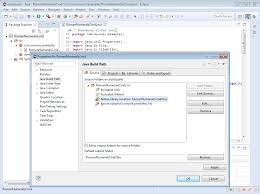
In embedded software development, a variety of tools and technologies are commonly used to facilitate the creation of efficient and reliable systems. Integrated development environments (IDEs) such as Eclipse, Visual Studio, and Keil provide developers with comprehensive platforms for writing, compiling, and debugging code. Cross-compilers are essential for translating source code into machine code that can run on the target hardware. Debugging tools like JTAG debuggers help identify and resolve issues in real-time. Additionally, simulation tools enable developers to test their software without the need for physical hardware. Programming languages like C, C++, and assembly language are prevalent in embedded development due to their efficiency and low-level control capabilities. These tools and technologies play a critical role in the success of embedded software projects by streamlining the development process and ensuring optimal performance of the final product.

How does embedded software differ from traditional software development?

Embedded software development differs from traditional software development in several key ways. Unlike traditional software that runs on general-purpose computers, embedded software is specifically designed to control embedded systems with dedicated functions. Embedded software operates within the constraints of limited hardware resources, real-time requirements, and often requires high reliability. Developers working on embedded systems must consider factors such as power efficiency, performance optimization, and the ability to interact directly with hardware components. Debugging and testing embedded software can be more challenging due to the specialized nature of the systems and the difficulty in accessing hardware for troubleshooting. Overall, embedded software development requires a unique skill set and understanding of the intricacies of designing software for specialized devices and applications.

One frequently asked question in the realm of embedded software development is, “What are the future trends in embedded software development?” As technology continues to evolve at a rapid pace, several key trends are shaping the future of embedded software development. These trends include the increasing integration of artificial intelligence and machine learning algorithms into embedded systems, the rise of edge computing for faster data processing and reduced latency, the growing adoption of open-source tools and platforms for greater flexibility and collaboration, and the emphasis on security measures to protect embedded devices from cyber threats. By staying informed about these emerging trends and adapting to new technologies, developers in the field of embedded software can effectively navigate the evolving landscape and drive innovation in various industries.

java software

Unlocking the Potential of Java Software: A Comprehensive Guide

The Power of Java Software

The Power of Java Software

Java software has become a cornerstone in the world of technology, powering a wide range of applications and systems. Its versatility, reliability, and scalability make it a popular choice for developers and businesses alike.

What is Java?

Java is a high-level programming language that was developed by Sun Microsystems in the mid-1990s. It is known for its “write once, run anywhere” philosophy, which means that Java programs can run on any platform that has a Java Virtual Machine (JVM) installed.

Features of Java Software

One of the key features of Java software is its portability. This allows developers to create applications that can be deployed on various operating systems without any modifications. Additionally, Java is known for its robust security features, making it a popular choice for developing secure applications.

Applications of Java Software

Java software is used in a wide range of applications, including:

  • Enterprise applications
  • Web applications
  • Mobile applications
  • Gaming applications
  • Embedded systems
  • Big data technologies

The Future of Java Software

Despite the emergence of new programming languages and technologies, Java continues to be a popular choice for developers due to its stability and performance. With ongoing updates and improvements, Java software remains relevant in today’s rapidly evolving tech landscape.


6 Essential Tips for Writing Clean and Effective Java Software

  1. Use meaningful variable names to improve code readability.
  2. Follow Java naming conventions for classes, methods, and variables.
  3. Break down complex tasks into smaller methods for better maintainability.
  4. Document your code using comments to explain its purpose and functionality.
  5. Make use of Java’s built-in libraries and frameworks to avoid reinventing the wheel.
  6. Regularly test your code using unit tests to ensure its correctness.

Use meaningful variable names to improve code readability.

Using meaningful variable names is a crucial tip in Java software development as it significantly enhances code readability. By choosing descriptive and relevant names for variables, developers can easily understand the purpose and function of each variable within the code. This practice not only makes the code more readable for the original developer but also for anyone else who may need to work on or maintain the code in the future. Clear and meaningful variable names help streamline the coding process, improve collaboration among team members, and ultimately contribute to creating more maintainable and efficient Java software applications.

Follow Java naming conventions for classes, methods, and variables.

It is essential to adhere to Java naming conventions when naming classes, methods, and variables in your code. By following these conventions, such as using camelCase for method and variable names and PascalCase for class names, you ensure consistency and readability throughout your codebase. Consistent naming practices make it easier for other developers to understand your code and maintain it effectively. Additionally, following Java naming conventions helps in promoting good coding practices and standards within the Java development community.

Break down complex tasks into smaller methods for better maintainability.

When working with Java software, it is essential to break down complex tasks into smaller methods to enhance maintainability. By dividing a large task into smaller, more manageable chunks, developers can improve code readability, reusability, and ease of maintenance. This approach also facilitates debugging and troubleshooting processes, as each method focuses on a specific functionality or aspect of the overall task. Overall, breaking down complex tasks into smaller methods is a best practice that promotes efficient development and long-term sustainability of Java software projects.

Document your code using comments to explain its purpose and functionality.

Documenting your code using comments is a crucial practice when working with Java software. By adding comments to explain the purpose and functionality of your code, you not only make it easier for yourself to understand and maintain the code in the future but also for other developers who may collaborate on the project. Clear and concise comments can provide valuable insights into the logic behind the code, making it more readable and maintainable. In addition, well-documented code helps in troubleshooting and debugging, saving time and effort in identifying and fixing issues.

Make use of Java’s built-in libraries and frameworks to avoid reinventing the wheel.

When working with Java software, it is highly beneficial to leverage Java’s built-in libraries and frameworks to avoid reinventing the wheel. Java offers a rich collection of libraries and frameworks that provide ready-made solutions for common programming tasks, such as data manipulation, networking, and user interface development. By utilizing these resources, developers can streamline their workflow, improve efficiency, and focus on implementing unique features rather than writing code from scratch. This approach not only saves time and effort but also ensures that the software benefits from well-tested and optimized components.

Regularly test your code using unit tests to ensure its correctness.

Regularly testing your code using unit tests is a crucial practice in Java software development to ensure its correctness and reliability. By writing and running unit tests, developers can verify the behavior of individual components of their code, identifying bugs and errors early in the development process. This proactive approach not only helps in maintaining the quality of the code but also streamlines the debugging process and enhances overall code stability. Incorporating unit testing as a routine part of the development cycle promotes code maintainability and fosters a culture of continuous improvement in software development practices.