


Mastering Algorithms in Java: A Developer’s Guide
The Power of Algorithms in Java
Algorithms play a crucial role in the world of programming and software development. They are the step-by-step procedures used to solve problems efficiently and effectively. When it comes to implementing algorithms in Java, developers have a powerful tool at their disposal.
Why Use Java for Algorithms?
Java is a popular programming language known for its simplicity, versatility, and platform independence. These characteristics make it an ideal choice for implementing algorithms. With Java’s rich standard library and extensive community support, developers can leverage a wide range of data structures and algorithms to tackle complex problems.
Data Structures in Java
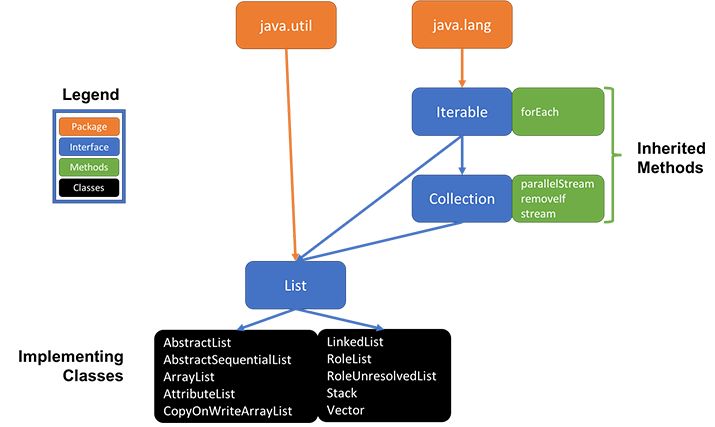
Java provides built-in data structures such as arrays, lists, stacks, queues, trees, and maps that are essential for implementing algorithms. These data structures offer efficient ways to store and manipulate data, enabling developers to optimize the performance of their algorithms.
Sorting and Searching Algorithms
In Java, developers can easily implement various sorting and searching algorithms such as bubble sort, quicksort, merge sort, binary search, and more. These algorithms are fundamental building blocks used in many applications to organize data and retrieve information quickly.
Graph Algorithms
Java also supports graph algorithms like breadth-first search (BFS), depth-first search (DFS), Dijkstra’s algorithm, and minimum spanning tree algorithms. These algorithms are essential for solving problems related to networks, routing, pathfinding, and optimization.
Conclusion
Algorithms form the backbone of computer science and software development. By leveraging the capabilities of Java’s programming language and its rich ecosystem of libraries and tools, developers can implement sophisticated algorithms efficiently. Whether you are working on data analysis, machine learning, or software engineering projects, mastering algorithms in Java is key to unlocking new possibilities.
Top 5 Tips for Mastering Algorithms in Java
- Understand the problem thoroughly before choosing an algorithm.
- Choose the most efficient algorithm for the specific problem.
- Implement algorithms using Java’s built-in data structures and libraries.
- Optimize algorithms by reducing time complexity through proper data structures.
- Test algorithms rigorously to ensure correctness and efficiency.
Understand the problem thoroughly before choosing an algorithm.
Before diving into implementing algorithms in Java, it is crucial to first understand the problem thoroughly. Choosing the right algorithm requires a clear comprehension of the problem statement, constraints, and desired outcomes. By taking the time to analyze and dissect the problem, developers can make informed decisions on selecting the most appropriate algorithm that will efficiently solve the problem at hand. This initial step of understanding lays a solid foundation for successful algorithm implementation in Java.
Choose the most efficient algorithm for the specific problem.
When working with algorithms in Java, it is essential to choose the most efficient algorithm for the specific problem at hand. By selecting the right algorithm, developers can optimize performance and achieve better results in terms of speed and resource utilization. Understanding the characteristics of different algorithms and their suitability for different types of problems is key to writing efficient and effective code in Java. By carefully evaluating the requirements of the problem and selecting the most appropriate algorithm, developers can enhance the overall performance and scalability of their Java applications.
Implement algorithms using Java’s built-in data structures and libraries.
To optimize algorithm performance in Java, it is recommended to leverage the language’s built-in data structures and libraries. By utilizing Java’s array, list, stack, queue, tree, and map implementations, developers can efficiently store and manipulate data within their algorithms. Additionally, tapping into Java’s extensive standard library and community-contributed libraries provides access to a wide range of pre-built algorithms for sorting, searching, graph traversal, and more. This approach not only streamlines algorithm implementation but also ensures code reliability and scalability.
Optimize algorithms by reducing time complexity through proper data structures.
To optimize algorithms in Java, it is essential to focus on reducing time complexity by selecting and implementing proper data structures. By choosing the most suitable data structures for a specific problem, developers can significantly improve the efficiency of their algorithms. Utilizing data structures like arrays, lists, trees, and maps effectively can help streamline operations and enhance the overall performance of algorithms in Java. Properly designed data structures play a crucial role in minimizing processing time and resource usage, ultimately leading to more efficient and scalable solutions.
Test algorithms rigorously to ensure correctness and efficiency.
To maximize the effectiveness of algorithms in Java, it is essential to rigorously test them to verify both correctness and efficiency. Thorough testing helps identify and rectify any errors or inefficiencies in the algorithm’s implementation, ensuring that it produces accurate results and operates optimally. By conducting comprehensive tests, developers can have confidence in the reliability and performance of their algorithms, ultimately leading to more robust and effective software solutions.