


Mastering the Art of a Successful Software Engineering Project
Software Engineering Project: From Concept to Completion
Software engineering projects are complex undertakings that require careful planning, execution, and management to ensure success. From the initial concept phase to the final product delivery, every step in the software development lifecycle plays a crucial role in shaping the outcome of the project.
Conceptualization and Planning
The journey of a software engineering project begins with conceptualization and planning. During this phase, stakeholders define the project scope, requirements, objectives, and constraints. Clear communication and collaboration among team members are essential to establish a solid foundation for the project.
Design and Development
Once the project requirements are defined, software engineers move on to the design and development phase. This stage involves creating detailed designs, coding, testing, and iterating to build a functional software solution that meets the specified criteria. Collaboration between developers, designers, testers, and other team members is crucial to ensure that the project progresses smoothly.
Testing and Quality Assurance
Testing and quality assurance are integral parts of any software engineering project. Thorough testing helps identify bugs, errors, and performance issues early in the development process. Quality assurance processes ensure that the software meets quality standards and user expectations before deployment.
Deployment and Maintenance
Once the software is developed and tested successfully, it is ready for deployment. Deployment involves releasing the software to end-users or clients while ensuring a smooth transition from development to production environments. Post-deployment maintenance involves monitoring performance, addressing user feedback, fixing bugs, and implementing updates as needed.
Conclusion
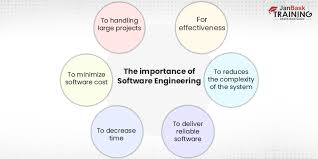
A successful software engineering project requires careful planning, effective communication, collaboration among team members, attention to detail during development and testing phases, and ongoing maintenance post-deployment. By following best practices in software engineering methodologies and leveraging modern tools and technologies, teams can deliver high-quality software solutions that meet user needs and business objectives.
8 Essential Tips for Successful Software Engineering Projects
- Prioritize clear and consistent communication within the team.
- Adopt version control systems like Git for efficient collaboration.
- Break down tasks into manageable chunks with well-defined goals.
- Implement automated testing to catch bugs early in development.
- Continuously integrate code changes to avoid integration issues later.
- Document code and processes thoroughly for future reference.
- Regularly review and refactor code to maintain quality and performance.
- Stay updated with industry trends and tools to enhance project outcomes.
Prioritize clear and consistent communication within the team.
In software engineering projects, prioritizing clear and consistent communication within the team is essential for success. Effective communication ensures that all team members are aligned on project goals, requirements, and progress. It helps prevent misunderstandings, promotes collaboration, and fosters a positive working environment. By maintaining open lines of communication, team members can share ideas, address issues promptly, and work together towards achieving project milestones efficiently. Clear and consistent communication plays a crucial role in keeping the project on track and ensuring that everyone is on the same page throughout the development process.
Adopt version control systems like Git for efficient collaboration.
Adopting version control systems like Git is a crucial tip for ensuring efficient collaboration in software engineering projects. By using Git, team members can work on the same codebase simultaneously, track changes, merge modifications seamlessly, and revert to previous versions if needed. This not only streamlines the development process but also helps prevent conflicts and maintain a well-organized project history. Embracing version control systems like Git promotes better teamwork, enhances productivity, and ultimately contributes to the success of the software engineering project.
Break down tasks into manageable chunks with well-defined goals.
Breaking down tasks into manageable chunks with well-defined goals is a crucial tip in software engineering projects. By dividing the project into smaller, more achievable components, teams can maintain focus, track progress effectively, and ensure that each task contributes to the overall project objectives. Clear goals help team members understand their roles and responsibilities, leading to better coordination and collaboration. This approach also facilitates better time management and allows for adjustments as needed to meet project milestones successfully.
Implement automated testing to catch bugs early in development.
Implementing automated testing in software engineering projects is a valuable practice to catch bugs early in the development process. By setting up automated tests that run continuously, developers can quickly identify and address issues, ensuring a higher level of code quality and reducing the risk of bugs slipping into production. Automated testing not only saves time and effort but also enhances the overall reliability and stability of the software, leading to a smoother development cycle and improved end-user experience.
Continuously integrate code changes to avoid integration issues later.
Continuously integrating code changes throughout the software engineering project is crucial to prevent integration issues from arising later in the development process. By regularly merging code updates into a shared repository and running automated tests, teams can identify and address conflicts and errors early on, ensuring that the software components work together seamlessly. This practice of continuous integration not only helps maintain code quality but also promotes collaboration among team members and facilitates a smoother overall development workflow.
Document code and processes thoroughly for future reference.
It is essential to document code and processes thoroughly during a software engineering project to ensure clarity and maintainability for future reference. Comprehensive documentation helps team members understand the logic behind the code, the purpose of specific processes, and how different components interact with each other. By documenting code and processes effectively, developers can easily troubleshoot issues, onboard new team members efficiently, and facilitate future updates or modifications to the software with minimal confusion or errors.
Regularly review and refactor code to maintain quality and performance.
Regularly reviewing and refactoring code is a crucial practice in software engineering projects to uphold quality and performance standards. By conducting code reviews, developers can identify and address potential issues, improve readability, and ensure adherence to coding standards. Refactoring allows for restructuring code to enhance efficiency, maintainability, and scalability. These proactive measures not only help in detecting and rectifying errors early on but also contribute to the overall robustness and longevity of the software solution.
Stay updated with industry trends and tools to enhance project outcomes.
Staying updated with industry trends and tools is crucial for enhancing project outcomes in software engineering. By keeping abreast of the latest advancements in technology and methodologies, software engineers can leverage new tools and best practices to improve efficiency, quality, and innovation in their projects. Continuous learning and adaptation to industry trends not only help teams stay competitive but also enable them to deliver cutting-edge solutions that meet the evolving needs of clients and end-users.