cfchris.com

Loading

business technologies

Empowering Enterprises: The Evolution of Business Technologies

The Impact of Business Technologies on Modern Enterprises

The Impact of Business Technologies on Modern Enterprises

Business technologies have revolutionized the way modern enterprises operate, communicate, and innovate. In today’s fast-paced and competitive business landscape, staying ahead of the curve in terms of technology is crucial for success.

Enhanced Efficiency and Productivity

One of the key benefits of integrating advanced technologies into business operations is the significant enhancement in efficiency and productivity. Automation tools, data analytics software, and cloud-based solutions streamline processes, reduce manual errors, and allow employees to focus on more strategic tasks.

Improved Communication and Collaboration

Communication technologies such as video conferencing, instant messaging platforms, and collaboration tools have transformed how teams interact and work together. Remote work has become more prevalent, enabling businesses to tap into a global talent pool and operate across different time zones seamlessly.

Data-driven Decision Making

Business technologies provide valuable insights through data analytics and business intelligence tools. By analyzing large volumes of data in real-time, organizations can make informed decisions based on trends, patterns, and customer behavior. This data-driven approach helps businesses identify opportunities for growth and optimize their strategies.

Cybersecurity Challenges

While business technologies offer numerous advantages, they also pose cybersecurity challenges. With the increasing threat of cyber attacks and data breaches, enterprises must invest in robust security measures to protect their sensitive information and maintain customer trust. Implementing encryption protocols, regular security audits, and employee training programs are essential components of a comprehensive cybersecurity strategy.

The Future of Business Technologies

The rapid pace of technological advancement continues to shape the future of business operations. Artificial intelligence (AI), Internet of Things (IoT), blockchain technology, and augmented reality (AR) are among the emerging technologies that hold great potential for transforming industries across sectors. Businesses that embrace innovation and adapt to evolving technologies will be better positioned to thrive in an increasingly digital world.

In conclusion, business technologies play a vital role in driving growth, innovation, and competitiveness for modern enterprises. By leveraging the power of technology effectively, businesses can unlock new opportunities for success while navigating the complexities of a digital economy.


6 Essential Business Technology Tips for Enhanced Security and Efficiency

  1. Invest in reliable cybersecurity measures to protect your business data.
  2. Utilize cloud computing services for scalability and cost-efficiency.
  3. Implement customer relationship management (CRM) software to manage interactions and relationships with customers.
  4. Stay updated on emerging technologies relevant to your industry to remain competitive.
  5. Train employees regularly on using new technologies to maximize efficiency and productivity.
  6. Consider automation tools to streamline repetitive tasks and improve workflow.

Invest in reliable cybersecurity measures to protect your business data.

Investing in reliable cybersecurity measures is paramount to safeguarding your business data from potential threats and vulnerabilities. With the increasing frequency and sophistication of cyber attacks, protecting sensitive information has never been more critical. By implementing robust security protocols, encryption technologies, and regular monitoring practices, you can mitigate risks and ensure the integrity and confidentiality of your data. Prioritizing cybersecurity not only protects your business assets but also fosters trust with customers and partners, demonstrating your commitment to maintaining a secure digital environment.

Utilize cloud computing services for scalability and cost-efficiency.

Incorporating cloud computing services into your business operations can offer significant benefits in terms of scalability and cost-efficiency. By leveraging cloud resources, businesses can easily scale their IT infrastructure up or down based on fluctuating demands, without the need for large upfront investments in hardware. This flexibility allows organizations to adapt quickly to changing market conditions and optimize resource utilization. Additionally, cloud services typically operate on a pay-as-you-go model, enabling businesses to only pay for the resources they use, leading to cost savings and improved financial efficiency.

Implement customer relationship management (CRM) software to manage interactions and relationships with customers.

Implementing customer relationship management (CRM) software is a strategic move for businesses to effectively manage interactions and relationships with customers. CRM systems centralize customer data, track communication history, and provide insights into customer preferences and behavior. By utilizing CRM software, organizations can enhance customer satisfaction, personalize marketing efforts, and improve overall customer retention rates. This technology empowers businesses to build stronger connections with their customers, leading to increased loyalty and long-term success in a competitive market landscape.

Stay updated on emerging technologies relevant to your industry to remain competitive.

To stay competitive in today’s fast-paced business environment, it is essential to stay updated on emerging technologies that are relevant to your industry. By keeping abreast of the latest advancements in technology, businesses can identify opportunities for innovation, streamline operations, and enhance their competitive edge. Embracing new technologies that align with industry trends and customer needs can position a company as a leader in its field, driving growth and success in the ever-evolving marketplace.

Train employees regularly on using new technologies to maximize efficiency and productivity.

Regular training for employees on utilizing new technologies is essential to maximize efficiency and productivity within a business. By keeping staff well-informed and up-to-date on the latest tools and systems, companies can ensure that their workforce is equipped to leverage technology effectively in their daily tasks. This ongoing investment in training not only enhances employee skills but also fosters a culture of continuous learning and innovation, ultimately leading to improved operational performance and competitive advantage in today’s rapidly evolving business landscape.

Consider automation tools to streamline repetitive tasks and improve workflow.

Consider incorporating automation tools into your business operations to streamline repetitive tasks and enhance workflow efficiency. By automating routine processes, such as data entry, report generation, and email responses, you can free up valuable time for your team to focus on more strategic activities. Automation not only reduces the risk of human error but also accelerates task completion, leading to increased productivity and overall business performance. Embracing automation technologies can revolutionize how your organization operates and position you for success in a competitive market landscape.

support services

Maximizing Business Success Through Effective Support Services

The Importance of Support Services

The Importance of Support Services

Support services play a crucial role in ensuring the smooth operation of businesses and organizations across various industries. Whether it’s technical support for IT systems, customer support for products and services, or emotional support for individuals in need, these services are essential for maintaining efficiency and fostering positive relationships.

Types of Support Services

Support services come in many forms to address different needs:

  • Technical Support: This type of support assists users with technical issues related to software, hardware, or IT infrastructure.
  • Customer Support: Customer support helps address inquiries, complaints, and feedback from customers to ensure their satisfaction with products or services.
  • Emotional Support: Emotional support services provide individuals with empathy, understanding, and guidance during challenging times.
  • Administrative Support: Administrative support helps with tasks such as scheduling appointments, managing documents, and organizing information.

The Benefits of Support Services

Effective support services offer numerous benefits to both businesses and individuals:

  • Enhanced Customer Satisfaction: Prompt and reliable customer support can lead to increased customer loyalty and positive word-of-mouth referrals.
  • Improved Efficiency: Technical support can resolve IT issues quickly, minimizing downtime and maximizing productivity.
  • Mental Well-being: Emotional support services provide comfort and reassurance to individuals facing challenges or hardships.
  • Better Organization: Administrative support streamlines tasks and processes, allowing businesses to operate more smoothly.

In Conclusion

Support services are indispensable in today’s fast-paced world. By investing in quality support services, businesses can build stronger relationships with customers, improve operational efficiency, and create a positive work environment. Whether it’s technical assistance, customer care, emotional guidance, or administrative help, the value of support services cannot be overstated.


9 Essential Tips for Providing Effective Support Services

  1. Listen actively to understand the needs of the person seeking support.
  2. Be empathetic and show understanding towards the individual’s situation.
  3. Communicate clearly and effectively to provide information or guidance.
  4. Offer practical solutions or resources to address the person’s concerns.
  5. Maintain confidentiality and respect the privacy of those seeking support.
  6. Follow up to ensure that the support provided was helpful and sufficient.
  7. Stay patient and remain calm, especially in challenging situations.
  8. Continuously seek feedback to improve the quality of support services offered.
  9. Collaborate with other professionals or organizations when necessary for comprehensive support.

Listen actively to understand the needs of the person seeking support.

Active listening is a fundamental aspect of providing effective support services. By attentively listening to the person seeking support, one can gain a deeper understanding of their needs, concerns, and emotions. This practice not only helps in identifying the root cause of the issue but also demonstrates empathy and respect towards the individual. Active listening fosters trust and rapport, paving the way for meaningful interactions and successful resolution of problems.

Be empathetic and show understanding towards the individual’s situation.

In the realm of support services, it is crucial to embody empathy and demonstrate genuine understanding towards the individual’s circumstances. By acknowledging and empathizing with their situation, support providers can establish a sense of trust and connection with those seeking assistance. This approach not only helps in addressing their needs effectively but also fosters a supportive environment where individuals feel valued and heard. Being empathetic goes a long way in building rapport and providing meaningful support that resonates on a personal level.

Communicate clearly and effectively to provide information or guidance.

Clear and effective communication is a fundamental aspect of providing support services. When offering information or guidance, it is essential to convey messages in a way that is easily understood by the recipient. By communicating clearly, support service providers can ensure that clients or individuals receive the necessary information to address their needs promptly and accurately. Clarity in communication fosters trust, minimizes misunderstandings, and enhances the overall quality of support services provided.

Offer practical solutions or resources to address the person’s concerns.

When providing support services, it is essential to offer practical solutions or resources to address the person’s concerns effectively. By presenting actionable steps or directing individuals to relevant resources, you empower them to navigate and resolve their issues proactively. This approach not only demonstrates your commitment to helping but also equips individuals with the tools they need to overcome challenges and achieve positive outcomes.

Maintain confidentiality and respect the privacy of those seeking support.

It is crucial to maintain confidentiality and respect the privacy of individuals seeking support services. By upholding strict confidentiality standards, support providers create a safe and trusting environment where individuals feel comfortable sharing their concerns and seeking assistance. Respecting privacy not only protects sensitive information but also demonstrates a commitment to ethical practices and fosters a sense of security for those reaching out for help. Prioritizing confidentiality and privacy in support services is essential for building strong relationships based on trust and integrity.

Follow up to ensure that the support provided was helpful and sufficient.

It is essential to follow up after providing support services to ensure that the assistance offered was effective and met the recipient’s needs adequately. By checking in with individuals or clients post-support, organizations can demonstrate their commitment to customer satisfaction and address any lingering issues promptly. This proactive approach not only fosters trust and loyalty but also allows for continuous improvement in delivering high-quality support services tailored to each individual’s requirements.

Stay patient and remain calm, especially in challenging situations.

In the realm of support services, it is crucial to remember the importance of staying patient and maintaining a calm demeanor, particularly when faced with challenging situations. By demonstrating patience and composure, support professionals can effectively navigate complex issues, address customer concerns with empathy, and work towards constructive solutions. This approach not only helps in resolving problems more efficiently but also fosters trust and confidence in the support provider’s ability to assist effectively.

Continuously seek feedback to improve the quality of support services offered.

Continuously seeking feedback is a vital practice to enhance the quality of support services provided. By actively listening to customers’ input and suggestions, organizations can identify areas for improvement, address issues promptly, and adapt their services to better meet the needs and expectations of their clients. Feedback serves as a valuable tool for refining processes, refining customer interactions, and ultimately delivering a more personalized and effective support experience.

Collaborate with other professionals or organizations when necessary for comprehensive support.

Collaborating with other professionals or organizations when necessary is a valuable tip for ensuring comprehensive support services. By leveraging the expertise and resources of external partners, businesses can enhance the quality and scope of their support offerings. Whether seeking specialized technical assistance, expanding service capabilities, or tapping into additional networks, collaboration fosters a more robust support ecosystem that benefits both providers and recipients. Embracing partnerships with other professionals or organizations can lead to innovative solutions, improved customer satisfaction, and a stronger support infrastructure overall.

custom built software

Unlocking Success with Custom-Built Software Solutions

The Power of Custom-Built Software

The Power of Custom-Built Software

In today’s fast-paced digital world, businesses are constantly seeking ways to stay ahead of the competition. One effective strategy that many successful companies are adopting is investing in custom-built software solutions tailored to their specific needs.

Custom-built software refers to applications or systems that are uniquely developed to address a company’s unique requirements and challenges. Unlike off-the-shelf software, custom solutions are designed from the ground up with the organization’s goals, processes, and workflows in mind.

Benefits of Custom-Built Software:

  • Enhanced Efficiency: Custom software is built to streamline processes and automate tasks, leading to increased productivity and efficiency within the organization.
  • Scalability: As businesses grow and evolve, custom software can easily be scaled to accommodate changing needs and requirements without major disruptions.
  • Competitive Edge: By having software that is tailored specifically for their operations, companies can gain a competitive edge by offering unique features and capabilities that set them apart from competitors.
  • Improved Security: Custom-built software can be designed with robust security measures to protect sensitive data and mitigate cybersecurity risks.
  • Cost-Effectiveness: While the initial investment in custom software development may be higher than off-the-shelf solutions, in the long run, it can result in cost savings by eliminating the need for multiple third-party applications and reducing manual workarounds.

Choosing a Reliable Software Development Partner

When embarking on a custom software development project, it is crucial to partner with a reputable software development company that has a proven track record of delivering high-quality solutions. A reliable partner will work closely with your team to understand your business objectives and develop a tailored solution that meets your specific requirements.

In conclusion, custom-built software offers businesses a powerful tool for driving innovation, increasing efficiency, and gaining a competitive advantage in today’s digital landscape. By investing in bespoke solutions that align with their unique needs, organizations can position themselves for long-term success and growth.


8 Essential Tips for Successful Custom Software Development

  1. Clearly define your requirements before starting the development process.
  2. Communicate effectively with the development team to ensure alignment on project goals.
  3. Consider scalability and flexibility in the design to accommodate future growth.
  4. Regularly test the software for bugs and performance issues throughout the development cycle.
  5. Prioritize security measures to protect sensitive data and prevent cyber threats.
  6. Document all aspects of the custom software for easier maintenance and troubleshooting.
  7. Provide training for end-users to maximize adoption and utilization of the new software.
  8. Gather feedback from users to continuously improve and enhance the custom-built software.

Clearly define your requirements before starting the development process.

It is essential to clearly define your requirements before initiating the development process for custom-built software. By outlining your objectives, functionalities, and expectations upfront, you provide a roadmap for the development team to follow. This step helps ensure that the final product aligns closely with your needs and minimizes the risk of misunderstandings or costly changes later in the project. Clear requirements also facilitate effective communication between stakeholders and developers, leading to a smoother development process and a successful outcome that meets your business goals.

Communicate effectively with the development team to ensure alignment on project goals.

Effective communication with the development team is essential to ensure alignment on project goals when creating custom-built software. By maintaining clear and open lines of communication, stakeholders can convey their requirements, expectations, and feedback to the development team. This collaborative approach helps in fostering a shared understanding of the project objectives, leading to the successful delivery of a tailored software solution that meets the organization’s specific needs and vision.

Consider scalability and flexibility in the design to accommodate future growth.

When developing custom-built software, it is essential to consider scalability and flexibility in the design to accommodate future growth. By planning for scalability, organizations can ensure that the software can easily expand and adapt to meet increasing demands as the business evolves. Additionally, incorporating flexibility into the design allows for modifications and enhancements to be made efficiently, enabling the software to remain relevant and effective in the face of changing requirements. Prioritizing scalability and flexibility during the development process can help future-proof the software and support long-term success for the organization.

Regularly test the software for bugs and performance issues throughout the development cycle.

To ensure the success of custom-built software, it is essential to incorporate regular testing for bugs and performance issues at every stage of the development cycle. By conducting thorough testing throughout the process, developers can identify and address any issues early on, preventing potential setbacks and ensuring the final product meets quality standards. This proactive approach not only helps in delivering a reliable and high-performing software solution but also enhances user experience and overall satisfaction with the end product.

Prioritize security measures to protect sensitive data and prevent cyber threats.

It is crucial for businesses investing in custom-built software to prioritize security measures to safeguard sensitive data and prevent cyber threats. By implementing robust security protocols and encryption techniques, organizations can ensure the confidentiality and integrity of their information, mitigating the risk of data breaches and unauthorized access. Proactive measures such as regular security audits, vulnerability assessments, and employee training on cybersecurity best practices are essential components of a comprehensive security strategy that can help protect valuable data assets from potential threats.

Document all aspects of the custom software for easier maintenance and troubleshooting.

Documenting all aspects of custom-built software is crucial for ensuring easier maintenance and troubleshooting in the long run. Comprehensive documentation that outlines the software’s architecture, functionalities, dependencies, and any customizations made during development provides valuable insights for developers and IT teams. By maintaining detailed documentation, organizations can streamline future updates, identify issues more efficiently, and facilitate knowledge transfer among team members. This proactive approach to documentation not only enhances the software’s maintainability but also contributes to overall system reliability and performance.

Provide training for end-users to maximize adoption and utilization of the new software.

Providing training for end-users is a crucial step in maximizing the adoption and utilization of custom-built software within an organization. By offering comprehensive training sessions, employees can gain the necessary skills and knowledge to effectively use the new software, leading to increased efficiency and productivity. Training also helps to minimize resistance to change and ensures that users feel confident and empowered when working with the customized solution. Ultimately, investing in training for end-users not only enhances the overall success of the software implementation but also fosters a culture of continuous learning and improvement within the organization.

Gather feedback from users to continuously improve and enhance the custom-built software.

To ensure the success and effectiveness of custom-built software, it is essential to gather feedback from users on a regular basis. By soliciting input from those who interact with the software daily, developers can gain valuable insights into how the system is being used, what features are most beneficial, and where improvements can be made. This feedback loop allows for continuous enhancement and refinement of the custom software, ensuring that it remains aligned with user needs and evolves to meet changing requirements over time.

application

Unlocking the Power of Modern Applications in Today’s Digital Landscape

The Importance of Applications in Today’s Digital World

The Importance of Applications in Today’s Digital World

In today’s fast-paced digital age, applications have become an integral part of our daily lives. From mobile apps that help us stay connected on the go to desktop applications that streamline our work processes, the significance of applications cannot be overstated.

Applications serve a variety of purposes, catering to different needs and preferences. They provide convenience, efficiency, and accessibility to users across various platforms and devices.

Enhancing Productivity

Applications play a crucial role in enhancing productivity both in personal and professional settings. Task management apps help individuals organize their schedules effectively, while project management tools streamline collaboration among team members in a work environment.

Improving Communication

Communication apps have revolutionized the way we interact with others. Whether it’s through messaging apps for quick conversations or video conferencing tools for virtual meetings, applications have made communication more seamless and efficient.

Entertainment and Leisure

Entertainment apps provide endless opportunities for relaxation and enjoyment. From streaming services for music and movies to gaming apps that offer immersive experiences, applications have transformed the way we entertain ourselves.

Customization and Personalization

One of the key benefits of applications is their ability to be customized according to individual preferences. Users can personalize settings, layouts, and features to create a tailored experience that suits their unique needs.

The Future of Applications

As technology continues to evolve, so will applications. With advancements in artificial intelligence, augmented reality, and other cutting-edge technologies, the future holds exciting possibilities for innovative app development that will further enhance our digital experiences.

In conclusion, applications have become indispensable tools that enrich our lives in countless ways. Their versatility, functionality, and user-friendly interfaces make them essential components of today’s digital world.


6 Essential Tips for a Successful Job Application

  1. Ensure your application is error-free by thoroughly testing it before submission.
  2. Tailor your resume and cover letter to highlight relevant skills and experiences for the specific job you are applying for.
  3. Follow the application instructions provided by the employer carefully to increase your chances of being considered.
  4. Research the company you are applying to so that you can demonstrate knowledge and interest during interviews.
  5. Proofread all written materials, such as emails and responses to application questions, to present yourself professionally.
  6. Keep track of deadlines for applications and follow up with employers if necessary.

Ensure your application is error-free by thoroughly testing it before submission.

To ensure the success of your application, it is crucial to prioritize thorough testing before submission. By meticulously testing your application for errors and bugs, you can identify and address any issues that may impact its performance or user experience. Investing time and effort in testing not only helps you deliver a high-quality product but also instills confidence in your users, ensuring a seamless and error-free experience when they interact with your application.

Tailor your resume and cover letter to highlight relevant skills and experiences for the specific job you are applying for.

When applying for a job, it is crucial to tailor your resume and cover letter to emphasize the skills and experiences that are most relevant to the specific position you are seeking. By customizing your application materials to match the requirements and preferences outlined in the job description, you demonstrate your suitability for the role and increase your chances of standing out as a qualified candidate. Highlighting key qualifications that align with the job requirements showcases your expertise and dedication, making a compelling case for why you are the ideal fit for the position.

Follow the application instructions provided by the employer carefully to increase your chances of being considered.

Following the application instructions provided by the employer carefully is crucial to increase your chances of being considered for the position. Employers often use specific instructions to assess candidates’ attention to detail and ability to follow directions. By adhering to these guidelines, you demonstrate your professionalism and commitment to the application process, setting yourself apart as a conscientious and qualified candidate. Paying close attention to the application requirements shows that you value the opportunity and are willing to put in the effort required to be considered for the role.

Research the company you are applying to so that you can demonstrate knowledge and interest during interviews.

When applying for a job, it is essential to research the company thoroughly to demonstrate both knowledge and interest during interviews. By understanding the company’s values, goals, and culture, you can showcase your genuine interest in becoming a part of their team. This preparation not only allows you to ask informed questions but also enables you to tailor your responses to align with the company’s mission and vision. Employers appreciate candidates who show a proactive approach in learning about the organization, as it reflects dedication and professionalism in pursuing the opportunity.

Proofread all written materials, such as emails and responses to application questions, to present yourself professionally.

Ensuring that written materials, including emails and responses to application questions, are thoroughly proofread is essential for presenting oneself professionally. Attention to detail in grammar, spelling, and overall clarity not only demonstrates a high level of professionalism but also reflects a commitment to effective communication. By taking the time to review and refine written content before submission, individuals can convey a polished image and make a positive impression on potential employers or recipients.

Keep track of deadlines for applications and follow up with employers if necessary.

It is crucial to stay organized and proactive when applying for opportunities. Keeping track of application deadlines ensures that you submit your materials on time and do not miss any important opportunities. Additionally, following up with employers, if necessary, demonstrates your interest and commitment to the position. This proactive approach can help you stand out as a diligent and responsible candidate in the competitive job market.

infrastructure

Advancing Infrastructure: Building the Foundation for Tomorrow’s Society

The Importance of Infrastructure in Modern Society

The Importance of Infrastructure in Modern Society

Infrastructure plays a crucial role in supporting the functioning and development of modern society. It encompasses the physical structures, facilities, and systems that enable various activities and services to take place efficiently. From transportation networks to communication systems, infrastructure is the backbone of a thriving economy and a high quality of life.

Types of Infrastructure

Infrastructure can be categorized into different types based on its function:

  • Transportation: Roads, bridges, airports, and public transit systems facilitate the movement of people and goods.
  • Utilities: Water supply networks, electricity grids, and sewage systems ensure essential services reach communities.
  • Communication: Telecommunication networks, internet infrastructure, and broadcasting systems connect individuals and businesses globally.
  • Social infrastructure: Schools, hospitals, and public spaces contribute to the well-being and development of communities.

The Role of Infrastructure in Economic Growth

A well-developed infrastructure is a key driver of economic growth. Efficient transportation systems reduce logistics costs for businesses, while reliable energy infrastructure supports industrial production. Additionally, modern communication networks enable businesses to connect with customers worldwide and access new markets.

Sustainability and Resilience

In an era marked by climate change and natural disasters, building sustainable and resilient infrastructure is crucial. Green infrastructure initiatives focus on reducing environmental impact through renewable energy sources, efficient water management systems, and eco-friendly construction practices. Resilient infrastructure can withstand shocks such as extreme weather events or cyber-attacks without compromising essential services.

The Future of Infrastructure

Rapid technological advancements are shaping the future of infrastructure development. Smart infrastructure solutions leverage data analytics, IoT devices, and artificial intelligence to optimize operations and enhance user experience. As urbanization continues to rise globally, innovative approaches to sustainable urban planning will be essential for creating livable cities with efficient infrastructure systems.

In conclusion, infrastructure is not just about concrete structures; it is the foundation that supports our daily lives and drives progress in society. Investing in robust, sustainable infrastructure is key to ensuring a prosperous future for generations to come.


Understanding Infrastructure: Key Questions and Insights

  1. What is infrastructure?
  2. Why is infrastructure important?
  3. What are the different types of infrastructure?
  4. How does infrastructure impact economic growth?
  5. What are the challenges in maintaining and upgrading infrastructure?
  6. How can sustainable infrastructure practices benefit society?
  7. What role does technology play in modernizing infrastructure?
  8. How does government funding support infrastructure development?
  9. What are some examples of successful infrastructure projects around the world?

What is infrastructure?

Infrastructure refers to the essential physical and organizational systems that support various activities and services in society. It encompasses a wide range of components, including transportation networks, communication systems, utilities such as water and electricity supply, and social infrastructure like schools and healthcare facilities. Essentially, infrastructure acts as the backbone of a functioning economy and society, enabling the efficient movement of people and goods, facilitating communication on local and global scales, and providing essential services to communities. In essence, infrastructure forms the foundation upon which modern societies are built and sustained.

Why is infrastructure important?

Infrastructure is vital for the functioning and progress of societies due to its essential role in supporting various activities and services. The importance of infrastructure lies in its ability to facilitate economic growth, enhance quality of life, and ensure the smooth operation of critical systems. From transportation networks that enable the movement of goods and people to communication systems that connect individuals globally, infrastructure forms the backbone of modern society. Without robust infrastructure, businesses would struggle to thrive, communities would face challenges in accessing essential services, and overall development would be hindered. In essence, infrastructure is important because it underpins the foundation for a sustainable and prosperous future for all.

What are the different types of infrastructure?

Infrastructure encompasses various types of essential systems and facilities that form the backbone of modern society. The different types of infrastructure include transportation infrastructure, such as roads, bridges, airports, and public transit systems that enable the movement of people and goods. Utilities infrastructure comprises water supply networks, electricity grids, and sewage systems that deliver essential services to communities. Communication infrastructure includes telecommunication networks, internet infrastructure, and broadcasting systems that facilitate global connectivity. Social infrastructure encompasses institutions like schools, hospitals, and public spaces that contribute to community well-being and development. Each type of infrastructure plays a vital role in supporting economic activities, enhancing quality of life, and fostering societal progress.

How does infrastructure impact economic growth?

Infrastructure plays a critical role in influencing economic growth by serving as the backbone of a thriving economy. A well-developed infrastructure system, including transportation networks, communication systems, and utilities, can significantly impact economic productivity and efficiency. Efficient transportation infrastructure reduces the cost and time of moving goods and people, facilitating trade and business activities. Reliable energy and water infrastructure support industrial production and enable businesses to operate smoothly. Moreover, modern communication infrastructure enhances connectivity, allowing businesses to reach new markets and customers globally. In essence, infrastructure not only supports economic activities but also drives innovation, competitiveness, and overall growth in an economy.

What are the challenges in maintaining and upgrading infrastructure?

Maintaining and upgrading infrastructure poses several challenges in today’s rapidly evolving society. One major challenge is the aging of existing infrastructure, which requires regular maintenance and upgrades to ensure safety and functionality. Limited funding and budget constraints often hinder efforts to address infrastructure needs adequately. Additionally, coordinating between various stakeholders, such as government agencies, private sector partners, and local communities, can be complex and time-consuming. Technological advancements also present challenges as new infrastructure solutions require specialized skills and resources for implementation. Overcoming these obstacles requires strategic planning, innovative financing mechanisms, and collaborative efforts to ensure that infrastructure remains resilient and sustainable for future generations.

How can sustainable infrastructure practices benefit society?

Sustainable infrastructure practices offer numerous benefits to society by promoting long-term environmental, social, and economic well-being. By incorporating renewable energy sources, efficient water management systems, and eco-friendly construction methods, sustainable infrastructure helps reduce carbon emissions and mitigate the impacts of climate change. Additionally, these practices enhance public health by improving air quality and reducing pollution levels. Socially, sustainable infrastructure projects create job opportunities, promote community resilience, and enhance the overall quality of life for residents. Economically, investing in sustainable infrastructure can lead to cost savings through energy efficiency measures and contribute to long-term economic growth by attracting green investments and fostering innovation in clean technologies. Overall, embracing sustainable infrastructure practices is essential for building a more resilient and prosperous society for future generations.

What role does technology play in modernizing infrastructure?

Technology plays a pivotal role in modernizing infrastructure by introducing innovative solutions that enhance efficiency, connectivity, and sustainability. From smart sensors and data analytics to automation and artificial intelligence, technology enables infrastructure systems to operate more intelligently and adaptively. By leveraging digital tools, infrastructure can be monitored in real-time, maintenance can be predictive rather than reactive, and resources can be optimized for maximum impact. Ultimately, technology empowers infrastructure to meet the evolving needs of society while driving progress towards a more resilient and interconnected future.

How does government funding support infrastructure development?

Government funding plays a pivotal role in supporting infrastructure development by providing the financial resources needed to plan, build, and maintain essential public assets. Through various funding mechanisms such as grants, loans, and public-private partnerships, governments allocate resources to critical infrastructure projects like transportation networks, water systems, and energy grids. This funding not only helps address existing infrastructure gaps but also stimulates economic growth, creates jobs, and improves the overall quality of life for communities. By investing in infrastructure development, governments can enhance public safety, promote sustainability, and lay the groundwork for a more resilient and prosperous society.

What are some examples of successful infrastructure projects around the world?

Numerous successful infrastructure projects around the world serve as shining examples of effective planning and execution. The Panama Canal expansion stands out as a remarkable feat of engineering that has transformed global trade routes. The High-Speed Rail network in Japan revolutionized transportation efficiency and connectivity within the country. Singapore’s Changi Airport consistently ranks among the best globally, showcasing excellence in airport infrastructure and operations. The Hoover Dam in the United States remains an iconic symbol of water resource management and hydroelectric power generation. These projects demonstrate the impact of well-designed infrastructure on economic growth, sustainability, and quality of life for communities worldwide.

contact

Enhancing Connections: The Power of Seamless Contact Systems

Contact Us: Your Gateway to Seamless Communication

Communication is key in today’s fast-paced world, and having an effective way to connect with others is crucial. Whether you’re a business looking to engage with customers or an individual seeking information, the importance of a reliable contact system cannot be overstated.

Why Contact Matters

Having a clear and accessible contact system is essential for building relationships, resolving issues, and fostering trust. It serves as a bridge between you and your audience, allowing for seamless interaction and feedback.

Business Perspective

For businesses, a robust contact system is the lifeline of customer service. It enables customers to reach out with inquiries, feedback, or support requests, helping businesses address their needs promptly and efficiently. A well-managed contact system can also serve as a valuable tool for lead generation and relationship building.

Personal Perspective

On a personal level, having reliable contact information allows individuals to stay connected with friends, family, and colleagues. Whether through phone calls, emails, or social media platforms, staying in touch has never been easier thanks to modern communication tools.

Best Practices for Contact Systems

To ensure effective communication through your contact system, consider the following best practices:

  • Provide multiple channels for communication (e.g., phone numbers, email addresses, contact forms).
  • Ensure that contact information is up-to-date and easily accessible on your website or platform.
  • Respond promptly to inquiries and messages to demonstrate your commitment to communication.
  • Personalize interactions whenever possible to create a more engaging experience for your audience.

In Conclusion

Contact is more than just an email address or phone number – it’s the gateway to meaningful connections and successful interactions. By prioritizing effective communication through a well-designed contact system, you can enhance relationships, build trust, and create positive experiences for all parties involved.


Exploring ‘Contact’: Movie Insights, Sequel Possibilities, and Understanding the Concept

  1. Is Contact a good movie?
  2. Is there a Contact 2 movie?
  3. What do you mean by a Contact?
  4. What is the ending of Contact?
  5. How do I find my contacts list?
  6. What was the point of the movie Contact?

Is Contact a good movie?

When it comes to the movie “Contact,” opinions vary widely among viewers. Some praise its thought-provoking storyline, stellar performances, and visual effects, considering it a captivating sci-fi drama that explores profound themes. Others, however, criticize its pacing, scientific inaccuracies, or find the plot too complex to fully appreciate. Ultimately, whether “Contact” is deemed a good movie is subjective and dependent on individual preferences for science fiction films that blend intellectual depth with entertainment value.

Is there a Contact 2 movie?

The question “Is there a Contact 2 movie?” is a common query among fans of the science fiction film “Contact.” As of now, there is no official sequel to the original movie released in 1997, directed by Robert Zemeckis and starring Jodie Foster. While there have been discussions and rumors about a potential sequel over the years, no concrete plans or developments have been confirmed by the filmmakers or studios. Fans continue to express interest in a possible continuation of the story, but for now, the status of a “Contact 2” movie remains uncertain.

What do you mean by a Contact?

A contact refers to a person or entity with whom one can communicate or engage. In the context of communication systems, a contact typically represents an individual’s information, such as their name, email address, phone number, or other relevant details that allow for interaction. Establishing contacts is essential for maintaining connections, whether in personal relationships or business interactions. By defining and organizing contacts effectively, individuals and organizations can streamline communication processes and facilitate seamless interactions with others.

What is the ending of Contact?

The ending of “Contact,” a science fiction novel by Carl Sagan, and its film adaptation directed by Robert Zemeckis, is a thought-provoking conclusion that leaves viewers and readers contemplating the mysteries of the universe. Without revealing any spoilers, the ending of “Contact” delves into themes of faith, science, and the unknown, challenging audiences to ponder the complexities of human existence and our place in the cosmos. It is a poignant and intellectually stimulating finale that sparks discussions and interpretations long after the story concludes.

How do I find my contacts list?

To find your contacts list, you can typically access it through your email or messaging application. In most cases, there is a dedicated “Contacts” tab or option within the app where all your saved contacts are stored. You can also search for specific contacts by entering their names or contact information in the search bar provided. Additionally, some devices allow you to sync your contacts across multiple platforms, making it easier to access and manage your contact list seamlessly. If you’re having trouble locating your contacts list, refer to the app’s help section or settings menu for guidance on how to navigate to your saved contacts.

What was the point of the movie Contact?

The movie “Contact” explores themes of science, faith, and the search for extraterrestrial life. At its core, the film delves into the profound question of humanity’s place in the universe and our quest for understanding the unknown. Through its intricate storyline and compelling characters, “Contact” challenges viewers to ponder the complexities of existence, belief systems, and the endless possibilities that lie beyond our own planet.

best cyber security consulting companies

Top Cyber Security Consulting Companies: Safeguarding Your Digital Assets

Top Cyber Security Consulting Companies

The Best Cyber Security Consulting Companies in the Industry

In today’s digital age, cyber security is more important than ever. With cyber threats on the rise, businesses and organizations need to ensure that their sensitive data and systems are protected. This is where cyber security consulting companies play a crucial role.

Accenture Security

Accenture Security is a global leader in cyber security consulting, offering a wide range of services to help businesses strengthen their security posture. With a team of experts and innovative solutions, Accenture Security is trusted by many top companies worldwide.

Deloitte Cyber Risk Services

Deloitte Cyber Risk Services provides comprehensive cyber security consulting services to help organizations identify and mitigate risks. Their team of professionals offers strategic guidance and practical solutions to enhance cyber resilience.

IBM Security Services

IBM Security Services is known for its cutting-edge technologies and deep expertise in cyber security. They offer a holistic approach to cyber defense, helping clients detect, respond to, and recover from cyber attacks effectively.

KPMG Cyber Security Services

KPMG Cyber Security Services delivers tailored solutions to address the unique security challenges faced by organizations. Their team of consultants combines industry knowledge with technical skills to provide top-notch cyber security services.

PwC Cybersecurity and Privacy

PwC’s Cybersecurity and Privacy practice offers a range of services to help clients protect their digital assets and data. With a focus on innovation and collaboration, PwC helps organizations build resilient cyber security strategies.

These are just a few of the best cyber security consulting companies that are leading the way in protecting businesses from evolving cyber threats. By partnering with these reputable firms, organizations can ensure that they have the expertise and resources needed to safeguard their digital assets.


Top FAQs About Choosing the Best Cyber Security Consulting Companies

  1. What services do cyber security consulting companies offer?
  2. How do I choose the best cyber security consulting company for my business?
  3. What are the key factors to consider when selecting a cyber security consulting firm?
  4. How can cyber security consulting companies help improve my organization’s security posture?
  5. Do cyber security consulting companies provide ongoing support and monitoring services?
  6. What sets top cyber security consulting companies apart from others in the industry?

What services do cyber security consulting companies offer?

Cyber security consulting companies offer a wide range of services to help businesses and organizations enhance their security posture and protect their sensitive data and systems. These services typically include risk assessments, vulnerability assessments, penetration testing, incident response planning, security architecture design, compliance management, security awareness training, and managed security services. By leveraging the expertise of cyber security consulting companies, clients can identify and mitigate potential risks, strengthen their defenses against cyber threats, and ensure regulatory compliance in an increasingly complex digital landscape.

How do I choose the best cyber security consulting company for my business?

When selecting the best cyber security consulting company for your business, it is crucial to consider several key factors. First and foremost, assess the company’s reputation and track record in the industry. Look for firms with a proven history of successful cyber security projects and satisfied clients. Additionally, evaluate the expertise and qualifications of their team members to ensure they have the necessary skills to address your specific needs. Consider the range of services offered by the consulting company and whether they align with your business requirements. Lastly, prioritize clear communication and transparency throughout the engagement process to establish a strong partnership built on trust and collaboration. By carefully evaluating these aspects, you can choose a cyber security consulting company that will effectively safeguard your business against potential threats.

What are the key factors to consider when selecting a cyber security consulting firm?

When selecting a cyber security consulting firm, several key factors should be considered to ensure that you choose the right partner to protect your organization’s digital assets. Firstly, expertise and experience play a crucial role – look for a firm with a proven track record in handling cyber security challenges effectively. Additionally, consider the range of services offered by the consulting firm and whether they align with your specific needs. Transparency, communication, and responsiveness are also essential factors to evaluate, as clear communication and prompt support are vital in addressing cyber threats swiftly. Lastly, assess the firm’s reputation, client testimonials, and industry certifications to gauge their reliability and credibility in the cyber security landscape. By carefully considering these factors, you can make an informed decision when selecting a cyber security consulting firm that best meets your organization’s requirements.

How can cyber security consulting companies help improve my organization’s security posture?

Cyber security consulting companies play a crucial role in enhancing an organization’s security posture by providing expert guidance, tailored solutions, and strategic advice. These companies conduct thorough assessments of the organization’s existing security measures, identify vulnerabilities and potential risks, and develop customized strategies to address them effectively. By leveraging their deep expertise and industry knowledge, cyber security consulting firms can help organizations implement robust security controls, enhance incident response capabilities, and stay ahead of emerging cyber threats. Through proactive monitoring, training programs, and continuous support, these companies empower organizations to strengthen their defenses and mitigate the impact of potential cyber attacks, ultimately safeguarding sensitive data and preserving business continuity.

Do cyber security consulting companies provide ongoing support and monitoring services?

When it comes to cyber security consulting companies, many of them offer ongoing support and monitoring services to ensure the continuous protection of their clients’ systems and data. These services often include real-time monitoring of network activities, threat detection, incident response, and regular security assessments to identify vulnerabilities. By providing ongoing support and monitoring, cyber security consulting companies help organizations stay ahead of potential threats and respond promptly to any security incidents that may arise. This proactive approach is essential in today’s dynamic cyber threat landscape to maintain a strong security posture and mitigate risks effectively.

What sets top cyber security consulting companies apart from others in the industry?

When it comes to distinguishing the top cyber security consulting companies from others in the industry, several key factors come into play. Firstly, top firms often boast a team of seasoned professionals with extensive experience and expertise in the field, allowing them to provide strategic insights and innovative solutions tailored to each client’s unique needs. Additionally, leading cyber security consulting companies stay ahead of emerging threats and trends by investing in cutting-edge technologies and continuous training for their staff. Their commitment to excellence, proactive approach to risk management, and ability to deliver measurable results set them apart as trusted partners in safeguarding organizations’ digital assets effectively.

sdlc project

Maximizing Success: The Essential Steps of an SDLC Project

The Importance of the Software Development Life Cycle (SDLC) in a Project

The Importance of the Software Development Life Cycle (SDLC) in a Project

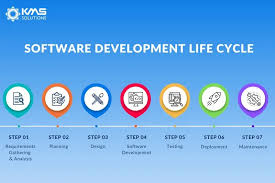
Software Development Life Cycle (SDLC) is a systematic process used by software developers to design, develop, and test high-quality software. It is crucial for the success of any software project as it ensures that the final product meets the requirements and expectations of stakeholders.

Phases of SDLC

SDLC consists of several phases that guide developers through the entire software development process:

  1. Planning: In this phase, project requirements are gathered, and a project plan is created.
  2. Analysis: Developers analyze the requirements gathered in the planning phase and create a detailed system design.
  3. Design: The system design is transformed into a detailed technical design in this phase.
  4. Implementation: The actual coding and development of the software take place in this phase.
  5. Testing: The developed software is rigorously tested to ensure it functions correctly and meets all requirements.
  6. Deployment: The software is deployed to production after successful testing.
  7. Maintenance: Post-deployment, maintenance and support activities are carried out to ensure the software remains operational and up-to-date.

Benefits of SDLC

The use of SDLC in a project offers several benefits, including:

  • Better Quality: SDLC ensures that thorough testing is conducted at each stage, resulting in higher-quality software.
  • Risk Management: By following a structured process like SDLC, risks can be identified early and mitigated effectively.
  • Cost-Effectiveness: Proper planning and design stages help prevent costly rework later in the project lifecycle.
  • Clear Communication: SDLC provides clear milestones and deliverables, facilitating effective communication among team members and stakeholders.

In Conclusion

The Software Development Life Cycle (SDLC) plays a vital role in ensuring the success of software projects by providing a structured approach to development. By following the phases of SDLC diligently, developers can create high-quality software that meets user requirements while managing risks effectively throughout the project lifecycle.


Understanding the Software Development Life Cycle (SDLC): Key Questions and Answers

  1. What is a project in SDLC?
  2. What are the 5 steps of the SDLC?
  3. What are the 5 stages of SDLC?
  4. How do you write a SDLC for a project?
  5. What is SDLC real life examples?
  6. What does the SDLC stand for?

What is a project in SDLC?

In the context of Software Development Life Cycle (SDLC), a project refers to a specific initiative or endeavor aimed at developing or enhancing software systems or applications. A project in SDLC typically involves a series of structured phases, from planning and analysis to implementation, testing, deployment, and maintenance. Each project within SDLC is unique and requires careful management of resources, timelines, and deliverables to ensure successful completion. Projects in SDLC are guided by defined objectives, requirements, and constraints that drive the development process towards delivering a high-quality software product that meets stakeholder expectations.

What are the 5 steps of the SDLC?

The Software Development Life Cycle (SDLC) consists of five key steps that guide the development process from planning to deployment and maintenance. These steps include planning, analysis, design, implementation, and testing. In the planning phase, project requirements are gathered and a project plan is created. The analysis phase involves analyzing these requirements to create a detailed system design. Subsequently, in the design phase, the system design is transformed into a detailed technical design. The implementation phase involves the actual coding and development of the software, followed by rigorous testing in the testing phase to ensure functionality and compliance with requirements. These five steps form a structured approach to software development that ensures quality and efficiency throughout the project lifecycle.

What are the 5 stages of SDLC?

The Software Development Life Cycle (SDLC) consists of five key stages that guide the development process of software projects. These stages are Planning, Analysis, Design, Implementation, and Testing. In the Planning stage, project requirements are gathered and a project plan is created. The Analysis stage involves analyzing the gathered requirements to create a detailed system design. The Design stage transforms the system design into a technical design. Implementation is where the actual coding and development of the software take place. Finally, in the Testing stage, the developed software undergoes rigorous testing to ensure it functions correctly and meets all specified requirements. These five stages of SDLC are essential for ensuring a systematic and successful software development process.

How do you write a SDLC for a project?

When writing a Software Development Life Cycle (SDLC) for a project, it is essential to follow a structured approach that encompasses the various phases of software development. Begin by conducting thorough planning to gather project requirements and create a detailed project plan. Proceed to the analysis phase where requirements are analyzed, followed by designing the system based on the analysis. The implementation phase involves coding and developing the software, which is then rigorously tested in the testing phase. Deployment to production and post-deployment maintenance complete the SDLC process. By following these steps diligently and involving stakeholders at each stage, a comprehensive SDLC for a project can be effectively written to ensure successful software development.

What is SDLC real life examples?

In real-life scenarios, Software Development Life Cycle (SDLC) methodologies are commonly applied in various industries to ensure the successful development and deployment of software projects. For example, in the healthcare sector, SDLC is utilized to create electronic medical record systems that securely store patient information and facilitate efficient healthcare delivery. Similarly, in the banking industry, SDLC is employed to develop online banking platforms that allow customers to access their accounts securely and perform transactions seamlessly. These real-life examples demonstrate how SDLC principles are essential for delivering reliable and user-friendly software solutions across different sectors.

What does the SDLC stand for?

The acronym SDLC stands for Software Development Life Cycle. It refers to a structured process used by software developers to design, develop, and test software applications. The SDLC encompasses various phases, including planning, analysis, design, implementation, testing, deployment, and maintenance. By following the SDLC methodology, developers can ensure that software projects are completed efficiently and effectively while meeting the requirements of stakeholders.

tech solutions

Empowering Success: Harnessing the Potential of Tech Solutions

The Power of Tech Solutions in Today’s World

The Power of Tech Solutions in Today’s World

Technology has become an integral part of our daily lives, transforming the way we work, communicate, and live. In this fast-paced digital age, businesses and individuals are constantly seeking innovative tech solutions to streamline processes, enhance productivity, and stay ahead of the competition.

Benefits of Tech Solutions

Implementing tech solutions offers a myriad of benefits across various sectors:

  • Increased Efficiency: Automation and digital tools help streamline operations, saving time and resources.
  • Enhanced Communication: Collaboration platforms and communication tools facilitate seamless interaction among team members, regardless of location.
  • Data Security: Robust cybersecurity solutions protect sensitive information from cyber threats and breaches.
  • Better Decision-Making: Data analytics tools provide valuable insights that enable informed decision-making for businesses.
  • Improved Customer Experience: Personalized services and efficient customer support systems enhance overall satisfaction.

The Role of Tech Solutions in Business Growth

In the competitive business landscape, leveraging tech solutions is crucial for driving growth and staying relevant. Companies that embrace digital transformation are better positioned to adapt to market changes, meet customer demands, and innovate effectively.

Future Trends in Tech Solutions

The rapid evolution of technology continues to shape the future of tech solutions. Emerging trends such as artificial intelligence, Internet of Things (IoT), cloud computing, and blockchain are revolutionizing industries across the globe. These cutting-edge technologies offer limitless possibilities for businesses seeking to optimize their operations and deliver exceptional value to customers.

In conclusion, tech solutions play a pivotal role in shaping our modern world. By embracing innovation and harnessing the power of technology, businesses can unlock new opportunities for growth, efficiency, and success in today’s dynamic environment.


5 Essential Tech Tips to Enhance Your Digital Security and Protect Your Data

  1. Regularly update your software and applications to ensure security patches are in place.
  2. Backup your data frequently to prevent loss in case of hardware failure or cyber attacks.
  3. Use strong, unique passwords for each account and consider using a password manager.
  4. Enable two-factor authentication whenever possible to add an extra layer of security.
  5. Be cautious when clicking on links or downloading attachments from unknown sources to avoid malware infections.

Regularly update your software and applications to ensure security patches are in place.

Regularly updating your software and applications is a crucial step in maintaining the security of your digital environment. By staying current with updates, you ensure that security patches are in place to address vulnerabilities and protect your systems from potential cyber threats. Neglecting to update can leave your devices and data exposed to malicious attacks, making it essential to prioritize regular software maintenance as part of your cybersecurity strategy.

Backup your data frequently to prevent loss in case of hardware failure or cyber attacks.

It is essential to regularly back up your data to safeguard against potential loss due to hardware failures or cyber attacks. By maintaining up-to-date backups of your important files and information, you can mitigate the risks associated with unexpected events and ensure that your data remains secure and accessible when needed. Taking proactive measures to protect your data through regular backups is a fundamental aspect of maintaining a resilient and reliable digital infrastructure.

Use strong, unique passwords for each account and consider using a password manager.

In the realm of tech solutions, a crucial tip for safeguarding your online accounts is to utilize strong and unique passwords for each account. By creating complex passwords that are different for every platform, you significantly enhance the security of your sensitive information. Additionally, considering the use of a password manager can simplify the management of multiple passwords while ensuring they are securely stored. This proactive approach not only mitigates the risk of unauthorized access but also provides peace of mind in an increasingly interconnected digital world.

Enable two-factor authentication whenever possible to add an extra layer of security.

Enabling two-factor authentication whenever possible is a highly recommended tip in tech solutions to enhance security measures. By requiring users to provide two forms of verification before accessing an account or system, such as a password and a unique code sent to their mobile device, two-factor authentication adds an extra layer of protection against unauthorized access and potential cyber threats. This simple yet effective security measure significantly reduces the risk of data breaches and enhances overall cybersecurity posture, making it a valuable practice for safeguarding sensitive information in today’s digital landscape.

In the realm of tech solutions, it is crucial to exercise caution when interacting with unfamiliar sources online. One key tip to safeguard against potential cybersecurity threats is to be wary of clicking on links or downloading attachments from unknown sources. By remaining vigilant and avoiding such risky actions, individuals and businesses can mitigate the risk of malware infections that could compromise sensitive data and disrupt operations. Prioritizing cybersecurity best practices like this can help maintain a secure digital environment and protect against cyber threats in today’s interconnected world.

devops sdlc

Optimizing Software Development: The Power of DevOps in SDLC

The Role of DevOps in the Software Development Life Cycle (SDLC)

The Role of DevOps in the Software Development Life Cycle (SDLC)

DevOps, a combination of “development” and “operations,” is a software development methodology that emphasizes collaboration and communication between software developers and IT operations professionals. When integrated into the Software Development Life Cycle (SDLC), DevOps can streamline the development process, improve efficiency, and enhance product quality.

Key Components of DevOps in SDLC:

Continuous Integration (CI): CI involves automatically integrating code changes into a shared repository multiple times a day. This practice helps identify and fix integration issues early in the development process.

Continuous Delivery (CD): CD focuses on automating the deployment process to deliver code changes to production quickly and reliably. It ensures that software is always in a deployable state.

Infrastructure as Code (IaC): IaC involves managing infrastructure through code and automation tools. It allows for consistent provisioning of environments, reducing manual errors and improving scalability.

Monitoring and Logging: Monitoring tools provide insights into system performance, while logging helps track events and troubleshoot issues. These practices are essential for maintaining system health and reliability.

Benefits of Integrating DevOps into SDLC:

Faster Time-to-Market: By automating processes and improving collaboration, DevOps accelerates development cycles, allowing organizations to release products faster.

Improved Quality: Continuous testing and integration help catch bugs early, leading to higher-quality software releases with fewer defects.

Enhanced Collaboration: DevOps promotes cross-functional teamwork, breaking down silos between development, operations, and other teams. This collaboration fosters innovation and efficiency.

Better Scalability: With IaC and automation, organizations can easily scale their infrastructure based on demand without manual intervention. This flexibility enables rapid growth without compromising stability.

In Conclusion

Integrating DevOps practices into the SDLC is crucial for modern software development teams looking to stay competitive in today’s fast-paced market. By embracing automation, collaboration, and continuous improvement, organizations can deliver high-quality products efficiently while meeting customer demands effectively.


6 Essential DevOps SDLC Tips for Streamlining Efficiency and Security

  1. Automate repetitive tasks to increase efficiency.
  2. Implement continuous integration and continuous deployment practices.
  3. Use version control systems to track changes in code and configurations.
  4. Monitor application performance and infrastructure health regularly.
  5. Encourage collaboration between development and operations teams.
  6. Prioritize security measures throughout the software development lifecycle.

Automate repetitive tasks to increase efficiency.

Automating repetitive tasks is a key tip in DevOps SDLC to boost efficiency and productivity. By leveraging automation tools and scripts, teams can streamline routine processes, such as testing, deployment, and monitoring, saving valuable time and reducing the risk of human error. This allows developers and operations professionals to focus on more strategic tasks, innovation, and problem-solving, ultimately accelerating the software development lifecycle and improving overall project outcomes.

Implement continuous integration and continuous deployment practices.

Implementing continuous integration and continuous deployment practices in DevOps SDLC is essential for streamlining the software development process. Continuous integration involves automatically integrating code changes into a shared repository multiple times a day, facilitating early detection and resolution of integration issues. On the other hand, continuous deployment focuses on automating the deployment process to deliver code changes to production swiftly and reliably. By adopting these practices, development teams can enhance collaboration, improve efficiency, and ensure that software is always in a deployable state, ultimately leading to faster time-to-market and higher-quality product releases.

Use version control systems to track changes in code and configurations.

In DevOps SDLC, it is essential to utilize version control systems to monitor and manage changes in code and configurations effectively. Version control systems, such as Git or SVN, allow developers to track modifications, collaborate seamlessly, revert to previous versions if needed, and maintain a clear history of changes. By implementing robust version control practices, teams can ensure consistency, traceability, and reliability throughout the software development process.

Monitor application performance and infrastructure health regularly.

Monitoring application performance and infrastructure health regularly is a critical aspect of implementing DevOps practices in the Software Development Life Cycle (SDLC). By continuously monitoring these key metrics, teams can identify potential issues early, ensure optimal system performance, and proactively address any anomalies that may impact the overall quality of the software. This proactive approach not only helps in maintaining a stable and reliable environment but also enables teams to make data-driven decisions to improve efficiency and enhance the end-user experience.

Encourage collaboration between development and operations teams.

Encouraging collaboration between development and operations teams is a key tip in implementing DevOps practices within the Software Development Life Cycle (SDLC). By fostering open communication and teamwork between these traditionally siloed departments, organizations can streamline processes, improve efficiency, and enhance the overall quality of software releases. When developers and operations professionals work together closely, they can better understand each other’s needs and challenges, leading to faster problem-solving, smoother deployments, and ultimately, more successful outcomes for the entire project.

Prioritize security measures throughout the software development lifecycle.

It is essential to prioritize security measures throughout the software development lifecycle when implementing DevOps practices. By integrating security from the initial stages of development, teams can identify and address vulnerabilities early on, reducing the risk of potential security breaches. This proactive approach ensures that security is not an afterthought but a fundamental aspect of the entire development process, leading to more secure and resilient software products.