cfchris.com

Loading

software development methodology

Exploring the Evolution of Software Development Methodology

Understanding Software Development Methodology

Software Development Methodology: A Comprehensive Guide

Software development methodology refers to the process of planning, creating, testing, and deploying software applications. It is a structured approach that outlines the steps and best practices to follow throughout the software development lifecycle.

Types of Software Development Methodologies

There are several methodologies used in software development, each with its own set of principles and practices. Some common methodologies include:

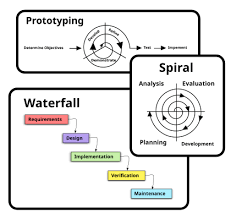
  • Waterfall: A linear approach where each phase of the development process must be completed before moving on to the next.
  • Agile: An iterative and flexible approach that emphasizes collaboration, adaptability, and customer feedback.
  • Scrum: A subset of Agile that focuses on small, cross-functional teams working in short iterations called sprints.
  • Kanban: A visual method for managing work as it moves through various stages of development.
  • Spiral: A risk-driven model that combines elements of both waterfall and prototyping methodologies.

The Importance of Choosing the Right Methodology

Selecting the appropriate software development methodology is crucial for the success of a project. Factors such as project size, complexity, timeline, budget, and team expertise should be considered when deciding which methodology to adopt. Each methodology has its strengths and weaknesses, so it’s essential to choose one that aligns with the project requirements and goals.

The Software Development Lifecycle

The software development lifecycle (SDLC) is a fundamental component of any methodology. It typically consists of several phases, including:

  1. Planning: Defining project scope, goals, requirements, and timelines.
  2. Analysis: Gathering information and analyzing user needs to create a detailed specification document.
  3. Design: Creating a blueprint for the software based on the analysis phase.
  4. Implementation: Writing code based on the design specifications.
  5. Testing: Verifying that the software functions correctly and meets user requirements.
  6. Deployment: Releasing the software to users after thorough testing and quality assurance checks.
  7. Maintenance: Providing ongoing support, updates, and enhancements to ensure continued functionality.

In Conclusion

In conclusion, software development methodology plays a critical role in guiding how projects are planned, executed, and delivered. By understanding different methodologies and their principles, teams can choose the most suitable approach for their specific needs. Ultimately, selecting the right methodology can lead to more efficient development processes, improved collaboration among team members, higher-quality products, and increased customer satisfaction.


9 Essential Tips for Mastering Software Development Methodology

  1. Define clear project goals and requirements before starting development.
  2. Choose a suitable software development methodology based on the project’s needs.
  3. Break down the project into smaller tasks to improve manageability.
  4. Regularly communicate with team members to ensure everyone is on the same page.
  5. Use version control systems to track changes and collaborate efficiently.
  6. Perform regular testing throughout the development process to catch bugs early.
  7. Document code and processes to facilitate maintenance and future updates.
  8. Seek feedback from stakeholders at key milestones for course correction if needed.
  9. Continuously evaluate and improve your software development process.

Define clear project goals and requirements before starting development.

It is crucial to define clear project goals and requirements before initiating the software development process. By establishing a solid understanding of what needs to be achieved and the specific features that are essential for the project, teams can ensure that the development efforts are focused and aligned with the desired outcomes. Clear project goals and requirements serve as a roadmap for the development team, guiding their decisions and actions throughout the software development lifecycle. This proactive approach helps prevent misunderstandings, scope creep, and unnecessary rework, ultimately leading to a more efficient and successful development process.

Choose a suitable software development methodology based on the project’s needs.

When embarking on a software development project, it is essential to carefully consider and choose a suitable software development methodology that aligns with the project’s specific needs. By selecting the right methodology, tailored to factors such as project size, complexity, timeline, budget, and team expertise, teams can enhance efficiency, collaboration, and ultimately deliver high-quality software that meets user requirements effectively. Making an informed decision on the methodology ensures that the development process is well-structured and optimized for success from start to finish.

Break down the project into smaller tasks to improve manageability.

Breaking down the project into smaller tasks is a valuable tip in software development methodology as it enhances manageability and overall project efficiency. By dividing the project into manageable chunks, teams can focus on individual tasks more effectively, track progress accurately, and address any issues promptly. This approach also helps in better resource allocation, prioritization of work, and improved collaboration among team members. Ultimately, breaking down the project into smaller tasks enables a more structured and organized development process, leading to successful project completion within the set timelines.

Regularly communicate with team members to ensure everyone is on the same page.

Regular communication with team members is a crucial tip in software development methodology. It helps ensure that everyone involved in the project is aligned and working towards the same goals. By fostering open and transparent communication, team members can share updates, clarify requirements, address issues promptly, and maintain a cohesive workflow. Regular check-ins and discussions also promote collaboration, boost morale, and enhance overall productivity within the team.

Use version control systems to track changes and collaborate efficiently.

Utilizing version control systems is a crucial tip in software development methodology as it allows teams to track changes, manage code versions, and collaborate efficiently. By using version control systems such as Git or SVN, developers can work on the same codebase simultaneously without the risk of conflicting changes. This ensures that all team members have access to the latest version of the code, simplifying collaboration and reducing the chances of errors. Additionally, version control systems provide a detailed history of changes made to the codebase, making it easier to identify issues, revert to previous versions if needed, and maintain a well-organized development process.

Perform regular testing throughout the development process to catch bugs early.

Performing regular testing throughout the software development process is a crucial tip to catch bugs early and ensure the overall quality of the product. By conducting tests at various stages of development, developers can identify and address issues promptly, preventing them from escalating into more significant problems later on. Early bug detection not only helps in maintaining the stability and reliability of the software but also saves time and resources by avoiding costly rework in the later stages of development. Prioritizing regular testing fosters a proactive approach to quality assurance, leading to a smoother development process and a higher level of customer satisfaction in the end product.

Document code and processes to facilitate maintenance and future updates.

Documenting code and processes is a crucial tip in software development methodology as it helps facilitate maintenance and future updates. By creating clear and detailed documentation, developers can easily understand the logic behind the code, making it simpler to troubleshoot issues, implement changes, and add new features. Documentation also aids in knowledge transfer within teams, ensuring that multiple developers can work on the same codebase efficiently. Ultimately, well-documented code and processes contribute to the long-term sustainability of a software project by reducing errors, enhancing productivity, and enabling seamless maintenance and updates.

Seek feedback from stakeholders at key milestones for course correction if needed.

Seeking feedback from stakeholders at key milestones in the software development process is crucial for course correction if needed. By involving stakeholders early and regularly throughout the project, developers can ensure that the final product aligns with the stakeholders’ expectations and requirements. This feedback loop allows for timely adjustments to be made, reducing the risk of costly rework later on. Effective communication and collaboration with stakeholders can lead to a more successful outcome and a product that meets both business objectives and user needs.

Continuously evaluate and improve your software development process.

Continuously evaluating and improving your software development process is essential for ensuring efficiency, quality, and adaptability in your projects. By regularly assessing the effectiveness of your methodology, identifying areas for enhancement, and implementing necessary changes, you can optimize your development workflow and deliver better results. This iterative approach not only helps in addressing any inefficiencies or bottlenecks but also fosters a culture of continuous learning and innovation within your team, leading to continuous growth and success in software development endeavors.

software sales and development

Driving Growth Through Software Sales and Development Strategies

Software Sales and Development

The Dynamics of Software Sales and Development

In today’s digital age, software plays a crucial role in almost every aspect of our lives. From business operations to personal productivity, the demand for innovative software solutions is ever-growing. This has led to a thriving industry focused on software sales and development.

Software Sales

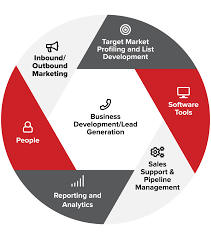
Software sales involve the process of marketing and selling software products to businesses and consumers. A successful software sales strategy requires a deep understanding of market trends, customer needs, and effective communication with potential clients.

Key aspects of software sales include:

  • Identifying Target Markets: Understanding the specific industries or demographics that would benefit most from the software product.
  • Demonstrating Value: Clearly articulating how the software can solve problems or improve efficiency for potential customers.
  • Closing Deals: Negotiating pricing, licensing agreements, and providing support to secure sales.

Software Development

Software development is the process of creating, designing, programming, testing, and maintaining software applications. It involves a team of skilled developers who work together to turn ideas into functional products that meet user requirements.

Key stages of software development include:

  • Planning: Defining project scope, requirements gathering, and creating a roadmap for development.
  • Design: Creating wireframes, user interfaces, and architectural plans for the software application.
  • Development: Writing code, implementing features, and ensuring functionality meets specifications.
  • Testing: Conducting quality assurance tests to identify bugs or issues that need to be resolved before release.
  • Deployment & Maintenance: Releasing the software to users and providing ongoing support, updates, and improvements as needed.

The Intersection of Sales and Development

In the world of software sales and development, collaboration between sales teams and developers is essential for success. Sales teams provide valuable insights into customer needs and preferences while developers create solutions that address those requirements.

This synergy ensures that software products are not only marketable but also meet high standards of functionality and usability. Effective communication between these two departments results in products that resonate with customers and drive business growth.

In conclusion, the relationship between software sales and development is symbiotic. By understanding market demands, delivering innovative solutions, and fostering collaboration between teams, companies can thrive in this dynamic industry where technology continues to shape our future.


7 Essential Tips for Success in Software Sales and Development

  1. Understand your customers’ needs and pain points.
  2. Clearly communicate the value proposition of your software.
  3. Provide excellent customer support and service.
  4. Stay updated on industry trends and technologies.
  5. Collaborate with cross-functional teams for successful development.
  6. Offer flexible pricing options to cater to different customer segments.
  7. Continuously gather feedback for product improvement.

Understand your customers’ needs and pain points.

To excel in software sales and development, it is crucial to deeply understand your customers’ needs and pain points. By actively listening to their challenges and requirements, you can tailor software solutions that address specific issues and provide valuable benefits. This customer-centric approach not only enhances the effectiveness of your sales strategy but also guides the development process towards creating products that truly resonate with users, ultimately leading to greater satisfaction and success in the market.

Clearly communicate the value proposition of your software.

In the realm of software sales and development, one crucial tip is to always clearly communicate the value proposition of your software. By articulating how your software can address specific pain points, improve efficiency, or enhance user experience, you create a compelling case for potential customers to invest in your product. Effective communication of the unique benefits and features of your software not only attracts interest but also builds trust and credibility with clients. This clarity in conveying the value proposition sets the foundation for successful sales and long-term customer satisfaction in the competitive software market.

Provide excellent customer support and service.

Providing excellent customer support and service is a cornerstone of successful software sales and development. By offering timely assistance, addressing customer queries, and resolving issues promptly, businesses can build trust with their clients and enhance user satisfaction. A strong focus on customer support not only helps retain existing customers but also attracts new ones through positive word-of-mouth referrals. Ultimately, prioritizing exceptional customer service fosters long-term relationships and contributes to the overall success of software products in the market.

To excel in software sales and development, it is crucial to stay updated on industry trends and technologies. By keeping abreast of the latest advancements, emerging technologies, and shifting market demands, professionals can adapt their strategies and offerings to meet the evolving needs of customers. Continuous learning and staying informed about industry trends not only enhance one’s expertise but also enable them to deliver innovative solutions that resonate with clients, ultimately driving success in the competitive landscape of software sales and development.

Collaborate with cross-functional teams for successful development.

Collaborating with cross-functional teams is a crucial tip for successful software sales and development. By bringing together individuals with diverse expertise, such as sales, development, marketing, and customer support, companies can ensure that software products not only meet technical requirements but also align with market demands and customer needs. This collaborative approach fosters innovation, enhances communication, and ultimately leads to the creation of high-quality software solutions that drive business growth and customer satisfaction.

Offer flexible pricing options to cater to different customer segments.

Offering flexible pricing options is a strategic approach in software sales and development to cater to different customer segments. By providing a range of pricing plans, such as tiered packages or subscription models, businesses can accommodate the diverse needs and budgets of their customers. This flexibility not only enhances customer satisfaction but also expands the reach of the software product to a wider audience. It demonstrates an understanding of market dynamics and allows companies to tailor their offerings to meet specific requirements, ultimately driving sales and fostering long-term relationships with clients.

Continuously gather feedback for product improvement.

Continuously gathering feedback for product improvement is a crucial tip in software sales and development. By actively seeking input from users, businesses can gain valuable insights into how their software is being used and identify areas for enhancement. This feedback loop not only helps in addressing user needs but also allows for iterative improvements that keep the product competitive and relevant in the market. Embracing feedback as a tool for growth fosters a customer-centric approach, leading to higher satisfaction levels and increased success in the ever-evolving landscape of software sales and development.

the xamarin cross platform development software is owned by

Xamarin: The Cross-Platform Development Software Owned by Microsoft

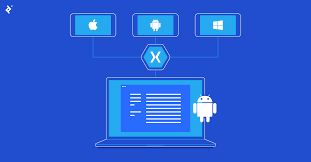
Xamarin, a popular cross-platform development software, is owned by Microsoft. The acquisition of Xamarin by Microsoft in 2016 marked a significant milestone in the world of mobile app development. Xamarin allows developers to create native applications for iOS, Android, and Windows using a single codebase, making it a valuable tool for businesses and individual developers alike.

With Xamarin, developers can leverage their existing C# skills and codebase to build high-performance apps that offer a native user experience on each platform. This not only streamlines the development process but also ensures consistency across different operating systems.

Microsoft’s ownership of Xamarin has further strengthened its integration with Visual Studio, providing developers with a comprehensive suite of tools for building, testing, and deploying cross-platform applications. The collaboration between Microsoft and Xamarin continues to drive innovation in the realm of mobile app development, empowering developers to create cutting-edge solutions for a diverse range of devices.

Overall, Xamarin’s ownership by Microsoft underscores the commitment to empowering developers with powerful tools and resources to succeed in today’s competitive app market.


Frequently Asked Questions About Xamarin Cross-Platform Development and Its Ownership

  1. What is Xamarin cross-platform?
  2. Is Xamarin supported by Microsoft?
  3. Is Xamarin a .NET framework?
  4. Is Xamarin a Microsoft product?
  5. Which companies uses Xamarin?

What is Xamarin cross-platform?

Xamarin cross-platform development refers to the practice of using Xamarin, a software owned by Microsoft, to build mobile applications that can run on multiple operating systems such as iOS, Android, and Windows. By utilizing Xamarin’s technology, developers can write code once in C# and deploy it across different platforms, saving time and effort compared to developing separate native apps for each operating system. Xamarin ensures that the final applications maintain a native look and feel on each platform, providing users with a seamless experience regardless of the device they are using. This approach to cross-platform development streamlines the process for developers and allows them to reach a wider audience with their apps.

Is Xamarin supported by Microsoft?

Yes, Xamarin is supported by Microsoft. Microsoft acquired Xamarin in 2016, integrating it into its suite of development tools and services. This acquisition has strengthened Xamarin’s capabilities and its integration with Microsoft’s ecosystem, particularly Visual Studio. As a result, developers using Xamarin can benefit from the support and resources provided by Microsoft, ensuring that they have access to the latest updates, features, and technical assistance to create high-quality cross-platform applications efficiently.

Is Xamarin a .NET framework?

Xamarin is closely associated with the .NET framework, as it allows developers to use C# and .NET to build cross-platform applications. Xamarin extends the capabilities of the .NET framework by enabling developers to create native mobile apps for iOS, Android, and Windows platforms using a shared codebase. This integration with .NET framework not only simplifies the development process but also ensures that developers can leverage their existing skills and knowledge to create high-quality, performant apps across multiple platforms.

Is Xamarin a Microsoft product?

Yes, Xamarin is indeed a Microsoft product. Microsoft acquired Xamarin in 2016, a move that solidified its position in the cross-platform development space. By bringing Xamarin under its umbrella, Microsoft has been able to enhance its offerings for developers looking to create native applications for multiple platforms using a single codebase. The integration of Xamarin with Microsoft’s existing tools and services has further streamlined the development process and provided developers with a comprehensive solution for building high-quality cross-platform apps.

Which companies uses Xamarin?

Several prominent companies across various industries utilize Xamarin for their cross-platform development needs. Companies such as UPS, Alaska Airlines, and Siemens have leveraged Xamarin to create robust and high-performing mobile applications that cater to their specific business requirements. By adopting Xamarin, these companies benefit from the ability to streamline their development processes, reduce time-to-market, and maintain a consistent user experience across multiple platforms. The versatility and efficiency of Xamarin make it an attractive choice for organizations looking to deliver innovative and seamless mobile solutions to their customers while maximizing development resources.

traditional software development

Exploring the Foundations of Traditional Software Development

The Essence of Traditional Software Development

The Essence of Traditional Software Development

Traditional software development has been the cornerstone of the tech industry for decades. It involves a structured approach to building software applications, following a linear process from requirements gathering to deployment.

In traditional software development, the Waterfall model is often used, where each phase of the project is completed before moving on to the next. This sequential approach ensures thorough planning and documentation at each stage, leading to a well-defined final product.

Key characteristics of traditional software development include:

  • Requirement Analysis: Detailed analysis of user needs and system requirements.
  • Design: Creation of a blueprint outlining the architecture and functionality of the software.
  • Implementation: Writing code based on the design specifications.
  • Testing: Verification and validation of the software to ensure it meets requirements.
  • Deployment: Release and installation of the software for end-users.

While traditional software development has its advantages, such as clear project milestones and deliverables, it also has limitations. The linear nature of the process can lead to inflexibility when changes are needed mid-project. Additionally, long development cycles may result in delays in delivering the final product.

In recent years, Agile methodologies have gained popularity as an alternative to traditional software development. Agile focuses on iterative development, allowing for more flexibility and quicker adaptation to changing requirements.

Despite the rise of Agile practices, traditional software development continues to be relevant in certain contexts where a structured and predictable approach is required. Many organizations still rely on traditional methods for projects with well-defined scope and stable requirements.

In conclusion, traditional software development remains a fundamental approach in the tech industry, offering a systematic way to build reliable and robust software applications. While newer methodologies may offer different benefits, understanding the essence of traditional development is essential for any aspiring software developer.


Advantages of Traditional Software Development: Tracking Progress, Minimizing Risks, and Ensuring Quality

  1. Clear project milestones and deliverables help track progress.
  2. Thorough planning and documentation ensure a well-defined final product.
  3. Structured approach minimizes risks of scope creep and requirement changes.
  4. Well-suited for projects with stable requirements and predictable outcomes.
  5. Established processes provide a framework for consistent quality assurance.


Challenges of Traditional Software Development: Inflexibility, Delays, and High Costs

  1. Rigid and inflexible when changes are needed mid-project
  2. Long development cycles may lead to delays in delivering the final product
  3. Limited collaboration between developers and stakeholders
  4. Difficulty in adapting to evolving requirements and technologies
  5. Higher risk of project failure due to lack of early feedback
  6. Costly to make significant changes once the project is in progress

Clear project milestones and deliverables help track progress.

Clear project milestones and deliverables in traditional software development serve as valuable markers that help track progress effectively. By breaking down the project into distinct phases with specific goals and outcomes, teams can monitor their advancement, identify potential bottlenecks early on, and ensure that the project stays on track towards successful completion. This structured approach not only provides a sense of accomplishment as milestones are achieved but also enables better project management and communication among team members and stakeholders.

Thorough planning and documentation ensure a well-defined final product.

Thorough planning and documentation in traditional software development play a crucial role in ensuring a well-defined final product. By meticulously analyzing user requirements, designing detailed blueprints, and documenting every aspect of the development process, teams can minimize ambiguity and misunderstandings throughout the project lifecycle. This structured approach not only helps developers stay on track but also enables stakeholders to have a clear understanding of the project’s progress and expected outcomes. Ultimately, this meticulous planning and documentation contribute to the delivery of a high-quality software product that meets the specified requirements and expectations.

Structured approach minimizes risks of scope creep and requirement changes.

One of the key advantages of traditional software development is its structured approach, which helps minimize the risks of scope creep and requirement changes. By thoroughly defining project requirements and creating a detailed plan upfront, traditional development methodologies establish a clear roadmap for the entire project. This proactive approach reduces the likelihood of unexpected changes in scope or requirements later in the development process, leading to more predictable outcomes and better control over project timelines and budgets.

Well-suited for projects with stable requirements and predictable outcomes.

Traditional software development is well-suited for projects with stable requirements and predictable outcomes. This approach allows for thorough planning and documentation at each stage of the development process, ensuring that the final product aligns closely with the initial specifications. By following a structured and linear approach, traditional software development minimizes the risk of scope creep and provides a clear roadmap for achieving predictable outcomes. This reliability makes it an ideal choice for projects where requirements are well-defined and unlikely to change significantly throughout the development cycle.

Established processes provide a framework for consistent quality assurance.

Established processes in traditional software development provide a framework for consistent quality assurance throughout the project lifecycle. By following a structured approach that includes defined requirements analysis, thorough design, rigorous testing, and deployment procedures, teams can ensure that quality standards are maintained at every stage of development. This systematic method helps identify and address potential issues early on, leading to a more reliable and high-quality final product. Consistent quality assurance practices not only enhance the overall performance of the software but also instill confidence in stakeholders regarding the reliability and functionality of the end product.

Rigid and inflexible when changes are needed mid-project

One significant drawback of traditional software development is its rigidity and inflexibility when changes are required mid-project. The linear nature of the Waterfall model, commonly used in traditional development, dictates that each phase must be completed before moving on to the next. This sequential approach makes it challenging to accommodate changes in requirements, design, or functionality once a phase is finished. As a result, any modifications or additions requested during the development process can disrupt the entire project timeline and may lead to delays and increased costs.

Long development cycles may lead to delays in delivering the final product

One significant drawback of traditional software development is the potential for long development cycles, which can result in delays in delivering the final product. The linear nature of the traditional approach, where each phase must be completed before moving on to the next, can lead to extended timelines as any changes or issues discovered late in the process may require going back to earlier stages for modifications. These delays not only affect the project schedule but also impact time-to-market and may result in missed opportunities in a fast-paced industry where agility and quick delivery are key factors for success.

Limited collaboration between developers and stakeholders

In traditional software development, a significant drawback is the limited collaboration between developers and stakeholders. The linear nature of the process, where requirements are gathered upfront and handed off to developers, often results in minimal communication and interaction between the two parties. This lack of collaboration can lead to misunderstandings, misinterpretations of requirements, and ultimately, a disconnect between the intended functionality of the software and the actual delivered product. Embracing more collaborative approaches, such as Agile methodologies, can help bridge this gap and ensure that developers and stakeholders work closely together throughout the project lifecycle to deliver successful outcomes.

Difficulty in adapting to evolving requirements and technologies

One significant drawback of traditional software development is the challenge it faces in adapting to evolving requirements and technologies. The linear nature of the process, with its emphasis on thorough planning and documentation upfront, can make it difficult to accommodate changes that arise as a project progresses. In today’s fast-paced tech landscape where requirements and technologies evolve rapidly, this inflexibility can lead to delays, increased costs, and ultimately, a product that may not fully meet the current needs of users or market demands.

Higher risk of project failure due to lack of early feedback

One significant con of traditional software development is the higher risk of project failure due to the lack of early feedback. In this approach, requirements are gathered and documented extensively at the beginning of the project, and development progresses through sequential stages without much room for iterative feedback. This lack of early feedback can result in misunderstandings or misinterpretations of requirements, leading to costly rework later in the project lifecycle. Without timely input from stakeholders and users, there is a higher likelihood of delivering a final product that does not meet their expectations or needs, ultimately increasing the risk of project failure.

Costly to make significant changes once the project is in progress

One significant drawback of traditional software development is the high cost associated with making significant changes once the project is already in progress. Since traditional development follows a linear process where each phase builds upon the previous one, introducing major modifications mid-project can disrupt the entire workflow and require extensive rework. This can lead to increased expenses in terms of time, resources, and effort to accommodate the changes effectively. The rigidity of the sequential approach in traditional software development makes it challenging and costly to adapt to evolving requirements or address unforeseen issues without impacting project timelines and budgets significantly.

desktop software development

Exploring the World of Desktop Software Development

Desktop Software Development

The Art and Science of Desktop Software Development

Desktop software development is a fascinating field that combines creativity, problem-solving, and technical expertise. From simple utilities to complex applications, desktop software plays a crucial role in our daily lives.

Understanding Desktop Software Development

Desktop software refers to applications that are installed and run on individual computers or laptops. Unlike web-based applications that require an internet connection, desktop software operates independently on the user’s device.

Developing desktop software involves several key steps:

  • Requirement Analysis: Understanding the needs and expectations of users to define the software’s functionality.
  • Design: Creating a user-friendly interface and defining the architecture of the application.
  • Coding: Writing the code that brings the design to life, using programming languages such as Java, C++, or Python.
  • Testing: Identifying and fixing bugs to ensure the software functions correctly.
  • Deployment: Releasing the software for users to install and use on their devices.

The Benefits of Desktop Software

Desktop software offers several advantages over web-based applications, including:

  • Performance: Desktop applications typically run faster and more efficiently than web apps since they are installed locally on the device.
  • Offline Access: Users can access desktop software even without an internet connection, making them ideal for tasks that require offline functionality.
  • Data Security: Desktop applications store data locally, reducing the risk of data breaches compared to cloud-based solutions.

The Future of Desktop Software Development

In a world increasingly dominated by mobile and web applications, desktop software development continues to thrive. As technology evolves, developers are exploring new ways to enhance user experience, improve performance, and integrate innovative features into desktop applications.

Whether you’re a seasoned developer or just starting in the field, desktop software development offers endless possibilities for creativity and innovation. Embrace the challenge, hone your skills, and contribute to shaping the future of technology through desktop applications!


9 Essential Tips for Effective Desktop Software Development

  1. Follow best practices for clean and maintainable code.
  2. Use version control to track changes and collaborate with others.
  3. Document your code thoroughly for yourself and other developers.
  4. Test your software regularly to catch bugs early on.
  5. Consider user experience design for an intuitive interface.
  6. Optimize performance by identifying and resolving bottlenecks.
  7. Stay updated on new technologies and frameworks in the industry.
  8. Secure your software against potential vulnerabilities and attacks.
  9. Seek feedback from users to improve the functionality of your software.

Follow best practices for clean and maintainable code.

Following best practices for clean and maintainable code is essential in desktop software development. By adhering to established coding standards, proper documentation, and modular design principles, developers can ensure that their code is easy to read, understand, and maintain. Clean code not only enhances the overall quality of the software but also simplifies troubleshooting and future updates. Embracing best practices fosters collaboration among team members and promotes efficient development processes, ultimately leading to a more robust and sustainable desktop application.

Use version control to track changes and collaborate with others.

Utilizing version control in desktop software development is essential for tracking changes, managing code revisions, and collaborating effectively with team members. By implementing version control systems like Git or SVN, developers can maintain a history of modifications, revert to previous versions if needed, and seamlessly collaborate on projects with colleagues. This practice not only ensures code integrity and consistency but also streamlines the development process by enabling efficient teamwork and facilitating smoother integration of new features.

Document your code thoroughly for yourself and other developers.

Documenting your code thoroughly is essential in desktop software development, both for yourself and other developers who may work on the project in the future. Clear and detailed documentation not only helps you understand your own code better but also facilitates collaboration and maintenance tasks. By providing comprehensive explanations of your code’s functionality, structure, and purpose, you ensure that anyone who reads it can easily grasp its intricacies and make necessary modifications without confusion. Remember, well-documented code is a valuable asset that enhances the overall quality and longevity of your software project.

Test your software regularly to catch bugs early on.

Testing your software regularly is crucial in the realm of desktop software development. By conducting frequent testing, developers can identify and rectify bugs at an early stage of the development process. This proactive approach not only ensures a smoother user experience but also helps in maintaining the overall quality and reliability of the software. Regular testing allows for efficient bug fixing, ultimately saving time and resources in the long run.

Consider user experience design for an intuitive interface.

When delving into desktop software development, it is crucial to prioritize user experience design to create an intuitive interface. By considering the user’s perspective and designing with their needs in mind, developers can ensure that the software is user-friendly and easy to navigate. A well-thought-out user experience design enhances usability, increases user satisfaction, and ultimately contributes to the success of the desktop application.

Optimize performance by identifying and resolving bottlenecks.

To optimize performance in desktop software development, it is crucial to identify and resolve bottlenecks. Bottlenecks are points in the software where the performance is significantly hindered, leading to slower execution or resource inefficiencies. By pinpointing these bottlenecks through thorough analysis and testing, developers can make targeted improvements to enhance the overall speed and efficiency of the application. Addressing bottlenecks not only improves user experience but also ensures that the software operates smoothly and effectively under various conditions.

Stay updated on new technologies and frameworks in the industry.

To excel in desktop software development, it is crucial to stay updated on new technologies and frameworks in the industry. By keeping abreast of the latest advancements, developers can leverage cutting-edge tools to enhance their projects, streamline development processes, and deliver innovative solutions that meet the evolving needs of users. Continuous learning and adaptation to emerging technologies not only sharpen one’s skills but also ensure relevance and competitiveness in the dynamic field of desktop software development.

Secure your software against potential vulnerabilities and attacks.

It is crucial to prioritize security measures in desktop software development to safeguard against potential vulnerabilities and attacks. Implementing robust security protocols, such as encryption, authentication mechanisms, and regular security updates, can help protect sensitive data and prevent unauthorized access. By staying vigilant and proactive in addressing security concerns, developers can enhance the resilience of their software and provide users with a safe and secure computing experience.

Seek feedback from users to improve the functionality of your software.

Seeking feedback from users is a crucial step in desktop software development to enhance the functionality and user experience of your application. By actively listening to user input, you can identify areas for improvement, address usability issues, and implement features that align with user preferences. User feedback serves as valuable guidance for refining your software, ensuring that it meets the needs and expectations of your target audience effectively.

software design and development

Mastering the Art of Software Design and Development

Article: Software Design and Development

The Art of Software Design and Development

Software design and development are crucial processes in creating efficient, reliable, and user-friendly applications. Whether it’s a simple mobile app or a complex enterprise system, the principles of software design and development remain consistent.

Software Design

Software design involves planning how a software system will be structured and how its components will interact with each other. It encompasses architectural decisions, interface design, data structures, and algorithms. A well-thought-out design lays the foundation for a successful software project.

Key Aspects of Software Design:

  • Modularity: Breaking down the system into manageable modules that can be developed and tested independently.
  • Abstraction: Hiding complex implementation details behind simple interfaces to improve clarity and maintainability.
  • Scalability: Designing the software to accommodate growth in data volume or user traffic without compromising performance.
  • Flexibility: Building the software in a way that allows for easy modifications or additions in the future.

Software Development

Software development is the process of turning a software design into a functioning product. It involves writing code, testing it, debugging issues, and optimizing performance. Effective collaboration among developers, testers, designers, and project managers is essential for successful software development.

Phases of Software Development:

  1. Requirements Analysis: Understanding the needs of users and defining the features that the software should have.
  2. Design: Translating requirements into a detailed plan for how the software will be implemented.
  3. Coding: Writing code according to the design specifications while following best practices and coding standards.
  4. Testing: Verifying that the software functions correctly and meets all requirements through various testing methods.
  5. Deployment: Releasing the software to users after thorough testing and ensuring compatibility with different environments.
  6. Maintenance: Providing ongoing support, updates, and enhancements to keep the software relevant and secure.

In conclusion, software design and development are intricate processes that require careful planning, expertise, and collaboration. By following best practices in both areas, developers can create robust applications that meet user needs effectively. Continuous learning and adaptation to new technologies are essential for staying competitive in today’s fast-paced digital landscape.


Top 5 FAQs About Software Design and Development: Principles, Impact, Challenges, and Agile Solutions

  1. What is software design and development?
  2. What are the key principles of software design?
  3. How does software design impact the overall quality of a product?
  4. What are the common challenges faced during software development?
  5. How can agile methodologies improve the efficiency of software design and development?

What is software design and development?

Software design and development refer to the systematic processes involved in creating software applications. Software design focuses on planning the structure, components, and interactions of a software system, while software development involves implementing the design through coding, testing, and deployment. It encompasses various stages such as requirements analysis, design, coding, testing, deployment, and maintenance. Effective software design and development are essential for producing high-quality, reliable, and user-friendly applications that meet the needs of users and businesses.

What are the key principles of software design?

One frequently asked question in the realm of software design and development is, “What are the key principles of software design?” The key principles of software design revolve around modularity, abstraction, scalability, and flexibility. Modularity involves breaking down a system into manageable modules for independent development and testing. Abstraction focuses on concealing complex implementation details behind simple interfaces to enhance clarity and maintainability. Scalability ensures that the software can handle growth in data volume or user traffic without sacrificing performance. Lastly, flexibility entails designing the software to accommodate future modifications or additions seamlessly. These principles form the foundation for creating well-structured, efficient, and adaptable software systems.

How does software design impact the overall quality of a product?

The impact of software design on the overall quality of a product cannot be overstated. A well-thought-out and meticulously executed software design lays the groundwork for a product that is not only functional but also reliable, scalable, and maintainable. By focusing on aspects such as modularity, abstraction, scalability, and flexibility during the design phase, developers can create a system that is easier to understand, test, and enhance. A robust design reduces the likelihood of bugs and errors, improves performance, and enhances user experience. Ultimately, investing time and effort in software design leads to a higher-quality product that meets user expectations and stands the test of time.

What are the common challenges faced during software development?

During software development, several common challenges often arise that can impact the success of a project. One prevalent challenge is managing changing requirements, as stakeholders may introduce new features or modifications during the development process, leading to scope creep and potential delays. Another challenge is ensuring effective communication among team members, as miscommunication can result in misunderstandings, errors, and inefficiencies. Additionally, maintaining code quality and scalability while meeting deadlines poses a significant challenge for developers. Addressing these challenges requires proactive planning, clear communication, agile methodologies, and continuous collaboration to navigate the complexities of software design and development successfully.

How can agile methodologies improve the efficiency of software design and development?

Agile methodologies can significantly enhance the efficiency of software design and development by promoting iterative and collaborative approaches. Unlike traditional waterfall methods, agile frameworks like Scrum or Kanban allow for continuous feedback, adaptation, and prioritization of tasks throughout the development process. This iterative nature enables teams to respond quickly to changing requirements, identify issues early on, and deliver incremental value to users. By fostering close collaboration among team members and stakeholders, agile methodologies encourage transparency, communication, and shared ownership of the project goals. Ultimately, embracing agile practices can lead to faster delivery of high-quality software that better aligns with user needs and market demands.

end to end software development

Mastering End-to-End Software Development: A Comprehensive Guide

The Importance of End-to-End Software Development

The Importance of End-to-End Software Development

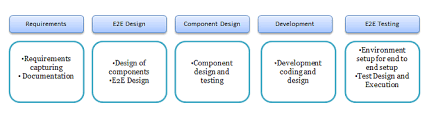
In the world of software development, the concept of end-to-end development plays a crucial role in ensuring the successful delivery of high-quality applications. End-to-end software development refers to the process of creating a software product from concept to deployment, encompassing all stages of development.

Key Phases of End-to-End Software Development:

  1. Planning and Analysis: This phase involves gathering requirements, defining project scope, and creating a roadmap for development.
  2. Design: During this stage, the architecture, user interface, and overall design of the software are conceptualized and documented.
  3. Development: The actual coding and implementation of the software take place in this phase, where developers bring the design to life.
  4. Testing: Quality assurance is essential in end-to-end development to identify and fix bugs or issues before deployment.
  5. Deployment and Maintenance: Once testing is complete, the software is deployed to production environments, followed by ongoing maintenance and support.

The Benefits of End-to-End Software Development:

  • Streamlined Process: By following a structured end-to-end approach, teams can ensure smoother collaboration and communication throughout the project lifecycle.
  • Better Quality Control: Comprehensive testing at every stage helps identify and rectify issues early on, leading to a more robust final product.
  • Faster Time to Market: Efficient planning and execution result in quicker delivery times, allowing businesses to stay competitive in rapidly evolving markets.
  • Cohesive User Experience: A holistic approach ensures that all components of the software work seamlessly together, providing users with a consistent experience.
  • Improved Customer Satisfaction: Delivering a well-designed and fully functional product enhances customer satisfaction and loyalty.

In conclusion, end-to-end software development is essential for creating successful applications that meet user needs while adhering to quality standards. By embracing this comprehensive approach, organizations can drive innovation, increase efficiency, and achieve their business objectives effectively.


Understanding End-to-End Software Development: 9 Key Questions Answered

  1. What is end-to-end software development?
  2. Why is end-to-end software development important?
  3. What are the key phases of end-to-end software development?
  4. How does planning and analysis contribute to end-to-end software development?
  5. What role does design play in the process of end-to-end software development?
  6. Why is testing crucial in end-to-end software development?
  7. How is deployment and maintenance managed in the context of end-to-end software development?
  8. What are the benefits of following an end-to-end approach in software development?
  9. How can organizations ensure successful implementation of end-to-end software development?

What is end-to-end software development?

End-to-end software development refers to the comprehensive process of creating a software product from its initial concept to its final deployment and ongoing maintenance. This approach encompasses all stages of development, including planning, design, coding, testing, deployment, and support. By following an end-to-end software development methodology, teams ensure that every aspect of the software is carefully crafted and integrated to deliver a high-quality product that meets user requirements effectively. This holistic approach aims to streamline the development process, enhance quality control, and ultimately deliver successful software solutions that drive business value and user satisfaction.

Why is end-to-end software development important?

Understanding the importance of end-to-end software development is crucial for achieving successful outcomes in software projects. End-to-end development ensures a comprehensive approach from initial planning and design to deployment and maintenance. By encompassing all stages of the development lifecycle, teams can streamline processes, maintain quality control, accelerate time to market, enhance user experience, and ultimately boost customer satisfaction. Embracing end-to-end software development is key to delivering robust, reliable, and user-friendly applications that meet the evolving needs of businesses and users alike.

What are the key phases of end-to-end software development?

One of the frequently asked questions regarding end-to-end software development is, “What are the key phases of end-to-end software development?” The key phases of end-to-end software development typically include planning and analysis, design, development, testing, and deployment/maintenance. Each phase plays a crucial role in the overall success of a software project, starting from gathering requirements and defining project scope to coding, testing for quality assurance, and finally deploying the software to production environments with ongoing maintenance. Following these structured phases ensures a systematic approach to creating high-quality software products that meet user needs effectively.

How does planning and analysis contribute to end-to-end software development?

Planning and analysis play a crucial role in contributing to end-to-end software development by setting the foundation for a successful project. During the planning and analysis phase, requirements are gathered, project scope is defined, and a roadmap for development is established. This initial stage allows stakeholders to align on project goals, identify potential challenges, and create a clear vision for the software product. Effective planning and analysis help in laying out the groundwork for design, development, testing, deployment, and maintenance phases, ensuring that the software meets user needs, quality standards, and business objectives throughout the entire development lifecycle.

What role does design play in the process of end-to-end software development?

In the process of end-to-end software development, design plays a pivotal role in shaping the user experience and functionality of the final product. Design encompasses not only the visual aesthetics but also the overall architecture, usability, and interaction flow of the software. A well-thought-out design phase ensures that user needs are met, and the software is intuitive and easy to navigate. By considering design early in the development process, teams can align on a cohesive vision for the product and avoid costly rework later on. Ultimately, design acts as a guiding force that influences every aspect of software development, contributing to a successful end-to-end delivery that resonates with users and meets business objectives.

Why is testing crucial in end-to-end software development?

Testing plays a crucial role in end-to-end software development as it helps ensure the quality, reliability, and functionality of the final product. By conducting thorough testing at each stage of the development process, developers can identify and address issues early on, preventing costly errors from reaching production environments. Testing also helps validate that all components of the software work together seamlessly, providing a smooth user experience. Ultimately, robust testing practices in end-to-end software development contribute to delivering a high-quality product that meets user expectations and business requirements.

How is deployment and maintenance managed in the context of end-to-end software development?

In the context of end-to-end software development, deployment and maintenance are crucial stages that require careful planning and management. Deployment involves the process of releasing the software to production environments, ensuring that it functions correctly and efficiently for end-users. This phase typically involves coordination between development teams, system administrators, and stakeholders to minimize downtime and ensure a smooth transition. On the other hand, maintenance involves ongoing support, updates, and bug fixes to keep the software running smoothly post-deployment. Effective deployment and maintenance strategies in end-to-end development require continuous monitoring, feedback loops, automation tools, and collaboration among cross-functional teams to address issues promptly and optimize performance for long-term success.

What are the benefits of following an end-to-end approach in software development?

Following an end-to-end approach in software development offers a multitude of benefits. By encompassing all stages of the development process from planning and analysis to deployment and maintenance, teams can ensure a streamlined and cohesive workflow. This comprehensive method allows for better quality control through thorough testing, leading to the identification and resolution of issues early on. Additionally, an end-to-end approach results in faster time to market, enabling businesses to stay competitive and meet evolving market demands promptly. A holistic focus on user experience ensures that all components of the software work seamlessly together, ultimately enhancing customer satisfaction and loyalty. Overall, embracing an end-to-end approach in software development promotes efficiency, innovation, and successful project outcomes.

How can organizations ensure successful implementation of end-to-end software development?

To ensure successful implementation of end-to-end software development, organizations should focus on several key aspects. Firstly, clear communication and collaboration among all stakeholders are essential to align goals and expectations throughout the project lifecycle. Additionally, thorough planning and requirement gathering at the initial stages help in defining the scope and objectives of the software development process. Adequate resource allocation, including skilled team members and necessary tools, is crucial for efficient execution. Regular testing and quality assurance practices should be integrated into each phase to identify and address any issues promptly. Lastly, continuous monitoring, feedback collection, and adaptation to changing requirements play a vital role in achieving a successful end result in software development projects.

software development workflow

Navigating the Software Development Workflow: A Comprehensive Guide

Understanding the Software Development Workflow

The Software Development Workflow: A Comprehensive Guide

Software development is a complex and intricate process that requires careful planning, collaboration, and execution. Understanding the software development workflow is essential for ensuring the successful delivery of high-quality software products. Let’s delve into the key stages of the software development workflow:

Planning

The planning stage sets the foundation for the entire software development process. During this phase, project stakeholders define project goals, establish requirements, create a project timeline, and allocate resources.

Analysis

In the analysis stage, software developers work closely with stakeholders to gather detailed requirements for the software project. This stage involves identifying user needs, defining system functionalities, and creating use cases.

Design

The design stage focuses on creating a blueprint for the software solution based on the requirements gathered during the analysis phase. Software architects design system architecture, user interface layouts, and database structures.

Implementation

During the implementation stage, developers write code according to the design specifications. This phase involves coding, testing individual components, integrating modules, and ensuring that the software functions as intended.

Testing

Testing is a critical phase in the software development workflow where developers evaluate the functionality and performance of the software solution. Testing includes unit testing, integration testing, system testing, and user acceptance testing.

Deployment

The deployment stage involves releasing the software product to end-users or clients. Developers ensure that all necessary documentation is provided, conduct final tests, and deploy the application in a production environment.

Maintenance

Maintenance is an ongoing phase where developers address bugs, implement updates or enhancements based on user feedback or changing requirements. Regular maintenance ensures that the software remains reliable and up-to-date.

In conclusion, understanding and following a well-defined software development workflow is crucial for delivering successful software projects on time and within budget. By following these key stages – planning, analysis,

design,

implementation,

testing,

deployment,

maintenance – teams can streamline their development processes and produce high-quality software solutions that meet client expectations.


5 Key Benefits of an Effective Software Development Workflow

  1. Enhances collaboration among team members by providing a structured framework for project management.
  2. Improves efficiency and productivity through systematic planning and execution of development tasks.
  3. Facilitates better communication between stakeholders, developers, and clients throughout the software development lifecycle.
  4. Ensures better quality control by incorporating testing and review processes at each stage of development.
  5. Promotes scalability and adaptability by allowing for iterative improvements based on feedback and changing requirements.


Top 6 Challenges in Software Development Workflow Management

  1. Complexity of managing multiple tasks and dependencies
  2. Potential for delays due to unforeseen issues or changes in requirements
  3. Difficulty in accurately estimating project timelines and resources
  4. Risk of miscommunication among team members leading to errors or rework
  5. Challenges in maintaining consistency and quality across different stages of development
  6. Struggles with integrating third-party tools or systems into the workflow

Enhances collaboration among team members by providing a structured framework for project management.

The software development workflow offers a significant advantage by enhancing collaboration among team members through a structured framework for project management. By following a defined workflow, team members can effectively communicate, coordinate tasks, and track progress, leading to improved teamwork and productivity. This structured approach fosters transparency, accountability, and alignment of goals within the team, ultimately resulting in more efficient project execution and successful outcomes.

Improves efficiency and productivity through systematic planning and execution of development tasks.

The software development workflow offers a significant advantage by enhancing efficiency and productivity through systematic planning and execution of development tasks. By following a structured process that outlines clear objectives, requirements, and timelines, development teams can streamline their efforts and minimize potential roadblocks. This methodical approach ensures that resources are utilized effectively, tasks are completed in a timely manner, and overall productivity is optimized throughout the software development lifecycle.

Facilitates better communication between stakeholders, developers, and clients throughout the software development lifecycle.

Effective software development workflow facilitates better communication between stakeholders, developers, and clients throughout the software development lifecycle. By establishing clear channels for sharing information, feedback, and updates at each stage of the process, all parties can stay informed, aligned on project goals, and engaged in decision-making. This open communication fosters collaboration, promotes transparency, and ultimately leads to the successful delivery of software solutions that meet the needs and expectations of all involved parties.

Ensures better quality control by incorporating testing and review processes at each stage of development.

By incorporating testing and review processes at each stage of development, the software development workflow ensures better quality control. This proactive approach allows for early detection and resolution of issues, resulting in higher-quality software products. Testing and reviews help identify bugs, inconsistencies, and potential improvements throughout the development cycle, ultimately leading to more robust and reliable software solutions that meet user requirements effectively.

Promotes scalability and adaptability by allowing for iterative improvements based on feedback and changing requirements.

One of the key benefits of the software development workflow is its ability to promote scalability and adaptability. By incorporating iterative improvements based on feedback and evolving requirements, the workflow allows for continuous enhancements to the software solution. This iterative approach enables developers to respond effectively to changing needs and market demands, ensuring that the software remains flexible and can easily scale to meet future challenges.

Complexity of managing multiple tasks and dependencies

In software development workflow, one significant challenge is the complexity of managing multiple tasks and dependencies. As projects involve various team members working on different components simultaneously, coordinating tasks and ensuring that dependencies are met can be a daunting task. Delays in one area can have ripple effects on other parts of the project, leading to potential bottlenecks and inefficiencies. Effective communication, meticulous planning, and robust project management tools are essential to navigate through this con and ensure a smooth workflow.

Potential for delays due to unforeseen issues or changes in requirements

One significant con of the software development workflow is the potential for delays caused by unforeseen issues or changes in requirements. Despite meticulous planning and thorough analysis, unexpected challenges can arise during the development process, leading to timeline disruptions. Additionally, as project requirements evolve or stakeholders introduce new demands, developers may need to adjust their approach, resulting in delays as they accommodate these changes. Managing these unforeseen issues and adapting to evolving requirements requires flexibility and effective communication to minimize the impact on project timelines and deliverables.

Difficulty in accurately estimating project timelines and resources

One significant challenge in the software development workflow is the difficulty in accurately estimating project timelines and resources. Due to the dynamic nature of software development, unforeseen complexities, changing requirements, and unexpected issues can arise during the project lifecycle, making it challenging to predict the exact time and resources needed for completion. This uncertainty can lead to delays, budget overruns, and potential conflicts with stakeholders. Effective project management strategies and continuous communication are essential to address this con and mitigate its impact on software development projects.

Risk of miscommunication among team members leading to errors or rework

Miscommunication among team members in the software development workflow can pose a significant challenge, potentially resulting in errors or the need for rework. When team members do not effectively communicate project requirements, changes, or updates, misunderstandings can occur, leading to inconsistencies in the development process. This lack of clarity can impact the quality and efficiency of the project, requiring additional time and effort to rectify errors or revise work that does not align with the intended goals. Effective communication strategies and tools are essential to mitigate this risk and ensure smooth collaboration among team members throughout the software development lifecycle.

Challenges in maintaining consistency and quality across different stages of development

Maintaining consistency and quality across different stages of development poses a significant challenge in software development workflows. As projects progress from planning to deployment, ensuring that the initial requirements and design standards are upheld can be difficult. Changes made in one stage may impact subsequent stages, leading to inconsistencies and quality issues. Effective communication, documentation, and regular reviews are essential to address this con and ensure that software products meet the desired standards throughout the development process.

Struggles with integrating third-party tools or systems into the workflow

One common challenge in the software development workflow is the difficulty of integrating third-party tools or systems seamlessly into the development process. Incorporating external tools or systems can lead to compatibility issues, data inconsistencies, and potential disruptions in the workflow. Developers may face obstacles such as learning curve complexities, lack of proper documentation, or limited support for customization. These struggles with integrating third-party tools can hinder productivity, delay project timelines, and require additional resources to resolve, impacting the overall efficiency of the software development workflow.

ios and android app development

Exploring the Dynamic World of iOS and Android App Development

iOS and Android App Development

The World of iOS and Android App Development

Mobile applications have become an integral part of our daily lives, offering convenience, entertainment, and functionality at our fingertips. Two major platforms dominate the app market – iOS and Android. Let’s delve into the world of iOS and Android app development.

iOS App Development

iOS is Apple’s mobile operating system known for its sleek design, security features, and seamless user experience. Developing apps for iOS requires using Apple’s proprietary programming language, Swift, or Objective-C. The development process involves adhering to strict guidelines set by Apple to ensure app quality and performance.

iOS developers have access to a wide range of tools and resources provided by Apple, including Xcode IDE, UIKit framework, and TestFlight for beta testing. The App Store serves as the distribution platform for iOS apps, where developers can publish their creations for millions of users to discover and download.

Android App Development

Android, developed by Google, is the most widely used mobile operating system globally. Android app development is characterized by its open-source nature, allowing developers to customize and innovate with flexibility. Java and Kotlin are the primary programming languages used for Android app development.

Android Studio is the official IDE for building Android apps, offering a robust set of tools such as layouts editor, APK analyzer, and Firebase integration. The Google Play Store serves as the primary marketplace for distributing Android apps to users worldwide.

Key Considerations in App Development

When developing apps for both platforms, it’s essential to consider factors such as user experience design, performance optimization, security measures, and compatibility across various devices and screen sizes. Testing plays a crucial role in ensuring that the app functions seamlessly on different devices.

Cross-platform development frameworks like React Native and Flutter have gained popularity for building apps that run on both iOS and Android with a single codebase. These frameworks streamline the development process while maintaining native-like performance.

Conclusion

iOS and Android app development offer unique opportunities for developers to create innovative solutions that cater to diverse user needs. By understanding the intricacies of each platform and leveraging the right tools and technologies, developers can craft engaging mobile experiences that resonate with users worldwide.


Top 5 FAQs About iOS and Android App Development

  1. Can you be both Android and iOS developer?
  2. Which is better Android or iOS app development?
  3. How can I develop an app for both Android and iOS?
  4. What programming language is used for Android and iOS apps?
  5. What is the difference between iOS and Android app development?

Can you be both Android and iOS developer?

One frequently asked question in the realm of iOS and Android app development is whether one can be proficient in both platforms as a developer. The answer is yes, it is possible to be skilled in developing apps for both Android and iOS. While each platform has its unique programming languages, tools, and guidelines, developers can acquire the necessary knowledge and expertise to work on both platforms effectively. By learning languages like Java, Kotlin, Swift, and Objective-C, as well as familiarizing themselves with the respective IDEs (Android Studio for Android and Xcode for iOS), developers can expand their skill set and cater to a broader range of projects and opportunities in the mobile app development industry.

Which is better Android or iOS app development?

The question of whether Android or iOS app development is better often arises in the realm of mobile app development. Both platforms have their strengths and considerations that developers need to weigh. Android, with its open-source nature and wider global market share, offers flexibility and reach. On the other hand, iOS, known for its premium user experience and strong security features, appeals to a more affluent user base. Ultimately, the choice between Android and iOS app development depends on factors such as target audience, budget, project requirements, and long-term goals. Each platform has its advantages, and the decision should be based on what aligns best with the specific needs of the project at hand.

How can I develop an app for both Android and iOS?

Developing an app for both Android and iOS platforms can be achieved through cross-platform development frameworks such as React Native and Flutter. These frameworks allow developers to write code once and deploy it on multiple platforms, saving time and effort. By using a single codebase, developers can create apps that offer a consistent user experience across both Android and iOS devices. Additionally, cross-platform development frameworks provide access to native features and performance optimizations, ensuring that the app functions seamlessly on different devices while reducing development costs.

What programming language is used for Android and iOS apps?

When it comes to developing apps for Android and iOS platforms, the choice of programming language is crucial. For Android app development, developers primarily use Java and Kotlin, which are officially supported by Google. Java has been a longstanding favorite for building Android apps, while Kotlin offers modern features and enhanced productivity. On the other hand, iOS app development is typically done using Swift and Objective-C. Swift, introduced by Apple, has gained popularity for its readability and performance, while Objective-C remains a viable option for legacy codebases. Understanding these programming languages is essential for developers looking to create successful and efficient applications for both Android and iOS ecosystems.

What is the difference between iOS and Android app development?

When comparing iOS and Android app development, one of the key differences lies in the programming languages used. iOS app development primarily involves Swift or Objective-C, Apple’s proprietary languages, while Android app development utilizes Java or Kotlin. Another notable distinction is the development environment – Xcode for iOS and Android Studio for Android. Each platform has its own set of guidelines and design principles that developers must adhere to, leading to unique user experiences on iOS and Android devices. Additionally, the distribution channels differ with the App Store for iOS apps and Google Play Store for Android apps. Understanding these variances is crucial for developers aiming to create successful applications tailored to each platform’s specifications and requirements.

Exploring the Realm of Android Development Software: Tools, Resources, and Innovation

Article: Android Development Software

The World of Android Development Software

Android development software plays a crucial role in creating innovative and user-friendly mobile applications for the ever-expanding Android platform. With a wide range of tools and resources available, developers have the opportunity to unleash their creativity and build cutting-edge apps that cater to diverse user needs.

Key Features of Android Development Software:

Integrated Development Environments (IDEs): IDEs like Android Studio provide a comprehensive set of tools for coding, debugging, and testing Android applications. These platforms streamline the development process and offer features such as code completion, real-time error checking, and easy integration with other tools.

Emulators and Simulators: Android development software includes emulators and simulators that allow developers to test their apps on virtual devices with different screen sizes, resolutions, and hardware configurations. This helps ensure that the app functions seamlessly across various devices.

Libraries and Frameworks: Developers can leverage libraries and frameworks like Retrofit, Glide, and RxJava to simplify common tasks, enhance app performance, and accelerate development time. These resources provide pre-built functionalities that can be easily integrated into the app.

Popular Android Development Software Tools:

Android Studio: Developed by Google, Android Studio is the official IDE for Android app development. It offers a rich set of features tailored specifically for building high-quality apps for the Android platform.

IntelliJ IDEA: While not exclusive to Android development, IntelliJ IDEA is a powerful IDE that supports Java programming language – a key component in building Android apps. It provides advanced coding assistance and productivity tools for developers.

Genymotion: Genymotion is a popular emulator used by developers to test their apps on a variety of virtual devices with different configurations. It offers fast performance and easy setup for efficient testing.

The Future of Android Development Software:

The landscape of Android development software continues to evolve with advancements in technology and changing user expectations. Developers are constantly exploring new tools and techniques to create innovative apps that stand out in the competitive app market.

In conclusion, android development software empowers developers to bring their creative ideas to life by providing robust tools, resources, and support throughout the app development process. With continuous innovation in this field, we can expect even more exciting developments in the world of Android app creation.


Top 6 Advantages of Android Development Software for Creating Versatile Apps

  1. 1. Rich Integrated Development Environments (IDEs) like Android Studio streamline coding and testing processes.
  2. 2. Emulators and simulators help developers test apps on various virtual devices for comprehensive compatibility checks.
  3. 3. Libraries and frameworks simplify common tasks and enhance app performance.
  4. 4. Access to a vast array of tools and resources tailored specifically for Android app development.
  5. 5. Regular updates and support from the Android development community ensure developers stay current with industry trends.
  6. 6. Flexibility to create diverse, user-friendly mobile applications that cater to a wide range of user needs.


Top 5 Challenges in Android Development: Navigating Learning Curves, Fragmentation, and More

  1. Steep Learning Curve
  2. Fragmentation Challenges
  3. Resource Intensive
  4. Complex Debugging Process
  5. Market Saturation

1. Rich Integrated Development Environments (IDEs) like Android Studio streamline coding and testing processes.

Rich Integrated Development Environments (IDEs) such as Android Studio play a pivotal role in simplifying the coding and testing processes involved in Android app development. These advanced tools offer a comprehensive set of features that streamline the entire development workflow, from writing code to debugging and testing. With functionalities like code completion, real-time error checking, and seamless integration with other tools, developers can enhance their productivity and efficiency, ultimately leading to the creation of high-quality and reliable Android applications.

2. Emulators and simulators help developers test apps on various virtual devices for comprehensive compatibility checks.

Emulators and simulators in Android development software offer a significant advantage by enabling developers to thoroughly test their apps on a wide range of virtual devices. This capability allows developers to conduct comprehensive compatibility checks, ensuring that their apps function seamlessly across different screen sizes, resolutions, and hardware configurations. By simulating real-world conditions, developers can identify and address potential issues early in the development process, leading to higher quality and more user-friendly Android applications.

3. Libraries and frameworks simplify common tasks and enhance app performance.

Libraries and frameworks in Android development software play a vital role in simplifying common tasks and boosting app performance. By leveraging these resources such as Retrofit, Glide, and RxJava, developers can streamline their workflow and focus on building innovative features rather than reinventing the wheel. These pre-built functionalities not only save time but also improve the overall performance of the app by optimizing code efficiency and reducing potential errors. With the help of libraries and frameworks, developers can create robust and efficient Android applications that provide a seamless user experience.

4. Access to a vast array of tools and resources tailored specifically for Android app development.

Access to a vast array of tools and resources tailored specifically for Android app development is a significant advantage of using Android development software. Developers have access to a wide range of specialized tools, such as integrated development environments (IDEs), emulators, libraries, and frameworks designed to streamline the app creation process. These resources not only enhance productivity but also enable developers to leverage pre-built functionalities, optimize performance, and ensure compatibility across various Android devices. This abundance of tailored tools empowers developers to efficiently bring their app ideas to fruition while maintaining high standards of quality and user experience.

Regular updates and support from the Android development community play a crucial role in ensuring that developers stay current with industry trends. By staying connected to the community, developers can access the latest tools, resources, and best practices that help them enhance their skills and adapt to the ever-evolving landscape of Android app development. This continuous support fosters a collaborative environment where knowledge sharing and innovation thrive, ultimately empowering developers to create cutting-edge applications that meet the demands of today’s tech-savvy users.

6. Flexibility to create diverse, user-friendly mobile applications that cater to a wide range of user needs.

One of the key advantages of Android development software is its flexibility to create diverse, user-friendly mobile applications that cater to a wide range of user needs. Developers have the freedom to design and customize apps that address specific requirements and preferences, ensuring a personalized user experience. This flexibility empowers developers to innovate and adapt their creations to meet the ever-changing demands of a diverse user base, ultimately leading to the development of highly versatile and engaging mobile applications on the Android platform.

Steep Learning Curve

One significant drawback of Android development software is its steep learning curve, which can pose a challenge for beginners entering the field. Mastering the intricacies of these tools demands considerable time and effort, making it a daunting task for those new to app development. The complexity of the software may deter individuals from pursuing Android development as a career path, highlighting the need for accessible resources and support to help aspiring developers navigate this learning curve effectively.

Fragmentation Challenges

Fragmentation Challenges: The wide variety of Android devices with different screen sizes, resolutions, and hardware configurations can pose challenges in ensuring app compatibility. Developers often face the daunting task of optimizing their apps to perform seamlessly across a diverse range of devices, which can lead to increased development time and resources. This fragmentation in the Android ecosystem can result in inconsistencies in user experience and functionality, making it crucial for developers to carefully consider device compatibility during the app development process to provide a consistent and satisfactory user experience across all platforms.

Resource Intensive

Some Android development tools may pose a challenge due to their resource-intensive nature, demanding high-performance hardware specifications to operate efficiently. This can be a drawback for developers working on less powerful devices or those with limited access to robust computing resources. The need for advanced hardware can lead to increased costs and potential limitations for developers who may not have the means to invest in top-tier equipment, hindering their ability to work seamlessly with certain Android development software.

Complex Debugging Process

One significant drawback of Android development software is the complex debugging process it entails. Debugging Android apps can prove challenging due to the platform’s diverse ecosystem and the necessity to test applications on a wide range of devices with varying specifications. This complexity can lead to difficulties in identifying and resolving issues efficiently, potentially prolonging the development timeline and increasing the overall workload for developers.

Market Saturation

Market saturation is a significant challenge in the world of Android development software. With millions of apps already available on the Google Play Store, new developers face an uphill battle in gaining recognition and visibility for their creations. The sheer volume of apps makes it difficult for newcomers to stand out and attract users, leading to intense competition and a struggle to make a mark in the crowded marketplace. This con highlights the importance of strategic marketing, unique app features, and innovative ideas to break through the saturation and capture the attention of potential users.