cfchris.com

Loading

software engineer 2

Exploring the Role of a Software Engineer 2 in Modern Technology

Software Engineer 2: The Role and Responsibilities

Software Engineer 2: The Role and Responsibilities

Software engineers play a crucial role in today’s technology-driven world. As businesses increasingly rely on software solutions to streamline operations and enhance user experiences, the demand for skilled software engineers continues to grow. In this article, we will explore the role and responsibilities of a Software Engineer 2.

Role Overview

A Software Engineer 2 is typically a mid-level position within a software development team. They are responsible for designing, developing, testing, and maintaining software applications to meet specific business needs. Software Engineer 2s often work under the guidance of senior engineers or team leads and may also provide mentorship to junior developers.

Responsibilities

The responsibilities of a Software Engineer 2 may include:

  • Participating in the full software development lifecycle, from requirements gathering to deployment.
  • Writing clean, efficient code that meets project requirements.
  • Collaborating with cross-functional teams, including product managers, designers, and other developers.
  • Conducting code reviews and providing constructive feedback to peers.
  • Testing and debugging software applications to ensure they perform as intended.
  • Maintaining documentation for codebase and processes.

Skills Required

To excel as a Software Engineer 2, individuals should possess a combination of technical skills and soft skills. Some key skills required for this role include:

  • Proficiency in programming languages such as Java, Python, C++, or others depending on the project requirements.
  • Experience with software development tools and frameworks.
  • Strong problem-solving abilities and attention to detail.
  • Excellent communication skills for effective collaboration with team members.
  • Ability to adapt to changing technologies and project requirements.

Career Growth

A Software Engineer 2 can further advance their career by gaining expertise in specialized areas such as cybersecurity, cloud computing, or data analytics. With experience and continuous learning, they may progress to roles like Senior Software Engineer or Technical Lead within an organization.

In conclusion, being a Software Engineer 2 offers an exciting opportunity to contribute to innovative projects while honing technical skills and collaborating with talented professionals. It is a dynamic role that plays a vital part in shaping the future of technology-driven solutions across various industries.


Understanding Software Engineer II: Roles, Levels, and Comparisons with Other Positions

  1. What does engineer 2 mean?
  2. What is Software Engineer II vs III?
  3. Is Software Engineer 2 higher than 1?
  4. What’s the difference between software engineer 1 and 2?
  5. What is a software development engineer 2?
  6. What is software engineer level 2?
  7. Which is higher, software engineer 2 or 3?
  8. Is software engineer 1 or 2 higher?
  9. Is software engineer II mid level?

What does engineer 2 mean?

In the context of software engineering, the term “Engineer 2” typically refers to a mid-level position within a software development team. A Software Engineer 2 is expected to have more experience and responsibilities compared to an entry-level engineer but may still work under the guidance of senior engineers or team leads. This role often involves tasks such as designing, developing, testing, and maintaining software applications to meet specific business requirements. Software Engineer 2s may also provide mentorship to junior developers and actively contribute to the full software development lifecycle of projects.

What is Software Engineer II vs III?

In the realm of software engineering, the distinction between a Software Engineer II and a Software Engineer III typically lies in their level of experience, responsibilities, and expertise within an organization. A Software Engineer II is commonly considered a mid-level position, where individuals have gained some industry experience and are proficient in their technical skills. On the other hand, a Software Engineer III often represents a more senior role with increased responsibilities, such as leading projects, mentoring junior team members, and making strategic technical decisions. The transition from Software Engineer II to III usually involves demonstrating consistent performance, taking on more complex challenges, and showcasing leadership qualities in addition to technical proficiency.

Is Software Engineer 2 higher than 1?

In the hierarchy of software engineering roles, a Software Engineer 2 typically denotes a more experienced position than a Software Engineer 1. While the specific naming conventions may vary between companies, generally, a Software Engineer 2 is considered to be at a higher level in terms of expertise and responsibilities compared to a Software Engineer 1. The distinction between the two levels often involves factors such as years of experience, technical skills, and leadership capabilities within the software development team.

What’s the difference between software engineer 1 and 2?

When comparing the roles of a Software Engineer 1 and a Software Engineer 2, the key distinction lies in their level of experience and responsibilities within a software development team. A Software Engineer 1 is typically an entry-level position where individuals are starting their career in software development. They may focus on learning foundational coding skills, working on smaller tasks, and receiving mentorship from more experienced team members. On the other hand, a Software Engineer 2 is considered a mid-level position, indicating that the individual has gained some experience in software development and is capable of handling more complex projects independently. Software Engineer 2s often take on greater responsibilities in designing, developing, and testing software applications while providing guidance to junior developers.

What is a software development engineer 2?

A Software Development Engineer 2, often abbreviated as SDE 2, is a professional with intermediate-level experience in software development. In this role, individuals are typically expected to contribute to the design, implementation, and maintenance of software applications within a team setting. Software Development Engineers 2 are responsible for writing efficient code, collaborating with cross-functional teams, conducting code reviews, and ensuring that software projects meet specified requirements. This position often requires a solid foundation in programming languages, software development methodologies, and problem-solving skills. SDE 2s may also provide mentorship to junior developers and play a key role in the successful delivery of software projects.

What is software engineer level 2?

A Software Engineer Level 2 refers to a mid-level position within a software development team. Individuals at this level typically have gained some experience in the field and are responsible for designing, developing, testing, and maintaining software applications to meet specific business requirements. They often work under the guidance of senior engineers or team leads, contributing to the full software development lifecycle. Software Engineer Level 2s may also provide mentorship to junior developers and actively participate in code reviews and collaborative efforts with cross-functional teams to deliver high-quality software solutions.

Which is higher, software engineer 2 or 3?

In the hierarchy of software engineering roles, the level of a Software Engineer is typically denoted by a numerical value, such as 1, 2, 3, and so on. In this context, a Software Engineer 3 is generally considered to be at a higher level than a Software Engineer 2. The numerical designation usually indicates the seniority and experience level within the organization. While specific responsibilities and titles may vary between companies, it is common for a Software Engineer 3 to have more advanced technical skills, leadership capabilities, and project management experience compared to a Software Engineer 2.

Is software engineer 1 or 2 higher?

In the software engineering field, the distinction between a Software Engineer 1 and a Software Engineer 2 is often based on experience and skill level rather than hierarchical superiority. While the specific criteria may vary between companies, generally, a Software Engineer 2 is considered to be at a more advanced level compared to a Software Engineer 1. A Software Engineer 2 typically has more experience, expertise, and responsibilities within a development team. This progression allows individuals to take on more complex projects, provide mentorship to junior team members, and contribute significantly to the software development process.

Is software engineer II mid level?

In the realm of software engineering, the classification of a Software Engineer II as a mid-level role is a commonly debated topic among professionals in the field. While there is no universal standard defining mid-level positions in software development, many organizations consider Software Engineer II to be situated between entry-level roles and senior positions. Typically, a Software Engineer II is expected to have acquired a certain level of experience and expertise, allowing them to handle more complex tasks and responsibilities compared to junior engineers. However, the exact categorization may vary depending on company structures and industry norms. Ultimately, whether Software Engineer II is truly mid-level often depends on the specific context within which it is being discussed.

adobe software engineer

The Role of an Adobe Software Engineer: Driving Innovation in Technology

Adobe Software Engineer

The Role of an Adobe Software Engineer

Adobe software engineers play a crucial role in the development and maintenance of various software products offered by Adobe Inc. As a leading technology company known for its creative software solutions, Adobe relies on talented engineers to design, implement, and enhance its diverse range of applications.

Responsibilities of an Adobe Software Engineer

Adobe software engineers are responsible for:

  • Collaborating with cross-functional teams to understand project requirements
  • Designing and developing software solutions that meet quality standards
  • Testing and debugging code to ensure optimal performance
  • Maintaining and updating existing software applications
  • Keeping abreast of industry trends and technologies to drive innovation

Skills and Qualifications

To excel as an Adobe software engineer, individuals typically possess the following skills and qualifications:

  • Proficiency in programming languages such as Java, C++, or Python
  • Experience with software development methodologies and tools
  • Strong problem-solving abilities and attention to detail
  • Effective communication skills for team collaboration
  • A passion for technology and a desire to innovate

Career Outlook

The demand for skilled software engineers, including those specializing in Adobe products, continues to grow as companies rely on technology for their operations. Career opportunities for Adobe software engineers can be found in various industries, from design and media to e-commerce and beyond.

In conclusion, being an Adobe software engineer offers a rewarding career path for individuals who are passionate about creating innovative solutions that empower users worldwide.


Top 7 FAQs About Working as a Software Engineer at Adobe

  1. What is the salary of software engineer in Adobe test?
  2. What is the salary of a software quality engineer in Adobe?
  3. Is Adobe Good company to Work as a software engineer?
  4. What is the in hand salary of Adobe Software Engineer?
  5. Is it hard getting a job at Adobe?
  6. How much do software engineers make at Adobe?
  7. What does an Adobe software engineer do?

What is the salary of software engineer in Adobe test?

One of the frequently asked questions regarding Adobe software engineers is about the salary range for individuals working in Adobe’s testing department. The salary of a software engineer at Adobe can vary based on factors such as experience, location, and specific job responsibilities within the testing domain. Generally, Adobe offers competitive salaries to attract top talent in the industry, and software engineers in test roles can expect to receive compensation that aligns with their skills and contributions to the company’s success.

What is the salary of a software quality engineer in Adobe?

The salary of a software quality engineer at Adobe can vary based on factors such as experience, location, and specific job responsibilities. Generally, software quality engineers at Adobe are competitively compensated, with salaries typically ranging from $80,000 to $120,000 per year. Additionally, Adobe offers various benefits and opportunities for career growth and development to attract and retain top talent in the field of software engineering.

Is Adobe Good company to Work as a software engineer?

Many software engineers considering job opportunities often wonder, “Is Adobe a good company to work for as a software engineer?” Adobe is widely regarded as a reputable technology company with a strong emphasis on creativity and innovation. Working as a software engineer at Adobe offers the opportunity to contribute to cutting-edge projects, collaborate with talented teams, and be part of a company known for its industry-leading software solutions. With a focus on employee development, work-life balance, and a culture that values diversity and inclusion, Adobe can be an appealing choice for software engineers looking to grow their careers in a dynamic and forward-thinking environment.

What is the in hand salary of Adobe Software Engineer?

One frequently asked question regarding Adobe Software Engineer positions is about the in-hand salary. The in-hand salary of an Adobe Software Engineer can vary based on factors such as experience, location, and specific job role within the company. Generally, Adobe offers competitive compensation packages to attract and retain top talent in the industry. Candidates interested in knowing the specific in-hand salary for an Adobe Software Engineer position are encouraged to research current market trends, leverage resources like Glassdoor or Payscale for salary insights, and engage directly with Adobe’s recruitment team during the interview process to discuss compensation details.

Is it hard getting a job at Adobe?

Securing a job at Adobe can be a competitive process due to the company’s reputation for innovation and high-quality software products. The hiring standards at Adobe are known to be rigorous, as they seek talented individuals who can contribute effectively to their diverse range of projects. Candidates applying for software engineering positions at Adobe should demonstrate strong technical skills, a solid understanding of software development principles, and the ability to work collaboratively in a dynamic environment. While getting a job at Adobe may pose challenges, it is certainly achievable for candidates who showcase their expertise and passion for technology during the application process.

How much do software engineers make at Adobe?

When it comes to compensation for software engineers at Adobe, salaries typically reflect the industry standards and the level of experience and expertise of the individual. While specific figures can vary based on factors such as location, job role, and seniority, software engineers at Adobe can expect competitive pay packages that align with their skills and contributions to the company. Adobe values its employees and strives to offer fair and attractive compensation packages to ensure that software engineers feel valued and motivated in their roles.

What does an Adobe software engineer do?

An Adobe software engineer plays a pivotal role in the development and enhancement of Adobe’s diverse range of software products. These professionals collaborate with cross-functional teams to understand project requirements, design and implement software solutions that meet quality standards, test and debug code for optimal performance, maintain and update existing applications, and stay updated on industry trends to drive innovation. In essence, an Adobe software engineer is responsible for creating cutting-edge software solutions that empower users across various industries with innovative tools and technologies.

oracle software engineer

Exploring the Role of an Oracle Software Engineer in Modern IT Environments

Article: Oracle Software Engineer

The Role of an Oracle Software Engineer

Oracle software engineers play a crucial role in developing and maintaining software applications that utilize Oracle technologies. These professionals are responsible for designing, implementing, and testing software solutions that meet the specific needs of their clients or organizations.

Key Responsibilities:

  • Designing: Oracle software engineers work closely with stakeholders to understand requirements and design software solutions using Oracle database technologies.
  • Development: They write code, develop applications, and integrate systems using Oracle tools and platforms.
  • Testing: Ensuring the quality and functionality of the software through rigorous testing processes to identify and fix any issues.
  • Maintenance: Providing ongoing support, troubleshooting, and maintenance for existing software applications built on Oracle technologies.
  • Documentation: Creating documentation for code, processes, and procedures to ensure clarity and ease of understanding for other team members.
  • Collaboration: Working collaboratively with other team members, such as developers, testers, project managers, and clients to deliver successful projects.

Skills Required:

To excel as an Oracle software engineer, individuals should possess a combination of technical skills and soft skills. Some essential skills include:

  • Proficiency in SQL and PL/SQL programming languages
  • Familiarity with Oracle database management systems
  • Knowledge of software development methodologies (e.g., Agile)
  • Problem-solving abilities
  • Strong communication skills
  • Attention to detail
  • Ability to work independently and in a team environment

Career Outlook:

The demand for skilled Oracle software engineers is expected to remain high as organizations continue to rely on Oracle technologies for their critical business operations. With the right expertise and experience, individuals in this role can advance their careers into senior positions or specialize in specific areas within the field of database management and software development.

In conclusion, being an Oracle software engineer offers a rewarding career path for those who are passionate about technology, problem-solving, and innovation. It is a dynamic role that requires continuous learning and adaptation to stay ahead in the ever-evolving world of IT.


Mastering Oracle: 6 Essential Tips for Aspiring Software Engineers

  1. Develop a strong understanding of Oracle database architecture.
  2. Learn SQL and PL/SQL to effectively work with Oracle databases.
  3. Stay updated with the latest Oracle technologies and tools.
  4. Practice problem-solving skills to troubleshoot and optimize database performance.
  5. Collaborate with other team members to design efficient database solutions.
  6. Obtain relevant certifications to enhance your credibility as an Oracle software engineer.

Develop a strong understanding of Oracle database architecture.

To excel as an Oracle software engineer, it is crucial to develop a strong understanding of Oracle database architecture. This knowledge forms the foundation for designing efficient and scalable software solutions that leverage the full capabilities of Oracle technologies. By delving deep into Oracle database architecture, software engineers can optimize performance, ensure data integrity, and make informed decisions when developing and maintaining applications. A solid grasp of Oracle database architecture not only enhances technical proficiency but also enables engineers to troubleshoot issues effectively and design robust solutions that align with industry best practices.

Learn SQL and PL/SQL to effectively work with Oracle databases.

To excel as an Oracle software engineer, it is crucial to learn SQL and PL/SQL programming languages. These skills are essential for effectively working with Oracle databases, enabling engineers to design, query, and manipulate data efficiently. By mastering SQL for database querying and PL/SQL for creating stored procedures and functions, software engineers can enhance their ability to develop robust and optimized solutions tailored to the specific needs of their clients or organizations.

Stay updated with the latest Oracle technologies and tools.

To excel as an Oracle software engineer, it is essential to stay updated with the latest Oracle technologies and tools. By keeping abreast of advancements in the field, professionals can enhance their skills, adapt to industry trends, and deliver innovative solutions to meet the evolving needs of clients and organizations. Continuous learning and exploration of new Oracle technologies not only expand one’s knowledge base but also ensure relevance and competitiveness in the dynamic IT landscape.

Practice problem-solving skills to troubleshoot and optimize database performance.

To excel as an Oracle software engineer, it is essential to practice problem-solving skills to effectively troubleshoot and optimize database performance. By honing these skills, professionals can identify and address issues that may impact the efficiency and speed of database operations. This proactive approach not only enhances the overall performance of the system but also demonstrates a commitment to continuous improvement and excellence in managing Oracle technologies.

Collaborate with other team members to design efficient database solutions.

Collaboration with fellow team members is essential for Oracle software engineers to design efficient and effective database solutions. By working together, sharing insights, and leveraging each other’s expertise, the team can create database solutions that not only meet the project requirements but also optimize performance and scalability. Through open communication and a collaborative approach, Oracle software engineers can harness the collective knowledge and creativity of the team to deliver high-quality solutions that drive success for their clients or organizations.

Obtain relevant certifications to enhance your credibility as an Oracle software engineer.

To enhance your credibility as an Oracle software engineer, it is advisable to obtain relevant certifications. These certifications not only validate your expertise in Oracle technologies but also demonstrate your commitment to professional development and staying current in the field. By earning certifications, you showcase your proficiency and dedication, which can boost your career opportunities and set you apart as a knowledgeable and skilled Oracle software engineer in the competitive IT industry.

deloitte software engineer

Exploring the Role of a Deloitte Software Engineer in Today’s Tech Landscape

Deloitte Software Engineer: A Career Overview

Deloitte Software Engineer: A Career Overview

Deloitte is a renowned global consulting firm that offers various career opportunities for software engineers. As a software engineer at Deloitte, you will be part of a dynamic team that works on cutting-edge projects for clients across different industries.

Responsibilities of a Deloitte Software Engineer

As a software engineer at Deloitte, your responsibilities may include:

  • Developing and implementing software solutions to meet client needs
  • Collaborating with cross-functional teams to design and deliver innovative technology solutions
  • Testing and debugging software applications to ensure optimal performance
  • Providing technical expertise and support to clients during project implementation
  • Staying updated on emerging technologies and trends in the software engineering field

Skills and Qualifications Required

To excel as a software engineer at Deloitte, you should possess the following skills and qualifications:

  • Bachelor’s degree in Computer Science, Engineering, or related field
  • Proficiency in programming languages such as Java, C++, Python, or others
  • Strong problem-solving abilities and analytical skills
  • Excellent communication and teamwork skills
  • Experience with software development tools and methodologies

Career Growth Opportunities

Working as a software engineer at Deloitte provides numerous opportunities for career growth and advancement. Deloitte offers training programs, mentorship opportunities, and chances to work on challenging projects that can help you enhance your skills and expertise.

If you are passionate about technology, innovation, and making an impact through software development, consider exploring a career as a software engineer at Deloitte.


Exploring the Role and Opportunities of a Software Engineer at Deloitte: FAQs Answered

  1. What are the responsibilities of a software engineer at Deloitte?
  2. What qualifications are required to become a software engineer at Deloitte?
  3. What programming languages are commonly used by software engineers at Deloitte?
  4. How does Deloitte support the career growth of software engineers?
  5. Can you describe a typical day in the life of a software engineer at Deloitte?
  6. What training and development opportunities are available for software engineers at Deloitte?
  7. How does collaboration work among software engineers and other teams at Deloitte?
  8. What types of projects do software engineers typically work on at Deloitte?
  9. How does Deloitte stay current with emerging technologies in the field of software engineering?

What are the responsibilities of a software engineer at Deloitte?

As a software engineer at Deloitte, you will have a range of responsibilities that involve developing and implementing software solutions tailored to meet the specific needs of clients. Collaborating with diverse teams, you will work on designing and delivering innovative technology solutions. Your tasks will also include testing and debugging software applications to ensure optimal performance, providing technical expertise and support during project implementation, and staying abreast of emerging technologies and trends within the software engineering domain.

What qualifications are required to become a software engineer at Deloitte?

To become a software engineer at Deloitte, candidates are typically required to have a bachelor’s degree in Computer Science, Engineering, or a related field. Proficiency in programming languages such as Java, C++, Python, or others is essential. Strong problem-solving abilities, analytical skills, excellent communication, and teamwork skills are also highly valued. Experience with software development tools and methodologies is beneficial for candidates looking to excel in this role at Deloitte.

What programming languages are commonly used by software engineers at Deloitte?

Software engineers at Deloitte commonly use a variety of programming languages to develop innovative solutions for clients. Some of the programming languages frequently used include Java, C++, Python, JavaScript, and SQL. These languages are chosen based on project requirements and the specific needs of clients to ensure efficient and effective software development processes. Deloitte software engineers are skilled in adapting to different programming languages and technologies to deliver high-quality solutions that meet client expectations.

How does Deloitte support the career growth of software engineers?

Deloitte supports the career growth of software engineers through a variety of avenues. The company offers training programs, mentorship opportunities, and access to cutting-edge projects that allow software engineers to enhance their skills and expertise. Deloitte encourages continuous learning and development, providing resources for staying updated on the latest technologies and trends in the industry. Additionally, software engineers at Deloitte have the chance to work with diverse teams on innovative solutions for clients across different sectors, fostering professional growth and exposure to new challenges. With a focus on nurturing talent and promoting advancement, Deloitte is committed to empowering software engineers to reach their full potential in their careers.

Can you describe a typical day in the life of a software engineer at Deloitte?

One of the frequently asked questions about working as a software engineer at Deloitte is, “Can you describe a typical day in the life of a software engineer at Deloitte?” A typical day for a software engineer at Deloitte may involve collaborating with team members to design and develop software solutions, attending meetings with clients to understand their requirements, writing code to implement new features or enhance existing applications, conducting code reviews and testing to ensure quality, and staying updated on the latest technologies and trends in the industry. Software engineers at Deloitte often work on diverse projects that offer opportunities for learning and growth while making a meaningful impact through innovative technology solutions.

What training and development opportunities are available for software engineers at Deloitte?

Deloitte offers a wide range of training and development opportunities for software engineers to enhance their skills and stay ahead in the ever-evolving tech industry. Software engineers at Deloitte have access to specialized training programs, workshops, and certifications that cover the latest technologies and trends. Additionally, they can benefit from mentorship programs, networking events, and hands-on project experiences that help them grow professionally. Deloitte is committed to investing in the continuous learning and development of its software engineers, ensuring they are equipped with the knowledge and tools needed to excel in their roles.

How does collaboration work among software engineers and other teams at Deloitte?

Collaboration among software engineers and other teams at Deloitte is a key aspect of the company’s work culture. Software engineers at Deloitte often collaborate closely with cross-functional teams, including business analysts, project managers, designers, and clients. This collaborative approach allows for a holistic understanding of project requirements and fosters innovation through diverse perspectives. Regular meetings, brainstorming sessions, and feedback loops ensure that all team members are aligned on project goals and deliverables. By working together seamlessly, software engineers and other teams at Deloitte create impactful solutions that meet client needs effectively and drive business success.

What types of projects do software engineers typically work on at Deloitte?

Software engineers at Deloitte are involved in a wide range of projects spanning various industries and technologies. They may work on developing custom software solutions for clients, implementing enterprise applications, designing and optimizing databases, creating mobile applications, and integrating systems to enhance business processes. Additionally, software engineers at Deloitte often collaborate with cross-functional teams to deliver innovative technology solutions that address complex challenges faced by clients. The diverse project portfolio at Deloitte provides software engineers with valuable opportunities to apply their skills, learn new technologies, and make a meaningful impact through their work.

How does Deloitte stay current with emerging technologies in the field of software engineering?

Deloitte stays current with emerging technologies in the field of software engineering through a proactive approach that involves continuous research, collaboration with industry experts, and investment in training programs for its software engineers. The company prioritizes staying at the forefront of technological advancements by monitoring industry trends, attending conferences and seminars, and fostering partnerships with technology providers. By embracing a culture of innovation and learning, Deloitte ensures that its software engineers are equipped with the knowledge and skills needed to leverage the latest technologies in delivering cutting-edge solutions to clients.

waterfall development

Exploring the Evolution of Waterfall Development in Software Engineering

The Waterfall Development Model: A Traditional Approach to Software Development

The Waterfall Development Model

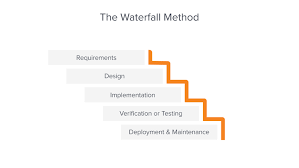
The waterfall model is a traditional approach to software development that follows a linear and sequential process. In this model, each phase of the development cycle must be completed before moving on to the next phase, resembling a waterfall cascading down in steps.

Phases of the Waterfall Model

The waterfall model typically consists of the following phases:

  1. Requirements Gathering: In this initial phase, project requirements are gathered and documented.
  2. System Design: The system design phase involves creating a high-level design of the software based on the gathered requirements.
  3. Implementation: Developers start coding based on the design specifications in this phase.
  4. Testing: Once the implementation is complete, testing is carried out to identify and fix any defects.
  5. Deployment: The final product is deployed to users after successful testing.
  6. Maintenance: Post-deployment, maintenance activities such as updates and bug fixes are performed as needed.

Advantages of the Waterfall Model

The waterfall model offers several advantages, including:

  • Clean and simple approach
  • Easy to understand and manage due to its linear structure
  • Well-suited for projects with stable requirements

Disadvantages of the Waterfall Model

However, the waterfall model also has its limitations, such as:

  • Rigidity in accommodating changes once a phase is completed
  • Risk of customer dissatisfaction if requirements change during development
  • Limited scope for client feedback until later stages of development

In Conclusion

The waterfall development model remains a popular choice for projects with well-defined requirements and where changes are expected to be minimal. While it may not be suitable for all types of projects, understanding its principles can provide valuable insights into software development processes.

©2021 CFChris. All rights reserved.


5 Essential Tips for Effective Waterfall Development: Ensuring Success from Planning to Execution

  1. Clearly define requirements upfront to avoid scope creep.
  2. Break down the project into distinct phases for better control and management.
  3. Ensure thorough testing at each stage to catch issues early on.
  4. Document extensively to maintain clarity and facilitate future maintenance.
  5. Seek feedback from stakeholders at key milestones to ensure alignment with expectations.

Clearly define requirements upfront to avoid scope creep.

To prevent scope creep in waterfall development, it is crucial to clearly define requirements upfront. By establishing a detailed and comprehensive set of project requirements at the beginning of the development cycle, teams can minimize the risk of unexpected changes or additions later on. This proactive approach helps maintain project focus, budget adherence, and timeline consistency, ultimately leading to a more successful and efficient software development process within the waterfall model.

Break down the project into distinct phases for better control and management.

Breaking down the project into distinct phases is a key tip in the waterfall development model as it allows for better control and management of the software development process. By clearly defining and separating each phase, teams can focus on one aspect at a time, ensuring thorough completion before moving on to the next stage. This approach enhances visibility into the project progress, facilitates tracking of milestones, and enables effective resource allocation. Ultimately, breaking down the project into distinct phases promotes systematic and organized development, leading to improved quality and successful project delivery.

Ensure thorough testing at each stage to catch issues early on.

Ensuring thorough testing at each stage of the waterfall development process is crucial to catch issues early on and mitigate potential risks. By conducting comprehensive testing throughout the project lifecycle, developers can identify and address any defects or inconsistencies promptly, leading to a more robust and reliable final product. Early detection of issues not only helps in maintaining project timelines but also contributes to overall cost-effectiveness by avoiding costly rework later in the development cycle. Prioritizing rigorous testing at every phase of the waterfall model enhances the quality of the software and increases customer satisfaction by delivering a polished end product.

Document extensively to maintain clarity and facilitate future maintenance.

Documenting extensively throughout the waterfall development process is crucial to maintaining clarity and facilitating future maintenance. Detailed documentation helps ensure that all project requirements, design decisions, code implementations, and testing procedures are well-documented and easily accessible to team members and stakeholders. This not only aids in understanding the project’s progress but also streamlines future maintenance activities by providing a clear reference point for making modifications or troubleshooting issues. Effective documentation serves as a valuable asset in ensuring the long-term success and sustainability of software projects developed using the waterfall model.

Seek feedback from stakeholders at key milestones to ensure alignment with expectations.

Seeking feedback from stakeholders at key milestones in the waterfall development process is crucial to ensure alignment with expectations. By involving stakeholders early and regularly throughout the project, developers can validate that the work meets the desired requirements and make necessary adjustments before progressing further. This proactive approach not only helps in identifying potential issues sooner but also fosters collaboration and transparency, ultimately leading to a successful project outcome that meets stakeholder needs and expectations.

software development process

Navigating the Software Development Process: A Comprehensive Guide

The Software Development Process

The Software Development Process: From Concept to Completion

Software development is a complex and iterative process that involves designing, coding, testing, and deploying software applications. It requires a systematic approach to ensure the final product meets the needs and expectations of users. Let’s explore the key stages of the software development process:

Planning

The first stage of software development involves defining the project scope, requirements, and objectives. This phase includes gathering user feedback, conducting market research, and creating a detailed project plan.

Design

In the design phase, developers create a blueprint for the software application based on the requirements gathered in the planning stage. This includes defining the architecture, user interface design, data structures, and algorithms.

Implementation

During implementation, developers write code based on the design specifications. This phase involves coding, unit testing, integration testing, and debugging to ensure that the software functions as intended.

Testing

Testing is a critical phase of software development where developers verify that the application works correctly and meets quality standards. This includes functional testing, performance testing, security testing, and user acceptance testing.

Deployment

Once the software has been thoroughly tested and approved, it is deployed to production environments for end-users to access. Deployment involves configuring servers, setting up databases, and ensuring smooth operation of the application.

Maintenance

After deployment, software requires ongoing maintenance to address bugs, add new features, and improve performance. Maintenance may involve releasing updates, patches, and enhancements to ensure that the software remains relevant and functional over time.

In conclusion,the software development process is a multi-faceted journey that requires collaboration between developers,designers,and stakeholders to create successful software applications that meet user needs.


9 Key Benefits of the Software Development Process: Boosting Efficiency, Security, and Innovation

  1. Enhances efficiency by automating tasks
  2. Improves scalability for future growth
  3. Enables customization to meet specific requirements
  4. Facilitates collaboration among team members
  5. Ensures better quality through rigorous testing
  6. Increases security measures to protect data
  7. Provides opportunities for innovation and creativity
  8. Supports continuous improvement through feedback loops
  9. Helps businesses stay competitive in the digital age


Challenges in Software Development: Navigating Complexity, Time, and Cost

  1. Complexity
  2. Time-consuming
  3. Cost

Enhances efficiency by automating tasks

Software development process enhances efficiency by automating tasks, allowing repetitive and time-consuming processes to be completed quickly and accurately. Automation reduces human error, increases productivity, and frees up resources to focus on more complex and strategic aspects of software development. By streamlining routine tasks through automation, developers can deliver high-quality software solutions in a more efficient and timely manner.

Improves scalability for future growth

One significant advantage of the software development process is that it enhances scalability for future growth. By following a structured development approach, software applications can be designed and built with scalability in mind, allowing them to accommodate increased user loads, data volumes, and feature enhancements as the business expands. This proactive approach to scalability ensures that the software can adapt to changing requirements and support the organization’s growth without requiring a complete overhaul or redevelopment, ultimately saving time and resources in the long run.

Enables customization to meet specific requirements

The software development process offers a significant advantage by enabling customization to meet specific requirements. This flexibility allows developers to tailor software applications to the unique needs and preferences of users or businesses. By incorporating custom features, functionalities, and design elements, developers can create solutions that align perfectly with the desired outcomes and objectives of the project. This level of customization not only enhances user satisfaction but also improves overall efficiency and effectiveness, making software development a powerful tool for addressing specific needs and challenges.

Facilitates collaboration among team members

Facilitating collaboration among team members is a key advantage of the software development process. By breaking down complex tasks into manageable components and establishing clear communication channels, team members can work together efficiently towards a common goal. Collaboration fosters creativity, innovation, and synergy among team members, leading to the development of high-quality software solutions that meet user needs effectively. Additionally, collaboration allows for the sharing of knowledge and expertise, enabling team members to learn from each other and continuously improve their skills. Ultimately, a collaborative approach in software development not only enhances productivity but also promotes a positive and supportive work environment conducive to success.

Ensures better quality through rigorous testing

Rigorous testing within the software development process ensures better quality by identifying and resolving issues early on, leading to a more reliable and stable end product. Through comprehensive testing procedures, developers can detect bugs, errors, and performance issues, ultimately enhancing the overall user experience and satisfaction. By prioritizing quality assurance throughout each stage of development, software products can meet industry standards and exceed customer expectations for functionality and reliability.

Increases security measures to protect data

One significant advantage of the software development process is its ability to enhance security measures to safeguard sensitive data. By incorporating robust security protocols and encryption techniques during the development stages, software developers can effectively protect user information from unauthorized access and cyber threats. This proactive approach not only ensures the confidentiality and integrity of data but also instills trust and confidence in users, ultimately contributing to a more secure digital environment.

Provides opportunities for innovation and creativity

The software development process offers a unique advantage by providing ample opportunities for innovation and creativity. Developers have the freedom to explore new ideas, experiment with different technologies, and devise creative solutions to complex problems. This environment fosters a culture of innovation where novel concepts can be brought to life through software applications. By encouraging creativity throughout the development cycle, teams can push boundaries, inspire new approaches, and deliver truly innovative solutions that meet the evolving needs of users and businesses alike.

Supports continuous improvement through feedback loops

The software development process excels in supporting continuous improvement through feedback loops. By incorporating feedback from users, stakeholders, and testing phases, developers can identify areas for enhancement and refinement. This iterative approach enables teams to make incremental adjustments, address issues promptly, and deliver a product that evolves based on real-world usage and feedback. This continuous feedback loop fosters innovation, ensures user satisfaction, and ultimately leads to the development of high-quality software solutions that meet the ever-changing needs of users and the market.

Helps businesses stay competitive in the digital age

In the fast-paced digital age, the software development process plays a crucial role in helping businesses stay competitive. By continuously updating and enhancing their software applications, businesses can adapt to changing market demands, improve efficiency, and deliver better customer experiences. Embracing modern software development practices allows companies to innovate, streamline processes, and leverage technology to gain a competitive edge in the ever-evolving digital landscape.

Complexity

The complexity of the software development process can pose a significant challenge, particularly in the context of large-scale projects involving numerous stakeholders and evolving requirements. Managing the intricacies of such projects demands careful coordination, effective communication, and adaptive strategies to navigate through uncertainties and complexities. The dynamic nature of software development often requires teams to be agile and responsive to changes, making it essential to have robust project management practices in place to address the challenges posed by complexity.

Time-consuming

Developing high-quality software can be a time-consuming process due to the need for meticulous attention to detail and rigorous testing at every stage, from planning to testing. Each phase of software development demands careful consideration and precision to ensure that the final product meets quality standards and user expectations. Rushing through any part of the process can lead to errors, bugs, and ultimately compromise the integrity and functionality of the software. Therefore, investing time in each step is essential to deliver a reliable and efficient software solution in the end.

Cost

One significant drawback of the software development process is the cost involved. Developing software can be a costly endeavor, especially when unexpected challenges surface throughout the project, leading to the need for extra resources or modifications to the original plan. These unforeseen issues can escalate expenses and strain budget allocations, making it crucial for development teams to carefully manage resources and anticipate potential obstacles to mitigate financial risks during the software development lifecycle.

Exploring the Dynamic World of a Java Developer

Article: Java Developer

The Role of a Java Developer in Today’s Technology Landscape

Java developers play a crucial role in the ever-evolving world of technology. With the widespread use of Java in various applications and platforms, the demand for skilled Java developers continues to rise.

Responsibilities of a Java Developer

A Java developer is responsible for designing, developing, and maintaining Java-based applications. They work closely with project managers, software architects, and other team members to create efficient and scalable solutions.

Some key responsibilities of a Java developer include:

  • Writing clean and efficient code using Java programming language
  • Testing and debugging applications to ensure they meet quality standards
  • Collaborating with cross-functional teams to deliver projects on time
  • Keeping up-to-date with the latest trends and technologies in the Java ecosystem
  • Optimizing application performance for maximum speed and scalability

Skills Required for Java Developers

To excel as a Java developer, one must possess a combination of technical skills and soft skills. Some essential skills for Java developers include:

  • Proficiency in core Java programming concepts
  • Familiarity with frameworks like Spring, Hibernate, or Struts
  • Knowledge of database management systems such as MySQL or Oracle
  • Problem-solving abilities and attention to detail
  • Strong communication skills for effective collaboration within teams

Career Opportunities for Java Developers

The demand for skilled Java developers is high across various industries, including finance, healthcare, e-commerce, and more. With experience and expertise in Java development, professionals can explore roles such as:

  • Java Software Engineer
  • Java Web Developer
  • Java Application Architect

In conclusion, being a Java developer offers exciting opportunities to work on diverse projects and contribute to the advancement of technology. With continuous learning and dedication to honing their skills, Java developers can build rewarding careers in the dynamic field of software development.

This article is brought to you by CFChris – Your partner in IT solutions.


9 Essential Tips for Becoming a Better Java Developer

  1. Keep learning and improving your Java skills regularly.
  2. Stay updated with the latest Java technologies and trends.
  3. Practice coding regularly to enhance your problem-solving abilities.
  4. Collaborate with other developers to learn from their experiences and perspectives.
  5. Write clean and efficient code for better maintainability and performance.
  6. Utilize debugging tools effectively to troubleshoot issues in your Java applications.
  7. Document your code properly for easier understanding by yourself and others.
  8. Be open to feedback and continuously seek ways to improve your coding practices.
  9. Explore different frameworks and libraries in the Java ecosystem to broaden your skill set.

Keep learning and improving your Java skills regularly.

To excel as a Java developer, it is essential to prioritize continuous learning and skill improvement. Keeping up-to-date with the latest advancements in Java programming and regularly honing your skills not only enhances your expertise but also ensures that you stay competitive in the ever-evolving tech industry. By dedicating time to learning new concepts, exploring different frameworks, and staying informed about industry trends, you can strengthen your capabilities as a Java developer and pave the way for a successful career in software development.

Staying updated with the latest Java technologies and trends is essential for Java developers to remain competitive and relevant in the ever-evolving tech industry. By keeping abreast of new features, tools, and best practices in Java development, developers can enhance their skills, improve their efficiency, and deliver cutting-edge solutions to meet the demands of modern software development projects. Continuous learning and adaptation to emerging trends not only broaden a developer’s knowledge but also pave the way for innovation and success in their Java development career.

Practice coding regularly to enhance your problem-solving abilities.

To enhance your problem-solving abilities as a Java developer, it is crucial to practice coding regularly. By consistently engaging in coding exercises and challenges, you can sharpen your skills, improve your understanding of Java programming concepts, and become more adept at tackling complex problems efficiently. Regular practice not only reinforces your knowledge but also boosts your confidence in handling various coding tasks, ultimately making you a more proficient and effective Java developer.

Collaborate with other developers to learn from their experiences and perspectives.

Collaborating with other developers is a valuable tip for Java developers looking to enhance their skills and broaden their knowledge. By working closely with peers, developers can gain insights from different experiences and perspectives, leading to a deeper understanding of Java programming concepts and best practices. This collaborative approach not only fosters a sense of teamwork but also promotes continuous learning and growth within the development community.

Write clean and efficient code for better maintainability and performance.

Writing clean and efficient code is a fundamental tip for Java developers to enhance maintainability and performance of their applications. By following best practices and adhering to coding standards, developers can ensure that their code is easy to understand, modify, and debug. Clean code not only improves collaboration within development teams but also contributes to optimized performance, resulting in faster execution and scalability of the application. Embracing the principle of writing clean and efficient code empowers Java developers to deliver high-quality software solutions that meet the evolving needs of modern technology landscapes.

Utilize debugging tools effectively to troubleshoot issues in your Java applications.

To enhance your proficiency as a Java developer, it is essential to utilize debugging tools effectively when troubleshooting issues in your Java applications. Debugging tools such as breakpoints, watchpoints, and stack traces can help you identify and resolve errors efficiently, ensuring the smooth functioning of your applications. By mastering these tools and techniques, you can streamline the debugging process and improve the overall quality of your Java code.

Document your code properly for easier understanding by yourself and others.

Properly documenting your code is a crucial tip for Java developers to enhance understanding and maintainability. Clear and concise documentation not only helps you navigate your own code more efficiently but also enables other developers to grasp the logic and functionality of your work. By documenting your code effectively, you contribute to a smoother collaboration process and ensure that future modifications or troubleshooting tasks can be carried out with ease.

Be open to feedback and continuously seek ways to improve your coding practices.

Being open to feedback and continually seeking ways to enhance coding practices is essential for Java developers to grow and excel in their careers. Embracing constructive criticism and actively seeking opportunities for improvement not only helps developers refine their skills but also fosters a culture of continuous learning and innovation within the development community. By remaining receptive to feedback and being proactive in refining coding practices, Java developers can stay ahead of industry trends and deliver high-quality solutions that meet the evolving needs of the tech landscape.

Explore different frameworks and libraries in the Java ecosystem to broaden your skill set.

To enhance your capabilities as a Java developer, it is highly recommended to explore various frameworks and libraries within the Java ecosystem. By delving into different tools and resources, you can expand your skill set and gain valuable insights into diverse approaches to software development. This exploration not only enriches your knowledge but also equips you with the flexibility to adapt to different project requirements and industry trends, making you a more versatile and proficient Java developer.

sdlc and agile

Comparing SDLC and Agile Methodologies: A Comprehensive Analysis

Understanding SDLC and Agile: A Comprehensive Comparison

Understanding SDLC and Agile: A Comprehensive Comparison

Software Development Life Cycle (SDLC) and Agile are two popular methodologies used in software development. While both aim to streamline the development process, they have distinct approaches and principles. Let’s explore the key differences between SDLC and Agile.

Software Development Life Cycle (SDLC)

SDLC is a structured approach to software development that consists of several phases, including planning, design, implementation, testing, deployment, and maintenance. It follows a sequential order where each phase must be completed before moving on to the next.

Key characteristics of SDLC include:

  • Emphasis on thorough planning and documentation
  • Rigorous testing at each stage
  • Predictable timelines and deliverables
  • Well-defined roles and responsibilities
  • Changes are difficult to implement once the process has started

Agile Methodology

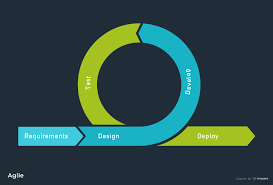
Agile is an iterative approach that focuses on delivering working software in short cycles known as sprints. It values flexibility, collaboration, and adaptability to change throughout the development process.

Key characteristics of Agile include:

  • Iterative development with frequent releases
  • Cross-functional teams working collaboratively
  • Customer feedback drives continuous improvement
  • Emphasis on responding to change over following a plan
  • Allows for changes and updates at any stage of development

Comparison Between SDLC and Agile

SDLC Agile
Approach Sequential, linear process Iterative, flexible approach

In Conclusion,


6 Essential Tips for Navigating SDLC and Agile Methodologies

  1. Plan each phase of the software development life cycle carefully to ensure efficiency and effectiveness.
  2. Involve stakeholders at every stage to gather feedback and ensure alignment with business goals.
  3. Perform thorough testing during each phase to identify and fix issues early in the process.
  4. Break down projects into smaller iterations or sprints for better manageability and adaptability.
  5. Encourage close collaboration between cross-functional teams to promote transparency and quick decision-making.
  6. Embrace change as a competitive advantage by being flexible and responsive to evolving requirements.

Plan each phase of the software development life cycle carefully to ensure efficiency and effectiveness.

To maximize efficiency and effectiveness in software development, it is crucial to meticulously plan each phase of the Software Development Life Cycle (SDLC). By carefully outlining the objectives, tasks, and resources required for each stage, teams can ensure a smooth progression from planning to deployment. This proactive approach not only helps in identifying potential challenges early on but also allows for better coordination among team members and stakeholders. Planning each phase thoughtfully in advance sets a solid foundation for successful project execution and delivery.

Involve stakeholders at every stage to gather feedback and ensure alignment with business goals.

To ensure the success of software development projects following SDLC or Agile methodologies, it is crucial to involve stakeholders at every stage. By actively engaging stakeholders throughout the process, teams can gather valuable feedback, address concerns promptly, and ensure alignment with business goals. This collaborative approach not only enhances communication and transparency but also leads to the development of solutions that meet the needs and expectations of all parties involved.

Perform thorough testing during each phase to identify and fix issues early in the process.

Performing thorough testing during each phase of the software development process, whether following the SDLC or Agile methodology, is crucial for identifying and addressing issues early on. By conducting comprehensive testing at every stage, developers can detect potential problems and bugs sooner, allowing for timely resolution and ensuring a smoother development cycle. This proactive approach not only helps in maintaining the quality of the software but also minimizes the risk of costly rework or delays later in the project timeline.

Break down projects into smaller iterations or sprints for better manageability and adaptability.

Breaking down projects into smaller iterations or sprints is a valuable tip in both SDLC and Agile methodologies. By dividing the project into manageable chunks, teams can focus on specific tasks within a set timeframe, leading to better manageability and adaptability. This approach allows for continuous feedback, adjustments, and improvements throughout the development process, ultimately enhancing productivity and ensuring that the final product meets the desired requirements effectively.

Encourage close collaboration between cross-functional teams to promote transparency and quick decision-making.

Encouraging close collaboration between cross-functional teams is a crucial tip in both SDLC and Agile methodologies. By fostering a culture of transparency and communication among team members with diverse skills and expertise, organizations can enhance decision-making processes and accelerate project timelines. This collaborative approach allows for the seamless exchange of ideas, feedback, and knowledge, ultimately leading to more efficient problem-solving and the successful delivery of high-quality software solutions.

Embrace change as a competitive advantage by being flexible and responsive to evolving requirements.

Embracing change as a competitive advantage in software development involves maintaining flexibility and responsiveness to evolving requirements. By being open to adapting to new challenges and opportunities, teams can stay ahead of the curve and deliver innovative solutions that meet the dynamic needs of users. This proactive approach not only enhances the quality of the final product but also fosters a culture of continuous improvement and agility within the development process.

application developer

Mastering the Art of Becoming an Application Developer

Article: Application Developer

The Role of an Application Developer

An application developer is a professional responsible for creating, testing, and programming applications for computers, mobile devices, and other digital platforms. These skilled individuals play a crucial role in the software development process, turning ideas into functional and user-friendly applications that meet specific requirements.

Key Responsibilities of an Application Developer:

  • Designing Applications: Application developers collaborate with stakeholders to understand project requirements and design software solutions that address those needs.
  • Coding and Programming: They write code using various programming languages such as Java, C++, Python, or JavaScript to develop the application’s functionality.
  • Testing and Debugging: Developers conduct thorough testing to identify and fix any issues or bugs in the application before deployment.
  • Collaborating with Teams: They work closely with designers, project managers, and other developers to ensure seamless integration of different components within the application.
  • Maintaining Applications: Developers provide ongoing support, updates, and maintenance to ensure the application continues to function effectively over time.

Skills Required for Application Developers:

To excel in this role, application developers need a combination of technical skills and soft skills. Some essential skills include:

  • Proficiency in Programming Languages: Knowledge of programming languages such as Java, Python, C#, or Swift is essential for developing applications.
  • Problem-Solving Abilities: Developers must be able to analyze complex problems and devise effective solutions efficiently.
  • Attention to Detail: Precision is crucial when writing code and conducting testing to ensure the application functions flawlessly.
  • Communication Skills: Effective communication is key when collaborating with team members and conveying technical information to non-technical stakeholders.
  • Creativity: Developing innovative solutions and thinking outside the box can set a developer apart in creating unique applications.

In conclusion, application developers are instrumental in shaping the digital landscape by creating cutting-edge software solutions that enhance user experiences across various platforms. Their expertise in coding, testing, and problem-solving makes them indispensable contributors to the world of technology.


Top 7 FAQs About Becoming an Application Developer

  1. What is an application developer called?
  2. Is application developer a good career?
  3. Is an application developer the same as a software engineer?
  4. What skills does an app developer need?
  5. What does an application developer do?
  6. How much money do you make as an app developer?
  7. What skills do you need to be a app developer?

What is an application developer called?

An individual who specializes in creating, testing, and programming applications for computers, mobile devices, and other digital platforms is commonly referred to as an “application developer.” This skilled professional plays a critical role in the software development process, translating project requirements into functional and user-friendly applications that cater to specific needs. Application developers are adept at coding, testing, debugging, and collaborating with cross-functional teams to deliver high-quality software solutions that meet the demands of modern technology.

Is application developer a good career?

Many individuals considering a career in technology often wonder, “Is application developer a good career?” The answer is a resounding yes. Application development offers a rewarding and promising career path for those with a passion for coding and problem-solving. As technology continues to advance rapidly, the demand for skilled application developers remains high across industries. With opportunities for growth, competitive salaries, and the chance to work on innovative projects, pursuing a career as an application developer can lead to a fulfilling and successful professional journey.

Is an application developer the same as a software engineer?

When considering the distinction between an application developer and a software engineer, it’s important to note that while there is some overlap in their roles, they are not exactly the same. An application developer typically focuses on creating specific applications for computers, mobile devices, or other digital platforms. They are often involved in the design, coding, testing, and maintenance of applications to meet particular user needs. On the other hand, a software engineer has a broader scope of responsibilities that may include designing entire software systems, developing algorithms, and optimizing system performance. While both roles involve programming and problem-solving skills, a software engineer often works at a more strategic level compared to an application developer.

What skills does an app developer need?

To excel as an application developer, a diverse set of skills is essential. Proficiency in programming languages like Java, Python, C#, or Swift forms the foundation for creating functional applications. Problem-solving abilities are crucial for analyzing and resolving complex issues efficiently. Attention to detail is paramount in writing code and conducting thorough testing to ensure the application operates flawlessly. Effective communication skills are necessary for collaborating with team members and conveying technical concepts to non-technical stakeholders. Creativity plays a significant role in developing innovative solutions that set app developers apart in creating unique and user-friendly applications.

What does an application developer do?

An application developer is responsible for creating, testing, and programming software applications for computers, mobile devices, and other digital platforms. Their primary role involves designing and developing applications that meet specific requirements and provide valuable solutions to users. Application developers write code using various programming languages to build the functionality of the applications, conduct testing to ensure their performance and quality, and collaborate with cross-functional teams to integrate different components seamlessly. Additionally, they are involved in maintaining and updating applications to ensure they continue to meet user needs effectively. Overall, an application developer plays a pivotal role in the software development process by bringing ideas to life through functional and user-friendly applications.

How much money do you make as an app developer?

One frequently asked question among individuals considering a career as an application developer is, “How much money do you make as an app developer?” The salary of an application developer can vary based on factors such as experience, location, industry, and specific skills. Entry-level developers may start with a lower salary and see increases as they gain more experience and expertise in the field. Experienced developers with specialized skills or working in high-demand industries may command higher salaries. Overall, app developers have the potential to earn competitive salaries that reflect their level of skill and the demand for their expertise in the ever-evolving technology sector.

What skills do you need to be a app developer?

To become an app developer, a combination of technical and soft skills is essential. Proficiency in programming languages like Java, Python, C#, or Swift is crucial for developing applications. Problem-solving abilities are also key, as developers need to analyze and solve complex issues efficiently. Attention to detail is vital when writing code and conducting testing to ensure the app functions flawlessly. Effective communication skills are necessary for collaborating with team members and conveying technical information to non-technical stakeholders. Additionally, creativity plays a significant role in developing innovative solutions that set app developers apart in creating unique and user-friendly applications.

developers

Empowering Developers: Building the Future of Technology

The World of Developers

The World of Developers

Developers are the architects of the digital world we live in today. They are the creative minds behind the websites we visit, the apps we use, and the software that powers our daily lives. From coding to testing, developers play a crucial role in shaping our technological landscape.

Types of Developers

There are various types of developers, each specializing in different areas:

  • Web Developers: These developers focus on creating websites and web applications using languages like HTML, CSS, and JavaScript.
  • Mobile App Developers: They design and build applications for mobile devices such as smartphones and tablets.
  • Software Engineers: Software engineers develop desktop applications, operating systems, and other software products.
  • Data Scientists: Data scientists analyze and interpret complex data to help businesses make informed decisions.
  • Game Developers: Game developers create interactive games for various platforms, blending art and technology.

The Developer’s Toolkit

To bring their ideas to life, developers rely on a toolkit that includes programming languages, frameworks, libraries, and tools. Some popular languages among developers include:

  • JavaScript
  • Python
  • Java
  • C++
  • Ruby

The Future of Development

The field of development is constantly evolving with new technologies emerging every day. Artificial intelligence, blockchain, augmented reality – these are just a few areas where developers are making significant strides. As technology continues to advance, developers will continue to push boundaries and innovate for a better tomorrow.

In conclusion, developers are at the forefront of innovation in the digital age. Their passion for problem-solving and creativity drives progress in technology and shapes the world we live in today.


7 Essential Tips for Developers: Boost Your Skills and Thrive in the Industry

  1. Stay updated with the latest technologies and trends in the industry.
  2. Practice coding regularly to improve your skills and problem-solving abilities.
  3. Collaborate with other developers to learn from each other and work on projects together.
  4. Document your code to make it easier for yourself and others to understand and maintain in the future.
  5. Test your code thoroughly to catch bugs early on and ensure its functionality.
  6. Seek feedback on your work to identify areas for improvement and grow professionally.
  7. Take breaks when needed to avoid burnout and maintain a healthy work-life balance.

Staying updated with the latest technologies and trends in the industry is essential for developers to remain competitive and relevant in today’s fast-paced digital landscape. By keeping abreast of new tools, languages, and methodologies, developers can enhance their skills, improve their efficiency, and stay ahead of the curve. Continuous learning and adaptation to emerging trends not only broaden their knowledge but also enable them to deliver cutting-edge solutions that meet the evolving needs of clients and users. Embracing lifelong learning ensures that developers remain valuable assets in the ever-changing world of technology.

Practice coding regularly to improve your skills and problem-solving abilities.

To enhance your proficiency and problem-solving capabilities as a developer, it is crucial to engage in regular coding practice. By consistently working on coding challenges and projects, you not only sharpen your technical skills but also cultivate a strategic mindset for tackling complex problems efficiently. Practice not only hones your coding abilities but also fosters creativity and resilience in overcoming obstacles, essential qualities for success in the dynamic field of development.

Collaborate with other developers to learn from each other and work on projects together.

Collaborating with other developers is a valuable tip that can greatly enhance one’s skills and knowledge in the field. By working together on projects and sharing insights, developers have the opportunity to learn from each other, exchange ideas, and tackle challenges collectively. This collaborative approach not only fosters a sense of community within the developer community but also promotes continuous learning and growth, ultimately leading to the development of innovative solutions and stronger professional relationships.

Document your code to make it easier for yourself and others to understand and maintain in the future.

Proper documentation of code is essential for developers to enhance understanding and facilitate future maintenance. By documenting code effectively, developers not only make it easier for themselves to revisit and modify their work but also enable others to grasp the logic and functionality of the codebase. Clear and concise documentation serves as a roadmap that guides developers through the intricacies of the code, ensuring smoother collaboration and efficient troubleshooting. Embracing thorough documentation practices is a valuable habit that contributes to the longevity and sustainability of software projects.

Test your code thoroughly to catch bugs early on and ensure its functionality.

Testing your code thoroughly is a crucial step in the development process for developers. By conducting rigorous testing, developers can identify and rectify bugs early on, preventing them from causing more significant issues down the line. Thorough testing also ensures that the code functions as intended, delivering a high-quality product to users. Emphasizing testing not only enhances the reliability of the software but also saves time and resources by addressing potential issues proactively.

Seek feedback on your work to identify areas for improvement and grow professionally.

Seeking feedback on your work is a crucial step for developers to identify areas for improvement and grow professionally. Constructive feedback from peers, mentors, or clients can provide valuable insights that help developers enhance their skills, refine their techniques, and stay current with industry standards. Embracing feedback with an open mind not only fosters personal growth but also cultivates a culture of continuous learning and improvement within the development community.

Take breaks when needed to avoid burnout and maintain a healthy work-life balance.

It is crucial for developers to prioritize their well-being by taking breaks when necessary to prevent burnout and uphold a healthy work-life balance. Engaging in regular breaks not only rejuvenates the mind and body but also enhances productivity and creativity. By recognizing the importance of self-care and maintaining a balanced lifestyle, developers can sustain their passion for coding and problem-solving while ensuring long-term success in their careers.