cfchris.com

Loading

Unlocking the Potential of Good AI: Enhancing Lives Through Responsible Innovation

The Benefits of Good AI

The Benefits of Good AI

Artificial Intelligence (AI) has become an integral part of modern technology, transforming industries and enhancing everyday life. When implemented responsibly, good AI can offer numerous benefits that improve efficiency, productivity, and quality of life.

Enhancing Efficiency and Productivity

One of the primary advantages of good AI is its ability to automate repetitive tasks, allowing humans to focus on more complex and creative endeavors. In industries such as manufacturing, AI-powered robots can perform tasks with precision and speed that surpass human capabilities. This leads to increased productivity and reduced operational costs.

Improving Decision-Making

Good AI systems can process vast amounts of data quickly and accurately, providing valuable insights that aid in decision-making. In healthcare, for example, AI algorithms can analyze medical records to identify patterns and predict patient outcomes. This assists doctors in making informed decisions about treatment plans.

Enhancing Customer Experiences

In the realm of customer service, AI-driven chatbots provide instant support and assistance around the clock. These virtual assistants are capable of understanding customer queries and providing relevant information or solutions efficiently. This not only improves customer satisfaction but also frees up human agents to handle more complex issues.

Promoting Safety and Security

AI technologies play a vital role in enhancing safety and security across various sectors. In cybersecurity, AI systems can detect anomalies and potential threats in real-time, enabling swift responses to prevent breaches. Similarly, in autonomous vehicles, AI ensures safe navigation by processing sensor data to make split-second decisions.

Facilitating Innovation

The use of good AI fosters innovation by opening new avenues for research and development. In fields like pharmaceuticals, AI accelerates drug discovery by predicting molecular interactions much faster than traditional methods. This not only speeds up the development process but also reduces costs significantly.

The Ethical Considerations

While the benefits of good AI are substantial, it is essential to address ethical considerations surrounding its use. Ensuring transparency, accountability, and fairness in AI systems is crucial to prevent biases and maintain public trust.

Conclusion

Good AI has the potential to revolutionize various aspects of our lives positively when developed with ethical guidelines in mind. By focusing on responsible implementation, society can harness the power of artificial intelligence to drive progress while safeguarding human values.


9 Essential Tips for Developing Responsible and Effective AI Systems

  1. Ensure transparency in AI decision-making processes.
  2. Regularly update and maintain AI systems to ensure optimal performance.
  3. Respect user privacy and data protection when collecting and utilizing data for AI.
  4. Promote diversity and inclusivity in AI development teams to mitigate bias.
  5. Conduct thorough testing and validation of AI algorithms before deployment.
  6. Provide clear explanations for AI recommendations or decisions to enhance trust.
  7. Monitor AI systems for potential ethical implications and intervene if necessary.
  8. Encourage continuous learning and skill development in the field of AI.
  9. Collaborate with experts from various disciplines to leverage diverse perspectives in AI development.

Ensure transparency in AI decision-making processes.

Ensuring transparency in AI decision-making processes is crucial for building trust and accountability in technology. Transparency involves providing clear and understandable explanations of how AI systems reach their conclusions, allowing users to comprehend the factors influencing decisions. This openness not only helps demystify complex algorithms but also enables stakeholders to identify potential biases or errors in the system. By making AI processes transparent, developers and organizations can foster greater confidence among users, encourage ethical practices, and facilitate regulatory compliance. Ultimately, transparency empowers individuals to make informed decisions about their interactions with AI technologies, promoting a more equitable and trustworthy digital environment.

Regularly update and maintain AI systems to ensure optimal performance.

Regularly updating and maintaining AI systems is crucial for ensuring optimal performance and reliability. As technology evolves, new algorithms and data sets become available, which can significantly enhance the capabilities of existing AI systems. Regular updates allow these systems to incorporate the latest advancements, improving accuracy and efficiency. Maintenance also involves monitoring for any potential issues, such as biases in data or algorithmic errors, which can be addressed promptly to prevent negative outcomes. By keeping AI systems up-to-date, organizations can ensure they are making the most of their investment while maintaining high standards of performance and ethical responsibility.

Respect user privacy and data protection when collecting and utilizing data for AI.

Respecting user privacy and data protection is crucial when collecting and utilizing data for AI, as it builds trust and ensures compliance with legal standards. By implementing robust security measures and transparent data handling practices, organizations can safeguard sensitive information and prevent unauthorized access. It is essential to anonymize personal data whenever possible and provide users with clear information about how their data will be used. Additionally, obtaining explicit consent from users before collecting their information reinforces ethical practices in AI development. Prioritizing privacy not only protects individuals but also enhances the credibility of AI systems, fostering a positive relationship between technology providers and users.

Promote diversity and inclusivity in AI development teams to mitigate bias.

Promoting diversity and inclusivity in AI development teams is crucial to mitigating bias and ensuring that AI systems serve a broad spectrum of users effectively. A diverse team brings a variety of perspectives, experiences, and cultural insights that can help identify and address potential biases in AI algorithms. When developers come from different backgrounds, they are more likely to recognize blind spots that might otherwise go unnoticed in homogeneous groups. This inclusive approach not only enhances the fairness and accuracy of AI systems but also fosters innovation by encouraging creative problem-solving. By prioritizing diversity, organizations can build AI technologies that are more equitable and reflective of the diverse world they aim to serve.

Conduct thorough testing and validation of AI algorithms before deployment.

Conducting thorough testing and validation of AI algorithms before deployment is crucial to ensure their reliability, accuracy, and fairness. This process involves rigorously evaluating the algorithms under various scenarios to identify potential biases, errors, or unintended consequences. By simulating real-world conditions and analyzing the algorithm’s performance across diverse data sets, developers can fine-tune the AI to perform optimally and ethically. This step not only helps in minimizing risks associated with incorrect or biased outcomes but also builds trust among users by demonstrating a commitment to quality and accountability. Proper testing and validation are essential for deploying AI systems that are safe, effective, and aligned with ethical standards.

Provide clear explanations for AI recommendations or decisions to enhance trust.

Providing clear explanations for AI recommendations or decisions is crucial in building and maintaining trust between users and AI systems. When users understand the rationale behind an AI’s suggestion or action, they are more likely to feel confident in its reliability and effectiveness. This transparency helps demystify the decision-making process, reducing skepticism or anxiety about relying on technology. Clear explanations also empower users to make informed decisions by allowing them to assess whether the AI’s logic aligns with their own knowledge or expectations. In sectors like healthcare, finance, and law enforcement, where decisions can significantly impact individuals’ lives, such clarity is not just beneficial but essential for ethical and responsible AI deployment.

Monitor AI systems for potential ethical implications and intervene if necessary.

Monitoring AI systems for potential ethical implications is crucial to ensure that these technologies operate in a manner that aligns with societal values and norms. As AI systems become more integrated into daily life and decision-making processes, it’s important to regularly assess their impact on issues such as privacy, fairness, and bias. By keeping a vigilant eye on how AI interacts with different segments of the population, stakeholders can identify unintended consequences or discriminatory practices early on. Intervening when necessary not only helps in mitigating harm but also builds public trust in AI technologies. This proactive approach ensures that AI continues to serve as a beneficial tool while upholding ethical standards.

Encourage continuous learning and skill development in the field of AI.

Encouraging continuous learning and skill development in the field of AI is essential for staying ahead in an ever-evolving technological landscape. As AI technologies rapidly advance, professionals must regularly update their knowledge and skills to remain competitive and innovative. This involves engaging with the latest research, attending workshops and conferences, and pursuing additional training or certifications. By fostering a culture of lifelong learning, individuals can better understand emerging trends, tools, and methodologies in AI. This not only enhances personal growth but also drives organizational success by ensuring that teams are equipped with the expertise needed to implement cutting-edge solutions effectively.

Collaborate with experts from various disciplines to leverage diverse perspectives in AI development.

Collaborating with experts from various disciplines is crucial in AI development, as it brings together diverse perspectives that can enhance the overall effectiveness and fairness of AI systems. By involving professionals from fields such as ethics, sociology, psychology, and domain-specific areas like healthcare or finance, developers can gain a more comprehensive understanding of the potential impacts and applications of AI technologies. This interdisciplinary approach helps identify potential biases, ensures that AI solutions are aligned with human values, and fosters innovation by integrating different viewpoints. Ultimately, such collaboration leads to the creation of more robust and socially responsible AI systems that better serve the needs of all users.

learn java programming

Master Java Programming: Learn the Language of Versatility and Opportunity

Learn Java Programming

The Benefits of Learning Java Programming

Java is a widely-used programming language known for its versatility and robustness. Learning Java can open up a world of opportunities for aspiring programmers and professionals looking to enhance their skills. Here are some key benefits of learning Java programming:

Versatility

Java is used in a variety of applications, from web development to mobile app development and enterprise software. By learning Java, you can work on a wide range of projects and industries, making you a versatile and in-demand developer.

Object-Oriented Programming

Java is an object-oriented programming language, which means that it focuses on creating reusable code components called objects. This approach promotes code organization, reusability, and scalability, making it easier to manage complex projects.

Platform Independence

One of the key features of Java is its platform independence. Java programs can run on any device that has a Java Virtual Machine (JVM) installed, regardless of the underlying operating system. This makes Java applications highly portable and accessible across different platforms.

Strong Community Support

Java has a large and active community of developers who contribute to open-source projects, provide support through forums and tutorials, and collaborate on improving the language. By learning Java, you can tap into this vast knowledge base and network with like-minded professionals.

Career Opportunities

Proficiency in Java programming opens up numerous career opportunities in the tech industry. Many companies look for Java developers to work on their projects, offering competitive salaries and benefits to skilled professionals. Whether you are interested in software development, web design, or data analysis, knowing Java can give your career a significant boost.

In conclusion,

Learning Java programming is a valuable investment in your future as a programmer. With its versatility, object-oriented approach, platform independence, community support, and career prospects, mastering Java can set you on the path to success in the ever-evolving world of technology.


6 Essential Tips for Mastering Java Programming

  1. Start with the basics
  2. Practice regularly
  3. Utilize online resources
  4. Work on projects
  5. Collaborate with others
  6. Stay updated

Start with the basics

When embarking on the journey to learn Java programming, it is essential to start with the basics. Building a strong foundation in fundamental concepts such as variables, data types, control structures, and object-oriented programming principles is crucial for mastering Java effectively. By understanding the core concepts from the beginning, learners can progress confidently and tackle more complex topics with ease as they advance in their Java programming skills.

Practice regularly

Regular practice is essential when learning Java programming. By consistently working on coding exercises, projects, and challenges, you can reinforce your understanding of Java concepts, improve your problem-solving skills, and build confidence in your programming abilities. Practice helps solidify your knowledge and allows you to apply what you’ve learned in a practical setting, ultimately leading to mastery of Java programming. Make practice a routine part of your learning process to see significant progress and growth in your Java skills.

Utilize online resources

Utilizing online resources is a valuable tip for learning Java programming. The internet is a treasure trove of tutorials, forums, coding challenges, and courses that can provide you with additional support and guidance as you navigate the intricacies of Java. Online resources offer the flexibility to learn at your own pace, access a diverse range of learning materials, and engage with a global community of fellow learners and experienced developers. By taking advantage of these resources, you can enhance your understanding of Java concepts, stay updated on industry trends, and practice your coding skills in a dynamic and interactive environment.

Work on projects

Working on projects is a crucial tip for learning Java programming effectively. By applying your knowledge to real-world projects, you can gain hands-on experience, troubleshoot issues, and solidify your understanding of Java concepts. Projects allow you to practice problem-solving skills, enhance your creativity, and build a portfolio that showcases your skills to potential employers. Whether it’s developing a simple application or working on a complex software project, the practical experience gained from project work is invaluable in mastering Java programming.

Collaborate with others

Collaborating with others while learning Java programming can greatly enhance your understanding and skills. By working with peers, mentors, or online communities, you can gain valuable insights, receive feedback on your code, and learn new techniques and best practices. Collaboration not only fosters a sense of teamwork but also exposes you to different perspectives and approaches to problem-solving, ultimately helping you become a more well-rounded Java programmer.

Stay updated

To excel in learning Java programming, it is essential to stay updated with the latest developments and updates in the language. Java is a dynamic programming language that continuously evolves with new features, enhancements, and best practices. By staying informed about the latest trends, updates, and tools in Java programming, you can enhance your skills, adapt to industry changes, and ensure that your knowledge remains relevant and up-to-date. Embracing a mindset of continuous learning and staying updated will help you become a proficient Java programmer equipped to tackle new challenges and opportunities in the field.

java tutor

Master Java Programming with a Skilled Java Tutor

The Benefits of Hiring a Java Tutor

The Benefits of Hiring a Java Tutor

Learning Java programming language can be a challenging task, especially for beginners. That’s where a Java tutor can make a significant difference in your learning journey. Whether you are a student looking to excel in your computer science courses or a professional aiming to enhance your programming skills, here are some benefits of hiring a Java tutor:

Personalized Learning Experience

One of the primary advantages of working with a Java tutor is the personalized attention you receive. A tutor can tailor the lessons to match your learning style and pace, ensuring that you grasp the concepts effectively.

Expert Guidance

A Java tutor is an expert in the field with extensive knowledge and experience in programming. They can provide valuable insights, tips, and tricks that textbooks or online resources may not offer. With their guidance, you can gain a deeper understanding of Java programming principles.

Hands-On Practice

Practice makes perfect, and a Java tutor can help you apply theoretical knowledge into practical coding exercises. By working on real-world projects under the guidance of a tutor, you can strengthen your programming skills and build confidence in writing Java code.

Clarification of Doubts

It’s common to encounter doubts and questions while learning complex subjects like Java programming. A Java tutor is there to address your queries promptly, clarify concepts that seem confusing, and provide detailed explanations to ensure that you have a solid grasp on the material.

Motivation and Accountability

Staying motivated throughout your learning journey is crucial for success. A Java tutor can inspire and encourage you to stay focused on your goals. Additionally, having regular tutoring sessions creates accountability, keeping you on track with your learning schedule.

In conclusion, hiring a Java tutor offers numerous benefits that can accelerate your learning progress and boost your confidence in mastering the Java programming language. Whether you are just starting or looking to advance your skills further, investing in a Java tutor is a wise decision that can lead to rewarding outcomes in your programming career.


Top FAQs About Learning Java: Costs, Easy Methods, Free Resources, and Self-Teaching

  1. How much does a Java tutor cost?
  2. How to learn Java easily?
  3. Can I learn Java for free?
  4. Can Java be self taught?

How much does a Java tutor cost?

When it comes to the cost of hiring a Java tutor, the fees can vary depending on several factors such as the tutor’s experience, qualifications, location, and the level of expertise required. Generally, Java tutors may charge hourly rates or offer package deals for multiple sessions. It’s important to consider the value that a skilled Java tutor can bring to your learning experience and career advancement. Investing in a Java tutor who can provide personalized guidance and support may prove to be a worthwhile investment in mastering the intricacies of Java programming.

How to learn Java easily?

Learning Java easily requires a structured approach and dedication to mastering the fundamentals of the programming language. One effective method is to seek guidance from a Java tutor who can provide personalized lessons tailored to your learning style. Additionally, practicing regularly, working on coding exercises, and building projects can help reinforce your understanding of Java concepts. Utilizing online resources, such as tutorials, forums, and documentation, can also supplement your learning process. By staying motivated, setting realistic goals, and seeking support when needed, you can make learning Java an accessible and rewarding experience.

Can I learn Java for free?

Many individuals wonder if they can learn Java for free. The answer is yes! There are numerous resources available online that offer free tutorials, courses, and documentation to help beginners grasp the fundamentals of Java programming. Platforms like Codecademy, Coursera, and YouTube provide a wealth of educational content at no cost. While paid options may offer more comprehensive learning experiences, aspiring Java learners can certainly take advantage of the many free resources available to kickstart their journey into the world of Java programming.

Can Java be self taught?

Learning Java on your own is definitely possible through self-teaching. With the abundance of online resources, tutorials, and practice exercises available, individuals can acquire a solid understanding of Java programming without formal instruction. However, while self-teaching can be effective for some, it may lack the personalized guidance and feedback that a Java tutor can provide. Working with a Java tutor offers the advantage of expert guidance, tailored learning experiences, and immediate clarification of doubts, ultimately enhancing your proficiency in Java programming and accelerating your learning journey.

java 8

Mastering Java 8: Unlocking the Power of Modern Java Features

Exploring Java 8: Features and Benefits

Exploring Java 8: Features and Benefits

Java 8, released by Oracle in March 2014, introduced several groundbreaking features that revolutionized the way developers write code in Java. Let’s delve into some of the key features and benefits of Java 8:

Lambda Expressions

One of the most significant additions to Java 8 is lambda expressions. This feature allows developers to write more concise and readable code by enabling functional programming constructs in Java.

Stream API

The Stream API introduced in Java 8 provides a powerful way to work with collections. Streams allow for efficient processing of data through pipelines of operations such as filter, map, and reduce, making code more expressive and easier to parallelize.

Date and Time API

Prior to Java 8, working with dates and times in Java was cumbersome. The new Date and Time API simplifies date and time manipulation by providing classes like LocalDate, LocalTime, LocalDateTime, and ZonedDateTime.

Optional Class

The Optional class in Java 8 helps developers handle null values more effectively. By encouraging the use of Optional, developers can write cleaner code that explicitly handles scenarios where a value may be absent.

Default Methods

In interfaces, Java 8 introduced default methods that allow interfaces to have method implementations. This feature enables backward compatibility with existing code while still evolving interfaces with new methods.

Performance Improvements

Java 8 also brought performance improvements through features like parallel streams that leverage multi-core processors for faster execution of stream operations on large datasets.

In conclusion, Java 8 has significantly enhanced the Java programming language by introducing modern features that improve developer productivity, code readability, and performance. Embracing these features can lead to more efficient and maintainable codebases for Java applications.


Mastering Java 8: 7 Essential Tips for Modern Java Development

  1. Utilize lambda expressions to write more concise code.
  2. Explore the Stream API for processing collections in a functional style.
  3. Use default methods in interfaces to add new methods without breaking existing implementations.
  4. Leverage Optional to handle potentially null values more effectively.
  5. Learn about the new Date and Time API for improved date and time manipulation.
  6. Understand method references to simplify code that just calls an existing method.
  7. Experiment with parallel streams for concurrent processing of data.

Utilize lambda expressions to write more concise code.

By utilizing lambda expressions in Java 8, developers can significantly enhance the readability and conciseness of their code. Lambda expressions allow for a more streamlined way of defining anonymous functions, making the code more expressive and easier to understand. This feature enables developers to write functions in a more functional programming style, reducing boilerplate code and improving overall code efficiency. Incorporating lambda expressions in Java 8 can lead to more concise and readable code, ultimately enhancing the development process and making maintenance tasks easier in the long run.

Explore the Stream API for processing collections in a functional style.

By exploring the Stream API in Java 8, developers can leverage functional programming principles to process collections in a more efficient and expressive manner. The Stream API allows for seamless chaining of operations like filter, map, and reduce, enabling developers to write code that is both concise and easy to parallelize. Embracing the Stream API not only simplifies collection processing but also paves the way for writing more robust and maintainable code in Java applications.

Use default methods in interfaces to add new methods without breaking existing implementations.

By utilizing default methods in interfaces in Java 8, developers can seamlessly introduce new methods without disrupting the functionality of existing implementations. This feature allows for the evolution of interfaces by providing method implementations within the interface itself, ensuring backward compatibility with classes that already implement the interface. By leveraging default methods, developers can extend interfaces with additional functionality while maintaining the integrity of the codebase and facilitating smoother transitions during software updates or enhancements.

Leverage Optional to handle potentially null values more effectively.

By leveraging the Optional class in Java 8, developers can handle potentially null values more effectively. Optional encourages explicit handling of scenarios where a value may be absent, promoting cleaner and more robust code practices. This approach not only enhances code readability but also helps prevent null pointer exceptions, leading to more reliable and maintainable Java applications.

Learn about the new Date and Time API for improved date and time manipulation.

To enhance your Java programming skills with Java 8, it is highly recommended to explore the new Date and Time API. This feature offers a more streamlined approach to handling dates and times, providing developers with a set of classes like LocalDate, LocalTime, LocalDateTime, and ZonedDateTime for improved date and time manipulation. By mastering the Date and Time API in Java 8, you can simplify complex date-related operations and create more robust and efficient applications.

Understand method references to simplify code that just calls an existing method.

Understanding method references in Java 8 is a powerful technique that simplifies code by allowing developers to directly reference existing methods. Instead of writing verbose lambda expressions to call a method, method references provide a concise and clear way to invoke functions. This not only enhances code readability but also promotes reusability and maintainability by streamlining the syntax and reducing boilerplate code. By grasping the concept of method references, developers can optimize their Java 8 codebase and make it more efficient and elegant.

Experiment with parallel streams for concurrent processing of data.

When working with Java 8, a valuable tip is to experiment with parallel streams for concurrent processing of data. By utilizing parallel streams, developers can take advantage of multi-core processors to enhance the performance of stream operations on large datasets. This approach can lead to faster data processing and improved efficiency in handling computationally intensive tasks. However, it is essential to carefully design and test parallel stream usage to ensure thread safety and avoid potential concurrency issues. Overall, exploring parallel streams in Java 8 can offer a powerful tool for optimizing data processing workflows and achieving better performance in applications.

programming outsourcing

Maximizing Efficiency: The Power of Programming Outsourcing

The Benefits of Programming Outsourcing

The Benefits of Programming Outsourcing

Programming outsourcing has become a popular practice for businesses looking to streamline their operations and reduce costs. By hiring external programming experts or teams to handle software development tasks, companies can focus on their core activities while benefiting from specialized skills and resources. Here are some key advantages of programming outsourcing:

Cost Savings

One of the primary reasons companies opt for programming outsourcing is cost savings. By outsourcing programming tasks to countries with lower labor costs, businesses can significantly reduce expenses associated with hiring and maintaining an in-house development team. This cost-effective approach allows companies to allocate resources more efficiently and invest in other areas of their business.

Access to Specialized Skills

Programming outsourcing provides access to a diverse pool of talented programmers with specialized skills and expertise. Companies can choose outsourcing partners based on their specific project requirements, ensuring that they have access to the right talent for the job. This access to specialized skills can lead to faster project completion times and higher-quality deliverables.

Flexibility and Scalability

Outsourcing programming tasks offers businesses flexibility and scalability in managing their projects. Companies can easily scale up or down their outsourced resources based on project demands, without the need to hire or lay off employees internally. This flexibility allows businesses to adapt quickly to changing market conditions and maintain a competitive edge.

Focus on Core Activities

By outsourcing programming tasks, companies can free up internal resources and focus on their core activities and strategic initiatives. Outsourcing allows businesses to delegate non-core functions such as software development to external experts, enabling them to concentrate on areas that drive business growth and innovation.

Risk Mitigation

Programming outsourcing can help mitigate risks associated with software development projects. Outsourcing partners often have established processes, methodologies, and quality assurance practices in place, reducing the likelihood of project delays or errors. Additionally, outsourcing providers may offer service level agreements (SLAs) that guarantee project delivery within specified timelines and quality standards.

In conclusion, programming outsourcing offers numerous benefits for businesses seeking cost-effective solutions, access to specialized skills, flexibility, risk mitigation, and the ability to focus on core activities. By partnering with reliable outsourcing providers, companies can enhance their competitiveness in today’s fast-paced digital landscape.


5 Essential Tips for Successful Programming Outsourcing

  1. Clearly define the scope of work and requirements before outsourcing.
  2. Choose a reputable and experienced outsourcing partner with a proven track record.
  3. Communicate effectively and regularly with the outsourcing team to ensure alignment.
  4. Establish clear milestones and deadlines to track progress and ensure timely delivery.
  5. Consider factors like cultural differences, time zones, and language barriers when selecting an outsourcing partner.

Clearly define the scope of work and requirements before outsourcing.

When considering programming outsourcing, it is crucial to clearly define the scope of work and requirements upfront. By establishing a detailed project scope, including specific deliverables, timelines, and quality expectations, businesses can ensure that both parties have a clear understanding of the project goals. This clarity helps prevent misunderstandings, delays, and potential conflicts during the outsourcing process. Clearly defining the scope of work and requirements sets a solid foundation for a successful outsourcing partnership and facilitates smooth project execution.

Choose a reputable and experienced outsourcing partner with a proven track record.

When considering programming outsourcing, it is crucial to select a reputable and experienced outsourcing partner with a proven track record. By choosing a partner with a strong reputation and extensive experience in software development, businesses can ensure reliable and high-quality results. A reputable outsourcing partner will have the expertise to handle diverse projects efficiently, meet deadlines, and deliver solutions that align with the client’s requirements. Their proven track record demonstrates their ability to consistently deliver successful outcomes, making them a trustworthy choice for companies looking to outsource programming tasks.

Communicate effectively and regularly with the outsourcing team to ensure alignment.

Effective and regular communication with the outsourcing team is crucial to ensure alignment and successful collaboration. By maintaining open lines of communication, both parties can clarify expectations, address any issues promptly, and stay informed about project progress. Clear communication helps prevent misunderstandings, promotes transparency, and fosters a strong working relationship between the company and the outsourcing team. Regular updates and feedback exchanges enable adjustments to be made swiftly, leading to improved productivity and ultimately achieving the desired outcomes of the programming outsourcing partnership.

Establish clear milestones and deadlines to track progress and ensure timely delivery.

Establishing clear milestones and deadlines is a crucial tip when it comes to programming outsourcing. By setting specific goals and timelines, both the outsourcing partner and the hiring company can track progress effectively and ensure timely delivery of the project. Clear milestones provide a roadmap for the development process, allowing for better project management and alignment of expectations between all parties involved. This practice not only helps in monitoring progress but also facilitates communication, accountability, and ultimately leads to successful project completion within the specified timeframe.

Consider factors like cultural differences, time zones, and language barriers when selecting an outsourcing partner.

When considering programming outsourcing, it is crucial to take into account factors such as cultural differences, time zones, and language barriers when choosing an outsourcing partner. Understanding and addressing these aspects can significantly impact the success of the collaboration. Cultural differences may influence communication styles and work approaches, while time zone variations can affect project timelines and coordination. Language barriers can lead to misunderstandings and inefficiencies if not managed effectively. By carefully evaluating these factors and selecting an outsourcing partner that aligns with your business needs and values, you can foster a productive and harmonious working relationship that enhances project outcomes.

sdlc in software testing

Exploring the Significance of SDLC in Software Testing Practices

Understanding the Software Development Life Cycle (SDLC) in Software Testing

The Importance of SDLC in Software Testing

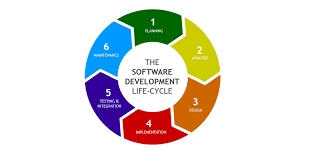
Software Development Life Cycle (SDLC) is a crucial process that outlines the various stages involved in developing software applications. In the realm of software testing, understanding SDLC is essential for ensuring the quality and reliability of software products.

Phases of SDLC in Software Testing

SDLC consists of several phases, each playing a vital role in the development and testing of software:

  1. Requirement Analysis: This phase involves gathering and analyzing requirements from stakeholders to understand the scope of the project.
  2. Design: In this phase, the system architecture and design are planned based on the gathered requirements.
  3. Development: The actual coding and implementation of the software take place in this phase.
  4. Testing: Software testing is a critical phase where various testing techniques are applied to ensure that the software meets quality standards.
  5. Deployment: Once testing is complete, the software is deployed for use by end-users.
  6. Maintenance: Ongoing maintenance and support are provided to address any issues that may arise post-deployment.

The Role of Testing in SDLC

In SDLC, testing plays a pivotal role in ensuring that the software meets specified requirements and functions as intended. Different types of testing, such as unit testing, integration testing, system testing, and acceptance testing, are conducted at various stages to identify defects and ensure quality.

Benefits of Following SDLC in Software Testing

Adhering to SDLC principles offers several benefits for software development and testing processes:

  • Better Quality Assurance: By following a structured approach to development and testing, organizations can enhance the quality of their software products.
  • Risk Mitigation: SDLC helps identify potential risks early in the development cycle, allowing teams to address them proactively.
  • Cost Efficiency: By detecting defects early on through rigorous testing practices, organizations can save costs associated with fixing issues post-deployment.
  • Timely Delivery: Following a well-defined SDLC framework ensures that projects are completed within stipulated timelines by streamlining development and testing processes.

In conclusion, understanding SDLC is essential for successful software testing. By following a structured approach to development and incorporating robust testing practices at each stage, organizations can deliver high-quality software products that meet user expectations.


9 Key Advantages of Implementing SDLC in Software Testing

  1. Structured approach to software development
  2. Early identification of potential risks
  3. Enhanced quality assurance through rigorous testing practices
  4. Improved project management and planning
  5. Cost-effective by detecting defects early in the cycle
  6. Timely delivery of software projects
  7. Clear documentation and traceability of requirements
  8. Facilitates collaboration among development and testing teams
  9. Supports scalability and adaptability of software applications


7 Drawbacks of the Software Development Life Cycle in Testing: Rigid, Costly, and More

  1. Rigid Process
  2. Time-Consuming
  3. Costly
  4. Complexity
  5. Resource Intensive
  6. Potential for Overhead
  7. Limited Agility

Structured approach to software development

A significant advantage of SDLC in software testing is its structured approach to software development. By following a systematic and well-defined process, teams can ensure that all necessary steps, from requirements gathering to deployment, are executed in an organized manner. This structured approach helps in reducing errors, improving efficiency, and enhancing overall project management. It allows for better planning, tracking progress, and ensuring that the final product meets quality standards. Ultimately, the structured approach of SDLC contributes to the successful delivery of reliable and high-quality software solutions.

Early identification of potential risks

One significant advantage of following the Software Development Life Cycle (SDLC) in software testing is the early identification of potential risks. By systematically planning and executing testing activities at different stages of the development process, teams can proactively uncover and address risks before they escalate into critical issues. This proactive approach not only helps in mitigating potential threats to the software’s quality and functionality but also contributes to overall project success by minimizing the impact of unforeseen challenges.

Enhanced quality assurance through rigorous testing practices

Enhanced quality assurance through rigorous testing practices is a significant benefit of following the Software Development Life Cycle (SDLC) in software testing. By incorporating thorough testing at each stage of the development process, organizations can identify and rectify defects early on, ensuring that the software meets specified requirements and functions as intended. This proactive approach to quality assurance not only helps in delivering high-quality software products but also instills confidence in stakeholders regarding the reliability and performance of the final deliverables.

Improved project management and planning

Improved project management and planning is a significant advantage of incorporating SDLC in software testing. By following a structured approach to development, teams can better organize tasks, allocate resources efficiently, and establish clear timelines for each phase of the project. This leads to enhanced coordination among team members, improved communication with stakeholders, and better risk management throughout the software development life cycle. With a well-defined plan in place, project managers can mitigate potential delays and ensure that projects are delivered on time and within budget, ultimately leading to greater success in software testing endeavors.

Cost-effective by detecting defects early in the cycle

One significant advantage of following the Software Development Life Cycle (SDLC) in software testing is its cost-effectiveness. By detecting defects early in the development cycle, organizations can save substantial costs associated with fixing issues later in the process or post-deployment. Identifying and addressing defects at an early stage not only minimizes the resources required for rectification but also reduces the potential impact on project timelines and budgets. This proactive approach to defect detection and resolution contributes to overall cost savings and ensures that software products are delivered efficiently and within budget constraints.

Timely delivery of software projects

Adhering to the Software Development Life Cycle (SDLC) framework in software testing ensures the timely delivery of software projects. By following a structured approach that includes defined phases for development and testing, organizations can streamline their processes and effectively manage project timelines. This proactive approach allows teams to identify potential bottlenecks early on, address issues promptly, and ensure that projects are completed within the specified deadlines. Ultimately, the emphasis on timely delivery enabled by SDLC contributes to increased efficiency, client satisfaction, and overall project success.

Clear documentation and traceability of requirements

Clear documentation and traceability of requirements is a significant advantage of SDLC in software testing. By documenting all requirements at the beginning of the development process and tracing them throughout each phase, teams can ensure that the final product aligns closely with stakeholder expectations. This practice not only helps in understanding the scope of the project but also facilitates effective communication among team members. Additionally, clear documentation and traceability enable easier identification of potential issues or discrepancies, allowing for timely resolution and ensuring that the software meets all specified requirements.

Facilitates collaboration among development and testing teams

Facilitating collaboration among development and testing teams is a significant advantage of following the Software Development Life Cycle (SDLC) in software testing. By integrating testing activities throughout the development process, SDLC promotes communication and cooperation between developers and testers. This collaborative approach allows for early identification and resolution of issues, ensures alignment on project goals, and fosters a shared understanding of the software requirements. Ultimately, this teamwork leads to improved product quality, faster delivery cycles, and more efficient problem-solving processes within the development and testing teams.

Supports scalability and adaptability of software applications

One significant advantage of following the Software Development Life Cycle (SDLC) in software testing is that it supports the scalability and adaptability of software applications. By adhering to a structured development process, organizations can design software with scalability in mind, allowing applications to easily accommodate growth and increased demands. Additionally, SDLC enables teams to adapt and make changes to software applications efficiently, ensuring that they remain relevant and effective in a dynamic business environment. This proactive approach to development and testing under SDLC helps organizations build robust and flexible software solutions that can evolve alongside changing business requirements.

Rigid Process

One significant drawback of SDLC in software testing is its perceived rigidity, which can hinder adaptability to evolving project requirements. The structured nature of SDLC may impose constraints on accommodating changes during the development process, potentially leading to delays or inefficiencies in responding to new project demands. This rigidity can limit the flexibility needed to address shifting priorities or emerging market trends, ultimately impacting the agility and responsiveness of the software development and testing processes.

Time-Consuming

One significant drawback of following the Software Development Life Cycle (SDLC) in software testing is its time-consuming nature. Adhering to all the phases of SDLC, which include comprehensive testing, can lead to extended development cycles. The thorough testing processes involved in SDLC, while essential for ensuring quality and reliability, may require additional time and resources, potentially delaying the overall project timeline. This prolonged development cycle could pose challenges for meeting tight deadlines or responding quickly to changing market demands.

Costly

One significant drawback of Software Development Life Cycle (SDLC) in software testing is its cost implications. The implementation of a comprehensive SDLC framework with extensive testing procedures can significantly escalate project costs. The resources required for thorough testing activities, such as test planning, execution, and defect resolution, can contribute to budget overruns, especially for organizations with limited financial resources. Balancing the need for rigorous testing to ensure software quality with cost considerations remains a challenge in SDLC implementation.

Complexity

The con of SDLC in software testing lies in its inherent complexity. The structured framework of SDLC, while beneficial for ensuring thorough development and testing processes, can also introduce challenges in managing and coordinating the various stages effectively. The intricate interplay between requirements gathering, design, development, and testing phases may result in increased complexity for project managers and teams. Balancing the need for comprehensive testing with the demands of meeting project timelines within a structured SDLC framework can be a daunting task, requiring careful planning and coordination to navigate the complexities inherent in the software development life cycle.

Resource Intensive

One significant drawback of SDLC in software testing is its resource-intensive nature. Implementing SDLC effectively demands dedicated resources for each phase of the process, from requirements analysis to deployment and maintenance. This allocation of resources can strain the team’s capacity and budget, as it requires substantial time, effort, and financial investments to ensure that each stage is executed efficiently. The need for specialized skills, tools, and personnel at every phase of SDLC can pose challenges for organizations with limited resources, potentially impacting project timelines and overall cost-effectiveness.

Potential for Overhead

In software testing, one significant con of strictly following the Software Development Life Cycle (SDLC) model is the potential for overhead. While SDLC aims to provide a structured framework for software development and testing, there are instances where adhering rigorously to its guidelines can lead to unnecessary administrative tasks and excessive documentation. This overhead can consume valuable time and resources, diverting focus away from actual testing activities and potentially slowing down the overall development process. It is essential for organizations to strike a balance between adhering to SDLC principles and avoiding excessive bureaucracy to ensure efficient and effective software testing practices.

Limited Agility

In software testing, a significant drawback of the Software Development Life Cycle (SDLC) is its limited agility. The sequential progression of SDLC phases can impede the swift implementation of changes or iterations necessary in agile development environments. In today’s fast-paced and dynamic industry, where flexibility and adaptability are paramount, the rigid structure of SDLC may restrict the ability to respond quickly to evolving requirements or market demands. This limitation highlights the challenge of balancing structured processes with the need for agility in software development and testing practices.

outsource java development

Maximizing Efficiency: The Benefits of Outsourcing Java Development

Outsource Java Development

The Benefits of Outsourcing Java Development

Java is a versatile and powerful programming language that is widely used for developing a variety of applications, from web and mobile apps to enterprise software. Outsourcing Java development has become a popular choice for many businesses looking to leverage the expertise of skilled professionals while reducing costs and improving efficiency.

Cost-Effectiveness

One of the primary reasons companies choose to outsource Java development is cost-effectiveness. By outsourcing, businesses can access a global talent pool of experienced Java developers at a fraction of the cost compared to hiring in-house staff. This cost savings can be significant, especially for smaller companies or startups with limited budgets.

Access to Skilled Professionals

Outsourcing Java development allows businesses to tap into the expertise of skilled professionals who specialize in Java programming. These professionals are well-versed in best practices, coding standards, and the latest technologies related to Java development. By outsourcing, businesses can benefit from this specialized knowledge and experience without having to invest in extensive training or recruitment efforts.

Faster Time-to-Market

Outsourcing Java development can help accelerate the development process and bring products to market faster. With a dedicated team of experienced developers working on your project, you can expect quicker turnaround times and efficient delivery of high-quality software solutions. This speed-to-market advantage can give your business a competitive edge in today’s fast-paced digital landscape.

Focus on Core Business Activities

By outsourcing Java development, businesses can free up internal resources and focus on core business activities. Instead of getting bogged down in technical details and coding tasks, companies can delegate their software development needs to external experts while concentrating on strategic initiatives that drive growth and innovation.

Risk Mitigation

Outsourcing Java development also helps mitigate risks associated with software projects. Experienced outsourcing providers have established processes and quality assurance measures in place to ensure project success and minimize potential risks such as delays, budget overruns, or technical issues. This risk mitigation factor provides peace of mind for businesses seeking reliable and predictable outcomes from their software development projects.

In conclusion, outsourcing Java development offers numerous benefits for businesses looking to streamline their software development processes, reduce costs, access specialized expertise, and accelerate time-to-market. By partnering with reputable outsourcing providers, companies can harness the power of Java programming while focusing on their core business objectives.


7 Essential Tips for Successfully Outsourcing Java Development Projects

  1. Clearly define your project requirements and expectations before outsourcing.
  2. Research and choose a reputable outsourcing company with experience in Java development.
  3. Communicate effectively with the outsourced team to ensure they understand your needs.
  4. Set milestones and deadlines to track progress and ensure timely delivery of the project.
  5. Protect your intellectual property by signing a non-disclosure agreement with the outsourcing partner.
  6. Regularly review the code quality and provide feedback for improvements during the development process.
  7. Consider factors like time zone differences, cultural nuances, and language barriers when working with an outsourced team.

Clearly define your project requirements and expectations before outsourcing.

It is crucial to clearly define your project requirements and expectations before outsourcing Java development. By establishing a detailed scope of work, desired outcomes, timelines, and quality standards upfront, you can ensure that both you and the outsourcing partner are aligned on the project goals. Clear communication of expectations helps prevent misunderstandings, reduces the risk of scope creep, and enables the outsourcing team to deliver results that meet your specific needs efficiently. Taking the time to articulate your project requirements upfront sets a solid foundation for a successful collaboration and ensures that the outsourced Java development project progresses smoothly towards achieving your desired objectives.

Research and choose a reputable outsourcing company with experience in Java development.

When considering outsourcing Java development, it is crucial to research and select a reputable outsourcing company with a proven track record in Java development. Choosing an experienced partner ensures that your project will be in capable hands, with professionals who understand the intricacies of Java programming and can deliver high-quality solutions. By partnering with a reputable outsourcing company, you can have confidence in the expertise and reliability of the team working on your Java development project, ultimately leading to successful outcomes and efficient software delivery.

Communicate effectively with the outsourced team to ensure they understand your needs.

Effective communication is key when outsourcing Java development to ensure that the outsourced team fully understands your needs and requirements. By maintaining clear and open lines of communication, you can avoid misunderstandings, clarify expectations, and provide timely feedback throughout the development process. Regular updates, progress reports, and feedback sessions help foster a collaborative working relationship with the outsourced team, ultimately leading to successful project outcomes that align with your business goals.

Set milestones and deadlines to track progress and ensure timely delivery of the project.

Setting milestones and deadlines is a crucial tip when outsourcing Java development. By establishing clear checkpoints and timelines, businesses can effectively track the progress of the project and ensure that it stays on schedule for timely delivery. This approach not only helps in monitoring the development process but also enables both the outsourcing team and the client to stay aligned on expectations and goals. Setting milestones and deadlines promotes accountability, motivates team members to stay focused, and ultimately leads to successful project completion within the specified timeframe.

Protect your intellectual property by signing a non-disclosure agreement with the outsourcing partner.

To safeguard your intellectual property when outsourcing Java development, it is crucial to establish clear legal protections by entering into a non-disclosure agreement (NDA) with your outsourcing partner. By outlining confidentiality terms and restrictions on sharing proprietary information, an NDA ensures that your valuable assets and trade secrets remain secure throughout the development process. This proactive measure not only instills trust and accountability but also provides a legal recourse in case of any unauthorized disclosure or misuse of confidential data, helping you maintain full control over your intellectual property rights.

Regularly review the code quality and provide feedback for improvements during the development process.

To ensure the success of outsourced Java development projects, it is crucial to maintain a continuous review of the code quality and offer constructive feedback for enhancements throughout the development cycle. By regularly assessing the codebase, identifying areas for improvement, and providing timely feedback to the development team, businesses can uphold high standards of coding practices, enhance software reliability, and optimize overall project efficiency. This iterative approach not only fosters collaboration between stakeholders but also promotes a culture of continuous learning and improvement, ultimately leading to the delivery of superior Java applications that meet business objectives effectively.

Consider factors like time zone differences, cultural nuances, and language barriers when working with an outsourced team.

When outsourcing Java development, it is crucial to consider various factors such as time zone differences, cultural nuances, and language barriers when collaborating with an external team. Understanding and managing these aspects can help facilitate effective communication, smooth workflow coordination, and overall project success. By being mindful of time zone discrepancies and cultural sensitivities, businesses can establish clear communication channels and foster a harmonious working relationship with their outsourced team. Additionally, addressing language barriers proactively through clear documentation and regular check-ins can enhance collaboration and ensure that project requirements are understood accurately by all parties involved.

sdlc guru99

Mastering SDLC Methodologies with Guru99’s Expert Guidance

The Ultimate Guide to SDLC by Guru99

The Ultimate Guide to Software Development Life Cycle (SDLC) by Guru99

Software Development Life Cycle (SDLC) is a crucial process in software development that outlines the steps involved in creating, testing, and deploying software applications. Guru99 is a leading platform that offers comprehensive resources and guides on SDLC to help developers and organizations understand and implement this process effectively.

What is SDLC?

SDLC is a systematic approach to software development that ensures high-quality, reliable, and cost-effective software solutions. It consists of several phases, including planning, analysis, design, implementation, testing, deployment, and maintenance. Each phase has specific objectives and deliverables that contribute to the overall success of the project.

Guru99’s Expertise in SDLC

Guru99 provides in-depth tutorials, articles, and videos on SDLC that cover various methodologies such as Waterfall, Agile, Scrum, and DevOps. Their expert guidance helps developers gain a comprehensive understanding of each phase of the SDLC process and how to apply best practices for successful software development projects.

Benefits of Following SDLC

By following SDLC principles advocated by Guru99, developers can benefit from:

  • Improved project management
  • Enhanced collaboration among team members
  • Better risk management
  • Higher quality software products
  • Increased customer satisfaction

Conclusion

Guru99’s expertise in SDLC makes it a valuable resource for developers looking to enhance their software development skills and deliver successful projects. By following the guidance provided by Guru99 on SDLC methodologies and best practices, developers can streamline their development processes and achieve better outcomes for their software projects.


Master Software Development with Expert Insights and Best Practices from SDLC Guru99

  1. Comprehensive tutorials on various SDLC methodologies
  2. Expert guidance for each phase of the software development process
  3. In-depth articles and videos for easy learning
  4. Clear explanation of best practices in software development
  5. Helps improve project management skills
  6. Enhances collaboration among team members
  7. Provides insights into risk management strategies
  8. Ensures higher quality software products
  9. Increases customer satisfaction through successful project delivery


Challenges of Using Guru99 for SDLC Learning: Depth, Updates, and User Experience

  1. Some tutorials may lack depth and advanced topics
  2. Limited interactive learning tools on the platform
  3. Not all content may be regularly updated to reflect the latest industry trends
  4. May require additional external resources for a more comprehensive understanding of certain SDLC concepts
  5. Navigation on the website could be improved for better user experience
  6. The platform may not cater to all levels of expertise, from beginners to advanced developers

Comprehensive tutorials on various SDLC methodologies

Guru99 stands out for its comprehensive tutorials on various Software Development Life Cycle (SDLC) methodologies. Whether it’s Waterfall, Agile, Scrum, or DevOps, Guru99 provides detailed and insightful guidance to help developers understand and implement different SDLC approaches effectively. By offering in-depth tutorials on a wide range of methodologies, Guru99 empowers developers to choose the right approach for their projects and enhance their software development skills.

Expert guidance for each phase of the software development process

Guru99 offers expert guidance for each phase of the software development process, ensuring that developers have the necessary support and knowledge to navigate through planning, analysis, design, implementation, testing, deployment, and maintenance seamlessly. By providing detailed insights and best practices for each stage of the SDLC, Guru99 empowers developers to make informed decisions and execute tasks effectively, ultimately leading to the successful delivery of high-quality software solutions.

In-depth articles and videos for easy learning

Guru99’s SDLC resources stand out for their in-depth articles and videos, offering a comprehensive learning experience that caters to both beginners and experienced professionals in the software development field. With clear explanations and practical examples, these resources make complex SDLC concepts easy to grasp, empowering learners to enhance their skills and knowledge effectively.

Clear explanation of best practices in software development

Guru99’s SDLC resources excel in providing a clear explanation of best practices in software development. By offering detailed insights into industry-proven methodologies and techniques, Guru99 equips developers with the knowledge and understanding needed to implement effective strategies throughout the software development life cycle. This clarity empowers professionals to make informed decisions, improve project outcomes, and deliver high-quality software solutions that meet the highest standards of excellence.

Helps improve project management skills

Guru99’s comprehensive resources on Software Development Life Cycle (SDLC) play a crucial role in helping individuals enhance their project management skills. By following Guru99’s guidance on SDLC methodologies, aspiring project managers can learn how to effectively plan, execute, and monitor software development projects. The detailed insights provided by Guru99 empower individuals to streamline project workflows, allocate resources efficiently, and ensure timely delivery of high-quality software solutions. Overall, utilizing Guru99’s expertise in SDLC can significantly contribute to the improvement of project management skills and the successful execution of software development initiatives.

Enhances collaboration among team members

One significant advantage of utilizing SDLC methodologies from Guru99 is that it enhances collaboration among team members. By following a structured approach to software development, team members are encouraged to work together closely at each phase of the project. This collaborative environment fosters communication, idea sharing, and problem-solving, leading to improved teamwork and ultimately better outcomes for the software development project.

Provides insights into risk management strategies

Guru99’s SDLC resources offer valuable insights into risk management strategies, helping developers and organizations effectively identify, assess, and mitigate potential risks throughout the software development life cycle. By understanding and implementing these strategies, users can proactively address challenges, minimize project disruptions, and enhance the overall success of their software projects. Guru99’s focus on risk management empowers individuals to make informed decisions and take proactive measures to ensure the delivery of high-quality software solutions.

Ensures higher quality software products

By emphasizing the importance of following Software Development Life Cycle (SDLC) methodologies, Guru99 ensures that developers can deliver higher quality software products. By adhering to structured processes and best practices throughout the SDLC phases, developers can effectively identify and address issues early on, leading to more reliable and robust software solutions. Guru99’s guidance on SDLC helps developers prioritize quality assurance measures, testing procedures, and continuous improvement efforts, ultimately resulting in software products that meet or exceed user expectations.

Increases customer satisfaction through successful project delivery

By emphasizing successful project delivery as a key benefit, SDLC Guru99 ultimately increases customer satisfaction. By following the structured approach and best practices advocated by Guru99, developers can ensure that software projects are completed on time, within budget, and meet or exceed customer expectations. This commitment to delivering high-quality software solutions leads to satisfied customers who trust in the expertise and reliability of the development team.

Some tutorials may lack depth and advanced topics

While Guru99 offers valuable resources on Software Development Life Cycle (SDLC), it is important to note that some tutorials provided by the platform may lack depth and coverage of advanced topics. This limitation could potentially hinder developers seeking in-depth knowledge and expertise in certain areas of SDLC. It is advisable for users to supplement their learning with additional resources or seek advanced tutorials elsewhere to ensure a comprehensive understanding of all aspects of the software development process.

Limited interactive learning tools on the platform

One notable drawback of SDLC Guru99 is the limited availability of interactive learning tools on the platform. While Guru99 offers comprehensive resources and guides on software development life cycle methodologies, the lack of interactive tools may hinder users’ engagement and hands-on learning experience. Interactive tools such as simulations, coding exercises, or interactive quizzes can enhance the learning process by providing practical application opportunities and reinforcing key concepts effectively. Incorporating more interactive learning tools could further enrich the educational experience on SDLC Guru99 and cater to a wider range of learning preferences among users.

One drawback of using SDLC resources from Guru99 is that not all content may be regularly updated to reflect the latest industry trends. This could potentially lead to users relying on outdated information, which may not align with current best practices or technological advancements in the software development field. Staying informed about the latest trends and updates is crucial in a rapidly evolving industry like software development, and users should exercise caution when utilizing resources that may not be consistently updated to ensure they are working with the most relevant and up-to-date information available.

May require additional external resources for a more comprehensive understanding of certain SDLC concepts

One drawback of utilizing SDLC resources from Guru99 is that it may necessitate seeking additional external resources to gain a more thorough understanding of certain SDLC concepts. While Guru99 provides valuable tutorials and guides on software development life cycle methodologies, some users may find that supplementary materials are needed to delve deeper into specific aspects of the SDLC process. This limitation highlights the importance of exploring a variety of sources to ensure a comprehensive grasp of complex SDLC concepts.

One drawback of using the SDLC resources on Guru99 is that the navigation on the website could be enhanced to provide a better user experience. Improving the website’s navigation would make it easier for users to locate specific SDLC tutorials, articles, and videos quickly, ultimately enhancing their overall learning experience. By addressing this issue, Guru99 could further optimize its platform and make it even more user-friendly for individuals seeking valuable insights into software development life cycle methodologies.

The platform may not cater to all levels of expertise, from beginners to advanced developers

While Guru99 offers valuable resources and guides on Software Development Life Cycle (SDLC), one potential drawback is that the platform may not cater to all levels of expertise, from beginners to advanced developers. This limitation could pose a challenge for individuals seeking comprehensive support and guidance tailored to their specific skill levels within the SDLC process. It is important for users to assess their proficiency level in software development before relying solely on Guru99’s content to ensure they receive appropriate assistance and instruction throughout their learning journey.

java development outsourcing

Maximizing Efficiency: Strategic Java Development Outsourcing

Java Development Outsourcing: A Strategic Approach to Software Development

Java Development Outsourcing: A Strategic Approach to Software Development

In today’s fast-paced digital landscape, businesses are constantly seeking ways to stay ahead of the competition. Java development outsourcing has emerged as a strategic approach for companies looking to efficiently build robust software applications while focusing on their core business activities.

The Benefits of Java Development Outsourcing

Outsourcing Java development offers several advantages, including:

  • Cost-Effectiveness: By outsourcing Java development, companies can reduce operational costs associated with hiring and training in-house developers.
  • Access to Expertise: Outsourcing firms often have a team of experienced Java developers who possess the skills and knowledge needed to deliver high-quality software solutions.
  • Faster Time-to-Market: Outsourcing Java development allows companies to accelerate the software development process and bring products to market more quickly.
  • Scalability: Outsourcing firms can easily scale resources up or down based on project requirements, providing flexibility and agility in software development.

Challenges of Java Development Outsourcing

While there are many benefits to outsourcing Java development, there are also challenges that companies may face, such as:

  • Communication Barriers: Working with remote teams can sometimes lead to communication challenges that may impact project delivery.
  • Cultural Differences: Cultural nuances between outsourcing partners and clients can affect collaboration and project outcomes.
  • Data Security Concerns: Ensuring the security of sensitive data when working with external partners is crucial for protecting intellectual property.

Best Practices for Successful Java Development Outsourcing

To maximize the benefits of outsourcing Java development and overcome potential challenges, companies should consider implementing the following best practices:

  1. Selecting the Right Partner: Choose an outsourcing firm with a proven track record in Java development and a reputation for delivering quality solutions.
  2. Clear Communication Channels: Establish clear communication channels and set expectations from the outset to ensure alignment between all stakeholders.
  3. Data Security Protocols: Implement robust data security protocols and agreements to protect sensitive information throughout the development process.
  4. A Collaborative Approach: Foster a collaborative working relationship with your outsourcing partner by encouraging open dialogue and feedback exchange.

In conclusion, Java development outsourcing can be a strategic approach for businesses looking to leverage external expertise, reduce costs, and accelerate software development. By understanding the benefits, challenges, and best practices associated with outsourcing, companies can make informed decisions that drive success in their software projects.


9 Essential Tips for Successful Java Development Outsourcing

  1. Define clear project requirements and objectives from the start.
  2. Choose an outsourcing partner with a proven track record in Java development.
  3. Set up effective communication channels to ensure regular updates and feedback.
  4. Consider time zone differences when scheduling meetings and deadlines.
  5. Evaluate the technical expertise of the outsourced team through interviews or test projects.
  6. Ensure proper documentation is maintained throughout the project lifecycle.
  7. Establish a detailed contract that outlines deliverables, timelines, and payment terms.
  8. Use version control systems like Git to manage code collaboration efficiently.
  9. Plan for post-launch support and maintenance as part of your outsourcing agreement.

Define clear project requirements and objectives from the start.

To ensure the success of Java development outsourcing, it is crucial to define clear project requirements and objectives from the start. By clearly outlining the scope of work, expected deliverables, and project timelines, both the outsourcing firm and the client can align their efforts towards a common goal. Clear project requirements help mitigate misunderstandings, reduce rework, and ensure that the final software product meets the client’s expectations. Setting precise objectives also provides a roadmap for progress tracking and allows for effective communication throughout the development process.

Choose an outsourcing partner with a proven track record in Java development.

When considering Java development outsourcing, it is crucial to choose an outsourcing partner with a proven track record in Java development. Selecting a partner with extensive experience and expertise in Java programming ensures that your project will be handled by professionals who are well-versed in the language’s intricacies and best practices. By opting for a reputable outsourcing firm with a strong history of successful Java projects, you can have confidence in the quality and efficiency of the software solutions they deliver.

Set up effective communication channels to ensure regular updates and feedback.

Setting up effective communication channels is crucial when outsourcing Java development to ensure regular updates and feedback. By establishing clear lines of communication between the client and the outsourcing partner, stakeholders can stay informed about project progress, address any issues promptly, and provide feedback in a timely manner. This proactive approach fosters collaboration, transparency, and alignment between all parties involved, ultimately leading to a more successful and efficient Java development process.

Consider time zone differences when scheduling meetings and deadlines.

When engaging in Java development outsourcing, it is crucial to consider time zone differences when scheduling meetings and setting deadlines. Being mindful of the time variations between your team and the outsourced developers can help ensure effective communication and timely project delivery. By accommodating different time zones in your planning, you can facilitate smoother collaboration, avoid delays, and maintain productivity throughout the development process.

Evaluate the technical expertise of the outsourced team through interviews or test projects.

When considering outsourcing Java development, it is crucial to evaluate the technical expertise of the outsourced team. One effective way to assess their capabilities is through interviews or test projects. By engaging in interviews, you can gain insights into the team’s knowledge, experience, and problem-solving skills. Test projects allow you to evaluate their practical application of Java development concepts and their ability to deliver quality results. Ensuring that the outsourced team possesses the necessary technical expertise will help guarantee a successful collaboration and the development of high-quality software solutions.

Ensure proper documentation is maintained throughout the project lifecycle.

To ensure the success of a Java development outsourcing project, it is crucial to maintain proper documentation throughout the project lifecycle. Clear and comprehensive documentation serves as a roadmap for all stakeholders involved, helping to streamline communication, track progress, and ensure consistency in development processes. By documenting requirements, design decisions, code changes, and testing results, teams can enhance transparency, mitigate risks, and facilitate seamless collaboration between the client and the outsourcing partner. Effective documentation not only aids in project management but also acts as a valuable resource for future maintenance and scalability efforts.

Establish a detailed contract that outlines deliverables, timelines, and payment terms.

When engaging in Java development outsourcing, it is crucial to establish a detailed contract that clearly outlines the deliverables, timelines, and payment terms. A comprehensive contract helps ensure that both parties have a shared understanding of project expectations and responsibilities. By defining specific deliverables and setting clear timelines for completion, potential delays and misunderstandings can be minimized. Additionally, outlining payment terms in the contract helps maintain transparency and accountability throughout the outsourcing partnership. Overall, a well-defined contract serves as a foundational document that sets the framework for a successful collaboration in Java development outsourcing.

Use version control systems like Git to manage code collaboration efficiently.

To enhance efficiency and streamline code collaboration in Java development outsourcing projects, it is highly recommended to utilize version control systems like Git. By implementing Git, teams can effectively manage code changes, track revisions, and facilitate seamless collaboration among developers working on the same project. This approach not only ensures code integrity but also promotes better coordination and transparency throughout the development process, ultimately leading to improved productivity and code quality.

Plan for post-launch support and maintenance as part of your outsourcing agreement.

When considering Java development outsourcing, it is crucial to include post-launch support and maintenance in your outsourcing agreement. Planning for ongoing support ensures that any issues or updates that arise after the software launch can be addressed promptly and effectively. By including this aspect in the agreement, you can establish clear expectations for post-launch responsibilities and ensure a smooth transition from development to maintenance phase, ultimately enhancing the long-term success of your software project.

it security consulting

Empowering Your Business with Expert IT Security Consulting Services

Article: IT Security Consulting

The Importance of IT Security Consulting

In today’s digital age, cybersecurity threats are becoming more sophisticated and prevalent than ever before. Organizations of all sizes are at risk of cyberattacks that can compromise sensitive data, disrupt operations, and damage their reputation. This is where IT security consulting plays a crucial role in helping businesses strengthen their defenses and protect their assets.

What is IT Security Consulting?

IT security consulting involves the assessment, planning, implementation, and management of security measures to safeguard an organization’s information systems and data from potential threats. Experienced IT security consultants work closely with businesses to identify vulnerabilities, develop tailored strategies, and deploy effective solutions to mitigate risks.

The Benefits of IT Security Consulting

By engaging with IT security consultants, organizations can benefit in the following ways:

  • Risk Assessment: Consultants conduct thorough assessments to identify security gaps and vulnerabilities within the organization’s infrastructure.
  • Customized Solutions: Consultants design personalized security solutions that align with the specific needs and requirements of the business.
  • Compliance Adherence: Consultants ensure that organizations comply with industry regulations and standards related to data protection and privacy.
  • Ongoing Support: Consultants provide continuous monitoring, updates, and support to maintain a strong security posture in the face of evolving threats.

Hiring an IT Security Consultant

When selecting an IT security consultant, it is essential to consider their expertise, experience, certifications, and track record in handling similar projects. A reputable consultant will work collaboratively with your team to enhance cybersecurity practices and create a robust defense mechanism against cyber threats.

In Conclusion

IT security consulting is a proactive approach that helps organizations stay ahead of cyber risks and protect their valuable assets. By investing in expert guidance and tailored solutions, businesses can fortify their defenses against cyber threats and safeguard their future success in an increasingly digital world.


7 Essential Tips for Effective IT Security Consulting

  1. Conduct thorough security assessments to identify vulnerabilities.
  2. Develop customized security solutions based on the specific needs of each client.
  3. Stay updated on the latest cybersecurity threats and best practices.
  4. Provide regular training sessions to educate employees on security protocols.
  5. Implement multi-factor authentication to enhance account security.
  6. Establish incident response plans to effectively handle security breaches.
  7. Maintain open communication with clients to address any concerns or questions promptly.

Conduct thorough security assessments to identify vulnerabilities.

Conducting thorough security assessments is a critical step in IT security consulting to identify vulnerabilities within an organization’s information systems. By systematically evaluating the infrastructure, applications, and processes, IT security consultants can pinpoint potential weaknesses that could be exploited by cyber threats. These assessments provide valuable insights that enable businesses to prioritize their security efforts, implement targeted solutions, and strengthen their overall defense against malicious attacks.

Develop customized security solutions based on the specific needs of each client.

Developing customized security solutions based on the specific needs of each client is a fundamental tip in IT security consulting. By tailoring security measures to address the unique challenges and requirements of individual organizations, IT security consultants can provide more effective protection against cyber threats. This approach ensures that businesses receive personalized solutions that align with their operations, data sensitivity, and risk tolerance levels, ultimately enhancing their overall cybersecurity posture and resilience in the face of evolving digital risks.

Stay updated on the latest cybersecurity threats and best practices.

Staying updated on the latest cybersecurity threats and best practices is essential in the realm of IT security consulting. With cyber threats evolving constantly, being informed about emerging risks and effective defense strategies is crucial to safeguarding sensitive data and maintaining a secure digital environment. By staying abreast of current cybersecurity trends and adopting best practices, organizations can proactively protect themselves against potential cyberattacks and ensure the resilience of their IT infrastructure.

Provide regular training sessions to educate employees on security protocols.

Regular training sessions are a crucial aspect of IT security consulting, aimed at educating employees on security protocols. By providing ongoing training, organizations can enhance employee awareness of potential cybersecurity threats and best practices for mitigating risks. These sessions empower staff to recognize phishing attempts, secure their devices, and follow established security protocols to protect sensitive data. Ultimately, investing in regular training helps create a culture of cybersecurity awareness within the organization, strengthening its overall defense against cyber threats.

Implement multi-factor authentication to enhance account security.

Implementing multi-factor authentication is a highly effective strategy to enhance account security in IT security consulting. By requiring users to provide two or more forms of verification before accessing their accounts, such as a password and a unique code sent to their mobile device, organizations can significantly reduce the risk of unauthorized access and data breaches. Multi-factor authentication adds an extra layer of protection that makes it harder for cyber attackers to compromise sensitive information, ultimately strengthening the overall security posture of the organization.

Establish incident response plans to effectively handle security breaches.

Establishing incident response plans is a critical aspect of IT security consulting. By creating detailed protocols and procedures for handling security breaches, organizations can minimize the impact of cyber incidents and swiftly respond to mitigate potential damage. Incident response plans outline clear steps to identify, contain, eradicate, and recover from security breaches in a structured and efficient manner. Having these plans in place ensures that businesses can act decisively during times of crisis, maintain business continuity, and protect their valuable assets from cyber threats.

Maintain open communication with clients to address any concerns or questions promptly.

Maintaining open communication with clients is a fundamental aspect of effective IT security consulting. By fostering transparent and responsive interactions, consultants can address clients’ concerns and questions promptly, building trust and ensuring that their security needs are met efficiently. This proactive approach not only enhances client satisfaction but also allows consultants to tailor solutions effectively to mitigate risks and strengthen overall cybersecurity measures.