cfchris.com

Loading

outsource java development

Maximizing Efficiency: The Benefits of Outsourcing Java Development

Outsource Java Development

The Benefits of Outsourcing Java Development

Java is a versatile and powerful programming language that is widely used for developing a variety of applications, from web and mobile apps to enterprise software. Outsourcing Java development has become a popular choice for many businesses looking to leverage the expertise of skilled professionals while reducing costs and improving efficiency.

Cost-Effectiveness

One of the primary reasons companies choose to outsource Java development is cost-effectiveness. By outsourcing, businesses can access a global talent pool of experienced Java developers at a fraction of the cost compared to hiring in-house staff. This cost savings can be significant, especially for smaller companies or startups with limited budgets.

Access to Skilled Professionals

Outsourcing Java development allows businesses to tap into the expertise of skilled professionals who specialize in Java programming. These professionals are well-versed in best practices, coding standards, and the latest technologies related to Java development. By outsourcing, businesses can benefit from this specialized knowledge and experience without having to invest in extensive training or recruitment efforts.

Faster Time-to-Market

Outsourcing Java development can help accelerate the development process and bring products to market faster. With a dedicated team of experienced developers working on your project, you can expect quicker turnaround times and efficient delivery of high-quality software solutions. This speed-to-market advantage can give your business a competitive edge in today’s fast-paced digital landscape.

Focus on Core Business Activities

By outsourcing Java development, businesses can free up internal resources and focus on core business activities. Instead of getting bogged down in technical details and coding tasks, companies can delegate their software development needs to external experts while concentrating on strategic initiatives that drive growth and innovation.

Risk Mitigation

Outsourcing Java development also helps mitigate risks associated with software projects. Experienced outsourcing providers have established processes and quality assurance measures in place to ensure project success and minimize potential risks such as delays, budget overruns, or technical issues. This risk mitigation factor provides peace of mind for businesses seeking reliable and predictable outcomes from their software development projects.

In conclusion, outsourcing Java development offers numerous benefits for businesses looking to streamline their software development processes, reduce costs, access specialized expertise, and accelerate time-to-market. By partnering with reputable outsourcing providers, companies can harness the power of Java programming while focusing on their core business objectives.


7 Essential Tips for Successfully Outsourcing Java Development Projects

  1. Clearly define your project requirements and expectations before outsourcing.
  2. Research and choose a reputable outsourcing company with experience in Java development.
  3. Communicate effectively with the outsourced team to ensure they understand your needs.
  4. Set milestones and deadlines to track progress and ensure timely delivery of the project.
  5. Protect your intellectual property by signing a non-disclosure agreement with the outsourcing partner.
  6. Regularly review the code quality and provide feedback for improvements during the development process.
  7. Consider factors like time zone differences, cultural nuances, and language barriers when working with an outsourced team.

Clearly define your project requirements and expectations before outsourcing.

It is crucial to clearly define your project requirements and expectations before outsourcing Java development. By establishing a detailed scope of work, desired outcomes, timelines, and quality standards upfront, you can ensure that both you and the outsourcing partner are aligned on the project goals. Clear communication of expectations helps prevent misunderstandings, reduces the risk of scope creep, and enables the outsourcing team to deliver results that meet your specific needs efficiently. Taking the time to articulate your project requirements upfront sets a solid foundation for a successful collaboration and ensures that the outsourced Java development project progresses smoothly towards achieving your desired objectives.

Research and choose a reputable outsourcing company with experience in Java development.

When considering outsourcing Java development, it is crucial to research and select a reputable outsourcing company with a proven track record in Java development. Choosing an experienced partner ensures that your project will be in capable hands, with professionals who understand the intricacies of Java programming and can deliver high-quality solutions. By partnering with a reputable outsourcing company, you can have confidence in the expertise and reliability of the team working on your Java development project, ultimately leading to successful outcomes and efficient software delivery.

Communicate effectively with the outsourced team to ensure they understand your needs.

Effective communication is key when outsourcing Java development to ensure that the outsourced team fully understands your needs and requirements. By maintaining clear and open lines of communication, you can avoid misunderstandings, clarify expectations, and provide timely feedback throughout the development process. Regular updates, progress reports, and feedback sessions help foster a collaborative working relationship with the outsourced team, ultimately leading to successful project outcomes that align with your business goals.

Set milestones and deadlines to track progress and ensure timely delivery of the project.

Setting milestones and deadlines is a crucial tip when outsourcing Java development. By establishing clear checkpoints and timelines, businesses can effectively track the progress of the project and ensure that it stays on schedule for timely delivery. This approach not only helps in monitoring the development process but also enables both the outsourcing team and the client to stay aligned on expectations and goals. Setting milestones and deadlines promotes accountability, motivates team members to stay focused, and ultimately leads to successful project completion within the specified timeframe.

Protect your intellectual property by signing a non-disclosure agreement with the outsourcing partner.

To safeguard your intellectual property when outsourcing Java development, it is crucial to establish clear legal protections by entering into a non-disclosure agreement (NDA) with your outsourcing partner. By outlining confidentiality terms and restrictions on sharing proprietary information, an NDA ensures that your valuable assets and trade secrets remain secure throughout the development process. This proactive measure not only instills trust and accountability but also provides a legal recourse in case of any unauthorized disclosure or misuse of confidential data, helping you maintain full control over your intellectual property rights.

Regularly review the code quality and provide feedback for improvements during the development process.

To ensure the success of outsourced Java development projects, it is crucial to maintain a continuous review of the code quality and offer constructive feedback for enhancements throughout the development cycle. By regularly assessing the codebase, identifying areas for improvement, and providing timely feedback to the development team, businesses can uphold high standards of coding practices, enhance software reliability, and optimize overall project efficiency. This iterative approach not only fosters collaboration between stakeholders but also promotes a culture of continuous learning and improvement, ultimately leading to the delivery of superior Java applications that meet business objectives effectively.

Consider factors like time zone differences, cultural nuances, and language barriers when working with an outsourced team.

When outsourcing Java development, it is crucial to consider various factors such as time zone differences, cultural nuances, and language barriers when collaborating with an external team. Understanding and managing these aspects can help facilitate effective communication, smooth workflow coordination, and overall project success. By being mindful of time zone discrepancies and cultural sensitivities, businesses can establish clear communication channels and foster a harmonious working relationship with their outsourced team. Additionally, addressing language barriers proactively through clear documentation and regular check-ins can enhance collaboration and ensure that project requirements are understood accurately by all parties involved.

sdlc guru99

Mastering SDLC Methodologies with Guru99’s Expert Guidance

The Ultimate Guide to SDLC by Guru99

The Ultimate Guide to Software Development Life Cycle (SDLC) by Guru99

Software Development Life Cycle (SDLC) is a crucial process in software development that outlines the steps involved in creating, testing, and deploying software applications. Guru99 is a leading platform that offers comprehensive resources and guides on SDLC to help developers and organizations understand and implement this process effectively.

What is SDLC?

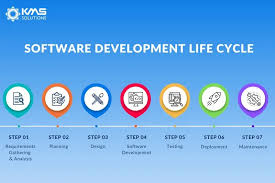
SDLC is a systematic approach to software development that ensures high-quality, reliable, and cost-effective software solutions. It consists of several phases, including planning, analysis, design, implementation, testing, deployment, and maintenance. Each phase has specific objectives and deliverables that contribute to the overall success of the project.

Guru99’s Expertise in SDLC

Guru99 provides in-depth tutorials, articles, and videos on SDLC that cover various methodologies such as Waterfall, Agile, Scrum, and DevOps. Their expert guidance helps developers gain a comprehensive understanding of each phase of the SDLC process and how to apply best practices for successful software development projects.

Benefits of Following SDLC

By following SDLC principles advocated by Guru99, developers can benefit from:

  • Improved project management
  • Enhanced collaboration among team members
  • Better risk management
  • Higher quality software products
  • Increased customer satisfaction

Conclusion

Guru99’s expertise in SDLC makes it a valuable resource for developers looking to enhance their software development skills and deliver successful projects. By following the guidance provided by Guru99 on SDLC methodologies and best practices, developers can streamline their development processes and achieve better outcomes for their software projects.


Master Software Development with Expert Insights and Best Practices from SDLC Guru99

  1. Comprehensive tutorials on various SDLC methodologies
  2. Expert guidance for each phase of the software development process
  3. In-depth articles and videos for easy learning
  4. Clear explanation of best practices in software development
  5. Helps improve project management skills
  6. Enhances collaboration among team members
  7. Provides insights into risk management strategies
  8. Ensures higher quality software products
  9. Increases customer satisfaction through successful project delivery


Challenges of Using Guru99 for SDLC Learning: Depth, Updates, and User Experience

  1. Some tutorials may lack depth and advanced topics
  2. Limited interactive learning tools on the platform
  3. Not all content may be regularly updated to reflect the latest industry trends
  4. May require additional external resources for a more comprehensive understanding of certain SDLC concepts
  5. Navigation on the website could be improved for better user experience
  6. The platform may not cater to all levels of expertise, from beginners to advanced developers

Comprehensive tutorials on various SDLC methodologies

Guru99 stands out for its comprehensive tutorials on various Software Development Life Cycle (SDLC) methodologies. Whether it’s Waterfall, Agile, Scrum, or DevOps, Guru99 provides detailed and insightful guidance to help developers understand and implement different SDLC approaches effectively. By offering in-depth tutorials on a wide range of methodologies, Guru99 empowers developers to choose the right approach for their projects and enhance their software development skills.

Expert guidance for each phase of the software development process

Guru99 offers expert guidance for each phase of the software development process, ensuring that developers have the necessary support and knowledge to navigate through planning, analysis, design, implementation, testing, deployment, and maintenance seamlessly. By providing detailed insights and best practices for each stage of the SDLC, Guru99 empowers developers to make informed decisions and execute tasks effectively, ultimately leading to the successful delivery of high-quality software solutions.

In-depth articles and videos for easy learning

Guru99’s SDLC resources stand out for their in-depth articles and videos, offering a comprehensive learning experience that caters to both beginners and experienced professionals in the software development field. With clear explanations and practical examples, these resources make complex SDLC concepts easy to grasp, empowering learners to enhance their skills and knowledge effectively.

Clear explanation of best practices in software development

Guru99’s SDLC resources excel in providing a clear explanation of best practices in software development. By offering detailed insights into industry-proven methodologies and techniques, Guru99 equips developers with the knowledge and understanding needed to implement effective strategies throughout the software development life cycle. This clarity empowers professionals to make informed decisions, improve project outcomes, and deliver high-quality software solutions that meet the highest standards of excellence.

Helps improve project management skills

Guru99’s comprehensive resources on Software Development Life Cycle (SDLC) play a crucial role in helping individuals enhance their project management skills. By following Guru99’s guidance on SDLC methodologies, aspiring project managers can learn how to effectively plan, execute, and monitor software development projects. The detailed insights provided by Guru99 empower individuals to streamline project workflows, allocate resources efficiently, and ensure timely delivery of high-quality software solutions. Overall, utilizing Guru99’s expertise in SDLC can significantly contribute to the improvement of project management skills and the successful execution of software development initiatives.

Enhances collaboration among team members

One significant advantage of utilizing SDLC methodologies from Guru99 is that it enhances collaboration among team members. By following a structured approach to software development, team members are encouraged to work together closely at each phase of the project. This collaborative environment fosters communication, idea sharing, and problem-solving, leading to improved teamwork and ultimately better outcomes for the software development project.

Provides insights into risk management strategies

Guru99’s SDLC resources offer valuable insights into risk management strategies, helping developers and organizations effectively identify, assess, and mitigate potential risks throughout the software development life cycle. By understanding and implementing these strategies, users can proactively address challenges, minimize project disruptions, and enhance the overall success of their software projects. Guru99’s focus on risk management empowers individuals to make informed decisions and take proactive measures to ensure the delivery of high-quality software solutions.

Ensures higher quality software products

By emphasizing the importance of following Software Development Life Cycle (SDLC) methodologies, Guru99 ensures that developers can deliver higher quality software products. By adhering to structured processes and best practices throughout the SDLC phases, developers can effectively identify and address issues early on, leading to more reliable and robust software solutions. Guru99’s guidance on SDLC helps developers prioritize quality assurance measures, testing procedures, and continuous improvement efforts, ultimately resulting in software products that meet or exceed user expectations.

Increases customer satisfaction through successful project delivery

By emphasizing successful project delivery as a key benefit, SDLC Guru99 ultimately increases customer satisfaction. By following the structured approach and best practices advocated by Guru99, developers can ensure that software projects are completed on time, within budget, and meet or exceed customer expectations. This commitment to delivering high-quality software solutions leads to satisfied customers who trust in the expertise and reliability of the development team.

Some tutorials may lack depth and advanced topics

While Guru99 offers valuable resources on Software Development Life Cycle (SDLC), it is important to note that some tutorials provided by the platform may lack depth and coverage of advanced topics. This limitation could potentially hinder developers seeking in-depth knowledge and expertise in certain areas of SDLC. It is advisable for users to supplement their learning with additional resources or seek advanced tutorials elsewhere to ensure a comprehensive understanding of all aspects of the software development process.

Limited interactive learning tools on the platform

One notable drawback of SDLC Guru99 is the limited availability of interactive learning tools on the platform. While Guru99 offers comprehensive resources and guides on software development life cycle methodologies, the lack of interactive tools may hinder users’ engagement and hands-on learning experience. Interactive tools such as simulations, coding exercises, or interactive quizzes can enhance the learning process by providing practical application opportunities and reinforcing key concepts effectively. Incorporating more interactive learning tools could further enrich the educational experience on SDLC Guru99 and cater to a wider range of learning preferences among users.

One drawback of using SDLC resources from Guru99 is that not all content may be regularly updated to reflect the latest industry trends. This could potentially lead to users relying on outdated information, which may not align with current best practices or technological advancements in the software development field. Staying informed about the latest trends and updates is crucial in a rapidly evolving industry like software development, and users should exercise caution when utilizing resources that may not be consistently updated to ensure they are working with the most relevant and up-to-date information available.

May require additional external resources for a more comprehensive understanding of certain SDLC concepts

One drawback of utilizing SDLC resources from Guru99 is that it may necessitate seeking additional external resources to gain a more thorough understanding of certain SDLC concepts. While Guru99 provides valuable tutorials and guides on software development life cycle methodologies, some users may find that supplementary materials are needed to delve deeper into specific aspects of the SDLC process. This limitation highlights the importance of exploring a variety of sources to ensure a comprehensive grasp of complex SDLC concepts.

One drawback of using the SDLC resources on Guru99 is that the navigation on the website could be enhanced to provide a better user experience. Improving the website’s navigation would make it easier for users to locate specific SDLC tutorials, articles, and videos quickly, ultimately enhancing their overall learning experience. By addressing this issue, Guru99 could further optimize its platform and make it even more user-friendly for individuals seeking valuable insights into software development life cycle methodologies.

The platform may not cater to all levels of expertise, from beginners to advanced developers

While Guru99 offers valuable resources and guides on Software Development Life Cycle (SDLC), one potential drawback is that the platform may not cater to all levels of expertise, from beginners to advanced developers. This limitation could pose a challenge for individuals seeking comprehensive support and guidance tailored to their specific skill levels within the SDLC process. It is important for users to assess their proficiency level in software development before relying solely on Guru99’s content to ensure they receive appropriate assistance and instruction throughout their learning journey.

java development outsourcing

Maximizing Efficiency: Strategic Java Development Outsourcing

Java Development Outsourcing: A Strategic Approach to Software Development

Java Development Outsourcing: A Strategic Approach to Software Development

In today’s fast-paced digital landscape, businesses are constantly seeking ways to stay ahead of the competition. Java development outsourcing has emerged as a strategic approach for companies looking to efficiently build robust software applications while focusing on their core business activities.

The Benefits of Java Development Outsourcing

Outsourcing Java development offers several advantages, including:

  • Cost-Effectiveness: By outsourcing Java development, companies can reduce operational costs associated with hiring and training in-house developers.
  • Access to Expertise: Outsourcing firms often have a team of experienced Java developers who possess the skills and knowledge needed to deliver high-quality software solutions.
  • Faster Time-to-Market: Outsourcing Java development allows companies to accelerate the software development process and bring products to market more quickly.
  • Scalability: Outsourcing firms can easily scale resources up or down based on project requirements, providing flexibility and agility in software development.

Challenges of Java Development Outsourcing

While there are many benefits to outsourcing Java development, there are also challenges that companies may face, such as:

  • Communication Barriers: Working with remote teams can sometimes lead to communication challenges that may impact project delivery.
  • Cultural Differences: Cultural nuances between outsourcing partners and clients can affect collaboration and project outcomes.
  • Data Security Concerns: Ensuring the security of sensitive data when working with external partners is crucial for protecting intellectual property.

Best Practices for Successful Java Development Outsourcing

To maximize the benefits of outsourcing Java development and overcome potential challenges, companies should consider implementing the following best practices:

  1. Selecting the Right Partner: Choose an outsourcing firm with a proven track record in Java development and a reputation for delivering quality solutions.
  2. Clear Communication Channels: Establish clear communication channels and set expectations from the outset to ensure alignment between all stakeholders.
  3. Data Security Protocols: Implement robust data security protocols and agreements to protect sensitive information throughout the development process.
  4. A Collaborative Approach: Foster a collaborative working relationship with your outsourcing partner by encouraging open dialogue and feedback exchange.

In conclusion, Java development outsourcing can be a strategic approach for businesses looking to leverage external expertise, reduce costs, and accelerate software development. By understanding the benefits, challenges, and best practices associated with outsourcing, companies can make informed decisions that drive success in their software projects.


9 Essential Tips for Successful Java Development Outsourcing

  1. Define clear project requirements and objectives from the start.
  2. Choose an outsourcing partner with a proven track record in Java development.
  3. Set up effective communication channels to ensure regular updates and feedback.
  4. Consider time zone differences when scheduling meetings and deadlines.
  5. Evaluate the technical expertise of the outsourced team through interviews or test projects.
  6. Ensure proper documentation is maintained throughout the project lifecycle.
  7. Establish a detailed contract that outlines deliverables, timelines, and payment terms.
  8. Use version control systems like Git to manage code collaboration efficiently.
  9. Plan for post-launch support and maintenance as part of your outsourcing agreement.

Define clear project requirements and objectives from the start.

To ensure the success of Java development outsourcing, it is crucial to define clear project requirements and objectives from the start. By clearly outlining the scope of work, expected deliverables, and project timelines, both the outsourcing firm and the client can align their efforts towards a common goal. Clear project requirements help mitigate misunderstandings, reduce rework, and ensure that the final software product meets the client’s expectations. Setting precise objectives also provides a roadmap for progress tracking and allows for effective communication throughout the development process.

Choose an outsourcing partner with a proven track record in Java development.

When considering Java development outsourcing, it is crucial to choose an outsourcing partner with a proven track record in Java development. Selecting a partner with extensive experience and expertise in Java programming ensures that your project will be handled by professionals who are well-versed in the language’s intricacies and best practices. By opting for a reputable outsourcing firm with a strong history of successful Java projects, you can have confidence in the quality and efficiency of the software solutions they deliver.

Set up effective communication channels to ensure regular updates and feedback.

Setting up effective communication channels is crucial when outsourcing Java development to ensure regular updates and feedback. By establishing clear lines of communication between the client and the outsourcing partner, stakeholders can stay informed about project progress, address any issues promptly, and provide feedback in a timely manner. This proactive approach fosters collaboration, transparency, and alignment between all parties involved, ultimately leading to a more successful and efficient Java development process.

Consider time zone differences when scheduling meetings and deadlines.

When engaging in Java development outsourcing, it is crucial to consider time zone differences when scheduling meetings and setting deadlines. Being mindful of the time variations between your team and the outsourced developers can help ensure effective communication and timely project delivery. By accommodating different time zones in your planning, you can facilitate smoother collaboration, avoid delays, and maintain productivity throughout the development process.

Evaluate the technical expertise of the outsourced team through interviews or test projects.

When considering outsourcing Java development, it is crucial to evaluate the technical expertise of the outsourced team. One effective way to assess their capabilities is through interviews or test projects. By engaging in interviews, you can gain insights into the team’s knowledge, experience, and problem-solving skills. Test projects allow you to evaluate their practical application of Java development concepts and their ability to deliver quality results. Ensuring that the outsourced team possesses the necessary technical expertise will help guarantee a successful collaboration and the development of high-quality software solutions.

Ensure proper documentation is maintained throughout the project lifecycle.

To ensure the success of a Java development outsourcing project, it is crucial to maintain proper documentation throughout the project lifecycle. Clear and comprehensive documentation serves as a roadmap for all stakeholders involved, helping to streamline communication, track progress, and ensure consistency in development processes. By documenting requirements, design decisions, code changes, and testing results, teams can enhance transparency, mitigate risks, and facilitate seamless collaboration between the client and the outsourcing partner. Effective documentation not only aids in project management but also acts as a valuable resource for future maintenance and scalability efforts.

Establish a detailed contract that outlines deliverables, timelines, and payment terms.

When engaging in Java development outsourcing, it is crucial to establish a detailed contract that clearly outlines the deliverables, timelines, and payment terms. A comprehensive contract helps ensure that both parties have a shared understanding of project expectations and responsibilities. By defining specific deliverables and setting clear timelines for completion, potential delays and misunderstandings can be minimized. Additionally, outlining payment terms in the contract helps maintain transparency and accountability throughout the outsourcing partnership. Overall, a well-defined contract serves as a foundational document that sets the framework for a successful collaboration in Java development outsourcing.

Use version control systems like Git to manage code collaboration efficiently.

To enhance efficiency and streamline code collaboration in Java development outsourcing projects, it is highly recommended to utilize version control systems like Git. By implementing Git, teams can effectively manage code changes, track revisions, and facilitate seamless collaboration among developers working on the same project. This approach not only ensures code integrity but also promotes better coordination and transparency throughout the development process, ultimately leading to improved productivity and code quality.

Plan for post-launch support and maintenance as part of your outsourcing agreement.

When considering Java development outsourcing, it is crucial to include post-launch support and maintenance in your outsourcing agreement. Planning for ongoing support ensures that any issues or updates that arise after the software launch can be addressed promptly and effectively. By including this aspect in the agreement, you can establish clear expectations for post-launch responsibilities and ensure a smooth transition from development to maintenance phase, ultimately enhancing the long-term success of your software project.

it security consulting

Empowering Your Business with Expert IT Security Consulting Services

Article: IT Security Consulting

The Importance of IT Security Consulting

In today’s digital age, cybersecurity threats are becoming more sophisticated and prevalent than ever before. Organizations of all sizes are at risk of cyberattacks that can compromise sensitive data, disrupt operations, and damage their reputation. This is where IT security consulting plays a crucial role in helping businesses strengthen their defenses and protect their assets.

What is IT Security Consulting?

IT security consulting involves the assessment, planning, implementation, and management of security measures to safeguard an organization’s information systems and data from potential threats. Experienced IT security consultants work closely with businesses to identify vulnerabilities, develop tailored strategies, and deploy effective solutions to mitigate risks.

The Benefits of IT Security Consulting

By engaging with IT security consultants, organizations can benefit in the following ways:

  • Risk Assessment: Consultants conduct thorough assessments to identify security gaps and vulnerabilities within the organization’s infrastructure.
  • Customized Solutions: Consultants design personalized security solutions that align with the specific needs and requirements of the business.
  • Compliance Adherence: Consultants ensure that organizations comply with industry regulations and standards related to data protection and privacy.
  • Ongoing Support: Consultants provide continuous monitoring, updates, and support to maintain a strong security posture in the face of evolving threats.

Hiring an IT Security Consultant

When selecting an IT security consultant, it is essential to consider their expertise, experience, certifications, and track record in handling similar projects. A reputable consultant will work collaboratively with your team to enhance cybersecurity practices and create a robust defense mechanism against cyber threats.

In Conclusion

IT security consulting is a proactive approach that helps organizations stay ahead of cyber risks and protect their valuable assets. By investing in expert guidance and tailored solutions, businesses can fortify their defenses against cyber threats and safeguard their future success in an increasingly digital world.


7 Essential Tips for Effective IT Security Consulting

  1. Conduct thorough security assessments to identify vulnerabilities.
  2. Develop customized security solutions based on the specific needs of each client.
  3. Stay updated on the latest cybersecurity threats and best practices.
  4. Provide regular training sessions to educate employees on security protocols.
  5. Implement multi-factor authentication to enhance account security.
  6. Establish incident response plans to effectively handle security breaches.
  7. Maintain open communication with clients to address any concerns or questions promptly.

Conduct thorough security assessments to identify vulnerabilities.

Conducting thorough security assessments is a critical step in IT security consulting to identify vulnerabilities within an organization’s information systems. By systematically evaluating the infrastructure, applications, and processes, IT security consultants can pinpoint potential weaknesses that could be exploited by cyber threats. These assessments provide valuable insights that enable businesses to prioritize their security efforts, implement targeted solutions, and strengthen their overall defense against malicious attacks.

Develop customized security solutions based on the specific needs of each client.

Developing customized security solutions based on the specific needs of each client is a fundamental tip in IT security consulting. By tailoring security measures to address the unique challenges and requirements of individual organizations, IT security consultants can provide more effective protection against cyber threats. This approach ensures that businesses receive personalized solutions that align with their operations, data sensitivity, and risk tolerance levels, ultimately enhancing their overall cybersecurity posture and resilience in the face of evolving digital risks.

Stay updated on the latest cybersecurity threats and best practices.

Staying updated on the latest cybersecurity threats and best practices is essential in the realm of IT security consulting. With cyber threats evolving constantly, being informed about emerging risks and effective defense strategies is crucial to safeguarding sensitive data and maintaining a secure digital environment. By staying abreast of current cybersecurity trends and adopting best practices, organizations can proactively protect themselves against potential cyberattacks and ensure the resilience of their IT infrastructure.

Provide regular training sessions to educate employees on security protocols.

Regular training sessions are a crucial aspect of IT security consulting, aimed at educating employees on security protocols. By providing ongoing training, organizations can enhance employee awareness of potential cybersecurity threats and best practices for mitigating risks. These sessions empower staff to recognize phishing attempts, secure their devices, and follow established security protocols to protect sensitive data. Ultimately, investing in regular training helps create a culture of cybersecurity awareness within the organization, strengthening its overall defense against cyber threats.

Implement multi-factor authentication to enhance account security.

Implementing multi-factor authentication is a highly effective strategy to enhance account security in IT security consulting. By requiring users to provide two or more forms of verification before accessing their accounts, such as a password and a unique code sent to their mobile device, organizations can significantly reduce the risk of unauthorized access and data breaches. Multi-factor authentication adds an extra layer of protection that makes it harder for cyber attackers to compromise sensitive information, ultimately strengthening the overall security posture of the organization.

Establish incident response plans to effectively handle security breaches.

Establishing incident response plans is a critical aspect of IT security consulting. By creating detailed protocols and procedures for handling security breaches, organizations can minimize the impact of cyber incidents and swiftly respond to mitigate potential damage. Incident response plans outline clear steps to identify, contain, eradicate, and recover from security breaches in a structured and efficient manner. Having these plans in place ensures that businesses can act decisively during times of crisis, maintain business continuity, and protect their valuable assets from cyber threats.

Maintain open communication with clients to address any concerns or questions promptly.

Maintaining open communication with clients is a fundamental aspect of effective IT security consulting. By fostering transparent and responsive interactions, consultants can address clients’ concerns and questions promptly, building trust and ensuring that their security needs are met efficiently. This proactive approach not only enhances client satisfaction but also allows consultants to tailor solutions effectively to mitigate risks and strengthen overall cybersecurity measures.

sdlc project

Maximizing Success: The Essential Steps of an SDLC Project

The Importance of the Software Development Life Cycle (SDLC) in a Project

The Importance of the Software Development Life Cycle (SDLC) in a Project

Software Development Life Cycle (SDLC) is a systematic process used by software developers to design, develop, and test high-quality software. It is crucial for the success of any software project as it ensures that the final product meets the requirements and expectations of stakeholders.

Phases of SDLC

SDLC consists of several phases that guide developers through the entire software development process:

  1. Planning: In this phase, project requirements are gathered, and a project plan is created.
  2. Analysis: Developers analyze the requirements gathered in the planning phase and create a detailed system design.
  3. Design: The system design is transformed into a detailed technical design in this phase.
  4. Implementation: The actual coding and development of the software take place in this phase.
  5. Testing: The developed software is rigorously tested to ensure it functions correctly and meets all requirements.
  6. Deployment: The software is deployed to production after successful testing.
  7. Maintenance: Post-deployment, maintenance and support activities are carried out to ensure the software remains operational and up-to-date.

Benefits of SDLC

The use of SDLC in a project offers several benefits, including:

  • Better Quality: SDLC ensures that thorough testing is conducted at each stage, resulting in higher-quality software.
  • Risk Management: By following a structured process like SDLC, risks can be identified early and mitigated effectively.
  • Cost-Effectiveness: Proper planning and design stages help prevent costly rework later in the project lifecycle.
  • Clear Communication: SDLC provides clear milestones and deliverables, facilitating effective communication among team members and stakeholders.

In Conclusion

The Software Development Life Cycle (SDLC) plays a vital role in ensuring the success of software projects by providing a structured approach to development. By following the phases of SDLC diligently, developers can create high-quality software that meets user requirements while managing risks effectively throughout the project lifecycle.


Understanding the Software Development Life Cycle (SDLC): Key Questions and Answers

  1. What is a project in SDLC?
  2. What are the 5 steps of the SDLC?
  3. What are the 5 stages of SDLC?
  4. How do you write a SDLC for a project?
  5. What is SDLC real life examples?
  6. What does the SDLC stand for?

What is a project in SDLC?

In the context of Software Development Life Cycle (SDLC), a project refers to a specific initiative or endeavor aimed at developing or enhancing software systems or applications. A project in SDLC typically involves a series of structured phases, from planning and analysis to implementation, testing, deployment, and maintenance. Each project within SDLC is unique and requires careful management of resources, timelines, and deliverables to ensure successful completion. Projects in SDLC are guided by defined objectives, requirements, and constraints that drive the development process towards delivering a high-quality software product that meets stakeholder expectations.

What are the 5 steps of the SDLC?

The Software Development Life Cycle (SDLC) consists of five key steps that guide the development process from planning to deployment and maintenance. These steps include planning, analysis, design, implementation, and testing. In the planning phase, project requirements are gathered and a project plan is created. The analysis phase involves analyzing these requirements to create a detailed system design. Subsequently, in the design phase, the system design is transformed into a detailed technical design. The implementation phase involves the actual coding and development of the software, followed by rigorous testing in the testing phase to ensure functionality and compliance with requirements. These five steps form a structured approach to software development that ensures quality and efficiency throughout the project lifecycle.

What are the 5 stages of SDLC?

The Software Development Life Cycle (SDLC) consists of five key stages that guide the development process of software projects. These stages are Planning, Analysis, Design, Implementation, and Testing. In the Planning stage, project requirements are gathered and a project plan is created. The Analysis stage involves analyzing the gathered requirements to create a detailed system design. The Design stage transforms the system design into a technical design. Implementation is where the actual coding and development of the software take place. Finally, in the Testing stage, the developed software undergoes rigorous testing to ensure it functions correctly and meets all specified requirements. These five stages of SDLC are essential for ensuring a systematic and successful software development process.

How do you write a SDLC for a project?

When writing a Software Development Life Cycle (SDLC) for a project, it is essential to follow a structured approach that encompasses the various phases of software development. Begin by conducting thorough planning to gather project requirements and create a detailed project plan. Proceed to the analysis phase where requirements are analyzed, followed by designing the system based on the analysis. The implementation phase involves coding and developing the software, which is then rigorously tested in the testing phase. Deployment to production and post-deployment maintenance complete the SDLC process. By following these steps diligently and involving stakeholders at each stage, a comprehensive SDLC for a project can be effectively written to ensure successful software development.

What is SDLC real life examples?

In real-life scenarios, Software Development Life Cycle (SDLC) methodologies are commonly applied in various industries to ensure the successful development and deployment of software projects. For example, in the healthcare sector, SDLC is utilized to create electronic medical record systems that securely store patient information and facilitate efficient healthcare delivery. Similarly, in the banking industry, SDLC is employed to develop online banking platforms that allow customers to access their accounts securely and perform transactions seamlessly. These real-life examples demonstrate how SDLC principles are essential for delivering reliable and user-friendly software solutions across different sectors.

What does the SDLC stand for?

The acronym SDLC stands for Software Development Life Cycle. It refers to a structured process used by software developers to design, develop, and test software applications. The SDLC encompasses various phases, including planning, analysis, design, implementation, testing, deployment, and maintenance. By following the SDLC methodology, developers can ensure that software projects are completed efficiently and effectively while meeting the requirements of stakeholders.

tech solutions

Empowering Success: Harnessing the Potential of Tech Solutions

The Power of Tech Solutions in Today’s World

The Power of Tech Solutions in Today’s World

Technology has become an integral part of our daily lives, transforming the way we work, communicate, and live. In this fast-paced digital age, businesses and individuals are constantly seeking innovative tech solutions to streamline processes, enhance productivity, and stay ahead of the competition.

Benefits of Tech Solutions

Implementing tech solutions offers a myriad of benefits across various sectors:

  • Increased Efficiency: Automation and digital tools help streamline operations, saving time and resources.
  • Enhanced Communication: Collaboration platforms and communication tools facilitate seamless interaction among team members, regardless of location.
  • Data Security: Robust cybersecurity solutions protect sensitive information from cyber threats and breaches.
  • Better Decision-Making: Data analytics tools provide valuable insights that enable informed decision-making for businesses.
  • Improved Customer Experience: Personalized services and efficient customer support systems enhance overall satisfaction.

The Role of Tech Solutions in Business Growth

In the competitive business landscape, leveraging tech solutions is crucial for driving growth and staying relevant. Companies that embrace digital transformation are better positioned to adapt to market changes, meet customer demands, and innovate effectively.

Future Trends in Tech Solutions

The rapid evolution of technology continues to shape the future of tech solutions. Emerging trends such as artificial intelligence, Internet of Things (IoT), cloud computing, and blockchain are revolutionizing industries across the globe. These cutting-edge technologies offer limitless possibilities for businesses seeking to optimize their operations and deliver exceptional value to customers.

In conclusion, tech solutions play a pivotal role in shaping our modern world. By embracing innovation and harnessing the power of technology, businesses can unlock new opportunities for growth, efficiency, and success in today’s dynamic environment.


5 Essential Tech Tips to Enhance Your Digital Security and Protect Your Data

  1. Regularly update your software and applications to ensure security patches are in place.
  2. Backup your data frequently to prevent loss in case of hardware failure or cyber attacks.
  3. Use strong, unique passwords for each account and consider using a password manager.
  4. Enable two-factor authentication whenever possible to add an extra layer of security.
  5. Be cautious when clicking on links or downloading attachments from unknown sources to avoid malware infections.

Regularly update your software and applications to ensure security patches are in place.

Regularly updating your software and applications is a crucial step in maintaining the security of your digital environment. By staying current with updates, you ensure that security patches are in place to address vulnerabilities and protect your systems from potential cyber threats. Neglecting to update can leave your devices and data exposed to malicious attacks, making it essential to prioritize regular software maintenance as part of your cybersecurity strategy.

Backup your data frequently to prevent loss in case of hardware failure or cyber attacks.

It is essential to regularly back up your data to safeguard against potential loss due to hardware failures or cyber attacks. By maintaining up-to-date backups of your important files and information, you can mitigate the risks associated with unexpected events and ensure that your data remains secure and accessible when needed. Taking proactive measures to protect your data through regular backups is a fundamental aspect of maintaining a resilient and reliable digital infrastructure.

Use strong, unique passwords for each account and consider using a password manager.

In the realm of tech solutions, a crucial tip for safeguarding your online accounts is to utilize strong and unique passwords for each account. By creating complex passwords that are different for every platform, you significantly enhance the security of your sensitive information. Additionally, considering the use of a password manager can simplify the management of multiple passwords while ensuring they are securely stored. This proactive approach not only mitigates the risk of unauthorized access but also provides peace of mind in an increasingly interconnected digital world.

Enable two-factor authentication whenever possible to add an extra layer of security.

Enabling two-factor authentication whenever possible is a highly recommended tip in tech solutions to enhance security measures. By requiring users to provide two forms of verification before accessing an account or system, such as a password and a unique code sent to their mobile device, two-factor authentication adds an extra layer of protection against unauthorized access and potential cyber threats. This simple yet effective security measure significantly reduces the risk of data breaches and enhances overall cybersecurity posture, making it a valuable practice for safeguarding sensitive information in today’s digital landscape.

In the realm of tech solutions, it is crucial to exercise caution when interacting with unfamiliar sources online. One key tip to safeguard against potential cybersecurity threats is to be wary of clicking on links or downloading attachments from unknown sources. By remaining vigilant and avoiding such risky actions, individuals and businesses can mitigate the risk of malware infections that could compromise sensitive data and disrupt operations. Prioritizing cybersecurity best practices like this can help maintain a secure digital environment and protect against cyber threats in today’s interconnected world.

freelance software

Unlocking the Potential of Freelance Software Development

The World of Freelance Software Development

The World of Freelance Software Development

In today’s digital age, freelance software development has become a popular choice for both developers and businesses. Freelancers offer flexibility, specialized skills, and cost-effectiveness that traditional employment models may not provide.

Freelance software developers are independent professionals who work on a project basis for various clients. They have the freedom to choose their projects, set their rates, and work remotely from anywhere in the world.

Benefits of Hiring Freelance Software Developers:

  • Flexibility: Businesses can hire freelancers for short-term projects or ongoing support without the commitment of a full-time employee.
  • Specialized Skills: Freelancers often have expertise in niche areas of software development, allowing businesses to access specialized knowledge they may not have in-house.
  • Cost-Effectiveness: Hiring freelancers can be more cost-effective than maintaining a full-time team, as businesses only pay for the work completed on a project-by-project basis.
  • Global Talent Pool: Businesses can tap into a global talent pool by hiring freelance developers from different countries with diverse backgrounds and experiences.
  • Rapid Scaling: Freelancers can help businesses scale their development resources up or down quickly based on project requirements.

Challenges of Freelance Software Development:

While freelance software development offers many benefits, there are also challenges to consider:

  • Communication: Remote communication can sometimes be challenging, leading to misunderstandings or delays in project delivery.
  • Quality Control: Ensuring consistent quality across multiple freelancers working on different aspects of a project can be a concern for some businesses.
  • Project Management: Coordinating tasks and timelines among multiple freelancers requires effective project management skills to ensure smooth collaboration.
  • Data Security: Protecting sensitive data when working with external freelancers requires robust security measures and confidentiality agreements.

In conclusion, freelance software development offers a wealth of opportunities for both developers seeking independence and businesses looking for flexible solutions. By understanding the benefits and challenges associated with freelance work, stakeholders can make informed decisions that lead to successful collaborations in the dynamic world of software development.


7 Benefits of Freelance Software Work: Flexibility, Independence, and Enhanced Earnings

  1. Flexibility in choosing projects and working hours
  2. Ability to set your own rates and negotiate with clients
  3. Opportunity to work with diverse clients from around the world
  4. Independence and autonomy in managing your workload
  5. Potential for higher earnings compared to traditional employment
  6. Enhanced skill development through exposure to varied projects
  7. Work-life balance by creating a schedule that suits your lifestyle


Overcoming Freelance Software Hurdles: Communication, Quality Control, and Project Management Challenges

  1. Communication challenges due to remote work
  2. Quality control issues with multiple freelancers working on different aspects of a project
  3. Difficulty in project management and coordination among freelancers

Flexibility in choosing projects and working hours

One of the key advantages of freelance software development is the unparalleled flexibility it offers in selecting projects and determining working hours. Freelancers have the autonomy to choose projects that align with their interests, expertise, and schedule preferences. This freedom empowers them to create a work-life balance that suits their individual needs, leading to increased job satisfaction and productivity. Additionally, clients benefit from this flexibility as they can engage with freelancers who are fully committed and motivated to deliver high-quality results on their own terms.

Ability to set your own rates and negotiate with clients

The ability to set your own rates and negotiate with clients is a significant advantage of freelance software development. Freelancers have the flexibility to determine their worth based on their skills, experience, and the complexity of the project. This autonomy empowers freelancers to establish fair pricing that reflects the value they bring to clients, leading to more transparent and mutually beneficial negotiations. By setting competitive rates and engaging in constructive discussions with clients, freelancers can build strong professional relationships while ensuring they are appropriately compensated for their expertise and services.

Opportunity to work with diverse clients from around the world

One significant advantage of freelance software development is the opportunity it provides to work with diverse clients from around the world. Freelancers have the chance to collaborate with individuals and businesses across different cultures, industries, and geographical locations. This exposure not only broadens their professional network but also allows them to gain valuable insights, perspectives, and experiences that can enhance their skills and creativity. Working with diverse clients fosters a dynamic and enriching work environment, promoting continuous learning and growth in the ever-evolving field of software development.

Independence and autonomy in managing your workload

Independence and autonomy in managing your workload are significant advantages of freelance software development. As a freelance developer, you have the freedom to choose the projects that align with your interests and expertise, set your own schedule, and determine how you allocate your time and resources. This level of control allows you to maintain a healthy work-life balance, take on projects that inspire you, and tailor your workload to suit your personal preferences and professional goals. Ultimately, the independence and autonomy inherent in freelance software work empower you to create a fulfilling and sustainable career path that aligns with your unique strengths and aspirations.

Potential for higher earnings compared to traditional employment

Freelance software developers have the potential for higher earnings compared to traditional employment due to their ability to set their own rates, take on multiple projects simultaneously, and cater to a global client base. By leveraging their specialized skills and expertise, freelancers can command competitive rates for their services, leading to increased income opportunities. Additionally, freelancers have the flexibility to negotiate project fees based on the complexity and scope of work, allowing them to maximize their earning potential in a way that may not be possible in a traditional employment setting.

Enhanced skill development through exposure to varied projects

Freelance software developers benefit from enhanced skill development through exposure to varied projects. Working on diverse assignments for different clients allows freelancers to expand their expertise, adapt to new technologies, and solve unique challenges. This exposure not only broadens their skill set but also fosters creativity and innovation as they navigate a range of project requirements. By engaging in a variety of projects, freelance developers continuously refine their abilities, stay current with industry trends, and cultivate a versatile skill set that sets them apart in the competitive software development landscape.

Work-life balance by creating a schedule that suits your lifestyle

Freelance software development allows professionals to achieve better work-life balance by creating a schedule that aligns with their lifestyle. Unlike traditional office jobs with fixed hours, freelancers have the flexibility to choose when and where they work. This freedom enables them to prioritize personal commitments, hobbies, and downtime while still meeting project deadlines. By tailoring their work schedule to suit their individual needs, freelance software developers can strike a harmonious balance between work responsibilities and personal well-being, leading to increased productivity and job satisfaction.

Communication challenges due to remote work

Communication challenges due to remote work can be a significant drawback of freelance software development. Without the benefit of face-to-face interaction, misunderstandings can arise more easily, leading to delays in project progress and potential misalignment of expectations between freelancers and clients. Clear and effective communication becomes crucial in overcoming this con, requiring both parties to utilize various digital tools and establish structured communication channels to ensure smooth collaboration and project success.

Quality control issues with multiple freelancers working on different aspects of a project

Quality control can be a significant challenge in freelance software development when multiple freelancers are working on different aspects of a project. Ensuring consistency in coding standards, design elements, and overall project quality becomes complex when each freelancer brings their unique style and approach to the table. Coordinating efforts to maintain a cohesive end product requires meticulous oversight and clear communication among team members to address any discrepancies and uphold the desired quality standards throughout the project lifecycle.

Difficulty in project management and coordination among freelancers

One significant challenge of freelance software development is the difficulty in project management and coordination among freelancers. When multiple freelancers are involved in a project, ensuring seamless collaboration, aligning tasks and timelines, and maintaining consistent communication can be complex. Coordinating the efforts of freelancers who work remotely and have varying schedules and priorities requires strong project management skills and effective communication strategies to overcome potential obstacles and ensure the successful delivery of projects within deadlines.

adobe marketing cloud

Unlocking Success with Adobe Marketing Cloud: A Comprehensive Digital Marketing Solution

Article: Adobe Marketing Cloud

The Power of Adobe Marketing Cloud

Adobe Marketing Cloud is a comprehensive digital marketing platform that offers a wide range of tools and services to help businesses create, manage, and optimize their marketing strategies. With its suite of integrated solutions, Adobe Marketing Cloud empowers organizations to deliver personalized and engaging experiences to their customers across multiple channels.

Key Features of Adobe Marketing Cloud:

  • Analytics: Gain insights into customer behavior and campaign performance with advanced analytics tools.
  • Campaign Management: Plan, execute, and track marketing campaigns across various channels with ease.
  • Personalization: Deliver targeted content and experiences based on customer preferences and behavior.
  • Social Media Management: Monitor social media conversations, engage with customers, and measure social ROI.
  • Mobile Marketing: Create mobile-optimized experiences and engage with customers on mobile devices.
  • Email Marketing: Design and send personalized email campaigns to nurture leads and drive conversions.

The Benefits of Using Adobe Marketing Cloud:

By leveraging the capabilities of Adobe Marketing Cloud, businesses can:

  • Improve customer engagement and loyalty through personalized experiences
  • Increase conversion rates by delivering relevant content to the right audience at the right time
  • Optimize marketing campaigns based on real-time data and insights
  • Enhance brand visibility and reputation across digital channels
  • Drive revenue growth through targeted marketing strategies

In today’s competitive digital landscape, having a robust marketing platform like Adobe Marketing Cloud is essential for businesses looking to stay ahead of the curve. With its powerful features and capabilities, Adobe Marketing Cloud enables organizations to create impactful marketing campaigns that drive results and foster long-term customer relationships.


Mastering Adobe Marketing Cloud: 7 Essential Tips for Effective Campaigns

  1. Utilize Adobe Marketing Cloud to create personalized and targeted marketing campaigns.
  2. Take advantage of the analytics tools in Adobe Marketing Cloud to track and measure the performance of your campaigns.
  3. Use Adobe Marketing Cloud’s automation features to streamline your marketing processes and improve efficiency.
  4. Integrate different components of Adobe Marketing Cloud for a comprehensive and cohesive marketing strategy.
  5. Stay updated on new features and updates released by Adobe to make the most of the Marketing Cloud platform.
  6. Collaborate with team members to leverage the collaborative capabilities of Adobe Marketing Cloud for better results.
  7. Invest time in training and learning about all the functionalities available in Adobe Marketing Cloud to maximize its potential.

Utilize Adobe Marketing Cloud to create personalized and targeted marketing campaigns.

By leveraging Adobe Marketing Cloud, businesses can harness the power of personalized and targeted marketing campaigns. This tip highlights the platform’s capability to tailor content and experiences based on customer preferences and behavior, ultimately enhancing engagement and driving conversions. Adobe Marketing Cloud empowers organizations to deliver relevant messages to the right audience at the right time, maximizing the effectiveness of their marketing efforts and fostering stronger connections with customers.

Take advantage of the analytics tools in Adobe Marketing Cloud to track and measure the performance of your campaigns.

Utilize the analytics tools available in Adobe Marketing Cloud to effectively monitor and evaluate the success of your marketing campaigns. By leveraging these tools, you can gain valuable insights into customer engagement, campaign effectiveness, and overall performance metrics. Tracking and measuring key performance indicators will enable you to make data-driven decisions, optimize your strategies, and enhance the impact of your marketing efforts.

Use Adobe Marketing Cloud’s automation features to streamline your marketing processes and improve efficiency.

Utilizing Adobe Marketing Cloud’s automation features can significantly enhance your marketing operations by streamlining processes and boosting efficiency. By automating repetitive tasks such as email campaigns, social media scheduling, and data analysis, businesses can save time and resources while ensuring consistent and timely delivery of marketing initiatives. This not only improves productivity but also allows teams to focus on more strategic activities, driving better results and overall effectiveness in reaching target audiences.

Integrate different components of Adobe Marketing Cloud for a comprehensive and cohesive marketing strategy.

To maximize the effectiveness of your marketing efforts, it is crucial to integrate different components of Adobe Marketing Cloud seamlessly. By combining analytics, campaign management, personalization, social media management, mobile marketing, and email marketing tools within the platform, businesses can create a unified and cohesive marketing strategy. This integration allows for a holistic view of customer interactions and enables targeted and personalized campaigns across various channels. By leveraging the full capabilities of Adobe Marketing Cloud in a harmonized manner, organizations can optimize their marketing initiatives for enhanced engagement and better results.

Stay updated on new features and updates released by Adobe to make the most of the Marketing Cloud platform.

To maximize the benefits of Adobe Marketing Cloud, it is crucial to stay informed about new features and updates regularly rolled out by Adobe. By staying updated on the latest enhancements, businesses can leverage the full potential of the Marketing Cloud platform, ensuring that they are equipped with the most advanced tools and capabilities to enhance their marketing strategies and deliver exceptional experiences to their customers across various digital channels.

Collaborate with team members to leverage the collaborative capabilities of Adobe Marketing Cloud for better results.

To maximize the potential of Adobe Marketing Cloud and achieve superior outcomes, it is crucial to collaborate effectively with team members. By harnessing the collaborative features of Adobe Marketing Cloud, teams can work together seamlessly, share insights, and leverage collective expertise to enhance marketing strategies and achieve better results. Effective collaboration not only fosters creativity and innovation but also ensures that all team members are aligned towards common goals, leading to more impactful and successful marketing initiatives.

Invest time in training and learning about all the functionalities available in Adobe Marketing Cloud to maximize its potential.

Investing time in training and learning about all the functionalities available in Adobe Marketing Cloud is crucial to maximizing its potential. By gaining a deep understanding of the platform’s features and capabilities, users can unlock its full power and leverage it effectively to drive successful marketing campaigns. Continuous learning and skill development ensure that businesses can make the most out of Adobe Marketing Cloud’s tools, leading to enhanced customer engagement, improved campaign performance, and ultimately, greater business success.

android app development agency

Empowering Your Business with a Leading Android App Development Agency

Article: Android App Development Agency

The Power of Android App Development Agencies

In today’s digital age, mobile applications have become essential tools for businesses looking to engage with their customers and expand their reach. Android, being the most widely used mobile operating system globally, presents a lucrative opportunity for companies to connect with a vast user base.

However, developing a successful Android app requires expertise in coding, design, and user experience. This is where Android app development agencies come into play. These specialized firms are equipped with the knowledge and skills necessary to create top-notch applications that meet the unique needs of their clients.

Services Offered by Android App Development Agencies

Android app development agencies offer a range of services tailored to meet the diverse requirements of businesses:

  • Custom App Development: Agencies create bespoke Android apps from scratch based on client specifications and objectives.
  • UI/UX Design: They focus on designing intuitive and visually appealing interfaces that enhance user engagement.
  • Quality Assurance: Testing is a crucial aspect of app development, and agencies ensure that the apps are bug-free and perform seamlessly.
  • Maintenance and Support: Post-launch support services ensure that the app remains up-to-date and functional over time.

The Benefits of Working with an Android App Development Agency

Collaborating with an Android app development agency offers several advantages:

  • Expertise: Agencies have specialized knowledge in Android app development, ensuring high-quality results.
  • Time and Cost Efficiency: Outsourcing app development to professionals saves time and resources compared to in-house development.
  • Creative Solutions: Agencies bring fresh perspectives and innovative ideas to the table, enhancing the app’s overall appeal.
  • Focused Approach: By entrusting the project to experts, businesses can concentrate on their core operations while the agency handles app development.

In Conclusion

An Android app development agency can be a valuable partner for businesses looking to establish a strong presence in the mobile market. With their expertise, creativity, and dedication to excellence, these agencies play a crucial role in helping companies achieve success through well-crafted Android applications.


7 Advantages of Hiring an Android App Development Agency

  1. Expertise in Android app development
  2. Access to specialized knowledge and skills
  3. Cost-effective compared to in-house development
  4. Quality assurance and testing services provided
  5. Creative solutions for unique app requirements
  6. Time-efficient project completion timelines
  7. Post-launch support and maintenance services


7 Drawbacks of Hiring an Android App Development Agency for Your Business

  1. Costly services may not be feasible for small businesses with limited budgets.
  2. Communication challenges can arise due to differences in technical understanding between the agency and the client.
  3. Quality may vary depending on the expertise and experience of the developers assigned to the project.
  4. Timeline delays can occur, impacting project deadlines and launch schedules.
  5. Limited customization options in pre-packaged development solutions offered by some agencies.
  6. Potential lack of direct control over the development process compared to in-house development teams.
  7. Dependency on third-party agencies for ongoing maintenance and updates post-launch.

Expertise in Android app development

One significant advantage of partnering with an Android app development agency is their expertise in Android app development. These agencies have a deep understanding of the Android platform, its capabilities, and best practices for creating high-quality applications. Their specialized knowledge allows them to navigate the complexities of Android development efficiently, ensuring that the apps they create are not only functional but also optimized for performance and user experience. By leveraging their expertise, businesses can benefit from well-crafted Android apps that meet their specific requirements and resonate with their target audience.

Access to specialized knowledge and skills

One significant advantage of partnering with an Android app development agency is gaining access to specialized knowledge and skills that are crucial for creating high-quality mobile applications. These agencies employ experts who are well-versed in the intricacies of Android app development, including coding best practices, user interface design, and quality assurance processes. By leveraging their expertise, businesses can benefit from innovative solutions and optimized app performance, ultimately enhancing their competitive edge in the mobile market.

Cost-effective compared to in-house development

One significant advantage of partnering with an Android app development agency is its cost-effectiveness when compared to in-house development. By outsourcing app development to a specialized agency, businesses can save on expenses associated with hiring and training an in-house team, purchasing software and equipment, and managing ongoing maintenance and support. Additionally, agencies often have established processes and resources in place, allowing for efficient project completion within budget constraints. This cost-efficient approach enables companies to allocate their financial resources strategically while benefiting from the expertise and experience of dedicated professionals in the field.

Quality assurance and testing services provided

Quality assurance and testing services provided by Android app development agencies are crucial in ensuring the smooth functionality and performance of mobile applications. By conducting rigorous testing procedures, including functionality testing, compatibility testing, and performance testing, these agencies can identify and rectify any issues or bugs before the app is launched. This meticulous approach not only enhances the user experience but also helps in building a reliable and robust app that meets the highest standards of quality.

Creative solutions for unique app requirements

Android app development agencies excel in providing creative solutions for unique app requirements. By leveraging their expertise and innovative approach, these agencies can tailor Android apps to meet the specific needs and objectives of their clients. Whether it involves implementing custom features, designing a distinctive user interface, or solving complex technical challenges, Android app development agencies are adept at thinking outside the box to deliver solutions that stand out in the competitive app market. Their ability to adapt and innovate ensures that each app they develop is not only functional but also engaging and memorable for users.

Time-efficient project completion timelines

Android app development agencies offer a significant advantage in terms of time-efficient project completion timelines. By leveraging their expertise and experience in Android app development, these agencies can streamline the development process, ensuring that projects are completed within specified timelines. This time efficiency not only saves valuable resources for businesses but also allows them to launch their Android apps in a timely manner, gaining a competitive edge in the market.

Post-launch support and maintenance services

Post-launch support and maintenance services offered by Android app development agencies are a crucial pro that ensures the longevity and optimal performance of mobile applications. By providing ongoing technical assistance, updates, and bug fixes, these agencies help businesses address any issues that may arise after the app is launched. This proactive approach not only enhances user experience but also demonstrates a commitment to continuous improvement, ultimately leading to higher user satisfaction and retention rates.

Costly services may not be feasible for small businesses with limited budgets.

Costly services offered by Android app development agencies may pose a significant challenge for small businesses operating on limited budgets. The financial investment required for professional app development services can sometimes be prohibitive for smaller enterprises, making it difficult for them to afford the expertise and resources provided by these agencies. This limitation can hinder the ability of small businesses to leverage the benefits of custom Android app development, potentially restricting their growth and competitiveness in the digital market.

Communication challenges can arise due to differences in technical understanding between the agency and the client.

Communication challenges can indeed arise in the realm of Android app development agencies, particularly when there are disparities in technical understanding between the agency and the client. Misinterpretations or misunderstandings related to complex technical concepts or requirements can hinder effective communication and collaboration. This lack of alignment in technical knowledge may lead to delays, errors, or discrepancies in the app development process, potentially impacting the overall project timeline and quality of the final product. Clear and transparent communication channels and efforts to bridge the gap in technical comprehension are crucial to mitigate such challenges and ensure successful outcomes in Android app development projects.

Quality may vary depending on the expertise and experience of the developers assigned to the project.

One potential drawback of working with an Android app development agency is that the quality of the final product may vary based on the expertise and experience of the developers assigned to the project. Since different developers within the agency may have varying levels of skill and knowledge, there is a possibility that some projects may not meet the desired standards in terms of functionality, design, or user experience. It is essential for businesses to thoroughly assess the qualifications and track record of the developers working on their app to ensure a successful outcome.

Timeline delays can occur, impacting project deadlines and launch schedules.

One significant drawback of working with an Android app development agency is the potential for timeline delays, which can have a substantial impact on project deadlines and launch schedules. Despite meticulous planning and coordination, unforeseen challenges or complexities in the development process can arise, leading to setbacks in the timeline. These delays not only disrupt the project’s progress but also affect the overall launch strategy, potentially causing frustration among stakeholders and impacting the app’s market entry timing. It is crucial for businesses to consider this con when engaging with an Android app development agency and to establish clear communication channels and contingency plans to mitigate potential timeline disruptions.

Limited customization options in pre-packaged development solutions offered by some agencies.

Limited customization options in pre-packaged development solutions offered by some Android app development agencies can be a significant drawback for businesses seeking tailored and unique applications. While pre-packaged solutions may offer cost and time efficiencies, the lack of flexibility in customization can hinder companies from fully aligning the app with their specific brand identity and functionality requirements. This limitation may result in a generic app that fails to stand out in a competitive market or address the distinct needs of the target audience effectively. Therefore, businesses must carefully evaluate the level of customization offered by Android app development agencies to ensure that their app reflects their individuality and meets their business objectives.

Potential lack of direct control over the development process compared to in-house development teams.

When opting for an Android app development agency, one notable con is the potential lack of direct control over the development process compared to in-house development teams. While agencies offer expertise and efficiency, some businesses may find it challenging to have real-time oversight and immediate input into the project’s progress. Communication gaps or differing priorities could arise, leading to a disconnect between the client’s vision and the final product. This limitation highlights the importance of clear communication channels and regular updates to ensure alignment between the business goals and the app development process.

Dependency on third-party agencies for ongoing maintenance and updates post-launch.

One significant drawback of relying on an Android app development agency is the dependency created on third-party entities for ongoing maintenance and updates post-launch. While these agencies may excel in creating the initial app, businesses can find themselves tied to their services for continuous support and enhancements. This reliance on external providers can lead to potential delays, communication challenges, and additional costs, hindering the flexibility and autonomy of the business in managing and evolving their app over time.

Enhancing Cybersecurity with Artificial Intelligence: A Futuristic Approach

Artificial Intelligence in Cybersecurity

Artificial Intelligence in Cybersecurity: A New Era of Protection

The digital landscape is evolving rapidly, and with it, the threats to cybersecurity are becoming more sophisticated. As businesses and individuals increasingly rely on digital platforms, the need for robust cybersecurity measures has never been more critical. Enter artificial intelligence (AI), a transformative force that is reshaping how we approach security in the digital age.

The Role of AI in Cybersecurity

AI is revolutionizing cybersecurity by providing advanced tools and techniques to detect, prevent, and respond to cyber threats. Here are some ways AI is enhancing cybersecurity:

  • Threat Detection: AI systems can analyze vast amounts of data at incredible speeds, identifying patterns and anomalies that may indicate a cyber threat. This capability allows for real-time threat detection and reduces the time it takes to respond to potential attacks.
  • Behavioral Analysis: By learning typical user behavior, AI can detect deviations that may signal unauthorized access or insider threats. This proactive approach helps in mitigating risks before they escalate.
  • Automated Response: AI can automate responses to certain types of cyber threats, such as isolating affected systems or blocking malicious traffic. This automation reduces the burden on human analysts and allows for swift action against attacks.

Benefits of AI-Driven Cybersecurity

The integration of AI into cybersecurity offers numerous benefits:

  1. Improved Accuracy: AI algorithms continuously learn from new data, enhancing their ability to accurately identify threats while minimizing false positives.
  2. Scalability: As organizations grow and their networks expand, AI systems can scale accordingly without a significant increase in resource requirements.
  3. Cost Efficiency: Automating routine security tasks with AI reduces the need for extensive human intervention, leading to cost savings over time.

Challenges and Considerations

While AI offers significant advantages in cybersecurity, there are challenges that need addressing:

  • Evolving Threats: Cybercriminals are also leveraging AI technologies to develop more advanced attack methods. Continuous innovation is essential to stay ahead.
  • Data Privacy: The use of AI requires access to large datasets, raising concerns about privacy and data protection. Ensuring compliance with regulations is crucial.
  • Lack of Expertise: Implementing and managing AI-driven security solutions require specialized skills that are currently scarce in the job market.

The Future of AI in Cybersecurity

The future holds immense potential for AI in cybersecurity. As technology advances, we can expect even more sophisticated solutions capable of predicting threats before they materialize. Collaboration between industry leaders will be key to developing standards and best practices that maximize the effectiveness of AI while safeguarding privacy and ethical considerations.

The integration of artificial intelligence into cybersecurity marks a pivotal shift towards more resilient digital defenses. By harnessing the power of AI, organizations can better protect themselves against an ever-evolving threat landscape and ensure a safer digital future for all.


Enhancing Cybersecurity: 6 Essential Tips for Integrating AI Effectively

  1. Implement AI-powered threat detection systems to identify and respond to cyber threats in real-time.
  2. Utilize machine learning algorithms to analyze patterns and detect anomalies in network traffic for early threat detection.
  3. Employ AI-driven automation for faster incident response and remediation processes.
  4. Regularly update AI models with new data to enhance their accuracy and effectiveness in identifying potential security risks.
  5. Train cybersecurity professionals in understanding AI technologies to leverage them effectively in securing systems and networks.
  6. Ensure transparency and ethical use of AI in cybersecurity practices to maintain trust and accountability.

Implement AI-powered threat detection systems to identify and respond to cyber threats in real-time.

Implementing AI-powered threat detection systems is a crucial step in bolstering cybersecurity defenses. These advanced systems leverage machine learning algorithms to analyze vast amounts of data and identify potential threats as they occur. By continuously monitoring network activity and recognizing patterns indicative of malicious behavior, AI can detect anomalies that might signify a cyber attack. This real-time detection capability allows organizations to respond swiftly, minimizing the impact of threats and reducing the risk of data breaches. Moreover, AI systems can adapt and learn from new threats, ensuring they remain effective against evolving cyber challenges. Integrating AI into cybersecurity strategies not only enhances threat detection but also empowers security teams to focus on more complex issues by automating routine monitoring tasks.

Utilize machine learning algorithms to analyze patterns and detect anomalies in network traffic for early threat detection.

By utilizing machine learning algorithms to analyze patterns and detect anomalies in network traffic, organizations can significantly enhance their cybersecurity posture. This proactive approach enables early threat detection by identifying suspicious behavior or deviations that may indicate potential attacks. By leveraging the power of machine learning, security teams can swiftly respond to emerging threats and strengthen their defenses against cyber threats in real-time.

Employ AI-driven automation for faster incident response and remediation processes.

Leveraging AI-driven automation in cybersecurity significantly enhances the speed and efficiency of incident response and remediation processes. By automating routine tasks such as threat detection, alert triage, and initial response actions, organizations can drastically reduce the time it takes to identify and mitigate cyber threats. This rapid response capability minimizes potential damage and disruption caused by security incidents. AI systems can quickly analyze large volumes of data to detect anomalies and patterns that may indicate a breach, allowing security teams to focus on more complex issues that require human expertise. Ultimately, employing AI-driven automation empowers organizations to stay ahead of evolving threats while optimizing their cybersecurity resources.

Regularly update AI models with new data to enhance their accuracy and effectiveness in identifying potential security risks.

Regularly updating AI models with new data is crucial for enhancing their accuracy and effectiveness in identifying potential security risks. As cyber threats continuously evolve, AI systems must adapt to detect new patterns and anomalies that may indicate malicious activity. By feeding AI models with fresh, relevant data, organizations can ensure these systems remain current and capable of recognizing emerging threats. This proactive approach not only improves the precision of threat detection but also reduces false positives, allowing cybersecurity teams to focus on genuine risks. Ultimately, keeping AI models updated is a key strategy in maintaining robust and resilient cybersecurity defenses.

Train cybersecurity professionals in understanding AI technologies to leverage them effectively in securing systems and networks.

Training cybersecurity professionals in understanding AI technologies is crucial for leveraging these tools effectively in securing systems and networks. As AI becomes increasingly integrated into cybersecurity strategies, it is essential for professionals to grasp how these technologies function, their capabilities, and their limitations. By equipping cybersecurity experts with knowledge about AI algorithms, machine learning models, and data analysis techniques, organizations can enhance their ability to detect and respond to threats more swiftly and accurately. This training not only empowers professionals to utilize AI-driven tools effectively but also enables them to anticipate potential vulnerabilities that could be exploited by malicious actors using similar technologies. Ultimately, investing in education and training around AI ensures that cybersecurity teams are well-prepared to harness the full potential of these advanced tools in protecting digital assets.

Ensure transparency and ethical use of AI in cybersecurity practices to maintain trust and accountability.

Incorporating artificial intelligence into cybersecurity practices requires a commitment to transparency and ethical use to maintain trust and accountability. As AI systems become more integral in detecting and mitigating cyber threats, it is crucial for organizations to clearly communicate how these technologies are employed and ensure they adhere to ethical standards. This involves being transparent about data usage, decision-making processes, and the limitations of AI technologies. By fostering an environment of openness, organizations can build trust with stakeholders, ensuring that AI-driven cybersecurity measures are not only effective but also aligned with societal values and privacy concerns. Ensuring ethical use also involves regularly auditing AI systems for biases and inaccuracies, which helps maintain accountability and reinforces the credibility of cybersecurity efforts.