cfchris.com

Loading

artificial narrow intelligence

Exploring the Potential of Artificial Narrow Intelligence in Today’s Technology Landscape

Article: Artificial Narrow Intelligence

The Rise of Artificial Narrow Intelligence (ANI)

Artificial Narrow Intelligence (ANI), also known as Weak AI, is a type of artificial intelligence that is designed to perform a narrow task or a specific set of tasks. Unlike Artificial General Intelligence (AGI), which aims to replicate human cognitive abilities across a wide range of tasks, ANI focuses on excelling in one particular area.

Examples of ANI can be found in various applications today, such as virtual assistants like Siri and Alexa, recommendation systems on streaming platforms, and predictive text algorithms on smartphones. These systems are trained to perform specific tasks efficiently but lack the broader understanding and adaptability of human intelligence.

Characteristics of Artificial Narrow Intelligence:

  • Task-Specific: ANI is designed for a specific task or set of tasks and does not possess general cognitive abilities.
  • Data-Dependent: ANI relies heavily on data for training and decision-making processes.
  • Narrow Scope: ANI is limited to the domain it was created for and cannot easily transfer knowledge to other areas.
  • No Consciousness: ANI lacks self-awareness or consciousness and operates based on predefined algorithms.

While ANI has shown remarkable advancements in various fields, including healthcare, finance, and transportation, it also raises ethical concerns regarding privacy, bias in decision-making, and potential job displacement due to automation. As researchers continue to explore the capabilities of artificial intelligence, the development of more advanced systems like AGI remains a topic of great interest and debate.

In conclusion, Artificial Narrow Intelligence plays a crucial role in shaping our modern technological landscape by providing specialized solutions to complex problems. By understanding its limitations and possibilities, we can harness the power of ANI responsibly for the benefit of society.


7 Key Insights into Artificial Narrow Intelligence: Specialization, Applications, and Limitations

  1. Focuses on performing specific tasks within a limited domain.
  2. Lacks general cognitive abilities and understanding beyond its narrow scope.
  3. Highly specialized in one area, such as language translation or image recognition.
  4. Relies on predefined rules and algorithms to make decisions.
  5. Not capable of learning or adapting outside of its programmed tasks.
  6. Examples include virtual assistants like Siri and Alexa, as well as recommendation systems.
  7. Used in various industries for automation and efficiency.

Focuses on performing specific tasks within a limited domain.

Artificial Narrow Intelligence (ANI) is characterized by its ability to focus on performing specific tasks within a limited domain. Unlike broader artificial intelligence systems, ANI excels at executing predefined tasks efficiently and accurately within a narrow scope of expertise. This specialized approach allows ANI to deliver targeted solutions in areas such as data analysis, automated reasoning, and natural language processing, demonstrating the power of tailored intelligence in addressing specific challenges effectively.

Lacks general cognitive abilities and understanding beyond its narrow scope.

Artificial Narrow Intelligence, or ANI, is characterized by its limitation in general cognitive abilities and understanding beyond the specific tasks it is designed for. While ANI excels in performing narrow tasks efficiently, it lacks the broader comprehension and adaptability that human intelligence possesses. This restricted scope of ANI emphasizes its specialization in targeted functions, highlighting the importance of considering its limitations when integrating such technology into various applications.

Highly specialized in one area, such as language translation or image recognition.

Artificial Narrow Intelligence (ANI) is highly specialized in one area, such as language translation or image recognition. These ANI systems are designed to excel at specific tasks by leveraging large datasets and intricate algorithms tailored for precise functions. For example, language translation ANI focuses on accurately converting text from one language to another, while image recognition ANI is trained to identify objects and patterns within visual data. This specialization allows ANI to achieve remarkable performance in its designated domain, showcasing the power of focused artificial intelligence applications in various fields.

Relies on predefined rules and algorithms to make decisions.

Artificial Narrow Intelligence relies on predefined rules and algorithms to make decisions, operating within the constraints of its programmed instructions. These rules serve as the foundation for ANI systems to analyze data, process information, and execute tasks efficiently within their designated domains. By adhering to specific algorithms, ANI can perform tasks with precision and consistency, but its decision-making capabilities are limited to the parameters set by its creators.

Not capable of learning or adapting outside of its programmed tasks.

Artificial Narrow Intelligence (ANI) is characterized by its limitation in learning and adapting beyond the specific tasks it is programmed for. Unlike human intelligence, ANI lacks the ability to generalize knowledge or skills to new situations outside of its predefined scope. This inherent constraint underscores the importance of careful design and continuous monitoring to ensure that ANI systems operate effectively within their intended parameters without unintended consequences.

Examples include virtual assistants like Siri and Alexa, as well as recommendation systems.

Artificial Narrow Intelligence (ANI) is exemplified by technologies that have become integral to daily life, such as virtual assistants like Siri and Alexa. These assistants are designed to perform specific tasks like setting reminders, answering questions, and controlling smart home devices through voice commands. Another prominent example of ANI is found in recommendation systems used by streaming services and online retailers. These systems analyze user data to suggest movies, music, or products tailored to individual preferences, enhancing the user experience by providing personalized content. Both virtual assistants and recommendation systems demonstrate how ANI can efficiently handle specialized tasks, making technology more accessible and user-friendly.

Used in various industries for automation and efficiency.

Artificial Narrow Intelligence (ANI) is widely utilized across various industries for automation and efficiency purposes. By leveraging ANI technologies, businesses can streamline repetitive tasks, enhance productivity, and optimize processes to achieve higher levels of efficiency. From manufacturing and logistics to healthcare and finance, the integration of ANI enables organizations to automate routine operations, make data-driven decisions, and improve overall performance in a rapidly evolving digital landscape.

narrow ai

Unlocking the Potential of Narrow AI: Specialized Intelligence for Tomorrow

Understanding Narrow AI: The Specialized Intelligence of the Future

Artificial Intelligence (AI) has become a buzzword in today’s technological landscape, but not all AI is created equal. One of the most prevalent forms of AI currently in use is Narrow AI, also known as weak AI. Unlike general AI, which aims to replicate human intelligence across a wide range of tasks, narrow AI is designed to perform specific tasks with remarkable efficiency.

What is Narrow AI?

Narrow AI refers to systems that are highly proficient at performing a particular task or set of tasks. These systems are trained on large datasets and utilize algorithms to achieve high performance levels in their area of expertise. Examples include facial recognition software, recommendation algorithms, and voice assistants like Siri and Alexa.

Characteristics of Narrow AI

  • Task-Specific: Narrow AI excels at specific tasks but lacks the ability to perform outside its designated domain.
  • Data-Driven: These systems rely heavily on data for training and improving their performance over time.
  • Lack of Consciousness: Unlike general or strong AI, narrow AI does not possess consciousness or self-awareness.

The Impact of Narrow AI

Narrow AI has already made significant contributions across various industries:

  • Healthcare: In medical diagnostics, narrow AI can analyze medical images with high accuracy, assisting doctors in early detection and treatment planning.
  • Finance: Algorithms are used for fraud detection and risk management, ensuring secure transactions and investments.
  • E-commerce: Recommendation engines personalize shopping experiences by suggesting products based on user behavior and preferences.

The Limitations of Narrow AI

Despite its capabilities, narrow AI has limitations that must be acknowledged:

  • Lack of Flexibility: These systems cannot adapt to new tasks without significant reprogramming or retraining.
  • No Understanding: While they can process information efficiently, they do not understand it as humans do.
  • Poor Generalization: Their effectiveness diminishes when applied outside their trained domain or when faced with unfamiliar data patterns.

The Future of Narrow AI

The future holds immense potential for narrow AI as advancements continue to enhance its capabilities. By integrating more sophisticated machine learning techniques and expanding data inputs, narrow AI systems can become even more precise and efficient in their specialized roles. However, the development towards general or strong AI remains a separate challenge requiring further breakthroughs in understanding cognition and consciousness.

Conclusion

Narrow AI stands as a testament to how technology can transform industries by performing specific tasks with unparalleled precision. As we continue to innovate within this realm, it’s crucial to recognize both the strengths and limitations of these systems while exploring ethical considerations surrounding their deployment. By harnessing the power of narrow AI responsibly, society can benefit from its specialized intelligence without compromising broader human values.


7 Key Benefits of Narrow AI: Boosting Efficiency, Accuracy, and Personalization Across Industries

  1. Highly efficient at specific tasks
  2. Can process large amounts of data quickly and accurately
  3. Improves productivity by automating repetitive tasks
  4. Enhances decision-making with data-driven insights
  5. Increases precision and accuracy in various applications
  6. Facilitates personalized user experiences in e-commerce and entertainment
  7. Aids in medical diagnostics for early detection and treatment planning


Challenges of Narrow AI: Limited Adaptability, Lack of Understanding, and Domain-Specific Performance

  1. Limited Adaptability
  2. Lack of Understanding
  3. Diminished Performance Outside Trained Domain

Highly efficient at specific tasks

Narrow AI is renowned for its high efficiency in performing specific tasks, making it an invaluable tool across various industries. By focusing on a single domain, these systems can be meticulously trained to achieve exceptional levels of accuracy and speed. For instance, in the realm of data analysis, narrow AI can process vast amounts of information far more quickly and accurately than a human could, identifying patterns and insights that might otherwise go unnoticed. This efficiency not only saves time but also reduces errors, leading to better decision-making and streamlined operations. Whether it’s recognizing faces in images or optimizing supply chains, narrow AI’s ability to excel at specialized tasks allows businesses to enhance productivity and deliver superior results.

Can process large amounts of data quickly and accurately

Narrow AI excels in processing large amounts of data quickly and accurately, making it an invaluable tool in today’s data-driven world. Unlike humans, who can be overwhelmed by vast datasets, narrow AI systems can analyze and interpret complex information at incredible speeds. This capability allows businesses and organizations to gain insights and make data-driven decisions more efficiently than ever before. For instance, in industries like finance and healthcare, narrow AI can sift through massive volumes of transactions or medical records to identify patterns, detect anomalies, or predict outcomes with precision. This not only enhances operational efficiency but also leads to more informed strategies and improved outcomes across various sectors.

Improves productivity by automating repetitive tasks

Narrow AI significantly enhances productivity by automating repetitive tasks that would otherwise consume valuable time and resources. By taking over mundane and routine operations, such as data entry, scheduling, and basic customer service inquiries, narrow AI allows employees to focus on more complex and creative aspects of their work. This shift not only increases efficiency but also reduces the likelihood of human error in repetitive processes. As a result, businesses can achieve higher output levels with greater accuracy while freeing up human talent to drive innovation and strategic growth.

Enhances decision-making with data-driven insights

Narrow AI significantly enhances decision-making processes by providing data-driven insights that are both precise and actionable. By analyzing vast amounts of data quickly and accurately, narrow AI systems can identify patterns and trends that might be missed by human analysts. This capability allows businesses and organizations to make informed decisions based on empirical evidence rather than intuition alone. For example, in the financial sector, narrow AI can predict market trends and assess risks with high accuracy, enabling investors to optimize their portfolios. In healthcare, AI-driven insights can assist doctors in diagnosing diseases earlier and more accurately by detecting subtle indicators in medical imaging. Overall, the ability of narrow AI to process and interpret complex datasets empowers decision-makers across various industries to act with greater confidence and efficiency.

Increases precision and accuracy in various applications

Narrow AI significantly enhances precision and accuracy across a wide range of applications by leveraging advanced algorithms and large datasets. In fields such as healthcare, narrow AI systems can analyze medical images with exceptional detail, aiding in the early detection of diseases like cancer with greater accuracy than traditional methods. In manufacturing, AI-driven robots perform tasks with consistent precision, reducing errors and increasing efficiency on production lines. Financial institutions utilize narrow AI to detect fraudulent activities by identifying anomalies in transaction patterns with high accuracy. This increased precision not only improves outcomes but also saves time and resources, allowing professionals to focus on more complex decision-making tasks while relying on AI for meticulous data analysis.

Facilitates personalized user experiences in e-commerce and entertainment

Narrow AI significantly enhances personalized user experiences in e-commerce and entertainment by leveraging advanced algorithms to analyze individual preferences and behaviors. In e-commerce, narrow AI systems process vast amounts of data to recommend products tailored to a user’s past purchases, browsing history, and even real-time interactions. This level of personalization not only improves customer satisfaction but also increases conversion rates for businesses. Similarly, in the entertainment industry, streaming platforms use narrow AI to curate content recommendations based on a viewer’s watching habits, ensuring that users are consistently engaged with content that aligns with their tastes. By delivering highly customized experiences, narrow AI fosters a more engaging and efficient interaction between users and digital platforms.

Aids in medical diagnostics for early detection and treatment planning

Narrow AI plays a crucial role in the field of medical diagnostics by enhancing the accuracy and speed of early disease detection and treatment planning. By leveraging advanced algorithms and vast datasets, AI systems can analyze medical images, such as X-rays, MRIs, and CT scans, with remarkable precision. This capability allows healthcare professionals to identify abnormalities that might be missed by the human eye, leading to earlier diagnosis of conditions like cancer, cardiovascular diseases, and neurological disorders. As a result, patients benefit from timely interventions that can significantly improve outcomes and increase survival rates. Furthermore, narrow AI assists in developing personalized treatment plans by evaluating patient data against extensive medical databases to recommend the most effective therapies tailored to individual needs.

Limited Adaptability

Narrow AI, while highly effective at performing specific tasks, suffers from limited adaptability. This limitation means that these systems cannot easily transition to new tasks or environments without significant reprogramming or retraining. Unlike humans, who can apply general knowledge and reasoning to unfamiliar situations, narrow AI operates within a fixed framework defined by its initial programming and training data. As a result, any change in the task parameters or environment requires developers to invest considerable time and resources in updating the system. This inflexibility can hinder the deployment of narrow AI in dynamic settings where adaptability is crucial for success.

Lack of Understanding

Narrow AI systems, while highly efficient at processing vast amounts of data, fundamentally lack true understanding and contextual awareness. This limitation means that although they can analyze and generate outputs based on patterns and algorithms, they do not comprehend the deeper meaning behind the information they process. For instance, a language translation AI might convert text from one language to another with high accuracy, but it cannot grasp cultural nuances or the subtleties of human communication. This absence of genuine understanding can lead to errors or misinterpretations in situations where context is crucial. As a result, narrow AI often requires human oversight to ensure that its outputs align with real-world complexities and nuanced decision-making.

Diminished Performance Outside Trained Domain

Narrow AI systems are highly specialized, excelling in tasks they are specifically trained for, but their performance significantly diminishes when confronted with tasks or data patterns outside their training domain. This limitation arises because these systems rely heavily on large datasets and algorithms tailored to specific functions. When presented with unfamiliar scenarios, narrow AI lacks the flexibility and adaptability found in human intelligence, resulting in suboptimal or erroneous outputs. This constraint highlights the importance of carefully defining the scope and application of narrow AI systems to ensure they operate within environments where they can perform efficiently and accurately.

artificial general intelligence

Unveiling the Future: Artificial General Intelligence and Its Implications

Artificial General Intelligence: The Future of AI

Artificial General Intelligence: The Future of AI

Artificial General Intelligence (AGI) represents a significant milestone in the field of artificial intelligence. Unlike narrow AI, which is designed to perform specific tasks, AGI aims to replicate the broad cognitive abilities of humans. This means an AGI system would be capable of understanding, learning, and applying knowledge across a wide range of tasks, much like a human being.

Understanding AGI

AGI is often referred to as “strong AI” or “full AI,” and it stands in contrast to “weak AI,” which encompasses systems that are highly specialized. For instance, today’s AI applications excel in areas like language translation, image recognition, and strategic game playing but lack the general reasoning capabilities humans possess.

The Road to AGI

The journey toward achieving AGI involves several complex challenges. One key challenge is developing algorithms that can learn from fewer examples than current systems require. Human beings can learn new concepts with minimal exposure; replicating this ability in machines is a significant hurdle.

Another challenge lies in creating systems that can understand context and exhibit common sense reasoning. Humans effortlessly navigate ambiguous situations by drawing on vast amounts of background knowledge and experience—something current AI models struggle with.

Potential Impacts of AGI

The development of AGI could revolutionize numerous industries by automating complex tasks that currently require human intelligence. It holds the potential to transform healthcare through advanced diagnostics and personalized treatment plans, enhance scientific research with faster data analysis, and improve decision-making processes across various sectors.

However, the advent of AGI also raises ethical and societal concerns. Ensuring that these powerful systems align with human values and do not pose risks to society is paramount. Discussions around safety measures, control mechanisms, and ethical guidelines are crucial as we advance toward this technological frontier.

The Current State of AGI Research

While true AGI has not yet been realized, research in this area continues to progress. Leading tech companies and academic institutions are investing heavily in exploring new methodologies for achieving general intelligence.

Current efforts focus on enhancing machine learning techniques, developing more sophisticated neural networks, and exploring alternative approaches such as neuromorphic computing—an area that seeks inspiration from the human brain’s architecture.

The Future Outlook

The timeline for achieving AGI remains uncertain; some experts predict it could be decades away while others believe it might emerge sooner given rapid advancements in technology. Regardless of when it arrives, preparing for its implications is essential for ensuring a beneficial integration into society.

In conclusion, Artificial General Intelligence represents both an exciting opportunity and a formidable challenge within the realm of artificial intelligence. Its successful development could unlock unprecedented possibilities while necessitating careful consideration of its broader impacts on humanity.


9 Essential Tips for Navigating the World of Artificial General Intelligence

  1. Understand the basics of machine learning and deep learning.
  2. Stay updated on the latest research and developments in AGI.
  3. Consider ethical implications and societal impact of AGI.
  4. Collaborate with experts from diverse fields like neuroscience, psychology, and computer science.
  5. Experiment with different algorithms and models to enhance AGI capabilities.
  6. Focus on creating robust and interpretable AI systems for better understanding of AGI behavior.
  7. Explore reinforcement learning techniques for training AGI agents in complex environments.
  8. Investigate methods for ensuring safety and control in autonomous AGI systems.
  9. Engage in discussions and debates about the future of AGI to foster a well-informed community.

Understand the basics of machine learning and deep learning.

Understanding the basics of machine learning and deep learning is essential for grasping the potential and challenges of artificial general intelligence (AGI). Machine learning involves algorithms that enable computers to learn from data and improve their performance over time without being explicitly programmed. Deep learning, a subset of machine learning, uses neural networks with many layers to analyze various levels of data abstraction. These technologies form the foundation of current AI systems and are crucial for developing more advanced models that could lead to AGI. By familiarizing oneself with these concepts, individuals can better appreciate how AI systems make decisions, recognize patterns, and potentially evolve toward achieving human-like cognitive abilities.

Stay updated on the latest research and developments in AGI.

To stay informed and knowledgeable about artificial general intelligence, it is crucial to remain updated on the latest research and developments in the field. By staying abreast of new findings, breakthroughs, and trends in AGI, individuals can deepen their understanding of this complex technology and its potential implications. Keeping up-to-date with AGI advancements also enables professionals to adapt their skills and strategies in alignment with the evolving landscape of artificial intelligence, ensuring they remain competitive and well-informed in this rapidly evolving field.

Consider ethical implications and societal impact of AGI.

When delving into the realm of artificial general intelligence (AGI), it is crucial to consider the ethical implications and societal impact that such advanced technology may bring. As AGI systems possess the potential for autonomous decision-making and significant influence on various aspects of human life, addressing ethical concerns surrounding their development, deployment, and governance is paramount. Furthermore, understanding how AGI could shape our society, economy, and cultural norms is essential for proactively mitigating any potential risks and ensuring that these powerful systems align with our shared values and benefit humanity as a whole.

Collaborate with experts from diverse fields like neuroscience, psychology, and computer science.

Collaborating with experts from diverse fields such as neuroscience, psychology, and computer science is crucial when delving into the realm of artificial general intelligence (AGI). By bringing together professionals with varied backgrounds and expertise, a multidisciplinary approach can be adopted to tackle the complex challenges associated with developing AGI. Neuroscientists can provide insights into how the human brain processes information, psychologists can contribute knowledge on human cognition and behavior, and computer scientists can offer technical skills in building intelligent systems. This collaborative effort fosters a holistic understanding of AGI and paves the way for innovative solutions that draw from the intersection of different disciplines.

Experiment with different algorithms and models to enhance AGI capabilities.

Experimenting with various algorithms and models is a crucial tip for advancing the capabilities of Artificial General Intelligence (AGI). By exploring different approaches to machine learning and neural networks, researchers can uncover innovative solutions that may propel AGI development forward. Diversifying experimentation allows for the discovery of more efficient methods, better performance, and potentially groundbreaking breakthroughs in achieving general intelligence. This iterative process of testing and refining algorithms is essential in pushing the boundaries of what AGI can achieve and accelerating progress towards creating truly intelligent machines.

Focus on creating robust and interpretable AI systems for better understanding of AGI behavior.

Focusing on creating robust and interpretable AI systems is crucial for advancing our understanding of Artificial General Intelligence (AGI) behavior. Robustness ensures that AI systems can perform reliably across a variety of tasks and conditions, which is essential for AGI’s goal of replicating human-like cognitive abilities. Interpretability, on the other hand, allows developers and users to comprehend how AI systems reach their decisions, making it easier to trust and refine these technologies. By prioritizing these aspects, researchers can gain deeper insights into the decision-making processes of AGI systems, identify potential biases or errors, and ensure that these intelligent systems align with human values and ethical standards. This approach not only enhances the safety and effectiveness of AGI but also builds public confidence in its deployment across different sectors.

Explore reinforcement learning techniques for training AGI agents in complex environments.

Exploring reinforcement learning techniques for training Artificial General Intelligence (AGI) agents in complex environments is a crucial step towards achieving general intelligence. By leveraging reinforcement learning, AGI agents can learn to make decisions and take actions based on feedback from their environment, gradually improving their performance over time. This approach allows AGI systems to adapt to dynamic and intricate scenarios, enhancing their ability to navigate diverse challenges and exhibit human-like cognitive capabilities.

Investigate methods for ensuring safety and control in autonomous AGI systems.

Investigating methods for ensuring safety and control in autonomous Artificial General Intelligence (AGI) systems is crucial as we advance towards creating machines with human-like cognitive abilities. Addressing potential risks associated with AGI, such as unintended consequences or system malfunctions, requires developing robust safety protocols and control mechanisms. By exploring strategies to mitigate risks proactively, we can pave the way for the responsible deployment of AGI technology that aligns with ethical standards and prioritizes the well-being of society.

Engage in discussions and debates about the future of AGI to foster a well-informed community.

Engaging in discussions and debates about the future of Artificial General Intelligence (AGI) is crucial for fostering a well-informed community. By actively participating in conversations surrounding AGI, individuals can share diverse perspectives, exchange knowledge, and raise important questions about the ethical, societal, and technological implications of AGI development. These discussions not only promote critical thinking but also help shape responsible approaches to advancing AGI technology in a way that aligns with human values and interests. Embracing open dialogue on AGI ensures that stakeholders stay informed, collaborate effectively, and collectively navigate the complexities of this transformative field.

ai

Unlocking the Potential of AI: A Journey into Intelligent Technologies

The Rise of Artificial Intelligence

The Rise of Artificial Intelligence

Artificial Intelligence (AI) has rapidly evolved from a futuristic concept to an integral part of our daily lives. From virtual assistants like Siri and Alexa to advanced data analytics and autonomous vehicles, AI is transforming the way we live and work.

What is Artificial Intelligence?

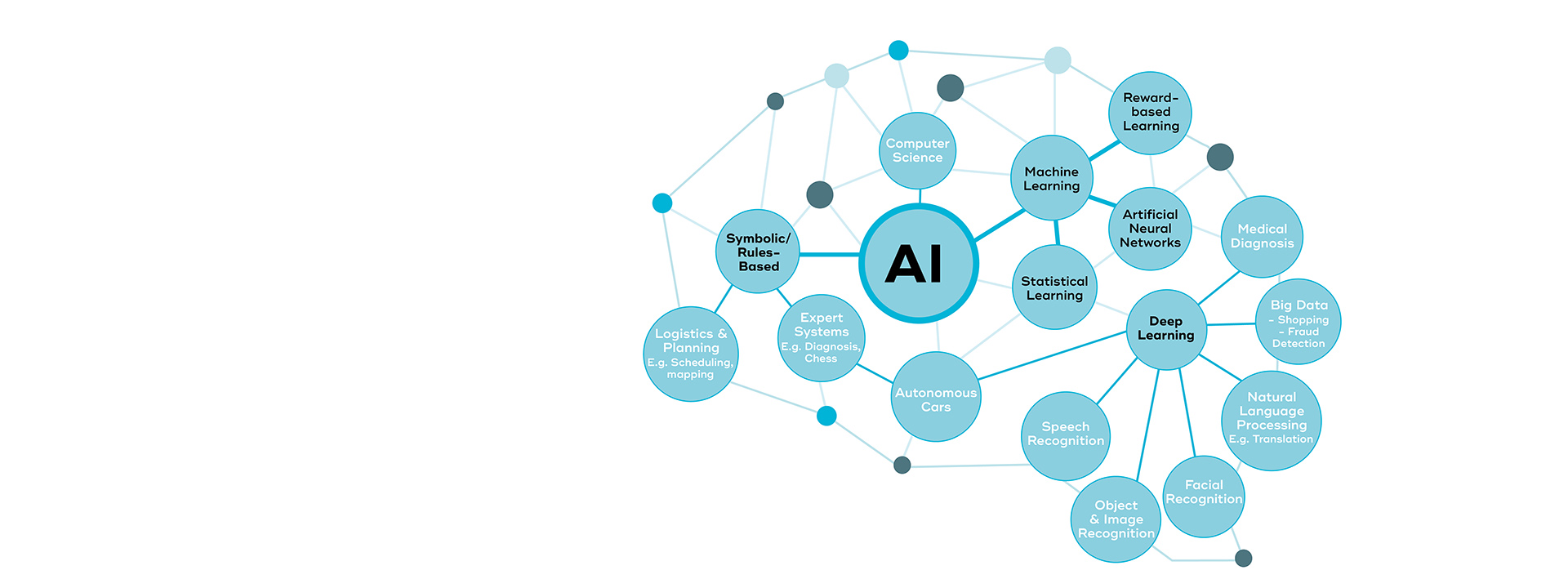
Artificial Intelligence refers to the simulation of human intelligence in machines that are programmed to think and learn like humans. These intelligent systems can perform tasks that typically require human intelligence, such as visual perception, speech recognition, decision-making, and language translation.

Types of AI

AI can be broadly categorized into three types:

  • Narrow AI: Also known as Weak AI, it is designed to perform a narrow task (e.g., facial recognition or internet searches).
  • General AI: Also known as Strong AI, it possesses the ability to understand, learn, and apply knowledge across a broad range of tasks—much like a human being.
  • Superintelligent AI: This hypothetical form of AI surpasses human intelligence in all aspects. While still theoretical, it raises significant ethical and existential questions.

Applications of AI

The applications of AI are vast and varied. Some notable examples include:

Healthcare

AI is revolutionizing healthcare by providing tools for early diagnosis, personalized treatment plans, and advanced research capabilities. Machine learning algorithms can analyze medical data to detect patterns and predict outcomes more accurately than traditional methods.

Finance

In the financial sector, AI is used for fraud detection, risk management, algorithmic trading, and personalized banking services. By analyzing large datasets quickly and accurately, AI helps financial institutions make better decisions.

Transportation

The development of autonomous vehicles relies heavily on AI technologies such as computer vision and machine learning. These vehicles use sensors and algorithms to navigate roads safely without human intervention.

The Future of AI

The future of artificial intelligence holds immense potential but also presents challenges that need addressing. Ethical considerations such as privacy concerns, job displacement due to automation, and the need for robust regulatory frameworks are critical areas that require attention.

Sustainability:

  • Sustainable Development Goals (SDGs):
    • No Poverty: Utilizing AI-driven tools for economic forecasting can help identify regions at risk of poverty before crises occur.
    • Zero Hunger: Predictive analytics can optimize food distribution networks ensuring no one goes hungry even during supply chain disruptions.

Conclusion

The rise of artificial intelligence marks one of the most significant technological advancements in recent history. As we continue to explore its possibilities responsibly while addressing associated risks diligently—AI promises not just incremental improvements but transformative changes across all sectors globally enhancing overall quality-of-life standards exponentially over time!

© 2023 The Rise of Artificial Intelligence | All rights reserved.


8 Benefits of AI: From Increased Efficiency to Driving Innovation

  1. 1. Increased Efficiency
  2. 2. Improved Accuracy
  3. 3. Enhanced Decision-Making
  4. 4. Personalization
  5. 5. Predictive Capabilities
  6. 6. Scalability
  7. 7. Safety Enhancement
  8. 8. Innovation Catalyst


Challenges of AI: Job Displacement, Bias, Privacy, and Ethical Issues

  1. Job Displacement
  2. Bias and Discrimination
  3. Privacy Concerns
  4. Ethical Dilemmas

1. Increased Efficiency

Artificial Intelligence significantly boosts efficiency by automating repetitive and mundane tasks, allowing businesses to save both time and resources. By leveraging AI technologies, companies can streamline operations such as data entry, customer service inquiries, and routine maintenance tasks. This automation not only reduces the likelihood of human error but also frees up employees to focus on more strategic and creative endeavors. As a result, organizations can achieve higher productivity levels, faster turnaround times, and ultimately, a more competitive edge in their respective markets.

2. Improved Accuracy

Artificial Intelligence (AI) offers the significant advantage of improved accuracy in data processing. AI systems are capable of analyzing vast amounts of data with exceptional precision, far surpassing human capabilities. By leveraging machine learning algorithms and advanced computational techniques, AI can identify patterns, detect anomalies, and make predictions with a high degree of accuracy. This enhanced precision is particularly beneficial in fields such as healthcare, finance, and engineering, where even minor errors can have substantial consequences. As a result, AI-driven solutions are not only more reliable but also contribute to better decision-making and increased efficiency across various industries.

3. Enhanced Decision-Making

Artificial Intelligence significantly enhances decision-making by leveraging advanced algorithms to process and analyze complex datasets with remarkable speed and accuracy. These AI-driven insights enable businesses and organizations to make more informed, data-backed decisions that can lead to improved outcomes. By identifying patterns, trends, and correlations within vast amounts of information, AI helps reduce human error and biases, ultimately facilitating more strategic planning and operational efficiency. This capability is particularly valuable in fields such as finance, healthcare, and logistics, where timely and precise decision-making is crucial for success.

4. Personalization

Artificial Intelligence (AI) significantly enhances personalization across various domains, notably in marketing and healthcare. In marketing, AI algorithms analyze consumer behavior and preferences to deliver tailored content, product recommendations, and targeted advertisements, thereby improving customer engagement and satisfaction. In healthcare, AI-driven tools can customize treatment plans based on individual patient data, such as genetic information and medical history, leading to more effective and efficient care. This level of personalization not only optimizes outcomes but also fosters a more individualized approach that meets the unique needs of each person.

5. Predictive Capabilities

Artificial Intelligence’s predictive capabilities are revolutionizing various industries by leveraging historical data to forecast trends and outcomes with remarkable accuracy. By analyzing vast amounts of past data, AI algorithms can identify patterns and correlations that might be missed by human analysts. This enables businesses to make informed decisions, anticipate market shifts, and optimize operations. For instance, in finance, AI can predict stock market trends, helping investors make strategic choices. In healthcare, predictive models can foresee disease outbreaks or patient health trajectories, allowing for proactive measures. Overall, the ability of AI to predict future events based on historical data is a powerful tool that drives efficiency and innovation across multiple sectors.

6. Scalability

Artificial Intelligence (AI) excels in scalability, allowing systems to effortlessly expand and manage increasing demands without requiring extensive manual intervention. This capability is particularly beneficial for businesses experiencing rapid growth or fluctuating workloads. AI solutions can dynamically adjust their processing power and resources to accommodate larger datasets, more complex tasks, or higher volumes of transactions. By automating these adjustments, AI ensures consistent performance and efficiency, enabling organizations to meet customer needs and market demands seamlessly. This scalability not only enhances operational agility but also reduces the need for additional human resources, leading to significant cost savings and improved productivity.

7. Safety Enhancement

Artificial Intelligence significantly enhances safety across various sectors, particularly in transportation. By leveraging predictive maintenance, AI systems can anticipate equipment failures before they occur, ensuring timely repairs and reducing the risk of accidents. Additionally, AI-driven risk analysis helps identify potential hazards and implement preventative measures, thereby increasing overall operational safety. This proactive approach not only minimizes downtime but also protects lives by preventing dangerous situations from arising in the first place.

8. Innovation Catalyst

AI serves as an innovation catalyst by empowering the creation of novel products, services, and solutions. By harnessing the capabilities of artificial intelligence, businesses and industries can explore uncharted territories, uncover hidden insights, and pioneer groundbreaking advancements that drive progress and transform the way we live and work. AI’s ability to analyze vast amounts of data, identify patterns, and generate valuable predictions opens up a realm of possibilities for innovation, sparking creativity and propelling organizations towards a future defined by ingenuity and forward-thinking approaches.

Job Displacement

AI automation poses a significant challenge in the form of job displacement. As machines and algorithms become increasingly capable of performing tasks that were once the domain of human workers, many traditional roles are at risk of becoming obsolete. This shift can lead to widespread unemployment and economic instability, particularly in industries heavily reliant on manual labor and routine tasks. While AI has the potential to create new job opportunities in emerging sectors, the transition period may be difficult for displaced workers who must adapt to new skill requirements and job markets. Addressing this issue requires proactive measures such as retraining programs, educational initiatives, and supportive policies to ensure a smooth transition for affected individuals.

Bias and Discrimination

AI algorithms, while powerful, are not immune to the biases present in their training data. When these algorithms are trained on datasets that reflect historical prejudices or societal inequalities, they can inadvertently perpetuate and even amplify these biases. This can lead to discriminatory outcomes in critical decision-making processes such as hiring, lending, and law enforcement. For instance, an AI system used in recruitment might favor candidates from certain demographics if the training data predominantly includes successful applicants from those groups. Similarly, predictive policing algorithms can disproportionately target minority communities if they are based on biased crime data. Addressing these issues requires a concerted effort to ensure diverse and representative datasets, as well as ongoing scrutiny and adjustment of AI models to mitigate bias and promote fairness.

Privacy Concerns

The integration of AI in data analysis brings significant privacy concerns to the forefront. As AI systems process vast amounts of personal information, there is an increased risk of unauthorized access and data breaches. These sophisticated algorithms can potentially exploit sensitive data without individuals’ consent, leading to privacy violations. Moreover, the lack of transparency in how AI models operate makes it difficult for users to understand how their information is being used or shared. This growing concern emphasizes the need for robust security measures and regulatory frameworks to protect personal data from misuse and ensure that privacy rights are upheld in the age of artificial intelligence.

Ethical Dilemmas

The development of superintelligent AI presents significant ethical dilemmas that society must address. One primary concern is control: who will govern these powerful systems, and how can we ensure they act in humanity’s best interest? Accountability also poses a challenge, as it becomes difficult to determine who is responsible for the actions and decisions made by an autonomous AI. Moreover, the potential existential risks associated with superintelligent AI cannot be overlooked; if these systems surpass human intelligence, they could make unpredictable decisions that might threaten our very existence. Addressing these ethical issues is crucial to harnessing the benefits of AI while mitigating its risks.