cfchris.com

Loading

narrow ai

Unlocking the Potential of Narrow AI: Specialized Intelligence for Tomorrow

Understanding Narrow AI: The Specialized Intelligence of the Future

Artificial Intelligence (AI) has become a buzzword in today’s technological landscape, but not all AI is created equal. One of the most prevalent forms of AI currently in use is Narrow AI, also known as weak AI. Unlike general AI, which aims to replicate human intelligence across a wide range of tasks, narrow AI is designed to perform specific tasks with remarkable efficiency.

What is Narrow AI?

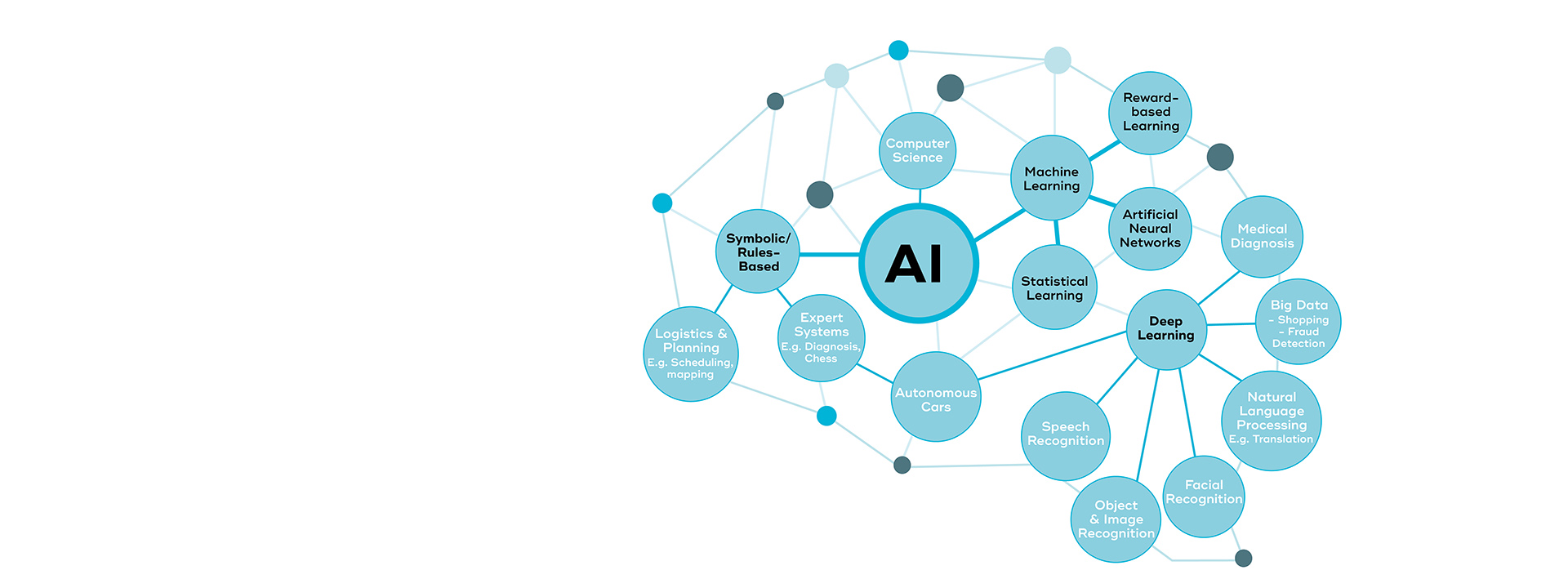
Narrow AI refers to systems that are highly proficient at performing a particular task or set of tasks. These systems are trained on large datasets and utilize algorithms to achieve high performance levels in their area of expertise. Examples include facial recognition software, recommendation algorithms, and voice assistants like Siri and Alexa.

Characteristics of Narrow AI

  • Task-Specific: Narrow AI excels at specific tasks but lacks the ability to perform outside its designated domain.
  • Data-Driven: These systems rely heavily on data for training and improving their performance over time.
  • Lack of Consciousness: Unlike general or strong AI, narrow AI does not possess consciousness or self-awareness.

The Impact of Narrow AI

Narrow AI has already made significant contributions across various industries:

  • Healthcare: In medical diagnostics, narrow AI can analyze medical images with high accuracy, assisting doctors in early detection and treatment planning.
  • Finance: Algorithms are used for fraud detection and risk management, ensuring secure transactions and investments.
  • E-commerce: Recommendation engines personalize shopping experiences by suggesting products based on user behavior and preferences.

The Limitations of Narrow AI

Despite its capabilities, narrow AI has limitations that must be acknowledged:

  • Lack of Flexibility: These systems cannot adapt to new tasks without significant reprogramming or retraining.
  • No Understanding: While they can process information efficiently, they do not understand it as humans do.
  • Poor Generalization: Their effectiveness diminishes when applied outside their trained domain or when faced with unfamiliar data patterns.

The Future of Narrow AI

The future holds immense potential for narrow AI as advancements continue to enhance its capabilities. By integrating more sophisticated machine learning techniques and expanding data inputs, narrow AI systems can become even more precise and efficient in their specialized roles. However, the development towards general or strong AI remains a separate challenge requiring further breakthroughs in understanding cognition and consciousness.

Conclusion

Narrow AI stands as a testament to how technology can transform industries by performing specific tasks with unparalleled precision. As we continue to innovate within this realm, it’s crucial to recognize both the strengths and limitations of these systems while exploring ethical considerations surrounding their deployment. By harnessing the power of narrow AI responsibly, society can benefit from its specialized intelligence without compromising broader human values.


7 Key Benefits of Narrow AI: Boosting Efficiency, Accuracy, and Personalization Across Industries

  1. Highly efficient at specific tasks
  2. Can process large amounts of data quickly and accurately
  3. Improves productivity by automating repetitive tasks
  4. Enhances decision-making with data-driven insights
  5. Increases precision and accuracy in various applications
  6. Facilitates personalized user experiences in e-commerce and entertainment
  7. Aids in medical diagnostics for early detection and treatment planning


Challenges of Narrow AI: Limited Adaptability, Lack of Understanding, and Domain-Specific Performance

  1. Limited Adaptability
  2. Lack of Understanding
  3. Diminished Performance Outside Trained Domain

Highly efficient at specific tasks

Narrow AI is renowned for its high efficiency in performing specific tasks, making it an invaluable tool across various industries. By focusing on a single domain, these systems can be meticulously trained to achieve exceptional levels of accuracy and speed. For instance, in the realm of data analysis, narrow AI can process vast amounts of information far more quickly and accurately than a human could, identifying patterns and insights that might otherwise go unnoticed. This efficiency not only saves time but also reduces errors, leading to better decision-making and streamlined operations. Whether it’s recognizing faces in images or optimizing supply chains, narrow AI’s ability to excel at specialized tasks allows businesses to enhance productivity and deliver superior results.

Can process large amounts of data quickly and accurately

Narrow AI excels in processing large amounts of data quickly and accurately, making it an invaluable tool in today’s data-driven world. Unlike humans, who can be overwhelmed by vast datasets, narrow AI systems can analyze and interpret complex information at incredible speeds. This capability allows businesses and organizations to gain insights and make data-driven decisions more efficiently than ever before. For instance, in industries like finance and healthcare, narrow AI can sift through massive volumes of transactions or medical records to identify patterns, detect anomalies, or predict outcomes with precision. This not only enhances operational efficiency but also leads to more informed strategies and improved outcomes across various sectors.

Improves productivity by automating repetitive tasks

Narrow AI significantly enhances productivity by automating repetitive tasks that would otherwise consume valuable time and resources. By taking over mundane and routine operations, such as data entry, scheduling, and basic customer service inquiries, narrow AI allows employees to focus on more complex and creative aspects of their work. This shift not only increases efficiency but also reduces the likelihood of human error in repetitive processes. As a result, businesses can achieve higher output levels with greater accuracy while freeing up human talent to drive innovation and strategic growth.

Enhances decision-making with data-driven insights

Narrow AI significantly enhances decision-making processes by providing data-driven insights that are both precise and actionable. By analyzing vast amounts of data quickly and accurately, narrow AI systems can identify patterns and trends that might be missed by human analysts. This capability allows businesses and organizations to make informed decisions based on empirical evidence rather than intuition alone. For example, in the financial sector, narrow AI can predict market trends and assess risks with high accuracy, enabling investors to optimize their portfolios. In healthcare, AI-driven insights can assist doctors in diagnosing diseases earlier and more accurately by detecting subtle indicators in medical imaging. Overall, the ability of narrow AI to process and interpret complex datasets empowers decision-makers across various industries to act with greater confidence and efficiency.

Increases precision and accuracy in various applications

Narrow AI significantly enhances precision and accuracy across a wide range of applications by leveraging advanced algorithms and large datasets. In fields such as healthcare, narrow AI systems can analyze medical images with exceptional detail, aiding in the early detection of diseases like cancer with greater accuracy than traditional methods. In manufacturing, AI-driven robots perform tasks with consistent precision, reducing errors and increasing efficiency on production lines. Financial institutions utilize narrow AI to detect fraudulent activities by identifying anomalies in transaction patterns with high accuracy. This increased precision not only improves outcomes but also saves time and resources, allowing professionals to focus on more complex decision-making tasks while relying on AI for meticulous data analysis.

Facilitates personalized user experiences in e-commerce and entertainment

Narrow AI significantly enhances personalized user experiences in e-commerce and entertainment by leveraging advanced algorithms to analyze individual preferences and behaviors. In e-commerce, narrow AI systems process vast amounts of data to recommend products tailored to a user’s past purchases, browsing history, and even real-time interactions. This level of personalization not only improves customer satisfaction but also increases conversion rates for businesses. Similarly, in the entertainment industry, streaming platforms use narrow AI to curate content recommendations based on a viewer’s watching habits, ensuring that users are consistently engaged with content that aligns with their tastes. By delivering highly customized experiences, narrow AI fosters a more engaging and efficient interaction between users and digital platforms.

Aids in medical diagnostics for early detection and treatment planning

Narrow AI plays a crucial role in the field of medical diagnostics by enhancing the accuracy and speed of early disease detection and treatment planning. By leveraging advanced algorithms and vast datasets, AI systems can analyze medical images, such as X-rays, MRIs, and CT scans, with remarkable precision. This capability allows healthcare professionals to identify abnormalities that might be missed by the human eye, leading to earlier diagnosis of conditions like cancer, cardiovascular diseases, and neurological disorders. As a result, patients benefit from timely interventions that can significantly improve outcomes and increase survival rates. Furthermore, narrow AI assists in developing personalized treatment plans by evaluating patient data against extensive medical databases to recommend the most effective therapies tailored to individual needs.

Limited Adaptability

Narrow AI, while highly effective at performing specific tasks, suffers from limited adaptability. This limitation means that these systems cannot easily transition to new tasks or environments without significant reprogramming or retraining. Unlike humans, who can apply general knowledge and reasoning to unfamiliar situations, narrow AI operates within a fixed framework defined by its initial programming and training data. As a result, any change in the task parameters or environment requires developers to invest considerable time and resources in updating the system. This inflexibility can hinder the deployment of narrow AI in dynamic settings where adaptability is crucial for success.

Lack of Understanding

Narrow AI systems, while highly efficient at processing vast amounts of data, fundamentally lack true understanding and contextual awareness. This limitation means that although they can analyze and generate outputs based on patterns and algorithms, they do not comprehend the deeper meaning behind the information they process. For instance, a language translation AI might convert text from one language to another with high accuracy, but it cannot grasp cultural nuances or the subtleties of human communication. This absence of genuine understanding can lead to errors or misinterpretations in situations where context is crucial. As a result, narrow AI often requires human oversight to ensure that its outputs align with real-world complexities and nuanced decision-making.

Diminished Performance Outside Trained Domain

Narrow AI systems are highly specialized, excelling in tasks they are specifically trained for, but their performance significantly diminishes when confronted with tasks or data patterns outside their training domain. This limitation arises because these systems rely heavily on large datasets and algorithms tailored to specific functions. When presented with unfamiliar scenarios, narrow AI lacks the flexibility and adaptability found in human intelligence, resulting in suboptimal or erroneous outputs. This constraint highlights the importance of carefully defining the scope and application of narrow AI systems to ensure they operate within environments where they can perform efficiently and accurately.

ai intelligence

Exploring the Future of AI Intelligence: Transformations and Impacts

The Rise of AI Intelligence

The Rise of AI Intelligence

Artificial Intelligence (AI) is no longer a concept confined to science fiction. It has become a crucial part of our daily lives, influencing industries, enhancing user experiences, and reshaping the way we interact with technology.

Understanding AI Intelligence

AI intelligence refers to the capability of machines to mimic human cognitive functions such as learning, problem-solving, and decision-making. These systems are designed to analyze data, recognize patterns, and make informed decisions with minimal human intervention.

Types of AI Intelligence

  • Narrow AI: This type of AI is designed to perform a specific task. Examples include virtual assistants like Siri and Alexa or recommendation algorithms used by Netflix and Amazon.
  • General AI: Still largely theoretical, general AI would have the ability to understand and learn any intellectual task that a human can do. This level of AI intelligence remains a goal for future research.
  • Superintelligent AI: This refers to an intelligence that surpasses human capabilities in all aspects. While it is a popular topic in speculative discussions about the future of technology, it does not yet exist.

The Impact of AI Intelligence on Industries

The integration of AI intelligence into various sectors has led to significant advancements:

Healthcare

AI is transforming healthcare by improving diagnostic accuracy through image recognition software and predictive analytics. It assists in drug discovery and personalized medicine development, leading to better patient outcomes.

Finance

In finance, AI algorithms are used for fraud detection, risk management, and automated trading systems. These systems analyze vast amounts of data at high speeds, enabling more efficient financial operations.

Transportation

The transportation industry benefits from AI through advancements in autonomous vehicles and traffic management systems. These technologies promise safer roads and more efficient travel experiences.

The Ethical Considerations of AI Intelligence

As AI continues to evolve, ethical considerations become increasingly important. Issues such as privacy concerns, job displacement due to automation, and decision-making transparency must be addressed to ensure responsible use of this powerful technology.

Efforts are being made globally to establish guidelines for ethical AI development that prioritize human rights and societal well-being.

The Future of AI Intelligence

The future holds immense potential for further integration of AI intelligence into everyday life. As research progresses towards achieving general or even superintelligent AI capabilities responsibly—balancing innovation with ethical considerations—the possibilities appear limitless.

The rise of artificial intelligence marks an exciting era where machines enhance human potential rather than replace it entirely—a partnership poised for remarkable achievements across all facets society relies upon today!


Understanding AI: Types, Intelligence, and Potential Threats

  1. What are the 4 types of artificial intelligence?
  2. Is artificial intelligence a threat to humans?
  3. What are the 3 types of artificial intelligence?
  4. What is AI intelligence?
  5. What is the intelligence of AI?
  6. What are the three types of AI?

What are the 4 types of artificial intelligence?

Artificial intelligence is categorized into four main types based on their capabilities and functionalities: reactive machines, limited memory, theory of mind, and self-aware AI. Reactive machines are the most basic form of AI, designed to perform specific tasks without storing past experiences or learning from them. Limited memory AI can use past data to make decisions and improve over time, which is commonly seen in autonomous vehicles. Theory of mind AI, still largely theoretical, would have the ability to understand emotions and human mental states, allowing for more complex interactions. Finally, self-aware AI represents a future goal where machines possess consciousness and self-awareness, capable of understanding their own existence and potentially making independent decisions.

Is artificial intelligence a threat to humans?

The question of whether artificial intelligence poses a threat to humans is a topic of significant debate. On one hand, AI has the potential to greatly enhance human capabilities, improve efficiencies across various industries, and solve complex problems that were previously insurmountable. However, there are concerns about the ethical implications and potential risks associated with AI development. These include issues such as job displacement due to automation, privacy concerns from data collection, and the possibility of AI systems making decisions that could have unintended negative consequences. Additionally, the concept of superintelligent AI raises fears about machines surpassing human control or understanding. To mitigate these risks, it is crucial to establish robust ethical guidelines and regulatory frameworks that ensure AI technologies are developed responsibly and transparently, prioritizing human safety and societal well-being.

What are the 3 types of artificial intelligence?

Artificial intelligence is often categorized into three distinct types: Narrow AI, General AI, and Superintelligent AI. Narrow AI, also known as weak AI, is designed to perform a specific task or a set of tasks, such as voice recognition or image analysis. It operates under a limited set of constraints and is prevalent in applications like virtual assistants and recommendation systems. General AI, or strong AI, refers to a more advanced level of artificial intelligence that can understand and learn any intellectual task that a human can do. It remains largely theoretical at this point but represents the goal for many researchers in the field. Superintelligent AI surpasses human intelligence across all domains, including creativity and problem-solving. While it is a popular topic in speculative discussions about the future of technology, superintelligent AI does not yet exist and raises significant ethical and philosophical questions about its potential impact on society.

What is AI intelligence?

AI intelligence refers to the capability of machines to perform tasks that typically require human intelligence. This includes cognitive functions such as learning, reasoning, problem-solving, understanding natural language, and perception. AI systems are designed to process vast amounts of data, identify patterns, and make decisions based on the information they analyze. Unlike traditional software that follows specific programmed instructions, AI can adapt and improve its performance over time through machine learning techniques. The goal of AI intelligence is to create systems that can operate autonomously in complex environments, providing valuable insights and automating processes across various industries.

What is the intelligence of AI?

The intelligence of AI, often referred to as artificial intelligence, encompasses the ability of machines and computer systems to perform tasks that typically require human cognitive functions. These tasks include learning from data, recognizing patterns, making decisions, and solving problems. AI intelligence is categorized into different types: narrow AI, which is designed for specific tasks such as language translation or image recognition; and general AI, a more advanced form that aims to understand and perform any intellectual task a human can do. While narrow AI is prevalent today in various applications like virtual assistants and recommendation systems, general AI remains a theoretical goal for future research. The intelligence of AI is continually evolving as advancements in machine learning and neural networks drive its capabilities forward.

What are the three types of AI?

Artificial Intelligence (AI) can be categorized into three primary types: Narrow AI, General AI, and Superintelligent AI. Narrow AI, also known as weak AI, is designed to perform specific tasks and is the most common form of AI present today. Examples include voice assistants like Siri and Alexa, as well as recommendation systems used by platforms like Netflix. General AI, or strong AI, refers to a more advanced level of intelligence where machines possess the ability to understand and learn any intellectual task that a human can do. This type of AI remains largely theoretical and is a key focus of ongoing research. Finally, Superintelligent AI surpasses human intelligence in all aspects, including creativity, problem-solving, and emotional understanding. While it is a popular topic in discussions about the future of technology, superintelligent AI does not yet exist and raises significant ethical considerations for its potential impact on society.

general ai

Exploring the Potential and Challenges of General AI

Understanding General AI: The Future of Artificial Intelligence

Understanding General AI: The Future of Artificial Intelligence

Artificial Intelligence (AI) has become a buzzword in technology discussions around the globe. While narrow AI, which is designed to perform specific tasks, is already integrated into our daily lives, the concept of General AI presents an exciting yet challenging frontier.

What is General AI?

General AI, also known as Artificial General Intelligence (AGI), refers to a machine’s ability to understand, learn, and apply intelligence across a wide range of tasks at a level comparable to human cognitive abilities. Unlike narrow AI systems that are designed for particular applications such as facial recognition or language translation, AGI aims to replicate the versatile and adaptive nature of human intelligence.

The Potential of General AI

The development of AGI holds immense potential across various sectors:

  • Healthcare: AGI could revolutionize diagnostics and personalized medicine by analyzing complex data sets beyond human capabilities.
  • Education: Personalized learning experiences could be enhanced through adaptive teaching methods powered by AGI.
  • Agriculture: Optimizing resource use and improving crop yields could be achieved with intelligent systems managing agricultural processes.
  • Transportation: Autonomous vehicles with AGI capabilities could significantly improve safety and efficiency on roads.

The Challenges Ahead

The journey toward achieving AGI is fraught with challenges. One major hurdle is understanding consciousness and replicating it in machines. Additionally, ethical considerations must be addressed to ensure that AGI systems operate safely and fairly without unintended consequences or biases.

Ethical Considerations

The potential power of AGI necessitates careful consideration of ethical implications. Ensuring transparency in decision-making processes, safeguarding data privacy, and preventing misuse are critical aspects that researchers and policymakers must address as they work towards developing AGI technologies.

The Roadmap to General AI

Achieving general artificial intelligence requires interdisciplinary collaboration among computer scientists, neuroscientists, ethicists, and other experts. Research initiatives are exploring various approaches such as neural networks inspired by the human brain, reinforcement learning techniques, and hybrid models combining symbolic reasoning with machine learning.

Conclusion

The pursuit of general AI represents one of the most ambitious endeavors in modern science and technology. While significant progress has been made in narrow AI applications, reaching the level where machines can truly mimic human-like understanding remains a formidable challenge. As research continues to evolve rapidly in this field, it is crucial for society to engage in ongoing dialogue about how best to harness this transformative technology for the benefit of all humankind.


Understanding General AI: Answers to 8 Common Questions

  1. Is ChatGPT a general AI?
  2. How close are we to general AI?
  3. What is general AI with example?
  4. Is a general AI possible?
  5. Are there any examples of general AI?
  6. Does general AI exist yet?
  7. What is a good example of general AI?
  8. What is meant by general AI?

Is ChatGPT a general AI?

ChatGPT is not considered a General AI (AGI). It is an example of narrow AI, which means it is designed to perform specific tasks rather than exhibit the broad, adaptable intelligence characteristic of AGI. ChatGPT excels at generating human-like text based on the input it receives, drawing from patterns in the vast amount of data on which it was trained. However, it does not possess the ability to understand or learn new tasks beyond its programming in a way that mirrors human cognitive abilities. While ChatGPT can simulate conversation and provide information on a wide range of topics, its capabilities are limited to the scope defined by its training data and algorithms.

How close are we to general AI?

The quest for General AI, or Artificial General Intelligence (AGI), remains one of the most ambitious goals in the field of artificial intelligence. While significant advancements have been made in narrow AI, which excels at specific tasks like image recognition and language processing, AGI aims to replicate human-like cognitive abilities across a wide array of activities. As of now, experts believe we are still several decades away from achieving true AGI. The challenges are immense, involving not only technological hurdles but also deep questions about consciousness and ethics. Current research is focused on developing more sophisticated machine learning models and neural networks that can mimic the versatility and adaptability of human thought processes. However, despite rapid progress in AI technologies, creating a machine with general intelligence comparable to humans remains a distant goal.

What is general AI with example?

General AI, also known as Artificial General Intelligence (AGI), refers to a type of artificial intelligence that possesses the ability to understand, learn, and apply knowledge across a wide range of tasks at a level comparable to human cognitive capabilities. Unlike narrow AI systems designed for specific tasks like voice recognition or playing chess, AGI would be capable of performing any intellectual task that a human can do. An example of what AGI might look like is a machine that can engage in conversation on diverse topics, solve complex mathematical problems, create art, and even learn new skills without being specifically programmed for each task. This kind of intelligence would allow machines to adapt to new environments and challenges autonomously, much like humans do. However, it’s important to note that while AGI remains a theoretical concept today and has not yet been realized, it represents the ultimate goal for many researchers in the field of artificial intelligence.

Is a general AI possible?

The question of whether a general AI is possible remains a topic of intense debate among experts in the field. General AI, or Artificial General Intelligence (AGI), refers to a machine’s ability to understand, learn, and apply intelligence across a wide range of tasks at a level comparable to human cognitive abilities. While significant advancements have been made in narrow AI, which excels at specific tasks like language translation or image recognition, replicating the versatile and adaptive nature of human intelligence is an entirely different challenge. Some researchers are optimistic, believing that with continued technological advancements and interdisciplinary collaboration, AGI could eventually be realized. Others are more skeptical, pointing out the complexities of human cognition and consciousness that may prove difficult to replicate in machines. Despite differing opinions, the pursuit of AGI continues to drive innovative research and discussion within the scientific community.

Are there any examples of general AI?

As of now, there are no fully realized examples of general AI, or Artificial General Intelligence (AGI), in existence. AGI refers to an AI system that possesses the ability to understand, learn, and apply intelligence across a wide range of tasks at a human-like level. While narrow AI systems excel at specific tasks, such as language translation or image recognition, they lack the broad adaptability and cognitive versatility that characterize AGI. Research in this area is ongoing, with scientists exploring various approaches to develop machines that can perform any intellectual task that a human can do. However, achieving true AGI remains a significant challenge and is still largely theoretical at this stage.

Does general AI exist yet?

As of now, general AI, also known as artificial general intelligence (AGI), does not exist. While significant advancements have been made in the field of artificial intelligence, these developments primarily pertain to narrow AI, which is designed to perform specific tasks. AGI refers to a level of machine intelligence that can understand, learn, and apply knowledge across a wide range of tasks at a human-like level. Researchers are actively exploring various approaches to achieve AGI, but it remains a theoretical concept. The complexities involved in replicating human cognitive abilities and understanding consciousness present substantial challenges that scientists and engineers are still working to overcome.

What is a good example of general AI?

A good example of general AI, though still theoretical at this point, would be a machine that can perform any intellectual task that a human can do. Unlike narrow AI systems, which are designed for specific tasks like playing chess or recognizing images, general AI would have the ability to understand and learn from diverse experiences and apply its knowledge across different domains. Imagine an AI assistant that not only manages your calendar and answers questions but also learns new skills, adapts to new environments, and understands complex human emotions and social cues. This level of versatility and adaptability is what sets general AI apart from the specialized systems we have today. However, it is important to note that such an example remains hypothetical as researchers continue to explore the vast potential of achieving true general intelligence in machines.

What is meant by general AI?

General AI, also known as Artificial General Intelligence (AGI), refers to a type of artificial intelligence that possesses the ability to understand, learn, and apply knowledge across a wide range of tasks at a level comparable to human cognitive abilities. Unlike narrow AI systems, which are designed to perform specific tasks such as language translation or image recognition, general AI aims to replicate the versatility and adaptability of human intelligence. This means that an AGI system would be capable of performing any intellectual task that a human can do, including reasoning, problem-solving, and understanding complex concepts. The development of general AI is considered one of the ultimate goals in the field of artificial intelligence, promising transformative impacts across various sectors but also presenting significant technical and ethical challenges.

ai

Unlocking the Potential of AI: A Journey into Intelligent Technologies

The Rise of Artificial Intelligence

The Rise of Artificial Intelligence

Artificial Intelligence (AI) has rapidly evolved from a futuristic concept to an integral part of our daily lives. From virtual assistants like Siri and Alexa to advanced data analytics and autonomous vehicles, AI is transforming the way we live and work.

What is Artificial Intelligence?

Artificial Intelligence refers to the simulation of human intelligence in machines that are programmed to think and learn like humans. These intelligent systems can perform tasks that typically require human intelligence, such as visual perception, speech recognition, decision-making, and language translation.

Types of AI

AI can be broadly categorized into three types:

  • Narrow AI: Also known as Weak AI, it is designed to perform a narrow task (e.g., facial recognition or internet searches).
  • General AI: Also known as Strong AI, it possesses the ability to understand, learn, and apply knowledge across a broad range of tasks—much like a human being.
  • Superintelligent AI: This hypothetical form of AI surpasses human intelligence in all aspects. While still theoretical, it raises significant ethical and existential questions.

Applications of AI

The applications of AI are vast and varied. Some notable examples include:

Healthcare

AI is revolutionizing healthcare by providing tools for early diagnosis, personalized treatment plans, and advanced research capabilities. Machine learning algorithms can analyze medical data to detect patterns and predict outcomes more accurately than traditional methods.

Finance

In the financial sector, AI is used for fraud detection, risk management, algorithmic trading, and personalized banking services. By analyzing large datasets quickly and accurately, AI helps financial institutions make better decisions.

Transportation

The development of autonomous vehicles relies heavily on AI technologies such as computer vision and machine learning. These vehicles use sensors and algorithms to navigate roads safely without human intervention.

The Future of AI

The future of artificial intelligence holds immense potential but also presents challenges that need addressing. Ethical considerations such as privacy concerns, job displacement due to automation, and the need for robust regulatory frameworks are critical areas that require attention.

Sustainability:

  • Sustainable Development Goals (SDGs):
    • No Poverty: Utilizing AI-driven tools for economic forecasting can help identify regions at risk of poverty before crises occur.
    • Zero Hunger: Predictive analytics can optimize food distribution networks ensuring no one goes hungry even during supply chain disruptions.

Conclusion

The rise of artificial intelligence marks one of the most significant technological advancements in recent history. As we continue to explore its possibilities responsibly while addressing associated risks diligently—AI promises not just incremental improvements but transformative changes across all sectors globally enhancing overall quality-of-life standards exponentially over time!

© 2023 The Rise of Artificial Intelligence | All rights reserved.


8 Benefits of AI: From Increased Efficiency to Driving Innovation

  1. 1. Increased Efficiency
  2. 2. Improved Accuracy
  3. 3. Enhanced Decision-Making
  4. 4. Personalization
  5. 5. Predictive Capabilities
  6. 6. Scalability
  7. 7. Safety Enhancement
  8. 8. Innovation Catalyst


Challenges of AI: Job Displacement, Bias, Privacy, and Ethical Issues

  1. Job Displacement
  2. Bias and Discrimination
  3. Privacy Concerns
  4. Ethical Dilemmas

1. Increased Efficiency

Artificial Intelligence significantly boosts efficiency by automating repetitive and mundane tasks, allowing businesses to save both time and resources. By leveraging AI technologies, companies can streamline operations such as data entry, customer service inquiries, and routine maintenance tasks. This automation not only reduces the likelihood of human error but also frees up employees to focus on more strategic and creative endeavors. As a result, organizations can achieve higher productivity levels, faster turnaround times, and ultimately, a more competitive edge in their respective markets.

2. Improved Accuracy

Artificial Intelligence (AI) offers the significant advantage of improved accuracy in data processing. AI systems are capable of analyzing vast amounts of data with exceptional precision, far surpassing human capabilities. By leveraging machine learning algorithms and advanced computational techniques, AI can identify patterns, detect anomalies, and make predictions with a high degree of accuracy. This enhanced precision is particularly beneficial in fields such as healthcare, finance, and engineering, where even minor errors can have substantial consequences. As a result, AI-driven solutions are not only more reliable but also contribute to better decision-making and increased efficiency across various industries.

3. Enhanced Decision-Making

Artificial Intelligence significantly enhances decision-making by leveraging advanced algorithms to process and analyze complex datasets with remarkable speed and accuracy. These AI-driven insights enable businesses and organizations to make more informed, data-backed decisions that can lead to improved outcomes. By identifying patterns, trends, and correlations within vast amounts of information, AI helps reduce human error and biases, ultimately facilitating more strategic planning and operational efficiency. This capability is particularly valuable in fields such as finance, healthcare, and logistics, where timely and precise decision-making is crucial for success.

4. Personalization

Artificial Intelligence (AI) significantly enhances personalization across various domains, notably in marketing and healthcare. In marketing, AI algorithms analyze consumer behavior and preferences to deliver tailored content, product recommendations, and targeted advertisements, thereby improving customer engagement and satisfaction. In healthcare, AI-driven tools can customize treatment plans based on individual patient data, such as genetic information and medical history, leading to more effective and efficient care. This level of personalization not only optimizes outcomes but also fosters a more individualized approach that meets the unique needs of each person.

5. Predictive Capabilities

Artificial Intelligence’s predictive capabilities are revolutionizing various industries by leveraging historical data to forecast trends and outcomes with remarkable accuracy. By analyzing vast amounts of past data, AI algorithms can identify patterns and correlations that might be missed by human analysts. This enables businesses to make informed decisions, anticipate market shifts, and optimize operations. For instance, in finance, AI can predict stock market trends, helping investors make strategic choices. In healthcare, predictive models can foresee disease outbreaks or patient health trajectories, allowing for proactive measures. Overall, the ability of AI to predict future events based on historical data is a powerful tool that drives efficiency and innovation across multiple sectors.

6. Scalability

Artificial Intelligence (AI) excels in scalability, allowing systems to effortlessly expand and manage increasing demands without requiring extensive manual intervention. This capability is particularly beneficial for businesses experiencing rapid growth or fluctuating workloads. AI solutions can dynamically adjust their processing power and resources to accommodate larger datasets, more complex tasks, or higher volumes of transactions. By automating these adjustments, AI ensures consistent performance and efficiency, enabling organizations to meet customer needs and market demands seamlessly. This scalability not only enhances operational agility but also reduces the need for additional human resources, leading to significant cost savings and improved productivity.

7. Safety Enhancement

Artificial Intelligence significantly enhances safety across various sectors, particularly in transportation. By leveraging predictive maintenance, AI systems can anticipate equipment failures before they occur, ensuring timely repairs and reducing the risk of accidents. Additionally, AI-driven risk analysis helps identify potential hazards and implement preventative measures, thereby increasing overall operational safety. This proactive approach not only minimizes downtime but also protects lives by preventing dangerous situations from arising in the first place.

8. Innovation Catalyst

AI serves as an innovation catalyst by empowering the creation of novel products, services, and solutions. By harnessing the capabilities of artificial intelligence, businesses and industries can explore uncharted territories, uncover hidden insights, and pioneer groundbreaking advancements that drive progress and transform the way we live and work. AI’s ability to analyze vast amounts of data, identify patterns, and generate valuable predictions opens up a realm of possibilities for innovation, sparking creativity and propelling organizations towards a future defined by ingenuity and forward-thinking approaches.

Job Displacement

AI automation poses a significant challenge in the form of job displacement. As machines and algorithms become increasingly capable of performing tasks that were once the domain of human workers, many traditional roles are at risk of becoming obsolete. This shift can lead to widespread unemployment and economic instability, particularly in industries heavily reliant on manual labor and routine tasks. While AI has the potential to create new job opportunities in emerging sectors, the transition period may be difficult for displaced workers who must adapt to new skill requirements and job markets. Addressing this issue requires proactive measures such as retraining programs, educational initiatives, and supportive policies to ensure a smooth transition for affected individuals.

Bias and Discrimination

AI algorithms, while powerful, are not immune to the biases present in their training data. When these algorithms are trained on datasets that reflect historical prejudices or societal inequalities, they can inadvertently perpetuate and even amplify these biases. This can lead to discriminatory outcomes in critical decision-making processes such as hiring, lending, and law enforcement. For instance, an AI system used in recruitment might favor candidates from certain demographics if the training data predominantly includes successful applicants from those groups. Similarly, predictive policing algorithms can disproportionately target minority communities if they are based on biased crime data. Addressing these issues requires a concerted effort to ensure diverse and representative datasets, as well as ongoing scrutiny and adjustment of AI models to mitigate bias and promote fairness.

Privacy Concerns

The integration of AI in data analysis brings significant privacy concerns to the forefront. As AI systems process vast amounts of personal information, there is an increased risk of unauthorized access and data breaches. These sophisticated algorithms can potentially exploit sensitive data without individuals’ consent, leading to privacy violations. Moreover, the lack of transparency in how AI models operate makes it difficult for users to understand how their information is being used or shared. This growing concern emphasizes the need for robust security measures and regulatory frameworks to protect personal data from misuse and ensure that privacy rights are upheld in the age of artificial intelligence.

Ethical Dilemmas

The development of superintelligent AI presents significant ethical dilemmas that society must address. One primary concern is control: who will govern these powerful systems, and how can we ensure they act in humanity’s best interest? Accountability also poses a challenge, as it becomes difficult to determine who is responsible for the actions and decisions made by an autonomous AI. Moreover, the potential existential risks associated with superintelligent AI cannot be overlooked; if these systems surpass human intelligence, they could make unpredictable decisions that might threaten our very existence. Addressing these ethical issues is crucial to harnessing the benefits of AI while mitigating its risks.