
cfchris.com

Loading

Exploring the Transformative Power of AI and ML in Today’s World

The Impact of AI and ML on Modern Technology

The Impact of AI and ML on Modern Technology

Artificial Intelligence (AI) and Machine Learning (ML) are two of the most transformative technologies in today’s digital landscape. They are driving innovation across various sectors, from healthcare to finance, and are reshaping how businesses operate and make decisions.

Understanding AI and ML

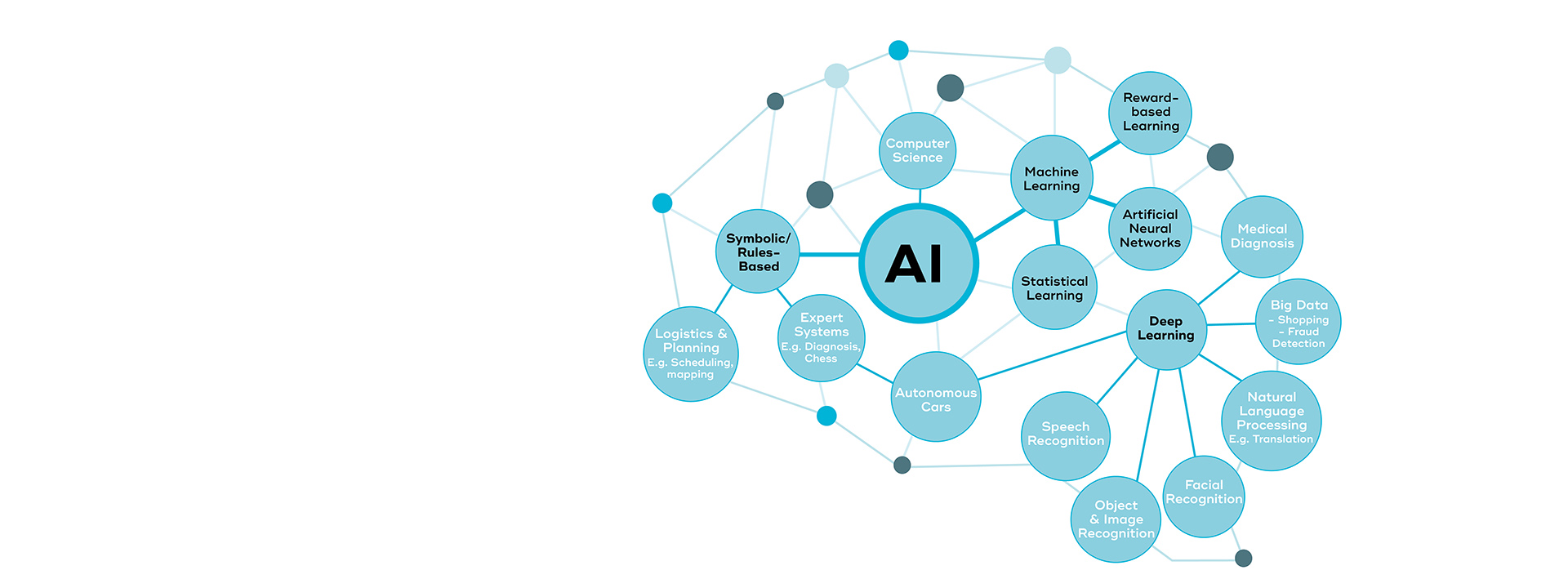
Artificial Intelligence refers to the simulation of human intelligence processes by machines, particularly computer systems. These processes include learning, reasoning, problem-solving, perception, and language understanding.

Machine Learning, a subset of AI, involves the use of algorithms that enable computers to learn from data and improve their performance over time without being explicitly programmed. ML is about making predictions or decisions based on data inputs.

Applications in Various Industries

The applications of AI and ML are vast and varied:

  • Healthcare: AI is being used to analyze complex medical data for diagnostics, personalize treatment plans, and even predict patient outcomes.
  • Finance: Financial institutions use ML algorithms for fraud detection, risk management, algorithmic trading, and personalized banking services.
  • Retail: Retailers leverage AI for inventory management, customer service through chatbots, personalized marketing strategies, and demand forecasting.
  • Automotive: Autonomous vehicles rely heavily on AI for navigation systems that can interpret sensor data to make driving decisions.

The Benefits of AI and ML

The integration of AI and ML into business operations offers several benefits:

  • Efficiency: Automation of routine tasks reduces human error and frees up resources for more strategic activities.
  • Insights: Advanced analytics provide deeper insights into customer behavior, market trends, and operational efficiencies.
  • Innovation: Companies can develop new products or services faster by leveraging predictive analytics to understand market needs better.

The Challenges Ahead

Despite their advantages, implementing AI and ML comes with challenges. These include concerns about data privacy, the need for large datasets to train models effectively, potential biases in algorithms leading to unfair outcomes, and the ethical implications of autonomous decision-making systems.

The Future Outlook

The future looks promising as advancements in computing power continue to drive innovation in AI and ML. As these technologies evolve further, they will become even more integral to our daily lives—enhancing productivity while opening up new possibilities across different fields.

A continued focus on ethical practices will be essential as society navigates this technological evolution. By addressing these concerns proactively while fostering innovation responsibly—AI’s potential can be harnessed fully for global benefit.


Exploring AI and ML: Key Differences, Applications, Ethics, Bias Mitigation, and Business Challenges

  1. What is the difference between Artificial Intelligence (AI) and Machine Learning (ML)?
  2. How are Artificial Intelligence and Machine Learning being used in healthcare?
  3. What are the ethical implications of using AI and ML in decision-making processes?
  4. Can AI algorithms be biased, and how can bias be mitigated in Machine Learning models?
  5. What are some common challenges faced when implementing AI and ML solutions in businesses?

What is the difference between Artificial Intelligence (AI) and Machine Learning (ML)?

Artificial Intelligence (AI) and Machine Learning (ML) are often used interchangeably, but they represent distinct concepts within the realm of computer science. AI is a broad field that encompasses the development of systems capable of performing tasks that typically require human intelligence, such as reasoning, problem-solving, and understanding language. It aims to create machines that can mimic cognitive functions like learning and adaptation. On the other hand, Machine Learning is a subset of AI focused on the idea that machines can learn from data. ML involves algorithms that allow computers to identify patterns and make decisions with minimal human intervention. Essentially, while all machine learning is AI, not all AI involves machine learning. ML is one approach to achieving AI by enabling systems to improve their performance over time through experience and data analysis.

How are Artificial Intelligence and Machine Learning being used in healthcare?

Artificial Intelligence (AI) and Machine Learning (ML) are revolutionizing healthcare by enhancing diagnostic accuracy, personalizing treatment, and improving patient outcomes. AI systems can analyze complex medical data, such as imaging scans and electronic health records, to assist doctors in diagnosing diseases more accurately and swiftly. Machine learning algorithms are being used to develop predictive models that identify patients at risk of certain conditions, enabling early intervention. Additionally, AI-driven tools help in drug discovery by analyzing vast datasets to identify potential new treatments. In personalized medicine, ML algorithms tailor treatment plans based on an individual’s genetic makeup and lifestyle factors, ensuring more effective care. These technologies are also streamlining administrative tasks within healthcare facilities, allowing professionals to focus more on patient care.

What are the ethical implications of using AI and ML in decision-making processes?

The ethical implications of using AI and ML in decision-making processes are significant and multifaceted. As these technologies become more integrated into various sectors, they raise concerns about bias, transparency, and accountability. AI systems can inadvertently perpetuate or even amplify existing biases present in the data they are trained on, leading to unfair or discriminatory outcomes. Transparency is another critical issue, as the decision-making processes of complex algorithms can be opaque, making it difficult for users to understand how decisions are reached. This lack of clarity can undermine trust and accountability, especially in high-stakes areas like criminal justice or hiring. Additionally, there are concerns about privacy and the extent to which personal data is used responsibly. Ensuring ethical use of AI and ML requires ongoing efforts to develop fair algorithms, implement robust oversight mechanisms, and engage in open dialogue about their societal impacts.

Can AI algorithms be biased, and how can bias be mitigated in Machine Learning models?

AI algorithms can indeed be biased, primarily because they learn from data that may contain existing biases. These biases can stem from unrepresentative datasets, historical prejudices, or flawed data collection methods. When AI models are trained on such data, they can inadvertently perpetuate or even amplify these biases in their predictions and decisions. To mitigate bias in Machine Learning models, it’s crucial to use diverse and representative datasets during the training phase. Additionally, implementing fairness-aware algorithms and regularly auditing models for biased outcomes are essential steps. Transparency in the development process and involving interdisciplinary teams to evaluate model outputs can further help identify and address potential biases, ensuring that AI systems operate more equitably across different user groups.

What are some common challenges faced when implementing AI and ML solutions in businesses?

Implementing AI and ML solutions in businesses often presents several challenges. One of the primary hurdles is data quality and availability; AI and ML models require large volumes of high-quality data to function effectively, yet many organizations struggle with data silos or incomplete datasets. Additionally, integrating these technologies into existing systems can be complex and resource-intensive, requiring significant investment in infrastructure and skilled personnel. There is also the challenge of algorithmic bias, where models may inadvertently perpetuate existing biases present in the training data, leading to unfair outcomes. Furthermore, ensuring data privacy and security is crucial, as AI systems often handle sensitive information. Lastly, businesses must navigate the cultural shift within the organization as employees adapt to new workflows and processes driven by AI technologies.

Revolutionizing Industries with Innovative Tech Solutions

Innovative Tech: Shaping the Future

Innovative Tech: Shaping the Future

In today’s rapidly evolving world, innovative technology is at the forefront of transforming industries and enhancing everyday life. From artificial intelligence to blockchain, these advancements are paving the way for a future that was once only imaginable in science fiction.

The Rise of Artificial Intelligence

Artificial Intelligence (AI) has become a cornerstone of innovation in the tech industry. With its ability to process vast amounts of data and learn from it, AI is revolutionizing areas such as healthcare, finance, and transportation. In healthcare, AI algorithms can analyze medical images with precision, aiding doctors in diagnosing diseases earlier and more accurately.

Blockchain: Beyond Cryptocurrency

While blockchain technology is often associated with cryptocurrencies like Bitcoin, its potential extends far beyond digital currency. Blockchain offers a secure and transparent way to record transactions and manage data across various sectors. For instance, supply chain management can benefit from blockchain by ensuring transparency and traceability of products from origin to consumer.

The Internet of Things (IoT)

The Internet of Things (IoT) connects everyday objects to the internet, allowing them to send and receive data. This connectivity is creating smarter homes and cities. From smart thermostats that learn your temperature preferences to entire cities using IoT to monitor traffic patterns and reduce congestion, the possibilities are endless.

5G Connectivity

The rollout of 5G networks marks a significant leap forward in mobile connectivity. With faster speeds and lower latency than previous generations, 5G enables real-time communication between devices. This advancement supports innovations like autonomous vehicles and remote surgeries, where timing is critical.

Sustainable Technology

As concerns about climate change grow, sustainable technology is gaining momentum. Innovations such as renewable energy sources—solar panels, wind turbines—and electric vehicles are crucial in reducing carbon footprints globally. Moreover, tech companies are increasingly focusing on creating energy-efficient products that minimize environmental impact.

The Road Ahead

The future holds immense possibilities as these innovative technologies continue to develop. As they integrate further into our daily lives, they promise not only increased convenience but also solutions to some of society’s most pressing challenges.

In conclusion, innovative tech is more than just a trend; it is a transformative force shaping how we live and work. As we embrace these advancements responsibly, we can look forward to a future filled with unprecedented opportunities for growth and improvement.


Exploring Innovative Tech: Answers to 9 Key Questions on AI, Blockchain, IoT, and More

  1. What is artificial intelligence and how is it used in technology?
  2. How does blockchain technology work and what are its applications?
  3. What is the Internet of Things (IoT) and how does it impact daily life?
  4. What are the benefits of 5G connectivity compared to previous generations?
  5. How can innovative tech contribute to sustainability and environmental conservation?
  6. What security concerns arise with the adoption of innovative technologies?
  7. How are industries like healthcare, finance, and transportation leveraging AI for advancements?
  8. What role does augmented reality (AR) play in enhancing user experiences with tech products?
  9. How do emerging technologies like quantum computing promise to revolutionize computing power?

What is artificial intelligence and how is it used in technology?

Artificial intelligence (AI) refers to the simulation of human intelligence processes by machines, particularly computer systems. These processes include learning, reasoning, problem-solving, perception, and language understanding. AI is used in technology to enhance efficiency and decision-making across various industries. For example, in healthcare, AI algorithms can analyze medical data to assist in diagnosing diseases more accurately. In finance, AI systems can detect fraudulent activities by identifying unusual patterns in transactions. Additionally, AI powers virtual assistants like Siri and Alexa, providing users with personalized experiences by understanding and responding to voice commands. Through machine learning and deep learning techniques, AI continues to evolve, offering innovative solutions that transform how businesses operate and improve everyday life for individuals.

How does blockchain technology work and what are its applications?

Blockchain technology operates as a decentralized digital ledger that records transactions across a network of computers. Each transaction is added to a “block,” which is then linked to the previous blocks, forming a chain. This chain of blocks ensures transparency, security, and immutability of data. Blockchain’s applications extend beyond cryptocurrencies like Bitcoin; it can revolutionize various industries. For instance, in supply chain management, blockchain can enhance transparency and traceability of products. In healthcare, it can securely store patient records and enable seamless data sharing among healthcare providers. Overall, blockchain technology’s potential lies in its ability to streamline processes, reduce fraud, and increase trust in data transactions across multiple sectors.

What is the Internet of Things (IoT) and how does it impact daily life?

The Internet of Things (IoT) refers to the network of interconnected devices that can communicate and share data with each other over the internet. This technology enables everyday objects, such as smart home appliances, wearable devices, and even vehicles, to collect and exchange information to enhance efficiency and convenience. The impact of IoT on daily life is significant, as it allows for automation and remote control of various tasks, leading to streamlined processes and improved productivity. From smart thermostats that adjust temperature settings based on your preferences to fitness trackers that monitor your health in real-time, IoT has revolutionized how we interact with our surroundings, making our lives more interconnected and efficient.

What are the benefits of 5G connectivity compared to previous generations?

5G connectivity offers significant benefits compared to previous generations of wireless technology. One of the key advantages is its faster speeds, enabling quicker downloads and smoother streaming experiences. Additionally, 5G boasts lower latency, reducing the delay in data transmission and enabling real-time communication between devices. This low latency is crucial for applications like autonomous vehicles and remote surgeries where split-second decisions are vital. Furthermore, 5G networks can support a higher density of connected devices, paving the way for the Internet of Things (IoT) to flourish on a larger scale. Overall, 5G connectivity promises to revolutionize how we interact with technology, opening up new possibilities for innovation and efficiency in various industries.

How can innovative tech contribute to sustainability and environmental conservation?

Innovative technology plays a crucial role in promoting sustainability and environmental conservation by offering solutions that reduce resource consumption, minimize waste, and mitigate environmental impact. For instance, advancements in renewable energy technologies such as solar panels and wind turbines enable the generation of clean energy, reducing reliance on fossil fuels and lowering carbon emissions. Smart grid systems optimize energy distribution, leading to more efficient use of resources. Additionally, IoT devices can monitor and manage energy consumption in real-time, helping individuals and businesses make informed decisions to reduce their carbon footprint. By leveraging innovative tech solutions like these, we can work towards a more sustainable future for our planet.

What security concerns arise with the adoption of innovative technologies?

The adoption of innovative technologies, while offering numerous benefits, also brings a range of security concerns that must be addressed. As devices and systems become increasingly interconnected through the Internet of Things (IoT) and other networks, they become more vulnerable to cyberattacks. Hackers can exploit weaknesses in software or hardware to gain unauthorized access to sensitive data, leading to breaches that compromise personal information and corporate secrets. Additionally, the use of artificial intelligence raises ethical questions about data privacy, as AI systems often require vast amounts of personal information to function effectively. Blockchain technology, though secure by design, can still be susceptible to vulnerabilities if not implemented correctly. As these technologies continue to evolve, it is crucial for developers and users alike to prioritize robust security measures and stay informed about potential threats to safeguard against these risks.

How are industries like healthcare, finance, and transportation leveraging AI for advancements?

Industries such as healthcare, finance, and transportation are harnessing the power of artificial intelligence (AI) to drive significant advancements and improve efficiency. In healthcare, AI is being used to analyze medical data and images with remarkable accuracy, aiding in early diagnosis and personalized treatment plans. Financial institutions are leveraging AI for fraud detection, risk management, and automating customer service through chatbots. In the transportation sector, AI is optimizing logistics by predicting maintenance needs for vehicles and enhancing traffic management systems to reduce congestion. These applications of AI not only streamline operations but also create more personalized and safer experiences for consumers across these industries.

What role does augmented reality (AR) play in enhancing user experiences with tech products?

Augmented reality (AR) plays a pivotal role in revolutionizing user experiences with tech products by seamlessly blending digital elements into the real world. By overlaying virtual information onto the physical environment through AR technology, users can interact with products in more immersive and interactive ways. From trying on virtual clothing to visualizing furniture in a room before making a purchase, AR enhances user engagement and decision-making processes. This innovative technology not only bridges the gap between the digital and physical worlds but also opens up new possibilities for personalized and dynamic user experiences across various industries.

How do emerging technologies like quantum computing promise to revolutionize computing power?

Emerging technologies such as quantum computing hold the promise of revolutionizing computing power by leveraging the principles of quantum mechanics to perform computations at a scale and speed unimaginable with classical computers. Quantum computers have the potential to solve complex problems exponentially faster than traditional computers, thanks to their ability to process multiple calculations simultaneously through quantum bits or qubits. This advancement could lead to breakthroughs in fields like cryptography, drug discovery, and optimization, ushering in a new era of innovation and problem-solving capabilities that were previously out of reach.

security

Enhancing Cybersecurity Measures for Maximum Security Protection

The Importance of Security in Today’s Digital World

The Importance of Security in Today’s Digital World

In today’s interconnected world, where information is constantly being shared and transactions are conducted online, security has become more crucial than ever. The rise of cyber threats and data breaches has highlighted the importance of implementing robust security measures to protect sensitive information.

Why Security Matters

Security is essential to safeguarding not only personal data but also financial assets, intellectual property, and critical infrastructure. Without adequate security measures in place, individuals and organizations are vulnerable to various cyber threats, including malware, phishing attacks, ransomware, and identity theft.

The Role of Encryption

Encryption plays a vital role in ensuring the confidentiality and integrity of data. By encrypting sensitive information, such as passwords, financial details, and communications, organizations can prevent unauthorized access and mitigate the risk of data breaches.

Best Practices for Enhancing Security

To enhance security in today’s digital landscape, it is essential to follow best practices such as:

  • Implementing strong passwords and multi-factor authentication
  • Keeping software up to date with the latest security patches
  • Regularly backing up data to prevent loss in case of a breach
  • Educating employees about cybersecurity awareness and best practices
  • Monitoring network traffic for suspicious activities

The Future of Security

As technology continues to evolve rapidly, so do cyber threats. The future of security lies in adopting advanced technologies such as artificial intelligence (AI) and machine learning to detect and respond to threats proactively. By staying vigilant and investing in cutting-edge security solutions, individuals and organizations can stay ahead of cybercriminals and protect their digital assets.

© 2022 The Importance of Security in Today’s Digital World – All Rights Reserved.


Top Security FAQs: Understanding Cybersecurity, Protecting Personal Information, and Responding to Threats

  1. What is cybersecurity and why is it important?
  2. How can I protect my personal information online?
  3. What are common types of cyber threats to be aware of?
  4. Why is it essential to use strong passwords for online accounts?
  5. How can businesses improve their data security measures?
  6. What should individuals do in case of a data breach or identity theft?

What is cybersecurity and why is it important?

Cybersecurity is the practice of protecting computer systems, networks, and data from digital attacks. It encompasses various technologies, processes, and practices designed to safeguard against unauthorized access, data breaches, and other cyber threats. In today’s interconnected world where sensitive information is constantly being shared online, cybersecurity plays a crucial role in ensuring the confidentiality, integrity, and availability of data. It is important because cyber attacks can have severe consequences, including financial losses, reputational damage, and even legal implications. By investing in robust cybersecurity measures, individuals and organizations can mitigate risks and protect themselves from evolving cyber threats.

How can I protect my personal information online?

To protect your personal information online, it is essential to follow best practices for cybersecurity. Start by creating strong, unique passwords for each online account and consider using a password manager to securely store and manage them. Enable two-factor authentication whenever possible to add an extra layer of security. Be cautious about sharing sensitive information on social media and avoid clicking on suspicious links or attachments in emails. Regularly update your devices and software to patch vulnerabilities that cybercriminals could exploit. Lastly, educate yourself about common online threats and stay informed about the latest cybersecurity trends to safeguard your personal information effectively.

What are common types of cyber threats to be aware of?

When it comes to cybersecurity, being aware of common types of cyber threats is essential for safeguarding sensitive information. Some of the most prevalent cyber threats include malware, phishing attacks, ransomware, and social engineering. Malware refers to malicious software designed to infiltrate systems and steal data, while phishing attacks involve fraudulent emails or messages aimed at tricking individuals into revealing personal information. Ransomware encrypts files and demands a ransom for decryption, posing a significant threat to organizations. Social engineering tactics manipulate individuals into divulging confidential information or performing actions that compromise security. Understanding these common cyber threats is key to implementing effective security measures and protecting against potential vulnerabilities.

Why is it essential to use strong passwords for online accounts?

Using strong passwords for online accounts is essential to enhance security and protect sensitive information from unauthorized access. Weak passwords are easily compromised by cybercriminals through brute force attacks or automated password-cracking tools. Strong passwords, consisting of a combination of letters, numbers, and special characters, significantly increase the complexity and make it harder for hackers to guess or crack them. By using strong passwords, individuals can reduce the risk of identity theft, data breaches, and unauthorized account access, thereby safeguarding their online privacy and digital assets.

How can businesses improve their data security measures?

Businesses can improve their data security measures by implementing a comprehensive approach that addresses both technical and human factors. This includes investing in robust encryption protocols, regularly updating security software, conducting thorough risk assessments, and implementing multi-factor authentication. Additionally, educating employees about cybersecurity best practices and fostering a culture of security awareness can help mitigate the risk of insider threats. By staying proactive, vigilant, and continuously adapting to emerging threats, businesses can strengthen their data security posture and protect sensitive information from unauthorized access or breaches.

What should individuals do in case of a data breach or identity theft?

In the event of a data breach or identity theft, individuals should take immediate action to mitigate potential damage and protect their sensitive information. First and foremost, it is crucial to report the incident to the relevant authorities, such as the Federal Trade Commission (FTC) or local law enforcement. Additionally, individuals should contact their financial institutions to freeze accounts, change passwords, and monitor for any fraudulent activity. It is advisable to review credit reports regularly and consider placing a fraud alert or security freeze on credit files. Seeking assistance from identity theft protection services can also provide additional support in recovering from such incidents. Overall, prompt and proactive steps are essential in addressing data breaches and identity theft effectively.