cfchris.com

Loading

solid software development

Mastering the Art of Solid Software Development: Best Practices for Quality Applications

The Importance of Solid Software Development

The Importance of Solid Software Development

In today’s digital age, software plays a crucial role in almost every aspect of our lives. From mobile apps to complex enterprise systems, the quality of software directly impacts user experience, productivity, and even safety. This is why solid software development practices are essential for creating reliable, efficient, and secure applications.

What is Solid Software Development?

Solid software development refers to the process of creating high-quality software that meets user requirements, performs reliably under various conditions, and is maintainable over time. It involves following best practices, using efficient coding techniques, and adhering to industry standards and guidelines.

The Benefits of Solid Software Development

**Reliability**: Solid software is less prone to crashes, errors, and unexpected behavior. Users can trust that the application will perform as expected in different scenarios.

**Efficiency**: Well-designed software is optimized for performance and resource utilization. It runs smoothly and responds quickly to user inputs, enhancing overall user experience.

**Security**: Secure coding practices are integral to solid software development. By implementing robust security measures, developers can protect sensitive data from unauthorized access and prevent security breaches.

**Scalability**: Solid software can easily adapt to changing demands and scale up or down as needed without compromising performance or stability.

Key Principles of Solid Software Development

**Modularity**: Breaking down the software into smaller components/modules makes it easier to develop, test, and maintain. Each module should have well-defined interfaces and functionalities.

**Code Reusability**: Reusing code snippets or libraries saves time and effort in development while ensuring consistency across the application.

**Testing**: Thorough testing at every stage of development helps identify bugs early on and ensures that the software functions correctly before deployment.

Conclusion

Solid software development is not just about writing code; it’s about following best practices, embracing collaboration, and prioritizing quality at every step of the process. By investing in solid software development practices, organizations can build robust applications that deliver value to users while minimizing risks and costs associated with poor-quality software.


8 Key Benefits of Solid Software Development: Reliability, Security, and More

  1. Enhanced reliability of software
  2. Improved performance and efficiency
  3. Better security measures in place
  4. Increased scalability for future growth
  5. Easier maintenance and updates
  6. Enhanced user experience and satisfaction
  7. Cost-effective in the long run
  8. Reduced risks of software failures


Challenges of Solid Software Development: Balancing Quality, Cost, and Flexibility

  1. Initial development may take longer due to adherence to best practices and standards.
  2. Higher upfront costs associated with implementing thorough testing and quality assurance processes.
  3. Rigid adherence to established guidelines may limit creativity and innovation in some cases.
  4. Overemphasis on robustness and security measures can lead to decreased agility in responding to rapidly changing requirements.
  5. Complexity of maintaining solid software over time, especially when updates or changes are required.

Enhanced reliability of software

Enhanced reliability of software is a key benefit of solid software development. By following best practices and implementing robust coding techniques, developers can create applications that are less prone to crashes, errors, and unexpected behavior. Users can rely on the software to perform consistently and predictably, even under varying conditions. This increased reliability not only improves user experience but also builds trust in the application’s functionality, ultimately leading to higher user satisfaction and confidence in the software product.

Improved performance and efficiency

Improved performance and efficiency are key benefits of solid software development. By following best practices and optimizing code, developers can create applications that run smoothly, respond quickly to user inputs, and utilize resources efficiently. This not only enhances the overall user experience but also reduces loading times, minimizes system crashes, and ensures that the software performs reliably under various conditions. Solid software development focuses on streamlining processes and eliminating bottlenecks, resulting in applications that deliver high performance while maximizing operational efficiency.

Better security measures in place

Solid software development offers the significant advantage of implementing better security measures to safeguard sensitive data and protect against potential cyber threats. By following secure coding practices, such as encryption, authentication protocols, and regular security audits, developers can fortify applications against malicious attacks and unauthorized access. This proactive approach to security not only enhances the trustworthiness of the software but also mitigates risks associated with data breaches, ensuring a safe and secure user experience.

Increased scalability for future growth

Solid software development offers the significant advantage of increased scalability for future growth. By designing software with scalability in mind, developers can ensure that the application can easily accommodate expanding user bases, increased data volumes, and evolving business requirements without compromising performance or stability. This proactive approach to scalability allows organizations to adapt to changing needs and scale their software infrastructure efficiently, ultimately supporting long-term growth and success.

Easier maintenance and updates

Solid software development practices ensure that applications are built with maintainability and ease of updates in mind. By following industry standards and implementing modular, well-structured code, developers can make maintenance tasks more manageable and updates smoother. This pro of solid software development not only reduces the time and effort required for ongoing maintenance but also allows for timely updates to address bugs, add new features, or improve performance without causing disruptions to the overall system functionality.

Enhanced user experience and satisfaction

Solid software development leads to enhanced user experience and satisfaction by ensuring that applications perform reliably, respond quickly to user inputs, and provide a smooth and intuitive interface. When users can trust that the software will work as expected, they are more likely to engage with it positively, leading to increased satisfaction and loyalty. By focusing on creating user-friendly experiences through solid software development practices, developers can deliver products that meet user needs effectively and exceed expectations, ultimately resulting in happier and more engaged users.

Cost-effective in the long run

Solid software development practices are cost-effective in the long run due to their focus on creating reliable and maintainable applications. By investing time and resources upfront to ensure high quality and efficiency, organizations can minimize the need for costly bug fixes, extensive rework, and frequent maintenance in the future. Solid software that is built to last not only reduces ongoing expenses but also increases productivity and user satisfaction over time, making it a smart investment for any business looking to achieve long-term success in the digital landscape.

Reduced risks of software failures

Reduced risks of software failures are a significant benefit of solid software development. By following best practices, conducting thorough testing, and implementing robust coding standards, developers can minimize the chances of unexpected crashes, bugs, and errors in the software. This not only enhances the overall reliability and performance of the application but also instills confidence in users that the software will function as intended without disruptions or downtime. Ultimately, reducing the risks of software failures leads to improved user satisfaction, increased productivity, and lower maintenance costs for businesses.

Initial development may take longer due to adherence to best practices and standards.

One drawback of solid software development is that the initial development phase may take longer than expected due to the strict adherence to best practices and industry standards. While this meticulous approach ensures a higher quality end product with fewer bugs and vulnerabilities, it can lead to extended timelines for project completion. However, the investment in time and effort during the initial development phase ultimately pays off in terms of a more reliable and maintainable software solution in the long run.

Higher upfront costs associated with implementing thorough testing and quality assurance processes.

One of the drawbacks of solid software development is the higher upfront costs involved in implementing thorough testing and quality assurance processes. While investing in rigorous testing can help identify and prevent potential issues early on, it requires additional resources, time, and expertise. This can lead to increased project expenses at the initial stages of development, which may be a concern for organizations with limited budgets or tight deadlines. However, despite the higher upfront costs, prioritizing quality assurance ultimately pays off in the long run by reducing maintenance expenses, enhancing user satisfaction, and preserving the reputation of the software product.

Rigid adherence to established guidelines may limit creativity and innovation in some cases.

In some cases, a con of solid software development is that rigid adherence to established guidelines may limit creativity and innovation. While following best practices and standards is essential for ensuring quality and reliability, strict adherence to predefined rules can stifle the creative thinking process. Developers may feel constrained by existing frameworks and struggle to explore unconventional solutions that could lead to breakthrough innovations. Finding a balance between maintaining solid development principles and allowing room for experimentation and creativity is crucial to fostering continuous improvement and pushing the boundaries of software development.

Overemphasis on robustness and security measures can lead to decreased agility in responding to rapidly changing requirements.

In the realm of solid software development, a potential drawback lies in the tendency to prioritize robustness and security measures above all else. While ensuring the stability and security of software is crucial, an overemphasis on these aspects can sometimes hinder agility in adapting to rapidly evolving requirements. Striking a balance between robustness and flexibility is key to effectively responding to dynamic changes in user needs and market trends without sacrificing the ability to innovate and iterate swiftly.

Complexity of maintaining solid software over time, especially when updates or changes are required.

The complexity of maintaining solid software over time, particularly when updates or changes are necessary, can pose a significant challenge for developers and organizations. As software evolves and grows in complexity, ensuring that modifications do not introduce new bugs or issues becomes increasingly difficult. Balancing the need for continuous improvement with the stability of existing features requires meticulous planning, thorough testing, and effective communication among team members. Failure to manage this complexity effectively can lead to delays in updates, increased maintenance costs, and potential disruptions to user experience.

soft development

Mastering the Art of Software Development: A Guide to Success

The Importance of Software Development

The Importance of Software Development

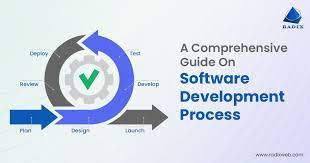
Software development plays a crucial role in today’s digital world. It involves designing, coding, testing, and maintaining applications and systems that help businesses and individuals perform various tasks efficiently. Here are some key reasons why software development is essential:

Innovation and Efficiency

Software development drives innovation by creating new solutions to address complex problems. Custom software can streamline processes, automate tasks, and improve overall efficiency within an organization.

Competitive Advantage

Businesses that invest in custom software development gain a competitive edge. Tailored applications can meet specific needs and adapt to changing market conditions quickly, giving companies an advantage over their competitors.

Enhanced User Experience

User experience is vital in today’s digital landscape. Well-designed software not only functions effectively but also provides a seamless and intuitive user interface, enhancing customer satisfaction and loyalty.

Scalability and Flexibility

Scalability is crucial for growing businesses. Custom software can be easily scaled to accommodate increased workload or user base without compromising performance. It also offers flexibility to adapt to evolving business requirements.

Security and Compliance

Data security is a top priority for organizations handling sensitive information. Custom-built software allows for robust security measures to protect data from cyber threats while ensuring compliance with industry regulations.

Cost-Effectiveness

While initial investment in software development may seem significant, tailored solutions can result in long-term cost savings by improving operational efficiency, reducing manual errors, and minimizing the need for multiple off-the-shelf applications.

In conclusion, software development is a cornerstone of modern business operations, driving innovation, efficiency, and growth. By investing in custom software solutions tailored to their unique needs, organizations can stay ahead of the curve in a rapidly evolving digital landscape.


9 Essential Tips for Effective Software Development

  1. Write clean and well-organized code.
  2. Use version control systems like Git to track changes.
  3. Document your code to make it easier for others to understand.
  4. Test your code thoroughly to catch bugs early on.
  5. Follow coding standards and best practices in the industry.
  6. Stay updated with the latest technologies and trends in software development.
  7. Collaborate with team members through effective communication.
  8. Prioritize security measures in your code to prevent vulnerabilities.
  9. Practice continuous learning and improvement in your development skills.

Write clean and well-organized code.

When it comes to software development, a crucial tip is to write clean and well-organized code. Clean code is not only easier to understand and maintain but also reduces the likelihood of errors and bugs. Well-organized code follows a logical structure, making it simpler for developers to collaborate on projects and for future modifications to be implemented smoothly. By adhering to this best practice, developers can enhance the efficiency, readability, and overall quality of their software solutions.

Use version control systems like Git to track changes.

Utilizing version control systems like Git is essential in software development to track changes efficiently. By leveraging Git, developers can maintain a complete history of modifications made to the codebase, allowing for easy collaboration, error detection, and seamless integration of new features. Version control systems also enable teams to work concurrently on different parts of the project without the risk of conflicting changes, ensuring a smooth and organized development process.

Document your code to make it easier for others to understand.

Documenting your code is a crucial practice in software development as it enhances the understandability of the codebase for other developers. By adding clear and concise comments, explanations, and documentation within the code, you not only make it easier for others to grasp the logic and functionality of the software but also facilitate collaboration and maintenance tasks. Documented code serves as a roadmap for future modifications or troubleshooting, ensuring smoother development processes and overall project success.

Test your code thoroughly to catch bugs early on.

Testing your code thoroughly is a critical step in software development to catch bugs early on. By conducting comprehensive testing, developers can identify and rectify issues before they escalate, ensuring the stability and reliability of the software. Early bug detection not only saves time and resources but also enhances the overall quality of the product, leading to a more seamless user experience. Prioritizing thorough testing as part of the development process is key to delivering robust and error-free software solutions.

Follow coding standards and best practices in the industry.

Following coding standards and best practices in the industry is crucial in software development. Adhering to established guidelines ensures consistency, readability, and maintainability of code. By following these standards, developers can write cleaner code that is easier to understand and debug. Consistent coding practices also promote collaboration among team members and facilitate smoother integration of code modules. Ultimately, following coding standards helps improve the overall quality of the software product and enhances its long-term sustainability.

Staying updated with the latest technologies and trends in software development is crucial for professionals in the field. By keeping abreast of advancements, developers can enhance their skills, stay competitive, and deliver cutting-edge solutions to clients. Continuous learning and exploration of new tools and methodologies enable software developers to adapt to industry changes, improve efficiency, and create innovative products that meet the evolving needs of users. Embracing ongoing education and staying informed about emerging technologies are key factors in achieving success and staying relevant in the dynamic landscape of software development.

Collaborate with team members through effective communication.

Collaborating with team members through effective communication is a fundamental tip in software development. Clear and open communication among team members ensures that everyone is on the same page regarding project goals, timelines, and tasks. By sharing ideas, discussing challenges, and providing regular updates, team members can work together seamlessly to achieve project success. Effective communication fosters collaboration, enhances problem-solving abilities, and promotes a supportive team environment where each member’s contributions are valued.

Prioritize security measures in your code to prevent vulnerabilities.

When engaging in software development, it is crucial to prioritize security measures in your code to prevent vulnerabilities. By implementing robust security protocols and practices during the development process, you can significantly reduce the risk of cyber threats and safeguard sensitive data. Proactively addressing security concerns not only protects your software from potential breaches but also instills trust among users and enhances the overall reliability of your applications. Prioritizing security measures is a fundamental aspect of responsible software development that ensures the integrity and confidentiality of information within your systems.

Practice continuous learning and improvement in your development skills.

To excel in software development, it is crucial to embrace a mindset of continuous learning and improvement in your development skills. By staying updated on the latest technologies, tools, and best practices, you can enhance your proficiency and adaptability in this fast-evolving field. Engaging in ongoing learning not only expands your knowledge base but also hones your problem-solving abilities and creativity, enabling you to tackle complex challenges with confidence and innovation. Embracing a culture of continuous improvement empowers you to stay at the forefront of software development trends and deliver high-quality solutions that meet the dynamic needs of today’s digital landscape.

developer

Mastering the Art of Becoming a Skilled Developer

The World of Developers

The World of Developers

In today’s digital age, developers play a crucial role in shaping the technological landscape. A developer is a creative problem solver who uses programming languages to build software, websites, applications, and more. They are the architects behind the digital innovations that drive our modern world.

Types of Developers

Developers come in various specialties, each focusing on different aspects of technology:

  • Front-End Developers: These developers specialize in creating the user interface and experience of websites and applications.
  • Back-End Developers: Back-end developers work on the server-side of applications, managing databases and ensuring smooth functionality.
  • Full-Stack Developers: Full-stack developers have expertise in both front-end and back-end development, allowing them to work on all aspects of a project.
  • Mobile App Developers: These developers focus on creating applications specifically for mobile devices, such as smartphones and tablets.
  • Software Engineers: Software engineers design and develop complex software systems, often working on large-scale projects.

The Skills of a Developer

To excel as a developer, one must possess a combination of technical skills and soft skills:

  • Programming Languages: Developers are proficient in languages such as JavaScript, Python, Java, C++, and more.
  • Problem-Solving: Developers are adept at analyzing problems and finding efficient solutions through code.
  • Creativity: Creativity is essential for designing engaging user interfaces and innovative solutions.
  • Collaboration: Developers often work in teams, requiring strong communication and collaboration skills.
  • Continuous Learning: Technology evolves rapidly, so developers must stay updated with the latest trends and tools.

The Future of Development

The demand for skilled developers continues to grow as technology becomes increasingly integrated into every aspect of our lives. From artificial intelligence to blockchain to augmented reality, developers will drive the next wave of innovation that shapes our future. Aspiring developers have a world of opportunities ahead as they embark on their journey to create the technologies that will define tomorrow.


5 Essential Tips for Developers to Enhance Skills and Collaborate Effectively

  1. Stay updated with the latest technologies and trends in the industry.
  2. Practice coding regularly to improve your skills and problem-solving abilities.
  3. Collaborate with other developers to learn from each other and work on projects together.
  4. Document your code properly to make it easier for yourself and others to understand and maintain in the future.
  5. Don’t be afraid to ask for help when you encounter challenges or need guidance.

Staying updated with the latest technologies and trends in the industry is essential for developers to remain competitive and relevant in today’s fast-paced digital landscape. By keeping abreast of new tools, programming languages, and innovations, developers can enhance their skills, stay ahead of the curve, and deliver cutting-edge solutions to meet the ever-evolving needs of clients and users. Continuous learning and adaptation to industry trends not only ensure professional growth but also enable developers to contribute effectively to the advancement of technology.

Practice coding regularly to improve your skills and problem-solving abilities.

To enhance your skills and problem-solving capabilities as a developer, it is essential to practice coding regularly. By consistently engaging in coding exercises and projects, you not only reinforce your understanding of programming concepts but also sharpen your ability to tackle complex problems efficiently. Regular practice not only hones your technical proficiency but also cultivates a mindset of continuous learning and improvement, enabling you to stay ahead in the dynamic field of software development.

Collaborate with other developers to learn from each other and work on projects together.

Collaborating with other developers is a valuable tip that can greatly enhance your skills and knowledge in the field. By working together on projects and sharing insights, you have the opportunity to learn from each other’s experiences, techniques, and perspectives. This collaborative approach not only fosters a sense of community within the developer community but also opens doors to new ideas and innovative solutions that you may not have discovered on your own. Embracing collaboration with fellow developers can lead to personal growth, improved problem-solving abilities, and the creation of more robust and successful projects.

Document your code properly to make it easier for yourself and others to understand and maintain in the future.

Properly documenting your code is a crucial practice for developers to enhance the readability and maintainability of their work. By providing clear and concise comments and explanations within the code, developers not only make it easier for themselves to revisit and understand their own work in the future but also facilitate collaboration with team members or other developers who may need to work on the same codebase. Documentation serves as a roadmap that guides readers through the logic and functionality of the code, ensuring that its purpose and implementation are transparent and comprehensible.

Don’t be afraid to ask for help when you encounter challenges or need guidance.

When navigating the complex world of development, it is essential to remember that asking for help is not a sign of weakness, but rather a demonstration of strength and a commitment to growth. Seeking guidance when faced with challenges can lead to valuable insights, innovative solutions, and personal development. Embracing the opportunity to learn from others in the developer community fosters collaboration, enhances skills, and ultimately contributes to success in overcoming obstacles.

software for developers

Essential Software Tools for Developers: Streamline Your Workflow Today

Software for Developers

The Essential Software Every Developer Needs

As a developer, having the right tools can make a significant difference in your productivity and efficiency. Whether you are a beginner or an experienced coder, investing in the right software can streamline your workflow and help you create better applications. Here are some essential software that every developer should consider:

Integrated Development Environment (IDE)

An IDE is a must-have tool for developers as it provides a comprehensive environment for writing, testing, and debugging code. Popular IDEs like Visual Studio Code, IntelliJ IDEA, and Eclipse offer features such as syntax highlighting, code completion, and version control integration.

Version Control System

Version control systems like Git are essential for managing code changes and collaborating with other developers. Git allows you to track changes, revert to previous versions, and work on different branches simultaneously.

Code Editor

A reliable code editor is crucial for writing clean and efficient code. Editors like Sublime Text, Atom, and Notepad++ provide customizable interfaces, support for multiple programming languages, and plugins for extending functionality.

Virtualization Software

Virtualization software such as VirtualBox or VMware allows developers to create virtual environments for testing applications on different operating systems without affecting their main system.

Database Management Tools

Developers often work with databases to store and retrieve data. Tools like MySQL Workbench, pgAdmin, or MongoDB Compass provide graphical interfaces for managing databases efficiently.

Collaboration Tools

Collaboration tools like Slack, Microsoft Teams, or Jira facilitate communication and project management among team members. These tools help developers stay organized and coordinate tasks effectively.

Conclusion

Having the right software is essential for developers to enhance their coding experience and deliver high-quality applications. By investing in these essential tools, developers can optimize their workflow, collaborate effectively with others, and stay ahead in the rapidly evolving tech industry.


Top FAQs on Developer Software: IDEs, Version Control, Collaboration Tools, and More

  1. What is the best Integrated Development Environment (IDE) for developers?
  2. How can I effectively use version control systems like Git?
  3. Which code editor offers the most features and customization options?
  4. What are the benefits of using virtualization software in development?
  5. How can database management tools improve my efficiency as a developer?
  6. Which collaboration tools are recommended for team-based development projects?
  7. Are there any free or open-source software options available for developers?
  8. What are some best practices for optimizing workflow with developer software?

What is the best Integrated Development Environment (IDE) for developers?

When it comes to choosing the best Integrated Development Environment (IDE) for developers, the answer can vary depending on individual preferences and specific project requirements. Popular IDEs like Visual Studio Code, IntelliJ IDEA, and Eclipse are often recommended for their robust features, extensive plugin support, and user-friendly interfaces. Developers may prioritize factors such as language support, debugging capabilities, version control integration, and community support when selecting an IDE that best suits their needs. Ultimately, the best IDE for developers is one that enhances productivity, streamlines the coding process, and aligns with their coding style and workflow.

How can I effectively use version control systems like Git?

To effectively use version control systems like Git, developers should start by understanding the basic concepts of Git, such as repositories, branches, commits, and merges. It is essential to familiarize oneself with common Git commands for tasks like cloning a repository, staging changes, committing code, and pushing changes to a remote repository. Additionally, utilizing features like branching and merging can help manage code changes efficiently and collaborate with team members seamlessly. Regularly updating the local repository with changes from the remote repository and resolving conflicts promptly are also key practices for effective Git usage. Lastly, leveraging Git tools and platforms like GitHub or Bitbucket can enhance collaboration and streamline the development process further.

Which code editor offers the most features and customization options?

When it comes to code editors with extensive features and customization options, Visual Studio Code often stands out as a popular choice among developers. Visual Studio Code offers a wide range of functionalities, including syntax highlighting for various languages, integrated terminal, Git integration, debugging support, and a vast library of extensions that allow users to tailor the editor to their specific needs. Its user-friendly interface, robust performance, and active community support make it a top contender for developers seeking a highly customizable coding environment.

What are the benefits of using virtualization software in development?

Using virtualization software in development offers various benefits to developers. One key advantage is the ability to create isolated virtual environments, allowing developers to test applications on different operating systems without affecting their main system. This helps in ensuring compatibility and stability across various platforms. Additionally, virtualization software enables developers to replicate complex network configurations and simulate real-world scenarios for testing purposes. By utilizing virtual environments, developers can streamline their development process, improve efficiency, and minimize potential risks associated with software development.

How can database management tools improve my efficiency as a developer?

Database management tools play a crucial role in enhancing the efficiency of developers by providing user-friendly interfaces for managing databases effectively. These tools offer features such as visual query builders, schema design tools, and data visualization capabilities, allowing developers to streamline database-related tasks. By using database management tools, developers can easily create, modify, and optimize database structures, execute queries efficiently, and troubleshoot performance issues quickly. Additionally, these tools enable collaboration among team members by facilitating the sharing of database schemas and data models. Overall, integrating database management tools into the development workflow can significantly improve productivity and accuracy in handling data-related tasks for developers.

When it comes to team-based development projects, choosing the right collaboration tools is crucial for seamless communication and efficient project management. Some recommended collaboration tools for developers include Slack, Microsoft Teams, and Jira. These platforms offer features such as real-time messaging, file sharing, task assignment, and integration with other development tools. By utilizing these tools, teams can enhance their collaboration, streamline workflows, and ensure that everyone stays on the same page throughout the project lifecycle.

Are there any free or open-source software options available for developers?

Many developers often wonder if there are free or open-source software options available to support their coding needs. The good news is that there is a wide range of free and open-source software tools tailored for developers. From popular Integrated Development Environments (IDEs) like Visual Studio Code and Eclipse to version control systems like Git and code editors such as Sublime Text and Atom, developers have access to high-quality tools without the need for a hefty investment. These free and open-source options not only help developers save costs but also foster collaboration and innovation within the developer community.

What are some best practices for optimizing workflow with developer software?

Optimizing workflow with developer software involves implementing best practices to enhance productivity and efficiency. One key practice is to customize your Integrated Development Environment (IDE) settings to suit your coding style and preferences, enabling faster code writing and debugging. Utilizing version control systems effectively, such as committing changes frequently and creating meaningful commit messages, ensures seamless collaboration and easy tracking of code modifications. Additionally, organizing project files into logical structures, utilizing keyboard shortcuts for common tasks, and regularly updating software tools contribute to a streamlined workflow for developers. By adhering to these best practices and continuously seeking ways to improve processes, developers can optimize their workflow and deliver high-quality solutions effectively.

software developers

The Vital Role of Software Developers in Shaping the Digital World

The World of Software Developers

The World of Software Developers

Software developers are the architects behind the digital age. They are the creative minds who design, develop, and maintain software applications that power our modern world. From mobile apps to complex enterprise systems, software developers play a crucial role in shaping our digital landscape.

Roles and Responsibilities

Software developers are skilled professionals with expertise in programming languages, algorithms, and software design. They work closely with stakeholders to understand requirements and translate them into functional code. Their responsibilities include:

  • Writing clean, efficient code
  • Testing and debugging software applications
  • Collaborating with designers and other team members
  • Maintaining and updating existing software
  • Keeping up-to-date with emerging technologies

Skills Required

To excel as a software developer, one needs a combination of technical skills and soft skills. Some key skills required for software developers include:

  • Proficiency in programming languages such as Java, Python, C++, etc.
  • Problem-solving abilities and logical thinking
  • Attention to detail and accuracy
  • Effective communication skills for team collaboration
  • Adaptability to learn new technologies quickly

The Future of Software Development

In today’s fast-paced digital world, the demand for skilled software developers continues to grow. As technology evolves, so do the opportunities for innovation in software development. From artificial intelligence to blockchain technology, software developers are at the forefront of driving technological advancements.

In conclusion, software developers are essential players in the tech industry, shaping the way we interact with technology on a daily basis. Their creativity, problem-solving skills, and dedication contribute to building a more connected and efficient digital world.


8 Essential Tips for Software Developers to Boost Skills and Productivity

  1. Stay updated with the latest technologies and trends.
  2. Practice problem-solving skills regularly.
  3. Collaborate with team members effectively.
  4. Write clean and efficient code.
  5. Seek feedback to improve your work continuously.
  6. Document your code for better understanding and maintenance.
  7. Test your code thoroughly to ensure quality and reliability.
  8. Take breaks to avoid burnout and maintain productivity.

To thrive in the ever-evolving field of software development, it is crucial for developers to stay updated with the latest technologies and trends. By continuously learning and adapting to new advancements, software developers can enhance their skills, remain competitive in the industry, and contribute to cutting-edge innovations. Keeping pace with emerging technologies not only expands one’s knowledge but also opens up opportunities to explore fresh ideas and approaches in software development.

Practice problem-solving skills regularly.

To excel as a software developer, it is crucial to practice problem-solving skills regularly. Problem-solving lies at the core of software development, as developers often encounter complex challenges that require innovative solutions. By honing their problem-solving abilities through consistent practice, developers can enhance their analytical thinking, creativity, and efficiency in addressing coding issues. Regular practice not only sharpens problem-solving skills but also builds confidence and resilience in tackling diverse technical problems encountered in the dynamic field of software development.

Collaborate with team members effectively.

Collaborating effectively with team members is a crucial tip for software developers to enhance productivity and produce high-quality software solutions. By fostering open communication, sharing ideas, and working together towards common goals, software developers can leverage the diverse skills and perspectives of their team to tackle complex challenges and deliver innovative solutions. Effective collaboration not only improves teamwork but also promotes knowledge sharing, creativity, and a supportive work environment where everyone can contribute their best towards achieving success in software development projects.

Write clean and efficient code.

Writing clean and efficient code is a fundamental principle that distinguishes exceptional software developers. By adhering to this tip, developers ensure that their code is not only easy to read and understand but also optimized for performance. Clean code reduces the likelihood of errors, enhances maintainability, and promotes collaboration within development teams. Embracing this practice demonstrates a developer’s commitment to producing high-quality software that meets both functional requirements and industry standards.

Seek feedback to improve your work continuously.

Seeking feedback is a crucial practice for software developers to enhance the quality of their work continuously. By actively soliciting input from colleagues, clients, and users, developers can gain valuable insights into areas for improvement and refine their skills. Constructive feedback not only helps developers identify blind spots or errors in their code but also fosters a culture of collaboration and growth within the development team. Embracing feedback as a tool for continuous improvement empowers software developers to deliver better solutions and stay ahead in an ever-evolving tech landscape.

Document your code for better understanding and maintenance.

When it comes to software development, documenting your code is a crucial practice that can significantly enhance both understanding and maintenance of the software. By providing clear and concise comments within the codebase, developers can offer insights into the logic behind their implementation, making it easier for themselves and others to grasp the functionality of the code. Additionally, well-documented code simplifies future updates and troubleshooting processes, ultimately saving time and effort in the long run. Prioritizing thorough documentation not only improves collaboration among team members but also ensures the sustainability and scalability of the software over time.

Test your code thoroughly to ensure quality and reliability.

Testing code thoroughly is a critical practice for software developers to uphold quality and reliability in their applications. By rigorously testing their code, developers can identify and rectify potential bugs and issues before they impact end-users. Thorough testing not only enhances the overall performance of the software but also instills confidence in its functionality, ensuring a seamless user experience. Embracing a robust testing process is key to delivering high-quality software that meets the expectations of users and stakeholders alike.

Take breaks to avoid burnout and maintain productivity.

Taking breaks is a crucial tip for software developers to prevent burnout and sustain productivity. By stepping away from their screens and giving their minds a rest, developers can recharge and return with renewed focus and creativity. Breaks not only help in maintaining a healthy work-life balance but also contribute to better problem-solving and decision-making. Prioritizing self-care through regular breaks ultimately leads to more efficient and sustainable productivity in the long run.

software development life cycle

Navigating the Software Development Life Cycle: A Comprehensive Guide

Understanding the Software Development Life Cycle

The Software Development Life Cycle Explained

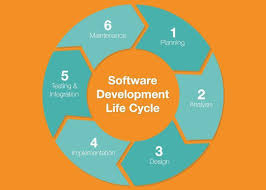
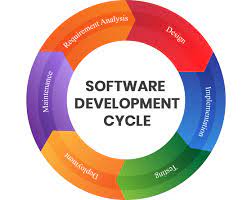
Software development is a complex process that involves multiple stages to ensure the successful creation of high-quality software. The Software Development Life Cycle (SDLC) is a structured framework that outlines these stages and provides a systematic approach to software development.

Stages of the SDLC:

  1. Planning: In this initial stage, project requirements are gathered, feasibility studies are conducted, and a project plan is created.
  2. Analysis: During this stage, the project team analyzes the requirements gathered in the planning phase and defines the system’s features and functionalities.
  3. Design: The design phase involves creating a detailed technical design based on the requirements and analysis. This includes architecture design, database design, and user interface design.
  4. Implementation: In this stage, developers write code based on the design specifications. Testing is also carried out to identify and fix any bugs or issues.
  5. Testing: The software is tested thoroughly to ensure it meets the specified requirements and functions correctly. Testing includes unit testing, integration testing, system testing, and user acceptance testing.
  6. Deployment: Once testing is complete and the software is approved for release, it is deployed to production environments for end-users to access.
  7. Maintenance: After deployment, the software enters the maintenance phase where updates, patches, and enhancements are made as needed to ensure its continued functionality and relevance.

The Importance of SDLC

The SDLC provides a structured approach to software development that helps ensure projects are completed on time, within budget, and with high quality. By following a defined process with clear milestones, teams can better manage risks, control costs, and deliver successful software solutions that meet user needs.

In conclusion, understanding the Software Development Life Cycle is essential for anyone involved in software development projects. By following this structured framework, organizations can streamline their development processes and deliver innovative software solutions that drive business success.


9 Essential Tips for Mastering the Software Development Life Cycle

  1. Understand the requirements thoroughly before starting development.
  2. Break down the project into smaller tasks for better manageability.
  3. Implement version control to track changes and collaborate effectively.
  4. Perform thorough testing at each stage to ensure quality and identify issues early.
  5. Document code and processes to facilitate maintenance and future updates.
  6. Regularly communicate with stakeholders to gather feedback and make necessary adjustments.
  7. Prioritize security measures to protect data and prevent vulnerabilities.
  8. Follow coding standards and best practices for consistency and readability of codebase.
  9. Conduct post-release reviews to evaluate performance, gather insights, and plan improvements.

Understand the requirements thoroughly before starting development.

It is crucial to thoroughly understand the requirements before embarking on the development phase of a software project. Clear and comprehensive requirements gathering ensures that developers have a solid foundation to work from, reducing the risk of misunderstandings, rework, and project delays. By taking the time to fully comprehend the needs and expectations of stakeholders, teams can align their efforts effectively, resulting in a more efficient and successful software development life cycle.

Break down the project into smaller tasks for better manageability.

Breaking down a software development project into smaller tasks is a crucial tip to enhance manageability and ensure project success. By dividing the project into manageable chunks, teams can focus on specific tasks, track progress more effectively, and allocate resources efficiently. This approach also helps in identifying potential bottlenecks early on, making it easier to address issues and stay on track with the project timeline. Ultimately, breaking down the project into smaller tasks not only improves manageability but also contributes to better collaboration among team members and a smoother overall development process.

Implement version control to track changes and collaborate effectively.

Implementing version control is a crucial tip in the software development life cycle as it allows teams to track changes, manage revisions, and collaborate effectively. Version control systems such as Git enable developers to work on code simultaneously, merge changes seamlessly, and maintain a history of modifications. By utilizing version control, teams can easily revert to previous versions if needed, ensure code consistency across multiple contributors, and enhance overall project efficiency and collaboration.

Perform thorough testing at each stage to ensure quality and identify issues early.

Performing thorough testing at each stage of the software development life cycle is crucial to ensure the quality of the final product and to identify any issues early on. By conducting comprehensive testing throughout the development process, teams can catch and address potential issues before they escalate, leading to a more stable and reliable software solution. This proactive approach not only helps in delivering a high-quality product to end-users but also saves time and resources by minimizing the need for extensive rework later in the development cycle.

Document code and processes to facilitate maintenance and future updates.

Documenting code and processes is a crucial tip in the software development life cycle as it plays a vital role in facilitating maintenance and future updates. By documenting the code, developers provide valuable insights into the functionality and structure of the software, making it easier for them or others to understand and modify the code in the future. Additionally, documenting processes helps ensure consistency and efficiency in development tasks, reducing errors and speeding up the maintenance process. Overall, thorough documentation not only simplifies maintenance efforts but also enables smoother transitions between team members and enhances the scalability of software projects.

Regularly communicate with stakeholders to gather feedback and make necessary adjustments.

Regular communication with stakeholders is crucial during the software development life cycle to gather feedback and make necessary adjustments. By engaging with stakeholders throughout the process, developers can ensure that the software aligns with their expectations and requirements. This feedback loop allows for timely identification of any issues or changes needed, leading to a more successful and user-centric end product. Effective communication fosters collaboration, transparency, and ultimately results in a software solution that meets the needs of all stakeholders involved.

Prioritize security measures to protect data and prevent vulnerabilities.

When following the Software Development Life Cycle, it is crucial to prioritize security measures to safeguard data and prevent vulnerabilities. By integrating security considerations at every stage of the development process, from planning and design to implementation and testing, developers can proactively address potential threats and ensure the integrity and confidentiality of sensitive information. Implementing robust security measures not only protects valuable data but also enhances the overall reliability and trustworthiness of the software being developed.

Follow coding standards and best practices for consistency and readability of codebase.

It is crucial to adhere to coding standards and best practices throughout the Software Development Life Cycle to ensure consistency and readability of the codebase. By following established guidelines, developers can write code that is easier to understand, maintain, and debug. Consistent coding standards also promote collaboration among team members and facilitate smoother integration of code modules. Prioritizing best practices not only improves the overall quality of the software but also enhances its scalability and long-term sustainability.

Conduct post-release reviews to evaluate performance, gather insights, and plan improvements.

Conducting post-release reviews is a crucial step in the software development life cycle as it allows teams to evaluate the performance of the software, gather valuable insights from user feedback, and plan for future improvements. By analyzing how the software is being used in real-world scenarios, teams can identify areas for enhancement, address any issues that may have arisen post-release, and ensure that future iterations of the software meet user expectations and business goals. Post-release reviews help teams continuously refine their development processes and deliver high-quality software that evolves with the needs of users and the market.

mlm software development

Unlocking Success: The Power of MLM Software Development Solutions

MLM Software Development

The Importance of MLM Software Development

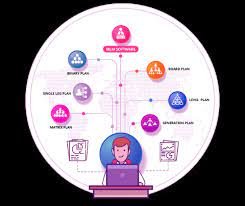
Multi-Level Marketing (MLM) is a popular business model that relies on a network of distributors to grow the business and sell products or services. To effectively manage the complexities of an MLM business, specialized software solutions are essential.

Benefits of MLM Software Development

MLM software development plays a crucial role in automating various aspects of an MLM business, making it more efficient and scalable. Here are some key benefits:

  • Business Management: MLM software helps in managing distributor networks, tracking sales, commissions, and bonuses.
  • Automation: Streamlining repetitive tasks such as order processing, inventory management, and payment processing leads to increased productivity.
  • Customization: Tailoring the software to meet specific business requirements ensures optimal performance and seamless operation.
  • Data Analysis: Advanced reporting and analytics features provide valuable insights into sales trends, distributor performance, and overall business growth.
  • Security: Implementing robust security measures protects sensitive data and ensures compliance with industry regulations.

Choosing the Right MLM Software Development Partner

When selecting a partner for MLM software development, it is essential to consider their experience, expertise, and track record in developing customized solutions for MLM businesses. Look for a team that understands the unique challenges of the MLM industry and can deliver a solution that aligns with your business goals.

In Conclusion

In today’s competitive market, having reliable MLM software is crucial for the success of your multi-level marketing business. By investing in tailored software solutions designed to meet your specific needs, you can streamline operations, enhance productivity, and drive growth in your MLM venture.


Understanding MLM Software Development: Key FAQs Answered

  1. What is mean by MLM software?
  2. What is MLM technology?
  3. What’s MLM stand for?
  4. How do I create an MLM software?
  5. What is MLM software development?
  6. What does the MLM stand for?

What is mean by MLM software?

MLM software, short for Multi-Level Marketing software, refers to specialized technology solutions designed to facilitate and streamline the operations of multi-level marketing businesses. This software is tailored to manage various aspects of an MLM business, such as distributor networks, sales tracking, commission calculations, and bonus structures. By automating key processes and providing valuable insights through reporting and analytics features, MLM software plays a crucial role in optimizing the efficiency and performance of MLM companies. It serves as a centralized platform for managing all facets of the business, enabling smoother operations and enhanced productivity.

What is MLM technology?

MLM technology, short for Multi-Level Marketing technology, refers to the specialized software and digital tools designed to support and automate the operations of a multi-level marketing business. This technology encompasses a range of features such as managing distributor networks, tracking sales and commissions, processing orders, analyzing data, and ensuring security compliance. MLM technology plays a crucial role in streamlining business processes, enhancing efficiency, and providing valuable insights to MLM companies for better decision-making and growth strategies. By leveraging MLM technology effectively, businesses can optimize their operations and drive success in the competitive world of network marketing.

What’s MLM stand for?

MLM stands for Multi-Level Marketing. It is a business model where individuals act as distributors for a company’s products or services and earn income through direct sales and by recruiting a network of distributors. In MLM, distributors can earn commissions not only on their own sales but also on the sales made by the distributors they recruit into their downline. This hierarchical structure of compensation sets MLM apart from traditional direct selling models and has both supporters and critics within the business community.

How do I create an MLM software?

Creating MLM software requires a strategic approach and specialized expertise in software development. To develop MLM software, you need to outline the specific features and functionalities required for managing distributor networks, tracking sales, calculating commissions, and more. It involves designing a user-friendly interface, implementing secure payment gateways, and integrating data analytics tools for performance monitoring. Collaborating with experienced developers who understand the intricacies of MLM business models is crucial to ensure the successful creation of customized MLM software that meets your unique requirements and aligns with your business objectives.

What is MLM software development?

MLM software development refers to the process of creating specialized software solutions tailored to meet the unique needs of Multi-Level Marketing (MLM) businesses. This type of software is designed to automate various aspects of an MLM business, such as managing distributor networks, tracking sales, commissions, bonuses, and other essential functions. By developing MLM software, businesses can streamline operations, improve efficiency, and gain valuable insights through advanced reporting and analytics features. Choosing the right MLM software development partner is crucial to ensure that the software aligns with the specific requirements and objectives of the MLM business.

What does the MLM stand for?

MLM stands for Multi-Level Marketing. It is a business model where individuals can earn income not only through their own sales efforts but also by recruiting and managing a network of distributors. In MLM, participants typically earn commissions on the sales made by their downline (those they have recruited) as well as their own sales. This structure creates multiple levels of compensation, hence the term “multi-level marketing.” MLM businesses often promote products or services through a network of independent distributors, offering them the opportunity to build their own business within the company’s framework.

software making company

Empowering Innovation: The Role of a Leading Software Making Company

Article: Software Making Company

The Role of a Software Making Company in Today’s Digital World

In the fast-paced and ever-evolving digital landscape, software making companies play a crucial role in shaping the way we interact with technology. These companies are at the forefront of innovation, developing cutting-edge solutions that drive efficiency, productivity, and creativity across various industries.

What Does a Software Making Company Do?

A software making company specializes in designing, developing, and maintaining software applications tailored to meet the specific needs of businesses and individuals. Whether it’s creating mobile apps, web applications, enterprise software, or custom solutions, these companies leverage their expertise in coding, design, and project management to deliver high-quality products.

The Importance of Quality Software

In today’s competitive market, having reliable and user-friendly software is essential for staying ahead of the curve. A reputable software making company focuses on delivering products that not only meet but exceed client expectations. Quality software can streamline processes, enhance user experience, and drive business growth.

Collaboration and Innovation

Successful software making companies thrive on collaboration and innovation. By working closely with clients to understand their goals and challenges, these companies can develop customized solutions that address specific needs. Through continuous research and development efforts, they stay abreast of emerging technologies to ensure that their products remain relevant and competitive.

The Future of Software Development

As technology continues to advance at a rapid pace, the role of software making companies will become even more critical. From artificial intelligence and machine learning to blockchain and IoT integration, these companies will be at the forefront of driving digital transformation across industries.

Conclusion

In conclusion, software making companies are instrumental in driving innovation and progress in today’s digital world. Their ability to create bespoke solutions that address unique challenges sets them apart as key players in shaping the future of technology. As businesses and individuals continue to rely on software for everyday tasks, the importance of partnering with a reputable software making company cannot be overstated.


8 Advantages of Partnering with a Leading Software Development Company

  1. Customized solutions tailored to specific business needs
  2. Expertise in a wide range of programming languages and technologies
  3. Ability to streamline processes and improve operational efficiency
  4. Innovative approach to problem-solving and product development
  5. Dedicated support and maintenance services for ongoing software upkeep
  6. Experience in developing scalable and secure applications
  7. Collaborative work environment that fosters creativity and teamwork
  8. Commitment to staying updated with the latest industry trends and technologies


Challenges Faced by Software Development Companies: Navigating Competition, Client Expectations, and Technical Demands

  1. High competition in the industry can make it challenging to stand out.
  2. Managing and meeting client expectations can be demanding and stressful.
  3. Technical issues and bugs in software products may lead to customer dissatisfaction.
  4. Continuous need for upskilling and staying updated with new technologies can be time-consuming.
  5. Tight project deadlines and pressure to deliver on time may impact work-life balance.

Customized solutions tailored to specific business needs

Software making companies excel in providing customized solutions tailored to specific business needs. By understanding the unique requirements and challenges of each client, these companies can develop bespoke software applications that address specific pain points and optimize processes. This personalized approach not only enhances efficiency and productivity but also fosters innovation by providing businesses with tools that align perfectly with their operations. Customized solutions from software making companies empower organizations to achieve their goals more effectively and stay ahead in today’s competitive digital landscape.

Expertise in a wide range of programming languages and technologies

A significant advantage of a software making company is its expertise in a wide range of programming languages and technologies. This proficiency allows the company to adapt to diverse project requirements and deliver tailored solutions that leverage the most suitable tools for the job. By staying abreast of the latest advancements in programming languages and technologies, the company can offer innovative and efficient software development services that meet the evolving needs of clients across various industries.

Ability to streamline processes and improve operational efficiency

Software making companies offer a significant advantage in their ability to streamline processes and enhance operational efficiency. By developing custom software solutions tailored to specific business needs, these companies can automate tasks, eliminate manual errors, and optimize workflows. This not only saves time and resources but also improves overall productivity within an organization. With streamlined processes in place, businesses can operate more efficiently, make better-informed decisions, and ultimately achieve greater success in today’s competitive market.

Innovative approach to problem-solving and product development

Software making companies bring immense value through their innovative approach to problem-solving and product development. By leveraging cutting-edge technologies and creative thinking, these companies can tackle complex challenges with unique solutions. Their ability to think outside the box and push the boundaries of traditional software development leads to the creation of groundbreaking products that meet the evolving needs of clients and users. This innovative mindset not only sets software making companies apart in a competitive market but also drives continuous improvement and advancement in the tech industry as a whole.

Dedicated support and maintenance services for ongoing software upkeep

One significant advantage of partnering with a software making company is the provision of dedicated support and maintenance services for ongoing software upkeep. This ensures that businesses and individuals can rely on prompt assistance in case of any issues or updates needed for their software applications. With a team of experts ready to address maintenance tasks and provide timely support, clients can have peace of mind knowing that their software will continue to function smoothly and efficiently over time, allowing them to focus on their core operations without worrying about technical disruptions.

Experience in developing scalable and secure applications

With expertise in developing scalable and secure applications, a software making company ensures that clients receive solutions that can grow with their needs while maintaining robust security measures. By leveraging their experience in building applications that can handle increasing workloads and data volumes, these companies provide peace of mind to clients knowing that their software is not only adaptable but also well-protected against potential threats. The focus on scalability and security underscores the commitment of a software making company to deliver high-quality, future-proof solutions that meet the evolving demands of the digital landscape.

Collaborative work environment that fosters creativity and teamwork

A key advantage of a software making company is its collaborative work environment that fosters creativity and teamwork. By encouraging open communication and idea-sharing among team members, such companies create a dynamic atmosphere where innovation thrives. Collaborative projects not only bring together diverse perspectives and skill sets but also promote a sense of camaraderie and mutual support, leading to the development of innovative solutions that address complex challenges effectively. This collaborative culture not only enhances productivity but also nurtures a sense of belonging and shared achievement among employees, ultimately driving the company’s success in delivering high-quality software products.

One notable advantage of a software making company is its unwavering commitment to staying updated with the latest industry trends and technologies. By continuously researching and integrating cutting-edge advancements into their practices, these companies ensure that they deliver innovative and relevant solutions to their clients. This commitment not only enhances the quality of their products but also positions them as industry leaders who can adapt to evolving technology landscapes, ultimately providing clients with state-of-the-art software that meets their current and future needs.

High competition in the industry can make it challenging to stand out.

In the software making industry, one significant challenge that companies face is the high level of competition. With numerous players vying for market share and attention, standing out can be a daunting task. Differentiating oneself from competitors and showcasing unique value propositions becomes crucial in such a crowded landscape. Companies must invest in innovative solutions, exceptional customer service, and effective marketing strategies to overcome this obstacle and carve a niche for themselves in the fiercely competitive software market.

Managing and meeting client expectations can be demanding and stressful.

Managing and meeting client expectations in the software making industry can be demanding and stressful. Clients often have varying needs, preferences, and timelines, making it challenging to align their expectations with project deliverables. Additionally, changes in requirements or unforeseen obstacles during development can further complicate the process. Software making companies must navigate these challenges with effective communication, meticulous planning, and a proactive approach to ensure that client expectations are not only met but exceeded.

Technical issues and bugs in software products may lead to customer dissatisfaction.

Technical issues and bugs in software products can significantly impact customer satisfaction. When users encounter glitches or malfunctions in the software they rely on, it can disrupt their workflow, cause frustration, and erode trust in the product and the company that developed it. Customers expect smooth and error-free performance from software solutions, and any technical issues that arise may result in negative feedback, decreased user engagement, and ultimately lead to a loss of business opportunities. Addressing these challenges promptly and effectively is crucial for software making companies to maintain a positive reputation and retain loyal customers.

Continuous need for upskilling and staying updated with new technologies can be time-consuming.

One significant drawback of being part of a software making company is the continuous need for upskilling and staying updated with new technologies, which can be a time-consuming endeavor. As the tech industry evolves rapidly, professionals in this field must invest significant time and effort in learning new programming languages, tools, and methodologies to remain competitive. This constant cycle of learning and adaptation can be demanding, requiring individuals to stay abreast of the latest trends and innovations to ensure their skills remain relevant in an ever-changing landscape.

Tight project deadlines and pressure to deliver on time may impact work-life balance.

Tight project deadlines and the pressure to deliver on time can significantly impact the work-life balance of employees within a software making company. The constant need to meet strict timelines and project milestones often leads to long working hours, increased stress levels, and a blurred boundary between work and personal life. This intense pressure can result in burnout, decreased productivity, and overall dissatisfaction among team members, highlighting the importance of promoting a healthy work-life balance within the organization.

crystal software development

Unlocking the Potential of Crystal Software Development

The Power of Crystal Software Development

The Power of Crystal Software Development

Crystal software development is a cutting-edge approach that leverages the power of the Crystal programming language to create robust and efficient software solutions. Crystal is a statically typed language with a syntax inspired by Ruby but with a focus on performance and type safety.

One of the key advantages of using Crystal for software development is its high performance. By compiling to native code, Crystal programs can achieve speeds comparable to those of C or C++ applications while maintaining the elegance and expressiveness of a high-level language like Ruby.

Crystal’s type system helps catch errors at compile time, reducing the likelihood of runtime bugs and improving overall code quality. This makes it easier for developers to write reliable and maintainable software that meets the highest standards of quality.

Another benefit of Crystal software development is its strong emphasis on developer productivity. The language’s expressive syntax and powerful standard library enable developers to write clean, concise code that is easy to understand and maintain. This results in faster development cycles and shorter time-to-market for software projects.

Crystal also provides excellent support for concurrency through lightweight fibers, allowing developers to build highly scalable and responsive applications that can handle thousands of concurrent connections with ease. This makes it an ideal choice for building modern web applications, APIs, and microservices.

In conclusion, Crystal software development offers a compelling combination of performance, reliability, productivity, and scalability that makes it a standout choice for building a wide range of software applications. Whether you are developing a small utility or a large-scale enterprise system, Crystal provides the tools you need to bring your vision to life with speed and precision.


Exploring Crystal Software Development: Key FAQs and Insights

  1. What is Crystal software development?
  2. Why use Crystal for software development?
  3. What are the key features of the Crystal programming language?
  4. How does Crystal compare to other programming languages like Ruby or C++?
  5. Is Crystal suitable for building web applications?
  6. What are the advantages of using Crystal for concurrency?
  7. Are there any notable companies or projects that have successfully used Crystal for software development?

What is Crystal software development?

Crystal software development refers to the process of creating software applications using the Crystal programming language. Crystal is a statically typed language with syntax inspired by Ruby but designed for high performance and type safety. It compiles to native code, allowing developers to build fast and efficient applications while benefiting from the expressive and elegant features of a high-level language. Crystal software development emphasizes performance, reliability, productivity, and scalability, making it a popular choice for building a wide range of applications, from small utilities to large-scale enterprise systems.

Why use Crystal for software development?

When considering why to use Crystal for software development, one key factor stands out: its exceptional balance of performance and developer productivity. Crystal’s ability to compile to native code results in high-speed applications comparable to those built with lower-level languages like C or C++, while its syntax, inspired by Ruby, promotes readability and simplicity. Additionally, Crystal’s type system enhances code reliability by catching errors at compile time. This combination of performance, readability, and error prevention makes Crystal a compelling choice for developers looking to create efficient, maintainable software with a rapid development cycle.

What are the key features of the Crystal programming language?

The key features of the Crystal programming language set it apart as a powerful tool for software development. With its statically typed nature, Crystal ensures type safety and catches errors at compile time, enhancing code reliability. The language’s syntax, inspired by Ruby, offers an elegant and expressive way to write code while maintaining high performance through native code compilation. Crystal’s emphasis on developer productivity shines through its clean and concise syntax, supported by a robust standard library. Additionally, Crystal excels in concurrency with lightweight fibers, enabling the creation of scalable and responsive applications. These features collectively make Crystal a standout choice for developers looking to build efficient, reliable, and high-performance software solutions.

How does Crystal compare to other programming languages like Ruby or C++?

When comparing Crystal to other programming languages like Ruby or C++, several key differences emerge. While Crystal shares a syntax similar to Ruby, it distinguishes itself by offering static typing for improved performance and type safety, akin to C++. This blend of high-level expressiveness and low-level efficiency makes Crystal stand out as a compelling choice for developers seeking the best of both worlds. Additionally, Crystal’s emphasis on compile-time error checking enhances code reliability, a feature shared with C++ but not present in Ruby. Overall, Crystal’s unique combination of features positions it as a versatile language that bridges the gap between the dynamic nature of Ruby and the performance optimizations of C++, offering developers a powerful tool for building efficient and reliable software solutions.

Is Crystal suitable for building web applications?

Crystal is indeed suitable for building web applications due to its high performance, strong type system, and excellent support for concurrency. With its ability to compile to native code and achieve speeds comparable to C or C++, Crystal is well-suited for handling the demands of web applications that require fast response times and efficient resource utilization. Its type system helps catch errors at compile time, ensuring greater reliability in web application development. Additionally, Crystal’s support for lightweight fibers enables developers to build highly scalable and responsive web applications that can handle a large number of concurrent connections effectively. Overall, Crystal presents a compelling choice for building web applications that prioritize performance, reliability, and scalability.

What are the advantages of using Crystal for concurrency?

When it comes to concurrency, Crystal offers significant advantages that set it apart from other programming languages. One key benefit is its support for lightweight fibers, which allow developers to efficiently handle multiple tasks concurrently without the overhead associated with traditional threads. This approach to concurrency in Crystal enables developers to build highly responsive and scalable applications that can effectively manage a large number of concurrent operations while minimizing resource consumption. Additionally, the seamless integration of fibers with Crystal’s syntax and standard library simplifies the development of complex concurrent systems, making it easier for developers to create efficient and reliable software that can handle the demands of modern applications.

Are there any notable companies or projects that have successfully used Crystal for software development?

Several notable companies and projects have successfully utilized Crystal for software development, showcasing the language’s capabilities and effectiveness in real-world applications. Companies such as Manas.Tech, a software consultancy firm, have embraced Crystal for building high-performance web applications and services. Additionally, Lucky Framework, an open-source web framework written in Crystal, has gained popularity among developers for its speed and productivity benefits. These success stories demonstrate the growing adoption of Crystal in the tech industry and highlight its potential to drive innovation and efficiency in software development projects.

software development for dummies

Demystifying Software Development for Dummies: A Beginner’s Guide

Software Development for Dummies

Software Development for Dummies

Software development can seem like a complex and intimidating field, but it doesn’t have to be. Whether you’re a beginner or just looking to understand the basics, this guide will help demystify the world of software development.

What is Software Development?

Software development is the process of creating software applications that run on various devices, from computers to smartphones. It involves designing, coding, testing, and maintaining software to meet specific requirements and solve particular problems.

Key Concepts in Software Development

Here are some key concepts you should know:

  • Programming Languages: These are used to write code that tells the computer what to do.
  • Algorithms: These are step-by-step instructions for solving a problem or completing a task.
  • Data Structures: These organize and store data in a computer so that it can be accessed and used efficiently.
  • Testing: This is the process of checking software for errors and ensuring it works as intended.
  • Version Control: This helps manage changes to code and track different versions of the software.

The Software Development Process

The software development process typically follows these steps:

  1. Requirements Gathering: Understanding what the software needs to do and how it should work.
  2. Design: Planning how the software will be structured and function.
  3. Coding: Writing the actual code that makes the software work.
  4. Testing: Checking that the software behaves as expected and fixing any issues.
  5. Deployment: Releasing the software for users to use.

Tips for Beginners

If you’re new to software development, here are some tips to get started:

  • Pick a Language: Start with a beginner-friendly programming language like Python or JavaScript.
  • Tutorials & Courses: Take advantage of online tutorials and courses to learn coding basics.
  • Practice Regularly: The more you code, the better you’ll get. Practice is key!
  • Become Familiar with Tools: Get comfortable using code editors, version control systems, and other essential tools.
  • In conclusion, software development may seem daunting at first, but with dedication and practice, anyone can learn how to create amazing applications. Remember, even experienced developers were once beginners too!

    >


    Software Development for Beginners: Answers to 6 Common Questions

    1. What is software development?
    2. How do I start learning software development?
    3. What programming languages are best for beginners in software development?
    4. What are the key steps in the software development process?
    5. How can I improve my coding skills as a beginner?
    6. Are there any recommended resources or tutorials for beginners in software development?

    What is software development?

    Software development is the process of creating software applications that run on various devices, such as computers and smartphones. It involves designing, coding, testing, and maintaining software to meet specific requirements and solve particular problems. In essence, software development is all about turning ideas into functional programs that can perform tasks, automate processes, or provide solutions to users’ needs. It encompasses a wide range of activities, from planning and designing the software architecture to writing code and ensuring that the final product works as intended.

    How do I start learning software development?

    To start learning software development, beginners can follow a structured approach that includes familiarizing themselves with programming languages, understanding basic concepts such as algorithms and data structures, and practicing coding regularly. Online tutorials, courses, and coding exercises can provide a solid foundation for beginners. It’s essential to pick a beginner-friendly language like Python or JavaScript, explore resources that offer step-by-step guidance, and engage in hands-on projects to apply theoretical knowledge. By immersing oneself in the world of software development and seeking continuous learning opportunities, aspiring developers can gradually enhance their skills and build a successful career in this dynamic field.

    What programming languages are best for beginners in software development?

    When it comes to beginners in software development, choosing the right programming language can make a significant difference in their learning journey. Some of the best programming languages for beginners include Python, JavaScript, and Java. Python is known for its simplicity and readability, making it an excellent choice for those new to coding. JavaScript is widely used for web development and offers immediate feedback on code execution, which can be motivating for beginners. Java, with its strong typing system and widespread use in enterprise applications, provides a solid foundation for understanding object-oriented programming concepts. Ultimately, the best programming language for beginners depends on their interests and goals within the vast field of software development.

    What are the key steps in the software development process?

    Understanding the key steps in the software development process is crucial for beginners in the field. The software development process typically involves several essential steps, starting with requirements gathering to understand the software’s purpose and functionality. Designing the software structure and flow comes next, followed by coding to bring the design to life. Testing is a critical step to ensure that the software functions correctly and meets user expectations. Finally, deployment involves releasing the software for users to use. By grasping these key steps, beginners can gain a solid foundation in software development and navigate the process more effectively.

    How can I improve my coding skills as a beginner?

    For beginners looking to enhance their coding skills in software development, consistent practice is key. Start by choosing a programming language that interests you and work on small projects to apply what you’ve learned. Take advantage of online tutorials, coding challenges, and resources to deepen your understanding. Collaborating with other beginners or seeking feedback from experienced developers can also provide valuable insights and help you improve. Remember, patience and perseverance are essential as you progress on your coding journey.

    For beginners in software development, there are numerous recommended resources and tutorials available to help kickstart their learning journey. Online platforms like Codecademy, Coursera, and Udemy offer a wide range of courses covering programming languages, algorithms, and software development concepts. Additionally, websites like Stack Overflow and GitHub provide valuable resources, forums, and code repositories where beginners can seek guidance, ask questions, and collaborate with other developers. It’s also beneficial to explore books such as “Clean Code” by Robert C. Martin or “The Pragmatic Programmer” by Andrew Hunt and David Thomas for in-depth insights into best practices and principles in software development. By leveraging these resources and tutorials, beginners can build a strong foundation and enhance their skills in the field of software development.