cfchris.com

Loading

cloud software development

Exploring the Future of Cloud Software Development: Innovations and Challenges

Cloud Software Development

The Evolution of Cloud Software Development

Cloud software development has revolutionized the way applications are built, deployed, and scaled. In the past, traditional software development required significant investments in hardware infrastructure and maintenance. However, with the emergence of cloud computing, developers now have access to a wide range of tools and resources that enable them to create innovative solutions more efficiently.

Benefits of Cloud Software Development

One of the key benefits of cloud software development is scalability. Cloud platforms allow developers to easily scale their applications based on demand, ensuring optimal performance without the need for additional hardware investments. This flexibility enables businesses to adapt quickly to changing market conditions and customer needs.

Another advantage of cloud software development is cost-effectiveness. By leveraging cloud services, developers can reduce upfront costs associated with hardware procurement and maintenance. Additionally, pay-as-you-go pricing models allow businesses to pay only for the resources they use, making it a more economical option for many organizations.

Challenges in Cloud Software Development

While cloud software development offers numerous benefits, it also presents challenges that developers must address. Security is a major concern when it comes to storing sensitive data in the cloud. Developers need to implement robust security measures to protect against data breaches and unauthorized access.

Furthermore, ensuring compatibility and integration with existing systems can be complex in a cloud environment. Developers must design applications that can seamlessly interact with on-premises infrastructure and other cloud services to ensure smooth operation.

The Future of Cloud Software Development

As technology continues to advance, we can expect further innovations in cloud software development. Machine learning and artificial intelligence are increasingly being integrated into cloud platforms, enabling developers to create more intelligent applications that can analyze data and make informed decisions in real-time.

In conclusion, cloud software development has transformed the way applications are developed and deployed. By leveraging the scalability, cost-effectiveness, and flexibility of cloud platforms, developers can create cutting-edge solutions that drive business growth and innovation.


Exploring Cloud Software Development: Key FAQs and Insights

  1. What is cloud software development?
  2. How does cloud software development differ from traditional software development?
  3. What are the benefits of using cloud platforms for software development?
  4. What are the common challenges faced in cloud software development?
  5. How can developers ensure the security of applications developed in the cloud?
  6. What considerations should be made when integrating cloud services with existing systems?
  7. What trends are shaping the future of cloud software development?

What is cloud software development?

Cloud software development refers to the process of creating, deploying, and maintaining applications using cloud computing technologies and services. In this approach, developers leverage cloud platforms to build and run software applications, taking advantage of the scalability, flexibility, and cost-effectiveness offered by the cloud. Cloud software development eliminates the need for on-premises infrastructure and allows developers to focus on writing code and delivering value to users without worrying about hardware maintenance or resource constraints. By harnessing the power of the cloud, organizations can accelerate their development processes, improve collaboration among team members, and deliver innovative solutions to meet evolving business needs efficiently.

How does cloud software development differ from traditional software development?

In the realm of software development, the shift to cloud-based solutions has brought about significant differences compared to traditional approaches. Cloud software development fundamentally alters the infrastructure and deployment models used in traditional software development. Unlike traditional methods that require on-premises hardware and infrastructure, cloud software development leverages remote servers and services accessible over the internet. This shift enables developers to scale resources dynamically, pay only for what they use, and benefit from enhanced flexibility and accessibility. Additionally, cloud software development often emphasizes collaboration, agility, and rapid iteration cycles, fostering innovation and efficiency in application development processes.

What are the benefits of using cloud platforms for software development?

When considering the benefits of using cloud platforms for software development, several advantages stand out. Cloud platforms offer scalability, allowing developers to easily adjust resources based on demand, ensuring optimal performance without the need for extensive hardware investments. Additionally, cloud services provide cost-effectiveness through pay-as-you-go pricing models, enabling businesses to pay for only the resources they use. Furthermore, cloud platforms facilitate collaboration among team members regardless of their physical location, promoting efficiency and flexibility in development processes. Overall, leveraging cloud platforms for software development enhances agility, reduces operational costs, and fosters innovation within organizations.

What are the common challenges faced in cloud software development?

Common challenges faced in cloud software development include ensuring data security and privacy, managing scalability effectively, maintaining compatibility with existing systems, handling network connectivity issues, and optimizing cost management. Security concerns arise due to the need to protect sensitive data stored in the cloud from cyber threats. Scalability challenges include balancing resources to meet varying demand levels without compromising performance. Compatibility issues may arise when integrating cloud-based applications with on-premises systems. Network connectivity problems can impact application performance and reliability. Effective cost management is crucial to avoid unexpected expenses associated with cloud services usage. Overcoming these challenges requires careful planning, robust solutions, and continuous monitoring to ensure successful cloud software development projects.

How can developers ensure the security of applications developed in the cloud?

Ensuring the security of applications developed in the cloud is a top priority for developers. To achieve this, developers can implement a multi-layered security approach that includes encryption, access control, and regular security audits. By encrypting data both at rest and in transit, developers can protect sensitive information from unauthorized access. Implementing strong access control mechanisms, such as role-based access control (RBAC) and multi-factor authentication (MFA), helps prevent unauthorized users from gaining entry to the application or its data. Regular security audits and penetration testing are essential to identify vulnerabilities and address them proactively, ensuring that the application remains secure in the ever-evolving threat landscape of the cloud environment.

What considerations should be made when integrating cloud services with existing systems?

When integrating cloud services with existing systems, several considerations must be made to ensure a seamless and efficient integration process. Firstly, compatibility between the cloud services and the existing systems is crucial. Developers need to assess whether the APIs and data formats align to enable smooth communication between different platforms. Security is another critical factor that cannot be overlooked. Implementing robust security measures, such as encryption and access controls, is essential to protect sensitive data during integration. Additionally, performance monitoring and testing are vital to identify any bottlenecks or issues that may arise during the integration process, allowing for timely adjustments to optimize system performance. Overall, careful planning and thorough assessment of technical requirements are key to successful integration of cloud services with existing systems.

The future of cloud software development is being shaped by several key trends that are driving innovation in the industry. One significant trend is the increasing adoption of serverless computing, which allows developers to focus on writing code without managing infrastructure. Another important trend is the rise of containerization technologies like Docker and Kubernetes, enabling efficient deployment and scaling of applications in the cloud. Additionally, the integration of artificial intelligence and machine learning capabilities into cloud platforms is revolutionizing how developers build intelligent and data-driven applications. These trends are reshaping the landscape of cloud software development, paving the way for more agile, scalable, and intelligent solutions in the future.
real estate development software

Maximizing Efficiency with Real Estate Development Software Solutions

The Power of Real Estate Development Software

The Power of Real Estate Development Software

In the fast-paced world of real estate development, efficiency and accuracy are key to success. This is where real estate development software plays a crucial role in streamlining processes, improving collaboration, and maximizing project outcomes.

Streamlining Project Management

Real estate development software offers robust project management tools that enable developers to oversee every aspect of a project from start to finish. From initial planning and budgeting to construction management and sales tracking, these software solutions provide a centralized platform for managing tasks, timelines, and resources.

Enhancing Communication and Collaboration

Effective communication and collaboration are essential in real estate development projects involving multiple stakeholders such as architects, contractors, investors, and buyers. Real estate development software facilitates seamless communication through features like file sharing, messaging platforms, and real-time updates on project progress. This fosters collaboration among team members and ensures everyone is on the same page throughout the project lifecycle.

Optimizing Financial Management

Financial management is a critical aspect of real estate development that can make or break a project. Real estate development software offers tools for budgeting, forecasting, expense tracking, and financial reporting. By providing insights into costs, revenues, and profitability projections, developers can make informed decisions that optimize financial performance and mitigate risks.

Utilizing Data Analytics for Informed Decision-Making

Data analytics capabilities embedded in real estate development software allow developers to leverage data-driven insights for strategic decision-making. By analyzing market trends, demand forecasts, pricing models, and other relevant data points, developers can identify opportunities, assess risks, and tailor their strategies to meet market demands effectively.

Conclusion

Real estate development software is a powerful tool that empowers developers to streamline processes, enhance collaboration, optimize financial management, and make informed decisions based on data analytics. By leveraging these advanced technological solutions, real estate developers can drive efficiency, improve project outcomes, and stay ahead in a competitive industry.


Top 5 Features to Look for in Real Estate Development Software

  1. Choose a software that offers project management tools to help you stay organized and on track.
  2. Look for software with financial analysis features to help you make informed investment decisions.
  3. Select a platform that provides collaboration tools for seamless communication with team members and stakeholders.
  4. Consider software that offers 3D modeling capabilities for better visualization of your real estate projects.
  5. Ensure the software is scalable and can grow with your business as your real estate development projects expand.

Choose a software that offers project management tools to help you stay organized and on track.

When selecting real estate development software, it is essential to prioritize options that provide robust project management tools. These tools are invaluable in keeping developers organized and on track throughout the project lifecycle. By utilizing project management features such as task tracking, timeline management, resource allocation, and collaboration tools, developers can streamline processes, improve efficiency, and ensure that projects are completed successfully within set timelines and budgets. Choosing software with strong project management capabilities is key to achieving optimal outcomes in real estate development endeavors.

Look for software with financial analysis features to help you make informed investment decisions.

When considering real estate development software, it is essential to prioritize solutions that offer robust financial analysis features. These tools can provide valuable insights into investment opportunities, helping developers make informed decisions regarding project feasibility, profitability projections, and risk assessment. By leveraging software with advanced financial analysis capabilities, developers can enhance their investment strategies, optimize resource allocation, and ultimately maximize returns on their real estate development projects.

Select a platform that provides collaboration tools for seamless communication with team members and stakeholders.

When choosing real estate development software, it is essential to select a platform that offers collaboration tools for seamless communication with team members and stakeholders. By utilizing such tools, developers can enhance teamwork, share information efficiently, and ensure that everyone involved in the project is well-informed and aligned. Effective communication and collaboration are key to successful real estate development projects, and selecting a software platform with robust collaboration features can significantly improve project outcomes and overall efficiency.

Consider software that offers 3D modeling capabilities for better visualization of your real estate projects.

When exploring real estate development software options, it is beneficial to consider platforms that provide 3D modeling capabilities. These features allow developers to create detailed and realistic visualizations of their projects, offering a clearer understanding of the design, layout, and overall impact of the development. By incorporating 3D modeling into the software, developers can enhance communication with stakeholders, make informed decisions about design elements, and ultimately improve the planning and execution of real estate projects.

Ensure the software is scalable and can grow with your business as your real estate development projects expand.

When selecting real estate development software, it is crucial to ensure that the chosen solution is scalable and capable of accommodating the growth of your business as your real estate development projects expand. A scalable software system can adapt to the increasing demands and complexities of a growing business, allowing for seamless integration of new features, users, and data volumes. By investing in scalable software, developers can future-proof their operations and ensure that their technology infrastructure can support their expanding project portfolio effectively.

software development platform

Exploring the Future of Software Development Platforms

The Evolution of Software Development Platforms

The Evolution of Software Development Platforms

Software development platforms have come a long way since the early days of computing. From simple command-line interfaces to robust integrated development environments (IDEs), developers now have a plethora of tools at their disposal to create innovative software solutions.

One of the key advancements in software development platforms is the shift towards cloud-based solutions. Cloud platforms offer developers the flexibility to access their tools and resources from anywhere, collaborate with team members in real-time, and scale their projects effortlessly.

Modern software development platforms also emphasize automation and integration. Developers can now streamline their workflows by incorporating continuous integration/continuous deployment (CI/CD) pipelines, version control systems, and automated testing frameworks directly into their development environment.

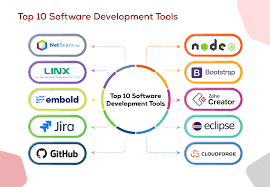
Open-source platforms have also played a significant role in shaping the software development landscape. Tools like GitHub, GitLab, and Bitbucket provide developers with access to a vast library of code repositories, collaboration tools, and community support.

Furthermore, low-code and no-code development platforms have emerged as game-changers for businesses looking to accelerate their digital transformation initiatives. These platforms empower citizen developers with limited coding experience to build functional applications quickly and efficiently.

In conclusion, software development platforms continue to evolve rapidly, driven by advancements in cloud computing, automation, open-source collaboration, and low-code/no-code solutions. Developers today have unprecedented access to powerful tools that enable them to bring their creative visions to life with greater speed and efficiency than ever before.


Top 7 Frequently Asked Questions About Software Development Platforms

  1. What platform do developers use?
  2. What tool is used in software development?
  3. Which is the best software development platform?
  4. What is a software development Platforms?
  5. Which platform is used for application development?
  6. What is a platform software development?
  7. What is the best platform to develop software?

What platform do developers use?

Developers use a variety of platforms for software development, depending on their specific needs and preferences. Commonly used platforms include integrated development environments (IDEs) such as Visual Studio, IntelliJ IDEA, and Eclipse, which provide a comprehensive set of tools for writing, testing, and debugging code. Many developers also leverage cloud-based platforms like AWS, Azure, and Google Cloud Platform for scalable infrastructure and deployment services. Additionally, version control platforms like GitHub and Bitbucket are essential for collaborative coding and managing code repositories. Ultimately, the platform choice varies based on factors such as project requirements, programming languages, team collaboration needs, and individual developer comfort levels.

What tool is used in software development?

In software development, a wide range of tools is utilized to facilitate the creation, testing, and deployment of software applications. These tools include integrated development environments (IDEs) such as Visual Studio, Eclipse, and IntelliJ IDEA, which provide a comprehensive set of features for writing and editing code. Version control systems like Git enable developers to track changes to their codebase and collaborate effectively with team members. Additionally, build automation tools such as Jenkins and continuous integration platforms like Travis CI help streamline the development process by automating tasks like code compilation and testing. Overall, the use of various tools in software development is essential for enhancing productivity, ensuring code quality, and delivering successful software projects.

Which is the best software development platform?

When it comes to determining the best software development platform, the answer can vary depending on individual needs and project requirements. There is no one-size-fits-all solution, as different platforms offer unique features and capabilities tailored to specific use cases. Developers should consider factors such as programming languages supported, ease of use, integration with other tools, scalability, community support, and cost when selecting a software development platform that aligns best with their goals and objectives. Conducting thorough research and testing different platforms can help developers identify the most suitable option for their projects.

What is a software development Platforms?

A software development platform is a comprehensive environment that provides developers with the tools, frameworks, libraries, and resources needed to create, test, deploy, and maintain software applications. It serves as a centralized hub where developers can write code, collaborate with team members, manage project dependencies, and automate various aspects of the development process. Essentially, a software development platform simplifies and streamlines the entire software development lifecycle, enabling developers to focus on building innovative solutions without getting bogged down by repetitive tasks or technical complexities.

Which platform is used for application development?

When it comes to application development, the choice of platform depends on various factors such as the type of application being built, the target audience, scalability requirements, and developer preferences. Common platforms for application development include popular integrated development environments (IDEs) like Visual Studio, IntelliJ IDEA, and Eclipse. Additionally, cloud-based platforms such as AWS, Azure, and Google Cloud offer robust tools and services for building and deploying applications. Mobile app development often involves platforms like Android Studio for Android apps and Xcode for iOS apps. Ultimately, selecting the right platform for application development is crucial to ensure optimal performance, efficiency, and compatibility with the intended use case.

What is a platform software development?

A platform software development refers to the infrastructure, tools, and frameworks that enable developers to create and deploy applications efficiently. Essentially, it serves as a foundation on which software applications can be built. A software development platform typically includes an integrated development environment (IDE), libraries, APIs, and other resources that streamline the coding process and provide developers with the necessary tools to design, test, and debug their applications. By leveraging a software development platform, developers can focus on writing code and implementing functionality without having to worry about the underlying complexities of infrastructure setup and configuration.

What is the best platform to develop software?

When it comes to determining the best platform for software development, the answer largely depends on the specific requirements and preferences of the developers and the project at hand. There is no one-size-fits-all solution, as different platforms offer unique features and capabilities that cater to varying needs. Factors such as programming language compatibility, scalability, ease of use, community support, and integration with other tools all play a crucial role in selecting the most suitable platform for software development. Ultimately, developers should carefully evaluate their project goals and technical requirements to choose a platform that aligns best with their objectives and enhances their productivity throughout the development process.

learn software development

Mastering Software Development: A Guide to Learning and Growing in the Tech World

Article: Learn Software Development

The Importance of Learning Software Development

Software development is a crucial skill in today’s digital age. As technology continues to advance rapidly, the demand for skilled software developers is higher than ever. Whether you are a beginner looking to start a career in tech or an experienced professional seeking to enhance your skills, learning software development can open up a world of opportunities.

Benefits of Learning Software Development

**High Demand**: Companies across various industries are constantly seeking talented software developers to create applications, websites, and other digital solutions.

**Lucrative Career**: Software developers often enjoy competitive salaries and numerous job prospects. The tech industry offers great potential for career growth and advancement.

**Creativity**: Software development allows you to unleash your creativity by building innovative solutions that solve real-world problems.

How to Get Started

If you are interested in learning software development, there are several paths you can take:

  • **Online Courses**: Platforms like Coursera, Udemy, and Codecademy offer a wide range of courses on programming languages and software development concepts.
  • **Bootcamps**: Coding bootcamps provide intensive training programs that can help you quickly gain the skills needed to start a career in software development.
  • **Self-Study**: There are plenty of resources available online, including tutorials, documentation, and forums where you can learn at your own pace.

Tips for Success

To succeed in software development, consider the following tips:

  1. **Practice Regularly**: The more you code, the better you will become. Practice coding daily to improve your skills.
  2. **Build Projects**: Create your own projects to apply what you have learned and showcase your abilities to potential employers.

Conclusion

Learning software development is a rewarding journey that can lead to a fulfilling and successful career. By acquiring programming skills and staying updated on industry trends, you can position yourself as a valuable asset in the tech world. Start learning today and unlock endless possibilities in the field of software development!


Top 8 FAQs About Learning Software Development: Skills, Time, and Self-Study

  1. How can I learn to develop software?
  2. How hard is it to learn software development?
  3. How long does it take to learn to be a software developer?
  4. Can I teach myself software development?
  5. Can I learn software development in 6 months?
  6. What are 3 skills you need to be a software developer?
  7. Is C++ enough for software development?
  8. How much time does it take to learn software development?

How can I learn to develop software?

Learning to develop software is a common goal for many individuals seeking to enter the tech industry or enhance their skill set. To learn software development effectively, one can start by exploring online courses on platforms like Coursera or Udemy, enrolling in coding bootcamps for intensive training, or engaging in self-study using resources such as tutorials and forums. It is crucial to practice coding regularly and build projects to apply theoretical knowledge practically. By immersing oneself in coding exercises and real-world projects, aspiring software developers can gradually master the skills needed to succeed in this dynamic field.

How hard is it to learn software development?

Learning software development can vary in difficulty depending on individual aptitude, dedication, and the complexity of the programming languages and concepts being studied. While some may find it challenging to grasp coding principles and algorithms initially, consistent practice, problem-solving skills, and a growth mindset can significantly aid in overcoming hurdles. Breaking down complex concepts into manageable parts and seeking guidance from experienced developers or online resources can also make the learning process more accessible. Ultimately, with persistence and a willingness to learn, mastering software development is achievable for anyone willing to put in the effort.

How long does it take to learn to be a software developer?

Learning to be a software developer is a journey that varies in duration depending on individual factors such as prior experience, dedication, and learning pace. While some people may acquire the necessary skills to become a proficient software developer in a few months through intensive study and practice, others may take several years to reach the same level. Consistent effort, hands-on experience, and continuous learning are key elements in the process of mastering software development. It’s important to remember that becoming a skilled software developer is not just about the time it takes but also about the quality of learning and practical application of knowledge.

Can I teach myself software development?

Many aspiring developers wonder, “Can I teach myself software development?” The answer is a resounding yes. With the abundance of online resources, tutorials, and practice platforms available today, self-learning software development is not only possible but also increasingly common. By dedicating time and effort to studying programming languages, practicing coding exercises, and building projects, individuals can acquire the skills needed to become proficient software developers. Self-taught developers often demonstrate strong problem-solving abilities and a passion for continuous learning, making self-teaching a viable path to success in the field of software development.

Can I learn software development in 6 months?

Learning software development in 6 months is a common goal for many aspiring developers. While it is possible to acquire a solid foundation in programming concepts and languages within this timeframe, becoming proficient and job-ready may require continued practice and learning beyond the initial 6 months. The key factors that contribute to success in learning software development include dedication, consistency, and the willingness to tackle challenges. Setting realistic expectations and staying committed to continuous improvement can help individuals make significant progress in their software development journey within the 6-month timeframe.

What are 3 skills you need to be a software developer?

To become a successful software developer, there are three essential skills you need to master. Firstly, proficiency in programming languages such as Java, Python, or C++ is crucial for writing efficient and functional code. Secondly, problem-solving skills are vital as software developers often encounter complex issues that require logical thinking and analytical problem-solving abilities. Lastly, strong communication skills are key for collaborating with team members, understanding project requirements, and effectively conveying technical concepts to non-technical stakeholders. By honing these three skills, aspiring software developers can pave the way for a rewarding career in the tech industry.

Is C++ enough for software development?

Whether C++ is enough for software development is a common question among aspiring developers. While C++ is a powerful and versatile programming language with a wide range of applications, the answer depends on the specific requirements of the project or industry. C++ is commonly used in areas such as game development, system programming, and high-performance applications. However, modern software development often involves multiple languages and technologies to meet diverse needs. It is beneficial for developers to have a strong foundation in C++ but also be open to learning other languages and frameworks to stay competitive in the ever-evolving tech landscape.

How much time does it take to learn software development?

Learning software development is a process that varies greatly depending on individual circumstances, such as prior experience, dedication, and the specific areas of software development one aims to master. While some may acquire basic coding skills in a matter of weeks through intensive study, becoming proficient in software development typically requires months to years of consistent learning and practice. Continuous learning is crucial in this field due to its ever-evolving nature, with new technologies and methodologies emerging regularly. Ultimately, the time it takes to learn software development is subjective and depends on the individual’s goals and commitment to mastering this valuable skill set.

Exploring the Dynamics of Software Development Models

Understanding Software Development Models

The Importance of Software Development Models

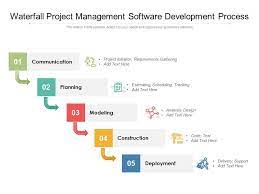
Software development models are essential frameworks that guide the process of creating software applications. These models provide a structured approach to software development, helping teams organize their work, manage resources effectively, and deliver high-quality products on time.

Types of Software Development Models

There are several popular software development models used in the industry today, each with its own unique characteristics and benefits:

  • Waterfall Model: A linear sequential approach where each phase must be completed before moving on to the next.
  • Agile Model: Emphasizes flexibility, collaboration, and iterative development cycles.
  • Spiral Model: Combines elements of both waterfall and iterative development in a risk-driven approach.
  • Incremental Model: Divides the project into small increments that are developed and delivered incrementally.
  • V-Model: Corresponds to the testing phase for each development stage in a sequential manner.

The Software Development Process

The software development process typically includes the following key stages:

  1. Requirement Analysis: Gathering and analyzing requirements from stakeholders.
  2. Design: Creating a blueprint for the software based on the requirements.
  3. Implementation: Writing code according to the design specifications.
  4. Testing: Verifying that the software functions correctly and meets requirements.
  5. Deployment: Releasing the software for users to access and utilize.

Selecting the Right Model

The choice of software development model depends on various factors such as project requirements, team size, budget constraints, and timeline. It is crucial for organizations to evaluate these factors carefully to select a model that aligns with their goals and objectives.

In Conclusion

In conclusion, software development models play a vital role in guiding teams through the complex process of creating software applications. By understanding different models and selecting the most suitable one for each project, organizations can enhance collaboration, improve efficiency, and deliver successful products that meet user needs effectively.


9 Benefits of a Structured Software Development Model for Effective Project Management

  1. Provides a structured approach to software development.
  2. Helps in organizing and managing the development process efficiently.
  3. Facilitates better resource allocation and utilization.
  4. Enables teams to plan and execute projects effectively.
  5. Improves communication and collaboration among team members.
  6. Enhances transparency by defining clear project milestones and deliverables.
  7. Allows for better risk management through systematic planning.
  8. Promotes quality assurance by incorporating testing at various stages of development.
  9. Supports iterative improvement based on feedback and evaluation.


Challenges of a Rigid Software Development Model: Balancing Structure and Flexibility

  1. Rigid structure may limit flexibility in responding to changing requirements.
  2. High initial planning and documentation requirements can be time-consuming.
  3. Difficulty in estimating project timelines accurately due to inherent uncertainties.
  4. Risk of scope creep if requirements are not well-defined at the beginning.
  5. May lead to stakeholder dissatisfaction if deliverables do not align with evolving expectations.
  6. Transitioning between different models can disrupt team dynamics and project continuity.

Provides a structured approach to software development.

One significant advantage of software development models is their ability to provide a structured approach to the entire software development process. By following a predefined framework, teams can organize their tasks, set clear milestones, and establish a systematic workflow. This structured approach helps in better resource management, improved coordination among team members, and ensures that the project progresses in a logical sequence. Ultimately, having a structured software development model in place enhances efficiency, reduces risks of errors, and increases the likelihood of delivering high-quality software products within the specified time frame.

Helps in organizing and managing the development process efficiently.

One key advantage of software development models is their ability to help in organizing and managing the development process efficiently. By providing a structured framework for project planning and execution, these models enable teams to streamline workflows, allocate resources effectively, and maintain clear communication throughout the development cycle. This organization ensures that tasks are completed in a systematic manner, leading to improved productivity, reduced risks of errors, and ultimately, successful delivery of high-quality software products within the specified timelines.

Facilitates better resource allocation and utilization.

One significant advantage of software development models is that they facilitate better resource allocation and utilization. By providing a structured framework for the development process, these models help teams effectively allocate resources such as time, budget, and manpower. This streamlined approach ensures that resources are utilized efficiently, leading to improved productivity and cost-effectiveness throughout the software development lifecycle. Additionally, by clearly defining roles and responsibilities within the team, software development models enable organizations to optimize their resources and maximize output while maintaining quality standards.

Enables teams to plan and execute projects effectively.

Software development models provide a structured framework that enables teams to plan and execute projects effectively. By following a defined process with clear milestones and deliverables, teams can establish a roadmap for project completion, allocate resources efficiently, and track progress methodically. This approach fosters better coordination among team members, ensures that tasks are completed in a logical sequence, and helps mitigate risks by identifying potential issues early on. Ultimately, the use of software development models empowers teams to work cohesively towards project goals and achieve successful outcomes within the specified timelines.

Improves communication and collaboration among team members.

Effective software development models contribute to improved communication and collaboration among team members. By providing a structured framework for project planning and execution, these models help team members clearly understand their roles, responsibilities, and dependencies. Regular meetings, status updates, and feedback sessions facilitated by the model promote open communication and foster a collaborative environment where ideas can be shared, issues addressed promptly, and solutions developed collectively. This enhanced communication ultimately leads to increased productivity, better decision-making, and a stronger sense of teamwork within the development team.

Enhances transparency by defining clear project milestones and deliverables.

Enhancing transparency by defining clear project milestones and deliverables is a significant advantage of software development models. By establishing specific goals and checkpoints throughout the development process, team members, stakeholders, and clients gain a clear understanding of the project’s progress and expected outcomes. This transparency fosters better communication, alignment of expectations, and accountability, ultimately leading to more successful and efficient project execution.

Allows for better risk management through systematic planning.

One significant advantage of software development models is their ability to facilitate better risk management through systematic planning. By following a structured approach outlined by the chosen model, development teams can identify potential risks early in the process, create mitigation strategies, and allocate resources effectively to address any uncertainties. This proactive risk management approach helps minimize the impact of unforeseen challenges, enhances project predictability, and increases the likelihood of delivering high-quality software within the defined timeline and budget constraints.

Promotes quality assurance by incorporating testing at various stages of development.

By incorporating testing at various stages of development, software development models promote quality assurance effectively. This proactive approach allows for the identification and resolution of potential issues early on in the process, ensuring that the final product meets high standards of quality and functionality. By integrating testing throughout different phases, teams can address bugs and errors promptly, leading to a more robust and reliable software application upon completion. This emphasis on quality assurance not only enhances the overall user experience but also contributes to the long-term success and sustainability of the software product.

Supports iterative improvement based on feedback and evaluation.

One significant benefit of software development models is their support for iterative improvement based on feedback and evaluation. By incorporating feedback from stakeholders and evaluating the software at various stages of development, teams can identify areas for enhancement and make necessary adjustments promptly. This iterative approach allows for continuous refinement of the product, ensuring that it meets user requirements effectively and delivers a high level of quality.

Rigid structure may limit flexibility in responding to changing requirements.

One significant drawback of software development models with a rigid structure is that they can limit flexibility in adapting to changing requirements. When the development process follows a strict sequential path, it becomes challenging to accommodate modifications or new priorities that may arise during the project. This lack of agility can lead to delays, increased costs, and potential dissatisfaction among stakeholders as the software may not fully meet their evolving needs. To mitigate this con, teams must carefully consider the trade-offs between structure and adaptability when selecting a development model and be prepared to implement strategies for managing changing requirements effectively.

High initial planning and documentation requirements can be time-consuming.

One significant drawback of software development models is the high initial planning and documentation requirements, which can be time-consuming. This con often leads to delays in the project timeline as teams invest considerable effort in detailed planning and documentation before moving forward with development. While thorough planning is essential for project success, excessive focus on documentation at the beginning stages can slow down progress and hinder agility in responding to changing requirements or market demands. Balancing the need for comprehensive planning with the flexibility to adapt to evolving circumstances is crucial to mitigating this challenge and ensuring efficient software development processes.

Difficulty in estimating project timelines accurately due to inherent uncertainties.

One significant drawback of software development models is the challenge of accurately estimating project timelines. The presence of inherent uncertainties, such as evolving requirements, unforeseen technical challenges, and changing priorities, can make it difficult to predict the exact duration needed to complete a project. This uncertainty can lead to delays, budget overruns, and frustration among stakeholders as initial timelines may need frequent adjustments throughout the development process. Effective project management strategies and regular communication with all involved parties are essential to mitigate this con and ensure successful project delivery despite these uncertainties.

Risk of scope creep if requirements are not well-defined at the beginning.

One significant drawback of software development models is the risk of scope creep when requirements are not well-defined at the project’s outset. Scope creep occurs when additional features or changes are continuously introduced throughout the development process, leading to project delays, increased costs, and potential conflicts within the team. Without clear and detailed requirements established from the beginning, it becomes challenging to manage stakeholders’ expectations and maintain project focus, ultimately jeopardizing the project’s success and overall efficiency.

May lead to stakeholder dissatisfaction if deliverables do not align with evolving expectations.

In software development, one significant drawback of using a specific model is that it may lead to stakeholder dissatisfaction if the deliverables do not align with evolving expectations. As requirements and priorities can change throughout the development process, rigid models that do not easily accommodate modifications may result in discrepancies between what was initially planned and what stakeholders ultimately desire. This mismatch can lead to frustration, delays, and potential rework, highlighting the importance of flexibility and adaptability in software development methodologies to ensure stakeholders’ evolving needs are met effectively.

Transitioning between different models can disrupt team dynamics and project continuity.

Transitioning between different software development models can pose a significant challenge for teams as it has the potential to disrupt team dynamics and project continuity. When moving from one model to another, team members may need to adjust their working methods, communication processes, and overall approach to development. This transition period can lead to confusion, delays, and a temporary decrease in productivity as team members adapt to the new model. Additionally, changes in project management practices and workflow structures can impact the overall continuity of the project, potentially causing setbacks and affecting the quality of deliverables. It is essential for organizations to carefully plan and manage transitions between software development models to minimize disruptions and ensure a smooth continuation of project activities.

software development costs

Understanding the True Impact of Software Development Costs

The Real Costs of Software Development

The Real Costs of Software Development

Software development is a crucial aspect of any modern business. Whether you’re creating a mobile app, a website, or custom software for your organization, understanding the costs involved is essential for budgeting and planning. The costs of software development can vary significantly depending on various factors.

Factors Affecting Software Development Costs

Several key factors influence the overall cost of software development:

  • Scope: The complexity and scope of the project play a significant role in determining costs. Larger projects with more features will generally require more time and resources, resulting in higher costs.
  • Technology Stack: The choice of technologies used in development can impact costs. Some technologies may require specialized skills or licenses, which can increase expenses.
  • Timeline: Tight deadlines or rushed development schedules can lead to additional costs as developers may need to work overtime or hire additional resources to meet project milestones.
  • Team Composition: The size and composition of the development team can affect costs. Hiring experienced developers or specialists may come at a higher price but can also result in faster and more efficient development.
  • Maintenance and Support: Ongoing maintenance and support are essential for keeping software running smoothly. Factoring in these costs from the beginning can help avoid unexpected expenses down the line.

Types of Software Development Costs

The costs associated with software development can be broadly categorized into two main types:

  1. Direct Costs:
  2. – Labor costs for developers, designers, project managers, etc.

    – Software licenses and tools

    – Infrastructure and hosting fees

  3. Indirect Costs:
  4. – Training and onboarding expenses

    – Opportunity costs due to project delays

    – Quality assurance and testing

    – Post-launch support and maintenance

Tips for Managing Software Development Costs

To ensure that your software development project stays within budget, consider the following tips:

  • Define Clear Requirements: Clearly outline your project requirements to avoid scope creep and unnecessary changes that could drive up costs.
  • Prioritize Features: Focus on developing core features first before adding extra functionalities to minimize initial development costs.
  • Regular Communication: Maintain open communication with your development team to address any issues promptly and avoid costly misunderstandings.
  • …

© 2023 The Real Costs of Software Development | CFChris.com


5 Strategies to Effectively Manage and Reduce Software Development Costs

  1. Plan and estimate the project thoroughly to avoid unexpected costs.
  2. Consider using open-source tools and libraries to reduce licensing fees.
  3. Invest in training for your team to increase efficiency and reduce errors.
  4. Regularly review and optimize your development process to save time and money.
  5. Prioritize features based on their impact to avoid unnecessary expenses.

Plan and estimate the project thoroughly to avoid unexpected costs.

Planning and estimating the project thoroughly is a crucial tip in managing software development costs effectively. By carefully outlining the project scope, requirements, and timeline upfront, you can identify potential challenges and allocate resources more efficiently. Thorough planning helps in avoiding unexpected costs that may arise due to scope creep, rushed timelines, or inadequate resource allocation. By having a clear roadmap from the start, you can better control expenses and ensure that the project stays on budget.

Consider using open-source tools and libraries to reduce licensing fees.

Consider using open-source tools and libraries as a cost-effective strategy to reduce licensing fees in software development. By leveraging freely available resources, developers can access a wide range of functionalities without incurring additional expenses. Open-source solutions not only help lower upfront costs but also promote collaboration and innovation within the development community. Integrating open-source tools into your projects can lead to significant savings while maintaining high-quality standards in software development.

Invest in training for your team to increase efficiency and reduce errors.

Investing in training for your software development team is a strategic decision that can yield significant benefits. By enhancing the skills and knowledge of your team members, you not only increase their efficiency but also reduce the likelihood of errors in the development process. Well-trained professionals are better equipped to handle complex tasks, adopt best practices, and stay updated on the latest technologies, ultimately leading to higher productivity and improved quality of work. This proactive approach to skill development can result in cost savings by minimizing rework and ensuring that projects are completed more efficiently.

Regularly review and optimize your development process to save time and money.

Regularly reviewing and optimizing your development process is a crucial tip for managing software development costs effectively. By identifying inefficiencies, redundancies, or bottlenecks in your workflow, you can streamline the development process, saving both time and money. Continuous improvement ensures that resources are utilized efficiently and that projects are completed in a timely manner without unnecessary delays or expenses. Embracing a culture of optimization can lead to increased productivity, higher quality deliverables, and ultimately, cost savings for your software development endeavors.

Prioritize features based on their impact to avoid unnecessary expenses.

To effectively manage software development costs, it is crucial to prioritize features based on their impact. By focusing on developing core features that provide the most value to users or address essential business needs first, unnecessary expenses can be avoided. This approach ensures that resources are allocated efficiently and that the project stays within budget while delivering maximum benefit to stakeholders.

The True Cost of Software Development: Understanding Expenses and Investments

The Real Cost of Software Development

The Real Cost of Software Development

Software development is a crucial investment for businesses looking to stay competitive in today’s digital landscape. However, determining the true cost of software development can be complex and involves more than just the initial price tag. Let’s explore the various factors that contribute to the overall cost of software development.

Development Time

One of the primary factors that influence software development cost is the time it takes to design, develop, test, and deploy the software. The longer the development process, the higher the cost. Factors such as project complexity, required features, and team expertise can all impact development time.

Team Expertise

The expertise and experience of the development team also play a significant role in determining software development costs. Highly skilled developers may come at a higher price but can deliver a more efficient and robust product in less time.

Technology Stack

The choice of technology stack used in software development can also affect costs. Some technologies may require specialized knowledge or licensing fees, which can add to the overall cost of development.

Maintenance and Support

After the initial development phase, ongoing maintenance and support are essential for keeping the software up-to-date and functioning smoothly. Budgeting for post-launch support is crucial in accurately estimating software development costs.

Scalability and Future Upgrades

Businesses should consider scalability and potential future upgrades when estimating software development costs. Building a flexible architecture that can easily accommodate growth and new features can help reduce long-term expenses associated with software updates.

Quality Assurance

Incorporating thorough quality assurance processes into software development is essential for ensuring a bug-free product that meets user expectations. Investing in QA testing upfront can help prevent costly rework later on.

Conclusion

While upfront costs are an important consideration when budgeting for software development, businesses must also account for various other factors that contribute to the overall cost over time. By carefully evaluating these factors and working with experienced professionals, businesses can make informed decisions that lead to successful software projects within budget.


Maximizing Value: The Benefits of Investing in Software Development

  1. 1. Allows businesses to create customized solutions tailored to their specific needs.
  2. 2. Enhances operational efficiency and productivity through automation and streamlined processes.
  3. 3. Enables businesses to stay competitive by leveraging innovative technologies.
  4. 4. Provides scalability options for future growth and expansion.
  5. 5. Improves customer satisfaction by delivering user-friendly and feature-rich software products.
  6. 6. Offers a high return on investment by increasing revenue opportunities and cost savings in the long run.


Understanding the True Costs of Software Development: Initial Investment, Overruns, and Hidden Expenses

  1. High initial investment
  2. Cost overruns
  3. Hidden costs

1. Allows businesses to create customized solutions tailored to their specific needs.

Software development cost offers the significant advantage of enabling businesses to create customized solutions tailored to their specific needs. By investing in software development, companies can design and build applications that address their unique requirements and challenges. This customization allows businesses to optimize their processes, enhance efficiency, and deliver better services to their customers. Tailored software solutions empower organizations to stand out in the market by offering distinct capabilities that align closely with their strategic objectives and operational workflows.

2. Enhances operational efficiency and productivity through automation and streamlined processes.

Software development cost can be seen as a valuable investment that enhances operational efficiency and productivity by introducing automation and streamlining processes. By developing custom software solutions tailored to specific business needs, organizations can automate repetitive tasks, eliminate manual errors, and optimize workflows. This results in increased efficiency, reduced operational costs, and improved overall productivity as employees can focus on more strategic tasks while routine processes are handled seamlessly by the software.

3. Enables businesses to stay competitive by leveraging innovative technologies.

Investing in software development allows businesses to remain competitive by harnessing cutting-edge technologies that drive innovation. By developing custom software solutions, companies can streamline operations, enhance customer experiences, and adapt quickly to market changes. This adaptability not only positions businesses to meet evolving consumer demands but also enables them to differentiate themselves from competitors. Leveraging the latest technological advancements ensures that a business remains at the forefront of its industry, fostering growth and long-term success in an ever-evolving digital landscape.

4. Provides scalability options for future growth and expansion.

Software development cost provides scalability options for future growth and expansion. By investing in software development, businesses can build scalable solutions that can easily adapt to changing needs and accommodate future growth. This flexibility allows companies to expand their operations, add new features, and serve a growing customer base without incurring significant additional costs. Scalability in software development ensures that businesses can stay competitive and agile in a rapidly evolving market landscape.

5. Improves customer satisfaction by delivering user-friendly and feature-rich software products.

One significant advantage of software development cost is that it enhances customer satisfaction by providing user-friendly and feature-rich software products. By investing in the development of intuitive interfaces, robust functionalities, and innovative features, businesses can meet the evolving needs and preferences of their customers. Delivering high-quality software solutions that are easy to use and offer valuable features not only enhances the overall user experience but also fosters customer loyalty and positive brand perception.

6. Offers a high return on investment by increasing revenue opportunities and cost savings in the long run.

One significant advantage of software development cost is its ability to offer a high return on investment. By investing in software development, businesses can increase revenue opportunities and achieve cost savings in the long run. Custom software solutions can streamline operations, improve efficiency, enhance customer experiences, and open up new revenue streams. Additionally, tailored software can help businesses reduce manual tasks, minimize errors, and optimize processes, leading to significant cost savings over time. Ultimately, the initial investment in software development can result in substantial returns by driving growth and profitability for the business.

High initial investment

High initial investment is a notable con of software development cost. Developing software can demand a substantial upfront financial commitment, particularly for intricate projects or when employing specialized technologies. This initial investment can pose a challenge for businesses, especially startups or small enterprises with limited budgets, as it may require careful planning and allocation of resources to ensure the project’s success without exceeding financial constraints.

Cost overruns

Cost overruns are a significant con of software development cost, as projects often exceed the initial budget due to various factors such as unforeseen challenges, scope changes, or delays in development. These unexpected circumstances can lead to increased expenses, impacting the overall financial viability of the project. Managing and mitigating cost overruns require careful planning, effective communication, and proactive risk management to ensure that software development stays within budget constraints and delivers value to stakeholders.

Hidden costs

Hidden costs associated with software development can significantly impact the overall budget of a project. Expenses such as ongoing maintenance, technical support, licensing fees, and future upgrades are often overlooked during the initial planning stages but can add up quickly over time. These hidden costs can catch businesses off guard and strain their financial resources if not properly accounted for in the initial budgeting process. It is crucial for organizations to consider these additional expenses when estimating the true cost of software development to avoid budget overruns and ensure the long-term sustainability of their software solutions.

managing software development

Mastering the Art of Managing Software Development Projects

Managing Software Development

The Art of Managing Software Development

Software development is a complex and dynamic process that requires careful management to ensure successful outcomes. Effective management of software development projects involves a combination of technical expertise, communication skills, and strategic planning.

Key Principles of Software Development Management

Clear Communication: Communication is key in software development. Project managers must ensure that team members understand their roles and responsibilities, project goals, and timelines. Regular updates and feedback sessions help keep everyone on the same page.

Agile Methodologies: Agile methodologies such as Scrum and Kanban have become popular in software development due to their flexibility and adaptability. These methodologies emphasize iterative development, continuous improvement, and collaboration among team members.

Risk Management: Identifying and managing risks is crucial in software development. Project managers should conduct risk assessments, develop mitigation strategies, and monitor risks throughout the project lifecycle to prevent potential issues from derailing the project.

Challenges in Managing Software Development

Scope Creep: Scope creep occurs when project requirements expand beyond the initial scope without proper evaluation or approval. To mitigate scope creep, project managers should establish clear requirements, prioritize features, and communicate changes effectively.

Resource Allocation: Managing resources such as time, budget, and personnel can be challenging in software development projects. Project managers must balance competing priorities, allocate resources efficiently, and adapt to changing circumstances to ensure project success.

Best Practices for Successful Software Development Management

Define Clear Goals: Clearly define project goals, objectives, and deliverables at the outset to provide a roadmap for the development process.

Empower Team Members: Encourage collaboration, creativity, and innovation among team members by empowering them to make decisions and take ownership of their work.

Continuous Improvement: Foster a culture of continuous improvement by soliciting feedback from team members, conducting retrospectives after each sprint or iteration, and implementing lessons learned to enhance future projects.

In conclusion, effective management of software development projects requires a combination of technical expertise, communication skills, strategic planning, and a focus on continuous improvement. By following key principles and best practices, project managers can navigate challenges successfully and deliver high-quality software products on time and within budget.


7 Essential Tips for Effective Software Development Management

  1. Clearly define project requirements and objectives.
  2. Break down the project into smaller tasks for better management.
  3. Establish a realistic timeline for each phase of development.
  4. Communicate regularly with the team to ensure everyone is on the same page.
  5. Use version control systems to track changes and collaborate efficiently.
  6. Conduct thorough testing at each stage of development to catch bugs early.
  7. Encourage continuous learning and improvement within the team.

Clearly define project requirements and objectives.

Clear definition of project requirements and objectives is a fundamental tip in managing software development. By establishing precise and detailed requirements at the outset of a project, teams can align their efforts, minimize misunderstandings, and focus on delivering solutions that meet stakeholders’ expectations. Clarity in project goals ensures that all team members have a shared understanding of the desired outcomes, enabling efficient planning, execution, and evaluation throughout the development process.

Break down the project into smaller tasks for better management.

Breaking down the project into smaller tasks is a valuable tip in managing software development. By dividing the project into manageable chunks, teams can focus on specific objectives, track progress more effectively, and allocate resources efficiently. This approach also helps in identifying potential bottlenecks or challenges early on, allowing for timely adjustments to keep the project on schedule. Breaking down tasks promotes a sense of accomplishment as milestones are achieved, boosting team morale and motivation throughout the development process.

Establish a realistic timeline for each phase of development.

Establishing a realistic timeline for each phase of development is crucial in managing software development projects effectively. By setting achievable deadlines for milestones, tasks, and deliverables, project managers can ensure that the project stays on track and progresses smoothly. A realistic timeline helps in managing resources efficiently, identifying potential bottlenecks early on, and adapting to changes as needed. It also provides a clear roadmap for the team, fostering accountability and helping to meet client expectations. By prioritizing realistic timelines, software development projects are more likely to be completed successfully and within budget.

Communicate regularly with the team to ensure everyone is on the same page.

Regular communication with the team is a crucial tip in managing software development projects effectively. By ensuring that everyone is on the same page through consistent updates, feedback sessions, and clear information sharing, project managers can foster collaboration, alignment, and a shared understanding of project goals and timelines. This practice helps prevent misunderstandings, promotes transparency, and enables team members to work cohesively towards achieving successful outcomes in software development initiatives.

Use version control systems to track changes and collaborate efficiently.

Utilizing version control systems is a crucial tip in managing software development as it allows teams to track changes, maintain a history of revisions, and collaborate efficiently. By using version control systems such as Git or SVN, developers can work on different aspects of a project simultaneously, merge their changes seamlessly, and revert to previous versions if needed. This practice not only enhances collaboration among team members but also ensures that the codebase remains organized, secure, and easily accessible throughout the development process.

Conduct thorough testing at each stage of development to catch bugs early.

Conducting thorough testing at each stage of software development is a crucial tip to catch bugs early in the process. By implementing rigorous testing procedures from the initial design phase to the final deployment, development teams can identify and address potential issues before they escalate, ensuring a more stable and reliable product. Early bug detection not only saves time and resources but also enhances the overall quality of the software, leading to a better user experience and increased customer satisfaction.

Encourage continuous learning and improvement within the team.

Encouraging continuous learning and improvement within the team is essential for fostering a culture of innovation and growth in software development projects. By providing opportunities for team members to expand their skills, stay updated on industry trends, and share knowledge with one another, organizations can enhance productivity, creativity, and overall project outcomes. Embracing a mindset of continuous learning not only benefits individual team members but also contributes to the collective success of the team by promoting collaboration, adaptability, and a commitment to excellence in software development practices.

software design document

Demystifying the Importance of a Software Design Document in Development Projects

Understanding the Importance of a Software Design Document

The Significance of a Software Design Document

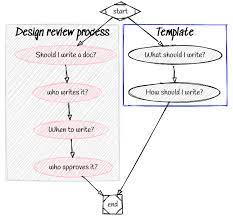
When developing software, having a well-structured and comprehensive software design document is crucial to the success of the project. A software design document serves as a roadmap that outlines the architecture, functionality, and behavior of the software to be developed.

Key Components of a Software Design Document

A typical software design document includes:

  • Introduction: Provides an overview of the project, its objectives, and scope.
  • Architectural Design: Describes the overall structure of the software, including components, modules, and their interactions.
  • Data Design: Details the data structures, databases, and storage mechanisms used in the software.
  • User Interface Design: Illustrates how users will interact with the software through interfaces and user experience considerations.
  • Functional Design: Specifies the functionalities and features of the software in detail.
  • Testing Strategy: Outlines the testing approach to ensure quality and reliability.
  • Deployment Plan: Defines how the software will be deployed and maintained in different environments.

The Benefits of Creating a Software Design Document

By investing time in creating a thorough software design document, development teams can reap several benefits:

  • Clarity: Provides a clear understanding of project requirements and expectations for all stakeholders involved.
  • Guidance: Serves as a guide for developers throughout the development process, ensuring consistency and alignment with project goals.
  • Risk Mitigation: Helps identify potential risks early on and allows for mitigation strategies to be implemented proactively.
  • Communication Tool: Facilitates effective communication among team members, clients, and other stakeholders by documenting key project details.
  • Maintenance Support: Acts as a reference point for future maintenance and updates to the software by providing insights into its design and functionality.

In Conclusion

A well-crafted software design document is an essential asset in any software development project. It not only guides developers in building quality software but also enhances collaboration, mitigates risks, and ensures successful project outcomes. Investing time and effort in creating a comprehensive design document upfront can lead to significant long-term benefits for both development teams and clients alike.


9 Essential Tips for Crafting an Effective Software Design Document

  1. Define the scope and objectives clearly.
  2. Use clear and concise language.
  3. Include diagrams for better understanding.
  4. Describe system architecture in detail.
  5. List functional and non-functional requirements.
  6. Provide use cases or user stories.
  7. Specify data models and database design.
  8. Outline error handling and security measures.
  9. Review and update the document regularly.

Define the scope and objectives clearly.

When creating a software design document, it is crucial to define the scope and objectives clearly. By clearly outlining the scope of the project, including what features will be included and what functionalities are out of scope, teams can ensure that everyone is aligned on the project’s goals. Additionally, establishing clear objectives helps set expectations for both developers and stakeholders, guiding the development process towards successful outcomes. Clarity in scope and objectives not only streamlines the development process but also minimizes misunderstandings and ensures that the final product meets the desired requirements effectively.

Use clear and concise language.

When creating a software design document, it is essential to use clear and concise language to effectively communicate the architecture, functionality, and requirements of the software. By using straightforward and precise wording, developers can ensure that all stakeholders understand the document’s content without ambiguity or confusion. Clear language helps streamline communication, prevent misunderstandings, and facilitate a smoother development process by providing a common understanding of the project’s goals and objectives.

Include diagrams for better understanding.

Including diagrams in a software design document is a valuable tip that can significantly enhance the understanding of the project’s architecture and functionality. Visual representations such as flowcharts, UML diagrams, and entity-relationship diagrams can help stakeholders grasp complex concepts more easily and quickly. Diagrams provide a clear visualization of the relationships between different components, making it easier for developers, testers, and other team members to align on the design and implementation details. By incorporating visual aids in the documentation, teams can improve communication, reduce misunderstandings, and ensure that everyone involved in the project has a common understanding of the software’s structure and behavior.

Describe system architecture in detail.

When creating a software design document, it is essential to describe the system architecture in detail. This includes outlining the overall structure of the software, including components, modules, and their interactions. By providing a comprehensive overview of the system architecture, developers can ensure that all team members have a clear understanding of how different elements of the software work together. This detailed description not only guides the development process but also serves as a reference point for future maintenance and updates, making it easier to scale and enhance the software in the long run.

List functional and non-functional requirements.

When creating a software design document, it is essential to list both functional and non-functional requirements. Functional requirements outline the specific functionalities and features that the software must deliver to meet user needs, while non-functional requirements focus on aspects such as performance, security, scalability, and usability. By clearly defining both types of requirements in the document, developers can ensure that the software not only meets user expectations in terms of functionality but also adheres to critical quality attributes that contribute to a successful and robust product.

Provide use cases or user stories.

When creating a software design document, it is essential to include use cases or user stories to provide a detailed understanding of how the software will be used from the perspective of end-users. Use cases outline specific interactions between users and the system, while user stories describe features or functionalities from the user’s point of view. By incorporating use cases or user stories into the design document, developers can ensure that the software meets the needs and expectations of its intended users, leading to a more user-friendly and effective final product.

Specify data models and database design.

When creating a software design document, it is essential to specify data models and database design. This involves defining the structure of the data that the software will manage and outlining how this data will be stored, organized, and accessed within the database. By clearly documenting data models and database design in the software design document, developers can ensure consistency in handling data throughout the application, optimize performance, and facilitate future scalability and maintenance efforts. This step is crucial in ensuring that the software effectively manages and utilizes data to meet its intended functionality and user requirements.

Outline error handling and security measures.

When creating a software design document, it is essential to include a detailed outline of error handling and security measures. Error handling specifications should address how the system will detect, report, and handle errors to ensure smooth operation and user experience. Additionally, outlining security measures is crucial to safeguarding the software from potential threats and vulnerabilities. This includes defining access control mechanisms, data encryption methods, authentication protocols, and other security practices to protect sensitive information and maintain the integrity of the system. By incorporating robust error handling and security measures in the software design document, developers can proactively address potential issues and enhance the overall reliability and security of the software application.

Review and update the document regularly.

It is essential to review and update the software design document regularly throughout the development process. By revisiting the document periodically, teams can ensure that it remains aligned with any changes in project requirements, scope, or technology. Regular updates help maintain clarity and accuracy in the document, enabling developers to stay on track and make informed decisions. Additionally, reviewing the software design document allows for early identification of discrepancies or inconsistencies, helping to prevent potential issues down the line and ensuring that the final product meets expectations effectively.

best software for web design

The Best Software for Web Design: Tools to Elevate Your Design Projects

Best Software for Web Design

The Best Software for Web Design

When it comes to creating stunning websites, having the right tools can make all the difference. Whether you are a seasoned web designer or just starting out, choosing the best software is crucial for achieving your design goals. Here are some of the top software options that can help you bring your web design visions to life:

Adobe Dreamweaver

Adobe Dreamweaver is a popular choice among web designers for its robust features and user-friendly interface. It offers both visual design and coding capabilities, making it suitable for designers and developers alike.

Sketch

Sketch is a powerful design tool specifically tailored for creating user interfaces and web designs. It provides a wide range of features such as artboards, symbols, and plugins to streamline the design process.

Figma

Figma is a collaborative interface design tool that allows multiple users to work on a project simultaneously. It offers real-time collaboration features, making it ideal for teams working on web design projects.

Adobe XD

Adobe XD is another excellent choice for creating prototypes and interactive designs for websites and mobile apps. It integrates seamlessly with other Adobe products, enabling a smooth workflow for designers.

WordPress

WordPress is a popular content management system (CMS) that offers a wide range of themes and plugins to customize website designs. It is user-friendly and versatile, making it an excellent choice for both beginners and experienced designers.

Choosing the right software for web design ultimately depends on your specific needs and preferences. Whether you prefer visual design tools or coding environments, there is a software option out there to help you create beautiful and functional websites.


Top 6 Tips for Choosing the Best Web Design Software

  1. Choose a software that offers a wide range of design tools and features for flexibility.
  2. Look for software with a user-friendly interface to streamline the design process.
  3. Consider software that allows for easy collaboration and sharing among team members.
  4. Opt for a platform that provides responsive design capabilities for mobile optimization.
  5. Ensure the software has good customer support and resources for assistance when needed.
  6. Check reviews and ratings from other web designers to gauge the effectiveness of the software.

Choose a software that offers a wide range of design tools and features for flexibility.

When selecting software for web design, opt for a platform that provides a diverse array of design tools and features to ensure flexibility in your creative process. Having access to a wide range of design elements allows you to explore different styles, experiment with layouts, and customize your designs according to your unique vision. By choosing software with versatile capabilities, you can enhance your web design projects and bring your ideas to life with ease and precision.

Look for software with a user-friendly interface to streamline the design process.

When selecting software for web design, it is essential to prioritize options with a user-friendly interface. A streamlined design process can significantly enhance productivity and creativity by allowing designers to focus more on their ideas and less on navigating complex tools. Software with intuitive interfaces enables users to work efficiently, experiment with different design elements, and bring their visions to life seamlessly. By choosing software that prioritizes ease of use, designers can optimize their workflow and create visually appealing websites with greater ease and satisfaction.

Consider software that allows for easy collaboration and sharing among team members.

When selecting software for web design, it is essential to consider options that facilitate seamless collaboration and sharing among team members. Tools like Figma and Adobe XD offer real-time collaboration features that enable multiple users to work on a project simultaneously, enhancing teamwork efficiency. By choosing software that promotes easy sharing of designs and feedback exchange, teams can streamline their workflow, communicate effectively, and produce high-quality web designs efficiently.

Opt for a platform that provides responsive design capabilities for mobile optimization.

When selecting software for web design, it is crucial to choose a platform that offers responsive design capabilities to optimize your website for mobile devices. Responsive design ensures that your site adapts seamlessly to various screen sizes and resolutions, providing an optimal viewing experience for mobile users. By opting for software that prioritizes mobile optimization, you can create websites that are not only visually appealing but also functional and user-friendly across all devices.

Ensure the software has good customer support and resources for assistance when needed.

When selecting software for web design, it is essential to prioritize options that offer robust customer support and resources for assistance. Having access to reliable customer support can be invaluable when facing technical issues or needing guidance on using the software effectively. Additionally, comprehensive resources such as tutorials, documentation, and online forums can enhance your proficiency with the software and provide solutions to common challenges. Prioritizing software with good customer support ensures that you have the necessary assistance to overcome obstacles and maximize your productivity in web design projects.

Check reviews and ratings from other web designers to gauge the effectiveness of the software.

When selecting the best software for web design, it is essential to check reviews and ratings from other web designers to gauge the effectiveness of the software. Feedback from professionals in the field can provide valuable insights into the usability, features, and overall performance of the software. By considering reviews and ratings, you can make a more informed decision and choose a tool that aligns with your design needs and workflow preferences.