cfchris.com

Loading

Category software development

best android app development software

Discover the Best Android App Development Software for Building Innovative Apps

Best Android App Development Software

The Best Android App Development Software for Building Innovative Apps

Android app development has become increasingly popular as more businesses and individuals seek to create innovative mobile applications. To streamline the app development process and ensure high-quality results, choosing the right software is crucial. Here are some of the best Android app development software options available:

Android Studio

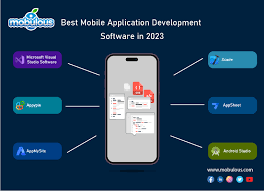
Android Studio is the official integrated development environment (IDE) for Android app development, provided by Google. It offers a comprehensive set of tools for designing, coding, testing, and debugging Android apps. With features like code completion, visual layout editor, and emulator support, Android Studio is a preferred choice for many developers.

Xamarin

Xamarin is a popular cross-platform development tool that allows developers to build native Android apps using C#. It provides a single codebase that can be shared across multiple platforms, saving time and effort in app development. Xamarin also offers excellent performance and native user interface design capabilities.

Flutter

Flutter is an open-source UI software development kit created by Google for building natively compiled applications for mobile, web, and desktop from a single codebase. With its hot reload feature and expressive UI components, Flutter enables developers to create visually appealing and responsive Android apps quickly.

React Native

React Native is another popular cross-platform framework that allows developers to build native Android apps using JavaScript and React. It offers a fast development cycle and live reload feature, making it easy to see changes in real-time. React Native’s extensive library of pre-built components simplifies the app development process.

IntelliJ IDEA

IntelliJ IDEA is a powerful IDE that supports Android app development with its robust set of features like intelligent code completion, refactoring tools, and version control integration. Developers can customize their workflow with plugins and extensions to enhance productivity while building feature-rich Android applications.

Choosing the right Android app development software can significantly impact the success of your mobile application project. Consider your project requirements, team expertise, and budget when selecting the most suitable tool for your needs.

© 2023 All rights reserved – YourWebsiteName


Top FAQs on Choosing the Best Software for Android App Development

  1. Which operating system is best for Android app development?
  2. What software is used to develop Android apps?
  3. What is the best software for Android development?
  4. What is the best way to develop an Android app?

Which operating system is best for Android app development?

When it comes to Android app development, the choice of operating system plays a crucial role in determining the efficiency and productivity of developers. While Android Studio, the official IDE for Android app development, is compatible with multiple operating systems such as Windows, macOS, and Linux, each has its own advantages. Windows is widely used and offers extensive software support, while macOS is favored for its seamless integration with other Apple devices and robust performance. Linux, known for its stability and customization options, is preferred by developers seeking a more flexible environment. Ultimately, the best operating system for Android app development depends on individual preferences, familiarity with the platform, and specific project requirements.

What software is used to develop Android apps?

When it comes to developing Android apps, developers often rely on a variety of software tools to streamline the process and ensure high-quality results. Some of the commonly used software for Android app development includes Android Studio, Xamarin, Flutter, React Native, and IntelliJ IDEA. Each of these tools offers unique features and capabilities that cater to different development needs, such as code editing, debugging, testing, and user interface design. By choosing the right software based on project requirements and developer expertise, creators can build innovative and functional Android applications efficiently.

What is the best software for Android development?

When it comes to Android app development, one of the frequently asked questions is, “What is the best software for Android development?” The answer to this question often depends on various factors such as the developer’s experience, project requirements, and personal preferences. Some popular choices for Android app development software include Android Studio, Xamarin, Flutter, React Native, and IntelliJ IDEA. Each of these tools offers unique features and capabilities to streamline the app development process and create high-quality Android applications. Ultimately, the best software for Android development is one that aligns with the developer’s needs and enables them to efficiently build innovative and user-friendly mobile apps.

What is the best way to develop an Android app?

When it comes to developing an Android app, choosing the best way depends on various factors such as your project requirements, budget, and expertise. One popular approach is to use Android app development software like Android Studio, Xamarin, Flutter, React Native, or IntelliJ IDEA. These tools offer a range of features and capabilities to streamline the development process and create high-quality apps. It’s essential to evaluate each option based on your specific needs and preferences to determine the most suitable way to develop your Android app efficiently and effectively.


saas application development company

Empowering Businesses: The Role of a SaaS Application Development Company

SaaS Application Development Company

The Rise of SaaS Application Development Companies

In recent years, Software as a Service (SaaS) has gained immense popularity among businesses looking for efficient and cost-effective software solutions. As a result, the demand for SaaS application development companies has skyrocketed.

These companies specialize in creating cloud-based applications that are accessible to users over the internet. By offering software on a subscription basis, SaaS companies provide flexibility and scalability to their clients.

Key Features of SaaS Application Development Companies:

  • Customization: SaaS application development companies tailor their solutions to meet the specific needs of each client. This customization ensures that the software aligns with the client’s business goals and processes.
  • Scalability: SaaS applications can easily scale up or down based on the client’s requirements. This flexibility allows businesses to adapt to changing market conditions without significant investments in infrastructure.
  • Security: Security is a top priority for SaaS application development companies. They implement robust security measures to protect sensitive data and ensure compliance with industry regulations.
  • Continuous Updates: SaaS companies regularly update their applications to add new features, improve performance, and address any security vulnerabilities. Clients benefit from these updates without having to manage the software themselves.
  • Support and Maintenance: SaaS application development companies provide ongoing support and maintenance services to ensure that their clients’ software runs smoothly at all times. This proactive approach minimizes downtime and maximizes productivity.

The Future of SaaS Application Development:

As businesses continue to embrace digital transformation, the demand for innovative SaaS solutions will only grow. SaaS application development companies play a crucial role in helping organizations streamline their operations, improve efficiency, and stay competitive in today’s fast-paced market.


Understanding SaaS: Key Questions About Application Development and Companies

  1. Is app development a SaaS?
  2. What is a SaaS development company?
  3. What does a SaaS company do?
  4. What is a SaaS-based application?

Is app development a SaaS?

When asking whether app development is a Software as a Service (SaaS), it’s important to distinguish between the two concepts. App development refers to the process of creating software applications, which can be done using various methods, including traditional software development approaches. On the other hand, SaaS is a software delivery model where applications are hosted in the cloud and accessed by users over the internet on a subscription basis. While app development can result in the creation of SaaS applications, not all app development projects lead to SaaS offerings. SaaS application development companies specialize in creating cloud-based software solutions that follow the subscription model, providing businesses with scalable and customizable applications accessible online.

What is a SaaS development company?

A SaaS development company is a specialized firm that focuses on creating Software as a Service (SaaS) applications. These companies design, develop, and deploy cloud-based software solutions that are accessible to users over the internet. By offering their services on a subscription basis, SaaS development companies provide businesses with cost-effective and scalable software solutions that can be customized to meet specific needs. These companies play a crucial role in helping organizations leverage the benefits of cloud technology, such as flexibility, security, and continuous updates, without the need for extensive infrastructure investments or maintenance.

What does a SaaS company do?

A SaaS company specializes in developing cloud-based software applications that are accessible to users over the internet. These companies offer software solutions on a subscription basis, allowing businesses to access and use the applications without the need for on-premises installation or maintenance. SaaS companies focus on creating customizable, scalable, and secure software that meets the specific needs of their clients. They provide continuous updates, robust security measures, and ongoing support to ensure that their clients’ software runs smoothly and efficiently. By leveraging SaaS solutions, businesses can streamline their operations, improve productivity, and stay competitive in today’s digital landscape.

What is a SaaS-based application?

A SaaS-based application, short for Software as a Service, is a cloud-based software solution that is hosted and maintained by a third-party provider. Users can access the application over the internet on a subscription basis, eliminating the need for on-premises installation and maintenance. SaaS applications are designed to be scalable, customizable, and secure, offering businesses flexibility in managing their software needs. With regular updates and support provided by the SaaS application development company, users can enjoy the latest features and functionalities without the hassle of managing the underlying infrastructure.

software development company websites

Optimizing Online Presence: Software Development Company Websites Unleashed

Article: Software Development Company Websites

The Importance of Software Development Company Websites

In today’s digital age, software development companies play a crucial role in creating innovative solutions for businesses and individuals. A well-designed and informative website is essential for these companies to showcase their expertise, attract clients, and establish credibility in the competitive tech industry.

Key Elements of Effective Software Development Company Websites:

**Portfolio**: A comprehensive portfolio showcasing past projects and successful collaborations helps potential clients understand the company’s capabilities and expertise.

**Services Offered**: Clearly outlined services with detailed descriptions help visitors understand the range of solutions the company provides.

**Client Testimonials**: Positive feedback from satisfied clients builds trust and credibility. Testimonials highlight the company’s track record of delivering quality software solutions.

**Team Page**: Introducing the talented team behind the company adds a personal touch and demonstrates the skills and experience of employees.

Design Aspects That Matter:

**Responsive Design**: Ensuring that the website is mobile-friendly and responsive on all devices enhances user experience and accessibility.

**Clear Navigation**: Easy navigation with well-organized menus helps visitors find information quickly and efficiently.

**Engaging Content**: Compelling content such as blog posts, case studies, and whitepapers showcases thought leadership and keeps visitors engaged.

The Role of SEO:

Implementing search engine optimization (SEO) strategies is crucial for software development company websites to rank higher in search engine results pages (SERPs). Targeted keywords, meta tags, and quality backlinks improve visibility and attract organic traffic.

In Conclusion:

A well-crafted website is a powerful tool for software development companies to connect with potential clients, showcase their expertise, and stand out in a competitive market. By focusing on key elements such as portfolio, services offered, client testimonials, team page, design aspects, engaging content, and SEO strategies, these companies can create a strong online presence that drives business growth.


Top 9 FAQs About Software Development Company Websites

  1. 1. What services do software development company websites offer?
  2. 2. How can I request a quote for a project on a software development company website?
  3. 3. Are software development company websites mobile-responsive?
  4. 4. Can I see examples of past projects on a software development company website?
  5. 5. How do I contact the team behind a software development company website?
  6. 6. Do software development company websites provide maintenance and support services?
  7. 7. What technologies are commonly used in developing software development company websites?
  8. 8. Are there any client testimonials available on software development company websites?
  9. 9. How can SEO help improve the visibility of a software development company website?

1. What services do software development company websites offer?

When visitors land on software development company websites, a frequently asked question revolves around the services offered by these companies. Potential clients seek clarity on the range of solutions and expertise available to address their specific needs. Software development company websites typically provide services such as custom software development, web application development, mobile app development, software maintenance and support, quality assurance testing, and IT consulting. By clearly outlining these services with detailed descriptions and examples, software development companies can effectively communicate their capabilities and demonstrate how they can help clients achieve their goals through innovative technology solutions.

2. How can I request a quote for a project on a software development company website?

When visiting a software development company website, requesting a quote for a project is typically a straightforward process. Look for a “Contact” or “Get a Quote” button on the website’s homepage or navigation menu. Clicking on this button will often lead you to a form where you can provide details about your project, such as its scope, timeline, and any specific requirements. Some websites may also offer the option to schedule a consultation with their team to discuss your project in more detail. By filling out the request form or reaching out directly through the provided contact information, you can initiate the process of getting a personalized quote for your software development project.

3. Are software development company websites mobile-responsive?

One frequently asked question on software development company websites is whether their websites are mobile-responsive. Ensuring that a website is optimized for mobile devices is crucial in today’s digital landscape, as more users access the internet through smartphones and tablets. A mobile-responsive design ensures that the website adapts seamlessly to different screen sizes and resolutions, providing a consistent and user-friendly experience across all devices. Software development companies understand the importance of mobile responsiveness to cater to a diverse audience and enhance accessibility, making it a common query among visitors seeking modern and responsive web solutions.

4. Can I see examples of past projects on a software development company website?

On a software development company website, the frequently asked question “Can I see examples of past projects?” is crucial for potential clients seeking reassurance about the company’s capabilities. Providing access to a portfolio of past projects allows visitors to evaluate the quality of work, technical expertise, and industry experience of the company. By showcasing successful case studies and projects, software development companies can demonstrate their track record and build trust with prospective clients, ultimately influencing their decision-making process.

5. How do I contact the team behind a software development company website?

To contact the team behind a software development company website, visitors can typically find a dedicated “Contact Us” page or section on the website. This page often includes contact information such as email addresses, phone numbers, and sometimes even a contact form for inquiries. Additionally, some websites may provide details about individual team members with direct contact information or links to their professional profiles. By utilizing these resources, visitors can easily reach out to the team for inquiries, collaborations, or any other communication needs they may have.

6. Do software development company websites provide maintenance and support services?

When visiting software development company websites, a frequently asked question revolves around the availability of maintenance and support services. Clients often inquire about post-development assistance to ensure the smooth functioning and longevity of their software solutions. Software development companies typically offer maintenance and support services to address any issues, implement updates, and provide technical assistance to clients after the initial development phase. This ongoing support is crucial for ensuring the optimal performance and reliability of the software products delivered by these companies.

7. What technologies are commonly used in developing software development company websites?

One frequently asked question on software development company websites is, “What technologies are commonly used in developing software development company websites?” Software development companies often utilize a combination of front-end and back-end technologies to create dynamic and interactive websites. Common front-end technologies include HTML, CSS, and JavaScript frameworks like React or Angular. On the back end, companies may use programming languages such as Python, Java, or PHP along with databases like MySQL or MongoDB. Additionally, content management systems (CMS) like WordPress or Drupal are popular choices for managing website content efficiently. By leveraging these technologies effectively, software development companies can build robust and user-friendly websites that meet the needs of their clients and visitors.

8. Are there any client testimonials available on software development company websites?

Client testimonials play a vital role on software development company websites as they provide valuable insights into the experiences of past clients. Potential customers often seek reassurance and credibility before engaging with a company, and positive testimonials serve as social proof of the company’s capabilities and customer satisfaction. By showcasing client testimonials, software development companies can build trust, demonstrate their track record of successful projects, and differentiate themselves in a competitive market.

9. How can SEO help improve the visibility of a software development company website?

SEO (Search Engine Optimization) plays a vital role in enhancing the visibility of a software development company website. By strategically incorporating targeted keywords, optimizing meta tags, creating quality backlinks, and producing relevant content, SEO helps improve the website’s ranking on search engine results pages (SERPs). This increased visibility ensures that the website attracts more organic traffic, reaches a broader audience, and ultimately drives business growth for the software development company.

web application development software

Exploring the Power of Web Application Development Software

Article: Web Application Development Software

The Importance of Web Application Development Software

In today’s digital age, web applications have become essential tools for businesses and individuals alike. From e-commerce platforms to social networking sites, web applications serve a wide range of purposes and cater to diverse needs. Behind the seamless functionality and user-friendly interfaces of these web applications lies the crucial role of web application development software.

What is Web Application Development Software?

Web application development software refers to a set of tools, frameworks, and programming languages used by developers to create dynamic and interactive web applications. These software solutions provide developers with the necessary resources to design, build, test, and deploy web applications efficiently.

The Key Features of Web Application Development Software

Modern web application development software offers a wide range of features that streamline the development process and enhance the performance of web applications. Some key features include:

  • Integrated development environments (IDEs) for coding and debugging
  • Version control systems for collaboration and code management
  • Database management tools for storing and retrieving data
  • Testing frameworks for ensuring quality and reliability
  • Deployment tools for launching web applications on servers

The Benefits of Using Web Application Development Software

The use of web application development software offers several advantages to developers and businesses, including:

  • Rapid development: Web application development software accelerates the coding process, allowing developers to create feature-rich applications in less time.
  • Scalability: These software solutions enable developers to scale web applications easily as user demands grow.
  • Maintainability: With built-in tools for debugging and testing, developers can maintain and update web applications efficiently.
  • Cross-platform compatibility: Many web application development software supports cross-platform development, ensuring that applications work seamlessly across different devices and browsers.

In Conclusion

Web application development software plays a vital role in shaping the digital landscape by empowering developers to create innovative and user-centric web applications. As technology continues to evolve, investing in robust web application development software is essential for staying competitive in today’s market.


6 Essential Tips for Effective Web Application Development

  1. Choose the right technology stack for your project requirements.
  2. Follow best practices for security to protect user data.
  3. Optimize performance by minimizing load times and reducing server requests.
  4. Implement responsive design to ensure compatibility across various devices.
  5. Regularly test and debug your code to maintain a stable application.
  6. Document your code and processes for easier maintenance and collaboration.

Choose the right technology stack for your project requirements.

When embarking on web application development, it is crucial to carefully select the appropriate technology stack that aligns with your project’s specific requirements. Choosing the right combination of programming languages, frameworks, and tools can significantly impact the performance, scalability, and maintainability of your web application. By evaluating factors such as project scope, budget, timeline, and desired functionalities, developers can make informed decisions to ensure the success of their projects. Selecting a well-suited technology stack lays a strong foundation for building robust and efficient web applications that meet both current needs and future growth opportunities.

Follow best practices for security to protect user data.

It is crucial for developers to adhere to best practices for security when working with web application development software to safeguard user data. By implementing robust security measures, such as encryption, authentication protocols, and regular security audits, developers can ensure the protection of sensitive information from unauthorized access and cyber threats. Prioritizing security not only instills trust in users but also helps mitigate the risk of data breaches and potential legal implications.

Optimize performance by minimizing load times and reducing server requests.

To optimize the performance of web applications, developers can enhance user experience by focusing on minimizing load times and reducing server requests. By implementing efficient coding practices, optimizing images and assets, and utilizing caching mechanisms, developers can significantly improve the speed and responsiveness of web applications. Reducing the number of server requests not only enhances performance but also helps in conserving server resources, leading to a smoother and more seamless user interaction with the application.

Implement responsive design to ensure compatibility across various devices.

Implementing responsive design is a crucial tip in web application development software to guarantee compatibility across a wide range of devices. By incorporating responsive design principles, developers can create web applications that automatically adjust their layout and content based on the screen size and device type. This approach ensures that users have a seamless and consistent experience, whether they are accessing the application on a desktop, tablet, or smartphone. Responsive design not only enhances user satisfaction but also improves accessibility and usability, making the web application more versatile and user-friendly.

Regularly test and debug your code to maintain a stable application.

Regularly testing and debugging your code is essential in web application development software to ensure the stability and reliability of your application. By identifying and fixing errors and issues early on, you can prevent potential problems from affecting the user experience. Testing helps validate the functionality of your code, while debugging allows you to pinpoint and resolve any bugs that may arise during the development process. Maintaining a stable application through thorough testing and debugging practices not only enhances performance but also instills confidence in users, leading to a more positive overall experience.

Document your code and processes for easier maintenance and collaboration.

Documenting your code and processes is a crucial tip in web application development software. By creating clear and comprehensive documentation, developers not only make it easier to maintain and update the codebase but also facilitate collaboration within the development team. Documented code helps developers understand the logic behind each function or module, making troubleshooting and debugging more efficient. Additionally, well-documented processes provide a roadmap for team members to follow, ensuring consistency in development practices and promoting effective teamwork. Overall, thorough documentation is key to enhancing productivity and ensuring the long-term success of web application projects.

bespoke software development

Unlocking Business Potential Through Bespoke Software Development

The Power of Bespoke Software Development

The Power of Bespoke Software Development

In today’s fast-paced and competitive business environment, having the right tools can make all the difference. Off-the-shelf software solutions are readily available, but they may not always meet the unique needs and requirements of your business. This is where bespoke software development comes in.

Bespoke software development involves creating custom software tailored specifically to your business processes, goals, and challenges. Unlike generic off-the-shelf solutions, bespoke software is designed from the ground up to address your specific needs, providing a competitive edge and driving efficiency.

Benefits of Bespoke Software Development

One of the key advantages of bespoke software is its scalability. As your business grows and evolves, bespoke software can be easily adapted and expanded to accommodate new requirements without the need for a complete overhaul.

Furthermore, bespoke software offers greater flexibility and customization options. You have full control over the features, functionality, and user interface, ensuring that the end product aligns perfectly with your business processes and workflow.

Security is another critical aspect where bespoke software excels. Off-the-shelf solutions are more vulnerable to security breaches due to their widespread use and predictable vulnerabilities. With bespoke software, you can implement robust security measures tailored to your specific needs.

Challenges of Bespoke Software Development

While bespoke software development offers numerous benefits, it also comes with its own set of challenges. Custom development projects require careful planning, thorough requirements gathering, and effective communication between stakeholders to ensure successful implementation.

Additionally, bespoke software development can be more time-consuming and costly compared to off-the-shelf solutions. However, the long-term benefits and competitive advantages gained from custom-built software often outweigh the initial investment.

Conclusion

Bespoke software development is a powerful tool that empowers businesses to optimize their operations, enhance productivity, and stay ahead of the competition. By investing in custom-built solutions tailored to your unique needs, you can unlock new opportunities for growth and success in today’s dynamic business landscape.


6 Essential Tips for Successful Bespoke Software Development

  1. Clearly define project requirements and objectives.
  2. Communicate effectively with the development team throughout the process.
  3. Prioritize security measures to protect sensitive data.
  4. Regularly test and debug the software to ensure functionality and performance.
  5. Document all aspects of the software development process for future reference.
  6. Provide training and support for end-users to maximize adoption and satisfaction.

Clearly define project requirements and objectives.

To ensure the success of a bespoke software development project, it is crucial to clearly define project requirements and objectives from the outset. By establishing a detailed roadmap that outlines the specific needs, goals, and expectations of the project, stakeholders can align their efforts and resources effectively. Clear project requirements help developers understand the scope of work, make informed decisions during development, and deliver a solution that meets the client’s exact specifications. Additionally, well-defined objectives provide a framework for measuring progress and ensuring that the final product aligns with the desired outcomes. By prioritizing clarity and precision in defining project requirements and objectives, businesses can set themselves up for a successful bespoke software development journey.

Communicate effectively with the development team throughout the process.

Effective communication with the development team is crucial throughout the bespoke software development process. Clear and consistent communication helps ensure that all stakeholders are aligned on project goals, requirements, and timelines. By maintaining open lines of communication, both parties can address any issues or changes promptly, leading to a smoother development process and a final product that meets the client’s expectations. Regular updates and feedback sessions also allow for transparency and collaboration, fostering a strong partnership between the client and the development team.

Prioritize security measures to protect sensitive data.

When embarking on bespoke software development, it is crucial to prioritize security measures to safeguard sensitive data. By implementing robust security protocols and encryption techniques, businesses can mitigate the risk of data breaches and unauthorized access. Protecting confidential information is paramount in today’s digital landscape, and investing in stringent security measures ensures the integrity and trustworthiness of custom-built software solutions.

Regularly test and debug the software to ensure functionality and performance.

Regularly testing and debugging bespoke software is crucial to ensure its functionality and performance. By conducting thorough testing processes, developers can identify and resolve any issues or bugs that may impact the software’s operation. This proactive approach not only enhances the overall quality of the software but also helps maintain its reliability and efficiency over time. Consistent testing and debugging are essential steps in the bespoke software development process to deliver a robust and stable solution that meets the client’s specific requirements effectively.

Document all aspects of the software development process for future reference.

Documenting all aspects of the software development process is crucial for future reference and ongoing improvement. By maintaining detailed documentation, including requirements, design decisions, code structure, testing procedures, and any challenges faced during development, teams can ensure transparency, consistency, and knowledge transfer. This documentation serves as a valuable resource for troubleshooting issues, onboarding new team members, and revisiting past projects to leverage insights for future endeavors. Investing time in thorough documentation not only enhances collaboration and communication within the team but also contributes to the overall efficiency and success of bespoke software development projects.

Provide training and support for end-users to maximize adoption and satisfaction.

To maximize adoption and satisfaction of bespoke software development, it is crucial to provide comprehensive training and support for end-users. By offering training sessions and ongoing support, users can better understand the software’s functionalities, leading to increased proficiency and confidence in utilizing the custom solution effectively. This approach not only enhances user satisfaction but also promotes higher adoption rates, ensuring that the bespoke software delivers maximum value to the organization.

software application development services

Empowering Businesses with Professional Software Application Development Services

Software Application Development Services

The Importance of Software Application Development Services

In today’s digital age, software applications play a crucial role in the success of businesses across various industries. Whether it’s a mobile app, web application, or custom software solution, having a well-designed and functional software application is essential for staying competitive in the market.

What are Software Application Development Services?

Software application development services encompass the process of creating, designing, testing, and maintaining software applications tailored to meet specific business needs. These services are provided by skilled professionals who have expertise in programming languages, development tools, and best practices to deliver high-quality solutions.

The Benefits of Software Application Development Services

Customization: With software application development services, businesses can get tailor-made solutions that address their unique requirements and challenges.

Scalability: Professional developers ensure that the software applications are scalable to accommodate growth and evolving business needs.

Efficiency: Well-designed applications streamline processes, improve productivity, and enhance overall operational efficiency.

Competitive Edge: Having a robust and user-friendly application can give businesses a competitive edge by providing better customer experiences and innovative features.

The Process of Software Application Development

The development process typically involves several stages:

  1. Requirement Analysis: Understanding the client’s needs and defining project objectives.
  2. Design: Creating a blueprint of the application’s structure and user interface.
  3. Development: Writing code to build the functionality of the application.
  4. Testing: Thoroughly testing the application for bugs and performance issues.
  5. Deployment: Launching the application for end-users to access.
  6. Maintenance: Providing ongoing support and updates to ensure optimal performance.

Hiring Professional Software Developers

When seeking software application development services, it is essential to partner with experienced professionals who have a proven track record of delivering successful projects. Skilled developers can turn your ideas into reality and help you achieve your business goals through innovative software solutions.

Conclusion

In conclusion, software application development services are vital for businesses looking to leverage technology for growth and success. By investing in custom software solutions developed by experts, organizations can enhance their operations, improve customer satisfaction, and stay ahead in today’s competitive market landscape.


8 Essential Tips for Successful Software Application Development Services

  1. Understand the client’s requirements clearly before starting development.
  2. Follow best coding practices and standards to ensure maintainability of the codebase.
  3. Regularly test the software for bugs and issues to deliver a high-quality product.
  4. Document the code and processes for easier maintenance and future updates.
  5. Communicate effectively with the client to provide updates and gather feedback throughout the development process.
  6. Stay updated with the latest technologies and trends in software development to offer innovative solutions.
  7. Collaborate with team members effectively by using version control systems and project management tools.
  8. Prioritize security measures to protect user data and prevent vulnerabilities in the application.

Understand the client’s requirements clearly before starting development.

Understanding the client’s requirements clearly before starting development is a crucial tip in software application development services. By taking the time to comprehensively grasp the client’s needs, preferences, and objectives, developers can ensure that the final product aligns perfectly with the client’s expectations. Clear communication and thorough requirement analysis at the outset of a project lay a solid foundation for successful development, leading to a more efficient process, fewer revisions, and ultimately, a satisfied client with a tailored software solution that meets their specific needs.

Follow best coding practices and standards to ensure maintainability of the codebase.

Following best coding practices and standards is crucial in software application development services to ensure the maintainability of the codebase. By adhering to established guidelines and principles, developers can write clean, efficient, and well-structured code that is easier to understand, modify, and debug in the future. Consistent coding practices also promote collaboration among team members, improve code readability, and reduce the risk of introducing errors or bugs during development. Ultimately, prioritizing best coding practices leads to a more maintainable codebase that can evolve smoothly over time as business requirements change.

Regularly test the software for bugs and issues to deliver a high-quality product.

Regularly testing the software for bugs and issues is a critical tip in software application development services. By conducting thorough testing throughout the development process, developers can identify and address any potential issues early on, ensuring that the final product is of high quality. Testing helps to improve the overall functionality, performance, and user experience of the software, ultimately leading to greater customer satisfaction and success in the market. Prioritizing testing as a part of the development lifecycle is key to delivering a reliable and efficient software application that meets the needs and expectations of users.

Document the code and processes for easier maintenance and future updates.

Documenting the code and processes is a crucial tip in software application development services as it ensures easier maintenance and future updates. By providing clear and detailed documentation, developers can easily understand the logic behind the code, making it simpler to troubleshoot issues, implement changes, and add new features. Well-documented code also facilitates collaboration among team members, promotes consistency in coding practices, and ultimately leads to a more efficient and sustainable software development process.

Communicate effectively with the client to provide updates and gather feedback throughout the development process.

Effective communication with the client is crucial in software application development services. Providing regular updates and seeking feedback throughout the development process ensures that the final product aligns with the client’s expectations and requirements. Clear and open communication helps to address any issues promptly, make necessary adjustments, and maintain a collaborative relationship that leads to a successful outcome. By keeping the client informed and involved at every stage, developers can deliver a tailored solution that meets the client’s needs effectively.

To excel in software application development services, it is crucial to stay updated with the latest technologies and trends in the industry. By keeping abreast of advancements in software development, professionals can offer innovative solutions that meet the evolving needs of clients and users. Embracing new technologies not only enhances the quality and efficiency of software applications but also ensures that developers remain competitive and capable of delivering cutting-edge solutions to drive business growth and success.

Collaborate with team members effectively by using version control systems and project management tools.

Effective collaboration among team members is crucial in software application development services. By utilizing version control systems and project management tools, teams can streamline their workflow, ensure code consistency, track progress efficiently, and facilitate seamless communication. Version control systems like Git enable developers to work on code simultaneously, manage changes effectively, and revert to previous versions if needed. Project management tools such as Jira or Trello help in organizing tasks, setting deadlines, assigning responsibilities, and monitoring project milestones. By embracing these tools, teams can enhance productivity, reduce errors, and deliver high-quality software applications in a collaborative environment.

Prioritize security measures to protect user data and prevent vulnerabilities in the application.

When it comes to software application development services, prioritizing security measures is paramount to safeguard user data and prevent vulnerabilities in the application. By implementing robust security protocols and staying vigilant against potential threats, developers can ensure that sensitive information remains protected and the application remains resilient against cyber attacks. Prioritizing security not only instills trust among users but also demonstrates a commitment to upholding data privacy standards and maintaining the integrity of the software solution.

software application development company

Innovative Solutions from a Leading Software Application Development Company

Article: Software Application Development Company

The Role of a Software Application Development Company in Today’s Digital World

In the fast-paced digital landscape of today, software application development companies play a crucial role in shaping the way businesses operate and individuals interact with technology. These companies are responsible for designing, developing, and maintaining software applications that meet the specific needs and requirements of their clients.

Software application development companies employ skilled professionals such as software engineers, designers, project managers, and quality assurance specialists who work together to create innovative solutions for a wide range of industries.

Key Functions of a Software Application Development Company:

  • Custom Software Development: These companies specialize in creating custom software applications tailored to the unique requirements of each client. Whether it’s a mobile app, web application, or enterprise software solution, they have the expertise to bring ideas to life.
  • Quality Assurance: Ensuring that software applications are bug-free and perform optimally is essential. Software application development companies conduct rigorous testing processes to identify and resolve any issues before deployment.
  • Continuous Maintenance and Support: The work of a software application development company doesn’t end after the initial launch. They provide ongoing maintenance and support services to ensure that the software remains up-to-date and functions smoothly.
  • Technology Expertise: Staying abreast of the latest technologies and trends is vital in this industry. These companies invest in continuous learning and training to leverage cutting-edge tools and frameworks for efficient development.

The Impact on Businesses:

For businesses looking to stay competitive in today’s digital economy, partnering with a reputable software application development company can be a game-changer. Customized software solutions can streamline operations, improve efficiency, enhance customer experiences, and drive growth.

In conclusion, software application development companies are instrumental in driving innovation and transforming ideas into reality. Their expertise enables businesses to harness the power of technology for sustainable success in an increasingly digital world.


Top 9 FAQs About Partnering with a Software Application Development Company

  1. What services does a software application development company offer?
  2. How long does it take to develop a custom software application?
  3. What factors determine the cost of developing a software application?
  4. Can a software application development company help with both web and mobile app development?
  5. What technologies and programming languages do software application development companies specialize in?
  6. Do software application development companies provide ongoing maintenance and support after the launch of an app?
  7. How can I ensure the security of my data when working with a software application development company?
  8. What is the typical process followed by a software application development company from concept to deployment?
  9. Can a software application development company assist with integrating third-party services or APIs into an existing system?

What services does a software application development company offer?

A software application development company offers a comprehensive range of services tailored to meet the diverse needs of its clients. These services typically include custom software development, where the company creates bespoke applications from scratch based on client requirements. Additionally, such companies provide quality assurance services to ensure that the software functions flawlessly and meets industry standards. Ongoing maintenance and support are also offered to keep the software updated and running smoothly post-launch. Furthermore, software application development companies often specialize in various technologies and platforms, allowing them to deliver cutting-edge solutions that cater to different industries and business objectives.

How long does it take to develop a custom software application?

The timeline for developing a custom software application varies depending on several factors, including the complexity of the project, the specific requirements, and the scope of work involved. In general, custom software development projects can take anywhere from a few weeks to several months to complete. It is essential for software application development companies to conduct a thorough analysis of the project requirements and provide a realistic timeline based on factors such as design, development, testing, and deployment phases. Effective communication between the development team and the client can also help ensure that the project stays on track and meets its deadlines.

What factors determine the cost of developing a software application?

When considering the cost of developing a software application, several factors come into play. The complexity of the application, including its features and functionalities, significantly impacts the development cost. The technology stack chosen for development, the level of customization required, and the expertise of the development team also influence costs. Additionally, factors such as project scope, timeline, and any third-party integrations needed can affect overall expenses. By carefully assessing these key factors, a software application development company can provide accurate cost estimates tailored to meet the specific needs and requirements of their clients.

Can a software application development company help with both web and mobile app development?

When considering a software application development company, it’s common to wonder whether they can assist with both web and mobile app development. The answer is yes, a reputable software application development company typically offers expertise in both web and mobile app development. These companies have skilled professionals who specialize in creating custom solutions for various platforms, including websites and mobile applications. By leveraging their technical knowledge and experience, they can tailor solutions to meet the specific requirements of clients looking to expand their digital presence across different devices and platforms effectively.

What technologies and programming languages do software application development companies specialize in?

Software application development companies specialize in a wide array of technologies and programming languages to cater to diverse client needs. These companies often excel in popular languages like Java, C#, Python, JavaScript, and more. Additionally, they have expertise in frameworks such as React, Angular, Node.js, and Django. By staying updated with the latest trends and advancements in the tech industry, software application development companies ensure they can leverage the most suitable tools to deliver innovative and efficient solutions for their clients.

Do software application development companies provide ongoing maintenance and support after the launch of an app?

Software application development companies typically offer ongoing maintenance and support services after the launch of an app. This post-launch support is crucial to ensure that the app continues to function smoothly, remains up-to-date with the latest technologies, and addresses any issues that may arise. By providing continuous maintenance and support, these companies help clients optimize their app’s performance, enhance user experience, and adapt to changing market demands. This commitment to post-launch care demonstrates the company’s dedication to delivering high-quality solutions and fostering long-term partnerships with their clients.

How can I ensure the security of my data when working with a software application development company?

Ensuring the security of your data when collaborating with a software application development company is paramount in today’s digital age. To safeguard your sensitive information, it is crucial to establish clear communication with the development team regarding data protection measures. Prioritize selecting a reputable company with a proven track record of implementing robust security protocols and compliance standards. Requesting non-disclosure agreements and conducting regular security audits can also help mitigate risks and enhance data confidentiality throughout the development process. By proactively addressing security concerns and fostering a culture of transparency, you can promote a secure environment for your valuable data while working with a software application development company.

What is the typical process followed by a software application development company from concept to deployment?

A software application development company typically follows a structured process from concept to deployment. This process usually begins with gathering requirements and conducting thorough research to understand the client’s needs and objectives. Once the requirements are defined, the company moves on to designing the application architecture and user interface. Development follows, where coding and testing are carried out iteratively to ensure functionality and quality. After development, rigorous testing is conducted to identify and fix any issues before deployment. Finally, the software application is deployed, and ongoing maintenance and support services are provided to ensure its optimal performance over time. This systematic approach ensures that the final product meets the client’s expectations and delivers value effectively.

Can a software application development company assist with integrating third-party services or APIs into an existing system?

A software application development company can indeed assist with integrating third-party services or APIs into an existing system. By leveraging their expertise in software development and integration, these companies can seamlessly incorporate external services, such as payment gateways, social media platforms, or data analytics tools, into an organization’s existing software infrastructure. This integration not only enhances the functionality of the system but also allows businesses to leverage the capabilities of external services to optimize their operations and deliver a more comprehensive solution to their users.

software development software

Empowering Innovation Through Software Development Solutions

The Importance of Software Development in Today’s Digital World

The Importance of Software Development in Today’s Digital World

In today’s fast-paced and tech-driven world, software development plays a crucial role in shaping our daily lives. From the apps on our smartphones to the systems that power businesses, software development is at the core of modern technology.

Driving Innovation

Software development is essential for driving innovation. It enables companies to create new products and services that enhance user experiences and streamline processes. Whether it’s developing cutting-edge mobile applications or sophisticated business software, software developers are at the forefront of technological advancement.

Enhancing Efficiency

Efficiency is key in today’s competitive landscape, and software development helps businesses achieve just that. Customized software solutions can automate repetitive tasks, improve workflow management, and boost overall productivity. By tailoring software to specific needs, organizations can operate more efficiently and stay ahead of the curve.

Ensuring Security

With the increasing threat of cyberattacks and data breaches, security is a top priority for businesses and individuals alike. Software developers play a critical role in creating secure systems that protect sensitive information and prevent unauthorized access. Through robust encryption methods and stringent security protocols, software development helps safeguard digital assets.

Adapting to Change

In a rapidly evolving digital landscape, adaptability is key to success. Software developers are skilled at staying current with emerging technologies and trends, allowing them to adapt quickly to changes in the industry. By embracing new tools and methodologies, developers can create innovative solutions that meet evolving needs.

Conclusion

Software development is not just about writing code; it’s about shaping the future of technology. As we continue to rely on digital solutions for communication, commerce, and entertainment, the role of software developers becomes increasingly vital. By driving innovation, enhancing efficiency, ensuring security, and adapting to change, software development paves the way for a more connected and efficient world.


Top 5 FAQs About Software Development: Understanding the Basics, Stages, Languages, Testing, and Challenges

  1. What is software development?
  2. What are the different stages of the software development life cycle?
  3. Which programming languages are commonly used in software development?
  4. How important is testing in software development?
  5. What are the key challenges faced in software development projects?

What is software development?

Software development is the process of creating, designing, and maintaining software applications that meet specific user needs and requirements. It involves a systematic approach to building software solutions, starting from conceptualizing the idea to coding, testing, and deploying the final product. Software development encompasses various stages, methodologies, and technologies aimed at delivering functional and reliable software that solves real-world problems. It is a collaborative effort that brings together developers, designers, project managers, and stakeholders to ensure that the end product meets quality standards and user expectations.

What are the different stages of the software development life cycle?

The software development life cycle consists of several distinct stages that collectively guide the process of creating high-quality software solutions. These stages typically include requirements gathering, planning, design, implementation, testing, deployment, and maintenance. Each stage is crucial in ensuring the success of a software project, as they help developers and stakeholders collaborate effectively, manage resources efficiently, and deliver a product that meets user needs and expectations. By following a structured approach through the various stages of the software development life cycle, organizations can streamline their development processes and produce reliable software products that drive innovation and address complex business challenges.

Which programming languages are commonly used in software development?

In software development, several programming languages are commonly used to create a wide variety of applications and systems. Some of the most popular programming languages include Java, Python, C++, C#, JavaScript, and Ruby. Each language has its strengths and is chosen based on the specific requirements of the project. Java is widely used for building enterprise-level applications, while Python is favored for its simplicity and versatility. C++ is known for its performance and is often used in system programming, while C# is popular for developing Windows applications. JavaScript is essential for web development, and Ruby is preferred for its elegant syntax in building web applications. Understanding the strengths and weaknesses of each programming language helps developers choose the right tool for the job in software development projects.

How important is testing in software development?

Testing is a critical aspect of software development, playing a pivotal role in ensuring the quality and reliability of the final product. By systematically evaluating the functionality, performance, and security of software through various testing methods such as unit testing, integration testing, and user acceptance testing, developers can identify and rectify issues early in the development process. Effective testing not only helps in detecting bugs and errors but also validates that the software meets the specified requirements and functions as intended. Ultimately, thorough testing is essential for delivering a robust and user-friendly software solution that meets the needs and expectations of its users.

What are the key challenges faced in software development projects?

In software development projects, several key challenges are commonly encountered. These challenges include meeting tight deadlines while maintaining high-quality standards, managing project scope and requirements changes effectively, ensuring clear communication and collaboration among team members, handling unexpected technical issues and bugs, and balancing the need for innovation with the constraints of time and resources. Additionally, factors such as budget limitations, stakeholder expectations, and evolving technology trends can further complicate the software development process. Successfully navigating these challenges requires a combination of strategic planning, agile methodologies, strong leadership, and a proactive approach to problem-solving to deliver successful software projects.

custom software application development

Unlocking Business Potential Through Custom Software Application Development

Custom Software Application Development

The Importance of Custom Software Application Development

In today’s fast-paced digital world, businesses are constantly seeking ways to streamline their processes, improve efficiency, and stay ahead of the competition. One effective solution that many companies turn to is custom software application development.

What is Custom Software Application Development?

Custom software application development involves creating tailored software solutions to meet the specific needs of a business or organization. Unlike off-the-shelf software, custom applications are designed from scratch to address unique requirements and challenges.

The Benefits of Custom Software Application Development

There are several key benefits to investing in custom software application development:

  • Scalability: Custom applications can be easily scaled up or down as your business grows and evolves.
  • Increased Efficiency: By automating manual processes and integrating systems, custom software can significantly improve operational efficiency.
  • Enhanced Security: Custom applications are built with security in mind, reducing the risk of data breaches and cyber attacks.
  • Bespoke Functionality: Tailored features and functionalities ensure that the software aligns perfectly with your business objectives.
  • Competitive Advantage: Custom software can give your business a competitive edge by providing unique capabilities that set you apart from competitors.

Choosing the Right Development Partner

When embarking on a custom software application development project, it’s crucial to select the right development partner. Look for a reputable company with a proven track record of delivering high-quality, customized solutions that meet client requirements.

In Conclusion

Custom software application development offers businesses a powerful tool for improving efficiency, driving growth, and achieving strategic objectives. By investing in tailored solutions that address specific needs, organizations can unlock new opportunities for success in today’s digital landscape.


8 Essential Tips for Successful Custom Software Application Development

  1. Clearly define the project requirements and objectives before starting development.
  2. Involve stakeholders throughout the development process to ensure their needs are met.
  3. Use an agile approach to software development for flexibility and adaptability.
  4. Write clean, maintainable code to facilitate future updates and enhancements.
  5. Perform thorough testing at each stage of development to catch bugs early on.
  6. Document the code and processes for easier maintenance and knowledge transfer.
  7. Consider scalability from the beginning to accommodate future growth and changes.
  8. Regularly review and refine the project plan to stay on track with timelines and budgets.

Clearly define the project requirements and objectives before starting development.

It is crucial to clearly define the project requirements and objectives before commencing custom software application development. By establishing a solid foundation through detailed documentation and thorough discussions, stakeholders can ensure that the development team understands the scope of the project and the desired outcomes. This clarity helps in avoiding misunderstandings, reducing rework, and ultimately leads to the successful delivery of a tailored software solution that aligns perfectly with the business needs.

Involve stakeholders throughout the development process to ensure their needs are met.

To maximize the effectiveness of custom software application development, it is crucial to involve stakeholders throughout the entire development process. By engaging stakeholders from the initial planning stages to the final implementation, developers can gain valuable insights into the specific needs and requirements of the end-users. This collaborative approach ensures that the resulting software solution aligns closely with the expectations and objectives of all stakeholders, leading to a more successful and impactful outcome.

Use an agile approach to software development for flexibility and adaptability.

Utilizing an agile approach in custom software application development is essential for fostering flexibility and adaptability throughout the project lifecycle. By embracing agile methodologies, teams can respond to changing requirements, incorporate feedback quickly, and deliver incremental updates that align with the client’s evolving needs. This iterative process not only enhances collaboration and transparency but also allows for adjustments to be made efficiently, ensuring that the final product meets expectations effectively.

Write clean, maintainable code to facilitate future updates and enhancements.

To ensure the longevity and flexibility of custom software applications, it is essential to prioritize writing clean and maintainable code. By adhering to best coding practices, developers can simplify the process of making future updates and enhancements. Clean code not only improves readability but also reduces the likelihood of introducing errors during modifications. This approach allows for a more efficient development cycle and better prepares the software for adapting to evolving business needs over time.

Perform thorough testing at each stage of development to catch bugs early on.

Performing thorough testing at each stage of custom software application development is crucial to catch bugs early on and ensure a smooth and successful project execution. By conducting comprehensive testing throughout the development process, developers can identify and address issues promptly, minimizing the risk of costly errors and delays down the line. This proactive approach not only helps in delivering a high-quality end product but also enhances overall efficiency and customer satisfaction.

Document the code and processes for easier maintenance and knowledge transfer.

Documenting the code and processes in custom software application development is essential for ensuring easier maintenance and seamless knowledge transfer within a team or organization. By providing clear and detailed documentation, developers can easily understand the functionality of the code, troubleshoot issues efficiently, and make necessary updates without confusion. Moreover, well-documented code facilitates smoother knowledge transfer between team members, enabling new developers to quickly grasp the project’s intricacies and contribute effectively. Ultimately, thorough documentation plays a vital role in enhancing the long-term sustainability and success of custom software applications.

Consider scalability from the beginning to accommodate future growth and changes.

When embarking on custom software application development, it is essential to consider scalability from the outset to accommodate future growth and changes. By designing the software with scalability in mind, businesses can ensure that their system can expand seamlessly as their operations evolve. This proactive approach not only saves time and resources in the long run but also enables the software to adapt to changing business needs, ultimately supporting sustained growth and innovation.

Regularly review and refine the project plan to stay on track with timelines and budgets.

Regularly reviewing and refining the project plan is a crucial tip in custom software application development to ensure that timelines and budgets are met effectively. By continuously assessing the project plan, teams can identify potential bottlenecks, adjust resources as needed, and address any unforeseen challenges promptly. This proactive approach not only helps in staying on track with project milestones but also allows for better cost management and resource allocation throughout the development process. It promotes transparency, accountability, and ultimately contributes to the successful delivery of a high-quality custom software solution within the specified timeframes and budget constraints.

financial software development company

Empowering Financial Institutions with Cutting-Edge Solutions: The Role of a Financial Software Development Company

Financial Software Development Company

The Role of Financial Software Development Companies in the Modern Business Landscape

In today’s fast-paced and data-driven business environment, the role of financial software development companies has become increasingly crucial. These companies specialize in creating tailored software solutions that streamline financial processes, enhance data security, and improve overall operational efficiency for businesses across various industries.

Customized Solutions for Financial Institutions

Financial software development companies work closely with banks, investment firms, insurance companies, and other financial institutions to develop customized software applications that meet their specific needs. These solutions range from customer relationship management (CRM) systems and accounting software to risk management tools and trading platforms.

Embracing Innovation and Compliance

With the rapid advancements in technology and changing regulatory requirements, financial software developers play a key role in helping businesses stay ahead of the curve. They leverage cutting-edge technologies such as artificial intelligence, blockchain, and machine learning to create innovative solutions that drive growth and ensure compliance with industry standards.

Data Security and Risk Management

One of the top priorities for financial software development companies is ensuring the security of sensitive financial data. They implement robust security measures such as encryption protocols, multi-factor authentication, and regular security audits to protect against cyber threats and data breaches. Additionally, these companies develop risk management tools that help businesses identify and mitigate potential risks proactively.

Enhancing Customer Experience

By developing user-friendly interfaces and intuitive features, financial software developers enhance the overall customer experience for both businesses and their clients. From mobile banking apps to online trading platforms, these solutions empower users with convenient access to financial services while ensuring a seamless user experience.

Driving Business Growth

Financial software development companies play a vital role in driving business growth by enabling organizations to optimize their operations, make informed decisions based on real-time data insights, and adapt to market trends quickly. By partnering with these specialized firms, businesses can gain a competitive edge in today’s dynamic marketplace.

© 2023 Financial Software Development Company. All rights reserved.


Essential Tips for Success in Financial Software Development: Ensuring Compliance, Security, and User Satisfaction

  1. 1. Stay updated on the latest financial regulations to ensure compliance in your software.
  2. 2. Implement strong security measures to protect sensitive financial data.
  3. 3. Prioritize user experience to make your software intuitive and easy to use for clients.
  4. 4. Conduct thorough testing to ensure the accuracy and reliability of your financial software.
  5. 5. Develop scalable solutions that can accommodate growth and changing market demands.
  6. 6. Foster partnerships with financial institutions to enhance credibility and expand your reach.
  7. 7. Provide regular updates and support services to address any issues or improve functionality.
  8. 8. Invest in ongoing training for your development team to keep their skills sharp and up-to-date.

1. Stay updated on the latest financial regulations to ensure compliance in your software.

Staying updated on the latest financial regulations is essential for a financial software development company to ensure compliance in the software they create. By keeping abreast of regulatory changes and requirements, developers can incorporate necessary features and security measures into their software solutions to align with industry standards and mitigate potential risks for their clients. This proactive approach not only demonstrates a commitment to regulatory compliance but also helps build trust with financial institutions and businesses relying on their software for efficient and secure operations.

2. Implement strong security measures to protect sensitive financial data.

Implementing strong security measures is paramount for any financial software development company to safeguard sensitive financial data. By incorporating encryption protocols, multi-factor authentication, and regular security audits, these companies can mitigate the risk of cyber threats and data breaches. Prioritizing data security not only ensures compliance with industry regulations but also builds trust with clients and enhances the overall reputation of the company in the competitive financial technology landscape.

3. Prioritize user experience to make your software intuitive and easy to use for clients.

To enhance the effectiveness of your financial software development company, prioritize user experience to ensure that your software is intuitive and easy to use for clients. By focusing on creating a seamless and user-friendly interface, you can improve client satisfaction, increase adoption rates, and ultimately drive the success of your software solutions in the competitive financial industry. Investing in a user-centric design approach will not only make your software more appealing to clients but also contribute to building long-lasting relationships based on trust and efficiency.

4. Conduct thorough testing to ensure the accuracy and reliability of your financial software.

To ensure the accuracy and reliability of your financial software, it is essential to conduct thorough testing. Testing helps identify and rectify any potential errors or bugs in the software that could impact its performance. By rigorously testing the software, you can ensure that it functions as intended, provides accurate financial data, and operates reliably under various conditions. This step is crucial in maintaining the integrity of your financial systems and instilling confidence in both your team and clients regarding the software’s capabilities.

5. Develop scalable solutions that can accommodate growth and changing market demands.

To thrive in the ever-evolving financial landscape, it is imperative for a financial software development company to prioritize the development of scalable solutions that can adapt to growth and changing market demands. By creating software that can easily expand and evolve alongside a client’s business, these companies ensure long-term success and competitiveness. Scalable solutions not only accommodate increasing data volumes and user demands but also provide flexibility to integrate new features and technologies as needed, enabling businesses to stay agile and responsive in a dynamic market environment.

6. Foster partnerships with financial institutions to enhance credibility and expand your reach.

To enhance credibility and broaden their reach, financial software development companies should prioritize fostering partnerships with financial institutions. By collaborating with banks, investment firms, and other financial entities, these companies can gain valuable insights into industry trends, regulatory requirements, and customer needs. Establishing strong partnerships not only enhances credibility but also opens up new opportunities for growth and innovation. Through strategic alliances with financial institutions, software developers can access a larger client base, build trust within the industry, and develop tailored solutions that address specific market demands effectively.

7. Provide regular updates and support services to address any issues or improve functionality.

To ensure the optimal performance of financial software solutions, it is essential for a financial software development company to provide regular updates and support services. By offering timely updates, the company can address any issues, enhance security measures, and introduce new features to improve functionality based on user feedback. Additionally, ongoing support services play a crucial role in assisting clients with technical issues, troubleshooting, and ensuring that the software continues to meet their evolving needs effectively. This commitment to continuous improvement and customer satisfaction helps establish trust and long-term partnerships with clients in the financial industry.

8. Invest in ongoing training for your development team to keep their skills sharp and up-to-date.

Investing in ongoing training for your development team is crucial for a financial software development company. By keeping their skills sharp and up-to-date, you ensure that your team stays abreast of the latest technologies, trends, and best practices in the industry. Continuous training not only enhances the expertise of your developers but also boosts their motivation and productivity, leading to the creation of innovative and high-quality software solutions that meet the evolving needs of your clients.