cfchris.com

Loading

Category software development

offshore software development company

Unlocking Global Potential: Offshore Software Development Company Solutions

Offshore Software Development Company: Benefits and Considerations

Offshore Software Development Company: Benefits and Considerations

Offshore software development has become a popular option for businesses looking to leverage global talent and reduce costs. An offshore software development company is a third-party provider located in a different country than the client’s location, offering services such as custom software development, web development, mobile app development, and more.

Benefits of Offshore Software Development Companies:

  • Cost-Effectiveness: Offshore companies often have lower labor costs, allowing clients to access skilled professionals at a fraction of the cost compared to hiring locally.
  • Access to Global Talent: Offshore companies provide access to a diverse pool of talented developers with specialized skills that may not be readily available locally.
  • Faster Time-to-Market: With teams working across different time zones, offshore companies can provide round-the-clock development cycles, speeding up project delivery.
  • Scalability: Offshore companies offer scalability options, allowing businesses to easily ramp up or down resources based on project requirements.
  • Diverse Expertise: Offshore software development companies often have experience working on a wide range of projects across various industries, bringing valuable insights and best practices to the table.

Considerations When Choosing an Offshore Software Development Company:

While offshore software development offers numerous benefits, there are key considerations to keep in mind when selecting a partner:

  • Cultural Compatibility: Ensure that the offshore company’s work culture aligns with your business values and communication preferences for seamless collaboration.
  • Quality Assurance: Look for companies with robust quality assurance processes in place to ensure the delivery of high-quality software products.
  • Data Security: Prioritize data security measures and ensure that the offshore company follows industry standards for protecting sensitive information.
  • Communication Channels: Establish clear communication channels and regular updates to maintain transparency and address any issues promptly.
  • Legal and Contractual Agreements: Review legal agreements carefully, including intellectual property rights, confidentiality clauses, and dispute resolution mechanisms.

In conclusion, partnering with an offshore software development company can be a strategic decision for businesses seeking cost-effective solutions and access to global expertise. By considering the benefits and key considerations outlined above, organizations can maximize the advantages of offshore outsourcing while mitigating potential risks.


Key Insights into Offshore Software Development Companies: Salaries, Selection, and Understanding the Basics

  1. How much do offshore software developers make?
  2. How do I find an offshore software development company?
  3. How do I choose an offshore software development company?
  4. What is an offshore software development company?

How much do offshore software developers make?

The compensation for offshore software developers can vary based on factors such as the developer’s location, skill level, experience, and the complexity of the project. Generally, offshore software developers in countries with lower living costs may have lower hourly rates compared to developers in more expensive regions. On average, offshore software developers can earn anywhere from $20 to $100 per hour, but this range can fluctuate significantly. It’s essential for businesses considering offshore development to conduct thorough research on developer rates in different regions and assess the value proposition offered by each candidate to ensure a successful and cost-effective partnership.

How do I find an offshore software development company?

When looking for an offshore software development company, conducting thorough research is crucial. Start by defining your project requirements, budget constraints, and timeline expectations. Utilize online platforms, industry directories, and professional networks to identify potential offshore partners. Look for companies with a proven track record, relevant experience in your industry, and positive client testimonials. Request proposals, conduct interviews, and assess communication capabilities to ensure a good fit. Prioritize factors such as expertise, cultural alignment, data security measures, and contractual agreements when selecting an offshore software development company that meets your specific needs and objectives.

How do I choose an offshore software development company?

When selecting an offshore software development company, it is essential to consider several key factors to ensure a successful partnership. Begin by assessing the company’s expertise and experience in your industry, as well as their track record of delivering quality projects on time. Evaluate their technical capabilities, including the technologies they specialize in and their development processes. Communication is crucial, so choose a company that offers transparent and effective communication channels to keep you informed throughout the project. Additionally, consider factors such as cultural compatibility, data security measures, and legal agreements to establish a strong foundation for collaboration. By thoroughly evaluating these aspects, you can confidently choose an offshore software development company that aligns with your business goals and requirements.

What is an offshore software development company?

An offshore software development company is a third-party service provider located in a different country than the client, specializing in offering a wide range of software development services. These companies are equipped with skilled professionals who work remotely to develop custom software solutions, mobile applications, web platforms, and more for businesses worldwide. By leveraging the expertise and cost-efficiency of offshore teams, organizations can access global talent, accelerate project timelines, and achieve their software development goals effectively.

custom android app development

Unlocking Potential: The Power of Custom Android App Development

Custom Android App Development

The Power of Custom Android App Development

In today’s digital age, mobile applications have become an essential tool for businesses to engage with their customers and streamline operations. With the widespread use of Android devices, custom Android app development has emerged as a powerful solution for companies looking to create unique and tailored mobile experiences.

Benefits of Custom Android App Development

Custom Android apps offer a range of benefits that off-the-shelf solutions cannot match:

  • Personalized User Experience: Custom apps can be designed to reflect your brand identity and provide a seamless user experience tailored to your target audience.
  • Enhanced Functionality: Tailor-made features and functionalities can be integrated into the app to meet specific business requirements and improve operational efficiency.
  • Scalability: Custom apps can grow and evolve with your business, allowing for easy scalability and adaptation to changing needs.
  • Better Security: Custom apps can implement robust security measures tailored to your data protection needs, ensuring the safety of sensitive information.
  • Competitive Advantage: By offering a unique app experience, you can stand out from competitors and attract more users to your brand.

The Development Process

The custom Android app development process typically involves the following stages:

  1. Requirement Analysis: Understanding the client’s needs, target audience, and desired features.
  2. Design & Prototyping: Creating wireframes and prototypes to visualize the app’s layout and functionality.
  3. Development: Writing code, integrating features, and testing the app for performance and usability.
  4. Deployment & Support: Launching the app on the Google Play Store and providing ongoing maintenance and support services.

Harnessing Innovation with Custom Android Apps

In conclusion, custom Android app development offers businesses a unique opportunity to leverage mobile technology for growth and success. By investing in a tailor-made solution that aligns with your goals and values, you can unlock new possibilities for engagement, efficiency, and innovation in today’s competitive market.


9 Essential Tips for Successful Custom Android App Development

  1. Clearly define the app’s purpose and target audience.
  2. Plan out the app’s features and functionality in detail.
  3. Design a user-friendly and intuitive interface.
  4. Optimize the app for performance and speed.
  5. Ensure compatibility with different Android devices and screen sizes.
  6. Implement robust security measures to protect user data.
  7. Regularly test the app for bugs and usability issues.
  8. Gather feedback from beta testers to improve the app before launch.
  9. Stay updated with Android platform updates and best practices.

Clearly define the app’s purpose and target audience.

When embarking on custom Android app development, it is crucial to clearly define the app’s purpose and target audience. By establishing a clear understanding of what the app aims to achieve and who its intended users are, developers can tailor the features, design, and functionality to meet specific needs effectively. This strategic approach not only ensures that the app resonates with its target audience but also maximizes its impact and usability, ultimately leading to a more successful and engaging mobile experience.

Plan out the app’s features and functionality in detail.

When embarking on custom Android app development, it is crucial to meticulously plan out the app’s features and functionality in detail. By carefully outlining the desired features and functionalities of the app, developers can ensure that the final product aligns perfectly with the client’s needs and expectations. This planning phase lays the foundation for a successful development process, enabling a clear roadmap for implementation and ensuring that the app meets all requirements effectively. A thorough consideration of features and functionality upfront can streamline development, enhance user experience, and ultimately lead to a high-quality custom Android app that resonates with users.

Design a user-friendly and intuitive interface.

When focusing on custom Android app development, it is crucial to prioritize the design of a user-friendly and intuitive interface. A well-crafted interface enhances the overall user experience, making navigation seamless and interactions intuitive. By designing with the end user in mind, incorporating clear layouts, easy-to-understand icons, and logical workflows, you can ensure that your app not only looks visually appealing but also functions effectively, ultimately leading to higher user satisfaction and engagement.

Optimize the app for performance and speed.

To ensure the success of a custom Android app, it is crucial to optimize the application for performance and speed. By focusing on enhancing the app’s efficiency and responsiveness, developers can provide users with a seamless and enjoyable experience. Optimizing performance involves fine-tuning various aspects of the app, such as minimizing loading times, reducing memory usage, and optimizing code for faster execution. Prioritizing speed not only enhances user satisfaction but also contributes to increased user retention and overall app success in a competitive market.

Ensure compatibility with different Android devices and screen sizes.

To ensure the success of a custom Android app development project, it is crucial to prioritize compatibility with various Android devices and screen sizes. By optimizing the app to function seamlessly across a range of devices, including smartphones and tablets with different screen resolutions, developers can enhance user experience and reach a broader audience. This attention to compatibility not only improves usability but also reflects a commitment to delivering a consistent and reliable experience for all users, regardless of the device they use.

Implement robust security measures to protect user data.

It is crucial to implement robust security measures in custom Android app development to safeguard user data. By prioritizing data protection, businesses can build trust with their users and ensure the confidentiality and integrity of sensitive information. Incorporating encryption, secure authentication protocols, and regular security updates can help mitigate risks and prevent unauthorized access to user data, enhancing the overall security posture of the app. Prioritizing user privacy and security not only aligns with regulatory requirements but also demonstrates a commitment to delivering a safe and reliable mobile experience for all users.

Regularly test the app for bugs and usability issues.

Regularly testing the custom Android app for bugs and usability issues is crucial to ensure a smooth user experience and optimal performance. By conducting thorough testing throughout the development process, developers can identify and address any issues promptly, leading to a more reliable and user-friendly application. Continuous testing helps in detecting bugs early on, improving overall app quality, and enhancing customer satisfaction. Prioritizing regular testing not only enhances the app’s functionality but also contributes to its long-term success in the competitive mobile app market.

Gather feedback from beta testers to improve the app before launch.

Gathering feedback from beta testers is a crucial step in custom Android app development to ensure a successful launch. By involving real users in the testing phase, developers can identify potential issues, gather valuable insights, and make necessary improvements to enhance the app’s functionality and user experience. This iterative process of collecting feedback helps in addressing any bugs or usability concerns before the official release, ultimately leading to a more polished and well-received app among the target audience.

Stay updated with Android platform updates and best practices.

To ensure the success of custom Android app development, it is crucial to stay updated with Android platform updates and best practices. By keeping abreast of the latest advancements in the Android ecosystem, developers can leverage new features, optimize performance, and enhance user experience. Adhering to best practices not only ensures compatibility with the latest Android versions but also helps in maintaining security standards and delivering high-quality apps that meet user expectations. Continuous learning and adaptation to industry trends play a key role in creating innovative and competitive custom Android applications.

python software development

Exploring the World of Python Software Development

Python Software Development: A Comprehensive Guide

Python Software Development: A Comprehensive Guide

Python has emerged as one of the most popular programming languages in the world, thanks to its simplicity, versatility, and powerful libraries. Whether you are a beginner or an experienced developer, Python offers a wide range of tools and frameworks to help you build robust software applications.

Why Choose Python for Software Development?

There are several reasons why developers choose Python for software development:

  • Easy to Learn: Python’s syntax is clear and intuitive, making it an excellent choice for beginners.
  • Versatile: From web development to data analysis, machine learning to automation, Python can be used in various domains.
  • Rich Libraries: Python boasts a vast ecosystem of libraries and frameworks that accelerate development.
  • Community Support: A large and active community means plenty of resources and support are available.

The Role of Python in Different Industries

Python’s versatility makes it suitable for numerous industries:

Web Development

Django and Flask are two popular web frameworks that enable developers to create scalable web applications quickly. These frameworks offer built-in features like authentication, database integration, and URL routing.

Data Science and Machine Learning

Pandas, NumPy, and SciPy are essential libraries for data manipulation and analysis. For machine learning projects, TensorFlow and PyTorch provide powerful tools for building complex models.

Scripting and Automation

Python is often used for writing scripts to automate repetitive tasks. Its simplicity makes it ideal for developing scripts that interact with other software applications or manage system operations.

The Development Process in Python

The Python software development process typically involves several key stages:

  1. Requirements Gathering: Understanding the project’s objectives and gathering necessary requirements from stakeholders.
  2. Design: Planning the architecture of the application, including data structures and user interfaces.
  3. Coding: Writing clean, efficient code using Python’s syntax and libraries.
  4. Testing: Running tests to ensure the application functions correctly across different scenarios.
  5. Deployment: Deploying the application on servers or cloud platforms for users to access.
  6. Mainenance:: Regularly updating the application with new features or bug fixes as needed.

The Future of Python Software Development

The future looks bright for Python developers. As technology continues to evolve rapidly, new opportunities arise in fields such as artificial intelligence (AI), Internet of Things (IoT), blockchain technology among others where python will play significant roles due its adaptability & extensive support from community members worldwide . With ongoing improvements being made by contributors around globe , we can expect even greater advancements within this programming language itself over time which would further enhance capabilities offered by python based solutions making them more reliable & efficient than ever before!

Conclusion

In conclusion , whether you’re just starting out your journey into world programming or already have years experience under belt – there’s no denying fact that choosing python could be one best decisions make when comes developing cutting edge applications capable transforming ideas into reality ! So why wait any longer ? Start exploring possibilities today see what amazing things await those willing embrace power simplicity offered through use this incredible toolset known simply as ‘python’ !


Top 7 FAQs About Python in Software Development

  1. Which softwares are developed in Python?
  2. Is Python developer a software developer?
  3. What does a Python software developer do?
  4. Can I learn Python in 3 months?
  5. Can I become a software developer with Python?
  6. Is C++ or Python better for software development?
  7. Can Python be used for software development?

Which softwares are developed in Python?

Python is a versatile programming language that is used to develop a wide range of software applications across various industries. Some common types of software developed in Python include web applications, data analysis tools, scientific computing software, automation scripts, machine learning algorithms, and more. Popular software products built using Python include platforms like Instagram, Spotify, Dropbox, and YouTube. The flexibility and extensive library support of Python make it an ideal choice for developing innovative and efficient software solutions tailored to specific needs and requirements.

Is Python developer a software developer?

In the realm of software development, the question of whether a Python developer is considered a software developer often arises. The answer to this question is a resounding yes. Python developers are indeed software developers. Python is a powerful and versatile programming language used to create various types of software applications, ranging from web development to data analysis and machine learning. Python developers possess the skills and knowledge required to design, build, and maintain software solutions using Python’s syntax and libraries. Their expertise in utilizing Python for coding, testing, and deploying applications solidifies their position as integral members of the broader software development community.

What does a Python software developer do?

A Python software developer plays a crucial role in designing, coding, testing, and maintaining software applications using the Python programming language. Their responsibilities include understanding project requirements, creating efficient and scalable code, debugging and troubleshooting issues, collaborating with team members, and continuously updating and improving software functionalities. Python developers leverage the language’s rich libraries and frameworks to build web applications, data analysis tools, machine learning models, automation scripts, and more. Their expertise in Python allows them to tackle diverse projects across various industries while ensuring that the software meets performance standards and user requirements.

Can I learn Python in 3 months?

The question “Can I learn Python in 3 months?” is a common one among individuals looking to acquire programming skills. While the timeframe of 3 months can be a good starting point for learning Python, the extent of proficiency achieved within that period may vary depending on factors such as prior programming experience, dedication to learning, and the complexity of projects undertaken. With consistent practice, focused study, and hands-on coding exercises, it is certainly possible to grasp the fundamentals of Python within 3 months and start building simple applications. However, mastering Python and becoming proficient in its advanced concepts may require continuous learning and practical application beyond the initial 3-month period. Ultimately, the key lies in setting realistic goals, staying motivated, and embracing a growth mindset throughout the learning journey.

Can I become a software developer with Python?

The frequently asked question, “Can I become a software developer with Python?” is a common query among aspiring developers. The answer is a resounding yes! Python is an excellent language for beginners due to its simplicity and readability. It offers a gentle learning curve, making it easier to grasp fundamental programming concepts. With Python, you can develop a wide range of software applications, from web development to data analysis and machine learning. By mastering Python and exploring its vast ecosystem of libraries and frameworks, individuals can certainly embark on a successful career as a software developer.

Is C++ or Python better for software development?

When it comes to choosing between C++ and Python for software development, the decision often depends on the specific requirements of the project. C++ is known for its speed and efficiency, making it a preferred choice for performance-critical applications like system software, game development, or high-frequency trading. On the other hand, Python’s simplicity and readability make it an excellent option for rapid prototyping, web development, data analysis, and machine learning. Ultimately, the best language choice will be influenced by factors such as project complexity, performance needs, development time constraints, and the expertise of the development team. Both C++ and Python have their strengths and weaknesses, so it’s essential to evaluate your project’s needs carefully before deciding which language to use for software development.

Can Python be used for software development?

Certainly! Python is widely recognized as a versatile and powerful programming language that can indeed be used for software development. Its simple and clean syntax, along with a vast array of libraries and frameworks, make it an excellent choice for building a wide range of applications. From web development to data science, machine learning to automation, Python has proven itself as a go-to language for developers looking to create robust and efficient software solutions. Its popularity and ease of use have made it a top choice for both beginners and experienced developers alike. Whether you’re working on a small project or a large-scale application, Python’s flexibility and scalability make it a valuable tool in the world of software development.

custom application development company

Empowering Businesses with Custom Application Development Solutions from a Leading Company

Custom Application Development Company

The Power of Custom Application Development

In today’s digital age, businesses are constantly seeking ways to stay ahead of the competition and meet the evolving needs of their customers. One effective strategy that many successful companies are adopting is custom application development.

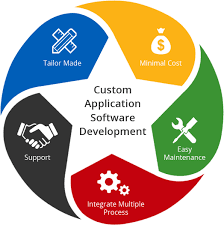
A custom application development company specializes in creating tailored software solutions that address specific business requirements. These applications are designed from the ground up to align with the unique processes and goals of a particular organization.

Benefits of Custom Applications:

  • Enhanced Efficiency: Custom applications streamline workflows, automate repetitive tasks, and improve overall operational efficiency.
  • Scalability: As businesses grow, custom applications can easily scale to accommodate increased demands and user loads.
  • Competitive Advantage: By having a unique software solution that meets their exact needs, companies can gain a competitive edge in the market.
  • Data Security: Custom applications can be built with robust security features to protect sensitive business data from cyber threats.
  • Bespoke User Experience: Tailored applications provide a personalized user experience that enhances customer satisfaction and engagement.

Choosing the Right Custom Application Development Company

When selecting a custom application development company, it is essential to consider factors such as expertise, experience, portfolio, and client testimonials. A reputable company will have a proven track record of delivering high-quality custom software solutions that drive business growth and innovation.

By partnering with a trusted custom application development company, businesses can unlock new opportunities for efficiency, growth, and success in today’s competitive marketplace.


5 Essential Tips for Success in Custom Application Development

  1. Understand the client’s needs and requirements thoroughly before starting any project.
  2. Maintain clear and constant communication with the client throughout the development process.
  3. Focus on creating scalable and flexible solutions to accommodate future growth and changes.
  4. Prioritize testing and quality assurance to deliver a reliable and bug-free application.
  5. Stay updated with the latest technologies and trends in custom application development to provide innovative solutions.

Understand the client’s needs and requirements thoroughly before starting any project.

To ensure the success of a custom application development project, it is crucial for the development company to thoroughly understand the client’s needs and requirements before initiating any work. By taking the time to comprehensively grasp the client’s objectives, challenges, and desired outcomes, the development team can tailor their approach to create a solution that precisely meets the client’s expectations. Clear communication and collaboration during the initial stages of a project help establish a solid foundation for delivering a custom application that not only addresses specific requirements but also adds significant value to the client’s business operations.

Maintain clear and constant communication with the client throughout the development process.

Maintaining clear and constant communication with the client throughout the custom application development process is crucial for ensuring project success. By keeping the client informed at every stage, addressing any concerns promptly, and seeking feedback regularly, a custom application development company can ensure that the final product aligns with the client’s vision and requirements. Effective communication fosters transparency, builds trust, and allows for timely adjustments to be made, ultimately leading to a successful collaboration and a satisfied client.

Focus on creating scalable and flexible solutions to accommodate future growth and changes.

When partnering with a custom application development company, it is crucial to emphasize the importance of focusing on creating scalable and flexible solutions that can adapt to future growth and changes. By prioritizing scalability and flexibility in the development process, businesses can ensure that their custom applications remain relevant and effective as their needs evolve over time. This approach not only future-proofs the software but also maximizes its longevity and value, ultimately contributing to sustained success and competitiveness in the dynamic business landscape.

Prioritize testing and quality assurance to deliver a reliable and bug-free application.

To ensure the success of a custom application development project, it is crucial to prioritize testing and quality assurance. By conducting thorough testing throughout the development process, developers can identify and address potential issues early on, resulting in a more reliable and bug-free application. Quality assurance measures help maintain the integrity of the software, ensuring that it meets the desired specifications and functions seamlessly for end-users. Prioritizing testing and quality assurance ultimately leads to a higher level of customer satisfaction and confidence in the custom application’s performance.

To excel as a custom application development company, it is crucial to stay updated with the latest technologies and trends in the field. By keeping abreast of advancements in custom application development, companies can leverage innovative solutions to meet the evolving needs of their clients. Embracing new technologies allows custom application development firms to deliver cutting-edge software products that enhance efficiency, scalability, and user experience. Continuous learning and adaptation to industry trends are key factors in ensuring that custom application development companies remain competitive and provide valuable solutions in today’s dynamic business landscape.

enterprise software development

Unlocking Business Potential: The Power of Enterprise Software Development

Enterprise Software Development

The Importance of Enterprise Software Development

Enterprise software development plays a crucial role in the operations of modern businesses. These specialized applications are designed to meet the unique needs of large organizations, providing solutions for complex business processes and workflows.

One of the key benefits of enterprise software is its ability to streamline operations and improve efficiency. By automating repetitive tasks and integrating various systems within an organization, enterprise software can help reduce manual errors and increase productivity.

Security is another critical aspect of enterprise software development. With the increasing number of cyber threats targeting businesses, it is essential to have robust security measures in place to protect sensitive data and ensure regulatory compliance. Enterprise software developers prioritize building secure systems that can withstand potential attacks.

Scalability is also a significant consideration in enterprise software development. As businesses grow and evolve, their software needs to be able to scale accordingly. Enterprise applications are designed with scalability in mind, allowing organizations to expand their operations without experiencing performance issues.

Furthermore, customization is a key feature of enterprise software. Each organization has its own unique requirements and workflows, and off-the-shelf solutions may not always meet these specific needs. Custom-built enterprise software allows businesses to tailor applications to fit their exact requirements, leading to increased efficiency and improved user experience.

In conclusion, enterprise software development plays a vital role in helping organizations operate more effectively in today’s competitive business landscape. By focusing on efficiency, security, scalability, and customization, enterprises can leverage technology to drive growth and achieve their strategic objectives.


Understanding Enterprise Software Development: Key FAQs Answered

  1. What are enterprise software projects?
  2. What is the difference between enterprise software development and regular software development?
  3. What is enterprise development in programming?
  4. What are the stages of enterprise software development?
  5. Which is an example of enterprise software?
  6. What is enterprise software development?
  7. What is enterprise software examples?

What are enterprise software projects?

Enterprise software projects refer to the initiatives undertaken by organizations to develop, implement, and maintain software applications specifically tailored to meet the complex needs of large businesses. These projects involve the design, development, testing, deployment, and ongoing support of software solutions that address various aspects of enterprise operations, such as resource planning, customer relationship management, supply chain management, and more. Enterprise software projects typically require careful planning, collaboration among cross-functional teams, adherence to industry best practices, and a focus on delivering high-quality solutions that align with the organization’s strategic goals. Successful execution of enterprise software projects can lead to improved efficiency, streamlined processes, enhanced decision-making capabilities, and ultimately contribute to the overall success of the business.

What is the difference between enterprise software development and regular software development?

In the realm of software development, the distinction between enterprise software development and regular software development lies in their scope and purpose. Enterprise software development focuses on creating applications tailored to meet the specific needs of large organizations, addressing complex business processes and workflows. These solutions are designed to integrate seamlessly with existing systems, prioritize security and scalability, and offer customization options to align with the unique requirements of enterprises. On the other hand, regular software development typically involves building applications for individual users or smaller businesses with less intricate operational demands. The key disparities lie in the scale, functionality, and level of customization required to cater to the distinct requirements of enterprise environments versus more general user needs.

What is enterprise development in programming?

Enterprise development in programming refers to the process of creating software applications specifically tailored to meet the complex needs of large organizations. These applications are designed to streamline business processes, enhance productivity, and facilitate seamless communication and data management within an enterprise environment. Enterprise development typically involves building robust, scalable, and secure software solutions that can integrate with existing systems and adapt to the evolving requirements of a business. By focusing on developing customized software that aligns with the unique workflows and objectives of an organization, enterprise development aims to drive efficiency, innovation, and growth in the corporate setting.

What are the stages of enterprise software development?

In enterprise software development, the stages typically include planning, analysis, design, implementation, testing, deployment, and maintenance. During the planning phase, project goals and requirements are defined. The analysis stage involves gathering and analyzing user needs to create a detailed project plan. Design focuses on creating the architecture and layout of the software. Implementation involves coding based on design specifications. Testing ensures that the software functions correctly and meets requirements. Deployment involves releasing the software to users, followed by ongoing maintenance to ensure its optimal performance and address any issues that may arise over time. Each stage is crucial in delivering a successful enterprise software solution that aligns with business objectives and user needs.

Which is an example of enterprise software?

An example of enterprise software is SAP (Systems, Applications, and Products in Data Processing). SAP is a widely used enterprise resource planning (ERP) software that integrates various business functions such as finance, human resources, supply chain management, and customer relationship management into a single platform. Organizations use SAP to streamline their operations, improve decision-making processes, and enhance overall efficiency. With its robust features and scalability, SAP is a prime example of enterprise software that caters to the complex needs of large businesses.

What is enterprise software development?

Enterprise software development refers to the process of creating specialized applications tailored to meet the complex needs of large organizations. These applications are designed to streamline business processes, enhance productivity, ensure data security, and facilitate scalability. Enterprise software development involves building custom solutions that integrate with existing systems and workflows within an organization, providing a cohesive and efficient platform for managing various aspects of business operations. By focusing on customization, security, scalability, and efficiency, enterprise software development aims to empower businesses to optimize their processes and achieve their strategic goals effectively.

What is enterprise software examples?

Enterprise software examples encompass a wide range of applications tailored to meet the specific needs of large organizations. Some common examples include Customer Relationship Management (CRM) systems like Salesforce, Enterprise Resource Planning (ERP) software such as SAP and Oracle, Supply Chain Management (SCM) solutions like IBM Sterling Supply Chain Suite, and Human Resources Management Systems (HRMS) such as Workday. These enterprise software applications are designed to streamline business processes, enhance collaboration, improve decision-making, and optimize overall organizational efficiency. By leveraging these examples of enterprise software, companies can effectively manage their operations and drive sustainable growth in today’s competitive business environment.

scrum software development

Mastering Scrum Software Development: A Guide to Agile Success

Scrum Software Development

The Agile Approach: Understanding Scrum Software Development

Scrum is a popular framework used in agile software development that emphasizes collaboration, flexibility, and iterative progress. It enables teams to deliver high-quality software products efficiently by breaking down complex projects into manageable tasks.

Key Principles of Scrum:

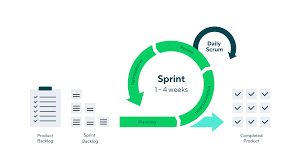
  • Sprints: Scrum projects are divided into sprints, typically 2-4 week cycles where a set of tasks are completed.
  • Scrum Master: The Scrum Master is responsible for ensuring the team follows the Scrum framework and helps remove any obstacles that may hinder progress.
  • Product Owner: The Product Owner represents the stakeholders and is responsible for prioritizing tasks and ensuring the product meets business requirements.
  • Daily Stand-ups: Team members have daily stand-up meetings to discuss progress, challenges, and plans for the day.
  • Sprint Review: At the end of each sprint, a review meeting is held to demonstrate completed work to stakeholders and gather feedback for future iterations.
  • Retropectives: After each sprint review, a retrospective meeting takes place where the team reflects on what went well and areas for improvement.

Benefits of Using Scrum:

Implementing Scrum in software development offers various benefits such as:

  • Faster Time-to-Market: By working in short sprints, teams can deliver incremental value quickly.
  • Improved Collaboration: Scrum promotes collaboration among team members and stakeholders throughout the project lifecycle.
  • Adaptability: The iterative nature of Scrum allows teams to adapt to changing requirements and priorities easily.
  • Better Product Quality: Regular feedback loops and testing ensure that the product meets quality standards.
  • Increased Transparency: With daily stand-ups and regular reviews, there is transparency on project progress and potential roadblocks.

In conclusion, Scrum software development provides a structured yet flexible approach to building software products efficiently. By embracing its principles and practices, teams can enhance collaboration, adaptability, and ultimately deliver value to customers in a timely manner.


Understanding Scrum: Key Concepts, Roles, and Implementation in Software Development

  1. What is Scrum software development?
  2. What are the key roles in a Scrum team?
  3. How does a Scrum sprint work?
  4. What are the benefits of using Scrum in software development?
  5. How does Scrum differ from other project management methodologies?
  6. How can I implement Scrum in my software development team?

What is Scrum software development?

Scrum software development is a popular agile framework that emphasizes collaboration, adaptability, and iterative progress in the software development process. It involves breaking down complex projects into manageable tasks and working in short, focused sprints to deliver incremental value. In Scrum, teams are self-organizing and cross-functional, with roles such as Scrum Master and Product Owner guiding the project. Daily stand-up meetings, sprint reviews, and retrospectives are key components of Scrum that promote transparency, continuous improvement, and stakeholder involvement throughout the development cycle. Overall, Scrum is known for its ability to enhance team productivity, product quality, and responsiveness to changing requirements in a dynamic software development environment.

What are the key roles in a Scrum team?

In Scrum software development, there are three key roles in a Scrum team that play crucial parts in the project’s success. The first role is the Scrum Master, who acts as a facilitator and coach for the team, ensuring that the Scrum framework is followed and any obstacles are addressed promptly. The second role is the Product Owner, responsible for representing stakeholders and prioritizing tasks based on business requirements. Lastly, team members themselves fulfill various roles such as developers, testers, and designers, collaborating closely to deliver high-quality work within each sprint. Each role contributes uniquely to the team’s efficiency and effectiveness in achieving project goals.

How does a Scrum sprint work?

In Scrum software development, a sprint is a time-boxed iteration typically lasting 2-4 weeks during which a team works on a set of prioritized tasks to deliver a potentially shippable product increment. The sprint begins with sprint planning, where the team collaborates to define the work to be done and sets achievable goals. Throughout the sprint, the team holds daily stand-up meetings to discuss progress, challenges, and plans for the day. At the end of the sprint, there is a sprint review where the team demonstrates completed work to stakeholders for feedback. Finally, a retrospective meeting is held to reflect on what went well and areas for improvement in the next sprint. This iterative process allows teams to adapt quickly to changes and deliver value incrementally.

What are the benefits of using Scrum in software development?

One of the most frequently asked questions about Scrum software development is centered around its benefits. Utilizing Scrum in software development offers numerous advantages, including faster time-to-market due to short sprints, improved collaboration among team members and stakeholders, adaptability to changing requirements, enhanced product quality through regular feedback and testing, and increased transparency through daily stand-ups and review meetings. These benefits collectively contribute to streamlining the development process, ensuring better communication and alignment within the team, and ultimately delivering high-quality software products efficiently.

How does Scrum differ from other project management methodologies?

In the realm of project management methodologies, Scrum stands out for its iterative and incremental approach that focuses on delivering value in short sprints. Unlike traditional waterfall methods where requirements are fixed upfront, Scrum embraces change and allows for flexibility throughout the development process. The key distinction lies in its self-organizing cross-functional teams, daily stand-ups, regular reviews, and emphasis on continuous improvement through retrospectives. By promoting collaboration, adaptability, and transparency, Scrum fosters a dynamic environment that enables teams to respond effectively to evolving project needs and deliver high-quality products efficiently.

How can I implement Scrum in my software development team?

To implement Scrum in your software development team, start by educating your team members about the key principles and practices of Scrum. Assign roles such as Scrum Master and Product Owner to ensure clear responsibilities. Establish regular sprint planning meetings, daily stand-ups, sprint reviews, and retrospectives to promote transparency and collaboration. Encourage open communication and feedback among team members to continuously improve processes. Provide training and support as needed to help your team embrace the agile mindset and successfully transition to a Scrum framework. Remember that implementing Scrum is a journey that requires dedication, patience, and a willingness to adapt to change for long-term success.

android app development software

Exploring Top Android App Development Software Tools for Innovative Apps

The Best Android App Development Software for Creating Innovative Apps

The Best Android App Development Software for Creating Innovative Apps

Android app development has become a crucial aspect of the digital world, with millions of apps available on the Google Play Store. To create innovative and user-friendly apps, developers rely on various software tools that streamline the development process. Here are some of the best Android app development software tools that can help you bring your app ideas to life:

Android Studio

Android Studio is the official Integrated Development Environment (IDE) for Android app development. It offers a comprehensive set of tools for designing, coding, testing, and debugging Android apps. With features like code completion, visual layout editor, and built-in emulators, Android Studio is a favorite among developers.

Xamarin

Xamarin is a cross-platform development tool that allows developers to create native Android apps using C# and .NET. It provides a single codebase that can be shared across multiple platforms, saving time and effort in app development. Xamarin also offers excellent performance and native user interface design.

Unity

Unity is a popular game development platform that can also be used to create interactive 3D and 2D apps for Android. With its easy-to-use interface and powerful graphics engine, Unity is ideal for developing visually appealing and engaging apps. It supports multiple programming languages like C# and JavaScript.

IntelliJ IDEA

IntelliJ IDEA is another powerful IDE that supports Android app development through plugins like Android Studio Plugin. It offers advanced code analysis tools, intelligent code completion, and seamless integration with version control systems. IntelliJ IDEA is known for its high performance and developer-friendly features.

React Native

React Native is a JavaScript framework for building cross-platform mobile apps, including Android apps. Developers can write code once and deploy it on both iOS and Android platforms, reducing development time significantly. React Native provides a rich set of components and libraries for creating dynamic mobile applications.

These are just a few examples of the best Android app development software available in the market today. Each tool has its unique features and advantages, catering to different needs and preferences of developers. By choosing the right software tool based on your project requirements, you can create innovative and successful Android apps that stand out in the competitive app market.


Top 6 Advantages of Android App Development Software

  1. 1. Wide Variety of Tools
  2. 2. Cross-Platform Compatibility
  3. 3. Rich Libraries and Frameworks
  4. 4. Robust Testing Capabilities
  5. 5. Community Support
  6. 6. Regular Updates and Improvements


Challenges in Android App Development: Navigating Learning Curves, Fragmentation, and Performance Optimization

  1. Steep Learning Curve
  2. Fragmentation
  3. Performance Optimization

1. Wide Variety of Tools

Android app development software stands out for its wide variety of tools that cater to developers’ diverse needs. From design to testing, these tools are designed to streamline the development process and boost productivity. Whether developers are looking for code editors, emulators, debugging tools, or performance optimization utilities, the vast array of tools available ensures that every aspect of app development is covered. This abundance of resources empowers developers to create high-quality Android apps efficiently and effectively.

2. Cross-Platform Compatibility

One significant advantage of Android app development software is its cross-platform compatibility feature. With many Android app development tools supporting cross-platform development, developers can create apps that run on multiple operating systems, expanding their reach and user base. This capability not only saves time and effort by enabling the reuse of code across different platforms but also ensures a consistent user experience across various devices, making it a valuable asset for developers looking to maximize the impact of their apps.

3. Rich Libraries and Frameworks

One significant advantage of Android app development software is the availability of rich libraries and frameworks. These tools offer developers access to a wide range of pre-built components and functionalities that can simplify coding tasks and accelerate the app development process. By leveraging these libraries and frameworks, developers can focus more on implementing unique features and user experiences, rather than reinventing the wheel with repetitive coding tasks. This not only enhances productivity but also enables developers to create high-quality apps efficiently.

4. Robust Testing Capabilities

One significant advantage of Android app development software is its robust testing capabilities. These features enable developers to thoroughly test their apps for quality and performance before deploying them to users. By utilizing these testing tools, developers can identify and fix any potential issues or bugs, resulting in a smoother and more reliable user experience. This proactive approach to testing ultimately leads to higher-quality apps that meet user expectations and contribute to the overall success of the application.

5. Community Support

Developers utilizing Android app development software enjoy the advantage of robust community support. These tools foster active online communities where developers can seek assistance, exchange knowledge, and engage in collaborative efforts with like-minded individuals in the industry. This communal environment not only provides valuable resources for troubleshooting and problem-solving but also promotes continuous learning and networking opportunities, enhancing the overall development experience for app creators.

6. Regular Updates and Improvements

Android app development software offers the benefit of regular updates and improvements, ensuring that developers have access to the latest features, enhancements, and bug fixes. By staying current with evolving technologies, developers can create cutting-edge apps that meet the demands of users and stay competitive in the dynamic app market. The continuous updates also help in enhancing the overall performance and functionality of the development tools, making the app development process smoother and more efficient.

Steep Learning Curve

Some Android app development software tools present a significant con in the form of a steep learning curve. Developers using these tools may find themselves needing to dedicate considerable time and effort to fully grasp and master the platform. The complexity of the software can pose challenges for beginners or those transitioning from other development environments, potentially slowing down the app development process and requiring additional resources for training and skill-building.

Fragmentation

Fragmentation in the Android ecosystem poses a significant challenge for developers due to the diverse range of devices running different versions of the operating system. This variation can result in compatibility issues during app development, as developers need to ensure that their apps function seamlessly across multiple devices with varying specifications and OS versions. Managing fragmentation requires extra effort and resources to test and optimize apps for a wide array of devices, impacting the overall development process and potentially affecting user experience.

Performance Optimization

Performance optimization in Android app development poses a significant challenge due to the need to ensure optimal performance on a diverse array of Android devices. Developers face the task of testing and optimizing their apps for various hardware configurations, which can vary greatly in terms of processing power, memory, and screen size. This variability makes it complex to deliver consistent performance across all devices, requiring developers to invest additional time and effort in fine-tuning their apps to provide a seamless user experience regardless of the device being used.

custom application development

Unlocking Business Potential with Custom Application Development

Custom Application Development

The Power of Custom Application Development

In today’s fast-paced digital world, businesses are constantly seeking ways to stay ahead of the competition. Custom application development has emerged as a powerful tool for companies looking to streamline processes, enhance productivity, and deliver unique user experiences.

Benefits of Custom Applications

Custom applications are tailored to meet the specific needs of a business. Unlike off-the-shelf solutions, custom applications are designed from the ground up to align with the company’s goals and requirements. This customization offers several key benefits:

  • Enhanced Efficiency: Custom applications are built to automate tasks and workflows, reducing manual effort and improving operational efficiency.
  • Scalability: Custom applications can easily scale with your business as it grows, ensuring that your software remains relevant and effective.
  • Competitive Advantage: By developing unique software solutions, businesses can differentiate themselves in the market and gain a competitive edge.
  • Bespoke User Experience: Custom applications can be designed with the end-user in mind, providing a seamless and intuitive experience that boosts user satisfaction.
  • Data Security: With custom applications, businesses have greater control over data security measures, reducing the risk of breaches and ensuring compliance with industry regulations.

The Development Process

The process of custom application development typically involves several stages, including:

  1. Requirements Gathering: Understanding the business needs and objectives that the application will address.
  2. Design: Creating wireframes and mockups to visualize the application’s layout and features.
  3. Development: Writing code to build the application according to the design specifications.
  4. Testing: Conducting thorough testing to identify and fix any bugs or issues before deployment.
  5. Deployment: Rolling out the application for users to access and interact with.

In Conclusion

Custom application development offers businesses a tailored approach to software solutions that can drive growth, improve efficiency, and enhance competitiveness. By investing in custom applications, companies can unlock new opportunities for innovation and success in today’s digital landscape.


9 Essential Tips for Successful Custom Application Development

  1. Clearly define the project requirements before starting development.
  2. Use a version control system to track changes and collaborate with team members.
  3. Follow coding best practices and maintain clean, well-documented code.
  4. Regularly test the application for bugs and performance issues throughout the development process.
  5. Consider scalability and future expansion when designing the application architecture.
  6. Prioritize security measures to protect user data and prevent vulnerabilities.
  7. Incorporate user feedback during development to ensure the application meets their needs.
  8. Optimize the application for speed and responsiveness to enhance user experience.
  9. Plan for regular maintenance and updates post-launch to keep the application running smoothly.

Clearly define the project requirements before starting development.

It is crucial to clearly define the project requirements before embarking on custom application development. By establishing a comprehensive understanding of the business needs, goals, and desired functionalities at the outset, developers can ensure that the final product aligns perfectly with the client’s expectations. This initial step sets a solid foundation for the development process, helping to streamline workflow, minimize revisions, and ultimately deliver a custom application that meets all specifications effectively and efficiently.

Use a version control system to track changes and collaborate with team members.

Utilizing a version control system is a crucial tip in custom application development. By implementing a version control system, developers can effectively track changes made to the codebase, maintain a history of revisions, and collaborate seamlessly with team members. This practice not only ensures better organization and documentation of the development process but also facilitates teamwork by enabling multiple developers to work on the same codebase concurrently without the risk of conflicts. Overall, incorporating a version control system enhances efficiency, transparency, and coordination within the development team, leading to smoother project management and higher-quality custom applications.

Follow coding best practices and maintain clean, well-documented code.

Following coding best practices and maintaining clean, well-documented code is essential in custom application development. By adhering to established coding standards and keeping the codebase organized and well-documented, developers can ensure better readability, maintainability, and scalability of the application. Clean code not only makes it easier for team members to collaborate and troubleshoot issues but also reduces the risk of errors and technical debt in the long run. Embracing these practices from the outset of a project can lead to more efficient development processes and higher-quality software solutions.

Regularly test the application for bugs and performance issues throughout the development process.

Regularly testing the application for bugs and performance issues throughout the development process is crucial for ensuring the quality and reliability of the custom software. By conducting thorough and systematic testing at each stage of development, developers can identify and address any issues early on, preventing them from escalating into more significant problems later. This proactive approach not only helps in delivering a robust and error-free application but also enhances user satisfaction by providing a smooth and seamless experience.

Consider scalability and future expansion when designing the application architecture.

When embarking on custom application development, it is crucial to consider scalability and future expansion when designing the application architecture. By anticipating potential growth and changes in user requirements, developers can create a flexible and robust framework that can easily accommodate future needs. Building a scalable architecture ensures that the application can adapt to increasing data volumes, user traffic, and new features without requiring a complete overhaul. This proactive approach not only future-proofs the application but also saves time and resources in the long run by minimizing the need for extensive rework or redevelopment.

Prioritize security measures to protect user data and prevent vulnerabilities.

In custom application development, it is crucial to prioritize security measures to safeguard user data and prevent vulnerabilities. By implementing robust security protocols and staying vigilant against potential threats, businesses can instill trust among users and ensure the confidentiality and integrity of sensitive information. Prioritizing security not only protects the organization from data breaches but also demonstrates a commitment to maintaining a secure and reliable application environment for users.

Incorporate user feedback during development to ensure the application meets their needs.

Incorporating user feedback during the development process of a custom application is crucial to ensuring that the final product meets the specific needs and expectations of its intended users. By actively engaging with users and soliciting their input throughout the development cycle, developers can gain valuable insights that help refine features, enhance usability, and address any pain points early on. This iterative approach not only fosters a deeper understanding of user requirements but also increases the likelihood of delivering a successful and user-centric application that resonates with its target audience.

Optimize the application for speed and responsiveness to enhance user experience.

To ensure a superior user experience, it is crucial to optimize the custom application for speed and responsiveness. By focusing on performance enhancements, such as minimizing loading times and ensuring smooth interactions, users can enjoy a seamless and efficient experience while using the application. Prioritizing speed and responsiveness not only improves user satisfaction but also reflects positively on the overall usability and effectiveness of the custom application.

Plan for regular maintenance and updates post-launch to keep the application running smoothly.

It is crucial to plan for regular maintenance and updates post-launch when developing custom applications. By implementing a structured maintenance schedule, businesses can ensure that their application continues to run smoothly and efficiently over time. Regular updates not only address any potential issues or bugs but also allow for the integration of new features, enhancements, and security patches to keep the application up-to-date and aligned with evolving business needs. This proactive approach to maintenance helps maximize the longevity and performance of the custom application, ultimately contributing to its long-term success.

best application development software

The Best Application Development Software for Building Powerful Apps: A Comprehensive Guide

Best Application Development Software

The Best Application Development Software for Building Powerful Apps

Choosing the right application development software is crucial for creating efficient and user-friendly apps. With a plethora of options available in the market, it can be overwhelming to select the best one for your needs. Here, we highlight some of the top application development software that can help you build powerful and innovative applications:

Microsoft Visual Studio

Microsoft Visual Studio is a popular integrated development environment (IDE) that offers a comprehensive set of tools for building various types of applications. It supports multiple programming languages and provides excellent debugging and testing capabilities.

Xcode

Xcode is an IDE specifically designed for developing apps for Apple devices. It comes with a range of features such as Interface Builder, XCTest framework, and Instruments for performance analysis, making it a preferred choice for iOS and macOS app development.

Android Studio

Android Studio is the official IDE for Android app development. It offers tools like layout editor, APK analyzer, and virtual device manager to streamline the app development process. With support for Kotlin programming language, Android Studio enhances productivity and code quality.

Adobe Dreamweaver

Adobe Dreamweaver is a versatile web development tool that enables developers to create responsive websites and web applications with ease. Its visual design features coupled with robust coding capabilities make it an ideal choice for front-end developers.

Unity

Unity is a powerful game development platform that allows developers to create immersive 2D and 3D games across multiple platforms. With its intuitive interface, extensive asset store, and strong community support, Unity simplifies the game development process.

When choosing application development software, consider factors such as your project requirements, budget constraints, programming language preferences, and platform compatibility. By selecting the right tool that aligns with your needs, you can accelerate the app development process and deliver exceptional results.


Top 7 Frequently Asked Questions About the Best Application Development Software

  1. What is the best platform to create an app?
  2. Which software is used to build apps?
  3. Which software is best for application development?
  4. Which technology is best for application development?
  5. What is the most popular app development platform?
  6. Which software is best for app development?
  7. Which software is best for Web application?

What is the best platform to create an app?

When it comes to choosing the best platform to create an app, the answer can vary depending on your specific needs and goals. Some popular platforms for app development include Microsoft Visual Studio, Xcode, Android Studio, Adobe Dreamweaver, and Unity. Each platform offers unique features and tools tailored for different types of applications. Factors to consider when selecting a platform include the target audience, desired functionalities, ease of use, programming language support, and compatibility with the intended operating systems. By evaluating these aspects carefully, you can determine the best platform that aligns with your project requirements and helps you create a successful app.

Which software is used to build apps?

When it comes to building apps, there are several software options available to developers. Some popular choices include Microsoft Visual Studio, Xcode, Android Studio, Adobe Dreamweaver, and Unity. These tools offer a range of features and capabilities tailored to different types of applications, such as mobile apps, web applications, and games. The choice of software often depends on factors like the target platform (iOS, Android, web), programming language preferences, and specific project requirements. By selecting the right software for app development needs, developers can streamline the development process and create high-quality applications efficiently.

Which software is best for application development?

When it comes to determining the best software for application development, the answer largely depends on individual preferences, project requirements, and specific goals. Various factors such as programming language support, ease of use, collaboration features, platform compatibility, and community support play a significant role in selecting the most suitable tool. Popular choices like Microsoft Visual Studio, Xcode, Android Studio, Adobe Dreamweaver, and Unity are often recommended for their robust features and capabilities in different domains of application development. Ultimately, it is essential to evaluate each software’s strengths and weaknesses against your development needs to make an informed decision on the best application development software for your projects.

Which technology is best for application development?

When it comes to choosing the best technology for application development, there is no one-size-fits-all answer. The ideal technology varies depending on factors such as the type of application being developed, project requirements, scalability needs, budget constraints, and developer expertise. Some popular technologies for application development include Java, Swift, Kotlin, JavaScript, and C#. Each technology has its strengths and weaknesses, so it’s essential to evaluate your specific needs and goals to determine which technology aligns best with your project. Conducting thorough research and seeking advice from experienced developers can help you make an informed decision on selecting the most suitable technology for your application development endeavors.

When it comes to the most popular app development platform, there are several contenders that stand out in the tech industry. One of the leading platforms is Android Studio, which is widely used for developing applications for Android devices. Another prominent choice is Xcode, favored by developers working on iOS and macOS apps. Microsoft Visual Studio also holds a strong position as a versatile IDE for building applications across different platforms. Each of these platforms offers unique features and tools tailored to specific development needs, making them popular choices among developers seeking efficient and effective app development solutions.

Which software is best for app development?

When it comes to determining the best software for app development, there is no one-size-fits-all answer as it largely depends on individual preferences, project requirements, and expertise. However, some popular choices among developers include Microsoft Visual Studio for its versatile tools and multi-language support, Xcode for iOS and macOS app development, Android Studio for Android apps with Kotlin support, Adobe Dreamweaver for web applications, and Unity for game development across platforms. It’s essential to consider factors such as ease of use, feature set, platform compatibility, and community support when selecting the most suitable application development software for your specific needs.

Which software is best for Web application?

When it comes to developing web applications, there are several software options available that cater to different needs and preferences. Some popular choices for web application development software include Adobe Dreamweaver, Visual Studio Code, Sublime Text, and Atom. These tools offer a range of features such as code editing, debugging, and project management capabilities that can streamline the web development process. Ultimately, the best software for web application development depends on factors like the developer’s skill level, project requirements, and personal preferences. It’s essential to explore different options and choose the software that aligns best with your specific needs to create successful and efficient web applications.

custom mobile application development

Unlocking Success: The Power of Custom Mobile Application Development

Custom Mobile Application Development

The Power of Custom Mobile Application Development

In today’s digital age, mobile applications have become an integral part of our daily lives. From social networking to e-commerce, there seems to be an app for everything. However, not all off-the-shelf apps can meet the unique requirements of businesses and individuals. This is where custom mobile application development comes into play.

What is Custom Mobile Application Development?

Custom mobile application development involves creating mobile apps tailored to specific needs and requirements. Unlike pre-built apps available in app stores, custom apps are designed from scratch to address the unique challenges and goals of the client.

The Benefits of Custom Mobile Apps

Personalized User Experience: Custom apps are built with the end-user in mind, offering a seamless and intuitive experience that aligns with their preferences.

Scalability: Custom apps can be easily scaled up or down based on changing business needs, ensuring flexibility and adaptability.

Enhanced Security: With custom development, security features can be integrated from the ground up, providing a higher level of data protection.

Competitive Advantage: Custom apps give businesses a competitive edge by offering unique features and functionalities that set them apart from competitors.

Choosing the Right Development Partner

When embarking on custom mobile application development, it is crucial to choose the right development partner. Look for a team with expertise in mobile app development, a proven track record of successful projects, and a clear understanding of your business objectives.

Conclusion

Custom mobile application development offers endless possibilities for businesses looking to enhance their digital presence and streamline operations. By investing in a custom app tailored to your specific needs, you can unlock new opportunities for growth and success in today’s competitive market.


Top 6 Frequently Asked Questions About Custom Mobile Application Development

  1. What is custom mobile application development?
  2. Why should I opt for a custom mobile app instead of using off-the-shelf apps?
  3. How long does it take to develop a custom mobile application?
  4. What are the key features to consider when developing a custom mobile app?
  5. How much does it cost to develop a custom mobile application?
  6. Can you provide examples of successful custom mobile applications developed by your team?

What is custom mobile application development?

Custom mobile application development refers to the process of creating personalized mobile apps tailored to meet specific requirements and objectives. Unlike ready-made applications available in app stores, custom apps are designed from the ground up to address the unique challenges and goals of businesses and individuals. By customizing every aspect of the app, including features, design, and functionality, custom mobile application development ensures a tailored solution that aligns perfectly with the client’s needs, providing a more personalized user experience and offering a competitive edge in the market.

Why should I opt for a custom mobile app instead of using off-the-shelf apps?

When considering whether to opt for a custom mobile app over off-the-shelf apps, it’s essential to recognize the unique advantages that custom development offers. Unlike off-the-shelf apps, custom mobile apps are tailored to your specific needs and requirements, providing a personalized user experience that aligns perfectly with your goals. Custom apps also offer enhanced scalability, security features, and the opportunity to gain a competitive edge by incorporating unique functionalities that set your app apart from the rest. By choosing a custom mobile app, you are investing in a solution that is designed to meet your exact specifications and deliver long-term value for your business or personal use.

How long does it take to develop a custom mobile application?

When it comes to custom mobile application development, one of the most frequently asked questions is, “How long does it take to develop a custom mobile application?” The timeline for developing a custom mobile app can vary significantly depending on various factors such as the complexity of the app, desired features, integration requirements, testing phases, and client feedback iterations. Typically, a simple app with basic features may take a few weeks to develop, while more complex applications with advanced functionalities could take several months. It is essential for clients to communicate their requirements clearly with the development team to establish a realistic timeline that aligns with their project goals and expectations.

What are the key features to consider when developing a custom mobile app?

When developing a custom mobile app, it is essential to consider several key features to ensure its success and effectiveness. User experience (UX) design plays a crucial role, focusing on intuitive navigation, attractive visuals, and seamless interactions to engage users. Functionality is another critical aspect, where the app should deliver on its intended purpose while offering unique features that set it apart. Performance optimization, security measures, scalability for future growth, and integration capabilities with other systems are also key considerations to create a robust and user-friendly custom mobile application. By carefully planning and incorporating these features into the development process, businesses can deliver a tailored app that meets user needs and drives value for their organization.

How much does it cost to develop a custom mobile application?

One of the most frequently asked questions regarding custom mobile application development is, “How much does it cost to develop a custom mobile application?” The cost of developing a custom mobile app can vary significantly depending on various factors such as the complexity of the app, desired features and functionalities, platform compatibility (iOS, Android, or both), design requirements, and ongoing maintenance needs. It is essential for businesses and individuals considering custom app development to consult with experienced developers to receive accurate cost estimates tailored to their specific project requirements.

Can you provide examples of successful custom mobile applications developed by your team?

When inquiring about successful custom mobile applications developed by our team, we are proud to showcase a diverse portfolio of projects that have garnered acclaim for their innovation and effectiveness. From intuitive e-commerce platforms that have boosted sales for businesses to robust productivity tools that streamline operations, our team has delivered tailored solutions that have exceeded client expectations. Each custom mobile application we develop is a testament to our expertise and commitment to creating impactful digital solutions that drive success for our clients.