cfchris.com

Loading

Category software development

agile software development with scrum

Mastering Agile Software Development with Scrum: A Guide to Success

Agile Software Development with Scrum

The Power of Agile Software Development with Scrum

Agile software development with Scrum has revolutionized the way teams approach and execute software projects. By embracing the principles of agility and collaboration, organizations can deliver high-quality products efficiently and adapt to changing requirements seamlessly.

Understanding Agile Software Development

Agile software development is a methodology that values flexibility, customer collaboration, and iterative development. It focuses on delivering working software in short iterations, allowing teams to quickly respond to feedback and changes in priorities.

The Role of Scrum in Agile Development

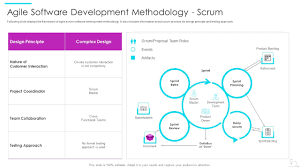
Scrum is a popular framework within the agile methodology that provides structure and guidance to teams. It emphasizes teamwork, accountability, and continuous improvement. In Scrum, work is organized into short iterations called sprints, typically lasting 2-4 weeks.

Key Components of Scrum

  • Sprint Planning: At the beginning of each sprint, the team plans the work to be done and commits to delivering a set of features or user stories.
  • Daily Stand-ups: Daily stand-up meetings keep the team aligned on progress, impediments, and upcoming work.
  • Sprint Review: At the end of each sprint, the team demonstrates completed work to stakeholders for feedback.
  • Retro…

Benefits of Agile Software Development with Scrum

The agile approach offers numerous benefits for software development teams:

  • Rapid Adaptation: Teams can respond quickly to changing requirements and market conditions.
  • Increased Collaboration: Close collaboration between team members fosters creativity and innovation.
  • Early Delivery: Working software is delivered in short increments, providing value to customers sooner.
  • Continuous Improvement: Regular retrospectives allow teams to reflect on their process and make adjustments for better efficiency.

In Conclusion

Agile software development with Scrum empowers teams to deliver high-quality products efficiently while adapting to change. By embracing agility and collaboration, organizations can stay competitive in today’s fast-paced market landscape.


6 Essential Tips for Mastering Agile Software Development with Scrum

  1. Ensure clear communication and collaboration among team members to promote transparency and efficiency.
  2. Prioritize tasks based on business value to deliver working software incrementally and frequently.
  3. Hold regular sprint planning, review, and retrospective meetings to evaluate progress and adapt accordingly.
  4. Empower the Scrum Master to remove impediments and facilitate a self-organizing team environment.
  5. Use visual boards like Kanban or Scrum boards to track progress and keep everyone informed about the project status.
  6. Encourage continuous improvement by fostering a culture of learning, feedback, and adaptation within the team.

Ensure clear communication and collaboration among team members to promote transparency and efficiency.

Ensuring clear communication and fostering collaboration among team members is a crucial tip in agile software development with Scrum. By promoting transparency and efficiency through effective communication, team members can align on project goals, share knowledge, and address any challenges promptly. Transparent communication helps build trust within the team and ensures that everyone is on the same page, leading to smoother workflow and improved productivity throughout the development process.

Prioritize tasks based on business value to deliver working software incrementally and frequently.

In agile software development with Scrum, prioritizing tasks based on business value is crucial for delivering working software incrementally and frequently. By focusing on the most valuable features first, teams can ensure that the product delivers maximum benefit to the business and end-users. This approach allows for early delivery of key functionalities, enabling stakeholders to provide feedback and make informed decisions throughout the development process. Prioritizing tasks based on business value not only accelerates time-to-market but also ensures that resources are allocated efficiently to deliver a product that aligns with the organization’s strategic objectives.

Hold regular sprint planning, review, and retrospective meetings to evaluate progress and adapt accordingly.

Regular sprint planning, review, and retrospective meetings are essential components of agile software development with Scrum. These meetings provide teams with the opportunity to evaluate their progress, gather feedback, and make necessary adjustments to enhance efficiency and productivity. Sprint planning sets the direction for the upcoming work, ensuring that the team is aligned on goals and priorities. Sprint review allows stakeholders to provide valuable input on the delivered work, fostering collaboration and transparency. The retrospective meeting enables teams to reflect on their processes, identify areas for improvement, and implement changes for continuous growth. By holding these meetings consistently, teams can adapt quickly to changes, optimize their workflow, and deliver high-quality products effectively.

Empower the Scrum Master to remove impediments and facilitate a self-organizing team environment.

To optimize agile software development with Scrum, it is crucial to empower the Scrum Master to proactively address impediments and foster a self-organizing team culture. By entrusting the Scrum Master with the authority to remove obstacles hindering progress and facilitating an environment where team members can collaborate autonomously, efficiency and innovation are enhanced. This empowerment not only streamlines workflow but also promotes a sense of ownership and accountability within the team, ultimately leading to successful project outcomes.

Use visual boards like Kanban or Scrum boards to track progress and keep everyone informed about the project status.

Utilizing visual boards such as Kanban or Scrum boards is a valuable tip in agile software development with Scrum. These visual tools provide a clear and transparent way to track progress, visualize tasks, and keep everyone informed about the project status. By having a centralized place where team members can see what tasks are in progress, what’s completed, and what’s upcoming, communication is enhanced, and potential bottlenecks can be identified and addressed promptly. Visual boards promote collaboration, accountability, and efficiency within the team, ultimately contributing to the successful delivery of high-quality software products.

Encourage continuous improvement by fostering a culture of learning, feedback, and adaptation within the team.

Encouraging continuous improvement in agile software development with Scrum involves fostering a culture of learning, feedback, and adaptation within the team. By creating an environment where team members are encouraged to seek knowledge, share insights, and provide constructive feedback, organizations can drive innovation and enhance productivity. Embracing a mindset of continuous learning and adaptation not only leads to better outcomes in software development projects but also cultivates a sense of collaboration and growth within the team.

mobile software development

Exploring the Evolution of Mobile Software Development

Mobile Software Development

The World of Mobile Software Development

In today’s digital age, mobile devices have become an integral part of our daily lives. From smartphones to tablets, we rely on these devices for communication, entertainment, productivity, and more. Behind the scenes of every mobile application lies the world of mobile software development.

What is Mobile Software Development?

Mobile software development refers to the process of creating applications that are specifically designed to run on mobile devices. This includes developing applications for platforms such as iOS and Android, which are the two dominant operating systems in the mobile market.

The Importance of Mobile Software Development

With the increasing popularity of mobile devices, businesses and individuals alike recognize the importance of having a strong presence in the mobile app market. Mobile applications allow companies to reach a wider audience, improve customer engagement, and enhance overall user experience.

Challenges in Mobile Software Development

Developing mobile applications comes with its own set of challenges. Developers need to consider factors such as device compatibility, screen sizes, performance optimization, security measures, and user interface design. Additionally, staying updated with the latest trends and technologies is crucial in this fast-evolving industry.

The Process of Mobile Software Development

The process of mobile software development typically involves several stages, including:

  • Requirement analysis
  • Designing user interface
  • Development and coding
  • Testing and quality assurance
  • Deployment and maintenance

The Future of Mobile Software Development

As technology continues to advance, the future of mobile software development looks promising. With innovations such as artificial intelligence, augmented reality, and Internet of Things (IoT) shaping the landscape of mobile apps, developers have endless possibilities to explore and create impactful solutions for users worldwide.


7 Essential Tips for Successful Mobile Software Development

  1. Follow best practices for mobile UI/UX design.
  2. Optimize app performance for speed and efficiency.
  3. Ensure compatibility with various mobile devices and screen sizes.
  4. Implement robust security measures to protect user data.
  5. Regularly test the app for bugs and issues on different platforms.
  6. Utilize analytics to gather insights on user behavior and improve the app.
  7. Stay updated with the latest trends and technologies in mobile development.

Follow best practices for mobile UI/UX design.

When it comes to mobile software development, following best practices for mobile UI/UX design is crucial for creating successful and user-friendly applications. By prioritizing intuitive navigation, consistent branding, responsive layouts, and accessibility features, developers can enhance the overall user experience and increase user engagement. Adhering to best practices in UI/UX design not only improves the usability of the app but also contributes to higher user satisfaction and retention rates.

Optimize app performance for speed and efficiency.

To ensure a seamless user experience, it is crucial to optimize app performance for speed and efficiency in mobile software development. By prioritizing performance optimization techniques such as minimizing loading times, reducing app size, optimizing code, and implementing efficient algorithms, developers can enhance the responsiveness and overall efficiency of the application. A well-optimized app not only improves user satisfaction but also conserves device resources, ultimately leading to better user retention and engagement.

Ensure compatibility with various mobile devices and screen sizes.

In mobile software development, it is crucial to ensure compatibility with various mobile devices and screen sizes. With the wide range of smartphones and tablets available in the market, developers must optimize their applications to work seamlessly across different devices. By implementing responsive design techniques and thorough testing on multiple screen sizes, developers can provide users with a consistent and user-friendly experience, regardless of the device they are using. This attention to compatibility helps enhance usability and accessibility, ultimately leading to higher user satisfaction and engagement.

Implement robust security measures to protect user data.

In mobile software development, it is crucial to implement robust security measures to protect user data. With the increasing number of cyber threats and data breaches, ensuring the security and privacy of user information is paramount. By incorporating encryption, secure authentication methods, and regular security updates, developers can safeguard sensitive data from unauthorized access and maintain user trust in their applications. Prioritizing data protection not only enhances the overall security of the app but also fosters a positive user experience by demonstrating a commitment to safeguarding user privacy.

Regularly test the app for bugs and issues on different platforms.

Regularly testing the app for bugs and issues on different platforms is a crucial tip in mobile software development. By conducting thorough testing across various devices and operating systems, developers can ensure that the application functions smoothly and consistently for all users. Identifying and addressing bugs early in the development process helps improve the overall quality of the app, enhances user experience, and ultimately leads to higher user satisfaction and retention rates.

Utilize analytics to gather insights on user behavior and improve the app.

Utilizing analytics in mobile software development is crucial for gathering valuable insights into user behavior and enhancing the app’s performance. By analyzing user interactions, preferences, and patterns within the application, developers can make informed decisions to optimize features, enhance user experience, and tailor the app to meet the specific needs of its target audience. Through data-driven strategies derived from analytics, developers can continuously improve the app’s functionality and overall success in the competitive mobile market.

To excel in mobile software development, it is crucial to stay updated with the latest trends and technologies in the ever-evolving landscape of mobile development. By keeping abreast of emerging technologies, best practices, and industry trends, developers can enhance their skills, create innovative solutions, and deliver high-quality mobile applications that meet the evolving needs and expectations of users. Continuous learning and adaptation to new advancements play a vital role in staying competitive and relevant in the dynamic field of mobile software development.

software and application development

Exploring the Dynamics of Software and Application Development

Software and Application Development

The World of Software and Application Development

Software and application development have become integral parts of our daily lives. From the apps on our smartphones to the programs we use on our computers, the process of creating software and applications is crucial in today’s digital age.

What is Software Development?

Software development is the process of designing, programming, testing, and maintaining software applications. It involves a combination of technical skills, creativity, and problem-solving abilities to create functional and user-friendly software solutions.

The Importance of Application Development

Application development focuses on creating specific software programs that serve particular purposes. Whether it’s a mobile app for tracking fitness goals or a web application for managing finances, applications enhance productivity and provide new opportunities for businesses and individuals.

The Software Development Lifecycle

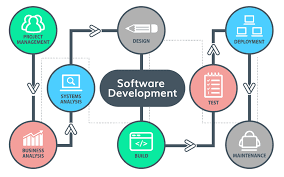
The software development lifecycle (SDLC) consists of several phases, including:

  • Planning: Defining project requirements and objectives.
  • Design: Creating a blueprint for the software’s structure and features.
  • Development: Writing code to build the software according to the design specifications.
  • Testing: Identifying and fixing bugs or issues in the software.
  • Deployment: Releasing the software for users to access.
  • Maintenance: Providing updates and support to ensure the software remains functional over time.

The Future of Software Development

As technology continues to evolve rapidly, the field of software development is constantly adapting to meet new challenges and opportunities. Emerging trends such as artificial intelligence, cloud computing, and Internet of Things (IoT) are shaping the future of software development, offering innovative solutions for various industries.

In Conclusion

Software and application development play a vital role in shaping our digital world. With continuous innovation and collaboration among developers, we can expect to see even more advanced and user-friendly software solutions that enhance our lives in meaningful ways.


Top 8 Frequently Asked Questions About Software and Application Development

  1. What is programming and application development?
  2. What is software and application development?
  3. What is app and software development?
  4. Does app development require coding?
  5. What are the 4 types of application software?
  6. What does a software application developer do?
  7. Is application development the same as software engineering?
  8. What degree do you need to be an app developer?

What is programming and application development?

Programming and application development are fundamental aspects of creating software solutions that power our digital world. Programming involves writing code using specific languages to instruct computers to perform tasks and solve problems. Application development, on the other hand, focuses on designing, building, and maintaining software applications tailored to meet specific user needs. It encompasses the entire process from conceptualization to deployment, ensuring that the final product is functional, user-friendly, and meets the desired objectives. In essence, programming and application development are the building blocks that enable us to bring innovative ideas to life through technology.

What is software and application development?

Software and application development encompass the process of creating, designing, testing, and maintaining software programs tailored to meet specific needs and functionalities. In essence, software development involves the conceptualization and implementation of digital solutions, while application development focuses on crafting specialized programs to address particular tasks or requirements. These disciplines require a blend of technical expertise, creative problem-solving skills, and a keen understanding of user experience to deliver efficient and user-friendly software products that cater to diverse industries and individual users alike.

What is app and software development?

App and software development refer to the process of creating computer programs and applications that serve specific functions or purposes. This involves designing, coding, testing, and maintaining software solutions to meet the needs of users in various industries. App development typically focuses on creating applications for mobile devices, while software development encompasses a broader range of programs for desktops, servers, and other platforms. Both disciplines require a combination of technical expertise, creativity, and problem-solving skills to deliver efficient and user-friendly solutions that enhance productivity and streamline operations.

Does app development require coding?

In the realm of software and application development, a commonly asked question is whether app development necessitates coding. The answer is yes, app development typically involves coding to create the functionalities and features of an application. Coding serves as the foundation for designing and building apps across various platforms, allowing developers to customize and optimize the user experience. While there are tools and platforms that offer no-code or low-code options for app development, a fundamental understanding of coding languages remains essential for creating robust and tailored applications that meet specific requirements.

What are the 4 types of application software?

In the realm of software and application development, one frequently asked question revolves around the classification of application software into four main types. These types include productivity software, entertainment software, business software, and utilities software. Productivity software encompasses tools like word processors and spreadsheets that aid in everyday tasks. Entertainment software includes games, multimedia players, and virtual reality applications designed for leisure and enjoyment. Business software is tailored for organizational purposes, such as accounting programs and customer relationship management (CRM) systems. Utilities software consists of tools like antivirus programs and disk cleaners that optimize system performance. Understanding these distinct categories helps developers tailor their solutions to meet specific user needs effectively.

What does a software application developer do?

A software application developer is responsible for designing, coding, testing, and maintaining software applications to meet specific user needs and requirements. They work closely with clients or stakeholders to understand the desired functionality of the application and translate those requirements into technical solutions. Software application developers use programming languages and development tools to create efficient and user-friendly applications that enhance productivity and provide solutions to various challenges. Additionally, they stay updated on industry trends and best practices to deliver high-quality software products that meet the evolving demands of users in today’s digital landscape.

Is application development the same as software engineering?

When it comes to software and application development, a common question that arises is whether application development is the same as software engineering. While both disciplines involve creating software solutions, they have distinct differences. Application development typically focuses on designing and building specific applications to meet particular needs or tasks. On the other hand, software engineering encompasses a broader approach that involves the systematic application of engineering principles to develop robust, scalable, and maintainable software systems. Software engineers not only design and build applications but also consider the entire software development lifecycle, including requirements analysis, system design, testing, and maintenance. Both application development and software engineering are essential aspects of creating functional and efficient software solutions in today’s technology-driven world.

What degree do you need to be an app developer?

To pursue a career as an app developer, a degree in computer science, software engineering, or a related field is typically recommended. While having a formal degree can provide a strong foundation in programming languages, software development principles, and problem-solving skills, it is not the only path to becoming an app developer. Many successful developers also acquire relevant skills through self-study, online courses, coding bootcamps, and practical experience. Ultimately, what matters most in app development is a passion for coding, continuous learning, and the ability to create innovative and user-friendly applications that meet market demands.

embedded software development

Mastering the Art of Embedded Software Development: Building the Future of Technology

Article: Embedded Software Development

The World of Embedded Software Development

Embedded software development is a specialized field that plays a crucial role in powering a wide range of devices we use every day. From smartphones and smart appliances to automotive systems and medical devices, embedded software is at the heart of modern technology.

What is Embedded Software?

Embedded software refers to the computer programs that are written to control embedded systems. These systems are designed to perform specific functions within a larger device or machine. Unlike general-purpose computers, embedded systems have dedicated tasks and are often optimized for performance, power consumption, and real-time operation.

The Challenges of Embedded Software Development

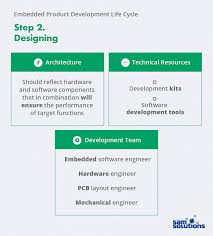
Developing embedded software presents unique challenges compared to traditional software development. Engineers working in this field must consider factors such as limited hardware resources, real-time constraints, power efficiency, and reliability. Debugging and testing embedded software can also be more complex due to the inability to easily access the hardware.

Tools and Technologies

To build reliable and efficient embedded software, developers rely on a variety of tools and technologies. Integrated development environments (IDEs), cross-compilers, debuggers, and simulation tools are commonly used in the development process. Programming languages like C, C++, and assembly language are popular choices for writing code for embedded systems.

The Future of Embedded Software Development

As technology continues to advance, the demand for embedded software developers is expected to grow. The Internet of Things (IoT) is driving the proliferation of connected devices that rely on embedded systems. Innovations in fields such as artificial intelligence, machine learning, and autonomous vehicles are also shaping the future of embedded software development.

Conclusion

Embedded software development is a dynamic and challenging field that requires specialized knowledge and skills. As our reliance on technology grows, so does the importance of skilled professionals who can design robust and efficient embedded systems. By staying abreast of emerging trends and technologies, developers in this field can continue to drive innovation across various industries.


Top 5 Frequently Asked Questions About Embedded Software Development

  1. What is embedded software development?
  2. What are the challenges of developing embedded software?
  3. What tools and technologies are commonly used in embedded software development?
  4. How does embedded software differ from traditional software development?
  5. What are the future trends in embedded software development?

What is embedded software development?

Embedded software development is the process of creating computer programs specifically designed to control embedded systems. Embedded systems are specialized computing devices that have dedicated functions within larger machines or devices. Embedded software is tailored to meet the unique requirements of these systems, such as real-time operation, limited hardware resources, and power efficiency. Engineers working in embedded software development use a variety of tools and programming languages to write code that enables embedded systems to perform their intended tasks effectively and reliably.

What are the challenges of developing embedded software?

Developing embedded software poses a myriad of challenges that require careful consideration and expertise. One significant challenge is the optimization of code to operate efficiently within the constraints of limited hardware resources. Real-time requirements add another layer of complexity, demanding precise timing and responsiveness. Ensuring the reliability and security of embedded systems is paramount, as any software failures can have serious consequences. Debugging and testing embedded software can be challenging due to the intricacies of interfacing with hardware components. Overcoming these obstacles requires a deep understanding of both software and hardware interactions, as well as proficiency in specialized tools and techniques specific to embedded systems development.

What tools and technologies are commonly used in embedded software development?

In embedded software development, a variety of tools and technologies are commonly used to facilitate the creation of efficient and reliable systems. Integrated development environments (IDEs) such as Eclipse, Visual Studio, and Keil provide developers with comprehensive platforms for writing, compiling, and debugging code. Cross-compilers are essential for translating source code into machine code that can run on the target hardware. Debugging tools like JTAG debuggers help identify and resolve issues in real-time. Additionally, simulation tools enable developers to test their software without the need for physical hardware. Programming languages like C, C++, and assembly language are prevalent in embedded development due to their efficiency and low-level control capabilities. These tools and technologies play a critical role in the success of embedded software projects by streamlining the development process and ensuring optimal performance of the final product.

How does embedded software differ from traditional software development?

Embedded software development differs from traditional software development in several key ways. Unlike traditional software that runs on general-purpose computers, embedded software is specifically designed to control embedded systems with dedicated functions. Embedded software operates within the constraints of limited hardware resources, real-time requirements, and often requires high reliability. Developers working on embedded systems must consider factors such as power efficiency, performance optimization, and the ability to interact directly with hardware components. Debugging and testing embedded software can be more challenging due to the specialized nature of the systems and the difficulty in accessing hardware for troubleshooting. Overall, embedded software development requires a unique skill set and understanding of the intricacies of designing software for specialized devices and applications.

One frequently asked question in the realm of embedded software development is, “What are the future trends in embedded software development?” As technology continues to evolve at a rapid pace, several key trends are shaping the future of embedded software development. These trends include the increasing integration of artificial intelligence and machine learning algorithms into embedded systems, the rise of edge computing for faster data processing and reduced latency, the growing adoption of open-source tools and platforms for greater flexibility and collaboration, and the emphasis on security measures to protect embedded devices from cyber threats. By staying informed about these emerging trends and adapting to new technologies, developers in the field of embedded software can effectively navigate the evolving landscape and drive innovation in various industries.

software development services

Empowering Business Growth Through Software Development Services

Article: Software Development Services

The Importance of Software Development Services

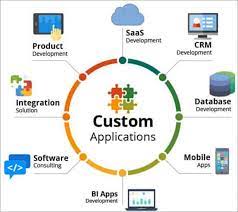
In today’s digital age, software development services play a crucial role in helping businesses stay competitive and meet the evolving needs of their customers. From custom applications to complex systems integration, software development services encompass a wide range of solutions tailored to enhance efficiency, productivity, and innovation.

Customized Solutions

One of the key benefits of software development services is the ability to create customized solutions that address specific business requirements. Whether it’s developing a mobile app for better customer engagement or implementing an enterprise resource planning (ERP) system for streamlined operations, custom software solutions can provide a competitive edge by aligning technology with business goals.

Enhanced Efficiency

By leveraging software development services, organizations can streamline processes, automate repetitive tasks, and improve overall efficiency. Custom software solutions can eliminate manual errors, reduce operational costs, and optimize workflows to ensure smooth business operations.

Scalability and Flexibility

Software development services enable businesses to scale their applications as they grow and adapt to changing market demands. Whether it’s adding new features, integrating third-party systems, or expanding user capabilities, custom software solutions offer scalability and flexibility to support business growth.

Competitive Advantage

In a competitive marketplace, having unique software solutions can set businesses apart from their competitors. Software development services allow organizations to innovate faster, deliver superior user experiences, and respond swiftly to market changes – all essential factors in gaining a competitive advantage.

Conclusion

Software development services are essential for modern businesses looking to harness the power of technology to drive growth and success. By investing in custom software solutions tailored to their specific needs, organizations can unlock new opportunities, improve operational efficiency, and achieve sustainable competitive advantage in today’s dynamic business landscape.


Top 7 Frequently Asked Questions About Software Development Services

  1. What is software development?
  2. Why are software development services important for businesses?
  3. What are the key benefits of custom software development?
  4. How can software development services enhance operational efficiency?
  5. What factors should businesses consider when choosing a software development service provider?
  6. How long does it take to develop custom software?
  7. What is the cost of hiring a software development service?

What is software development?

Software development is the process of designing, creating, testing, and maintaining software applications or systems to meet specific business or user requirements. It involves a systematic approach to building software solutions using programming languages, frameworks, and tools. Software development encompasses various stages, including planning, coding, testing, and deployment, with the goal of delivering high-quality and functional software products. This iterative process allows developers to collaborate with stakeholders, gather feedback, and make continuous improvements to ensure that the final software meets the desired objectives and provides value to its users.

Why are software development services important for businesses?

Software development services are crucial for businesses due to their ability to provide tailored solutions that address specific needs and challenges faced by organizations. By leveraging custom software solutions, businesses can enhance operational efficiency, streamline processes, and optimize workflows to achieve greater productivity and cost-effectiveness. Moreover, software development services enable businesses to stay competitive in a rapidly evolving digital landscape by fostering innovation, improving customer experiences, and adapting to changing market demands. Ultimately, investing in software development services empowers businesses to unlock new opportunities, drive growth, and maintain a strategic edge in today’s dynamic business environment.

What are the key benefits of custom software development?

Custom software development offers a myriad of key benefits that cater specifically to the unique requirements of businesses. One significant advantage is the ability to create tailored solutions that align perfectly with the organization’s goals and processes. Custom software enhances operational efficiency by streamlining workflows, automating tasks, and reducing errors. Moreover, it provides scalability and flexibility, allowing businesses to adapt and grow without limitations. By investing in custom software development, companies gain a competitive edge through innovation, improved user experiences, and rapid response to market changes.

How can software development services enhance operational efficiency?

Software development services can enhance operational efficiency by creating tailored software solutions that streamline processes, automate tasks, and optimize workflows. Custom software applications are designed to meet the specific needs of a business, eliminating manual errors and reducing time-consuming tasks. By implementing software solutions that integrate seamlessly with existing systems and technologies, organizations can improve data accuracy, enhance communication among departments, and increase overall productivity. Additionally, software development services enable businesses to scale their operations efficiently, adapt to changing requirements, and stay ahead of the competition in a rapidly evolving digital landscape.

What factors should businesses consider when choosing a software development service provider?

When selecting a software development service provider, businesses should carefully consider several key factors to ensure a successful partnership. Firstly, evaluating the provider’s expertise and experience in relevant technologies and industries is vital to guarantee that they can deliver tailored solutions that meet specific business requirements. Additionally, examining the provider’s track record, client testimonials, and case studies can offer insights into their past performance and reliability. Transparency in communication, adherence to deadlines, scalability of services, and data security measures are also crucial considerations for businesses seeking a software development partner. By thoroughly assessing these factors, businesses can make informed decisions and choose a service provider that aligns with their goals and values.

How long does it take to develop custom software?

The timeline for developing custom software can vary significantly depending on various factors such as project complexity, scope, requirements, and resources allocated. In general, the development of custom software typically involves several stages including planning, design, development, testing, and deployment. While simpler projects may take a few weeks to a couple of months to complete, more complex projects with advanced features or integrations could take several months or even a year to develop. It is crucial for businesses to work closely with their software development service provider to establish clear timelines and milestones to ensure timely delivery while maintaining quality and meeting project objectives.

What is the cost of hiring a software development service?

When considering the cost of hiring a software development service, it is important to understand that pricing can vary significantly based on various factors such as the complexity of the project, the scope of work involved, the level of customization required, and the expertise of the development team. Typically, software development services offer different pricing models including hourly rates, fixed project fees, or retainer agreements. It is advisable for businesses to discuss their specific requirements with potential service providers to get a detailed quote tailored to their needs and budget constraints. Ultimately, investing in a reputable software development service can yield long-term benefits by delivering high-quality solutions that align with business objectives and drive growth.

waterfall software development

Exploring the Waterfall Model in Software Development: A Traditional Approach

The Waterfall Model in Software Development

The Waterfall Model in Software Development

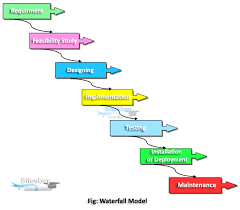
The waterfall model is a traditional approach to software development that follows a linear and sequential process. In this model, each phase must be completed before the next phase can begin, resembling a waterfall cascading down in one direction.

Phases of the Waterfall Model:

  1. Requirements Gathering: The initial phase where project requirements are gathered and documented.
  2. System Design: Based on the requirements, the system architecture and design are created.
  3. Implementation: The actual coding and programming of the software take place in this phase.
  4. Testing: Once the implementation is done, testing is performed to ensure the software meets the specified requirements.
  5. Deployment: The final product is deployed to users after successful testing and approval.
  6. Maintenance: Post-deployment phase where any issues or enhancements are addressed as needed.

Advantages of the Waterfall Model:

  • Predictable and easy to understand process flow.
  • Clear documentation at each stage facilitates better understanding and maintenance.
  • Suitable for projects with well-defined requirements and stable technology.

Disadvantages of the Waterfall Model:

  • Rigid structure makes it challenging to accommodate changes once a phase is completed.
  • No working software until late in the development cycle, potentially leading to surprises or mismatches with user expectations.
  • Risk of customer dissatisfaction due to limited opportunities for feedback during development.

In conclusion, while the waterfall model has its strengths in providing a structured approach to software development, its rigidity can be a limitation in today’s dynamic and fast-paced environment. It is essential for organizations to evaluate their project requirements carefully before choosing this model for their software development endeavors.


8 Essential Tips for Successful Waterfall Software Development

  1. Clearly define requirements at the beginning of the project.
  2. Create a detailed project plan outlining all stages of development.
  3. Stick to the planned schedule to ensure timely delivery.
  4. Implement thorough testing at each stage to catch issues early.
  5. Avoid making major changes once development has begun.
  6. Ensure clear communication among team members and stakeholders throughout the process.
  7. Document each phase of development for future reference and maintenance purposes.
  8. Conduct a comprehensive review after project completion to identify areas for improvement in future projects.

Clearly define requirements at the beginning of the project.

In the context of waterfall software development, it is crucial to clearly define requirements at the beginning of the project. By establishing a comprehensive understanding of what needs to be achieved upfront, teams can effectively plan and execute each phase in a sequential manner. Clear requirements help mitigate risks of scope creep and ensure that the final product aligns with stakeholders’ expectations. This proactive approach sets a solid foundation for success by providing a roadmap that guides development efforts towards meeting project goals efficiently and effectively.

Create a detailed project plan outlining all stages of development.

Creating a detailed project plan outlining all stages of development is crucial in the waterfall software development model. By clearly defining each phase, from requirements gathering to deployment, teams can establish a roadmap for the project, ensuring that tasks are completed in a sequential and orderly manner. This comprehensive plan helps in setting expectations, managing resources effectively, and maintaining clarity throughout the development process. Additionally, having a well-defined project plan allows stakeholders to track progress, identify potential bottlenecks early on, and make informed decisions to keep the project on track towards successful completion.

Stick to the planned schedule to ensure timely delivery.

Adhering to the planned schedule is crucial in waterfall software development to ensure timely delivery of the project. By sticking to the defined timeline for each phase, teams can maintain momentum and progress smoothly from one stage to the next. This discipline helps in meeting deadlines, managing resources efficiently, and ultimately delivering the final product on time. Deviating from the schedule can lead to delays, cost overruns, and potential disruptions in the project timeline. Therefore, staying committed to the planned schedule is key to successful execution and timely completion of software development projects following the waterfall model.

Implement thorough testing at each stage to catch issues early.

Implementing thorough testing at each stage of the waterfall software development process is crucial to catch issues early and ensure a high-quality end product. By conducting comprehensive testing throughout each phase, potential problems can be identified and rectified promptly, reducing the risk of costly rework or delays later in the project. This proactive approach not only helps maintain the project timeline but also enhances the overall reliability and performance of the software being developed.

Avoid making major changes once development has begun.

It is crucial to adhere to the advice of avoiding major changes once development has commenced in a waterfall software development project. The waterfall model’s sequential nature means that each phase builds upon the previous one, making it challenging to accommodate significant alterations once a stage is completed. Introducing major changes mid-development can disrupt the entire process, leading to delays, increased costs, and potential rework. By carefully defining and finalizing requirements upfront, stakeholders can minimize the need for modifications later on, ensuring a smoother and more efficient software development cycle.

Ensure clear communication among team members and stakeholders throughout the process.

Clear communication among team members and stakeholders is crucial in ensuring the success of a waterfall software development project. From the initial requirements gathering stage to the final deployment and maintenance phases, maintaining open and transparent communication channels helps in aligning everyone’s expectations, addressing any issues promptly, and fostering collaboration. Regular updates, progress reports, and feedback sessions enable team members to stay on the same page, identify potential roadblocks early on, and make informed decisions to deliver a high-quality product that meets stakeholders’ needs effectively.

Document each phase of development for future reference and maintenance purposes.

It is crucial to document each phase of development in the waterfall model for future reference and maintenance purposes. Comprehensive documentation provides a clear record of the project’s progress, decisions made, and the rationale behind them. This documentation serves as a valuable resource for understanding the software system, making updates or enhancements, and troubleshooting issues that may arise during maintenance. By documenting each phase meticulously, developers and stakeholders can ensure continuity and efficiency in managing the software throughout its lifecycle.

Conduct a comprehensive review after project completion to identify areas for improvement in future projects.

Conducting a comprehensive review after project completion in the waterfall software development process is crucial for identifying areas that can be improved in future projects. By analyzing the entire project lifecycle, including requirements gathering, design, implementation, testing, deployment, and maintenance phases, teams can pinpoint strengths and weaknesses in their processes. This review enables organizations to learn from past experiences, refine their methodologies, and enhance efficiency and effectiveness in subsequent projects.

mobile application development software

Exploring the Latest Innovations in Mobile Application Development Software

Mobile Application Development Software

The World of Mobile Application Development Software

In today’s digital age, mobile applications have become an integral part of our daily lives. From social networking to e-commerce, entertainment to productivity, mobile apps cater to a wide range of needs and interests. Behind the scenes of these innovative and user-friendly apps lies the realm of mobile application development software.

What is Mobile Application Development Software?

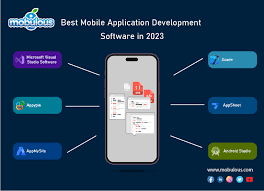
Mobile application development software refers to a set of tools and technologies used by developers to create, test, and deploy mobile applications for various platforms such as iOS and Android. These software solutions provide developers with the necessary resources to design, code, and optimize mobile apps efficiently.

Key Features of Mobile App Development Software:

  • Integrated Development Environment (IDE): IDEs offer a comprehensive environment for coding, debugging, and testing mobile applications in one place.
  • User Interface Design Tools: Tools that assist in creating visually appealing and user-friendly interfaces for mobile apps.
  • Backend Services Integration: Seamless integration with backend services such as databases, APIs, and cloud storage.
  • Testing and Debugging Capabilities: Features that help developers identify and fix bugs in the app during the development process.
  • Cross-Platform Compatibility: Support for developing apps that can run on multiple platforms without extensive modifications.
  • Analytics and Performance Monitoring: Tools that track app performance metrics and user behavior for optimization.

The Evolution of Mobile App Development Software

Over the years, mobile application development software has evolved significantly to keep pace with changing technology trends. Modern tools now offer advanced features such as artificial intelligence integration, augmented reality support, and enhanced security protocols to meet the demands of today’s app development landscape.

The Future of Mobile App Development

As mobile technology continues to advance rapidly, the future of mobile application development software looks promising. Developers can expect more sophisticated tools that streamline the app creation process further while empowering them to build innovative and engaging mobile experiences for users worldwide.


Top 6 FAQs About Mobile Application Development Software

  1. What is mobile application development software?
  2. What are the key features of mobile app development software?
  3. How has mobile app development software evolved over time?
  4. What are the latest trends in mobile application development software?
  5. Which programming languages are commonly used in mobile app development?
  6. How can businesses benefit from investing in mobile application development software?

What is mobile application development software?

Mobile application development software is a specialized set of tools and technologies that enable developers to create, test, and deploy mobile applications for various platforms like iOS and Android. This software provides developers with essential resources to design, code, and optimize mobile apps efficiently. It encompasses features such as integrated development environments (IDEs) for coding and debugging, user interface design tools for creating engaging interfaces, backend services integration for seamless connectivity, testing capabilities for bug identification, cross-platform compatibility for wider reach, and analytics tools for performance monitoring. In essence, mobile application development software serves as the backbone of the app development process, facilitating the creation of innovative and user-friendly mobile applications that cater to diverse needs and interests in today’s digital landscape.

What are the key features of mobile app development software?

When exploring mobile application development software, it is essential to understand its key features that facilitate the creation of innovative and functional mobile apps. These features typically include an Integrated Development Environment (IDE) for coding and testing, user interface design tools for creating engaging interfaces, backend services integration for seamless connectivity, testing and debugging capabilities for ensuring app quality, cross-platform compatibility to reach a broader audience, and analytics tools for monitoring performance and user behavior. These features collectively empower developers to build robust mobile applications that meet the evolving needs of users in today’s digital landscape.

How has mobile app development software evolved over time?

Mobile application development software has undergone significant evolution over time to adapt to the changing landscape of mobile technology. Initially, developers relied on basic tools and frameworks to create simple apps with limited functionality. However, as smartphones became more powerful and versatile, the demand for sophisticated mobile applications grew. This led to the development of advanced integrated development environments (IDEs) that offer a wide range of features such as drag-and-drop interfaces, real-time testing capabilities, and seamless backend integration. Furthermore, the rise of cross-platform development tools has enabled developers to build apps that can run seamlessly on multiple operating systems without the need for extensive rewrites. With each technological advancement, mobile app development software continues to evolve, empowering developers to create innovative and user-centric mobile experiences.

Inquiring about the latest trends in mobile application development software is a common query among developers and tech enthusiasts. Keeping up with the rapidly evolving landscape of mobile technology, developers are keen to explore emerging trends that shape the future of app development. Some of the current trends include the rise of low-code and no-code platforms, enabling faster app development without extensive coding knowledge. Additionally, technologies like Artificial Intelligence (AI) and Machine Learning (ML) are being integrated into mobile app development software to enhance user experiences through personalized recommendations and predictive analytics. Moreover, the adoption of cross-platform development tools and frameworks allows developers to create apps that run seamlessly across multiple devices and operating systems, optimizing efficiency and reach. Stay updated on these trends to leverage the latest innovations in mobile application development software for creating cutting-edge mobile experiences.

Which programming languages are commonly used in mobile app development?

In the realm of mobile application development software, various programming languages are commonly utilized to create innovative and functional mobile apps. Some of the popular programming languages in mobile app development include Java, Swift, Kotlin, and JavaScript. Java is widely used for Android app development, while Swift and Objective-C are preferred for iOS app development. Kotlin has gained popularity as a modern alternative for Android development due to its conciseness and interoperability with Java. JavaScript is commonly used for building cross-platform mobile apps using frameworks like React Native and Ionic. Each programming language offers unique features and capabilities that cater to different aspects of mobile app development, allowing developers to choose the best language suited for their project requirements.

How can businesses benefit from investing in mobile application development software?

Investing in mobile application development software can offer numerous benefits to businesses in today’s digital landscape. By creating custom mobile apps tailored to their specific needs, businesses can enhance customer engagement, improve brand visibility, and increase customer loyalty. Mobile apps provide a convenient platform for users to access products or services on the go, leading to enhanced user experience and satisfaction. Additionally, mobile apps can streamline internal processes, boost operational efficiency, and provide valuable insights through analytics data. Overall, investing in mobile application development software enables businesses to stay competitive, reach a wider audience, and adapt to the evolving demands of the market effectively.

custom software development

Unlocking Business Potential Through Custom Software Development

The Power of Custom Software Development

The Power of Custom Software Development

In today’s fast-paced digital world, businesses are constantly seeking ways to stay ahead of the competition. One powerful tool that can give companies a competitive edge is custom software development.

Custom software development involves creating tailored applications or programs to meet specific business needs. Unlike off-the-shelf software, custom solutions are designed from the ground up to address unique challenges and requirements.

Benefits of Custom Software Development

Enhanced Efficiency: Custom software is built to streamline processes and workflows within an organization. By automating repetitive tasks and integrating various systems, businesses can operate more efficiently and save valuable time.

Scalability: Custom software can grow and evolve with your business. As your needs change or expand, developers can easily update or enhance the software to accommodate new requirements.

Competitive Advantage: By having a unique software solution tailored to your business, you can differentiate yourself from competitors. Custom software allows you to offer personalized services and experiences that set you apart in the market.

Challenges of Custom Software Development

Cost: Developing custom software can be more expensive upfront compared to off-the-shelf solutions. However, the long-term benefits and ROI often justify the initial investment.

Time-Consuming: Building custom software requires time for planning, development, testing, and implementation. It’s crucial to have a clear project timeline and realistic expectations regarding the development process.

Conclusion

Custom software development offers businesses a powerful tool for driving innovation, efficiency, and growth. By investing in tailored solutions that align with your unique goals and requirements, you can unlock new opportunities and propel your business forward in today’s digital landscape.


Top 5 Benefits of Custom Software Development for Your Business

  1. Tailored to specific business needs
  2. Enhanced efficiency and productivity
  3. Scalable to accommodate growth
  4. Provides a competitive advantage
  5. Offers personalized solutions and experiences


4 Drawbacks of Custom Software Development: Cost, Time, Delays, and Dependency

  1. Higher initial cost compared to off-the-shelf solutions
  2. Time-consuming development process
  3. Potential for project delays and scope creep
  4. Dependency on a specific development team for maintenance and updates

Tailored to specific business needs

Custom software development offers the significant advantage of being tailored to specific business needs. Unlike off-the-shelf solutions that provide generic functionalities, custom software is designed and built to address the unique challenges and requirements of a particular business. By aligning the software closely with the organization’s processes and goals, companies can optimize their operations, improve efficiency, and achieve a competitive edge in their industry. This tailored approach ensures that the software not only meets current needs but also has the flexibility to adapt and grow along with the business, supporting long-term success and innovation.

Enhanced efficiency and productivity

Enhanced efficiency and productivity are key advantages of custom software development. By creating tailored solutions that automate repetitive tasks, streamline processes, and integrate various systems, businesses can operate more efficiently. Custom software allows organizations to optimize their workflows, reduce manual errors, and save valuable time, ultimately leading to increased productivity across the board. This improved efficiency not only boosts operational performance but also empowers employees to focus on high-value tasks that drive business growth and innovation.

Scalable to accommodate growth

Custom software development offers the significant advantage of scalability, allowing businesses to easily accommodate growth and expansion. Unlike off-the-shelf solutions that may have limitations in scalability, custom software can be designed with flexibility in mind. This means that as a company evolves and its needs change, the custom software can be adapted and scaled up to meet new requirements seamlessly. By investing in scalable custom software, organizations can future-proof their technology infrastructure and ensure that their digital systems can grow alongside their business.

Provides a competitive advantage

Custom software development provides businesses with a significant competitive advantage by offering tailored solutions that are specifically designed to meet their unique needs and challenges. By having software that is customized to optimize processes, enhance productivity, and deliver personalized experiences to customers, companies can differentiate themselves in the market and stand out from competitors. This advantage allows businesses to stay ahead of the curve, adapt quickly to changing market conditions, and ultimately drive growth and success in their industry.

Offers personalized solutions and experiences

Custom software development stands out for its ability to offer personalized solutions and experiences tailored to the specific needs and requirements of a business. By creating custom software, companies can address unique challenges, streamline processes, and deliver services that are designed to meet the exact preferences of their target audience. This level of customization not only enhances user satisfaction but also helps businesses differentiate themselves in a competitive market by providing a unique and personalized experience that sets them apart from generic off-the-shelf solutions.

Higher initial cost compared to off-the-shelf solutions

One significant drawback of custom software development is the higher initial cost when compared to off-the-shelf solutions. Building a tailored software solution from scratch requires investment in planning, design, development, and testing processes, which can result in a substantial upfront expense for businesses. While the initial cost may be a barrier for some organizations, it’s essential to consider the long-term benefits and ROI that custom software can offer in terms of enhanced efficiency, scalability, and competitive advantage.

Time-consuming development process

One significant drawback of custom software development is the time-consuming nature of the development process. Building custom software requires thorough planning, coding, testing, and implementation, which can take a considerable amount of time. Delays in development can impact project timelines and potentially hinder business operations or strategic initiatives. It’s essential for organizations considering custom software solutions to factor in the time needed for development and ensure realistic expectations are set regarding the timeline for completion.

Potential for project delays and scope creep

One significant drawback of custom software development is the potential for project delays and scope creep. Due to the complex nature of building customized solutions, unforeseen challenges may arise during the development process, leading to timeline extensions and scope expansion. This can result in increased costs, resource allocation issues, and frustration among stakeholders. Effective project management and clear communication are essential to mitigate these risks and ensure the successful delivery of custom software projects within set timelines and budgets.

Dependency on a specific development team for maintenance and updates

One significant drawback of custom software development is the dependency on a specific development team for maintenance and updates. Since the software is uniquely tailored to the business’s needs, it often requires specialized knowledge and expertise to make changes or enhancements. This reliance on a specific team can pose challenges if the team becomes unavailable or if there are disagreements regarding maintenance costs or priorities. Businesses may find themselves limited in their options for ongoing support and updates, potentially leading to delays in addressing issues or implementing new features.

software application development

Mastering the Art of Software Application Development: A Comprehensive Guide

Software Application Development

The Art and Science of Software Application Development

Software application development is both an art and a science that involves the creation, design, testing, and maintenance of computer software applications. In today’s digital age, where technology plays a crucial role in almost every aspect of our lives, the demand for innovative and user-friendly software applications continues to grow.

The Process of Software Application Development

Developing a software application is a complex process that requires a systematic approach. It typically involves the following key stages:

  1. Planning: This stage involves defining the scope of the project, setting goals and objectives, and creating a roadmap for development.
  2. Design: During this stage, developers create the architecture and design of the application, including user interface design and database design.
  3. Development: Developers write the code for the application based on the design specifications. This stage may involve multiple iterations and testing to ensure functionality.
  4. Testing: Testing is a critical phase where developers evaluate the application’s performance, identify bugs or issues, and make necessary adjustments.
  5. Deployment: Once the application is tested and approved, it is deployed to production environments for end-users to access.
  6. Maintenance: After deployment, developers continue to monitor and maintain the application to ensure optimal performance and address any issues that may arise.

The Role of Developers in Software Application Development

Software developers play a vital role in every stage of the software application development process. They are responsible for writing code, debugging errors, optimizing performance, and ensuring that the application meets user requirements. Developers must have strong problem-solving skills, attention to detail, and proficiency in programming languages such as Java, C++, Python, or JavaScript.

The Future of Software Application Development

As technology continues to evolve rapidly, the future of software application development looks promising. Emerging trends such as artificial intelligence (AI), machine learning (ML), Internet of Things (IoT), and cloud computing are reshaping how applications are developed and deployed. Developers must stay current with these trends to create innovative solutions that meet the changing needs of users.

In conclusion, software application development is a dynamic field that requires creativity, technical expertise, collaboration, and continuous learning. By embracing new technologies and best practices in development processes, developers can create cutting-edge applications that enhance user experiences and drive digital transformation across industries.


7 Essential Tips for Successful Software Application Development

  1. Plan and design your software application thoroughly before starting development.
  2. Follow best practices and coding standards to ensure code quality and maintainability.
  3. Regularly test your application to catch bugs early on and ensure proper functionality.
  4. Utilize version control systems like Git to track changes and collaborate with team members effectively.
  5. Prioritize security measures to protect user data and prevent vulnerabilities in your application.
  6. Document your code, including comments and README files, to make it easier for others to understand and contribute.
  7. Stay updated with the latest technologies and trends in software development to enhance your skills and stay competitive.

Plan and design your software application thoroughly before starting development.

It is crucial to plan and design your software application thoroughly before starting development. By investing time in the initial planning and design stages, you can establish a clear roadmap for the project, define specific goals and requirements, and create a solid foundation for development. Thorough planning helps identify potential challenges early on, allows for efficient resource allocation, and ensures that the final product meets user expectations. A well-thought-out plan and design significantly contribute to the success of the software application development process by minimizing risks and maximizing efficiency.

Follow best practices and coding standards to ensure code quality and maintainability.

Following best practices and coding standards is essential in software application development to uphold code quality and maintainability. By adhering to established guidelines and standards, developers can write clean, efficient, and organized code that is easier to understand, debug, and maintain. Consistent coding practices also promote collaboration among team members and facilitate the integration of new features or updates seamlessly. Ultimately, prioritizing best practices in coding contributes to the overall success of a project by reducing errors, enhancing scalability, and improving the longevity of the software application.

Regularly test your application to catch bugs early on and ensure proper functionality.

Regularly testing your software application is a crucial step in the development process to identify and address bugs early on, ensuring that the application functions correctly. By conducting thorough and systematic testing, developers can detect issues before they escalate, leading to a more stable and reliable product. Testing also helps in verifying that the application meets user requirements and delivers a seamless experience. Emphasizing regular testing not only improves the quality of the software but also saves time and resources in the long run by preventing major issues down the line.

Utilize version control systems like Git to track changes and collaborate with team members effectively.

Utilizing version control systems like Git in software application development is crucial for tracking changes and collaborating with team members effectively. By using Git, developers can maintain a history of code modifications, revert to previous versions if needed, and merge changes seamlessly. This ensures that team members can work concurrently on the same codebase without conflicts, improving productivity and code quality. Additionally, version control systems like Git provide a centralized platform for collaboration, enabling teams to communicate, review code, and contribute to projects efficiently.

Prioritize security measures to protect user data and prevent vulnerabilities in your application.

It is crucial to prioritize security measures in software application development to safeguard user data and prevent vulnerabilities. By implementing robust security protocols and encryption techniques, developers can create a secure environment that protects sensitive information from unauthorized access and cyber threats. Prioritizing security not only builds trust with users but also helps mitigate the risks of data breaches and potential damages to both individuals and businesses.

Document your code, including comments and README files, to make it easier for others to understand and contribute.

Documenting your code, which includes adding comments within the code and creating README files, is a crucial tip in software application development. By documenting your code effectively, you provide valuable insights into the functionality, structure, and purpose of the codebase. This not only helps others understand the logic behind your implementation but also makes it easier for them to contribute to the project by building upon existing code. Clear and concise documentation enhances collaboration among team members, improves code maintainability, and ultimately leads to the development of more robust and scalable software applications.

Staying updated with the latest technologies and trends in software development is essential for enhancing your skills and remaining competitive in the ever-evolving industry. By keeping abreast of new tools, programming languages, frameworks, and best practices, you can expand your knowledge base, improve your efficiency, and deliver innovative solutions that meet the demands of modern users. Continuous learning and adaptation to emerging trends not only benefit your professional growth but also ensure that you stay ahead of the curve in a dynamic and competitive software development landscape.

software engineering at google

Exploring Software Engineering Excellence at Google

Software Engineering at Google

Software Engineering at Google

Google, one of the tech giants in the world, is renowned for its innovative software engineering practices. Software engineers at Google work on a wide range of projects that impact millions of users globally.

Culture of Innovation

Google fosters a culture of innovation where software engineers are encouraged to think creatively and push the boundaries of technology. Engineers have the freedom to explore new ideas and develop cutting-edge solutions to complex problems.

Collaborative Environment

Software engineering at Google is highly collaborative. Engineers work in teams where communication and teamwork are paramount. Collaboration tools and practices enable engineers to share ideas, provide feedback, and work together efficiently towards common goals.

Technical Excellence

Google places a strong emphasis on technical excellence. Software engineers are expected to have a deep understanding of computer science fundamentals and stay updated with the latest technologies. Continuous learning and skill development are integral parts of the engineering culture at Google.

Innovative Projects

Software engineers at Google have the opportunity to work on groundbreaking projects that have a significant impact on society. From developing algorithms for search engines to building machine learning models for artificial intelligence applications, Google engineers are at the forefront of technological innovation.

Diversity and Inclusion

Google values diversity and inclusion in its software engineering teams. Engineers from diverse backgrounds bring unique perspectives and experiences that contribute to creative problem-solving and innovation. Google is committed to creating an inclusive environment where every engineer feels valued and respected.

Career Growth

Google provides ample opportunities for career growth and development for software engineers. Engineers can take on challenging projects, participate in training programs, attend conferences, and pursue advanced degrees to enhance their skills and advance their careers within the company.

In conclusion, software engineering at Google offers a dynamic and exciting environment for talented engineers to thrive, innovate, and make a positive impact on the world through technology.


Top 8 Advantages of Pursuing a Software Engineering Career at Google

  1. Opportunity to work on cutting-edge projects
  2. Access to top-notch technology and tools
  3. Collaborative work environment
  4. Emphasis on innovation and creativity
  5. Career growth and development opportunities
  6. Diverse and inclusive workplace culture
  7. Competitive compensation and benefits
  8. Global impact through impactful software solutions


Challenges of Software Engineering at Google: Intense Competition, High Expectations, and a Fast-Paced Environment

  1. Intense Competition
  2. High Expectations
  3. Fast-Paced Environment

Opportunity to work on cutting-edge projects

Software engineers at Google have the exciting opportunity to work on cutting-edge projects that push the boundaries of technology and innovation. From developing advanced algorithms for search engines to creating groundbreaking artificial intelligence solutions, engineers are constantly challenged to explore new ideas and contribute to projects that have a significant impact on a global scale. This environment of innovation and creativity allows engineers to stay at the forefront of technological advancements and make meaningful contributions to shaping the future of technology.

Access to top-notch technology and tools

Software engineers at Google benefit from access to top-notch technology and tools, enabling them to work efficiently and effectively on cutting-edge projects. With state-of-the-art software development platforms, robust infrastructure, and advanced tools, engineers have the resources they need to innovate and create high-quality solutions. This access not only enhances productivity but also fosters a culture of continuous learning and experimentation, empowering engineers to push the boundaries of technology and drive impactful change within the organization.

Collaborative work environment

At Google, software engineers benefit from a collaborative work environment where teamwork and communication are highly valued. Engineers have the opportunity to work closely with talented colleagues, share ideas, provide feedback, and collectively tackle complex challenges. This collaborative culture not only fosters creativity and innovation but also promotes knowledge sharing and continuous learning among team members. By working together in a supportive and collaborative setting, Google software engineers can leverage diverse perspectives and expertise to drive impactful solutions that shape the future of technology.

Emphasis on innovation and creativity

Google’s software engineering teams place a strong emphasis on innovation and creativity, empowering engineers to think outside the box and explore groundbreaking ideas. This pro encourages a culture of continuous experimentation and problem-solving, where engineers are encouraged to push the boundaries of technology and develop innovative solutions to complex challenges. By fostering a creative environment, Google enables its software engineers to unleash their full potential and drive forward the cutting-edge advancements that define the company’s reputation for technological excellence.

Career growth and development opportunities

Software engineering at Google offers exceptional career growth and development opportunities for engineers. With a commitment to nurturing talent and fostering continuous learning, Google provides engineers with a supportive environment to take on challenging projects, participate in training programs, attend conferences, and pursue advanced degrees. This emphasis on professional growth not only enhances the skills and expertise of engineers but also opens up avenues for advancement within the company, allowing individuals to reach their full potential and excel in their careers.

Diverse and inclusive workplace culture

Google’s software engineering teams benefit from a diverse and inclusive workplace culture that values and celebrates differences. By fostering an environment where individuals from various backgrounds feel empowered to contribute their unique perspectives, Google promotes creativity, innovation, and collaboration. This inclusive culture not only enriches the work experience for software engineers but also leads to more comprehensive problem-solving approaches and better outcomes for the projects they undertake.

Competitive compensation and benefits

Google offers competitive compensation and benefits to software engineers, making it an attractive employer in the tech industry. Beyond a competitive salary, Google provides a comprehensive benefits package that includes health insurance, retirement plans, stock options, and various perks such as on-site amenities, wellness programs, and opportunities for career development. This commitment to rewarding its employees not only attracts top talent but also ensures that software engineers at Google are well taken care of and motivated to excel in their roles.

Global impact through impactful software solutions

Google’s software engineering teams have the unique opportunity to create impactful software solutions that have a global reach and influence. By developing innovative products and services, Google engineers can address complex challenges, improve user experiences, and shape the future of technology on a worldwide scale. This pro highlights the significance of software engineering at Google in making a meaningful difference in the lives of millions of users across diverse communities and regions.

Intense Competition

One significant challenge of pursuing a software engineering role at Google is the intense competition that candidates face. The high demand for positions at Google means that the recruitment process is rigorous and competitive, requiring candidates to demonstrate exceptional technical skills and innovative thinking to secure a coveted position within the company. The competitive nature of software engineering roles at Google can make it challenging for aspiring engineers to stand out among a pool of talented applicants vying for limited opportunities within the tech giant.

High Expectations

Google’s high expectations for software engineers can be a significant challenge in the workplace. The company sets exceptionally high standards, requiring engineers to consistently perform at a top level. This pressure to meet and exceed these standards can lead to stress and burnout among team members. The constant push for excellence may create a demanding work environment that requires engineers to continually strive for perfection, potentially impacting their mental well-being and work-life balance.

Fast-Paced Environment

The fast-paced environment at Google can be a challenging aspect for software engineers. The need to work long hours and quickly adapt to changing priorities in projects can lead to high-pressure situations. Software engineers may find themselves constantly on their toes, needing to deliver results efficiently within tight deadlines. Balancing the demands of a fast-paced environment while maintaining work-life balance can be a con for some individuals in the software engineering role at Google.