cfchris.com

Loading

Category software development

scrum software development

Mastering Scrum Software Development: A Guide to Agile Success

Scrum Software Development

The Agile Approach: Understanding Scrum Software Development

Scrum is a popular framework used in agile software development that emphasizes collaboration, flexibility, and iterative progress. It enables teams to deliver high-quality software products efficiently by breaking down complex projects into manageable tasks.

Key Principles of Scrum:

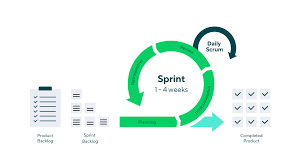
  • Sprints: Scrum projects are divided into sprints, typically 2-4 week cycles where a set of tasks are completed.
  • Scrum Master: The Scrum Master is responsible for ensuring the team follows the Scrum framework and helps remove any obstacles that may hinder progress.
  • Product Owner: The Product Owner represents the stakeholders and is responsible for prioritizing tasks and ensuring the product meets business requirements.
  • Daily Stand-ups: Team members have daily stand-up meetings to discuss progress, challenges, and plans for the day.
  • Sprint Review: At the end of each sprint, a review meeting is held to demonstrate completed work to stakeholders and gather feedback for future iterations.
  • Retropectives: After each sprint review, a retrospective meeting takes place where the team reflects on what went well and areas for improvement.

Benefits of Using Scrum:

Implementing Scrum in software development offers various benefits such as:

  • Faster Time-to-Market: By working in short sprints, teams can deliver incremental value quickly.
  • Improved Collaboration: Scrum promotes collaboration among team members and stakeholders throughout the project lifecycle.
  • Adaptability: The iterative nature of Scrum allows teams to adapt to changing requirements and priorities easily.
  • Better Product Quality: Regular feedback loops and testing ensure that the product meets quality standards.
  • Increased Transparency: With daily stand-ups and regular reviews, there is transparency on project progress and potential roadblocks.

In conclusion, Scrum software development provides a structured yet flexible approach to building software products efficiently. By embracing its principles and practices, teams can enhance collaboration, adaptability, and ultimately deliver value to customers in a timely manner.


Understanding Scrum: Key Concepts, Roles, and Implementation in Software Development

  1. What is Scrum software development?
  2. What are the key roles in a Scrum team?
  3. How does a Scrum sprint work?
  4. What are the benefits of using Scrum in software development?
  5. How does Scrum differ from other project management methodologies?
  6. How can I implement Scrum in my software development team?

What is Scrum software development?

Scrum software development is a popular agile framework that emphasizes collaboration, adaptability, and iterative progress in the software development process. It involves breaking down complex projects into manageable tasks and working in short, focused sprints to deliver incremental value. In Scrum, teams are self-organizing and cross-functional, with roles such as Scrum Master and Product Owner guiding the project. Daily stand-up meetings, sprint reviews, and retrospectives are key components of Scrum that promote transparency, continuous improvement, and stakeholder involvement throughout the development cycle. Overall, Scrum is known for its ability to enhance team productivity, product quality, and responsiveness to changing requirements in a dynamic software development environment.

What are the key roles in a Scrum team?

In Scrum software development, there are three key roles in a Scrum team that play crucial parts in the project’s success. The first role is the Scrum Master, who acts as a facilitator and coach for the team, ensuring that the Scrum framework is followed and any obstacles are addressed promptly. The second role is the Product Owner, responsible for representing stakeholders and prioritizing tasks based on business requirements. Lastly, team members themselves fulfill various roles such as developers, testers, and designers, collaborating closely to deliver high-quality work within each sprint. Each role contributes uniquely to the team’s efficiency and effectiveness in achieving project goals.

How does a Scrum sprint work?

In Scrum software development, a sprint is a time-boxed iteration typically lasting 2-4 weeks during which a team works on a set of prioritized tasks to deliver a potentially shippable product increment. The sprint begins with sprint planning, where the team collaborates to define the work to be done and sets achievable goals. Throughout the sprint, the team holds daily stand-up meetings to discuss progress, challenges, and plans for the day. At the end of the sprint, there is a sprint review where the team demonstrates completed work to stakeholders for feedback. Finally, a retrospective meeting is held to reflect on what went well and areas for improvement in the next sprint. This iterative process allows teams to adapt quickly to changes and deliver value incrementally.

What are the benefits of using Scrum in software development?

One of the most frequently asked questions about Scrum software development is centered around its benefits. Utilizing Scrum in software development offers numerous advantages, including faster time-to-market due to short sprints, improved collaboration among team members and stakeholders, adaptability to changing requirements, enhanced product quality through regular feedback and testing, and increased transparency through daily stand-ups and review meetings. These benefits collectively contribute to streamlining the development process, ensuring better communication and alignment within the team, and ultimately delivering high-quality software products efficiently.

How does Scrum differ from other project management methodologies?

In the realm of project management methodologies, Scrum stands out for its iterative and incremental approach that focuses on delivering value in short sprints. Unlike traditional waterfall methods where requirements are fixed upfront, Scrum embraces change and allows for flexibility throughout the development process. The key distinction lies in its self-organizing cross-functional teams, daily stand-ups, regular reviews, and emphasis on continuous improvement through retrospectives. By promoting collaboration, adaptability, and transparency, Scrum fosters a dynamic environment that enables teams to respond effectively to evolving project needs and deliver high-quality products efficiently.

How can I implement Scrum in my software development team?

To implement Scrum in your software development team, start by educating your team members about the key principles and practices of Scrum. Assign roles such as Scrum Master and Product Owner to ensure clear responsibilities. Establish regular sprint planning meetings, daily stand-ups, sprint reviews, and retrospectives to promote transparency and collaboration. Encourage open communication and feedback among team members to continuously improve processes. Provide training and support as needed to help your team embrace the agile mindset and successfully transition to a Scrum framework. Remember that implementing Scrum is a journey that requires dedication, patience, and a willingness to adapt to change for long-term success.

android app development software

Exploring Top Android App Development Software Tools for Innovative Apps

The Best Android App Development Software for Creating Innovative Apps

The Best Android App Development Software for Creating Innovative Apps

Android app development has become a crucial aspect of the digital world, with millions of apps available on the Google Play Store. To create innovative and user-friendly apps, developers rely on various software tools that streamline the development process. Here are some of the best Android app development software tools that can help you bring your app ideas to life:

Android Studio

Android Studio is the official Integrated Development Environment (IDE) for Android app development. It offers a comprehensive set of tools for designing, coding, testing, and debugging Android apps. With features like code completion, visual layout editor, and built-in emulators, Android Studio is a favorite among developers.

Xamarin

Xamarin is a cross-platform development tool that allows developers to create native Android apps using C# and .NET. It provides a single codebase that can be shared across multiple platforms, saving time and effort in app development. Xamarin also offers excellent performance and native user interface design.

Unity

Unity is a popular game development platform that can also be used to create interactive 3D and 2D apps for Android. With its easy-to-use interface and powerful graphics engine, Unity is ideal for developing visually appealing and engaging apps. It supports multiple programming languages like C# and JavaScript.

IntelliJ IDEA

IntelliJ IDEA is another powerful IDE that supports Android app development through plugins like Android Studio Plugin. It offers advanced code analysis tools, intelligent code completion, and seamless integration with version control systems. IntelliJ IDEA is known for its high performance and developer-friendly features.

React Native

React Native is a JavaScript framework for building cross-platform mobile apps, including Android apps. Developers can write code once and deploy it on both iOS and Android platforms, reducing development time significantly. React Native provides a rich set of components and libraries for creating dynamic mobile applications.

These are just a few examples of the best Android app development software available in the market today. Each tool has its unique features and advantages, catering to different needs and preferences of developers. By choosing the right software tool based on your project requirements, you can create innovative and successful Android apps that stand out in the competitive app market.


Top 6 Advantages of Android App Development Software

  1. 1. Wide Variety of Tools
  2. 2. Cross-Platform Compatibility
  3. 3. Rich Libraries and Frameworks
  4. 4. Robust Testing Capabilities
  5. 5. Community Support
  6. 6. Regular Updates and Improvements


Challenges in Android App Development: Navigating Learning Curves, Fragmentation, and Performance Optimization

  1. Steep Learning Curve
  2. Fragmentation
  3. Performance Optimization

1. Wide Variety of Tools

Android app development software stands out for its wide variety of tools that cater to developers’ diverse needs. From design to testing, these tools are designed to streamline the development process and boost productivity. Whether developers are looking for code editors, emulators, debugging tools, or performance optimization utilities, the vast array of tools available ensures that every aspect of app development is covered. This abundance of resources empowers developers to create high-quality Android apps efficiently and effectively.

2. Cross-Platform Compatibility

One significant advantage of Android app development software is its cross-platform compatibility feature. With many Android app development tools supporting cross-platform development, developers can create apps that run on multiple operating systems, expanding their reach and user base. This capability not only saves time and effort by enabling the reuse of code across different platforms but also ensures a consistent user experience across various devices, making it a valuable asset for developers looking to maximize the impact of their apps.

3. Rich Libraries and Frameworks

One significant advantage of Android app development software is the availability of rich libraries and frameworks. These tools offer developers access to a wide range of pre-built components and functionalities that can simplify coding tasks and accelerate the app development process. By leveraging these libraries and frameworks, developers can focus more on implementing unique features and user experiences, rather than reinventing the wheel with repetitive coding tasks. This not only enhances productivity but also enables developers to create high-quality apps efficiently.

4. Robust Testing Capabilities

One significant advantage of Android app development software is its robust testing capabilities. These features enable developers to thoroughly test their apps for quality and performance before deploying them to users. By utilizing these testing tools, developers can identify and fix any potential issues or bugs, resulting in a smoother and more reliable user experience. This proactive approach to testing ultimately leads to higher-quality apps that meet user expectations and contribute to the overall success of the application.

5. Community Support

Developers utilizing Android app development software enjoy the advantage of robust community support. These tools foster active online communities where developers can seek assistance, exchange knowledge, and engage in collaborative efforts with like-minded individuals in the industry. This communal environment not only provides valuable resources for troubleshooting and problem-solving but also promotes continuous learning and networking opportunities, enhancing the overall development experience for app creators.

6. Regular Updates and Improvements

Android app development software offers the benefit of regular updates and improvements, ensuring that developers have access to the latest features, enhancements, and bug fixes. By staying current with evolving technologies, developers can create cutting-edge apps that meet the demands of users and stay competitive in the dynamic app market. The continuous updates also help in enhancing the overall performance and functionality of the development tools, making the app development process smoother and more efficient.

Steep Learning Curve

Some Android app development software tools present a significant con in the form of a steep learning curve. Developers using these tools may find themselves needing to dedicate considerable time and effort to fully grasp and master the platform. The complexity of the software can pose challenges for beginners or those transitioning from other development environments, potentially slowing down the app development process and requiring additional resources for training and skill-building.

Fragmentation

Fragmentation in the Android ecosystem poses a significant challenge for developers due to the diverse range of devices running different versions of the operating system. This variation can result in compatibility issues during app development, as developers need to ensure that their apps function seamlessly across multiple devices with varying specifications and OS versions. Managing fragmentation requires extra effort and resources to test and optimize apps for a wide array of devices, impacting the overall development process and potentially affecting user experience.

Performance Optimization

Performance optimization in Android app development poses a significant challenge due to the need to ensure optimal performance on a diverse array of Android devices. Developers face the task of testing and optimizing their apps for various hardware configurations, which can vary greatly in terms of processing power, memory, and screen size. This variability makes it complex to deliver consistent performance across all devices, requiring developers to invest additional time and effort in fine-tuning their apps to provide a seamless user experience regardless of the device being used.

custom application development

Unlocking Business Potential with Custom Application Development

Custom Application Development

The Power of Custom Application Development

In today’s fast-paced digital world, businesses are constantly seeking ways to stay ahead of the competition. Custom application development has emerged as a powerful tool for companies looking to streamline processes, enhance productivity, and deliver unique user experiences.

Benefits of Custom Applications

Custom applications are tailored to meet the specific needs of a business. Unlike off-the-shelf solutions, custom applications are designed from the ground up to align with the company’s goals and requirements. This customization offers several key benefits:

  • Enhanced Efficiency: Custom applications are built to automate tasks and workflows, reducing manual effort and improving operational efficiency.
  • Scalability: Custom applications can easily scale with your business as it grows, ensuring that your software remains relevant and effective.
  • Competitive Advantage: By developing unique software solutions, businesses can differentiate themselves in the market and gain a competitive edge.
  • Bespoke User Experience: Custom applications can be designed with the end-user in mind, providing a seamless and intuitive experience that boosts user satisfaction.
  • Data Security: With custom applications, businesses have greater control over data security measures, reducing the risk of breaches and ensuring compliance with industry regulations.

The Development Process

The process of custom application development typically involves several stages, including:

  1. Requirements Gathering: Understanding the business needs and objectives that the application will address.
  2. Design: Creating wireframes and mockups to visualize the application’s layout and features.
  3. Development: Writing code to build the application according to the design specifications.
  4. Testing: Conducting thorough testing to identify and fix any bugs or issues before deployment.
  5. Deployment: Rolling out the application for users to access and interact with.

In Conclusion

Custom application development offers businesses a tailored approach to software solutions that can drive growth, improve efficiency, and enhance competitiveness. By investing in custom applications, companies can unlock new opportunities for innovation and success in today’s digital landscape.


9 Essential Tips for Successful Custom Application Development

  1. Clearly define the project requirements before starting development.
  2. Use a version control system to track changes and collaborate with team members.
  3. Follow coding best practices and maintain clean, well-documented code.
  4. Regularly test the application for bugs and performance issues throughout the development process.
  5. Consider scalability and future expansion when designing the application architecture.
  6. Prioritize security measures to protect user data and prevent vulnerabilities.
  7. Incorporate user feedback during development to ensure the application meets their needs.
  8. Optimize the application for speed and responsiveness to enhance user experience.
  9. Plan for regular maintenance and updates post-launch to keep the application running smoothly.

Clearly define the project requirements before starting development.

It is crucial to clearly define the project requirements before embarking on custom application development. By establishing a comprehensive understanding of the business needs, goals, and desired functionalities at the outset, developers can ensure that the final product aligns perfectly with the client’s expectations. This initial step sets a solid foundation for the development process, helping to streamline workflow, minimize revisions, and ultimately deliver a custom application that meets all specifications effectively and efficiently.

Use a version control system to track changes and collaborate with team members.

Utilizing a version control system is a crucial tip in custom application development. By implementing a version control system, developers can effectively track changes made to the codebase, maintain a history of revisions, and collaborate seamlessly with team members. This practice not only ensures better organization and documentation of the development process but also facilitates teamwork by enabling multiple developers to work on the same codebase concurrently without the risk of conflicts. Overall, incorporating a version control system enhances efficiency, transparency, and coordination within the development team, leading to smoother project management and higher-quality custom applications.

Follow coding best practices and maintain clean, well-documented code.

Following coding best practices and maintaining clean, well-documented code is essential in custom application development. By adhering to established coding standards and keeping the codebase organized and well-documented, developers can ensure better readability, maintainability, and scalability of the application. Clean code not only makes it easier for team members to collaborate and troubleshoot issues but also reduces the risk of errors and technical debt in the long run. Embracing these practices from the outset of a project can lead to more efficient development processes and higher-quality software solutions.

Regularly test the application for bugs and performance issues throughout the development process.

Regularly testing the application for bugs and performance issues throughout the development process is crucial for ensuring the quality and reliability of the custom software. By conducting thorough and systematic testing at each stage of development, developers can identify and address any issues early on, preventing them from escalating into more significant problems later. This proactive approach not only helps in delivering a robust and error-free application but also enhances user satisfaction by providing a smooth and seamless experience.

Consider scalability and future expansion when designing the application architecture.

When embarking on custom application development, it is crucial to consider scalability and future expansion when designing the application architecture. By anticipating potential growth and changes in user requirements, developers can create a flexible and robust framework that can easily accommodate future needs. Building a scalable architecture ensures that the application can adapt to increasing data volumes, user traffic, and new features without requiring a complete overhaul. This proactive approach not only future-proofs the application but also saves time and resources in the long run by minimizing the need for extensive rework or redevelopment.

Prioritize security measures to protect user data and prevent vulnerabilities.

In custom application development, it is crucial to prioritize security measures to safeguard user data and prevent vulnerabilities. By implementing robust security protocols and staying vigilant against potential threats, businesses can instill trust among users and ensure the confidentiality and integrity of sensitive information. Prioritizing security not only protects the organization from data breaches but also demonstrates a commitment to maintaining a secure and reliable application environment for users.

Incorporate user feedback during development to ensure the application meets their needs.

Incorporating user feedback during the development process of a custom application is crucial to ensuring that the final product meets the specific needs and expectations of its intended users. By actively engaging with users and soliciting their input throughout the development cycle, developers can gain valuable insights that help refine features, enhance usability, and address any pain points early on. This iterative approach not only fosters a deeper understanding of user requirements but also increases the likelihood of delivering a successful and user-centric application that resonates with its target audience.

Optimize the application for speed and responsiveness to enhance user experience.

To ensure a superior user experience, it is crucial to optimize the custom application for speed and responsiveness. By focusing on performance enhancements, such as minimizing loading times and ensuring smooth interactions, users can enjoy a seamless and efficient experience while using the application. Prioritizing speed and responsiveness not only improves user satisfaction but also reflects positively on the overall usability and effectiveness of the custom application.

Plan for regular maintenance and updates post-launch to keep the application running smoothly.

It is crucial to plan for regular maintenance and updates post-launch when developing custom applications. By implementing a structured maintenance schedule, businesses can ensure that their application continues to run smoothly and efficiently over time. Regular updates not only address any potential issues or bugs but also allow for the integration of new features, enhancements, and security patches to keep the application up-to-date and aligned with evolving business needs. This proactive approach to maintenance helps maximize the longevity and performance of the custom application, ultimately contributing to its long-term success.

best application development software

The Best Application Development Software for Building Powerful Apps: A Comprehensive Guide

Best Application Development Software

The Best Application Development Software for Building Powerful Apps

Choosing the right application development software is crucial for creating efficient and user-friendly apps. With a plethora of options available in the market, it can be overwhelming to select the best one for your needs. Here, we highlight some of the top application development software that can help you build powerful and innovative applications:

Microsoft Visual Studio

Microsoft Visual Studio is a popular integrated development environment (IDE) that offers a comprehensive set of tools for building various types of applications. It supports multiple programming languages and provides excellent debugging and testing capabilities.

Xcode

Xcode is an IDE specifically designed for developing apps for Apple devices. It comes with a range of features such as Interface Builder, XCTest framework, and Instruments for performance analysis, making it a preferred choice for iOS and macOS app development.

Android Studio

Android Studio is the official IDE for Android app development. It offers tools like layout editor, APK analyzer, and virtual device manager to streamline the app development process. With support for Kotlin programming language, Android Studio enhances productivity and code quality.

Adobe Dreamweaver

Adobe Dreamweaver is a versatile web development tool that enables developers to create responsive websites and web applications with ease. Its visual design features coupled with robust coding capabilities make it an ideal choice for front-end developers.

Unity

Unity is a powerful game development platform that allows developers to create immersive 2D and 3D games across multiple platforms. With its intuitive interface, extensive asset store, and strong community support, Unity simplifies the game development process.

When choosing application development software, consider factors such as your project requirements, budget constraints, programming language preferences, and platform compatibility. By selecting the right tool that aligns with your needs, you can accelerate the app development process and deliver exceptional results.


Top 7 Frequently Asked Questions About the Best Application Development Software

  1. What is the best platform to create an app?
  2. Which software is used to build apps?
  3. Which software is best for application development?
  4. Which technology is best for application development?
  5. What is the most popular app development platform?
  6. Which software is best for app development?
  7. Which software is best for Web application?

What is the best platform to create an app?

When it comes to choosing the best platform to create an app, the answer can vary depending on your specific needs and goals. Some popular platforms for app development include Microsoft Visual Studio, Xcode, Android Studio, Adobe Dreamweaver, and Unity. Each platform offers unique features and tools tailored for different types of applications. Factors to consider when selecting a platform include the target audience, desired functionalities, ease of use, programming language support, and compatibility with the intended operating systems. By evaluating these aspects carefully, you can determine the best platform that aligns with your project requirements and helps you create a successful app.

Which software is used to build apps?

When it comes to building apps, there are several software options available to developers. Some popular choices include Microsoft Visual Studio, Xcode, Android Studio, Adobe Dreamweaver, and Unity. These tools offer a range of features and capabilities tailored to different types of applications, such as mobile apps, web applications, and games. The choice of software often depends on factors like the target platform (iOS, Android, web), programming language preferences, and specific project requirements. By selecting the right software for app development needs, developers can streamline the development process and create high-quality applications efficiently.

Which software is best for application development?

When it comes to determining the best software for application development, the answer largely depends on individual preferences, project requirements, and specific goals. Various factors such as programming language support, ease of use, collaboration features, platform compatibility, and community support play a significant role in selecting the most suitable tool. Popular choices like Microsoft Visual Studio, Xcode, Android Studio, Adobe Dreamweaver, and Unity are often recommended for their robust features and capabilities in different domains of application development. Ultimately, it is essential to evaluate each software’s strengths and weaknesses against your development needs to make an informed decision on the best application development software for your projects.

Which technology is best for application development?

When it comes to choosing the best technology for application development, there is no one-size-fits-all answer. The ideal technology varies depending on factors such as the type of application being developed, project requirements, scalability needs, budget constraints, and developer expertise. Some popular technologies for application development include Java, Swift, Kotlin, JavaScript, and C#. Each technology has its strengths and weaknesses, so it’s essential to evaluate your specific needs and goals to determine which technology aligns best with your project. Conducting thorough research and seeking advice from experienced developers can help you make an informed decision on selecting the most suitable technology for your application development endeavors.

When it comes to the most popular app development platform, there are several contenders that stand out in the tech industry. One of the leading platforms is Android Studio, which is widely used for developing applications for Android devices. Another prominent choice is Xcode, favored by developers working on iOS and macOS apps. Microsoft Visual Studio also holds a strong position as a versatile IDE for building applications across different platforms. Each of these platforms offers unique features and tools tailored to specific development needs, making them popular choices among developers seeking efficient and effective app development solutions.

Which software is best for app development?

When it comes to determining the best software for app development, there is no one-size-fits-all answer as it largely depends on individual preferences, project requirements, and expertise. However, some popular choices among developers include Microsoft Visual Studio for its versatile tools and multi-language support, Xcode for iOS and macOS app development, Android Studio for Android apps with Kotlin support, Adobe Dreamweaver for web applications, and Unity for game development across platforms. It’s essential to consider factors such as ease of use, feature set, platform compatibility, and community support when selecting the most suitable application development software for your specific needs.

Which software is best for Web application?

When it comes to developing web applications, there are several software options available that cater to different needs and preferences. Some popular choices for web application development software include Adobe Dreamweaver, Visual Studio Code, Sublime Text, and Atom. These tools offer a range of features such as code editing, debugging, and project management capabilities that can streamline the web development process. Ultimately, the best software for web application development depends on factors like the developer’s skill level, project requirements, and personal preferences. It’s essential to explore different options and choose the software that aligns best with your specific needs to create successful and efficient web applications.

custom mobile application development

Unlocking Success: The Power of Custom Mobile Application Development

Custom Mobile Application Development

The Power of Custom Mobile Application Development

In today’s digital age, mobile applications have become an integral part of our daily lives. From social networking to e-commerce, there seems to be an app for everything. However, not all off-the-shelf apps can meet the unique requirements of businesses and individuals. This is where custom mobile application development comes into play.

What is Custom Mobile Application Development?

Custom mobile application development involves creating mobile apps tailored to specific needs and requirements. Unlike pre-built apps available in app stores, custom apps are designed from scratch to address the unique challenges and goals of the client.

The Benefits of Custom Mobile Apps

Personalized User Experience: Custom apps are built with the end-user in mind, offering a seamless and intuitive experience that aligns with their preferences.

Scalability: Custom apps can be easily scaled up or down based on changing business needs, ensuring flexibility and adaptability.

Enhanced Security: With custom development, security features can be integrated from the ground up, providing a higher level of data protection.

Competitive Advantage: Custom apps give businesses a competitive edge by offering unique features and functionalities that set them apart from competitors.

Choosing the Right Development Partner

When embarking on custom mobile application development, it is crucial to choose the right development partner. Look for a team with expertise in mobile app development, a proven track record of successful projects, and a clear understanding of your business objectives.

Conclusion

Custom mobile application development offers endless possibilities for businesses looking to enhance their digital presence and streamline operations. By investing in a custom app tailored to your specific needs, you can unlock new opportunities for growth and success in today’s competitive market.


Top 6 Frequently Asked Questions About Custom Mobile Application Development

  1. What is custom mobile application development?
  2. Why should I opt for a custom mobile app instead of using off-the-shelf apps?
  3. How long does it take to develop a custom mobile application?
  4. What are the key features to consider when developing a custom mobile app?
  5. How much does it cost to develop a custom mobile application?
  6. Can you provide examples of successful custom mobile applications developed by your team?

What is custom mobile application development?

Custom mobile application development refers to the process of creating personalized mobile apps tailored to meet specific requirements and objectives. Unlike ready-made applications available in app stores, custom apps are designed from the ground up to address the unique challenges and goals of businesses and individuals. By customizing every aspect of the app, including features, design, and functionality, custom mobile application development ensures a tailored solution that aligns perfectly with the client’s needs, providing a more personalized user experience and offering a competitive edge in the market.

Why should I opt for a custom mobile app instead of using off-the-shelf apps?

When considering whether to opt for a custom mobile app over off-the-shelf apps, it’s essential to recognize the unique advantages that custom development offers. Unlike off-the-shelf apps, custom mobile apps are tailored to your specific needs and requirements, providing a personalized user experience that aligns perfectly with your goals. Custom apps also offer enhanced scalability, security features, and the opportunity to gain a competitive edge by incorporating unique functionalities that set your app apart from the rest. By choosing a custom mobile app, you are investing in a solution that is designed to meet your exact specifications and deliver long-term value for your business or personal use.

How long does it take to develop a custom mobile application?

When it comes to custom mobile application development, one of the most frequently asked questions is, “How long does it take to develop a custom mobile application?” The timeline for developing a custom mobile app can vary significantly depending on various factors such as the complexity of the app, desired features, integration requirements, testing phases, and client feedback iterations. Typically, a simple app with basic features may take a few weeks to develop, while more complex applications with advanced functionalities could take several months. It is essential for clients to communicate their requirements clearly with the development team to establish a realistic timeline that aligns with their project goals and expectations.

What are the key features to consider when developing a custom mobile app?

When developing a custom mobile app, it is essential to consider several key features to ensure its success and effectiveness. User experience (UX) design plays a crucial role, focusing on intuitive navigation, attractive visuals, and seamless interactions to engage users. Functionality is another critical aspect, where the app should deliver on its intended purpose while offering unique features that set it apart. Performance optimization, security measures, scalability for future growth, and integration capabilities with other systems are also key considerations to create a robust and user-friendly custom mobile application. By carefully planning and incorporating these features into the development process, businesses can deliver a tailored app that meets user needs and drives value for their organization.

How much does it cost to develop a custom mobile application?

One of the most frequently asked questions regarding custom mobile application development is, “How much does it cost to develop a custom mobile application?” The cost of developing a custom mobile app can vary significantly depending on various factors such as the complexity of the app, desired features and functionalities, platform compatibility (iOS, Android, or both), design requirements, and ongoing maintenance needs. It is essential for businesses and individuals considering custom app development to consult with experienced developers to receive accurate cost estimates tailored to their specific project requirements.

Can you provide examples of successful custom mobile applications developed by your team?

When inquiring about successful custom mobile applications developed by our team, we are proud to showcase a diverse portfolio of projects that have garnered acclaim for their innovation and effectiveness. From intuitive e-commerce platforms that have boosted sales for businesses to robust productivity tools that streamline operations, our team has delivered tailored solutions that have exceeded client expectations. Each custom mobile application we develop is a testament to our expertise and commitment to creating impactful digital solutions that drive success for our clients.

web application development company

Empowering Businesses: The Role of a Web Application Development Company in Today’s Digital Landscape

Article: Web Application Development Company

The Role of a Web Application Development Company in Today’s Digital World

In the fast-paced digital landscape of today, having a strong online presence is essential for businesses to thrive. A web application development company plays a crucial role in helping businesses create custom web applications that meet their specific needs and goals.

Web applications are software programs that run on web servers and are accessed through web browsers. They provide businesses with a platform to interact with their customers, streamline processes, and enhance overall efficiency.

Services Offered by Web Application Development Companies

A reputable web application development company offers a range of services to cater to the diverse needs of businesses. These services may include:

  • Custom web application development
  • Web design and user interface development
  • Database integration and management
  • Quality assurance and testing
  • Maintenance and support services

The Benefits of Partnering with a Web Application Development Company

By partnering with a web application development company, businesses can enjoy several benefits, including:

  • Scalability: Custom web applications can be tailored to grow alongside the business.
  • Enhanced Security: Professional developers implement robust security measures to protect sensitive data.
  • Bespoke Solutions: Tailored solutions that address specific business requirements for optimal performance.
  • User Experience: Focus on creating intuitive interfaces for enhanced user engagement.

The Future of Web Application Development

As technology continues to evolve, the demand for innovative web applications will only increase. Web application development companies will play a key role in helping businesses stay ahead of the curve by providing cutting-edge solutions that drive growth and success in the digital age.

In conclusion, partnering with a reputable web application development company is essential for businesses looking to leverage the power of technology to achieve their goals and remain competitive in today’s digital world.


Top 5 Essential Tips for Web Application Development Companies

  1. Focus on creating user-friendly and intuitive interfaces for better user experience.
  2. Stay updated with the latest web development technologies and trends to remain competitive.
  3. Prioritize security measures to protect sensitive data and maintain customer trust.
  4. Communicate effectively with clients to understand their needs and deliver tailored solutions.
  5. Regularly test and optimize your web applications for performance improvements and bug fixes.

Focus on creating user-friendly and intuitive interfaces for better user experience.

In the realm of web application development, prioritizing the creation of user-friendly and intuitive interfaces is paramount for delivering an exceptional user experience. By focusing on designing interfaces that are easy to navigate and understand, web application development companies can significantly enhance user satisfaction and engagement. A well-crafted interface not only improves usability but also fosters positive interactions, ultimately leading to increased user retention and overall success of the web application.

Staying updated with the latest web development technologies and trends is crucial for a web application development company to remain competitive in the ever-evolving digital landscape. By keeping abreast of new tools, frameworks, and best practices, companies can ensure that they deliver cutting-edge solutions that meet the changing needs of their clients. Embracing innovation and staying ahead of the curve not only enhances the quality of services provided but also positions the company as a leader in the industry, attracting new opportunities and fostering long-term success.

Prioritize security measures to protect sensitive data and maintain customer trust.

In the realm of web application development, it is paramount to prioritize robust security measures to safeguard sensitive data and uphold customer trust. By implementing stringent security protocols, such as encryption, firewalls, and regular security audits, a web application development company can fortify its systems against cyber threats and potential breaches. Maintaining the integrity and confidentiality of customer data not only ensures compliance with data protection regulations but also fosters a sense of trust and reliability among users, ultimately enhancing the reputation and credibility of the company in the digital landscape.

Communicate effectively with clients to understand their needs and deliver tailored solutions.

Effective communication with clients is a cornerstone of successful web application development companies. By actively listening to clients and understanding their specific needs, developers can create tailored solutions that align with the client’s goals and expectations. This collaborative approach not only ensures client satisfaction but also leads to the delivery of high-quality web applications that meet and exceed client requirements.

Regularly test and optimize your web applications for performance improvements and bug fixes.

Regularly testing and optimizing web applications for performance improvements and bug fixes is crucial for ensuring a seamless user experience. By conducting thorough testing and optimization processes, a web application development company can identify and address any performance bottlenecks or bugs that may impact the functionality of the application. This proactive approach not only enhances the overall performance of the web application but also helps in maintaining its reliability and efficiency, ultimately leading to increased user satisfaction and engagement.

lean software development

Maximizing Efficiency: The Power of Lean Software Development

Lean Software Development: Streamlining the Software Development Process

Lean Software Development: Streamlining the Software Development Process

Lean software development is a methodology that focuses on maximizing customer value while minimizing waste in the software development process. Inspired by lean manufacturing principles, this approach aims to deliver high-quality software efficiently and effectively.

Key Principles of Lean Software Development

There are several key principles that guide lean software development:

  • Eliminate Waste: This principle emphasizes identifying and eliminating any activities in the development process that do not add value to the end product.
  • Build Quality In: Quality should be built into the software from the start rather than being inspected in later stages of development. This helps prevent defects and ensures a higher-quality end product.
  • Create Knowledge: Teams should focus on learning and sharing knowledge throughout the development process to improve efficiency and effectiveness.
  • Deliver Fast: Lean software development values delivering working software quickly to gather feedback early and make necessary adjustments promptly.
  • Respect People: People are at the core of lean software development. Teams should be empowered, motivated, and given the resources they need to succeed.
  • Optimize the Whole: Rather than focusing on individual parts of the process, lean software development looks at optimizing the entire value stream to achieve better results.

The Benefits of Lean Software Development

Implementing lean software development practices can lead to a variety of benefits, including:

  • Faster Time-to-Market: By delivering working software quickly and continuously improving processes, organizations can reduce time-to-market for their products.
  • Better Quality: Building quality into the software from the beginning helps reduce defects and rework, resulting in a higher-quality end product.
  • Increased Customer Satisfaction: By focusing on delivering value to customers efficiently, organizations can improve customer satisfaction and loyalty.
  • Improved Team Collaboration: Lean software development encourages collaboration, knowledge sharing, and continuous improvement among team members, leading to a more cohesive and effective team.

In Conclusion

Lean software development offers a structured approach to streamlining the software development process while prioritizing customer value and quality. By embracing lean principles and practices, organizations can achieve greater efficiency, effectiveness, and success in their software projects.


9 Essential Tips for Effective Lean Software Development

  1. Focus on delivering value to the customer
  2. Eliminate waste in processes and activities
  3. Empower teams to make decisions
  4. Build quality into the product from the start
  5. Optimize the whole system, not just individual parts
  6. Iterate quickly and frequently based on feedback
  7. Encourage continuous learning and improvement
  8. Respect people and their expertise
  9. Keep things simple and avoid unnecessary complexity

Focus on delivering value to the customer

In lean software development, a key tip is to focus on delivering value to the customer throughout the development process. By prioritizing customer needs and preferences, teams can ensure that the software they are building meets the customer’s expectations and provides tangible benefits. This customer-centric approach not only helps in creating a product that resonates with users but also leads to increased customer satisfaction and loyalty. By continuously seeking feedback and aligning development efforts with customer value, organizations can optimize their software projects for success.

Eliminate waste in processes and activities

In lean software development, the principle of eliminating waste in processes and activities is crucial for optimizing efficiency and maximizing value delivery. By identifying and removing any non-value-adding steps or tasks in the development process, teams can streamline their workflow, reduce unnecessary delays, and focus resources on activities that directly contribute to the quality and functionality of the software product. This emphasis on waste elimination helps ensure that time and effort are allocated effectively, leading to faster delivery times, improved productivity, and ultimately, a more successful software development outcome.

Empower teams to make decisions

Empowering teams to make decisions is a key aspect of lean software development. By giving teams the autonomy to make decisions regarding their work, organizations can foster creativity, innovation, and ownership among team members. This approach not only boosts team morale and motivation but also leads to more efficient problem-solving and faster decision-making processes. When teams are empowered to make decisions, they are more likely to take ownership of their work and strive for continuous improvement, ultimately contributing to the overall success of the software development process.

Build quality into the product from the start

Building quality into the product from the start is a fundamental principle of lean software development. By emphasizing quality at the beginning of the development process, teams can prevent defects and issues from arising later on, ultimately leading to a higher-quality end product. This proactive approach not only saves time and resources that would otherwise be spent on fixing errors but also ensures that customer expectations are met or exceeded. Prioritizing quality from the outset sets a strong foundation for successful software development projects and helps organizations deliver value to their customers consistently.

Optimize the whole system, not just individual parts

In lean software development, it is crucial to optimize the entire system rather than focusing solely on individual parts. By looking at the big picture and considering how each component interacts with the others, teams can identify inefficiencies and bottlenecks that may not be apparent when only examining isolated elements. This holistic approach allows for a more comprehensive optimization of the development process, leading to improved efficiency, quality, and overall performance of the system as a whole.

Iterate quickly and frequently based on feedback

In lean software development, iterating quickly and frequently based on feedback is a key practice that helps teams continuously improve their software products. By gathering feedback from users, stakeholders, and team members regularly, teams can identify areas for enhancement and make necessary adjustments promptly. This iterative approach not only ensures that the software meets the evolving needs of its users but also fosters a culture of continuous learning and improvement within the development team.

Encourage continuous learning and improvement

Encouraging continuous learning and improvement is a fundamental tip in lean software development. By fostering a culture where team members are encouraged to learn new skills, stay updated on industry trends, and continuously improve their processes, organizations can drive innovation and efficiency in their software development practices. Embracing a mindset of continuous learning not only enhances individual growth but also contributes to the overall success of the team and the quality of the end product.

Respect people and their expertise

In lean software development, respecting people and their expertise is a fundamental principle that emphasizes the value of individuals within a team. By recognizing and leveraging the unique skills and knowledge that each team member brings to the table, organizations can foster a culture of collaboration, innovation, and continuous improvement. Respecting people and their expertise not only boosts morale and motivation but also leads to more effective problem-solving and decision-making processes, ultimately contributing to the overall success of software development projects.

Keep things simple and avoid unnecessary complexity

In lean software development, a key tip is to keep things simple and avoid unnecessary complexity. By focusing on simplicity, teams can streamline the development process, reduce the risk of errors, and improve overall efficiency. When unnecessary complexities are eliminated, it becomes easier to deliver high-quality software that meets customer needs effectively. Embracing simplicity not only enhances productivity but also fosters a clearer understanding of the project requirements, leading to better outcomes in software development projects.

best mobile app development software

Discover the Top Picks: Best Mobile App Development Software for Innovative Apps

Best Mobile App Development Software

The Best Mobile App Development Software for Building Innovative Apps

Mobile app development has become a crucial aspect of businesses and individuals looking to reach a wider audience and enhance user engagement. With the increasing demand for mobile apps, choosing the right app development software is essential for creating successful and innovative applications.

Top Mobile App Development Software:

  1. Flutter: Flutter, developed by Google, is an open-source UI software development kit used for building natively compiled applications for mobile, web, and desktop from a single codebase.
  2. Xamarin: Xamarin, owned by Microsoft, allows developers to create cross-platform mobile applications using C# and .NET. It provides a rich set of tools and libraries for building high-performance apps.
  3. React Native: React Native, maintained by Facebook, enables developers to build native mobile apps using JavaScript and React. It offers a fast development cycle and allows code reusability across different platforms.
  4. Appy Pie: Appy Pie is a no-code app development platform that enables users to create custom mobile apps without any programming skills. It offers drag-and-drop functionality and various templates for quick app creation.
  5. PhoneGap: PhoneGap is an open-source framework owned by Adobe that allows developers to build cross-platform mobile applications using web technologies such as HTML5, CSS3, and JavaScript.

Each of these mobile app development software tools comes with its unique features and capabilities to cater to different project requirements. Whether you are a beginner or an experienced developer, choosing the right software can streamline your app development process and help you create cutting-edge mobile applications.

Selecting the best mobile app development software depends on factors such as project complexity, target platforms, budget constraints, and developer expertise. By evaluating these criteria against the features offered by each software tool, you can make an informed decision on which platform suits your needs best.

With the right mobile app development software at your disposal, you can unleash your creativity and bring your app ideas to life in today’s competitive digital landscape.


Top FAQs About Choosing the Best Mobile App Development Software

  1. What is the best mobile app development software for beginners?
  2. Which mobile app development software offers the most features for advanced developers?
  3. Is there a free mobile app development software that is highly recommended?
  4. What are the key factors to consider when choosing mobile app development software?
  5. Can mobile app development software be used to create apps for both iOS and Android platforms?
  6. How important is cross-platform compatibility in selecting mobile app development software?
  7. Are there any specific tools or plugins that enhance the functionality of mobile app development software?
  8. What are the differences between native and hybrid app development using various software options?
  9. How can I find tutorials or resources to learn how to use different mobile app development software effectively?

What is the best mobile app development software for beginners?

When it comes to beginners in mobile app development, choosing the right software can make a significant difference in their learning curve and project success. Among the various options available, platforms like Flutter and React Native are often recommended for beginners due to their user-friendly interfaces, extensive documentation, and active community support. These tools provide a smooth entry point into app development with features that simplify the coding process and offer real-time previews of app designs. Additionally, no-code platforms like Appy Pie can be ideal for absolute beginners looking to create basic apps without having to write any code. Ultimately, the best mobile app development software for beginners depends on individual preferences, project goals, and desired learning outcomes.

Which mobile app development software offers the most features for advanced developers?

When it comes to advanced developers seeking a mobile app development software with a comprehensive set of features, Flutter stands out as a top choice. Developed by Google, Flutter provides advanced developers with a rich toolkit and robust capabilities for building high-performance, natively compiled applications across multiple platforms. Its flexibility, extensive customization options, and hot reload feature make it an ideal choice for those looking to create complex and innovative mobile apps efficiently. With Flutter, advanced developers can leverage its advanced features to push the boundaries of mobile app development and deliver cutting-edge solutions to meet their project requirements.

When it comes to free mobile app development software, one highly recommended option is Flutter. Developed by Google, Flutter is an open-source UI software development kit that allows developers to create natively compiled applications for mobile, web, and desktop from a single codebase. Its flexibility, performance, and extensive community support make it a popular choice for those looking to build innovative apps without incurring additional costs. With Flutter, developers can leverage its rich set of features and tools to create high-quality mobile applications efficiently.

What are the key factors to consider when choosing mobile app development software?

When selecting mobile app development software, several key factors should be considered to ensure the success of your app project. Firstly, it is essential to assess the compatibility of the software with your target platforms, such as iOS and Android. Additionally, evaluating the scalability and flexibility of the software to accommodate future updates and expansions is crucial. The ease of use, available features, integration capabilities, community support, and cost of the software are also significant factors to weigh when making your decision. By carefully considering these aspects, you can choose mobile app development software that aligns with your project requirements and goals.

Can mobile app development software be used to create apps for both iOS and Android platforms?

Mobile app development software can indeed be used to create apps for both iOS and Android platforms. Cross-platform development tools such as Flutter, Xamarin, and React Native allow developers to write code once and deploy it on multiple platforms, including iOS and Android. These tools offer a cost-effective and time-efficient solution for building apps that can reach a broader audience across different operating systems without the need to develop separate codebases for each platform. By leveraging mobile app development software that supports cross-platform compatibility, developers can streamline the app development process and ensure consistent user experience across various devices and operating systems.

How important is cross-platform compatibility in selecting mobile app development software?

Cross-platform compatibility plays a crucial role in selecting mobile app development software. In today’s diverse mobile landscape, where users access applications on various devices and operating systems, ensuring that your app functions seamlessly across different platforms is essential for reaching a broader audience and maximizing user engagement. By choosing software that supports cross-platform development, developers can write code once and deploy it across multiple platforms, saving time and resources. This approach not only simplifies the development process but also allows for consistent user experiences across different devices, ultimately enhancing the app’s usability and success in the competitive app market.

Are there any specific tools or plugins that enhance the functionality of mobile app development software?

Many mobile app development software offer a range of tools and plugins to enhance functionality and streamline the app development process. These tools can include integrated development environments (IDEs), code editors, debugging tools, testing frameworks, analytics plugins, and more. IDEs like Android Studio and Xcode provide comprehensive features for designing, coding, and testing mobile apps. Code editors such as Visual Studio Code offer customization options and support for various programming languages. Additionally, plugins like Firebase for real-time database integration or Fabric for crash reporting can further enhance the capabilities of mobile app development software by providing additional functionalities that cater to specific needs in app development.

What are the differences between native and hybrid app development using various software options?

When comparing native and hybrid app development using various software options, it’s essential to understand the fundamental differences between the two approaches. Native app development involves creating applications specifically for a single platform, such as iOS or Android, using platform-specific languages like Swift or Java. On the other hand, hybrid app development allows developers to build applications that can run on multiple platforms using web technologies like HTML, CSS, and JavaScript. Software options like Flutter and React Native support hybrid app development by enabling code reusability across different platforms, while tools like Xamarin focus on native app development with cross-platform capabilities using C# and .NET. The choice between native and hybrid app development depends on factors like performance requirements, target audience, and developer expertise, ultimately influencing the selection of the best mobile app development software for a particular project.

How can I find tutorials or resources to learn how to use different mobile app development software effectively?

For those seeking tutorials or resources to learn how to use various mobile app development software effectively, there are several avenues to explore. Online platforms like YouTube, Udemy, and Coursera offer a wide range of courses and tutorials tailored to different skill levels. Additionally, official documentation and community forums provided by the software developers themselves can be valuable sources of information. Engaging with developer communities, attending webinars, and participating in coding bootcamps are also effective ways to enhance your understanding and proficiency in using mobile app development software. By actively seeking out these resources and continuously learning and practicing, aspiring developers can master the intricacies of different app development tools and create innovative mobile applications.

secure software development

Mastering Secure Software Development Practices for Robust Applications

The Importance of Secure Software Development

The Importance of Secure Software Development

In today’s digital age, secure software development has become a critical aspect of creating reliable and trustworthy applications. With cyber threats on the rise, it is essential for developers to prioritize security throughout the software development lifecycle.

Why Secure Software Development Matters

Secure software development involves implementing security measures at every stage of the development process. By integrating security practices from the initial design phase to deployment and maintenance, developers can mitigate potential vulnerabilities and protect sensitive data from cyber attacks.

Key Principles of Secure Software Development

There are several key principles that developers should follow to ensure secure software development:

  • Threat Modeling: Identifying potential threats and vulnerabilities early in the development process.
  • Secure Coding Practices: Writing code that is resistant to common security vulnerabilities such as SQL injection, cross-site scripting, and buffer overflows.
  • Regular Security Testing: Conducting thorough security testing, including penetration testing and code reviews, to identify and address security flaws.
  • Secure Configuration Management: Implementing secure configuration settings for servers, databases, and other components to reduce exposure to attacks.
  • Continuous Monitoring: Monitoring applications in real-time to detect and respond to security incidents promptly.

The Benefits of Secure Software Development

By prioritizing secure software development practices, developers can enjoy various benefits, including:

  • Data Protection: Safeguarding sensitive data from unauthorized access or theft.
  • User Trust: Building trust with users by demonstrating a commitment to protecting their information.
  • Compliance: Ensuring compliance with industry regulations and standards related to data privacy and security.
  • Business Reputation: Protecting the reputation of the organization by avoiding data breaches and security incidents that could damage credibility.

In Conclusion

In conclusion, secure software development is essential for creating robust and resilient applications that can withstand evolving cyber threats. By integrating security into every phase of the development process, developers can build trust with users, protect sensitive data, and maintain a strong reputation in an increasingly digital world.


Top 8 FAQs About Secure Software Development

  1. What does a secure software developer do?
  2. What is secure software development process?
  3. How do you secure a software development process?
  4. What are the five stages of the secure software development life cycle?
  5. What is a secure software development?
  6. What are the requirements for the secure software development process?
  7. What is the difference between DevSecOps and secure software development?
  8. What is secure software engineering?

What does a secure software developer do?

A secure software developer plays a crucial role in ensuring that applications are built with strong security measures to protect against potential cyber threats. These professionals are responsible for implementing secure coding practices, conducting regular security testing, and staying updated on the latest security vulnerabilities and best practices. By following secure software development principles and incorporating security into every stage of the development lifecycle, secure software developers help create robust and trustworthy applications that safeguard sensitive data and maintain the integrity of systems in an increasingly digitized world.

What is secure software development process?

The secure software development process refers to the methodical approach taken by developers to integrate security measures at every stage of creating software. It involves identifying potential threats, implementing secure coding practices, conducting regular security testing, configuring systems securely, and continuously monitoring for vulnerabilities. By following a secure software development process, developers can enhance the resilience of their applications against cyber threats and protect sensitive data from unauthorized access. This proactive approach helps ensure that software is built with security in mind from the initial design phase to deployment and maintenance, ultimately contributing to a more trustworthy and reliable end product.

How do you secure a software development process?

Securing a software development process involves implementing a comprehensive approach to address potential security risks and vulnerabilities throughout the entire lifecycle of the software. To secure a software development process effectively, developers should start by conducting thorough threat modeling to identify and assess potential threats early on. Secure coding practices, such as input validation and proper error handling, should be followed to prevent common security vulnerabilities. Regular security testing, including penetration testing and code reviews, is essential to identify and remediate any security flaws. Additionally, implementing secure configuration management and continuous monitoring are critical steps to ensure that the software remains secure even after deployment. By integrating these practices into the software development process, developers can enhance the security posture of their applications and protect them from cyber threats.

What are the five stages of the secure software development life cycle?

The five stages of the secure software development life cycle are crucial for ensuring the creation of secure and reliable software applications. These stages include requirements analysis, design, implementation, testing, and maintenance. During requirements analysis, potential security risks and vulnerabilities are identified to establish security goals. In the design phase, security controls and mechanisms are integrated into the architecture of the software. Implementation involves writing secure code following best practices to prevent common vulnerabilities. Testing is essential to identify and address security flaws through various methods such as penetration testing and code reviews. Lastly, maintenance ensures that the software remains secure by applying patches and updates to address emerging threats. Each stage plays a vital role in developing software that prioritizes security from inception to deployment and beyond.

What is a secure software development?

Secure software development refers to the practice of integrating security measures into every stage of the software development lifecycle to create applications that are resistant to cyber threats and vulnerabilities. It involves implementing secure coding practices, conducting regular security testing, and following established security protocols to mitigate risks and protect sensitive data from unauthorized access or exploitation. By prioritizing security from the initial design phase through deployment and maintenance, secure software development aims to build trustworthy and resilient applications that uphold data privacy, user trust, and regulatory compliance.

What are the requirements for the secure software development process?

When it comes to the secure software development process, there are several key requirements that developers need to adhere to in order to create robust and secure applications. These requirements include implementing threat modeling to identify potential vulnerabilities, following secure coding practices to prevent common security issues, conducting regular security testing to detect and address flaws, maintaining secure configuration settings for all components, and establishing a system for continuous monitoring to respond promptly to security incidents. By meeting these requirements throughout the software development lifecycle, developers can enhance the security posture of their applications and protect sensitive data from cyber threats.

What is the difference between DevSecOps and secure software development?

The difference between DevSecOps and secure software development lies in their respective approaches to integrating security into the software development process. Secure software development focuses on incorporating security practices throughout the entire development lifecycle, from design to deployment, with a primary emphasis on building secure code and addressing vulnerabilities. On the other hand, DevSecOps is a methodology that integrates security practices into the DevOps workflow, emphasizing collaboration between development, operations, and security teams to automate security testing and ensure continuous monitoring and improvement of security measures throughout the software delivery pipeline. While both approaches prioritize security, DevSecOps places a stronger emphasis on automating security processes and fostering a culture of shared responsibility among cross-functional teams.

What is secure software engineering?

Secure software engineering refers to the practice of integrating security measures into the entire software development lifecycle to create applications that are resilient against cyber threats. It involves identifying potential security risks, implementing secure coding practices, conducting regular security testing, and maintaining secure configurations. By prioritizing secure software engineering principles, developers can mitigate vulnerabilities, protect sensitive data, and build trust with users by demonstrating a commitment to safeguarding their information throughout the development process.

custom software development company

Empowering Businesses: The Role of a Custom Software Development Company

Article: Custom Software Development Company

The Importance of Choosing a Custom Software Development Company

In today’s digital age, businesses are constantly seeking ways to stay ahead of the competition and improve their operations. One effective way to achieve this is through custom software development. A custom software development company plays a crucial role in helping businesses create tailored solutions that meet their unique needs and requirements.

Benefits of Custom Software Development

Off-the-shelf software may not always address specific business challenges or provide the desired level of efficiency. This is where custom software development comes into play. By partnering with a custom software development company, businesses can:

  • Gain a competitive edge by having software that is tailored to their processes and workflows.
  • Improve productivity and streamline operations with customized features and functionalities.
  • Enhance data security by implementing robust security measures specific to their business requirements.
  • Adapt and scale the software as the business grows and evolves.
  • Receive ongoing support and maintenance to ensure the software remains up-to-date and optimized.

Choosing the Right Custom Software Development Company

When selecting a custom software development company, it is essential to consider the following factors:

  • Experience and expertise in developing custom software solutions for businesses in your industry.
  • Ability to understand your unique business requirements and translate them into functional software solutions.
  • A proven track record of delivering high-quality, on-time projects within budget constraints.
  • Transparent communication throughout the development process to ensure alignment with your expectations.
  • Ongoing support and maintenance services to address any issues post-launch.

By partnering with a reputable custom software development company, businesses can unlock new opportunities for growth, innovation, and success in today’s competitive market landscape.


Top 7 Frequently Asked Questions About Custom Software Development Companies

  1. Why hire a custom software development company?
  2. What are some big custom software development companies?
  3. How much does a customized software cost?
  4. How much does custom software development cost?
  5. How do I start a custom software development company?
  6. How do I find a custom software development company?
  7. What is a custom software development company?

Why hire a custom software development company?

When considering why to hire a custom software development company, businesses should recognize the distinct advantages that tailored software solutions offer. Custom software development companies bring expertise in creating personalized applications that precisely align with a business’s unique needs and processes. By opting for custom development, organizations can enhance operational efficiency, boost productivity, and gain a competitive edge in their industry. Additionally, custom software allows for scalability, ensuring that the solution can grow alongside the business. Ultimately, partnering with a custom software development company empowers businesses to leverage technology effectively and achieve their strategic goals with precision and innovation.

What are some big custom software development companies?

When considering big custom software development companies, several prominent names stand out in the industry. Companies such as IBM, Accenture, Cognizant, Infosys, and TCS (Tata Consultancy Services) are known for their extensive experience and expertise in delivering custom software solutions to a wide range of clients across various sectors. These companies have established themselves as leaders in the field of custom software development, offering innovative and tailored solutions to meet the diverse needs of businesses seeking to enhance their digital capabilities and drive growth.

How much does a customized software cost?

When considering the cost of customized software development, it is important to understand that the pricing can vary significantly based on various factors. The cost of a customized software solution is influenced by the complexity of the project, the features and functionalities required, the level of customization needed, and the expertise of the custom software development company. Factors such as project scope, timeline, technology stack, integration requirements, and ongoing support also play a role in determining the overall cost. To get an accurate estimate for your customized software project, it is recommended to consult with a reputable custom software development company that can provide a detailed quote based on your specific needs and requirements.

How much does custom software development cost?

One of the most frequently asked questions when considering custom software development is, “How much does it cost?” The cost of custom software development can vary significantly depending on various factors such as project complexity, scope, features, and technology requirements. Custom software development companies typically provide personalized quotes based on a thorough assessment of the client’s specific needs and objectives. It is crucial for businesses to understand that investing in custom software development is a strategic decision that can yield long-term benefits in terms of efficiency, productivity, and competitive advantage.

How do I start a custom software development company?

Starting a custom software development company requires careful planning and strategic decision-making. To begin, aspiring entrepreneurs should conduct thorough market research to identify industry trends, target market segments, and potential competitors. Developing a solid business plan outlining the company’s mission, services offered, pricing strategies, and marketing tactics is essential for laying a strong foundation. Acquiring the necessary technical expertise and assembling a skilled team of developers and designers are crucial steps in ensuring the company’s ability to deliver high-quality custom software solutions. Building a strong online presence through a professional website and leveraging social media platforms for marketing can help attract clients and establish credibility in the industry. Additionally, fostering relationships with clients through exceptional customer service and delivering innovative solutions tailored to their needs are key factors in building a successful custom software development company.

How do I find a custom software development company?

When looking for a custom software development company, it is essential to start by defining your specific requirements and objectives for the software project. Researching online for reputable companies, reading client testimonials, and reviewing case studies can help you gauge the company’s expertise and track record. Additionally, reaching out to industry peers for recommendations or attending technology events to network with potential partners can also lead you to a suitable custom software development company that aligns with your needs and vision. Conducting thorough interviews and discussing project timelines, budget constraints, and communication processes are crucial steps in finding the right partner for your custom software development project.

What is a custom software development company?

A custom software development company is a specialized firm that offers tailored solutions to businesses seeking unique software applications. Unlike off-the-shelf software, custom software development companies create bespoke programs designed to meet the specific needs and requirements of individual clients. These companies collaborate closely with their clients to understand their processes, workflows, and challenges, ultimately delivering customized software solutions that enhance efficiency, productivity, and competitiveness. By leveraging the expertise of a custom software development company, businesses can access personalized technology solutions that align perfectly with their operational objectives and strategic goals.