cfchris.com

Loading

Category development engineer

software development workflow

Navigating the Software Development Workflow: A Comprehensive Guide

Understanding the Software Development Workflow

The Software Development Workflow: A Comprehensive Guide

Software development is a complex and intricate process that requires careful planning, collaboration, and execution. Understanding the software development workflow is essential for ensuring the successful delivery of high-quality software products. Let’s delve into the key stages of the software development workflow:

Planning

The planning stage sets the foundation for the entire software development process. During this phase, project stakeholders define project goals, establish requirements, create a project timeline, and allocate resources.

Analysis

In the analysis stage, software developers work closely with stakeholders to gather detailed requirements for the software project. This stage involves identifying user needs, defining system functionalities, and creating use cases.

Design

The design stage focuses on creating a blueprint for the software solution based on the requirements gathered during the analysis phase. Software architects design system architecture, user interface layouts, and database structures.

Implementation

During the implementation stage, developers write code according to the design specifications. This phase involves coding, testing individual components, integrating modules, and ensuring that the software functions as intended.

Testing

Testing is a critical phase in the software development workflow where developers evaluate the functionality and performance of the software solution. Testing includes unit testing, integration testing, system testing, and user acceptance testing.

Deployment

The deployment stage involves releasing the software product to end-users or clients. Developers ensure that all necessary documentation is provided, conduct final tests, and deploy the application in a production environment.

Maintenance

Maintenance is an ongoing phase where developers address bugs, implement updates or enhancements based on user feedback or changing requirements. Regular maintenance ensures that the software remains reliable and up-to-date.

In conclusion, understanding and following a well-defined software development workflow is crucial for delivering successful software projects on time and within budget. By following these key stages – planning, analysis,

design,

implementation,

testing,

deployment,

maintenance – teams can streamline their development processes and produce high-quality software solutions that meet client expectations.


5 Key Benefits of an Effective Software Development Workflow

  1. Enhances collaboration among team members by providing a structured framework for project management.
  2. Improves efficiency and productivity through systematic planning and execution of development tasks.
  3. Facilitates better communication between stakeholders, developers, and clients throughout the software development lifecycle.
  4. Ensures better quality control by incorporating testing and review processes at each stage of development.
  5. Promotes scalability and adaptability by allowing for iterative improvements based on feedback and changing requirements.


Top 6 Challenges in Software Development Workflow Management

  1. Complexity of managing multiple tasks and dependencies
  2. Potential for delays due to unforeseen issues or changes in requirements
  3. Difficulty in accurately estimating project timelines and resources
  4. Risk of miscommunication among team members leading to errors or rework
  5. Challenges in maintaining consistency and quality across different stages of development
  6. Struggles with integrating third-party tools or systems into the workflow

Enhances collaboration among team members by providing a structured framework for project management.

The software development workflow offers a significant advantage by enhancing collaboration among team members through a structured framework for project management. By following a defined workflow, team members can effectively communicate, coordinate tasks, and track progress, leading to improved teamwork and productivity. This structured approach fosters transparency, accountability, and alignment of goals within the team, ultimately resulting in more efficient project execution and successful outcomes.

Improves efficiency and productivity through systematic planning and execution of development tasks.

The software development workflow offers a significant advantage by enhancing efficiency and productivity through systematic planning and execution of development tasks. By following a structured process that outlines clear objectives, requirements, and timelines, development teams can streamline their efforts and minimize potential roadblocks. This methodical approach ensures that resources are utilized effectively, tasks are completed in a timely manner, and overall productivity is optimized throughout the software development lifecycle.

Facilitates better communication between stakeholders, developers, and clients throughout the software development lifecycle.

Effective software development workflow facilitates better communication between stakeholders, developers, and clients throughout the software development lifecycle. By establishing clear channels for sharing information, feedback, and updates at each stage of the process, all parties can stay informed, aligned on project goals, and engaged in decision-making. This open communication fosters collaboration, promotes transparency, and ultimately leads to the successful delivery of software solutions that meet the needs and expectations of all involved parties.

Ensures better quality control by incorporating testing and review processes at each stage of development.

By incorporating testing and review processes at each stage of development, the software development workflow ensures better quality control. This proactive approach allows for early detection and resolution of issues, resulting in higher-quality software products. Testing and reviews help identify bugs, inconsistencies, and potential improvements throughout the development cycle, ultimately leading to more robust and reliable software solutions that meet user requirements effectively.

Promotes scalability and adaptability by allowing for iterative improvements based on feedback and changing requirements.

One of the key benefits of the software development workflow is its ability to promote scalability and adaptability. By incorporating iterative improvements based on feedback and evolving requirements, the workflow allows for continuous enhancements to the software solution. This iterative approach enables developers to respond effectively to changing needs and market demands, ensuring that the software remains flexible and can easily scale to meet future challenges.

Complexity of managing multiple tasks and dependencies

In software development workflow, one significant challenge is the complexity of managing multiple tasks and dependencies. As projects involve various team members working on different components simultaneously, coordinating tasks and ensuring that dependencies are met can be a daunting task. Delays in one area can have ripple effects on other parts of the project, leading to potential bottlenecks and inefficiencies. Effective communication, meticulous planning, and robust project management tools are essential to navigate through this con and ensure a smooth workflow.

Potential for delays due to unforeseen issues or changes in requirements

One significant con of the software development workflow is the potential for delays caused by unforeseen issues or changes in requirements. Despite meticulous planning and thorough analysis, unexpected challenges can arise during the development process, leading to timeline disruptions. Additionally, as project requirements evolve or stakeholders introduce new demands, developers may need to adjust their approach, resulting in delays as they accommodate these changes. Managing these unforeseen issues and adapting to evolving requirements requires flexibility and effective communication to minimize the impact on project timelines and deliverables.

Difficulty in accurately estimating project timelines and resources

One significant challenge in the software development workflow is the difficulty in accurately estimating project timelines and resources. Due to the dynamic nature of software development, unforeseen complexities, changing requirements, and unexpected issues can arise during the project lifecycle, making it challenging to predict the exact time and resources needed for completion. This uncertainty can lead to delays, budget overruns, and potential conflicts with stakeholders. Effective project management strategies and continuous communication are essential to address this con and mitigate its impact on software development projects.

Risk of miscommunication among team members leading to errors or rework

Miscommunication among team members in the software development workflow can pose a significant challenge, potentially resulting in errors or the need for rework. When team members do not effectively communicate project requirements, changes, or updates, misunderstandings can occur, leading to inconsistencies in the development process. This lack of clarity can impact the quality and efficiency of the project, requiring additional time and effort to rectify errors or revise work that does not align with the intended goals. Effective communication strategies and tools are essential to mitigate this risk and ensure smooth collaboration among team members throughout the software development lifecycle.

Challenges in maintaining consistency and quality across different stages of development

Maintaining consistency and quality across different stages of development poses a significant challenge in software development workflows. As projects progress from planning to deployment, ensuring that the initial requirements and design standards are upheld can be difficult. Changes made in one stage may impact subsequent stages, leading to inconsistencies and quality issues. Effective communication, documentation, and regular reviews are essential to address this con and ensure that software products meet the desired standards throughout the development process.

Struggles with integrating third-party tools or systems into the workflow

One common challenge in the software development workflow is the difficulty of integrating third-party tools or systems seamlessly into the development process. Incorporating external tools or systems can lead to compatibility issues, data inconsistencies, and potential disruptions in the workflow. Developers may face obstacles such as learning curve complexities, lack of proper documentation, or limited support for customization. These struggles with integrating third-party tools can hinder productivity, delay project timelines, and require additional resources to resolve, impacting the overall efficiency of the software development workflow.
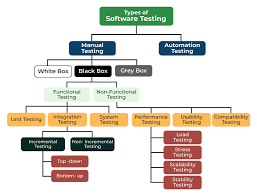

software development testing

Mastering Software Development Testing: Ensuring Quality and Performance

The Importance of Software Development Testing

The Importance of Software Development Testing

Software development testing is a crucial phase in the software development lifecycle. It involves the process of evaluating a software application to ensure that it meets specified requirements and functions correctly. Testing is essential for identifying defects, errors, or bugs in the software before it is released to end-users.

Benefits of Software Development Testing

Identifying Bugs Early: Testing helps in identifying and fixing bugs early in the development process, which reduces the cost and effort required for fixing them later.

Ensuring Quality: Testing ensures that the software meets quality standards and performs as expected, leading to higher customer satisfaction.

Enhancing Security: Security testing helps in identifying vulnerabilities and weaknesses in the software that can be exploited by malicious users.

Improving Performance: Performance testing helps in evaluating the speed, responsiveness, and stability of the software under different conditions.

Types of Software Development Testing

Unit Testing: Tests individual components or units of code to ensure they work correctly.

Integration Testing: Tests how well different modules work together as a group.

System Testing: Tests the entire system as a whole to ensure all components work together seamlessly.

Acceptance Testing: Tests if the software meets user requirements and is ready for release.

The Role of Testers

In software development testing, testers play a critical role in designing test cases, executing tests, reporting defects, and ensuring that the software meets quality standards. Testers collaborate closely with developers to identify and resolve issues effectively.

In Conclusion

Software development testing is an integral part of creating high-quality, reliable software applications. By investing time and resources in testing, organizations can deliver products that meet user expectations, perform well, and are secure against potential threats.


Essential Tips for Effective Software Development Testing

  1. Write clear and concise test cases that cover all possible scenarios.
  2. Automate repetitive tests to save time and ensure consistency.
  3. Perform both manual and automated testing to catch different types of issues.
  4. Regularly review and update your testing strategy to adapt to changes in the software.
  5. Collaborate with developers to understand the codebase better and improve test coverage.

Write clear and concise test cases that cover all possible scenarios.

When conducting software development testing, it is essential to write clear and concise test cases that cover all possible scenarios. By creating comprehensive test cases that address various scenarios, developers and testers can ensure thorough testing of the software application. Clear and concise test cases help in identifying potential issues early in the development process, leading to efficient bug fixing and a higher quality end product. Covering all possible scenarios in test cases also helps in validating the software’s functionality under different conditions, ensuring its reliability and performance.

Automate repetitive tests to save time and ensure consistency.

Automating repetitive tests in software development is a valuable tip that can significantly improve efficiency and maintain consistency in the testing process. By automating routine tests, developers can save time and resources that would otherwise be spent on manual testing. Automation helps ensure that tests are performed consistently, reducing the likelihood of human error and providing more reliable results. This approach not only speeds up the testing phase but also enhances the overall quality of the software by identifying issues quickly and accurately.

Perform both manual and automated testing to catch different types of issues.

Performing both manual and automated testing in software development is crucial to ensure comprehensive test coverage and catch different types of issues. Manual testing allows testers to apply human intelligence, creativity, and intuition to explore various scenarios that automated tests may overlook. On the other hand, automated testing helps in executing repetitive tests efficiently, ensuring consistency and accuracy. By combining both approaches, teams can identify a wider range of defects, improve test efficiency, and enhance the overall quality of the software product.

Regularly review and update your testing strategy to adapt to changes in the software.

Regularly reviewing and updating your testing strategy is a crucial tip in software development testing. As software evolves and changes over time, it is essential to adapt your testing approach to ensure comprehensive coverage and effectiveness. By staying proactive in evaluating and adjusting your testing strategy, you can better address new features, functionalities, and potential risks that may arise in the software development process. This proactive approach helps maintain the quality and reliability of the software while ensuring that it meets evolving requirements and user expectations.

Collaborate with developers to understand the codebase better and improve test coverage.

Collaborating with developers to understand the codebase better and improve test coverage is a valuable tip in software development testing. By working closely with developers, testers can gain insights into the intricacies of the code, identify potential areas of weakness, and create more effective test cases. This collaboration not only enhances communication and teamwork but also leads to a more comprehensive testing approach that ensures better quality and reliability of the software product. Ultimately, this joint effort between testers and developers results in a more robust testing strategy that benefits the entire software development process.

iot software development

Exploring the Future of IoT Software Development: Innovations and Transformations

IoT Software Development: Transforming the Future

IoT Software Development: Transforming the Future

The Internet of Things (IoT) is revolutionizing the way we interact with technology. By connecting everyday objects to the internet, IoT enables these devices to collect and exchange data, creating a network of smart devices that can be controlled remotely. This transformation is largely driven by advancements in IoT software development.

What is IoT Software Development?

IoT software development involves creating applications and platforms that allow devices to communicate with each other and with users. This includes developing firmware for sensors and controllers, middleware for connectivity, and user applications for monitoring and control.

Key Components of IoT Software

  • Sensors and Devices: The hardware components that collect data from the physical environment.
  • Connectivity: Protocols and networks that enable communication between devices.
  • Data Processing: Software that processes data collected by sensors to extract meaningful insights.
  • User Interface: Applications that allow users to interact with IoT systems, such as mobile apps or web dashboards.

The Role of IoT Developers

IoT developers play a crucial role in bringing smart solutions to life. They work on integrating various technologies to create seamless experiences for users. Their responsibilities include:

  • Designing Architecture: Planning how different components of an IoT system will interact.
  • Coding Firmware: Writing low-level code for sensors and microcontrollers.
  • Developing Applications: Creating user interfaces and applications for device management.
  • Ensuring Security: Implementing security measures to protect data privacy and prevent unauthorized access.

The Challenges of IoT Software Development

The field of IoT software development presents several challenges, including:

  • Diverse Technologies: Integrating different hardware platforms, operating systems, and communication protocols can be complex.
  • Scalability: Ensuring that IoT systems can handle large numbers of connected devices efficiently.
  • Security Concerns: Protecting sensitive data from cyber threats is a top priority in any IoT solution.

The Future of IoT Software Development

The future looks promising for IoT software development as technology continues to evolve. With advancements in artificial intelligence (AI) and machine learning (ML), future IoT applications will become even more intelligent, offering predictive analytics and automation capabilities. As 5G networks expand globally, the increased bandwidth will enable faster communication between devices, further enhancing the potential of IoT solutions.

The possibilities are endless as industries ranging from healthcare to agriculture embrace IoT innovations. As developers continue to push boundaries, we can expect smarter cities, homes, industries, and more efficient resource management across sectors worldwide.

The journey into the world of connected devices is just beginning—driven by creative minds committed to making life simpler through innovative technology solutions. With continuous advancements in this field, it’s an exciting time for both developers and consumers alike!


7 Essential Tips for Successful IoT Software Development

  1. Understand the requirements and objectives clearly before starting development.
  2. Choose the right IoT platform that suits your project needs.
  3. Focus on security from the beginning to protect data and devices.
  4. Implement efficient data management strategies for handling large amounts of IoT data.
  5. Test your software thoroughly to ensure reliability and performance under different conditions.
  6. Consider scalability to accommodate future growth and increasing device connections.
  7. Stay updated with the latest IoT trends and technologies to enhance your development skills.

Understand the requirements and objectives clearly before starting development.

Understanding the requirements and objectives clearly before starting IoT software development is crucial for project success. By having a comprehensive grasp of what needs to be achieved and the desired outcomes, developers can create a roadmap that guides them throughout the development process. This clarity helps in making informed decisions, setting realistic goals, and ensuring that the final product aligns with the client’s expectations. Clear requirements also facilitate effective communication among team members and stakeholders, leading to a more streamlined and efficient development cycle.

Choose the right IoT platform that suits your project needs.

Selecting the appropriate IoT platform that aligns with the specific requirements of your project is crucial for successful IoT software development. The right platform can provide essential features and functionalities tailored to your project needs, ensuring seamless integration, scalability, and efficient data management. By carefully evaluating and choosing a suitable IoT platform, you can lay a solid foundation for building a robust and effective IoT solution that meets your objectives effectively.

Focus on security from the beginning to protect data and devices.

When embarking on IoT software development, it is crucial to prioritize security right from the start to safeguard both data and devices. By focusing on security measures early in the development process, such as implementing encryption protocols, access controls, and regular security audits, developers can mitigate potential vulnerabilities and ensure the integrity of the IoT ecosystem. Proactively addressing security concerns not only protects sensitive information but also fosters trust among users, ultimately leading to a more robust and reliable IoT solution.

Implement efficient data management strategies for handling large amounts of IoT data.

Implementing efficient data management strategies is crucial for handling the vast amounts of data generated by IoT devices. By optimizing how data is collected, stored, and processed, organizations can ensure that valuable insights are extracted in a timely manner. Utilizing techniques such as data compression, real-time analytics, and scalable storage solutions can help streamline the handling of IoT data, leading to improved performance and decision-making capabilities. Effective data management not only enhances operational efficiency but also paves the way for innovative applications and services in the realm of IoT software development.

Test your software thoroughly to ensure reliability and performance under different conditions.

Testing your IoT software thoroughly is essential to guarantee its reliability and performance across various conditions. By conducting comprehensive testing, you can identify and address potential issues before deployment, ensuring a seamless user experience. Testing under different scenarios helps uncover vulnerabilities and weaknesses, allowing you to fine-tune your software for optimal functionality. Prioritizing thorough testing not only enhances the quality of your IoT solution but also instills confidence in its ability to perform consistently in real-world environments.

Consider scalability to accommodate future growth and increasing device connections.

When delving into IoT software development, it is crucial to prioritize scalability to anticipate future growth and the rise in device connections. By designing systems that can easily expand and accommodate a larger number of connected devices, developers ensure that their solutions remain efficient and effective as the IoT ecosystem evolves. Scalability not only future-proofs the software but also enables seamless integration of new devices and functionalities, fostering a sustainable and adaptable IoT infrastructure.

Staying updated with the latest IoT trends and technologies is essential for enhancing your development skills in this rapidly evolving field. By keeping abreast of new advancements, you can gain valuable insights into innovative solutions and best practices that can elevate your IoT software development capabilities. Embracing continuous learning and staying informed about emerging trends will not only expand your knowledge base but also empower you to create cutting-edge IoT applications that meet the evolving needs of users and businesses.

qa in software development

The Role of QA in Ensuring Quality Software Development

The Importance of Quality Assurance in Software Development

The Importance of Quality Assurance in Software Development

In the fast-paced world of software development, ensuring the quality of a product is crucial to its success. This is where Quality Assurance (QA) plays a vital role. QA in software development involves a systematic process of checking and testing software to identify and fix any issues before it is released to the end-users.

Why is QA Important?

Ensures Product Reliability: QA helps in identifying and fixing bugs and errors in the software, ensuring that the final product works as intended without any unexpected issues.

Enhances User Experience: By conducting thorough testing, QA ensures that the software meets user expectations in terms of functionality, performance, and usability, leading to a positive user experience.

Saves Time and Money: Identifying and fixing bugs early in the development process through QA can save significant time and resources that would otherwise be spent on resolving issues post-release.

The Role of QA Engineers

QA engineers are responsible for designing test plans, executing tests, analyzing results, and working closely with developers to address any identified issues. They play a critical role in maintaining the quality standards of the software throughout its development lifecycle.

Types of Testing in QA

There are various types of testing conducted as part of QA processes, including:

  • Functional Testing
  • Performance Testing
  • Security Testing
  • User Acceptance Testing (UAT)

Conclusion

Quality Assurance is an essential component of software development that ensures high-quality products are delivered to users. By investing in robust QA processes and skilled QA engineers, companies can enhance their reputation, reduce risks, and ultimately deliver better software products.


6 Essential QA Tips for Effective Software Development

  1. Define clear acceptance criteria for each feature
  2. Perform thorough testing at each stage of development
  3. Automate repetitive test cases to save time and effort
  4. Collaborate closely with developers to identify and resolve issues early
  5. Document bugs and issues clearly for easy tracking and resolution
  6. Regularly review and update test cases to ensure comprehensive coverage

Define clear acceptance criteria for each feature

In software development, defining clear acceptance criteria for each feature is a crucial tip in ensuring effective Quality Assurance (QA) practices. Acceptance criteria serve as measurable guidelines that help both developers and QA teams understand the expected behavior and functionality of a feature. By establishing specific criteria upfront, such as user interactions, performance benchmarks, and error handling scenarios, teams can streamline testing processes, identify potential issues early on, and ultimately deliver high-quality software that meets user expectations.

Perform thorough testing at each stage of development

Performing thorough testing at each stage of development is a critical tip in software development Quality Assurance (QA). By conducting comprehensive testing throughout the development process, potential issues can be identified and addressed early, reducing the likelihood of costly errors later on. This proactive approach helps ensure that the final product meets quality standards and functions as intended, leading to a more efficient and successful software release.

Automate repetitive test cases to save time and effort

Automating repetitive test cases in software development is a valuable tip that can significantly save time and effort. By leveraging automation tools and scripts to execute routine tests, QA teams can focus their energy on more complex and critical testing tasks. This not only speeds up the testing process but also reduces the likelihood of human errors, leading to more reliable and efficient software development cycles. Embracing automation in QA practices allows teams to allocate resources effectively and ensure that software products are thoroughly tested while maximizing productivity.

Collaborate closely with developers to identify and resolve issues early

Collaborating closely with developers to identify and resolve issues early is a crucial tip in quality assurance for software development. By fostering a strong partnership between QA engineers and developers, teams can proactively address potential issues during the development process, leading to quicker bug fixes, improved product quality, and ultimately a more seamless user experience. This collaborative approach not only streamlines the testing process but also promotes a culture of continuous improvement and teamwork within the development team.

Document bugs and issues clearly for easy tracking and resolution

Documenting bugs and issues clearly is a crucial tip in quality assurance for software development. By providing detailed descriptions of identified problems, including steps to reproduce them and any relevant information, teams can track and prioritize issues effectively. Clear documentation also facilitates smoother communication between QA engineers and developers, leading to quicker resolution of bugs and overall improved product quality.

Regularly review and update test cases to ensure comprehensive coverage

Regularly reviewing and updating test cases is a critical practice in software development Quality Assurance (QA). By ensuring that test cases are regularly reviewed and updated, QA teams can maintain comprehensive coverage of the software’s functionality. This practice helps in identifying any gaps in testing and ensures that all aspects of the software are thoroughly tested. Additionally, updating test cases based on changes in requirements or new features helps in keeping the testing process relevant and effective. Overall, this tip plays a key role in enhancing the quality of software products and minimizing the risk of undetected issues.

software project management in software engineering

Effective Software Project Management Strategies in Software Engineering

Software Project Management in Software Engineering

Software Project Management in Software Engineering

Software project management is a crucial aspect of software engineering that focuses on planning, organizing, and executing software development projects. It involves applying specific processes, methods, and tools to ensure the successful completion of a software project within the defined constraints of scope, time, cost, and quality.

Key Components of Software Project Management:

Planning: This phase involves defining the project scope, objectives, deliverables, and resources required. A detailed project plan is created to outline tasks, milestones, timelines, and dependencies.

Scheduling: Scheduling involves creating a timeline for project activities and allocating resources effectively to meet deadlines. Tools like Gantt charts are commonly used to visualize project schedules.

Budgeting: Budgeting involves estimating costs associated with the project, including labor costs, equipment costs, software licenses, and other expenses. Effective budget management is essential to prevent cost overruns.

Risk Management: Identifying potential risks that could impact the project’s success and developing strategies to mitigate or respond to these risks is a critical aspect of software project management.

Communication: Effective communication among team members, stakeholders, and clients is vital for ensuring everyone is aligned with project goals and progress updates are shared regularly.

Importance of Software Project Management:

Effective software project management helps organizations achieve their software development goals efficiently by improving collaboration among team members, reducing risks of project failure, optimizing resource allocation, and ensuring timely delivery of high-quality software products.

Conclusion:

In conclusion, software project management plays a crucial role in the success of software engineering projects by providing a structured approach to planning, executing, monitoring progress, and delivering results within specified constraints. By implementing best practices in software project management, organizations can increase their chances of delivering successful software solutions that meet user requirements and business objectives.


Essential FAQs on Software Project Management in Software Engineering

  1. What is software project management?
  2. Why is software project management important in software engineering?
  3. What are the key components of software project management?
  4. How does scheduling impact software project management?
  5. What tools are commonly used in software project management?
  6. How do you manage risks in software project management?
  7. What role does communication play in software project management?
  8. How can effective budgeting contribute to the success of a software project?

What is software project management?

Software project management in software engineering refers to the discipline of planning, organizing, and overseeing the development of software projects from inception to completion. It involves defining project goals, creating detailed plans, allocating resources effectively, managing risks, monitoring progress, and ensuring that the project is delivered on time and within budget. Software project management is essential for coordinating the efforts of team members, stakeholders, and clients to achieve a common objective and deliver high-quality software solutions that meet user requirements.

Why is software project management important in software engineering?

Software project management is essential in software engineering for several reasons. Firstly, it helps in defining clear project objectives, scope, and deliverables, ensuring that the team works towards a common goal. Secondly, effective project management facilitates proper planning and resource allocation, optimizing the use of time and budget. Additionally, it enables risk identification and mitigation strategies to be put in place, reducing the likelihood of project failures. Ultimately, software project management plays a vital role in ensuring that software development projects are completed successfully within set constraints while meeting quality standards and stakeholder expectations.

What are the key components of software project management?

One of the frequently asked questions in software project management in software engineering is about the key components of the discipline. The key components of software project management include planning, scheduling, budgeting, risk management, and communication. Planning involves defining project scope and objectives, while scheduling focuses on creating timelines and allocating resources efficiently. Budgeting entails estimating project costs, and risk management involves identifying and addressing potential risks. Effective communication ensures that all stakeholders are informed and aligned throughout the project lifecycle. These components are essential for successful software project management as they help streamline processes, manage resources effectively, and mitigate risks to achieve project goals.

How does scheduling impact software project management?

Scheduling plays a critical role in software project management as it directly influences the project’s timeline, resource allocation, and overall success. Effective scheduling helps in setting realistic deadlines for project milestones, ensuring that tasks are completed on time and within budget. By creating a well-defined schedule, project managers can identify potential bottlenecks, allocate resources efficiently, and track progress against set timelines. Additionally, scheduling allows for better risk management by providing a clear roadmap for the project team to follow and adapt to changes as needed. Ultimately, the impact of scheduling on software project management is significant, as it helps in maintaining project momentum, meeting client expectations, and delivering high-quality software solutions.

What tools are commonly used in software project management?

In software project management within software engineering, various tools are commonly utilized to facilitate efficient project planning, collaboration, tracking, and communication. Some of the widely used tools include project management software such as Jira, Trello, and Asana for task management and progress tracking. Version control systems like Git help manage code changes and collaboration among developers. Communication tools like Slack and Microsoft Teams enable real-time communication among team members. Additionally, Gantt charts and Kanban boards are popular visualization tools that aid in scheduling tasks and monitoring project timelines. These tools play a vital role in streamlining project workflows, enhancing team productivity, and ensuring successful software project delivery.

How do you manage risks in software project management?

Managing risks in software project management is a critical aspect that involves identifying potential threats or uncertainties that could impact the project’s success and developing strategies to mitigate or address them effectively. To manage risks, project managers typically conduct risk assessments to identify and prioritize potential risks, create risk mitigation plans to reduce the likelihood or impact of identified risks, and establish contingency plans to address unforeseen events. Regular monitoring and communication about risks throughout the project lifecycle are essential to ensure timely responses and minimize negative impacts on project objectives. By proactively managing risks, software project teams can enhance their ability to deliver projects successfully within defined constraints.

What role does communication play in software project management?

Effective communication plays a pivotal role in software project management. Clear and consistent communication among team members, stakeholders, and clients is essential for ensuring that everyone is on the same page regarding project goals, requirements, progress, and challenges. Communication helps in aligning expectations, resolving conflicts, and fostering collaboration within the team. It also enables timely identification and mitigation of risks, facilitates decision-making processes, and ultimately contributes to the successful delivery of high-quality software products within the defined constraints of scope, time, cost, and quality. In essence, communication acts as a linchpin that holds together all aspects of software project management, ensuring transparency, accountability, and shared understanding throughout the project lifecycle.

How can effective budgeting contribute to the success of a software project?

Effective budgeting plays a key role in contributing to the success of a software project in software engineering. By accurately estimating and managing costs associated with the project, teams can ensure that financial resources are allocated efficiently and that the project stays within budget constraints. Effective budgeting allows for better resource planning, cost control, and risk management throughout the project lifecycle. It helps in preventing cost overruns, identifying potential cost-saving opportunities, and making informed decisions regarding investments in tools, technologies, and human resources. Ultimately, effective budgeting promotes financial transparency, accountability, and sustainability, which are essential for achieving project objectives on time and within scope.

wgu software development

Exploring the World of Software Development at WGU

Article: WGU Software Development

The World of Software Development at WGU

Software development is a dynamic and rapidly evolving field that plays a crucial role in today’s digital age. At Western Governors University (WGU), students have the opportunity to delve into the exciting world of software development through comprehensive programs designed to equip them with the skills and knowledge needed to succeed in this competitive industry.

Hands-On Learning

One of the key aspects of WGU’s software development programs is the emphasis on hands-on learning. Students have access to cutting-edge tools and technologies, allowing them to gain practical experience in developing software applications, coding, testing, and debugging. This hands-on approach not only enhances their technical skills but also prepares them for real-world challenges they may encounter in their careers.

Industry-Relevant Curriculum

The curriculum at WGU is carefully crafted to align with industry standards and best practices. Students learn about various programming languages, software development methodologies, database management, web development, and more. They are exposed to real-world projects that simulate the complexities of working in a professional software development environment.

Dedicated Faculty and Support

At WGU, students benefit from the guidance and support of experienced faculty members who are experts in the field of software development. These mentors provide personalized feedback, mentorship, and assistance to help students navigate their academic journey successfully. Additionally, students have access to a range of resources such as online libraries, study materials, and career services to support their learning.

Career Opportunities

Graduates of WGU’s software development programs are well-equipped to pursue diverse career opportunities in the tech industry. Whether they choose to work as software developers, web developers, systems analysts, or IT consultants, they possess the skills and knowledge needed to excel in these roles. The demand for skilled software developers continues to grow across industries, making it an exciting time for individuals entering this field.

Join the Exciting World of Software Development

If you have a passion for technology and a desire to create innovative solutions through coding and programming, consider exploring the software development programs offered at WGU. With a focus on practical learning experiences, industry relevance, dedicated support, and promising career prospects, WGU sets you on the path toward a successful career in software development.


Top 4 FAQs About WGU’s Software Development Program: Degrees, Coding Skills, and Career Prospects

  1. What degree is best for a software developer?
  2. Is a BS in software development worth IT?
  3. Does WGU teach you to code?
  4. How much do software engineers make at WGU?

What degree is best for a software developer?

When considering the best degree for a software developer, a Bachelor’s degree in Computer Science is often regarded as a solid choice. This degree provides a strong foundation in programming languages, algorithms, data structures, software development methodologies, and computer systems. Alternatively, degrees in Software Engineering or Information Technology with a focus on software development can also be beneficial. Ultimately, the best degree for a software developer may vary based on individual career goals, interests, and the specific skills and knowledge sought within the dynamic field of software development.

Is a BS in software development worth IT?

When considering pursuing a Bachelor of Science in software development at WGU, the question of whether it is worth it often arises. The answer lies in the immense value that a degree in software development can offer. In today’s digital-driven world, where technology plays a pivotal role in nearly every aspect of business and society, the demand for skilled software developers continues to soar. A BS in software development equips individuals with the knowledge, skills, and credentials needed to thrive in this competitive field. Graduates can pursue diverse career opportunities, command competitive salaries, and contribute to cutting-edge technological advancements. Ultimately, investing in a BS in software development from WGU can open doors to a rewarding and promising career path in the ever-evolving IT industry.

Does WGU teach you to code?

One of the frequently asked questions about WGU’s software development programs is whether the university teaches coding. The answer is a resounding yes. WGU’s curriculum is designed to equip students with the necessary coding skills to excel in the field of software development. Students have the opportunity to learn various programming languages, practice coding techniques, and work on real-world projects that enhance their coding proficiency. With a focus on hands-on learning and industry-relevant coursework, WGU ensures that students graduate with the coding expertise needed to succeed in their careers as software developers.

How much do software engineers make at WGU?

When considering the earning potential of software engineers who graduate from Western Governors University (WGU), it is important to note that salaries can vary based on factors such as experience, location, industry, and specific job roles. Generally, software engineers at WGU can expect competitive salaries that align with industry standards. Graduates with strong technical skills and a solid foundation in software development are well-positioned to pursue lucrative career opportunities in the tech sector. It is recommended for individuals interested in pursuing a career as a software engineer to conduct further research on salary trends in the field to gain a better understanding of potential earning prospects.

sustainable software development

Driving Innovation Through Sustainable Software Development Practices

The Importance of Sustainable Software Development

The Importance of Sustainable Software Development

In today’s rapidly evolving technological landscape, the concept of sustainability is not limited to environmental concerns. Sustainable software development has emerged as a crucial aspect of creating long-lasting and impactful digital solutions.

So, what exactly is sustainable software development? It refers to the practice of designing, building, and maintaining software applications in a way that minimizes negative impacts on the environment, society, and the economy while maximizing positive outcomes.

Key Principles of Sustainable Software Development

  • Efficiency: Writing efficient code that consumes fewer resources such as memory and processing power can contribute to reducing energy consumption.
  • Scalability: Designing software that can adapt to changing needs and accommodate growth without significant rework helps in extending the lifespan of applications.
  • Resilience: Building resilient software that can withstand failures and disruptions not only enhances user experience but also reduces the need for frequent updates and replacements.
  • Transparency: Being transparent about the environmental impact of software development practices can raise awareness and promote more sustainable approaches within the industry.
  • Circular Economy: Embracing principles of circular economy by reusing components, recycling code, and minimizing waste can contribute to a more sustainable software ecosystem.

The Benefits of Sustainable Software Development

By adopting sustainable practices in software development, organizations can reap numerous benefits:

  • Cost Savings: Efficient use of resources leads to cost savings in terms of energy consumption, infrastructure maintenance, and operational expenses.
  • Innovation: Focusing on sustainability encourages innovation in design and development processes, leading to creative solutions that address both environmental and business challenges.
  • Competitive Advantage: Demonstrating a commitment to sustainability can enhance brand reputation, attract environmentally conscious customers, and give organizations a competitive edge in the market.
  • Long-Term Viability: Sustainable software solutions are more likely to remain relevant and functional over time, reducing the need for frequent upgrades or replacements.

In Conclusion

Sustainable software development is not just a trend but a necessity in today’s digital age. By integrating sustainability principles into the entire software development lifecycle, organizations can create resilient, efficient, and future-proof solutions that benefit both their business objectives and the planet as a whole.


7 Essential Tips for Sustainable Software Development

  1. Write efficient code to reduce energy consumption.
  2. Minimize server usage by optimizing resource allocation.
  3. Use version control to track changes and collaborate efficiently.
  4. Prioritize modular and scalable design for easier maintenance and updates.
  5. Implement automated testing to catch bugs early and improve overall software quality.
  6. Consider the environmental impact of data storage and choose eco-friendly options.
  7. Regularly review and refactor code to improve performance and sustainability.

Write efficient code to reduce energy consumption.

Writing efficient code is a key tip in sustainable software development as it directly contributes to reducing energy consumption. By optimizing algorithms, minimizing resource usage, and improving code performance, developers can create software that operates more efficiently, requiring less processing power and thereby lowering the overall energy consumption of the system. This not only benefits the environment by reducing carbon emissions but also leads to cost savings for organizations in terms of energy bills and infrastructure maintenance. Efficient code is a fundamental aspect of creating sustainable software solutions that are both environmentally friendly and economically viable in the long run.

Minimize server usage by optimizing resource allocation.

To promote sustainable software development, it is essential to minimize server usage by optimizing resource allocation. By efficiently allocating resources on servers, such as memory and processing power, developers can reduce energy consumption and minimize the environmental impact of running software applications. This practice not only contributes to cost savings but also aligns with the principles of sustainability by ensuring that resources are used effectively and responsibly. By prioritizing resource optimization, software developers can create more efficient and eco-friendly solutions that support a greener digital ecosystem.

Use version control to track changes and collaborate efficiently.

Utilizing version control systems is a crucial tip in sustainable software development as it allows developers to track changes, manage code revisions, and collaborate efficiently across teams. By maintaining a centralized repository of code versions, developers can easily revert to previous iterations, identify and resolve issues, and ensure consistency in the development process. This practice not only enhances productivity but also promotes transparency and accountability within the development workflow, contributing to the overall sustainability of software projects.

Prioritize modular and scalable design for easier maintenance and updates.

To promote sustainable software development, it is essential to prioritize modular and scalable design. By breaking down software components into modular units that can be easily maintained and updated independently, developers can streamline the maintenance process and facilitate future updates. This approach not only improves the longevity of the software but also enhances its adaptability to evolving requirements, ultimately reducing the environmental impact associated with frequent overhauls or replacements.

Implement automated testing to catch bugs early and improve overall software quality.

Implementing automated testing in software development is a key strategy for promoting sustainability. By catching bugs early in the development process, automated testing helps improve overall software quality and reliability. This proactive approach not only reduces the time and effort required for bug fixing but also minimizes the environmental impact associated with rework and inefficient coding practices. Embracing automated testing not only enhances the efficiency of software development but also contributes to building more sustainable digital solutions that can adapt to changing needs and minimize resource consumption over time.

Consider the environmental impact of data storage and choose eco-friendly options.

When focusing on sustainable software development, it is essential to consider the environmental impact of data storage. Opting for eco-friendly options in data storage can significantly reduce the carbon footprint of software applications. By choosing energy-efficient storage solutions and implementing practices such as data deduplication and compression, developers can minimize resource consumption and contribute to a more sustainable digital ecosystem. Prioritizing eco-friendly data storage not only benefits the environment but also aligns with the principles of responsible and forward-thinking software development.

Regularly review and refactor code to improve performance and sustainability.

Regularly reviewing and refactoring code is a crucial practice in sustainable software development. By continuously assessing and optimizing the codebase, developers can enhance performance, reduce resource consumption, and ensure the long-term sustainability of the software. Refactoring allows for the elimination of redundant or inefficient code, making the application more efficient and easier to maintain. This proactive approach not only improves the overall quality of the software but also contributes to a more sustainable digital ecosystem by minimizing waste and maximizing efficiency.

object oriented software development

Mastering Object-Oriented Software Development: A Comprehensive Guide

Object-Oriented Software Development

The Power of Object-Oriented Software Development

Object-oriented software development is a powerful paradigm that has revolutionized the way we design and build software applications. By organizing code into objects that interact with each other, developers can create more modular, flexible, and scalable systems.

Key Concepts of Object-Oriented Programming (OOP)

In OOP, everything is treated as an object, which encapsulates data and behavior. The key concepts of OOP include:

  • Classes: Blueprint for creating objects with shared attributes and methods.
  • Objects: Instances of classes that contain data and can perform actions.
  • Inheritance: Mechanism for creating new classes based on existing ones to promote code reuse.
  • Polymorphism: Ability for objects to take on different forms or behaviors based on their context.
  • Encapsulation: Bundling data and methods within a class to restrict access and maintain code integrity.

Benefits of Object-Oriented Software Development

There are several advantages to using OOP in software development:

  • Modularity: Code is organized into self-contained objects, making it easier to manage and update.
  • Reusability: Objects can be reused in different parts of the application or in other projects, saving time and effort.
  • Maintainability: Changes made to one part of the codebase do not necessarily impact other parts, reducing the risk of introducing bugs.
  • Scalability: OOP allows for building complex systems by breaking them down into smaller, more manageable components.
  • Ease of Testing: Objects can be tested individually, leading to more efficient testing processes and improved quality assurance.

Popular Object-Oriented Programming Languages

Many programming languages support object-oriented programming principles. Some popular OOP languages include Java, C++, Python, C#, and Ruby. Each language has its own syntax and features for implementing OOP concepts effectively.


Understanding Object-Oriented Software Development: Key Concepts and Examples

  1. What is object-oriented programming with example?
  2. What are the 4 basics of OOP?
  3. What is an example of object-oriented software development?
  4. What is object-oriented programming software?
  5. Is OOP used in software development?

What is object-oriented programming with example?

Object-oriented programming (OOP) is a programming paradigm that structures code around objects, which are instances of classes containing data and behavior. In OOP, objects interact with each other to perform tasks, making the code more modular and easier to manage. An example of object-oriented programming can be seen in a simple banking system. A “BankAccount” class could define properties such as account number, balance, and owner name, along with methods like deposit and withdraw. Multiple instances of the BankAccount class can be created for different customers, each with its own unique data. This encapsulation of data and behavior within objects is a fundamental concept of OOP that promotes code reusability and maintainability.

What are the 4 basics of OOP?

In object-oriented software development, understanding the four basics of OOP is crucial for mastering this programming paradigm. The four fundamental principles of OOP are encapsulation, inheritance, polymorphism, and abstraction. Encapsulation involves bundling data and methods within a class to restrict access and maintain code integrity. Inheritance allows for creating new classes based on existing ones to promote code reuse. Polymorphism enables objects to take on different forms or behaviors based on their context. Abstraction involves hiding complex implementation details and providing a simplified interface for interacting with objects. By grasping these core concepts, developers can effectively design and build robust, scalable software systems using object-oriented programming techniques.

What is an example of object-oriented software development?

In the realm of object-oriented software development, a classic example that often comes to mind is the creation of a banking system. In this scenario, various objects such as accounts, customers, transactions, and employees are defined with their respective attributes and behaviors. For instance, an “Account” object may have properties like account number, balance, and account type, along with methods to deposit funds, withdraw money, and check the balance. Through interactions between these objects using inheritance, encapsulation, and polymorphism principles, a robust and scalable banking system can be designed and implemented following the object-oriented paradigm.

What is object-oriented programming software?

Object-oriented programming software is a methodology used in software development where code is organized around objects that encapsulate data and behavior. In this paradigm, everything is treated as an object, which can interact with other objects to perform tasks. Objects are instances of classes that define their attributes and methods. Object-oriented programming promotes modularity, reusability, and maintainability by breaking down complex systems into smaller, more manageable components. By utilizing concepts such as inheritance, polymorphism, and encapsulation, developers can create flexible and scalable applications that are easier to design, implement, and maintain.

Is OOP used in software development?

In the realm of software development, Object-Oriented Programming (OOP) is a widely utilized paradigm that plays a fundamental role in creating robust and scalable applications. OOP is extensively employed by developers across various industries due to its ability to enhance code organization, promote reusability, and facilitate easier maintenance of complex systems. By structuring code into objects that encapsulate data and behavior, OOP enables developers to build modular and efficient software solutions. The adoption of OOP principles has become a standard practice in modern software development, highlighting its significance in shaping the way applications are designed and implemented.

modern software development

Exploring the Innovations in Modern Software Development

The Evolution of Modern Software Development

The Evolution of Modern Software Development

In today’s fast-paced digital world, software development has undergone a significant transformation. Modern software development practices have revolutionized the way applications are built, deployed, and maintained.

Agile Methodology

One of the key pillars of modern software development is the adoption of agile methodology. Agile emphasizes iterative development, collaboration, and flexibility in responding to change. This approach allows teams to deliver high-quality software products more efficiently and adapt to evolving requirements.

DevOps Integration

DevOps has become an integral part of modern software development processes. By combining development (Dev) and operations (Ops) functions, DevOps promotes automation, collaboration, and continuous integration/continuous delivery (CI/CD). This integration streamlines the software delivery pipeline and enhances overall product quality.

Cloud Computing

Cloud computing has revolutionized how software is developed and deployed. Cloud platforms offer scalability, flexibility, and cost-effectiveness for hosting applications. Developers can leverage cloud services for storage, computing power, and infrastructure-as-code (IaC) to build robust and scalable solutions.

Microservices Architecture

Modern software applications are increasingly adopting a microservices architecture. This approach breaks down complex monolithic applications into smaller, independent services that communicate via APIs. Microservices enable teams to work on different components simultaneously, improve fault isolation, and scale individual services independently.

AI and Machine Learning

The integration of artificial intelligence (AI) and machine learning (ML) technologies is transforming modern software development. AI-powered tools enhance automation, predictive analytics, natural language processing (NLP), and data-driven decision-making. Developers can leverage AI/ML algorithms to optimize performance, personalize user experiences, and automate repetitive tasks.

In conclusion, modern software development is characterized by agility, automation, cloud-native architectures,

microservices,

AI/ML integration,

collaboration,

continuous delivery,

and customer-centricity.

Embracing these trends empowers organizations to innovate rapidly,

deliver value to customers efficiently,

and stay competitive in today’s dynamic market landscape.

By leveraging modern software development practices

businesses can drive digital transformation

accelerate time-to-market

improve product quality

foster innovation

respond quickly to changing market demands

Stay ahead in the digital era.


Understanding Modern Software Development: Key FAQs and Methodologies Explained

  1. What is modern programming?
  2. What are modern software engineering practices?
  3. What are the seven 7 software development methodologies?
  4. What are the 5 phases of software development?
  5. What are the 7 phases of software development life cycle?
  6. What are the top five principles of modern process?
  7. What are the 6 stages of software development?
  8. How is modern software built?
  9. What is the modern software development method?

What is modern programming?

Modern programming refers to the contemporary approach and practices used in software development to create efficient, scalable, and innovative applications. It encompasses the adoption of agile methodologies, DevOps principles, cloud computing services, microservices architecture, and integration of artificial intelligence and machine learning technologies. Modern programming emphasizes collaboration, automation, continuous delivery, and customer-centricity to meet the evolving demands of today’s digital landscape. By embracing modern programming techniques, developers can build robust solutions that drive digital transformation, enhance user experiences, and stay competitive in a rapidly changing technological environment.

What are modern software engineering practices?

Modern software engineering practices encompass a range of methodologies and techniques that have evolved to meet the demands of today’s dynamic digital landscape. These practices include agile development, DevOps integration, continuous integration/continuous delivery (CI/CD), test-driven development (TDD), code reviews, version control systems, and automated testing. By embracing these modern practices, software development teams can achieve greater efficiency, collaboration, quality assurance, and responsiveness to changing requirements. Adopting these practices enables organizations to deliver high-quality software products faster, more reliably, and with enhanced customer satisfaction.

What are the seven 7 software development methodologies?

When it comes to modern software development methodologies, there are several approaches that teams can adopt based on their project requirements and organizational goals. Seven commonly recognized software development methodologies include Agile, Waterfall, Scrum, Kanban, Lean, Extreme Programming (XP), and Spiral. Each methodology offers unique principles and practices to guide the development process, emphasizing factors such as iterative development, customer collaboration, continuous improvement, flexibility in responding to changes, and efficient project management. By understanding the characteristics of these methodologies, teams can choose the most suitable approach to enhance productivity and deliver high-quality software solutions effectively.

What are the 5 phases of software development?

In modern software development, the process typically consists of five key phases: requirements gathering, design, implementation, testing, and maintenance. During the requirements gathering phase, stakeholders define and document the project’s objectives and specifications. The design phase involves creating a blueprint for the software’s architecture and functionality. Implementation is where developers write and code the actual software based on the design specifications. Testing is crucial for identifying and fixing bugs or issues in the software before deployment. Finally, maintenance involves ongoing updates, enhancements, and support to ensure the software remains efficient and effective over time. These five phases form a structured approach to developing high-quality software that meets user needs and business objectives.

What are the 7 phases of software development life cycle?

The software development life cycle consists of seven key phases that guide the process of creating software applications. These phases include planning, requirement analysis, design, implementation, testing, deployment, and maintenance. Each phase plays a crucial role in ensuring the successful development and delivery of high-quality software products. From defining project goals and requirements to coding, testing, and ongoing maintenance, following these structured phases helps teams streamline development processes, manage risks effectively, and ultimately deliver solutions that meet user needs and business objectives.

What are the top five principles of modern process?

Modern software development is guided by several key principles that ensure efficiency, quality, and adaptability. The top five principles include:

  1. **Agility**: Emphasizing iterative development and flexibility, agile methodologies allow teams to adapt quickly to changing requirements and deliver incremental improvements continuously.
  2. **Collaboration**: Effective communication and teamwork across cross-functional teams are crucial for aligning goals, sharing knowledge, and ensuring that all stakeholders are on the same page throughout the development process.
  3. **Automation**: Automating repetitive tasks such as testing, integration, and deployment enhances productivity and reduces human error, allowing developers to focus on more complex problem-solving.
  4. **Continuous Improvement**: By fostering a culture of ongoing learning and refinement through regular feedback loops and retrospectives, teams can consistently enhance their processes and products.
  5. **Customer-Centricity**: Keeping the end-user in mind at every stage of development ensures that the final product meets customer needs and expectations, leading to higher satisfaction and better market fit.

Together, these principles form a robust framework for developing high-quality software in today’s fast-paced digital landscape.

What are the 6 stages of software development?

In modern software development, the process typically consists of six key stages: requirements gathering, design, implementation, testing, deployment, and maintenance. During the requirements gathering phase, stakeholders collaborate to define project goals and specifications. The design stage involves creating a blueprint for the software architecture and user interface. Implementation is where developers write the code based on the design specifications. Testing ensures that the software functions correctly and meets quality standards. Deployment involves releasing the software to users or clients. Finally, maintenance involves ongoing support, updates, and improvements to ensure the software remains efficient and effective over time. These six stages are crucial in delivering successful software solutions that meet user needs and business objectives.

How is modern software built?

Modern software development involves a multi-faceted approach that combines innovative methodologies, cutting-edge technologies, and collaborative practices. Typically, modern software is built using agile methodologies that emphasize iterative development, continuous feedback, and adaptive planning. Development teams leverage tools and frameworks for automation, version control, and testing to streamline the development process. Cloud computing plays a crucial role in providing scalable infrastructure for deploying and hosting applications. Furthermore, the adoption of microservices architecture allows for modular design, enabling teams to work on independent components efficiently. Overall, modern software is built through a combination of agile practices, DevOps principles, cloud services, and advanced technologies to deliver high-quality applications that meet evolving user needs.

What is the modern software development method?

The modern software development method primarily revolves around agile practices, which emphasize flexibility, collaboration, and iterative progress. Unlike traditional waterfall models that follow a linear approach, modern methodologies like Agile and Scrum allow for adaptive planning and continual improvement throughout the development process. This approach encourages frequent communication among cross-functional teams, involving stakeholders at every stage to ensure that the final product aligns with user needs and expectations. Additionally, modern methods often incorporate DevOps practices to streamline deployment and operations, enabling continuous integration and delivery (CI/CD). By fostering a culture of responsiveness and innovation, these methods help teams deliver high-quality software more efficiently in today’s fast-paced technological landscape.

rapid software development

Accelerating Innovation: The Power of Rapid Software Development

The Advantages of Rapid Software Development

The Advantages of Rapid Software Development

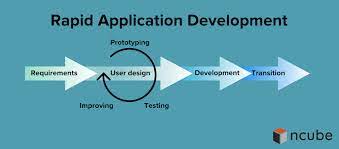
Rapid software development is a methodology that focuses on quickly creating high-quality software through iterative processes and collaboration. This approach has gained popularity in recent years due to its efficiency and effectiveness in meeting the ever-changing demands of the market.

Benefits of Rapid Software Development:

Faster Time-to-Market:

One of the key advantages of rapid software development is its ability to deliver products to market quickly. By breaking down the development process into smaller, manageable chunks, teams can release functional software incrementally, allowing for faster feedback and adaptation to changes.

Flexibility and Adaptability:

Rapid software development allows for greater flexibility in responding to changing requirements or customer feedback. Teams can easily incorporate new features or make adjustments during the development process, ensuring that the final product meets stakeholders’ needs effectively.

Improved Collaboration:

Collaboration is at the core of rapid software development. By involving all stakeholders, including developers, designers, and end-users, in the development process from the beginning, teams can ensure that everyone’s input is considered and incorporated. This leads to a more cohesive and user-friendly end product.

Reduced Costs:

Due to its iterative nature, rapid software development can help reduce costs associated with rework or late-stage changes. By catching issues early on and continuously testing and refining the software throughout the process, teams can avoid costly delays and ensure a more efficient use of resources.

Conclusion:

Rapid software development offers numerous benefits for organizations looking to stay competitive in today’s fast-paced market. By prioritizing speed, flexibility, collaboration, and cost-effectiveness, teams can deliver high-quality software that meets user needs effectively while adapting to changing requirements swiftly.


Understanding Rapid Software Development: Key FAQs and Insights

  1. What is rapid software development?
  2. How does rapid software development differ from traditional methods?
  3. What are the benefits of using rapid software development?
  4. What are the challenges associated with rapid software development?
  5. How can teams ensure quality while using rapid software development?
  6. What tools and technologies are commonly used in rapid software development?
  7. How does customer feedback play a role in rapid software development?

What is rapid software development?

Rapid software development is a methodology that emphasizes quick and iterative approaches to creating software solutions. It involves breaking down the development process into smaller, manageable increments to deliver functional products faster. This approach focuses on flexibility, adaptability, and collaboration among team members and stakeholders to ensure that the software meets evolving requirements efficiently. By prioritizing speed and responsiveness to changes, rapid software development aims to streamline the development process, reduce costs, and improve time-to-market for software products.

How does rapid software development differ from traditional methods?

In the realm of software development, the key distinction between rapid software development and traditional methods lies in their approach to the development process. Rapid software development emphasizes iterative and incremental cycles, focusing on delivering functional software quickly and continuously incorporating feedback from stakeholders. This agile approach allows for greater flexibility, adaptability, and collaboration throughout the development lifecycle. In contrast, traditional methods often follow a more linear and sequential process, with a heavy emphasis on upfront planning and documentation. While traditional methods may provide a structured framework for development, rapid software development offers a more dynamic and responsive way to address evolving requirements and deliver value to end-users in a timely manner.

What are the benefits of using rapid software development?

When considering the benefits of using rapid software development, several advantages stand out. Firstly, the methodology allows for faster time-to-market, enabling teams to release functional software incrementally and gather feedback early on for quick adjustments. Additionally, rapid software development offers flexibility and adaptability, allowing teams to respond promptly to changing requirements or customer feedback throughout the development process. Improved collaboration is another key benefit, as involving all stakeholders from the beginning ensures that everyone’s input is considered and integrated effectively. Moreover, the iterative nature of rapid software development helps reduce costs by identifying and addressing issues early on, ultimately leading to more efficient resource utilization.

What are the challenges associated with rapid software development?

When it comes to rapid software development, several challenges need to be addressed. One common challenge is maintaining quality while working under tight timelines. The pressure to deliver quickly can sometimes lead to overlooking crucial aspects such as thorough testing and code review, which may result in bugs and issues in the final product. Another challenge is managing changing requirements effectively. In a fast-paced environment, requirements can evolve rapidly, making it essential for teams to have robust communication and prioritization processes in place to ensure that the software meets stakeholders’ needs. Additionally, coordinating collaboration among team members and stakeholders can be challenging, especially when working on quick iterations. Overcoming these challenges requires a well-structured development process, clear communication channels, and a focus on balancing speed with quality to achieve successful outcomes in rapid software development projects.

How can teams ensure quality while using rapid software development?

In the context of rapid software development, ensuring quality remains a paramount concern for teams aiming to deliver efficient and reliable products. To maintain quality throughout the rapid development process, teams can implement several key strategies. Firstly, establishing clear and measurable quality standards from the project’s outset helps guide development efforts towards meeting predefined benchmarks. Additionally, incorporating automated testing procedures at each iteration aids in identifying and rectifying potential issues swiftly. Moreover, fostering a culture of continuous feedback and collaboration among team members promotes transparency and accountability, contributing to overall product quality. By prioritizing thorough testing, proactive communication, and adherence to predetermined quality metrics, teams can effectively uphold high standards of quality while embracing the rapid software development approach.

What tools and technologies are commonly used in rapid software development?

In rapid software development, various tools and technologies are commonly used to streamline the development process and enhance productivity. Some of the popular tools include integrated development environments (IDEs) like Visual Studio, Eclipse, or IntelliJ IDEA, which provide a comprehensive platform for coding, debugging, and testing software. Version control systems such as Git enable teams to collaborate effectively and manage code changes efficiently. Additionally, automation tools like Jenkins or Travis CI help automate build processes and ensure continuous integration and deployment. Frameworks like React, Angular, or Spring Boot are often utilized to accelerate development by providing pre-built components and structures. Overall, the careful selection and utilization of these tools and technologies play a crucial role in facilitating rapid software development practices.

How does customer feedback play a role in rapid software development?

Customer feedback plays a crucial role in rapid software development by providing valuable insights that drive the iterative process. In this methodology, customer feedback serves as a compass, guiding development teams to make informed decisions and prioritize features based on user needs. By incorporating customer feedback early and often, teams can ensure that the software aligns with user expectations, leading to a more user-friendly and market-ready product. This continuous feedback loop not only enhances the quality of the software but also fosters customer satisfaction and loyalty through a collaborative approach to product development.