


Mastering System Design in Software Engineering: Building Robust Solutions
The Importance of System Design in Software Engineering
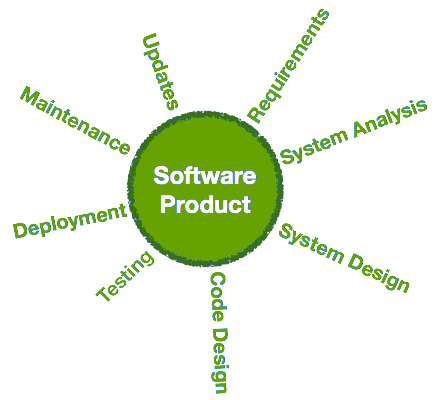
System design is a critical phase in the software engineering process that lays the foundation for creating a successful and efficient software system. It involves defining the architecture, components, modules, interfaces, and data for a system to satisfy specified requirements.
Key Aspects of System Design
During system design, software engineers focus on several key aspects:
- Architecture: Determining the overall structure of the system and how components will interact with each other.
- Data Management: Designing how data will be stored, accessed, and managed within the system.
- Interfaces: Defining how different parts of the system will communicate with each other.
- Modules: Breaking down the system into smaller modules to facilitate development and maintenance.
Benefits of Effective System Design
A well-designed system offers numerous benefits to both developers and end-users:
- Scalability: A good design allows for easy scaling of the system as requirements change or grow.
- Maintainability: Modular design simplifies maintenance and updates to the system without affecting other components.
- Performance: Efficient design leads to optimized performance and faster response times.
- Reliability: A robust design reduces the likelihood of errors and enhances system reliability.
Challenges in System Design
Despite its importance, system design can present challenges to software engineers. Some common challenges include:
- Complexity: Balancing various requirements while keeping the design simple and manageable can be challenging.
- Interoperability: Ensuring that different components work seamlessly together can be complex, especially in large systems.
- Sustainability: Designing a system that can adapt to future changes without requiring a complete overhaul is crucial but challenging.
In Conclusion
In software engineering, effective system design is essential for creating reliable, scalable, and maintainable software systems. By carefully planning and designing the architecture, data management, interfaces, and modules of a system, developers can build solutions that meet user needs while being flexible enough to adapt to changing requirements over time.
An investment in thorough system design early in the development process can lead to significant long-term benefits in terms of performance, reliability, and overall success of a software project. It is a critical step that should not be overlooked in any software engineering endeavor.
5 Essential Tips for Effective System Design in Software Engineering
- Break down the system into smaller components for easier management and scalability.
- Consider the reliability, availability, and performance requirements of the system.
- Design with flexibility in mind to accommodate future changes and updates.
- Ensure clear communication and documentation to aid in understanding and maintenance.
- Regularly review and optimize the system design to improve efficiency and effectiveness.
Break down the system into smaller components for easier management and scalability.
Breaking down the system into smaller components is a crucial tip in software engineering system design. By dividing the system into manageable modules, developers can simplify the development process, enhance maintainability, and improve scalability. Smaller components allow for easier management, as each module can be developed, tested, and updated independently. This approach not only streamlines the development workflow but also enables the system to scale more effectively as requirements evolve. Ultimately, breaking down the system into smaller components promotes better organization, efficiency, and adaptability in software engineering projects.
Consider the reliability, availability, and performance requirements of the system.
When designing a software system, it is crucial to consider the reliability, availability, and performance requirements of the system. Reliability ensures that the system operates consistently and accurately under various conditions, while availability guarantees that the system is accessible when needed. Performance requirements dictate how efficiently the system should respond to user requests and handle workloads. By carefully evaluating and incorporating these factors into the system design process, software engineers can create a robust and efficient solution that meets user expectations and business needs effectively.
Design with flexibility in mind to accommodate future changes and updates.
When approaching system design in software engineering, it is crucial to prioritize flexibility to accommodate future changes and updates. By designing with adaptability in mind, developers can anticipate and prepare for evolving requirements, technologies, and user needs. A flexible system architecture allows for seamless integration of new features, enhancements, and modifications without disrupting the overall functionality of the software. Embracing flexibility in design not only ensures the longevity and sustainability of the system but also streamlines the process of incorporating updates in a cost-effective and efficient manner.
Ensure clear communication and documentation to aid in understanding and maintenance.
Ensuring clear communication and thorough documentation is crucial in system design for software engineering. Clear communication among team members helps in understanding the system architecture, components, and interactions, leading to a cohesive development process. Additionally, comprehensive documentation serves as a valuable resource for future maintenance and updates, allowing developers to quickly grasp the system’s intricacies and make informed decisions. By prioritizing clear communication and detailed documentation, software engineers can enhance collaboration, reduce errors, and streamline the maintenance of software systems effectively.
Regularly review and optimize the system design to improve efficiency and effectiveness.
Regularly reviewing and optimizing the system design is a crucial tip in software engineering to enhance efficiency and effectiveness. By periodically evaluating the architecture, components, and interfaces of the system, developers can identify potential bottlenecks, redundancies, or areas for improvement. This proactive approach not only helps streamline processes and enhance performance but also ensures that the system remains aligned with evolving requirements and technological advancements. Continuous optimization of the system design is key to maintaining a robust and adaptable software solution that can meet the changing needs of users and stakeholders effectively.