

cfchris.com

Loading

sr software engineer

Exploring the Role of a Senior Software Engineer in Modern Tech Teams

Senior Software Engineer: The Role and Responsibilities

Senior Software Engineer: The Role and Responsibilities

A senior software engineer plays a crucial role in the development and maintenance of software applications. With years of experience and expertise in programming, system design, and project management, senior software engineers are key members of any tech team.

Responsibilities of a Senior Software Engineer

Senior software engineers are responsible for:

  • Leading the design and implementation of complex software solutions
  • Collaborating with cross-functional teams to define project requirements
  • Providing technical guidance and mentorship to junior developers
  • Performing code reviews to ensure quality and adherence to best practices
  • Identifying and resolving technical issues in a timely manner
  • Participating in the full software development lifecycle from planning to deployment
  • Staying updated on industry trends and emerging technologies

Skills Required for Senior Software Engineers

To excel in this role, senior software engineers need a combination of technical skills, soft skills, and domain knowledge. Some key skills include:

  • Proficiency in programming languages such as Java, Python, C++, or others
  • Experience with software development methodologies like Agile or Scrum
  • Strong problem-solving abilities and analytical thinking
  • Excellent communication skills for effective collaboration with team members and stakeholders
  • Ability to lead projects from inception to completion while meeting deadlines
  • Familiarity with version control systems like Git or SVN
  • Familiarity with version control systems like Git or SVN


5 Essential Tips for Success as a Senior Software Engineer

  1. Stay updated with the latest technologies and trends in software development.
  2. Practice problem-solving and critical thinking skills regularly.
  3. Collaborate effectively with team members and communicate clearly.
  4. Take ownership of your work and strive for high quality in all aspects of development.
  5. Continuously seek opportunities for learning and professional growth.

Staying updated with the latest technologies and trends in software development is essential for senior software engineers to remain competitive and effective in their roles. By continuously learning about new tools, languages, and methodologies, senior software engineers can enhance their problem-solving abilities, stay relevant in a rapidly evolving industry, and contribute innovative solutions to their projects. Embracing lifelong learning ensures that senior software engineers can adapt to changing requirements and deliver high-quality software products that meet the needs of today’s dynamic market.

Practice problem-solving and critical thinking skills regularly.

To excel as a senior software engineer, it is essential to practice problem-solving and critical thinking skills regularly. These skills are fundamental in tackling complex technical challenges, identifying efficient solutions, and making informed decisions throughout the software development process. By honing problem-solving abilities through consistent practice, senior software engineers can enhance their analytical thinking, creativity, and overall effectiveness in delivering high-quality software solutions.

Collaborate effectively with team members and communicate clearly.

Collaborating effectively with team members and communicating clearly are essential skills for a senior software engineer. By fostering open communication and working closely with colleagues, a senior software engineer can ensure that project requirements are clearly understood, ideas are shared efficiently, and potential issues are addressed proactively. Clear communication helps in aligning team members towards common goals, enhances productivity, and promotes a positive work environment where everyone feels valued and supported. It also enables effective problem-solving and decision-making, leading to successful project outcomes.

Take ownership of your work and strive for high quality in all aspects of development.

Taking ownership of your work and striving for high quality in all aspects of development are essential traits for a senior software engineer. By assuming responsibility for the projects they undertake and maintaining a commitment to excellence, senior software engineers not only ensure the success of their endeavors but also inspire confidence in their team members and stakeholders. This dedication to quality results in robust, reliable software solutions that meet or exceed expectations, making the senior software engineer a valuable asset to any organization.

Continuously seek opportunities for learning and professional growth.

Continuously seeking opportunities for learning and professional growth is a crucial tip for senior software engineers. In the rapidly evolving field of technology, staying updated with the latest trends, tools, and techniques is essential to maintain a competitive edge. By pursuing ongoing learning initiatives such as attending workshops, taking online courses, or participating in industry conferences, senior software engineers can enhance their skills, expand their knowledge base, and adapt to the ever-changing demands of the software development landscape. Embracing a mindset of lifelong learning not only benefits the individual engineer but also contributes to the overall success and innovation of the tech team and organization as a whole.
system design in software engineering

Mastering System Design in Software Engineering: Building Robust Solutions

The Importance of System Design in Software Engineering

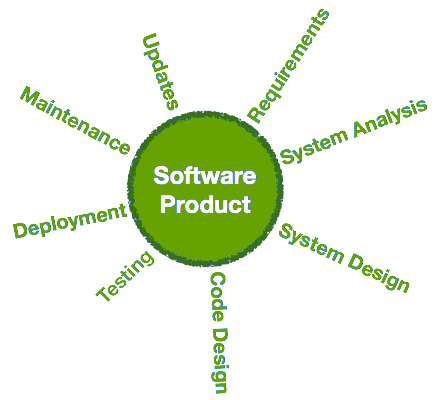
System design is a critical phase in the software engineering process that lays the foundation for creating a successful and efficient software system. It involves defining the architecture, components, modules, interfaces, and data for a system to satisfy specified requirements.

Key Aspects of System Design

During system design, software engineers focus on several key aspects:

  • Architecture: Determining the overall structure of the system and how components will interact with each other.
  • Data Management: Designing how data will be stored, accessed, and managed within the system.
  • Interfaces: Defining how different parts of the system will communicate with each other.
  • Modules: Breaking down the system into smaller modules to facilitate development and maintenance.

Benefits of Effective System Design

A well-designed system offers numerous benefits to both developers and end-users:

  • Scalability: A good design allows for easy scaling of the system as requirements change or grow.
  • Maintainability: Modular design simplifies maintenance and updates to the system without affecting other components.
  • Performance: Efficient design leads to optimized performance and faster response times.
  • Reliability: A robust design reduces the likelihood of errors and enhances system reliability.

Challenges in System Design

Despite its importance, system design can present challenges to software engineers. Some common challenges include:

  • Complexity: Balancing various requirements while keeping the design simple and manageable can be challenging.
  • Interoperability: Ensuring that different components work seamlessly together can be complex, especially in large systems.
  • Sustainability: Designing a system that can adapt to future changes without requiring a complete overhaul is crucial but challenging.

In Conclusion

In software engineering, effective system design is essential for creating reliable, scalable, and maintainable software systems. By carefully planning and designing the architecture, data management, interfaces, and modules of a system, developers can build solutions that meet user needs while being flexible enough to adapt to changing requirements over time.

An investment in thorough system design early in the development process can lead to significant long-term benefits in terms of performance, reliability, and overall success of a software project. It is a critical step that should not be overlooked in any software engineering endeavor.


5 Essential Tips for Effective System Design in Software Engineering

  1. Break down the system into smaller components for easier management and scalability.
  2. Consider the reliability, availability, and performance requirements of the system.
  3. Design with flexibility in mind to accommodate future changes and updates.
  4. Ensure clear communication and documentation to aid in understanding and maintenance.
  5. Regularly review and optimize the system design to improve efficiency and effectiveness.

Break down the system into smaller components for easier management and scalability.

Breaking down the system into smaller components is a crucial tip in software engineering system design. By dividing the system into manageable modules, developers can simplify the development process, enhance maintainability, and improve scalability. Smaller components allow for easier management, as each module can be developed, tested, and updated independently. This approach not only streamlines the development workflow but also enables the system to scale more effectively as requirements evolve. Ultimately, breaking down the system into smaller components promotes better organization, efficiency, and adaptability in software engineering projects.

Consider the reliability, availability, and performance requirements of the system.

When designing a software system, it is crucial to consider the reliability, availability, and performance requirements of the system. Reliability ensures that the system operates consistently and accurately under various conditions, while availability guarantees that the system is accessible when needed. Performance requirements dictate how efficiently the system should respond to user requests and handle workloads. By carefully evaluating and incorporating these factors into the system design process, software engineers can create a robust and efficient solution that meets user expectations and business needs effectively.

Design with flexibility in mind to accommodate future changes and updates.

When approaching system design in software engineering, it is crucial to prioritize flexibility to accommodate future changes and updates. By designing with adaptability in mind, developers can anticipate and prepare for evolving requirements, technologies, and user needs. A flexible system architecture allows for seamless integration of new features, enhancements, and modifications without disrupting the overall functionality of the software. Embracing flexibility in design not only ensures the longevity and sustainability of the system but also streamlines the process of incorporating updates in a cost-effective and efficient manner.

Ensure clear communication and documentation to aid in understanding and maintenance.

Ensuring clear communication and thorough documentation is crucial in system design for software engineering. Clear communication among team members helps in understanding the system architecture, components, and interactions, leading to a cohesive development process. Additionally, comprehensive documentation serves as a valuable resource for future maintenance and updates, allowing developers to quickly grasp the system’s intricacies and make informed decisions. By prioritizing clear communication and detailed documentation, software engineers can enhance collaboration, reduce errors, and streamline the maintenance of software systems effectively.

Regularly review and optimize the system design to improve efficiency and effectiveness.

Regularly reviewing and optimizing the system design is a crucial tip in software engineering to enhance efficiency and effectiveness. By periodically evaluating the architecture, components, and interfaces of the system, developers can identify potential bottlenecks, redundancies, or areas for improvement. This proactive approach not only helps streamline processes and enhance performance but also ensures that the system remains aligned with evolving requirements and technological advancements. Continuous optimization of the system design is key to maintaining a robust and adaptable software solution that can meet the changing needs of users and stakeholders effectively.

waterfall development

Exploring the Evolution of Waterfall Development in Software Engineering

The Waterfall Development Model: A Traditional Approach to Software Development

The Waterfall Development Model

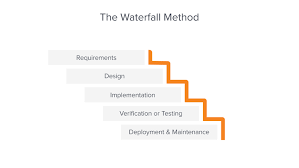
The waterfall model is a traditional approach to software development that follows a linear and sequential process. In this model, each phase of the development cycle must be completed before moving on to the next phase, resembling a waterfall cascading down in steps.

Phases of the Waterfall Model

The waterfall model typically consists of the following phases:

  1. Requirements Gathering: In this initial phase, project requirements are gathered and documented.
  2. System Design: The system design phase involves creating a high-level design of the software based on the gathered requirements.
  3. Implementation: Developers start coding based on the design specifications in this phase.
  4. Testing: Once the implementation is complete, testing is carried out to identify and fix any defects.
  5. Deployment: The final product is deployed to users after successful testing.
  6. Maintenance: Post-deployment, maintenance activities such as updates and bug fixes are performed as needed.

Advantages of the Waterfall Model

The waterfall model offers several advantages, including:

  • Clean and simple approach
  • Easy to understand and manage due to its linear structure
  • Well-suited for projects with stable requirements

Disadvantages of the Waterfall Model

However, the waterfall model also has its limitations, such as:

  • Rigidity in accommodating changes once a phase is completed
  • Risk of customer dissatisfaction if requirements change during development
  • Limited scope for client feedback until later stages of development

In Conclusion

The waterfall development model remains a popular choice for projects with well-defined requirements and where changes are expected to be minimal. While it may not be suitable for all types of projects, understanding its principles can provide valuable insights into software development processes.

©2021 CFChris. All rights reserved.


5 Essential Tips for Effective Waterfall Development: Ensuring Success from Planning to Execution

  1. Clearly define requirements upfront to avoid scope creep.
  2. Break down the project into distinct phases for better control and management.
  3. Ensure thorough testing at each stage to catch issues early on.
  4. Document extensively to maintain clarity and facilitate future maintenance.
  5. Seek feedback from stakeholders at key milestones to ensure alignment with expectations.

Clearly define requirements upfront to avoid scope creep.

To prevent scope creep in waterfall development, it is crucial to clearly define requirements upfront. By establishing a detailed and comprehensive set of project requirements at the beginning of the development cycle, teams can minimize the risk of unexpected changes or additions later on. This proactive approach helps maintain project focus, budget adherence, and timeline consistency, ultimately leading to a more successful and efficient software development process within the waterfall model.

Break down the project into distinct phases for better control and management.

Breaking down the project into distinct phases is a key tip in the waterfall development model as it allows for better control and management of the software development process. By clearly defining and separating each phase, teams can focus on one aspect at a time, ensuring thorough completion before moving on to the next stage. This approach enhances visibility into the project progress, facilitates tracking of milestones, and enables effective resource allocation. Ultimately, breaking down the project into distinct phases promotes systematic and organized development, leading to improved quality and successful project delivery.

Ensure thorough testing at each stage to catch issues early on.

Ensuring thorough testing at each stage of the waterfall development process is crucial to catch issues early on and mitigate potential risks. By conducting comprehensive testing throughout the project lifecycle, developers can identify and address any defects or inconsistencies promptly, leading to a more robust and reliable final product. Early detection of issues not only helps in maintaining project timelines but also contributes to overall cost-effectiveness by avoiding costly rework later in the development cycle. Prioritizing rigorous testing at every phase of the waterfall model enhances the quality of the software and increases customer satisfaction by delivering a polished end product.

Document extensively to maintain clarity and facilitate future maintenance.

Documenting extensively throughout the waterfall development process is crucial to maintaining clarity and facilitating future maintenance. Detailed documentation helps ensure that all project requirements, design decisions, code implementations, and testing procedures are well-documented and easily accessible to team members and stakeholders. This not only aids in understanding the project’s progress but also streamlines future maintenance activities by providing a clear reference point for making modifications or troubleshooting issues. Effective documentation serves as a valuable asset in ensuring the long-term success and sustainability of software projects developed using the waterfall model.

Seek feedback from stakeholders at key milestones to ensure alignment with expectations.

Seeking feedback from stakeholders at key milestones in the waterfall development process is crucial to ensure alignment with expectations. By involving stakeholders early and regularly throughout the project, developers can validate that the work meets the desired requirements and make necessary adjustments before progressing further. This proactive approach not only helps in identifying potential issues sooner but also fosters collaboration and transparency, ultimately leading to a successful project outcome that meets stakeholder needs and expectations.