cfchris.com

Loading

latest java

Exploring the Exciting Features of the Latest Java Update

The Latest in Java: What You Need to Know

The Latest in Java: What You Need to Know

Java, one of the most popular programming languages in the world, continues to evolve with new features and updates that enhance its capabilities. In this article, we’ll explore some of the latest developments in Java and what they mean for developers.

Java 17 Release

Java 17, the latest long-term support (LTS) release of Java, was officially launched in September 2021. This release comes with several new features and improvements that aim to make Java development more efficient and secure.

New Features

Some of the key features introduced in Java 17 include:

  • Sealed Classes: This feature allows developers to restrict which classes can be subclasses of a particular class, enhancing code security and maintainability.
  • Pattern Matching for Switch Statements: With this feature, developers can use patterns in switch statements to simplify code and improve readability.
  • Foreign Function & Memory API (Incubator): This API provides a way for Java programs to interoperate with code written in other languages such as C and C++, opening up new possibilities for developers.

Java Development Kit (JDK) Enhancements

In addition to new language features, the latest versions of Java also come with enhancements to the JDK that improve performance and security. These updates include optimizations for garbage collection, improved monitoring tools, and enhanced support for modern cryptographic algorithms.

Moving Forward with Java

As Java continues to evolve, staying up-to-date with the latest features and best practices is essential for developers looking to build robust and efficient applications. Whether you’re a seasoned Java developer or just starting out, exploring the latest advancements in Java can help you stay ahead in your coding journey.

With its strong community support and versatile nature, Java remains a top choice for building a wide range of applications across different platforms. Embracing the latest updates in Java can empower you to create innovative solutions that meet the demands of today’s dynamic software landscape.

© 2022 CFChris.com. All rights reserved.


Exploring the Latest Java: Key Features, Security Enhancements, and Performance Boosts

  1. What are the key features of the latest Java release?
  2. How can sealed classes in Java 17 enhance code security?
  3. What is pattern matching for switch statements in Java 17 and how does it improve code readability?
  4. What benefits does the Foreign Function & Memory API (Incubator) bring to Java development?
  5. How do the enhancements in the latest Java Development Kit (JDK) contribute to performance and security improvements?

What are the key features of the latest Java release?

The latest Java release, Java 17, introduces several key features that enhance the language’s capabilities and improve developer productivity. Some of the notable features include sealed classes, which provide a way to restrict class inheritance for better code security and maintainability. Additionally, pattern matching for switch statements simplifies code logic by allowing developers to use patterns directly in switch cases. The Foreign Function & Memory API (currently in the incubator stage) opens up new possibilities for Java programs to interact with code written in other languages like C and C++, expanding the language’s interoperability. These features demonstrate Java’s commitment to innovation and its continuous evolution to meet the demands of modern software development practices.

How can sealed classes in Java 17 enhance code security?

Sealed classes in Java 17 play a crucial role in enhancing code security by allowing developers to restrict which classes can be subclasses of a particular class. By defining a class as sealed, developers can specify the permitted subclasses, preventing unauthorized extensions and ensuring that the codebase remains secure and maintainable. This restriction helps in controlling the hierarchy of classes and prevents unexpected or malicious modifications that could compromise the integrity of the code. With sealed classes, developers can enforce stricter access control and reduce the risk of potential vulnerabilities, ultimately strengthening the overall security of Java applications.

What is pattern matching for switch statements in Java 17 and how does it improve code readability?

Pattern matching for switch statements in Java 17 introduces a more concise and readable way to handle complex conditional logic. This feature allows developers to use patterns in switch statements, making the code more expressive and easier to understand. By enabling developers to destructure objects directly within switch cases, pattern matching streamlines the process of extracting relevant data from objects and performing actions based on specific conditions. Overall, pattern matching enhances code readability by reducing boilerplate code and providing a more intuitive way to write conditional logic in Java applications.

What benefits does the Foreign Function & Memory API (Incubator) bring to Java development?

The Foreign Function & Memory API (Incubator) introduces a significant advancement in Java development by enabling seamless interoperability with code written in other languages like C and C++. This feature opens up new possibilities for developers to integrate existing native libraries and leverage platform-specific functionalities within their Java applications. By bridging the gap between Java and native code, the API enhances the flexibility, performance, and extensibility of Java applications, allowing developers to harness the power of external libraries while maintaining the security and portability that Java is known for.

How do the enhancements in the latest Java Development Kit (JDK) contribute to performance and security improvements?

The enhancements in the latest Java Development Kit (JDK) play a crucial role in boosting both performance and security aspects of Java applications. With optimizations for garbage collection, the JDK helps in managing memory more efficiently, leading to better overall performance of Java programs. Additionally, the improved monitoring tools included in the JDK enable developers to identify and address potential performance bottlenecks, enhancing the application’s responsiveness. Furthermore, the enhanced support for modern cryptographic algorithms in the latest JDK versions strengthens the security of Java applications by providing robust encryption capabilities, ensuring data protection and integrity. Overall, these enhancements in the JDK contribute significantly to elevating the performance and security standards of Java development.

object oriented software engineering

Mastering Object-Oriented Software Engineering Principles

Object-Oriented Software Engineering

Object-Oriented Software Engineering

Object-oriented software engineering is a methodology that focuses on designing and developing software systems based on the concept of objects. In this approach, software components are modeled as objects that have attributes (data) and behaviors (methods).

Key Concepts of Object-Oriented Software Engineering:

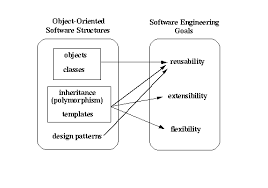
  • Classes and Objects: Classes are blueprints for creating objects. Objects are instances of classes that encapsulate data and behavior.
  • Inheritance: Inheritance allows classes to inherit attributes and behaviors from other classes, promoting code reusability and modularity.
  • Polymorphism: Polymorphism enables objects of different classes to be treated as objects of a common superclass, allowing for flexibility in design and implementation.
  • Encapsulation: Encapsulation hides the internal state of an object and only exposes necessary interfaces for interacting with the object, promoting data security and abstraction.
  • Abstraction: Abstraction focuses on modeling real-world entities as simplified representations in software systems, emphasizing essential characteristics while hiding unnecessary details.

Benefits of Object-Oriented Software Engineering:

The object-oriented approach offers several advantages, including:

  • Modularity: Objects can be developed independently, promoting code organization and maintenance.
  • Reusability: Objects can be reused in different contexts, reducing development time and effort.
  • Maintainability: Changes to one part of the system have minimal impact on other parts, enhancing system scalability and adaptability.
  • Simplicity: Object-oriented design simplifies complex systems by breaking them down into manageable components with well-defined interactions.

In conclusion, object-oriented software engineering provides a structured approach to software development that emphasizes flexibility, scalability, and maintainability. By leveraging key concepts such as classes, inheritance, polymorphism, encapsulation, and abstraction, developers can create robust and efficient software systems that meet the evolving needs of users and businesses.


8 Essential Tips for Mastering Object-Oriented Software Engineering

  1. Encapsulate data to restrict direct access and enforce data integrity.
  2. Use inheritance to promote code reuse and establish relationships between classes.
  3. Favor composition over inheritance to maintain flexibility and avoid deep class hierarchies.
  4. Implement polymorphism to allow objects of different classes to be treated as objects of a common superclass.
  5. Follow the SOLID principles (Single Responsibility, Open/Closed, Liskov Substitution, Interface Segregation, Dependency Inversion) for better design and maintainability.
  6. Apply design patterns like Factory, Singleton, Observer, Strategy, etc., to solve common design problems efficiently.
  7. Use interfaces or abstract classes to define contracts that classes must adhere to.
  8. Practice good naming conventions and create clear documentation for your classes and methods.

Encapsulate data to restrict direct access and enforce data integrity.

Encapsulating data in object-oriented software engineering is a crucial practice that restricts direct access to data and enforces data integrity within a system. By encapsulating data, developers can control how data is accessed and modified, reducing the risk of unintended errors or unauthorized changes. This approach promotes security and robustness by ensuring that data manipulation occurs through defined interfaces and methods, enhancing the overall reliability and maintainability of the software system.

Use inheritance to promote code reuse and establish relationships between classes.

Using inheritance in object-oriented software engineering is a powerful technique to promote code reuse and establish relationships between classes. By creating a hierarchy of classes where subclasses inherit attributes and behaviors from their superclasses, developers can avoid redundant code and build upon existing functionality. This approach not only streamlines development but also enhances the maintainability and scalability of the software system by fostering a modular and structured design. Inheritance allows for the creation of specialized classes that inherit common characteristics from more general classes, enabling developers to efficiently model real-world relationships and dependencies within the software architecture.

Favor composition over inheritance to maintain flexibility and avoid deep class hierarchies.

When practicing object-oriented software engineering, it is advisable to prioritize composition over inheritance to uphold flexibility and prevent the creation of complex class hierarchies. By favoring composition, developers can construct classes by combining existing functionalities rather than relying solely on inheritance. This approach promotes code reusability, simplifies maintenance, and allows for greater adaptability in the system design. Emphasizing composition over inheritance helps avoid the pitfalls of deep class hierarchies, leading to more modular and scalable software solutions that are easier to manage and extend over time.

Implement polymorphism to allow objects of different classes to be treated as objects of a common superclass.

Implementing polymorphism in object-oriented software engineering is a powerful technique that enables objects of different classes to be treated as objects of a common superclass. By utilizing polymorphism, developers can write code that is more flexible and adaptable, allowing for seamless interaction between diverse objects while promoting code reusability and simplifying system design. This approach not only enhances the modularity and scalability of software systems but also facilitates the creation of more maintainable and extensible codebases.

Follow the SOLID principles (Single Responsibility, Open/Closed, Liskov Substitution, Interface Segregation, Dependency Inversion) for better design and maintainability.

Adhering to the SOLID principles—Single Responsibility, Open/Closed, Liskov Substitution, Interface Segregation, and Dependency Inversion—can significantly enhance the design and maintainability of object-oriented software engineering projects. By following these principles, developers ensure that each class has a single responsibility, making the codebase easier to understand and modify. The Open/Closed principle encourages extending functionality without modifying existing code, promoting scalability and reducing the risk of introducing bugs. Liskov Substitution emphasizes substitutability of objects derived from a base class, enhancing code reusability and flexibility. Interface Segregation advocates for specific client interfaces rather than one general-purpose interface, leading to more cohesive and manageable code structures. Finally, Dependency Inversion promotes decoupling between modules by depending on abstractions rather than concrete implementations, facilitating easier testing and maintenance of software systems. By incorporating these SOLID principles into software design practices, developers can achieve more robust, adaptable, and maintainable solutions.

Apply design patterns like Factory, Singleton, Observer, Strategy, etc., to solve common design problems efficiently.

In object-oriented software engineering, applying design patterns such as Factory, Singleton, Observer, Strategy, and others is a valuable practice to efficiently solve common design problems. These design patterns provide proven solutions to recurring challenges in software development, offering structured approaches that enhance code reusability, maintainability, and scalability. By incorporating these design patterns into the development process, developers can streamline their workflow, improve system architecture, and create more robust and flexible software solutions that align with best practices in the industry.

Use interfaces or abstract classes to define contracts that classes must adhere to.

In object-oriented software engineering, it is advisable to utilize interfaces or abstract classes to establish contracts that classes must follow. By defining these contracts, developers can enforce consistency and ensure that implementing classes adhere to specific guidelines and behaviors. Interfaces and abstract classes serve as blueprints for defining common methods and properties that participating classes must implement or inherit, promoting code reusability, modularity, and maintainability in software systems. This practice not only enhances the structure and organization of the codebase but also facilitates easier integration of new components while maintaining a clear separation of concerns.

Practice good naming conventions and create clear documentation for your classes and methods.

When practicing object-oriented software engineering, it is crucial to adhere to good naming conventions and maintain clear documentation for your classes and methods. By choosing descriptive and meaningful names for classes and methods, you enhance code readability and maintainability. Clear documentation provides insights into the purpose, functionality, and usage of each component, aiding developers in understanding and utilizing them effectively. These practices not only facilitate collaboration among team members but also contribute to the overall quality of the software system by promoting consistency and clarity in its design and implementation.

effective java

Unlocking the Secrets of Effective Java Programming

The Power of Effective Java Programming

The Power of Effective Java Programming

Java is a versatile and powerful programming language that is widely used in various applications and industries. To truly harness the full potential of Java, it is essential to understand and implement effective programming practices. This is where “Effective Java” comes into play.

What is Effective Java?

“Effective Java” is a renowned book written by Joshua Bloch, a distinguished software engineer who was formerly a chief architect at Google and a key contributor to the Java platform. The book offers invaluable insights and best practices for writing efficient, readable, and maintainable Java code.

Key Principles of Effective Java

Some key principles highlighted in “Effective Java” include:

  • Use of Design Patterns: The book emphasizes the importance of leveraging design patterns to solve common programming challenges effectively.
  • Effective Use of Generics: Understanding how to use generics in Java can lead to more type-safe and reusable code.
  • Error Handling: Proper error handling techniques are crucial for writing robust and reliable code.
  • Concurrency: Guidelines on writing concurrent programs that are efficient and free from race conditions are discussed in detail.
  • Performance Optimization: Tips on optimizing performance without sacrificing code clarity are provided to help developers create efficient applications.

The Impact of Effective Java

By following the recommendations outlined in “Effective Java,” developers can significantly enhance the quality of their codebase. Adopting these best practices not only results in cleaner and more maintainable code but also helps prevent common pitfalls that can lead to bugs and performance issues.

In Conclusion

“Effective Java” serves as a comprehensive guide for both novice and experienced Java developers looking to elevate their programming skills. By adhering to the principles laid out in this book, developers can write better code, improve productivity, and ultimately deliver high-quality software solutions.


6 Essential Tips for Writing Effective Java Code

  1. Follow naming conventions for classes, methods, and variables.
  2. Use meaningful and descriptive names for better code readability.
  3. Write small and focused methods to promote reusability and maintainability.
  4. Avoid using magic numbers in your code; define constants instead.
  5. Always handle exceptions properly to prevent unexpected program behavior.
  6. Regularly refactor your code to improve its design and performance.

Follow naming conventions for classes, methods, and variables.

Adhering to naming conventions for classes, methods, and variables is a fundamental aspect of writing effective Java code. Consistent and meaningful naming not only enhances code readability but also makes it easier for developers to understand the purpose and functionality of different components within the codebase. By following established naming conventions, such as using camelCase for method names and PascalCase for class names, developers can create code that is more intuitive, maintainable, and accessible to others working on the project.

Use meaningful and descriptive names for better code readability.

Using meaningful and descriptive names for variables, methods, and classes is a fundamental principle in effective Java programming. By choosing clear and expressive names that accurately reflect the purpose and functionality of each component, developers can greatly enhance code readability. Well-chosen names not only make the code easier to understand for others but also for the original developer when revisiting the code in the future. This practice promotes maintainability, reduces the risk of errors, and contributes to overall code quality.

Write small and focused methods to promote reusability and maintainability.

To enhance the reusability and maintainability of Java code, it is advisable to follow the tip of writing small and focused methods. By breaking down complex functionalities into smaller, more manageable units, developers can promote code reusability across different parts of the application. Additionally, having concise and focused methods makes it easier to understand, debug, and maintain the codebase in the long run. This practice not only improves the overall structure of the code but also contributes to better collaboration among team members working on the project.

Avoid using magic numbers in your code; define constants instead.

In effective Java programming, it is recommended to avoid using magic numbers in your code and instead define constants. Magic numbers are hard-coded numerical values scattered throughout the code, making it difficult to understand their significance. By defining constants with meaningful names, developers can improve code readability, maintainability, and reduce the risk of errors caused by unclear or arbitrary values. This practice enhances code quality and promotes better software design principles in Java development.

Always handle exceptions properly to prevent unexpected program behavior.

Properly handling exceptions in Java is a fundamental practice that can prevent unexpected program behavior and enhance the reliability of your code. By implementing exception handling mechanisms, developers can gracefully manage errors and failures, ensuring that their programs continue to function correctly even when unexpected issues arise. This proactive approach not only improves the robustness of the software but also facilitates troubleshooting and debugging processes, leading to more stable and predictable applications.

Regularly refactor your code to improve its design and performance.

Regularly refactoring your code is a crucial practice in effective Java programming. By continuously improving the design and performance of your code through refactoring, you ensure that it remains clean, maintainable, and efficient. Refactoring allows you to identify and eliminate redundant or poorly structured code, leading to enhanced readability and scalability. Embracing this tip not only results in a more robust codebase but also facilitates easier troubleshooting and future enhancements in your Java projects.

java app

Mastering Java App Development: Building Powerful Applications with Java

The Power of Java Applications

The Power of Java Applications

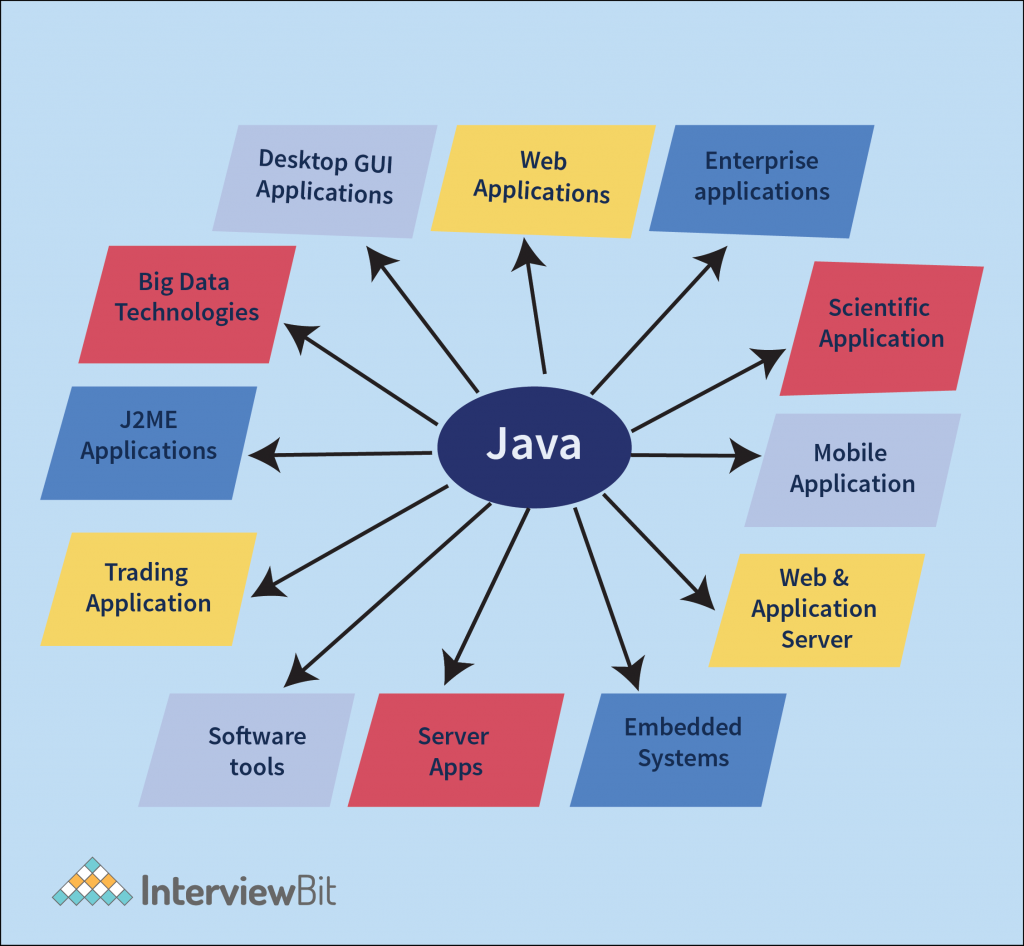
Java is a versatile programming language that has gained immense popularity for its ability to create robust and scalable applications. Java applications are used in a wide range of industries, from web development to mobile apps and enterprise software solutions.

One of the key strengths of Java applications is their platform independence. This means that a Java application can run on any device or operating system that has a Java Virtual Machine (JVM) installed. This portability makes Java an ideal choice for developing cross-platform applications that reach a larger audience.

Java’s rich set of libraries and frameworks provide developers with the tools they need to build complex and feature-rich applications efficiently. Whether you are developing a simple desktop application or a sophisticated web-based system, Java offers the flexibility and scalability required to meet your project’s demands.

Furthermore, Java’s strong emphasis on security makes it a popular choice for developing secure applications. With built-in features like automatic memory management and strong type checking, Java helps developers write code that is less prone to common vulnerabilities such as buffer overflows or memory leaks.

Java’s community support is another factor that contributes to its popularity. The vast community of Java developers worldwide ensures that there are plenty of resources, tutorials, and forums available for developers looking to enhance their skills or troubleshoot issues they encounter during development.

In conclusion, Java applications offer unparalleled versatility, portability, security, and community support. Whether you are a seasoned developer or just starting your programming journey, exploring the world of Java applications can open up a world of possibilities for creating innovative and powerful software solutions.


9 Essential Tips for Building Robust and Maintainable Java Applications

  1. 1. Write clean and readable code to improve maintainability.
  2. 2. Follow naming conventions to enhance code consistency.
  3. 3. Use meaningful comments to explain complex logic or algorithms.
  4. 4. Break down large functions into smaller, reusable methods for better organization.
  5. 5. Implement error handling to gracefully manage exceptions and prevent crashes.
  6. 6. Optimize performance by avoiding unnecessary loops or operations.
  7. 7. Utilize design patterns to solve common problems effectively.
  8. 8. Test your application thoroughly with unit tests and integration tests.
  9. 9. Keep learning and stay updated with the latest Java features and best practices.

1. Write clean and readable code to improve maintainability.

Writing clean and readable code is crucial when developing Java applications to enhance maintainability. By following best practices and adhering to coding standards, developers can ensure that their code is easy to understand and modify in the future. Clean code not only makes it simpler for other team members to collaborate on the project but also reduces the chances of introducing bugs during maintenance. Prioritizing readability in code can lead to more efficient debugging, faster updates, and overall smoother development processes for Java applications.

2. Follow naming conventions to enhance code consistency.

Following naming conventions is a crucial practice in Java application development as it enhances code consistency and readability. By adhering to established naming conventions, developers can create code that is easier to understand and maintain. Consistent naming of classes, methods, variables, and other elements not only improves the overall quality of the codebase but also promotes collaboration among team members. When everyone follows the same naming conventions, it becomes simpler to navigate through the code, identify functionalities, and make modifications without confusion. This simple tip can have a significant impact on the efficiency and effectiveness of Java application development projects.

3. Use meaningful comments to explain complex logic or algorithms.

When developing a Java application, it is crucial to utilize meaningful comments to elucidate intricate logic or algorithms. By incorporating clear and concise comments within the codebase, developers can enhance the readability and maintainability of the application. These comments serve as valuable documentation for understanding the purpose behind complex logic, facilitating collaboration among team members, and aiding in future troubleshooting and modifications. Embracing this practice not only promotes code clarity but also contributes to the overall efficiency and effectiveness of the Java application development process.

4. Break down large functions into smaller, reusable methods for better organization.

Breaking down large functions into smaller, reusable methods is a valuable tip in Java application development. By dividing complex tasks into smaller, more manageable chunks, developers can improve the organization and maintainability of their code. This practice not only enhances readability but also promotes code reusability, making it easier to maintain and update the application in the future. Additionally, breaking down functions into smaller methods allows for better testing and debugging, as issues can be isolated and addressed more effectively. Overall, adopting this approach leads to more efficient and structured Java applications.

5. Implement error handling to gracefully manage exceptions and prevent crashes.

Implementing error handling is a crucial aspect of developing Java applications to ensure smooth operation and prevent unexpected crashes. By gracefully managing exceptions, developers can anticipate potential errors and handle them appropriately, maintaining the application’s stability and enhancing the user experience. Proper error handling not only helps in identifying issues promptly but also allows for effective troubleshooting and debugging, leading to more robust and reliable Java applications.

6. Optimize performance by avoiding unnecessary loops or operations.

To optimize the performance of a Java application, it is crucial to avoid unnecessary loops or operations. By minimizing the number of loops and streamlining operations within the code, developers can significantly improve the efficiency and speed of their application. Unnecessary loops can lead to increased processing time and resource consumption, impacting the overall performance of the software. Therefore, by carefully assessing and optimizing the logic within loops and operations, developers can enhance the performance of their Java application and deliver a more responsive user experience.

7. Utilize design patterns to solve common problems effectively.

Utilizing design patterns in Java applications is a valuable strategy to solve common problems effectively. By leveraging established design patterns such as Singleton, Factory, or Observer, developers can streamline their code structure, improve maintainability, and enhance scalability. Design patterns provide proven solutions to recurring design challenges, allowing developers to write cleaner and more efficient code while promoting best practices in software development. Incorporating design patterns in Java applications not only enhances code quality but also fosters a deeper understanding of software architecture principles among developers.

8. Test your application thoroughly with unit tests and integration tests.

Testing your Java application thoroughly with unit tests and integration tests is crucial for ensuring its reliability and functionality. Unit tests allow you to test individual components of your code in isolation, verifying that each part works as intended. On the other hand, integration tests help you assess how different parts of your application work together as a whole. By conducting both types of tests diligently, you can identify and address any issues early in the development process, leading to a more robust and stable Java application in the end.

9. Keep learning and stay updated with the latest Java features and best practices.

To ensure the success of your Java applications, it is crucial to continuously expand your knowledge and stay informed about the latest Java features and best practices. By keeping up with advancements in the Java ecosystem, you can leverage new tools, techniques, and optimizations to enhance the performance, security, and scalability of your applications. Embracing a mindset of lifelong learning in Java development not only sharpens your skills but also empowers you to adapt to industry trends and deliver cutting-edge solutions that meet evolving user needs.

system design in software engineering

Mastering System Design in Software Engineering: Building Robust Solutions

The Importance of System Design in Software Engineering

System design is a critical phase in the software engineering process that lays the foundation for creating a successful and efficient software system. It involves defining the architecture, components, modules, interfaces, and data for a system to satisfy specified requirements.

Key Aspects of System Design

During system design, software engineers focus on several key aspects:

  • Architecture: Determining the overall structure of the system and how components will interact with each other.
  • Data Management: Designing how data will be stored, accessed, and managed within the system.
  • Interfaces: Defining how different parts of the system will communicate with each other.
  • Modules: Breaking down the system into smaller modules to facilitate development and maintenance.

Benefits of Effective System Design

A well-designed system offers numerous benefits to both developers and end-users:

  • Scalability: A good design allows for easy scaling of the system as requirements change or grow.
  • Maintainability: Modular design simplifies maintenance and updates to the system without affecting other components.
  • Performance: Efficient design leads to optimized performance and faster response times.
  • Reliability: A robust design reduces the likelihood of errors and enhances system reliability.

Challenges in System Design

Despite its importance, system design can present challenges to software engineers. Some common challenges include:

  • Complexity: Balancing various requirements while keeping the design simple and manageable can be challenging.
  • Interoperability: Ensuring that different components work seamlessly together can be complex, especially in large systems.
  • Sustainability: Designing a system that can adapt to future changes without requiring a complete overhaul is crucial but challenging.

In Conclusion

In software engineering, effective system design is essential for creating reliable, scalable, and maintainable software systems. By carefully planning and designing the architecture, data management, interfaces, and modules of a system, developers can build solutions that meet user needs while being flexible enough to adapt to changing requirements over time.

An investment in thorough system design early in the development process can lead to significant long-term benefits in terms of performance, reliability, and overall success of a software project. It is a critical step that should not be overlooked in any software engineering endeavor.


5 Essential Tips for Effective System Design in Software Engineering

  1. Break down the system into smaller components for easier management and scalability.
  2. Consider the reliability, availability, and performance requirements of the system.
  3. Design with flexibility in mind to accommodate future changes and updates.
  4. Ensure clear communication and documentation to aid in understanding and maintenance.
  5. Regularly review and optimize the system design to improve efficiency and effectiveness.

Break down the system into smaller components for easier management and scalability.

Breaking down the system into smaller components is a crucial tip in software engineering system design. By dividing the system into manageable modules, developers can simplify the development process, enhance maintainability, and improve scalability. Smaller components allow for easier management, as each module can be developed, tested, and updated independently. This approach not only streamlines the development workflow but also enables the system to scale more effectively as requirements evolve. Ultimately, breaking down the system into smaller components promotes better organization, efficiency, and adaptability in software engineering projects.

Consider the reliability, availability, and performance requirements of the system.

When designing a software system, it is crucial to consider the reliability, availability, and performance requirements of the system. Reliability ensures that the system operates consistently and accurately under various conditions, while availability guarantees that the system is accessible when needed. Performance requirements dictate how efficiently the system should respond to user requests and handle workloads. By carefully evaluating and incorporating these factors into the system design process, software engineers can create a robust and efficient solution that meets user expectations and business needs effectively.

Design with flexibility in mind to accommodate future changes and updates.

When approaching system design in software engineering, it is crucial to prioritize flexibility to accommodate future changes and updates. By designing with adaptability in mind, developers can anticipate and prepare for evolving requirements, technologies, and user needs. A flexible system architecture allows for seamless integration of new features, enhancements, and modifications without disrupting the overall functionality of the software. Embracing flexibility in design not only ensures the longevity and sustainability of the system but also streamlines the process of incorporating updates in a cost-effective and efficient manner.

Ensure clear communication and documentation to aid in understanding and maintenance.

Ensuring clear communication and thorough documentation is crucial in system design for software engineering. Clear communication among team members helps in understanding the system architecture, components, and interactions, leading to a cohesive development process. Additionally, comprehensive documentation serves as a valuable resource for future maintenance and updates, allowing developers to quickly grasp the system’s intricacies and make informed decisions. By prioritizing clear communication and detailed documentation, software engineers can enhance collaboration, reduce errors, and streamline the maintenance of software systems effectively.

Regularly review and optimize the system design to improve efficiency and effectiveness.

Regularly reviewing and optimizing the system design is a crucial tip in software engineering to enhance efficiency and effectiveness. By periodically evaluating the architecture, components, and interfaces of the system, developers can identify potential bottlenecks, redundancies, or areas for improvement. This proactive approach not only helps streamline processes and enhance performance but also ensures that the system remains aligned with evolving requirements and technological advancements. Continuous optimization of the system design is key to maintaining a robust and adaptable software solution that can meet the changing needs of users and stakeholders effectively.

software design in software engineering

Exploring the Significance of Software Design in Software Engineering Practices

The Importance of Software Design in Software Engineering

Software design plays a crucial role in the field of software engineering. It is the process of defining the architecture, components, interfaces, and other characteristics of a software system to meet specified requirements. Effective software design is essential for creating high-quality, scalable, and maintainable software applications.

Key Aspects of Software Design

Software design involves several key aspects that are critical to the success of a software project:

  1. Architectural Design: This phase focuses on defining the overall structure of the software system, including its components, modules, and relationships. A well-designed architecture provides a solid foundation for the rest of the development process.
  2. Interface Design: Interfaces are crucial for communication between different parts of a software system. Good interface design ensures that components can interact seamlessly and efficiently.
  3. Data Design: Data is at the core of many software applications. Data design involves defining data structures, storage mechanisms, and access methods to ensure efficient data processing and retrieval.
  4. Algorithm Design: Algorithms are essential for solving complex problems efficiently. Algorithm design focuses on developing effective algorithms that meet performance requirements and optimize resource utilization.

The Benefits of Good Software Design

Effective software design offers several benefits to both developers and end-users:

  • Scalability: A well-designed software system can easily accommodate changes and additions without requiring extensive rework.
  • Maintainability: Good design practices make it easier to maintain and update software systems over time, reducing maintenance costs and effort.
  • Reliability: Properly designed software systems are more reliable and less prone to errors or failures, leading to improved user satisfaction.
  • Performance: Well-designed algorithms and data structures can enhance the performance of a software application, ensuring optimal speed and efficiency.

In Conclusion

Software design is a fundamental aspect of software engineering that significantly impacts the quality, scalability, and maintainability of software applications. By investing time and effort into effective design practices, developers can create robust systems that meet user needs and stand the test of time.


Key Questions Answered: Understanding Software Design in Software Engineering

  1. What is software design in software engineering?
  2. Why is software design important in software engineering?
  3. What are the key aspects of software design?
  4. How does architectural design contribute to software development?
  5. What role does interface design play in software engineering?
  6. Why is data design crucial in developing a software application?
  7. How can good algorithm design impact the performance of a software system?

What is software design in software engineering?

Software design in software engineering refers to the process of conceptualizing and defining the architecture, components, interfaces, and characteristics of a software system to meet specific requirements. It involves making critical decisions about how the software will be structured, how its components will interact, and how data will be managed and processed. Effective software design is essential for creating robust, scalable, and maintainable software applications that deliver value to users. By focusing on aspects such as architectural design, interface design, data design, and algorithm design, software engineers can ensure that the resulting software system meets performance objectives and user expectations.

Why is software design important in software engineering?

Software design is crucial in software engineering because it serves as the blueprint for developing high-quality, efficient, and reliable software applications. By carefully planning the architecture, components, interfaces, and data structures of a system during the design phase, software engineers can ensure that the final product meets user requirements and performs optimally. Good software design facilitates scalability, maintainability, and extensibility of the software, making it easier to adapt to changing needs and technologies in the future. Ultimately, effective software design lays the foundation for successful software development projects by guiding developers in creating solutions that are well-structured, robust, and easy to maintain.

What are the key aspects of software design?

When discussing the key aspects of software design in software engineering, it is essential to highlight several critical components that contribute to the successful development of a software system. These key aspects include architectural design, interface design, data design, and algorithm design. Architectural design focuses on defining the overall structure and components of the system, while interface design ensures seamless communication between different parts. Data design involves structuring data for efficient processing and retrieval, and algorithm design aims to develop effective algorithms for problem-solving. By addressing these key aspects thoughtfully during the software design phase, developers can create robust and scalable software solutions that meet user requirements effectively.

How does architectural design contribute to software development?

Architectural design plays a crucial role in software development by providing a blueprint for the overall structure and organization of a software system. It defines the components, modules, interfaces, and relationships within the system, laying the foundation for the development process. A well-thought-out architectural design enables developers to better understand the system’s complexity, make informed decisions about technology choices, and ensure that the system meets functional and non-functional requirements. By establishing a clear structure early on, architectural design helps streamline development efforts, promote code reusability, facilitate collaboration among team members, and ultimately contribute to the creation of scalable, maintainable, and high-quality software applications.

What role does interface design play in software engineering?

Interface design plays a crucial role in software engineering by serving as the bridge between different components of a software system. Interfaces define how various parts of the system communicate and interact with each other, ensuring seamless operation and efficient data exchange. A well-designed interface simplifies the complexity of the underlying system, making it easier for developers to work on different modules independently. Additionally, user interfaces play a vital role in software design by providing users with intuitive ways to interact with the application, enhancing user experience and usability. In essence, interface design is essential for fostering collaboration among developers, improving system reliability, and creating user-friendly software products.

Why is data design crucial in developing a software application?

Data design is crucial in developing a software application because it forms the foundation for efficient data processing and management within the system. Proper data design involves defining data structures, storage mechanisms, and access methods that optimize performance and ensure data integrity. By carefully planning and implementing data design principles, developers can enhance the scalability, reliability, and maintainability of the software application. Effective data design enables seamless data retrieval, manipulation, and storage, ultimately improving the overall functionality and user experience of the software system.

How can good algorithm design impact the performance of a software system?

Good algorithm design plays a critical role in shaping the performance of a software system. By developing efficient algorithms that optimize resource utilization and minimize computational complexity, software engineers can significantly enhance the speed and efficiency of a software application. Well-designed algorithms can reduce processing time, improve responsiveness, and enable the system to handle larger datasets or higher workloads without compromising performance. In essence, good algorithm design lays the foundation for a high-performing software system that delivers optimal results to users while maximizing computational resources.

component based software engineering

Exploring the Power of Component-Based Software Engineering

Component-Based Software Engineering

Component-Based Software Engineering

Component-based software engineering (CBSE) is a software development approach that emphasizes the construction of systems from pre-built software components. These components are independent, reusable modules that can be assembled together to create complex applications.

Key Concepts of CBSE

In CBSE, software systems are decomposed into manageable and reusable components. These components encapsulate certain functionalities and can interact with each other through well-defined interfaces. Some key concepts of CBSE include:

  • Reusability: Components are designed to be reusable across multiple projects, saving time and effort in development.
  • Interoperability: Components can communicate with each other using standard interfaces, enabling seamless integration within a system.
  • Composability: Components can be easily combined or composed to create larger systems without affecting their individual functionalities.
  • Maintainability: Changes or updates to a component do not impact other parts of the system, making maintenance easier and more efficient.

Benefits of CBSE

The adoption of CBSE offers several benefits to software development teams and organizations, including:

  • Increased Productivity: Reusing existing components reduces development time and costs, leading to faster delivery of software products.
  • Better Quality: Components are tested and validated independently, improving overall system reliability and reducing the risk of errors.
  • Scalability: Systems built using components can easily scale by adding or replacing components as needed without redesigning the entire system.
  • Faster Time-to-Market: By leveraging pre-built components, developers can focus on integrating functionalities rather than building everything from scratch, accelerating product deployment.

Challenges in CBSE

While CBSE offers numerous advantages, it also presents some challenges that developers need to address, such as:

  • Component Selection: Choosing the right components that meet project requirements and quality standards can be a complex task.
  • Compatibility Issues: Ensuring that different components work together seamlessly without conflicts or dependencies requires careful planning and testing.
  • Maintenance Complexity: Managing a large number of components over their lifecycle may introduce complexities in version control and updates.


Understanding Component-Based Software Engineering: Key Concepts, Benefits, and Challenges

  1. What is component-based software engineering (CBSE)?
  2. What are the key concepts of CBSE?
  3. How does reusability play a role in CBSE?
  4. What are the benefits of adopting CBSE in software development?
  5. What challenges are associated with implementing CBSE?
  6. How does interoperability contribute to the success of CBSE?
  7. Can you provide examples of successful applications built using CBSE principles?

What is component-based software engineering (CBSE)?

Component-Based Software Engineering (CBSE) is an approach to software development that involves building systems from reusable and independent software components. These components encapsulate specific functionalities and can be easily integrated to create complex applications. By promoting reusability, interoperability, and maintainability, CBSE aims to streamline the development process, enhance system reliability, and facilitate the creation of scalable software solutions. In essence, CBSE allows developers to leverage pre-built components to expedite project delivery, improve software quality, and adapt to changing requirements more efficiently.

What are the key concepts of CBSE?

One of the frequently asked questions about Component-Based Software Engineering (CBSE) revolves around its key concepts. In CBSE, the fundamental concepts include reusability, interoperability, composability, and maintainability. These concepts highlight the core principles of building software systems using independent and reusable components that can seamlessly interact with each other through well-defined interfaces. By understanding and implementing these key concepts effectively, developers can create robust and scalable software solutions while streamlining the development process and improving overall system quality.

How does reusability play a role in CBSE?

Reusability plays a crucial role in Component-Based Software Engineering (CBSE) by promoting efficiency and productivity in software development. In CBSE, components are designed to be reusable across multiple projects, allowing developers to leverage existing solutions rather than reinventing the wheel for each new application. This reusability not only saves time and effort but also enhances the quality of software products by incorporating tested and validated components. By fostering a culture of reusability, CBSE enables developers to build systems more rapidly, reduce development costs, and maintain consistency and reliability across different projects.

What are the benefits of adopting CBSE in software development?

Adopting Component-Based Software Engineering (CBSE) in software development offers a multitude of benefits to organizations and development teams. One key advantage is the increased productivity gained from reusing existing components, which significantly reduces development time and costs, leading to faster delivery of software products. Additionally, the use of pre-built components enhances the overall quality of the system as each component is tested and validated independently, resulting in improved reliability and a decreased risk of errors. CBSE also enables scalability by allowing systems to easily expand or adapt by adding or replacing components without requiring a complete redesign. Furthermore, leveraging CBSE accelerates time-to-market as developers can focus on integrating functionalities rather than building everything from scratch, ultimately speeding up product deployment and enhancing competitiveness in the market.

What challenges are associated with implementing CBSE?

Implementing Component-Based Software Engineering (CBSE) comes with various challenges that software development teams need to address. One significant challenge is selecting the right components that align with project requirements and quality standards. Ensuring compatibility among different components to work seamlessly without conflicts or dependencies is another crucial aspect that requires meticulous planning and thorough testing. Additionally, managing a large number of components throughout their lifecycle can introduce complexities in version control and updates, making maintenance a critical consideration in CBSE implementation. Overcoming these challenges through careful assessment, strategic planning, and effective communication among team members can lead to successful CBSE adoption and the realization of its benefits in software development projects.

How does interoperability contribute to the success of CBSE?

Interoperability plays a crucial role in the success of Component-Based Software Engineering (CBSE) by enabling seamless communication and interaction between individual components within a software system. When components are designed to be interoperable, they can effectively exchange data and services through standardized interfaces, allowing for easy integration and collaboration. This interoperability ensures that components from different sources can work together harmoniously, promoting reusability and flexibility in system development. By facilitating smooth interactions between components, interoperability enhances the scalability, maintainability, and overall quality of CBSE applications, ultimately contributing to the efficiency and success of software projects built using a component-based approach.

Can you provide examples of successful applications built using CBSE principles?

Certainly! Many successful applications have been built using Component-Based Software Engineering (CBSE) principles. One notable example is the Microsoft Office suite, which comprises components like Word, Excel, and PowerPoint that can be integrated seamlessly to provide a comprehensive office productivity solution. Another example is the Apache Struts framework, a web application framework that allows developers to build scalable and maintainable web applications by leveraging reusable components. These applications demonstrate the effectiveness of CBSE in creating robust, modular software systems that meet diverse user needs efficiently.

tech stack

Mastering Your Tech Stack: Building Efficient Software Solutions

In the world of software development, a tech stack plays a crucial role in determining the success and efficiency of a project. A tech stack, short for technology stack, refers to the combination of programming languages, frameworks, tools, and software used by developers to build and deploy applications.

Choosing the right tech stack is essential as it directly impacts factors such as performance, scalability, security, and maintainability of the software. A well-thought-out tech stack can streamline development processes and ensure that the final product meets both functional and non-functional requirements.

Typically, a tech stack consists of three main components:

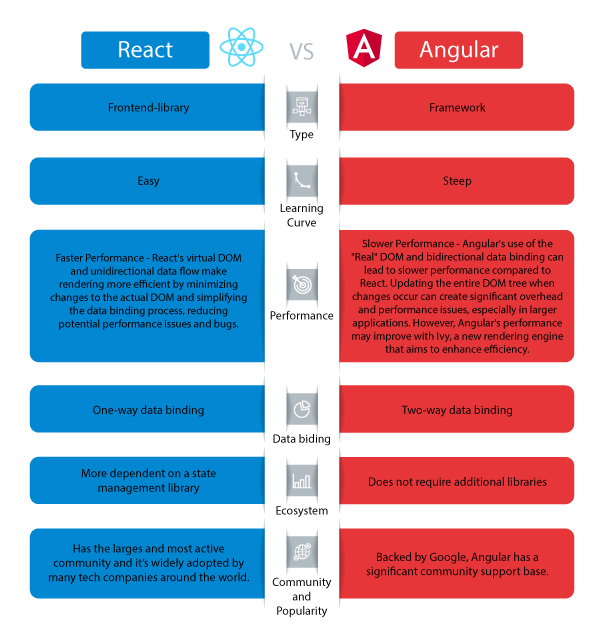
  1. Frontend: The frontend of an application is what users interact with. It includes technologies like HTML, CSS, and JavaScript along with popular frameworks such as Angular, React, or Vue.js.
  2. Backend: The backend is responsible for handling data processing, business logic, and server-side operations. Common backend technologies include programming languages like Python, Java, Ruby on Rails, or Node.js along with frameworks like Django or Spring.
  3. Database: The database component stores and manages the application’s data. Developers can choose from various types of databases such as relational (e.g., MySQL), NoSQL (e.g., MongoDB), or in-memory databases (e.g., Redis) based on the project requirements.

Additionally, a tech stack may include other elements like version control systems (e.g., Git), cloud services (e.g., AWS or Azure), containerization tools (e.g., Docker), and continuous integration/continuous deployment (CI/CD) pipelines to automate testing and deployment processes.

The choice of a tech stack depends on factors like project complexity, scalability needs, time-to-market requirements, developer expertise, budget constraints, and future growth considerations. It’s crucial for development teams to evaluate these factors carefully before finalizing a tech stack for their projects.

In conclusion, a well-designed tech stack is fundamental to the success of any software development project. By selecting the right combination of technologies and tools tailored to specific project needs, developers can create robust applications that meet user expectations while ensuring efficient development processes and long-term sustainability.


7 Key Advantages of a Well-Defined Tech Stack for Modern Application Development

  1. 1. Enables efficient development by providing a structured framework for building applications.
  2. 2. Facilitates scalability, allowing applications to handle increased user loads and data volumes.
  3. 3. Enhances performance through optimized use of technologies that meet project requirements.
  4. 4. Improves collaboration among team members with a shared understanding of the tech stack components.
  5. 5. Streamlines maintenance and updates by standardizing tools and processes within the development environment.
  6. 6. Boosts innovation by leveraging cutting-edge technologies and frameworks to create advanced solutions.
  7. 7. Supports seamless integration with third-party services and APIs, enhancing functionality and expanding capabilities.


6 Common Drawbacks of Tech Stacks: Navigating Complexity, Compatibility, and More

  1. Complexity
  2. Compatibility Issues
  3. Learning Curve
  4. Maintenance Challenges
  5. Vendor Lock-in
  6. Performance Overhead

1. Enables efficient development by providing a structured framework for building applications.

A significant advantage of utilizing a tech stack is its ability to enable efficient development by offering a structured framework for building applications. By incorporating predefined technologies, programming languages, and tools into a cohesive stack, developers can streamline the development process, reduce redundancy, and focus on implementing core functionalities. This structured approach not only enhances productivity but also promotes consistency across the project, making it easier to maintain and scale the application as needed. Ultimately, a well-defined tech stack serves as a solid foundation that empowers developers to work more efficiently and effectively towards delivering high-quality software solutions.

2. Facilitates scalability, allowing applications to handle increased user loads and data volumes.

Facilitates scalability, allowing applications to handle increased user loads and data volumes. A well-chosen tech stack enables applications to scale seamlessly as user traffic and data volumes grow. By incorporating scalable technologies and architectures, developers can ensure that the application remains responsive and performs optimally even under heavy loads. This pro of a tech stack is crucial for businesses looking to expand their user base or handle growing amounts of data without compromising on performance or user experience.

3. Enhances performance through optimized use of technologies that meet project requirements.

By optimizing the use of technologies that align with project requirements, a well-chosen tech stack enhances performance significantly. By carefully selecting programming languages, frameworks, and tools that are best suited for the project’s needs, developers can ensure efficient code execution, faster response times, and overall improved system performance. This optimization not only boosts the application’s speed and responsiveness but also contributes to better scalability and resource utilization, ultimately leading to a more robust and high-performing software solution.

4. Improves collaboration among team members with a shared understanding of the tech stack components.

Enhancing collaboration among team members is a significant advantage of utilizing a tech stack in software development. By establishing a shared understanding of the tech stack components, team members can effectively communicate, troubleshoot issues, and work together seamlessly. With everyone on the same page regarding the technologies, frameworks, and tools being used, collaboration becomes more efficient and productive. This shared knowledge fosters a cohesive team environment where developers can leverage each other’s expertise and contribute collectively to the success of the project.

5. Streamlines maintenance and updates by standardizing tools and processes within the development environment.

Streamlining maintenance and updates is a significant advantage of utilizing a tech stack in software development. By standardizing tools and processes within the development environment, teams can ensure consistency and efficiency when managing and updating their applications. This approach simplifies the maintenance tasks, as developers are familiar with the standardized tools and procedures, making it easier to troubleshoot issues, implement updates, and ensure the overall stability of the software. Additionally, having a uniform tech stack across projects enables smoother collaboration among team members and facilitates knowledge sharing, ultimately enhancing productivity and reducing the time required for maintenance activities.

6. Boosts innovation by leveraging cutting-edge technologies and frameworks to create advanced solutions.

By leveraging cutting-edge technologies and frameworks within a tech stack, developers can boost innovation and create advanced solutions that push the boundaries of what is possible in the digital landscape. Incorporating the latest tools and techniques allows for the exploration of new ideas, implementation of novel features, and development of groundbreaking applications that meet evolving user demands. This proactive approach to technology adoption not only enhances product offerings but also positions businesses at the forefront of innovation in their respective industries.

7. Supports seamless integration with third-party services and APIs, enhancing functionality and expanding capabilities.

By leveraging a well-structured tech stack, developers can harness the power of seamless integration with third-party services and APIs, thereby enhancing the functionality and expanding the capabilities of their applications. This pro allows for the incorporation of a wide range of external tools and services, enabling developers to tap into additional features and resources without having to reinvent the wheel. By integrating with third-party services and APIs, development teams can boost efficiency, improve user experience, and unlock new possibilities for innovation within their software projects.

Complexity

Managing multiple technologies in a tech stack can indeed introduce a significant challenge in the form of increased complexity. Each technology within the stack may have its own set of requirements, dependencies, and best practices, making it essential for developers to possess specialized skills and expertise in each area. Juggling multiple technologies can lead to compatibility issues, integration challenges, and troubleshooting complexities, ultimately demanding a higher level of coordination and effort to ensure seamless functionality across the entire tech stack. This complexity can also impact project timelines and resource allocation as teams may need to invest additional time and resources in managing and maintaining the diverse components of the tech stack.

Compatibility Issues

Compatibility issues can pose a significant challenge when dealing with a tech stack. Due to the diverse nature of components within a tech stack, such as programming languages, frameworks, and tools, ensuring seamless integration can be complex. Incompatibilities between different components can result in unexpected errors, performance issues, or even system failures. Resolving compatibility issues requires careful testing, troubleshooting, and sometimes reevaluating the choice of technologies to ensure that all parts of the tech stack work harmoniously together. Addressing compatibility challenges effectively is crucial to maintaining the stability and functionality of software applications built on that tech stack.

Learning Curve

Adapting to a new tech stack can present a significant challenge for developers due to the learning curve associated with mastering unfamiliar technologies. This adjustment period may lead to a temporary decrease in productivity as developers invest time and effort in understanding and becoming proficient with the new tools and frameworks. The need for training and skill development can slow down project progress in the short term, impacting deadlines and deliverables. However, once developers overcome the initial learning curve, they can leverage their newfound expertise to enhance efficiency and effectiveness in future project work within the tech stack.

Maintenance Challenges

Maintenance challenges pose a significant con when it comes to tech stacks. Updating or replacing components of a tech stack can be a daunting task, particularly in complex projects. The process can be time-consuming and challenging, requiring careful planning and execution to ensure that the changes do not disrupt the functionality of the system. Additionally, compatibility issues between different components can arise during updates, leading to unexpected errors and downtime. Managing maintenance challenges effectively is crucial to maintaining the stability and performance of a tech stack over time.

Vendor Lock-in

Depending heavily on specific technologies within a tech stack can lead to a significant drawback known as vendor lock-in. This con arises when a development team becomes overly reliant on proprietary tools or platforms provided by a particular vendor. Vendor lock-in can restrict flexibility and hinder the ability to adapt or switch to alternative solutions in the future. It poses a risk of being tied to a single vendor’s ecosystem, potentially limiting innovation and increasing dependency on external providers, which may result in higher costs or compatibility issues down the line. Developers need to carefully consider the implications of vendor lock-in when selecting technologies for their tech stack to ensure long-term adaptability and mitigate risks associated with being locked into a specific vendor’s offerings.

Performance Overhead

Introducing multiple layers of technology in a tech stack can lead to performance overhead, potentially affecting the speed and responsiveness of an application. Each additional layer, whether it be a framework, library, or tool, introduces complexity and may require additional processing resources. This can result in increased latency, slower response times, and overall decreased performance efficiency. Developers need to carefully consider the trade-offs between functionality and performance when selecting components for a tech stack to mitigate the risk of performance overhead impacting the user experience negatively.

abc software development

Elevate Your Digital Presence with ABC Software Development Solutions

ABC Software Development

The World of ABC Software Development

Welcome to the exciting realm of ABC Software Development! In today’s digital age, software plays a crucial role in powering businesses, enhancing user experiences, and driving innovation. ABC Software Development is at the forefront of this dynamic industry, creating cutting-edge solutions that meet the evolving needs of our clients.

Our Approach

At ABC Software Development, we believe in the power of innovation and collaboration. Our team of talented developers, designers, and project managers work together seamlessly to bring ideas to life. We follow a structured development process that ensures efficiency, quality, and timely delivery of projects.

Services We Offer

Our range of services caters to a diverse clientele across various industries. Whether you need custom software development, mobile app development, web design, or e-commerce solutions, we have the expertise to turn your vision into reality. We also provide maintenance and support services to ensure that your software remains up-to-date and secure.

Technologies We Work With

ABC Software Development stays abreast of the latest technologies and trends in the industry. Our team is proficient in a wide array of programming languages, frameworks, and tools such as Java, Python, JavaScript, React Native, and more. This enables us to create scalable and robust solutions that align with modern best practices.

Client-Centric Approach

We prioritize client satisfaction above all else. From initial consultation to final delivery, we keep our clients informed and involved every step of the way. Our transparent communication channels ensure that your feedback is incorporated into the development process, resulting in tailor-made solutions that exceed expectations.

Contact Us

If you are ready to embark on a transformative software development journey with ABC Software Development or have any inquiries about our services, feel free to reach out to us. Our dedicated team is here to assist you in realizing your digital aspirations.


Top 5 Essential Tips for Effective ABC Software Development

  1. Break down tasks into smaller components for easier management.
  2. Use version control to track changes and collaborate with team members.
  3. Write clean and concise code for better readability and maintainability.
  4. Test your code thoroughly to ensure functionality and catch bugs early on.
  5. Stay updated with the latest trends and technologies in ABC software development.

Break down tasks into smaller components for easier management.

When engaging in ABC software development, a valuable tip is to break down tasks into smaller components. By dividing the project into manageable segments, it becomes easier to track progress, allocate resources effectively, and ensure timely completion. This approach not only simplifies project management but also enhances productivity and facilitates better collaboration among team members. Breaking down tasks into smaller components fosters a structured and organized development process, ultimately leading to successful outcomes in software development endeavors.

Use version control to track changes and collaborate with team members.

Utilizing version control is a crucial tip in ABC software development. By implementing version control systems, developers can effectively track changes made to the codebase, maintain a history of revisions, and collaborate seamlessly with team members. This practice not only ensures code integrity and consistency but also streamlines the development process by enabling efficient teamwork and facilitating easy integration of new features. Version control plays a vital role in enhancing productivity, code quality, and overall project success in the realm of software development.

Write clean and concise code for better readability and maintainability.

When engaging in ABC software development, it is essential to adhere to the tip of writing clean and concise code. By following this practice, developers can significantly enhance the readability and maintainability of their software projects. Clean and concise code is easier to understand, troubleshoot, and modify, leading to more efficient collaboration among team members and smoother project maintenance in the long run. Embracing this approach fosters a culture of clarity and efficiency within the development process, ultimately contributing to the overall success of software projects.

Test your code thoroughly to ensure functionality and catch bugs early on.

Testing your code thoroughly is a critical step in the ABC software development process. By conducting comprehensive testing, you can verify the functionality of your code and identify potential bugs at an early stage. This proactive approach not only helps in delivering a high-quality product but also saves time and resources by addressing issues before they escalate. At ABC Software Development, we emphasize the importance of thorough testing to ensure that our solutions meet the highest standards of performance and reliability.

To excel in ABC software development, it is crucial to stay updated with the latest trends and technologies shaping the industry. By keeping abreast of advancements in software development, including new tools, frameworks, and methodologies, professionals can enhance their skills, deliver innovative solutions, and remain competitive in a rapidly evolving landscape. Continuous learning and adaptation to emerging trends not only enrich one’s expertise but also contribute to the creation of cutting-edge software products that meet the ever-changing needs of clients and end-users.

aspect oriented software development

Unlocking the Power of Aspect-Oriented Software Development

Aspect-Oriented Software Development

Aspect-Oriented Software Development

Aspect-oriented software development (AOSD) is a programming paradigm that aims to modularize cross-cutting concerns in software systems. In traditional object-oriented programming, concerns such as logging, security, and transaction management are often scattered throughout the codebase, making it hard to maintain and understand.

AOSD provides a way to separate these concerns from the main business logic of the application. It introduces the concept of aspects, which encapsulate behavior that cuts across multiple modules. By applying aspects to the codebase, developers can improve modularity, reusability, and maintainability.

Key Concepts of Aspect-Oriented Programming (AOP)

Aspect: An aspect is a modular unit that encapsulates cross-cutting concerns. It defines specific behavior that can be applied to different parts of the codebase.

Join Point: Join points are specific points in the execution of a program where aspects can be applied. Examples include method invocations, variable access, and exception handling.

Pointcut: A pointcut specifies a set of join points where an aspect should be applied. It defines criteria for selecting join points based on method signatures, class names, or other attributes.

Advice: Advice is the actual implementation of an aspect’s behavior. It defines what should be done at a particular join point specified by a pointcut.

Benefits of Aspect-Oriented Software Development

  • Modularity: AOSD promotes better separation of concerns, leading to more modular and maintainable codebases.
  • Cross-Cutting Concerns: By isolating cross-cutting concerns into aspects, developers can avoid code duplication and improve code readability.
  • Reusability: Aspects can be reused across different parts of an application or even in multiple projects, enhancing code reuse.
  • Maintainability: AOP makes it easier to modify or extend behavior without directly changing core application logic.

AOP Frameworks

Several frameworks support aspect-oriented programming in various programming languages such as Java (Spring AOP), C# (PostSharp), and Python (Aspycot). These frameworks provide tools for defining aspects, pointcuts, and advice within applications.


Understanding Aspect-Oriented Software Development: Key Concepts and FAQs

  1. What is the oriented software development process?
  2. What is aspect in software engineering?
  3. What is aspect-oriented programming?
  4. What is meant by aspect oriented software development?
  5. What is aspect-oriented software development process?
  6. What is aspect-oriented process model in software engineering?
  7. What is aspect oriented technology?
  8. How does Aspect-Oriented Programming work?
  9. What is the difference between AOP and IOC?

What is the oriented software development process?

The aspect-oriented software development process is a methodology that focuses on modularizing cross-cutting concerns in software systems. In this approach, developers identify common functionalities that are spread across different modules in a program, such as logging, security, or error handling. By using aspects to encapsulate these concerns separately from the main business logic, the development process becomes more organized and efficient. This separation allows for better code reusability, maintainability, and scalability in complex software projects.

What is aspect in software engineering?

In software engineering, an aspect refers to a modular unit that encapsulates cross-cutting concerns within a software system. Aspects are used in aspect-oriented programming to separate and address specific behaviors that cut across multiple modules or components of the application. By isolating these cross-cutting concerns, such as logging, security, or transaction management, into aspects, developers can improve the modularity and maintainability of the codebase. Aspects define a set of behaviors that can be applied at specific join points in the program’s execution, enhancing code reusability and readability while promoting better separation of concerns in software development.

What is aspect-oriented programming?

Aspect-oriented programming (AOP) is a programming paradigm that aims to address the challenges posed by cross-cutting concerns in software development. In AOP, these cross-cutting concerns, such as logging, security, and transaction management, are separated from the main business logic of the application and encapsulated into aspects. These aspects can then be applied to different parts of the codebase through join points and pointcuts, allowing developers to modularize and manage these concerns more effectively. By providing a way to isolate and handle cross-cutting concerns separately from the core application logic, aspect-oriented programming enhances code modularity, reusability, and maintainability in software systems.

What is meant by aspect oriented software development?

Aspect-oriented software development (AOSD) is a programming paradigm that focuses on addressing cross-cutting concerns in software systems. In AOSD, aspects encapsulate behavior that cuts across multiple modules, allowing developers to separate these concerns from the main business logic of the application. By applying aspects to the codebase, AOSD aims to improve modularity, reusability, and maintainability by providing a way to modularize and manage complex system features that would otherwise be scattered throughout the codebase.

What is aspect-oriented software development process?

In aspect-oriented software development, the process involves identifying cross-cutting concerns in a software system, such as logging, security, or error handling, and encapsulating them into separate modules called aspects. These aspects are then woven or applied to specific join points in the codebase using pointcuts and advice. By modularizing these cross-cutting concerns, developers can achieve better modularity, reusability, and maintainability in their applications. Aspect-oriented software development aims to enhance code organization by separating core business logic from auxiliary functionalities, ultimately improving the overall quality of the software system.

What is aspect-oriented process model in software engineering?

In software engineering, the aspect-oriented process model is a methodology that integrates aspect-oriented programming principles into the software development lifecycle. This model emphasizes the systematic identification and modularization of cross-cutting concerns in software systems. By applying aspects to encapsulate common functionalities such as logging, security, and error handling, the aspect-oriented process model aims to enhance code modularity, reusability, and maintainability. It involves identifying cross-cutting concerns early in the development process, defining pointcuts to specify where aspects should be applied, and implementing advice to execute specific behavior at those points. The aspect-oriented process model helps streamline software development by promoting a more structured approach to managing complex system requirements across different modules.

What is aspect oriented technology?

Aspect-oriented technology, also known as aspect-oriented programming (AOP), is a programming paradigm that focuses on modularizing cross-cutting concerns in software development. In essence, aspect-oriented technology allows developers to separate specific functionalities that cut across different modules of a software application into distinct units called aspects. These aspects encapsulate behavior such as logging, security, and transaction management, which would otherwise be scattered throughout the codebase in traditional programming paradigms. By applying aspect-oriented technology, developers can achieve better modularity, reusability, and maintainability in their software projects by isolating and managing cross-cutting concerns effectively.

How does Aspect-Oriented Programming work?

Aspect-Oriented Programming (AOP) works by allowing developers to modularize cross-cutting concerns in software systems. In AOP, aspects encapsulate behavior that cuts across multiple modules, such as logging, security, and transaction management. By defining aspects, developers can separate these concerns from the main business logic of the application. AOP introduces concepts like join points (specific points in program execution), pointcuts (criteria for selecting join points), and advice (implementation of aspect behavior) to enable the application of aspects at appropriate locations in the codebase. This approach enhances modularity, reusability, and maintainability by providing a way to address common concerns in a more systematic and organized manner.

What is the difference between AOP and IOC?

In the context of aspect-oriented software development, a frequently asked question revolves around understanding the difference between AOP (Aspect-Oriented Programming) and IOC (Inversion of Control). While AOP focuses on modularizing cross-cutting concerns by separating them from the main business logic through aspects, IOC is a design principle that delegates control over object creation and management to an external entity (often a container). In simpler terms, AOP deals with concerns that cut across multiple modules, while IOC addresses how objects are instantiated and managed within an application. Both AOP and IOC are complementary concepts that can be used together to enhance the modularity, flexibility, and maintainability of software systems.