
cfchris.com

Loading

system design in software engineering

Mastering System Design in Software Engineering: Building Robust Solutions

The Importance of System Design in Software Engineering

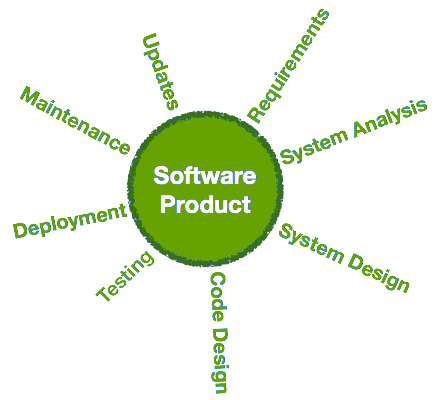
System design is a critical phase in the software engineering process that lays the foundation for creating a successful and efficient software system. It involves defining the architecture, components, modules, interfaces, and data for a system to satisfy specified requirements.

Key Aspects of System Design

During system design, software engineers focus on several key aspects:

  • Architecture: Determining the overall structure of the system and how components will interact with each other.
  • Data Management: Designing how data will be stored, accessed, and managed within the system.
  • Interfaces: Defining how different parts of the system will communicate with each other.
  • Modules: Breaking down the system into smaller modules to facilitate development and maintenance.

Benefits of Effective System Design

A well-designed system offers numerous benefits to both developers and end-users:

  • Scalability: A good design allows for easy scaling of the system as requirements change or grow.
  • Maintainability: Modular design simplifies maintenance and updates to the system without affecting other components.
  • Performance: Efficient design leads to optimized performance and faster response times.
  • Reliability: A robust design reduces the likelihood of errors and enhances system reliability.

Challenges in System Design

Despite its importance, system design can present challenges to software engineers. Some common challenges include:

  • Complexity: Balancing various requirements while keeping the design simple and manageable can be challenging.
  • Interoperability: Ensuring that different components work seamlessly together can be complex, especially in large systems.
  • Sustainability: Designing a system that can adapt to future changes without requiring a complete overhaul is crucial but challenging.

In Conclusion

In software engineering, effective system design is essential for creating reliable, scalable, and maintainable software systems. By carefully planning and designing the architecture, data management, interfaces, and modules of a system, developers can build solutions that meet user needs while being flexible enough to adapt to changing requirements over time.

An investment in thorough system design early in the development process can lead to significant long-term benefits in terms of performance, reliability, and overall success of a software project. It is a critical step that should not be overlooked in any software engineering endeavor.


5 Essential Tips for Effective System Design in Software Engineering

  1. Break down the system into smaller components for easier management and scalability.
  2. Consider the reliability, availability, and performance requirements of the system.
  3. Design with flexibility in mind to accommodate future changes and updates.
  4. Ensure clear communication and documentation to aid in understanding and maintenance.
  5. Regularly review and optimize the system design to improve efficiency and effectiveness.

Break down the system into smaller components for easier management and scalability.

Breaking down the system into smaller components is a crucial tip in software engineering system design. By dividing the system into manageable modules, developers can simplify the development process, enhance maintainability, and improve scalability. Smaller components allow for easier management, as each module can be developed, tested, and updated independently. This approach not only streamlines the development workflow but also enables the system to scale more effectively as requirements evolve. Ultimately, breaking down the system into smaller components promotes better organization, efficiency, and adaptability in software engineering projects.

Consider the reliability, availability, and performance requirements of the system.

When designing a software system, it is crucial to consider the reliability, availability, and performance requirements of the system. Reliability ensures that the system operates consistently and accurately under various conditions, while availability guarantees that the system is accessible when needed. Performance requirements dictate how efficiently the system should respond to user requests and handle workloads. By carefully evaluating and incorporating these factors into the system design process, software engineers can create a robust and efficient solution that meets user expectations and business needs effectively.

Design with flexibility in mind to accommodate future changes and updates.

When approaching system design in software engineering, it is crucial to prioritize flexibility to accommodate future changes and updates. By designing with adaptability in mind, developers can anticipate and prepare for evolving requirements, technologies, and user needs. A flexible system architecture allows for seamless integration of new features, enhancements, and modifications without disrupting the overall functionality of the software. Embracing flexibility in design not only ensures the longevity and sustainability of the system but also streamlines the process of incorporating updates in a cost-effective and efficient manner.

Ensure clear communication and documentation to aid in understanding and maintenance.

Ensuring clear communication and thorough documentation is crucial in system design for software engineering. Clear communication among team members helps in understanding the system architecture, components, and interactions, leading to a cohesive development process. Additionally, comprehensive documentation serves as a valuable resource for future maintenance and updates, allowing developers to quickly grasp the system’s intricacies and make informed decisions. By prioritizing clear communication and detailed documentation, software engineers can enhance collaboration, reduce errors, and streamline the maintenance of software systems effectively.

Regularly review and optimize the system design to improve efficiency and effectiveness.

Regularly reviewing and optimizing the system design is a crucial tip in software engineering to enhance efficiency and effectiveness. By periodically evaluating the architecture, components, and interfaces of the system, developers can identify potential bottlenecks, redundancies, or areas for improvement. This proactive approach not only helps streamline processes and enhance performance but also ensures that the system remains aligned with evolving requirements and technological advancements. Continuous optimization of the system design is key to maintaining a robust and adaptable software solution that can meet the changing needs of users and stakeholders effectively.
software development methodology

Exploring the Evolution of Software Development Methodology

Understanding Software Development Methodology

Software Development Methodology: A Comprehensive Guide

Software development methodology refers to the process of planning, creating, testing, and deploying software applications. It is a structured approach that outlines the steps and best practices to follow throughout the software development lifecycle.

Types of Software Development Methodologies

There are several methodologies used in software development, each with its own set of principles and practices. Some common methodologies include:

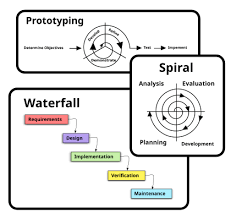
  • Waterfall: A linear approach where each phase of the development process must be completed before moving on to the next.
  • Agile: An iterative and flexible approach that emphasizes collaboration, adaptability, and customer feedback.
  • Scrum: A subset of Agile that focuses on small, cross-functional teams working in short iterations called sprints.
  • Kanban: A visual method for managing work as it moves through various stages of development.
  • Spiral: A risk-driven model that combines elements of both waterfall and prototyping methodologies.

The Importance of Choosing the Right Methodology

Selecting the appropriate software development methodology is crucial for the success of a project. Factors such as project size, complexity, timeline, budget, and team expertise should be considered when deciding which methodology to adopt. Each methodology has its strengths and weaknesses, so it’s essential to choose one that aligns with the project requirements and goals.

The Software Development Lifecycle

The software development lifecycle (SDLC) is a fundamental component of any methodology. It typically consists of several phases, including:

  1. Planning: Defining project scope, goals, requirements, and timelines.
  2. Analysis: Gathering information and analyzing user needs to create a detailed specification document.
  3. Design: Creating a blueprint for the software based on the analysis phase.
  4. Implementation: Writing code based on the design specifications.
  5. Testing: Verifying that the software functions correctly and meets user requirements.
  6. Deployment: Releasing the software to users after thorough testing and quality assurance checks.
  7. Maintenance: Providing ongoing support, updates, and enhancements to ensure continued functionality.

In Conclusion

In conclusion, software development methodology plays a critical role in guiding how projects are planned, executed, and delivered. By understanding different methodologies and their principles, teams can choose the most suitable approach for their specific needs. Ultimately, selecting the right methodology can lead to more efficient development processes, improved collaboration among team members, higher-quality products, and increased customer satisfaction.


9 Essential Tips for Mastering Software Development Methodology

  1. Define clear project goals and requirements before starting development.
  2. Choose a suitable software development methodology based on the project’s needs.
  3. Break down the project into smaller tasks to improve manageability.
  4. Regularly communicate with team members to ensure everyone is on the same page.
  5. Use version control systems to track changes and collaborate efficiently.
  6. Perform regular testing throughout the development process to catch bugs early.
  7. Document code and processes to facilitate maintenance and future updates.
  8. Seek feedback from stakeholders at key milestones for course correction if needed.
  9. Continuously evaluate and improve your software development process.

Define clear project goals and requirements before starting development.

It is crucial to define clear project goals and requirements before initiating the software development process. By establishing a solid understanding of what needs to be achieved and the specific features that are essential for the project, teams can ensure that the development efforts are focused and aligned with the desired outcomes. Clear project goals and requirements serve as a roadmap for the development team, guiding their decisions and actions throughout the software development lifecycle. This proactive approach helps prevent misunderstandings, scope creep, and unnecessary rework, ultimately leading to a more efficient and successful development process.

Choose a suitable software development methodology based on the project’s needs.

When embarking on a software development project, it is essential to carefully consider and choose a suitable software development methodology that aligns with the project’s specific needs. By selecting the right methodology, tailored to factors such as project size, complexity, timeline, budget, and team expertise, teams can enhance efficiency, collaboration, and ultimately deliver high-quality software that meets user requirements effectively. Making an informed decision on the methodology ensures that the development process is well-structured and optimized for success from start to finish.

Break down the project into smaller tasks to improve manageability.

Breaking down the project into smaller tasks is a valuable tip in software development methodology as it enhances manageability and overall project efficiency. By dividing the project into manageable chunks, teams can focus on individual tasks more effectively, track progress accurately, and address any issues promptly. This approach also helps in better resource allocation, prioritization of work, and improved collaboration among team members. Ultimately, breaking down the project into smaller tasks enables a more structured and organized development process, leading to successful project completion within the set timelines.

Regularly communicate with team members to ensure everyone is on the same page.

Regular communication with team members is a crucial tip in software development methodology. It helps ensure that everyone involved in the project is aligned and working towards the same goals. By fostering open and transparent communication, team members can share updates, clarify requirements, address issues promptly, and maintain a cohesive workflow. Regular check-ins and discussions also promote collaboration, boost morale, and enhance overall productivity within the team.

Use version control systems to track changes and collaborate efficiently.

Utilizing version control systems is a crucial tip in software development methodology as it allows teams to track changes, manage code versions, and collaborate efficiently. By using version control systems such as Git or SVN, developers can work on the same codebase simultaneously without the risk of conflicting changes. This ensures that all team members have access to the latest version of the code, simplifying collaboration and reducing the chances of errors. Additionally, version control systems provide a detailed history of changes made to the codebase, making it easier to identify issues, revert to previous versions if needed, and maintain a well-organized development process.

Perform regular testing throughout the development process to catch bugs early.

Performing regular testing throughout the software development process is a crucial tip to catch bugs early and ensure the overall quality of the product. By conducting tests at various stages of development, developers can identify and address issues promptly, preventing them from escalating into more significant problems later on. Early bug detection not only helps in maintaining the stability and reliability of the software but also saves time and resources by avoiding costly rework in the later stages of development. Prioritizing regular testing fosters a proactive approach to quality assurance, leading to a smoother development process and a higher level of customer satisfaction in the end product.

Document code and processes to facilitate maintenance and future updates.

Documenting code and processes is a crucial tip in software development methodology as it helps facilitate maintenance and future updates. By creating clear and detailed documentation, developers can easily understand the logic behind the code, making it simpler to troubleshoot issues, implement changes, and add new features. Documentation also aids in knowledge transfer within teams, ensuring that multiple developers can work on the same codebase efficiently. Ultimately, well-documented code and processes contribute to the long-term sustainability of a software project by reducing errors, enhancing productivity, and enabling seamless maintenance and updates.

Seek feedback from stakeholders at key milestones for course correction if needed.

Seeking feedback from stakeholders at key milestones in the software development process is crucial for course correction if needed. By involving stakeholders early and regularly throughout the project, developers can ensure that the final product aligns with the stakeholders’ expectations and requirements. This feedback loop allows for timely adjustments to be made, reducing the risk of costly rework later on. Effective communication and collaboration with stakeholders can lead to a more successful outcome and a product that meets both business objectives and user needs.

Continuously evaluate and improve your software development process.

Continuously evaluating and improving your software development process is essential for ensuring efficiency, quality, and adaptability in your projects. By regularly assessing the effectiveness of your methodology, identifying areas for enhancement, and implementing necessary changes, you can optimize your development workflow and deliver better results. This iterative approach not only helps in addressing any inefficiencies or bottlenecks but also fosters a culture of continuous learning and innovation within your team, leading to continuous growth and success in software development endeavors.