cfchris.com

Loading

edge ai

Revolutionizing Technology: The Impact of Edge AI

Understanding Edge AI: The Future of Artificial Intelligence

Edge AI is rapidly transforming the landscape of artificial intelligence by bringing computation and data storage closer to the devices where data is generated. Unlike traditional AI systems that rely heavily on cloud computing, edge AI processes data locally on hardware devices. This approach offers numerous advantages, including reduced latency, enhanced privacy, and improved efficiency.

What is Edge AI?

Edge AI refers to the deployment of artificial intelligence algorithms directly on devices such as smartphones, IoT gadgets, and autonomous vehicles. This technology allows these devices to process data in real-time without needing to send information back and forth to centralized cloud servers. By minimizing reliance on cloud infrastructure, edge AI reduces bandwidth usage and latency while enhancing data security.

The Advantages of Edge AI

  • Reduced Latency: By processing data locally, edge AI eliminates the delay associated with sending information to remote servers for analysis. This is crucial for applications requiring immediate responses, such as autonomous driving or industrial automation.
  • Improved Privacy: Since data is processed on-device, sensitive information doesn’t need to be transmitted over networks. This significantly reduces the risk of data breaches and enhances user privacy.
  • Lower Bandwidth Usage: With less need for constant communication with cloud servers, edge AI reduces network congestion and bandwidth costs.
  • Enhanced Reliability: Devices equipped with edge AI can continue functioning even when disconnected from the internet or experiencing connectivity issues.

Applications of Edge AI

The potential applications for edge AI are vast and varied across different industries:

  • Healthcare: Wearable devices equipped with edge AI can monitor vital signs in real-time and alert users or healthcare providers about potential health issues without needing a constant internet connection.
  • Agriculture: Smart farming equipment can analyze soil conditions and crop health on-site, enabling more efficient resource management and better yields.
  • Manufacturing: Industrial machines can use edge AI to monitor their own performance and predict maintenance needs before failures occur.
  • Retail: In-store cameras equipped with edge computing capabilities can analyze customer behavior patterns in real-time to enhance shopping experiences.

The Future of Edge AI

The rise of edge computing represents a significant shift in how artificial intelligence will be deployed in the future. As technology advances, it is expected that more powerful processors will enable even more complex algorithms to run locally on devices. This will further expand the capabilities and applications of edge AI across various sectors.

The integration of 5G technology will also play a crucial role in accelerating the adoption of edge AI by providing faster connectivity where needed while still allowing local processing power when necessary. Together, these advancements promise a future where intelligent systems are seamlessly integrated into everyday life while maintaining high standards for privacy and efficiency.

The journey towards widespread adoption may present challenges such as ensuring interoperability between different devices or managing power consumption effectively; however, the benefits offered by this approach make it an exciting frontier worth exploring further within artificial intelligence research & development efforts worldwide!


Exploring Edge AI: Key Questions and Insights on Its Technologies and Advantages

  1. What is Palantir edge AI?
  2. What is the difference between edge AI and AI?
  3. What is edge machine learning?
  4. What is Intel edge AI?
  5. What is the edge AI?
  6. What is the advantage of edge AI?
  7. What is the difference between edge AI and normal AI?
  8. What is Apple edge AI?

What is Palantir edge AI?

Palantir Edge AI refers to the integration of Palantir’s data analytics platform with edge computing capabilities to enable real-time data processing and decision-making at the source of data generation. By leveraging edge AI, Palantir aims to enhance its ability to provide actionable insights without relying solely on centralized cloud infrastructure. This approach allows for faster analysis and response times, improved data privacy, and reduced bandwidth usage. Palantir Edge AI is particularly beneficial in scenarios where immediate insights are crucial, such as in defense operations, industrial monitoring, and IoT applications. By bringing advanced analytics closer to the point of data collection, Palantir Edge AI empowers organizations to make informed decisions more efficiently and effectively.

What is the difference between edge AI and AI?

Edge AI and traditional AI differ primarily in where data processing occurs. Traditional AI typically relies on cloud computing, where data is sent to remote servers for processing and analysis. This approach can lead to increased latency and potential privacy concerns due to the transmission of sensitive information over networks. In contrast, edge AI processes data locally on devices such as smartphones, IoT devices, or autonomous vehicles. This local processing reduces latency by eliminating the need to send data back and forth to the cloud, enhances privacy by keeping sensitive information on-device, and decreases bandwidth usage. While both edge AI and traditional AI leverage advanced algorithms to make intelligent decisions, edge AI offers a more efficient and secure solution for real-time applications.

What is edge machine learning?

Edge machine learning refers to the implementation of machine learning algorithms directly on edge devices, such as smartphones, IoT devices, and autonomous vehicles, rather than relying on centralized cloud servers for data processing. This approach allows these devices to analyze and interpret data locally, enabling real-time decision-making and reducing the need for constant data transmission to and from the cloud. By processing data at the source, edge machine learning enhances privacy by keeping sensitive information on-device and minimizes latency, which is crucial for applications that require immediate responses. Additionally, it reduces bandwidth usage and increases the reliability of systems by allowing them to function independently of network connectivity. As a result, edge machine learning is becoming increasingly important in various fields, including healthcare, manufacturing, and smart cities.

What is Intel edge AI?

Intel Edge AI refers to Intel’s suite of technologies and solutions designed to enable artificial intelligence processing at the edge of networks, closer to where data is generated. By leveraging Intel’s powerful processors, accelerators, and software tools, edge AI allows for real-time data analysis and decision-making directly on devices such as sensors, cameras, and industrial equipment. This reduces the need for constant data transmission to centralized cloud servers, thereby minimizing latency and enhancing privacy. Intel provides a range of products tailored for different edge computing needs, including CPUs like the Intel Xeon processors, VPUs such as the Intel Movidius Myriad chips, and software frameworks that optimize AI workloads on edge devices. These solutions are widely used across various industries, from smart cities and healthcare to manufacturing and retail, helping businesses harness the power of AI with efficiency and scalability.

What is the edge AI?

Edge AI refers to the deployment of artificial intelligence algorithms directly on local devices, such as smartphones, IoT devices, and autonomous vehicles, rather than relying solely on centralized cloud servers. This approach allows data processing to occur closer to the source of data generation, resulting in reduced latency and improved real-time decision-making capabilities. By minimizing the need for constant communication with remote servers, edge AI enhances privacy and security by keeping sensitive data on-device. Additionally, it reduces bandwidth usage and increases the reliability of AI applications by enabling them to function even without a stable internet connection. Edge AI is increasingly being adopted across various industries, from healthcare to manufacturing, as it offers significant advantages in efficiency and responsiveness.

What is the advantage of edge AI?

The advantage of edge AI lies in its ability to process data locally on devices rather than relying solely on cloud-based servers. This localized processing significantly reduces latency, allowing for real-time decision-making, which is crucial for applications like autonomous vehicles and industrial automation. Additionally, edge AI enhances data privacy by keeping sensitive information on the device itself, minimizing the risk of data breaches during transmission. It also reduces bandwidth usage and network congestion since less data needs to be sent to and from the cloud. Furthermore, edge AI improves system reliability by enabling devices to function independently of internet connectivity, ensuring consistent performance even in areas with limited network access.

What is the difference between edge AI and normal AI?

Edge AI and traditional AI primarily differ in where data processing occurs. In traditional AI, data is typically sent to centralized cloud servers for processing, which can introduce latency and require significant bandwidth. This approach relies heavily on constant internet connectivity and can pose privacy concerns since sensitive data needs to be transmitted over networks. In contrast, edge AI processes data locally on the device where it’s generated, such as smartphones or IoT devices. This local processing reduces latency, enhances privacy by keeping data on the device, and decreases reliance on network connectivity. As a result, edge AI is particularly beneficial for applications requiring real-time decision-making and improved data security.

What is Apple edge AI?

Apple Edge AI refers to the implementation of artificial intelligence technologies directly on Apple devices, such as iPhones, iPads, and Macs, rather than relying solely on cloud-based processing. By leveraging powerful on-device hardware like the Neural Engine in Apple’s A-series and M-series chips, Apple enables real-time data processing and decision-making without the need for constant internet connectivity. This approach enhances user privacy by keeping sensitive data localized on the device and reduces latency for AI-driven tasks such as voice recognition with Siri, facial recognition with Face ID, and image processing in the Photos app. Apple’s commitment to edge AI reflects its focus on delivering seamless user experiences while maintaining high standards of security and efficiency.

system design in software engineering

Mastering System Design in Software Engineering: Building Robust Solutions

The Importance of System Design in Software Engineering

System design is a critical phase in the software engineering process that lays the foundation for creating a successful and efficient software system. It involves defining the architecture, components, modules, interfaces, and data for a system to satisfy specified requirements.

Key Aspects of System Design

During system design, software engineers focus on several key aspects:

  • Architecture: Determining the overall structure of the system and how components will interact with each other.
  • Data Management: Designing how data will be stored, accessed, and managed within the system.
  • Interfaces: Defining how different parts of the system will communicate with each other.
  • Modules: Breaking down the system into smaller modules to facilitate development and maintenance.

Benefits of Effective System Design

A well-designed system offers numerous benefits to both developers and end-users:

  • Scalability: A good design allows for easy scaling of the system as requirements change or grow.
  • Maintainability: Modular design simplifies maintenance and updates to the system without affecting other components.
  • Performance: Efficient design leads to optimized performance and faster response times.
  • Reliability: A robust design reduces the likelihood of errors and enhances system reliability.

Challenges in System Design

Despite its importance, system design can present challenges to software engineers. Some common challenges include:

  • Complexity: Balancing various requirements while keeping the design simple and manageable can be challenging.
  • Interoperability: Ensuring that different components work seamlessly together can be complex, especially in large systems.
  • Sustainability: Designing a system that can adapt to future changes without requiring a complete overhaul is crucial but challenging.

In Conclusion

In software engineering, effective system design is essential for creating reliable, scalable, and maintainable software systems. By carefully planning and designing the architecture, data management, interfaces, and modules of a system, developers can build solutions that meet user needs while being flexible enough to adapt to changing requirements over time.

An investment in thorough system design early in the development process can lead to significant long-term benefits in terms of performance, reliability, and overall success of a software project. It is a critical step that should not be overlooked in any software engineering endeavor.


5 Essential Tips for Effective System Design in Software Engineering

  1. Break down the system into smaller components for easier management and scalability.
  2. Consider the reliability, availability, and performance requirements of the system.
  3. Design with flexibility in mind to accommodate future changes and updates.
  4. Ensure clear communication and documentation to aid in understanding and maintenance.
  5. Regularly review and optimize the system design to improve efficiency and effectiveness.

Break down the system into smaller components for easier management and scalability.

Breaking down the system into smaller components is a crucial tip in software engineering system design. By dividing the system into manageable modules, developers can simplify the development process, enhance maintainability, and improve scalability. Smaller components allow for easier management, as each module can be developed, tested, and updated independently. This approach not only streamlines the development workflow but also enables the system to scale more effectively as requirements evolve. Ultimately, breaking down the system into smaller components promotes better organization, efficiency, and adaptability in software engineering projects.

Consider the reliability, availability, and performance requirements of the system.

When designing a software system, it is crucial to consider the reliability, availability, and performance requirements of the system. Reliability ensures that the system operates consistently and accurately under various conditions, while availability guarantees that the system is accessible when needed. Performance requirements dictate how efficiently the system should respond to user requests and handle workloads. By carefully evaluating and incorporating these factors into the system design process, software engineers can create a robust and efficient solution that meets user expectations and business needs effectively.

Design with flexibility in mind to accommodate future changes and updates.

When approaching system design in software engineering, it is crucial to prioritize flexibility to accommodate future changes and updates. By designing with adaptability in mind, developers can anticipate and prepare for evolving requirements, technologies, and user needs. A flexible system architecture allows for seamless integration of new features, enhancements, and modifications without disrupting the overall functionality of the software. Embracing flexibility in design not only ensures the longevity and sustainability of the system but also streamlines the process of incorporating updates in a cost-effective and efficient manner.

Ensure clear communication and documentation to aid in understanding and maintenance.

Ensuring clear communication and thorough documentation is crucial in system design for software engineering. Clear communication among team members helps in understanding the system architecture, components, and interactions, leading to a cohesive development process. Additionally, comprehensive documentation serves as a valuable resource for future maintenance and updates, allowing developers to quickly grasp the system’s intricacies and make informed decisions. By prioritizing clear communication and detailed documentation, software engineers can enhance collaboration, reduce errors, and streamline the maintenance of software systems effectively.

Regularly review and optimize the system design to improve efficiency and effectiveness.

Regularly reviewing and optimizing the system design is a crucial tip in software engineering to enhance efficiency and effectiveness. By periodically evaluating the architecture, components, and interfaces of the system, developers can identify potential bottlenecks, redundancies, or areas for improvement. This proactive approach not only helps streamline processes and enhance performance but also ensures that the system remains aligned with evolving requirements and technological advancements. Continuous optimization of the system design is key to maintaining a robust and adaptable software solution that can meet the changing needs of users and stakeholders effectively.

Unlocking the Potential of AI-Generated Content: A Glimpse into the Future

The Rise of AI-Generated Content

The Rise of AI-Generated Content

Artificial Intelligence (AI) has made significant strides in recent years, transforming various industries and changing how we interact with technology. One of the most intriguing developments is the rise of AI-generated content, which is revolutionizing the way we create and consume information.

What is AI-Generated Content?

AI-generated content refers to text, images, music, or other media created by artificial intelligence systems. These systems use algorithms and machine learning models to analyze data inputs and produce outputs that mimic human creativity and decision-making processes.

Applications Across Industries

The applications of AI-generated content are vast and varied. In journalism, AI tools can quickly generate news articles based on data feeds from events or financial reports. In marketing, AI can create personalized advertisements tailored to individual consumer preferences.

In the entertainment industry, AI is used to compose music tracks or even write scripts for films. Visual artists use AI to generate unique artwork that challenges traditional notions of creativity. The possibilities are endless as technology continues to advance.

Benefits and Challenges

The benefits of AI-generated content are numerous. It allows for faster production times, cost savings, and the ability to personalize content at scale. For businesses, this means more efficient operations and enhanced customer experiences.

However, there are also challenges associated with this technology. Concerns about authenticity and originality arise when machines produce content traditionally created by humans. Additionally, ethical questions about authorship rights and potential biases in algorithmic decision-making need careful consideration.

The Future of Content Creation

As AI technologies continue to evolve, their impact on content creation will only grow stronger. While human creativity remains irreplaceable in many aspects, collaboration between humans and machines opens new avenues for innovation.

The future may see a harmonious blend where humans provide strategic direction while machines handle repetitive tasks efficiently—ultimately enhancing productivity across various sectors without compromising quality or authenticity.

Conclusion

AI-generated content represents an exciting frontier in technological advancement—a testament to how far we’ve come in harnessing artificial intelligence’s potential across diverse fields like journalism marketing entertainment artistry among others As we navigate this rapidly changing landscape it’s important embrace opportunities offered by these innovations while addressing challenges ensure responsible ethical use them benefit society whole


7 Essential Tips for Effectively Using AI-Generated Content

  1. Understand the limitations of AI-generated content and always review and edit before using it.
  2. Use reputable AI tools and platforms to generate content to ensure quality and accuracy.
  3. Provide clear instructions and guidelines to the AI model to generate more relevant content.
  4. Regularly update and fine-tune the AI model based on feedback for improved performance.
  5. Avoid using AI-generated content for sensitive or critical tasks that require human judgment.
  6. Stay informed about the latest developments in AI technology to leverage new features and capabilities.
  7. Combine human creativity with AI-generated content to produce more engaging and original work.

Understand the limitations of AI-generated content and always review and edit before using it.

When utilizing AI-generated content, it’s crucial to understand its limitations and ensure thorough review and editing before implementation. While AI can produce impressive results quickly, it may lack the nuanced understanding and context that human insight provides. AI systems can sometimes generate content that is factually incorrect, biased, or lacking in coherence. Therefore, it’s essential to critically evaluate the output, making necessary adjustments to align it with your goals and standards. By doing so, you not only enhance the quality and reliability of the content but also maintain authenticity and credibility in your communication efforts.

Use reputable AI tools and platforms to generate content to ensure quality and accuracy.

Leveraging reputable AI tools and platforms is crucial for ensuring the quality and accuracy of AI-generated content. These trusted sources have undergone rigorous testing and refinement, offering advanced algorithms that can produce reliable and coherent outputs. By choosing well-established platforms, users can minimize errors and biases often associated with lesser-known or unverified tools. Additionally, reputable AI systems are more likely to adhere to ethical guidelines, ensuring that the generated content is not only accurate but also fair and responsible. This focus on quality helps maintain trust with audiences and supports effective communication across various applications.

Provide clear instructions and guidelines to the AI model to generate more relevant content.

Providing clear instructions and guidelines to an AI model is crucial for generating relevant and accurate content. When interacting with AI, specificity is key; the more detailed the input, the better the output will align with your expectations. Clear instructions help the AI understand the context, tone, and purpose of the content you wish to create. This not only improves the quality of the generated material but also minimizes errors and reduces time spent on revisions. By setting precise parameters and outlining desired outcomes, users can leverage AI more effectively to meet their specific needs, ensuring that the content produced aligns closely with their objectives.

Regularly update and fine-tune the AI model based on feedback for improved performance.

Regularly updating and fine-tuning an AI model based on feedback is crucial for enhancing its performance and ensuring its relevance over time. As AI systems interact with real-world data, they encounter new patterns and anomalies that weren’t present in the initial training set. By incorporating user feedback and new data into the model, developers can adjust algorithms to better handle emerging trends and correct any inaccuracies. This iterative process not only improves the accuracy and reliability of the AI system but also helps in adapting to changing environments and user needs. Regular updates ensure that the AI remains effective, efficient, and aligned with its intended purpose, ultimately leading to a more robust application that can deliver superior results.

Avoid using AI-generated content for sensitive or critical tasks that require human judgment.

When it comes to tasks that require nuanced decision-making, emotional intelligence, or ethical considerations, relying on AI-generated content can be risky. AI systems, while powerful and efficient, lack the ability to comprehend context in the same way humans do. For sensitive or critical tasks—such as legal decisions, medical diagnoses, or crisis management—human judgment is essential to ensure accuracy and empathy. These tasks often involve complex variables and moral implications that AI may not fully grasp. Therefore, it is crucial to prioritize human oversight and intervention in situations where the stakes are high and the outcomes significantly impact individuals’ lives.

Stay informed about the latest developments in AI technology to leverage new features and capabilities.

Staying informed about the latest developments in AI technology is crucial for anyone looking to leverage new features and capabilities effectively. The field of artificial intelligence is rapidly evolving, with breakthroughs and innovations emerging regularly. By keeping up-to-date with these advancements, individuals and businesses can identify opportunities to enhance productivity, improve decision-making, and gain a competitive edge. Whether it’s through online courses, industry conferences, or following reputable tech news sources, staying informed ensures that you can adapt to changes quickly and make the most of cutting-edge tools and techniques that AI has to offer. This proactive approach not only helps in optimizing current operations but also prepares you for future trends and challenges in the ever-changing landscape of AI technology.

Combine human creativity with AI-generated content to produce more engaging and original work.

Combining human creativity with AI-generated content can lead to more engaging and original work by leveraging the strengths of both. Human creativity brings intuition, emotional depth, and a nuanced understanding of cultural and contextual elements that machines may lack. On the other hand, AI can process vast amounts of data quickly, identify patterns, and generate ideas or content at scale. By integrating these capabilities, creators can enhance their work’s originality and appeal. For example, a writer might use AI to generate initial drafts or brainstorm ideas, then apply their creative touch to refine the narrative and add unique insights. This collaboration not only boosts efficiency but also opens up new possibilities for innovation in various fields such as marketing, entertainment, and design.

java runtime

Exploring the Significance of Java Runtime Environment in Application Development

The Importance of Java Runtime Environment (JRE)

The Importance of Java Runtime Environment (JRE)

Java Runtime Environment (JRE) is a crucial component for running Java applications on your computer. It provides the necessary environment for executing Java programs by including the Java Virtual Machine (JVM), class libraries, and other supporting files.

One of the key benefits of JRE is its platform independence. Java programs compiled into bytecode can run on any device with a compatible JRE installed, regardless of the underlying operating system. This makes Java a popular choice for developing cross-platform applications.

Furthermore, JRE ensures that Java applications are executed securely within a controlled environment. The JVM manages memory allocation, garbage collection, and other important tasks to prevent unauthorized access or malicious activities.

Updating your JRE is essential to maintain compatibility with the latest Java applications and security patches. By keeping your JRE up-to-date, you can ensure optimal performance and protection against potential vulnerabilities.

In conclusion, Java Runtime Environment plays a vital role in enabling the seamless execution of Java applications across different platforms while ensuring security and reliability. It is an indispensable component for anyone using Java-based software.


Understanding Java Runtime: Answers to 8 Frequently Asked Questions

  1. Is Java runtime still relevant today?
  2. What is the difference between Java Runtime and JDK?
  3. What is JRE vs JDK?
  4. How to install a Java Runtime?
  5. How do I get Java runtime?
  6. Is Java Runtime still needed?
  7. What does Java Runtime do?
  8. What is the Java runtime?

Is Java runtime still relevant today?

In today’s rapidly evolving technological landscape, the relevance of Java runtime remains significant. Despite the emergence of new programming languages and frameworks, Java continues to be a popular choice for developing robust and scalable applications. Its platform independence, strong community support, and extensive libraries make it a versatile tool for a wide range of projects. Many enterprise-level systems and critical applications still rely on Java runtime for their functionality, highlighting its enduring importance in the software development industry. As long as there is a need for reliable, cross-platform solutions, Java runtime will continue to play a vital role in modern software development practices.

What is the difference between Java Runtime and JDK?

When discussing the difference between Java Runtime and JDK, it is important to understand their distinct roles in Java development. The Java Runtime Environment (JRE) is responsible for running Java applications by providing the necessary environment, including the Java Virtual Machine (JVM) and class libraries. On the other hand, the Java Development Kit (JDK) is a comprehensive package that includes tools for developing, debugging, and monitoring Java applications in addition to the components of JRE. While JRE is essential for executing Java programs, JDK is required for developing and compiling them. In summary, JRE enables running Java applications, while JDK encompasses the entire development process from coding to deployment.

What is JRE vs JDK?

In the realm of Java development, a common question that arises is the distinction between Java Runtime Environment (JRE) and Java Development Kit (JDK). The JRE is essential for running Java applications as it includes the Java Virtual Machine (JVM) and class libraries needed for execution. On the other hand, the JDK is a comprehensive package that not only contains the JRE components but also includes development tools such as compilers and debuggers for creating Java applications. While JRE is sufficient for end-users who only need to run Java programs, developers require the JDK to write, compile, and debug their own Java code. Understanding the differences between JRE and JDK is fundamental for anyone involved in Java software development.

How to install a Java Runtime?

To install Java Runtime Environment (JRE) on your system, you can follow these simple steps. First, visit the official Oracle website and navigate to the Java SE Downloads page. Choose the appropriate JRE version for your operating system (Windows, macOS, or Linux) and click on the download link. Once the download is complete, run the installer and follow the on-screen instructions to complete the installation process. After successful installation, you may need to set up environment variables to ensure that Java is properly configured on your system. Finally, verify the installation by opening a command prompt or terminal window and typing “java -version” to check if Java Runtime has been installed correctly.

How do I get Java runtime?

To obtain the Java Runtime Environment (JRE), you can easily download it from the official website of Oracle, the company that develops Java. Simply visit the Oracle website, navigate to the Java downloads section, and select the appropriate JRE version for your operating system. Follow the on-screen instructions to complete the download and installation process. It is important to regularly update your JRE to ensure compatibility with new Java applications and to benefit from the latest security enhancements provided by Oracle.

Is Java Runtime still needed?

In today’s digital landscape, the question of whether Java Runtime is still necessary remains a common inquiry among users. Despite advancements in technology and the emergence of alternative programming languages, Java Runtime continues to be a fundamental component for running Java applications efficiently. Many software programs and web applications still rely on Java, making the presence of Java Runtime essential for seamless execution. Moreover, Java’s platform independence and robust security features reinforce the importance of having a functional Java Runtime Environment to support various applications across different operating systems. Thus, while the relevance of Java Runtime may vary depending on individual needs, its significance in facilitating the operation of Java-based software remains undeniable in many contexts.

What does Java Runtime do?

Java Runtime Environment (JRE) is responsible for executing Java applications on a computer system. It includes the Java Virtual Machine (JVM), class libraries, and other necessary components to run Java programs smoothly. Essentially, Java Runtime creates a controlled environment where Java applications can be executed securely and efficiently. It ensures that the bytecode generated by Java compilers can be interpreted and run on various platforms without the need for recompilation, making Java a versatile and widely used programming language for developing cross-platform applications.

What is the Java runtime?

The Java runtime, also known as Java Runtime Environment (JRE), is a crucial component necessary for running Java applications on a computer system. It consists of the Java Virtual Machine (JVM), class libraries, and other essential files that provide the environment needed to execute Java programs. The JRE ensures that Java applications can run smoothly and securely by handling tasks such as memory management and garbage collection. It plays a key role in enabling the platform independence of Java, allowing programs to be executed on various devices with different operating systems as long as they have a compatible JRE installed.

software design in software engineering

Exploring the Significance of Software Design in Software Engineering Practices

The Importance of Software Design in Software Engineering

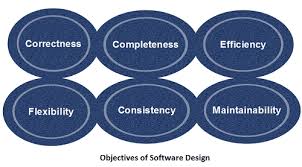
Software design plays a crucial role in the field of software engineering. It is the process of defining the architecture, components, interfaces, and other characteristics of a software system to meet specified requirements. Effective software design is essential for creating high-quality, scalable, and maintainable software applications.

Key Aspects of Software Design

Software design involves several key aspects that are critical to the success of a software project:

  1. Architectural Design: This phase focuses on defining the overall structure of the software system, including its components, modules, and relationships. A well-designed architecture provides a solid foundation for the rest of the development process.
  2. Interface Design: Interfaces are crucial for communication between different parts of a software system. Good interface design ensures that components can interact seamlessly and efficiently.
  3. Data Design: Data is at the core of many software applications. Data design involves defining data structures, storage mechanisms, and access methods to ensure efficient data processing and retrieval.
  4. Algorithm Design: Algorithms are essential for solving complex problems efficiently. Algorithm design focuses on developing effective algorithms that meet performance requirements and optimize resource utilization.

The Benefits of Good Software Design

Effective software design offers several benefits to both developers and end-users:

  • Scalability: A well-designed software system can easily accommodate changes and additions without requiring extensive rework.
  • Maintainability: Good design practices make it easier to maintain and update software systems over time, reducing maintenance costs and effort.
  • Reliability: Properly designed software systems are more reliable and less prone to errors or failures, leading to improved user satisfaction.
  • Performance: Well-designed algorithms and data structures can enhance the performance of a software application, ensuring optimal speed and efficiency.

In Conclusion

Software design is a fundamental aspect of software engineering that significantly impacts the quality, scalability, and maintainability of software applications. By investing time and effort into effective design practices, developers can create robust systems that meet user needs and stand the test of time.


Key Questions Answered: Understanding Software Design in Software Engineering

  1. What is software design in software engineering?
  2. Why is software design important in software engineering?
  3. What are the key aspects of software design?
  4. How does architectural design contribute to software development?
  5. What role does interface design play in software engineering?
  6. Why is data design crucial in developing a software application?
  7. How can good algorithm design impact the performance of a software system?

What is software design in software engineering?

Software design in software engineering refers to the process of conceptualizing and defining the architecture, components, interfaces, and characteristics of a software system to meet specific requirements. It involves making critical decisions about how the software will be structured, how its components will interact, and how data will be managed and processed. Effective software design is essential for creating robust, scalable, and maintainable software applications that deliver value to users. By focusing on aspects such as architectural design, interface design, data design, and algorithm design, software engineers can ensure that the resulting software system meets performance objectives and user expectations.

Why is software design important in software engineering?

Software design is crucial in software engineering because it serves as the blueprint for developing high-quality, efficient, and reliable software applications. By carefully planning the architecture, components, interfaces, and data structures of a system during the design phase, software engineers can ensure that the final product meets user requirements and performs optimally. Good software design facilitates scalability, maintainability, and extensibility of the software, making it easier to adapt to changing needs and technologies in the future. Ultimately, effective software design lays the foundation for successful software development projects by guiding developers in creating solutions that are well-structured, robust, and easy to maintain.

What are the key aspects of software design?

When discussing the key aspects of software design in software engineering, it is essential to highlight several critical components that contribute to the successful development of a software system. These key aspects include architectural design, interface design, data design, and algorithm design. Architectural design focuses on defining the overall structure and components of the system, while interface design ensures seamless communication between different parts. Data design involves structuring data for efficient processing and retrieval, and algorithm design aims to develop effective algorithms for problem-solving. By addressing these key aspects thoughtfully during the software design phase, developers can create robust and scalable software solutions that meet user requirements effectively.

How does architectural design contribute to software development?

Architectural design plays a crucial role in software development by providing a blueprint for the overall structure and organization of a software system. It defines the components, modules, interfaces, and relationships within the system, laying the foundation for the development process. A well-thought-out architectural design enables developers to better understand the system’s complexity, make informed decisions about technology choices, and ensure that the system meets functional and non-functional requirements. By establishing a clear structure early on, architectural design helps streamline development efforts, promote code reusability, facilitate collaboration among team members, and ultimately contribute to the creation of scalable, maintainable, and high-quality software applications.

What role does interface design play in software engineering?

Interface design plays a crucial role in software engineering by serving as the bridge between different components of a software system. Interfaces define how various parts of the system communicate and interact with each other, ensuring seamless operation and efficient data exchange. A well-designed interface simplifies the complexity of the underlying system, making it easier for developers to work on different modules independently. Additionally, user interfaces play a vital role in software design by providing users with intuitive ways to interact with the application, enhancing user experience and usability. In essence, interface design is essential for fostering collaboration among developers, improving system reliability, and creating user-friendly software products.

Why is data design crucial in developing a software application?

Data design is crucial in developing a software application because it forms the foundation for efficient data processing and management within the system. Proper data design involves defining data structures, storage mechanisms, and access methods that optimize performance and ensure data integrity. By carefully planning and implementing data design principles, developers can enhance the scalability, reliability, and maintainability of the software application. Effective data design enables seamless data retrieval, manipulation, and storage, ultimately improving the overall functionality and user experience of the software system.

How can good algorithm design impact the performance of a software system?

Good algorithm design plays a critical role in shaping the performance of a software system. By developing efficient algorithms that optimize resource utilization and minimize computational complexity, software engineers can significantly enhance the speed and efficiency of a software application. Well-designed algorithms can reduce processing time, improve responsiveness, and enable the system to handle larger datasets or higher workloads without compromising performance. In essence, good algorithm design lays the foundation for a high-performing software system that delivers optimal results to users while maximizing computational resources.

Mastering the Art of Embedded Software Design: Innovations and Challenges

Article: Embedded Software Design

The Art of Embedded Software Design

Embedded software design is a specialized field that plays a crucial role in the functionality of electronic devices. From smart appliances to automotive systems, embedded software powers a wide range of products we use daily.

At its core, embedded software design involves creating programs that are built into hardware devices to control their functions. Unlike traditional software applications that run on general-purpose computers, embedded software is tailored to specific hardware and often operates in real-time environments.

Key Aspects of Embedded Software Design

Efficiency: Embedded systems typically have limited resources in terms of memory and processing power. Therefore, efficiency is paramount in designing embedded software to ensure optimal performance within these constraints.

Reliability: Embedded systems are often used in critical applications where system failures can have serious consequences. Designing reliable software with robust error-handling mechanisms is essential to ensure the smooth operation of embedded devices.

Real-Time Operation: Many embedded systems require real-time responsiveness to external stimuli. Designing software that can meet strict timing requirements is crucial for applications such as industrial automation and medical devices.

Challenges and Innovations

Embedded software designers face unique challenges due to the diversity of hardware platforms and the need for seamless integration with the underlying system. However, advancements in tools and technologies have enabled designers to overcome these challenges and create more sophisticated embedded systems.

The Future of Embedded Software Design

As technology continues to evolve, the demand for embedded systems with enhanced capabilities will only grow. From IoT devices to autonomous vehicles, embedded software design will play a pivotal role in shaping the future of connected technologies.

In conclusion, embedded software design is a complex yet rewarding discipline that drives innovation across various industries. By mastering the art of designing efficient, reliable, and real-time software, engineers can create cutting-edge embedded systems that power the devices we rely on every day.


9 Advantages of Embedded Software Design: Optimized Performance, Real-Time Responsiveness, and More

  1. Optimized performance for specific hardware
  2. Efficient utilization of limited resources
  3. Real-time responsiveness in critical applications
  4. Seamless integration with embedded systems
  5. Enhanced reliability through robust error-handling mechanisms
  6. Customization to meet unique requirements of devices
  7. Low power consumption for battery-operated devices
  8. Increased security features for data protection
  9. Support for diverse hardware platforms and architectures


7 Key Challenges in Embedded Software Design: Navigating Constraints, Compatibility, and Complexity

  1. Limited resources often constrain the capabilities of embedded software.
  2. Debugging and testing embedded software can be challenging due to the interaction with hardware components.
  3. Compatibility issues may arise when integrating embedded software with different hardware platforms.
  4. Updating or upgrading embedded software in deployed devices can be complex and expensive.
  5. Security vulnerabilities in embedded systems pose significant risks, especially in connected devices.
  6. Maintaining legacy embedded software over time can become increasingly difficult as technology advances.
  7. Designing real-time embedded systems requires precise timing considerations, adding complexity to development.

Optimized performance for specific hardware

One significant advantage of embedded software design is its ability to optimize performance for specific hardware configurations. By tailoring the software to work seamlessly with the unique characteristics of a particular hardware platform, developers can achieve maximum efficiency and functionality. This optimization ensures that the embedded system operates at its best, leveraging the strengths of the hardware while minimizing resource usage. Ultimately, this results in enhanced performance, reliability, and overall user experience for embedded devices across various applications and industries.

Efficient utilization of limited resources

One significant advantage of embedded software design is its ability to efficiently utilize limited resources. Embedded systems often operate with constraints such as restricted memory and processing power. By optimizing code and implementing resource-efficient algorithms, embedded software designers can maximize the performance of devices while minimizing resource consumption. This efficiency not only enhances the functionality of embedded systems but also contributes to cost-effectiveness and longevity, making embedded software design a valuable asset in creating high-performing and sustainable technology solutions.

Real-time responsiveness in critical applications

Real-time responsiveness in critical applications is a key advantage of embedded software design. Embedded systems operating in real-time environments can quickly and accurately respond to external stimuli, making them ideal for applications where timing is crucial, such as industrial automation, medical devices, and automotive safety systems. By ensuring that embedded software can meet strict timing requirements, designers can enhance the reliability and performance of these critical applications, ultimately improving efficiency and safety in various industries.

Seamless integration with embedded systems

Seamless integration with embedded systems is a significant advantage of embedded software design. By developing software that seamlessly integrates with the underlying hardware, engineers can optimize system performance and ensure efficient operation. This tight integration allows for better control and communication between software and hardware components, leading to enhanced functionality and reliability of embedded systems. Ultimately, seamless integration enables a cohesive and harmonious interaction between the software and hardware, resulting in a more robust and effective solution for various applications.

Enhanced reliability through robust error-handling mechanisms

Enhanced reliability through robust error-handling mechanisms is a key advantage of embedded software design. By implementing sophisticated error detection and recovery strategies, embedded systems can effectively identify and address potential issues, ensuring smooth operation even in challenging environments. This proactive approach to handling errors not only enhances the overall reliability of the system but also minimizes downtime and improves user experience. In critical applications where system failures are not an option, robust error-handling mechanisms play a vital role in maintaining the integrity and performance of embedded devices.

Customization to meet unique requirements of devices

Embedded software design offers the significant advantage of customization to meet the unique requirements of devices. By tailoring software specifically to the hardware it operates on, developers can optimize performance and functionality to align perfectly with the device’s intended purpose. This level of customization allows for enhanced efficiency, improved user experience, and the ability to address specific challenges or constraints that a standard software solution may not accommodate. Ultimately, the ability to customize embedded software enables engineers to create innovative solutions that precisely meet the individual needs of diverse devices and applications.

Low power consumption for battery-operated devices

One significant advantage of embedded software design is its ability to achieve low power consumption, making it ideal for battery-operated devices. By optimizing the software to efficiently manage resources and minimize unnecessary operations, embedded systems can prolong the battery life of devices such as smartphones, wearables, and IoT sensors. This pro not only enhances user experience by reducing the frequency of recharging but also contributes to environmental sustainability by promoting energy efficiency in portable electronics.

Increased security features for data protection

Embedded software design offers a significant advantage in the form of increased security features for data protection. By integrating robust security measures directly into the hardware devices, embedded systems can better safeguard sensitive information from potential threats and breaches. This proactive approach to security not only enhances data protection but also provides peace of mind to users and organizations relying on embedded systems for critical operations.

Support for diverse hardware platforms and architectures

One significant advantage of embedded software design is its ability to support a wide range of hardware platforms and architectures. This flexibility allows developers to create tailored solutions for various devices, from small microcontrollers to complex systems. By adapting the software to different hardware configurations, engineers can optimize performance and functionality, ensuring seamless integration and compatibility across diverse environments. This versatility in supporting multiple platforms enhances the scalability and adaptability of embedded systems, making them suitable for a broad spectrum of applications in industries such as automotive, healthcare, and IoT.

Limited resources often constrain the capabilities of embedded software.

One significant drawback of embedded software design is the inherent constraint imposed by limited resources, which frequently restrict the capabilities of the software. Due to factors such as restricted memory and processing power in embedded systems, designers often face challenges in implementing complex functionalities or accommodating extensive features. This limitation can hinder the performance and flexibility of embedded software, making it difficult to achieve the desired level of sophistication or responsiveness in certain applications. As a result, developers must carefully prioritize and optimize resources to ensure that the embedded software meets the necessary requirements while operating within the confines of the available hardware resources.

Debugging and testing embedded software can be challenging due to the interaction with hardware components.

Debugging and testing embedded software can be particularly challenging due to the intricate interaction with hardware components. Unlike traditional software development where debugging is mainly focused on code logic, embedded systems require thorough testing to ensure seamless integration with specific hardware functionalities. Identifying and isolating bugs that stem from this hardware-software interaction can be time-consuming and complex, requiring specialized tools and expertise to effectively troubleshoot issues. The need for real-time responsiveness adds another layer of complexity to the debugging process, making it essential for embedded software designers to have a deep understanding of both software programming and hardware configurations in order to address these challenges effectively.

Compatibility issues may arise when integrating embedded software with different hardware platforms.

Compatibility issues can present a significant challenge in embedded software design, particularly when integrating the software with diverse hardware platforms. The variation in hardware specifications, interfaces, and communication protocols across different devices can lead to compatibility issues that hinder seamless integration. Engineers must carefully consider these factors during the design phase to ensure that the embedded software functions effectively across various hardware platforms. Addressing compatibility challenges requires thorough testing, robust validation processes, and close collaboration between software and hardware teams to achieve optimal system performance and interoperability.

Updating or upgrading embedded software in deployed devices can be complex and expensive.

Updating or upgrading embedded software in deployed devices can be a significant challenge in embedded software design. The process can be complex and costly, especially when dealing with a large number of devices spread across different locations. Ensuring seamless updates without disrupting device functionality requires meticulous planning and coordination. Additionally, the expenses associated with updating embedded software, including development costs, testing, and deployment, can pose financial constraints for organizations. As technology advances rapidly, finding efficient and cost-effective strategies to update embedded software in deployed devices remains a critical concern for embedded system designers.

Security vulnerabilities in embedded systems pose significant risks, especially in connected devices.

Security vulnerabilities in embedded systems pose significant risks, especially in connected devices. The interconnected nature of modern embedded systems opens up avenues for potential cyber attacks and data breaches, putting sensitive information and critical infrastructure at risk. Hackers can exploit weaknesses in embedded software to gain unauthorized access, manipulate device functionality, or launch large-scale attacks. As the number of connected devices continues to rise, addressing security vulnerabilities in embedded systems becomes increasingly crucial to safeguarding privacy and maintaining the integrity of digital ecosystems.

Maintaining legacy embedded software over time can become increasingly difficult as technology advances.

One significant challenge in embedded software design is the maintenance of legacy systems as technology progresses. Over time, keeping older embedded software up-to-date and compatible with modern hardware and software environments can become a daunting task. As new technologies emerge and standards evolve, legacy systems may face compatibility issues, security vulnerabilities, and performance limitations. This con underscores the importance of strategic planning and proactive measures to ensure the long-term viability of embedded software solutions in an ever-changing technological landscape.

Designing real-time embedded systems requires precise timing considerations, adding complexity to development.

Designing real-time embedded systems poses a significant challenge due to the need for precise timing considerations, which introduces complexity to the development process. In real-time environments, tasks must be executed within strict time constraints to ensure timely responses to external events. This requirement demands meticulous planning and synchronization of operations, making it essential for developers to carefully manage the timing aspects of the system. Failure to meet these timing requirements can lead to performance issues or even system failures, highlighting the critical nature of addressing timing challenges in real-time embedded software design.

Exploring Google’s Cutting-Edge Cloud Computing Services

The Power of Google Cloud Computing Services

Google Cloud Computing Services have revolutionized the way businesses operate in the digital age. With its cutting-edge technology and innovative solutions, Google has established itself as a leader in the cloud computing industry. Let’s explore some of the key features and benefits of Google Cloud services.

Scalability and Flexibility

One of the major advantages of Google Cloud is its scalability. Businesses can easily scale their infrastructure up or down based on their needs, allowing for flexibility and cost-efficiency. Whether you are a small startup or a large enterprise, Google Cloud offers solutions that can adapt to your requirements.

Security and Compliance

Security is a top priority for Google, and its cloud services are designed with robust security measures to protect data and applications. With advanced encryption, access control, and monitoring tools, Google Cloud ensures that your sensitive information remains safe and secure. Additionally, Google Cloud is compliant with various industry standards and regulations, giving businesses peace of mind when it comes to data protection.

Performance and Reliability

Google’s global network infrastructure provides high performance and reliability for cloud services. With data centers located around the world, Google Cloud offers low latency and high availability, ensuring that your applications run smoothly without interruptions. This level of performance is crucial for businesses that rely on fast and consistent access to their data and resources.

Innovative Solutions

Google is known for its innovation, and this extends to its cloud computing services. From machine learning tools to big data analytics platforms, Google Cloud offers a wide range of cutting-edge solutions that help businesses drive growth and innovation. By leveraging these advanced technologies, businesses can gain valuable insights, improve efficiency, and stay ahead of the competition.

Conclusion

In conclusion, Google Cloud Computing Services provide businesses with a powerful platform to enhance their operations, improve security, increase scalability, and drive innovation. With its comprehensive suite of services and industry-leading technology, Google Cloud is a trusted partner for businesses looking to thrive in the digital landscape.

Whether you are looking to migrate your existing infrastructure to the cloud or develop new applications using cloud-native technologies, Google Cloud has the tools and expertise to support your journey towards digital transformation.


Top 8 Benefits of Google Cloud Computing: Scalability, Security, and More

  1. Scalability for easily adjusting resources based on demand
  2. Robust security measures to protect data and applications
  3. Global network infrastructure for high performance and reliability
  4. Cost-efficiency by paying only for the resources used
  5. Innovative solutions like machine learning and big data analytics
  6. Automatic software updates and maintenance for seamless operation
  7. Collaboration tools for efficient team communication and productivity
  8. Flexible storage options to accommodate varying data needs


4 Key Drawbacks of Cloud Computing Services: Downtime, Costs, Security, and Internet Dependency

  1. Potential for downtime
  2. Costs can add up
  3. Security concerns
  4. Dependency on internet connectivity

Scalability for easily adjusting resources based on demand

One of the key advantages of Google Cloud Computing Services is its scalability, allowing businesses to effortlessly adjust resources based on demand. This flexibility enables organizations to efficiently manage fluctuating workloads and optimize resource allocation without the need for significant upfront investments in infrastructure. By leveraging Google Cloud’s scalable solutions, businesses can seamlessly scale up or down to meet changing requirements, ensuring optimal performance and cost-effectiveness in dynamic environments.

Robust security measures to protect data and applications

Google Cloud Computing Services from Google offer robust security measures to safeguard data and applications. With advanced encryption, access control, and monitoring tools, Google ensures that sensitive information remains secure in the cloud. This focus on security provides businesses with peace of mind, knowing that their data is protected against unauthorized access and cyber threats. By leveraging Google’s stringent security protocols, businesses can confidently store and manage their critical data while maintaining compliance with industry standards and regulations.

Global network infrastructure for high performance and reliability

Google Cloud Computing Services from Google offer a remarkable advantage with their global network infrastructure, ensuring high performance and reliability for businesses. With data centers strategically located worldwide, Google Cloud provides low latency and high availability, allowing for seamless access to data and resources. This robust network infrastructure not only enhances the speed and efficiency of operations but also ensures consistent performance, making Google Cloud a trusted choice for businesses seeking reliable cloud computing solutions on a global scale.

Cost-efficiency by paying only for the resources used

One significant advantage of Google Cloud Computing Services is the cost-efficiency it offers through a pay-as-you-go model. Businesses can optimize their expenses by paying only for the resources they actually use, avoiding upfront investments in infrastructure that may go underutilized. This flexible pricing structure allows companies to scale their operations seamlessly while keeping costs in check, making Google Cloud an attractive option for organizations of all sizes looking to maximize their budget allocation and overall efficiency.

Innovative solutions like machine learning and big data analytics

Google Cloud Computing Services from Google offer innovative solutions such as machine learning and big data analytics, empowering businesses to unlock valuable insights and drive informed decision-making. By leveraging these advanced technologies, businesses can analyze vast amounts of data in real-time, identify patterns, trends, and correlations, and make data-driven decisions that lead to improved efficiency and competitiveness. Google’s expertise in machine learning and big data analytics enables businesses to extract actionable intelligence from their data, ultimately helping them stay ahead in today’s rapidly evolving digital landscape.

Automatic software updates and maintenance for seamless operation

Google Cloud Computing Services from Google offer the significant advantage of automatic software updates and maintenance, ensuring seamless operation for businesses. With this feature, businesses can rest assured that their systems are always up-to-date with the latest software versions and security patches without the need for manual intervention. This not only saves time and resources but also helps in maintaining optimal performance and reliability of cloud-based applications and services. Automatic updates and maintenance provided by Google Cloud enable businesses to focus on their core operations while benefiting from a hassle-free and continuously optimized cloud computing environment.

Collaboration tools for efficient team communication and productivity

Google Cloud Computing Services from Google offer powerful collaboration tools that enhance team communication and productivity. With features like real-time document editing, file sharing, video conferencing, and project management tools, Google Cloud enables teams to work together seamlessly regardless of their physical location. These tools promote efficient collaboration, streamline workflows, and boost overall productivity by allowing team members to communicate and collaborate in a centralized and organized manner.

Flexible storage options to accommodate varying data needs

Google Cloud Computing Services from Google offer flexible storage options to accommodate varying data needs. Whether businesses require a small amount of storage for basic data or extensive storage for large-scale applications, Google Cloud provides scalable solutions that can be easily adjusted based on specific requirements. This flexibility allows businesses to optimize their storage resources efficiently, ensuring that they only pay for the storage they use without being limited by fixed capacities. With Google Cloud’s flexible storage options, businesses can seamlessly adapt to changing data needs and scale their storage capacity as their business grows.

Potential for downtime

One significant drawback of Google Cloud Computing Services is the potential for downtime. Just like any cloud service, Google’s infrastructure may experience interruptions, leading to operational disruptions and decreased productivity for businesses relying on these services. Downtime can result in loss of access to critical data and applications, causing inconvenience and potential financial losses for users. It is essential for businesses to have contingency plans in place to mitigate the impact of downtime and ensure continuity of operations during such instances.

Costs can add up

One significant drawback of using Google Cloud computing services is the potential for costs to add up quickly. While the scalability and flexibility of cloud services are beneficial, businesses need to be cautious as expenses can accumulate over time. This becomes particularly problematic when usage surpasses initial estimates or requirements, leading to unexpected charges that may strain the budget. It is crucial for organizations to closely monitor their usage and optimize resource allocation to prevent cost overruns and ensure that cloud computing remains a cost-effective solution for their operations.

Security concerns

Security concerns are a significant con of cloud computing services from Google. Despite implementing robust security measures, there is always a lingering risk of data breaches or cyber attacks when storing sensitive information in the cloud. This vulnerability can be a cause for concern for businesses and individuals who rely on cloud services to store their confidential data, as even the most advanced security protocols may not always guarantee complete protection against malicious threats. It is essential for users to remain vigilant and implement additional security measures to mitigate the potential risks associated with storing sensitive information in the cloud.

Dependency on internet connectivity

One significant drawback of using Google Cloud services is the dependency on internet connectivity. Since Google Cloud relies on internet access to function, any disruptions in network connectivity can potentially impede users’ ability to access their data and applications. This reliance on a stable internet connection means that businesses and individuals may face challenges in accessing critical resources during periods of network outages or slowdowns, highlighting the importance of having reliable internet infrastructure when utilizing cloud computing services from Google.

need of software engineering

The Critical Need for Software Engineering in Today’s Digital World

The Importance of Software Engineering

The Need for Software Engineering in Today’s World

In our increasingly digital world, the importance of software engineering cannot be overstated. Software engineering is the systematic application of engineering principles to the design, development, maintenance, testing, and evaluation of software. It plays a crucial role in the creation of reliable, efficient, and scalable software systems that power our modern society.

Why is Software Engineering Important?

Quality Assurance: Software engineering ensures that software products are developed with high quality standards. This includes reliability, security, performance efficiency, maintainability, and usability.

Efficiency and Scalability: Proper software engineering practices help in building software systems that are efficient and scalable to meet the growing demands of users and businesses.

Cost-Effectiveness: By following structured development processes and best practices, software engineering helps in reducing development costs and improving return on investment.

Risk Management: Software engineering methodologies help in identifying potential risks early in the development process and implementing strategies to mitigate them.

The Role of Software Engineers

Software engineers are responsible for designing, developing, testing, and maintaining software applications. They work closely with stakeholders to understand requirements and translate them into functional solutions. Software engineers also collaborate with other team members such as designers, project managers, and quality assurance professionals to deliver successful software projects.

The Future of Software Engineering

As technology continues to evolve at a rapid pace, the demand for skilled software engineers is expected to grow. From artificial intelligence and machine learning to cloud computing and cybersecurity, the field of software engineering offers diverse opportunities for innovation and advancement.

In conclusion, software engineering is essential for creating robust and reliable software systems that drive progress in various industries. By embracing best practices and staying current with emerging technologies, software engineers play a vital role in shaping the future of technology.


Understanding the Importance and Impact of Software Engineering: Key Questions Answered

  1. What is software engineering and why is it important?
  2. How does software engineering ensure the quality of software products?
  3. What role do software engineers play in the development process?
  4. Why is scalability crucial in software systems and how does software engineering address it?
  5. What are the cost-effectiveness benefits of following software engineering practices?
  6. How does software engineering help in managing risks during the development of software applications?

What is software engineering and why is it important?

Software engineering is a discipline that applies engineering principles to the design, development, testing, and maintenance of software systems. It involves systematic approaches to building software solutions that meet specific requirements and quality standards. The importance of software engineering lies in its ability to ensure the reliability, efficiency, and scalability of software applications. By following structured processes and best practices, software engineering helps in creating high-quality software products that are cost-effective, secure, and user-friendly. Ultimately, software engineering plays a critical role in driving innovation, improving business operations, and shaping the digital landscape of today’s world.

How does software engineering ensure the quality of software products?

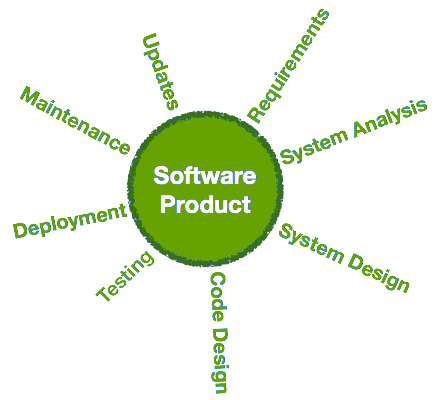
Software engineering ensures the quality of software products through a systematic approach that encompasses various processes and methodologies. By following best practices such as requirements analysis, design principles, coding standards, testing procedures, and maintenance strategies, software engineers are able to develop high-quality software that meets user expectations. Quality assurance techniques like testing, code reviews, and continuous integration help identify and rectify defects early in the development lifecycle. Additionally, adherence to industry standards and compliance with regulations contribute to the overall quality of software products. Through rigorous planning, execution, and monitoring of software projects, software engineering plays a vital role in delivering reliable and efficient solutions to users.

What role do software engineers play in the development process?

Software engineers play a crucial role in the development process by designing, developing, testing, and maintaining software applications. They are responsible for translating stakeholder requirements into functional solutions and ensuring that the software meets high-quality standards. Software engineers collaborate with various team members, such as designers, project managers, and quality assurance professionals, to deliver successful software projects. Their expertise in coding, problem-solving, and understanding complex systems is essential for creating efficient and scalable software systems that drive innovation and meet the needs of users and businesses.

Why is scalability crucial in software systems and how does software engineering address it?

Scalability is crucial in software systems because it ensures that the system can handle increased workload or growth without compromising performance. Software engineering addresses scalability by employing design principles and architectural patterns that allow for easy expansion and adaptation of the system. Through techniques such as load balancing, horizontal scaling, and microservices architecture, software engineers can create systems that can efficiently scale up or down based on demand. By incorporating scalability considerations early in the development process, software engineers can build robust and flexible systems that can grow with the needs of the users and the business.

What are the cost-effectiveness benefits of following software engineering practices?

The cost-effectiveness benefits of following software engineering practices are significant and far-reaching. By adhering to structured development processes and best practices, organizations can reduce overall development costs while improving the return on investment for software projects. Software engineering helps in identifying and addressing issues early in the development cycle, which can prevent costly rework and delays later on. Additionally, by focusing on quality assurance, efficiency, and scalability, software engineering practices contribute to the creation of robust and sustainable software solutions that require fewer resources for maintenance and support over time. Ultimately, investing in software engineering practices leads to long-term cost savings and increased competitiveness in the market.

How does software engineering help in managing risks during the development of software applications?

Software engineering plays a crucial role in managing risks during the development of software applications by providing structured methodologies and best practices. By following established processes such as requirements analysis, design, implementation, testing, and maintenance, software engineers can identify potential risks early in the development lifecycle. Through risk assessment techniques and mitigation strategies, software engineering helps in addressing issues related to project scope, budget overruns, schedule delays, technical challenges, and quality assurance. By proactively managing risks and implementing preventive measures, software engineering ensures that software projects are delivered successfully with minimized disruptions and improved overall project outcomes.

plc software engineer

Unveiling the Role of a PLC Software Engineer in Industrial Automation

PLC Software Engineer: The Backbone of Industrial Automation

PLC Software Engineer: The Backbone of Industrial Automation

In the realm of industrial automation, PLC (Programmable Logic Controller) software engineers play a crucial role in designing, developing, and maintaining the software systems that control machinery and processes in various industries.

PLCs are specialized computers used to automate processes such as manufacturing, assembly lines, and robotic systems. PLC software engineers are responsible for writing code that dictates how these systems operate, ensuring efficiency, accuracy, and safety in industrial environments.

These engineers possess a unique skill set that combines knowledge of programming languages, such as ladder logic and structured text, with an understanding of electrical systems and industrial processes. They work closely with electrical engineers and automation specialists to integrate software solutions into hardware components seamlessly.

PLC software engineers are adept at troubleshooting complex issues, optimizing system performance, and implementing new functionalities to meet evolving industry demands. Their expertise is essential in ensuring that manufacturing processes run smoothly, minimizing downtime and maximizing productivity.

As technology continues to advance, PLC software engineers must stay current with the latest trends in automation and programming techniques. Continuous learning and professional development are key to thriving in this dynamic field.

In conclusion, PLC software engineers are the unsung heroes behind the scenes of industrial automation. Their innovative solutions drive efficiency, reliability, and safety in manufacturing operations worldwide. As industries evolve towards smart manufacturing and Industry 4.0 initiatives, the role of PLC software engineers will only become more critical in shaping the future of industrial automation.


Understanding the Role and Impact of PLC Software Engineers: Key FAQs

  1. What is a PLC software engineer?
  2. What does a PLC software engineer do?
  3. What skills are required to become a PLC software engineer?
  4. How do PLC software engineers contribute to industrial automation?
  5. What programming languages are commonly used by PLC software engineers?
  6. What industries typically employ PLC software engineers?
  7. How can one become a certified PLC software engineer?
  8. What are the current trends in the field of PLC software engineering?

What is a PLC software engineer?

A PLC software engineer is a specialized professional responsible for designing, developing, and maintaining the software systems that control machinery and processes in industrial automation. These engineers possess a unique skill set that combines expertise in programming languages like ladder logic and structured text with a deep understanding of electrical systems and industrial processes. They play a crucial role in ensuring the efficiency, accuracy, and safety of automated systems by writing code that dictates how these systems operate. PLC software engineers collaborate closely with other professionals in the field to integrate software solutions seamlessly into hardware components, troubleshoot issues, optimize system performance, and implement new functionalities to meet industry demands. Their work is essential in driving productivity and reliability in manufacturing operations.

What does a PLC software engineer do?

As a PLC software engineer, your primary responsibility is to design, develop, and maintain the software systems that control industrial machinery and processes. You write code in programming languages like ladder logic and structured text to create sequences of operations that automate tasks in manufacturing environments. Additionally, you collaborate with electrical engineers and automation specialists to integrate software solutions with hardware components, ensuring seamless operation of PLC systems. Your role involves troubleshooting system issues, optimizing performance, and implementing new functionalities to enhance efficiency and productivity in industrial settings.

What skills are required to become a PLC software engineer?

To become a successful PLC software engineer, a combination of technical skills and domain knowledge is essential. Proficiency in programming languages commonly used in PLC systems, such as ladder logic and structured text, is crucial. Additionally, a strong understanding of electrical systems, automation principles, and industrial processes is necessary to design effective control solutions. Problem-solving abilities, attention to detail, and the capability to work collaboratively with multidisciplinary teams are also key skills required for PLC software engineers. Continuous learning and staying updated with advancements in automation technology are vital to excel in this role.

How do PLC software engineers contribute to industrial automation?

PLC software engineers play a pivotal role in industrial automation by designing, developing, and maintaining the software systems that control machinery and processes in various industries. They write code that dictates how Programmable Logic Controllers (PLCs) operate, ensuring efficiency, accuracy, and safety in industrial environments. By integrating their expertise in programming languages and electrical systems, PLC software engineers enable seamless communication between hardware components and software solutions. Their contributions are essential in troubleshooting issues, optimizing system performance, and implementing new functionalities to enhance manufacturing processes and drive productivity in the ever-evolving landscape of industrial automation.

What programming languages are commonly used by PLC software engineers?

In the field of PLC software engineering, professionals commonly utilize programming languages such as ladder logic, structured text, function block diagram (FBD), and sequential function chart (SFC). These languages are specifically designed for programming PLCs and are tailored to the unique requirements of industrial automation. Ladder logic, resembling electrical relay diagrams, is widely used for its intuitive visual representation of control logic. Structured text offers more flexibility and resembles traditional programming languages, making it suitable for complex algorithms. Function block diagram and sequential function chart provide additional ways to organize and structure control logic in PLC programming. Mastery of these programming languages is essential for PLC software engineers to effectively design and implement automation solutions in various industrial settings.

What industries typically employ PLC software engineers?

In the realm of industrial automation, PLC software engineers are in high demand across a wide range of industries. Manufacturing industries, including automotive, aerospace, electronics, and consumer goods, heavily rely on PLC systems to streamline production processes and ensure product quality. Energy and utilities sectors utilize PLC technology for power generation, distribution, and monitoring systems. Additionally, industries such as pharmaceuticals, food and beverage, and chemical processing benefit from the expertise of PLC software engineers to enhance safety protocols and regulatory compliance in their operations. In essence, any industry that requires automated control systems to optimize efficiency and productivity is likely to employ PLC software engineers to design and maintain their critical infrastructure.

How can one become a certified PLC software engineer?

To become a certified PLC software engineer, individuals typically need to pursue formal education in fields such as electrical engineering, computer science, or automation technology. Many aspiring PLC software engineers also seek specialized training programs or certifications offered by industry organizations or educational institutions. These programs often cover topics such as PLC programming languages, industrial automation systems, and hands-on experience with PLC hardware and software. Additionally, gaining practical experience through internships or entry-level positions in the field can be invaluable for developing the necessary skills and expertise required to become a certified PLC software engineer. Continuous learning and staying updated on the latest advancements in industrial automation technologies are also essential for aspiring professionals in this field.

The field of PLC software engineering is continuously evolving, with several current trends shaping its future. One significant trend is the integration of Industry 4.0 technologies, which emphasizes the use of IoT (Internet of Things) and smart devices to create more connected and efficient manufacturing environments. This includes the adoption of advanced data analytics and machine learning to enhance predictive maintenance and optimize production processes. Additionally, there is a growing focus on cybersecurity to protect industrial systems from potential threats as connectivity increases. Engineers are also utilizing more sophisticated programming languages and development environments that support modular and scalable solutions, making it easier to adapt to changing operational needs. Moreover, the shift towards open standards and interoperability is enabling better communication between different systems and components, further enhancing automation capabilities across industries.

google embedded software engineer

Exploring the Role of a Google Embedded Software Engineer

Google Embedded Software Engineer

The Role of a Google Embedded Software Engineer

Google, one of the tech giants in the industry, employs embedded software engineers to work on a variety of projects that involve creating and optimizing software for embedded systems. These engineers play a crucial role in developing cutting-edge products and technologies that power Google’s diverse range of services.

Responsibilities of an Embedded Software Engineer at Google

Embedded software engineers at Google are responsible for designing, developing, and testing software that runs on embedded systems such as microcontrollers, processors, and other hardware components. They collaborate with cross-functional teams to ensure that the software meets performance, reliability, and security standards.

Key responsibilities of a Google embedded software engineer include:

  • Writing efficient and optimized code for embedded systems
  • Debugging and troubleshooting software issues
  • Collaborating with hardware engineers to integrate software with hardware components
  • Ensuring software compliance with industry standards and best practices
  • Participating in code reviews and contributing to continuous improvement initiatives

Skills Required for Success

To excel as a Google embedded software engineer, individuals need a strong foundation in computer science, programming languages like C/C++, and experience working with embedded systems. Additionally, key skills that are valued at Google include:

  • Problem-solving abilities
  • Critical thinking skills
  • Attention to detail
  • Effective communication skills
  • Ability to work in a fast-paced environment

Career Growth Opportunities

A career as an embedded software engineer at Google offers exciting opportunities for professional growth and development. Engineers have the chance to work on innovative projects, collaborate with top talent in the industry, and contribute to products that impact millions of users worldwide.

With continuous learning opportunities, mentorship programs, and a supportive work culture, Google empowers its embedded software engineers to reach their full potential and make meaningful contributions to the field of technology.


Essential FAQs About Becoming an Embedded Software Engineer at Google

  1. What does an embedded software engineer at Google do?
  2. What qualifications are needed to become a Google embedded software engineer?
  3. What programming languages should I know for an embedded software engineering role at Google?
  4. How can I prepare for a Google embedded software engineer interview?
  5. What is the typical salary range for an embedded software engineer at Google?
  6. What kind of projects do embedded software engineers work on at Google?
  7. Is prior experience with embedded systems required to apply for this position at Google?
  8. How does the career progression look like for an embedded software engineer at Google?
  9. What is the work culture like for engineers working in Google’s hardware teams?

What does an embedded software engineer at Google do?

An embedded software engineer at Google plays a pivotal role in designing, developing, and optimizing software for embedded systems that power a diverse range of Google’s products and services. These engineers collaborate with cross-functional teams to ensure that the software meets stringent performance, reliability, and security standards. Their responsibilities include writing efficient code for embedded systems, debugging software issues, integrating software with hardware components, ensuring compliance with industry standards, and actively participating in code reviews to drive continuous improvement initiatives. Overall, a Google embedded software engineer contributes to creating cutting-edge technologies that impact millions of users worldwide.

What qualifications are needed to become a Google embedded software engineer?

To become a Google embedded software engineer, individuals typically need a strong educational background in computer science or a related field. A bachelor’s degree or higher is often required, along with proficiency in programming languages such as C/C++. Additionally, candidates should have experience working with embedded systems and a deep understanding of software development principles. Problem-solving skills, attention to detail, and the ability to work effectively in a team are also essential qualifications for aspiring Google embedded software engineers. Continuous learning and staying updated on the latest technologies are crucial for success in this dynamic and challenging role at Google.

What programming languages should I know for an embedded software engineering role at Google?

When considering a role as an embedded software engineer at Google, familiarity with programming languages such as C/C++ is essential. Proficiency in these languages is highly valued as they are commonly used in developing software for embedded systems. Additionally, having knowledge of assembly language and scripting languages like Python can be advantageous for certain projects. Google looks for candidates who have a strong foundation in programming and are adaptable to learning new languages and technologies as needed to excel in the dynamic field of embedded software engineering.

How can I prepare for a Google embedded software engineer interview?

To prepare for a Google embedded software engineer interview, it is essential to focus on mastering key technical concepts and problem-solving skills. Familiarize yourself with data structures, algorithms, and programming languages commonly used in embedded systems development, such as C/C++. Practice solving coding challenges and algorithmic problems to enhance your problem-solving abilities. Additionally, research Google’s engineering culture, values, and past projects to understand the company’s expectations. Be prepared to demonstrate your ability to work collaboratively in a team environment and communicate effectively about technical concepts. Engaging in mock interviews and seeking feedback from peers or mentors can also help you refine your interview skills and boost your confidence for the interview process.

What is the typical salary range for an embedded software engineer at Google?

The typical salary range for an embedded software engineer at Google can vary based on factors such as experience, location, and level within the company. Generally, entry-level embedded software engineers at Google can expect a competitive salary that ranges from around $100,000 to $130,000 per year. As engineers gain more experience and move up the ranks, their salaries can increase significantly, with senior-level embedded software engineers at Google earning upwards of $200,000 or more annually. Additionally, Google offers various benefits and perks to its employees, making it an attractive employer for those in the field of embedded software engineering.

What kind of projects do embedded software engineers work on at Google?

Embedded software engineers at Google work on a diverse range of projects that involve developing software for embedded systems to support various Google products and services. These projects can include optimizing code for hardware components, enhancing the performance of embedded systems, integrating software with cutting-edge technologies, and ensuring the reliability and security of embedded software. From working on innovative projects in autonomous vehicles to developing smart home devices, Google’s embedded software engineers have the opportunity to contribute to groundbreaking technologies that shape the future of the tech industry.

Is prior experience with embedded systems required to apply for this position at Google?

While prior experience with embedded systems is not always a strict requirement to apply for a position as a Google embedded software engineer, it is highly beneficial. Google values candidates who have a strong foundation in embedded systems, as it demonstrates their familiarity with the complexities of working on software for hardware-constrained devices. However, Google also considers candidates with relevant experience in related fields or those who show a keen interest in learning and adapting to the challenges of embedded software development. Ultimately, showcasing a combination of technical skills, problem-solving abilities, and a passion for innovation can greatly enhance an applicant’s chances of securing a role as an embedded software engineer at Google.

How does the career progression look like for an embedded software engineer at Google?

Career progression for an embedded software engineer at Google typically follows a structured path that allows individuals to advance their skills and responsibilities over time. Upon joining Google, embedded software engineers often start in entry-level positions where they gain hands-on experience working on projects and collaborating with cross-functional teams. As they demonstrate proficiency in designing and optimizing software for embedded systems, engineers may progress to more senior roles with increased leadership responsibilities. Career growth opportunities at Google for embedded software engineers include the chance to lead projects, mentor junior team members, and contribute to the development of cutting-edge technologies that shape the future of the company. Continuous learning and professional development initiatives support engineers in expanding their expertise and advancing their careers within Google’s dynamic and innovative environment.

What is the work culture like for engineers working in Google’s hardware teams?

The work culture for engineers working in Google’s hardware teams is known for its collaborative and innovative environment. Engineers at Google have the opportunity to work on cutting-edge projects, collaborate with top talent in the industry, and contribute to the development of groundbreaking technologies. The hardware teams at Google emphasize teamwork, creativity, and continuous learning, fostering a culture where employees are encouraged to think outside the box and push the boundaries of what is possible. With a focus on diversity, inclusion, and professional growth, Google provides its engineers with a supportive and dynamic work culture that values creativity, problem-solving skills, and a passion for technology.