cfchris.com

Loading

java for beginners

Java for Beginners: A Step-by-Step Guide to Learning Programming

Java for Beginners

Java for Beginners: A Comprehensive Guide

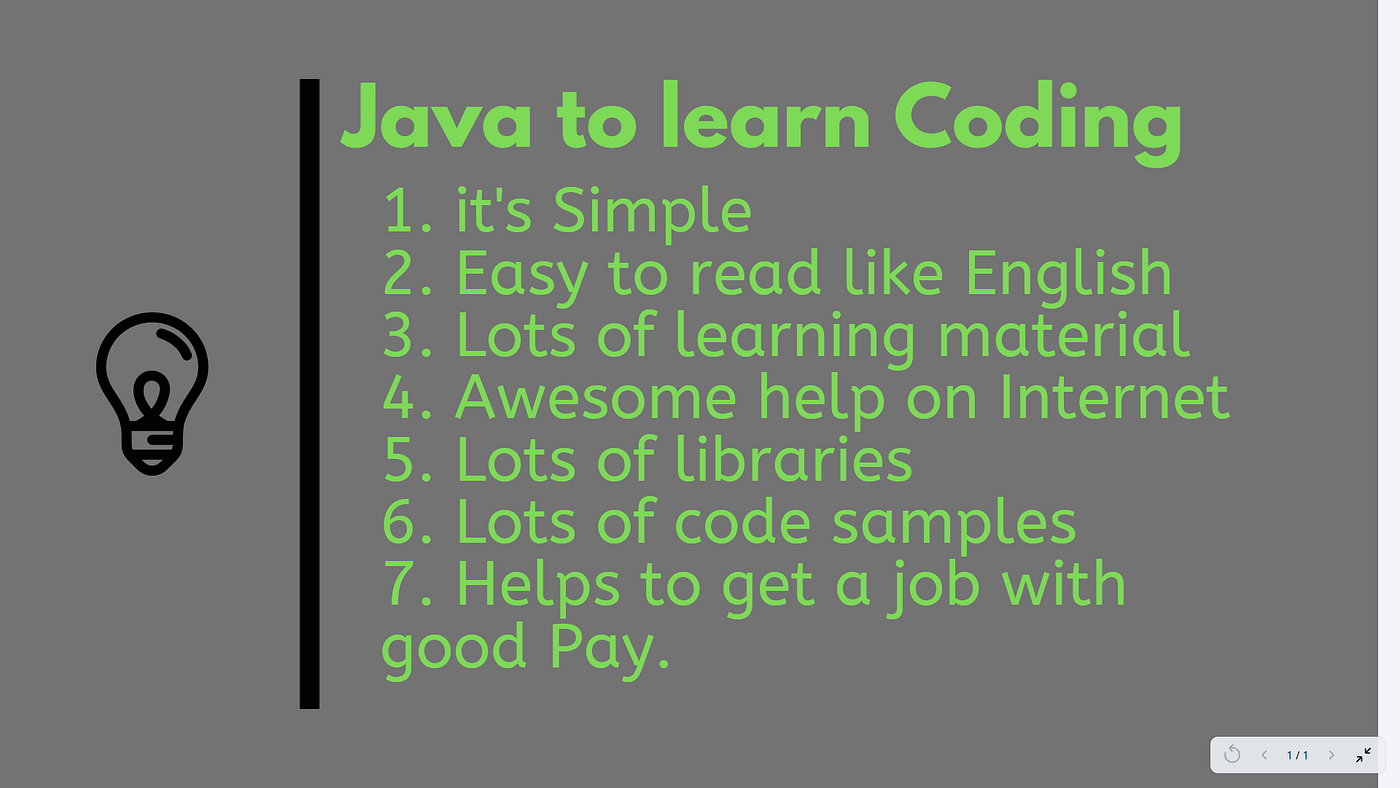
If you are new to programming and looking to learn a versatile and widely-used language, Java is an excellent choice. Java is known for its simplicity, readability, and vast community support, making it ideal for beginners to start their coding journey.

Why Learn Java?

Java is a high-level programming language that is platform-independent, meaning you can write code once and run it on any device that supports Java. This feature makes Java versatile and widely used in various applications, from web development to mobile apps.

Key Concepts in Java

As a beginner learning Java, you will come across essential concepts such as:

  • Variables: Used to store data values.
  • Control Structures: Including loops and conditional statements.
  • Classes and Objects: The building blocks of Java programs.
  • Inheritance and Polymorphism: Important concepts in object-oriented programming.
  • Exception Handling: Dealing with errors in your code.

Resources for Learning Java

If you are eager to start your journey into Java programming, there are plenty of resources available online. Websites like Codecademy, Coursera, and Oracle’s official Java tutorials offer step-by-step lessons tailored for beginners.

Your First Java Program

To get started with coding in Java, begin by writing a simple “Hello World” program. This classic program prints the text “Hello World” on the screen and serves as an excellent introduction to basic syntax in Java.


public class HelloWorld {

public static void main(String[] args) {

System.out.println("Hello World");

}

}

Coding Challenges

To enhance your skills and understanding of Java, consider participating in coding challenges on platforms like LeetCode or HackerRank. These challenges provide real-world problems that can help you practice your coding skills and improve your problem-solving abilities.

In Conclusion

Learning Java as a beginner can open up a world of opportunities in the programming field. With dedication, practice, and the right resources, you can master this powerful language and embark on a rewarding career as a software developer or programmer.


Top 8 Frequently Asked Questions About Learning Java for Beginners

  1. Can you learn Java as a beginner?
  2. Will Java be replaced by AI?
  3. What are the 4 pillars of Java?
  4. How can I start to learn Java?
  5. Can I teach myself Java?
  6. Which is harder, C++ or Java?
  7. What is Java basics for beginners?
  8. Is Java easy to learn for beginners?

Can you learn Java as a beginner?

For beginners looking to delve into the world of programming, learning Java is not only possible but highly recommended. Java’s user-friendly syntax, extensive documentation, and robust community support make it an excellent choice for those starting their coding journey. With dedication, practice, and access to various online resources tailored for beginners, mastering Java can be a rewarding experience that lays a solid foundation for further exploration in the field of software development.

Will Java be replaced by AI?

While artificial intelligence is advancing rapidly and influencing many aspects of technology, it is unlikely that AI will replace Java in the foreseeable future. Java is a robust and versatile programming language that has been widely adopted across various industries for its reliability, scalability, and platform independence. AI technologies often rely on programming languages like Java to build applications and frameworks. Instead of replacing Java, AI is more likely to complement it by enhancing development processes and creating more sophisticated tools that can streamline coding tasks. As a result, Java remains an essential skill for developers, especially as they integrate AI capabilities into their projects.

What are the 4 pillars of Java?

The four pillars of Java are key concepts that form the foundation of the language and are essential for beginners to understand. These pillars include: Object-Oriented Programming (OOP), which emphasizes the use of classes and objects for organizing code; Inheritance, allowing classes to inherit attributes and methods from other classes; Encapsulation, which involves bundling data and methods into a single unit; and Polymorphism, enabling objects to take on multiple forms based on their context. Mastery of these pillars is crucial for building robust and efficient Java programs.

How can I start to learn Java?

For beginners looking to start learning Java, a great way to begin is by familiarizing yourself with the basic syntax and concepts of the language. Online tutorials, courses, and books dedicated to Java programming can provide a structured approach to learning. Setting up a development environment on your computer and practicing writing simple programs can help reinforce your understanding of Java fundamentals. Additionally, engaging in coding challenges and projects can further enhance your skills and confidence in using Java. Remember that consistent practice, patience, and a willingness to explore and experiment are key to mastering Java as a beginner.

Can I teach myself Java?

Teaching yourself Java is absolutely possible for beginners. With the abundance of online resources, tutorials, and practice exercises available, you can learn Java at your own pace and convenience. Many successful programmers have started by teaching themselves Java through self-study and hands-on practice. By dedicating time and effort to understanding the key concepts of Java programming, you can build a solid foundation and gradually advance your skills in this versatile language. Remember, persistence and a passion for learning are key to mastering Java on your own.

Which is harder, C++ or Java?

When it comes to comparing the difficulty level between C++ and Java for beginners, opinions may vary. Both C++ and Java are powerful programming languages with their own complexities and learning curves. Some beginners find C++ more challenging due to its low-level features and strict syntax, while others may perceive Java as easier to grasp because of its simpler syntax and automatic memory management. Ultimately, the difficulty of learning C++ or Java depends on individual preferences, prior programming experience, and the specific goals of the learner. It is recommended for beginners to explore both languages and determine which one aligns better with their interests and objectives in the field of programming.

What is Java basics for beginners?

For beginners diving into Java programming, understanding the basics is crucial to building a strong foundation. Java basics encompass fundamental concepts such as variables, control structures, classes and objects, inheritance, polymorphism, and exception handling. These core principles form the building blocks of Java programs and are essential for beginners to grasp in order to write efficient and functional code. By mastering these Java basics, beginners can progress confidently in their learning journey and unlock the full potential of this versatile programming language.

Is Java easy to learn for beginners?

For beginners diving into the world of programming, the question of whether Java is easy to learn often arises. Java, known for its simplicity and readability, is considered beginner-friendly due to its straightforward syntax and vast community support. While mastering any programming language requires dedication and practice, Java’s clear structure and extensive resources tailored for beginners make it a popular choice for those starting their coding journey. With commitment and the right guidance, beginners can find Java to be an accessible and rewarding language to learn.

core java

Mastering Core Java: Building Strong Foundations for Software Development

The Importance of Core Java in Modern Software Development

The Importance of Core Java in Modern Software Development

Java is a versatile and widely-used programming language that has become a cornerstone in modern software development. At the heart of Java lies “Core Java,” which forms the foundation for building robust and scalable applications across various platforms.

What is Core Java?

Core Java refers to the basic components of the Java programming language, including its fundamental libraries, syntax, and concepts. It encompasses essential features such as data types, control structures, object-oriented programming principles, and input/output operations.

Key Features of Core Java

  • Platform Independence: One of the key strengths of Java is its platform independence, allowing developers to write code once and run it on any platform that supports Java.
  • Object-Oriented Programming: Core Java follows the object-oriented programming paradigm, enabling developers to create modular and reusable code through classes and objects.
  • Exception Handling: Java’s robust exception handling mechanism helps developers manage errors effectively and maintain application stability.
  • Multi-threading: Core Java supports multi-threading, allowing applications to execute multiple tasks concurrently for improved performance.
  • Networking: With built-in networking capabilities, Core Java facilitates communication between applications over networks using protocols like TCP/IP.

The Role of Core Java in Software Development

In today’s software landscape, Core Java plays a vital role in various domains such as web development, enterprise applications, mobile app development, and more. Its versatility and reliability make it a popular choice among developers for building scalable and secure solutions.

Conclusion

Core Java serves as the backbone of modern software development by providing a solid foundation for creating diverse applications with efficiency and flexibility. Its rich set of features and cross-platform compatibility make it an indispensable tool for developers looking to build high-performance software solutions.


8 Essential Tips for Mastering Core Java Programming

  1. Understand the basics of object-oriented programming
  2. Learn about data types and variables in Java
  3. Master control flow statements like if-else and loops
  4. Familiarize yourself with classes and objects
  5. Practice exception handling to deal with errors effectively
  6. Explore inheritance, polymorphism, and encapsulation concepts
  7. Study collections framework for managing groups of objects efficiently
  8. Get comfortable with input/output operations using streams

Understand the basics of object-oriented programming

Understanding the basics of object-oriented programming is essential for mastering Core Java. Object-oriented programming (OOP) is a programming paradigm that revolves around the concept of objects, which encapsulate data and behavior. In Java, classes and objects are fundamental building blocks that allow developers to create modular and reusable code. By grasping OOP principles such as inheritance, encapsulation, and polymorphism, developers can design efficient and maintainable Java applications. A solid foundation in object-oriented programming is crucial for leveraging the full power of Core Java and building robust software solutions.

Learn about data types and variables in Java

Understanding data types and variables in Java is essential for mastering the language. In Java, data types define the type of data that a variable can hold, such as integers, floating-point numbers, characters, and more. By learning about data types and variables, developers can effectively manage and manipulate different types of data in their Java programs. This knowledge forms the foundation for writing efficient and error-free code in Java, making it a crucial concept to grasp for anyone looking to become proficient in the language.

Master control flow statements like if-else and loops

To excel in Core Java, mastering control flow statements such as if-else conditions and loops is essential. These fundamental programming constructs allow developers to make decisions and iterate through code efficiently. Understanding how to use if-else statements for conditional branching and implementing loops like for, while, and do-while loops enables programmers to create logic that controls the flow of their Java programs effectively. By honing these skills, developers can write more structured and functional code in Core Java applications.

Familiarize yourself with classes and objects

To excel in Core Java, it is crucial to familiarize yourself with classes and objects. Classes serve as blueprints for creating objects, encapsulating data and behavior within a single unit. Objects are instances of classes that interact with each other to perform specific tasks. Understanding the relationship between classes and objects is fundamental in object-oriented programming and allows developers to design efficient and modular solutions. By mastering classes and objects in Core Java, programmers can build robust applications that are easier to maintain and extend.

Practice exception handling to deal with errors effectively

To effectively manage errors in Java programming, it is crucial to practice exception handling. By incorporating exception handling mechanisms into your code, you can anticipate and address potential errors or unexpected situations that may arise during program execution. This proactive approach not only enhances the robustness of your applications but also ensures smoother error recovery and improved overall reliability. Mastering exception handling in Core Java empowers developers to write more resilient and stable code, ultimately contributing to the success of their software projects.

Explore inheritance, polymorphism, and encapsulation concepts

Exploring inheritance, polymorphism, and encapsulation concepts in Core Java is essential for understanding the principles of object-oriented programming. Inheritance allows classes to inherit attributes and methods from other classes, promoting code reusability and hierarchy. Polymorphism enables objects to take on different forms based on their context, enhancing flexibility and extensibility in code design. Encapsulation involves bundling data and methods within a class, providing control over data access and ensuring data integrity. Mastering these concepts in Core Java empowers developers to write efficient, maintainable, and scalable code for diverse applications.

Study collections framework for managing groups of objects efficiently

Studying the collections framework in Core Java is essential for efficiently managing groups of objects within your applications. The collections framework provides a set of classes and interfaces that offer versatile data structures to store, manipulate, and retrieve objects with ease. By understanding and utilizing these powerful tools, developers can streamline their code, improve performance, and enhance the overall functionality of their Java applications. Mastering the collections framework is key to writing clean, organized code that effectively handles complex data structures in a scalable and efficient manner.

Get comfortable with input/output operations using streams

To excel in Core Java programming, it is essential to become proficient in handling input/output operations using streams. Streams provide a seamless way to read from and write to different data sources, such as files or network connections, in a consistent and efficient manner. By mastering stream handling, developers can ensure smooth data processing and communication within their Java applications, enhancing both functionality and performance.

learn java

Master Java Programming: Learn Java Like a Pro

Learn Java: A Comprehensive Guide

Learn Java: A Comprehensive Guide

Java is a versatile and widely-used programming language that powers countless applications, from mobile apps to enterprise software. Whether you are a beginner or an experienced developer looking to expand your skills, learning Java can open up a world of opportunities for you.

Why Learn Java?

Java is known for its platform independence, meaning that once you write a Java program, it can run on any device that has a Java Virtual Machine (JVM). This makes Java a popular choice for developing cross-platform applications.

In addition, Java’s robust libraries and frameworks make it easier to build complex applications efficiently. Its strong community support and vast resources also make learning Java more accessible and enjoyable.

Getting Started with Java

If you are new to programming, don’t worry! Java’s syntax is relatively easy to learn compared to other languages. You can start by installing the Java Development Kit (JDK) on your computer and using an Integrated Development Environment (IDE) like Eclipse or IntelliJ IDEA to write and run your code.

Begin with the basics, such as variables, data types, loops, and conditional statements. As you progress, dive into object-oriented programming concepts like classes, objects, inheritance, and polymorphism.

Advanced Topics in Java

Once you have a solid understanding of the fundamentals, you can explore more advanced topics in Java like multithreading, exception handling, database connectivity using JDBC, GUI programming with Swing or JavaFX, and web development with frameworks like Spring or Hibernate.

Practice Makes Perfect

To truly master Java programming, practice is key. Challenge yourself with coding exercises on platforms like LeetCode or HackerRank. Build small projects to apply what you have learned and gain hands-on experience working with real-world problems.

Conclusion

Learning Java can be a rewarding journey that opens up endless possibilities in the world of software development. Whether you aspire to be a mobile app developer, web developer, or software engineer, mastering Java will equip you with the skills needed to succeed in today’s tech-driven world.


Top 8 FAQs About Learning Java: A Guide for Beginners

  1. What is Java and why should I learn it?
  2. Is Java difficult to learn for beginners?
  3. What are the basic concepts I need to understand in Java?
  4. How can I start learning Java programming?
  5. Are there any recommended resources or tutorials for learning Java?
  6. What are the key features of Java that make it a popular programming language?
  7. Can I become a successful programmer by learning Java?
  8. What career opportunities are available for those who know Java?

What is Java and why should I learn it?

Java is a versatile and powerful programming language that is widely used in various domains, from mobile app development to enterprise software solutions. Learning Java is beneficial for several reasons. Firstly, Java’s platform independence allows programs to run on any device with a Java Virtual Machine (JVM), making it ideal for cross-platform development. Additionally, Java’s extensive libraries and frameworks simplify the process of building complex applications. Its strong community support and vast resources also make it an accessible language for beginners and experienced developers alike. Overall, mastering Java opens up a world of opportunities in the tech industry and equips you with valuable skills that are in high demand.

Is Java difficult to learn for beginners?

For beginners, learning Java may seem challenging at first due to its syntax and object-oriented programming concepts. However, with dedication and practice, Java can become more manageable to grasp. Many resources, tutorials, and online courses are available to help beginners understand Java effectively. Breaking down the learning process into smaller steps and focusing on practical applications can make learning Java less intimidating for newcomers. Ultimately, while Java may present some initial hurdles, the rewards of mastering this versatile language are well worth the effort for aspiring programmers.

What are the basic concepts I need to understand in Java?

To effectively learn Java, it is essential to grasp the basic concepts that form the foundation of the language. Understanding fundamental concepts such as variables, data types, control structures (like loops and conditional statements), methods, classes, and objects is crucial. Object-oriented programming principles like inheritance, encapsulation, polymorphism, and abstraction are also key components to comprehend. By mastering these core concepts, learners can build a strong understanding of Java programming and pave the way for more advanced topics in software development.

How can I start learning Java programming?

To start learning Java programming, it is recommended to begin by installing the Java Development Kit (JDK) on your computer and selecting an Integrated Development Environment (IDE) such as Eclipse or IntelliJ IDEA. Familiarize yourself with basic concepts like variables, data types, loops, and conditional statements. Utilize online resources, tutorials, and practice exercises to reinforce your understanding. As you progress, delve into object-oriented programming principles and gradually explore more advanced topics in Java to enhance your skills and knowledge. Remember that consistent practice and hands-on experience are key to mastering Java programming effectively.

When it comes to learning Java, one of the most frequently asked questions is about recommended resources or tutorials. There are numerous high-quality resources available for beginners and experienced developers alike. Online platforms like Codecademy, Udemy, and Coursera offer comprehensive Java courses with interactive lessons and hands-on projects. Additionally, websites like Oracle’s Java Tutorials, Baeldung, and Java Code Geeks provide in-depth articles, tutorials, and code examples to help learners enhance their Java skills. Books such as “Head First Java” by Kathy Sierra and Bert Bates or “Effective Java” by Joshua Bloch are also highly recommended for those looking to deepen their understanding of the language. With a wealth of resources at your disposal, embarking on your journey to learn Java has never been more accessible and rewarding.

Java’s popularity as a programming language can be attributed to its key features that set it apart from others. One of the main reasons for Java’s widespread adoption is its platform independence, allowing developers to write code once and run it on any device with a Java Virtual Machine (JVM). Additionally, Java’s robust standard library and extensive ecosystem of frameworks simplify the development process, making it easier to build complex applications efficiently. Its strong emphasis on security, scalability, and performance further solidify Java’s position as a top choice for a wide range of applications across different industries.

Can I become a successful programmer by learning Java?

Many aspiring programmers wonder if learning Java can lead them to success in the field. The answer is a resounding yes. Java is a powerful and versatile programming language widely used in various domains, making it a valuable skill to possess. By mastering Java, you not only gain proficiency in a popular language but also develop problem-solving abilities and a strong foundation in object-oriented programming. With dedication, practice, and continuous learning, becoming a successful programmer through Java is not only achievable but also opens up numerous opportunities in the ever-evolving tech industry.

What career opportunities are available for those who know Java?

Java is a highly sought-after programming language in the tech industry, offering a wide range of career opportunities for those who master it. Professionals proficient in Java can explore roles such as Java developer, software engineer, web developer, mobile app developer, system architect, and more. With Java’s versatility and widespread use in various domains like finance, healthcare, e-commerce, and gaming, individuals skilled in Java have the advantage of pursuing diverse career paths and securing rewarding positions in the ever-evolving field of technology.

learn java programming

Master Java Programming: Learn the Language of Versatility and Opportunity

Learn Java Programming

The Benefits of Learning Java Programming

Java is a widely-used programming language known for its versatility and robustness. Learning Java can open up a world of opportunities for aspiring programmers and professionals looking to enhance their skills. Here are some key benefits of learning Java programming:

Versatility

Java is used in a variety of applications, from web development to mobile app development and enterprise software. By learning Java, you can work on a wide range of projects and industries, making you a versatile and in-demand developer.

Object-Oriented Programming

Java is an object-oriented programming language, which means that it focuses on creating reusable code components called objects. This approach promotes code organization, reusability, and scalability, making it easier to manage complex projects.

Platform Independence

One of the key features of Java is its platform independence. Java programs can run on any device that has a Java Virtual Machine (JVM) installed, regardless of the underlying operating system. This makes Java applications highly portable and accessible across different platforms.

Strong Community Support

Java has a large and active community of developers who contribute to open-source projects, provide support through forums and tutorials, and collaborate on improving the language. By learning Java, you can tap into this vast knowledge base and network with like-minded professionals.

Career Opportunities

Proficiency in Java programming opens up numerous career opportunities in the tech industry. Many companies look for Java developers to work on their projects, offering competitive salaries and benefits to skilled professionals. Whether you are interested in software development, web design, or data analysis, knowing Java can give your career a significant boost.

In conclusion,

Learning Java programming is a valuable investment in your future as a programmer. With its versatility, object-oriented approach, platform independence, community support, and career prospects, mastering Java can set you on the path to success in the ever-evolving world of technology.


6 Essential Tips for Mastering Java Programming

  1. Start with the basics
  2. Practice regularly
  3. Utilize online resources
  4. Work on projects
  5. Collaborate with others
  6. Stay updated

Start with the basics

When embarking on the journey to learn Java programming, it is essential to start with the basics. Building a strong foundation in fundamental concepts such as variables, data types, control structures, and object-oriented programming principles is crucial for mastering Java effectively. By understanding the core concepts from the beginning, learners can progress confidently and tackle more complex topics with ease as they advance in their Java programming skills.

Practice regularly

Regular practice is essential when learning Java programming. By consistently working on coding exercises, projects, and challenges, you can reinforce your understanding of Java concepts, improve your problem-solving skills, and build confidence in your programming abilities. Practice helps solidify your knowledge and allows you to apply what you’ve learned in a practical setting, ultimately leading to mastery of Java programming. Make practice a routine part of your learning process to see significant progress and growth in your Java skills.

Utilize online resources

Utilizing online resources is a valuable tip for learning Java programming. The internet is a treasure trove of tutorials, forums, coding challenges, and courses that can provide you with additional support and guidance as you navigate the intricacies of Java. Online resources offer the flexibility to learn at your own pace, access a diverse range of learning materials, and engage with a global community of fellow learners and experienced developers. By taking advantage of these resources, you can enhance your understanding of Java concepts, stay updated on industry trends, and practice your coding skills in a dynamic and interactive environment.

Work on projects

Working on projects is a crucial tip for learning Java programming effectively. By applying your knowledge to real-world projects, you can gain hands-on experience, troubleshoot issues, and solidify your understanding of Java concepts. Projects allow you to practice problem-solving skills, enhance your creativity, and build a portfolio that showcases your skills to potential employers. Whether it’s developing a simple application or working on a complex software project, the practical experience gained from project work is invaluable in mastering Java programming.

Collaborate with others

Collaborating with others while learning Java programming can greatly enhance your understanding and skills. By working with peers, mentors, or online communities, you can gain valuable insights, receive feedback on your code, and learn new techniques and best practices. Collaboration not only fosters a sense of teamwork but also exposes you to different perspectives and approaches to problem-solving, ultimately helping you become a more well-rounded Java programmer.

Stay updated

To excel in learning Java programming, it is essential to stay updated with the latest developments and updates in the language. Java is a dynamic programming language that continuously evolves with new features, enhancements, and best practices. By staying informed about the latest trends, updates, and tools in Java programming, you can enhance your skills, adapt to industry changes, and ensure that your knowledge remains relevant and up-to-date. Embracing a mindset of continuous learning and staying updated will help you become a proficient Java programmer equipped to tackle new challenges and opportunities in the field.

javascript tutorial

Mastering JavaScript: A Comprehensive Tutorial for Beginners

JavaScript Tutorial

JavaScript Tutorial: A Beginner’s Guide

JavaScript is a powerful programming language that is widely used for creating dynamic and interactive web pages. Whether you are a beginner or have some experience with coding, this tutorial will help you understand the basics of JavaScript.

What is JavaScript?

JavaScript is a lightweight, interpreted programming language that adds interactivity to web pages. It runs on the client-side, meaning it is executed on the user’s browser rather than the server. JavaScript can be used to create animations, validate forms, manipulate HTML elements, and much more.

Getting Started with JavaScript

To start using JavaScript in your web projects, you can include it directly in your HTML code using the <script> tag. You can also link an external JavaScript file to your HTML document.

Syntax and Features

JavaScript syntax is similar to other programming languages like Java and C. It uses variables, data types, functions, loops, and conditional statements to control the flow of a program. Understanding these basic concepts is essential for writing effective JavaScript code.

Common Use Cases

Some common use cases of JavaScript include form validation, creating interactive maps, image sliders, responsive menus, and much more. With JavaScript’s versatility, the possibilities are endless for enhancing user experience on websites.

Resources for Learning

If you want to dive deeper into JavaScript programming, there are plenty of resources available online such as tutorials, documentation, forums, and online courses. Websites like MDN Web Docs and W3Schools offer comprehensive guides for learning JavaScript from scratch.

Conclusion

JavaScript is an essential skill for web developers looking to create dynamic and engaging websites. By mastering the fundamentals of JavaScript programming, you can unlock endless possibilities for building interactive web applications.

Start your journey with JavaScript today and unleash your creativity in web development!


Essential FAQs for Beginners: Understanding and Learning JavaScript for Web Development

  1. 1. What is JavaScript and why is it important for web development?
  2. 2. How can I start learning JavaScript as a beginner?
  3. 3. What are the key concepts to understand in JavaScript programming?
  4. 4. Are there any recommended resources or tutorials for learning JavaScript?
  5. 5. What are some common use cases of JavaScript in web development?

1. What is JavaScript and why is it important for web development?

JavaScript is a versatile and essential programming language for web development. It is primarily used to add interactivity and dynamic elements to websites, making them more engaging and user-friendly. JavaScript allows developers to create features such as interactive forms, animations, dynamic content updates, and much more. Its importance in web development lies in its ability to enhance the user experience by providing functionality that goes beyond static HTML and CSS. By mastering JavaScript, developers can create modern and responsive websites that cater to the evolving needs of users in the digital age.

2. How can I start learning JavaScript as a beginner?

For beginners looking to start learning JavaScript, there are several recommended steps to take. First, familiarize yourself with basic programming concepts such as variables, data types, loops, and functions. Next, explore online resources like tutorials, interactive coding platforms, and JavaScript documentation to gain a foundational understanding of the language. Practice writing simple scripts and experiment with code examples to reinforce your learning. Additionally, consider enrolling in beginner-friendly JavaScript courses or joining coding communities to seek guidance and support from experienced developers. By taking these initial steps and staying consistent in your learning journey, you can gradually build your skills and confidence in mastering JavaScript programming.

3. What are the key concepts to understand in JavaScript programming?

To excel in JavaScript programming, it is crucial to grasp key concepts such as variables, data types, functions, loops, and conditional statements. Understanding how to manipulate these elements effectively allows developers to control the flow of their programs and create dynamic and interactive web applications. Mastery of these fundamental concepts forms the backbone of JavaScript programming and empowers developers to write efficient and robust code that enhances user experience on websites.

For those seeking to learn JavaScript, there are numerous recommended resources and tutorials available to help you master the language. Websites like MDN Web Docs, W3Schools, Codecademy, and freeCodeCamp offer comprehensive guides and interactive lessons for beginners and advanced learners alike. Additionally, online platforms such as Udemy, Coursera, and Pluralsight provide structured courses taught by industry professionals to deepen your understanding of JavaScript programming concepts. Whether you prefer written tutorials, video lessons, or hands-on coding exercises, these resources offer a wealth of knowledge to support your learning journey in mastering JavaScript.

5. What are some common use cases of JavaScript in web development?

In web development, JavaScript is utilized in various common use cases to enhance user experience and add interactivity to websites. Some of the typical scenarios where JavaScript is employed include form validation to ensure data input accuracy, creating dynamic and interactive maps for better navigation, implementing image sliders for showcasing content in a visually appealing manner, developing responsive menus that adapt to different screen sizes, and enabling real-time updates without needing to reload the entire webpage. JavaScript’s versatility makes it a valuable tool for web developers looking to create engaging and functional websites.

java programming software

Exploring the Versatility of Java Programming Software

Article: Java Programming Software

The Power of Java Programming Software

Java programming software is a versatile and powerful tool used by developers worldwide to create robust applications for a variety of platforms. Known for its portability, flexibility, and security features, Java has become one of the most popular programming languages in the industry.

One of the key advantages of using Java programming software is its “write once, run anywhere” capability. This means that Java applications can be developed on one platform and run on any other platform without the need for recompilation. This portability makes Java an ideal choice for developing cross-platform applications that can reach a wider audience.

Another strength of Java programming software is its extensive library of pre-built classes and APIs (Application Programming Interfaces) that simplify common programming tasks. Developers can leverage these libraries to accelerate development processes and focus on building innovative features rather than reinventing the wheel.

Security is a top priority in today’s digital landscape, and Java programming software offers robust security features to protect applications from potential threats. With built-in security mechanisms such as sandboxing and encryption capabilities, Java helps developers create secure applications that safeguard sensitive data and prevent unauthorized access.

Furthermore, Java’s object-oriented nature promotes code reusability, modularity, and scalability, making it easier for developers to maintain and extend their applications over time. The language’s strong typing system also helps catch errors at compile time, reducing the likelihood of runtime issues in production environments.

In conclusion, Java programming software empowers developers to build high-performance, secure, and scalable applications that meet the demands of today’s dynamic technology landscape. Whether you are a beginner learning the basics or an experienced developer working on enterprise-level projects, Java provides the tools and resources you need to succeed in the ever-evolving world of software development.


6 Essential Tips for Enhancing Your Java Programming Skills

  1. Use meaningful variable names to improve code readability.
  2. Follow Java naming conventions for classes, methods, and variables.
  3. Comment your code to explain complex logic or functionality.
  4. Practice writing efficient algorithms and optimize your code for performance.
  5. Familiarize yourself with Java libraries and frameworks to leverage existing solutions.
  6. Regularly test and debug your code to ensure it functions as intended.

Use meaningful variable names to improve code readability.

When working with Java programming software, it is essential to use meaningful variable names to enhance code readability. By choosing descriptive and relevant names for variables, developers can make their code more understandable and maintainable. Clear variable names not only help in comprehending the purpose of each variable but also contribute to efficient collaboration among team members. Additionally, using meaningful variable names can reduce the likelihood of errors and make debugging processes smoother. Embracing this simple yet impactful tip can significantly improve the overall quality of Java codebases.

Follow Java naming conventions for classes, methods, and variables.

It is essential to adhere to Java naming conventions when writing code for classes, methods, and variables. By following these conventions, developers can ensure consistency and readability across their codebase. Naming conventions such as using CamelCase for class names, starting with a lowercase letter for method names, and using meaningful names for variables help make the code more understandable and maintainable. Consistent naming practices also facilitate collaboration among team members and promote good coding standards within a project. By following Java naming conventions, developers can create cleaner and more organized code that is easier to manage and debug in the long run.

Comment your code to explain complex logic or functionality.

When working with Java programming software, it is essential to comment your code to explain complex logic or functionality. Comments serve as valuable documentation for yourself and other developers, providing insights into the purpose and reasoning behind specific code segments. By adding clear and concise comments, you not only enhance the readability of your code but also make it easier to maintain, debug, and modify in the future. Effective commenting practices in Java programming software help ensure that your code remains understandable and accessible, facilitating collaboration and promoting efficient development processes.

Practice writing efficient algorithms and optimize your code for performance.

To excel in Java programming software, it is crucial to practice writing efficient algorithms and optimize your code for performance. By honing your algorithmic skills and focusing on optimizing code efficiency, you can enhance the speed and responsiveness of your applications. This practice not only improves the overall performance of your software but also demonstrates a mastery of Java programming principles that are essential for developing high-quality and scalable applications.

Familiarize yourself with Java libraries and frameworks to leverage existing solutions.

To maximize your efficiency and productivity in Java programming, it is essential to familiarize yourself with Java libraries and frameworks. By understanding and utilizing these existing solutions, you can leverage pre-built functionalities and components to streamline your development process. Java libraries and frameworks offer a wealth of resources that can help you expedite project timelines, enhance code quality, and focus on implementing innovative features rather than starting from scratch. Embracing these tools will not only save you time and effort but also empower you to create robust and scalable applications with ease.

Regularly test and debug your code to ensure it functions as intended.

Regularly testing and debugging your code is a crucial practice in Java programming software development. By systematically checking for errors and ensuring that the code functions as intended, developers can identify and fix issues early in the development process. Testing helps maintain the reliability and quality of the software, ensuring that it meets the desired specifications and performs optimally. Through diligent testing and debugging, developers can deliver robust, error-free applications that provide a seamless user experience.

learn javascript

Unlock Your Potential: Learn JavaScript for Endless Possibilities

Mastering JavaScript: A Beginner’s Guide

Learn JavaScript and Unlock Endless Possibilities

JavaScript is a powerful programming language that has become essential for any aspiring developer. Whether you’re looking to build interactive websites, create web applications, or dive into the world of mobile app development, mastering JavaScript is a crucial step in your journey.

Why Learn JavaScript?

JavaScript is the backbone of modern web development. With JavaScript, you can add dynamic content to your websites, handle user interactions, and create responsive designs that adapt to different devices. As one of the most popular programming languages in the world, learning JavaScript opens up a wide range of opportunities for your career.

Getting Started with JavaScript

If you’re new to programming, don’t worry – JavaScript is beginner-friendly and easy to learn. You can start by understanding the basic syntax and concepts of the language, such as variables, functions, and loops. There are plenty of online resources, tutorials, and courses available to help you get started on your JavaScript journey.

Advanced Topics in JavaScript

Once you’ve grasped the fundamentals of JavaScript, you can explore more advanced topics like object-oriented programming, asynchronous programming with Promises and Async/Await, manipulating the DOM (Document Object Model), working with APIs (Application Programming Interfaces), and building interactive web applications using frameworks like React or Angular.

Practice Makes Perfect

The key to mastering JavaScript is practice. Try building small projects or experimenting with code snippets to solidify your understanding of the language. By continuously challenging yourself and pushing your boundaries, you’ll soon find yourself becoming more comfortable and proficient in writing JavaScript code.

Join the Community

One of the best ways to learn JavaScript is by joining online communities and forums where you can connect with other developers, ask questions, share knowledge, and collaborate on projects. The tech community is vast and supportive – don’t hesitate to reach out for help or guidance along your learning journey.

Conclusion

Learning JavaScript is a rewarding experience that opens up a world of possibilities in the realm of web development. Whether you’re aiming to become a front-end developer, full-stack engineer, or mobile app developer, mastering JavaScript will equip you with the skills needed to succeed in today’s digital landscape.

So what are you waiting for? Dive into the world of JavaScript today and embark on an exciting journey towards becoming a proficient developer!


Top 5 FAQs About Learning JavaScript: Answers to Your Burning Questions

  1. What is JavaScript and why should I learn it?
  2. Is JavaScript difficult to learn for beginners?
  3. What are the best resources for learning JavaScript?
  4. How can I practice and improve my JavaScript skills?
  5. What are the common challenges faced when learning JavaScript?

What is JavaScript and why should I learn it?

JavaScript is a versatile programming language that is essential for anyone looking to excel in web development. It allows you to add interactivity, dynamic content, and functionality to websites, making them more engaging and user-friendly. Learning JavaScript opens up a world of opportunities for aspiring developers, as it is widely used across the web and is a fundamental skill in today’s tech industry. By mastering JavaScript, you gain the ability to create interactive web applications, work with popular frameworks and libraries, and build a solid foundation for a successful career in programming.

Is JavaScript difficult to learn for beginners?

Many beginners often wonder, “Is JavaScript difficult to learn?” While JavaScript may seem intimidating at first, it is considered beginner-friendly compared to other programming languages. With its straightforward syntax and versatile applications in web development, JavaScript offers a solid foundation for newcomers to start their coding journey. By dedicating time to practice, seeking resources like tutorials and online courses, and actively engaging with the programming community, beginners can gradually build their skills and confidence in mastering JavaScript. Remember, persistence and patience are key when embarking on the learning path of JavaScript.

What are the best resources for learning JavaScript?

When it comes to learning JavaScript, one of the most frequently asked questions is, “What are the best resources for learning JavaScript?” There is a wealth of resources available for aspiring JavaScript developers, including online tutorials, interactive coding platforms, books, courses on websites like Codecademy and Udemy, and community forums like Stack Overflow where you can seek help and guidance. Additionally, popular JavaScript libraries and frameworks such as React, Angular, and Vue have their own documentation and tutorials that can be valuable resources for mastering the language. Ultimately, the best resources for learning JavaScript are those that cater to your individual learning style and provide hands-on practice to reinforce your understanding of key concepts.

How can I practice and improve my JavaScript skills?

To practice and improve your JavaScript skills, consistency and hands-on experience are key. Start by working on small projects or coding challenges regularly to reinforce your understanding of JavaScript concepts. Additionally, consider building interactive websites, web applications, or games to apply your knowledge in real-world scenarios. Collaborating with other developers, participating in coding communities, and seeking feedback on your code can also help you refine your skills and stay motivated. Remember, the more you practice and experiment with JavaScript, the more confident and proficient you will become in mastering this versatile programming language.

What are the common challenges faced when learning JavaScript?

When learning JavaScript, beginners often encounter common challenges that can hinder their progress. Some of these challenges include understanding the concept of asynchronous programming, grappling with the complexities of the DOM (Document Object Model), dealing with scope and closures, and mastering the various built-in methods and functions. Additionally, beginners may struggle with debugging their code effectively and grasping the nuances of JavaScript’s event handling. Overcoming these challenges requires patience, practice, and a willingness to delve deep into the intricacies of JavaScript to build a solid foundation for further learning and growth in this dynamic programming language.

javascript coding

Mastering JavaScript Coding: A Guide to Building Dynamic Web Experiences

The Power of JavaScript Coding

The Power of JavaScript Coding

JavaScript is a versatile and powerful programming language that has become essential for web development. From creating interactive websites to building complex web applications, JavaScript plays a crucial role in shaping the digital world we live in today.

Why JavaScript?

One of the key reasons for the popularity of JavaScript is its versatility. As a client-side scripting language, JavaScript allows developers to add dynamic elements to their websites, such as interactive forms, animations, and real-time updates without the need to reload the page.

Moreover, with the rise of frameworks like React, Angular, and Vue.js, JavaScript has evolved into a full-fledged ecosystem that enables developers to build robust and scalable web applications with ease.

The Basics of JavaScript

JavaScript is known for its simplicity and flexibility. With just a few lines of code, developers can manipulate HTML elements, handle user interactions, and perform calculations. Variables, functions, loops, and conditional statements are some of the fundamental building blocks of JavaScript coding.

Advanced Concepts

For more experienced developers, JavaScript offers a wide range of advanced concepts to explore. Object-oriented programming, asynchronous programming with Promises and async/await, manipulating the Document Object Model (DOM), and working with APIs are just a few examples of what can be achieved with JavaScript.

Stay Updated

Given its rapid evolution, staying updated with the latest trends and best practices in JavaScript coding is crucial for every developer. Online resources like MDN Web Docs, Stack Overflow, and GitHub repositories provide valuable insights and tools for mastering JavaScript.

In Conclusion

JavaScript coding empowers developers to create dynamic and engaging web experiences that enhance user interaction and drive innovation. Whether you are a beginner or an experienced developer, exploring the endless possibilities of JavaScript can open up new opportunities in the ever-changing landscape of web development.


8 Essential Tips for Writing Clean and Efficient JavaScript Code

  1. Use meaningful variable names to improve code readability.
  2. Comment your code to explain complex logic or functionality.
  3. Follow consistent coding conventions for better maintainability.
  4. Avoid global variables to prevent variable scope issues.
  5. Use strict mode (‘use strict’) to catch common coding mistakes.
  6. Practice DRY (Don’t Repeat Yourself) principle to reduce redundancy.
  7. Handle errors gracefully with try-catch blocks for robustness.
  8. Regularly test and debug your code to ensure its correctness.

Use meaningful variable names to improve code readability.

Using meaningful variable names is a fundamental tip in JavaScript coding that significantly enhances code readability. By choosing descriptive names that accurately reflect the purpose of the variables, developers can easily understand the functionality of different parts of the code without needing extensive comments or documentation. This practice not only makes the code more accessible to others but also helps maintain and debug the code more efficiently. Investing time in selecting clear and concise variable names can lead to more maintainable and understandable JavaScript code in the long run.

Comment your code to explain complex logic or functionality.

When writing JavaScript code, it is essential to comment your code to explain complex logic or functionality. Comments serve as documentation that helps both yourself and other developers understand the purpose and implementation of specific code segments. By providing clear explanations through comments, you can improve the readability and maintainability of your codebase, making it easier to troubleshoot issues and collaborate effectively on projects. Remember, well-commented code not only clarifies the intent behind your logic but also enhances the overall quality of your JavaScript coding practices.

Follow consistent coding conventions for better maintainability.

Following consistent coding conventions in JavaScript is crucial for ensuring better maintainability of your codebase. By adhering to a set of established guidelines for naming conventions, formatting, and structure, developers can enhance readability, collaboration, and scalability of their code. Consistency in coding practices not only makes it easier for team members to understand and work on the code but also facilitates future updates and debugging processes. Embracing uniformity in coding conventions is a best practice that can streamline the development workflow and contribute to the long-term success of your JavaScript projects.

Avoid global variables to prevent variable scope issues.

To prevent variable scope issues in JavaScript coding, it is essential to avoid using global variables. Global variables can lead to unintended consequences, such as variable collisions and unpredictable behavior within functions. By keeping variables localized within the appropriate scope, developers can maintain code clarity, improve readability, and reduce the risk of bugs caused by variable scope conflicts. Embracing proper variable scoping practices not only enhances code maintainability but also contributes to a more robust and reliable JavaScript application.

Use strict mode (‘use strict’) to catch common coding mistakes.

When working on JavaScript coding, it is highly recommended to utilize strict mode by including the directive ‘use strict’ at the beginning of your scripts. This practice helps catch common coding mistakes and enforce stricter rules in the language, leading to cleaner, more reliable code. By enabling strict mode, you can avoid potential errors, improve code quality, and ensure that your JavaScript programs adhere to best practices for better maintainability and readability.

Practice DRY (Don’t Repeat Yourself) principle to reduce redundancy.

Practicing the DRY (Don’t Repeat Yourself) principle in JavaScript coding is essential to minimize redundancy and improve code efficiency. By avoiding duplicating code segments and instead encapsulating them into reusable functions or modules, developers can streamline their workflow, enhance code maintainability, and reduce the risk of errors. Embracing the DRY principle not only leads to cleaner and more organized code but also promotes a more sustainable approach to software development, enabling easier troubleshooting and future scalability of projects.

Handle errors gracefully with try-catch blocks for robustness.

When coding in JavaScript, it is essential to handle errors gracefully to ensure robustness in your applications. One effective way to achieve this is by using try-catch blocks. By wrapping potentially error-prone code within a try block and catching any exceptions in the catch block, you can prevent crashes and unexpected behavior, making your code more reliable and maintainable. Implementing try-catch blocks demonstrates a proactive approach to error handling, enhancing the overall stability and performance of your JavaScript applications.

Regularly test and debug your code to ensure its correctness.

Regularly testing and debugging your JavaScript code is essential to ensure its correctness and functionality. By conducting thorough testing, you can identify and fix any errors or bugs that may impact the performance of your code. Debugging allows you to trace and resolve issues efficiently, improving the overall quality of your codebase. Prioritizing testing and debugging practices not only helps maintain a stable and reliable application but also enhances your coding skills by fostering a mindset of continuous improvement and attention to detail.