cfchris.com

Loading

ai services

Unlocking Potential: How AI Services Are Revolutionizing Business Operations

The Rise of AI Services: Transforming Industries

The Rise of AI Services: Transforming Industries

Artificial Intelligence (AI) has become a cornerstone technology in the modern world, driving innovation and efficiency across various sectors. From healthcare to finance, AI services are reshaping how businesses operate and interact with their customers.

What Are AI Services?

AI services refer to the application of artificial intelligence technologies to solve specific problems or enhance operational capabilities. These services can include machine learning models, natural language processing, computer vision, and more. Companies leverage these technologies to automate processes, gain insights from data, and improve decision-making.

Key Areas Where AI Services Are Making an Impact

  • Healthcare: AI is revolutionizing healthcare by enabling personalized medicine, improving diagnostic accuracy, and optimizing resource allocation in hospitals.
  • Finance: In the financial sector, AI services are used for fraud detection, risk management, and customer service automation through chatbots.
  • Retail: Retailers use AI to enhance customer experiences through personalized recommendations and efficient inventory management.
  • Manufacturing: Predictive maintenance powered by AI helps manufacturers reduce downtime and increase productivity.

The Benefits of Implementing AI Services

The adoption of AI services offers numerous advantages:

  1. Increased Efficiency: Automation of repetitive tasks allows employees to focus on more strategic activities.
  2. Enhanced Decision-Making: Data-driven insights provided by AI lead to more informed business decisions.
  3. Cost Reduction: By optimizing processes and reducing errors, companies can significantly cut costs.
  4. Improved Customer Experience: Personalized interactions foster stronger customer relationships and loyalty.

The Future of AI Services

The future of AI services is bright as advancements continue at a rapid pace. As more industries recognize the potential benefits of integrating AI into their operations, we can expect even greater innovations that will further transform how businesses function. Ethical considerations and responsible deployment will be crucial as these technologies become increasingly pervasive in society.

The rise of AI services marks a significant shift in the technological landscape. Businesses that embrace these changes will be well-positioned to thrive in an increasingly competitive environment.


9 Essential Tips for Effectively Implementing AI Services

  1. Understand the capabilities and limitations of AI services before implementing them.
  2. Choose AI services from reputable and trustworthy providers to ensure data security.
  3. Regularly update and maintain AI services to benefit from the latest advancements.
  4. Train employees on how to effectively use AI services to maximize their potential.
  5. Monitor performance metrics to evaluate the effectiveness of AI services in achieving goals.
  6. Ensure compliance with regulations and ethical guidelines when using AI services.
  7. Integrate AI services seamlessly with existing systems for optimal efficiency.
  8. Consider scalability and flexibility when selecting AI services for future growth.
  9. Seek feedback from users to continuously improve the usability of AI services.

Understand the capabilities and limitations of AI services before implementing them.

Before implementing AI services, it’s crucial to understand both their capabilities and limitations. AI technologies can offer significant advantages, such as automating routine tasks, providing data-driven insights, and enhancing customer interactions. However, they are not a one-size-fits-all solution and may not be suitable for every task or industry. Understanding the specific strengths of AI—such as pattern recognition, predictive analytics, and natural language processing—can help businesses effectively integrate these tools into their operations. At the same time, being aware of limitations like data dependency, potential biases in algorithms, and the need for human oversight ensures that expectations are realistic and that AI is used ethically and effectively. By thoroughly evaluating these factors, organizations can make informed decisions that maximize the benefits of AI while minimizing risks.

Choose AI services from reputable and trustworthy providers to ensure data security.

When selecting AI services, it’s crucial to choose providers that are reputable and trustworthy to ensure the security of your data. Reputable providers adhere to stringent security protocols and comply with industry standards, safeguarding sensitive information against breaches and unauthorized access. By partnering with a trusted provider, businesses can mitigate risks associated with data privacy and maintain customer confidence. Additionally, these providers often offer robust support and transparent policies, allowing companies to focus on leveraging AI technologies without compromising on data integrity or security. Prioritizing reputable AI service providers is an essential step in protecting valuable data assets while harnessing the power of artificial intelligence.

Regularly update and maintain AI services to benefit from the latest advancements.

Regularly updating and maintaining AI services is crucial for leveraging the latest advancements in technology. As AI evolves rapidly, new algorithms, techniques, and tools are continuously developed to enhance performance, efficiency, and security. By keeping AI systems up-to-date, businesses can ensure they are utilizing the most effective solutions available, which can lead to improved accuracy in predictions, better customer experiences, and more streamlined operations. Additionally, regular maintenance helps identify and fix potential vulnerabilities or bugs that could compromise system integrity. Staying current with AI advancements not only maximizes the return on investment but also positions organizations at the forefront of innovation in their respective industries.

Train employees on how to effectively use AI services to maximize their potential.

Training employees on how to effectively use AI services is crucial for maximizing their potential and ensuring a seamless integration of these technologies into daily operations. By equipping staff with the necessary skills and knowledge, businesses can enhance productivity and innovation. Employees who understand how to leverage AI tools can automate routine tasks, analyze data more efficiently, and make informed decisions based on insights generated by AI. Furthermore, training fosters a culture of adaptability and continuous learning, empowering teams to stay ahead of technological advancements and maintain a competitive edge in the market. Investing in comprehensive training programs not only boosts individual performance but also drives organizational success by fully harnessing the capabilities of AI services.

Monitor performance metrics to evaluate the effectiveness of AI services in achieving goals.

Monitoring performance metrics is crucial for evaluating the effectiveness of AI services in achieving organizational goals. By keeping track of key indicators such as accuracy, processing speed, and user engagement, businesses can assess how well their AI solutions are performing. This continuous evaluation allows organizations to identify areas for improvement and make data-driven decisions to optimize their AI strategies. Additionally, monitoring these metrics helps in ensuring that the AI services align with the intended objectives and deliver tangible benefits, ultimately contributing to more efficient operations and better outcomes.

Ensure compliance with regulations and ethical guidelines when using AI services.

When utilizing AI services, it is crucial to ensure compliance with relevant regulations and ethical guidelines to maintain trust and integrity. As AI technologies become more integrated into various industries, adhering to legal standards such as data protection laws and industry-specific regulations is essential. This involves implementing robust data privacy measures, ensuring transparency in AI decision-making processes, and avoiding biases that could lead to unfair outcomes. By prioritizing ethical considerations and regulatory compliance, businesses can foster a responsible AI environment that not only protects users’ rights but also enhances the overall credibility and effectiveness of their AI solutions.

Integrate AI services seamlessly with existing systems for optimal efficiency.

Integrating AI services seamlessly with existing systems is crucial for achieving optimal efficiency in any organization. By ensuring that AI technologies are compatible and work harmoniously with current infrastructure, businesses can maximize the benefits of automation and data-driven insights without disrupting ongoing operations. This approach minimizes downtime and reduces the learning curve for employees, allowing them to leverage AI tools effectively. Moreover, a seamless integration helps maintain data consistency and integrity across platforms, leading to more accurate analysis and decision-making. Ultimately, when AI services are smoothly integrated into existing systems, organizations can enhance productivity, streamline processes, and gain a competitive edge in their respective industries.

Consider scalability and flexibility when selecting AI services for future growth.

When selecting AI services, it’s crucial to consider both scalability and flexibility to ensure future growth. Scalability allows businesses to handle increasing amounts of work or data without compromising performance, which is essential as companies expand and their needs evolve. Flexible AI services can adapt to new requirements, integrate with existing systems, and support various applications. By prioritizing these factors, organizations can invest in solutions that not only meet their current demands but also accommodate future advancements and changes in the industry. This forward-thinking approach helps maintain a competitive edge while maximizing the return on investment in AI technologies.

Seek feedback from users to continuously improve the usability of AI services.

Gathering feedback from users is crucial for enhancing the usability of AI services. By actively seeking input from those who interact with the technology, developers can gain valuable insights into user experiences and identify areas for improvement. This feedback loop allows for the refinement of AI algorithms and interfaces, ensuring that the services remain intuitive and effective. Moreover, user feedback helps in uncovering potential issues or biases within the AI system, enabling developers to address them proactively. Ultimately, engaging with users fosters a collaborative environment where AI services can evolve to better meet the needs and expectations of their audience.

software development and consulting

Empowering Businesses Through Expert Software Development and Consulting Services

Software Development and Consulting: A Comprehensive Guide

Software Development and Consulting: A Comprehensive Guide

In today’s digital age, software development and consulting play a crucial role in helping businesses navigate the complex world of technology. Whether you are looking to build a custom software solution or need expert advice on optimizing your IT infrastructure, software development and consulting services can provide you with the necessary expertise and support.

The Importance of Software Development

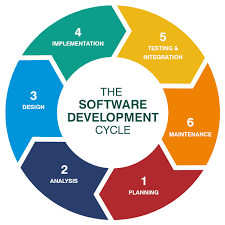
Software development is the process of designing, coding, testing, and maintaining software applications. It is essential for businesses looking to automate processes, enhance productivity, and stay ahead of the competition. Custom software solutions can be tailored to meet specific business needs, providing a competitive edge in today’s fast-paced market.

The Role of Consulting in Software Development

Consulting services complement software development by offering expert guidance on technology strategy, project management, and implementation best practices. Consultants work closely with clients to understand their goals and challenges, providing recommendations for optimizing existing systems or developing new solutions.

Benefits of Software Development and Consulting Services

  • Custom Solutions: Software development allows businesses to create tailored solutions that address their unique requirements.
  • Expert Guidance: Consulting services provide access to industry experts who can offer valuable insights and recommendations.
  • Increased Efficiency: Well-designed software solutions can streamline processes and improve overall efficiency within an organization.
  • Scalability: Custom software solutions can be easily scaled to accommodate business growth and changing needs.
  • Competitive Advantage: By leveraging cutting-edge technologies, businesses can gain a competitive edge in their industry.

Conclusion

In conclusion, software development and consulting services are essential for businesses looking to thrive in the digital landscape. By investing in custom software solutions and expert guidance, organizations can optimize their operations, drive innovation, and achieve long-term success. Whether you are a startup or an established enterprise, partnering with experienced professionals in software development and consulting can help you unlock your full potential in today’s technology-driven world.


Comparing Careers: Software Developer vs. Consultant – Roles, Transitions, and Salaries

  1. Which is better software developer or consultant?
  2. What does a software development consultant do?
  3. Can a software engineer get into consulting?
  4. What is the salary of consultant vs developer?

Which is better software developer or consultant?

When considering whether to pursue a career as a software developer or a consultant in the field of software development, it ultimately depends on individual preferences and career goals. As a software developer, one focuses on designing and building software applications, diving deep into coding and technical aspects. On the other hand, a consultant in software development provides strategic guidance, project management expertise, and solutions to clients’ technology challenges. Both roles have their unique advantages and require different skill sets. Software developers enjoy the creativity of coding and building tangible products, while consultants thrive on problem-solving, client interaction, and strategic planning. Ultimately, the choice between being a software developer or consultant boils down to personal interests, strengths, and career aspirations.

What does a software development consultant do?

A software development consultant plays a pivotal role in providing expert guidance and support to businesses seeking to enhance their software solutions. These professionals are adept at analyzing existing systems, identifying inefficiencies, and recommending tailored strategies to improve overall performance. From advising on technology stack selection and project planning to offering insights on best practices and industry trends, a software development consultant serves as a valuable partner in helping organizations achieve their software development goals efficiently and effectively. Their expertise lies in bridging the gap between business requirements and technical solutions, ensuring that each project is aligned with the client’s objectives and delivers optimal results.

Can a software engineer get into consulting?

Many software engineers often wonder if they can transition into consulting roles within the tech industry. The answer is yes! Software engineers possess valuable technical skills and problem-solving abilities that are highly sought after in consulting. By leveraging their expertise in software development, engineers can offer strategic guidance, project management support, and technical insights to clients seeking to optimize their IT infrastructure. Transitioning from a software engineering role to a consulting position can open up new opportunities for professional growth and allow individuals to apply their technical knowledge in a broader business context.

What is the salary of consultant vs developer?

When comparing the salaries of consultants versus developers in the field of software development and consulting, it is important to consider several factors. Consultants, who often possess specialized knowledge and expertise in various technologies and industries, tend to command higher salaries due to their strategic advisory role and ability to provide valuable insights to clients. On the other hand, developers, who focus on designing and coding software solutions, may have more standardized salary ranges based on their level of experience and technical skills. Ultimately, the salary difference between a consultant and a developer can vary depending on factors such as location, company size, project complexity, and individual qualifications.