Exploring the Impact of Agile Methodology in Software Engineering
The Role of Agile Methodology in Software Engineering
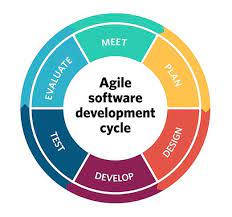
Agile methodology has revolutionized the way software development projects are managed and executed. It is a collaborative approach that emphasizes flexibility, adaptability, and customer satisfaction. In today’s fast-paced digital world, agile has become a cornerstone of successful software engineering practices.
Key Principles of Agile
Agile is based on four core values outlined in the Agile Manifesto:
- Individuals and interactions over processes and tools: Agile values human communication and collaboration over rigid procedures.
- Working software over comprehensive documentation: The primary measure of progress in agile is working software that meets customer needs.
- Customer collaboration over contract negotiation: Agile encourages active involvement of customers throughout the development process to ensure their requirements are met.
- Responding to change over following a plan: Agile recognizes the inevitability of change and promotes flexibility in adapting to evolving project requirements.
Benefits of Agile in Software Engineering
The adoption of agile methodology offers several advantages to software engineering teams:
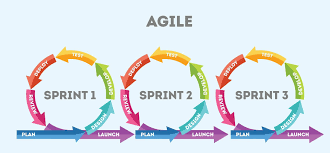
- Rapid Iterations: Agile allows for iterative development cycles, enabling quick feedback and continuous improvement.
- Enhanced Collaboration: Cross-functional teams work closely together, fostering better communication and collaboration.
- Faster Time-to-Market: By delivering working software incrementally, agile accelerates the time-to-market for products.
- Better Adaptability: Agile’s flexibility enables teams to respond swiftly to changing requirements or market conditions.
- Increased Customer Satisfaction: Customer involvement throughout the development process ensures that their needs are met, leading to higher satisfaction rates.
Challenges of Implementing Agile
While agile brings numerous benefits, its implementation can pose challenges for some organizations. Common obstacles include resistance to change, lack of experience with agile practices, difficulty in estimating project timelines accurately, and ensuring consistent team collaboration.
In Conclusion
In conclusion, agile methodology has transformed the landscape of software engineering by promoting iterative development, collaboration, adaptability, and customer-centricity. By embracing agile principles and practices, software development teams can enhance their efficiency, productivity, and ultimately deliver greater value to their customers.
Top 5 Advantages of Agile in Software Engineering: Speed, Collaboration, Adaptability, and Customer Satisfaction
- Rapid iterations allow for quick feedback and continuous improvement.
- Enhanced collaboration among cross-functional teams leads to better communication and teamwork.
- Faster time-to-market by delivering working software incrementally.
- Better adaptability to changing requirements or market conditions.
- Increased customer satisfaction through active customer involvement in the development process.
Challenges of Agile in Software Engineering: Pressure, Estimation, Documentation, and Scaling
- Increased pressure on team members due to short development cycles
- Difficulty in accurately estimating project timelines and scope
- Potential for lack of documentation and comprehensive planning
- Challenges in scaling agile practices across large or geographically dispersed teams
Rapid iterations allow for quick feedback and continuous improvement.
One of the key advantages of agile methodology in software engineering is its ability to facilitate rapid iterations, enabling teams to receive quick feedback and make continuous improvements throughout the development process. By breaking down projects into smaller, manageable increments and regularly soliciting input from stakeholders, agile teams can swiftly address issues, refine features, and adapt to changing requirements. This iterative approach not only accelerates the delivery of high-quality software but also fosters a culture of continuous learning and enhancement within the team.
Enhanced collaboration among cross-functional teams leads to better communication and teamwork.
Enhanced collaboration among cross-functional teams in agile software engineering is a significant advantage that fosters better communication and teamwork. By bringing together individuals with diverse skills and expertise, agile encourages team members to work closely, share knowledge, and collaborate effectively. This collaborative environment not only improves the exchange of ideas and information but also enhances problem-solving capabilities and promotes a sense of shared responsibility. As a result, cross-functional teams in agile are better equipped to address challenges, make informed decisions, and deliver high-quality software solutions efficiently.
Faster time-to-market by delivering working software incrementally.
One significant advantage of adopting agile methodology in software engineering is the ability to achieve a faster time-to-market by delivering working software incrementally. Instead of waiting until the entire project is completed, agile allows for iterative development cycles where functional pieces of software are delivered and tested continuously. This approach not only accelerates the release of usable products but also enables teams to gather feedback early on, make necessary adjustments promptly, and respond effectively to changing market demands. Ultimately, delivering working software incrementally through agile practices enhances the efficiency and speed of product development, giving organizations a competitive edge in bringing their solutions to market quickly and efficiently.
Better adaptability to changing requirements or market conditions.
One of the key advantages of agile methodology in software engineering is its ability to offer better adaptability to changing requirements or market conditions. Agile practices enable development teams to respond swiftly and effectively to evolving project needs, customer feedback, or shifts in the market landscape. By embracing a flexible and iterative approach, agile empowers teams to make necessary adjustments throughout the development process, ensuring that the final product meets current demands and remains competitive in a dynamic environment. This adaptability not only enhances the overall quality of the software but also increases customer satisfaction by delivering solutions that are aligned with the latest market trends and requirements.
Increased customer satisfaction through active customer involvement in the development process.
One of the significant benefits of agile methodology in software engineering is the increased customer satisfaction achieved through active customer involvement in the development process. By engaging customers throughout the project lifecycle, software teams can gain valuable insights into customer needs and preferences, leading to the creation of products that better align with user expectations. This collaborative approach not only fosters a sense of ownership and transparency but also ensures that the final deliverables meet or exceed customer requirements, ultimately enhancing overall satisfaction and loyalty.
Increased pressure on team members due to short development cycles
One significant drawback of agile methodology in software engineering is the increased pressure on team members caused by short development cycles. The rapid iterations and frequent delivery requirements of agile projects can lead to tight deadlines and intense workloads for developers. This heightened pressure may result in burnout, reduced quality of work, and diminished team morale. Managing the balance between delivering quickly and maintaining the well-being of team members becomes a critical challenge in agile environments.
Difficulty in accurately estimating project timelines and scope
One significant challenge of agile methodology in software engineering is the difficulty in accurately estimating project timelines and scope. Due to the iterative and adaptive nature of agile development, predicting the exact time and resources required for each phase of the project can be complex. This uncertainty can lead to challenges in setting realistic expectations for stakeholders and may result in delays or scope creep if not managed effectively. Teams must continuously reassess and adjust their plans based on ongoing feedback and changes, making precise timeline estimations a continual challenge in agile projects.
Potential for lack of documentation and comprehensive planning
One significant drawback of agile methodology in software engineering is the potential for a lack of documentation and comprehensive planning. Due to the iterative and adaptive nature of agile, there may be a tendency to prioritize working software over extensive documentation and detailed planning. This can lead to challenges in maintaining thorough records of project requirements, design decisions, and implementation details, which may hinder future maintenance, scalability, or knowledge transfer within the team. Additionally, the emphasis on responding to change over following a rigid plan can sometimes result in insufficient long-term strategic planning, potentially impacting the overall project coherence and alignment with organizational goals. Balancing agility with the need for adequate documentation and planning is crucial to mitigate this con effectively.
Challenges in scaling agile practices across large or geographically dispersed teams
Scaling agile practices across large or geographically dispersed teams presents a significant challenge in software engineering. Maintaining effective communication, coordination, and alignment of goals becomes more complex as the team size or physical distance increases. Ensuring consistent implementation of agile principles and practices across diverse locations can be daunting, leading to potential discrepancies in understanding and execution. Additionally, managing dependencies and integrating work from multiple locations poses a considerable hurdle in maintaining the agility and efficiency that agile methodology aims to achieve. Addressing these challenges requires careful planning, robust communication channels, and a strong focus on collaboration to overcome the barriers that arise when scaling agile practices in large or distributed teams.