cfchris.com

Loading

backend software engineer

Unlocking the Potential: The Journey of a Backend Software Engineer

Article: Backend Software Engineer

The Role of a Backend Software Engineer

Backend software engineers play a crucial role in the development of web applications and software systems. While frontend developers focus on the user interface and client-side interactions, backend engineers work behind the scenes to ensure that the application runs smoothly and efficiently.

Responsibilities of a Backend Software Engineer

Backend engineers are responsible for designing, implementing, and maintaining the server-side logic of an application. This includes:

  • Developing scalable and secure APIs
  • Optimizing database queries for performance
  • Integrating third-party services and external APIs
  • Implementing authentication and authorization mechanisms
  • Monitoring system performance and troubleshooting issues

Skills Required

To excel as a backend software engineer, one needs a strong foundation in programming languages such as Java, Python, Ruby, or Node.js. Additionally, knowledge of databases (SQL or NoSQL), web servers, and cloud services is essential.

Problem-solving skills, attention to detail, and the ability to work collaboratively with frontend developers, designers, and other team members are also important for success in this role.

Career Outlook

The demand for backend software engineers continues to grow as more businesses rely on digital solutions to streamline their operations. With experience and expertise in backend development, professionals in this field can pursue various career paths, including becoming technical leads, architects, or even starting their own tech companies.

In conclusion, backend software engineers play a vital role in building robust and efficient web applications. Their expertise ensures that the systems function seamlessly while providing a secure and reliable user experience.


6 Essential Tips for Excelling as a Backend Software Engineer

  1. Understand the fundamentals of computer science and software engineering
  2. Master at least one programming language commonly used in backend development, such as Java, Python, or Node.js
  3. Learn about databases and how to design efficient data storage solutions
  4. Practice writing clean and maintainable code to ensure scalability and ease of maintenance
  5. Familiarize yourself with various backend frameworks and tools like Spring Boot, Django, or Express.js
  6. Stay updated on industry trends and best practices to continuously improve your skills

Understand the fundamentals of computer science and software engineering

To excel as a backend software engineer, it is crucial to have a deep understanding of the fundamentals of computer science and software engineering. Proficiency in areas such as data structures, algorithms, and software design principles lays a strong foundation for developing efficient and scalable backend systems. By mastering these core concepts, backend engineers can tackle complex problems with confidence, optimize performance, and create robust solutions that meet the needs of modern web applications.

Master at least one programming language commonly used in backend development, such as Java, Python, or Node.js

To excel as a backend software engineer, it is essential to master at least one programming language commonly used in backend development, such as Java, Python, or Node.js. Proficiency in a specific language allows engineers to effectively design and implement server-side logic, develop scalable APIs, optimize database queries, and integrate various services seamlessly. By mastering a backend programming language, engineers can streamline development processes, enhance system performance, and contribute significantly to the success of web applications and software systems.

Learn about databases and how to design efficient data storage solutions

Understanding databases and mastering the art of designing efficient data storage solutions are essential skills for any backend software engineer. A solid grasp of database concepts, such as normalization, indexing, and query optimization, enables engineers to create scalable and performant applications. By learning how to structure data effectively and choose the right database technologies for different use cases, backend engineers can ensure that their applications are not only reliable but also capable of handling large volumes of data efficiently.

Practice writing clean and maintainable code to ensure scalability and ease of maintenance

Practicing the habit of writing clean and maintainable code is essential for backend software engineers to ensure scalability and ease of maintenance in their projects. By adhering to coding best practices, such as proper documentation, modularization, and following design patterns, engineers can create code that is easier to understand, debug, and enhance over time. Clean code not only improves the overall quality of the software but also simplifies collaboration with team members and reduces the risk of introducing bugs during updates or modifications. Investing time in writing clean code upfront pays off in the long run by making it easier to scale the application and maintain it efficiently throughout its lifecycle.

Familiarize yourself with various backend frameworks and tools like Spring Boot, Django, or Express.js

To excel as a backend software engineer, it is crucial to familiarize yourself with various backend frameworks and tools such as Spring Boot, Django, or Express.js. These frameworks offer pre-built modules and functionalities that can significantly speed up the development process and help you build robust, scalable applications. By mastering these tools, you can enhance your efficiency, stay updated with industry trends, and create high-quality backend solutions that meet the demands of modern web development.

It is essential for backend software engineers to stay updated on industry trends and best practices to continuously enhance their skills. By keeping abreast of the latest developments in technology, tools, and methodologies, engineers can adapt to changing requirements and deliver more efficient and innovative solutions. Continuous learning and improvement not only benefit the individual engineer but also contribute to the overall success of the projects they work on.

software project planning in software engineering

Optimizing Software Project Planning in Software Engineering for Success

Software Project Planning in Software Engineering

Software Project Planning in Software Engineering

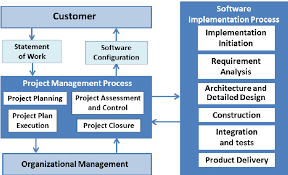
Software project planning is a crucial phase in software engineering that lays the foundation for a successful project. It involves defining the scope, objectives, resources, timeline, and risks associated with the project. Effective planning is essential to ensure that the project is completed on time, within budget, and meets the desired quality standards.

Key Aspects of Software Project Planning:

Requirements Analysis: Understanding and documenting the requirements of the software project is vital. This phase involves gathering input from stakeholders, analyzing user needs, and defining the functionalities of the software.

Resource Allocation: Identifying and allocating resources such as human resources, hardware, software tools, and budget is critical for project success. Proper resource allocation ensures that teams have what they need to complete their tasks efficiently.

Timeline Development: Creating a realistic timeline with clear milestones helps in tracking progress and ensuring timely delivery of the project. It involves estimating the time required for each task and setting deadlines for completion.

Risk Management: Identifying potential risks that could impact the project and developing strategies to mitigate them is an essential part of software project planning. Risk assessment helps in proactively addressing challenges that may arise during project execution.

Benefits of Effective Software Project Planning:

Improved Efficiency: Proper planning leads to better organization of tasks, resource utilization, and time management, resulting in improved overall efficiency in project execution.

Cost Control: By accurately estimating resources and timelines during planning, organizations can control costs effectively throughout the software development lifecycle.

Quality Assurance: Planning allows for setting quality standards early on in the project, ensuring that deliverables meet customer expectations and industry standards.

In Conclusion

In conclusion, software project planning plays a pivotal role in the success of software engineering projects. By carefully defining requirements, allocating resources effectively, developing realistic timelines, and managing risks proactively, organizations can enhance efficiency, control costs, and deliver high-quality software solutions to their clients.


Key Benefits of Software Project Planning: Enhancing Clarity, Efficiency, and Quality

  1. Ensures clear understanding of project requirements.
  2. Facilitates effective resource allocation.
  3. Helps in setting realistic timelines for project completion.
  4. Enables proactive risk management.
  5. Improves team coordination and communication.
  6. Enhances efficiency in project execution.
  7. Aids in controlling costs throughout the project lifecycle.
  8. Ensures adherence to quality standards and client expectations.


Challenges in Software Project Planning: Overestimation, Resource Mismanagement, Rigidity, Poor Risk Assessment, and Stakeholder Disengagement

  1. Overestimation of project scope and requirements can lead to delays and budget overruns.
  2. Inadequate resource allocation may result in team burnout and decreased productivity.
  3. Rigid project plans may hinder adaptability to changing requirements or unforeseen challenges.
  4. Poor risk assessment and management can lead to project failures or setbacks.
  5. Lack of stakeholder involvement and communication can result in misunderstandings and dissatisfaction with project outcomes.

Ensures clear understanding of project requirements.

Ensuring a clear understanding of project requirements is a fundamental benefit of software project planning in software engineering. By meticulously analyzing and documenting the needs and objectives of the project during the planning phase, teams can align their efforts towards a common goal. This clarity helps in defining the scope of work, identifying potential challenges early on, and establishing a solid foundation for effective decision-making throughout the project lifecycle. Ultimately, a thorough understanding of project requirements minimizes misunderstandings, reduces rework, and enhances the overall quality of the final software product delivered to clients.

Facilitates effective resource allocation.

Facilitating effective resource allocation is a key advantage of software project planning in software engineering. By carefully identifying and allocating resources such as human resources, tools, and budget during the planning phase, teams can ensure that they have the necessary support to carry out their tasks efficiently. This proactive approach not only optimizes resource utilization but also helps in preventing bottlenecks and delays in project execution. Effective resource allocation enables teams to work collaboratively towards achieving project objectives within the defined timelines and budget constraints, ultimately leading to successful project outcomes.

Helps in setting realistic timelines for project completion.

Setting realistic timelines for project completion is a key advantage of software project planning in software engineering. By carefully estimating the time required for each task and considering potential challenges that may arise during the project, planners can create a timeline that aligns with the project’s scope and resources. This helps in managing stakeholders’ expectations, ensuring efficient resource allocation, and facilitating better tracking of progress throughout the project lifecycle. Realistic timelines not only contribute to on-time delivery but also promote effective time management and overall project success.

Enables proactive risk management.

Proactive risk management is a significant benefit of software project planning in software engineering. By identifying potential risks early in the planning phase, project teams can develop strategies to mitigate these risks before they escalate into larger issues during project execution. This approach allows for a more controlled and predictable project timeline, budget, and quality outcomes. Addressing risks proactively also helps in maintaining stakeholder confidence and ensuring that the project stays on track towards successful completion.

Improves team coordination and communication.

Effective software project planning in software engineering significantly enhances team coordination and communication. By clearly defining roles, responsibilities, and tasks at the planning stage, team members have a better understanding of their individual contributions to the project. This clarity fosters collaboration, reduces misunderstandings, and promotes seamless communication among team members. Improved coordination ensures that everyone is aligned towards common goals, leading to increased efficiency and productivity throughout the project lifecycle.

Enhances efficiency in project execution.

Effective software project planning significantly enhances efficiency in project execution. By carefully outlining tasks, setting clear objectives, and allocating resources appropriately during the planning phase, teams can streamline their workflow and minimize potential delays. With a well-defined plan in place, team members have a roadmap to follow, allowing them to work more cohesively towards project goals. This increased efficiency not only helps in meeting project deadlines but also improves overall productivity and output quality.

Aids in controlling costs throughout the project lifecycle.

Effective software project planning plays a crucial role in controlling costs throughout the project lifecycle. By accurately estimating resources, defining clear timelines, and identifying potential risks early on, organizations can proactively manage expenses and prevent budget overruns. This proactive approach to cost control not only helps in staying within the allocated budget but also ensures efficient resource utilization, ultimately leading to successful project completion within financial constraints.

Ensures adherence to quality standards and client expectations.

Effective software project planning in software engineering ensures adherence to quality standards and client expectations by establishing clear guidelines and objectives from the outset. By defining requirements, setting quality benchmarks, and outlining deliverables during the planning phase, teams can align their efforts with the desired outcomes. This proactive approach not only helps in meeting industry standards but also ensures that the final product meets or exceeds client expectations. Through meticulous planning, software projects can be executed with precision and attention to detail, resulting in high-quality solutions that satisfy both technical requirements and customer needs.

Overestimation of project scope and requirements can lead to delays and budget overruns.

One significant con of software project planning in software engineering is the tendency to overestimate project scope and requirements. When project managers and teams inaccurately assess the complexity and extent of work involved, it can result in unrealistic timelines, resource allocation issues, and ultimately lead to delays and budget overruns. Overestimation can strain project resources, cause unnecessary rework, and hinder progress, impacting the overall success of the project. It is crucial for organizations to conduct thorough requirement analysis and scope definition to avoid falling into the trap of overestimation during software project planning.

Inadequate resource allocation may result in team burnout and decreased productivity.

In software project planning, inadequate resource allocation can be a significant con that leads to team burnout and decreased productivity. When teams do not have the necessary resources, such as sufficient manpower, tools, or support, they may be overburdened with work and face unrealistic deadlines. This can result in increased stress levels, fatigue, and ultimately burnout among team members. As a consequence, productivity may suffer as exhausted team members struggle to meet project requirements effectively. Proper resource allocation is crucial to ensure that teams have the support they need to work efficiently and maintain a healthy work-life balance throughout the project lifecycle.

Rigid project plans may hinder adaptability to changing requirements or unforeseen challenges.

One significant drawback of software project planning in software engineering is that rigid project plans may hinder adaptability to changing requirements or unforeseen challenges. When project plans are too rigid and inflexible, they may not accommodate changes in requirements or unexpected obstacles that arise during the development process. This lack of adaptability can lead to delays, cost overruns, and ultimately, a failure to deliver a product that meets the evolving needs of stakeholders. It is essential for project planners to strike a balance between structure and flexibility to ensure that projects can adjust to changing circumstances while still staying on track towards successful completion.

Poor risk assessment and management can lead to project failures or setbacks.

In software project planning within software engineering, one significant con is the potential for project failures or setbacks due to poor risk assessment and management. When risks are not effectively identified, evaluated, and mitigated during the planning phase, unexpected challenges can arise during project execution. These unforeseen issues can lead to delays, budget overruns, quality issues, or even complete project failure. Therefore, neglecting proper risk assessment and management can have detrimental effects on the overall success and outcome of a software development project.

Lack of stakeholder involvement and communication can result in misunderstandings and dissatisfaction with project outcomes.

A significant con of software project planning in software engineering is the lack of stakeholder involvement and communication, which can lead to misunderstandings and dissatisfaction with project outcomes. When stakeholders are not actively engaged in the planning process or their feedback is not adequately considered, there is a higher risk of misaligned expectations and requirements. This can result in deliverables that do not meet the needs of the end-users or fail to address critical business objectives, ultimately leading to project delays, increased costs, and decreased overall satisfaction with the final product. Effective communication and collaboration with stakeholders are essential to ensure that software projects are aligned with organizational goals and user expectations.

edx software engineering
edx

Mastering Software Engineering Skills with edX

edX Software Engineering

Exploring Software Engineering on edX

Software engineering is a dynamic and rapidly evolving field that plays a crucial role in shaping the digital world we live in today. Whether you are a seasoned professional looking to enhance your skills or a newcomer interested in starting a career in software development, edX offers a wide range of courses and programs to help you achieve your goals.

Why Choose edX for Software Engineering?

edX is a trusted online learning platform that partners with leading universities and institutions to offer high-quality courses in various disciplines, including software engineering. By enrolling in edX courses, you can:

  • Gain practical skills and knowledge from industry experts
  • Learn at your own pace with flexible online learning options
  • Earn certificates or even degree credentials to showcase your achievements
  • Access cutting-edge resources and tools to support your learning journey

Key Topics Covered in edX Software Engineering Courses

From programming fundamentals to advanced software development techniques, edX offers courses that cover a wide range of topics essential for aspiring software engineers. Some key areas of focus include:

  • Algorithm design and analysis
  • Object-oriented programming principles
  • Web development technologies (HTML, CSS, JavaScript)
  • Data structures and algorithms
  • Software testing and quality assurance
  • Agile methodologies and project management

Start Your Software Engineering Journey Today!

Whether you are interested in building mobile apps, designing web applications, or diving into data science projects, edX has the resources you need to succeed in the field of software engineering. Take the first step towards achieving your career goals by exploring the diverse range of courses available on edX today!


Top 5 FAQs About Starting a Career in Software Engineering with edX

  1. What is software engineering and why is it important?
  2. How can I start a career in software engineering?
  3. What programming languages are commonly used in software engineering?
  4. Are there any prerequisites for taking edX software engineering courses?
  5. Can I earn a certification or degree in software engineering through edX?

What is software engineering and why is it important?

Software engineering is a discipline that involves the design, development, and maintenance of software systems. It encompasses a systematic approach to building software solutions that meet specific requirements and adhere to quality standards. Software engineering is crucial in today’s digital age as it enables the creation of reliable, scalable, and efficient software applications that drive innovation across various industries. By applying best practices and methodologies, software engineers can ensure that projects are completed on time, within budget, and with high levels of functionality and usability. In essence, software engineering plays a vital role in shaping the technological landscape and driving progress in the modern world.

How can I start a career in software engineering?

Starting a career in software engineering can be a rewarding journey for those passionate about technology and problem-solving. To begin, it is essential to acquire a strong foundation in programming languages such as Java, Python, or C++. Enrolling in online courses on platforms like edX can provide you with the necessary knowledge and skills to kickstart your career. Building projects, participating in coding challenges, and networking with professionals in the field can also help you gain practical experience and expand your opportunities. Remember to stay curious, continuously learn and adapt to new technologies, and never underestimate the power of perseverance in pursuing your dream career in software engineering.

What programming languages are commonly used in software engineering?

In the field of software engineering, several programming languages are commonly used to develop a wide range of applications and systems. Some of the most popular programming languages include Java, Python, C++, JavaScript, and C#. These languages are versatile and widely adopted in the industry for their robustness, scalability, and efficiency in building software solutions. Understanding these programming languages and their respective frameworks can significantly enhance a software engineer’s ability to create innovative and functional applications that meet the demands of today’s technology-driven world.

Are there any prerequisites for taking edX software engineering courses?

Before enrolling in edX software engineering courses, it is important to consider any prerequisites that may be required. While specific prerequisites can vary depending on the course or program you choose, it is generally recommended to have a basic understanding of programming concepts and familiarity with relevant technologies. Some courses may specify certain programming languages or tools as prerequisites, so it is advisable to review the course descriptions carefully to ensure you meet the necessary requirements before starting your learning journey in software engineering on edX.

Can I earn a certification or degree in software engineering through edX?

Many learners frequently ask whether they can earn a certification or degree in software engineering through edX. The answer is yes! edX offers a variety of courses and programs in software engineering that allow you to earn certificates upon successful completion. Additionally, some institutions partnered with edX offer professional certificates, MicroMasters programs, and even full-fledged degree programs in software engineering. These credentials can enhance your resume, showcase your expertise to potential employers, and help you advance your career in the field of software engineering. With edX, you have the opportunity to acquire valuable certifications and degrees that validate your skills and knowledge in software engineering.

Mastering Coding in Software Engineering: A Key to Success

The Importance of Coding in Software Engineering

The Importance of Coding in Software Engineering

Software engineering is a dynamic field that encompasses various processes involved in designing, developing, testing, and maintaining software applications. At the core of software engineering lies coding, which is the process of writing instructions for computers to execute.

Coding is essential in software engineering for several reasons:

Building Functional Software

Effective coding is crucial for building functional software that meets the requirements and expectations of users. Through coding, software engineers translate design concepts into tangible products that perform specific tasks efficiently.

Solving Complex Problems

Coding enables software engineers to solve complex problems by breaking them down into smaller, manageable components. By writing logical and structured code, engineers can create solutions that address intricate challenges in various domains.

Enhancing Efficiency and Performance

Well-written code plays a significant role in enhancing the efficiency and performance of software applications. Optimized code not only improves the speed and responsiveness of programs but also minimizes resource consumption, resulting in better user experiences.

Facilitating Collaboration

Coding serves as a common language that facilitates collaboration among software engineers working on the same project. By following coding standards and best practices, team members can understand and contribute to each other’s code effectively, leading to cohesive development efforts.

Enabling Innovation

Coding empowers software engineers to innovate and create groundbreaking solutions that push the boundaries of technology. By experimenting with new algorithms, frameworks, and methodologies, engineers can develop innovative software products that drive progress and change.

In conclusion, coding is a fundamental aspect of software engineering that underpins the creation of reliable, efficient, and innovative software applications. By mastering coding skills and adhering to best practices, software engineers can leverage the power of code to bring their ideas to life and make a positive impact on the world.


Top 5 Frequently Asked Questions About Coding in Software Engineering

  1. What programming languages are commonly used in software engineering?
  2. How important is coding in software development?
  3. What are the best practices for writing clean and efficient code?
  4. How can I improve my coding skills as a software engineer?
  5. What are some common challenges faced by software engineers when coding?

What programming languages are commonly used in software engineering?

In software engineering, several programming languages are commonly used to develop a wide range of applications and systems. Some of the popular programming languages include Java, Python, C++, C#, JavaScript, and Ruby. Each language has its strengths and is chosen based on the specific requirements of a project. Java is widely used for building enterprise-level applications, while Python is known for its simplicity and versatility in tasks like data analysis and machine learning. C++ is favored for system programming, C# for developing Windows applications, JavaScript for web development, and Ruby for rapid application development. Understanding the characteristics and capabilities of these programming languages is essential for software engineers to choose the most appropriate language for their projects.

How important is coding in software development?

Coding plays a pivotal role in software development, serving as the foundation upon which all digital solutions are built. The importance of coding in software engineering cannot be overstated, as it is the process through which developers translate design concepts into functional applications. Effective coding is essential for creating software that meets user requirements, solves complex problems, and delivers optimal performance. Without proficient coding skills, software development projects would struggle to progress and achieve their intended goals. In essence, coding is the backbone of software development, driving innovation and enabling engineers to transform ideas into tangible products that enhance our digital world.

What are the best practices for writing clean and efficient code?

When it comes to writing clean and efficient code in software engineering, adhering to best practices is essential for ensuring the quality and maintainability of the codebase. Some key recommendations include using meaningful variable names and comments to enhance code readability, following coding standards and conventions for consistency, breaking down complex tasks into smaller functions or modules for better organization, minimizing redundancy by reusing code snippets or functions, optimizing algorithms and data structures for improved performance, conducting thorough testing to identify and fix bugs early on, and continuously refactoring code to keep it concise and up-to-date. By incorporating these best practices into the coding process, software engineers can create high-quality software that is easier to understand, maintain, and scale.

How can I improve my coding skills as a software engineer?

To improve your coding skills as a software engineer, consistent practice and continuous learning are key. Engage in coding challenges, work on personal projects, and collaborate with peers to enhance your problem-solving abilities and expand your coding knowledge. Additionally, seek feedback on your code, analyze and refactor existing codebases, and stay updated on industry trends and best practices. Embrace new technologies, attend workshops or online courses, and participate in coding communities to gain insights from experienced professionals. Remember that improving coding skills is a journey that requires dedication, perseverance, and a willingness to adapt to new challenges.

What are some common challenges faced by software engineers when coding?

In the realm of software engineering, several common challenges often confront software engineers during the coding process. One prevalent issue is debugging, where identifying and fixing errors in the code can be time-consuming and complex. Additionally, managing code complexity poses a significant challenge, especially as projects grow in scale and scope. Collaboration and communication among team members can also be challenging, leading to potential conflicts or misunderstandings in code integration. Furthermore, staying updated with rapidly evolving technologies and frameworks presents a continuous challenge for software engineers striving to deliver cutting-edge solutions. Addressing these challenges requires a combination of technical expertise, problem-solving skills, effective teamwork, and a commitment to ongoing learning and improvement in the dynamic field of software engineering.

udemy software engineering

Mastering Software Engineering Skills on Udemy: A Path to Success

Article: Udemy Software Engineering

The Benefits of Learning Software Engineering on Udemy

Software engineering is a rapidly growing field with endless opportunities for those looking to build a career in technology. With the rise of online learning platforms like Udemy, aspiring software engineers now have access to a wealth of resources and courses to enhance their skills and knowledge.

Udemy offers a wide range of software engineering courses taught by industry experts and professionals. Whether you are a beginner looking to learn the basics of programming or an experienced developer seeking to master advanced concepts, Udemy has something for everyone.

One of the key benefits of learning software engineering on Udemy is the flexibility it provides. Students can learn at their own pace, from anywhere in the world, and on any device. This flexibility allows individuals to balance their studies with other commitments, making it easier to acquire new skills while working or attending school.

Another advantage of Udemy’s software engineering courses is the practical hands-on experience they offer. Many courses include real-world projects and assignments that allow students to apply their knowledge in a practical setting. This hands-on approach not only reinforces learning but also helps students build a portfolio of work that showcases their skills to potential employers.

Furthermore, Udemy’s platform is designed to be user-friendly and intuitive, making it easy for students to navigate through courses, access resources, and interact with instructors and fellow learners. The community aspect of Udemy allows students to engage in discussions, ask questions, and collaborate with others in the field.

In conclusion, learning software engineering on Udemy is a valuable investment for anyone looking to advance their career in technology. With its diverse course offerings, flexible learning options, practical experience opportunities, and supportive community, Udemy provides an ideal environment for aspiring software engineers to thrive and succeed.


Top 8 FAQs About Learning Software Engineering on Udemy

  1. Is Udemy worth it for programming?
  2. What is the best course for software engineering?
  3. Can you learn software engineering on Udemy?
  4. What are the best courses for software engineering?
  5. How much do udemy software engineers make?
  6. What is Udemy software?
  7. Which website is best for software engineering?
  8. How many years does it take to become a software engineer?

Is Udemy worth it for programming?

When considering whether Udemy is worth it for programming, it’s important to weigh the benefits it offers. Udemy provides a vast array of programming courses taught by industry professionals, allowing learners to acquire new skills and enhance their knowledge at their own pace. The platform’s flexibility, practical hands-on projects, and supportive community make it a valuable resource for individuals looking to improve their programming abilities. Ultimately, the decision of whether Udemy is worth it for programming depends on the individual’s learning style, goals, and commitment to leveraging the resources available on the platform.

What is the best course for software engineering?

When it comes to selecting the best course for software engineering on Udemy, it ultimately depends on your individual goals, background, and learning preferences. With a wide range of courses available, each catering to different skill levels and areas of focus within software engineering, it’s essential to consider factors such as course content, instructor expertise, student reviews, and hands-on practical experience offered. Researching and comparing multiple courses based on these criteria can help you identify the one that aligns best with your learning objectives and helps you achieve your desired outcomes in the field of software engineering.

Can you learn software engineering on Udemy?

Many individuals wonder if they can truly learn software engineering on Udemy. The answer is a resounding yes. Udemy offers a plethora of software engineering courses taught by industry professionals, covering a wide range of topics from programming languages to software development methodologies. With Udemy’s flexible learning platform, students can acquire valuable skills and knowledge at their own pace, making it accessible for beginners and experienced developers alike. The practical hands-on experience provided in Udemy courses allows learners to apply theoretical concepts in real-world scenarios, solidifying their understanding of software engineering principles. Overall, Udemy serves as an excellent resource for those looking to embark on a journey into the world of software engineering or enhance their existing skills in the field.

What are the best courses for software engineering?

When it comes to selecting the best courses for software engineering on Udemy, it is essential to consider your current skill level, areas of interest, and career goals. The platform offers a diverse range of courses taught by industry experts, covering various programming languages, development tools, and specialized topics such as web development, mobile app development, and data science. To determine the best courses for you, it is recommended to read reviews from other students, assess the course curriculum and instructor credentials, and choose courses that align with your learning objectives. Whether you are a beginner looking to build foundational skills or an experienced developer aiming to expand your expertise, Udemy has a plethora of options to cater to your specific needs in the field of software engineering.

How much do udemy software engineers make?

One frequently asked question among individuals interested in Udemy software engineering courses is, “How much do Udemy software engineers make?” The salary range for software engineers who have completed Udemy courses can vary depending on factors such as location, experience, specific skills, and industry demand. Generally, software engineers with strong skills and experience in programming languages, software development, and other technical areas can command competitive salaries in the job market. Udemy courses can help individuals enhance their skills and knowledge, potentially leading to better job opportunities and higher earning potential in the field of software engineering.

What is Udemy software?

“Udemy software refers to the various online courses and resources available on the Udemy platform that are focused on software engineering and related topics. These courses cover a wide range of subjects within the field of software development, including programming languages, web development, mobile app development, software architecture, and more. Udemy software courses are designed to help individuals enhance their skills, learn new technologies, and advance their careers in the ever-evolving world of technology. Whether you are a beginner looking to start your journey in software engineering or an experienced professional seeking to expand your knowledge, Udemy offers a diverse selection of courses to cater to different skill levels and interests.”

Which website is best for software engineering?

When it comes to choosing the best website for software engineering, Udemy stands out as a top contender. With its vast array of courses taught by industry professionals, flexible learning options, practical hands-on experience opportunities, and supportive community environment, Udemy offers a comprehensive platform for individuals looking to enhance their software engineering skills. Whether you are a beginner or an experienced developer, Udemy’s user-friendly interface and diverse course offerings make it a preferred choice for those seeking to excel in the field of software engineering.

How many years does it take to become a software engineer?

One frequently asked question in the realm of Udemy software engineering courses is, “How many years does it take to become a software engineer?” The timeline to becoming a software engineer can vary depending on individual factors such as prior experience, educational background, dedication to learning, and the complexity of the desired specialization. While some may enter the field within a few years through intensive study and practice, others may take longer to acquire the necessary skills and expertise. Continuous learning and staying updated with industry trends are essential for aspiring software engineers to thrive in this dynamic and ever-evolving field.

software project management in software engineering

Effective Software Project Management Strategies in Software Engineering

Software Project Management in Software Engineering

Software Project Management in Software Engineering

Software project management is a crucial aspect of software engineering that focuses on planning, organizing, and executing software development projects. It involves applying specific processes, methods, and tools to ensure the successful completion of a software project within the defined constraints of scope, time, cost, and quality.

Key Components of Software Project Management:

Planning: This phase involves defining the project scope, objectives, deliverables, and resources required. A detailed project plan is created to outline tasks, milestones, timelines, and dependencies.

Scheduling: Scheduling involves creating a timeline for project activities and allocating resources effectively to meet deadlines. Tools like Gantt charts are commonly used to visualize project schedules.

Budgeting: Budgeting involves estimating costs associated with the project, including labor costs, equipment costs, software licenses, and other expenses. Effective budget management is essential to prevent cost overruns.

Risk Management: Identifying potential risks that could impact the project’s success and developing strategies to mitigate or respond to these risks is a critical aspect of software project management.

Communication: Effective communication among team members, stakeholders, and clients is vital for ensuring everyone is aligned with project goals and progress updates are shared regularly.

Importance of Software Project Management:

Effective software project management helps organizations achieve their software development goals efficiently by improving collaboration among team members, reducing risks of project failure, optimizing resource allocation, and ensuring timely delivery of high-quality software products.

Conclusion:

In conclusion, software project management plays a crucial role in the success of software engineering projects by providing a structured approach to planning, executing, monitoring progress, and delivering results within specified constraints. By implementing best practices in software project management, organizations can increase their chances of delivering successful software solutions that meet user requirements and business objectives.


Essential FAQs on Software Project Management in Software Engineering

  1. What is software project management?
  2. Why is software project management important in software engineering?
  3. What are the key components of software project management?
  4. How does scheduling impact software project management?
  5. What tools are commonly used in software project management?
  6. How do you manage risks in software project management?
  7. What role does communication play in software project management?
  8. How can effective budgeting contribute to the success of a software project?

What is software project management?

Software project management in software engineering refers to the discipline of planning, organizing, and overseeing the development of software projects from inception to completion. It involves defining project goals, creating detailed plans, allocating resources effectively, managing risks, monitoring progress, and ensuring that the project is delivered on time and within budget. Software project management is essential for coordinating the efforts of team members, stakeholders, and clients to achieve a common objective and deliver high-quality software solutions that meet user requirements.

Why is software project management important in software engineering?

Software project management is essential in software engineering for several reasons. Firstly, it helps in defining clear project objectives, scope, and deliverables, ensuring that the team works towards a common goal. Secondly, effective project management facilitates proper planning and resource allocation, optimizing the use of time and budget. Additionally, it enables risk identification and mitigation strategies to be put in place, reducing the likelihood of project failures. Ultimately, software project management plays a vital role in ensuring that software development projects are completed successfully within set constraints while meeting quality standards and stakeholder expectations.

What are the key components of software project management?

One of the frequently asked questions in software project management in software engineering is about the key components of the discipline. The key components of software project management include planning, scheduling, budgeting, risk management, and communication. Planning involves defining project scope and objectives, while scheduling focuses on creating timelines and allocating resources efficiently. Budgeting entails estimating project costs, and risk management involves identifying and addressing potential risks. Effective communication ensures that all stakeholders are informed and aligned throughout the project lifecycle. These components are essential for successful software project management as they help streamline processes, manage resources effectively, and mitigate risks to achieve project goals.

How does scheduling impact software project management?

Scheduling plays a critical role in software project management as it directly influences the project’s timeline, resource allocation, and overall success. Effective scheduling helps in setting realistic deadlines for project milestones, ensuring that tasks are completed on time and within budget. By creating a well-defined schedule, project managers can identify potential bottlenecks, allocate resources efficiently, and track progress against set timelines. Additionally, scheduling allows for better risk management by providing a clear roadmap for the project team to follow and adapt to changes as needed. Ultimately, the impact of scheduling on software project management is significant, as it helps in maintaining project momentum, meeting client expectations, and delivering high-quality software solutions.

What tools are commonly used in software project management?

In software project management within software engineering, various tools are commonly utilized to facilitate efficient project planning, collaboration, tracking, and communication. Some of the widely used tools include project management software such as Jira, Trello, and Asana for task management and progress tracking. Version control systems like Git help manage code changes and collaboration among developers. Communication tools like Slack and Microsoft Teams enable real-time communication among team members. Additionally, Gantt charts and Kanban boards are popular visualization tools that aid in scheduling tasks and monitoring project timelines. These tools play a vital role in streamlining project workflows, enhancing team productivity, and ensuring successful software project delivery.

How do you manage risks in software project management?

Managing risks in software project management is a critical aspect that involves identifying potential threats or uncertainties that could impact the project’s success and developing strategies to mitigate or address them effectively. To manage risks, project managers typically conduct risk assessments to identify and prioritize potential risks, create risk mitigation plans to reduce the likelihood or impact of identified risks, and establish contingency plans to address unforeseen events. Regular monitoring and communication about risks throughout the project lifecycle are essential to ensure timely responses and minimize negative impacts on project objectives. By proactively managing risks, software project teams can enhance their ability to deliver projects successfully within defined constraints.

What role does communication play in software project management?

Effective communication plays a pivotal role in software project management. Clear and consistent communication among team members, stakeholders, and clients is essential for ensuring that everyone is on the same page regarding project goals, requirements, progress, and challenges. Communication helps in aligning expectations, resolving conflicts, and fostering collaboration within the team. It also enables timely identification and mitigation of risks, facilitates decision-making processes, and ultimately contributes to the successful delivery of high-quality software products within the defined constraints of scope, time, cost, and quality. In essence, communication acts as a linchpin that holds together all aspects of software project management, ensuring transparency, accountability, and shared understanding throughout the project lifecycle.

How can effective budgeting contribute to the success of a software project?

Effective budgeting plays a key role in contributing to the success of a software project in software engineering. By accurately estimating and managing costs associated with the project, teams can ensure that financial resources are allocated efficiently and that the project stays within budget constraints. Effective budgeting allows for better resource planning, cost control, and risk management throughout the project lifecycle. It helps in preventing cost overruns, identifying potential cost-saving opportunities, and making informed decisions regarding investments in tools, technologies, and human resources. Ultimately, effective budgeting promotes financial transparency, accountability, and sustainability, which are essential for achieving project objectives on time and within scope.

wgu software development

Exploring the World of Software Development at WGU

Article: WGU Software Development

The World of Software Development at WGU

Software development is a dynamic and rapidly evolving field that plays a crucial role in today’s digital age. At Western Governors University (WGU), students have the opportunity to delve into the exciting world of software development through comprehensive programs designed to equip them with the skills and knowledge needed to succeed in this competitive industry.

Hands-On Learning

One of the key aspects of WGU’s software development programs is the emphasis on hands-on learning. Students have access to cutting-edge tools and technologies, allowing them to gain practical experience in developing software applications, coding, testing, and debugging. This hands-on approach not only enhances their technical skills but also prepares them for real-world challenges they may encounter in their careers.

Industry-Relevant Curriculum

The curriculum at WGU is carefully crafted to align with industry standards and best practices. Students learn about various programming languages, software development methodologies, database management, web development, and more. They are exposed to real-world projects that simulate the complexities of working in a professional software development environment.

Dedicated Faculty and Support

At WGU, students benefit from the guidance and support of experienced faculty members who are experts in the field of software development. These mentors provide personalized feedback, mentorship, and assistance to help students navigate their academic journey successfully. Additionally, students have access to a range of resources such as online libraries, study materials, and career services to support their learning.

Career Opportunities

Graduates of WGU’s software development programs are well-equipped to pursue diverse career opportunities in the tech industry. Whether they choose to work as software developers, web developers, systems analysts, or IT consultants, they possess the skills and knowledge needed to excel in these roles. The demand for skilled software developers continues to grow across industries, making it an exciting time for individuals entering this field.

Join the Exciting World of Software Development

If you have a passion for technology and a desire to create innovative solutions through coding and programming, consider exploring the software development programs offered at WGU. With a focus on practical learning experiences, industry relevance, dedicated support, and promising career prospects, WGU sets you on the path toward a successful career in software development.


Top 4 FAQs About WGU’s Software Development Program: Degrees, Coding Skills, and Career Prospects

  1. What degree is best for a software developer?
  2. Is a BS in software development worth IT?
  3. Does WGU teach you to code?
  4. How much do software engineers make at WGU?

What degree is best for a software developer?

When considering the best degree for a software developer, a Bachelor’s degree in Computer Science is often regarded as a solid choice. This degree provides a strong foundation in programming languages, algorithms, data structures, software development methodologies, and computer systems. Alternatively, degrees in Software Engineering or Information Technology with a focus on software development can also be beneficial. Ultimately, the best degree for a software developer may vary based on individual career goals, interests, and the specific skills and knowledge sought within the dynamic field of software development.

Is a BS in software development worth IT?

When considering pursuing a Bachelor of Science in software development at WGU, the question of whether it is worth it often arises. The answer lies in the immense value that a degree in software development can offer. In today’s digital-driven world, where technology plays a pivotal role in nearly every aspect of business and society, the demand for skilled software developers continues to soar. A BS in software development equips individuals with the knowledge, skills, and credentials needed to thrive in this competitive field. Graduates can pursue diverse career opportunities, command competitive salaries, and contribute to cutting-edge technological advancements. Ultimately, investing in a BS in software development from WGU can open doors to a rewarding and promising career path in the ever-evolving IT industry.

Does WGU teach you to code?

One of the frequently asked questions about WGU’s software development programs is whether the university teaches coding. The answer is a resounding yes. WGU’s curriculum is designed to equip students with the necessary coding skills to excel in the field of software development. Students have the opportunity to learn various programming languages, practice coding techniques, and work on real-world projects that enhance their coding proficiency. With a focus on hands-on learning and industry-relevant coursework, WGU ensures that students graduate with the coding expertise needed to succeed in their careers as software developers.

How much do software engineers make at WGU?

When considering the earning potential of software engineers who graduate from Western Governors University (WGU), it is important to note that salaries can vary based on factors such as experience, location, industry, and specific job roles. Generally, software engineers at WGU can expect competitive salaries that align with industry standards. Graduates with strong technical skills and a solid foundation in software development are well-positioned to pursue lucrative career opportunities in the tech sector. It is recommended for individuals interested in pursuing a career as a software engineer to conduct further research on salary trends in the field to gain a better understanding of potential earning prospects.

rad in software engineering

Exploring the Significance of RAD in Modern Software Engineering Practices

The Importance of RAD in Software Engineering

The Importance of Rapid Application Development (RAD) in Software Engineering

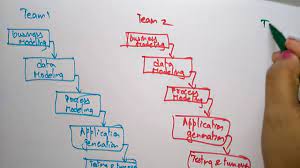
Rapid Application Development (RAD) is a software development methodology that prioritizes rapid prototyping and quick feedback over long planning and testing cycles. RAD aims to accelerate the development process by focusing on iterative development and the creation of prototypes that can be quickly reviewed and modified.

Benefits of RAD:

  • Speed: RAD allows for faster development cycles, enabling teams to deliver working software more quickly.
  • Flexibility: The iterative nature of RAD allows for changes to be incorporated easily, even late in the development process.
  • Customer Involvement: RAD encourages close collaboration with customers, leading to better alignment with their needs and expectations.
  • Reduced Risk: By delivering working prototypes early, RAD helps identify potential issues sooner, reducing the risk of project failure.
  • Cost-Effective: With its focus on efficiency and speed, RAD can help reduce development costs compared to traditional methodologies.

Key Principles of RAD:

  1. User Involvement: Users play a crucial role in the development process, providing feedback on prototypes and helping shape the final product.
  2. Rapid Prototyping: Creating quick prototypes allows stakeholders to visualize the end product early on and make informed decisions.
  3. Iterative Development: The project is divided into smaller iterations or sprints, with each iteration building upon the previous one.
  4. Cross-Functional Teams: RAD promotes collaboration among team members with diverse skills and expertise to ensure a holistic approach to software development.

In conclusion, Rapid Application Development (RAD) offers numerous benefits for software engineering projects by emphasizing speed, flexibility, customer involvement, reduced risk, and cost-effectiveness. By following key principles such as user involvement, rapid prototyping, iterative development, and cross-functional teams, organizations can leverage RAD to deliver high-quality software solutions efficiently and effectively.


Understanding RAD in Software Engineering: Key Principles, Benefits, and FAQs

  1. What is Rapid Application Development (RAD) in software engineering?
  2. How does RAD differ from traditional software development methodologies?
  3. What are the key principles of RAD in software engineering?
  4. What are the benefits of using RAD in software development projects?
  5. How does RAD facilitate faster delivery of working software?
  6. Why is user involvement important in RAD?
  7. Can RAD accommodate changes late in the development process?
  8. How does RAD help reduce risks associated with software development?

What is Rapid Application Development (RAD) in software engineering?

Rapid Application Development (RAD) in software engineering is a methodology that emphasizes quick prototyping, iterative development, and close collaboration with stakeholders to accelerate the software development process. RAD focuses on delivering working prototypes early in the project timeline, allowing for rapid feedback and adjustments. By involving users throughout the development cycle and prioritizing flexibility and speed, RAD enables teams to respond effectively to changing requirements and deliver high-quality software solutions efficiently.

How does RAD differ from traditional software development methodologies?

Rapid Application Development (RAD) differs from traditional software development methodologies in several key ways. Unlike traditional approaches that follow a linear and sequential process, RAD emphasizes iterative development and quick prototyping. RAD focuses on delivering working software in short cycles, allowing for faster feedback and adaptation to changing requirements. Additionally, RAD promotes close collaboration with end-users throughout the development process, ensuring that the final product meets their needs effectively. This customer-centric approach contrasts with the more rigid and formalized methods of traditional software development, emphasizing flexibility, speed, and continuous improvement over strict adherence to predefined plans.

What are the key principles of RAD in software engineering?

One frequently asked question in software engineering is, “What are the key principles of Rapid Application Development (RAD)?” The key principles of RAD include user involvement, rapid prototyping, iterative development, and cross-functional teams. User involvement emphasizes the active participation of end-users throughout the development process to ensure that the final product meets their needs. Rapid prototyping involves creating quick and tangible prototypes to gather feedback early on and make informed decisions. Iterative development breaks down the project into smaller iterations or sprints, allowing for continuous improvement based on feedback. Cross-functional teams bring together individuals with diverse skills and expertise to collaborate effectively and deliver high-quality software solutions in a timely manner.

What are the benefits of using RAD in software development projects?

One frequently asked question in software engineering is, “What are the benefits of using Rapid Application Development (RAD) in software development projects?” RAD offers several advantages, including accelerated development cycles that lead to quicker delivery of working software. The flexibility of RAD allows for easy incorporation of changes, even in later stages of development. Close collaboration with customers ensures alignment with their needs, while early delivery of prototypes helps identify and address potential issues sooner, reducing project risks. Additionally, RAD’s focus on efficiency and speed can result in cost savings compared to traditional development methodologies.

How does RAD facilitate faster delivery of working software?

Rapid Application Development (RAD) facilitates faster delivery of working software through its iterative and prototyping approach. By breaking the development process into smaller iterations, RAD allows for the quick creation of prototypes that can be reviewed and refined rapidly. This iterative cycle enables developers to gather feedback early in the process, make necessary adjustments swiftly, and deliver incremental updates to stakeholders. Additionally, the close collaboration with end-users in each iteration ensures that the software aligns closely with their requirements, leading to a more efficient development process and ultimately faster delivery of high-quality working software.

Why is user involvement important in RAD?

User involvement is crucial in Rapid Application Development (RAD) because it ensures that the final product meets the needs and expectations of the end users. By actively engaging users throughout the development process, RAD allows for continuous feedback and validation of requirements. This direct involvement helps in identifying potential issues early on, making it easier to incorporate changes and improvements as needed. User feedback also enhances communication between developers and stakeholders, leading to a more collaborative and customer-centric approach to software development. Ultimately, user involvement in RAD results in the delivery of a product that aligns closely with user preferences and delivers maximum value to the end users.

Can RAD accommodate changes late in the development process?

In software engineering, one frequently asked question about Rapid Application Development (RAD) is whether it can accommodate changes late in the development process. The iterative nature of RAD allows for flexibility and responsiveness to changes, even in later stages of development. By breaking down the project into smaller iterations and focusing on rapid prototyping, RAD enables teams to incorporate modifications and enhancements efficiently. This approach not only supports late-stage changes but also encourages continuous improvement based on feedback from stakeholders, ensuring that the final product meets evolving requirements effectively.

How does RAD help reduce risks associated with software development?

Rapid Application Development (RAD) helps reduce risks associated with software development by promoting early and continuous feedback from stakeholders through the rapid prototyping process. By quickly creating working prototypes and involving users in the development cycle, RAD allows for early identification of potential issues and alignment with customer requirements. This iterative approach enables teams to address problems promptly, leading to better risk management and mitigation throughout the project lifecycle. Additionally, the flexibility of RAD allows for changes to be incorporated easily, reducing the likelihood of costly rework and increasing the overall success rate of software development initiatives.

agile in software engineering

Exploring the Impact of Agile Methodology in Software Engineering

The Role of Agile Methodology in Software Engineering

The Role of Agile Methodology in Software Engineering

Agile methodology has revolutionized the way software development projects are managed and executed. It is a collaborative approach that emphasizes flexibility, adaptability, and customer satisfaction. In today’s fast-paced digital world, agile has become a cornerstone of successful software engineering practices.

Key Principles of Agile

Agile is based on four core values outlined in the Agile Manifesto:

  • Individuals and interactions over processes and tools: Agile values human communication and collaboration over rigid procedures.
  • Working software over comprehensive documentation: The primary measure of progress in agile is working software that meets customer needs.
  • Customer collaboration over contract negotiation: Agile encourages active involvement of customers throughout the development process to ensure their requirements are met.
  • Responding to change over following a plan: Agile recognizes the inevitability of change and promotes flexibility in adapting to evolving project requirements.

Benefits of Agile in Software Engineering

The adoption of agile methodology offers several advantages to software engineering teams:

  • Rapid Iterations: Agile allows for iterative development cycles, enabling quick feedback and continuous improvement.
  • Enhanced Collaboration: Cross-functional teams work closely together, fostering better communication and collaboration.
  • Faster Time-to-Market: By delivering working software incrementally, agile accelerates the time-to-market for products.
  • Better Adaptability: Agile’s flexibility enables teams to respond swiftly to changing requirements or market conditions.
  • Increased Customer Satisfaction: Customer involvement throughout the development process ensures that their needs are met, leading to higher satisfaction rates.

Challenges of Implementing Agile

While agile brings numerous benefits, its implementation can pose challenges for some organizations. Common obstacles include resistance to change, lack of experience with agile practices, difficulty in estimating project timelines accurately, and ensuring consistent team collaboration.

In Conclusion

In conclusion, agile methodology has transformed the landscape of software engineering by promoting iterative development, collaboration, adaptability, and customer-centricity. By embracing agile principles and practices, software development teams can enhance their efficiency, productivity, and ultimately deliver greater value to their customers.


Top 5 Advantages of Agile in Software Engineering: Speed, Collaboration, Adaptability, and Customer Satisfaction

  1. Rapid iterations allow for quick feedback and continuous improvement.
  2. Enhanced collaboration among cross-functional teams leads to better communication and teamwork.
  3. Faster time-to-market by delivering working software incrementally.
  4. Better adaptability to changing requirements or market conditions.
  5. Increased customer satisfaction through active customer involvement in the development process.


Challenges of Agile in Software Engineering: Pressure, Estimation, Documentation, and Scaling

  1. Increased pressure on team members due to short development cycles
  2. Difficulty in accurately estimating project timelines and scope
  3. Potential for lack of documentation and comprehensive planning
  4. Challenges in scaling agile practices across large or geographically dispersed teams

Rapid iterations allow for quick feedback and continuous improvement.

One of the key advantages of agile methodology in software engineering is its ability to facilitate rapid iterations, enabling teams to receive quick feedback and make continuous improvements throughout the development process. By breaking down projects into smaller, manageable increments and regularly soliciting input from stakeholders, agile teams can swiftly address issues, refine features, and adapt to changing requirements. This iterative approach not only accelerates the delivery of high-quality software but also fosters a culture of continuous learning and enhancement within the team.

Enhanced collaboration among cross-functional teams leads to better communication and teamwork.

Enhanced collaboration among cross-functional teams in agile software engineering is a significant advantage that fosters better communication and teamwork. By bringing together individuals with diverse skills and expertise, agile encourages team members to work closely, share knowledge, and collaborate effectively. This collaborative environment not only improves the exchange of ideas and information but also enhances problem-solving capabilities and promotes a sense of shared responsibility. As a result, cross-functional teams in agile are better equipped to address challenges, make informed decisions, and deliver high-quality software solutions efficiently.

Faster time-to-market by delivering working software incrementally.

One significant advantage of adopting agile methodology in software engineering is the ability to achieve a faster time-to-market by delivering working software incrementally. Instead of waiting until the entire project is completed, agile allows for iterative development cycles where functional pieces of software are delivered and tested continuously. This approach not only accelerates the release of usable products but also enables teams to gather feedback early on, make necessary adjustments promptly, and respond effectively to changing market demands. Ultimately, delivering working software incrementally through agile practices enhances the efficiency and speed of product development, giving organizations a competitive edge in bringing their solutions to market quickly and efficiently.

Better adaptability to changing requirements or market conditions.

One of the key advantages of agile methodology in software engineering is its ability to offer better adaptability to changing requirements or market conditions. Agile practices enable development teams to respond swiftly and effectively to evolving project needs, customer feedback, or shifts in the market landscape. By embracing a flexible and iterative approach, agile empowers teams to make necessary adjustments throughout the development process, ensuring that the final product meets current demands and remains competitive in a dynamic environment. This adaptability not only enhances the overall quality of the software but also increases customer satisfaction by delivering solutions that are aligned with the latest market trends and requirements.

Increased customer satisfaction through active customer involvement in the development process.

One of the significant benefits of agile methodology in software engineering is the increased customer satisfaction achieved through active customer involvement in the development process. By engaging customers throughout the project lifecycle, software teams can gain valuable insights into customer needs and preferences, leading to the creation of products that better align with user expectations. This collaborative approach not only fosters a sense of ownership and transparency but also ensures that the final deliverables meet or exceed customer requirements, ultimately enhancing overall satisfaction and loyalty.

Increased pressure on team members due to short development cycles

One significant drawback of agile methodology in software engineering is the increased pressure on team members caused by short development cycles. The rapid iterations and frequent delivery requirements of agile projects can lead to tight deadlines and intense workloads for developers. This heightened pressure may result in burnout, reduced quality of work, and diminished team morale. Managing the balance between delivering quickly and maintaining the well-being of team members becomes a critical challenge in agile environments.

Difficulty in accurately estimating project timelines and scope

One significant challenge of agile methodology in software engineering is the difficulty in accurately estimating project timelines and scope. Due to the iterative and adaptive nature of agile development, predicting the exact time and resources required for each phase of the project can be complex. This uncertainty can lead to challenges in setting realistic expectations for stakeholders and may result in delays or scope creep if not managed effectively. Teams must continuously reassess and adjust their plans based on ongoing feedback and changes, making precise timeline estimations a continual challenge in agile projects.

Potential for lack of documentation and comprehensive planning

One significant drawback of agile methodology in software engineering is the potential for a lack of documentation and comprehensive planning. Due to the iterative and adaptive nature of agile, there may be a tendency to prioritize working software over extensive documentation and detailed planning. This can lead to challenges in maintaining thorough records of project requirements, design decisions, and implementation details, which may hinder future maintenance, scalability, or knowledge transfer within the team. Additionally, the emphasis on responding to change over following a rigid plan can sometimes result in insufficient long-term strategic planning, potentially impacting the overall project coherence and alignment with organizational goals. Balancing agility with the need for adequate documentation and planning is crucial to mitigate this con effectively.

Challenges in scaling agile practices across large or geographically dispersed teams

Scaling agile practices across large or geographically dispersed teams presents a significant challenge in software engineering. Maintaining effective communication, coordination, and alignment of goals becomes more complex as the team size or physical distance increases. Ensuring consistent implementation of agile principles and practices across diverse locations can be daunting, leading to potential discrepancies in understanding and execution. Additionally, managing dependencies and integrating work from multiple locations poses a considerable hurdle in maintaining the agility and efficiency that agile methodology aims to achieve. Addressing these challenges requires careful planning, robust communication channels, and a strong focus on collaboration to overcome the barriers that arise when scaling agile practices in large or distributed teams.

agile development in software engineering

Unlocking Success: The Power of Agile Development in Software Engineering

Agile Development in Software Engineering

The Evolution of Agile Development in Software Engineering

Agile development has revolutionized the software engineering industry by emphasizing flexibility, collaboration, and rapid iterations. Unlike traditional waterfall methodologies, agile approaches prioritize adaptability and customer feedback throughout the development process.

Key Principles of Agile Development:

  • Iterative Approach: Agile development breaks down projects into smaller iterations or sprints, allowing for continuous improvement and adjustment based on feedback.
  • Collaborative Environment: Cross-functional teams work together closely to deliver high-quality software efficiently.
  • Customer Involvement: Customers are involved throughout the development process, providing feedback that helps shape the final product.
  • Adaptability: Agile teams are adaptable and responsive to change, adjusting priorities and requirements as needed.
  • Rapid Delivery: By focusing on delivering working software in short cycles, agile development accelerates time-to-market and enables quick responses to market demands.

The Benefits of Agile Development:

Implementing agile methodologies in software engineering offers numerous advantages, including:

  • Improved Product Quality: Continuous testing and feedback lead to higher-quality software that better meets customer needs.
  • Enhanced Customer Satisfaction: Regular interactions with customers ensure that their requirements are understood and incorporated into the product.
  • Faster Time-to-Market: Agile development allows for quicker delivery of features and functionalities, giving companies a competitive edge.
  • Better Risk Management: The iterative nature of agile development helps identify and address risks early in the process.
  • Innovation and Creativity: Agile teams have the flexibility to experiment with new ideas and solutions, fostering innovation within the organization.

The Future of Agile Development:

As technology continues to evolve rapidly, agile development will remain a cornerstone of successful software engineering practices. Organizations that embrace agility can adapt quickly to changing market conditions, deliver value to customers faster, and stay ahead of the competition in today’s dynamic business landscape.


7 Essential Tips for Effective Agile Development in Software Engineering

  1. Encourage collaboration and communication among team members.
  2. Prioritize customer satisfaction by delivering working software frequently.
  3. Embrace changes in requirements, even late in development.
  4. Focus on delivering a minimum viable product (MVP) to gather feedback early.
  5. Empower the team to self-organize and make decisions collectively.
  6. Regularly reflect on how to become more effective as a team and adjust accordingly.
  7. Use tools and processes that promote transparency and visibility of project progress.

Encourage collaboration and communication among team members.

Encouraging collaboration and communication among team members is a fundamental tip in agile development within software engineering. By fostering open dialogue and teamwork, team members can share ideas, feedback, and insights more effectively. This collaborative environment not only enhances the quality of the software being developed but also promotes a sense of ownership and accountability among team members. Clear communication channels ensure that everyone is aligned on project goals, priorities, and progress, leading to smoother workflows and increased productivity in achieving project milestones.

Prioritize customer satisfaction by delivering working software frequently.

In agile development, prioritizing customer satisfaction by delivering working software frequently is a key principle that drives success. By focusing on providing tangible results to customers in short, iterative cycles, teams can gather valuable feedback early on and make necessary adjustments to meet customer needs effectively. This approach not only ensures that the final product aligns with customer expectations but also fosters a collaborative relationship between development teams and clients, leading to improved communication and ultimately higher levels of customer satisfaction.

Embrace changes in requirements, even late in development.

In agile development within software engineering, it is crucial to embrace changes in requirements, even late in the development process. By remaining flexible and open to modifications throughout the project, teams can respond effectively to evolving customer needs and market demands. Embracing changes late in development allows for continuous improvement and ensures that the final product meets the most up-to-date requirements, ultimately leading to greater customer satisfaction and a more successful software solution.

Focus on delivering a minimum viable product (MVP) to gather feedback early.

In agile development within software engineering, a key tip is to prioritize delivering a minimum viable product (MVP) to gather feedback early in the development process. By focusing on creating a basic version of the product with essential features, teams can quickly release it to users for feedback. This approach allows for early validation of concepts, identification of potential improvements, and alignment with customer needs. Gathering feedback on the MVP enables teams to iterate efficiently, refine the product based on real user input, and ultimately deliver a final product that better meets customer expectations.

Empower the team to self-organize and make decisions collectively.

In agile development within software engineering, empowering the team to self-organize and make decisions collectively is a crucial tip for success. By fostering a collaborative environment where team members have the autonomy to organize their work and make decisions together, organizations can unlock the full potential of their workforce. This approach not only promotes creativity and innovation but also enhances team morale and ownership of the project, leading to more efficient problem-solving and higher-quality outcomes. Encouraging self-organization and collective decision-making empowers individuals to take ownership of their work and fosters a culture of collaboration that drives continuous improvement in the development process.

Regularly reflect on how to become more effective as a team and adjust accordingly.

Regularly reflecting on ways to enhance team effectiveness is a fundamental tip in agile development for software engineering. By engaging in continuous self-assessment and adjustment, teams can identify areas for improvement, capitalize on strengths, and adapt their processes to work more efficiently together. This practice fosters a culture of learning and growth within the team, ultimately leading to increased productivity, better collaboration, and the delivery of higher-quality software solutions.

Use tools and processes that promote transparency and visibility of project progress.

To enhance the efficiency and effectiveness of agile development in software engineering, it is crucial to utilize tools and processes that foster transparency and visibility of project progress. By implementing tools such as project management software, version control systems, and collaborative platforms, team members can easily track tasks, share updates, and monitor the status of the project in real-time. This transparency not only promotes better communication and collaboration within the team but also enables stakeholders to have a clear understanding of the project’s trajectory, leading to informed decision-making and successful project outcomes.