cfchris.com

Loading

spark java

Mastering Web Development with Spark Java: A Lightweight Framework for Java Applications

Exploring Spark Java: A Powerful Framework for Web Applications

Exploring Spark Java: A Powerful Framework for Web Applications

Spark Java is a lightweight web framework that allows developers to quickly create web applications in Java with minimal effort. Despite its simplicity, Spark Java is powerful and versatile, making it a popular choice for building RESTful APIs, web services, and more.

Key Features of Spark Java:

  • Simplicity: Spark Java follows a simple and intuitive syntax, making it easy to learn and use.
  • Minimalistic: The framework provides just the essentials for building web applications without unnecessary complexity.
  • Embedded Server: Spark Java comes with an embedded Jetty server, eliminating the need for external server setups.
  • Routing: Developers can define routes easily using expressive syntax for handling HTTP requests.
  • Extensibility: Spark Java supports plugins and middleware to extend its functionality as needed.

Getting Started with Spark Java:

To start building web applications with Spark Java, developers can add the framework as a dependency in their project using tools like Maven or Gradle. They can then create routes, handle requests, and define responses using the framework’s API.

An Example of Using Spark Java:

import static spark.Spark.*;

public class HelloWorld {

public static void main(String[] args) {

get("/hello", (req, res) -> "Hello World");

}

}

In this simple example, a GET request to “/hello” will return the text “Hello World.” This demonstrates how concise and straightforward it is to create routes in Spark Java.

The Future of Spark Java:

Despite facing competition from other popular frameworks like Spring Boot and Micronaut, Spark Java continues to be favored by developers who value its simplicity and efficiency. The community around Spark Java remains active, providing support and updates to keep the framework relevant in the ever-evolving landscape of web development.

In conclusion, Spark Java offers a refreshing approach to building web applications in Java. Its minimalist design and powerful features make it an excellent choice for developers looking to streamline their development process without sacrificing functionality.

© 2023 – Exploring Spark Java


6 Essential Tips for Mastering Spark Java in Web Development

  1. Use Spark Java’s simple and intuitive syntax to quickly create web applications.
  2. Take advantage of Spark Java’s lightweight nature for fast development and deployment.
  3. Utilize the built-in web server in Spark Java for easy testing of your applications.
  4. Explore the various plugins available for extending the functionality of Spark Java.
  5. Follow best practices such as organizing routes and handling exceptions effectively in Spark Java applications.
  6. Stay updated with the latest releases and community support to make the most of Spark Java.

Use Spark Java’s simple and intuitive syntax to quickly create web applications.

By leveraging Spark Java’s simple and intuitive syntax, developers can efficiently build web applications with ease. The framework’s straightforward approach allows for rapid development, enabling users to focus on creating robust solutions without getting bogged down by unnecessary complexities. Spark Java’s user-friendly syntax empowers developers to streamline the application development process, making it an ideal choice for those seeking a hassle-free yet powerful framework for web development projects.

Take advantage of Spark Java’s lightweight nature for fast development and deployment.

Take advantage of Spark Java’s lightweight nature for fast development and deployment. With its minimalistic design and powerful features, Spark Java allows developers to quickly create web applications without unnecessary complexity. By leveraging the framework’s simplicity and efficiency, developers can streamline their development process, leading to rapid prototyping and deployment of web applications. Spark Java’s lightweight nature not only speeds up development but also ensures that the resulting applications are agile and performant, making it an ideal choice for projects that require quick turnaround times and scalable solutions.

Utilize the built-in web server in Spark Java for easy testing of your applications.

By utilizing the built-in web server in Spark Java, developers can easily test their applications without the need for external server setups. This feature streamlines the testing process, allowing developers to quickly validate their code and functionality within the framework itself. The convenience of the built-in web server in Spark Java enhances the overall development experience and ensures efficient testing of web applications.

Explore the various plugins available for extending the functionality of Spark Java.

Explore the various plugins available for extending the functionality of Spark Java. By leveraging these plugins, developers can enhance the capabilities of their web applications and streamline development processes. Whether it’s adding authentication mechanisms, integrating with databases, or optimizing performance, utilizing plugins in Spark Java opens up a world of possibilities to tailor applications to specific needs and requirements.

Follow best practices such as organizing routes and handling exceptions effectively in Spark Java applications.

In Spark Java applications, it is crucial to follow best practices such as organizing routes and handling exceptions effectively. By structuring routes logically and handling exceptions gracefully, developers can enhance the maintainability and reliability of their applications. Properly organizing routes helps in improving code readability and scalability, making it easier to manage different endpoints efficiently. Additionally, effective exception handling ensures that errors are caught and managed appropriately, preventing unexpected crashes and providing a better user experience. Adhering to these best practices in Spark Java development contributes to building robust and well-structured web applications.

Stay updated with the latest releases and community support to make the most of Spark Java.

Staying updated with the latest releases and actively engaging with the community support are crucial steps to maximize the potential of Spark Java. By keeping abreast of new features, enhancements, and bug fixes in each release, developers can take advantage of improved functionalities and performance optimizations. Additionally, being part of the vibrant community surrounding Spark Java provides valuable insights, best practices, and solutions to common challenges, ultimately empowering developers to leverage the full capabilities of the framework in their web applications.
java programming for beginners

Java Programming for Beginners: A Step-by-Step Guide to Learning Java

Java Programming for Beginners

Java Programming for Beginners

If you are new to programming and looking to learn a versatile language that is widely used in the industry, Java is an excellent choice. Java is known for its simplicity, readability, and platform independence, making it a popular language for beginners.

Why Learn Java?

Java is a great language to start with because of its:

  • Simplicity: Java syntax is easy to understand and learn.
  • Readability: Java code is clean and organized, making it easier to maintain and debug.
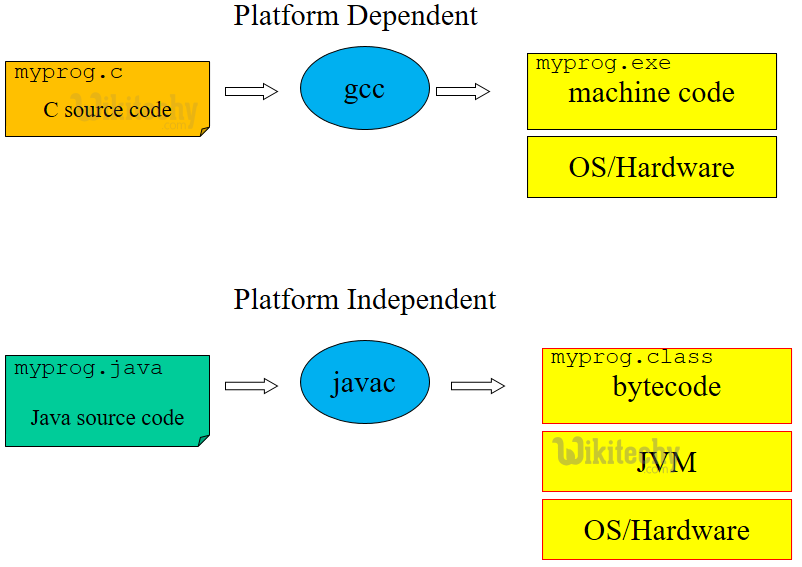
  • Platform Independence: Java programs can run on any device that has a Java Virtual Machine (JVM).
  • Versatility: Java is used in various applications, from web development to mobile apps.

Getting Started with Java

To start programming in Java, you will need to:

  1. Install JDK: Download and install the Java Development Kit (JDK) from the official Oracle website.
  2. Select an IDE: Choose an Integrated Development Environment (IDE) like Eclipse or IntelliJ IDEA for writing and running your Java code.
  3. Learn the Basics: Begin with basic concepts such as variables, data types, loops, and conditional statements.
  4. Practice Coding: The best way to learn programming is by practicing. Start with simple programs and gradually move on to more complex projects.

Resources for Learning Java

There are numerous resources available online to help you learn Java, including:

Coding in Java: A Rewarding Journey

Learning Java programming can be a rewarding journey that opens up a world of opportunities in software development. Whether you are interested in building web applications, mobile apps, or enterprise software, mastering Java can pave the way for a successful career in programming.


7 Essential Tips for Beginners to Master Java Programming

  1. Start with the basics
  2. Practice coding regularly to improve your skills and understanding of Java.
  3. Utilize online resources such as tutorials, forums, and documentation for guidance.
  4. Understand object-oriented programming concepts like classes and objects.
  5. Debug your code regularly to identify and fix errors early on.
  6. Collaborate with other Java programmers to learn from their experiences and get feedback on your code.
  7. Stay patient and persistent – mastering Java programming takes time and practice.

Start with the basics

Starting with the basics is a crucial tip for beginners diving into Java programming. By building a strong foundation in fundamental concepts like variables, data types, loops, and conditional statements, newcomers can grasp the core principles of the language and gradually progress to more advanced topics. Mastering these basics not only enhances understanding but also lays the groundwork for tackling complex programming challenges with confidence and ease.

Practice coding regularly to improve your skills and understanding of Java.

To enhance your skills and deepen your understanding of Java programming, it is crucial to practice coding regularly. By consistently working on coding exercises and projects, you not only reinforce your knowledge of Java syntax and concepts but also develop problem-solving skills essential for becoming a proficient programmer. Through consistent practice, you will gain confidence in writing code, identify areas for improvement, and gradually master the art of Java programming.

Utilize online resources such as tutorials, forums, and documentation for guidance.

Beginners in Java programming can greatly benefit from utilizing online resources such as tutorials, forums, and documentation for guidance. These resources provide valuable insights, tips, and solutions to common programming challenges. Tutorials offer step-by-step instructions on various Java concepts, while forums allow beginners to ask questions and interact with a community of experienced developers. Additionally, documentation serves as a comprehensive reference guide for understanding Java libraries and functions. By leveraging these online resources, beginners can enhance their learning experience and progress more effectively in their Java programming journey.

Understand object-oriented programming concepts like classes and objects.

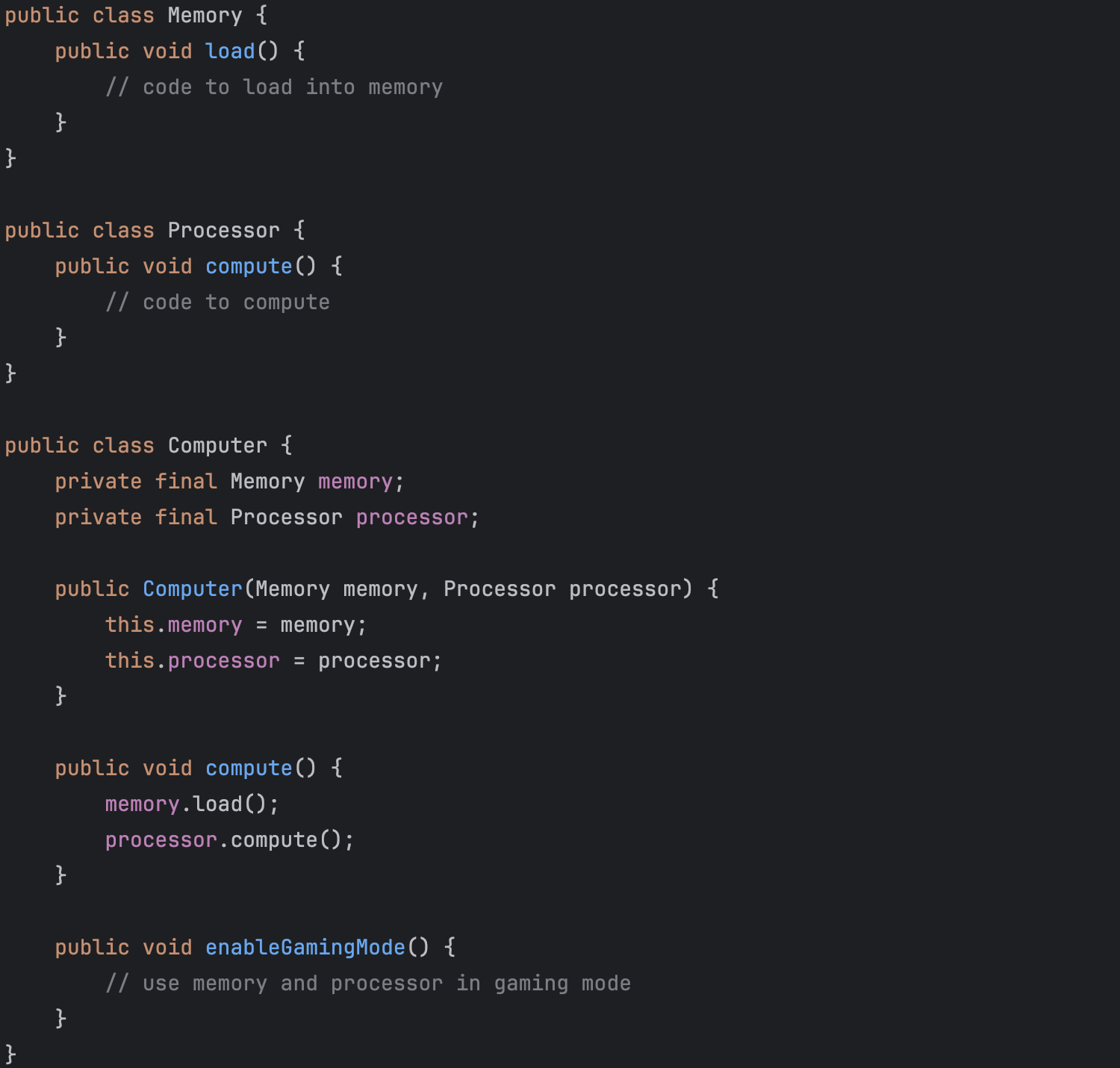
To excel in Java programming as a beginner, it is crucial to grasp fundamental object-oriented programming concepts such as classes and objects. Classes serve as blueprints for creating objects, which are instances of these classes. Understanding how classes define the structure and behavior of objects is essential for building robust and scalable Java applications. By mastering these concepts, beginners can lay a solid foundation for writing efficient and well-organized code in Java.

Debug your code regularly to identify and fix errors early on.

Regularly debugging your code is a crucial tip for beginners in Java programming. By actively identifying and fixing errors early on in the development process, you can ensure that your code is clean, efficient, and free of bugs. Debugging not only helps you understand how your program works but also improves your problem-solving skills and overall coding proficiency. Embracing this practice will ultimately lead to smoother development experiences and more robust Java applications.

Collaborate with other Java programmers to learn from their experiences and get feedback on your code.

Collaborating with other Java programmers is a valuable tip for beginners looking to enhance their programming skills. By engaging with a community of Java enthusiasts, you can learn from their experiences, gain insights into best practices, and receive constructive feedback on your code. This collaborative approach not only fosters a supportive learning environment but also exposes you to diverse perspectives and innovative solutions that can help you grow as a Java programmer.

Stay patient and persistent – mastering Java programming takes time and practice.

Staying patient and persistent is crucial when embarking on the journey of learning Java programming as a beginner. Mastering Java requires dedication, practice, and a willingness to learn from mistakes. It’s important to understand that progress may be gradual, but with consistent effort and perseverance, you can build a solid foundation in Java programming that will serve you well in your coding endeavors. Remember, Rome wasn’t built in a day, and the same goes for mastering the intricacies of Java programming.

object oriented software engineering

Mastering Object-Oriented Software Engineering Principles

Object-Oriented Software Engineering

Object-Oriented Software Engineering

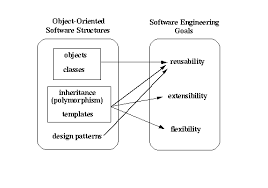
Object-oriented software engineering is a methodology that focuses on designing and developing software systems based on the concept of objects. In this approach, software components are modeled as objects that have attributes (data) and behaviors (methods).

Key Concepts of Object-Oriented Software Engineering:

  • Classes and Objects: Classes are blueprints for creating objects. Objects are instances of classes that encapsulate data and behavior.
  • Inheritance: Inheritance allows classes to inherit attributes and behaviors from other classes, promoting code reusability and modularity.
  • Polymorphism: Polymorphism enables objects of different classes to be treated as objects of a common superclass, allowing for flexibility in design and implementation.
  • Encapsulation: Encapsulation hides the internal state of an object and only exposes necessary interfaces for interacting with the object, promoting data security and abstraction.
  • Abstraction: Abstraction focuses on modeling real-world entities as simplified representations in software systems, emphasizing essential characteristics while hiding unnecessary details.

Benefits of Object-Oriented Software Engineering:

The object-oriented approach offers several advantages, including:

  • Modularity: Objects can be developed independently, promoting code organization and maintenance.
  • Reusability: Objects can be reused in different contexts, reducing development time and effort.
  • Maintainability: Changes to one part of the system have minimal impact on other parts, enhancing system scalability and adaptability.
  • Simplicity: Object-oriented design simplifies complex systems by breaking them down into manageable components with well-defined interactions.

In conclusion, object-oriented software engineering provides a structured approach to software development that emphasizes flexibility, scalability, and maintainability. By leveraging key concepts such as classes, inheritance, polymorphism, encapsulation, and abstraction, developers can create robust and efficient software systems that meet the evolving needs of users and businesses.


8 Essential Tips for Mastering Object-Oriented Software Engineering

  1. Encapsulate data to restrict direct access and enforce data integrity.
  2. Use inheritance to promote code reuse and establish relationships between classes.
  3. Favor composition over inheritance to maintain flexibility and avoid deep class hierarchies.
  4. Implement polymorphism to allow objects of different classes to be treated as objects of a common superclass.
  5. Follow the SOLID principles (Single Responsibility, Open/Closed, Liskov Substitution, Interface Segregation, Dependency Inversion) for better design and maintainability.
  6. Apply design patterns like Factory, Singleton, Observer, Strategy, etc., to solve common design problems efficiently.
  7. Use interfaces or abstract classes to define contracts that classes must adhere to.
  8. Practice good naming conventions and create clear documentation for your classes and methods.

Encapsulate data to restrict direct access and enforce data integrity.

Encapsulating data in object-oriented software engineering is a crucial practice that restricts direct access to data and enforces data integrity within a system. By encapsulating data, developers can control how data is accessed and modified, reducing the risk of unintended errors or unauthorized changes. This approach promotes security and robustness by ensuring that data manipulation occurs through defined interfaces and methods, enhancing the overall reliability and maintainability of the software system.

Use inheritance to promote code reuse and establish relationships between classes.

Using inheritance in object-oriented software engineering is a powerful technique to promote code reuse and establish relationships between classes. By creating a hierarchy of classes where subclasses inherit attributes and behaviors from their superclasses, developers can avoid redundant code and build upon existing functionality. This approach not only streamlines development but also enhances the maintainability and scalability of the software system by fostering a modular and structured design. Inheritance allows for the creation of specialized classes that inherit common characteristics from more general classes, enabling developers to efficiently model real-world relationships and dependencies within the software architecture.

Favor composition over inheritance to maintain flexibility and avoid deep class hierarchies.

When practicing object-oriented software engineering, it is advisable to prioritize composition over inheritance to uphold flexibility and prevent the creation of complex class hierarchies. By favoring composition, developers can construct classes by combining existing functionalities rather than relying solely on inheritance. This approach promotes code reusability, simplifies maintenance, and allows for greater adaptability in the system design. Emphasizing composition over inheritance helps avoid the pitfalls of deep class hierarchies, leading to more modular and scalable software solutions that are easier to manage and extend over time.

Implement polymorphism to allow objects of different classes to be treated as objects of a common superclass.

Implementing polymorphism in object-oriented software engineering is a powerful technique that enables objects of different classes to be treated as objects of a common superclass. By utilizing polymorphism, developers can write code that is more flexible and adaptable, allowing for seamless interaction between diverse objects while promoting code reusability and simplifying system design. This approach not only enhances the modularity and scalability of software systems but also facilitates the creation of more maintainable and extensible codebases.

Follow the SOLID principles (Single Responsibility, Open/Closed, Liskov Substitution, Interface Segregation, Dependency Inversion) for better design and maintainability.

Adhering to the SOLID principles—Single Responsibility, Open/Closed, Liskov Substitution, Interface Segregation, and Dependency Inversion—can significantly enhance the design and maintainability of object-oriented software engineering projects. By following these principles, developers ensure that each class has a single responsibility, making the codebase easier to understand and modify. The Open/Closed principle encourages extending functionality without modifying existing code, promoting scalability and reducing the risk of introducing bugs. Liskov Substitution emphasizes substitutability of objects derived from a base class, enhancing code reusability and flexibility. Interface Segregation advocates for specific client interfaces rather than one general-purpose interface, leading to more cohesive and manageable code structures. Finally, Dependency Inversion promotes decoupling between modules by depending on abstractions rather than concrete implementations, facilitating easier testing and maintenance of software systems. By incorporating these SOLID principles into software design practices, developers can achieve more robust, adaptable, and maintainable solutions.

Apply design patterns like Factory, Singleton, Observer, Strategy, etc., to solve common design problems efficiently.

In object-oriented software engineering, applying design patterns such as Factory, Singleton, Observer, Strategy, and others is a valuable practice to efficiently solve common design problems. These design patterns provide proven solutions to recurring challenges in software development, offering structured approaches that enhance code reusability, maintainability, and scalability. By incorporating these design patterns into the development process, developers can streamline their workflow, improve system architecture, and create more robust and flexible software solutions that align with best practices in the industry.

Use interfaces or abstract classes to define contracts that classes must adhere to.

In object-oriented software engineering, it is advisable to utilize interfaces or abstract classes to establish contracts that classes must follow. By defining these contracts, developers can enforce consistency and ensure that implementing classes adhere to specific guidelines and behaviors. Interfaces and abstract classes serve as blueprints for defining common methods and properties that participating classes must implement or inherit, promoting code reusability, modularity, and maintainability in software systems. This practice not only enhances the structure and organization of the codebase but also facilitates easier integration of new components while maintaining a clear separation of concerns.

Practice good naming conventions and create clear documentation for your classes and methods.

When practicing object-oriented software engineering, it is crucial to adhere to good naming conventions and maintain clear documentation for your classes and methods. By choosing descriptive and meaningful names for classes and methods, you enhance code readability and maintainability. Clear documentation provides insights into the purpose, functionality, and usage of each component, aiding developers in understanding and utilizing them effectively. These practices not only facilitate collaboration among team members but also contribute to the overall quality of the software system by promoting consistency and clarity in its design and implementation.

learn java programming online

Master Java Programming Skills Online: Learn Java Programming Online with Ease

Learn Java Programming Online

The Benefits of Learning Java Programming Online

In today’s digital age, learning to code has become an essential skill. Java programming, in particular, is widely used in various applications, from web development to mobile app creation. If you’re looking to learn Java programming online, you’re making a smart choice.

Convenience and Flexibility

One of the key advantages of learning Java programming online is the convenience and flexibility it offers. You can access course materials and tutorials from anywhere with an internet connection, allowing you to study at your own pace and schedule.

Interactive Learning Experience

Many online Java programming courses provide interactive learning experiences through coding exercises, quizzes, and projects. This hands-on approach helps reinforce your understanding of Java concepts and allows you to practice your skills in real-world scenarios.

Access to Expert Instructors

Online Java programming courses often feature experienced instructors who are experts in the field. You can benefit from their knowledge and guidance as they walk you through complex topics and provide valuable insights into best practices in Java programming.

Cost-Effective Learning

Compared to traditional classroom-based courses, online Java programming courses are often more cost-effective. You can find a variety of free or affordable options that offer high-quality instruction and resources to help you master Java programming without breaking the bank.

Join the Online Java Programming Community

By learning Java programming online, you also have the opportunity to connect with a vibrant community of fellow learners and professionals. Online forums, discussion boards, and coding challenges allow you to collaborate with others, seek help when needed, and share your accomplishments as you progress in your Java programming journey.

In conclusion, learning Java programming online is a convenient, interactive, and cost-effective way to acquire valuable coding skills. Whether you’re a beginner looking to start your coding journey or an experienced developer seeking to expand your knowledge base, online Java programming courses offer a wealth of resources and support to help you succeed.


Top 7 FAQs About Learning Java Programming Online

  1. Is Java harder than Python?
  2. What are the 4 rules of Java?
  3. Is Java still in demand in 2026?
  4. Can I learn Java online for free?
  5. What is the best website to learn Java?
  6. Can I learn Java programming on my own?
  7. How can I learn Java by myself?

Is Java harder than Python?

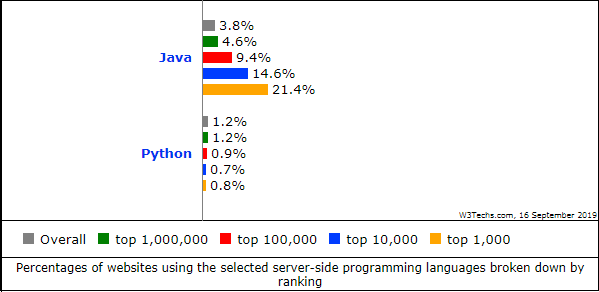
When it comes to comparing Java and Python in terms of difficulty, it ultimately depends on individual preferences and prior experience. Java is known for its strict syntax and explicit type declarations, which can make it seem more complex to beginners. On the other hand, Python’s readability and simplicity often make it more beginner-friendly. However, both languages have their strengths and weaknesses, and choosing between them should be based on your specific goals and the type of projects you intend to work on. With dedication and practice, mastering either Java or Python is achievable for aspiring programmers.

What are the 4 rules of Java?

When learning Java programming online, one frequently asked question is about the four rules of Java. The four rules of Java, also known as the “four pillars of object-oriented programming,” are encapsulation, inheritance, polymorphism, and abstraction. These fundamental principles form the backbone of Java programming and are essential for creating well-structured and efficient code. Understanding and applying these rules not only helps developers write better Java programs but also enables them to design scalable and maintainable software solutions.

Is Java still in demand in 2026?

As of 2026, Java continues to be a highly sought-after programming language in the tech industry. Despite the emergence of new languages and technologies, Java’s versatility, performance, and extensive use in various applications ensure its ongoing relevance. Many companies rely on Java for web development, mobile app creation, enterprise software solutions, and more. Learning Java programming online remains a valuable investment for individuals looking to build a solid foundation in coding and pursue rewarding career opportunities in the ever-evolving tech landscape.

Can I learn Java online for free?

For those wondering if they can learn Java online for free, the answer is a resounding yes. There are numerous resources available on the internet that offer free Java programming courses, tutorials, and exercises to help you master this popular programming language without any cost. Whether you’re a beginner looking to start your coding journey or an experienced developer seeking to enhance your Java skills, the wealth of free online resources makes it accessible for anyone interested in learning Java programming at their own pace and convenience.

What is the best website to learn Java?

When it comes to learning Java programming online, one frequently asked question is, “What is the best website to learn Java?” There are several reputable websites that offer comprehensive Java programming courses tailored to different skill levels. Some popular choices include Codecademy, Udemy, Coursera, and Oracle’s official Java tutorials. Each of these platforms provides a range of resources, such as interactive lessons, coding exercises, and community support, to help learners master Java programming effectively. Ultimately, the best website to learn Java may vary depending on individual preferences and learning styles. It’s recommended to explore different options and choose the platform that aligns best with your goals and requirements.

Can I learn Java programming on my own?

Many individuals wonder if they can learn Java programming on their own. The answer is yes! With the abundance of online resources, tutorials, and courses available, aspiring Java programmers have the opportunity to acquire the necessary skills independently. Self-learning allows individuals to progress at their own pace, tailor their learning experience to suit their needs, and delve into Java programming concepts deeply. While guidance from experienced instructors can be beneficial, self-motivated learners can certainly achieve proficiency in Java programming through self-study and practice.

How can I learn Java by myself?

Learning Java by yourself is a rewarding journey that offers flexibility and autonomy in mastering this popular programming language. To learn Java independently, you can leverage a variety of online resources such as tutorials, coding exercises, and interactive platforms that cater to self-paced learning. Setting clear goals, practicing regularly, and seeking guidance from online communities or forums can enhance your understanding of Java concepts and help you build practical skills. By taking initiative and staying committed to self-study, you can successfully navigate the process of learning Java on your own terms.

java python

Exploring the Java and Python Programming Languages: A Comparative Analysis

Java vs Python: A Comparison of Two Popular Programming Languages

Java vs Python: A Comparison of Two Popular Programming Languages

Java and Python are two of the most widely used programming languages in the world. Each language has its own strengths and weaknesses, making them suitable for different types of projects and applications.

Java

Java is a versatile, high-level programming language known for its portability and scalability. It is commonly used for developing enterprise-level applications, web applications, mobile apps, and more. Java follows the principle of “write once, run anywhere,” meaning that Java code can run on any platform that has a Java Virtual Machine (JVM) installed.

Key Features of Java:

  • Strongly typed language with static typing
  • Object-oriented programming (OOP) paradigm
  • Rich set of libraries and frameworks (e.g., Spring, Hibernate)
  • Excellent performance and scalability
  • Robust security features

Python

Python is a dynamic, interpreted programming language known for its simplicity and readability. It is widely used in various domains such as web development, data science, artificial intelligence, automation, and more. Python’s syntax is clean and easy to understand, making it an ideal choice for beginners as well as experienced developers.

Key Features of Python:

  • Dynamically typed language with automatic memory management
  • Supports multiple programming paradigms (e.g., OOP, functional programming)
  • Extensive standard library with built-in modules for various tasks
  • Rapid development cycle due to its simplicity
  • Broad community support and active ecosystem

Which Language Should You Choose?

The choice between Java and Python depends on your specific requirements and project goals. If you need a highly performant language for building large-scale applications with strict security requirements, Java may be the better option. On the other hand, if you prioritize readability, ease of use, and rapid development cycles, Python could be the right choice.

In conclusion, both Java and Python have their strengths and are valuable tools in a developer’s toolkit. Whether you choose Java or Python ultimately depends on the nature of your project and your personal preferences as a developer.


Top 5 Tips for Mastering Java and Python Programming

  1. Practice regularly to improve your skills in Java and Python.
  2. Utilize online resources such as tutorials, forums, and documentation for learning Java and Python.
  3. Join coding communities or clubs to collaborate with others and learn from their experiences in Java and Python.
  4. Break down complex problems into smaller tasks when working on projects in Java and Python.
  5. Stay updated with the latest features and updates in both Java and Python programming languages.

Practice regularly to improve your skills in Java and Python.

To enhance your proficiency in Java and Python, it is crucial to engage in consistent practice. Regular practice not only helps reinforce your understanding of the languages but also allows you to explore new concepts and refine your coding skills. By dedicating time each day to coding exercises, projects, or challenges in Java and Python, you can steadily improve your programming abilities and stay updated with the latest developments in both languages. Remember, practice makes progress, so make it a habit to code regularly to sharpen your skills in Java and Python.

Utilize online resources such as tutorials, forums, and documentation for learning Java and Python.

To enhance your proficiency in Java and Python, make the most of online resources like tutorials, forums, and documentation. These valuable tools provide a wealth of knowledge and support to help you grasp the intricacies of both programming languages. By actively engaging with these resources, you can deepen your understanding, troubleshoot challenges effectively, and stay updated on the latest developments in Java and Python programming.

Join coding communities or clubs to collaborate with others and learn from their experiences in Java and Python.

Joining coding communities or clubs is a valuable tip for aspiring programmers looking to enhance their skills in Java and Python. By collaborating with like-minded individuals, you can gain insights and learn from the experiences of others. These communities provide a platform for sharing knowledge, discussing best practices, and working on projects together, ultimately helping you grow as a developer in both Java and Python.

Break down complex problems into smaller tasks when working on projects in Java and Python.

When working on projects in Java and Python, it is essential to break down complex problems into smaller tasks. By dividing the problem into manageable components, developers can tackle each task more effectively and efficiently. This approach not only helps in maintaining clarity and focus but also makes it easier to debug and test the code. Breaking down complex problems into smaller tasks enables developers to approach the project systematically, leading to better organization and ultimately a more successful outcome.

Stay updated with the latest features and updates in both Java and Python programming languages.

It is essential to stay updated with the latest features and updates in both Java and Python programming languages. By keeping abreast of new developments, enhancements, and best practices in these languages, developers can leverage the full potential of Java and Python to create efficient, secure, and innovative solutions. Continuous learning and adaptation to the evolving landscape of programming languages ensure that developers remain competitive and equipped to tackle modern challenges in software development.

java language basics

Mastering Java Language Basics: A Comprehensive Guide

Java Language Basics

The Basics of Java Programming Language

Java is a widely-used programming language known for its versatility and platform independence. It was developed by Sun Microsystems in the mid-1990s and has since become one of the most popular languages in the world.

Key Features of Java:

  • Simplicity: Java was designed to be easy to learn and use, making it a great choice for beginners.
  • Object-Oriented: Java is an object-oriented language, which means it focuses on creating objects that interact with each other to perform tasks.
  • Platform-Independent: Java programs can run on any device that has a Java Virtual Machine (JVM), making it highly portable.
  • Security: Java has built-in security features to protect against viruses and other malicious attacks.
  • Multithreading: Java supports multithreading, allowing programs to execute multiple tasks simultaneously.

Hello World Program in Java:

To get started with Java, let’s look at a simple “Hello World” program:

“`java

public class HelloWorld {

public static void main(String[] args) {

System.out.println(“Hello, World!”);

}

}

“`

In this program, we define a class called `HelloWorld` with a `main` method that prints “Hello, World!” to the console. This is often the first program beginners write when learning a new language.

Data Types in Java:

Java supports various data types, including:

  • int: for integer values
  • double: for floating-point numbers
  • boolean: for true/false values
  • String: for text strings


Java Basics: Answers to 8 Frequently Asked Questions

  1. What is Java?
  2. Why is Java popular?
  3. What are the key features of Java?
  4. How do I write a simple ‘Hello World’ program in Java?
  5. What are data types in Java?
  6. How does Java handle memory management?
  7. What is object-oriented programming in Java?
  8. Can you explain the concept of inheritance in Java?

What is Java?

Java is a versatile and widely-used programming language that was developed by Sun Microsystems in the mid-1990s. Known for its simplicity, object-oriented approach, and platform independence, Java allows developers to create applications that can run on any device with a Java Virtual Machine (JVM). With built-in security features, support for multithreading, and a rich set of libraries, Java has become a popular choice for building a wide range of software applications across different industries.

Java is popular for several reasons. One key factor is its platform independence, allowing Java programs to run on any device with a Java Virtual Machine (JVM). This portability makes it an attractive choice for developers looking to reach a wide audience. Additionally, Java’s robust security features help protect against vulnerabilities and ensure safer programming practices. Its object-oriented nature promotes code reusability and maintainability, making it easier for developers to create scalable and efficient applications. Overall, Java’s simplicity, versatility, and strong community support contribute to its enduring popularity in the programming world.

What are the key features of Java?

Java, a widely-used programming language, boasts several key features that contribute to its popularity and versatility. One of its standout characteristics is its simplicity, designed to be beginner-friendly and easy to learn. Java’s object-oriented nature emphasizes the creation of objects that interact to perform tasks efficiently. Additionally, Java’s platform independence allows programs to run on any device with a Java Virtual Machine (JVM), ensuring high portability. Security is another crucial feature of Java, with built-in measures to safeguard against malicious attacks. Furthermore, Java supports multithreading, enabling programs to execute multiple tasks concurrently for enhanced performance. These key features collectively make Java a robust and reliable choice for developers across various domains.

How do I write a simple ‘Hello World’ program in Java?

To write a simple “Hello World” program in Java, you can start by creating a class named HelloWorld. Inside this class, include a main method with the following code: System.out.println(“Hello, World!”); This line of code will print “Hello, World!” to the console when the program is executed. It is a common first program for beginners learning Java as it introduces the basic structure of a Java program and how to output text to the screen.

What are data types in Java?

In Java, data types define the type of data that a variable can hold. There are several built-in data types in Java, including integer (int), floating-point (double), character (char), boolean, and more. Each data type has specific rules for storing and manipulating data. Understanding data types in Java is essential for writing efficient and error-free programs, as it helps ensure that variables are used appropriately and consistently throughout the code.

How does Java handle memory management?

Java utilizes an automatic memory management system known as garbage collection to handle memory management efficiently. When a Java program runs, the Java Virtual Machine (JVM) automatically allocates and deallocates memory for objects. The garbage collector periodically identifies and removes objects that are no longer needed, freeing up memory space for new objects. This process helps developers avoid memory leaks and manual memory management errors, making Java a reliable and robust programming language for handling memory allocation and deallocation seamlessly.

What is object-oriented programming in Java?

Object-oriented programming in Java is a fundamental concept that revolves around creating objects that interact with each other to accomplish tasks. In Java, everything is treated as an object, which allows for the organization of code into reusable components. This approach emphasizes concepts such as encapsulation, inheritance, and polymorphism. Encapsulation ensures data security by hiding implementation details, while inheritance enables the creation of new classes based on existing ones. Polymorphism allows objects to take on multiple forms, enhancing flexibility and code reusability in Java programming. Overall, object-oriented programming in Java provides a structured and efficient way to design and develop software applications.

Can you explain the concept of inheritance in Java?

In Java programming, inheritance is a fundamental concept that allows a class to inherit attributes and methods from another class. This promotes code reusability and helps in creating a hierarchical relationship between classes. Inheritance in Java is implemented using the “extends” keyword, where a subclass (child class) can inherit properties and behaviors from a superclass (parent class). The subclass can then add its own unique features or override existing methods from the superclass. This concept enables developers to build upon existing code structures, making their programs more efficient and easier to maintain.

Unlocking the Potential of Python in AI Development

Exploring Python in the World of Artificial Intelligence

Python has rapidly become one of the most popular programming languages in the field of artificial intelligence (AI). Its simplicity, versatility, and extensive library support make it an ideal choice for both beginners and experienced developers working on AI projects. This article delves into why Python is favored for AI development and explores some of its key features and libraries.

Why Choose Python for AI?

There are several reasons why Python stands out as a preferred language for AI development:

  • Ease of Learning: Python’s syntax is clear and concise, making it accessible to newcomers. This allows developers to focus more on solving complex AI problems rather than getting bogged down by intricate syntax.
  • Extensive Libraries: Python boasts a rich ecosystem of libraries that significantly speed up the development process. Libraries like NumPy, Pandas, TensorFlow, Keras, and PyTorch provide pre-built functions and tools for data manipulation, machine learning, deep learning, and more.
  • Community Support: Python has a large and active community that continuously contributes to its growth. This means that developers can easily find resources, tutorials, and forums to aid their learning and problem-solving processes.
  • Integration Capabilities: Python can easily integrate with other languages such as C++ or Java through APIs or wrappers. This makes it flexible for use in various environments.

Key Libraries for AI Development in Python

The following are some essential libraries that make Python a powerhouse for AI applications:

NumPy

NumPy is a fundamental library for numerical computations in Python. It provides support for arrays, matrices, and many mathematical functions that are crucial for scientific computing.

Pandas

Pandas is widely used for data manipulation and analysis. It offers data structures like DataFrames that simplify handling structured data efficiently.

SciPy

SciPy builds on NumPy by adding functionality specific to scientific computing such as optimization algorithms, integration routines, interpolation methods, eigenvalue solvers, etc.

Torch (PyTorch)

PyTorch, developed by Facebook’s AI Research lab (FAIR), is known for its flexibility and ease-of-use when building neural networks. It allows dynamic computation graphs which enable users to change network behavior at runtime.

Keras & TensorFlow

Keras, running on top of TensorFlow, simplifies building complex neural networks with minimal code requirements while leveraging TensorFlow’s powerful backend engine capabilities like distributed training across GPUs/TPUs clusters efficiently!

The Future of AI with Python

The future looks promising as advancements continue at an unprecedented pace within artificial intelligence domains powered largely due its adoption among researchers worldwide utilizing languages such as python! As new breakthroughs occur regularly alongside improvements being made existing technologies – expect see even greater innovations emerge harnessing potential offered through this versatile language!

If you’re looking into starting your journey towards developing intelligent systems using state-of-the-art techniques – consider exploring what possibilities await when leveraging power simplicity offered by python today!

© 2023 Tech Insights. All rights reserved.


9 Essential Tips to Master Python for AI Development

  1. Understand the basics of Python programming.
  2. Learn popular AI libraries in Python such as TensorFlow, Keras, and scikit-learn.
  3. Practice coding AI algorithms like neural networks and machine learning models.
  4. Stay updated with the latest trends and advancements in AI technology.
  5. Join online communities and forums to discuss AI projects and seek help.
  6. Experiment with different datasets to improve your AI model’s performance.
  7. Document your code properly for future reference and collaboration.
  8. Optimize your code for better efficiency and faster computation.
  9. Continuously enhance your skills through online courses, tutorials, and workshops.

Understand the basics of Python programming.

Understanding the basics of Python programming is crucial for anyone looking to delve into the world of artificial intelligence. Python’s straightforward syntax and readability make it an ideal starting point for beginners in AI. By mastering fundamental concepts such as variables, data types, loops, and functions, developers can build a solid foundation that will enable them to tackle more complex AI tasks with confidence. Additionally, having a good grasp of Python basics allows developers to efficiently utilize its extensive libraries and frameworks tailored for AI development. This foundational knowledge not only enhances problem-solving skills but also facilitates the creation of robust and scalable AI models.

Learning popular AI libraries in Python, such as TensorFlow, Keras, and scikit-learn, is essential for anyone looking to excel in the field of artificial intelligence. These libraries provide powerful tools and frameworks that simplify the process of building and deploying machine learning models. TensorFlow, developed by Google, offers robust capabilities for deep learning applications and is widely used for both research and production environments. Keras, which acts as an easy-to-use interface for TensorFlow, allows developers to quickly prototype complex neural networks with minimal code. Scikit-learn, on the other hand, is ideal for traditional machine learning tasks like classification and regression due to its comprehensive suite of algorithms and easy integration with other data science tools. By mastering these libraries, developers can efficiently tackle a wide range of AI challenges and stay ahead in this rapidly evolving field.

Practice coding AI algorithms like neural networks and machine learning models.

Practicing coding AI algorithms, such as neural networks and machine learning models, is essential for anyone looking to deepen their understanding and proficiency in artificial intelligence. By actively implementing these algorithms, developers can gain hands-on experience that theoretical study alone cannot provide. This practice not only helps in grasping the underlying mathematical concepts but also familiarizes one with the nuances of different frameworks and libraries, such as TensorFlow or PyTorch. Additionally, regular coding practice allows for experimentation with various model architectures and hyperparameters, leading to improved problem-solving skills and innovative solutions. Ultimately, consistent practice is key to mastering the complexities of AI development and staying current in this rapidly evolving field.

Staying updated with the latest trends and advancements in AI technology is crucial for anyone working with Python in the AI field. The landscape of artificial intelligence is rapidly evolving, with new algorithms, tools, and techniques emerging regularly. By keeping abreast of these developments, developers can leverage cutting-edge methods to enhance their projects, optimize performance, and solve complex problems more efficiently. Engaging with online communities, attending conferences, participating in webinars, and following leading AI research publications are excellent ways to stay informed. This proactive approach not only broadens one’s knowledge but also provides a competitive edge in the fast-paced world of AI development.

Join online communities and forums to discuss AI projects and seek help.

Joining online communities and forums dedicated to Python and AI can be incredibly beneficial for both beginners and seasoned developers. These platforms offer a wealth of knowledge, as they are populated by a diverse group of enthusiasts and experts who are eager to share their insights and experiences. By participating in discussions, you can gain new perspectives on tackling complex AI problems, discover best practices, and stay updated on the latest trends and advancements in the field. Additionally, these communities provide an excellent opportunity to seek help when facing challenges in your projects. Whether you’re debugging code or exploring new algorithms, the collaborative nature of these forums fosters an environment where you can learn from others’ experiences and contribute your own knowledge to help fellow developers.

Experiment with different datasets to improve your AI model’s performance.

Experimenting with different datasets is a crucial step in enhancing the performance of your AI model. Each dataset offers unique characteristics and challenges that can help uncover the strengths and weaknesses of your model. By exposing your AI to diverse data, you can improve its ability to generalize and adapt to new, unseen scenarios. This practice not only aids in fine-tuning the model’s parameters but also helps identify any biases or limitations inherent in the initial dataset. Moreover, working with various datasets encourages a deeper understanding of data preprocessing techniques and feature engineering, which are vital for optimizing model accuracy and efficiency.

Document your code properly for future reference and collaboration.

Properly documenting your Python AI code is crucial for both future reference and effective collaboration. Clear documentation helps you and others understand the purpose and functionality of the code, making it easier to maintain and update as needed. It also facilitates collaboration by providing team members with insights into the logic and structure of the code, enabling them to contribute more effectively. Good documentation includes comments within the code, as well as separate files that explain how to set up, run, and modify the program. This practice not only saves time but also ensures that your AI projects remain organized and accessible over time.

Optimize your code for better efficiency and faster computation.

Optimizing Python code is crucial for enhancing efficiency and achieving faster computation, especially in AI projects that often involve processing large datasets and complex algorithms. By refining your code, you can significantly reduce execution time and resource consumption. Key strategies include using efficient data structures, minimizing the use of global variables, and leveraging built-in functions and libraries that are optimized for performance. Additionally, profiling tools can help identify bottlenecks in your code, allowing you to focus on areas that need improvement. Writing clean, modular code not only boosts performance but also enhances readability and maintainability, making it easier to update and scale your AI applications as needed.

Continuously enhance your skills through online courses, tutorials, and workshops.

To excel in the dynamic field of Python AI, it is crucial to continually improve your skills by engaging in online courses, tutorials, and workshops. These resources provide valuable insights into the latest trends, techniques, and best practices in artificial intelligence development. By staying updated and actively learning from industry experts, you can sharpen your expertise, expand your knowledge base, and stay ahead of the curve in this rapidly evolving domain. Investing time and effort in continuous learning will not only enhance your proficiency but also open up new opportunities for growth and innovation in Python AI.

xp development

Exploring the Evolution of XP Development Methodologies

The Evolution of XP Development

The Evolution of XP Development

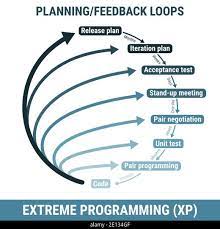
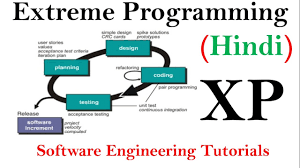
Extreme Programming (XP) is a software development methodology that has evolved over the years to meet the changing needs of the industry. Originally introduced in the late 1990s, XP has since undergone various transformations and adaptations to remain relevant in today’s fast-paced technological landscape.

Core Principles of XP

XP is based on a set of core principles that emphasize collaboration, flexibility, and continuous improvement. These principles include:

  • Communication
  • Simplicity
  • Feedback
  • Courage
  • Respect

Evolution of XP Practices

As software development practices have evolved, so has XP. Over the years, new practices and techniques have been incorporated into XP to enhance its effectiveness. Some of the key practices that have emerged include:

  • Test-Driven Development (TDD)
  • Pair Programming
  • Continuous Integration
  • Refactoring
  • User Stories

The Future of XP Development

In today’s rapidly changing technological landscape, XP continues to adapt and evolve. With the rise of Agile methodologies and DevOps practices, XP development is becoming more integrated into larger software development processes. The future of XP development lies in its ability to remain agile, flexible, and responsive to the needs of modern software projects.

Overall, the evolution of XP development reflects the dynamic nature of software development as a whole. By staying true to its core principles while embracing new practices and techniques, XP remains a valuable approach for teams looking to deliver high-quality software efficiently and collaboratively.

This article is brought to you by CFChris – Your partner in IT solutions.


Understanding Extreme Programming (XP): Key Concepts and Practices Explained

  1. What is Extreme Programming (XP) development?
  2. What are the core principles of XP development?
  3. How does Test-Driven Development (TDD) fit into XP development?
  4. What is Pair Programming and how is it used in XP development?
  5. Why is Continuous Integration important in XP development?
  6. How does Refactoring contribute to XP development practices?
  7. Can you explain the concept of User Stories in the context of XP development?

What is Extreme Programming (XP) development?

Extreme Programming (XP) development is a software development methodology that emphasizes collaboration, feedback, and continuous improvement. In XP, teams work closely together to deliver high-quality software in a flexible and adaptive manner. Key practices of XP include Test-Driven Development (TDD), Pair Programming, Continuous Integration, Refactoring, and User Stories. By following the core principles of communication, simplicity, feedback, courage, and respect, XP aims to streamline the development process and ensure that software meets the evolving needs of users effectively.

What are the core principles of XP development?

The core principles of Extreme Programming (XP) development are fundamental values that guide the methodology’s approach to software development. These principles include communication, simplicity, feedback, courage, and respect. Communication emphasizes the importance of effective collaboration among team members. Simplicity advocates for keeping processes and solutions straightforward and easy to understand. Feedback encourages continuous improvement through regular assessments and adjustments. Courage promotes taking risks and making necessary changes to achieve project goals. Respect underscores the significance of valuing all team members’ contributions and perspectives in the development process. These core principles form the foundation of XP development, shaping how teams work together to deliver high-quality software efficiently.

How does Test-Driven Development (TDD) fit into XP development?

Test-Driven Development (TDD) is a fundamental practice within Extreme Programming (XP) development methodology. In TDD, developers write tests before writing the actual code, following a cycle of writing a failing test, implementing the code to pass the test, and then refactoring the code. This iterative process ensures that the codebase remains robust and well-tested throughout the development lifecycle. TDD aligns perfectly with XP’s core principles of simplicity, feedback, and continuous improvement by promoting early testing, rapid feedback loops, and a focus on delivering working software incrementally. By incorporating TDD into XP development, teams can enhance their ability to produce high-quality software that meets both functional requirements and customer expectations.

What is Pair Programming and how is it used in XP development?

Pair Programming is a collaborative software development technique used in Extreme Programming (XP) where two programmers work together at one workstation. In Pair Programming, one programmer writes the code while the other reviews each line as it is typed, providing real-time feedback and catching errors early on. This practice promotes knowledge sharing, improves code quality, and enhances team communication. Pair Programming is a key practice in XP development as it encourages continuous collaboration and ensures that the codebase is thoroughly reviewed and tested throughout the development process.

Why is Continuous Integration important in XP development?

Continuous Integration is a crucial aspect of Extreme Programming (XP) development because it promotes early and frequent integration of code changes from multiple developers into a shared repository. By automatically merging code and running automated tests regularly, Continuous Integration helps detect and resolve integration issues quickly, ensuring that the software remains stable and reliable throughout the development process. This practice enhances collaboration among team members, reduces the risk of conflicts, and allows for faster feedback on the quality of the codebase, ultimately leading to a more efficient and productive software development workflow in XP projects.

How does Refactoring contribute to XP development practices?

Refactoring plays a crucial role in Extreme Programming (XP) development practices by enabling teams to continuously improve the design and maintainability of their codebase. Through refactoring, developers can make small, incremental changes to the code without altering its external behavior. This process helps enhance code clarity, reduce complexity, and eliminate technical debt, ultimately leading to a more robust and flexible software system. In XP, refactoring is integrated into the development workflow, encouraging teams to regularly refine their codebase to ensure it remains efficient and adaptable to changing requirements. By prioritizing refactoring as a fundamental practice, XP teams can achieve higher levels of code quality and sustainability throughout the software development lifecycle.

Can you explain the concept of User Stories in the context of XP development?

In the context of Extreme Programming (XP) development, User Stories are concise, user-focused descriptions of features or functionalities that capture the requirements from the end user’s perspective. These stories serve as a communication tool between developers and stakeholders, emphasizing collaboration and understanding of what needs to be built. By breaking down complex functionalities into small, manageable units, User Stories help prioritize tasks, promote iterative development, and ensure that the software meets the users’ needs effectively. This agile approach allows for flexibility and adaptability throughout the development process, enabling teams to deliver value incrementally and respond to changing requirements efficiently.

xp extreme programming

Unlocking Success with Extreme Programming (XP) Methodology

Exploring Extreme Programming (XP)

Exploring Extreme Programming (XP)

Extreme Programming (XP) is a software development methodology that aims to improve software quality and responsiveness to changing customer requirements. It is based on a set of values, principles, and practices that emphasize collaboration, feedback, simplicity, and flexibility.

Key Principles of XP:

  • Communication: XP promotes frequent communication among team members, customers, and stakeholders to ensure everyone is on the same page regarding project goals and progress.
  • Simplicity: XP advocates for keeping things simple by focusing on the most essential features and avoiding unnecessary complexity in the codebase.
  • Feedback: XP emphasizes the importance of receiving feedback early and often through practices like continuous integration, testing, and regular reviews.
  • Courage: XP encourages team members to take risks, experiment with new ideas, and address challenges proactively.
  • Respect: XP values mutual respect among team members, fostering a positive work environment where everyone’s contributions are acknowledged and appreciated.

Core Practices of XP:

  • Pair Programming: Two programmers work together at one computer, collaborating on code design, implementation, and problem-solving.
  • Test-Driven Development (TDD): Developers write automated tests before writing code to ensure that the code meets specified requirements.
  • Continuous Integration: Code changes are integrated into a shared repository frequently to detect integration issues early.
  • Sustainable Pace: Teams maintain a sustainable work pace to prevent burnout and ensure long-term productivity.
  • Coding Standards: Consistent coding standards are enforced to promote readability, maintainability, and collaboration within the team.

In conclusion, Extreme Programming (XP) offers a disciplined approach to software development that prioritizes customer satisfaction, teamwork, adaptability, and continuous improvement. By embracing its values and practices, teams can deliver high-quality software efficiently while responding effectively to changing requirements in today’s dynamic business environment.


8 Key Benefits of Extreme Programming: Enhancing Communication, Simplicity, and Code Quality

  1. Promotes frequent communication among team members
  2. Emphasizes simplicity in code design and implementation
  3. Encourages receiving feedback early and often
  4. Fosters a culture of experimentation and risk-taking
  5. Values mutual respect among team members
  6. Enhances collaboration through pair programming
  7. Ensures code quality through test-driven development (TDD)
  8. Supports sustainable work pace to prevent burnout


Challenges of Extreme Programming: Team Dynamics, Documentation Concerns, and Cultural Shifts

  1. High dependency on strong teamwork and collaboration may be challenging in environments with individualistic team members.
  2. Emphasis on simplicity and flexibility could lead to potential lack of documentation and long-term maintainability concerns.
  3. Strict adherence to XP practices may require a significant cultural shift within organizations accustomed to traditional development methodologies.

Promotes frequent communication among team members

One significant advantage of Extreme Programming (XP) is its promotion of frequent communication among team members. By encouraging regular and open dialogue, XP facilitates a collaborative environment where team members can share ideas, clarify requirements, and address any challenges effectively. This emphasis on communication helps improve team cohesion, enhances understanding of project goals, and ensures that everyone is aligned towards achieving the desired outcomes. Ultimately, the practice of promoting frequent communication in XP leads to better coordination, increased productivity, and improved overall project success.

Emphasizes simplicity in code design and implementation

Extreme Programming (XP) stands out for its emphasis on simplicity in code design and implementation. By prioritizing straightforward and clear solutions, XP promotes code that is easier to understand, maintain, and extend. This approach not only enhances the readability of the codebase but also reduces the likelihood of introducing bugs or errors. Embracing simplicity in code design through XP allows teams to deliver high-quality software efficiently while fostering a collaborative and productive development environment.

Encourages receiving feedback early and often

One of the key advantages of Extreme Programming (XP) is its emphasis on encouraging the practice of receiving feedback early and often. By soliciting feedback at various stages of the development process, teams can identify potential issues, validate assumptions, and make necessary adjustments promptly. This proactive approach not only helps in improving the quality of the software but also fosters a culture of continuous improvement and collaboration within the team. Ultimately, by incorporating regular feedback loops into their workflow, XP teams can ensure that they are building products that meet customer needs effectively and efficiently.

Fosters a culture of experimentation and risk-taking

Extreme Programming (XP) fosters a culture of experimentation and risk-taking by encouraging team members to explore new ideas, try out innovative approaches, and address challenges proactively. This pro of XP empowers developers to step out of their comfort zones, take calculated risks, and learn from both successes and failures. By embracing a mindset that values experimentation and continuous improvement, XP teams can drive innovation, discover creative solutions to complex problems, and adapt swiftly to changing requirements in the software development process.

Values mutual respect among team members

In Extreme Programming (XP), one of the key advantages is its emphasis on valuing mutual respect among team members. By fostering an environment where every team member’s contributions are acknowledged and appreciated, XP promotes a positive and collaborative work culture. This focus on mutual respect not only boosts morale and team cohesion but also encourages open communication, idea-sharing, and a sense of belonging within the team. Ultimately, by prioritizing mutual respect, XP helps create a supportive and inclusive atmosphere where individuals feel valued and motivated to work together towards shared goals.

Enhances collaboration through pair programming

Pair programming, a core practice of Extreme Programming (XP), enhances collaboration by fostering real-time communication and knowledge sharing between two developers working together at a single workstation. This approach not only results in higher code quality and fewer defects but also promotes teamwork, creativity, and mutual learning. By combining the skills and perspectives of two individuals, pair programming in XP encourages continuous feedback, problem-solving, and collective ownership of the codebase, ultimately leading to improved productivity and a stronger sense of camaraderie within the development team.

Ensures code quality through test-driven development (TDD)

One significant advantage of Extreme Programming (XP) is its emphasis on ensuring code quality through Test-Driven Development (TDD). With TDD, developers write automated tests before writing the actual code, allowing them to define clear requirements and expectations for the functionality of the software. By following this practice, XP teams can detect errors early in the development process, maintain a high standard of code quality, and create a more robust and reliable software product.

Supports sustainable work pace to prevent burnout

Extreme Programming (XP) promotes a sustainable work pace to prevent burnout among team members. By emphasizing the importance of maintaining a healthy balance between work and personal well-being, XP encourages teams to avoid overworking and prioritize sustainable productivity. This approach not only fosters a positive work environment but also helps ensure that team members can consistently deliver high-quality results without compromising their mental and physical health.

High dependency on strong teamwork and collaboration may be challenging in environments with individualistic team members.

In Extreme Programming (XP), one significant drawback is its high dependency on strong teamwork and collaboration, which can be challenging in environments where team members lean towards individualism. In such settings, getting everyone to actively engage in pair programming, continuous communication, and collective decision-making processes may prove difficult. The success of XP relies heavily on the synergy and cooperation among team members, making it crucial for individualistic team members to adapt their working style to prioritize group dynamics over personal preferences. Failure to foster a collaborative environment can hinder the effectiveness of XP practices and impede the project’s overall success.

Emphasis on simplicity and flexibility could lead to potential lack of documentation and long-term maintainability concerns.

In Extreme Programming (XP), the emphasis on simplicity and flexibility, while beneficial for rapid development and adaptability, can present a con in terms of documentation and long-term maintainability. Due to the focus on writing just enough code to fulfill immediate requirements, there may be a tendency to prioritize working software over comprehensive documentation. This approach could lead to challenges in understanding the codebase for future maintenance or new team members. Ensuring proper documentation practices and balancing simplicity with sufficient explanatory materials are crucial to mitigate potential issues related to long-term maintainability in XP projects.

Strict adherence to XP practices may require a significant cultural shift within organizations accustomed to traditional development methodologies.

Adhering strictly to Extreme Programming (XP) practices may present a challenge due to the potential need for a significant cultural shift within organizations accustomed to traditional development methodologies. Transitioning to XP requires embracing values such as collaboration, continuous feedback, and adaptability, which may differ from the hierarchical structures and rigid processes commonly found in traditional environments. This cultural shift can be disruptive and may require time, effort, and buy-in from all levels of the organization to successfully integrate XP practices and realize their benefits.

python android app development

Harnessing the Power of Python in Android App Development

Python Android App Development

The Power of Python in Android App Development

Python, known for its simplicity and readability, has gained popularity not only in web development but also in mobile app development. When it comes to creating Android applications, Python offers a versatile and efficient solution.

Advantages of Using Python for Android App Development

**Ease of Learning**: Python’s syntax is clear and concise, making it easy for developers to grasp the language quickly.

**Versatility**: Python supports various platforms, including Android, allowing developers to write code that can be easily integrated across different systems.

**Large Community Support**: The Python community is vast and active, providing developers with access to libraries, frameworks, and resources that can streamline the app development process.

Popular Tools for Python Android App Development

**Kivy**: A popular open-source Python library for developing multitouch applications on various platforms, including Android.

**PyQt**: Another powerful library that enables developers to create desktop and mobile applications using Python.

Challenges of Using Python for Android Development

While Python offers numerous benefits for Android app development, there are some challenges to consider:

  • Limited performance compared to native languages like Java or Kotlin.
  • Dependency on third-party tools or frameworks for certain functionalities.
  • Potential compatibility issues with specific Android features or APIs.

Conclusion

In conclusion, Python’s flexibility and simplicity make it a valuable tool for developing Android applications. By leveraging the strengths of Python and utilizing the right tools and resources, developers can create efficient and feature-rich apps for the Android platform.


Exploring Python for Android App Development: Answering Common Questions

  1. Can we use Python for Android app development?
  2. Can I develop android game using Python?
  3. Can I use Python to develop Android apps?
  4. Can I automate Android app using Python?
  5. Is Python good for mobile app development?
  6. Can we use Python for mobile app development?

Can we use Python for Android app development?

Many developers frequently ask, “Can we use Python for Android app development?” The answer is yes, Python can be used for Android app development. With its ease of learning, versatility, and strong community support, Python offers a viable option for creating mobile applications on the Android platform. While there may be some challenges such as performance limitations and dependency on third-party tools, leveraging Python’s strengths and utilizing appropriate libraries can help developers overcome these obstacles and build successful Android apps using Python.

Can I develop android game using Python?

Developing an Android game using Python is indeed possible and has gained popularity among developers. Python offers a range of libraries and frameworks that can facilitate game development, such as Pygame and Kivy. While Python may not be as performant as languages like Java or C++ for game development, it provides a user-friendly environment for creating games with its clear syntax and ease of learning. By leveraging the capabilities of Python along with the right tools and resources, developers can certainly create engaging and interactive Android games efficiently.

Can I use Python to develop Android apps?

Many developers often wonder, “Can I use Python to develop Android apps?” The answer is yes, Python can indeed be used for Android app development. With the availability of libraries and frameworks like Kivy and PyQt, developers can leverage the power of Python to create versatile and functional applications for the Android platform. While there may be some challenges such as performance limitations compared to native languages and potential compatibility issues with certain features, Python’s ease of learning and vast community support make it a viable choice for building innovative Android applications.

Can I automate Android app using Python?

Automating Android apps using Python is indeed possible and increasingly popular among developers. By utilizing tools like Appium, which is an open-source automation framework, developers can write Python scripts to interact with Android applications for testing, debugging, or other automation tasks. This approach allows for efficient and effective testing of Android apps while leveraging the simplicity and versatility of Python programming. With the right knowledge and resources, developers can streamline their app development process and enhance the overall quality of their Android applications through automation with Python.

Is Python good for mobile app development?

When considering Python for mobile app development, the question of whether Python is suitable for this purpose frequently arises. Python’s versatility and ease of use make it a viable option for building mobile applications, including those for the Android platform. While Python may not offer the same performance capabilities as native languages like Java or Kotlin, its large community support, extensive libraries, and cross-platform compatibility contribute to its appeal. Developers can leverage Python’s strengths to create innovative and functional mobile apps, making it a good choice for those looking to streamline the development process and reach a broader audience across different platforms.

Can we use Python for mobile app development?

When it comes to mobile app development, a frequently asked question is whether Python can be used for this purpose. The answer is yes, Python can indeed be used for mobile app development, including creating applications for the Android platform. With its ease of learning, versatility, and strong community support, Python offers developers a viable option for building mobile apps that are efficient and user-friendly. By utilizing Python libraries and frameworks specifically designed for mobile development, developers can harness the power of Python to create innovative and feature-rich applications for various mobile platforms.