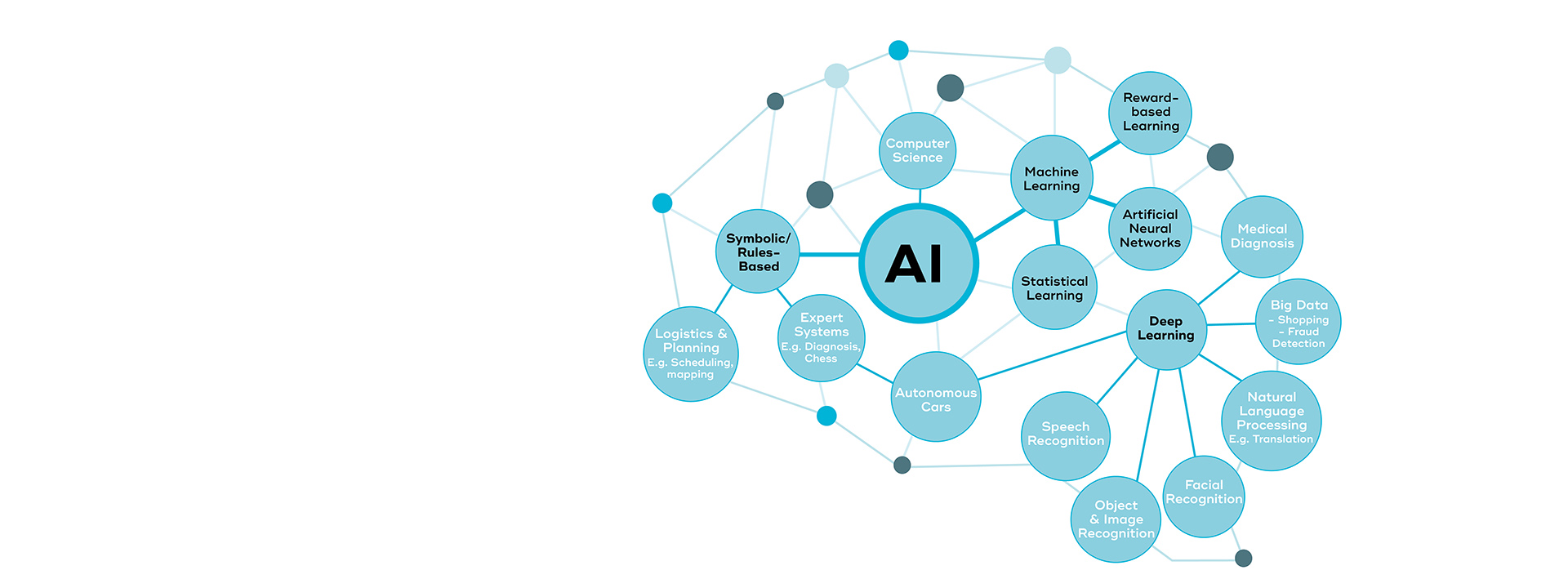
The Evolution of AI: How Artificial Intelligence is Shaping Our Future
The Rise of AI: Transforming the Future
Artificial Intelligence (AI) is no longer a concept confined to science fiction. It has become an integral part of our daily lives and is shaping the future in ways we could only imagine a few decades ago. From personal assistants like Siri and Alexa to advanced data analytics used in industries, AI is revolutionizing how we interact with technology.
What is AI?
AI refers to the simulation of human intelligence processes by machines, particularly computer systems. These processes include learning (the acquisition of information and rules for using it), reasoning (using rules to reach approximate or definite conclusions), and self-correction. AI can be categorized into two types:
- Narrow AI: Also known as weak AI, this type focuses on performing a specific task, such as facial recognition or internet searches.
- General AI: Also known as strong AI, this type aims to perform any intellectual task that a human can do. While still theoretical, advancements are being made towards achieving this goal.
The Impact of AI on Various Industries
AI is transforming numerous sectors by enhancing efficiency and opening up new possibilities:
Healthcare
In healthcare, AI assists in diagnosing diseases more accurately and quickly than traditional methods. Machine learning algorithms analyze medical data to predict patient outcomes and personalize treatment plans.
Finance
The finance industry uses AI for fraud detection, risk management, and algorithmic trading. By analyzing vast amounts of data rapidly, financial institutions can make more informed decisions.
Transportation
AI plays a crucial role in developing autonomous vehicles. These self-driving cars use complex algorithms to navigate roads safely and efficiently while reducing human error.
The Challenges Ahead
Despite its potential benefits, AI poses several challenges that need addressing:
- Ethical Concerns: The use of AI raises ethical questions about privacy, decision-making transparency, and job displacement due to automation.
- Bias in Algorithms: If not carefully managed, biases present in training data can lead to unfair outcomes when deployed at scale.
- Lack of Regulation: As technology advances rapidly, there is a need for regulations that ensure safe and equitable use without stifling innovation.
The Future of AI
The future of AI holds immense promise. As technology continues to evolve, it will likely become even more integrated into our lives—enhancing productivity across various domains while creating new opportunities for innovation. However, it remains crucial that society navigates these changes thoughtfully by addressing ethical concerns head-on while fostering an environment conducive to responsible development.
The journey toward fully realizing the potential benefits offered by artificial intelligence has just begun—and it’s boundless possibilities await exploration!
Mastering AI: 6 Essential Tips for Staying Informed and Skilled
- Understand the basics of AI and its applications.
- Stay updated with the latest advancements in AI technology.
- Explore various programming languages used in AI development.
- Learn about machine learning algorithms and how they work.
- Consider ethical implications and biases in AI systems.
- Practice hands-on projects to enhance your AI skills.
Understand the basics of AI and its applications.
Understanding the basics of AI and its applications is crucial in today’s technology-driven world. As AI continues to evolve, having a foundational knowledge allows individuals and businesses to leverage its potential effectively. By grasping the core concepts, such as machine learning, neural networks, and data analysis, one can better appreciate how AI is applied across various industries. From enhancing customer experiences through chatbots to improving medical diagnostics with predictive analytics, AI’s applications are vast and varied. Familiarity with these fundamentals not only demystifies the technology but also empowers people to make informed decisions about integrating AI into their personal lives or organizational strategies.
Stay updated with the latest advancements in AI technology.
In today’s rapidly evolving technological landscape, staying updated with the latest advancements in AI technology is crucial for both professionals and enthusiasts. As AI continues to advance at an unprecedented pace, keeping abreast of new developments can provide valuable insights into emerging trends, tools, and applications. This knowledge not only enhances one’s understanding of how AI can be leveraged across various industries but also opens up opportunities to innovate and adapt to changes proactively. By regularly engaging with industry news, attending conferences, and participating in online forums or courses, individuals can ensure they remain at the forefront of this transformative field.
Explore various programming languages used in AI development.
Exploring various programming languages used in AI development is essential for anyone looking to delve into this dynamic field. Each language offers unique strengths and capabilities that cater to different aspects of AI. Python, for instance, is renowned for its simplicity and extensive libraries such as TensorFlow and PyTorch, making it a favorite among AI developers for machine learning and deep learning projects. R is particularly strong in statistical analysis and data visualization, which are crucial in data-driven AI applications. Java provides robust tools for large-scale enterprise-level applications, while languages like C++ offer the performance needed for real-time systems. Understanding the diverse range of programming languages allows developers to choose the most suitable tools for their specific AI projects, ultimately leading to more efficient and effective solutions.
Learn about machine learning algorithms and how they work.
Understanding machine learning algorithms and how they work is essential in today’s technology-driven world. These algorithms are the backbone of artificial intelligence, enabling systems to learn from data and improve over time without being explicitly programmed. By grasping the fundamentals of various algorithms, such as decision trees, neural networks, and support vector machines, individuals can better appreciate how AI makes predictions and decisions. This knowledge not only demystifies the technology but also empowers people to leverage AI effectively in their personal and professional lives. As machine learning continues to evolve, staying informed about these algorithms will be crucial for anyone looking to harness the power of AI for innovation and problem-solving.
Consider ethical implications and biases in AI systems.
When developing and deploying AI systems, it is crucial to consider the ethical implications and potential biases inherent in these technologies. AI systems learn from data, which may contain historical biases or reflect societal inequalities. If not carefully addressed, these biases can lead to unfair or discriminatory outcomes, affecting decisions in critical areas such as hiring, law enforcement, and healthcare. Moreover, ethical considerations extend beyond bias to include issues like privacy, consent, and transparency. Ensuring that AI systems operate fairly and ethically requires a commitment to diverse data sets, ongoing monitoring for unintended consequences, and clear guidelines that prioritize human values and rights. By proactively addressing these challenges, developers can create AI solutions that are not only innovative but also equitable and just.
Practice hands-on projects to enhance your AI skills.
Engaging in hands-on projects is an invaluable way to enhance AI skills, as it allows individuals to apply theoretical knowledge in practical scenarios. By working on real-world projects, learners can deepen their understanding of AI concepts such as machine learning algorithms, data preprocessing, and model evaluation. These projects provide an opportunity to tackle challenges that arise in actual applications, fostering problem-solving skills and creativity. Additionally, hands-on experience with tools and frameworks commonly used in the industry, such as TensorFlow or PyTorch, prepares individuals for professional environments. Whether it’s building a simple chatbot or developing a complex predictive model, practical projects are essential for bridging the gap between academic learning and real-world implementation in the field of AI.