
cfchris.com

Loading

AI Designer: Revolutionizing the Future of Creativity

The Rise of AI Designers: Transforming the Creative Landscape

In recent years, artificial intelligence has made significant strides across various industries, and the world of design is no exception. AI designers are revolutionizing how creative professionals approach their work, offering new tools and possibilities that were once unimaginable.

What is an AI Designer?

An AI designer refers to a system or software that leverages artificial intelligence to assist or automate aspects of the design process. These systems can generate design concepts, suggest improvements, and even create entire designs based on specific parameters and user inputs.

How AI Designers Work

AI designers use machine learning algorithms to analyze vast amounts of data, learning from existing designs to understand patterns, styles, and trends. By processing this information, they can generate new designs that align with current aesthetics or even predict future trends.

  • Image Recognition: AI can recognize elements within images and use them as a reference for creating new designs.
  • NLP (Natural Language Processing): Some AI systems can interpret textual descriptions to generate visual content that matches the user’s requirements.
  • Generative Design: This approach allows AI to explore a wide range of design options quickly, offering innovative solutions that might not occur to human designers.

The Benefits of Using AI in Design

The integration of AI in design offers numerous advantages:

  1. Efficiency: AI can handle repetitive tasks swiftly, freeing up human designers to focus on more complex aspects of their projects.
  2. Creativity Boost: By providing unique suggestions and alternatives, AI can inspire designers to think outside the box.
  3. Cost-Effectiveness: Automating parts of the design process can reduce costs by minimizing the time spent on basic tasks.

The Future of Design with AI

The future looks promising for the collaboration between human designers and AI. As technology continues to advance, we can expect even more sophisticated tools that will further blur the lines between human creativity and machine intelligence. Designers who embrace these tools are likely to find themselves at the forefront of innovation in their field.

A critical aspect moving forward will be ensuring that ethical considerations are addressed. As with any technology, it’s essential to maintain transparency in how AI-generated designs are created and used. Additionally, fostering an environment where human creativity is complemented rather than replaced by machines will be vital for sustainable growth in the industry.

Conclusion

The rise of AI designers marks a transformative period in the creative industry. By enhancing efficiency and expanding creative possibilities, these technologies offer exciting opportunities for both seasoned professionals and newcomers alike. As we continue exploring this dynamic frontier, collaboration between humans and machines will undoubtedly shape a vibrant future for design.


Exploring AI Designers: Functionality, Benefits, and Future Prospects

  1. What is an AI designer?
  2. How does AI designer work?
  3. What are the benefits of using AI in design?
  4. Can AI designers boost creativity in the design process?
  5. How can AI designers improve efficiency for designers?
  6. What technologies do AI designers utilize?
  7. What is the future outlook for AI designers in the design industry?

What is an AI designer?

An AI designer is a sophisticated software system that utilizes artificial intelligence to assist in the design process. It leverages machine learning algorithms to analyze large datasets, learning from existing designs to understand styles, patterns, and trends. By doing so, an AI designer can generate new design concepts, suggest improvements, and even create complete designs based on user inputs and specific parameters. These systems are capable of recognizing elements within images, interpreting textual descriptions through natural language processing, and applying generative design techniques to explore a wide range of creative possibilities. As a result, AI designers enhance efficiency and creativity in the design field by providing innovative solutions that complement human creativity.

How does AI designer work?

An AI designer operates by utilizing advanced algorithms and machine learning techniques to assist in the design process. It starts by analyzing extensive datasets of existing designs to understand patterns, styles, and trends. Through image recognition, the AI can identify elements within visuals and use these as references for generating new designs. Additionally, some AI designers employ natural language processing (NLP) to interpret textual descriptions and create corresponding visual content. By leveraging generative design approaches, AI can quickly explore a multitude of design possibilities, offering innovative solutions that might not be immediately apparent to human designers. This process allows AI designers to enhance creativity and efficiency in producing compelling visual content.

What are the benefits of using AI in design?

Using AI in design offers numerous benefits that enhance both the creative process and the final output. One of the primary advantages is increased efficiency, as AI can automate repetitive tasks, allowing designers to focus on more complex and creative aspects of their projects. AI also provides a significant creativity boost by generating unique suggestions and exploring a wide range of design possibilities that might not occur to human designers. This can lead to innovative solutions and fresh perspectives. Additionally, AI tools can analyze vast amounts of data to identify trends and patterns, helping designers stay ahead of industry trends. Cost-effectiveness is another benefit, as automating parts of the design process can reduce time and resources spent on basic tasks. Overall, AI in design empowers designers to push boundaries while optimizing their workflow.

Can AI designers boost creativity in the design process?

AI designers have the potential to significantly boost creativity in the design process by providing fresh perspectives and innovative solutions that might not be immediately apparent to human designers. By analyzing vast amounts of data and recognizing patterns, AI can suggest unique design elements, color schemes, and layouts that align with current trends or push boundaries into new creative territories. Additionally, AI tools can handle repetitive tasks, freeing up designers to focus on more complex and imaginative aspects of their projects. This collaboration between human intuition and machine intelligence can lead to a richer exploration of ideas, ultimately enhancing the overall creative output.

How can AI designers improve efficiency for designers?

AI designers can significantly enhance efficiency for human designers by automating routine and time-consuming tasks, allowing them to focus on more complex and creative aspects of their projects. For instance, AI can quickly generate multiple design variations based on initial input, providing a broad range of options for designers to choose from without having to manually create each one. Additionally, AI can handle data analysis and pattern recognition at a speed and scale that humans cannot match, offering insights into trends and user preferences that inform better design decisions. By streamlining workflows and reducing the time spent on repetitive tasks, AI designers enable human creatives to allocate more time to innovation and refinement, ultimately leading to higher-quality outputs in less time.

What technologies do AI designers utilize?

AI designers utilize a variety of cutting-edge technologies to enhance and automate the design process. Key among these are machine learning algorithms, which enable systems to analyze and learn from vast datasets of existing designs, identifying patterns and trends that inform new creations. Natural Language Processing (NLP) is also used to interpret text-based inputs, allowing AI designers to generate visual content based on written descriptions. Additionally, computer vision technology plays a crucial role in recognizing and understanding images, enabling AI systems to incorporate elements from existing visuals into new designs. Generative adversarial networks (GANs) are often employed to create innovative design variations by pitting two neural networks against each other to produce high-quality outputs. Together, these technologies empower AI designers to deliver creative solutions that complement human ingenuity.

What is the future outlook for AI designers in the design industry?

The future outlook for AI designers in the design industry is incredibly promising, as these technologies continue to evolve and integrate more seamlessly into creative workflows. As AI becomes more sophisticated, it is expected to play a pivotal role in enhancing productivity, enabling designers to focus on more strategic and innovative tasks while automating repetitive processes. The synergy between human creativity and AI’s analytical capabilities will likely lead to groundbreaking design solutions that were previously unimaginable. Furthermore, as industries increasingly prioritize data-driven decision-making, AI designers will be instrumental in providing insights that can inform design strategies and predict trends. However, it’s essential for the industry to address ethical considerations and ensure that AI complements human creativity rather than replacing it entirely. Overall, the future of AI designers holds vast potential for transforming the design landscape, fostering innovation, and driving efficiency across various sectors.

cheap android app development

Unlocking Cost-Effective Solutions: The World of Cheap Android App Development

Cheap Android App Development

The Rise of Cheap Android App Development

In recent years, the demand for mobile applications has surged, leading to a significant increase in Android app development. With the growing popularity of Android devices worldwide, businesses and individuals are looking for cost-effective solutions to create their own apps.

One of the key advantages of Android app development is its affordability. Compared to iOS app development, creating apps for the Android platform tends to be more budget-friendly. This has opened up opportunities for small businesses and startups to enter the mobile market without breaking the bank.

There are several factors contributing to the rise of cheap Android app development:

  • Open-Source Platform: Android is an open-source platform, which means developers have access to a wide range of tools and resources for free. This reduces development costs significantly.
  • Abundance of Developers: The vast community of Android developers worldwide has led to increased competition, driving down prices for app development services.
  • Flexible Development Options: There are various frameworks and technologies available for Android app development that cater to different budget requirements. Developers can choose cost-effective solutions without compromising on quality.
  • Rapid Development Process: With efficient tools and frameworks, developers can build Android apps quickly, reducing time and overall project costs.
  • Outsourcing Opportunities: Many businesses opt to outsource their Android app development to countries with lower labor costs, further reducing expenses while maintaining quality standards.

While cheap Android app development offers affordability, it is essential for businesses to ensure that quality and functionality are not compromised. Investing in a reliable development team or service provider is crucial to achieving success in the competitive mobile market.

In conclusion, the rise of cheap Android app development has democratized access to mobile technology, empowering businesses of all sizes to harness the benefits of mobile applications. By leveraging cost-effective solutions and strategic planning, companies can reach a broader audience and drive growth in today’s digital landscape.


7 Common Questions About Affordable Android App Development

  1. Can I develop Android app for free?
  2. Can Chatgpt 4 build an app?
  3. Can I make an Android app for free?
  4. What is the minimum budget for app development?
  5. How much does Android app development cost?
  6. How can I get an app developed for cheap?
  7. What is the cheapest way to develop an app?

Can I develop Android app for free?

Developing an Android app for free is indeed possible, thanks to the availability of various tools and resources that allow individuals to create basic apps without incurring any costs. Platforms like Android Studio provide a free integrated development environment (IDE) for building Android applications, and there are online tutorials and documentation available for beginners to learn the process. While creating a simple app may not require any financial investment, more complex or feature-rich apps may eventually incur costs for additional functionalities, third-party services, or professional assistance. It’s essential to consider the scope of the project and potential expenses involved in order to determine the feasibility of developing an Android app for free.

Can Chatgpt 4 build an app?

ChatGPT-4, while a powerful AI language model, is not capable of directly building an app on its own. However, it can be an invaluable resource in the app development process. It can assist developers by providing code snippets, suggesting best practices, and offering solutions to common programming challenges. Additionally, ChatGPT-4 can help brainstorm app ideas, outline project requirements, and even generate documentation. Developers looking to create a cheap Android app can leverage ChatGPT-4 to streamline their workflow and reduce development time, ultimately contributing to cost savings. However, the actual coding and implementation must be carried out by developers or through automated tools specifically designed for app creation.

Can I make an Android app for free?

When it comes to creating an Android app for free, the answer is both yes and no. While there are tools and resources available that allow individuals to develop basic Android apps without incurring any direct costs, creating a fully-featured and professional app typically requires some level of investment. Free app development platforms often come with limitations in terms of functionality, design options, and customization capabilities. To build a high-quality Android app that meets user expectations and stands out in the competitive app market, it is advisable to allocate a budget for development, whether by hiring developers or investing in premium tools and services.

What is the minimum budget for app development?

When considering cheap Android app development, a frequently asked question revolves around the minimum budget required for app development. The answer to this question can vary significantly depending on the complexity of the app, desired features, design elements, and development resources needed. Generally, the minimum budget for app development can range from a few thousand dollars for simple apps to tens of thousands of dollars for more sophisticated applications. It is crucial for businesses and individuals looking to develop an Android app on a budget to carefully outline their requirements and engage with experienced developers who can provide cost-effective solutions without compromising on quality and functionality.

How much does Android app development cost?

When it comes to Android app development costs, the answer can vary significantly depending on various factors. The cost of developing an Android app is influenced by elements such as the complexity of the app, features and functionalities required, design intricacy, development time, and the expertise of the development team. Additionally, geographical location and whether you choose to work with freelancers, agencies, or in-house developers can also impact the overall cost. It’s essential to consider your budget constraints while aiming for a balance between cost-effectiveness and quality to ensure a successful Android app development project.

How can I get an app developed for cheap?

When looking to get an app developed for cheap, there are several strategies you can consider to keep costs down while ensuring quality. One option is to leverage freelance developers or offshore development teams that offer competitive rates. Additionally, using pre-built templates or frameworks can help reduce development time and expenses. It’s also beneficial to have a clear and detailed project scope from the outset to avoid unnecessary revisions and extra costs later on. By researching different development options, negotiating pricing, and prioritizing essential features, you can achieve cost-effective app development without compromising on functionality or user experience.

What is the cheapest way to develop an app?

When looking for the most cost-effective approach to app development, one of the cheapest ways is to consider building an Android app. The open-source nature of the Android platform offers a range of free tools and resources that can significantly reduce development costs. Additionally, leveraging frameworks and technologies that cater to budget requirements, outsourcing to regions with lower labor costs, and opting for rapid development processes can all contribute to minimizing expenses while maintaining quality standards. It is essential to strike a balance between affordability and quality to ensure the success of your app in the competitive mobile market.

freelance software development

Unlocking Opportunities: The Future of Freelance Software Development

The Rise of Freelance Software Development

The Rise of Freelance Software Development

In recent years, freelance software development has seen a significant surge in popularity. With the rise of remote work and the gig economy, more and more skilled developers are choosing to work independently rather than being tied to traditional employment.

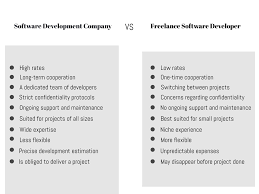
Freelance software developers offer a range of benefits for both clients and themselves. For clients, hiring freelancers can provide access to specialized skills on a project-by-project basis without the overhead costs associated with full-time employees. On the other hand, freelance developers have the flexibility to choose their projects, set their own schedules, and work from anywhere in the world.

Platforms such as Upwork, Freelancer, and Toptal have made it easier for freelance software developers to connect with clients from around the globe. These platforms provide a marketplace where developers can showcase their skills, bid on projects, and build relationships with clients.

One of the key advantages of freelance software development is the ability to work on diverse projects that span different industries and technologies. This not only keeps developers engaged and challenged but also allows them to continuously expand their skill set.

However, freelance software development also comes with its own set of challenges. Freelancers must constantly market themselves, manage client relationships, handle project deadlines, and ensure they are up-to-date with the latest technologies and trends in the industry.

Despite these challenges, freelance software development continues to attract talented individuals who value independence, flexibility, and the opportunity to work on exciting projects with clients worldwide.

As technology continues to evolve and businesses increasingly rely on digital solutions, the demand for skilled freelance software developers is expected to grow further. The future looks bright for those who choose to embark on a career in freelance software development.


7 Advantages of Freelance Software Development: Flexibility, Growth, and Independence

  1. Flexibility to set your own schedule and work from anywhere
  2. Ability to choose projects that align with your interests and expertise
  3. Opportunity to work with clients from diverse industries and locations
  4. Potential for higher earning potential compared to traditional employment
  5. Independence in decision-making and project management
  6. Continuous learning and skill development through varied projects
  7. Option to build a strong professional network and reputation in the industry


Challenges of Freelance Software Development: Income Instability, Job Insecurity, Isolation, Administrative Burdens, and Risk of Burnout

  1. Inconsistent income due to fluctuating project availability
  2. Lack of job security compared to traditional employment
  3. Isolation and limited social interaction working remotely
  4. Handling administrative tasks such as invoicing and taxes independently
  5. Balancing multiple projects and deadlines can lead to burnout

Flexibility to set your own schedule and work from anywhere

One of the key advantages of freelance software development is the flexibility it offers in setting your own schedule and working from anywhere. This freedom allows developers to balance their work and personal life more effectively, choose projects that align with their interests, and eliminate the constraints of a traditional office environment. Whether working from a cozy home office, a bustling coffee shop, or a serene beach destination, freelance software developers have the autonomy to create a work environment that suits their productivity and lifestyle preferences.

Ability to choose projects that align with your interests and expertise

One significant advantage of freelance software development is the ability to select projects that resonate with your interests and expertise. By having the freedom to choose projects that align with your passions and skills, freelance developers can stay motivated, engaged, and deliver high-quality work. This not only leads to job satisfaction but also allows developers to continuously enhance their expertise in areas they are genuinely passionate about, ultimately leading to a more fulfilling and successful career in the long run.

Opportunity to work with clients from diverse industries and locations

Freelance software development offers the exciting opportunity to collaborate with clients from a wide range of industries and locations. This diversity not only enriches the developer’s experience by exposing them to different business challenges and requirements but also allows them to build a versatile portfolio that showcases their ability to adapt and deliver solutions across various sectors and geographic regions. Working with clients from diverse backgrounds provides valuable insights, fosters creativity, and expands professional networks, ultimately contributing to the freelancer’s growth and success in the dynamic field of software development.

Potential for higher earning potential compared to traditional employment

Freelance software development offers the potential for higher earning compared to traditional employment. By working independently, freelancers have the opportunity to set their rates based on their skills, experience, and the market demand. They can take on multiple projects simultaneously and negotiate favorable terms with clients, leading to increased income potential. Additionally, freelancers can leverage their expertise to attract high-paying clients and secure long-term projects that contribute to a more lucrative career path than traditional employment.

Independence in decision-making and project management

One significant advantage of freelance software development is the independence it offers in decision-making and project management. Freelancers have the autonomy to choose the projects they work on, set their own schedules, and make key decisions about how to approach and execute each project. This freedom allows them to tailor their work style to suit their strengths and preferences, leading to increased job satisfaction and a sense of ownership over their work. By having control over project management aspects, freelance software developers can deliver high-quality results while maintaining a healthy work-life balance.

Continuous learning and skill development through varied projects

Freelance software development offers a valuable opportunity for continuous learning and skill development through a diverse range of projects. By working on projects across different industries and technologies, freelance developers are constantly challenged to adapt and learn new skills. This exposure not only keeps them engaged and motivated but also helps them stay at the forefront of industry trends. The variety of projects allows freelance developers to expand their expertise, enhance their problem-solving abilities, and ultimately become more versatile and well-rounded professionals in the ever-evolving field of software development.

Option to build a strong professional network and reputation in the industry

Freelance software development offers the unique advantage of allowing individuals to build a strong professional network and reputation within the industry. By working on diverse projects for various clients, freelancers have the opportunity to showcase their skills, expertise, and work ethic. This exposure not only helps in expanding their network of contacts but also in establishing a solid reputation as a reliable and talented developer. Building a strong professional network and reputation can lead to more opportunities for collaboration, referrals, and long-term partnerships in the competitive world of software development.

Inconsistent income due to fluctuating project availability

One significant drawback of freelance software development is the inconsistent income resulting from fluctuating project availability. Freelancers often experience periods of high demand followed by lulls in project opportunities, leading to unpredictable earnings. This financial instability can make it challenging for freelancers to budget effectively and plan for the future, as they must navigate the ebb and flow of project work.

Lack of job security compared to traditional employment

One significant drawback of freelance software development is the lack of job security when compared to traditional employment. Freelancers often face uncertainty in terms of consistent work opportunities and income stability. Without the safety net of a regular salary or benefits provided by a full-time job, freelancers must constantly hustle to secure new projects and clients to sustain their livelihood. This instability can lead to financial stress and anxiety, making it challenging for freelance software developers to plan for the long term and feel secure in their careers.

Isolation and limited social interaction working remotely

One significant con of freelance software development is the isolation and limited social interaction that comes with working remotely. Unlike traditional office settings where colleagues collaborate in person, remote freelancers often work independently, which can lead to feelings of loneliness and disconnection. The lack of face-to-face interactions can also hinder communication and teamwork, making it challenging to build strong relationships with clients and fellow developers. This isolation may impact motivation, creativity, and overall job satisfaction for freelance software developers who thrive on social interactions and a sense of community in their work environment.

Handling administrative tasks such as invoicing and taxes independently

One significant challenge of freelance software development is the responsibility of handling administrative tasks independently, including invoicing and taxes. Unlike traditional employment where these tasks are typically managed by a dedicated department, freelancers must navigate the complexities of financial management on their own. This can be time-consuming and overwhelming, requiring freelancers to stay organized, keep track of income and expenses, understand tax regulations, and ensure compliance with legal requirements. Juggling these administrative duties alongside project work can be a daunting aspect of freelance software development that demands careful attention and diligence to avoid potential pitfalls.

Balancing multiple projects and deadlines can lead to burnout

Balancing multiple projects and deadlines as a freelance software developer can be a significant challenge that often leads to burnout. Juggling various client demands, timelines, and priorities can create high levels of stress and pressure. As freelancers strive to meet the expectations of each project while managing their time effectively, they may find themselves working long hours, sacrificing personal time, and struggling to maintain a healthy work-life balance. This constant cycle of intense workload and tight deadlines can take a toll on both physical and mental well-being, ultimately impacting the quality of work produced. It is crucial for freelance software developers to establish clear boundaries, prioritize self-care, and manage their workload effectively to prevent burnout and ensure long-term success in their careers.