
cfchris.com

Loading

cisco cybersecurity

Enhancing Security with Cisco Cybersecurity Solutions

The Importance of Cisco Cybersecurity Solutions

The Importance of Cisco Cybersecurity Solutions

In today’s digital age, cybersecurity has become a critical concern for businesses of all sizes. With the increasing frequency and sophistication of cyber threats, organizations need robust solutions to protect their sensitive data and systems. This is where Cisco’s cybersecurity offerings come into play.

Comprehensive Protection

Cisco is a global leader in networking and cybersecurity solutions. Their cybersecurity products and services are designed to provide comprehensive protection against a wide range of cyber threats, including malware, ransomware, phishing attacks, and data breaches.

Advanced Threat Detection

Cisco’s cybersecurity solutions leverage advanced technologies such as artificial intelligence and machine learning to detect and respond to threats in real-time. By analyzing vast amounts of data and identifying patterns indicative of malicious activity, Cisco helps organizations stay one step ahead of cybercriminals.

Secure Access Control

With Cisco’s secure access control solutions, organizations can ensure that only authorized users have access to their networks and resources. By implementing robust authentication mechanisms and granular access controls, Cisco helps prevent unauthorized access and data exfiltration.

Continuous Monitoring and Compliance

Cisco offers tools for continuous monitoring of network traffic, system logs, and user activities to detect any anomalies that may indicate a security breach. Additionally, Cisco’s cybersecurity solutions help organizations achieve compliance with industry regulations and standards by providing detailed reporting and auditing capabilities.

Conclusion

In conclusion, Cisco cybersecurity solutions play a vital role in helping organizations protect their digital assets from evolving cyber threats. By investing in Cisco’s comprehensive security offerings, businesses can enhance their resilience against cyber attacks and safeguard their reputation and bottom line.


Top 9 FAQs About Cisco Cybersecurity: Solutions, Benefits, and Integration

  1. What is Cisco cybersecurity?
  2. Why is cybersecurity important for businesses?
  3. What are the key features of Cisco cybersecurity solutions?
  4. How does Cisco protect against cyber threats?
  5. What industries can benefit from Cisco cybersecurity solutions?
  6. Are Cisco cybersecurity products scalable for small to large enterprises?
  7. Does Cisco offer training and support for implementing their cybersecurity solutions?
  8. How does Cisco stay ahead of emerging cyber threats?
  9. Can Cisco cybersecurity solutions integrate with existing IT infrastructure?

What is Cisco cybersecurity?

Cisco cybersecurity refers to the range of products and services offered by Cisco Systems to help organizations protect their digital assets from cyber threats. Cisco’s cybersecurity solutions encompass a comprehensive set of tools and technologies designed to detect, prevent, and respond to various types of cyber attacks, including malware, ransomware, phishing attempts, and data breaches. By leveraging advanced technologies like artificial intelligence and machine learning, Cisco helps organizations strengthen their security posture and mitigate risks associated with the ever-evolving threat landscape. With a focus on continuous monitoring, secure access control, and compliance management, Cisco cybersecurity aims to provide robust protection for businesses of all sizes against cyber threats in today’s interconnected world.

Why is cybersecurity important for businesses?

Cybersecurity is crucial for businesses due to the increasing frequency and sophistication of cyber threats in today’s digital landscape. Protecting sensitive data, intellectual property, and customer information is paramount for maintaining trust and credibility with stakeholders. A successful cyber attack can have devastating consequences, including financial losses, reputational damage, legal implications, and operational disruptions. By investing in robust cybersecurity measures, businesses can mitigate risks, safeguard their assets, comply with regulations, and demonstrate a commitment to safeguarding their customers’ privacy and security. Ultimately, cybersecurity is essential for ensuring business continuity and resilience in the face of evolving cyber threats.

What are the key features of Cisco cybersecurity solutions?

Cisco cybersecurity solutions offer a comprehensive suite of key features that empower organizations to enhance their security posture. Some of the key features include advanced threat detection using cutting-edge technologies like artificial intelligence and machine learning, secure access control mechanisms to prevent unauthorized access, continuous monitoring for detecting anomalies and potential security breaches in real-time, robust data encryption to protect sensitive information, and compliance management tools to ensure adherence to industry regulations and standards. By leveraging these features, Cisco cybersecurity solutions provide organizations with the necessary tools to defend against a wide range of cyber threats and safeguard their critical assets effectively.

How does Cisco protect against cyber threats?

Cisco employs a multi-layered approach to protect against cyber threats. Through a combination of advanced technologies such as artificial intelligence, machine learning, and behavioral analytics, Cisco can detect and respond to threats in real-time. Cisco’s security solutions encompass network security, endpoint security, cloud security, and more, providing comprehensive protection across the entire IT infrastructure. By continuously monitoring network traffic and user activities, Cisco can identify and mitigate potential threats before they cause harm. Additionally, Cisco offers secure access control mechanisms to ensure that only authorized users can access sensitive data and resources, enhancing overall cybersecurity posture for organizations of all sizes.

What industries can benefit from Cisco cybersecurity solutions?

Various industries can benefit significantly from implementing Cisco cybersecurity solutions. Industries such as finance, healthcare, government, education, and retail rely heavily on secure and reliable networks to protect sensitive data and maintain regulatory compliance. Cisco’s robust cybersecurity offerings cater to the specific needs of each industry, providing advanced threat detection, secure access controls, continuous monitoring, and compliance reporting. By leveraging Cisco’s expertise in cybersecurity, organizations across diverse sectors can enhance their security posture, mitigate risks, and safeguard their critical assets from cyber threats.

Are Cisco cybersecurity products scalable for small to large enterprises?

When considering the scalability of Cisco cybersecurity products for small to large enterprises, it’s important to note that Cisco offers a range of solutions tailored to meet the diverse needs of businesses of varying sizes. Whether you are a small startup or a large corporation, Cisco provides cybersecurity products that can scale effectively to accommodate your organization’s growth and evolving security requirements. With flexible deployment options and customizable features, Cisco’s cybersecurity offerings are designed to adapt to the changing threat landscape and the expanding digital footprint of enterprises, making them suitable for both small businesses looking to establish a strong security foundation and large enterprises seeking robust protection at scale.

Does Cisco offer training and support for implementing their cybersecurity solutions?

Many individuals and organizations frequently inquire about whether Cisco provides training and support for implementing their cybersecurity solutions. The answer is a resounding yes. Cisco offers a wide range of training programs, certifications, and support services specifically tailored to help users effectively deploy and manage their cybersecurity solutions. Whether it’s through online courses, instructor-led training, or on-site workshops, Cisco ensures that users have access to the knowledge and resources needed to successfully implement and optimize their cybersecurity infrastructure. Additionally, Cisco’s dedicated support teams are available to provide guidance, troubleshooting assistance, and best practices to ensure a smooth and secure deployment of their cybersecurity solutions.

How does Cisco stay ahead of emerging cyber threats?

Cisco stays ahead of emerging cyber threats by continuously investing in research and development to innovate new cybersecurity technologies and solutions. By leveraging cutting-edge tools such as artificial intelligence, machine learning, and behavioral analytics, Cisco can proactively identify and mitigate potential threats before they can cause harm. Additionally, Cisco collaborates with industry experts, partners, and customers to gather insights on emerging cyber threats and trends, allowing them to adapt their security strategies accordingly. This proactive approach enables Cisco to stay one step ahead of cybercriminals and provide robust cybersecurity solutions that effectively protect organizations against evolving threats in today’s dynamic threat landscape.

Can Cisco cybersecurity solutions integrate with existing IT infrastructure?

When considering Cisco cybersecurity solutions, a commonly asked question is whether they can seamlessly integrate with existing IT infrastructure. The answer is yes. Cisco offers a range of cybersecurity products and services that are designed to be interoperable with various systems and technologies already in place within an organization. Whether it’s network devices, cloud services, or endpoint security solutions, Cisco provides integration capabilities to ensure a smooth transition and effective collaboration with existing IT infrastructure. This interoperability not only simplifies the implementation process but also enhances the overall security posture by leveraging the strengths of both Cisco’s cybersecurity solutions and the organization’s current technology environment.


cisco network security

Enhancing Cybersecurity with Cisco Network Security Solutions

The Importance of Cisco Network Security

The Importance of Cisco Network Security

Cisco is a leading provider of network security solutions that help organizations protect their data and systems from cyber threats. In today’s digital age, where cyber attacks are becoming increasingly sophisticated, having robust network security measures in place is crucial for safeguarding sensitive information.

Cisco offers a comprehensive range of security products and services that are designed to defend against various types of cyber threats, including malware, phishing attacks, ransomware, and more. By implementing Cisco’s network security solutions, organizations can create a secure environment that ensures the confidentiality, integrity, and availability of their data.

One of the key advantages of Cisco network security solutions is their scalability and flexibility. Whether you are a small business or a large enterprise, Cisco offers tailored security solutions that can be customized to meet your specific needs and requirements. From firewalls and intrusion detection systems to secure access controls and advanced threat protection, Cisco provides a layered approach to network security that helps organizations stay ahead of potential threats.

Furthermore, Cisco’s network security solutions are backed by extensive research and development efforts to stay abreast of emerging cyber threats and vulnerabilities. This proactive approach allows organizations to benefit from real-time threat intelligence and updates that help them mitigate risks effectively.

In conclusion, Cisco network security plays a vital role in helping organizations build a strong defense against cyber threats. By investing in Cisco’s innovative security solutions, businesses can enhance their cybersecurity posture and protect their valuable assets from malicious actors.


Top 8 FAQs About Cisco Network Security: Certificates, Functions, and More

  1. What is Cisco network security?
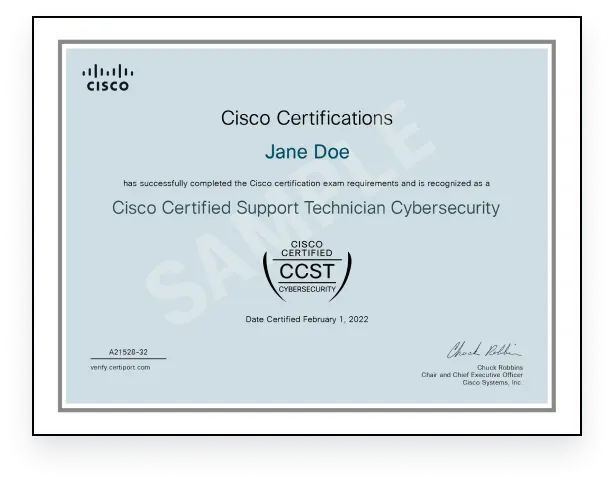
  2. Is Cisco Cyber security Certificate worth IT?
  3. What is Cisco Secure network Server?
  4. What are the four types of network security?
  5. Is there a CCNA security?
  6. What is Cisco networking security?
  7. What is the function of Cisco security?
  8. What is the difference between network security and CCNA security?

What is Cisco network security?

Cisco network security refers to the range of products, services, and solutions offered by Cisco Systems to protect networks from cyber threats and unauthorized access. Cisco’s network security solutions encompass a comprehensive set of tools and technologies designed to safeguard data, applications, and infrastructure from malicious activities such as hacking, malware, phishing attacks, and more. By implementing Cisco network security measures, organizations can establish a secure environment that ensures the confidentiality, integrity, and availability of their network resources. Cisco’s expertise in network security enables businesses to defend against evolving cyber threats effectively and maintain a robust defense posture to mitigate risks proactively.

Is Cisco Cyber security Certificate worth IT?

When considering whether Cisco Cybersecurity Certificates are worth pursuing, it is important to recognize the value they can bring to one’s career in the IT industry. Cisco certifications are widely recognized and respected in the field of cybersecurity, signaling to employers that an individual has acquired specialized knowledge and skills in this critical area. Holding a Cisco Cybersecurity Certificate can enhance job prospects, increase earning potential, and open up opportunities for advancement within the industry. Additionally, the comprehensive curriculum and hands-on training provided through Cisco certification programs equip individuals with practical expertise that can be applied effectively in real-world cybersecurity scenarios. Ultimately, investing in a Cisco Cybersecurity Certificate can be a strategic move for those looking to establish themselves as competent cybersecurity professionals in today’s increasingly digitized world.

What is Cisco Secure network Server?

Cisco Secure Network Server, commonly referred to as Cisco SNS, is a robust network access control solution offered by Cisco to enhance security within organizations. Cisco SNS provides centralized authentication, authorization, and accounting services to ensure secure access to network resources. By integrating advanced policy enforcement capabilities and real-time monitoring features, Cisco SNS helps organizations enforce security policies effectively and mitigate potential risks associated with unauthorized access. With its user-friendly interface and seamless integration with existing network infrastructure, Cisco Secure Network Server is a valuable tool for organizations looking to strengthen their network security posture and safeguard sensitive data from unauthorized access.

What are the four types of network security?

When it comes to Cisco network security, understanding the four types of network security is essential for building a robust defense against cyber threats. The four main types of network security include perimeter security, network segmentation, endpoint security, and application security. Perimeter security focuses on securing the network boundary to prevent unauthorized access. Network segmentation involves dividing the network into smaller segments to contain potential breaches. Endpoint security protects individual devices connected to the network, while application security focuses on securing software applications and services from vulnerabilities. By implementing a comprehensive strategy that addresses these four types of network security, organizations can enhance their overall cybersecurity posture and safeguard their critical assets effectively.

Is there a CCNA security?

Yes, Cisco offers a certification program called CCNA Security, which is designed for IT professionals who want to specialize in network security. The CCNA Security certification validates the individual’s skills in implementing security measures to protect Cisco networks. By obtaining the CCNA Security certification, professionals demonstrate their expertise in securing network infrastructure, identifying vulnerabilities, and implementing security policies and procedures. This certification is highly regarded in the industry and serves as a valuable credential for individuals looking to advance their career in network security.

What is Cisco networking security?

Cisco networking security refers to the range of products, services, and solutions provided by Cisco Systems to protect networks from cyber threats and attacks. It encompasses a comprehensive approach to securing data, systems, and infrastructure within an organization’s network environment. Cisco networking security solutions include firewalls, intrusion prevention systems, virtual private networks (VPNs), endpoint security, and more. By implementing Cisco networking security measures, organizations can safeguard their critical assets, maintain data confidentiality and integrity, and ensure the availability of network resources. Cisco’s expertise in network security helps businesses mitigate risks and stay resilient against evolving cybersecurity threats in today’s digital landscape.

What is the function of Cisco security?

Cisco security serves a critical function in safeguarding networks and data against cyber threats. The primary goal of Cisco security is to provide comprehensive protection by implementing a range of solutions such as firewalls, intrusion detection systems, secure access controls, and advanced threat protection mechanisms. These tools work together to detect and mitigate potential security breaches, prevent unauthorized access to sensitive information, and ensure the integrity and availability of data. By leveraging Cisco security solutions, organizations can create a secure environment that helps them stay ahead of evolving cyber threats and maintain the confidentiality of their valuable assets.

What is the difference between network security and CCNA security?

When comparing network security and CCNA Security, it is important to understand that network security is a broader concept that encompasses the overall protection of a network infrastructure from unauthorized access, cyber threats, and vulnerabilities. On the other hand, CCNA Security specifically refers to a certification program offered by Cisco that focuses on validating the skills and knowledge required to secure Cisco networks. While network security involves implementing various security measures across an entire network, CCNA Security certification equips individuals with specialized expertise in securing Cisco networks specifically. CCNA Security certification holders are trained to configure and manage security features on Cisco devices, ensuring the integrity and confidentiality of data transmitted over Cisco networks.

cyber security

Enhancing Business Resilience Through Effective Cyber Security Measures

The Importance of Cyber Security

The Importance of Cyber Security

In today’s digital age, cyber security has become a critical concern for individuals, businesses, and governments alike. With the increasing number of cyber threats and attacks targeting sensitive data and systems, the need for robust cyber security measures has never been more urgent.

Protecting Sensitive Information

Cyber security is essential for protecting sensitive information such as personal data, financial records, and intellectual property. Hackers and cyber criminals are constantly looking for vulnerabilities to exploit, making it crucial for individuals and organizations to safeguard their digital assets.

Preventing Data Breaches

Data breaches can have devastating consequences, resulting in financial losses, reputational damage, and legal implications. Implementing strong cyber security measures can help prevent unauthorized access to data and minimize the risk of data breaches.

Ensuring Business Continuity

For businesses, maintaining uninterrupted operations is vital for success. Cyber attacks such as ransomware can disrupt business activities and lead to significant downtime. By investing in cyber security solutions, organizations can ensure business continuity and minimize the impact of potential cyber threats.

Complying with Regulations

Many industries are subject to regulatory requirements regarding data protection and privacy. Failure to comply with these regulations can result in penalties and fines. Implementing effective cyber security practices not only helps protect sensitive information but also ensures compliance with relevant laws and regulations.

Conclusion

In conclusion, cyber security plays a crucial role in safeguarding digital assets, preventing data breaches, ensuring business continuity, and complying with regulations. By prioritizing cyber security measures and staying vigilant against evolving threats, individuals and organizations can mitigate risks and protect themselves in an increasingly interconnected world.


Top 8 Frequently Asked Questions About Cyber Security

  1. What is cyber security?
  2. Why is cyber security important?
  3. What are common types of cyber threats?
  4. How can individuals protect themselves from cyber attacks?
  5. What are best practices for securing sensitive data?
  6. How do businesses benefit from investing in cyber security measures?
  7. What role does employee training play in enhancing cyber security?
  8. How can organizations respond to a data breach effectively?

What is cyber security?

Cyber security refers to the practice of protecting digital systems, networks, and data from malicious attacks and unauthorized access. It encompasses a range of measures and technologies designed to safeguard sensitive information and prevent cyber threats such as malware, ransomware, phishing, and hacking. Cyber security is essential in today’s interconnected world where individuals, businesses, and governments rely heavily on digital technologies. By implementing robust cyber security measures, organizations can mitigate risks, ensure data confidentiality and integrity, and maintain the trust of their stakeholders.

Why is cyber security important?

Cyber security is crucial in today’s digital landscape due to the escalating frequency and sophistication of cyber threats. Protecting sensitive information, preventing data breaches, ensuring business continuity, and complying with regulations are just a few reasons why cyber security is paramount. Without robust cyber security measures in place, individuals and organizations are vulnerable to devastating consequences such as financial losses, reputational damage, and legal implications. Prioritizing cyber security is essential to safeguarding digital assets and mitigating risks in an increasingly interconnected world.

What are common types of cyber threats?

Common types of cyber threats encompass a wide range of malicious activities that pose risks to individuals, businesses, and governments. Some prevalent cyber threats include malware, phishing attacks, ransomware, DDoS (Distributed Denial of Service) attacks, and insider threats. Malware, such as viruses and trojans, can infect systems and steal sensitive information. Phishing attacks involve deceptive emails or messages designed to trick recipients into revealing personal data. Ransomware encrypts files and demands payment for decryption. DDoS attacks overwhelm networks with traffic to disrupt services. Insider threats arise from employees or individuals with access to sensitive data who misuse it intentionally or unintentionally. Understanding these common cyber threats is essential for implementing effective security measures to mitigate risks and protect against potential cyber attacks.

How can individuals protect themselves from cyber attacks?

To protect themselves from cyber attacks, individuals can take several proactive measures. First and foremost, it is essential to use strong, unique passwords for all online accounts and enable two-factor authentication whenever possible. Regularly updating software and operating systems helps patch vulnerabilities that hackers may exploit. Being cautious of suspicious emails, links, and attachments can prevent falling victim to phishing scams. Additionally, using reputable antivirus software and regularly backing up important data to secure locations are crucial steps in enhancing personal cyber security defenses. By staying informed about the latest threats and practicing safe online habits, individuals can significantly reduce their risk of falling prey to cyber attacks.

What are best practices for securing sensitive data?

Securing sensitive data is a critical aspect of cyber security, and implementing best practices is essential to protect this valuable information. Some key strategies for securing sensitive data include encrypting data both at rest and in transit, implementing access controls to restrict who can view or modify the data, regularly updating software and systems to patch vulnerabilities, conducting regular security audits and assessments, training employees on data security protocols, and establishing robust incident response plans in case of a breach. By following these best practices diligently, organizations can enhance their overall cyber security posture and safeguard their sensitive data from unauthorized access or theft.

How do businesses benefit from investing in cyber security measures?

Businesses benefit significantly from investing in cyber security measures in various ways. Firstly, implementing robust cyber security measures helps protect sensitive data and intellectual property from cyber threats and attacks, safeguarding the company’s reputation and maintaining customer trust. Secondly, investing in cyber security enhances operational resilience by minimizing the risk of costly data breaches and downtime due to cyber incidents, ensuring uninterrupted business operations. Additionally, compliance with regulatory requirements is easier to achieve when adequate cyber security measures are in place, reducing the potential for legal consequences and financial penalties. Overall, prioritizing cyber security not only mitigates risks but also demonstrates a commitment to protecting valuable assets and maintaining a competitive edge in today’s digital landscape.

What role does employee training play in enhancing cyber security?

Employee training plays a pivotal role in enhancing cyber security within organizations. By educating employees on best practices, potential threats, and how to recognize and respond to cyber attacks, companies can significantly reduce the risk of security breaches. Well-trained employees become the first line of defense against phishing attempts, malware infections, and other cyber threats. Continuous training ensures that staff members are aware of the latest security trends and techniques, empowering them to contribute actively to maintaining a secure digital environment for the organization.

How can organizations respond to a data breach effectively?

In response to a data breach, organizations can take several steps to effectively mitigate the impact and safeguard their data. Firstly, it is crucial to have a well-defined incident response plan in place that outlines roles, responsibilities, and procedures for addressing a breach. Promptly identifying and containing the breach is essential to prevent further damage. Communication with stakeholders, including customers, employees, and regulatory authorities, should be transparent and timely to maintain trust and compliance. Conducting a thorough investigation to understand the root cause of the breach and implementing corrective measures to strengthen security controls are key for preventing future incidents. Additionally, organizations should continuously monitor their systems for any suspicious activity and regularly update their security protocols to stay ahead of emerging threats.