
cfchris.com

Loading

embedded development

Exploring the Innovations of Embedded Development

The World of Embedded Development

The World of Embedded Development

Embedded development is a fascinating field that plays a crucial role in powering the devices we use every day. From smartphones to smart home appliances, embedded systems are at the heart of modern technology.

So, what exactly is embedded development? In simple terms, it involves designing and programming small computing systems that are embedded within larger devices or machinery. These systems are dedicated to specific functions and operate with minimal human intervention.

One of the key challenges in embedded development is optimizing performance while working within constraints such as limited processing power, memory, and energy consumption. Developers must carefully design efficient algorithms and code to ensure that the embedded system functions reliably and effectively.

Embedded developers work with a variety of hardware platforms and programming languages, depending on the requirements of the project. Common languages used in embedded development include C, C++, and assembly language. They also utilize specialized tools and software to debug and test their code thoroughly.

As technology continues to advance, the demand for skilled embedded developers is on the rise. Companies across industries rely on these experts to create innovative solutions that drive progress and improve efficiency. Whether it’s designing wearable devices or implementing IoT solutions, embedded developers are at the forefront of innovation.

In conclusion, embedded development is a dynamic and rewarding field that offers endless opportunities for creativity and problem-solving. As we look towards a future filled with smart devices and interconnected systems, the role of embedded developers will only become more vital in shaping our digital world.


Top 8 Frequently Asked Questions About Embedded Development

  1. What is embedded development?
  2. What programming languages are commonly used in embedded development?
  3. How does embedded development differ from traditional software development?
  4. What are the key challenges faced by embedded developers?
  5. Which industries rely heavily on embedded systems?
  6. What tools and software are essential for embedded development?
  7. How can one start a career in embedded development?
  8. What are some examples of popular devices that use embedded systems?

What is embedded development?

Embedded development refers to the process of designing and programming small computing systems that are integrated within larger devices or machinery to perform specific functions autonomously. These embedded systems are dedicated to executing predefined tasks efficiently with minimal human intervention. Embedded development involves optimizing performance within constraints such as limited processing power, memory, and energy consumption. Skilled developers in this field work with a variety of hardware platforms and programming languages to create reliable and effective solutions for a wide range of applications in modern technology.

What programming languages are commonly used in embedded development?

In the realm of embedded development, several programming languages are commonly utilized to craft efficient and reliable systems. Among the popular choices are C, C++, and assembly language. These languages offer developers the flexibility and control needed to optimize performance while working within the constraints of limited resources typical in embedded systems. By leveraging these languages, developers can create robust code that powers a wide array of devices and machinery, showcasing the versatility and power of embedded development in today’s technological landscape.

How does embedded development differ from traditional software development?

In the realm of technology, the distinction between embedded development and traditional software development lies in their respective focuses and applications. Embedded development involves creating software that is specifically tailored to operate within embedded systems, such as microcontrollers or IoT devices, where space, power, and processing constraints are prevalent. In contrast, traditional software development typically revolves around designing applications for general-purpose computing devices like computers and smartphones, with a broader scope and fewer hardware limitations. The specialized nature of embedded development necessitates a deep understanding of hardware-software interactions and optimization techniques to ensure efficient performance within constrained environments.

What are the key challenges faced by embedded developers?

Embedded developers face several key challenges in their work. One of the primary challenges is optimizing performance within the constraints of limited resources such as processing power, memory, and energy consumption. They must carefully design efficient algorithms and code to ensure that the embedded system operates reliably and effectively. Additionally, staying up-to-date with rapidly evolving technology and hardware platforms is essential for embedded developers to create innovative solutions that meet the demands of modern devices and applications. Debugging and testing code thoroughly to ensure functionality and security are also critical challenges faced by embedded developers in their day-to-day work.

Which industries rely heavily on embedded systems?

Various industries rely heavily on embedded systems to power their products and services. The automotive industry utilizes embedded systems in vehicles for functions such as engine control, navigation systems, and driver assistance features. The healthcare sector employs embedded systems in medical devices like pacemakers, insulin pumps, and monitoring equipment to improve patient care. Additionally, the consumer electronics industry incorporates embedded systems into smartphones, smart TVs, and home appliances to deliver enhanced functionality and connectivity. Industrial automation relies on embedded systems for controlling machinery and optimizing manufacturing processes. Overall, industries such as automotive, healthcare, consumer electronics, and industrial automation heavily depend on embedded systems for innovation and efficiency in their operations.

What tools and software are essential for embedded development?

When it comes to embedded development, having the right tools and software is crucial for success. Essential tools for embedded development include integrated development environments (IDEs) like Eclipse or Visual Studio, which provide a comprehensive platform for writing, compiling, and debugging code. Additionally, software tools such as compilers, debuggers, and simulators are essential for testing and optimizing code for embedded systems. Version control systems like Git help manage code changes efficiently, while hardware debugging tools such as JTAG interfaces enable developers to troubleshoot issues at the hardware level. Overall, a well-equipped toolbox of software and tools is essential for streamlining the development process and ensuring the reliability of embedded systems.

How can one start a career in embedded development?

To start a career in embedded development, individuals can begin by gaining a strong foundation in computer science and programming languages such as C and C++. Acquiring knowledge of electronics and microcontrollers is also essential. Engaging in hands-on projects, such as building simple embedded systems or participating in coding competitions, can help develop practical skills. Pursuing internships or entry-level positions in companies that specialize in embedded systems is another valuable step towards entering the field. Continuous learning and staying updated on industry trends through online courses, workshops, and networking with professionals can further enhance one’s prospects in starting a successful career in embedded development.

Embedded systems are ubiquitous in our daily lives, powering a wide range of popular devices that we rely on regularly. Some examples of these devices include smartphones, smartwatches, digital cameras, home appliances like smart thermostats and refrigerators, automobile navigation systems, medical devices such as pacemakers and insulin pumps, and industrial machinery like robotics and automation systems. These devices leverage embedded systems to perform specific functions efficiently and reliably, showcasing the versatility and importance of embedded development in modern technology.

sustainable software development

Driving Innovation Through Sustainable Software Development Practices

The Importance of Sustainable Software Development

The Importance of Sustainable Software Development

In today’s rapidly evolving technological landscape, the concept of sustainability is not limited to environmental concerns. Sustainable software development has emerged as a crucial aspect of creating long-lasting and impactful digital solutions.

So, what exactly is sustainable software development? It refers to the practice of designing, building, and maintaining software applications in a way that minimizes negative impacts on the environment, society, and the economy while maximizing positive outcomes.

Key Principles of Sustainable Software Development

  • Efficiency: Writing efficient code that consumes fewer resources such as memory and processing power can contribute to reducing energy consumption.
  • Scalability: Designing software that can adapt to changing needs and accommodate growth without significant rework helps in extending the lifespan of applications.
  • Resilience: Building resilient software that can withstand failures and disruptions not only enhances user experience but also reduces the need for frequent updates and replacements.
  • Transparency: Being transparent about the environmental impact of software development practices can raise awareness and promote more sustainable approaches within the industry.
  • Circular Economy: Embracing principles of circular economy by reusing components, recycling code, and minimizing waste can contribute to a more sustainable software ecosystem.

The Benefits of Sustainable Software Development

By adopting sustainable practices in software development, organizations can reap numerous benefits:

  • Cost Savings: Efficient use of resources leads to cost savings in terms of energy consumption, infrastructure maintenance, and operational expenses.
  • Innovation: Focusing on sustainability encourages innovation in design and development processes, leading to creative solutions that address both environmental and business challenges.
  • Competitive Advantage: Demonstrating a commitment to sustainability can enhance brand reputation, attract environmentally conscious customers, and give organizations a competitive edge in the market.
  • Long-Term Viability: Sustainable software solutions are more likely to remain relevant and functional over time, reducing the need for frequent upgrades or replacements.

In Conclusion

Sustainable software development is not just a trend but a necessity in today’s digital age. By integrating sustainability principles into the entire software development lifecycle, organizations can create resilient, efficient, and future-proof solutions that benefit both their business objectives and the planet as a whole.


7 Essential Tips for Sustainable Software Development

  1. Write efficient code to reduce energy consumption.
  2. Minimize server usage by optimizing resource allocation.
  3. Use version control to track changes and collaborate efficiently.
  4. Prioritize modular and scalable design for easier maintenance and updates.
  5. Implement automated testing to catch bugs early and improve overall software quality.
  6. Consider the environmental impact of data storage and choose eco-friendly options.
  7. Regularly review and refactor code to improve performance and sustainability.

Write efficient code to reduce energy consumption.

Writing efficient code is a key tip in sustainable software development as it directly contributes to reducing energy consumption. By optimizing algorithms, minimizing resource usage, and improving code performance, developers can create software that operates more efficiently, requiring less processing power and thereby lowering the overall energy consumption of the system. This not only benefits the environment by reducing carbon emissions but also leads to cost savings for organizations in terms of energy bills and infrastructure maintenance. Efficient code is a fundamental aspect of creating sustainable software solutions that are both environmentally friendly and economically viable in the long run.

Minimize server usage by optimizing resource allocation.

To promote sustainable software development, it is essential to minimize server usage by optimizing resource allocation. By efficiently allocating resources on servers, such as memory and processing power, developers can reduce energy consumption and minimize the environmental impact of running software applications. This practice not only contributes to cost savings but also aligns with the principles of sustainability by ensuring that resources are used effectively and responsibly. By prioritizing resource optimization, software developers can create more efficient and eco-friendly solutions that support a greener digital ecosystem.

Use version control to track changes and collaborate efficiently.

Utilizing version control systems is a crucial tip in sustainable software development as it allows developers to track changes, manage code revisions, and collaborate efficiently across teams. By maintaining a centralized repository of code versions, developers can easily revert to previous iterations, identify and resolve issues, and ensure consistency in the development process. This practice not only enhances productivity but also promotes transparency and accountability within the development workflow, contributing to the overall sustainability of software projects.

Prioritize modular and scalable design for easier maintenance and updates.

To promote sustainable software development, it is essential to prioritize modular and scalable design. By breaking down software components into modular units that can be easily maintained and updated independently, developers can streamline the maintenance process and facilitate future updates. This approach not only improves the longevity of the software but also enhances its adaptability to evolving requirements, ultimately reducing the environmental impact associated with frequent overhauls or replacements.

Implement automated testing to catch bugs early and improve overall software quality.

Implementing automated testing in software development is a key strategy for promoting sustainability. By catching bugs early in the development process, automated testing helps improve overall software quality and reliability. This proactive approach not only reduces the time and effort required for bug fixing but also minimizes the environmental impact associated with rework and inefficient coding practices. Embracing automated testing not only enhances the efficiency of software development but also contributes to building more sustainable digital solutions that can adapt to changing needs and minimize resource consumption over time.

Consider the environmental impact of data storage and choose eco-friendly options.

When focusing on sustainable software development, it is essential to consider the environmental impact of data storage. Opting for eco-friendly options in data storage can significantly reduce the carbon footprint of software applications. By choosing energy-efficient storage solutions and implementing practices such as data deduplication and compression, developers can minimize resource consumption and contribute to a more sustainable digital ecosystem. Prioritizing eco-friendly data storage not only benefits the environment but also aligns with the principles of responsible and forward-thinking software development.

Regularly review and refactor code to improve performance and sustainability.

Regularly reviewing and refactoring code is a crucial practice in sustainable software development. By continuously assessing and optimizing the codebase, developers can enhance performance, reduce resource consumption, and ensure the long-term sustainability of the software. Refactoring allows for the elimination of redundant or inefficient code, making the application more efficient and easier to maintain. This proactive approach not only improves the overall quality of the software but also contributes to a more sustainable digital ecosystem by minimizing waste and maximizing efficiency.

cloud solutions

Unleashing the Potential: Harnessing the Power of Cloud Solutions for Business Success

The Power of Cloud Solutions

The Power of Cloud Solutions

In today’s digital age, businesses are increasingly turning to cloud solutions to streamline their operations, enhance collaboration, and improve efficiency. Cloud computing offers a wide range of benefits that can revolutionize the way organizations work and grow.

Scalability and Flexibility

One of the key advantages of cloud solutions is their scalability. Businesses can easily adjust their storage and computing resources based on their current needs, allowing for flexibility in managing workload fluctuations. Whether you are a small startup or a large enterprise, cloud services can scale up or down to accommodate your requirements.

Cost-Effectiveness

Cloud solutions eliminate the need for businesses to invest in expensive hardware and infrastructure. With a pay-as-you-go model, organizations only pay for the resources they use, reducing capital expenditure and operational costs. This cost-effectiveness makes cloud computing an attractive option for businesses looking to optimize their budget without compromising on performance.

Enhanced Collaboration

Collaboration is essential in today’s interconnected world, and cloud solutions facilitate seamless communication and teamwork among employees. With cloud-based tools such as file sharing platforms and project management software, teams can collaborate in real-time regardless of their physical location. This level of connectivity boosts productivity and innovation within organizations.

Data Security and Reliability

Cloud service providers invest heavily in security measures to protect data stored on their platforms. From encryption protocols to regular backups, cloud solutions offer robust security features that safeguard sensitive information from cyber threats. Additionally, cloud infrastructure is designed for high availability and reliability, ensuring that businesses can access their data anytime, anywhere without interruptions.

Conclusion

Cloud solutions have become indispensable for modern businesses seeking agility, cost savings, and competitive advantage in the digital landscape. By leveraging the power of cloud computing, organizations can transform their operations, drive innovation, and achieve sustainable growth in today’s dynamic business environment.


Top 9 Frequently Asked Questions About Cloud Solutions for Businesses

  1. What is cloud computing?
  2. How secure is data stored in the cloud?
  3. What are the benefits of using cloud solutions for businesses?
  4. How does cloud storage differ from traditional storage methods?
  5. What types of cloud services are available to businesses?
  6. Can I integrate existing IT infrastructure with cloud solutions?
  7. How does scalability work in cloud computing?
  8. What are the potential risks of migrating to the cloud?
  9. How can businesses ensure compliance and data governance when using cloud solutions?

What is cloud computing?

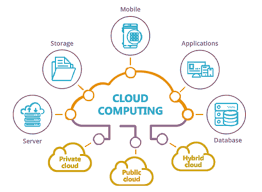
Cloud computing refers to the delivery of computing services, including storage, processing power, and applications over the internet. Instead of relying on local servers or personal devices to handle data and applications, cloud computing allows users to access resources remotely through a network of servers hosted in data centers. This model offers scalability, flexibility, and cost-effectiveness by enabling businesses to pay only for the resources they use. With cloud computing, organizations can streamline their operations, enhance collaboration, and improve efficiency while benefiting from enhanced security measures and high availability of services.

How secure is data stored in the cloud?

The security of data stored in the cloud is a common concern among individuals and businesses considering cloud solutions. Cloud service providers implement robust security measures to protect data from unauthorized access, breaches, and other cyber threats. Encryption protocols, access controls, regular security audits, and compliance certifications are some of the mechanisms used to ensure the confidentiality, integrity, and availability of data in the cloud. By adhering to industry best practices and standards, cloud providers strive to create a secure environment for storing sensitive information, giving users peace of mind regarding the safety of their data in the cloud.

What are the benefits of using cloud solutions for businesses?

Businesses can reap a multitude of benefits by leveraging cloud solutions. From enhanced scalability and flexibility to cost-effectiveness and improved collaboration, cloud computing offers a versatile toolkit for optimizing operations. By utilizing cloud services, organizations can easily adjust their resources to meet changing demands, reduce infrastructure costs, foster seamless teamwork among employees, and ensure robust data security and reliability. Embracing cloud solutions empowers businesses to streamline processes, drive innovation, and stay competitive in today’s fast-paced digital landscape.

How does cloud storage differ from traditional storage methods?

Cloud storage differs from traditional storage methods in several key ways. Unlike traditional storage, which typically involves storing data on physical hardware within an organization’s premises, cloud storage utilizes remote servers maintained by a third-party provider. This means that with cloud storage, data is stored off-site and accessed over the internet, offering greater flexibility and scalability. Additionally, cloud storage allows for easier data backup and recovery, as well as seamless collaboration among users from different locations. The pay-as-you-go model of cloud storage also makes it a cost-effective solution for businesses of all sizes. Overall, cloud storage offers enhanced accessibility, security, and efficiency compared to traditional storage methods.

What types of cloud services are available to businesses?

Businesses have access to a variety of cloud services tailored to meet their specific needs and requirements. The main types of cloud services include Infrastructure as a Service (IaaS), Platform as a Service (PaaS), and Software as a Service (SaaS). IaaS provides businesses with virtualized computing resources such as servers, storage, and networking infrastructure, allowing for greater flexibility and scalability. PaaS offers a platform for developers to build, deploy, and manage applications without the complexity of underlying infrastructure. SaaS delivers software applications over the internet on a subscription basis, enabling businesses to access productivity tools and business applications without the need for installation or maintenance. Each type of cloud service offers distinct advantages and can be customized to support various aspects of business operations.

Can I integrate existing IT infrastructure with cloud solutions?

Yes, integrating existing IT infrastructure with cloud solutions is a common practice that many organizations undertake to leverage the benefits of cloud computing while maintaining their current systems. By adopting a hybrid approach, businesses can seamlessly connect on-premises infrastructure with cloud services, allowing for increased flexibility, scalability, and efficiency. This integration enables companies to optimize their resources, enhance data accessibility, and improve overall performance across their IT ecosystem. With proper planning and implementation, organizations can successfully integrate their existing infrastructure with cloud solutions to create a unified and cohesive IT environment that meets their evolving needs and strategic objectives.

How does scalability work in cloud computing?

Scalability in cloud computing refers to the ability of a system to handle varying workloads efficiently by adjusting resources accordingly. Cloud solutions offer scalability through features like auto-scaling, which automatically allocates more resources when demand increases and releases them when demand decreases. This dynamic resource allocation ensures that businesses can scale their IT infrastructure up or down seamlessly without manual intervention, allowing for optimal performance and cost-efficiency. Scalability in cloud computing empowers organizations to adapt to changing needs quickly and effectively, making it a fundamental aspect of leveraging cloud technology for business growth and innovation.

What are the potential risks of migrating to the cloud?

When considering migrating to the cloud, it is essential to be aware of the potential risks associated with this transition. One common concern is data security and privacy, as storing sensitive information on a third-party server may raise apprehensions about unauthorized access or data breaches. Another risk is the possibility of service outages or downtime, which could impact business operations and result in financial losses. Additionally, compliance and regulatory issues must be carefully addressed to ensure that data handling practices align with industry standards and legal requirements. Despite these risks, proactive risk management strategies and thorough assessment of cloud service providers can help mitigate potential challenges and ensure a smooth migration process.

How can businesses ensure compliance and data governance when using cloud solutions?

Ensuring compliance and data governance when utilizing cloud solutions is a critical concern for businesses in today’s digital landscape. To address this challenge effectively, organizations can implement a comprehensive strategy that includes thorough vetting of cloud service providers’ security and compliance certifications, establishing clear data governance policies and procedures, conducting regular audits to monitor compliance with regulatory requirements, encrypting sensitive data both in transit and at rest, and providing employee training on data security best practices. By adopting a proactive approach to compliance and data governance in the cloud, businesses can mitigate risks, protect sensitive information, and maintain regulatory adherence while leveraging the benefits of cloud technology.