cfchris.com

Loading

java python

Exploring the Java and Python Programming Languages: A Comparative Analysis

Java vs Python: A Comparison of Two Popular Programming Languages

Java vs Python: A Comparison of Two Popular Programming Languages

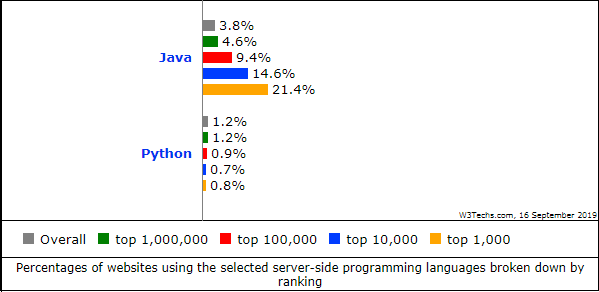
Java and Python are two of the most widely used programming languages in the world. Each language has its own strengths and weaknesses, making them suitable for different types of projects and applications.

Java

Java is a versatile, high-level programming language known for its portability and scalability. It is commonly used for developing enterprise-level applications, web applications, mobile apps, and more. Java follows the principle of “write once, run anywhere,” meaning that Java code can run on any platform that has a Java Virtual Machine (JVM) installed.

Key Features of Java:

  • Strongly typed language with static typing
  • Object-oriented programming (OOP) paradigm
  • Rich set of libraries and frameworks (e.g., Spring, Hibernate)
  • Excellent performance and scalability
  • Robust security features

Python

Python is a dynamic, interpreted programming language known for its simplicity and readability. It is widely used in various domains such as web development, data science, artificial intelligence, automation, and more. Python’s syntax is clean and easy to understand, making it an ideal choice for beginners as well as experienced developers.

Key Features of Python:

  • Dynamically typed language with automatic memory management
  • Supports multiple programming paradigms (e.g., OOP, functional programming)
  • Extensive standard library with built-in modules for various tasks
  • Rapid development cycle due to its simplicity
  • Broad community support and active ecosystem

Which Language Should You Choose?

The choice between Java and Python depends on your specific requirements and project goals. If you need a highly performant language for building large-scale applications with strict security requirements, Java may be the better option. On the other hand, if you prioritize readability, ease of use, and rapid development cycles, Python could be the right choice.

In conclusion, both Java and Python have their strengths and are valuable tools in a developer’s toolkit. Whether you choose Java or Python ultimately depends on the nature of your project and your personal preferences as a developer.


Top 5 Tips for Mastering Java and Python Programming

  1. Practice regularly to improve your skills in Java and Python.
  2. Utilize online resources such as tutorials, forums, and documentation for learning Java and Python.
  3. Join coding communities or clubs to collaborate with others and learn from their experiences in Java and Python.
  4. Break down complex problems into smaller tasks when working on projects in Java and Python.
  5. Stay updated with the latest features and updates in both Java and Python programming languages.

Practice regularly to improve your skills in Java and Python.

To enhance your proficiency in Java and Python, it is crucial to engage in consistent practice. Regular practice not only helps reinforce your understanding of the languages but also allows you to explore new concepts and refine your coding skills. By dedicating time each day to coding exercises, projects, or challenges in Java and Python, you can steadily improve your programming abilities and stay updated with the latest developments in both languages. Remember, practice makes progress, so make it a habit to code regularly to sharpen your skills in Java and Python.

Utilize online resources such as tutorials, forums, and documentation for learning Java and Python.

To enhance your proficiency in Java and Python, make the most of online resources like tutorials, forums, and documentation. These valuable tools provide a wealth of knowledge and support to help you grasp the intricacies of both programming languages. By actively engaging with these resources, you can deepen your understanding, troubleshoot challenges effectively, and stay updated on the latest developments in Java and Python programming.

Join coding communities or clubs to collaborate with others and learn from their experiences in Java and Python.

Joining coding communities or clubs is a valuable tip for aspiring programmers looking to enhance their skills in Java and Python. By collaborating with like-minded individuals, you can gain insights and learn from the experiences of others. These communities provide a platform for sharing knowledge, discussing best practices, and working on projects together, ultimately helping you grow as a developer in both Java and Python.

Break down complex problems into smaller tasks when working on projects in Java and Python.

When working on projects in Java and Python, it is essential to break down complex problems into smaller tasks. By dividing the problem into manageable components, developers can tackle each task more effectively and efficiently. This approach not only helps in maintaining clarity and focus but also makes it easier to debug and test the code. Breaking down complex problems into smaller tasks enables developers to approach the project systematically, leading to better organization and ultimately a more successful outcome.

Stay updated with the latest features and updates in both Java and Python programming languages.

It is essential to stay updated with the latest features and updates in both Java and Python programming languages. By keeping abreast of new developments, enhancements, and best practices in these languages, developers can leverage the full potential of Java and Python to create efficient, secure, and innovative solutions. Continuous learning and adaptation to the evolving landscape of programming languages ensure that developers remain competitive and equipped to tackle modern challenges in software development.

best platform to develop mobile apps

Choosing the Best Platform to Develop Mobile Apps

Best Platform to Develop Mobile Apps

The Best Platform to Develop Mobile Apps

When it comes to developing mobile apps, choosing the right platform is crucial for success. With the ever-growing demand for mobile applications, developers have a variety of platforms to choose from. Each platform has its own set of features, capabilities, and target audiences. Let’s explore some of the best platforms for developing mobile apps:

Android Studio

Android Studio is the official integrated development environment (IDE) for Android app development. It offers a wide range of tools and resources to help developers create high-quality Android applications. With a large user base and extensive documentation, Android Studio is a popular choice among developers.

Xcode

Xcode is the IDE for iOS app development, exclusively available for macOS users. It provides a comprehensive set of tools for building iOS, macOS, watchOS, and tvOS applications. With features like Interface Builder and Swift programming language support, Xcode simplifies the app development process for Apple devices.

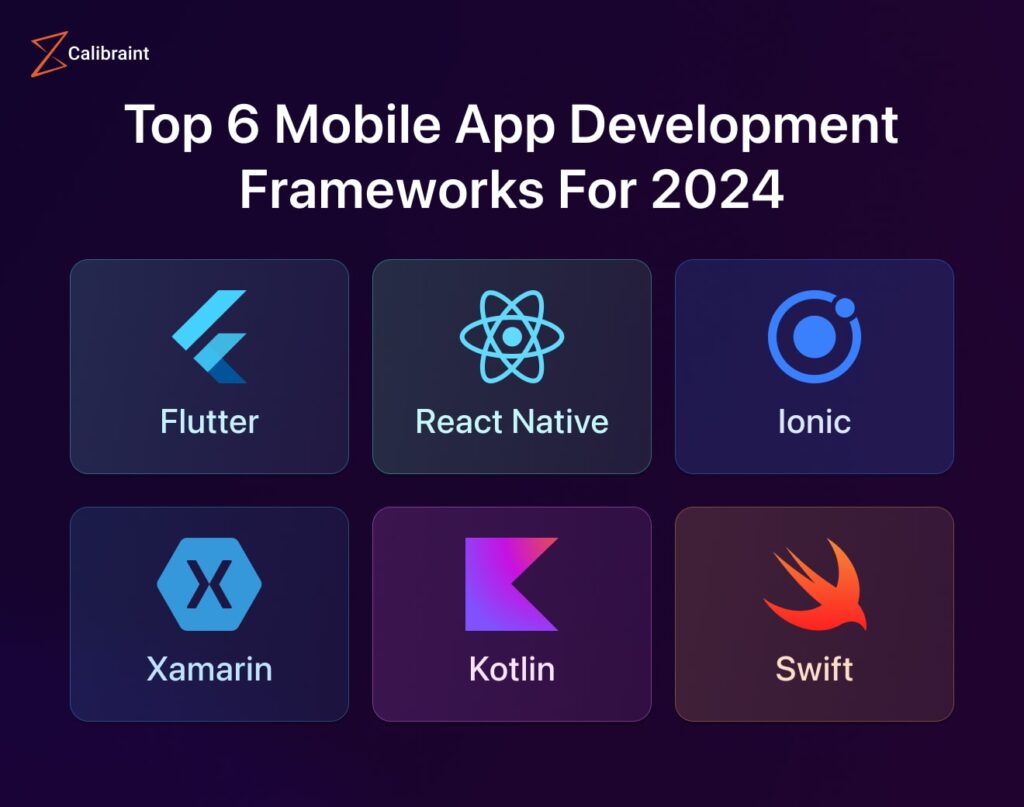
React Native

React Native is a cross-platform framework developed by Facebook that allows developers to build mobile apps using JavaScript and React. By leveraging a single codebase, developers can create apps that run on both iOS and Android platforms. React Native offers fast development cycles and a vibrant community of developers.

Flutter

Flutter is Google’s UI toolkit for building natively compiled applications for mobile, web, and desktop from a single codebase. With its expressive UI designs and customizable widgets, Flutter enables developers to create visually appealing apps with high performance. Flutter’s hot reload feature speeds up the development process.

Xamarin

Xamarin is a Microsoft-owned framework that allows developers to build native iOS, Android, and Windows apps using C#. By sharing code across multiple platforms, Xamarin reduces development time and effort while maintaining native performance and user experience.

Choosing the best platform to develop mobile apps depends on factors such as target audience, project requirements, developer expertise, and budget constraints. Each platform offers unique advantages and challenges that developers should consider before making a decision.

Whether you are developing an app for Android or iOS devices or targeting multiple platforms simultaneously, selecting the right platform can significantly impact the success of your mobile app project.


8 Essential Tips for Choosing the Best Mobile App Development Platform

  1. Choose a platform that supports the programming languages you are familiar with.
  2. Consider the popularity and market share of the platform to reach a wider audience.
  3. Look for a platform with robust development tools and resources for efficient app creation.
  4. Ensure the platform provides good support and documentation for troubleshooting and guidance.
  5. Check if the platform offers easy integration with third-party services and APIs.
  6. Evaluate the scalability options of the platform to accommodate future growth of your app.
  7. Consider the cost implications, including licensing fees and developer account charges, when choosing a platform.
  8. Seek feedback from other developers or read reviews to learn about their experiences with the platform.

Choose a platform that supports the programming languages you are familiar with.

When selecting the best platform to develop mobile apps, it is essential to consider choosing a platform that supports the programming languages you are already familiar with. By opting for a platform that aligns with your expertise, you can leverage your existing skills and knowledge to streamline the app development process. Working with familiar programming languages not only enhances your productivity but also reduces the learning curve, allowing you to focus on building innovative and high-quality mobile applications efficiently.

Consider the popularity and market share of the platform to reach a wider audience.

When deciding on the best platform to develop mobile apps, it is essential to consider the popularity and market share of the platform. By choosing a platform with a significant user base, developers can reach a wider audience and maximize the app’s potential for success. Platforms with higher market share often offer greater visibility and exposure for mobile apps, increasing the chances of attracting more users and achieving higher engagement levels. Therefore, evaluating the popularity and market share of a platform is a strategic decision that can impact the app’s reach and overall performance in the competitive mobile app market.

Look for a platform with robust development tools and resources for efficient app creation.

When considering the best platform for developing mobile apps, it is essential to prioritize those with robust development tools and abundant resources. Opting for a platform that offers efficient tools and resources can streamline the app creation process, enhance productivity, and facilitate the implementation of innovative features. By selecting a platform with comprehensive development support, developers can expedite their workflow, troubleshoot issues effectively, and ultimately deliver high-quality mobile applications to meet user expectations.

Ensure the platform provides good support and documentation for troubleshooting and guidance.

It is essential to ensure that the chosen platform for developing mobile apps offers robust support and comprehensive documentation for troubleshooting and guidance. Having access to reliable resources and assistance can significantly streamline the development process, resolve issues efficiently, and enhance overall productivity. Clear documentation and responsive support services empower developers to overcome challenges effectively, improve their skills, and create high-quality mobile applications that meet users’ expectations.

Check if the platform offers easy integration with third-party services and APIs.

When selecting the best platform to develop mobile apps, it is essential to consider whether the platform offers easy integration with third-party services and APIs. Seamless integration with external services and APIs can enhance the functionality and features of your app, allowing you to leverage a wide range of resources and capabilities without reinventing the wheel. By choosing a platform that supports smooth integration with third-party services, developers can streamline development processes, improve app performance, and provide users with a more comprehensive and engaging experience.

Evaluate the scalability options of the platform to accommodate future growth of your app.

When selecting the best platform to develop mobile apps, it is essential to evaluate the scalability options offered by the platform. Understanding how well the platform can accommodate the future growth of your app is crucial for long-term success. Scalability ensures that your app can handle increased traffic, user base, and feature enhancements without compromising performance. By choosing a platform with robust scalability options, developers can future-proof their apps and ensure seamless expansion as the app grows in popularity and functionality.

Consider the cost implications, including licensing fees and developer account charges, when choosing a platform.

When selecting the best platform for developing mobile apps, it is essential to consider the cost implications associated with each option. This includes evaluating licensing fees, developer account charges, and any additional expenses that may arise during the development process. By factoring in these financial considerations upfront, developers can make informed decisions that align with their budget constraints and ensure a cost-effective app development strategy.

Seek feedback from other developers or read reviews to learn about their experiences with the platform.

To make an informed decision on the best platform to develop mobile apps, seeking feedback from other developers or reading reviews can provide valuable insights into their experiences with the platform. By learning from the firsthand experiences of other developers, you can gain a better understanding of the platform’s strengths, weaknesses, and overall performance. This feedback can help you assess whether the platform aligns with your project requirements and development goals, ultimately guiding you towards selecting the most suitable platform for your mobile app development.

java w3 schools

Unlocking Java Mastery with W3Schools

Exploring Java with W3Schools

Exploring Java with W3Schools

Java is a versatile and powerful programming language that is widely used for developing a variety of applications, from web and mobile apps to enterprise systems. For beginners and experienced developers alike, W3Schools offers a comprehensive resource for learning and mastering Java.

Why Choose W3Schools for Java?

W3Schools provides easy-to-understand tutorials, examples, and exercises that cover all aspects of Java programming. Whether you are just starting out or looking to enhance your skills, W3Schools offers a structured learning path that caters to your needs.

Key Features of W3Schools Java Resources

  • Interactive Java tutorials with live examples
  • Hands-on exercises to practice coding skills
  • Detailed explanations of Java concepts and syntax
  • Reference guides for Java libraries and frameworks
  • Quizzes to test your knowledge and reinforce learning

Benefits of Learning Java with W3Schools

By using W3Schools for learning Java, you can:

  • Gain a solid foundation in Java programming principles
  • Develop real-world applications using Java technologies
  • Stay updated on the latest trends and best practices in Java development
  • Connect with a community of learners and experts for support and collaboration

Start Your Journey with W3Schools Today!

No matter your level of expertise, W3Schools offers the resources you need to excel in Java programming. Dive into the world of Java with confidence and unleash your creativity with the help of W3Schools.

“Java is to JavaScript what Car is to Carpet.” – Chris Heilmann

© 2021 ExploringJavaWithW3Schools.com. All rights reserved.


Essential FAQs for Learning Java on W3Schools

  1. 1. What is Java and why is it important?
  2. 2. How can I start learning Java on W3Schools?
  3. 3. Are the Java tutorials on W3Schools suitable for beginners?
  4. 4. Can I practice coding exercises in Java on W3Schools?
  5. 5. Does W3Schools provide certification or assessments for Java proficiency?
  6. 6. Are there interactive tools available for learning Java concepts on W3Schools?
  7. 7. How can I get help or support while learning Java with W3Schools?

1. What is Java and why is it important?

Java is a versatile and robust programming language that is widely used for developing a variety of applications, ranging from web and mobile apps to enterprise systems. It is important due to its platform independence, which allows Java programs to run on any device that has a Java Virtual Machine (JVM). Java’s object-oriented nature, strong memory management, and rich set of libraries make it a popular choice for building scalable and secure software solutions. Its versatility, performance, and community support have solidified Java’s position as a key player in the world of programming languages.

2. How can I start learning Java on W3Schools?

To start learning Java on W3Schools, beginners can follow a structured approach that includes interactive tutorials, hands-on exercises, and comprehensive explanations of Java concepts and syntax. By navigating to the Java section on the W3Schools website, users can access a wealth of resources designed to help them build a solid foundation in Java programming. Starting with the basics and gradually progressing through more advanced topics, learners can engage with live examples, practice coding skills through exercises, and test their understanding with quizzes. W3Schools provides a user-friendly platform for individuals to kickstart their Java learning journey effectively and efficiently.

3. Are the Java tutorials on W3Schools suitable for beginners?

The Java tutorials available on W3Schools are highly suitable for beginners looking to learn Java programming. These tutorials are designed to be beginner-friendly, providing clear explanations, step-by-step instructions, and interactive examples that make it easy for novices to grasp Java concepts. Whether you are new to programming or transitioning from another language, the structured approach of W3Schools’ Java tutorials ensures that beginners can build a solid foundation and progress at their own pace in mastering Java development.

4. Can I practice coding exercises in Java on W3Schools?

Yes, you can practice coding exercises in Java on W3Schools. W3Schools offers a range of interactive coding exercises specifically designed to help you enhance your Java programming skills. These exercises provide hands-on practice opportunities that allow you to apply the concepts you’ve learned in a practical setting. By engaging with these coding exercises, you can reinforce your understanding of Java syntax, logic, and problem-solving techniques, ultimately improving your proficiency in Java programming.

5. Does W3Schools provide certification or assessments for Java proficiency?

W3Schools does not provide certification or assessments for Java proficiency. While W3Schools offers comprehensive tutorials, examples, and exercises to help users learn Java programming, they do not offer formal certification programs or assessments to test proficiency in Java. Users can utilize the resources provided by W3Schools to enhance their skills and knowledge in Java but will need to seek certification through other avenues if desired.

6. Are there interactive tools available for learning Java concepts on W3Schools?

Yes, W3Schools provides interactive tools that are invaluable for learning Java concepts. These tools allow learners to practice coding in real-time, experiment with different scenarios, and reinforce their understanding of Java programming principles. By engaging with these interactive resources, users can gain hands-on experience and enhance their skills in a dynamic and engaging way. Whether you are a beginner or an experienced developer, the interactive tools on W3Schools offer a practical and effective way to master Java concepts.

7. How can I get help or support while learning Java with W3Schools?

If you ever find yourself needing assistance or support while learning Java with W3Schools, there are several avenues available to you. W3Schools offers a community forum where you can ask questions, seek advice, and engage with fellow learners and experts. Additionally, you can explore the extensive documentation and tutorials on the website to clarify any doubts or confusion you may have. W3Schools prioritizes user support and strives to ensure that learners have access to the resources they need to succeed in their Java learning journey.

coding

Mastering the Art of Coding: A Path to Digital Excellence

The World of Coding

The World of Coding

Coding, also known as programming, is the art of giving instructions to a computer to perform specific tasks. It is a fundamental skill in today’s digital age and plays a crucial role in shaping our technological landscape.

Through coding, developers create software, websites, mobile apps, and much more. It involves using programming languages such as HTML, CSS, JavaScript, Python, Java, and many others to communicate with computers and solve real-world problems.

Coding requires logical thinking, problem-solving skills, and attention to detail. It empowers individuals to create innovative solutions and bring their ideas to life in the digital realm.

The Importance of Learning to Code

Learning to code opens up a world of opportunities. It not only enhances your problem-solving abilities but also improves your creativity and critical thinking skills. In today’s job market, coding skills are highly sought after across various industries.

Moreover, coding allows you to automate repetitive tasks, analyze data efficiently, and build tools that can make a positive impact on society. Whether you aspire to become a software engineer, web developer, data scientist, or entrepreneur, coding is a valuable skill that can help you achieve your goals.

The Future of Coding

As technology continues to advance rapidly, the demand for skilled coders will only increase. With emerging fields such as artificial intelligence, machine learning, and blockchain gaining prominence, coding will play an even more significant role in shaping the future.

By staying curious and continuously learning new languages and frameworks, coders can stay ahead of the curve and adapt to ever-evolving technologies. The possibilities in the world of coding are endless – from creating virtual reality experiences to building smart devices that improve our daily lives.

Conclusion

Coding is not just about writing lines of code; it is about unlocking creativity and solving complex problems with technology. Whether you are a beginner or an experienced coder, embracing the world of coding opens up endless opportunities for growth and innovation.


Top 6 Frequently Asked Questions About Coding

  1. What is coding?
  2. Why is coding important?
  3. How do I start learning to code?
  4. Which programming language should I learn first?
  5. What are the common challenges faced by beginner coders?
  6. How can coding skills benefit my career?

What is coding?

Coding, also known as programming, is the process of creating sets of instructions that computers can understand and execute. It involves using specific programming languages to develop software, websites, applications, and more. Coding is essential in modern technology as it enables developers to solve problems, automate tasks, and bring innovative ideas to life in the digital world. By learning how to code, individuals gain the ability to communicate with machines effectively and create solutions that can have a significant impact on various industries and aspects of daily life.

Why is coding important?

Understanding why coding is important is crucial in today’s digital age. Coding serves as the backbone of technology, enabling us to create software, websites, apps, and more. It empowers individuals to solve complex problems, automate tasks, and innovate in various fields. With coding skills, individuals can pursue rewarding careers in tech-related industries and contribute to technological advancements that shape our world. In essence, coding is essential for driving innovation, fostering creativity, and building a future where technology plays a central role in our daily lives.

How do I start learning to code?

Embarking on the journey to learn coding can be both exciting and daunting for beginners. To start learning to code, it is essential to first identify your goals and interests within the vast field of programming. Begin by selecting a programming language that aligns with your objectives, such as Python for versatility or JavaScript for web development. Utilize online resources like coding tutorials, interactive platforms, and online courses to grasp the basics and build a solid foundation. Practice regularly, work on small projects, seek guidance from coding communities, and don’t be afraid to make mistakes – as they are crucial for learning and growth in the world of coding. Remember, persistence and dedication are key when embarking on your coding journey.

Which programming language should I learn first?

When it comes to the frequently asked question of which programming language to learn first, the answer often depends on your goals and interests. Beginners are commonly advised to start with languages like Python or JavaScript due to their readability and versatility. Python is known for its simplicity and is widely used in various fields such as web development, data analysis, and artificial intelligence. On the other hand, JavaScript is essential for front-end web development and allows you to create interactive websites. Ultimately, the best programming language to learn first is one that aligns with your objectives and motivates you to explore the vast world of coding.

What are the common challenges faced by beginner coders?

Beginner coders often encounter common challenges as they embark on their coding journey. One of the main hurdles is grasping the fundamental concepts of programming, such as syntax and logic, which can be overwhelming at first. Additionally, debugging errors and troubleshooting code can be frustrating for beginners who are still learning how to identify and fix issues in their programs. Another challenge is staying motivated and persistent when faced with complex problems or projects that may seem daunting. However, with patience, practice, and a willingness to learn from mistakes, beginner coders can overcome these challenges and gradually build their coding skills and confidence.

How can coding skills benefit my career?

Having coding skills can significantly benefit your career in various ways. Firstly, coding skills are highly sought after in today’s job market across a wide range of industries, from technology to finance to healthcare. By being proficient in coding, you open up opportunities to pursue roles as a software developer, web designer, data analyst, or even a digital marketer. Coding skills also enhance your problem-solving abilities and logical thinking, making you more adaptable and efficient in tackling complex challenges. Additionally, with the increasing emphasis on automation and digital transformation, having coding skills can future-proof your career and make you a valuable asset in any organization looking to innovate and stay competitive in the digital age.

software development examples

Exploring Innovative Software Development Examples That Shape Our Digital World

Software Development Examples

Software Development Examples: Innovations That Shape Our World

Software development is the backbone of modern technology, driving innovation and transforming industries. From mobile applications to complex enterprise systems, software developers play a crucial role in shaping our digital landscape. Let’s explore some fascinating software development examples that showcase the power and versatility of this field.

Mobile Apps

Mobile apps have revolutionized how we interact with information and services on the go. Whether it’s social media platforms like Facebook and Instagram, productivity tools like Microsoft Office, or entertainment apps like Netflix, mobile app development continues to push boundaries in user experience and functionality.

Artificial Intelligence (AI)

AI-powered software solutions are transforming various industries, from healthcare to finance. Examples include virtual assistants like Siri and Alexa, predictive analytics tools for business intelligence, and autonomous vehicles that rely on machine learning algorithms to navigate roads safely.

Internet of Things (IoT)

The IoT ecosystem consists of interconnected devices that communicate and share data over the internet. Software developers create applications that enable smart home automation, industrial monitoring systems, wearable health trackers, and more, expanding the possibilities of connected technology.

E-Commerce Platforms

E-commerce platforms like Amazon and Shopify rely on sophisticated software solutions to manage online stores, process transactions securely, analyze customer behavior, and personalize shopping experiences. These platforms demonstrate the scalability and robustness required for successful online businesses.

Blockchain Technology

Blockchain technology powers decentralized digital currencies like Bitcoin and Ethereum while also offering secure data storage solutions for various industries. Smart contracts, digital identities, supply chain tracking – these are just a few examples of how blockchain-based software applications are reshaping traditional processes.

Game Development

The gaming industry pushes technological boundaries with immersive graphics, realistic physics engines, and interactive storytelling experiences. Game developers create entertainment software that engages players across diverse genres such as action-adventure, role-playing games (RPGs), simulation games, and multiplayer online worlds.

In conclusion,

software development examples illustrate the vast potential of this dynamic field to drive innovation across sectors

. Whether it’s enhancing user experiences through mobile apps or revolutionizing industries with AI-driven solutions

, software developers continue to shape our digital future with creativity

, ingenuity

, and technical expertise.


Top 9 Frequently Asked Questions About Software Development: Types, Examples, and Tasks

  1. What is software development example?
  2. What are the types of software development?
  3. What is an example of software development?
  4. What are the 5 examples of software with examples?
  5. What are the 10 types of software development?
  6. What are types of software development?
  7. What are the 5 examples of software?
  8. What are the 10 examples of application software?
  9. What are some examples of software development tasks?

What is software development example?

A software development example refers to a specific instance or case that illustrates the process of creating, designing, deploying, and supporting software applications. These examples can range from the development of mobile apps like WhatsApp, which enables instant messaging and voice calls, to complex enterprise systems such as customer relationship management (CRM) platforms used by businesses to manage interactions with customers. Each example showcases different methodologies, technologies, and tools used in the software development lifecycle. By examining these examples, one can gain insights into how software solutions are crafted to address specific needs or solve particular problems in various industries.

What are the types of software development?

In the realm of software development, there are various types that cater to different needs and objectives. Some common types include web development, which focuses on creating applications accessible through web browsers; mobile app development, which involves designing and building applications for smartphones and tablets; desktop application development for software that runs on traditional computers; and embedded systems development for programming devices like microcontrollers. Additionally, there are specialized areas such as game development, enterprise software development, and system software development that each require unique skill sets and expertise. Each type of software development plays a vital role in shaping our digital world and addressing specific user requirements.

What is an example of software development?

An example of software development is the creation of a mobile application like Instagram. Software developers design, code, and test the app to ensure it functions seamlessly on various devices. They incorporate features such as photo sharing, filters, and social networking capabilities to enhance user experience. Through iterative development cycles, software engineers refine the application based on user feedback and technological advancements. This process showcases how software development transforms ideas into tangible products that serve specific needs in the digital landscape.

What are the 5 examples of software with examples?

When discussing software development examples, it is common to inquire about five specific types of software applications. These examples can include mobile apps like Instagram for social media interaction, AI-powered virtual assistants such as Siri for voice commands, IoT devices like smart home automation systems for interconnected functionalities, e-commerce platforms like Amazon for online shopping experiences, and blockchain technology applications such as cryptocurrency transactions for secure digital exchanges. These diverse software examples showcase the versatility and impact of software development across various industries and user needs.

What are the 10 types of software development?

Software development encompasses a wide range of types, each serving specific purposes and industries. The 10 types of software development commonly seen include web development, mobile app development, desktop application development, game development, enterprise software development, embedded software development, cloud computing development, database management software development, artificial intelligence (AI) software development, and cybersecurity software development. Each type requires specialized skills and expertise to create tailored solutions that meet the unique requirements of the intended application or system. This diversity in software development types highlights the versatility and importance of this field in powering technological advancements across various sectors.

What are types of software development?

Software development encompasses various types that cater to different needs and objectives. Some common types of software development include web development, mobile app development, desktop application development, game development, enterprise software development, and embedded systems development. Each type requires specific skills, tools, and technologies to create tailored solutions for diverse platforms and industries. Whether it’s building interactive websites, designing intuitive mobile apps, or developing complex enterprise systems, the diverse landscape of software development offers a wide range of opportunities for innovation and problem-solving.

What are the 5 examples of software?

When exploring examples of software, it’s important to consider the diverse range of applications that serve various purposes and industries. Five common examples of software include operating systems like Windows or macOS, productivity suites such as Microsoft Office or Google Workspace, graphic design tools like Adobe Photoshop, web browsers such as Google Chrome or Mozilla Firefox, and video editing software like Adobe Premiere Pro. These examples showcase the versatility and impact of software in enhancing productivity, creativity, communication, and entertainment in our digital world.

What are the 10 examples of application software?

When exploring examples of application software in software development, a diverse range of tools and programs come to mind. Some common types include word processors like Microsoft Word, spreadsheet applications such as Microsoft Excel, presentation software like PowerPoint, graphic design tools including Adobe Photoshop, web browsers such as Google Chrome, email clients like Microsoft Outlook, media players such as VLC Media Player, project management software including Trello, video conferencing platforms like Zoom, and antivirus programs such as Norton Antivirus. These 10 examples showcase the versatility and utility of application software in various aspects of our digital lives.

What are some examples of software development tasks?

Software development tasks encompass a wide range of activities that are essential for creating and maintaining software applications. Some common examples of software development tasks include requirements gathering, where developers collaborate with stakeholders to define project objectives and specifications. Designing the architecture and user interface of the software, coding to implement functionality based on the design, testing to ensure the software works as intended, debugging to fix any issues, and deploying the final product are also crucial tasks in the software development process. Additionally, tasks such as documentation, maintenance, and updates play a vital role in ensuring the long-term success of software applications.

Exploring the Practical Application of Software Engineering Principles

Application of Software Engineering

The Importance of Software Engineering in Today’s World

Software engineering plays a crucial role in the development and maintenance of various software applications that we use in our daily lives. From mobile apps to complex enterprise systems, software engineering principles are applied to ensure that these applications are reliable, efficient, and user-friendly.

Key Aspects of Software Engineering

Software engineering involves a systematic approach to designing, developing, testing, and maintaining software applications. Some key aspects of software engineering include:

  • Requirements Analysis: Understanding the needs and expectations of users to define the functionality of the software.
  • Design: Creating a blueprint for the software solution based on the requirements analysis.
  • Coding: Writing code using programming languages to implement the design.
  • Testing: Evaluating the software to identify and fix any defects or issues.
  • Maintenance: Updating and enhancing the software over time to meet changing requirements.

Applications of Software Engineering

The application of software engineering is vast and diverse. Here are some common areas where software engineering is applied:

  1. Mobile Applications: Developers use software engineering principles to create user-friendly and responsive mobile apps for various platforms like iOS and Android.
  2. Web Development: Websites and web applications are built using software engineering practices to ensure functionality, security, and scalability.
  3. Enterprise Systems: Large-scale business applications rely on robust software engineering techniques to manage complex processes efficiently.
  4. Gaming Industry: Game developers apply software engineering principles to design and develop interactive and engaging gaming experiences for players.

The Future of Software Engineering

In an ever-evolving technological landscape, the field of software engineering continues to advance rapidly. Emerging trends such as artificial intelligence, machine learning, and cloud computing are reshaping how software is developed and deployed. As we move towards a more connected world, the demand for skilled software engineers who can adapt to these changes will only increase.

In conclusion, software engineering is a critical discipline that drives innovation and productivity across industries. By applying sound engineering practices to software development, we can create reliable solutions that meet the needs of users while pushing the boundaries of what technology can achieve.


6 Essential Tips for Effective Software Engineering Practices

  1. Follow best practices and coding standards to write clean and maintainable code.
  2. Use version control systems like Git to track changes and collaborate with team members effectively.
  3. Write comprehensive automated tests to ensure the reliability and quality of your software.
  4. Document your code, design decisions, and project architecture to aid in future maintenance and onboarding of new team members.
  5. Regularly refactor code to improve its structure, readability, and performance.
  6. Stay updated with the latest technologies and trends in software engineering to enhance your skills and stay competitive.

Follow best practices and coding standards to write clean and maintainable code.

Following best practices and coding standards is essential in software engineering to ensure the development of clean and maintainable code. By adhering to established guidelines and industry standards, developers can enhance the readability, reliability, and scalability of their codebase. Consistent coding practices not only make it easier for team members to collaborate effectively but also facilitate future maintenance and updates. Writing clean and maintainable code not only improves the overall quality of the software but also contributes to a more efficient development process and better user experience.

Use version control systems like Git to track changes and collaborate with team members effectively.

Utilizing version control systems like Git is essential in the application of software engineering to track changes and facilitate seamless collaboration among team members. By using Git, developers can maintain a history of modifications made to the codebase, enabling them to revert to previous versions if needed and merge changes from multiple contributors efficiently. This practice not only enhances code quality and transparency but also streamlines the development process by providing a centralized platform for team communication and project management.

Write comprehensive automated tests to ensure the reliability and quality of your software.

To ensure the reliability and quality of your software, it is essential to write comprehensive automated tests. Automated testing allows developers to systematically verify the functionality of their code, identify potential bugs or issues, and ensure that the software performs as intended across different scenarios. By implementing automated tests as part of the software engineering process, teams can catch errors early, streamline the debugging process, and ultimately deliver a more robust and dependable product to end-users.

Document your code, design decisions, and project architecture to aid in future maintenance and onboarding of new team members.

Documenting your code, design decisions, and project architecture is a crucial tip in the application of software engineering. By maintaining comprehensive documentation, you not only facilitate future maintenance tasks but also streamline the onboarding process for new team members. Clear and detailed documentation provides insights into the rationale behind coding choices, system design considerations, and overall project structure. This practice ensures continuity in development efforts, promotes collaboration among team members, and enhances the scalability and maintainability of software projects in the long run.

Regularly refactor code to improve its structure, readability, and performance.

Regularly refactoring code is a crucial tip in the application of software engineering. By continuously reviewing and restructuring code, developers can enhance its overall structure, readability, and performance. Refactoring allows for the elimination of redundant or inefficient code segments, making the software easier to maintain and modify in the future. Additionally, improved code readability ensures that team members can easily understand and collaborate on the project. Ultimately, regular refactoring not only enhances the quality of the software but also contributes to a more efficient development process.

Staying updated with the latest technologies and trends in software engineering is essential for enhancing your skills and remaining competitive in the ever-evolving tech industry. By keeping abreast of new developments, tools, and methodologies, you can adapt to changing requirements and deliver innovative solutions that meet the demands of modern software development. Continuous learning and exploration of emerging technologies not only broaden your knowledge but also empower you to tackle complex challenges with confidence and efficiency. Embracing lifelong learning in software engineering ensures that you remain at the forefront of the field, ready to embrace new opportunities and contribute meaningfully to the advancement of technology.

nike software engineer

Innovating Sports Technology: The Role of a Nike Software Engineer

Nike Software Engineer: Innovating in the World of Sports Technology

Nike Software Engineer: Innovating in the World of Sports Technology

When you think of Nike, you probably envision their iconic swoosh logo and innovative athletic apparel. But behind the scenes, a team of talented software engineers plays a crucial role in shaping the future of sports technology.

As a Nike software engineer, you are not just writing code – you are revolutionizing the way athletes train, compete, and connect with their fans. From developing cutting-edge mobile apps to designing advanced data analytics platforms, Nike engineers are at the forefront of innovation.

One key area where Nike software engineers excel is in wearable technology. By creating smart devices that track performance metrics in real-time, engineers help athletes optimize their training routines and achieve peak performance.

Moreover, Nike engineers are constantly exploring new ways to enhance the overall sports experience. Whether it’s creating immersive virtual reality training simulations or building interactive social media platforms for fans, these professionals are always pushing boundaries.

Collaboration is at the heart of Nike’s engineering culture. Engineers work closely with designers, product managers, and athletes to ensure that every digital solution meets the highest standards of quality and usability.

For aspiring software engineers looking to make an impact in the world of sports technology, a career at Nike offers endless possibilities for growth and innovation. Joining this dynamic team means being part of a global brand that is dedicated to empowering athletes worldwide.

In conclusion, being a Nike software engineer is not just a job – it’s an opportunity to shape the future of sports technology and inspire athletes to reach new heights. If you have a passion for coding and a love for sports, consider joining Nike’s team of talented engineers today.


Exploring Nike Software Engineer Roles: Salaries, Responsibilities, and Potential Earnings

  1. What is highest salary for software engineer?
  2. What do Nike software engineers do?
  3. How much does a Software Engineer II make at NIKE?
  4. Can you be a millionaire from software engineer?
  5. What software does Nike use?
  6. Can you make $500,000 as a Software Engineer?

What is highest salary for software engineer?

In the realm of software engineering, the question of the highest salary often arises, especially for professionals seeking lucrative opportunities in the field. At Nike, software engineers can expect competitive compensation packages that reflect their skills, experience, and contributions. While specific salary figures may vary based on factors such as location, level of expertise, and additional benefits, Nike is known to offer attractive remuneration to top-tier software engineers who bring innovative solutions to the table. As a sought-after employer in the tech industry, Nike values its software engineers and recognizes their pivotal role in driving technological advancements within the realm of sports technology.

What do Nike software engineers do?

Nike software engineers play a pivotal role in leveraging technology to enhance the sports experience for athletes and fans alike. Their primary responsibilities include developing innovative mobile applications, creating cutting-edge wearable technology, designing data analytics platforms, and exploring new ways to improve training methods through virtual reality simulations. By collaborating with cross-functional teams and staying at the forefront of technological advancements, Nike software engineers strive to push boundaries and revolutionize the intersection of sports and technology.

How much does a Software Engineer II make at NIKE?

The salary range for a Software Engineer II at Nike can vary depending on factors such as experience, location, and specific job responsibilities. Generally, Glassdoor reports that the average base salary for a Software Engineer II at Nike is around $115,000 per year. However, this figure may be higher or lower based on individual qualifications and negotiations. Nike typically offers competitive compensation packages to attract top talent in the software engineering field.

Can you be a millionaire from software engineer?

Many people wonder if it is possible to become a millionaire as a software engineer, and the answer is a resounding yes. Software engineering is a lucrative field with high earning potential, especially for those who excel in their careers and continuously seek opportunities for growth and advancement. With the demand for skilled software engineers on the rise, coupled with the potential for lucrative positions at top tech companies like Nike, achieving millionaire status is within reach for ambitious individuals in this profession. Hard work, dedication, and staying current with industry trends can pave the way to financial success as a software engineer.

What software does Nike use?

Nike utilizes a variety of software tools and technologies across its engineering teams to drive innovation and create cutting-edge solutions for athletes. From developing mobile applications to designing data analytics platforms, Nike engineers leverage a range of programming languages such as Java, JavaScript, C#, and more. Additionally, Nike incorporates industry-standard software development tools like Git for version control, Jira for project management, and Jenkins for continuous integration. By utilizing a diverse set of software resources, Nike ensures that its engineers have the necessary tools to deliver high-quality digital experiences that enhance the performance and enjoyment of athletes worldwide.

Can you make $500,000 as a Software Engineer?

Aspiring software engineers often wonder if it’s possible to earn $500,000 in the field. While this salary is achievable for some experienced professionals in high-demand industries or specialized roles, such as those in tech giants or leadership positions, it may not be typical for entry-level or mid-level software engineers. Salaries can vary based on factors like location, company size, level of experience, and specific skills. It’s essential for software engineers to focus on continuous learning, skill development, and seeking opportunities for advancement to increase their earning potential over time.

custom mobile application development company

Empowering Your Business: Custom Mobile Application Development Company Tailored for Success

Custom Mobile Application Development Company

The Importance of Choosing a Custom Mobile Application Development Company

In today’s digital age, mobile applications have become essential tools for businesses looking to enhance their online presence and engage with customers on a more personal level. With the increasing demand for mobile apps, the need for custom solutions tailored to specific business requirements has also grown significantly.

When it comes to developing a mobile application that stands out from the competition and meets the unique needs of your business, partnering with a custom mobile application development company is crucial. These companies specialize in creating bespoke mobile apps that are designed to address your specific goals and objectives.

Benefits of Working with a Custom Mobile App Development Company:

  • Personalized Solutions: Custom app development companies take the time to understand your business requirements and create tailored solutions that align with your brand identity and objectives.
  • Enhanced User Experience: By focusing on user-centric design and functionality, custom mobile apps provide a seamless and intuitive experience for your customers, leading to higher engagement and retention rates.
  • Scalability and Flexibility: Custom apps are built to scale as your business grows, allowing for future enhancements and updates to meet evolving market demands.
  • Technical Expertise: Custom app development companies have a team of experienced developers who are well-versed in the latest technologies and trends, ensuring that your app is built using best practices and industry standards.
  • Support and Maintenance: After launching your custom mobile app, these companies provide ongoing support and maintenance services to ensure optimal performance and functionality.

Whether you are looking to create an e-commerce app, a productivity tool, or a customer relationship management system, partnering with a custom mobile application development company can help you bring your vision to life effectively. By investing in a custom solution, you can differentiate your brand in the competitive app market and deliver value to your target audience.

If you’re ready to take your business to the next level with a customized mobile app, consider working with a reputable custom mobile application development company that can turn your ideas into reality.


Top 6 FAQs About Partnering with a Custom Mobile App Development Company

  1. 1. What is the process of developing a custom mobile application?
  2. 2. How long does it take to develop a custom mobile app?
  3. 3. What factors determine the cost of custom mobile app development?
  4. 4. Can you provide examples of custom mobile apps you have developed in the past?
  5. 5. Do you offer post-launch support and maintenance for custom mobile apps?
  6. 6. How do you ensure that the custom mobile app aligns with our business goals and requirements?

1. What is the process of developing a custom mobile application?

The process of developing a custom mobile application typically involves several key stages. It begins with a thorough discovery phase, where the development team collaborates closely with the client to gather requirements, define objectives, and outline the app’s features and functionality. Following this, the design phase focuses on creating wireframes and prototypes to visualize the app’s user interface and user experience. Development then takes center stage, where coding and programming bring the app to life according to the agreed-upon specifications. Testing is a critical step to ensure the app functions seamlessly across various devices and platforms. Finally, deployment involves launching the app on app stores and providing ongoing support and maintenance post-launch to address any issues or implement updates as needed.

2. How long does it take to develop a custom mobile app?

When considering the development timeline for a custom mobile app, it is essential to understand that the duration can vary significantly based on various factors. The complexity of the app, features and functionalities required, design intricacies, integration with backend systems, testing phases, and client feedback loops all play a role in determining the timeframe. On average, a custom mobile app development process can take anywhere from a few weeks to several months to complete. It is crucial for businesses to work closely with their chosen custom mobile application development company to establish clear project milestones and timelines to ensure a successful and timely delivery of the app.

3. What factors determine the cost of custom mobile app development?

When considering the cost of custom mobile app development, several key factors come into play. These factors include the complexity of the app’s features and functionality, the platform(s) it will be built for (iOS, Android, or both), the design requirements, integration with third-party services, backend infrastructure needs, ongoing maintenance and support, as well as the location and expertise of the development team. Each of these elements contributes to the overall cost estimation for creating a custom mobile application that meets your specific business goals and user needs.

4. Can you provide examples of custom mobile apps you have developed in the past?

When considering a custom mobile application development company, a frequently asked question is, “Can you provide examples of custom mobile apps you have developed in the past?” This question is crucial as it allows potential clients to assess the company’s expertise and experience in creating tailored solutions. By reviewing past projects and case studies, clients can gain insight into the company’s capabilities, design aesthetics, functionality, and overall success in delivering customized mobile applications that meet specific business needs. Providing examples of previous work not only showcases the company’s proficiency but also helps clients envision the possibilities for their own custom mobile app development project.

5. Do you offer post-launch support and maintenance for custom mobile apps?

Ensuring the success and longevity of your custom mobile application is a top priority for us. We understand the importance of post-launch support and maintenance in keeping your app running smoothly and meeting evolving user needs. Our custom mobile application development company is dedicated to providing comprehensive post-launch support services, including regular maintenance, updates, bug fixes, and technical assistance. You can rely on our team to be there every step of the way to ensure that your custom mobile app continues to deliver optimal performance and user satisfaction long after its launch.

6. How do you ensure that the custom mobile app aligns with our business goals and requirements?

When selecting a custom mobile application development company, ensuring that the app aligns with your business goals and requirements is crucial. A reputable company will begin by conducting a thorough analysis of your business objectives, target audience, and market landscape. They will collaborate closely with you to gather detailed requirements and preferences for the app’s features, design, and functionality. Through effective communication, regular feedback sessions, and prototyping, the development team will work diligently to tailor the mobile app to meet your specific needs while aligning it with your overarching business goals. By following a structured development process that prioritizes your input and vision, the custom mobile app will be crafted to reflect your brand identity and deliver tangible value to your users.

software developers

The Vital Role of Software Developers in Shaping the Digital World

The World of Software Developers

The World of Software Developers

Software developers are the architects behind the digital age. They are the creative minds who design, develop, and maintain software applications that power our modern world. From mobile apps to complex enterprise systems, software developers play a crucial role in shaping our digital landscape.

Roles and Responsibilities

Software developers are skilled professionals with expertise in programming languages, algorithms, and software design. They work closely with stakeholders to understand requirements and translate them into functional code. Their responsibilities include:

  • Writing clean, efficient code
  • Testing and debugging software applications
  • Collaborating with designers and other team members
  • Maintaining and updating existing software
  • Keeping up-to-date with emerging technologies

Skills Required

To excel as a software developer, one needs a combination of technical skills and soft skills. Some key skills required for software developers include:

  • Proficiency in programming languages such as Java, Python, C++, etc.
  • Problem-solving abilities and logical thinking
  • Attention to detail and accuracy
  • Effective communication skills for team collaboration
  • Adaptability to learn new technologies quickly

The Future of Software Development

In today’s fast-paced digital world, the demand for skilled software developers continues to grow. As technology evolves, so do the opportunities for innovation in software development. From artificial intelligence to blockchain technology, software developers are at the forefront of driving technological advancements.

In conclusion, software developers are essential players in the tech industry, shaping the way we interact with technology on a daily basis. Their creativity, problem-solving skills, and dedication contribute to building a more connected and efficient digital world.


8 Essential Tips for Software Developers to Boost Skills and Productivity

  1. Stay updated with the latest technologies and trends.
  2. Practice problem-solving skills regularly.
  3. Collaborate with team members effectively.
  4. Write clean and efficient code.
  5. Seek feedback to improve your work continuously.
  6. Document your code for better understanding and maintenance.
  7. Test your code thoroughly to ensure quality and reliability.
  8. Take breaks to avoid burnout and maintain productivity.

To thrive in the ever-evolving field of software development, it is crucial for developers to stay updated with the latest technologies and trends. By continuously learning and adapting to new advancements, software developers can enhance their skills, remain competitive in the industry, and contribute to cutting-edge innovations. Keeping pace with emerging technologies not only expands one’s knowledge but also opens up opportunities to explore fresh ideas and approaches in software development.

Practice problem-solving skills regularly.

To excel as a software developer, it is crucial to practice problem-solving skills regularly. Problem-solving lies at the core of software development, as developers often encounter complex challenges that require innovative solutions. By honing their problem-solving abilities through consistent practice, developers can enhance their analytical thinking, creativity, and efficiency in addressing coding issues. Regular practice not only sharpens problem-solving skills but also builds confidence and resilience in tackling diverse technical problems encountered in the dynamic field of software development.

Collaborate with team members effectively.

Collaborating effectively with team members is a crucial tip for software developers to enhance productivity and produce high-quality software solutions. By fostering open communication, sharing ideas, and working together towards common goals, software developers can leverage the diverse skills and perspectives of their team to tackle complex challenges and deliver innovative solutions. Effective collaboration not only improves teamwork but also promotes knowledge sharing, creativity, and a supportive work environment where everyone can contribute their best towards achieving success in software development projects.

Write clean and efficient code.

Writing clean and efficient code is a fundamental principle that distinguishes exceptional software developers. By adhering to this tip, developers ensure that their code is not only easy to read and understand but also optimized for performance. Clean code reduces the likelihood of errors, enhances maintainability, and promotes collaboration within development teams. Embracing this practice demonstrates a developer’s commitment to producing high-quality software that meets both functional requirements and industry standards.

Seek feedback to improve your work continuously.

Seeking feedback is a crucial practice for software developers to enhance the quality of their work continuously. By actively soliciting input from colleagues, clients, and users, developers can gain valuable insights into areas for improvement and refine their skills. Constructive feedback not only helps developers identify blind spots or errors in their code but also fosters a culture of collaboration and growth within the development team. Embracing feedback as a tool for continuous improvement empowers software developers to deliver better solutions and stay ahead in an ever-evolving tech landscape.

Document your code for better understanding and maintenance.

When it comes to software development, documenting your code is a crucial practice that can significantly enhance both understanding and maintenance of the software. By providing clear and concise comments within the codebase, developers can offer insights into the logic behind their implementation, making it easier for themselves and others to grasp the functionality of the code. Additionally, well-documented code simplifies future updates and troubleshooting processes, ultimately saving time and effort in the long run. Prioritizing thorough documentation not only improves collaboration among team members but also ensures the sustainability and scalability of the software over time.

Test your code thoroughly to ensure quality and reliability.

Testing code thoroughly is a critical practice for software developers to uphold quality and reliability in their applications. By rigorously testing their code, developers can identify and rectify potential bugs and issues before they impact end-users. Thorough testing not only enhances the overall performance of the software but also instills confidence in its functionality, ensuring a seamless user experience. Embracing a robust testing process is key to delivering high-quality software that meets the expectations of users and stakeholders alike.

Take breaks to avoid burnout and maintain productivity.

Taking breaks is a crucial tip for software developers to prevent burnout and sustain productivity. By stepping away from their screens and giving their minds a rest, developers can recharge and return with renewed focus and creativity. Breaks not only help in maintaining a healthy work-life balance but also contribute to better problem-solving and decision-making. Prioritizing self-care through regular breaks ultimately leads to more efficient and sustainable productivity in the long run.

software development company

Empowering Innovation: The Role of a Leading Software Development Company

Article: Software Development Company

The Role of a Software Development Company in Today’s Digital World

In the fast-paced digital age we live in, software development companies play a crucial role in shaping the technological landscape. These companies are responsible for creating innovative solutions that drive businesses forward and enhance user experiences.

What Does a Software Development Company Do?

A software development company specializes in designing, developing, and maintaining software applications tailored to meet the unique needs of their clients. Whether it’s developing mobile apps, web applications, or enterprise software solutions, these companies leverage their expertise to deliver cutting-edge products.

The Importance of Quality Software Development

Quality software development is essential for businesses looking to stay competitive in today’s market. A reliable software development company ensures that the products they deliver are not only functional but also user-friendly, secure, and scalable.

Key Services Offered by Software Development Companies

Software development companies offer a wide range of services to cater to diverse client requirements. Some of the key services include:

  • Custom software development
  • Mobile app development
  • Web application development
  • Software testing and quality assurance
  • Maintenance and support services
  • Consulting and IT strategy planning

The Future of Software Development Companies

As technology continues to evolve rapidly, the future of software development companies looks promising. These companies will play a vital role in driving digital transformation across industries and creating innovative solutions that address complex business challenges.

Conclusion

In conclusion, software development companies are at the forefront of technological innovation. By partnering with a reputable software development company, businesses can harness the power of technology to achieve their goals and stay ahead in today’s competitive market.


9 Essential Tips for Running a Successful Software Development Company

  1. Focus on delivering high-quality code
  2. Communicate effectively with team members and clients
  3. Stay updated with the latest technologies and trends
  4. Encourage continuous learning and growth among employees
  5. Implement robust testing procedures to ensure product reliability
  6. Adopt agile methodologies for efficient project management
  7. Prioritize cybersecurity measures to protect sensitive data
  8. Maintain good documentation for easy knowledge sharing
  9. Seek feedback from clients to improve products and services

Focus on delivering high-quality code

Focusing on delivering high-quality code is paramount for a software development company. Quality code not only ensures the reliability and performance of the software but also reduces the likelihood of errors and bugs. By prioritizing clean, well-structured code, a company can enhance the maintainability and scalability of its products, ultimately leading to greater customer satisfaction and long-term success in the competitive tech industry.

Communicate effectively with team members and clients

Effective communication is paramount for the success of a software development company. Clear and open communication with team members ensures that everyone is on the same page, leading to efficient collaboration and timely project delivery. Moreover, maintaining transparent communication with clients helps in understanding their requirements accurately and building strong relationships based on trust and mutual understanding. By prioritizing effective communication, a software development company can enhance productivity, foster innovation, and deliver exceptional results that exceed client expectations.

Staying updated with the latest technologies and trends is essential for a software development company to remain competitive and deliver cutting-edge solutions to its clients. By staying abreast of emerging technologies, such as AI, blockchain, and cloud computing, companies can adapt their development processes and offer innovative products that meet the evolving needs of the market. Continuous learning and exploration of new trends not only enhance the company’s expertise but also position it as a forward-thinking industry leader in the dynamic world of software development.

Encourage continuous learning and growth among employees

Encouraging continuous learning and growth among employees is a vital tip for any software development company. By fostering a culture of learning, companies can empower their employees to stay updated with the latest technologies and trends in the industry. This not only enhances individual skills but also benefits the company as a whole by promoting innovation and adaptability. Investing in employee growth shows a commitment to their professional development, leading to higher job satisfaction and improved performance in delivering top-notch software solutions.

Implement robust testing procedures to ensure product reliability

Implementing robust testing procedures is crucial for a software development company to ensure the reliability of its products. Thorough testing helps identify and address potential bugs, errors, and vulnerabilities before the product is released to users. By conducting comprehensive testing at various stages of development, including unit testing, integration testing, and user acceptance testing, the company can deliver a high-quality product that meets performance expectations and provides a seamless user experience. Prioritizing testing not only enhances product reliability but also builds trust with clients and users, ultimately contributing to the company’s success in the competitive software development industry.

Adopt agile methodologies for efficient project management

Adopting agile methodologies in software development companies is crucial for efficient project management. By embracing agile practices such as iterative development, frequent collaboration, and adaptability to change, teams can enhance productivity, deliver high-quality software, and meet client expectations effectively. Agile methodologies promote transparency, communication, and a focus on delivering value to customers, ultimately leading to successful project outcomes and satisfied stakeholders.

Prioritize cybersecurity measures to protect sensitive data

In the realm of software development companies, it is paramount to prioritize cybersecurity measures to safeguard sensitive data. By implementing robust security protocols and staying vigilant against potential threats, these companies can ensure the protection of valuable information from unauthorized access or malicious attacks. Prioritizing cybersecurity not only instills trust among clients but also demonstrates a commitment to upholding data integrity and confidentiality in an increasingly interconnected digital landscape.

Maintain good documentation for easy knowledge sharing

Maintaining good documentation is a crucial tip for any software development company to ensure easy knowledge sharing among team members. Clear and detailed documentation not only helps in transferring knowledge efficiently but also serves as a valuable resource for onboarding new team members. By documenting processes, code, and project details effectively, a software development company can promote collaboration, reduce errors, and enhance overall productivity within the team.

Seek feedback from clients to improve products and services

Seeking feedback from clients is a crucial practice for any software development company looking to improve its products and services. By actively listening to client feedback, companies can gain valuable insights into user preferences, pain points, and areas for enhancement. This feedback loop not only helps in addressing immediate concerns but also guides future product development efforts, ensuring that the company continues to deliver solutions that meet and exceed client expectations.