cfchris.com

Loading

java coding

Java Coding: A Practical Guide to Building Your First Programs

Java Coding: A Practical Guide to Getting Started

Java is a widely used programming language known for its portability, reliability, and extensive ecosystem. It powers everything from business applications and web services to Android tools and large-scale systems. Whether you are learning to code for the first time or adding another language to your toolkit, Java offers a structured way to build useful software.

What Is Java?

Java is a general-purpose, object-oriented programming language. Developers write Java source code, which is compiled into bytecode. That bytecode runs on the Java Virtual Machine (JVM), allowing the same program to work on different operating systems with a compatible Java runtime.

This approach is often summarized as “write once, run anywhere.” In practice, a program may still need adjustments for platform-specific features, but the JVM helps make Java applications portable across many environments.

Writing Your First Java Program

A simple Java program can display a message in the console:

public class Main {

public static void main(String[] args) {

System.out.println("Hello, world!");

}

}

In this example, Main is the class name, and main is the method where the program begins. The System.out.println statement prints text to the console. Java is case-sensitive, so capitalization and punctuation matter.

Core Concepts in Java Coding

Variables and Data Types

Variables store values that a program can use. Java requires each variable to have a declared type, such as an integer, decimal number, or piece of text.

int age = 30;

double price = 19.99;

String name = "Jordan";

boolean isActive = true;

Choosing the right type makes code easier to understand and helps prevent certain errors.

Conditionals and Loops

Conditionals let a program make decisions. Loops repeat instructions when a task needs to happen more than once.

if (age >= 18) {

System.out.println("Adult");

} else {

System.out.println("Minor");

}

for (int i = 0; i < 3; i++) {

System.out.println("Count: " + i);

}

Methods

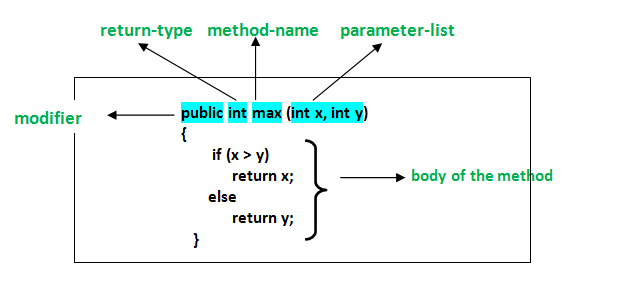
Methods group instructions into reusable units. A method can accept information, perform an operation, and return a result.

public static int add(int first, int second) {

return first + second;

}

Breaking a program into methods can make it easier to test, maintain, and reuse.

Classes and Objects

Java uses classes to describe the data and behavior associated with a type of object. An object is an instance of a class. For example, a Book class might define a title and author, while individual book objects hold specific values.

class Book {

String title;

String author;

Book(String title, String author) {

this.title = title;

this.author = author;

}

}

Object-oriented programming helps organize larger programs into components that represent related ideas.

Tools for Java Development

To write and run Java programs, install a Java Development Kit (JDK). The JDK includes tools for compiling and running code. Many developers also use an integrated development environment (IDE), such as IntelliJ IDEA, Eclipse, or Visual Studio Code, to edit code, find errors, and manage projects.

For small experiments, a basic text editor and command-line tools can be enough. As projects grow, an IDE and a build tool can make development more efficient.

Tips for Writing Better Java Code

  • Use clear names: Choose names that explain what variables, methods, and classes are for.
  • Keep methods focused: A method that handles one task is easier to understand and test.
  • Format consistently: Indentation and readable spacing make code easier to review.
  • Handle errors thoughtfully: Use exceptions to respond to unexpected conditions instead of ignoring them.
  • Practice with small projects: A calculator, to-do list, or simple text-based game can reinforce fundamental concepts.
  • Read the documentation: Official references and reputable tutorials can help clarify how Java libraries work.

Getting Started

The best way to learn Java coding is to write programs regularly. Start with basic syntax, then practice variables, conditionals, loops, methods, and classes. Once those concepts feel familiar, explore collections, file handling, testing, and popular Java frameworks.

Java has a long history and a broad community, so learners can find plenty of examples and resources. With steady practice and a focus on readable code, you can use Java to build everything from simple programs to robust applications.


6 Essential Tips for Writing Clean, Reliable Java Code

  1. Use meaningful names for classes, methods, and variables.
  2. Prefer `List` and `Map` interfaces over concrete types.
  3. Keep methods focused on one task.
  4. Use try-with-resources to close files and streams.
  5. Handle exceptions specifically instead of catching `Exception`.
  6. Write unit tests for important behavior.

Use meaningful names for classes, methods, and variables.

Use meaningful names for classes, methods, and variables to make Java code easier to read, understand, and maintain. Choose names that describe a clear purpose—for example, calculateTotal is more informative than doIt, and customerEmail is clearer than x. Consistent, descriptive naming helps teammates follow your code and makes it easier to update later.

Prefer `List` and `Map` interfaces over concrete types.

When writing Java code, declare variables and method parameters using interfaces such as `List` and `Map` instead of specific implementations like `ArrayList` or `HashMap` whenever possible. For example, use `List names = new ArrayList<>();` rather than making the variable type `ArrayList`. This keeps code flexible: you can change the implementation later without changing the parts of your program that depend on it. Choose a concrete type when you create the collection, and use the interface to describe how the rest of your code interacts with it.

Keep methods focused on one task.

Keep each Java method focused on one task. When a method has a clear, specific purpose, it’s easier to read, test, debug, and reuse. If a method handles several unrelated jobs, consider splitting it into smaller methods with descriptive names. This makes your code easier to maintain and helps other developers understand how each part of the program works.

Use try-with-resources to close files and streams.

Use Java’s try-with-resources statement to ensure files, streams, and other resources are closed automatically when you’re done with them. Declare the resource inside the parentheses after try, and Java will close it whether the code finishes normally or an exception occurs. This helps prevent resource leaks and keeps your code simpler than managing cleanup manually with a finally block.

Handle exceptions specifically instead of catching `Exception`.

Catch the specific exceptions your code can reasonably handle instead of catching the broad `Exception` type. A targeted catch makes it clear which errors you expect and lets you respond appropriately—for example, handling a missing file differently from invalid input. Catching `Exception` can hide unrelated problems and make bugs harder to find. If you cannot recover from an error, let it propagate or handle it at a higher level where meaningful action can be taken.

Write unit tests for important behavior.

Write unit tests for important behavior to make sure your Java code works as expected and continues to do so as it changes. Tests can verify individual methods, check edge cases, and catch regressions early—before they cause problems elsewhere in an application. Focus first on critical logic, such as calculations, validation, and error handling, and use clear test names that explain what each test checks. Java frameworks like JUnit make it straightforward to organize and run tests as part of your development workflow.
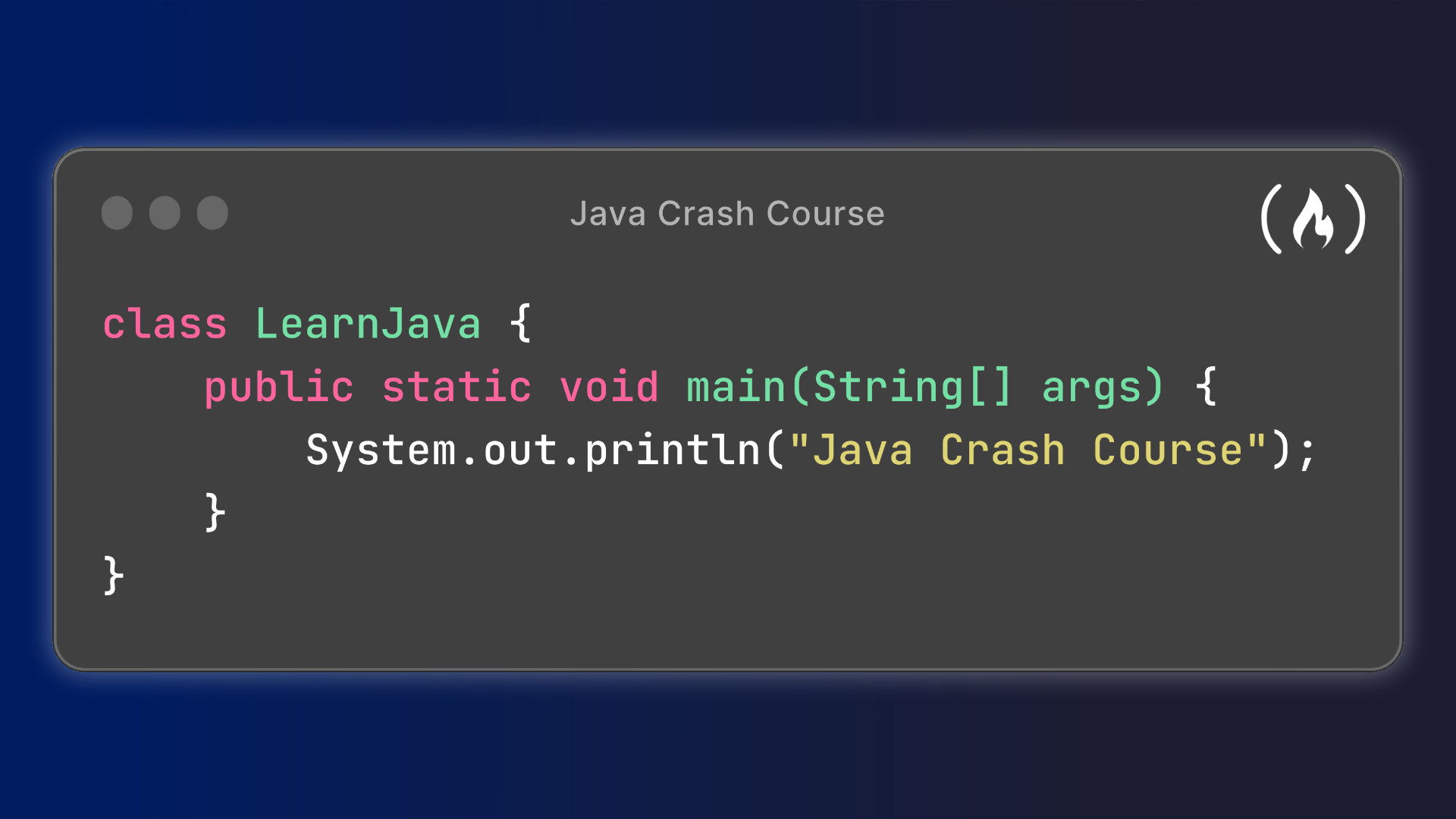
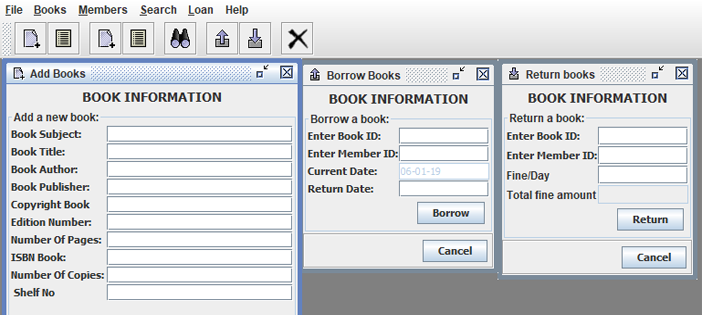
freecodecamp java

FreeCodeCamp Java: A Beginner’s Guide to Learning Java for Free

Learning Java with freeCodeCamp: A Beginner’s Guide

Java is a popular, general-purpose programming language used to build everything from Android apps and business software to web services and large-scale systems. For beginners looking for a place to start, freeCodeCamp offers free learning resources that can help explain Java fundamentals and provide a foundation for further study.

What Is freeCodeCamp?

freeCodeCamp is a nonprofit educational platform known for free programming lessons, projects, and video courses. Its learning materials are available online, making it possible to study at your own pace. Java content may appear in video tutorials, articles, and other resources, so learners should check freeCodeCamp’s website and YouTube channel for the latest offerings.

What You Can Learn

A Java beginner course typically introduces the core ideas and tools needed to write simple programs. Topics may include:

  • Installing and using a Java development environment
  • Java syntax, variables, and data types
  • Operators and expressions
  • Conditional statements and loops
  • Methods and basic program structure
  • Classes, objects, and object-oriented programming
  • Arrays and collections
  • Exception handling and debugging

The specific topics depend on the course or tutorial. Some resources focus on absolute beginners, while others move more quickly or explore a particular Java tool or project.

How to Study Java Effectively

Watching a lesson can help explain a concept, but writing code is what builds practical skill. After each section, try the examples yourself, change the code, and observe what happens. Small experiments can make ideas such as loops, methods, and objects easier to understand.

It also helps to build projects as you learn. A calculator, a number-guessing game, or a simple task tracker can give you practice combining several concepts. When a program fails, read the error message carefully and investigate the cause instead of simply copying a fix. Debugging is an important part of programming.

Is freeCodeCamp’s Java Content Enough?

FreeCodeCamp resources can be a useful starting point, but no single course is likely to cover every part of Java development. After learning the basics, continue with regular practice, documentation, and projects. Depending on your goals, you may also want to study topics such as data structures, testing, databases, web development, or Android development.

Java tools and recommended practices can change over time, so check the publication date of a tutorial and compare instructions with current documentation when needed. A course is most valuable as a guided introduction—not as a substitute for continued learning.

Getting Started

To begin, search freeCodeCamp’s website or YouTube channel for Java lessons, choose a course that matches your experience level, and set aside time to code along. Install a current Java Development Kit (JDK) and a suitable code editor or integrated development environment, then use the course exercises to write and run your own programs.

With consistent practice, freeCodeCamp’s free Java resources can help you take the first steps toward understanding the language. Keep building, keep experimenting, and use each project as an opportunity to strengthen your skills.


freeCodeCamp Java FAQ: Free Courses, Beginner Tips, Certificates, and Next Steps

  1. Does freeCodeCamp offer a Java course for beginners?
  2. Is freeCodeCamp’s Java course completely free?
  3. What topics are covered in freeCodeCamp’s Java tutorials?
  4. Do I need prior programming experience to learn Java with freeCodeCamp?
  5. How long does it take to learn Java through freeCodeCamp?
  6. Does freeCodeCamp provide a Java certificate?
  7. Can I practice Java coding directly on the freeCodeCamp website?
  8. What should I learn after completing a freeCodeCamp Java tutorial?

Does freeCodeCamp offer a Java course for beginners?

Yes. freeCodeCamp offers free, beginner-friendly Java tutorials that introduce fundamentals such as syntax, variables, loops, methods, and object-oriented programming. You can learn at your own pace and practice by coding along, though the exact course offerings may change over time.

Is freeCodeCamp’s Java course completely free?

Yes. freeCodeCamp’s Java lessons and course materials are free to access, with no subscription or course fee required. You’ll need an internet connection and a computer to follow along, and some tutorials may ask you to install Java development tools, which are also available for free. Check the course page for details about any certificates or additional resources.

What topics are covered in freeCodeCamp’s Java tutorials?

FreeCodeCamp’s Java tutorials typically cover the fundamentals of the language, including variables and data types, operators, conditionals, loops, methods, arrays, and object-oriented programming concepts such as classes and objects. Depending on the tutorial, they may also introduce debugging, exception handling, and hands-on projects. Topics vary by course, so check the tutorial’s description for its specific coverage.

Do I need prior programming experience to learn Java with freeCodeCamp?

No prior programming experience is required to start learning Java with freeCodeCamp. Beginner-friendly lessons can introduce basic concepts such as variables, data types, conditionals, and loops step by step. If you’re new to programming, take your time, practice by writing code alongside the lessons, and revisit concepts as needed.

How long does it take to learn Java through freeCodeCamp?

How long it takes to learn Java through freeCodeCamp depends on your experience, study schedule, and goals. If you’re new to programming, expect to spend several weeks or months learning the fundamentals through lessons and regular practice. You may pick up basic syntax sooner, but becoming comfortable building projects takes longer. Set aside consistent time to code, revisit challenging concepts, and work on small projects; completing a course is a starting point, not a measure of mastery.

Does freeCodeCamp provide a Java certificate?

freeCodeCamp does not currently offer a dedicated Java certification. It provides Java tutorials and other learning resources, but its certificates are awarded for completing specific certification curricula on the platform, not for studying Java through a tutorial alone. Check freeCodeCamp’s current certification page for the latest offerings.

Can I practice Java coding directly on the freeCodeCamp website?

FreeCodeCamp’s Java resources may include lessons and guided examples, but Java coding practice is not generally built into the website as an interactive, browser-based coding environment. You can follow along by writing and running code on your computer with a Java Development Kit (JDK) and a code editor or IDE, or use a separate online Java compiler. Check the specific course or lesson for its current setup and practice options.

What should I learn after completing a freeCodeCamp Java tutorial?

After completing a freeCodeCamp Java tutorial, reinforce what you’ve learned by building small projects, such as a calculator, quiz, or task tracker. Then deepen your understanding of object-oriented programming, collections, data structures and algorithms, debugging, and testing. Once you’re comfortable with the fundamentals, choose a direction—such as backend development, Android apps, or enterprise software—and learn the tools and frameworks used in that area. Keep practicing, consult the official Java documentation, and take on projects that gradually become more challenging.

java source code

Java Source Code: A Beginner’s Guide to Writing and Running Programs

Understanding Java Source Code

Java source code is the human-readable text developers write to create Java applications. It contains instructions, data definitions, and logic that describe how a program should work. Before a Java program can run, its source code is typically compiled into bytecode, which runs on the Java Virtual Machine (JVM).

What Is a Java Source File?

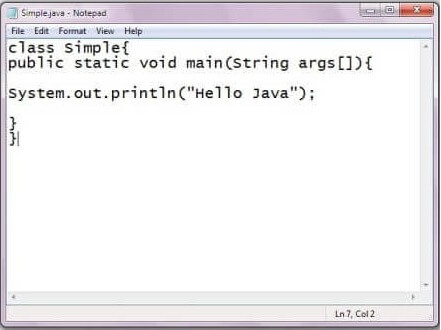
Java source files usually have the .java extension. A source file can contain classes, interfaces, methods, variables, and comments. For example, a simple program might look like this:

public class HelloWorld {

public static void main(String[] args) {

System.out.println("Hello, world!");

}

}

In this example, HelloWorld is a class. The main method is the program’s entry point, and System.out.println displays a line of text.

From Source Code to a Running Program

Java uses a two-stage process to turn source code into a running application:

  1. Compilation: The Java compiler, javac, checks the source code and converts it into bytecode. The result is commonly saved in a .class file.
  2. Execution: The JVM runs the bytecode. Because JVMs are available for many operating systems, the same compiled program can often run on different platforms.

A typical command-line workflow is:

javac HelloWorld.java

java HelloWorld

The first command compiles the source file. The second starts the program.

Key Parts of Java Source Code

  • Classes and interfaces: These define the structure and behavior of a Java program.
  • Methods: Methods contain instructions that perform tasks.
  • Variables: Variables store values, such as numbers, text, or object references.
  • Packages and imports: Packages organize related code, while import statements make other classes available.
  • Comments: Comments explain code to readers and are ignored by the compiler.

Java is case-sensitive, so total and Total are different names. In conventional Java projects, class names use PascalCase, while method and variable names usually use camelCase.

Why Source Code Matters

Readable source code is easier to maintain, test, and improve. Clear names, consistent formatting, and focused methods help developers understand how a program works. Comments are useful when they explain intent or important decisions, but well-written code should also communicate its purpose through its structure and naming.

Java source code is also the foundation for collaboration. Teams use version control systems to track changes, review updates, and coordinate work. Automated tests and build tools can help verify that changes behave as expected.

Getting Started

To begin writing Java source code, install a Java Development Kit (JDK), choose a text editor or integrated development environment, and create a file with a .java extension. Start with a small program, compile it, and run it. As you learn, explore variables, conditionals, loops, methods, classes, and exception handling.

Learning to read and write Java source code takes practice. By building small projects and reviewing clear examples, beginners can develop a solid understanding of how Java programs are structured and how they run.


Understanding Java Source Code: Common Questions Answered

  1. Is Java source code human-readable?
  2. Is Java a source code?
  3. Is Java outdated in 2026?
  4. Is Java built on C or C++?
  5. What is the source code of Java?

Is Java source code human-readable?

Yes, Java source code is human-readable: it uses familiar words, symbols, and a structured syntax that developers can write and understand. For example, a Java statement such as System.out.println("Hello, world!"); clearly indicates that text will be displayed. Although some programs can become complex, clear naming, formatting, and comments make Java source code easier to read and maintain.

Is Java a source code?

No. Java is a programming language, not source code itself. Source code is the human-readable set of instructions a programmer writes using Java, usually saved in files with the .java extension. A Java compiler then converts that source code into bytecode that can run on the Java Virtual Machine (JVM).

Is Java outdated in 2026?

No, Java is not outdated in 2026. It remains widely used for enterprise software, backend services, Android development, and large-scale systems, with ongoing updates to the language and its ecosystem. While newer languages may suit some projects better, Java continues to be a practical choice when long-term support, mature tools, performance, and a large developer community matter.

Is Java built on C or C++?

Java is not built on C or C++, though its syntax was influenced by both languages, especially C and C++. Java was designed as a separate programming language, with features such as automatic memory management and a bytecode-based runtime. Its compiler and runtime have been implemented in different languages over time, so Java itself is not simply a version of C or C++.

What is the source code of Java?

Java source code is the human-readable set of instructions written by developers to create Java programs, typically saved in files with the .java extension. A Java compiler translates this code into bytecode, which the Java Virtual Machine (JVM) executes. If you mean the source code used to build the Java platform itself, much of it is available in the OpenJDK project.

java course for beginners

Java Course for Beginners: Learn the Fundamentals and Build Your First Programs

Java Course for Beginners: A Practical Guide to Getting Started

Java is a popular programming language used to build everything from business applications and web services to Android apps and large-scale software systems. Its clear structure, broad ecosystem, and strong community make it a useful language for people learning to code. A well-designed Java course for beginners can help you move from basic concepts to building programs of your own.

Why Learn Java?

Java is designed to run on many types of computers. Java programs are typically compiled into bytecode, which runs on the Java Virtual Machine (JVM). This approach helps the same program work across different operating systems, provided a compatible JVM is available.

Java is also widely used in professional software development. Learning it can introduce you to essential programming ideas—including variables, loops, methods, and object-oriented programming—that apply to many other languages as well.

What a Beginner Java Course Should Cover

You do not need previous programming experience to begin. A good introductory course explains each idea step by step and gives you opportunities to practice it. Look for a course that includes these core topics:

  • Setting up your tools: Install a Java Development Kit (JDK) and choose a code editor or integrated development environment (IDE).
  • Your first program: Learn how to write, compile, and run a simple Java application.
  • Variables and data types: Store information using types such as int, double, boolean, and String.
  • Operators and expressions: Perform calculations and compare values.
  • Conditionals: Use if, else, and switch statements to make decisions.
  • Loops: Repeat tasks with for and while loops.
  • Methods: Organize code into reusable blocks.
  • Arrays and collections: Work with groups of values.
  • Object-oriented programming: Create classes and objects, and learn about fields, constructors, and methods.
  • Debugging and errors: Read compiler messages, find mistakes, and improve your code.

How to Choose the Right Course

Beginner courses come in many formats, including online lessons, classroom instruction, books, and self-paced tutorials. The best choice depends on how you like to learn and how much time you can set aside. Before enrolling, check that the course:

  • Clearly identifies itself as suitable for beginners.
  • Uses current Java tools and explains how to install them.
  • Includes coding exercises, not just videos or lectures.
  • Builds concepts gradually and explains unfamiliar terms.
  • Offers small projects that let you apply what you have learned.

A course does not have to teach every Java feature at once. A strong foundation in the basics is more valuable than rushing through advanced topics before you are ready.

Practice with Small Projects

Writing code regularly is one of the best ways to make progress. After learning the fundamentals, try projects that are simple enough to finish but flexible enough to expand. For example, you could create:

  • A temperature or unit converter
  • A basic calculator
  • A number-guessing game
  • A to-do list for the command line
  • A program that tracks books, movies, or personal expenses

Start with a basic version, then add features as your skills improve. A number-guessing game, for instance, can begin with a random number and a loop. Later, you can add input validation, a limited number of guesses, and a way to play again.

Tips for Learning Java Successfully

Set a manageable learning schedule. Short, frequent practice sessions often work better than trying to learn everything in one sitting. Type out examples yourself, change them, and observe what happens. When you encounter an error, read the message carefully and test one possible fix at a time.

It is also normal to revisit concepts. Object-oriented programming and other topics may take time to feel comfortable. Keep your early programs, review them later, and notice how your understanding has grown.

What Comes After the Basics?

Once you can write small programs and understand how classes and objects work, you can explore topics such as exception handling, file input and output, generics, testing, and common data structures. Your next steps can depend on your goals. For example, you might study web development, Android development, or backend application development.

Start Building with Java

A Java course for beginners can give you a clear path into programming, but progress comes from applying what you learn. Choose a course with hands-on exercises, practice consistently, and build small projects along the way. With patience and regular effort, you can develop the skills to create useful Java applications and continue learning more advanced programming concepts.


Top FAQs About Starting a Java Course for Beginners

  1. Which is the best Java course for beginners?
  2. How can I learn Java as a beginner?
  3. Is 1 month enough to learn Java?
  4. How do I start studying Java?

Which is the best Java course for beginners?

The best Java course for beginners is one that assumes no prior programming experience, teaches concepts step by step, and gives you plenty of hands-on practice. Look for lessons covering Java basics, problem-solving, and object-oriented programming, along with exercises and small projects that help you apply what you learn. The right choice also depends on your learning style, schedule, and budget, so preview a lesson or two before committing.

How can I learn Java as a beginner?

Beginners can learn Java by starting with the basics: installing the JDK and a code editor, then practicing variables, data types, conditionals, loops, methods, and classes. Follow a structured beginner course with hands-on exercises, and write code regularly rather than only watching lessons. Small projects—such as a calculator or number-guessing game—help reinforce new concepts. When errors come up, read the messages carefully and use them as clues; steady practice is more effective than trying to learn everything at once.

Is 1 month enough to learn Java?

One month is enough to learn Java’s fundamentals if you study consistently and practice regularly, but it’s usually not enough to master the language or become job-ready. In that time, you can learn basic syntax, variables, conditionals, loops, methods, and introductory object-oriented programming, then apply them in small projects. Your progress will depend on your prior experience and the time you can dedicate each day. Continue practicing after the first month to strengthen your skills and explore more advanced topics.

How do I start studying Java?

To start studying Java, install the latest Java Development Kit (JDK) and choose a beginner-friendly editor or IDE, such as IntelliJ IDEA or Visual Studio Code. Then follow a structured introductory course that covers basic syntax, variables, conditionals, loops, methods, and classes. Write and run small programs as you learn—such as a calculator or number-guessing game—and practice regularly. When you encounter errors, read the messages carefully and use them to understand how your code works.

for java

A Beginner’s Guide to Programming for Java Apps

Getting Started with Java Programming

Java is a popular, general-purpose programming language used to build everything from web applications and business software to Android apps and large-scale systems. Its combination of readability, portability, and extensive tooling makes it a strong choice for both new programmers and experienced developers.

What Is Java?

Java is a class-based, object-oriented language. Developers write Java source code, which is compiled into bytecode. The Java Virtual Machine (JVM) runs that bytecode on compatible devices and operating systems. This approach helps Java programs run across different platforms without requiring a separate version of the source code for each one.

Why Learn Java?

  • Portability: Java applications can run on many platforms with a compatible JVM.
  • Versatility: Java is used in web services, enterprise applications, desktop software, and other fields.
  • Strong ecosystem: A wide range of libraries, frameworks, development tools, and learning resources is available.
  • Useful fundamentals: Learning Java introduces concepts such as classes, objects, types, and exception handling that apply to many programming languages.
  • Ongoing use: Organizations continue to use Java for applications that need to be maintained and expanded over time.

Your First Java Program

A simple Java program can display a message in the console:

public class Main {

public static void main(String[] args) {

System.out.println("Hello, Java!");

}

}

The main method is the entry point for this program. The System.out.println statement prints a line of text. Java’s syntax may look formal at first, but its structure encourages code that is organized and explicit.

Core Concepts to Explore

As you learn Java, start with variables and data types, conditional statements, loops, and methods. Then move on to object-oriented programming, including classes, objects, inheritance, and interfaces. Exceptions and collections are also important topics for writing practical programs.

Small projects are a useful way to practice. Try building a calculator, a to-do list, or a program that reads and summarizes information. Working through real examples helps connect language features to the problems they solve.

Tools for Java Development

To begin, install a Java Development Kit (JDK), which includes tools for compiling and running Java programs. You can write code in a basic text editor, but an integrated development environment (IDE) can make development easier with features such as code completion, debugging, and project management.

Keep Building Your Skills

Java is a substantial language, so there is no need to learn everything at once. Focus on the fundamentals, write code regularly, and read errors carefully when something does not work. With steady practice, you can use Java to create reliable applications and build a solid foundation for further software development.


8 Essential Tips for Writing Clean and Effective Java Code

  1. Use meaningful names for classes, methods, and variables.
  2. Keep methods small and focused on one task.
  3. Prefer interfaces when designing flexible APIs.
  4. Use try-with-resources to close files and streams.
  5. Handle exceptions specifically instead of catching everything.
  6. Use `equals()` to compare objects, not `==`.
  7. Choose collections based on how they’ll be used.
  8. Write unit tests for important behavior.

Use meaningful names for classes, methods, and variables.

Use meaningful names for Java classes, methods, and variables to make your code easier to understand and maintain. Choose names that clearly describe what each element represents or does, such as CustomerAccount, calculateTotal(), or orderCount. Clear, consistent naming helps you and other developers follow the logic, spot mistakes, and update the code with confidence.

Keep methods small and focused on one task.

Keep Java methods small and focused on one task. A method that does one thing is easier to understand, test, debug, and reuse. If a method starts handling several responsibilities—such as validating input, updating data, and formatting output—consider splitting those steps into separate methods with clear names. This keeps your code organized and makes future changes less likely to cause unexpected problems.

Prefer interfaces when designing flexible APIs.

When designing a flexible Java API, prefer accepting or returning interfaces rather than specific implementation classes. For example, use `List` instead of `ArrayList` when a method only needs list behavior. This keeps the API focused on what callers can do, lets implementations change without affecting users, and makes it easier to substitute alternatives such as `LinkedList` or custom implementations. Use a concrete class only when its specific behavior is essential.

Use try-with-resources to close files and streams.

Use Java’s try-with-resources statement to manage files and streams safely. It automatically closes any resource that implements `AutoCloseable` when the statement finishes, even if an exception occurs, helping prevent resource leaks and keeping your code concise. Declare resources in the parentheses after `try`, such as a `BufferedReader` or `InputStream`, and handle any exceptions that may be thrown while using them.

Handle exceptions specifically instead of catching everything.

In Java, handle exceptions as specifically as possible instead of catching every error with a broad catch (Exception e) block. Catching the expected exception types lets you respond appropriately—for example, by retrying a failed operation or showing a helpful message—while allowing unexpected problems to surface during testing and debugging. Avoid swallowing exceptions silently; log or otherwise handle them meaningfully so issues are easier to diagnose.

Use `equals()` to compare objects, not `==`.

When comparing Java objects, use `equals()` to check whether they have the same value, rather than `==`, which checks whether two references point to the exact same object. For example, two separate `String` objects can contain the same text but still evaluate as different with `==`. Calling `equals()` makes the comparison based on content, as long as the object’s class implements the method appropriately.

Choose collections based on how they’ll be used.

Choose Java collections based on how your data will be used. Use a List when order matters or you need to access items by index, a Set when you want to prevent duplicates, and a Map when you need to look up values by key. Also consider whether you need fast lookups, predictable iteration order, or thread safety, since different implementations—such as ArrayList, HashSet, and HashMap—make different tradeoffs. Matching the collection to the task can make your code clearer and more efficient.

Write unit tests for important behavior.

Write unit tests for the most important behavior in your Java applications. Tests help verify that methods produce the expected results, catch regressions when code changes, and make it easier to refactor with confidence. Focus first on core logic and edge cases, such as empty inputs, invalid values, or boundary conditions. Frameworks like JUnit make it straightforward to organize and run tests as part of your development workflow.
java basic programs

Mastering Java Basic Programs: A Beginner’s Guide to Essential Java Coding

Article: Java Basic Programs

Exploring Java Basic Programs

Java is a versatile and widely-used programming language that is known for its simplicity and flexibility. It is a popular choice for beginners due to its readability and ease of learning. In this article, we will explore some basic programs in Java that can help you understand the fundamentals of the language.

Hello World Program

The classic “Hello World” program is often the first program beginners write when learning a new programming language. In Java, it looks like this:


public class HelloWorld {

public static void main(String[] args) {

System.out.println("Hello, World!");

}

}

This program simply prints out “Hello, World!” to the console when executed. It demonstrates the basic structure of a Java program, including classes, methods, and statements.

Sum of Two Numbers Program

Another common beginner program is one that calculates the sum of two numbers. Here’s an example in Java:


public class SumOfTwoNumbers {

public static void main(String[] args) {

int num1 = 5;

int num2 = 10;

int sum = num1 + num2;

System.out.println("The sum of " + num1 + " and " + num2 + " is: " + sum);

}

}

This program declares two integer variables, adds them together, and then prints out the result.

Conclusion

These are just a few examples of basic programs in Java. By practicing writing and running these programs, you can gain a solid foundation in Java programming. Remember to experiment with different variations and explore more complex programs as you progress in your learning journey.


7 Common Questions About Getting Started with Basic Java Programs

  1. What is the basic program of Java?
  2. Is C++ or Java harder?
  3. Is Java easy for beginners?
  4. What is the simplest Java program?
  5. What is Java basics for beginners?
  6. How to write a simple program in Java for beginners?
  7. What are the basic programs in Java?

What is the basic program of Java?

One of the frequently asked questions regarding Java basic programs is, “What is the basic program of Java?” The most fundamental program in Java that beginners often start with is the “Hello World” program. This simple yet essential program showcases the basic structure of a Java program, including classes, methods, and statements. By printing out the phrase “Hello, World!” to the console, this introductory program helps newcomers grasp the foundational concepts of Java programming and sets a solid starting point for further exploration into the language’s capabilities.

Is C++ or Java harder?

When comparing C++ and Java in terms of difficulty, the answer can vary depending on individual preferences and background. Both languages have their own complexities and learning curves. C++ is known for its low-level capabilities and memory management, which can be challenging for beginners. On the other hand, Java is often considered more beginner-friendly due to its simpler syntax and automatic memory management. Ultimately, the perceived difficulty of C++ or Java will depend on factors such as prior programming experience, personal learning style, and the specific goals of the programmer.

Is Java easy for beginners?

When it comes to beginners learning programming, Java is often considered a suitable language due to its relatively straightforward syntax and extensive documentation. While Java may have a steeper learning curve compared to some other beginner-friendly languages, its strict structure and strong typing can help new programmers develop good coding habits early on. Additionally, the vast community support and abundance of online resources make it easier for beginners to find help and guidance as they navigate their Java learning journey. Ultimately, with dedication and practice, many beginners find that Java can be a rewarding language to learn and master.

What is the simplest Java program?

When it comes to Java programming, one of the most frequently asked questions is, “What is the simplest Java program?” The simplest Java program that beginners often start with is the “Hello World” program. This basic program typically consists of just a few lines of code that print out the phrase “Hello, World!” to the console. Despite its simplicity, the “Hello World” program serves as an essential introduction to Java syntax and structure, making it an ideal starting point for those new to the language.

What is Java basics for beginners?

For beginners, Java basics encompass the fundamental concepts and syntax of the Java programming language. It includes understanding key components such as variables, data types, operators, control structures (like loops and conditional statements), methods, classes, and objects. Java basics also involve learning how to write simple programs to perform common tasks, like printing messages to the console or performing basic arithmetic operations. Mastering these foundational concepts is essential for beginners to build a strong understanding of Java programming and pave the way for more advanced learning and development in the language.

How to write a simple program in Java for beginners?

For beginners looking to write a simple program in Java, the key is to start with a basic structure that includes a class and a main method. A common starting point is the “Hello World” program, which involves creating a class with a main method that prints out the phrase “Hello, World!” to the console. By understanding this foundational structure and syntax, beginners can gradually expand their knowledge and skills by exploring more complex programs and concepts in Java programming.

What are the basic programs in Java?

One frequently asked question in the realm of Java programming is, “What are the basic programs in Java?” This question often arises from beginners looking to grasp the fundamental concepts of Java programming. Basic programs in Java typically include the classic “Hello World” program, which serves as an introduction to the syntax and structure of Java code. Additionally, programs that perform simple tasks like calculating the sum of two numbers or displaying basic arithmetic operations are commonly explored by novice programmers to solidify their understanding of Java fundamentals. By starting with these basic programs, learners can build a strong foundation in Java programming and gradually progress to more complex applications.

java square

Exploring Java Square: Fundamental Geometric Concepts

The Java Square: Exploring the Fundamentals

The Java Square: Exploring the Fundamentals

Java, a versatile and powerful programming language, offers numerous features and functionalities that make it a popular choice among developers. One fundamental concept in Java programming is the notion of a square.

What is a Square in Java?

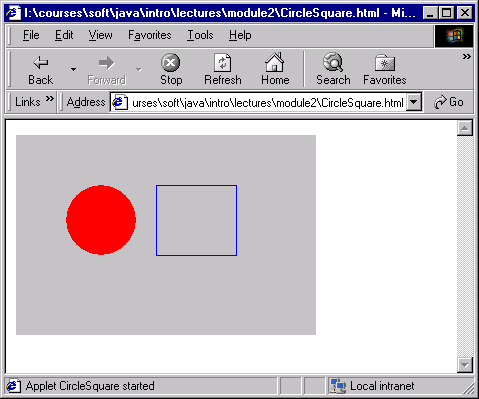
In Java, a square is a geometric shape with four equal sides and four right angles. It is often represented by its side length or diagonal length. The calculation of the area and perimeter of a square are common operations in Java programming.

Calculating the Area of a Square in Java

To calculate the area of a square in Java, you can use the formula:

area = sideLength * sideLength;

Where “sideLength” represents the length of one side of the square. By multiplying the side length by itself, you can determine the total area enclosed by the square.

Calculating the Perimeter of a Square in Java

The perimeter of a square can be calculated using the formula:

perimeter = 4 * sideLength;

Here, “sideLength” denotes the length of one side of the square. By multiplying this value by 4, you obtain the total perimeter encompassing all four sides of the square.

Implementing Square Operations in Java

In Java programming, you can create classes and methods to encapsulate square-related operations. By defining appropriate functions for calculating area and perimeter, you can efficiently work with squares in your programs.

Utilizing object-oriented principles such as inheritance and polymorphism, you can extend your square implementation to incorporate more complex geometric shapes and hierarchies.

Conclusion

The concept of squares in Java exemplifies fundamental principles in programming, including mathematical computations and object-oriented design. By mastering these concepts, developers can enhance their skills and create robust applications that leverage geometric calculations effectively.


Understanding Squares in Java: FAQs on Calculations, Formulas, and Best Practices

  1. What is a square in Java?
  2. How do you calculate the area of a square in Java?
  3. How do you calculate the perimeter of a square in Java?
  4. Can you explain the formula for calculating the area of a square in Java?
  5. What is the formula for finding the perimeter of a square in Java?
  6. Are there specific methods or functions to implement square operations in Java?
  7. How can object-oriented principles be applied to work with squares in Java programming?
  8. What are some common mistakes or challenges when dealing with squares in Java?

What is a square in Java?

In Java programming, a square is defined as a geometric shape characterized by four equal sides and four right angles. It is a fundamental concept in geometry and serves as a common example for understanding basic mathematical calculations within the language. In Java, a square can be represented by its side length or diagonal length, with formulas readily available for calculating its area and perimeter. Understanding the properties and operations associated with squares in Java is essential for performing geometric computations and implementing related functionalities in software development projects.

How do you calculate the area of a square in Java?

Calculating the area of a square in Java involves a straightforward process. To determine the area of a square, you can simply multiply the length of one side by itself. This computation is achieved by using the formula “area = sideLength * sideLength”. By squaring the side length value, you obtain the total area enclosed within the square. This fundamental operation is essential in Java programming and serves as a basic example of mathematical calculations applied within software development contexts.

How do you calculate the perimeter of a square in Java?

Calculating the perimeter of a square in Java involves a straightforward process. In Java programming, you can determine the perimeter of a square by multiplying the length of one side by 4. This simple formula, “perimeter = 4 * sideLength,” where “sideLength” represents the length of one side of the square, allows developers to efficiently compute the total distance around the square. By implementing this calculation in Java code, programmers can easily incorporate perimeter calculations into their applications, showcasing the elegance and simplicity of working with geometric shapes in Java.

Can you explain the formula for calculating the area of a square in Java?

When it comes to calculating the area of a square in Java, the formula is quite straightforward. By multiplying the length of one side of the square by itself, you can easily determine the total area enclosed by the square. The formula for calculating the area of a square in Java is simply: area = sideLength * sideLength. This simple calculation allows developers to efficiently compute the area of a square within their Java programs, making it a fundamental and essential operation when working with geometric shapes in Java programming.

What is the formula for finding the perimeter of a square in Java?

When it comes to calculating the perimeter of a square in Java, the formula is straightforward and easy to implement. The perimeter of a square can be determined by multiplying the length of one side by 4. In Java programming, you can express this formula as “perimeter = 4 * sideLength,” where “sideLength” represents the length of a single side of the square. By applying this formula, developers can efficiently compute the total distance around the square, encompassing all four equal sides.

Are there specific methods or functions to implement square operations in Java?

When it comes to implementing square operations in Java, developers often wonder if there are specific methods or functions tailored for this purpose. While Java does not have built-in functions specifically dedicated to squares, programmers can create custom methods within their classes to handle square-related calculations efficiently. By defining functions for calculating the area, perimeter, and other properties of a square, developers can encapsulate these operations and leverage them across their applications. Additionally, object-oriented principles in Java enable the creation of classes that represent squares and provide reusable functionalities for working with geometric shapes effectively.

How can object-oriented principles be applied to work with squares in Java programming?

When working with squares in Java programming, object-oriented principles can be effectively applied to enhance the design and functionality of the square-related operations. By creating a Square class that encapsulates attributes such as side length and methods for calculating area and perimeter, developers can leverage concepts like encapsulation, inheritance, and polymorphism. Encapsulation allows for data hiding and abstraction, ensuring that the internal details of the Square class are hidden from external entities. Inheritance enables the creation of specialized square subclasses with additional features or behaviors, while polymorphism allows for flexibility in handling different types of squares within a unified interface. By applying these object-oriented principles thoughtfully, developers can create modular, reusable, and extensible solutions for working with squares in Java programming.

What are some common mistakes or challenges when dealing with squares in Java?

When working with squares in Java, some common mistakes or challenges that developers may encounter include incorrect calculations of the square’s area or perimeter due to improper handling of side lengths, overlooking the validation of input values to ensure they represent valid square dimensions, and potential issues with precision when dealing with floating-point arithmetic. Additionally, ensuring proper encapsulation and organization of square-related operations within classes and methods can be challenging for beginners, leading to code that is difficult to maintain and debug. By paying attention to these potential pitfalls and adopting best practices in Java programming, developers can effectively address these challenges and work more efficiently with squares in their applications.

effective java

Unlocking the Secrets of Effective Java Programming

The Power of Effective Java Programming

The Power of Effective Java Programming

Java is a versatile and powerful programming language that is widely used in various applications and industries. To truly harness the full potential of Java, it is essential to understand and implement effective programming practices. This is where “Effective Java” comes into play.

What is Effective Java?

“Effective Java” is a renowned book written by Joshua Bloch, a distinguished software engineer who was formerly a chief architect at Google and a key contributor to the Java platform. The book offers invaluable insights and best practices for writing efficient, readable, and maintainable Java code.

Key Principles of Effective Java

Some key principles highlighted in “Effective Java” include:

  • Use of Design Patterns: The book emphasizes the importance of leveraging design patterns to solve common programming challenges effectively.
  • Effective Use of Generics: Understanding how to use generics in Java can lead to more type-safe and reusable code.
  • Error Handling: Proper error handling techniques are crucial for writing robust and reliable code.
  • Concurrency: Guidelines on writing concurrent programs that are efficient and free from race conditions are discussed in detail.
  • Performance Optimization: Tips on optimizing performance without sacrificing code clarity are provided to help developers create efficient applications.

The Impact of Effective Java

By following the recommendations outlined in “Effective Java,” developers can significantly enhance the quality of their codebase. Adopting these best practices not only results in cleaner and more maintainable code but also helps prevent common pitfalls that can lead to bugs and performance issues.

In Conclusion

“Effective Java” serves as a comprehensive guide for both novice and experienced Java developers looking to elevate their programming skills. By adhering to the principles laid out in this book, developers can write better code, improve productivity, and ultimately deliver high-quality software solutions.


6 Essential Tips for Writing Effective Java Code

  1. Follow naming conventions for classes, methods, and variables.
  2. Use meaningful and descriptive names for better code readability.
  3. Write small and focused methods to promote reusability and maintainability.
  4. Avoid using magic numbers in your code; define constants instead.
  5. Always handle exceptions properly to prevent unexpected program behavior.
  6. Regularly refactor your code to improve its design and performance.

Follow naming conventions for classes, methods, and variables.

Adhering to naming conventions for classes, methods, and variables is a fundamental aspect of writing effective Java code. Consistent and meaningful naming not only enhances code readability but also makes it easier for developers to understand the purpose and functionality of different components within the codebase. By following established naming conventions, such as using camelCase for method names and PascalCase for class names, developers can create code that is more intuitive, maintainable, and accessible to others working on the project.

Use meaningful and descriptive names for better code readability.

Using meaningful and descriptive names for variables, methods, and classes is a fundamental principle in effective Java programming. By choosing clear and expressive names that accurately reflect the purpose and functionality of each component, developers can greatly enhance code readability. Well-chosen names not only make the code easier to understand for others but also for the original developer when revisiting the code in the future. This practice promotes maintainability, reduces the risk of errors, and contributes to overall code quality.

Write small and focused methods to promote reusability and maintainability.

To enhance the reusability and maintainability of Java code, it is advisable to follow the tip of writing small and focused methods. By breaking down complex functionalities into smaller, more manageable units, developers can promote code reusability across different parts of the application. Additionally, having concise and focused methods makes it easier to understand, debug, and maintain the codebase in the long run. This practice not only improves the overall structure of the code but also contributes to better collaboration among team members working on the project.

Avoid using magic numbers in your code; define constants instead.

In effective Java programming, it is recommended to avoid using magic numbers in your code and instead define constants. Magic numbers are hard-coded numerical values scattered throughout the code, making it difficult to understand their significance. By defining constants with meaningful names, developers can improve code readability, maintainability, and reduce the risk of errors caused by unclear or arbitrary values. This practice enhances code quality and promotes better software design principles in Java development.

Always handle exceptions properly to prevent unexpected program behavior.

Properly handling exceptions in Java is a fundamental practice that can prevent unexpected program behavior and enhance the reliability of your code. By implementing exception handling mechanisms, developers can gracefully manage errors and failures, ensuring that their programs continue to function correctly even when unexpected issues arise. This proactive approach not only improves the robustness of the software but also facilitates troubleshooting and debugging processes, leading to more stable and predictable applications.

Regularly refactor your code to improve its design and performance.

Regularly refactoring your code is a crucial practice in effective Java programming. By continuously improving the design and performance of your code through refactoring, you ensure that it remains clean, maintainable, and efficient. Refactoring allows you to identify and eliminate redundant or poorly structured code, leading to enhanced readability and scalability. Embracing this tip not only results in a more robust codebase but also facilitates easier troubleshooting and future enhancements in your Java projects.

java programming software

Exploring the Versatility of Java Programming Software

Article: Java Programming Software

The Power of Java Programming Software

Java programming software is a versatile and powerful tool used by developers worldwide to create robust applications for a variety of platforms. Known for its portability, flexibility, and security features, Java has become one of the most popular programming languages in the industry.

One of the key advantages of using Java programming software is its “write once, run anywhere” capability. This means that Java applications can be developed on one platform and run on any other platform without the need for recompilation. This portability makes Java an ideal choice for developing cross-platform applications that can reach a wider audience.

Another strength of Java programming software is its extensive library of pre-built classes and APIs (Application Programming Interfaces) that simplify common programming tasks. Developers can leverage these libraries to accelerate development processes and focus on building innovative features rather than reinventing the wheel.

Security is a top priority in today’s digital landscape, and Java programming software offers robust security features to protect applications from potential threats. With built-in security mechanisms such as sandboxing and encryption capabilities, Java helps developers create secure applications that safeguard sensitive data and prevent unauthorized access.

Furthermore, Java’s object-oriented nature promotes code reusability, modularity, and scalability, making it easier for developers to maintain and extend their applications over time. The language’s strong typing system also helps catch errors at compile time, reducing the likelihood of runtime issues in production environments.

In conclusion, Java programming software empowers developers to build high-performance, secure, and scalable applications that meet the demands of today’s dynamic technology landscape. Whether you are a beginner learning the basics or an experienced developer working on enterprise-level projects, Java provides the tools and resources you need to succeed in the ever-evolving world of software development.


6 Essential Tips for Enhancing Your Java Programming Skills

  1. Use meaningful variable names to improve code readability.
  2. Follow Java naming conventions for classes, methods, and variables.
  3. Comment your code to explain complex logic or functionality.
  4. Practice writing efficient algorithms and optimize your code for performance.
  5. Familiarize yourself with Java libraries and frameworks to leverage existing solutions.
  6. Regularly test and debug your code to ensure it functions as intended.

Use meaningful variable names to improve code readability.

When working with Java programming software, it is essential to use meaningful variable names to enhance code readability. By choosing descriptive and relevant names for variables, developers can make their code more understandable and maintainable. Clear variable names not only help in comprehending the purpose of each variable but also contribute to efficient collaboration among team members. Additionally, using meaningful variable names can reduce the likelihood of errors and make debugging processes smoother. Embracing this simple yet impactful tip can significantly improve the overall quality of Java codebases.

Follow Java naming conventions for classes, methods, and variables.

It is essential to adhere to Java naming conventions when writing code for classes, methods, and variables. By following these conventions, developers can ensure consistency and readability across their codebase. Naming conventions such as using CamelCase for class names, starting with a lowercase letter for method names, and using meaningful names for variables help make the code more understandable and maintainable. Consistent naming practices also facilitate collaboration among team members and promote good coding standards within a project. By following Java naming conventions, developers can create cleaner and more organized code that is easier to manage and debug in the long run.

Comment your code to explain complex logic or functionality.

When working with Java programming software, it is essential to comment your code to explain complex logic or functionality. Comments serve as valuable documentation for yourself and other developers, providing insights into the purpose and reasoning behind specific code segments. By adding clear and concise comments, you not only enhance the readability of your code but also make it easier to maintain, debug, and modify in the future. Effective commenting practices in Java programming software help ensure that your code remains understandable and accessible, facilitating collaboration and promoting efficient development processes.

Practice writing efficient algorithms and optimize your code for performance.

To excel in Java programming software, it is crucial to practice writing efficient algorithms and optimize your code for performance. By honing your algorithmic skills and focusing on optimizing code efficiency, you can enhance the speed and responsiveness of your applications. This practice not only improves the overall performance of your software but also demonstrates a mastery of Java programming principles that are essential for developing high-quality and scalable applications.

Familiarize yourself with Java libraries and frameworks to leverage existing solutions.

To maximize your efficiency and productivity in Java programming, it is essential to familiarize yourself with Java libraries and frameworks. By understanding and utilizing these existing solutions, you can leverage pre-built functionalities and components to streamline your development process. Java libraries and frameworks offer a wealth of resources that can help you expedite project timelines, enhance code quality, and focus on implementing innovative features rather than starting from scratch. Embracing these tools will not only save you time and effort but also empower you to create robust and scalable applications with ease.

Regularly test and debug your code to ensure it functions as intended.

Regularly testing and debugging your code is a crucial practice in Java programming software development. By systematically checking for errors and ensuring that the code functions as intended, developers can identify and fix issues early in the development process. Testing helps maintain the reliability and quality of the software, ensuring that it meets the desired specifications and performs optimally. Through diligent testing and debugging, developers can deliver robust, error-free applications that provide a seamless user experience.

software project management in software engineering

Effective Software Project Management Strategies in Software Engineering

Software Project Management in Software Engineering

Software Project Management in Software Engineering

Software project management is a crucial aspect of software engineering that focuses on planning, organizing, and executing software development projects. It involves applying specific processes, methods, and tools to ensure the successful completion of a software project within the defined constraints of scope, time, cost, and quality.

Key Components of Software Project Management:

Planning: This phase involves defining the project scope, objectives, deliverables, and resources required. A detailed project plan is created to outline tasks, milestones, timelines, and dependencies.

Scheduling: Scheduling involves creating a timeline for project activities and allocating resources effectively to meet deadlines. Tools like Gantt charts are commonly used to visualize project schedules.

Budgeting: Budgeting involves estimating costs associated with the project, including labor costs, equipment costs, software licenses, and other expenses. Effective budget management is essential to prevent cost overruns.

Risk Management: Identifying potential risks that could impact the project’s success and developing strategies to mitigate or respond to these risks is a critical aspect of software project management.

Communication: Effective communication among team members, stakeholders, and clients is vital for ensuring everyone is aligned with project goals and progress updates are shared regularly.

Importance of Software Project Management:

Effective software project management helps organizations achieve their software development goals efficiently by improving collaboration among team members, reducing risks of project failure, optimizing resource allocation, and ensuring timely delivery of high-quality software products.

Conclusion:

In conclusion, software project management plays a crucial role in the success of software engineering projects by providing a structured approach to planning, executing, monitoring progress, and delivering results within specified constraints. By implementing best practices in software project management, organizations can increase their chances of delivering successful software solutions that meet user requirements and business objectives.


Essential FAQs on Software Project Management in Software Engineering

  1. What is software project management?
  2. Why is software project management important in software engineering?
  3. What are the key components of software project management?
  4. How does scheduling impact software project management?
  5. What tools are commonly used in software project management?
  6. How do you manage risks in software project management?
  7. What role does communication play in software project management?
  8. How can effective budgeting contribute to the success of a software project?

What is software project management?

Software project management in software engineering refers to the discipline of planning, organizing, and overseeing the development of software projects from inception to completion. It involves defining project goals, creating detailed plans, allocating resources effectively, managing risks, monitoring progress, and ensuring that the project is delivered on time and within budget. Software project management is essential for coordinating the efforts of team members, stakeholders, and clients to achieve a common objective and deliver high-quality software solutions that meet user requirements.

Why is software project management important in software engineering?

Software project management is essential in software engineering for several reasons. Firstly, it helps in defining clear project objectives, scope, and deliverables, ensuring that the team works towards a common goal. Secondly, effective project management facilitates proper planning and resource allocation, optimizing the use of time and budget. Additionally, it enables risk identification and mitigation strategies to be put in place, reducing the likelihood of project failures. Ultimately, software project management plays a vital role in ensuring that software development projects are completed successfully within set constraints while meeting quality standards and stakeholder expectations.

What are the key components of software project management?

One of the frequently asked questions in software project management in software engineering is about the key components of the discipline. The key components of software project management include planning, scheduling, budgeting, risk management, and communication. Planning involves defining project scope and objectives, while scheduling focuses on creating timelines and allocating resources efficiently. Budgeting entails estimating project costs, and risk management involves identifying and addressing potential risks. Effective communication ensures that all stakeholders are informed and aligned throughout the project lifecycle. These components are essential for successful software project management as they help streamline processes, manage resources effectively, and mitigate risks to achieve project goals.

How does scheduling impact software project management?

Scheduling plays a critical role in software project management as it directly influences the project’s timeline, resource allocation, and overall success. Effective scheduling helps in setting realistic deadlines for project milestones, ensuring that tasks are completed on time and within budget. By creating a well-defined schedule, project managers can identify potential bottlenecks, allocate resources efficiently, and track progress against set timelines. Additionally, scheduling allows for better risk management by providing a clear roadmap for the project team to follow and adapt to changes as needed. Ultimately, the impact of scheduling on software project management is significant, as it helps in maintaining project momentum, meeting client expectations, and delivering high-quality software solutions.

What tools are commonly used in software project management?

In software project management within software engineering, various tools are commonly utilized to facilitate efficient project planning, collaboration, tracking, and communication. Some of the widely used tools include project management software such as Jira, Trello, and Asana for task management and progress tracking. Version control systems like Git help manage code changes and collaboration among developers. Communication tools like Slack and Microsoft Teams enable real-time communication among team members. Additionally, Gantt charts and Kanban boards are popular visualization tools that aid in scheduling tasks and monitoring project timelines. These tools play a vital role in streamlining project workflows, enhancing team productivity, and ensuring successful software project delivery.

How do you manage risks in software project management?

Managing risks in software project management is a critical aspect that involves identifying potential threats or uncertainties that could impact the project’s success and developing strategies to mitigate or address them effectively. To manage risks, project managers typically conduct risk assessments to identify and prioritize potential risks, create risk mitigation plans to reduce the likelihood or impact of identified risks, and establish contingency plans to address unforeseen events. Regular monitoring and communication about risks throughout the project lifecycle are essential to ensure timely responses and minimize negative impacts on project objectives. By proactively managing risks, software project teams can enhance their ability to deliver projects successfully within defined constraints.

What role does communication play in software project management?

Effective communication plays a pivotal role in software project management. Clear and consistent communication among team members, stakeholders, and clients is essential for ensuring that everyone is on the same page regarding project goals, requirements, progress, and challenges. Communication helps in aligning expectations, resolving conflicts, and fostering collaboration within the team. It also enables timely identification and mitigation of risks, facilitates decision-making processes, and ultimately contributes to the successful delivery of high-quality software products within the defined constraints of scope, time, cost, and quality. In essence, communication acts as a linchpin that holds together all aspects of software project management, ensuring transparency, accountability, and shared understanding throughout the project lifecycle.

How can effective budgeting contribute to the success of a software project?

Effective budgeting plays a key role in contributing to the success of a software project in software engineering. By accurately estimating and managing costs associated with the project, teams can ensure that financial resources are allocated efficiently and that the project stays within budget constraints. Effective budgeting allows for better resource planning, cost control, and risk management throughout the project lifecycle. It helps in preventing cost overruns, identifying potential cost-saving opportunities, and making informed decisions regarding investments in tools, technologies, and human resources. Ultimately, effective budgeting promotes financial transparency, accountability, and sustainability, which are essential for achieving project objectives on time and within scope.