
cfchris.com

Loading

embedded development

Exploring the Innovations of Embedded Development

The World of Embedded Development

The World of Embedded Development

Embedded development is a fascinating field that plays a crucial role in powering the devices we use every day. From smartphones to smart home appliances, embedded systems are at the heart of modern technology.

So, what exactly is embedded development? In simple terms, it involves designing and programming small computing systems that are embedded within larger devices or machinery. These systems are dedicated to specific functions and operate with minimal human intervention.

One of the key challenges in embedded development is optimizing performance while working within constraints such as limited processing power, memory, and energy consumption. Developers must carefully design efficient algorithms and code to ensure that the embedded system functions reliably and effectively.

Embedded developers work with a variety of hardware platforms and programming languages, depending on the requirements of the project. Common languages used in embedded development include C, C++, and assembly language. They also utilize specialized tools and software to debug and test their code thoroughly.

As technology continues to advance, the demand for skilled embedded developers is on the rise. Companies across industries rely on these experts to create innovative solutions that drive progress and improve efficiency. Whether it’s designing wearable devices or implementing IoT solutions, embedded developers are at the forefront of innovation.

In conclusion, embedded development is a dynamic and rewarding field that offers endless opportunities for creativity and problem-solving. As we look towards a future filled with smart devices and interconnected systems, the role of embedded developers will only become more vital in shaping our digital world.


Top 8 Frequently Asked Questions About Embedded Development

  1. What is embedded development?
  2. What programming languages are commonly used in embedded development?
  3. How does embedded development differ from traditional software development?
  4. What are the key challenges faced by embedded developers?
  5. Which industries rely heavily on embedded systems?
  6. What tools and software are essential for embedded development?
  7. How can one start a career in embedded development?
  8. What are some examples of popular devices that use embedded systems?

What is embedded development?

Embedded development refers to the process of designing and programming small computing systems that are integrated within larger devices or machinery to perform specific functions autonomously. These embedded systems are dedicated to executing predefined tasks efficiently with minimal human intervention. Embedded development involves optimizing performance within constraints such as limited processing power, memory, and energy consumption. Skilled developers in this field work with a variety of hardware platforms and programming languages to create reliable and effective solutions for a wide range of applications in modern technology.

What programming languages are commonly used in embedded development?

In the realm of embedded development, several programming languages are commonly utilized to craft efficient and reliable systems. Among the popular choices are C, C++, and assembly language. These languages offer developers the flexibility and control needed to optimize performance while working within the constraints of limited resources typical in embedded systems. By leveraging these languages, developers can create robust code that powers a wide array of devices and machinery, showcasing the versatility and power of embedded development in today’s technological landscape.

How does embedded development differ from traditional software development?

In the realm of technology, the distinction between embedded development and traditional software development lies in their respective focuses and applications. Embedded development involves creating software that is specifically tailored to operate within embedded systems, such as microcontrollers or IoT devices, where space, power, and processing constraints are prevalent. In contrast, traditional software development typically revolves around designing applications for general-purpose computing devices like computers and smartphones, with a broader scope and fewer hardware limitations. The specialized nature of embedded development necessitates a deep understanding of hardware-software interactions and optimization techniques to ensure efficient performance within constrained environments.

What are the key challenges faced by embedded developers?

Embedded developers face several key challenges in their work. One of the primary challenges is optimizing performance within the constraints of limited resources such as processing power, memory, and energy consumption. They must carefully design efficient algorithms and code to ensure that the embedded system operates reliably and effectively. Additionally, staying up-to-date with rapidly evolving technology and hardware platforms is essential for embedded developers to create innovative solutions that meet the demands of modern devices and applications. Debugging and testing code thoroughly to ensure functionality and security are also critical challenges faced by embedded developers in their day-to-day work.

Which industries rely heavily on embedded systems?

Various industries rely heavily on embedded systems to power their products and services. The automotive industry utilizes embedded systems in vehicles for functions such as engine control, navigation systems, and driver assistance features. The healthcare sector employs embedded systems in medical devices like pacemakers, insulin pumps, and monitoring equipment to improve patient care. Additionally, the consumer electronics industry incorporates embedded systems into smartphones, smart TVs, and home appliances to deliver enhanced functionality and connectivity. Industrial automation relies on embedded systems for controlling machinery and optimizing manufacturing processes. Overall, industries such as automotive, healthcare, consumer electronics, and industrial automation heavily depend on embedded systems for innovation and efficiency in their operations.

What tools and software are essential for embedded development?

When it comes to embedded development, having the right tools and software is crucial for success. Essential tools for embedded development include integrated development environments (IDEs) like Eclipse or Visual Studio, which provide a comprehensive platform for writing, compiling, and debugging code. Additionally, software tools such as compilers, debuggers, and simulators are essential for testing and optimizing code for embedded systems. Version control systems like Git help manage code changes efficiently, while hardware debugging tools such as JTAG interfaces enable developers to troubleshoot issues at the hardware level. Overall, a well-equipped toolbox of software and tools is essential for streamlining the development process and ensuring the reliability of embedded systems.

How can one start a career in embedded development?

To start a career in embedded development, individuals can begin by gaining a strong foundation in computer science and programming languages such as C and C++. Acquiring knowledge of electronics and microcontrollers is also essential. Engaging in hands-on projects, such as building simple embedded systems or participating in coding competitions, can help develop practical skills. Pursuing internships or entry-level positions in companies that specialize in embedded systems is another valuable step towards entering the field. Continuous learning and staying updated on industry trends through online courses, workshops, and networking with professionals can further enhance one’s prospects in starting a successful career in embedded development.

Embedded systems are ubiquitous in our daily lives, powering a wide range of popular devices that we rely on regularly. Some examples of these devices include smartphones, smartwatches, digital cameras, home appliances like smart thermostats and refrigerators, automobile navigation systems, medical devices such as pacemakers and insulin pumps, and industrial machinery like robotics and automation systems. These devices leverage embedded systems to perform specific functions efficiently and reliably, showcasing the versatility and importance of embedded development in modern technology.
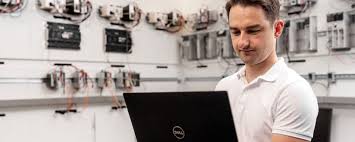
plc software engineer

Unveiling the Role of a PLC Software Engineer in Industrial Automation

PLC Software Engineer: The Backbone of Industrial Automation

PLC Software Engineer: The Backbone of Industrial Automation

In the realm of industrial automation, PLC (Programmable Logic Controller) software engineers play a crucial role in designing, developing, and maintaining the software systems that control machinery and processes in various industries.

PLCs are specialized computers used to automate processes such as manufacturing, assembly lines, and robotic systems. PLC software engineers are responsible for writing code that dictates how these systems operate, ensuring efficiency, accuracy, and safety in industrial environments.

These engineers possess a unique skill set that combines knowledge of programming languages, such as ladder logic and structured text, with an understanding of electrical systems and industrial processes. They work closely with electrical engineers and automation specialists to integrate software solutions into hardware components seamlessly.

PLC software engineers are adept at troubleshooting complex issues, optimizing system performance, and implementing new functionalities to meet evolving industry demands. Their expertise is essential in ensuring that manufacturing processes run smoothly, minimizing downtime and maximizing productivity.

As technology continues to advance, PLC software engineers must stay current with the latest trends in automation and programming techniques. Continuous learning and professional development are key to thriving in this dynamic field.

In conclusion, PLC software engineers are the unsung heroes behind the scenes of industrial automation. Their innovative solutions drive efficiency, reliability, and safety in manufacturing operations worldwide. As industries evolve towards smart manufacturing and Industry 4.0 initiatives, the role of PLC software engineers will only become more critical in shaping the future of industrial automation.


Understanding the Role and Impact of PLC Software Engineers: Key FAQs

  1. What is a PLC software engineer?
  2. What does a PLC software engineer do?
  3. What skills are required to become a PLC software engineer?
  4. How do PLC software engineers contribute to industrial automation?
  5. What programming languages are commonly used by PLC software engineers?
  6. What industries typically employ PLC software engineers?
  7. How can one become a certified PLC software engineer?
  8. What are the current trends in the field of PLC software engineering?

What is a PLC software engineer?

A PLC software engineer is a specialized professional responsible for designing, developing, and maintaining the software systems that control machinery and processes in industrial automation. These engineers possess a unique skill set that combines expertise in programming languages like ladder logic and structured text with a deep understanding of electrical systems and industrial processes. They play a crucial role in ensuring the efficiency, accuracy, and safety of automated systems by writing code that dictates how these systems operate. PLC software engineers collaborate closely with other professionals in the field to integrate software solutions seamlessly into hardware components, troubleshoot issues, optimize system performance, and implement new functionalities to meet industry demands. Their work is essential in driving productivity and reliability in manufacturing operations.

What does a PLC software engineer do?

As a PLC software engineer, your primary responsibility is to design, develop, and maintain the software systems that control industrial machinery and processes. You write code in programming languages like ladder logic and structured text to create sequences of operations that automate tasks in manufacturing environments. Additionally, you collaborate with electrical engineers and automation specialists to integrate software solutions with hardware components, ensuring seamless operation of PLC systems. Your role involves troubleshooting system issues, optimizing performance, and implementing new functionalities to enhance efficiency and productivity in industrial settings.

What skills are required to become a PLC software engineer?

To become a successful PLC software engineer, a combination of technical skills and domain knowledge is essential. Proficiency in programming languages commonly used in PLC systems, such as ladder logic and structured text, is crucial. Additionally, a strong understanding of electrical systems, automation principles, and industrial processes is necessary to design effective control solutions. Problem-solving abilities, attention to detail, and the capability to work collaboratively with multidisciplinary teams are also key skills required for PLC software engineers. Continuous learning and staying updated with advancements in automation technology are vital to excel in this role.

How do PLC software engineers contribute to industrial automation?

PLC software engineers play a pivotal role in industrial automation by designing, developing, and maintaining the software systems that control machinery and processes in various industries. They write code that dictates how Programmable Logic Controllers (PLCs) operate, ensuring efficiency, accuracy, and safety in industrial environments. By integrating their expertise in programming languages and electrical systems, PLC software engineers enable seamless communication between hardware components and software solutions. Their contributions are essential in troubleshooting issues, optimizing system performance, and implementing new functionalities to enhance manufacturing processes and drive productivity in the ever-evolving landscape of industrial automation.

What programming languages are commonly used by PLC software engineers?

In the field of PLC software engineering, professionals commonly utilize programming languages such as ladder logic, structured text, function block diagram (FBD), and sequential function chart (SFC). These languages are specifically designed for programming PLCs and are tailored to the unique requirements of industrial automation. Ladder logic, resembling electrical relay diagrams, is widely used for its intuitive visual representation of control logic. Structured text offers more flexibility and resembles traditional programming languages, making it suitable for complex algorithms. Function block diagram and sequential function chart provide additional ways to organize and structure control logic in PLC programming. Mastery of these programming languages is essential for PLC software engineers to effectively design and implement automation solutions in various industrial settings.

What industries typically employ PLC software engineers?

In the realm of industrial automation, PLC software engineers are in high demand across a wide range of industries. Manufacturing industries, including automotive, aerospace, electronics, and consumer goods, heavily rely on PLC systems to streamline production processes and ensure product quality. Energy and utilities sectors utilize PLC technology for power generation, distribution, and monitoring systems. Additionally, industries such as pharmaceuticals, food and beverage, and chemical processing benefit from the expertise of PLC software engineers to enhance safety protocols and regulatory compliance in their operations. In essence, any industry that requires automated control systems to optimize efficiency and productivity is likely to employ PLC software engineers to design and maintain their critical infrastructure.

How can one become a certified PLC software engineer?

To become a certified PLC software engineer, individuals typically need to pursue formal education in fields such as electrical engineering, computer science, or automation technology. Many aspiring PLC software engineers also seek specialized training programs or certifications offered by industry organizations or educational institutions. These programs often cover topics such as PLC programming languages, industrial automation systems, and hands-on experience with PLC hardware and software. Additionally, gaining practical experience through internships or entry-level positions in the field can be invaluable for developing the necessary skills and expertise required to become a certified PLC software engineer. Continuous learning and staying updated on the latest advancements in industrial automation technologies are also essential for aspiring professionals in this field.

The field of PLC software engineering is continuously evolving, with several current trends shaping its future. One significant trend is the integration of Industry 4.0 technologies, which emphasizes the use of IoT (Internet of Things) and smart devices to create more connected and efficient manufacturing environments. This includes the adoption of advanced data analytics and machine learning to enhance predictive maintenance and optimize production processes. Additionally, there is a growing focus on cybersecurity to protect industrial systems from potential threats as connectivity increases. Engineers are also utilizing more sophisticated programming languages and development environments that support modular and scalable solutions, making it easier to adapt to changing operational needs. Moreover, the shift towards open standards and interoperability is enabling better communication between different systems and components, further enhancing automation capabilities across industries.