cfchris.com

Loading

ai is

The Evolution of AI: How Artificial Intelligence is Shaping Our Future

The Rise of AI: Transforming the Future

The Rise of AI: Transforming the Future

Artificial Intelligence (AI) is no longer a concept confined to science fiction. It has become an integral part of our daily lives and is shaping the future in ways we could only imagine a few decades ago. From personal assistants like Siri and Alexa to advanced data analytics used in industries, AI is revolutionizing how we interact with technology.

What is AI?

AI refers to the simulation of human intelligence processes by machines, particularly computer systems. These processes include learning (the acquisition of information and rules for using it), reasoning (using rules to reach approximate or definite conclusions), and self-correction. AI can be categorized into two types:

  • Narrow AI: Also known as weak AI, this type focuses on performing a specific task, such as facial recognition or internet searches.
  • General AI: Also known as strong AI, this type aims to perform any intellectual task that a human can do. While still theoretical, advancements are being made towards achieving this goal.

The Impact of AI on Various Industries

AI is transforming numerous sectors by enhancing efficiency and opening up new possibilities:

Healthcare

In healthcare, AI assists in diagnosing diseases more accurately and quickly than traditional methods. Machine learning algorithms analyze medical data to predict patient outcomes and personalize treatment plans.

Finance

The finance industry uses AI for fraud detection, risk management, and algorithmic trading. By analyzing vast amounts of data rapidly, financial institutions can make more informed decisions.

Transportation

AI plays a crucial role in developing autonomous vehicles. These self-driving cars use complex algorithms to navigate roads safely and efficiently while reducing human error.

The Challenges Ahead

Despite its potential benefits, AI poses several challenges that need addressing:

  • Ethical Concerns: The use of AI raises ethical questions about privacy, decision-making transparency, and job displacement due to automation.
  • Bias in Algorithms: If not carefully managed, biases present in training data can lead to unfair outcomes when deployed at scale.
  • Lack of Regulation: As technology advances rapidly, there is a need for regulations that ensure safe and equitable use without stifling innovation.

The Future of AI

The future of AI holds immense promise. As technology continues to evolve, it will likely become even more integrated into our lives—enhancing productivity across various domains while creating new opportunities for innovation. However, it remains crucial that society navigates these changes thoughtfully by addressing ethical concerns head-on while fostering an environment conducive to responsible development.

The journey toward fully realizing the potential benefits offered by artificial intelligence has just begun—and it’s boundless possibilities await exploration!


Mastering AI: 6 Essential Tips for Staying Informed and Skilled

  1. Understand the basics of AI and its applications.
  2. Stay updated with the latest advancements in AI technology.
  3. Explore various programming languages used in AI development.
  4. Learn about machine learning algorithms and how they work.
  5. Consider ethical implications and biases in AI systems.
  6. Practice hands-on projects to enhance your AI skills.

Understand the basics of AI and its applications.

Understanding the basics of AI and its applications is crucial in today’s technology-driven world. As AI continues to evolve, having a foundational knowledge allows individuals and businesses to leverage its potential effectively. By grasping the core concepts, such as machine learning, neural networks, and data analysis, one can better appreciate how AI is applied across various industries. From enhancing customer experiences through chatbots to improving medical diagnostics with predictive analytics, AI’s applications are vast and varied. Familiarity with these fundamentals not only demystifies the technology but also empowers people to make informed decisions about integrating AI into their personal lives or organizational strategies.

Stay updated with the latest advancements in AI technology.

In today’s rapidly evolving technological landscape, staying updated with the latest advancements in AI technology is crucial for both professionals and enthusiasts. As AI continues to advance at an unprecedented pace, keeping abreast of new developments can provide valuable insights into emerging trends, tools, and applications. This knowledge not only enhances one’s understanding of how AI can be leveraged across various industries but also opens up opportunities to innovate and adapt to changes proactively. By regularly engaging with industry news, attending conferences, and participating in online forums or courses, individuals can ensure they remain at the forefront of this transformative field.

Explore various programming languages used in AI development.

Exploring various programming languages used in AI development is essential for anyone looking to delve into this dynamic field. Each language offers unique strengths and capabilities that cater to different aspects of AI. Python, for instance, is renowned for its simplicity and extensive libraries such as TensorFlow and PyTorch, making it a favorite among AI developers for machine learning and deep learning projects. R is particularly strong in statistical analysis and data visualization, which are crucial in data-driven AI applications. Java provides robust tools for large-scale enterprise-level applications, while languages like C++ offer the performance needed for real-time systems. Understanding the diverse range of programming languages allows developers to choose the most suitable tools for their specific AI projects, ultimately leading to more efficient and effective solutions.

Learn about machine learning algorithms and how they work.

Understanding machine learning algorithms and how they work is essential in today’s technology-driven world. These algorithms are the backbone of artificial intelligence, enabling systems to learn from data and improve over time without being explicitly programmed. By grasping the fundamentals of various algorithms, such as decision trees, neural networks, and support vector machines, individuals can better appreciate how AI makes predictions and decisions. This knowledge not only demystifies the technology but also empowers people to leverage AI effectively in their personal and professional lives. As machine learning continues to evolve, staying informed about these algorithms will be crucial for anyone looking to harness the power of AI for innovation and problem-solving.

Consider ethical implications and biases in AI systems.

When developing and deploying AI systems, it is crucial to consider the ethical implications and potential biases inherent in these technologies. AI systems learn from data, which may contain historical biases or reflect societal inequalities. If not carefully addressed, these biases can lead to unfair or discriminatory outcomes, affecting decisions in critical areas such as hiring, law enforcement, and healthcare. Moreover, ethical considerations extend beyond bias to include issues like privacy, consent, and transparency. Ensuring that AI systems operate fairly and ethically requires a commitment to diverse data sets, ongoing monitoring for unintended consequences, and clear guidelines that prioritize human values and rights. By proactively addressing these challenges, developers can create AI solutions that are not only innovative but also equitable and just.

Practice hands-on projects to enhance your AI skills.

Engaging in hands-on projects is an invaluable way to enhance AI skills, as it allows individuals to apply theoretical knowledge in practical scenarios. By working on real-world projects, learners can deepen their understanding of AI concepts such as machine learning algorithms, data preprocessing, and model evaluation. These projects provide an opportunity to tackle challenges that arise in actual applications, fostering problem-solving skills and creativity. Additionally, hands-on experience with tools and frameworks commonly used in the industry, such as TensorFlow or PyTorch, prepares individuals for professional environments. Whether it’s building a simple chatbot or developing a complex predictive model, practical projects are essential for bridging the gap between academic learning and real-world implementation in the field of AI.

artificial intelligence and machine learning

Exploring the Synergy of Artificial Intelligence and Machine Learning

Artificial Intelligence and Machine Learning

Understanding Artificial Intelligence and Machine Learning

Artificial Intelligence (AI) and Machine Learning (ML) are two of the most transformative technologies in today’s digital age. They are reshaping industries, enhancing efficiencies, and paving the way for innovations that were once considered science fiction.

What is Artificial Intelligence?

Artificial Intelligence refers to the simulation of human intelligence processes by machines, especially computer systems. These processes include learning (the acquisition of information and rules for using it), reasoning (using rules to reach approximate or definite conclusions), and self-correction. AI can be categorized into two types:

  • Narrow AI: Also known as weak AI, this type is designed to perform a narrow task (like facial recognition or internet searches) and operates under a limited set of constraints.
  • General AI: Also known as strong AI, this type possesses the ability to perform any intellectual task that a human can do. It remains largely theoretical at this point.

The Role of Machine Learning

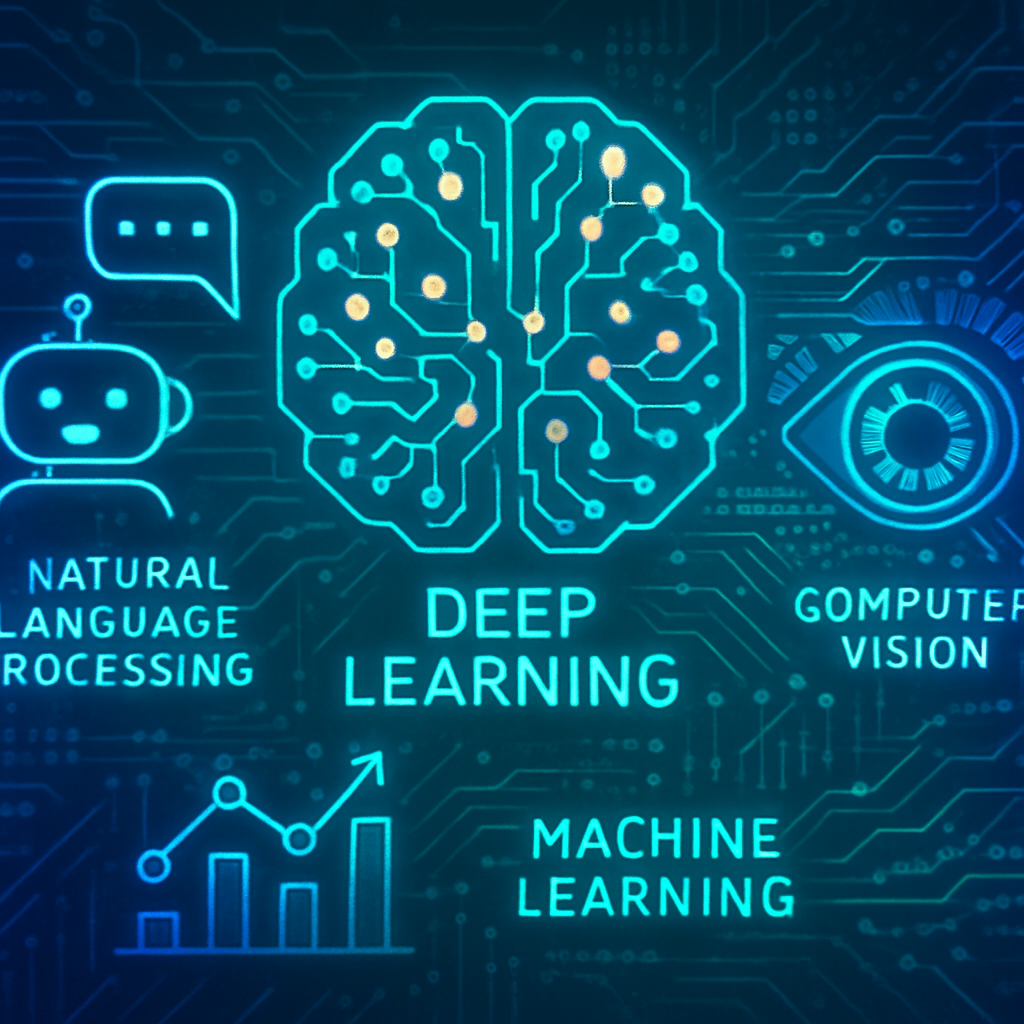
Machine Learning is a subset of AI that involves the use of algorithms and statistical models to enable computers to improve their performance on tasks through experience. Instead of being explicitly programmed to carry out a specific task, ML systems use data-driven approaches to learn patterns from data.

Types of Machine Learning

  1. Supervised Learning: The algorithm is trained on labeled data. It’s like teaching a child with examples. For instance, teaching an algorithm to recognize cats by showing it thousands of labeled cat images.
  2. Unsupervised Learning: The algorithm works with unlabeled data and tries to identify patterns or groupings without any guidance. Clustering algorithms fall under this category.
  3. Semi-supervised Learning: This approach uses both labeled and unlabeled data for training. It’s useful when acquiring a fully labeled dataset is expensive or time-consuming.
  4. Reinforcement Learning: Here, an agent learns how to achieve a goal in an uncertain environment by taking actions and receiving feedback from those actions in terms of rewards or penalties.

The Impact on Industries

The implications of AI and ML are vast across various sectors:

  • Healthcare: From predictive analytics for patient care to advanced imaging techniques, AI helps in diagnosing diseases faster and more accurately.
  • Finance: Algorithms detect fraudulent transactions in real-time while personalized banking experiences enhance customer satisfaction.
  • Agriculture: Precision farming powered by AI optimizes crop yield predictions based on weather conditions, soil health, etc.
  • E-commerce: Personalized recommendations improve user experience while inventory management becomes more efficient through demand forecasting.

The Future Ahead

The future holds immense potential for further advancements in artificial intelligence and machine learning. As these technologies evolve, ethical considerations around privacy, security, bias, and employment must be addressed responsibly. Collaboration between policymakers, technologists, businesses, and society will be crucial in harnessing these powerful tools for the greater good.

The journey ahead is exciting as we continue exploring the possibilities that artificial intelligence and machine learning offer in transforming our world into a smarter place.


Understanding AI and Machine Learning: Key Questions Answered

  1. What is artificial intelligence?
  2. How does machine learning differ from artificial intelligence?
  3. What are the real-world applications of artificial intelligence and machine learning?
  4. What are the different types of machine learning algorithms?
  5. How do artificial intelligence and machine learning impact job roles and industries?
  6. What ethical considerations are associated with the use of AI and ML technologies?
  7. How can businesses leverage artificial intelligence and machine learning to gain a competitive advantage?

What is artificial intelligence?

Artificial Intelligence (AI) is a branch of computer science focused on creating systems capable of performing tasks that typically require human intelligence. These tasks include understanding natural language, recognizing patterns, solving problems, and making decisions. AI systems are designed to simulate human cognitive processes by learning from data and adapting to new inputs. They can be categorized into narrow AI, which is specialized for specific tasks like facial recognition or voice assistants, and general AI, which remains largely theoretical and would possess the ability to perform any intellectual task a human can do. The development of AI has profound implications across various sectors, from healthcare to finance, as it enhances efficiency and opens up new possibilities for innovation.

How does machine learning differ from artificial intelligence?

Machine learning is a subset of artificial intelligence that focuses on enabling machines to learn from data without being explicitly programmed. While artificial intelligence encompasses a broader concept of simulating human intelligence in machines, machine learning specifically deals with algorithms that improve their performance over time through experience. In essence, artificial intelligence represents the overarching goal of creating intelligent machines, whereas machine learning serves as a key technique within the field of AI, emphasizing the ability of systems to learn and adapt autonomously.

What are the real-world applications of artificial intelligence and machine learning?

Artificial intelligence and machine learning have numerous real-world applications that are transforming industries and enhancing everyday life. In healthcare, AI is used for predictive analytics, improving diagnostic accuracy, and personalizing patient care plans. In finance, algorithms help detect fraudulent activities and automate trading processes. The automotive industry benefits from AI through the development of autonomous vehicles and advanced driver-assistance systems. In retail, machine learning enhances customer experience by enabling personalized recommendations and optimizing inventory management. Additionally, AI-powered chatbots are revolutionizing customer service across various sectors by providing instant support and handling routine inquiries efficiently. These technologies are also making significant strides in agriculture with precision farming techniques that increase crop yields while minimizing resource usage. Overall, AI and machine learning are driving innovation across multiple domains, making processes more efficient and opening up new possibilities for growth and development.

What are the different types of machine learning algorithms?

Machine learning algorithms can be broadly categorized into several types, each serving different purposes depending on the nature of the task and the data available. The main types include supervised learning, where algorithms are trained on labeled data to make predictions or classifications; unsupervised learning, which involves finding patterns or groupings in data without predefined labels; and reinforcement learning, where an agent learns to make decisions by receiving feedback in the form of rewards or penalties from its environment. Additionally, there is semi-supervised learning that combines both labeled and unlabeled data to improve learning accuracy, and deep learning, a subset of machine learning that utilizes neural networks with many layers to model complex patterns in large datasets. Each type has its own strengths and is selected based on the specific problem being addressed.

How do artificial intelligence and machine learning impact job roles and industries?

Artificial intelligence and machine learning are significantly transforming job roles and industries by automating routine tasks, enhancing decision-making processes, and creating new opportunities. In many sectors, AI and ML technologies streamline operations, allowing employees to focus on more strategic and creative tasks rather than repetitive ones. For instance, in manufacturing, AI-driven robots handle assembly lines with precision, reducing the need for manual labor while increasing productivity. In finance, algorithms analyze vast datasets to detect fraud or predict market trends faster than human analysts could. While some fear that automation might lead to job displacement, these technologies also generate demand for new roles in AI development, data analysis, and system maintenance. Industries are evolving as they integrate AI and ML into their workflows, fostering innovation and requiring a workforce skilled in digital literacy to adapt to these technological advancements.

What ethical considerations are associated with the use of AI and ML technologies?

The ethical considerations associated with the use of AI and ML technologies are multifaceted and crucial to address as these technologies become more integrated into daily life. One major concern is privacy, as AI systems often rely on large datasets that include personal information, raising questions about data security and consent. Additionally, there is the potential for bias in AI algorithms, which can lead to unfair or discriminatory outcomes if the data used to train these systems is not representative or contains inherent biases. Transparency is another significant issue, as the decision-making processes of complex AI models can be opaque, making it difficult for users to understand how conclusions are reached. Moreover, the impact of AI on employment must be considered, as automation could displace jobs without adequate measures for workforce transition. Finally, ensuring accountability in AI systems is essential to determine who is responsible when these technologies fail or cause harm. Addressing these ethical challenges requires a collaborative effort among technologists, policymakers, and society to develop frameworks that promote fair and responsible use of AI and ML.

How can businesses leverage artificial intelligence and machine learning to gain a competitive advantage?

Businesses can leverage artificial intelligence (AI) and machine learning (ML) to gain a competitive advantage by optimizing operations, enhancing customer experiences, and driving innovation. AI and ML can automate routine tasks, freeing up valuable human resources for more strategic activities. By analyzing vast amounts of data, these technologies provide insights into consumer behavior, allowing companies to tailor products and services to meet customer needs more effectively. Predictive analytics powered by AI can improve decision-making processes, enabling businesses to anticipate market trends and adjust strategies proactively. Additionally, AI-driven tools can enhance product development cycles by identifying inefficiencies and suggesting improvements. By integrating AI and ML into their operations, businesses not only increase efficiency but also foster innovation that sets them apart in the marketplace.

best software engineering companies

Top 5 Best Software Engineering Companies in 2021

Best Software Engineering Companies

Top Software Engineering Companies to Watch

In today’s digital age, software engineering companies play a crucial role in shaping the technological landscape. These companies are at the forefront of innovation, providing cutting-edge solutions that drive progress across various industries. Here’s a look at some of the best software engineering companies making waves in the tech world.

Google

Google, a subsidiary of Alphabet Inc., is renowned for its innovative approach to software development. Known for its search engine, Google also excels in cloud computing, artificial intelligence, and machine learning. The company attracts top talent from around the globe and continually pushes the boundaries of what’s possible in tech.

Microsoft

Microsoft has been a leader in software engineering for decades. With products like Windows, Office 365, and Azure cloud services, Microsoft continues to influence how people interact with technology both personally and professionally. Their commitment to open-source projects and developer tools like Visual Studio makes them a favorite among developers.

Amazon Web Services (AWS)

AWS, a subsidiary of Amazon.com, is the world’s most comprehensive and broadly adopted cloud platform. Offering over 200 fully-featured services from data centers globally, AWS is trusted by millions of customers including startups, enterprises, and leading government agencies to power their infrastructure.

IBM

IBM, with its long history in computing technology, continues to be a powerhouse in software engineering through its focus on AI with Watson, blockchain technologies, and hybrid cloud solutions. IBM’s commitment to research and development keeps it at the cutting edge of technological advancements.

Apple

Apple, known for its sleek design and user-friendly interfaces, excels not only in hardware but also in software development with iOS and macOS operating systems leading their respective markets. Apple’s ecosystem offers seamless integration across devices which has set high standards for user experience.

The Future of Software Engineering Companies

The landscape of software engineering is ever-evolving as new technologies emerge and consumer demands shift. Companies that prioritize innovation while maintaining robust security measures will continue to lead the industry forward.

The best software engineering companies are those that not only adapt quickly but also anticipate future trends—ensuring they remain relevant regardless of how rapidly technology changes.

If you’re looking for opportunities within this dynamic field or seeking partnerships with industry leaders—these companies are excellent places to start your journey or collaboration.


9 Essential Tips for Choosing the Best Software Engineering Companies

  1. Look for companies with a strong engineering culture focused on innovation and learning.
  2. Consider the company’s reputation in the industry and among its employees.
  3. Check if the company offers opportunities for professional growth and career development.
  4. Evaluate the work-life balance and employee benefits provided by the company.
  5. Research the technologies used by the company and their commitment to staying current.
  6. Assess how diverse and inclusive the company culture is.
  7. Look for companies that value transparency, open communication, and collaboration.
  8. Consider the location of the company and whether it aligns with your preferences.
  9. Read reviews from current and former employees to get insights into their experiences.

Look for companies with a strong engineering culture focused on innovation and learning.

When exploring the landscape of top software engineering companies, it is essential to prioritize organizations with a robust engineering culture that emphasizes innovation and continuous learning. Companies that foster a culture of creativity, experimentation, and knowledge-sharing are more likely to stay ahead of the curve in the rapidly evolving tech industry. By seeking out companies with a strong commitment to pushing boundaries and embracing new technologies, you position yourself to be part of a dynamic environment where growth and innovation thrive.

Consider the company’s reputation in the industry and among its employees.

When evaluating the best software engineering companies, it is essential to consider the company’s reputation within the industry and among its employees. A strong reputation signifies a company’s commitment to excellence, innovation, and employee satisfaction. Companies with a positive industry reputation are likely to have a track record of delivering high-quality products and services. Similarly, a favorable reputation among employees indicates a supportive work culture, opportunities for growth, and a focus on employee well-being. By assessing both aspects of reputation, one can gain valuable insights into the company’s values and overall performance.

Check if the company offers opportunities for professional growth and career development.

When considering the best software engineering companies, it is crucial to check if the company offers opportunities for professional growth and career development. A company that prioritizes employee development not only invests in its workforce but also fosters a culture of continuous learning and innovation. By providing avenues for skill enhancement, mentorship programs, and career advancement opportunities, software engineering professionals can thrive and reach their full potential within the organization. Ultimately, a commitment to professional growth ensures that employees stay motivated, engaged, and equipped to tackle new challenges in the ever-evolving tech industry.

Evaluate the work-life balance and employee benefits provided by the company.

When considering the best software engineering companies, it is essential to evaluate the work-life balance and employee benefits offered by the organization. A company that prioritizes its employees’ well-being by providing flexible work hours, remote work options, paid time off, healthcare benefits, and professional development opportunities fosters a positive and sustainable work environment. A healthy work-life balance not only enhances employee satisfaction and productivity but also contributes to long-term employee retention and overall success of the company.

Research the technologies used by the company and their commitment to staying current.

When considering the best software engineering companies, it is essential to research the technologies they utilize and their dedication to staying current with industry trends. A company’s commitment to adopting cutting-edge technologies and continuously updating their skill set demonstrates their ability to innovate and adapt in a rapidly evolving tech landscape. By understanding the tools and methodologies employed by a software engineering company, one can gauge their potential for delivering state-of-the-art solutions that meet the demands of today’s digital world.

Assess how diverse and inclusive the company culture is.

When evaluating the top software engineering companies, it is crucial to assess how diverse and inclusive their company culture is. A diverse and inclusive workplace fosters innovation, creativity, and a broader range of perspectives that can lead to better problem-solving and decision-making. Companies that prioritize diversity and inclusion not only create a more welcoming environment for employees but also tend to be more successful in attracting top talent from different backgrounds. By ensuring that employees feel valued, respected, and empowered to contribute their unique skills and experiences, software engineering companies can thrive in a rapidly evolving industry.

Look for companies that value transparency, open communication, and collaboration.

When searching for the best software engineering companies, it is essential to prioritize those that value transparency, open communication, and collaboration. Companies that embrace these principles create a positive work environment where ideas flow freely, team members feel empowered to share their perspectives, and collective efforts lead to innovative solutions. Transparency fosters trust among employees and clients, while open communication ensures that everyone is on the same page regarding project goals and expectations. Collaboration encourages teamwork and the exchange of knowledge, ultimately enhancing productivity and driving success in software engineering endeavors.

Consider the location of the company and whether it aligns with your preferences.

When evaluating the best software engineering companies, it is important to consider the location of the company and how well it aligns with your preferences. The geographical location of a company can impact various aspects such as work-life balance, commute time, cost of living, and access to amenities. Choosing a company situated in a location that suits your lifestyle and professional goals can contribute significantly to your overall job satisfaction and career success.

Read reviews from current and former employees to get insights into their experiences.

When researching the best software engineering companies, it is essential to read reviews from current and former employees. These reviews provide valuable insights into the company culture, work environment, leadership style, growth opportunities, and overall employee experiences. By understanding the perspectives of those who have worked within these companies, you can gain a more comprehensive understanding of what it might be like to be a part of their team and make an informed decision when considering potential career opportunities.

Unleashing the Power of Cognitive AI: Shaping the Future of Artificial Intelligence

Understanding Cognitive AI: The Future of Artificial Intelligence

Cognitive AI represents a significant leap forward in the field of artificial intelligence, aiming to emulate human thought processes in a more sophisticated and nuanced manner. Unlike traditional AI systems that rely on pre-defined algorithms and data sets, cognitive AI seeks to understand, learn, and interact with the world similarly to how humans do.

What is Cognitive AI?

Cognitive AI refers to systems that can simulate human cognitive functions such as perception, reasoning, learning, and decision-making. These systems are designed to mimic the way the human brain works by using various technologies like machine learning, natural language processing, and neural networks.

The goal of cognitive AI is not just to process data but to understand it contextually. This allows for more dynamic interactions between machines and humans, enabling machines to adapt over time based on new information and experiences.

Key Features of Cognitive AI

  • Learning from Experience: Cognitive AI systems can learn from past interactions and improve their performance without human intervention.
  • Natural Language Processing: These systems can understand and generate human language in a way that feels natural and intuitive.
  • Contextual Understanding: Cognitive AI can grasp context beyond mere data points, allowing for more relevant responses and actions.
  • Adaptive Decision-Making: By analyzing patterns and trends, cognitive AI can make informed decisions even in complex situations.

Applications of Cognitive AI

The potential applications for cognitive AI are vast across various industries:

  • Healthcare: In healthcare, cognitive AI can assist in diagnosing diseases by analyzing medical records and imaging data with high accuracy.
  • Finance: Financial institutions use cognitive AI for fraud detection, risk assessment, and personalized customer service.
  • E-commerce: Retailers leverage cognitive AI for personalized shopping experiences through recommendation engines that understand customer preferences.
  • Education: Educational platforms utilize cognitive AI to create adaptive learning environments tailored to individual student needs.

The Future of Cognitive AI

The development of cognitive AI is still in its early stages but holds immense promise for transforming how we interact with technology. As these systems become more advanced, they will likely play an integral role in enhancing productivity across sectors while also raising important ethical considerations regarding privacy and decision-making autonomy.

Cognitive AI represents not just an evolution of technology but a revolution in how machines can augment human capabilities. As research progresses, it will be crucial to balance innovation with ethical responsibility to ensure these powerful tools benefit society as a whole.

Conclusion

Cognitive AI is poised to redefine the boundaries between humans and machines by enabling more natural interactions and smarter decision-making processes. As this technology continues to evolve, it promises exciting opportunities while also challenging us to think critically about its implications for our future world.


7 Essential Tips for Effectively Implementing Cognitive AI Solutions

  1. Understand the problem domain thoroughly before implementing a cognitive AI solution.
  2. Ensure that the data used to train cognitive AI models is of high quality and relevant to the task at hand.
  3. Regularly evaluate and update cognitive AI models to maintain their accuracy and relevance over time.
  4. Consider ethical implications, biases, and privacy concerns when developing cognitive AI systems.
  5. Provide clear explanations of how cognitive AI systems make decisions to enhance transparency and trust.
  6. Combine cognitive AI with human expertise for more effective problem-solving and decision-making.
  7. Stay informed about advancements in cognitive AI technology to leverage new tools and techniques.

Understand the problem domain thoroughly before implementing a cognitive AI solution.

Before implementing a cognitive AI solution, it’s crucial to thoroughly understand the problem domain. This involves gaining a deep insight into the specific challenges and requirements of the area where the AI will be applied. By comprehensively analyzing the context and nuances of the problem, developers can tailor AI models to address real-world needs effectively. This understanding helps in selecting the right data sets, designing appropriate algorithms, and setting realistic goals for what the cognitive AI solution should achieve. Without this foundational knowledge, there’s a risk of developing solutions that are misaligned with user needs or that fail to deliver meaningful results. Therefore, investing time in understanding the problem domain is essential for creating effective and impactful cognitive AI applications.

Ensure that the data used to train cognitive AI models is of high quality and relevant to the task at hand.

Ensuring that the data used to train cognitive AI models is of high quality and relevant to the task at hand is crucial for the success and accuracy of these systems. High-quality data provides a solid foundation for the model to learn from, minimizing errors and biases that could arise from inaccurate or irrelevant information. When data is carefully curated and directly aligned with the specific objectives of the AI application, it enhances the model’s ability to understand context, make informed decisions, and deliver reliable outcomes. This approach not only improves performance but also helps in building trust in AI systems by ensuring they operate effectively in real-world scenarios.

Regularly evaluate and update cognitive AI models to maintain their accuracy and relevance over time.

Regularly evaluating and updating cognitive AI models is crucial to maintaining their accuracy and relevance over time. As data patterns and user behaviors evolve, an AI model that was once highly effective can become outdated if not periodically reviewed. Regular updates ensure that the model adapts to new information, incorporates recent trends, and continues to perform optimally in changing environments. This process involves assessing the model’s performance metrics, identifying areas for improvement, and integrating fresh data to refine its algorithms. By doing so, organizations can ensure their cognitive AI systems remain robust, reliable, and capable of delivering accurate insights and predictions in a dynamic landscape.

Consider ethical implications, biases, and privacy concerns when developing cognitive AI systems.

When developing cognitive AI systems, it’s crucial to consider the ethical implications, biases, and privacy concerns that may arise. As these systems become more integrated into everyday life, they have the potential to impact decisions on a wide scale, influencing everything from healthcare to criminal justice. Developers must ensure that cognitive AI is designed with fairness in mind, actively working to identify and mitigate biases that could lead to unjust outcomes. Additionally, safeguarding user privacy is paramount; this involves implementing robust data protection measures and ensuring transparency in how data is collected and used. By addressing these concerns proactively, developers can build trust with users and create AI systems that are not only effective but also ethically responsible and respectful of individual rights.

Provide clear explanations of how cognitive AI systems make decisions to enhance transparency and trust.

Incorporating clear explanations of decision-making processes in cognitive AI systems is crucial for enhancing transparency and building trust with users. When AI systems can articulate the rationale behind their conclusions or actions, it demystifies the technology and allows users to understand how decisions are reached. This transparency not only fosters trust but also empowers users to make informed decisions about relying on these systems. By providing insights into the data used, the algorithms applied, and the reasoning followed, developers can create a more collaborative relationship between humans and machines. This approach ensures that cognitive AI is perceived as a reliable partner rather than an opaque tool, ultimately leading to broader acceptance and more effective integration into various aspects of daily life and business operations.

Combine cognitive AI with human expertise for more effective problem-solving and decision-making.

Combining cognitive AI with human expertise creates a powerful synergy for more effective problem-solving and decision-making. While cognitive AI can process vast amounts of data and identify patterns at an incredible speed, human experts bring intuition, creativity, and contextual understanding that machines currently cannot replicate. By leveraging the strengths of both, organizations can enhance their analytical capabilities and make more informed decisions. This collaboration allows humans to focus on strategic thinking and complex problem-solving while AI handles data-driven tasks, resulting in more efficient operations and innovative solutions. Integrating cognitive AI with human insight ultimately leads to better outcomes across various fields, from healthcare to finance and beyond.

Stay informed about advancements in cognitive AI technology to leverage new tools and techniques.

Staying informed about advancements in cognitive AI technology is crucial for individuals and businesses looking to leverage new tools and techniques effectively. As the field of cognitive AI rapidly evolves, keeping up-to-date with the latest developments can provide a competitive edge, enabling one to adopt innovative solutions that enhance efficiency and decision-making processes. By understanding emerging trends and breakthroughs, professionals can better anticipate changes in their industry, adapt strategies accordingly, and ensure they are utilizing the most advanced technologies available. This proactive approach not only fosters growth and innovation but also positions individuals and organizations as leaders in their respective fields.

java online compiler

Exploring the Benefits of a Java Online Compiler for Efficient Coding

The Advantages of Using a Java Online Compiler

The Advantages of Using a Java Online Compiler

Java is a popular programming language known for its versatility and robustness. Whether you are a beginner learning the basics of Java or an experienced developer working on complex projects, having access to an online compiler can offer several advantages.

Convenience and Accessibility

One of the primary benefits of using a Java online compiler is the convenience it provides. You can write, compile, and run your Java code directly from your web browser without the need to install any software locally. This accessibility allows you to work on your projects from any device with an internet connection.

Instant Feedback

Online compilers typically provide instant feedback on your code, highlighting syntax errors and offering suggestions for improvement. This immediate feedback can help you identify and correct errors more efficiently, speeding up the development process.

Collaboration and Sharing

Many online compilers offer features that enable collaboration among team members or sharing code snippets with others. This can be especially useful for code reviews, pair programming, or seeking help from the community. By sharing your code online, you can receive feedback and insights from fellow developers around the world.

Experimentation and Learning

For beginners learning Java, an online compiler provides a safe environment to experiment with code without worrying about setting up development environments or damaging local files. You can quickly try out different concepts, test small programs, and see immediate results, which can enhance your learning experience.

Cost-Effective Solution

Using a Java online compiler eliminates the need to invest in expensive development tools or IDEs. Most online compilers are free to use, making them a cost-effective solution for individuals or small teams looking to develop Java applications without incurring additional expenses.

Conclusion

In conclusion, a Java online compiler offers numerous advantages such as convenience, instant feedback, collaboration opportunities, learning support, and cost-effectiveness. Whether you are coding on-the-go or seeking feedback from peers, integrating an online compiler into your workflow can enhance your Java programming experience.


5 Essential Tips for Choosing and Using an Online Java Compiler Effectively

  1. Choose a reliable and secure online Java compiler to ensure the safety of your code.
  2. Look for features such as syntax highlighting, auto-completion, and error detection to enhance your coding experience.
  3. Familiarize yourself with the compiler’s user interface and functionalities to work efficiently.
  4. Consider saving your code regularly or using version control to prevent loss of work.
  5. Explore online Java compiler tutorials and documentation to maximize your understanding of its capabilities.

Choose a reliable and secure online Java compiler to ensure the safety of your code.

When utilizing a Java online compiler, it is crucial to select a reliable and secure platform to safeguard the integrity and confidentiality of your code. By choosing a trusted online Java compiler, you can ensure that your code remains protected from potential threats and vulnerabilities. Prioritizing security measures not only preserves the confidentiality of your work but also instills confidence in the reliability of the compiler, allowing you to focus on coding without concerns about data breaches or unauthorized access.

Look for features such as syntax highlighting, auto-completion, and error detection to enhance your coding experience.

When utilizing a Java online compiler, it is beneficial to seek out features like syntax highlighting, auto-completion, and error detection to elevate your coding experience. These functionalities not only help in writing code more efficiently but also aid in identifying and rectifying errors promptly. Syntax highlighting assists in visually distinguishing different elements of your code, auto-completion speeds up the coding process by suggesting possible completions as you type, and error detection alerts you to potential mistakes, enabling you to address them before running the code. By leveraging these features, you can streamline your coding workflow and enhance the overall quality of your Java programming projects.

Familiarize yourself with the compiler’s user interface and functionalities to work efficiently.

To make the most of a Java online compiler, it is essential to familiarize yourself with its user interface and functionalities. Understanding how the compiler works and exploring its features can significantly enhance your efficiency and productivity. By mastering the tools available within the compiler, you can streamline your coding process, troubleshoot errors effectively, and leverage advanced functions to optimize your Java development workflow. Taking the time to learn the ins and outs of the compiler will empower you to work more confidently and proficiently on your Java projects.

Consider saving your code regularly or using version control to prevent loss of work.

When using a Java online compiler, it is essential to consider saving your code regularly or utilizing version control systems to prevent the loss of your work. Online environments may have limitations or unexpected interruptions that could result in data loss if not saved periodically. By saving your code frequently or using version control tools like Git, you can safeguard your progress and ensure that you have access to previous versions of your code in case of any unforeseen issues. This practice helps maintain the integrity of your work and provides a safety net against potential setbacks.

Explore online Java compiler tutorials and documentation to maximize your understanding of its capabilities.

To maximize your understanding of the capabilities of a Java online compiler, it is highly recommended to explore tutorials and documentation provided by the platform. These resources can offer valuable insights into various features, functionalities, and best practices for utilizing the compiler effectively. By delving into tutorials and documentation, you can enhance your proficiency in using the Java online compiler, enabling you to leverage its full potential for coding projects and development tasks.

software engineer reddit

The Role of a Software Engineer on Reddit: Enhancing User Experience and Platform Performance

Software Engineer on Reddit

The Role of a Software Engineer on Reddit

Reddit, known as the front page of the internet, is a popular social news aggregation and discussion website where users can share and engage in various topics. Behind the scenes, software engineers play a crucial role in maintaining and enhancing the platform to ensure a seamless user experience.

Responsibilities of a Software Engineer at Reddit

Software engineers at Reddit are responsible for developing and maintaining the website’s features, functionalities, and infrastructure. They collaborate with cross-functional teams to implement new features, improve existing ones, and optimize performance.

Some key responsibilities of software engineers at Reddit include:

  • Writing clean, efficient code
  • Participating in code reviews
  • Testing and debugging software applications
  • Collaborating with product managers and designers
  • Implementing best practices for scalability and performance
  • Maintaining documentation for codebase

Skills Required for Software Engineers on Reddit

To be successful as a software engineer at Reddit, individuals need to possess a diverse set of technical skills. Some common skills required include proficiency in programming languages such as Python, JavaScript, or Java, familiarity with web development frameworks like React or Flask, and experience with database management systems like PostgreSQL or MySQL.

In addition to technical skills, soft skills such as problem-solving abilities, teamwork, communication skills, and adaptability are also essential for software engineers working on a dynamic platform like Reddit.

Career Growth Opportunities for Software Engineers at Reddit

Working as a software engineer at Reddit provides ample opportunities for career growth and professional development. Engineers have the chance to work on high-impact projects that reach millions of users worldwide. Additionally, they can participate in hackathons, attend conferences, and engage in continuous learning to stay updated with the latest technologies.

Overall, being a software engineer at Reddit offers an exciting and challenging environment where individuals can contribute to shaping one of the most influential online communities.


8 Essential Tips for Navigating Reddit as a Software Engineer

  1. Follow relevant subreddits like r/cscareerquestions and r/learnprogramming for advice and resources.
  2. Engage in discussions to learn from the experiences and insights of other software engineers.
  3. Share your own knowledge by answering questions and participating in AMAs (Ask Me Anything).
  4. Use Reddit’s search function to find past threads on topics you’re interested in.
  5. Join communities like r/programming or r/softwareengineering to stay updated on industry trends.
  6. Be respectful when interacting with others, even if you disagree with their opinions.
  7. Consider creating a separate account dedicated to professional discussions to maintain anonymity.
  8. Stay cautious about sharing sensitive information or code snippets online.

Follow relevant subreddits like r/cscareerquestions and r/learnprogramming for advice and resources.

By following relevant subreddits such as r/cscareerquestions and r/learnprogramming on Reddit, software engineers can gain valuable advice, resources, and insights to enhance their career development and programming skills. These communities provide a platform for professionals to share experiences, ask questions, and stay updated on industry trends, making it a valuable resource for those looking to excel in the field of software engineering.

Engage in discussions to learn from the experiences and insights of other software engineers.

Engaging in discussions with fellow software engineers on Reddit is a valuable tip for continuous learning and growth in the field. By participating in conversations and sharing experiences, you can gain insights, perspectives, and best practices from others in the industry. This collaborative approach not only broadens your knowledge but also fosters a sense of community and camaraderie among professionals. Embracing discussions allows you to stay updated with the latest trends, troubleshoot common challenges, and enhance your problem-solving skills through the collective wisdom of like-minded individuals.

Share your own knowledge by answering questions and participating in AMAs (Ask Me Anything).

By sharing your own knowledge through answering questions and actively participating in Ask Me Anything (AMAs) sessions on Reddit as a software engineer, you not only contribute to the community but also enhance your expertise and build connections within the industry. Engaging in discussions, sharing insights, and offering advice not only helps others but also allows you to stay informed about current trends, challenges, and innovations in the field. AMAs provide a platform to showcase your expertise, establish credibility, and foster meaningful interactions with fellow professionals and enthusiasts in the software engineering community.

Use Reddit’s search function to find past threads on topics you’re interested in.

Utilizing Reddit’s search function is a valuable tip for software engineers looking to explore past threads on topics of interest. By leveraging this feature, engineers can access a wealth of knowledge and discussions that have taken place within the Reddit community. This allows them to learn from previous conversations, gather insights, and stay informed about the latest trends and developments in their field. Whether seeking advice, troubleshooting solutions, or simply staying updated on relevant industry discussions, using Reddit’s search function can be a powerful tool for software engineers to enhance their learning and professional growth.

To stay updated on industry trends as a software engineer, it is recommended to join communities like r/programming or r/softwareengineering on Reddit. These online forums provide valuable insights, discussions, and resources related to the latest developments in the field of programming and software engineering. Engaging with fellow professionals in these communities can help you stay informed about emerging technologies, best practices, and industry news, enhancing your knowledge and staying ahead in the ever-evolving tech landscape.

Be respectful when interacting with others, even if you disagree with their opinions.

It is essential for software engineers on Reddit to maintain a respectful attitude when engaging with others, regardless of differing opinions. Respectful interactions foster a positive and inclusive community where diverse perspectives are valued. By showing respect towards others, software engineers can cultivate constructive discussions, promote mutual understanding, and contribute to a harmonious environment conducive to collaboration and knowledge sharing.

Consider creating a separate account dedicated to professional discussions to maintain anonymity.

Consider creating a separate account dedicated to professional discussions on Reddit to maintain anonymity. By using a distinct account for professional topics, software engineers can engage in meaningful discussions without revealing personal information or compromising their online identity. This practice allows individuals to freely share insights, seek advice, and participate in industry-related conversations while safeguarding their privacy and maintaining a professional image within the Reddit community.

Stay cautious about sharing sensitive information or code snippets online.

It is crucial for software engineers on Reddit to exercise caution when sharing sensitive information or code snippets online. While the platform is a valuable resource for networking and knowledge-sharing, disclosing proprietary code or confidential data can pose security risks and compromise intellectual property. By being mindful of what they share, engineers can protect their work and maintain the integrity of their projects while still benefiting from the collaborative nature of the community.

junior software

Exploring the Journey of Junior Software Developers in the Tech Industry

The Role of Junior Software Developers in the Tech Industry

The Role of Junior Software Developers in the Tech Industry

In the fast-paced world of technology, junior software developers play a crucial role in shaping the future of software development. These entry-level professionals bring fresh perspectives, enthusiasm, and a willingness to learn to their teams.

Learning and Growth

Junior software developers are often recent graduates or individuals transitioning into a new career. They have a strong foundation in programming languages and concepts but lack practical experience. Working alongside senior developers, they have the opportunity to learn new skills, best practices, and industry standards.

Collaboration and Innovation

Junior software developers collaborate with team members to design, develop, and test software applications. Their input is valuable in brainstorming sessions and problem-solving activities. By contributing ideas and exploring creative solutions, junior developers help drive innovation within their teams.

Mentorship and Support

Senior developers act as mentors to junior team members, providing guidance, feedback, and support. Through mentorship programs and on-the-job training, junior software developers receive personalized attention that accelerates their professional growth.

Adaptability and Resilience

Junior software developers must be adaptable and resilient in the face of challenges. They learn to navigate complex projects, meet deadlines, and troubleshoot issues effectively. By embracing change and staying proactive, junior developers demonstrate their readiness to tackle any task that comes their way.

Career Advancement

As junior software developers gain experience and expand their skill set, they become eligible for more advanced roles within the tech industry. With dedication, hard work, and continuous learning, junior professionals can progress to positions such as senior developer, technical lead, or project manager.

In Conclusion

Junior software developers are integral members of tech teams who contribute fresh ideas, energy, and a passion for learning. Their role is essential in driving innovation, fostering collaboration, and ensuring the success of software projects. As they grow in experience and expertise, junior developers pave the way for a bright future in the ever-evolving world of technology.


Understanding the Role and Demand for Junior Software Engineers: FAQs Answered

  1. Are junior software engineers in demand?
  2. Is junior better than senior?
  3. What is the role of a junior software developer?
  4. Is junior above entry-level?
  5. What is junior software?
  6. What is a junior in software development?
  7. What level is junior software engineer?
  8. What is a junior software?

Are junior software engineers in demand?

In today’s tech-driven world, the demand for junior software engineers is on the rise. As companies continue to invest in digital transformation and software development projects, there is a growing need for entry-level professionals to support these initiatives. Junior software engineers bring fresh perspectives, enthusiasm, and a willingness to learn to their teams, making them valuable assets in the ever-evolving tech industry. With a strong foundation in programming languages and concepts, junior developers have opportunities for growth and advancement as they gain practical experience and expand their skill set. Overall, the demand for junior software engineers reflects the industry’s recognition of their importance in driving innovation and success in software development projects.

Is junior better than senior?

In the realm of software development, the comparison between junior and senior roles is not about one being inherently better than the other, but rather about different levels of experience and expertise. Junior developers bring fresh perspectives, enthusiasm, and a willingness to learn, while senior developers possess years of experience, in-depth knowledge, and leadership skills. Both junior and senior developers play vital roles in a team, with juniors contributing innovative ideas and eagerness to grow, and seniors providing mentorship, guidance, and expertise. Each level has its unique strengths and value, making them equally important in creating successful software projects.

What is the role of a junior software developer?

The role of a junior software developer is to support the development team in designing, coding, testing, and maintaining software applications. Junior developers work under the guidance of senior team members to learn best practices, enhance their technical skills, and contribute to projects. They collaborate with colleagues to solve problems, implement solutions, and ensure the quality and functionality of the software. Junior software developers play a vital role in the software development lifecycle by bringing fresh perspectives, enthusiasm, and a willingness to learn to their teams while gaining valuable experience that prepares them for more advanced roles in the tech industry.

Is junior above entry-level?

In the realm of software development, the distinction between “junior” and “entry-level” roles can vary depending on the company and industry standards. Generally, a junior software developer is considered to be slightly above entry-level in terms of experience and skill level. While entry-level positions typically target candidates with minimal to no professional experience in the field, junior roles often require some foundational knowledge or practical exposure to software development concepts. Junior developers are expected to have a basic understanding of programming languages and tools, making them more prepared to take on tasks that may require a bit more expertise than what is typically expected from entry-level positions.

What is junior software?

Junior software refers to entry-level professionals in the field of software development who are typically recent graduates or individuals new to the industry. These junior developers possess foundational knowledge of programming languages and concepts but lack extensive practical experience. They play a vital role within tech teams by contributing fresh perspectives, enthusiasm, and a willingness to learn. Junior software developers work closely with senior team members to enhance their skills, collaborate on projects, and gain valuable hands-on experience that propels their growth in the industry.

What is a junior in software development?

In the realm of software development, a junior refers to an entry-level professional who is in the early stages of their career within the field. Junior software developers typically possess foundational knowledge of programming languages and concepts but have limited practical experience in real-world projects. They often work under the guidance of more experienced developers, learning from their expertise and gaining hands-on experience in coding, testing, and debugging software applications. Juniors play a vital role in tech teams by contributing fresh perspectives, enthusiasm, and a willingness to learn as they grow and develop their skills in the dynamic landscape of software development.

What level is junior software engineer?

In the tech industry, the level of a junior software engineer is typically considered to be an entry-level position. Junior software engineers are recent graduates or individuals with limited professional experience in software development. They work under the guidance of senior developers and team leads, gaining hands-on experience, learning best practices, and contributing to projects while honing their skills. Junior software engineers are essential members of development teams, playing a crucial role in building their expertise and advancing their careers within the tech industry.

What is a junior software?

A junior software developer is an entry-level professional in the field of software development who typically has a foundational understanding of programming languages and concepts but lacks extensive practical experience. Junior software developers often work under the guidance of more experienced team members, such as senior developers, to learn new skills, best practices, and industry standards. They play a vital role in contributing fresh perspectives, enthusiasm, and a willingness to learn to their teams, ultimately helping drive innovation and growth in the tech industry.

Revolutionizing Industries with Innovative Tech Solutions

Innovative Tech: Shaping the Future

Innovative Tech: Shaping the Future

In today’s rapidly evolving world, innovative technology is at the forefront of transforming industries and enhancing everyday life. From artificial intelligence to blockchain, these advancements are paving the way for a future that was once only imaginable in science fiction.

The Rise of Artificial Intelligence

Artificial Intelligence (AI) has become a cornerstone of innovation in the tech industry. With its ability to process vast amounts of data and learn from it, AI is revolutionizing areas such as healthcare, finance, and transportation. In healthcare, AI algorithms can analyze medical images with precision, aiding doctors in diagnosing diseases earlier and more accurately.

Blockchain: Beyond Cryptocurrency

While blockchain technology is often associated with cryptocurrencies like Bitcoin, its potential extends far beyond digital currency. Blockchain offers a secure and transparent way to record transactions and manage data across various sectors. For instance, supply chain management can benefit from blockchain by ensuring transparency and traceability of products from origin to consumer.

The Internet of Things (IoT)

The Internet of Things (IoT) connects everyday objects to the internet, allowing them to send and receive data. This connectivity is creating smarter homes and cities. From smart thermostats that learn your temperature preferences to entire cities using IoT to monitor traffic patterns and reduce congestion, the possibilities are endless.

5G Connectivity

The rollout of 5G networks marks a significant leap forward in mobile connectivity. With faster speeds and lower latency than previous generations, 5G enables real-time communication between devices. This advancement supports innovations like autonomous vehicles and remote surgeries, where timing is critical.

Sustainable Technology

As concerns about climate change grow, sustainable technology is gaining momentum. Innovations such as renewable energy sources—solar panels, wind turbines—and electric vehicles are crucial in reducing carbon footprints globally. Moreover, tech companies are increasingly focusing on creating energy-efficient products that minimize environmental impact.

The Road Ahead

The future holds immense possibilities as these innovative technologies continue to develop. As they integrate further into our daily lives, they promise not only increased convenience but also solutions to some of society’s most pressing challenges.

In conclusion, innovative tech is more than just a trend; it is a transformative force shaping how we live and work. As we embrace these advancements responsibly, we can look forward to a future filled with unprecedented opportunities for growth and improvement.


Exploring Innovative Tech: Answers to 9 Key Questions on AI, Blockchain, IoT, and More

  1. What is artificial intelligence and how is it used in technology?
  2. How does blockchain technology work and what are its applications?
  3. What is the Internet of Things (IoT) and how does it impact daily life?
  4. What are the benefits of 5G connectivity compared to previous generations?
  5. How can innovative tech contribute to sustainability and environmental conservation?
  6. What security concerns arise with the adoption of innovative technologies?
  7. How are industries like healthcare, finance, and transportation leveraging AI for advancements?
  8. What role does augmented reality (AR) play in enhancing user experiences with tech products?
  9. How do emerging technologies like quantum computing promise to revolutionize computing power?

What is artificial intelligence and how is it used in technology?

Artificial intelligence (AI) refers to the simulation of human intelligence processes by machines, particularly computer systems. These processes include learning, reasoning, problem-solving, perception, and language understanding. AI is used in technology to enhance efficiency and decision-making across various industries. For example, in healthcare, AI algorithms can analyze medical data to assist in diagnosing diseases more accurately. In finance, AI systems can detect fraudulent activities by identifying unusual patterns in transactions. Additionally, AI powers virtual assistants like Siri and Alexa, providing users with personalized experiences by understanding and responding to voice commands. Through machine learning and deep learning techniques, AI continues to evolve, offering innovative solutions that transform how businesses operate and improve everyday life for individuals.

How does blockchain technology work and what are its applications?

Blockchain technology operates as a decentralized digital ledger that records transactions across a network of computers. Each transaction is added to a “block,” which is then linked to the previous blocks, forming a chain. This chain of blocks ensures transparency, security, and immutability of data. Blockchain’s applications extend beyond cryptocurrencies like Bitcoin; it can revolutionize various industries. For instance, in supply chain management, blockchain can enhance transparency and traceability of products. In healthcare, it can securely store patient records and enable seamless data sharing among healthcare providers. Overall, blockchain technology’s potential lies in its ability to streamline processes, reduce fraud, and increase trust in data transactions across multiple sectors.

What is the Internet of Things (IoT) and how does it impact daily life?

The Internet of Things (IoT) refers to the network of interconnected devices that can communicate and share data with each other over the internet. This technology enables everyday objects, such as smart home appliances, wearable devices, and even vehicles, to collect and exchange information to enhance efficiency and convenience. The impact of IoT on daily life is significant, as it allows for automation and remote control of various tasks, leading to streamlined processes and improved productivity. From smart thermostats that adjust temperature settings based on your preferences to fitness trackers that monitor your health in real-time, IoT has revolutionized how we interact with our surroundings, making our lives more interconnected and efficient.

What are the benefits of 5G connectivity compared to previous generations?

5G connectivity offers significant benefits compared to previous generations of wireless technology. One of the key advantages is its faster speeds, enabling quicker downloads and smoother streaming experiences. Additionally, 5G boasts lower latency, reducing the delay in data transmission and enabling real-time communication between devices. This low latency is crucial for applications like autonomous vehicles and remote surgeries where split-second decisions are vital. Furthermore, 5G networks can support a higher density of connected devices, paving the way for the Internet of Things (IoT) to flourish on a larger scale. Overall, 5G connectivity promises to revolutionize how we interact with technology, opening up new possibilities for innovation and efficiency in various industries.

How can innovative tech contribute to sustainability and environmental conservation?

Innovative technology plays a crucial role in promoting sustainability and environmental conservation by offering solutions that reduce resource consumption, minimize waste, and mitigate environmental impact. For instance, advancements in renewable energy technologies such as solar panels and wind turbines enable the generation of clean energy, reducing reliance on fossil fuels and lowering carbon emissions. Smart grid systems optimize energy distribution, leading to more efficient use of resources. Additionally, IoT devices can monitor and manage energy consumption in real-time, helping individuals and businesses make informed decisions to reduce their carbon footprint. By leveraging innovative tech solutions like these, we can work towards a more sustainable future for our planet.

What security concerns arise with the adoption of innovative technologies?

The adoption of innovative technologies, while offering numerous benefits, also brings a range of security concerns that must be addressed. As devices and systems become increasingly interconnected through the Internet of Things (IoT) and other networks, they become more vulnerable to cyberattacks. Hackers can exploit weaknesses in software or hardware to gain unauthorized access to sensitive data, leading to breaches that compromise personal information and corporate secrets. Additionally, the use of artificial intelligence raises ethical questions about data privacy, as AI systems often require vast amounts of personal information to function effectively. Blockchain technology, though secure by design, can still be susceptible to vulnerabilities if not implemented correctly. As these technologies continue to evolve, it is crucial for developers and users alike to prioritize robust security measures and stay informed about potential threats to safeguard against these risks.

How are industries like healthcare, finance, and transportation leveraging AI for advancements?

Industries such as healthcare, finance, and transportation are harnessing the power of artificial intelligence (AI) to drive significant advancements and improve efficiency. In healthcare, AI is being used to analyze medical data and images with remarkable accuracy, aiding in early diagnosis and personalized treatment plans. Financial institutions are leveraging AI for fraud detection, risk management, and automating customer service through chatbots. In the transportation sector, AI is optimizing logistics by predicting maintenance needs for vehicles and enhancing traffic management systems to reduce congestion. These applications of AI not only streamline operations but also create more personalized and safer experiences for consumers across these industries.

What role does augmented reality (AR) play in enhancing user experiences with tech products?

Augmented reality (AR) plays a pivotal role in revolutionizing user experiences with tech products by seamlessly blending digital elements into the real world. By overlaying virtual information onto the physical environment through AR technology, users can interact with products in more immersive and interactive ways. From trying on virtual clothing to visualizing furniture in a room before making a purchase, AR enhances user engagement and decision-making processes. This innovative technology not only bridges the gap between the digital and physical worlds but also opens up new possibilities for personalized and dynamic user experiences across various industries.

How do emerging technologies like quantum computing promise to revolutionize computing power?

Emerging technologies such as quantum computing hold the promise of revolutionizing computing power by leveraging the principles of quantum mechanics to perform computations at a scale and speed unimaginable with classical computers. Quantum computers have the potential to solve complex problems exponentially faster than traditional computers, thanks to their ability to process multiple calculations simultaneously through quantum bits or qubits. This advancement could lead to breakthroughs in fields like cryptography, drug discovery, and optimization, ushering in a new era of innovation and problem-solving capabilities that were previously out of reach.

developing

Unleashing Potential: The Power of Continuous Development

The Art of Developing: Nurturing Ideas into Reality

The Art of Developing: Nurturing Ideas into Reality

Development is a process that transforms ideas and concepts into tangible outcomes. It involves creativity, problem-solving, and perseverance to bring something new into existence. Whether it’s software, infrastructure, products, or skills, development plays a crucial role in shaping the world we live in.

The Stages of Development

Developing begins with a spark of inspiration or a problem that needs solving. This initial idea is then refined through research, planning, and design. Prototyping and testing help validate the concept and identify areas for improvement. Iteration is key in the development process, allowing for continuous refinement until the final product meets expectations.

The Importance of Development

Development drives progress and innovation. It enables us to adapt to changing needs and challenges, improve efficiency, and enhance our quality of life. Without development, we would stagnate and miss out on opportunities for growth and advancement.

Challenges in Development

Developing is not without its challenges. From technical hurdles to resource constraints to market uncertainties, developers often face obstacles that require creative solutions and perseverance. Overcoming these challenges is part of what makes the development process rewarding and fulfilling.

Embracing Continuous Development

In today’s fast-paced world, continuous development is essential for staying relevant and competitive. Embracing lifelong learning, adapting to new technologies, and seeking feedback are all part of the journey toward personal and professional growth.

The Future of Development

As technology advances and society evolves, the future of development holds endless possibilities. From AI-driven solutions to sustainable innovations to transformative experiences, developers have a pivotal role in shaping tomorrow’s world.

In conclusion, developing is more than just a process – it’s a mindset that drives progress and innovation. By nurturing ideas into reality through creativity, collaboration, and perseverance, we can create a better future for all.


6 Essential Tips for Effective Development: From Goal Setting to Continuous Learning

  1. Set clear goals for your development projects.
  2. Break down complex tasks into smaller, manageable steps.
  3. Regularly review and refactor your code for better efficiency.
  4. Seek feedback from peers to improve and learn from others.
  5. Stay updated with the latest technologies and trends in development.
  6. Practice problem-solving through coding challenges and projects.

Set clear goals for your development projects.

Setting clear goals for your development projects is essential for success. By defining specific objectives and outcomes, you provide direction and focus for your efforts. Clear goals help you prioritize tasks, allocate resources effectively, and measure progress along the way. They also serve as a roadmap, guiding your decision-making and ensuring that your project stays on track. With well-defined goals in place, you can enhance productivity, maintain motivation, and ultimately achieve the desired results in your development endeavors.

Break down complex tasks into smaller, manageable steps.

Breaking down complex tasks into smaller, manageable steps is a valuable tip in the development process. By dividing a daunting project into smaller components, developers can focus on one task at a time, making it easier to track progress and maintain momentum. This approach not only helps in better organization and time management but also reduces the feeling of overwhelm, allowing for clearer problem-solving and more efficient execution of the overall task. Ultimately, breaking down complex tasks into manageable steps paves the way for a smoother and more successful development journey.

Regularly review and refactor your code for better efficiency.

Regularly reviewing and refactoring your code is a crucial practice in software development to ensure better efficiency and maintainability. By periodically examining your codebase, identifying areas for improvement, and making necessary adjustments, you can optimize performance, enhance readability, and reduce technical debt. Refactoring not only improves the quality of your code but also streamlines future development efforts by eliminating redundant or outdated components. Embracing this tip fosters a culture of continuous improvement and sets the foundation for robust and scalable software solutions.

Seek feedback from peers to improve and learn from others.

Seeking feedback from peers is a valuable practice in the development process as it provides fresh perspectives, constructive criticism, and new insights that can help improve one’s work. By actively engaging with others and being open to feedback, individuals not only refine their skills but also learn from the experiences and expertise of their peers. This collaborative approach fosters growth, encourages continuous learning, and ultimately leads to better outcomes in the development journey.

Staying updated with the latest technologies and trends in development is crucial for professionals in the field to remain competitive and relevant. By keeping abreast of new tools, languages, frameworks, and best practices, developers can enhance their skills, streamline their workflows, and deliver cutting-edge solutions to meet the evolving needs of clients and users. Continuous learning and adaptation to industry advancements not only expand one’s knowledge base but also foster innovation and growth in the ever-changing landscape of technology development.

Practice problem-solving through coding challenges and projects.

Engaging in coding challenges and projects is a valuable way to enhance problem-solving skills in the realm of development. By actively participating in these activities, individuals can sharpen their analytical thinking, logical reasoning, and coding proficiency. Tackling diverse challenges and working on projects not only hones technical abilities but also fosters creativity and innovation. Through consistent practice and hands-on experience, developers can expand their problem-solving toolkit and become more adept at overcoming obstacles in the ever-evolving landscape of software development.

python web programming

Mastering Python Web Programming: Building Dynamic and Interactive Websites

Python Web Programming

The Power of Python in Web Programming

Python has established itself as a versatile and powerful programming language, not only in software development but also in web programming. With its simplicity, readability, and vast array of libraries and frameworks, Python has become a popular choice for building dynamic and interactive websites.

Benefits of Using Python in Web Development

One of the key advantages of using Python for web programming is its ease of use. The clean and concise syntax of Python makes it easy to learn and understand, even for beginners. This results in faster development cycles and efficient code maintenance.

Python’s extensive collection of libraries and frameworks further enhances its capabilities in web development. Frameworks like Django and Flask provide developers with powerful tools to create robust web applications with minimal effort. These frameworks handle many common tasks, such as URL routing, database integration, and form processing, allowing developers to focus on building the core functionality of their websites.

Scalability and Performance

Python’s scalability is another reason why it is a preferred choice for web development. Whether you are building a simple blog or a complex web application, Python can scale to meet your needs. Its flexibility allows developers to start small and expand their projects as they grow.

In terms of performance, Python may not be as fast as some other languages like C++ or Java, but its performance is more than adequate for most web applications. Additionally, advancements in technologies like Just-In-Time (JIT) compilation have improved Python’s performance significantly.

Community Support and Resources

The Python community is vibrant and active, providing developers with access to a wealth of resources, tutorials, forums, and documentation. Whether you are a seasoned developer or just starting out, you can find support and guidance from the vast community of Python enthusiasts.

Conclusion

In conclusion, Python’s versatility, readability, extensive libraries, scalability, performance improvements, and strong community support make it an excellent choice for web programming. Whether you are developing a personal blog or a complex web application, Python provides the tools you need to bring your ideas to life on the web.


5 Essential Tips for Mastering Python Web Development

  1. Use a web framework like Flask or Django to simplify web development in Python.
  2. Utilize virtual environments to manage dependencies and isolate project environments.
  3. Understand and use RESTful APIs for creating robust and scalable web applications.
  4. Implement proper security measures such as input validation, sanitization, and protection against common vulnerabilities.
  5. Optimize performance by caching data, minimizing database queries, and employing asynchronous programming when necessary.

Use a web framework like Flask or Django to simplify web development in Python.

Using a web framework such as Flask or Django can significantly simplify web development in Python. These frameworks provide a structured way to handle common web development tasks, such as routing, templating, and database integration, allowing developers to focus on building the core features of their web applications. By leveraging the capabilities of Flask or Django, developers can expedite the development process, improve code organization, and create robust and scalable web applications with ease.

Utilize virtual environments to manage dependencies and isolate project environments.

Utilizing virtual environments in Python web programming is a crucial tip to manage dependencies and isolate project environments effectively. By creating separate virtual environments for each project, developers can ensure that the dependencies required by one project do not interfere with those of another. This practice helps maintain a clean and organized development environment, prevents version conflicts, and simplifies the process of sharing projects with collaborators. Virtual environments offer a controlled space where specific packages and versions can be installed, making it easier to replicate the project’s environment across different machines or at various stages of development.

Understand and use RESTful APIs for creating robust and scalable web applications.

Understanding and utilizing RESTful APIs is crucial for developing robust and scalable web applications in Python. By adhering to REST principles, developers can design APIs that are intuitive, efficient, and easy to maintain. RESTful APIs enable seamless communication between different components of a web application, allowing for flexibility and scalability as the project grows. By leveraging RESTful architecture in Python web programming, developers can ensure that their applications are well-structured, performant, and capable of handling complex interactions with ease.

Implement proper security measures such as input validation, sanitization, and protection against common vulnerabilities.

When engaging in Python web programming, it is crucial to implement proper security measures to safeguard your application. This includes incorporating practices such as thorough input validation, sanitization of user inputs, and protection against common vulnerabilities like SQL injection and cross-site scripting. By prioritizing security in your development process, you can mitigate the risk of potential threats and ensure the integrity and confidentiality of your web application’s data.

Optimize performance by caching data, minimizing database queries, and employing asynchronous programming when necessary.

To optimize performance in Python web programming, it is crucial to implement efficient strategies such as caching data, reducing database queries, and utilizing asynchronous programming when appropriate. By caching frequently accessed data, we can minimize the need to fetch information from the database repeatedly, thus improving response times. Additionally, minimizing database queries helps reduce the load on the database server and enhances overall application speed. Employing asynchronous programming allows for non-blocking operations, enabling concurrent tasks to run efficiently and boosting performance where parallel processing is beneficial. By incorporating these techniques thoughtfully, developers can enhance the speed and responsiveness of their web applications effectively.