cfchris.com

Loading

full sdlc

Mastering the Full Software Development Life Cycle (SDLC): A Comprehensive Guide

The Full Software Development Life Cycle (SDLC)

The Full Software Development Life Cycle (SDLC)

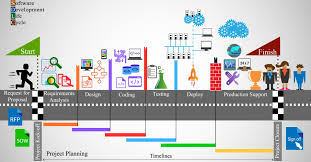
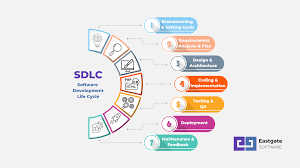
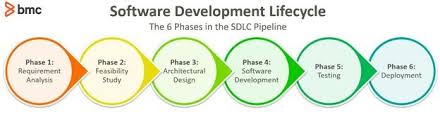
The Software Development Life Cycle (SDLC) is a structured process that outlines the steps needed to design, develop, test, and deploy software applications. The full SDLC encompasses all the phases involved in creating software, from the initial planning to maintenance and support.

Phases of the Full SDLC

Planning: This phase involves defining the scope of the project, setting goals, and determining resources needed.

Analysis: During this phase, requirements are gathered from stakeholders and analyzed to create a functional specification.

Design: The design phase involves creating a detailed technical design based on the requirements identified in the analysis phase.

Implementation: In this phase, developers write code according to the design specifications and integrate different components of the software.

Testing: The testing phase involves verifying that the software meets requirements and is free of bugs or errors through various testing methods.

Deployment: Once testing is complete, the software is deployed to production environments for end-users to access.

Maintenance: After deployment, ongoing maintenance is required to address issues, implement updates, and ensure optimal performance.

The Importance of Following a Full SDLC

Adhering to a full SDLC ensures that software projects are completed efficiently and effectively. By following a structured process, organizations can minimize risks, control costs, and deliver high-quality solutions that meet user needs.

In conclusion, the full Software Development Life Cycle (SDLC) provides a roadmap for successfully developing software applications from start to finish. By following each phase diligently, organizations can create reliable and innovative software products that drive business success.


9 Essential Tips for Mastering the Full Software Development Life Cycle (SDLC)

  1. Understand the project requirements thoroughly before starting.
  2. Involve stakeholders at every stage of the software development life cycle (SDLC).
  3. Create a detailed project plan outlining tasks, timelines, and responsibilities.
  4. Use version control to manage changes and track progress effectively.
  5. Perform thorough testing at each phase to ensure quality and identify issues early.
  6. Document all processes, decisions, and changes for future reference.
  7. Prioritize security measures throughout the SDLC to protect against vulnerabilities.
  8. Regularly review and evaluate the project status to make necessary adjustments.
  9. Seek feedback from end users to incorporate improvements and enhance user experience.

Understand the project requirements thoroughly before starting.

To ensure a successful software development project following the full Software Development Life Cycle (SDLC), it is crucial to thoroughly understand the project requirements before commencing any work. By taking the time to carefully analyze and clarify the needs and expectations of stakeholders, teams can create a solid foundation for the development process. Clear and comprehensive project requirements help in defining scope, setting achievable goals, and guiding all subsequent phases of the SDLC towards meeting user needs effectively.

Involve stakeholders at every stage of the software development life cycle (SDLC).

It is crucial to involve stakeholders at every stage of the software development life cycle (SDLC) to ensure that the final product meets their needs and expectations. By engaging stakeholders from the planning phase to deployment and maintenance, developers can gather valuable feedback, address concerns early on, and make informed decisions that align with the project goals. This collaborative approach fosters transparency, enhances communication, and ultimately leads to the successful delivery of software solutions that satisfy both business requirements and user preferences.

Create a detailed project plan outlining tasks, timelines, and responsibilities.

Creating a detailed project plan outlining tasks, timelines, and responsibilities is crucial in the full Software Development Life Cycle (SDLC). This plan serves as a roadmap for the entire development process, ensuring that all team members understand their roles and deadlines. By clearly defining tasks and responsibilities, teams can work more efficiently, minimize risks of delays or misunderstandings, and ultimately contribute to the successful completion of the project within the specified timeline.

Use version control to manage changes and track progress effectively.

Utilizing version control is crucial in the full Software Development Life Cycle (SDLC) to effectively manage changes and track progress. Version control systems like Git enable developers to keep track of modifications made to the codebase, collaborate seamlessly with team members, and revert to previous versions if needed. By implementing version control practices, development teams can maintain a structured workflow, reduce errors, and ensure that all project stakeholders are aligned throughout the software development process.

Perform thorough testing at each phase to ensure quality and identify issues early.

Performing thorough testing at each phase of the Full Software Development Life Cycle (SDLC) is crucial to ensuring quality and identifying issues early in the development process. By conducting comprehensive testing during planning, analysis, design, implementation, and deployment phases, developers can detect and address potential problems before they escalate, leading to a more robust and reliable software product. Early identification of issues through rigorous testing helps in delivering a high-quality solution that meets user requirements and minimizes the need for costly rework later in the development cycle.

Document all processes, decisions, and changes for future reference.

Documenting all processes, decisions, and changes throughout the Full Software Development Life Cycle (SDLC) is crucial for future reference and continuous improvement. By maintaining detailed documentation, teams can ensure transparency, traceability, and knowledge transfer within the project. This practice not only helps in understanding the rationale behind past decisions but also facilitates smoother transitions between project phases and team members. Ultimately, thorough documentation serves as a valuable resource for future projects, enabling teams to learn from past experiences and make informed decisions to enhance the overall development process.

Prioritize security measures throughout the SDLC to protect against vulnerabilities.

It is crucial to prioritize security measures throughout the Software Development Life Cycle (SDLC) to safeguard against vulnerabilities. By integrating security practices from the initial planning stages to deployment and maintenance, organizations can proactively identify and address potential security risks. This approach helps in creating robust and secure software solutions that protect sensitive data, prevent cyber threats, and ensure the overall integrity of the system. Emphasizing security throughout the SDLC not only enhances the reliability of the software but also instills trust among users and stakeholders.

Regularly review and evaluate the project status to make necessary adjustments.

Regularly reviewing and evaluating the project status is a crucial tip in the full Software Development Life Cycle (SDLC). By consistently assessing the progress of the project, teams can identify any potential issues or deviations from the initial plan and make necessary adjustments promptly. This proactive approach helps ensure that the project stays on track, meets its objectives, and delivers high-quality software solutions within the specified timeline and budget.

Seek feedback from end users to incorporate improvements and enhance user experience.

Seeking feedback from end users is a crucial step in the full Software Development Life Cycle (SDLC) process. By actively engaging with end users, developers can gain valuable insights into how the software is being used and identify areas for improvement. Incorporating user feedback allows for enhancements that can significantly enhance the overall user experience, leading to higher satisfaction levels and increased usability of the software. This iterative feedback loop ensures that the software aligns closely with user needs and expectations, ultimately resulting in a more successful and user-friendly product.
Maximizing Business Potential with Expert IT Infrastructure Consulting Services

The Importance of IT Infrastructure Consulting for Businesses

In today’s digital age, a robust and efficient IT infrastructure is crucial for the success of any business. IT infrastructure consulting plays a vital role in helping organizations optimize their technology resources to enhance productivity, efficiency, and security.

What is IT Infrastructure Consulting?

IT infrastructure consulting involves assessing, designing, implementing, and managing an organization’s technology systems and resources. It aims to align the IT infrastructure with the business goals and requirements to ensure smooth operations and maximum performance.

The Benefits of IT Infrastructure Consulting

Improved Efficiency: By analyzing the existing infrastructure and identifying areas for improvement, consultants can help streamline processes, automate tasks, and eliminate bottlenecks that hinder productivity.

Enhanced Security: With the increasing threat of cyberattacks, ensuring robust security measures is paramount. IT infrastructure consultants can implement security protocols, conduct regular audits, and provide training to mitigate risks.

Scalability: As businesses grow, their technology needs evolve. Consultants can design scalable solutions that can adapt to changing demands without compromising performance or stability.

Cost Savings: By optimizing resources and implementing cost-effective solutions, IT infrastructure consulting can help businesses reduce operational expenses in the long run.

How IT Infrastructure Consulting Works

The process typically involves:

  • Assessment: Consultants evaluate the current infrastructure, identify strengths and weaknesses, and determine areas for improvement.
  • Design: Based on the assessment findings and business requirements, consultants create a tailored plan for optimizing the IT infrastructure.
  • Implementation: The designed solutions are implemented with minimal disruption to operations to ensure a seamless transition.
  • Monitoring & Maintenance: Consultants continuously monitor the system performance, address issues promptly, and provide ongoing support to ensure optimal functioning.

The Future of IT Infrastructure Consulting

In an era of rapid technological advancements and evolving business needs, the role of IT infrastructure consulting will continue to be indispensable. Businesses that invest in expert guidance to build resilient and agile IT infrastructures will stay ahead of the competition and thrive in a digital-centric world.

Contact us today to learn how our experienced IT infrastructure consultants can help your business achieve its full potential through optimized technology solutions.


Maximize Business Potential with IT Infrastructure Consulting: 8 Key Benefits

  1. Enhanced efficiency through streamlined processes
  2. Improved cybersecurity measures to protect sensitive data
  3. Scalable solutions that can grow with your business
  4. Cost-effective strategies to optimize resource utilization
  5. Expert guidance in aligning IT infrastructure with business goals
  6. Access to the latest technologies and industry best practices
  7. Proactive monitoring and maintenance for uninterrupted operations
  8. Customized solutions tailored to meet specific organizational needs


6 Drawbacks of IT Infrastructure Consulting: Costs, Disruptions, and Alignment Challenges

  1. Costly initial investment for consulting services
  2. Potential disruption to existing operations during implementation
  3. Dependence on external consultants for ongoing support and maintenance
  4. Difficulty in finding consultants with the right expertise and experience
  5. Risk of delays or setbacks in project timelines
  6. Challenges in aligning IT infrastructure recommendations with business goals

Enhanced efficiency through streamlined processes

Enhanced efficiency through streamlined processes is a significant benefit of IT infrastructure consulting. By analyzing and optimizing existing workflows, consultants can identify inefficiencies, automate repetitive tasks, and implement standardized procedures. This not only saves time but also reduces errors and improves overall productivity. Streamlined processes enable employees to focus on strategic tasks, leading to increased efficiency across the organization and ultimately enhancing business performance.

Improved cybersecurity measures to protect sensitive data

Enhancing cybersecurity measures is a crucial advantage of IT infrastructure consulting. By conducting thorough assessments and implementing robust security protocols, consultants can help businesses safeguard their sensitive data from cyber threats. With the increasing frequency and sophistication of cyberattacks, having expert guidance in strengthening cybersecurity defenses is essential to mitigate risks and protect valuable information. Through proactive monitoring, regular audits, and tailored security solutions, IT infrastructure consulting ensures that organizations can maintain the integrity and confidentiality of their data in an ever-evolving digital landscape.

Scalable solutions that can grow with your business

One significant advantage of IT infrastructure consulting is the ability to provide scalable solutions that can expand and evolve in tandem with your business growth. By designing IT systems that are flexible and adaptable, consultants ensure that your technology infrastructure can easily accommodate increasing demands, new requirements, and changing market dynamics. This scalability not only future-proofs your operations but also minimizes the need for costly system overhauls as your business expands, ultimately maximizing efficiency and productivity.

Cost-effective strategies to optimize resource utilization

One significant advantage of IT infrastructure consulting is the implementation of cost-effective strategies to optimize resource utilization. By analyzing the current infrastructure and identifying areas where resources are underutilized or inefficiently allocated, consultants can recommend tailored solutions that maximize the value of existing resources while minimizing unnecessary expenses. This proactive approach not only helps businesses save money but also ensures that their IT infrastructure operates at peak efficiency, ultimately enhancing overall productivity and performance.

Expert guidance in aligning IT infrastructure with business goals

One significant benefit of IT infrastructure consulting is the expert guidance it provides in aligning IT infrastructure with business goals. By leveraging the knowledge and experience of consultants, organizations can ensure that their technology resources are strategically configured to support and enhance overall business objectives. This alignment not only improves operational efficiency but also enables businesses to make informed decisions regarding technology investments, ultimately driving growth and competitiveness in today’s dynamic market landscape.

Access to the latest technologies and industry best practices

Access to the latest technologies and industry best practices is a significant advantage of IT infrastructure consulting. By partnering with experienced consultants, businesses can stay ahead of the curve and leverage cutting-edge technologies to enhance their operations. Consultants bring in-depth knowledge of industry trends and best practices, ensuring that organizations adopt solutions that are efficient, secure, and scalable. This proactive approach not only boosts productivity but also positions businesses for long-term success in a rapidly evolving technological landscape.

Proactive monitoring and maintenance for uninterrupted operations

Proactive monitoring and maintenance provided by IT infrastructure consulting services ensure uninterrupted operations for businesses. By continuously monitoring system performance, identifying potential issues before they escalate, and implementing timely maintenance, organizations can prevent downtime, optimize efficiency, and maintain a seamless workflow. This proactive approach not only minimizes disruptions but also enhances overall productivity and customer satisfaction by keeping critical systems running smoothly at all times.

Customized solutions tailored to meet specific organizational needs

One key advantage of IT infrastructure consulting is the ability to provide customized solutions tailored to meet specific organizational needs. By conducting a thorough assessment of the existing infrastructure and understanding the unique requirements of the business, consultants can design and implement solutions that address specific challenges and goals. This personalized approach ensures that the technology resources align with the organization’s objectives, maximizing efficiency, productivity, and overall performance.

Costly initial investment for consulting services

One significant drawback of IT infrastructure consulting is the costly initial investment required for consulting services. Businesses may find it challenging to allocate a substantial budget upfront for hiring consultants to assess, design, and implement IT infrastructure solutions. The high cost of consulting services can be a barrier for small and medium-sized enterprises with limited financial resources, potentially deterring them from seeking professional guidance to optimize their technology systems. Despite the long-term benefits that effective IT infrastructure consulting can bring, the immediate financial burden of the initial investment may pose a challenge for some organizations looking to enhance their IT capabilities.

Potential disruption to existing operations during implementation

One significant drawback of IT infrastructure consulting is the potential disruption to existing operations during the implementation phase. Introducing new technology systems or making significant changes to the current infrastructure can lead to downtime, system errors, and productivity losses. Employees may need time to adapt to the changes, resulting in a temporary decrease in efficiency. Careful planning, effective communication, and phased implementation strategies are essential to minimize disruptions and ensure a smooth transition without compromising business operations.

Dependence on external consultants for ongoing support and maintenance

One significant drawback of IT infrastructure consulting is the potential dependence on external consultants for ongoing support and maintenance. While consultants provide valuable expertise and guidance during the initial assessment, design, and implementation phases, relying on them long-term can lead to increased costs and reliance on external resources. Organizations may face challenges in maintaining continuity and responsiveness if they do not have a dedicated internal team with the necessary skills to manage and troubleshoot the IT infrastructure independently. This reliance on external consultants for day-to-day support can hinder agility and delay timely responses to critical issues, impacting overall operational efficiency.

Difficulty in finding consultants with the right expertise and experience

One significant challenge in IT infrastructure consulting is the difficulty in finding consultants with the right expertise and experience. The rapidly evolving technology landscape requires consultants to stay updated with the latest trends and possess a deep understanding of various systems and tools. Finding professionals who have the necessary skills to address complex IT infrastructure needs can be a daunting task for businesses seeking reliable consulting services. Inadequate expertise and experience can lead to suboptimal solutions, delays in project delivery, and potential risks to the organization’s technology environment. It is crucial for businesses to carefully vet consultants and ensure they have the required knowledge and proficiency to effectively meet their IT infrastructure requirements.

Risk of delays or setbacks in project timelines

One significant con of IT infrastructure consulting is the risk of delays or setbacks in project timelines. Due to the complexity of IT projects and unforeseen challenges that may arise during implementation, there is a possibility of timelines not being met as initially planned. Delays can impact the overall project schedule, leading to increased costs and potential disruptions to business operations. It is essential for businesses to work closely with consultants to proactively address any issues and mitigate risks to ensure timely project delivery.

Challenges in aligning IT infrastructure recommendations with business goals

One significant challenge in IT infrastructure consulting is the difficulty of aligning technology recommendations with specific business goals. Often, IT consultants may focus solely on technical aspects without fully understanding the unique objectives and requirements of the business. This disconnect can lead to solutions that do not effectively support or enhance the organization’s strategic direction, resulting in wasted resources and missed opportunities for growth. Overcoming this challenge requires close collaboration between IT experts and key stakeholders to ensure that technology investments align closely with the overall business objectives and contribute meaningfully to achieving success.

sdlc waterfall

The Evolution of Software Development: Navigating the SDLC Waterfall Model

Understanding the SDLC Waterfall Model

Understanding the SDLC Waterfall Model

The Software Development Life Cycle (SDLC) is a process used by software development teams to design, develop, and test high-quality software products. One of the traditional models of SDLC is the Waterfall model.

What is the Waterfall Model?

In the Waterfall model, the software development process is divided into sequential phases that flow downwards like a waterfall. Each phase must be completed before moving on to the next one, and there is no turning back once a phase is finished.

Phases of the Waterfall Model:

  1. Requirements Gathering: In this phase, project requirements are collected from stakeholders.
  2. System Design: The system architecture and design are planned based on gathered requirements.
  3. Implementation: The actual coding and programming of the software take place in this phase.
  4. Testing: The developed software is tested for bugs and errors.
  5. Maintenance: Once testing is successful, the software is deployed, maintained, and updated as needed.

Advantages of the Waterfall Model:

  • Simplicity: The sequential nature of the model makes it easy to understand and manage.
  • Certainty: Each phase has specific deliverables and criteria for completion, providing clarity on project progress.
  • Ease of Documentation: Documentation can be created at each stage, ensuring traceability and accountability.

Disadvantages of the Waterfall Model:

  • Rigidity: Lack of flexibility can lead to difficulties in accommodating changes late in the development process.
  • No Early Prototyping: Stakeholders may not see a working product until late in the cycle, risking misalignment with expectations.
  • Risk Management: Identifying risks early may be challenging due to limited feedback until later stages.

In conclusion, while the Waterfall model offers structure and clarity in software development projects, its rigidity can pose challenges when requirements change or evolve. It remains a valuable approach for projects with well-defined and stable requirements where predictability is crucial.


5 Essential Tips for Effectively Implementing the Waterfall SDLC Model

  1. Clearly define and document requirements at the beginning of the project.
  2. Follow a sequential approach with distinct phases such as planning, design, implementation, testing, and maintenance.
  3. Ensure thorough testing at each stage to catch defects early in the process.
  4. Obtain customer feedback at key milestones to validate progress and requirements.
  5. Document all aspects of the project thoroughly for future reference and maintenance.

Clearly define and document requirements at the beginning of the project.

Clear and thorough definition and documentation of project requirements at the outset of a software development project is crucial in the Waterfall model of the Software Development Life Cycle (SDLC). By clearly outlining the scope, functionalities, and objectives of the project from the start, stakeholders can ensure alignment and understanding among all team members. This practice helps minimize misunderstandings, reduce rework, and establish a solid foundation for subsequent phases of development. Additionally, well-defined requirements serve as a reference point throughout the project, guiding decision-making and ensuring that the final product meets expectations effectively.

Follow a sequential approach with distinct phases such as planning, design, implementation, testing, and maintenance.

To effectively implement the Waterfall model in the Software Development Life Cycle (SDLC), it is essential to adhere to a sequential approach comprising distinct phases. Beginning with meticulous planning, followed by detailed design, precise implementation, thorough testing, and ongoing maintenance, each phase plays a crucial role in ensuring the success of the project. By following this structured sequence of activities, teams can maintain clarity, accountability, and progress tracking throughout the development process, ultimately leading to the delivery of high-quality software products.

Ensure thorough testing at each stage to catch defects early in the process.

To optimize the Software Development Life Cycle (SDLC) Waterfall model, it is crucial to emphasize thorough testing at every stage of the process. By conducting comprehensive testing throughout each phase, teams can identify and rectify defects early on, preventing them from escalating into more significant issues later in the development cycle. This proactive approach not only ensures a higher quality end product but also contributes to smoother project progression and timely delivery.

Obtain customer feedback at key milestones to validate progress and requirements.

Obtaining customer feedback at key milestones in the SDLC Waterfall model is crucial to validate progress and ensure that the project aligns with customer requirements. By involving customers throughout the development process, teams can address any discrepancies early on, leading to a product that meets or exceeds expectations. This feedback loop not only validates the work done so far but also provides valuable insights for making necessary adjustments and improvements, ultimately enhancing the overall quality of the final product.

Document all aspects of the project thoroughly for future reference and maintenance.

It is essential to document all aspects of the project thoroughly during the Software Development Life Cycle (SDLC) Waterfall model to ensure future reference and maintenance. Comprehensive documentation helps in understanding the project’s requirements, design, implementation details, and testing procedures. It serves as a valuable resource for developers, testers, and maintenance teams when addressing issues, making updates, or adding new features to the software. Proper documentation enhances project transparency, facilitates knowledge transfer among team members, and contributes to the overall success and efficiency of the software development process.

secure sdlc

Enhancing Software Security with a Secure SDLC Approach

The Importance of Secure Software Development Life Cycle (SDLC)

The Importance of Secure Software Development Life Cycle (SDLC)

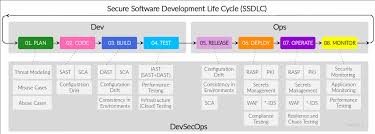
Secure Software Development Life Cycle (SDLC) is a crucial process that ensures security is integrated into every phase of software development. By implementing security measures from the initial planning stages to deployment and maintenance, organizations can significantly reduce the risk of vulnerabilities and cyber attacks.

Key Phases of Secure SDLC:

  1. Planning: In this phase, security requirements are identified, and a security strategy is developed to align with business objectives.
  2. Design: Security architecture and design principles are incorporated into the software design to prevent potential security flaws.
  3. Implementation: Developers write secure code following coding guidelines and best practices to minimize vulnerabilities.
  4. Testing: Security testing is conducted to identify and address any weaknesses or vulnerabilities in the software before it goes live.
  5. Deployment: Secure deployment practices are followed to ensure that the software is securely configured in its operational environment.
  6. Maintenance: Regular maintenance includes patching vulnerabilities, updating security measures, and monitoring for any new threats.

The Benefits of Secure SDLC:

  • Risk Mitigation: By integrating security throughout the development process, organizations can proactively identify and mitigate risks before they become major issues.
  • Data Protection: Secure SDLC helps safeguard sensitive data from unauthorized access or breaches, enhancing data protection measures.
  • Compliance: Following secure SDLC practices ensures compliance with industry regulations and standards related to data privacy and security.
  • Cybersecurity Resilience: Building secure software enhances an organization’s cybersecurity posture, making it more resilient against cyber threats and attacks.

In conclusion, adopting a Secure Software Development Life Cycle is essential for organizations looking to develop robust and secure software applications. By prioritizing security at every stage of the development process, businesses can protect their assets, maintain customer trust, and stay ahead in an increasingly digital world.


Understanding Secure SDLC: Key Concepts and Stages Explained

  1. What is a secure development life cycle?
  2. What is secure coding practices in SDLC?
  3. What is the proper way to secure your SDLC?
  4. What is a secure SDLC?
  5. What are the 5 phases of SDLC?
  6. What are the 5 phases of the security life cycle?
  7. What are the 7 stages of an SDLC?

What is a secure development life cycle?

A Secure Development Life Cycle (SDLC) refers to a structured approach to integrating security measures into every phase of the software development process. It involves identifying and addressing security requirements from the initial planning stages through deployment and maintenance. By following a secure SDLC, organizations can proactively prevent vulnerabilities, reduce the risk of cyber attacks, and ensure that software applications are developed with security in mind. This comprehensive approach helps build trust with users, protect sensitive data, and maintain compliance with industry regulations and standards related to cybersecurity.

What is secure coding practices in SDLC?

Secure coding practices in SDLC refer to the set of guidelines, best practices, and techniques that developers follow to write code that is resilient to security threats and vulnerabilities. By incorporating secure coding practices throughout the software development life cycle, developers can minimize the risk of introducing security flaws into the codebase. These practices include input validation, output encoding, proper error handling, secure authentication mechanisms, data encryption, and adherence to coding standards. Implementing secure coding practices not only helps in building more secure software but also contributes to overall risk reduction and enhances the resilience of applications against cyber attacks.

What is the proper way to secure your SDLC?

Securing your Software Development Life Cycle (SDLC) involves following a structured approach that integrates security practices throughout the entire development process. The proper way to secure your SDLC includes implementing security measures at each phase, such as planning, design, implementation, testing, deployment, and maintenance. This entails identifying and addressing security requirements early on, incorporating secure coding practices, conducting thorough security testing, deploying software in a secure manner, and regularly maintaining and updating security measures. By adopting a comprehensive and proactive approach to security within the SDLC, organizations can effectively mitigate risks, protect sensitive data, ensure compliance with regulations, and enhance their overall cybersecurity resilience.

What is a secure SDLC?

A Secure Software Development Life Cycle (SDLC) is a systematic approach to integrating security measures and practices into every phase of the software development process. It ensures that security considerations are addressed from the initial planning stages through deployment and maintenance. By following a secure SDLC, organizations can identify and mitigate potential vulnerabilities early on, reducing the risk of security breaches and cyber attacks. This proactive approach helps build secure software applications that protect sensitive data, comply with industry regulations, and enhance overall cybersecurity resilience.

What are the 5 phases of SDLC?

The Software Development Life Cycle (SDLC) comprises five key phases: Planning, Design, Implementation, Testing, and Deployment. In the Planning phase, project requirements are gathered and a roadmap for development is outlined. The Design phase involves creating the architecture and technical specifications of the software. Implementation is where the actual coding takes place based on the design specifications. Testing is crucial for identifying and fixing any issues or bugs in the software before it is deployed. Finally, Deployment involves releasing the software to users after ensuring that it meets all quality standards and security requirements. These five phases form a structured approach to developing software that ensures efficiency, quality, and security throughout the development process.

What are the 5 phases of the security life cycle?

The five essential phases of the security life cycle, commonly known as Secure Software Development Life Cycle (SDLC), are planning, design, implementation, testing, and deployment. In the planning phase, security requirements are identified and a strategic approach is devised to align security measures with business objectives. The design phase involves integrating security architecture and principles into the software design to prevent potential vulnerabilities. During implementation, developers write secure code following best practices to minimize security risks. Testing is crucial for identifying and addressing any weaknesses before deployment, where secure configurations are ensured in the operational environment. Lastly, maintenance includes regular updates and monitoring to address new threats effectively throughout the software’s lifecycle.

What are the 7 stages of an SDLC?

The Secure Software Development Life Cycle (SDLC) consists of seven key stages that are integral to ensuring the security and integrity of software applications. These stages include planning, design, implementation, testing, deployment, maintenance, and monitoring. Each stage plays a crucial role in incorporating security measures into the software development process, from defining security requirements in the planning phase to continuously monitoring and updating security protocols in the maintenance phase. By following these seven stages diligently, organizations can build secure and resilient software that mitigates risks and protects against potential cyber threats.

sdlc software

Mastering the Software Development Life Cycle (SDLC) for Efficient Software Development

The Importance of Software Development Life Cycle (SDLC)

The Importance of Software Development Life Cycle (SDLC)

Software Development Life Cycle (SDLC) is a systematic process used by software developers to design, develop, and test high-quality software products. It is a crucial framework that ensures the efficient and timely delivery of software solutions while meeting customer requirements.

Phases of SDLC:

Planning: In this phase, project requirements are gathered, analyzed, and documented. Budget, timeline, and resources are also determined during the planning stage.

Analysis: During this phase, the system requirements are studied in detail. Developers work closely with stakeholders to understand their needs and expectations.

Design: The design phase involves creating a blueprint for the software solution based on the requirements gathered in the previous phases. This includes architectural design, database design, and user interface design.

Implementation: In this phase, actual coding takes place based on the design specifications. Developers write code according to the programming language selected for the project.

Testing: Testing is a critical phase where software is tested for bugs, errors, and functionality issues. Various testing methods like unit testing, integration testing, and system testing are performed to ensure quality.

Deployment: Once testing is complete and the software meets all requirements, it is deployed to production environments for actual use by end-users.

Maintenance: The maintenance phase involves regular updates, bug fixes, and enhancements to ensure that the software continues to meet changing user needs over time.

The Benefits of SDLC:

  • Better Quality: SDLC ensures that software products are thoroughly tested before deployment, resulting in higher quality solutions.
  • Cost-Effective Development: By following a structured approach like SDLC, developers can identify issues early in the process, reducing development costs in the long run.
  • Easier Maintenance:S DLC’s iterative nature allows for easier maintenance and updates as changes can be implemented systematically without disrupting existing functionalities.
  • Customer Satisfaction:


    9 Essential Tips for Mastering the Software Development Life Cycle (SDLC)

    1. Understand the requirements thoroughly before starting the development process.
    2. Involve stakeholders at every stage of the Software Development Life Cycle (SDLC).
    3. Use version control systems to track changes and manage code efficiently.
    4. Perform regular testing to ensure quality and identify bugs early in the process.
    5. Document each phase of the SDLC to maintain clarity and facilitate future maintenance.
    6. Adopt Agile or DevOps methodologies for a more iterative and collaborative approach.
    7. Consider security measures throughout the SDLC to protect against potential threats.
    8. Plan for scalability to accommodate future growth and changes in user demands.
    9. Continuously gather feedback from users to improve software usability and functionality.

    Understand the requirements thoroughly before starting the development process.

    It is essential to thoroughly understand the requirements before initiating the development process in Software Development Life Cycle (SDLC). Clear and comprehensive comprehension of project requirements ensures that developers have a solid foundation to work from, reducing the likelihood of misunderstandings or rework later on. By taking the time to delve deep into the requirements at the beginning, teams can align their efforts with the client’s needs and expectations, leading to a more efficient and successful development cycle.

    Involve stakeholders at every stage of the Software Development Life Cycle (SDLC).

    It is essential to involve stakeholders at every stage of the Software Development Life Cycle (SDLC) to ensure the successful development and delivery of software solutions that meet their needs and expectations. By engaging stakeholders throughout the process, developers can gather valuable feedback, clarify requirements, and address any concerns or changes early on. This collaborative approach fosters a sense of ownership among stakeholders and helps build consensus, ultimately leading to the development of high-quality software products that align closely with the organization’s goals and objectives.

    Use version control systems to track changes and manage code efficiently.

    When implementing Software Development Life Cycle (SDLC) processes, it is essential to utilize version control systems to track changes and manage code efficiently. Version control systems, such as Git or SVN, allow developers to keep track of modifications made to the codebase over time. By using version control, teams can collaborate seamlessly, revert to previous versions if needed, and maintain a clear history of code changes. This practice not only enhances code management but also improves overall project efficiency and ensures better software quality throughout the SDLC stages.

    Perform regular testing to ensure quality and identify bugs early in the process.

    Performing regular testing throughout the Software Development Life Cycle (SDLC) is crucial to ensure the quality of the software and identify bugs early in the process. By conducting thorough and systematic testing at each stage of development, developers can detect and address issues promptly, leading to a more robust and reliable final product. Early bug identification not only helps in maintaining high-quality standards but also reduces the time and cost associated with fixing defects later in the development cycle. Prioritizing regular testing in SDLC contributes significantly to delivering a successful software solution that meets user expectations and performs optimally.

    Document each phase of the SDLC to maintain clarity and facilitate future maintenance.

    Documenting each phase of the Software Development Life Cycle (SDLC) is a crucial tip to maintain clarity and facilitate future maintenance of software projects. By documenting each phase, including planning, analysis, design, implementation, testing, deployment, and maintenance, developers and stakeholders can have a clear understanding of the project’s progress and requirements. Detailed documentation serves as a reference point for future updates, enhancements, and troubleshooting efforts, ensuring that the software remains well-documented and easily maintainable throughout its lifecycle.

    Adopt Agile or DevOps methodologies for a more iterative and collaborative approach.

    Adopting Agile or DevOps methodologies in the Software Development Life Cycle (SDLC) can significantly enhance the development process. By embracing these frameworks, teams can work in a more iterative and collaborative manner, allowing for quicker feedback loops, improved adaptability to changes, and increased efficiency in delivering software solutions. Agile methodologies promote flexibility and customer-centric development, while DevOps focuses on streamlining collaboration between development and operations teams for seamless integration and deployment. Implementing Agile or DevOps practices in SDLC can lead to enhanced productivity, better quality software, and ultimately, higher customer satisfaction.

    Consider security measures throughout the SDLC to protect against potential threats.

    It is essential to consider security measures throughout the Software Development Life Cycle (SDLC) to safeguard against potential threats. By integrating security practices from the early stages of planning and design to the final deployment and maintenance phases, developers can proactively identify vulnerabilities and mitigate risks. Implementing robust security protocols ensures that software products are resilient against cyber threats, protecting sensitive data and maintaining the trust of users. Prioritizing security throughout the SDLC not only enhances the overall quality of the software but also contributes to a more secure and reliable end product.

    Plan for scalability to accommodate future growth and changes in user demands.

    When implementing Software Development Life Cycle (SDLC) for a project, it is essential to plan for scalability to accommodate future growth and changes in user demands. By anticipating the need for scalability, developers can design a flexible and adaptable software solution that can easily expand to meet increasing user requirements or changes in the business environment. This proactive approach ensures that the software remains relevant and efficient in the long term, saving time and resources on extensive rework or redevelopment efforts down the line.

    Continuously gather feedback from users to improve software usability and functionality.

    Continuously gathering feedback from users is a crucial tip in the Software Development Life Cycle (SDLC) process. By actively seeking input from end-users, developers can gain valuable insights into how the software is being used and identify areas for improvement in terms of usability and functionality. This feedback loop allows for iterative enhancements that align the software more closely with user needs and preferences, ultimately leading to a more user-friendly and effective product. Embracing user feedback as an integral part of the SDLC helps ensure that the software evolves to meet changing user requirements and remains relevant in a dynamic technological landscape.

strategy consultants

Unlocking Success: The Essential Role of Strategy Consultants in Business Growth

The Role of Strategy Consultants in Business

The Role of Strategy Consultants in Business

In today’s rapidly changing business landscape, organizations often turn to strategy consultants for expert guidance and insights. Strategy consultants play a crucial role in helping businesses navigate complex challenges, identify opportunities for growth, and develop effective strategies to achieve their goals.

What Do Strategy Consultants Do?

Strategy consultants are professionals who specialize in advising organizations on strategic planning and decision-making. They work closely with senior management teams to analyze market trends, assess competitive landscapes, and develop long-term strategies that drive sustainable growth.

Some key responsibilities of strategy consultants include:

  • Conducting thorough research and analysis to understand the client’s business environment.
  • Identifying strengths, weaknesses, opportunities, and threats (SWOT analysis).
  • Developing strategic recommendations tailored to the client’s specific needs and objectives.
  • Assisting in the implementation of strategic initiatives and monitoring progress towards goals.
  • Providing ongoing support and guidance to ensure the successful execution of the strategy.

The Value of Hiring Strategy Consultants

Businesses benefit from hiring strategy consultants in several ways:

  • Expertise: Strategy consultants bring specialized knowledge and experience to help businesses address complex challenges effectively.
  • Objectivity: External consultants offer an unbiased perspective on the organization’s operations and strategic direction.
  • Innovation: Consultants introduce fresh ideas and innovative approaches that can spark creativity within the organization.
  • Efficiency: By leveraging the expertise of consultants, businesses can streamline decision-making processes and accelerate strategic development.

In Conclusion

Strategy consultants play a vital role in guiding businesses towards success by providing strategic insights, actionable recommendations, and ongoing support. Their expertise helps organizations adapt to changing market dynamics, seize new opportunities, and achieve sustainable growth in today’s competitive business environment.


9 Essential Tips for Success as a Strategy Consultant

  1. Understand the client’s business and industry thoroughly.
  2. Develop strong problem-solving skills.
  3. Communicate clearly and effectively with clients and team members.
  4. Be adaptable and able to work in fast-paced environments.
  5. Stay updated on industry trends and best practices.
  6. Build strong relationships with clients based on trust and professionalism.
  7. Prioritize tasks effectively to meet deadlines.
  8. Continuously seek feedback for improvement.
  9. Collaborate with colleagues to leverage diverse perspectives.

Understand the client’s business and industry thoroughly.

To excel as a strategy consultant, it is imperative to thoroughly understand the client’s business and industry. By delving deep into the intricacies of their operations, market dynamics, and competitive landscape, consultants can offer tailored strategic recommendations that align with the client’s specific needs and objectives. This in-depth understanding not only fosters trust and credibility but also enables consultants to provide valuable insights and guidance that drive meaningful outcomes for the client’s business.

Develop strong problem-solving skills.

To excel as a strategy consultant, it is essential to develop strong problem-solving skills. The ability to analyze complex issues, identify root causes, and devise effective solutions is paramount in providing valuable strategic guidance to clients. By honing problem-solving abilities, consultants can navigate challenges with confidence, offer innovative strategies, and drive sustainable business growth. Effective problem-solving skills not only enhance a consultant’s credibility but also contribute significantly to the success of the organizations they serve.

Communicate clearly and effectively with clients and team members.

Clear and effective communication is paramount for strategy consultants when interacting with clients and team members. By articulating ideas, plans, and recommendations in a concise and understandable manner, consultants can ensure that everyone is on the same page and working towards common goals. Transparent communication fosters trust, promotes collaboration, and enhances overall project success. Whether conveying complex strategies to clients or coordinating tasks within the team, clear communication is key to building strong relationships and achieving desired outcomes in the consulting process.

Be adaptable and able to work in fast-paced environments.

To excel as a strategy consultant, it is essential to be adaptable and thrive in fast-paced environments. The dynamic nature of the business world requires consultants to quickly adjust to changing circumstances, think on their feet, and make informed decisions under pressure. Being adaptable allows consultants to effectively navigate uncertainties, embrace new challenges, and deliver timely solutions that meet the evolving needs of clients. Working in a fast-paced environment demands agility, resilience, and a proactive mindset to stay ahead of the curve and drive success in strategic consulting endeavors.

To maximize the value of strategy consultants, it is essential for businesses to stay updated on industry trends and best practices. By staying informed about the latest developments in their respective fields, organizations can ensure that they are leveraging cutting-edge strategies and insights provided by consultants. This proactive approach not only enhances the effectiveness of strategic planning but also enables businesses to remain competitive and agile in an ever-evolving business landscape.

Build strong relationships with clients based on trust and professionalism.

Building strong relationships with clients based on trust and professionalism is a fundamental tip for strategy consultants. By establishing a foundation of trust, consultants can foster open communication, collaboration, and a deeper understanding of their clients’ needs and goals. Professionalism ensures that consultants maintain a high standard of integrity, ethics, and reliability in their interactions with clients, ultimately leading to long-lasting partnerships built on mutual respect and successful outcomes.

Prioritize tasks effectively to meet deadlines.

To excel as a strategy consultant, it is essential to prioritize tasks effectively in order to meet deadlines. By carefully assessing the urgency and importance of each task, consultants can allocate their time and resources efficiently, ensuring that critical objectives are achieved on time. Prioritization allows consultants to focus on high-impact activities, maintain productivity levels, and deliver exceptional results within the stipulated timelines. Effective task management not only enhances performance but also instills a sense of accountability and professionalism in consulting engagements.

Continuously seek feedback for improvement.

In the realm of strategy consulting, a valuable tip for professionals is to continuously seek feedback for improvement. By actively soliciting input from clients, colleagues, and stakeholders, strategy consultants can gain valuable insights into their performance, identify areas for growth, and refine their approach to better meet the needs of their clients. Embracing feedback as a tool for learning and development can lead to enhanced skills, increased client satisfaction, and ultimately greater success in the field of strategy consulting.

Collaborate with colleagues to leverage diverse perspectives.

Collaborating with colleagues to leverage diverse perspectives is a valuable tip for strategy consultants. By working together with team members who bring different backgrounds, experiences, and expertise to the table, consultants can gain fresh insights and innovative ideas that can enhance the quality of strategic recommendations. Embracing diversity in perspectives fosters creativity, encourages critical thinking, and ultimately leads to more robust and effective strategies that address complex business challenges from multiple angles. Effective collaboration among colleagues not only enriches the consulting process but also promotes a culture of inclusivity and teamwork within the organization.

strategic consulting

Unlocking Success: The Power of Strategic Consulting in Today’s Business Landscape

In today’s fast-paced and competitive business environment, strategic consulting has become a crucial element for organizations looking to stay ahead of the curve. Strategic consulting involves the analysis, planning, and implementation of strategies that align with an organization’s goals and objectives. It provides a roadmap for success by helping businesses navigate challenges, capitalize on opportunities, and achieve sustainable growth.

One of the key benefits of strategic consulting is its ability to provide an external perspective on an organization’s operations. By working with experienced consultants who have a deep understanding of various industries, businesses can gain valuable insights into market trends, competitive landscapes, and best practices. This outside perspective can uncover blind spots, identify inefficiencies, and unlock new opportunities for growth.

Strategic consultants also play a vital role in helping organizations adapt to change. Whether it’s due to shifts in consumer behavior, technological advancements, or regulatory requirements, businesses must be agile and responsive to stay relevant. Strategic consultants can assist in developing flexible strategies that allow organizations to pivot quickly in response to changing market conditions.

Furthermore, strategic consulting helps organizations set clear goals and priorities. By conducting thorough analyses of internal capabilities and external factors, consultants can help businesses define realistic objectives and create actionable plans to achieve them. This focus on goal-setting ensures that resources are allocated efficiently and that efforts are directed towards activities that drive long-term success.

Overall, strategic consulting is a powerful tool for organizations seeking to enhance their competitiveness and drive sustainable growth. By leveraging the expertise of seasoned consultants, businesses can develop robust strategies that position them for success in today’s dynamic business landscape.


Unlocking Success: 9 Key Benefits of Strategic Consulting for Business Growth

  1. Provides an external perspective on business operations
  2. Offers valuable insights into market trends and best practices
  3. Helps uncover blind spots and identify inefficiencies
  4. Assists in adapting to changes in the business environment
  5. Supports setting clear goals and priorities for the organization
  6. Aids in developing flexible strategies for agile decision-making
  7. Drives sustainable growth by aligning strategies with organizational objectives
  8. Enhances competitiveness by staying ahead of the curve
  9. Optimizes resource allocation for maximum efficiency


Challenges of Strategic Consulting: High Costs, Dependency Risks, and Potential for Generic Solutions

  1. Costly service, may not be affordable for small businesses
  2. Dependency on external consultants, which can lead to reliance issues
  3. Potential for conflicts of interest if consultants have relationships with competitors
  4. Time-consuming process that may disrupt daily operations
  5. Difficulty in measuring the direct impact of strategic consulting on bottom-line results
  6. Risk of implementing generic solutions that do not address the unique challenges of the organization

Provides an external perspective on business operations

One significant advantage of strategic consulting is its ability to offer an external perspective on business operations. By collaborating with experienced consultants who bring fresh insights and industry knowledge, organizations can gain valuable perspectives that may not be apparent from within. This external viewpoint helps identify blind spots, inefficiencies, and untapped opportunities, enabling businesses to make informed decisions and implement strategies that drive growth and success.

Strategic consulting offers valuable insights into market trends and best practices, providing businesses with a competitive edge in understanding the ever-evolving landscape of their industry. By analyzing market trends, consultants can help organizations anticipate changes, identify emerging opportunities, and stay ahead of the curve. Furthermore, gaining insights into best practices allows businesses to learn from successful strategies implemented by industry leaders, enabling them to adopt proven methods and enhance their own operations for optimal performance and growth.

Helps uncover blind spots and identify inefficiencies

Strategic consulting plays a crucial role in helping organizations uncover blind spots and identify inefficiencies within their operations. By leveraging the expertise of experienced consultants, businesses can gain valuable insights into areas that may be hindering their performance or growth potential. Through thorough analysis and assessment, strategic consultants can pinpoint weaknesses in processes, systems, or strategies that may have gone unnoticed internally. By addressing these blind spots and inefficiencies, organizations can streamline their operations, improve productivity, and enhance overall performance to achieve sustainable success.

Assists in adapting to changes in the business environment

Strategic consulting plays a crucial role in assisting organizations to adapt effectively to changes in the business environment. By providing valuable insights, expertise, and guidance, strategic consultants help businesses navigate through uncertain times, embrace new opportunities, and overcome challenges brought about by shifts in market dynamics, technological advancements, or regulatory requirements. With their strategic foresight and industry knowledge, consultants enable organizations to proactively adjust their strategies, operations, and processes to stay agile and competitive in an ever-evolving business landscape.

Supports setting clear goals and priorities for the organization

Strategic consulting plays a vital role in supporting organizations in setting clear goals and priorities. By conducting in-depth analyses of the internal capabilities and external market factors, consultants help businesses define realistic objectives that align with their long-term vision. This process enables organizations to focus their resources effectively, prioritize initiatives, and create actionable plans to achieve their strategic goals. With the guidance of strategic consultants, businesses can establish a roadmap that ensures alignment across all levels of the organization and drives sustainable growth and success.

Aids in developing flexible strategies for agile decision-making

Strategic consulting excels in aiding organizations to develop flexible strategies that facilitate agile decision-making. By leveraging the expertise of consultants who possess a deep understanding of market dynamics and industry trends, businesses can adapt swiftly to changing environments. This proactive approach enables organizations to make informed decisions promptly, seize emerging opportunities, and effectively navigate uncertainties. The flexibility inherent in strategic consulting empowers businesses to stay responsive and resilient in the face of evolving challenges, ultimately fostering a culture of innovation and strategic agility.

Drives sustainable growth by aligning strategies with organizational objectives

Strategic consulting drives sustainable growth by aligning strategies with organizational objectives. By ensuring that every strategic decision is directly linked to the overarching goals of the organization, businesses can focus their resources and efforts on activities that contribute to long-term success. This alignment fosters a clear sense of direction, enhances operational efficiency, and maximizes the impact of strategic initiatives, ultimately leading to sustainable growth and competitive advantage in the market.

Enhances competitiveness by staying ahead of the curve

Strategic consulting enhances competitiveness by enabling organizations to stay ahead of the curve in a rapidly evolving business environment. By leveraging the expertise of consultants who possess in-depth industry knowledge and insights, businesses can proactively identify emerging trends, anticipate market shifts, and capitalize on new opportunities before their competitors. This strategic foresight allows organizations to adapt swiftly to changing conditions, innovate effectively, and maintain a competitive edge that positions them for long-term success in their respective industries.

Optimizes resource allocation for maximum efficiency

Strategic consulting optimizes resource allocation for maximum efficiency by analyzing the organization’s current resources and identifying areas where improvements can be made. By strategically allocating resources based on priorities and goals, businesses can ensure that their time, money, and manpower are utilized effectively to achieve optimal results. This proactive approach to resource management helps organizations streamline their operations, reduce waste, and enhance overall productivity, ultimately leading to improved performance and profitability.

Costly service, may not be affordable for small businesses

One significant drawback of strategic consulting is its cost, which may render the service unaffordable for small businesses with limited financial resources. The expertise and specialized knowledge offered by strategic consultants come at a premium price, making it challenging for smaller enterprises to access these services. As a result, small businesses may miss out on valuable strategic insights and guidance that could help them navigate complex challenges and achieve sustainable growth in a competitive market environment.

Dependency on external consultants, which can lead to reliance issues

One significant con of strategic consulting is the potential dependency it creates on external consultants, which can lead to reliance issues within an organization. Relying heavily on external consultants for strategic guidance and decision-making can result in a lack of internal expertise development and ownership of the strategies implemented. This dependency may hinder the organization’s ability to adapt independently to changing circumstances and make crucial strategic decisions without external input. Additionally, over-reliance on consultants can lead to increased costs over time and a disconnect between the recommended strategies and the organization’s core values or long-term objectives.

Potential for conflicts of interest if consultants have relationships with competitors

One significant con of strategic consulting is the potential for conflicts of interest to arise when consultants have existing relationships with competitors. This situation can compromise the objectivity and impartiality of the consulting process, as consultants may inadvertently prioritize the interests of one client over another. Such conflicts can undermine trust and credibility, leading to concerns about the confidentiality of sensitive information and the fairness of strategic recommendations. Organizations must carefully assess and manage these potential conflicts to ensure that their strategic consulting engagements remain ethical and unbiased.

Time-consuming process that may disrupt daily operations

One significant drawback of strategic consulting is that it can be a time-consuming process that has the potential to disrupt daily operations within an organization. Engaging in strategic consulting often requires dedicating substantial time and resources to meetings, data collection, analysis, and strategy development. This intensive process may divert attention away from day-to-day tasks and projects, leading to delays in decision-making and implementation of essential activities. The disruption caused by the time commitment of strategic consulting can strain resources and impact productivity, potentially causing short-term challenges for the organization.

Difficulty in measuring the direct impact of strategic consulting on bottom-line results

One significant con of strategic consulting is the challenge in measuring the direct impact of consulting efforts on bottom-line results. Unlike more tangible metrics such as revenue or cost savings, the outcomes of strategic consulting projects are often complex and multifaceted, making it difficult to attribute specific financial gains directly to the consulting intervention. This lack of clear cause-and-effect relationship can create uncertainty for organizations investing in strategic consulting, as they may struggle to quantify the return on investment and justify the expenditure to stakeholders. Additionally, the long-term nature of strategic initiatives means that their impact may not be immediately apparent, further complicating efforts to assess their effectiveness in driving measurable financial outcomes.

Risk of implementing generic solutions that do not address the unique challenges of the organization

One significant drawback of strategic consulting is the risk of implementing generic solutions that do not effectively address the unique challenges and complexities of an organization. Consultants may rely on standard frameworks and templates, leading to cookie-cutter strategies that fail to consider the specific nuances and intricacies of the business. This approach can result in missed opportunities for innovation and competitive advantage, as well as a lack of alignment with the organization’s distinct goals and capabilities. Without tailored solutions that reflect the individual needs of the organization, strategic initiatives may fall short of delivering meaningful results and sustainable growth.

developing software

Mastering the Art of Developing Software: A Comprehensive Guide

Developing Software: A Comprehensive Guide

Developing Software: A Comprehensive Guide

Software development is a complex and rewarding process that involves designing, coding, testing, and maintaining computer programs. Whether you are a seasoned developer or just starting out, understanding the key steps in software development is essential for creating successful applications.

The Software Development Life Cycle

The software development life cycle (SDLC) is a framework that outlines the stages involved in creating software. The typical phases of the SDLC include:

  1. Planning: Define project goals, requirements, and scope.
  2. Analysis: Gather user needs and create system specifications.
  3. Design: Develop architecture, UI/UX design, and database structure.
  4. Implementation: Write code based on design specifications.
  5. Testing: Verify software functionality and fix bugs.
  6. Deployment: Release the software to users.
  7. Maintenance: Update and enhance the software as needed.

The Role of Programming Languages

Selecting the right programming language is crucial in software development. Popular languages like Java, Python, C++, and JavaScript offer different features and are suitable for various types of applications. Developers must choose a language that aligns with project requirements and team expertise.

Coding Best Practices

To write efficient and maintainable code, developers should follow coding best practices such as:

  • Clean Code: Write clear, readable code that follows naming conventions.
  • Modularization: Break down tasks into smaller modules for easier management.
  • Error Handling: Implement proper error handling to prevent crashes and improve user experience.
  • Version Control: Use version control systems like Git to track changes and collaborate effectively.

The Future of Software Development

Rapid advancements in technology continue to shape the future of software development. Trends like artificial intelligence, cloud computing, and DevOps are revolutionizing how applications are built and deployed. As developers adapt to these changes, staying updated with industry trends is key to remaining competitive in the rapidly evolving tech landscape.

In conclusion, developing software requires a combination of technical skills, creativity, collaboration, and adaptability. By following best practices and embracing innovation, developers can create cutting-edge solutions that meet user needs and drive business success.


5 Essential Tips for Effective Software Development

  1. Break down tasks into smaller, manageable units for easier development and testing.
  2. Use version control systems like Git to track changes and collaborate with others effectively.
  3. Write clean and concise code to improve readability and maintainability.
  4. Regularly test your software for bugs and performance issues to ensure quality.
  5. Stay updated with the latest technologies and best practices in software development.

Break down tasks into smaller, manageable units for easier development and testing.

Breaking down tasks into smaller, manageable units is a crucial tip in software development that can significantly improve the development and testing process. By dividing complex tasks into smaller components, developers can focus on one specific aspect at a time, leading to more efficient coding, easier debugging, and better overall organization of the project. This approach not only streamlines development but also enhances collaboration among team members, as each unit can be assigned and worked on independently. Additionally, breaking tasks into manageable units facilitates thorough testing of individual components, ensuring that each part functions correctly before integration into the larger system.

Use version control systems like Git to track changes and collaborate with others effectively.

Utilizing version control systems such as Git is essential in software development to track changes, manage codebase versions, and collaborate seamlessly with team members. By implementing Git, developers can easily review modifications, revert to previous versions if needed, and work concurrently on different parts of the project without conflicts. This practice not only enhances productivity but also ensures that the development process remains organized and efficient, leading to the successful delivery of high-quality software products.

Write clean and concise code to improve readability and maintainability.

When developing software, it is essential to write clean and concise code to enhance readability and maintainability. By following this tip, developers can create code that is easier to understand, troubleshoot, and modify in the future. Clear and well-organized code not only benefits the current development process but also streamlines collaboration among team members. Additionally, maintaining clean code practices helps reduce the likelihood of introducing errors or bugs during the coding process, ultimately leading to more efficient and effective software development outcomes.

Regularly test your software for bugs and performance issues to ensure quality.

Regularly testing your software for bugs and performance issues is crucial to maintaining high quality. By conducting thorough testing throughout the development process, you can identify and address any issues early on, preventing them from escalating into major problems later. Testing helps ensure that your software functions as intended, delivers a seamless user experience, and meets performance expectations. Prioritizing testing not only improves the overall quality of your software but also enhances customer satisfaction and trust in your product.

Stay updated with the latest technologies and best practices in software development.

Staying updated with the latest technologies and best practices in software development is crucial for staying competitive in the ever-evolving tech industry. By continuously learning about new tools, languages, and methodologies, developers can enhance their skills, improve efficiency, and deliver high-quality solutions that meet the demands of modern users. Embracing innovation and staying informed about industry trends not only fosters personal growth but also ensures that software projects remain relevant and impactful in a rapidly changing digital landscape.

software engineering is

The Essence of What Software Engineering Is: A Comprehensive Overview

Software Engineering

The Essence of Software Engineering

Software engineering is a discipline that involves the application of engineering principles to the design, development, maintenance, testing, and evaluation of software and systems. It encompasses a systematic and disciplined approach to software development that aims to produce high-quality, reliable, and efficient software products.

Key Aspects of Software Engineering

Software engineering is a multifaceted field that covers various aspects of the software development lifecycle. Some key aspects include:

  • Requirements Engineering: Understanding and defining the needs and specifications of the software system.
  • Design: Creating a blueprint or plan for the software solution based on the requirements.
  • Implementation: Writing code and translating the design into a working software product.
  • Testing: Verifying that the software meets its requirements and functions correctly.
  • Maintenance: Making modifications, updates, and improvements to the software over its lifecycle.

The Importance of Software Engineering

Effective software engineering practices are crucial for developing reliable and scalable software systems. By following established methodologies and best practices, software engineers can mitigate risks, reduce errors, and deliver solutions that meet user needs and expectations. Good software engineering also promotes collaboration, communication, and efficiency within development teams.

Career Opportunities in Software Engineering

The field of software engineering offers diverse career opportunities for individuals with a passion for technology and problem-solving. Software engineers can specialize in areas such as web development, mobile app development, cybersecurity, artificial intelligence, and more. With the increasing demand for skilled professionals in the tech industry, pursuing a career in software engineering can lead to rewarding job prospects and continuous learning opportunities.

In conclusion, software engineering plays a vital role in shaping our digital world by enabling the creation of innovative solutions that drive progress across industries. Embracing sound engineering principles and practices helps ensure the success of software projects and contributes to building robust and sustainable technology ecosystems.


8 Essential Tips for Effective Software Engineering

  1. Always write clean and readable code.
  2. Use version control systems like Git to track changes in your codebase.
  3. Write unit tests to ensure the reliability of your code.
  4. Follow coding standards and best practices in the industry.
  5. Document your code properly for easier maintenance by yourself and others.
  6. Regularly refactor your code to keep it efficient and maintainable.
  7. Stay updated with new technologies and trends in software engineering.
  8. Collaborate effectively with team members through clear communication and regular feedback.

Always write clean and readable code.

It is essential in software engineering to always prioritize writing clean and readable code. Clear and well-structured code not only enhances the understandability of the software but also facilitates easier maintenance, debugging, and collaboration among developers. By adhering to best practices and maintaining a consistent coding style, software engineers can ensure that their code is more efficient, less error-prone, and easier to scale and maintain in the long run. Investing time in crafting clean code upfront pays off by improving overall software quality and fostering a positive development environment.

Use version control systems like Git to track changes in your codebase.

Utilizing version control systems like Git is essential in software engineering to effectively track changes in your codebase. By leveraging Git’s capabilities, developers can maintain a detailed history of modifications, collaborate seamlessly with team members, and revert to previous versions if needed. This practice not only enhances code management but also promotes transparency, accountability, and overall efficiency in the development process.

Write unit tests to ensure the reliability of your code.

To ensure the reliability of your code, it is essential to write unit tests. Unit tests are small, focused tests that validate the individual components or units of your codebase. By writing unit tests, developers can verify that each piece of code functions as intended and continues to work correctly even after future changes or updates. This practice not only helps in identifying and fixing bugs early in the development process but also contributes to building a more robust and stable software system overall.

Follow coding standards and best practices in the industry.

Adhering to coding standards and best practices in the software engineering industry is essential for producing high-quality and maintainable code. By following established guidelines and conventions, developers can ensure consistency, readability, and scalability in their codebase. This approach not only streamlines collaboration within development teams but also helps reduce errors, improve code efficiency, and enhance overall software reliability. Embracing coding standards and best practices demonstrates a commitment to professionalism and excellence in software development, ultimately leading to more robust and sustainable software solutions.

Document your code properly for easier maintenance by yourself and others.

Properly documenting your code is a fundamental practice in software engineering that significantly aids in easier maintenance by both yourself and others. Clear and concise documentation serves as a roadmap for understanding the functionality, structure, and purpose of the codebase. It not only facilitates troubleshooting and debugging but also enhances collaboration among team members by ensuring that everyone can grasp the code logic efficiently. By investing time in documenting your code, you not only streamline future maintenance tasks but also contribute to the overall readability and sustainability of the software project.

Regularly refactor your code to keep it efficient and maintainable.

Regularly refactoring your code is a crucial practice in software engineering to ensure that your code remains efficient and maintainable over time. By continuously improving the structure and design of your codebase, you can enhance its readability, performance, and scalability. Refactoring allows you to eliminate technical debt, reduce complexity, and adapt to changing requirements more effectively. It is a proactive approach that promotes code quality and sustainability, ultimately leading to a more robust and resilient software system.

It is essential for software engineers to stay updated with new technologies and trends in software engineering. By keeping abreast of the latest advancements in the field, professionals can enhance their skills, expand their knowledge base, and remain competitive in the ever-evolving tech industry. Embracing new technologies allows software engineers to explore innovative solutions, improve efficiency in development processes, and deliver cutting-edge products that meet the demands of today’s digital landscape. Continuous learning and adaptation to emerging trends are key factors in staying relevant and ensuring success in the dynamic world of software engineering.

Collaborate effectively with team members through clear communication and regular feedback.

Collaborating effectively with team members in software engineering is essential for the success of any project. Clear communication and regular feedback help ensure that everyone is on the same page, working towards common goals, and addressing any issues or concerns promptly. By fostering a culture of open communication and constructive feedback, software engineering teams can enhance productivity, creativity, and overall project outcomes. Effective collaboration not only improves the quality of the software being developed but also promotes a positive and supportive work environment where team members can thrive and contribute their best efforts.

waterfall software

Exploring the Waterfall Software Development Model: A Traditional Approach to Sequential Development

The Waterfall Software Development Model

The Waterfall Software Development Model

The waterfall model is a traditional approach to software development that follows a linear and sequential process. In this model, each phase of the software development life cycle must be completed before moving on to the next phase.

Key Phases of the Waterfall Model:

  1. Requirements Gathering: In this initial phase, project requirements are gathered from stakeholders and documented.
  2. Design: The system architecture and design are planned based on the gathered requirements.
  3. Implementation: The actual coding and programming of the software are done in this phase.
  4. Testing: Once the implementation is complete, testing is carried out to identify and fix any defects.
  5. Deployment: The final product is deployed to users after successful testing.
  6. Maintenance: Post-deployment, maintenance and support activities are performed as needed.

The waterfall model is characterized by its rigid structure and sequential approach. While it offers clarity in terms of project milestones and deliverables, it may not be as flexible or adaptive to changes compared to more iterative models like Agile.

Advantages of the Waterfall Model:

  • Predictability in terms of project timelines and deliverables
  • Clean documentation at each stage of development
  • Suitable for projects with well-defined requirements

Disadvantages of the Waterfall Model:

  • Limited flexibility for changes during development
  • Risk of late-stage changes impacting project timelines
  • Lack of user involvement until later stages can lead to misalignment with user expectations

In conclusion, while the waterfall model has been a longstanding approach in software development, its limitations in adaptability have led many organizations to explore more agile methodologies for their projects. Understanding the strengths and weaknesses of different models can help teams choose the most suitable approach for their specific needs.


6 Essential Tips for Successful Waterfall Software Development

  1. Define clear requirements before starting the project.
  2. Create a detailed project plan with specific timelines and milestones.
  3. Stick to the planned schedule to avoid delays in the project timeline.
  4. Ensure thorough testing at each stage of development to catch issues early.
  5. Obtain feedback from stakeholders at key points to ensure alignment with expectations.
  6. Document everything meticulously for future reference and maintenance.

Define clear requirements before starting the project.

It is crucial to define clear and comprehensive requirements before initiating a project using the waterfall software development model. Clear requirements serve as the foundation for the entire development process, guiding each phase from design to deployment. By establishing detailed and unambiguous requirements upfront, stakeholders can ensure alignment on project goals, minimize misunderstandings, and reduce the risk of costly changes later in the development cycle. This proactive approach not only enhances communication and collaboration among team members but also sets a solid framework for delivering a successful software solution that meets stakeholders’ expectations.

Create a detailed project plan with specific timelines and milestones.

Creating a detailed project plan with specific timelines and milestones is crucial when following the waterfall software development model. By clearly outlining each phase of the project and setting concrete deadlines for key deliverables, teams can ensure that the development process progresses smoothly and according to schedule. This approach helps stakeholders have a clear understanding of the project’s progress and allows for better tracking of milestones achieved. Additionally, having a well-defined project plan enhances communication within the team and facilitates effective resource allocation, ultimately contributing to the successful completion of the software development project.

Stick to the planned schedule to avoid delays in the project timeline.

It is crucial to adhere to the planned schedule when following the waterfall software development model to prevent delays in the project timeline. By staying on track with each phase of the development process and ensuring that tasks are completed as scheduled, teams can maintain momentum and progress smoothly from one stage to the next. Deviating from the established timeline can lead to cascading delays and impact the overall project delivery, emphasizing the importance of strict adherence to the planned schedule for successful project execution.

Ensure thorough testing at each stage of development to catch issues early.

Ensuring thorough testing at each stage of development in the waterfall software model is crucial to catch issues early and prevent them from escalating into costly problems later in the process. By conducting comprehensive testing throughout each phase, developers can identify and address potential issues promptly, leading to a more efficient and successful software development lifecycle. This proactive approach not only helps maintain the quality of the software but also minimizes risks and delays, ultimately contributing to a smoother project delivery.

Obtain feedback from stakeholders at key points to ensure alignment with expectations.

Obtaining feedback from stakeholders at key points in the waterfall software development process is crucial to ensure alignment with expectations. By involving stakeholders early and regularly throughout the project, developers can gain valuable insights, address any concerns or misunderstandings, and make necessary adjustments to meet the desired outcomes. This iterative feedback loop helps maintain transparency, fosters collaboration, and ultimately leads to a final product that better aligns with stakeholders’ expectations and requirements.

Document everything meticulously for future reference and maintenance.

It is crucial to document every aspect of the software development process meticulously in the waterfall model. Detailed documentation serves as a valuable resource for future reference and maintenance tasks. By documenting requirements, design decisions, implementation details, and testing outcomes, teams ensure clarity and consistency throughout the project lifecycle. This practice not only aids in troubleshooting and resolving issues but also facilitates knowledge transfer among team members and stakeholders, promoting a smooth transition during maintenance phases.