cfchris.com

Loading

ai and machine learning

AI and Machine Learning: Paving the Way for Technological Innovation

AI and Machine Learning: Transforming the Future

AI and Machine Learning: Transforming the Future

The fields of Artificial Intelligence (AI) and Machine Learning (ML) are rapidly evolving, transforming industries and reshaping the way we live and work. From healthcare to finance, AI and ML are driving innovation and offering unprecedented opportunities for growth and efficiency.

Understanding AI and Machine Learning

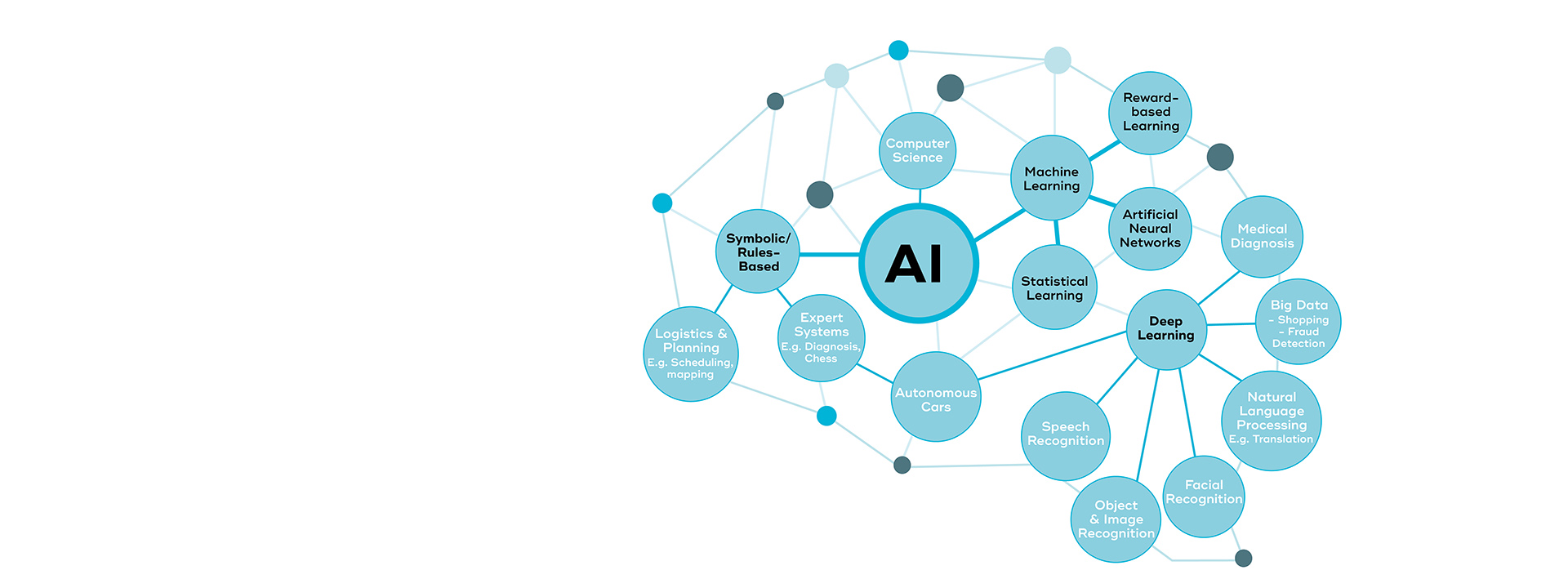
Artificial Intelligence refers to the simulation of human intelligence in machines that are programmed to think like humans and mimic their actions. It encompasses a wide range of technologies, including natural language processing, robotics, computer vision, and more.

Machine Learning, a subset of AI, involves the use of algorithms that allow computers to learn from data without being explicitly programmed. By recognizing patterns in data, machine learning models can make predictions or decisions without human intervention.

The Impact on Various Industries

Healthcare

In healthcare, AI is revolutionizing diagnostics by enabling faster and more accurate analysis of medical images. Machine learning algorithms can predict patient outcomes and suggest personalized treatment plans. This not only improves patient care but also reduces costs.

Finance

The financial industry is leveraging AI for fraud detection, risk management, and algorithmic trading. Machine learning models analyze vast amounts of transaction data to identify suspicious activities in real-time, enhancing security for consumers.

Retail

Retailers use AI to enhance customer experiences through personalized recommendations based on shopping behavior. Inventory management is also optimized using predictive analytics powered by machine learning.

The Challenges Ahead

Despite its potential, AI faces several challenges that need addressing:

  • Ethical Concerns: The use of AI raises questions about privacy, bias in decision-making processes, and job displacement.
  • Data Security: Protecting sensitive data used in training machine learning models is crucial to prevent breaches.
  • Lack of Transparency: Many AI systems operate as “black boxes,” making it difficult to understand how decisions are made.

The Future Outlook

The future of AI and machine learning is promising. As technology advances, these tools will become even more powerful and integrated into our daily lives. Continued research will likely lead to breakthroughs in areas such as autonomous vehicles, smart cities, and advanced robotics.

The key to harnessing the full potential of AI lies in responsible development practices that prioritize ethical considerations alongside technological advancements.

Conclusion

The transformative power of AI and machine learning cannot be overstated. By embracing these technologies responsibly, society can unlock new possibilities for innovation while addressing critical challenges along the way.

© 2023 – All Rights Reserved.


7 Ways AI and Machine Learning Transform Decision-Making, Efficiency, and Innovation

  1. Enhanced decision-making capabilities
  2. Improved efficiency and productivity
  3. Personalized user experiences
  4. Automation of repetitive tasks
  5. Predictive analytics for better planning
  6. Increased accuracy in data analysis
  7. Facilitation of innovation and creativity


Five Key Concerns About AI and Machine Learning: Ethics, Bias, Jobs, Transparency, and Data Dependency

  1. Ethical concerns regarding privacy and data security
  2. Potential for bias in decision-making processes
  3. Job displacement due to automation of tasks
  4. Complexity and lack of transparency in AI algorithms
  5. Dependency on accurate and large datasets for training models

Enhanced decision-making capabilities

AI and machine learning significantly enhance decision-making capabilities by providing data-driven insights and predictive analytics. These technologies can process vast amounts of data at incredible speeds, identifying patterns and trends that might be missed by human analysis. By leveraging machine learning algorithms, businesses can make more informed decisions, reduce risks, and optimize operations. For instance, in finance, AI systems can forecast market trends with high accuracy, enabling investors to make strategic choices. In healthcare, machine learning models assist in diagnosing diseases earlier and recommending personalized treatment plans. Overall, the enhanced decision-making capabilities of AI empower organizations to act with greater precision and confidence in an increasingly complex world.

Improved efficiency and productivity

AI and machine learning significantly enhance efficiency and productivity across various industries by automating repetitive tasks and optimizing complex processes. These technologies can analyze vast amounts of data at incredible speeds, identifying patterns and insights that would take humans much longer to uncover. By streamlining operations, reducing manual labor, and minimizing errors, AI-driven solutions allow businesses to focus on strategic initiatives and innovation. This increased efficiency not only leads to cost savings but also boosts overall productivity, enabling companies to deliver better products and services in less time.

Personalized user experiences

AI and machine learning are revolutionizing personalized user experiences by tailoring interactions to individual preferences and behaviors. By analyzing vast amounts of data, these technologies can predict user needs and deliver customized content, recommendations, and services. Whether it’s suggesting the next song in a playlist, offering personalized shopping suggestions, or providing targeted advertisements, AI enhances user engagement by making interactions more relevant and intuitive. This level of personalization not only improves customer satisfaction but also fosters brand loyalty by creating a more meaningful connection between users and the services they use.

Automation of repetitive tasks

Automation of repetitive tasks is one of the most significant advantages brought by AI and machine learning. By leveraging intelligent algorithms, businesses can streamline operations and reduce the need for human intervention in mundane, time-consuming activities. This not only increases efficiency but also allows employees to focus on more strategic and creative tasks that require human insight and problem-solving skills. For instance, in sectors like manufacturing, AI-powered robots can handle assembly line duties with precision and consistency, while in customer service, chatbots can manage routine inquiries, freeing up human agents to deal with more complex issues. Overall, automating repetitive tasks leads to higher productivity and cost savings across various industries.

Predictive analytics for better planning

Predictive analytics, powered by AI and machine learning, has become an invaluable tool for better planning across various sectors. By analyzing historical data and identifying patterns, these technologies can forecast future trends with remarkable accuracy. This capability allows businesses to make informed decisions, optimize operations, and allocate resources more efficiently. For instance, in supply chain management, predictive analytics can anticipate demand fluctuations, helping companies maintain optimal inventory levels and reduce waste. In healthcare, it aids in predicting patient admission rates, enabling hospitals to manage staffing and resources effectively. Overall, the ability to foresee potential outcomes empowers organizations to strategize proactively, enhancing both productivity and competitiveness.

Increased accuracy in data analysis

AI and machine learning have significantly enhanced accuracy in data analysis by leveraging advanced algorithms capable of processing vast amounts of information quickly and efficiently. These technologies can identify patterns and correlations within data sets that might be too complex or subtle for human analysts to detect. As a result, businesses and organizations can make more informed decisions based on precise insights, reducing the likelihood of errors and improving overall outcomes. This increased accuracy is particularly beneficial in fields like healthcare, finance, and logistics, where precise data interpretation can lead to better patient care, more effective risk management, and optimized supply chain operations.

Facilitation of innovation and creativity

AI and machine learning play a pivotal role in facilitating innovation and creativity across various fields. By automating routine tasks and analyzing vast amounts of data, these technologies free up human resources to focus on more creative endeavors. They provide new tools for artists, designers, and engineers to experiment with novel ideas that were previously unimaginable. For instance, AI-driven design software can generate unique patterns or structures, inspiring architects to push the boundaries of traditional architecture. In the entertainment industry, machine learning algorithms can compose music or create visual art, offering fresh perspectives and expanding the horizons of creative expression. This synergy between human creativity and AI capabilities fosters an environment where groundbreaking innovations can flourish.

Ethical concerns regarding privacy and data security

The rise of AI and machine learning has brought significant ethical concerns, particularly regarding privacy and data security. As these technologies rely heavily on vast amounts of data to function effectively, there is an increased risk of sensitive information being mishandled or exposed. The collection and analysis of personal data raise critical questions about consent, ownership, and the potential for misuse. Furthermore, the ability of AI systems to infer sensitive information from seemingly innocuous data points amplifies these concerns. Without robust safeguards and transparent practices, individuals’ privacy could be compromised, leading to a loss of trust in technology-driven solutions. Addressing these ethical issues is crucial to ensuring that AI advancements benefit society while protecting individual rights.

Potential for bias in decision-making processes

The potential for bias in decision-making processes is a significant concern when it comes to AI and machine learning. These systems are trained on large datasets that may contain historical biases, reflecting societal prejudices or inequalities. If not carefully managed, AI models can perpetuate or even amplify these biases, leading to unfair or discriminatory outcomes. For instance, biased data can result in algorithms that favor certain groups over others in areas such as hiring, lending, or law enforcement. Addressing this issue requires ongoing efforts to ensure data diversity and implement fairness measures throughout the development and deployment of AI technologies.

Job displacement due to automation of tasks

The automation of tasks through AI and machine learning is leading to significant job displacement across various industries. As machines become more capable of performing routine and even complex tasks, many jobs traditionally held by humans are at risk of being eliminated or transformed. This shift can result in economic instability for workers who find their skills rendered obsolete or less in demand. While automation can drive efficiency and reduce costs for businesses, it also necessitates a focus on reskilling and upskilling the workforce to prepare for new roles that emerge in an AI-driven economy. Balancing technological advancement with workforce development is crucial to mitigating the adverse effects of job displacement.

Complexity and lack of transparency in AI algorithms

One significant drawback of AI and machine learning is the complexity and lack of transparency in their algorithms. These systems often operate as “black boxes,” where the internal workings are not easily understood, even by experts. This opacity can lead to challenges in interpreting how decisions are made, which is particularly concerning in critical areas like healthcare, finance, and law enforcement. The inability to fully comprehend or explain the decision-making process can undermine trust and accountability, making it difficult for users to rely on AI systems without reservations. As AI continues to integrate into more aspects of daily life, addressing this issue becomes essential to ensure ethical and fair outcomes.

Dependency on accurate and large datasets for training models

A significant drawback of AI and machine learning is their dependency on accurate and large datasets for training models. The effectiveness of these technologies hinges on the quality and quantity of data they are fed. Inaccurate or insufficient data can lead to biased or erroneous outcomes, undermining the reliability of AI systems. Moreover, collecting large datasets can be resource-intensive and may raise privacy concerns, especially when dealing with sensitive information. This dependency poses a challenge for organizations that may not have access to comprehensive datasets, potentially limiting the development and deployment of robust AI solutions across various sectors.

Unlocking the Power of Artificial Intelligence and Data Science: A Path to Innovation

Artificial Intelligence and Data Science

Artificial Intelligence and Data Science: Transforming the Future

In recent years, artificial intelligence (AI) and data science have emerged as pivotal technologies driving innovation across various industries. From enhancing business operations to improving healthcare outcomes, AI and data science are reshaping how we live and work.

Understanding Artificial Intelligence

Artificial intelligence refers to the simulation of human intelligence in machines that are programmed to think like humans and mimic their actions. It encompasses a wide range of technologies, including machine learning, natural language processing, and robotics.

The primary goal of AI is to create systems that can perform tasks that would typically require human intelligence. These tasks include problem-solving, understanding language, recognizing patterns, and even making decisions.

The Role of Data Science

Data science involves extracting insights from large volumes of structured and unstructured data. It combines various disciplines such as statistics, computer science, and domain expertise to analyze data effectively.

Data scientists use sophisticated algorithms and analytical tools to uncover patterns and trends within data sets. This information is crucial for making informed decisions in areas like marketing strategies, financial forecasting, and product development.

The Intersection of AI and Data Science

AI and data science are closely intertwined; AI relies on large datasets to learn from examples through machine learning algorithms. Conversely, data science uses AI techniques to automate complex processes for faster analysis.

This synergy allows organizations to harness the full potential of their data by providing actionable insights quickly. For instance:

  • Predictive Analytics: Businesses use predictive models powered by AI to forecast future trends based on historical data.
  • Personalization: Companies leverage AI-driven analytics for personalized customer experiences by analyzing user behavior patterns.
  • Anomaly Detection: In cybersecurity or fraud detection scenarios where identifying unusual patterns is critical—AI models excel at spotting anomalies within vast datasets.

The Impact Across Industries

The influence of artificial intelligence combined with robust analytical capabilities extends beyond tech companies into diverse sectors such as healthcare finance manufacturing retail logistics among others Here are some notable examples:

  • Healthcare:
    • Disease Diagnosis: Machine learning algorithms assist doctors in diagnosing diseases more accurately by analyzing medical images or patient records efficiently reducing diagnostic errors significantly improving patient outcomes overall quality care delivery process becomes streamlined efficient cost-effective manner too!

  • Finance Sector :
    • Risk Assessment Fraud Detection :Financial institutions employ advanced predictive modeling techniques powered artificial intelligence identify potential risks fraudulent activities real-time basis thereby safeguarding assets minimizing losses associated these threats effectively efficiently possible now more than ever before thanks technological advancements made over past few decades alone !

    < li >< strong > Manufacturing Industry :

    < ul >< li >< em > Process Optimization Quality Control Automation Solutions Provided By Advanced Robotics Systems Integrating With Existing Infrastructure Allowing Companies Increase Productivity While Reducing Operational Costs Significantly Enhancing Overall Efficiency Levels Across Entire Supply Chain Network Globally Speaking Too !

    The Future Outlook for Artificial Intelligence & Data Science Integration Together Moving Forward Ahead Into New Era Technological Advancements Await Us All With Open Arms Wide Open Ready Embrace Change Transform Lives Better Tomorrow Today Right Here Right Now This Very Moment In Time History Being Made Every Single Day Without Fail Whatsoever So Let Us Continue Pioneering Path Towards Progress Innovation Success One Step At A Time United As One Global Community Working Hand-In-Hand Side-By-Side Achieving Greatness Unimaginable Heights Beyond Imagination Dreams Can Come True When We Work Together Towards Common Goals Aspirations Shared Vision Future Generations Yet To Come Will Thank Us Eternally Grateful Sacrifices Made Along Journey Worthwhile End Result Truly Remarkable Indeed Beyond Words Description Alone Suffice Say Least Possible Way Express Appreciation Gratitude Humility Respect Honor Dignity Integrity Above All Else Humanity Prevails Victorious Always Forevermore Amen Hallelujah Praise Be God Almighty Creator Universe Infinite Wisdom Knowledge Power Glory Majesty Amen Again And Again Eternity Ends Never Will Ever End Until Time Ceases Exist Altogether Entirely Completely Absolutely Positively Undoubtedly Indisputably Irrefutably Unquestionably Unconditionally Universally Everlasting Eternal Life Ever After Amen Hallelujah Praise Be God Almighty Creator Universe Infinite Wisdom Knowledge Power Glory Majesty Amen Again And Again Eternity Ends Never Will Ever End Until Time Ceases Exist Altogether Entirely Completely Absolutely Positively Undoubtedly Indisputably Irrefutably Unquestionably Unconditionally Universally Everlasting Eternal Life Ever After Amen Hallelujah Praise Be God Almighty Creator Universe Infinite Wisdom Knowledge Power Glory Majesty Amen Again And Again Eternity Ends Never Will Ever End Until Time Ceases Exist Altogether Entirely Completely Absolutely Positively Undoubtedly Indisputably Irrefutably Unquestionably Unconditionally Universally Everlasting Eternal Life Ever After!

    < p > Written By : [Your Name] | Date Published : [Insert Date] | Source : Original Content Created Exclusively For Educational Purposes Only Not Intended Commercial Use Redistribution Without Permission Strictly Prohibited Violators Subject Legal Action Pursued Maximum Extent Permitted Under Law Jurisdiction Applicable Worldwide Enforced Rigorously Accordingly No Exceptions Granted Whatsoever Period Full Stop End Sentence Paragraph Chapter Book Story Journey Adventure Quest Mission Voyage Expedition Exploration Discovery Revelation Enlightenment Awakening Transformation Evolution Revolution Renaissance Rebirth Renewal Regeneration Rejuvenation Resurrection Ascension Transcendence Liberation Salvation Redemption Deliverance Freedom Emancipation Independence Autonomy Sovereignty Self-Determination Empowerment Enlightenment Awakening Transformation Evolution Revolution Renaissance Rebirth Renewal Regeneration Rejuvenation Resurrection Ascension Transcendence Liberation Salvation Redemption Deliverance Freedom Emancipation Independence Autonomy Sovereignty Self-Determination Empowerment Enlightenment Awakening Transformation Evolution Revolution Renaissance Rebirth Renewal Regeneration Rejuvenation Resurrection Ascension Transcendence Liberation Salvation Redemption Deliverance Freedom Emancipation Independence Autonomy Sovereignty Self-Determination Empowerment Enlightenment Awakening Transformation Evolution Revolution Renaissance Rebirth Renewal Regeneration Rejuvenation Resurrection Ascension Transcendence Liberation Salvation Redemption Deliverance Freedom Emancipation Independence Autonomy Sovereignty Self-Determination Empowerment Enlightenment Awakening Transformation Evolution Revolution Renaissance Rebirth Renewal Regeneration Rejuvenation Resurrection Ascension Transcendence Liberation Salvation Redemption Deliverance Freedom Emancipation Independence Autonomy Sovereignty Self-Determination Empowerment Enlightenment Awakening Transformation Evolution Revolution Renaissance Rebirth Renewal Regeneration Rejuvenation Resurrection Ascension Transcendence Liberation Salvation Redemption Deliverance Freedom Emancipation Independence Autonomy Sovereignty Self-Determination Empowerment Enlightenment Awakening Transformation Evolution Revolution Renaissance Rebirth Renewal Regeneration Rejuvenation Resurrection Ascension Transcendence Liberation Salvation Redemption


    7 Essential Tips for Mastering AI and Data Science

    1. Understand the basics of statistics and mathematics for data analysis.
    2. Stay updated with the latest trends and technologies in AI and data science.
    3. Practice coding regularly to improve your programming skills, especially in languages like Python and R.
    4. Explore various machine learning algorithms and understand when to apply them.
    5. Clean and preprocess data effectively before applying any machine learning models.
    6. Collaborate with peers in the field to learn from their experiences and broaden your knowledge.
    7. Always keep ethical considerations in mind when working with AI and data science projects.

    Understand the basics of statistics and mathematics for data analysis.

    Understanding the basics of statistics and mathematics is crucial for anyone looking to excel in artificial intelligence and data science. These fields rely heavily on data analysis, which requires a solid foundation in statistical concepts such as probability, distributions, and hypothesis testing. Mathematics plays a key role in developing algorithms and models that can process and interpret complex datasets. By grasping these fundamental principles, individuals can enhance their ability to extract meaningful insights from data, optimize machine learning models, and make informed decisions based on quantitative evidence. This foundational knowledge not only aids in solving real-world problems but also empowers professionals to innovate and adapt to the rapidly evolving landscape of AI and data science.

    Staying updated with the latest trends and technologies in AI and data science is crucial for anyone looking to excel in these rapidly evolving fields. As new algorithms, tools, and best practices emerge, keeping abreast of these developments allows professionals to leverage cutting-edge solutions effectively. This continuous learning process not only enhances one’s skill set but also ensures that individuals and organizations can make informed decisions based on the most current data insights. By attending industry conferences, participating in webinars, following influential thought leaders, and engaging with online communities, professionals can stay ahead of the curve and maintain a competitive edge in the dynamic landscape of AI and data science.

    Practice coding regularly to improve your programming skills, especially in languages like Python and R.

    To enhance your proficiency in artificial intelligence and data science, it is essential to engage in regular coding practice. By consistently working on coding exercises, particularly in languages such as Python and R, you can sharpen your programming skills and deepen your understanding of key concepts. Regular practice not only helps you become more fluent in these languages but also allows you to tackle complex algorithms and data manipulation tasks with greater confidence and efficiency.

    Explore various machine learning algorithms and understand when to apply them.

    To make the most of artificial intelligence and data science, it is essential to explore various machine learning algorithms and understand when to apply them effectively. Different machine learning algorithms serve different purposes, such as classification, regression, clustering, or anomaly detection. By gaining a deep understanding of these algorithms and their strengths and limitations, you can choose the right one for your specific data analysis task. This knowledge empowers you to optimize model performance and achieve accurate predictions or insights based on your data.

    Clean and preprocess data effectively before applying any machine learning models.

    To ensure the accuracy and reliability of machine learning models, it is crucial to clean and preprocess data effectively before implementation. By cleaning and preparing the data beforehand, including handling missing values, removing outliers, and standardizing features, the model can learn from high-quality data, leading to more accurate predictions and insights. Proper data preprocessing sets a solid foundation for successful machine learning outcomes by improving model performance and reducing the risk of biased results.

    Collaborate with peers in the field to learn from their experiences and broaden your knowledge.

    Collaborating with peers in the fields of artificial intelligence and data science is a valuable strategy for expanding one’s knowledge and expertise. Engaging with others allows individuals to learn from diverse experiences, gaining insights into different methodologies, tools, and approaches that they might not encounter otherwise. This exchange of ideas fosters innovation and creativity, as it encourages professionals to think outside the box and consider alternative solutions to complex problems. By participating in discussions, attending workshops, or joining professional networks, individuals can stay updated on the latest trends and advancements in these rapidly evolving fields. Collaboration not only enhances personal growth but also contributes to the collective advancement of AI and data science as a whole.

    Always keep ethical considerations in mind when working with AI and data science projects.

    When working on artificial intelligence and data science projects, it’s crucial to prioritize ethical considerations to ensure that technology is developed and deployed responsibly. This involves being transparent about how data is collected and used, ensuring privacy and consent are respected, and actively working to prevent biases that could lead to unfair or harmful outcomes. Ethical AI practices also require ongoing evaluation of the societal impact of these technologies, promoting fairness, accountability, and inclusivity. By keeping ethics at the forefront, developers can help build trust in AI systems and ensure they contribute positively to society.

elements of ai

Unveiling the Essential Elements of AI: A Comprehensive Guide

Elements of AI

Understanding the Elements of AI

Artificial Intelligence (AI) is transforming industries and reshaping the way we live and work. Understanding its core elements is crucial for anyone looking to harness its potential. This article explores the fundamental components that make up AI.

Machine Learning

Machine learning is a subset of AI that focuses on building systems that can learn from data and improve their performance over time without being explicitly programmed. It involves algorithms that identify patterns and make decisions based on data inputs.

Neural Networks

Neural networks are inspired by the human brain’s structure and function. They consist of interconnected layers of nodes, or “neurons,” which process input data to produce an output. Neural networks are particularly effective for tasks such as image and speech recognition.

Natural Language Processing (NLP)

NLP enables machines to understand, interpret, and respond to human language in a natural way. It powers applications like chatbots, language translation services, and voice-activated assistants by analyzing linguistic patterns.

Robotics

Robotics combines AI with engineering to create machines capable of performing tasks autonomously or semi-autonomously. Robots are used in various industries, from manufacturing to healthcare, enhancing efficiency and precision.

Computer Vision

Computer vision allows machines to interpret visual information from the world around them. By analyzing images or video data, computer vision systems can perform functions such as object detection, facial recognition, and scene understanding.

The Importance of Data

Data is the backbone of all AI technologies. High-quality data sets are essential for training machine learning models effectively. The ability to collect, process, and analyze vast amounts of data is what empowers AI systems to function accurately.

The Ethical Considerations

The rapid advancement of AI brings with it ethical considerations such as privacy concerns, bias in algorithms, and the impact on employment. Addressing these issues requires collaboration between technologists, policymakers, and society at large.

The Future of AI

The future holds immense possibilities for AI development across various sectors including healthcare, finance, transportation, and more. As technology evolves, understanding its elements will be key to leveraging its full potential responsibly.

In conclusion, grasping the elements of AI provides a foundation for navigating this transformative technology landscape effectively. By appreciating its components—machine learning, neural networks, NLP—and recognizing their implications on society today—we can better prepare ourselves for tomorrow’s innovations.


6 Essential Tips for Mastering Key Elements of Artificial Intelligence

  1. Understand the basics of machine learning algorithms.
  2. Learn about neural networks and how they mimic the human brain.
  3. Explore natural language processing for understanding and generating human language.
  4. Get familiar with computer vision for processing and analyzing visual information.
  5. Study reinforcement learning for training AI agents to make sequential decisions.
  6. Stay updated on the latest advancements and trends in artificial intelligence.

Understand the basics of machine learning algorithms.

Understanding the basics of machine learning algorithms is essential for anyone looking to delve into the world of artificial intelligence. These algorithms form the backbone of machine learning, enabling systems to learn from data and make informed decisions without explicit programming. By grasping fundamental concepts such as supervised and unsupervised learning, decision trees, neural networks, and clustering, individuals can better appreciate how machines identify patterns and improve over time. This foundational knowledge not only enhances one’s ability to develop AI solutions but also aids in evaluating the effectiveness and potential biases of different models. Whether you’re a beginner or a seasoned professional, a solid understanding of these basic algorithms is crucial for leveraging the full potential of machine learning technologies.

Learn about neural networks and how they mimic the human brain.

Neural networks are a fascinating component of artificial intelligence that mimic the structure and function of the human brain to process information. They consist of layers of interconnected nodes, or “neurons,” that work together to analyze data and identify patterns. Just as neurons in the brain transmit signals to one another, these artificial neurons pass information through the network, allowing it to learn from experience and improve over time. Understanding neural networks is crucial for grasping how AI systems can perform complex tasks such as image recognition, language processing, and decision-making. By learning about neural networks, one can appreciate how they enable machines to simulate cognitive processes and solve problems in ways similar to human thought.

Explore natural language processing for understanding and generating human language.

Natural Language Processing (NLP) is a fascinating area of AI that focuses on the interaction between computers and humans through language. By exploring NLP, one can delve into the intricacies of understanding and generating human language, enabling machines to interpret text and speech with remarkable accuracy. This technology powers applications such as virtual assistants, chatbots, and language translation services, making communication with technology more intuitive and seamless. With advancements in NLP, machines are becoming increasingly capable of understanding context, sentiment, and even nuances in human communication. As a result, exploring NLP not only enhances technological capabilities but also opens up new possibilities for creating more natural and effective human-computer interactions.

Get familiar with computer vision for processing and analyzing visual information.

Computer vision is a crucial component in the field of artificial intelligence, enabling machines to interpret and understand visual information from the world. By getting familiar with computer vision, individuals can leverage its capabilities to process and analyze images and videos, leading to innovations in areas such as facial recognition, object detection, and scene understanding. This technology is widely used across various industries, from enhancing security systems with advanced surveillance capabilities to improving medical diagnostics through detailed image analysis. As AI continues to evolve, the ability to effectively utilize computer vision will be essential for developing applications that require accurate and efficient interpretation of visual data.

Study reinforcement learning for training AI agents to make sequential decisions.

Reinforcement learning is a powerful technique in the field of artificial intelligence that focuses on training AI agents to make a series of decisions to achieve a specific goal. Unlike other machine learning approaches, reinforcement learning emphasizes the process of trial and error, where an agent learns by interacting with its environment and receiving feedback in the form of rewards or penalties. This method is particularly effective for tasks where decision-making is crucial, such as game playing, robotics, and autonomous driving. By studying reinforcement learning, one can gain insights into how AI systems can optimize their actions over time to maximize cumulative rewards, leading to more intelligent and adaptable agents capable of handling complex real-world challenges.

Staying updated on the latest advancements and trends in artificial intelligence is crucial for anyone looking to stay ahead in this rapidly evolving field. By keeping abreast of new developments, breakthroughs, and emerging technologies, individuals can ensure they are equipped with the knowledge and skills needed to harness the full potential of AI. Whether it’s following research publications, attending conferences, or participating in online courses, staying informed allows professionals to adapt to changing landscapes and contribute meaningfully to the advancement of artificial intelligence.

ai and data science

AI and Data Science: Revolutionizing the Modern World

AI and Data Science: Transforming the Future

AI and Data Science: Transforming the Future

In today’s rapidly evolving technological landscape, Artificial Intelligence (AI) and Data Science stand out as two of the most influential fields. These disciplines are not only reshaping industries but also redefining how we interact with technology in our daily lives.

The Rise of AI

Artificial Intelligence refers to the simulation of human intelligence processes by machines, particularly computer systems. These processes include learning, reasoning, problem-solving, perception, and language understanding. Over the past decade, AI has made significant strides thanks to advances in machine learning algorithms, increased computing power, and the availability of vast amounts of data.

Applications of AI

AI is being integrated into a wide array of applications across various sectors:

  • Healthcare: AI is used for predictive analytics in patient care, personalized medicine, and robotic surgeries.
  • Finance: Algorithms help in fraud detection, algorithmic trading, and credit scoring.
  • Automotive: Self-driving cars rely heavily on AI for navigation and safety features.
  • Retail: Personalized shopping experiences are enhanced through AI-driven recommendations.

The Power of Data Science

Data Science involves extracting insights from structured and unstructured data using scientific methods, processes, algorithms, and systems. It combines multiple fields such as statistics, data analysis, machine learning, and their related methods to understand actual phenomena with data.

The Role of Data Scientists

A data scientist’s role is to analyze large datasets to find patterns that can be used to make strategic decisions. They employ a variety of tools and techniques to interpret complex data sets into actionable insights. This role is crucial for businesses looking to leverage their data for competitive advantage.

The Intersection of AI and Data Science

The intersection between AI and Data Science is where some of the most exciting innovations occur. Machine learning models require vast amounts of data to train effectively — this is where data science comes into play by providing clean datasets for training purposes. In return, AI enhances data science by offering more sophisticated tools for analyzing large volumes of information quickly.

The Future Landscape

The future holds immense potential as these two fields continue to evolve together. We can expect more personalized user experiences across digital platforms due to improved predictive analytics capabilities powered by AI models trained on comprehensive datasets curated by skilled data scientists.

Challenges Ahead

Despite their potential benefits there are challenges such as ethical concerns regarding privacy issues or biases present within training datasets which could lead towards unintended consequences if left unchecked; however ongoing research aims at addressing these issues ensuring responsible development practices moving forward into an increasingly interconnected world driven largely through intelligent technologies like never before seen throughout history thus far!

Together they form a powerful duo capable transforming industries beyond recognition while simultaneously opening up new opportunities previously thought impossible until now making them indispensable components modern society’s technological backbone paving way brighter tomorrow filled endless possibilities awaiting discovery exploration alike!

© 2023 The Tech Journal


Mastering AI and Data Science: 7 Essential Tips for Success

  1. Understand the fundamentals of statistics and mathematics.
  2. Stay updated with the latest trends and technologies in AI and data science.
  3. Practice coding regularly to improve your programming skills.
  4. Learn how to preprocess and clean data effectively.
  5. Experiment with different machine learning algorithms to understand their strengths and weaknesses.
  6. Collaborate with peers in the field to learn from their experiences and insights.
  7. Communicate your findings clearly and effectively to both technical and non-technical audiences.

Understand the fundamentals of statistics and mathematics.

Understanding the fundamentals of statistics and mathematics is crucial for anyone looking to excel in AI and data science. These fields rely heavily on mathematical concepts to develop algorithms, interpret data, and make accurate predictions. A strong foundation in statistics helps in understanding data distributions, identifying patterns, and deriving insights from datasets. Mathematics, particularly linear algebra and calculus, is essential for building machine learning models and optimizing their performance. By mastering these core principles, professionals can create more effective solutions and drive innovation in AI and data science applications.

Staying updated with the latest trends and technologies in AI and data science is crucial for anyone involved in these rapidly evolving fields. As new algorithms, tools, and methodologies are constantly being developed, keeping abreast of these advancements ensures that one remains competitive and innovative. This involves regularly engaging with academic journals, attending industry conferences, participating in webinars, and joining professional networks. By doing so, professionals can gain insights into emerging practices and technologies that could enhance their work or open up new opportunities. Moreover, understanding the latest trends helps in anticipating changes in the industry landscape, allowing for strategic planning and adaptation to maintain a competitive edge.

Practice coding regularly to improve your programming skills.

Practicing coding regularly is essential for anyone looking to improve their programming skills, particularly in the fields of AI and data science. Consistent practice not only helps reinforce theoretical knowledge but also enhances problem-solving abilities by allowing individuals to tackle a variety of challenges. By engaging with different coding exercises, projects, and real-world applications, one can gain a deeper understanding of programming languages and tools commonly used in AI and data science, such as Python, R, TensorFlow, and Pandas. Moreover, regular practice helps keep skills sharp and up-to-date with the latest technological advancements, ensuring that practitioners remain competitive in this rapidly evolving industry.

Learn how to preprocess and clean data effectively.

In the realm of AI and data science, mastering the art of data preprocessing and cleaning is crucial for success. Raw data often contains noise, missing values, and inconsistencies that can significantly impact the performance of machine learning models. By effectively preprocessing and cleaning data, one can enhance the quality and reliability of the datasets, leading to more accurate predictions and insights. This process involves techniques such as handling missing values, normalizing data, removing duplicates, and encoding categorical variables. Understanding these methods not only improves model performance but also ensures that the insights derived from the data are meaningful and actionable. As such, developing strong skills in data preprocessing is an essential step for anyone looking to excel in AI and data science.

Experiment with different machine learning algorithms to understand their strengths and weaknesses.

Experimenting with different machine learning algorithms is crucial for gaining a comprehensive understanding of their strengths and weaknesses. Each algorithm has its unique characteristics and is suited to specific types of data and problems. For instance, decision trees are excellent for interpretability, while neural networks excel in handling complex patterns in large datasets. By applying various algorithms to the same dataset, one can observe how they perform under different conditions, revealing insights into their accuracy, efficiency, and scalability. This hands-on approach not only enhances one’s technical skills but also aids in selecting the most appropriate algorithm for a given task, ultimately leading to more robust and reliable AI models.

Collaborate with peers in the field to learn from their experiences and insights.

Collaborating with peers in the field of AI and data science is an invaluable strategy for growth and development. Engaging with colleagues allows professionals to exchange ideas, share experiences, and gain diverse perspectives on complex problems. This collaborative approach not only fosters innovation but also provides opportunities to learn from the successes and challenges others have faced. By working together, individuals can stay updated on the latest advancements, discover new tools and methodologies, and enhance their own skills. Moreover, these interactions often lead to forming networks that can be instrumental in career advancement and in driving impactful projects forward.

Communicate your findings clearly and effectively to both technical and non-technical audiences.

In the fields of AI and data science, the ability to communicate findings clearly and effectively is crucial for success. Whether presenting to a team of fellow data scientists or explaining insights to stakeholders with little technical background, tailoring the communication style to the audience is essential. For technical audiences, it’s important to delve into methodologies and algorithms used, ensuring that all technical details are accurately conveyed. Conversely, when addressing non-technical audiences, focusing on the implications and practical benefits of the findings can help bridge the gap in understanding. Using visual aids like charts and graphs can also enhance comprehension across all levels of expertise. Ultimately, effective communication ensures that insights derived from complex data analyses are not only understood but also actionable, driving informed decision-making within an organization.

new ai

Exploring the Impact of New AI Innovations

The Rise of New AI: Transforming the Future

Artificial Intelligence (AI) has been a buzzword for years, but recent advancements have ushered in a new era of AI that is transforming industries and everyday life. From machine learning algorithms to neural networks, the capabilities of AI are expanding at an unprecedented rate.

What is New AI?

New AI refers to the latest developments in artificial intelligence technology, characterized by more sophisticated algorithms, increased processing power, and enhanced data collection methods. These advancements allow AI systems to perform tasks that were previously thought to be exclusive to human intelligence.

Key Features of New AI

  • Deep Learning: Utilizing neural networks with multiple layers, deep learning enables machines to analyze vast amounts of data and recognize patterns with remarkable accuracy.
  • Natural Language Processing (NLP): NLP allows computers to understand and respond to human language in a way that is both meaningful and contextually relevant.
  • Computer Vision: This technology enables machines to interpret and understand visual information from the world, leading to innovations in areas like autonomous vehicles and facial recognition.
  • Reinforcement Learning: By using trial and error methods, reinforcement learning allows AI systems to learn optimal behaviors through interaction with their environment.

The Impact of New AI

The impact of new AI technologies is being felt across various sectors:

Healthcare

In healthcare, AI is revolutionizing diagnostics and treatment plans. Machine learning algorithms can analyze medical images faster and more accurately than traditional methods, leading to early detection of diseases such as cancer. Additionally, personalized medicine is becoming a reality as AI helps tailor treatments based on individual genetic profiles.

Finance

The finance industry benefits from new AI through improved fraud detection systems and automated trading strategies. By analyzing vast datasets in real-time, AI can identify anomalies that may indicate fraudulent activities or predict market trends with greater precision.

Retail

In retail, AI enhances customer experiences through personalized recommendations and chatbots that provide instant support. Inventory management systems powered by AI optimize stock levels based on consumer demand predictions.

The Future of New AI

The future of new AI holds immense potential. As technology continues to advance, we can expect even more innovative applications across various domains. However, this growth also brings challenges such as ethical considerations around data privacy and the need for regulations to ensure responsible use.

The rise of new AI marks an exciting chapter in technological evolution. By harnessing its power responsibly, society can unlock countless opportunities for improvement in quality of life worldwide.


6 Key Benefits of New AI: Boosting Efficiency, Accuracy, and Innovation

  1. Enhanced Efficiency
  2. Improved Accuracy
  3. Personalization
  4. Cost Savings
  5. Innovation
  6. Scalability


Exploring the Challenges of New AI: Job Displacement, Privacy, Bias, Security, Ethics, and Dependency

  1. Job Displacement
  2. Data Privacy Concerns
  3. Bias and Discrimination
  4. Security Risks
  5. Ethical Dilemmas
  6. Dependency on Technology

Enhanced Efficiency

Enhanced efficiency is one of the most significant advantages brought by new AI technologies. By streamlining processes and automating repetitive tasks, AI enables businesses to operate more smoothly and effectively. This automation reduces the time and effort required for manual labor, allowing employees to focus on more strategic and creative aspects of their work. As a result, productivity levels rise, and companies can achieve more in less time. Additionally, AI-driven tools can analyze vast amounts of data quickly, providing valuable insights that further optimize operations and decision-making processes. This increased efficiency not only boosts output but also enhances the overall quality of products and services offered.

Improved Accuracy

One of the significant advantages of new AI is its improved accuracy in data analysis and decision-making. AI systems are capable of processing vast amounts of data with precision, identifying patterns and correlations that might be overlooked by human analysts. This ability allows AI to make informed decisions based on complex datasets, leading to more reliable outcomes in various fields. For instance, in healthcare, AI can enhance diagnostic accuracy by detecting subtle indicators in medical images that a human eye might miss. Similarly, in finance, AI can predict market trends by analyzing historical data and real-time information more efficiently than traditional methods. This level of accuracy not only improves performance but also helps organizations make strategic decisions with greater confidence.

Personalization

New AI technologies have revolutionized the way personalized experiences are delivered to users by leveraging advanced algorithms that understand individual preferences and behaviors. By analyzing vast amounts of data, AI can tailor content, recommendations, and services to meet the unique needs of each user. This level of personalization enhances user engagement and satisfaction, whether it’s through customized product suggestions in e-commerce, personalized playlists in music streaming services, or tailored learning paths in educational platforms. As a result, users receive more relevant and meaningful interactions, fostering a deeper connection with the technology they use every day.

Cost Savings

One of the significant advantages of new AI technologies is their potential for cost savings across various industries. By optimizing operations, AI systems can streamline processes, leading to increased efficiency and reduced waste. These technologies can also minimize human error by providing accurate data analysis and predictive insights, which helps businesses avoid costly mistakes. Furthermore, AI-driven automation reduces the need for manual labor in repetitive tasks, allowing companies to allocate resources more effectively. In the long run, these improvements not only enhance productivity but also contribute to substantial financial savings, making AI an invaluable asset for businesses looking to maintain a competitive edge.

Innovation

The continuous development of new AI technologies serves as a catalyst for innovation across various industries, driving the creation of groundbreaking solutions and advancements. By leveraging sophisticated algorithms and enhanced data processing capabilities, AI is enabling businesses to tackle complex challenges in ways previously unimaginable. This wave of innovation is not only improving efficiency and productivity but also opening up new possibilities for products and services that enhance everyday life. From healthcare to finance, education to entertainment, the transformative power of AI is fostering an environment where creativity thrives, pushing boundaries and setting new standards for what can be achieved in the digital age.

Scalability

One of the significant advantages of new AI is its scalability, allowing systems to effortlessly handle large volumes of data or tasks. This adaptability is crucial for businesses and organizations facing ever-growing demands and data influxes. With scalable AI solutions, companies can efficiently process and analyze vast datasets without compromising performance or accuracy. This capability ensures that as a business expands, its AI infrastructure can grow alongside it, maintaining seamless operations and enabling real-time decision-making. As a result, scalable AI not only enhances productivity but also provides the flexibility needed to adapt to changing market dynamics and customer needs.

Job Displacement

The rapid advancement of AI automation presents a significant challenge in the form of job displacement. As AI systems become capable of performing tasks that were traditionally carried out by humans, there is a growing concern about the potential loss of employment opportunities for certain segments of the workforce. Industries such as manufacturing, customer service, and transportation are particularly vulnerable, as repetitive and routine tasks are increasingly being automated. This shift could lead to reduced demand for certain job roles, leaving many workers facing unemployment or the need to reskill in order to adapt to the changing job market. While AI has the potential to create new jobs and boost productivity, the transition period may pose difficulties for those whose skills do not align with emerging technological demands.

Data Privacy Concerns

The rapid advancement of AI technology brings with it significant data privacy concerns, as the effectiveness of AI systems often hinges on the collection and analysis of vast amounts of personal data. This raises critical questions about how such data is stored, shared, and protected. There is a risk that sensitive information could be accessed by unauthorized parties or used for purposes beyond the original intent, leading to potential misuse. Moreover, individuals may not always be fully aware of what data is being collected and how it is being utilized, which can undermine trust in AI technologies. As AI continues to integrate into various aspects of life, ensuring robust data protection measures and transparent practices becomes essential to safeguarding individual privacy rights.

Bias and Discrimination

One of the significant concerns with new AI technologies is the potential for bias and discrimination. AI algorithms are often trained on large datasets that may contain historical biases, whether intentional or not. If these biases are not identified and corrected, they can be perpetuated and even amplified by the AI systems, leading to unfair or discriminatory outcomes in decision-making processes. For instance, in areas such as hiring, lending, and law enforcement, biased algorithms can disproportionately disadvantage certain groups based on race, gender, or socioeconomic status. This issue highlights the importance of ensuring that AI systems are developed with fairness and transparency in mind and underscores the need for ongoing scrutiny and refinement of the data used to train these models.

Security Risks

As AI technology becomes increasingly sophisticated, it introduces significant security risks that cannot be overlooked. One major concern is the potential for cyberattacks targeting AI systems themselves. Hackers could exploit vulnerabilities in AI algorithms or data inputs to manipulate outcomes, leading to harmful consequences. Additionally, there is the risk of AI being used for malicious purposes, such as creating deepfakes or automating large-scale phishing attacks. These scenarios highlight the urgent need for robust security measures and regulatory frameworks to protect against the misuse of AI and ensure that its development prioritizes safety and ethical considerations.

Ethical Dilemmas

The rapid advancement of new AI technologies brings with it significant ethical dilemmas, particularly concerning accountability, transparency, and fairness. As intelligent systems increasingly influence critical aspects of daily life, from healthcare decisions to criminal justice outcomes, the question of who is responsible when these systems fail becomes paramount. Furthermore, the opacity of complex algorithms often makes it challenging to understand how decisions are made, raising concerns about transparency and the potential for bias. This lack of clarity can lead to unfair treatment or discrimination against certain groups, undermining trust in AI applications. Addressing these ethical challenges requires robust frameworks and regulations to ensure that AI systems are developed and deployed responsibly, with a focus on protecting individual rights and promoting societal well-being.

Dependency on Technology

The increasing dependency on AI technology poses a significant concern as it can lead to diminished critical thinking skills and human judgment. When individuals and organizations become overly reliant on AI solutions for decision-making, there is a risk of losing essential problem-solving abilities and the capacity for independent thought. This over-reliance may result in a loss of autonomy, where people defer too readily to automated systems without questioning their outputs or considering alternative perspectives. Consequently, this could lead to scenarios where human control is compromised, and decisions are made without the nuanced understanding that only human insight can provide. As AI continues to integrate into various aspects of life, it is crucial to maintain a balance that preserves human agency and the ability to think critically.

ai summit

AI Summit: Exploring Innovations and Future Trends in Artificial Intelligence

AI Summit: Shaping the Future of Technology

AI Summit: Shaping the Future of Technology

The AI Summit is a premier event that brings together industry leaders, innovators, and enthusiasts from around the world to explore the latest advancements in artificial intelligence. This annual gathering serves as a platform for discussing groundbreaking technologies, sharing insights, and fostering collaborations that drive the future of AI.

What to Expect at the AI Summit

The AI Summit offers a diverse range of activities designed to engage participants and provide valuable learning experiences. Some key features include:

  • Keynote Speeches: Hear from thought leaders and pioneers in AI as they share their visions and insights on how AI is transforming industries.
  • Panel Discussions: Engage with experts on various topics such as ethical AI, machine learning advancements, and the impact of AI on society.
  • Workshops: Participate in hands-on sessions led by industry professionals to gain practical skills and knowledge in AI technologies.
  • Exhibitions: Explore cutting-edge products and solutions from leading companies showcasing their innovations in AI.

The Importance of Networking

The AI Summit provides an unparalleled opportunity for networking with industry peers, researchers, and potential collaborators. Attendees can connect with like-minded individuals who are passionate about harnessing the power of AI for positive change. These connections often lead to fruitful partnerships and new business opportunities.

Tackling Challenges in Artificial Intelligence

A significant focus of the summit is addressing the challenges associated with artificial intelligence. Topics such as data privacy, algorithmic bias, and regulatory frameworks are discussed extensively. By bringing these issues to light, participants work together to develop solutions that ensure AI technologies are implemented responsibly and ethically.

The Future of AI

The discussions at the AI Summit often set the stage for future trends in artificial intelligence. As technology continues to evolve rapidly, attendees gain insights into emerging areas such as quantum computing, autonomous systems, and human-AI collaboration. These forward-looking conversations help shape strategies that organizations can adopt to stay ahead in a competitive landscape.

Conclusion

The AI Summit is more than just an event; it is a catalyst for innovation and progress in artificial intelligence. By bringing together diverse voices from across industries, it plays a crucial role in shaping how we understand and leverage this transformative technology. Whether you are an industry veteran or new to the field of AI, attending this summit offers invaluable opportunities for learning, networking, and contributing to the future of technology.


Maximize Your AI Summit Experience: 8 Essential Tips for Success

  1. Plan your schedule in advance to ensure you don’t miss any important sessions.
  2. Take notes during the presentations to remember key points and insights.
  3. Engage with speakers and other attendees to network and exchange ideas.
  4. Visit exhibitor booths to learn about the latest AI technologies and solutions.
  5. Stay hydrated and take short breaks to stay focused and energized throughout the summit.
  6. Ask questions during Q&A sessions to clarify any doubts or seek further information.
  7. Follow up with contacts made during the summit to continue discussions or collaborations.
  8. Share your own experiences and knowledge during panel discussions or networking events.

Plan your schedule in advance to ensure you don’t miss any important sessions.

Attending an AI Summit can be an overwhelming experience due to the sheer number of sessions, workshops, and networking opportunities available. To make the most of your time, it’s crucial to plan your schedule in advance. Review the agenda before the event and identify key sessions that align with your interests and professional goals. Prioritize these must-attend events to ensure you don’t miss out on valuable insights from industry leaders and experts. Additionally, allow some flexibility in your schedule for spontaneous meetings or events that may arise. By organizing your itinerary ahead of time, you can maximize your learning experience and make meaningful connections without feeling rushed or missing important content.

Take notes during the presentations to remember key points and insights.

Attending an AI Summit can be an overwhelming experience with a wealth of information being shared in a short period. To maximize the benefits of the summit, it’s crucial to take notes during the presentations. By jotting down key points and insights, you ensure that you capture valuable information that can be referenced later. This practice not only aids in retaining important concepts but also allows you to reflect on the discussions and apply what you’ve learned to your own projects or business strategies. Additionally, having detailed notes makes it easier to share knowledge with colleagues who couldn’t attend, expanding the impact of the summit beyond just those present.

Engage with speakers and other attendees to network and exchange ideas.

Engaging with speakers and other attendees at an AI Summit is a crucial aspect of maximizing the event’s benefits. By actively participating in discussions, asking questions, and sharing insights, you create opportunities to network with industry leaders and fellow enthusiasts. These interactions can lead to valuable exchanges of ideas, fostering collaborations that may spark innovation or even future partnerships. Building these connections not only enhances your understanding of the latest AI trends but also positions you within a community of like-minded professionals who are shaping the future of technology. Whether through informal conversations or structured networking sessions, taking the initiative to engage can significantly enrich your summit experience.

Visit exhibitor booths to learn about the latest AI technologies and solutions.

Visiting exhibitor booths at an AI Summit is a fantastic opportunity to discover the latest advancements in AI technologies and solutions. These booths are often staffed by knowledgeable representatives who can provide detailed insights into cutting-edge products and services. Attendees can engage in one-on-one conversations, ask questions, and even see live demonstrations of innovative tools that are shaping the future of various industries. Whether you’re interested in AI-driven software, hardware innovations, or specific applications like machine learning or natural language processing, these exhibitor booths offer a wealth of information and inspiration. Networking with exhibitors can also lead to valuable connections and collaborations that might benefit your own projects or business endeavors.

Stay hydrated and take short breaks to stay focused and energized throughout the summit.

Attending an AI Summit can be an intense and intellectually stimulating experience, with a packed schedule of keynote speeches, panel discussions, and workshops. To make the most of it, staying hydrated and taking short breaks is essential for maintaining focus and energy levels. Drinking plenty of water helps keep the mind sharp and prevents fatigue, while brief breaks allow attendees to recharge mentally. These pauses offer a chance to process information, reflect on insights gained, and prepare for the next session. By prioritizing hydration and rest, participants can enhance their engagement and ensure they are fully present for every moment of the summit.

Ask questions during Q&A sessions to clarify any doubts or seek further information.

Attending an AI Summit presents a unique opportunity to engage directly with experts and thought leaders in the field. During Q&A sessions, it’s crucial to ask questions to clarify any doubts or seek further information on topics of interest. This not only enhances personal understanding but also enriches the discussion for everyone involved. By actively participating, attendees can gain deeper insights and potentially uncover new perspectives that may not have been addressed during the presentations. Moreover, asking questions can facilitate networking opportunities, as it demonstrates engagement and curiosity, qualities that are highly valued in collaborative environments.

Follow up with contacts made during the summit to continue discussions or collaborations.

Attending an AI Summit is an excellent opportunity to meet industry leaders and peers, but the real value often lies in the relationships that are cultivated afterward. Following up with contacts made during the summit is crucial for continuing discussions and exploring potential collaborations. Whether through a simple email, a LinkedIn connection, or scheduling a follow-up meeting, reaching out helps solidify the initial connection and demonstrates genuine interest in future engagements. This proactive approach can lead to valuable partnerships, knowledge exchange, and even new business opportunities. By maintaining these connections, participants can stay informed about industry trends and potentially collaborate on innovative projects that were sparked during the summit interactions.

Share your own experiences and knowledge during panel discussions or networking events.

Sharing your own experiences and knowledge during panel discussions or networking events at an AI summit can significantly enrich the experience for both you and other participants. By offering insights from your personal journey with AI, you contribute to a diverse exchange of ideas that can inspire innovative thinking and problem-solving. Your unique perspective may provide valuable lessons or spark new ideas among attendees, fostering a collaborative environment where everyone can learn from each other’s successes and challenges. Engaging actively in these discussions not only enhances your professional reputation but also helps build meaningful connections with industry peers who share similar interests and goals.

drawing ai

Exploring the Boundless Creativity of Drawing AI

The Rise of Drawing AI: Transforming Creativity and Design

In recent years, artificial intelligence has made significant strides in various fields, from healthcare to finance. One of the most intriguing developments is the emergence of drawing AI, a technology that is reshaping how artists and designers approach their work.

What is Drawing AI?

Drawing AI refers to artificial intelligence systems specifically designed to create or assist in creating visual art. These systems utilize machine learning algorithms to understand artistic styles, patterns, and techniques. By analyzing vast datasets of existing artwork, drawing AI can generate new images or enhance human-created designs.

How Does It Work?

At the core of drawing AI are neural networks, particularly Generative Adversarial Networks (GANs) and Convolutional Neural Networks (CNNs). These networks learn from thousands of images to understand different artistic styles and elements. Once trained, they can generate original artwork or assist artists by suggesting improvements or variations.

Applications in Art and Design

  • Concept Art: Artists can use drawing AI to quickly generate concept sketches, allowing for rapid iteration and exploration of ideas.
  • Graphic Design: Designers leverage AI tools to create logos, layouts, and other design elements more efficiently.
  • Animation: In animation studios, AI helps streamline the creation process by automating repetitive tasks like in-betweening frames.

The Benefits of Drawing AI

The integration of drawing AI offers numerous advantages:

  • Enhanced Creativity: By providing new perspectives and ideas, drawing AI can inspire artists to explore uncharted territories in their work.
  • Efficiency: Automating routine tasks allows artists to focus on more complex aspects of their projects.
  • Diverse Styles: Drawing AIs can mimic various artistic styles or combine them uniquely, offering endless possibilities for creativity.

The Challenges Ahead

Despite its potential, drawing AI also presents challenges. Concerns about originality arise when machines replicate existing styles too closely. Additionally, there is an ongoing debate about the role of human intuition and emotion in art—elements that are difficult for machines to replicate fully.

The Future of Drawing AI

The future looks promising for drawing AI as it continues to evolve. As technology advances, we can expect even more sophisticated tools that will further blur the lines between human creativity and machine assistance. The key will be finding a balance where both artists and technology collaborate effectively to enhance the creative process.

In conclusion, while drawing AI is still a developing field, its impact on art and design is undeniable. By embracing this technology responsibly and creatively, artists can unlock new potentials in their work while preserving the essence that makes art uniquely human.


5 Essential Tips for Enhancing Your AI Drawing Skills

  1. Start with simple shapes and basic outlines
  2. Practice regularly to improve your skills
  3. Study anatomy and proportions for more realistic drawings
  4. Experiment with different techniques and styles to find what works best for you
  5. Don’t be afraid to make mistakes – they are part of the learning process

Start with simple shapes and basic outlines

When working with drawing AI, starting with simple shapes and basic outlines is a highly effective strategy. This approach helps to establish a clear foundation for more complex designs and allows the AI to better understand the intended structure of the artwork. By breaking down a subject into its fundamental components, artists can guide the AI in generating accurate proportions and maintaining consistency throughout the piece. Simple shapes also make it easier to experiment with different compositions and perspectives, enabling both beginners and experienced artists to refine their ideas before adding intricate details. This method not only streamlines the creative process but also enhances collaboration between human creativity and machine learning capabilities, resulting in more cohesive and visually appealing artwork.

Practice regularly to improve your skills

Practicing regularly is crucial for improving your skills when using drawing AI tools. Just like traditional art, becoming proficient with AI-assisted drawing requires consistent effort and experimentation. By dedicating time each day to explore different features and techniques within the software, you can gradually develop a deeper understanding of its capabilities and how best to integrate them into your creative process. Regular practice allows you to refine your style, discover new possibilities, and overcome any challenges you might face while using the technology. Over time, this commitment to practice not only enhances your technical abilities but also boosts your confidence in creating unique and compelling artwork with the help of AI.

Study anatomy and proportions for more realistic drawings

To improve the realism of your drawings using AI, it is essential to study anatomy and proportions. Understanding the structure of the human body and how its parts relate to each other will enable you to create more accurate and lifelike figures. By incorporating this knowledge into your AI-assisted drawing process, you can achieve a higher level of realism and detail in your artwork.

Experiment with different techniques and styles to find what works best for you

Experimenting with different techniques and styles when using drawing AI can significantly enhance your creative process and help you discover what resonates best with your artistic vision. By exploring a variety of approaches, you can uncover unique combinations that might not have been apparent initially. This experimentation allows you to push the boundaries of traditional art forms, blending human creativity with machine-generated suggestions. As you try out different styles, you’ll gain insights into which methods complement your personal aesthetic and workflow, ultimately leading to more innovative and personalized artworks. Embracing this exploratory mindset not only broadens your artistic repertoire but also fosters a deeper understanding of how AI tools can augment your creative journey.

Don’t be afraid to make mistakes – they are part of the learning process

Embracing mistakes as a natural part of the learning process is crucial when exploring the realm of drawing AI. By allowing room for errors, artists can experiment freely, discover new techniques, and refine their skills. Mistakes serve as valuable lessons that guide artists toward improvement and innovation, ultimately shaping their creative journey with drawing AI.

human ai

Exploring the Synergy Between Human Intelligence and Artificial Intelligence (AI)

The Intersection of Human Intelligence and Artificial Intelligence

The Intersection of Human Intelligence and Artificial Intelligence

In the rapidly evolving landscape of technology, the collaboration between human intelligence and artificial intelligence (AI) is becoming increasingly significant. This partnership holds the potential to revolutionize various sectors, from healthcare to finance, by enhancing efficiency and enabling new possibilities.

Understanding Human and Artificial Intelligence

Human intelligence refers to the cognitive abilities that allow humans to learn from experience, adapt to new situations, understand complex concepts, and solve problems. It encompasses emotional intelligence, creativity, critical thinking, and empathy.

Artificial intelligence, on the other hand, involves machines designed to mimic human cognitive functions. AI systems can process vast amounts of data quickly and perform tasks such as recognizing patterns, making decisions based on algorithms, and learning from data inputs.

The Synergy Between Humans and AI

The combination of human intelligence with AI creates a powerful synergy. While AI excels at processing information at high speeds and identifying patterns within large datasets, humans bring creativity, emotional understanding, and ethical reasoning to the table.

  • Enhanced Decision-Making: In industries like healthcare, AI can analyze medical data rapidly to assist doctors in diagnosing diseases more accurately. However, human doctors provide the essential context for understanding patient histories and making empathetic decisions.
  • Creative Collaboration: In fields such as art and music, AI tools can generate new ideas or compositions based on existing works. Artists can then refine these creations using their unique perspective and intuition.
  • Ethical Considerations: As AI systems become more prevalent in decision-making processes that impact society—such as criminal justice or hiring practices—human oversight is crucial in ensuring ethical standards are maintained.

The Future of Human-AI Collaboration

The future promises even deeper integration between humans and AI. As technologies advance, there will be greater opportunities for collaboration that leverage both machine efficiency and human insight. This partnership could lead to breakthroughs in personalized medicine, environmental conservation efforts through smart technologies, or even entirely new industries driven by innovation at this intersection.

Challenges Ahead

Despite its potential benefits, integrating AI with human processes poses challenges such as data privacy concerns or biases inherent in algorithmic decision-making systems. Addressing these issues requires ongoing dialogue among technologists policymakers businesses—and most importantly—the public—to ensure responsible development of these technologies.

A Collaborative Path Forward

The key lies not in viewing artificial intelligence as a replacement for human capabilities but rather an augmentation tool that enhances what people already do well while opening up new frontiers previously unimaginable without technological assistance.

This collaborative path forward will require continuous learning adaptation—and perhaps most importantly—a commitment towards harnessing technology ethically responsibly—and sustainably—for generations yet unborn who will inherit this brave new world shaped by our choices today at this fascinating intersection where humanity meets machine ingenuity head-on!


Top 6 Frequently Asked Questions About Human AI: Understanding, Purchasing, and Utilizing Human-Like Artificial Intelligence

  1. Where can I buy human AI?
  2. What is human AI?
  3. What is the most human AI?
  4. How to use human AI?
  5. What is a human AI?
  6. How to humanize ChatGPT text?

Where can I buy human AI?

The concept of “buying” human AI can be a bit misleading, as human AI typically refers to artificial intelligence systems designed to simulate or augment human cognitive functions. These systems are not standalone products that can be purchased off the shelf but rather software solutions that need to be integrated into existing technologies or platforms. Companies interested in utilizing AI capabilities often work with technology providers, developers, or consultants who specialize in creating custom AI solutions tailored to specific business needs. Popular cloud service providers like Amazon Web Services (AWS), Microsoft Azure, and Google Cloud offer various AI and machine learning services that businesses can leverage. Additionally, there are numerous startups and tech firms specializing in AI development that offer bespoke solutions for different industries. It’s important for organizations to assess their specific requirements and consult with experts to implement the most effective AI strategies.

What is human AI?

Human AI, often referred to as human-centered artificial intelligence, is an approach to AI development and deployment that emphasizes collaboration between humans and machines. It focuses on designing AI systems that enhance human capabilities rather than replace them, ensuring that technology serves to augment human decision-making, creativity, and problem-solving skills. This concept involves creating AI tools that are intuitive and align with human values and needs, fostering a partnership where machines handle data-driven tasks efficiently while humans provide context, ethical considerations, and emotional intelligence. By prioritizing the human experience in AI design, human AI aims to create more effective, ethical, and user-friendly technological solutions across various sectors.

What is the most human AI?

When discussing the concept of “the most human AI,” it typically refers to artificial intelligence systems that exhibit behaviors or characteristics closely resembling human thought processes, emotions, or interactions. These AI systems are designed to understand and respond to human language in a natural way, recognize and interpret emotions, and engage in conversations that feel intuitive and lifelike. Technologies like advanced natural language processing (NLP) models, such as those used in sophisticated chatbots or virtual assistants, are often highlighted for their ability to simulate human-like dialogue. Additionally, AI systems that can learn from context and adapt their responses based on previous interactions are considered more “human” because they mimic the way humans learn and adjust their communication styles over time. However, while these technologies can convincingly emulate certain aspects of human interaction, they still lack genuine consciousness, emotions, and the nuanced understanding inherent to human beings.

How to use human AI?

Using human AI effectively involves integrating artificial intelligence tools and systems into workflows to complement human skills and enhance productivity. To start, it’s important to identify specific tasks or processes where AI can add value, such as data analysis, customer service automation, or predictive maintenance. Training is essential to ensure that team members understand how to interact with AI tools and interpret their outputs. Collaboration between humans and AI should be designed so that AI handles repetitive or data-intensive tasks, freeing up humans to focus on strategic decision-making and creative problem-solving. Regular feedback loops are crucial for refining AI systems and ensuring they align with organizational goals. By fostering an environment of continuous learning and adaptation, businesses can harness the full potential of human-AI collaboration to drive innovation and efficiency.

What is a human AI?

A “human AI” typically refers to artificial intelligence systems designed to emulate human-like behaviors, understanding, and decision-making processes. These systems aim to mimic aspects of human cognition, such as learning, reasoning, and problem-solving. Human AI can interpret complex data inputs in a way that resembles human thought patterns, allowing it to perform tasks traditionally requiring human intelligence. This includes understanding natural language, recognizing emotions through facial expressions or speech tones, and making decisions based on ethical considerations. The goal of human AI is not to replace humans but to augment their capabilities by providing tools that can enhance productivity and innovation across various fields.

How to humanize ChatGPT text?

To humanize ChatGPT text, consider incorporating conversational elements that mimic natural human interactions. This can include using colloquial language, expressing emotions or opinions, adding personal anecdotes or humor, and engaging in two-way dialogue by asking questions or seeking feedback. By infusing ChatGPT responses with these human-like qualities, the text becomes more relatable, engaging, and empathetic to users, enhancing the overall conversational experience.

saas cyber security

Enhancing SaaS Cyber Security: Best Practices for Data Protection

The Importance of SaaS Cyber Security

The Importance of SaaS Cyber Security

Software as a Service (SaaS) has become increasingly popular among businesses for its convenience and scalability. However, with the rise of SaaS applications comes the need for robust cyber security measures to protect sensitive data and ensure business continuity.

Why SaaS Cyber Security Matters

Securing SaaS applications is crucial to safeguarding valuable information stored in the cloud. Cyber threats such as data breaches, ransomware attacks, and phishing scams pose significant risks to organizations that rely on SaaS solutions.

Key Aspects of SaaS Cyber Security

Effective SaaS cyber security involves implementing various measures to mitigate risks and prevent unauthorized access to data. Some key aspects include:

  • Data Encryption: Encrypting data both in transit and at rest helps protect information from being intercepted or compromised.
  • Multi-Factor Authentication: Implementing multi-factor authentication adds an extra layer of security by requiring users to provide multiple forms of verification.
  • Regular Security Audits: Conducting regular security audits helps identify vulnerabilities and ensure compliance with industry standards.
  • Employee Training: Educating employees about best practices for data security and how to recognize potential threats can help prevent cyber attacks.
  • Incident Response Plan: Having a well-defined incident response plan in place enables organizations to respond quickly and effectively in the event of a security breach.

The Future of SaaS Cyber Security

As technology continues to evolve, so do cyber threats. It is essential for organizations to stay vigilant and proactive in enhancing their SaaS cyber security posture. By investing in robust security measures and staying informed about emerging threats, businesses can better protect their data and maintain the trust of their customers.


7 Key Advantages of SaaS Cybersecurity: Boosting Protection and Efficiency

  1. Enhanced Data Security
  2. Scalability
  3. Cost-Effective
  4. Automatic Updates
  5. Accessibility
  6. Compliance Assurance
  7. Disaster Recovery


Top 7 Concerns About SaaS Cybersecurity: What You Need to Know

  1. Dependency on Service Provider
  2. Data Privacy Concerns
  3. Limited Control
  4. Internet Connectivity Dependency
  5. Shared Resources
  6. Vendor Lock-in
  7. Security Incidents Impact Multiple Users

Enhanced Data Security

Enhanced data security is a significant advantage of SaaS cyber security measures. By implementing robust security protocols, SaaS applications ensure that sensitive data is safeguarded against unauthorized access. This protection is crucial in today’s digital landscape, where data breaches and cyber attacks are prevalent threats. With SaaS cyber security in place, organizations can have peace of mind knowing that their valuable information is well-protected, maintaining the trust of their customers and stakeholders.

Scalability

Scalability is a significant advantage of SaaS cyber security, allowing businesses to adapt and expand their security measures seamlessly as they grow and evolve. With SaaS solutions, organizations can easily adjust their security protocols to accommodate increased data volumes, user access levels, and changing business needs. This flexibility ensures that businesses can maintain a strong and effective security posture throughout their growth journey without significant disruptions or delays.

Cost-Effective

Implementing SaaS cyber security is a cost-effective solution that offers significant savings compared to establishing and managing in-house security infrastructure. By leveraging SaaS services, businesses can benefit from advanced security measures without the hefty upfront costs associated with building and maintaining their own security systems. This cost-efficient approach allows organizations to allocate resources more efficiently, focusing on core business activities while ensuring robust protection against cyber threats.

Automatic Updates

SaaS providers offer a significant advantage in terms of cyber security through automatic updates. By consistently updating their security features to address new threats and vulnerabilities, SaaS providers ensure that their clients’ data remains protected against evolving cyber risks. This proactive approach to security maintenance not only saves businesses time and resources but also enhances their overall resilience to potential cyber attacks. Automatic updates play a crucial role in keeping SaaS applications secure and up-to-date, providing peace of mind to users knowing that they are always equipped with the latest defense mechanisms against emerging threats.

Accessibility

The accessibility aspect of SaaS cyber security offers users the convenience of accessing secure applications from any location with an internet connection. This flexibility allows users to work remotely, collaborate seamlessly, and stay productive without being tied to a specific physical location. By enabling users to access software and data securely from anywhere, SaaS enhances efficiency and agility within organizations while maintaining robust security measures to protect sensitive information.

Compliance Assurance

Compliance assurance is a significant advantage of SaaS cyber security as many SaaS providers diligently adhere to industry regulations and standards. By following established guidelines, SaaS providers help businesses ensure compliance with data protection laws and other regulatory requirements. This proactive approach not only helps organizations avoid costly penalties but also instills trust among customers and stakeholders, demonstrating a commitment to safeguarding sensitive information and maintaining high standards of security.

Disaster Recovery

SaaS solutions offer a valuable pro in the form of disaster recovery capabilities. These platforms typically come equipped with robust backup and recovery features that play a critical role in safeguarding data during emergencies or unforeseen events. By leveraging these built-in tools, businesses can ensure that their information remains secure and accessible even in the face of disasters, helping them maintain continuity and minimize potential disruptions to their operations.

Dependency on Service Provider

Organizations face a significant con of SaaS cyber security in the form of dependency on the service provider for security measures. This reliance introduces a potential risk, especially when the provider’s security practices are insufficient or inadequate. In such cases, organizations may find themselves vulnerable to cyber threats and data breaches that could have been prevented with more robust security protocols in place. The lack of control over the security practices of the SaaS provider underscores the importance for organizations to thoroughly vet and assess the security capabilities of their service providers to mitigate this inherent risk.

Data Privacy Concerns

Storing sensitive data in the cloud raises significant data privacy concerns for organizations utilizing SaaS solutions. The potential risk of unauthorized access to confidential information stored in the cloud poses a threat to data privacy and can lead to compliance issues with regulations such as GDPR and HIPAA. Ensuring that data is securely handled and protected from cyber threats is crucial to maintaining trust with customers and meeting regulatory requirements in an increasingly data-sensitive environment. Organizations must address these data privacy concerns proactively by implementing robust security measures and encryption protocols to safeguard sensitive information stored in the cloud.

Limited Control

Organizations utilizing Software as a Service (SaaS) solutions may encounter the con of limited control over the security protocols and infrastructure provided by the SaaS provider. This lack of control can pose challenges for organizations that have specific security requirements or compliance standards to meet. Without the ability to directly manage or customize security measures, businesses may feel vulnerable to potential risks and find it difficult to address security concerns that are not within their control. It is crucial for organizations to carefully assess and negotiate security agreements with SaaS providers to ensure that their data remains protected and compliant with industry regulations.

Internet Connectivity Dependency

Access to SaaS applications is crucial for modern businesses, but one significant con of SaaS cyber security is the dependency on internet connectivity. Organizations relying on SaaS solutions are vulnerable to disruptions caused by internet outages or connectivity issues. Any interruption in internet access can hinder productivity and impact business operations, highlighting the importance of having contingency plans in place to mitigate the risks associated with this dependency.

Shared Resources

In SaaS environments, one significant con of cyber security is the concept of shared resources due to multi-tenancy. When resources are shared among multiple users, there is a higher risk of data exposure. This shared infrastructure can create vulnerabilities that may be exploited by malicious actors, leading to potential breaches and unauthorized access to sensitive information. Organizations must carefully assess and manage the risks associated with shared resources in SaaS environments to ensure the protection of their data and maintain a secure operating environment.

Vendor Lock-in

Vendor lock-in is a significant con of SaaS cyber security, as it can restrict businesses from easily switching between providers. This limitation not only hinders flexibility but also poses potential security risks when considering a change in SaaS vendors. Organizations may find themselves locked into a specific provider’s ecosystem, making it challenging to migrate data and applications to a different platform without encountering compatibility issues or data security vulnerabilities. The lack of portability and interoperability in SaaS solutions due to vendor lock-in can impede businesses from adapting to evolving security needs and exploring alternative options for better cyber security measures.

Security Incidents Impact Multiple Users

A significant drawback of SaaS cyber security is that security incidents have the potential to impact multiple users at once. When a security breach occurs in a SaaS application, the repercussions can be widespread, affecting numerous users simultaneously. This amplifies the consequences for organizations, as the compromised data or system vulnerability may have far-reaching effects on business operations and data integrity. The interconnected nature of SaaS platforms means that a single breach can have a cascading impact, underscoring the importance of robust security measures to protect both individual users and the organization as a whole.

Maximizing Business Potential with Expert IT Infrastructure Consulting Services

The Importance of IT Infrastructure Consulting for Businesses

In today’s digital age, a robust and efficient IT infrastructure is crucial for the success of any business. IT infrastructure consulting plays a vital role in helping organizations optimize their technology resources to enhance productivity, efficiency, and security.

What is IT Infrastructure Consulting?

IT infrastructure consulting involves assessing, designing, implementing, and managing an organization’s technology systems and resources. It aims to align the IT infrastructure with the business goals and requirements to ensure smooth operations and maximum performance.

The Benefits of IT Infrastructure Consulting

Improved Efficiency: By analyzing the existing infrastructure and identifying areas for improvement, consultants can help streamline processes, automate tasks, and eliminate bottlenecks that hinder productivity.

Enhanced Security: With the increasing threat of cyberattacks, ensuring robust security measures is paramount. IT infrastructure consultants can implement security protocols, conduct regular audits, and provide training to mitigate risks.

Scalability: As businesses grow, their technology needs evolve. Consultants can design scalable solutions that can adapt to changing demands without compromising performance or stability.

Cost Savings: By optimizing resources and implementing cost-effective solutions, IT infrastructure consulting can help businesses reduce operational expenses in the long run.

How IT Infrastructure Consulting Works

The process typically involves:

  • Assessment: Consultants evaluate the current infrastructure, identify strengths and weaknesses, and determine areas for improvement.
  • Design: Based on the assessment findings and business requirements, consultants create a tailored plan for optimizing the IT infrastructure.
  • Implementation: The designed solutions are implemented with minimal disruption to operations to ensure a seamless transition.
  • Monitoring & Maintenance: Consultants continuously monitor the system performance, address issues promptly, and provide ongoing support to ensure optimal functioning.

The Future of IT Infrastructure Consulting

In an era of rapid technological advancements and evolving business needs, the role of IT infrastructure consulting will continue to be indispensable. Businesses that invest in expert guidance to build resilient and agile IT infrastructures will stay ahead of the competition and thrive in a digital-centric world.

Contact us today to learn how our experienced IT infrastructure consultants can help your business achieve its full potential through optimized technology solutions.


Maximize Business Potential with IT Infrastructure Consulting: 8 Key Benefits

  1. Enhanced efficiency through streamlined processes
  2. Improved cybersecurity measures to protect sensitive data
  3. Scalable solutions that can grow with your business
  4. Cost-effective strategies to optimize resource utilization
  5. Expert guidance in aligning IT infrastructure with business goals
  6. Access to the latest technologies and industry best practices
  7. Proactive monitoring and maintenance for uninterrupted operations
  8. Customized solutions tailored to meet specific organizational needs


6 Drawbacks of IT Infrastructure Consulting: Costs, Disruptions, and Alignment Challenges

  1. Costly initial investment for consulting services
  2. Potential disruption to existing operations during implementation
  3. Dependence on external consultants for ongoing support and maintenance
  4. Difficulty in finding consultants with the right expertise and experience
  5. Risk of delays or setbacks in project timelines
  6. Challenges in aligning IT infrastructure recommendations with business goals

Enhanced efficiency through streamlined processes

Enhanced efficiency through streamlined processes is a significant benefit of IT infrastructure consulting. By analyzing and optimizing existing workflows, consultants can identify inefficiencies, automate repetitive tasks, and implement standardized procedures. This not only saves time but also reduces errors and improves overall productivity. Streamlined processes enable employees to focus on strategic tasks, leading to increased efficiency across the organization and ultimately enhancing business performance.

Improved cybersecurity measures to protect sensitive data

Enhancing cybersecurity measures is a crucial advantage of IT infrastructure consulting. By conducting thorough assessments and implementing robust security protocols, consultants can help businesses safeguard their sensitive data from cyber threats. With the increasing frequency and sophistication of cyberattacks, having expert guidance in strengthening cybersecurity defenses is essential to mitigate risks and protect valuable information. Through proactive monitoring, regular audits, and tailored security solutions, IT infrastructure consulting ensures that organizations can maintain the integrity and confidentiality of their data in an ever-evolving digital landscape.

Scalable solutions that can grow with your business

One significant advantage of IT infrastructure consulting is the ability to provide scalable solutions that can expand and evolve in tandem with your business growth. By designing IT systems that are flexible and adaptable, consultants ensure that your technology infrastructure can easily accommodate increasing demands, new requirements, and changing market dynamics. This scalability not only future-proofs your operations but also minimizes the need for costly system overhauls as your business expands, ultimately maximizing efficiency and productivity.

Cost-effective strategies to optimize resource utilization

One significant advantage of IT infrastructure consulting is the implementation of cost-effective strategies to optimize resource utilization. By analyzing the current infrastructure and identifying areas where resources are underutilized or inefficiently allocated, consultants can recommend tailored solutions that maximize the value of existing resources while minimizing unnecessary expenses. This proactive approach not only helps businesses save money but also ensures that their IT infrastructure operates at peak efficiency, ultimately enhancing overall productivity and performance.

Expert guidance in aligning IT infrastructure with business goals

One significant benefit of IT infrastructure consulting is the expert guidance it provides in aligning IT infrastructure with business goals. By leveraging the knowledge and experience of consultants, organizations can ensure that their technology resources are strategically configured to support and enhance overall business objectives. This alignment not only improves operational efficiency but also enables businesses to make informed decisions regarding technology investments, ultimately driving growth and competitiveness in today’s dynamic market landscape.

Access to the latest technologies and industry best practices

Access to the latest technologies and industry best practices is a significant advantage of IT infrastructure consulting. By partnering with experienced consultants, businesses can stay ahead of the curve and leverage cutting-edge technologies to enhance their operations. Consultants bring in-depth knowledge of industry trends and best practices, ensuring that organizations adopt solutions that are efficient, secure, and scalable. This proactive approach not only boosts productivity but also positions businesses for long-term success in a rapidly evolving technological landscape.

Proactive monitoring and maintenance for uninterrupted operations

Proactive monitoring and maintenance provided by IT infrastructure consulting services ensure uninterrupted operations for businesses. By continuously monitoring system performance, identifying potential issues before they escalate, and implementing timely maintenance, organizations can prevent downtime, optimize efficiency, and maintain a seamless workflow. This proactive approach not only minimizes disruptions but also enhances overall productivity and customer satisfaction by keeping critical systems running smoothly at all times.

Customized solutions tailored to meet specific organizational needs

One key advantage of IT infrastructure consulting is the ability to provide customized solutions tailored to meet specific organizational needs. By conducting a thorough assessment of the existing infrastructure and understanding the unique requirements of the business, consultants can design and implement solutions that address specific challenges and goals. This personalized approach ensures that the technology resources align with the organization’s objectives, maximizing efficiency, productivity, and overall performance.

Costly initial investment for consulting services

One significant drawback of IT infrastructure consulting is the costly initial investment required for consulting services. Businesses may find it challenging to allocate a substantial budget upfront for hiring consultants to assess, design, and implement IT infrastructure solutions. The high cost of consulting services can be a barrier for small and medium-sized enterprises with limited financial resources, potentially deterring them from seeking professional guidance to optimize their technology systems. Despite the long-term benefits that effective IT infrastructure consulting can bring, the immediate financial burden of the initial investment may pose a challenge for some organizations looking to enhance their IT capabilities.

Potential disruption to existing operations during implementation

One significant drawback of IT infrastructure consulting is the potential disruption to existing operations during the implementation phase. Introducing new technology systems or making significant changes to the current infrastructure can lead to downtime, system errors, and productivity losses. Employees may need time to adapt to the changes, resulting in a temporary decrease in efficiency. Careful planning, effective communication, and phased implementation strategies are essential to minimize disruptions and ensure a smooth transition without compromising business operations.

Dependence on external consultants for ongoing support and maintenance

One significant drawback of IT infrastructure consulting is the potential dependence on external consultants for ongoing support and maintenance. While consultants provide valuable expertise and guidance during the initial assessment, design, and implementation phases, relying on them long-term can lead to increased costs and reliance on external resources. Organizations may face challenges in maintaining continuity and responsiveness if they do not have a dedicated internal team with the necessary skills to manage and troubleshoot the IT infrastructure independently. This reliance on external consultants for day-to-day support can hinder agility and delay timely responses to critical issues, impacting overall operational efficiency.

Difficulty in finding consultants with the right expertise and experience

One significant challenge in IT infrastructure consulting is the difficulty in finding consultants with the right expertise and experience. The rapidly evolving technology landscape requires consultants to stay updated with the latest trends and possess a deep understanding of various systems and tools. Finding professionals who have the necessary skills to address complex IT infrastructure needs can be a daunting task for businesses seeking reliable consulting services. Inadequate expertise and experience can lead to suboptimal solutions, delays in project delivery, and potential risks to the organization’s technology environment. It is crucial for businesses to carefully vet consultants and ensure they have the required knowledge and proficiency to effectively meet their IT infrastructure requirements.

Risk of delays or setbacks in project timelines

One significant con of IT infrastructure consulting is the risk of delays or setbacks in project timelines. Due to the complexity of IT projects and unforeseen challenges that may arise during implementation, there is a possibility of timelines not being met as initially planned. Delays can impact the overall project schedule, leading to increased costs and potential disruptions to business operations. It is essential for businesses to work closely with consultants to proactively address any issues and mitigate risks to ensure timely project delivery.

Challenges in aligning IT infrastructure recommendations with business goals

One significant challenge in IT infrastructure consulting is the difficulty of aligning technology recommendations with specific business goals. Often, IT consultants may focus solely on technical aspects without fully understanding the unique objectives and requirements of the business. This disconnect can lead to solutions that do not effectively support or enhance the organization’s strategic direction, resulting in wasted resources and missed opportunities for growth. Overcoming this challenge requires close collaboration between IT experts and key stakeholders to ensure that technology investments align closely with the overall business objectives and contribute meaningfully to achieving success.